A free large-print PDF. Choose what goes in: facts, map, history, dishes and recipes, phrases, fun facts, a quiz with or without answers. Made for clubs, care homes, libraries and family afternoons.
Argentina stretches from the hot, subtropical north all the way to Tierra del Fuego at the far southern tip of South America. The Andes run all the way down its western border with Chile. In the middle lie the Pampas, huge flat grasslands where cattle graze, and in the south lies Patagonia, a windy land of steppe, lakes and glaciers.
People lived here for thousands of years before the Spanish arrived in the 1500s. Buenos Aires grew into the capital of a Spanish viceroyalty, and in 1816 the provinces declared their independence. In the late 1800s and early 1900s millions of European immigrants arrived, most of them Italians and Spaniards, and they shaped the food, the accent and the music of the country.
Today Argentina is a federal republic of about 46 million people, the eighth largest country in the world by area. Almost everyone speaks Spanish, with a lilting Buenos Aires accent. Visitors come for tango in Buenos Aires, the Iguazú Falls, the Perito Moreno Glacier, the wine country around Mendoza, and a long, slow asado with friends.
CapitalBuenos Aires
PopulationAbout 46 million (2022 national census, INDEC)
Official languageSpanish in practice: the national constitution does not name an official language. Guaraní is also official in the province of Corrientes, and Qom, Moqoit and Wichí in Chaco
CurrencyArgentine peso (ARS)
AreaAbout 2.78 million km², the second largest country in South America and the eighth largest in the world
GovernmentFederal republic with an elected president, made up of 23 provinces and the Autonomous City of Buenos Aires
Highest mountainAconcagua, about 6,960 m, the highest mountain in the Americas and the highest outside Asia
Longest riverThe Paraná, about 4,880 km from its source in Brazil, the second longest river in South America after the Amazon
NeighboursChile, Bolivia, Paraguay, Brazil and Uruguay. The border with Chile, about 5,300 km, is the longest. Out at sea to the east lie the Falkland Islands (Islas Malvinas), a British Overseas Territory also claimed by Argentina
Argentina's story runs from hunters who painted their hands on cave walls in Patagonia, through three centuries of Spanish rule, to independence in 1816 and a great wave of European immigration. The 20th century brought prosperity and also hard times, including a military dictatorship from 1976 to 1983 and a war over the Falkland Islands (Islas Malvinas) in 1982. Since 1983 Argentina has been a democracy.
7300 BC
Hands are painted at the Cueva de las Manos
From about 7300 BC, hunters in Patagonia began stencilling their hands on the walls of a cave above the Pinturas River, by blowing paint through bone pipes. They kept adding hands and hunting scenes until about AD 700. The cave is now a UNESCO World Heritage Site.
1516
Solís reaches the Río de la Plata
The navigator Juan Díaz de Solís, sailing for Spain, reached and named the wide estuary that later became known as the Río de la Plata, the 'River of Silver'. He was killed soon after landing. The silver the Spanish hoped to find there later gave Argentina its name, from the Latin argentum.
1536
Pedro de Mendoza founds Buenos Aires
On 2 February 1536 the Spanish conquistador Pedro de Mendoza founded a settlement on the Río de la Plata. Hunger and conflict with the local peoples were so severe that the settlers abandoned it in 1541 and moved up the river to Asunción.
1580
Juan de Garay refounds Buenos Aires
On 11 June 1580 Juan de Garay, coming down the river from Asunción, founded Buenos Aires a second time, at the spot where the Plaza de Mayo is today. This time the town survived and grew into the main port of the region.
1776
The Viceroyalty of the Río de la Plata is created
Spain created a new viceroyalty with its capital in Buenos Aires. It covered roughly today's Argentina, Uruguay, Paraguay and Bolivia, and made Buenos Aires one of the most important cities in Spanish South America.
1810
The May Revolution
In the week up to 25 May 1810, the people of Buenos Aires removed the Spanish viceroy and set up their own government, the Primera Junta. The date is a national holiday, and the week gives its name to the Plaza de Mayo.
1816
Independence is declared in Tucumán
On 9 July 1816 a congress meeting in the city of Tucumán declared the independence of the United Provinces of South America, today's Argentina. The house where it met is now a national monument, and 9 July is Independence Day.
1817
San Martín crosses the Andes
In January 1817 General José de San Martín led an army of about 4,000 men from Mendoza across the Andes, through passes around 3,000 m high. After 21 days they came down into Chile, won the Battle of Chacabuco and helped free Chile from Spanish rule.
1853
Argentina adopts its constitution
On 1 May 1853 a convention in the city of Santa Fe approved a national constitution. Buenos Aires Province stayed apart at first and only accepted it, with changes, in 1860. With many changes, the most recent in 1994, it is still Argentina's constitution today.
1865
Welsh settlers land in Patagonia
On 28 July 1865, 153 settlers from Wales landed from the ship Mimosa at the spot where Puerto Madryn now stands. They founded farms along the Chubut River, and Welsh chapels, tea houses and the Welsh language can still be found in towns such as Gaiman.
1913
South America's first underground line opens
In December 1913 Line A of the Buenos Aires Underground, the Subte, opened under the Avenida de Mayo. It was the first underground railway in South America, in the Southern Hemisphere and in the Spanish-speaking world.
1947
Women win the right to vote
In September 1947 Congress passed Law 13,010, which gave women the same political rights as men. Eva Perón, 'Evita', campaigned for the law, and women voted in a national election for the first time in 1951.
1976
A military coup begins seven years of dictatorship
On 24 March 1976 the armed forces overthrew the government. The military dictatorship that followed, until 1983, persecuted its opponents: thousands of people were killed or 'disappeared', and human rights groups estimate the number at up to 30,000. Every Thursday, from 1977, the Mothers of the Plaza de Mayo gathered in front of the Casa Rosada to ask what had happened to their children.
1982
The Falklands War (Guerra de las Malvinas)
On 2 April 1982 Argentine forces landed on the Falkland Islands, which Argentina calls the Islas Malvinas. Britain sent a task force, and after 74 days the Argentine forces surrendered on 14 June. 649 Argentine and 255 British service members and 3 islanders died. The two countries still disagree about who the islands should belong to.
1983
Democracy returns
After the defeat in the South Atlantic the military called elections. Raúl Alfonsín won in October 1983 and took office on 10 December 1983. A national commission then investigated the fate of the disappeared, and leaders of the juntas were put on trial.
2013
An Argentine becomes pope
On 13 March 2013 Jorge Mario Bergoglio, the Archbishop of Buenos Aires, was elected pope and took the name Francis. He was the first pope from the Americas and the first Jesuit pope. He led the Catholic Church until his death on 21 April 2025.
Argentine food is built on beef from the Pampas and on the cooking of millions of Italian and Spanish immigrants, with older Andean dishes of corn and squash in the northwest. Breakfast is light: coffee with milk and a few croissants called medialunas. Sunday family lunch, often an asado or a big plate of pasta, is the most important meal of the week. In the late afternoon comes the merienda, coffee or mate with something sweet. Dinner is eaten late: in Buenos Aires, restaurants fill up from about half past nine in the evening.
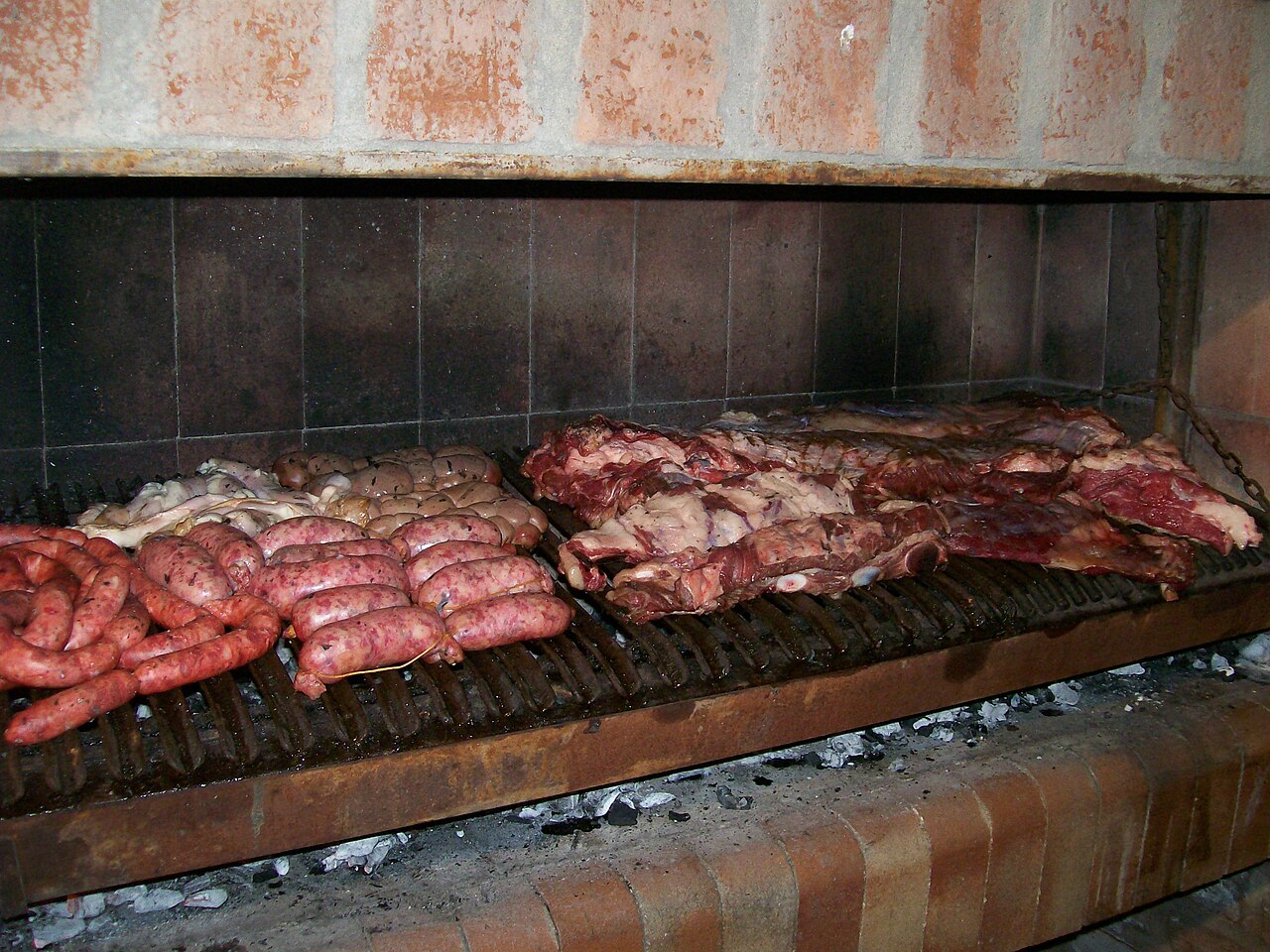
The Argentine barbecue, and a social event as much as a meal. Beef ribs, steaks, chorizo sausages, black pudding (morcilla) and other cuts are cooked slowly over wood embers on a grill called a parrilla. The person in charge of the fire is the asador, and the meal can last all afternoon.
In Argentina, the word asado also means the long strip of beef ribs that is the star of the grill.
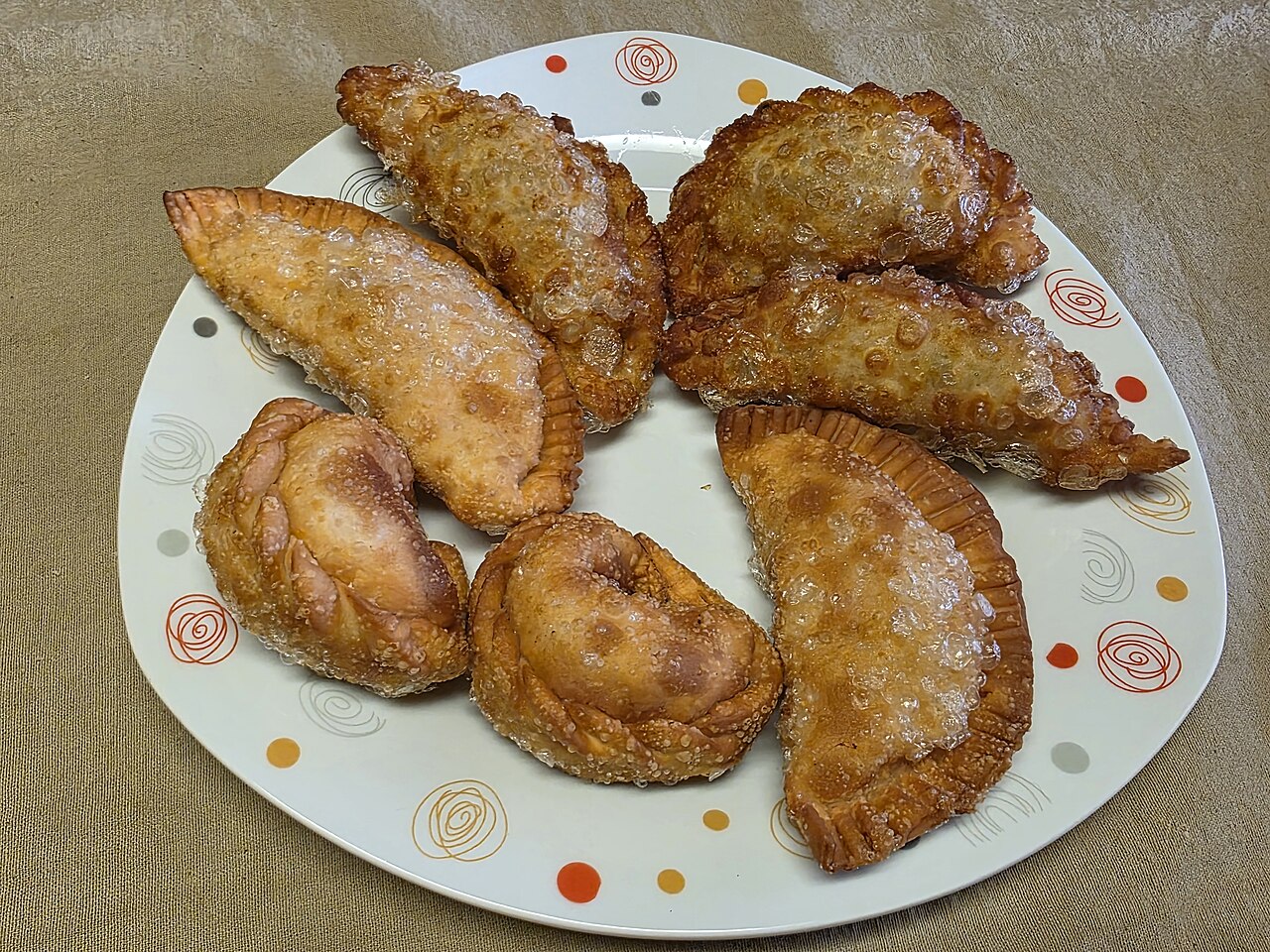
Half-moon pastries with a savoury filling, baked or fried and eaten with your hands. In Salta they are small, juicy and spicy, with potato; in Tucumán they are often made with beef cut by knife; in La Rioja the filling can include egg, olives and raisins. Each filling has its own pattern of folds on the edge, the repulgue.
Tucumán province holds a National Empanada Festival every year in the town of Famaillá.
See the recipe
Serves 6
1 h 30 min
Ingredients
12 ready-made empanada pastry discs (tapas para empanadas), about 12 cm across
400 g beef mince or finely chopped beef
2 onions, finely chopped
1 red pepper, finely chopped
2 spring onions, chopped
1 teaspoon sweet paprika and 1 teaspoon ground cumin
Half a teaspoon of chilli flakes (optional)
2 hard-boiled eggs, chopped, and a handful of green olives, chopped
2 tablespoons oil, salt, and 1 beaten egg to glaze
Method
Fry the onions and pepper in the oil over a low heat for 10 minutes until soft.
Add the beef, paprika, cumin, chilli and salt and cook, stirring, until the meat is browned all through. Stir in the spring onions and let the filling cool completely.
Heat the oven to 200°C. Put a spoonful of filling in the middle of each disc, add some chopped egg and olive, and brush the edge with water.
Fold the disc in half and press the edges together, then fold or twist the edge over itself to seal it.
Put the empanadas on a lined tray, brush with beaten egg and bake for 15 to 20 minutes, until golden. Let them cool for a few minutes: the filling is very hot.
The whole country, especially at football matches and street stalls
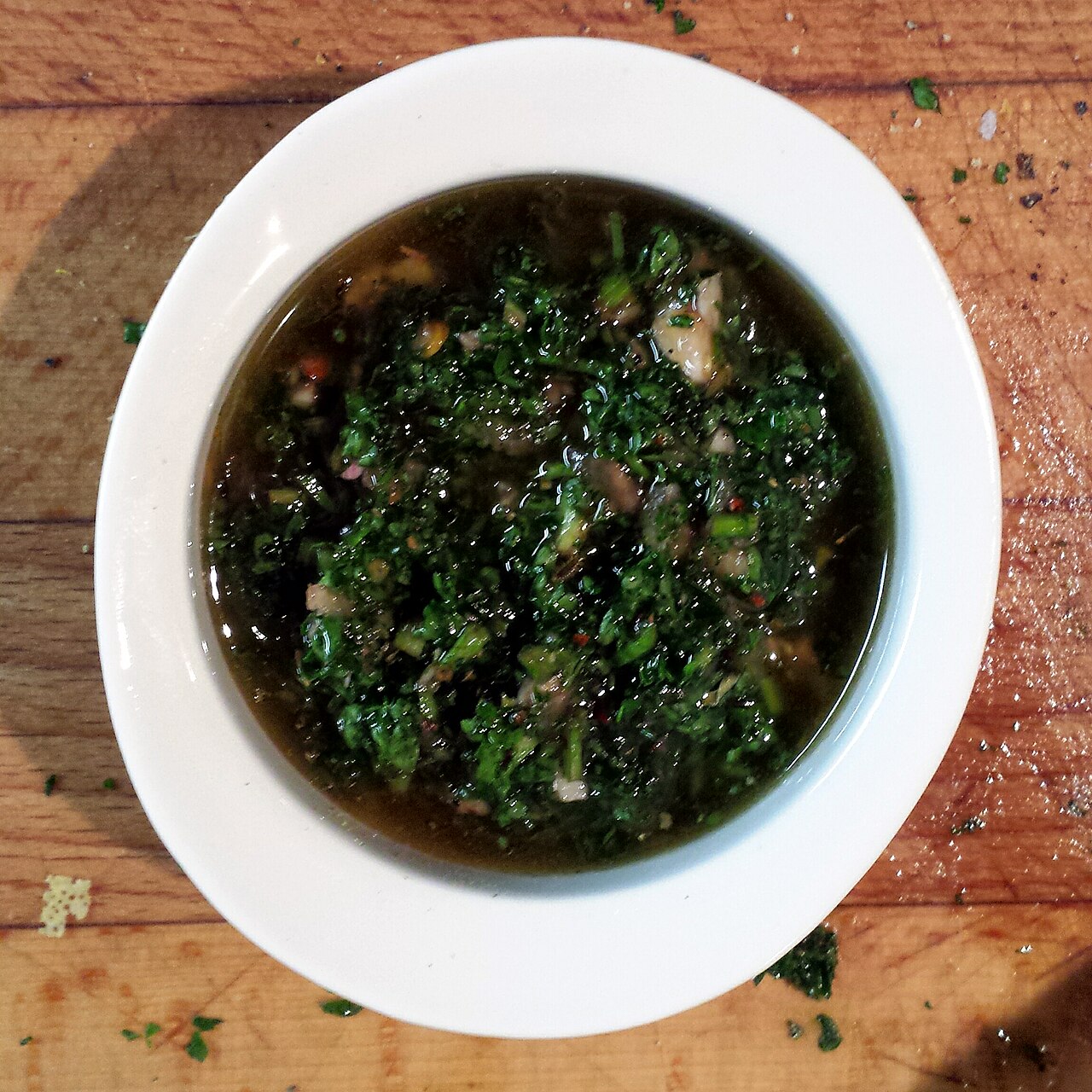
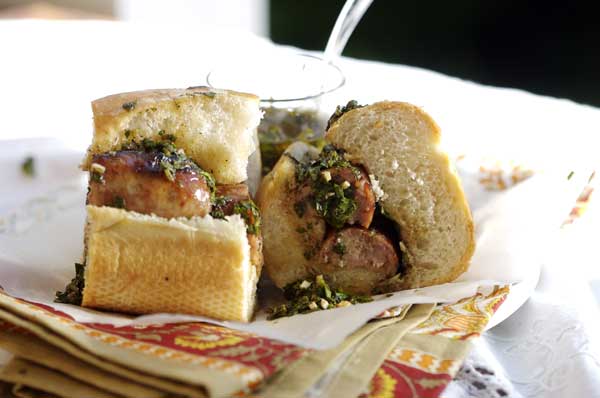
A grilled chorizo sausage of beef and pork, split open and served in a crusty roll, usually with chimichurri. It is often the first thing to come off the grill at an asado.
The name joins the two ingredients: chorizo and pan, bread.
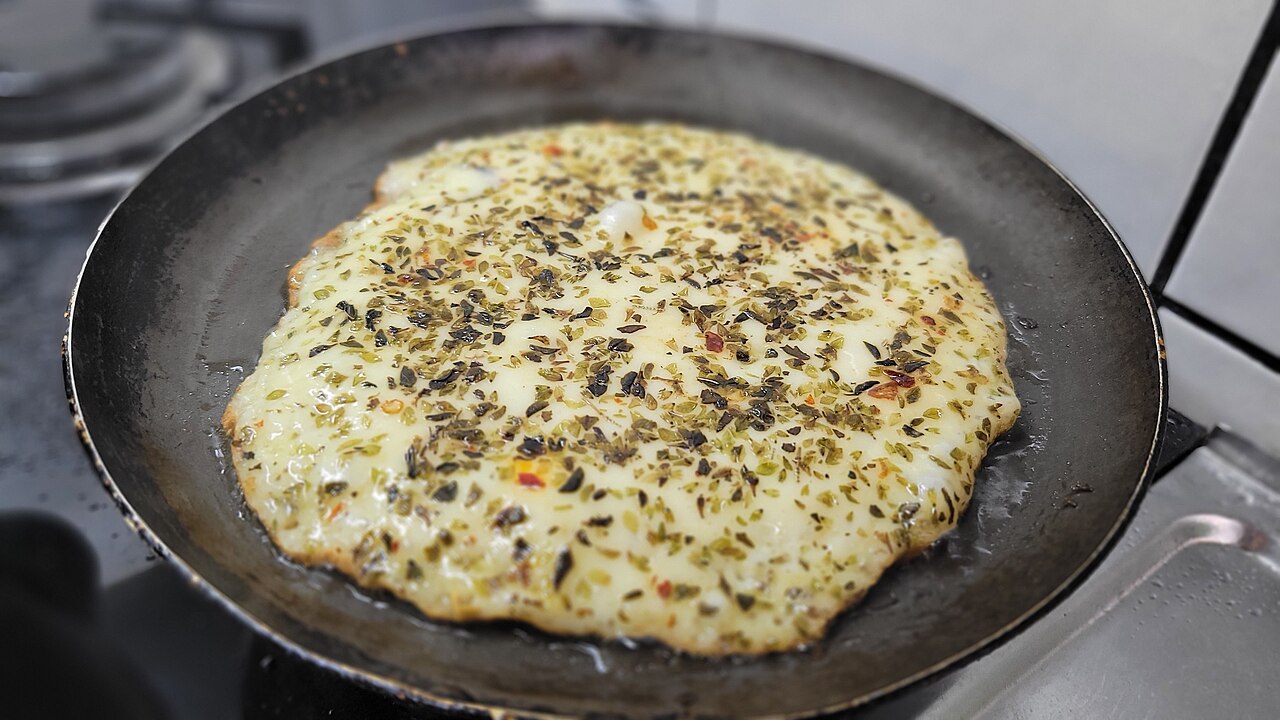
A thick round slice of provolone-style cheese, grilled until it is crisp outside and soft inside, then sprinkled with oregano and chilli. It is a favourite starter at an asado.
Provoleta is an Argentine cheese in its own right, made in small discs about 10 to 15 cm across, firm enough to keep its shape on the grill. It was first made in the 1940s by Natalio Alba, a Calabrian immigrant in Córdoba.
See the recipe
Serves 4
15 min
Ingredients
1 round of provoleta or firm provolone cheese, about 1.5 to 2 cm thick (about 250 g)
1 teaspoon dried oregano
A pinch of chilli flakes
1 tablespoon olive oil
Bread, to serve
Method
Put the cheese in the freezer for 20 minutes so it holds its shape.
Heat a small cast-iron pan or a grill over a medium-high heat.
Brush the cheese with a little oil and cook it for 3 to 4 minutes, until the bottom is golden. Turn it carefully and cook for another 2 minutes, until the inside is soft.
Slide it onto a plate, sprinkle with oregano, chilli and a drizzle of oil, and eat at once with bread.
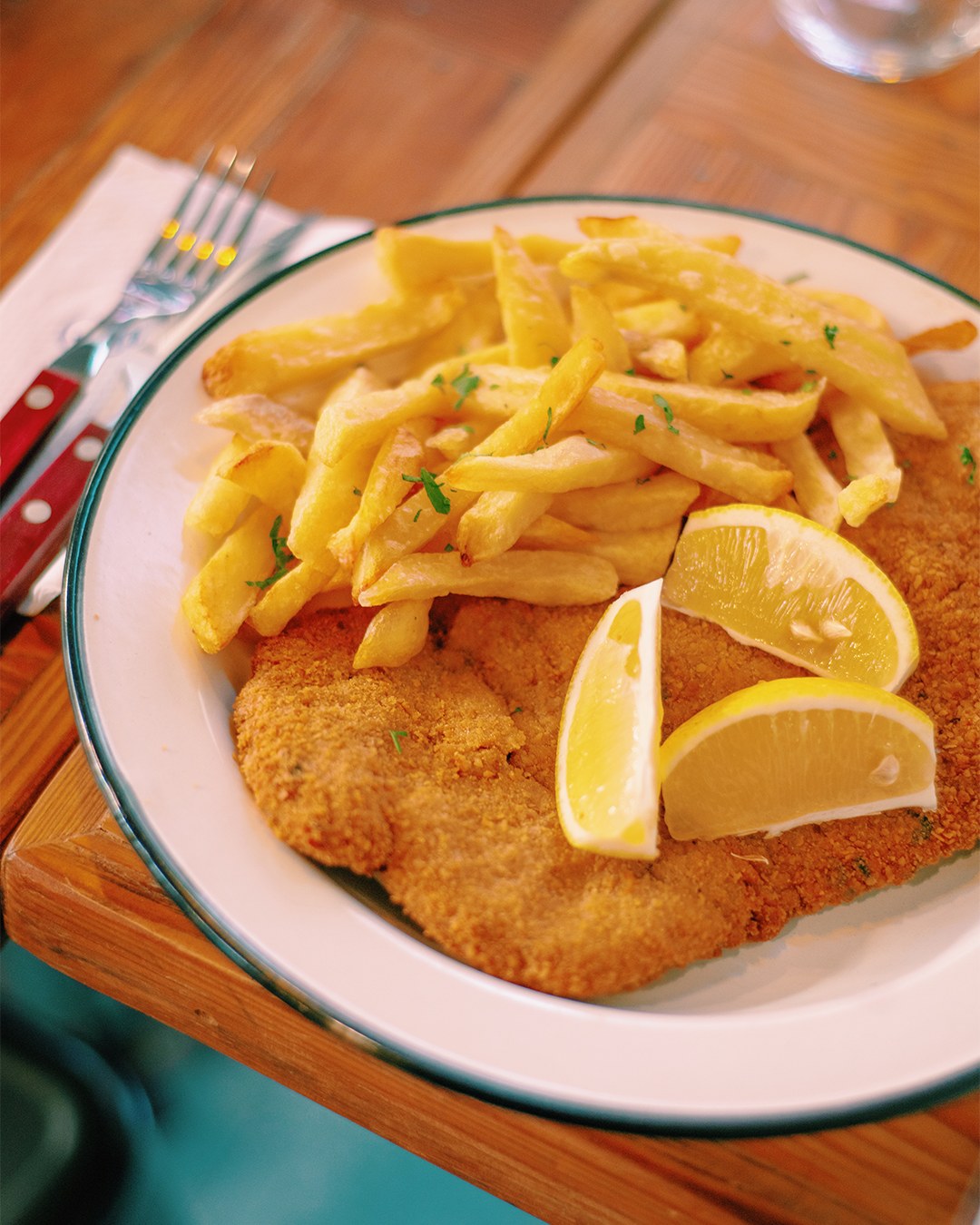
A thin slice of beef or chicken, dipped in egg and breadcrumbs and fried or baked. It is one of the most common home meals in Argentina, served with chips, mashed potatoes or salad, or in a sandwich.
The milanesa napolitana, topped with tomato sauce, ham and melted cheese, was invented in Buenos Aires, not Naples. According to a popular story, a cook in the 1940s covered a burnt milanesa to save it.
See the recipe
Serves 4
40 min
Ingredients
4 thin slices of beef topside or chicken breast, about 150 g each, flattened
2 eggs
1 garlic clove, crushed, and a tablespoon of chopped parsley
About 150 g dry breadcrumbs
Salt and pepper
Oil for frying
Lemon wedges, to serve
Method
Beat the eggs in a shallow dish with the garlic, parsley, salt and pepper.
Dip each slice of meat in the egg, then press it firmly into the breadcrumbs on both sides.
Heat about 1 cm of oil in a large frying pan. Fry the milanesas for 3 to 4 minutes on each side, until golden and cooked through. Chicken must have no pink inside.
Drain on kitchen paper and serve hot with lemon wedges, mashed potatoes or salad.
The northwest, especially Salta, Jujuy and Tucumán
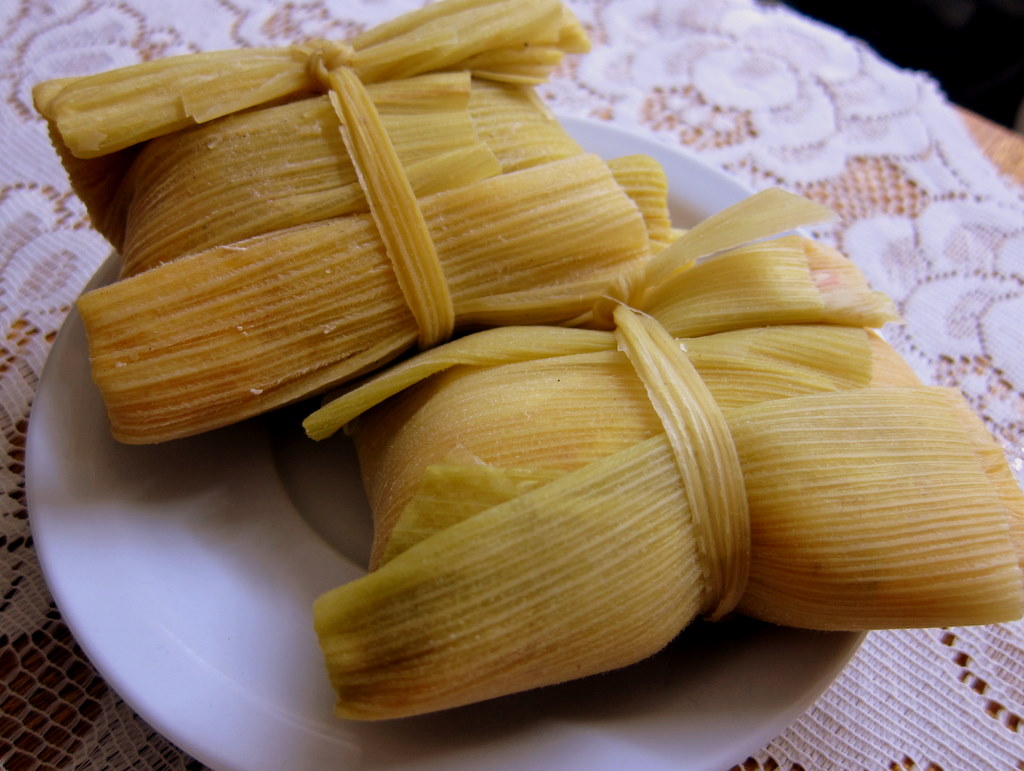
Fresh sweetcorn, grated to a cream and cooked with onion, squash, spices and sometimes cheese. It is eaten from a pot (humita a la olla) or wrapped and steamed in corn husks (humita en chala).
Humitas go back to before the Spanish arrived, and similar dishes are made in Peru, Bolivia, Chile and Ecuador.
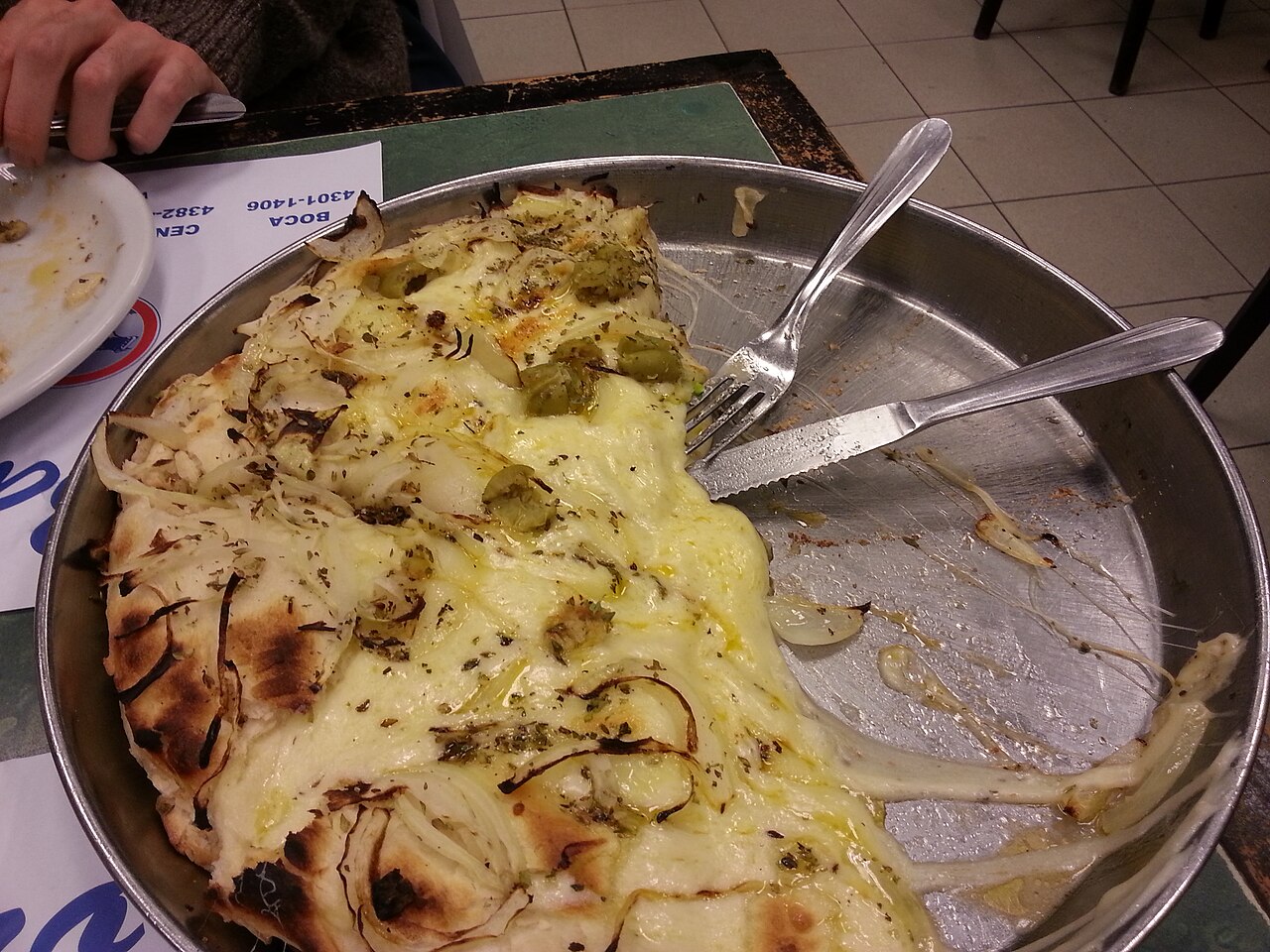
An Argentine pizza with a thick, soft base topped with lots of onion and sometimes olives. The version with cheese, fugazza con queso, is a Buenos Aires favourite.
It is believed to have been created in the La Boca neighbourhood by Juan Banchero, the son of a baker from Genoa. The name comes from the Genoese word fugassa, focaccia.
The Río de la Plata region; Argentina and Uruguay both call it their own
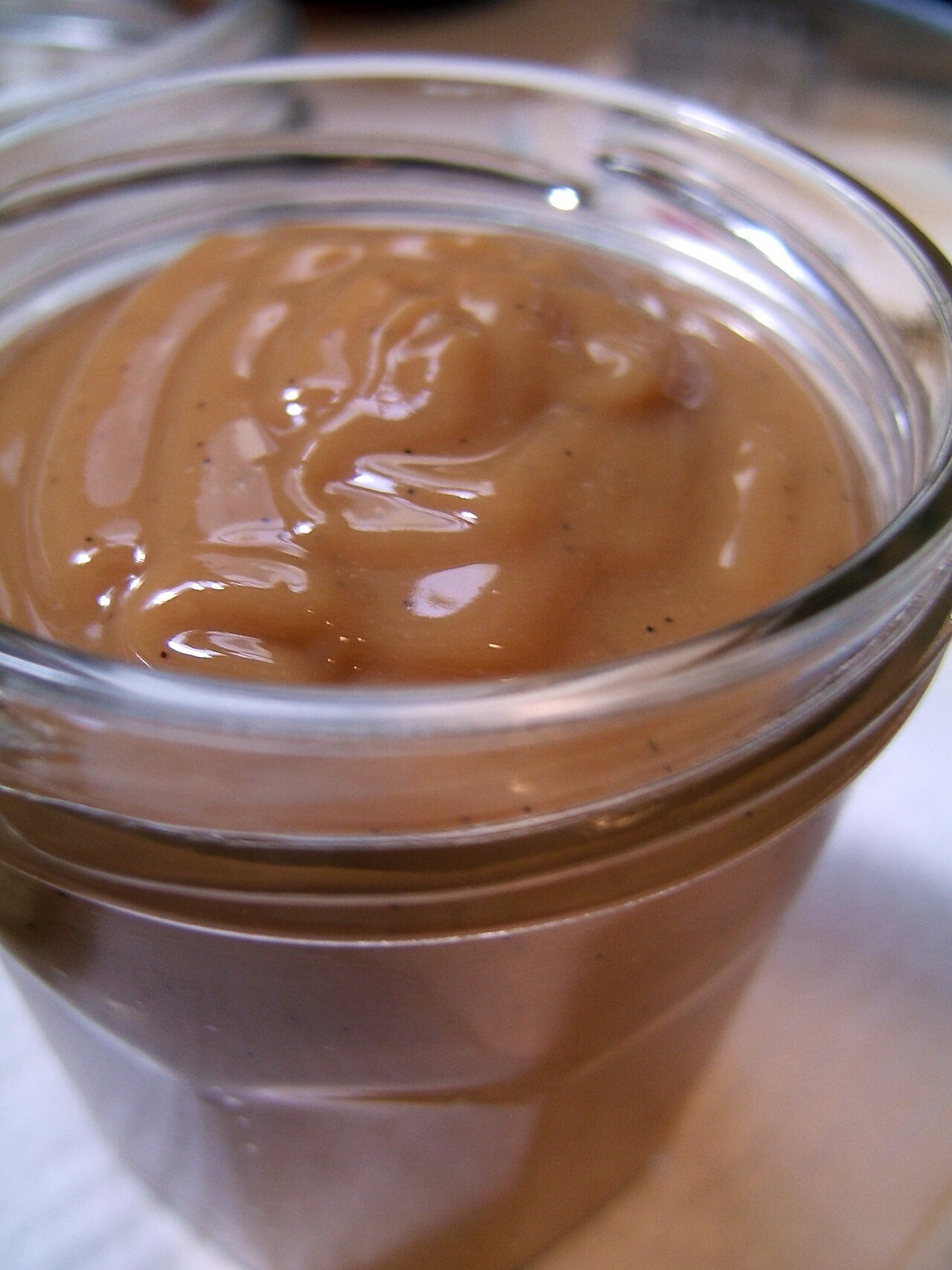
A thick, sweet spread made by slowly cooking milk and sugar until it turns a deep caramel brown. Argentines spread it on toast, fill cakes, pancakes and pastries with it, and eat it with ice cream.
Where it was first made is a matter of friendly dispute: Argentina, Uruguay and other countries all have their stories, and none holds a protected designation of origin. International Dulce de Leche Day is celebrated on 11 October.
Brought from Spain; the Argentine version is now its own classic
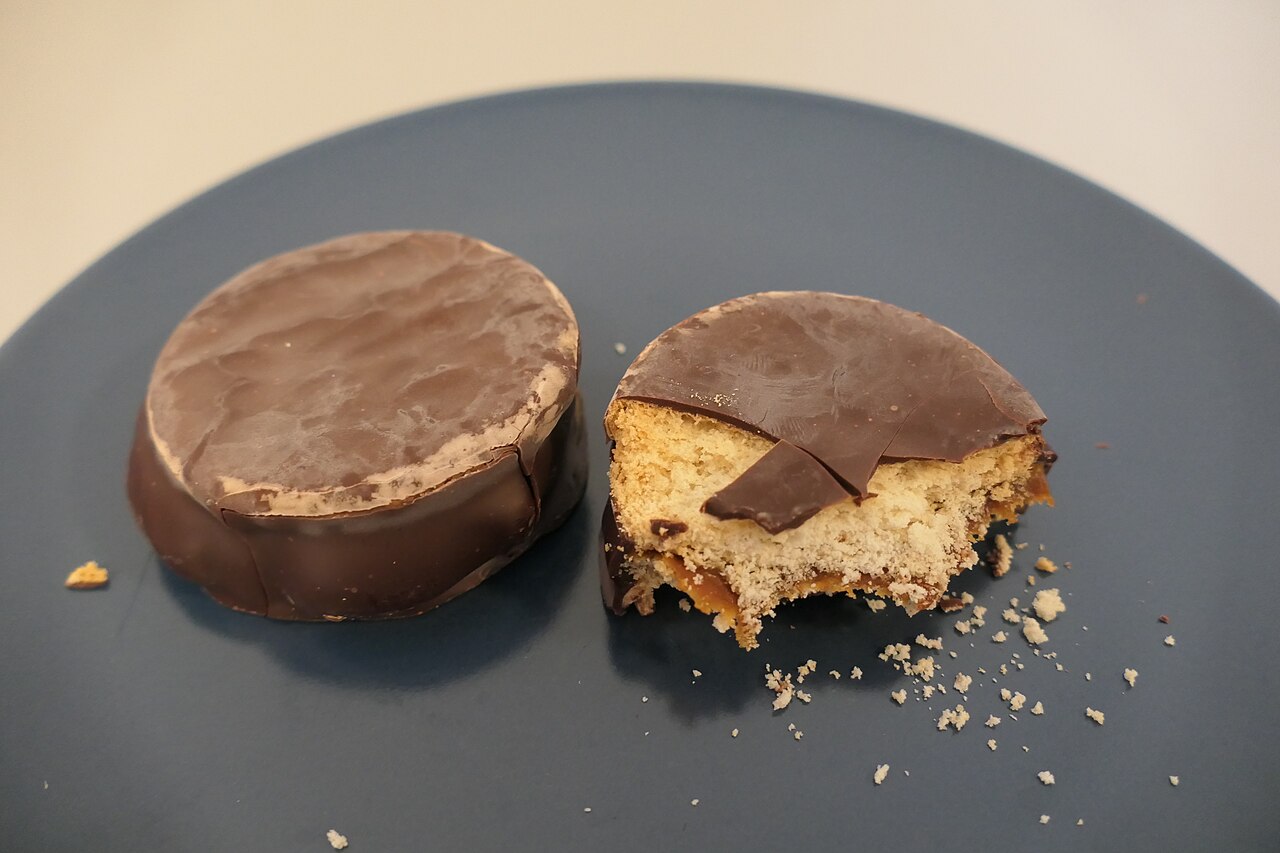
Two soft round biscuits sandwiched with dulce de leche. Some are dipped in chocolate; the homemade alfajores de maicena are made with cornflour and rolled in coconut at the edges.
The alfajor came to Spain in the time of al-Andalus, and Argentines are among the biggest alfajor eaters in the world: about 6 million a day, according to figures from 2021.
See the recipe
Serves 12
1 h
Ingredients
200 g cornflour (cornstarch)
100 g plain flour
1 teaspoon baking powder
100 g soft butter
80 g caster sugar
2 egg yolks
1 teaspoon vanilla extract and the grated zest of 1 lemon
About 250 g dulce de leche
Desiccated coconut, for the edges
Method
Beat the butter and sugar until pale, then beat in the egg yolks, vanilla and lemon zest.
Sift in the cornflour, flour and baking powder and mix to a soft dough. Wrap it and chill it for 30 minutes.
Heat the oven to 170°C. Roll the dough out to about 5 mm thick and cut rounds about 5 cm across.
Bake on a lined tray for 10 to 12 minutes. They should stay pale. Let them cool completely: they are fragile while warm.
Spread dulce de leche on half the biscuits, cover with the rest and roll the edges in coconut.
The Guaraní peoples of today's Paraguay, northeastern Argentina and southern Brazil
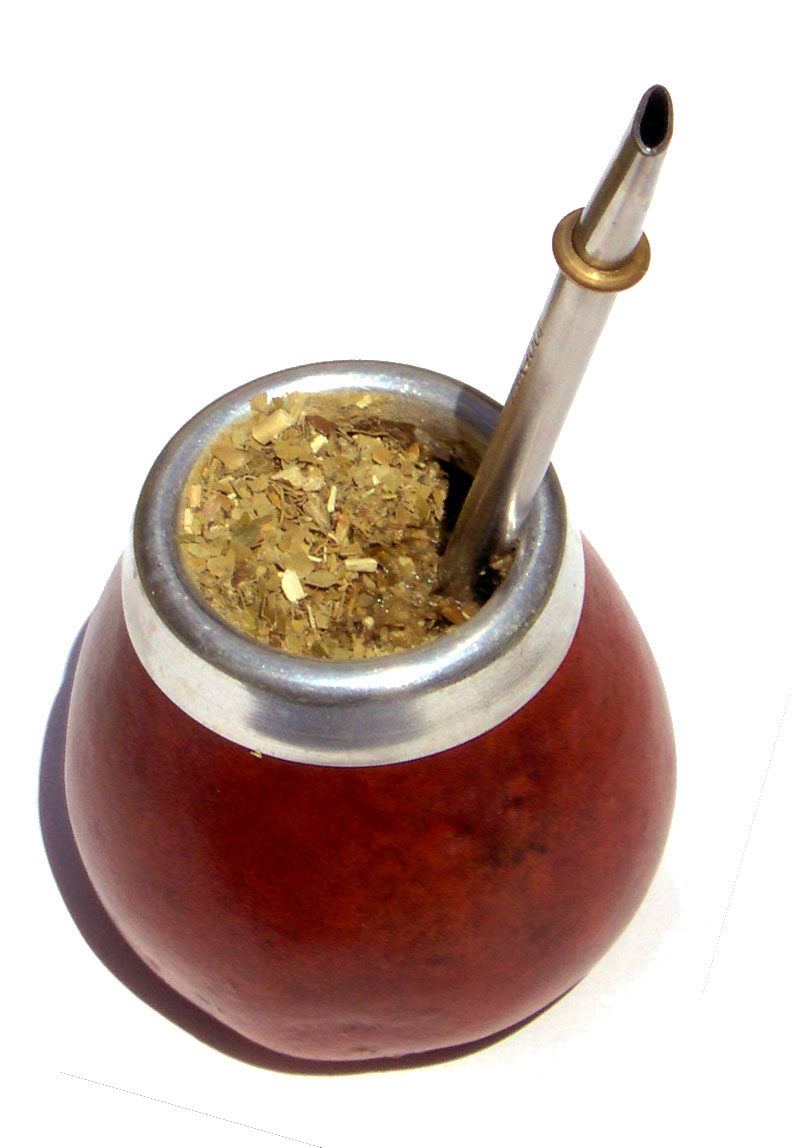
An infusion of dried yerba mate leaves, drunk hot through a metal straw called a bombilla from a gourd, also called a mate. It contains caffeine and has a strong, bitter taste. One person, the cebador, fills the gourd with hot water again and again and passes it round the group. Let the water cool a little: very hot drinks are bad for the throat.
In 2013 a national law declared mate Argentina's national infusion.
Mendoza and the other wine regions along the Andes
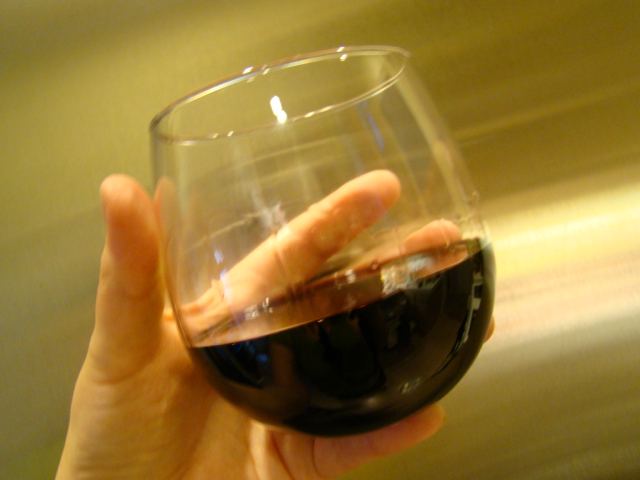
A deep red wine made from the Malbec grape, which came from southwest France in the 1800s. In the sunny valleys of Mendoza it became Argentina's most planted red grape and its best-known wine. It contains alcohol.
World Malbec Day is celebrated every year on 17 April. It was started in 2011 by Wines of Argentina.
Table manners
Dinner is late. In Buenos Aires many restaurants serve dinner from about 8 in the evening, and the busiest time is from about half past nine.
At an asado, the asador is the star. It is polite to thank and praise the cook before the meal is over.
If you are offered mate, drink the whole gourd through the straw and hand it back to the person serving. Do not stir the straw, and only say 'gracias' when you have had enough: it means 'no more for me'.
Waiters do not bring the bill until you ask. Say 'La cuenta, por favor'.
The 'cubierto' on the bill is a cover charge for bread and table service. It is not a tip.
A tip of about 10 percent is usual for good service. Leave it in cash if you can, because card machines often have no space for a tip.
Argentina's cities are spread across a huge country. Buenos Aires sits on the Río de la Plata in the east; colonial cities line the old road to Peru in the northwest; wine country lies at the foot of the Andes; and Patagonian towns sit beside lakes, glaciers and the southern seas.
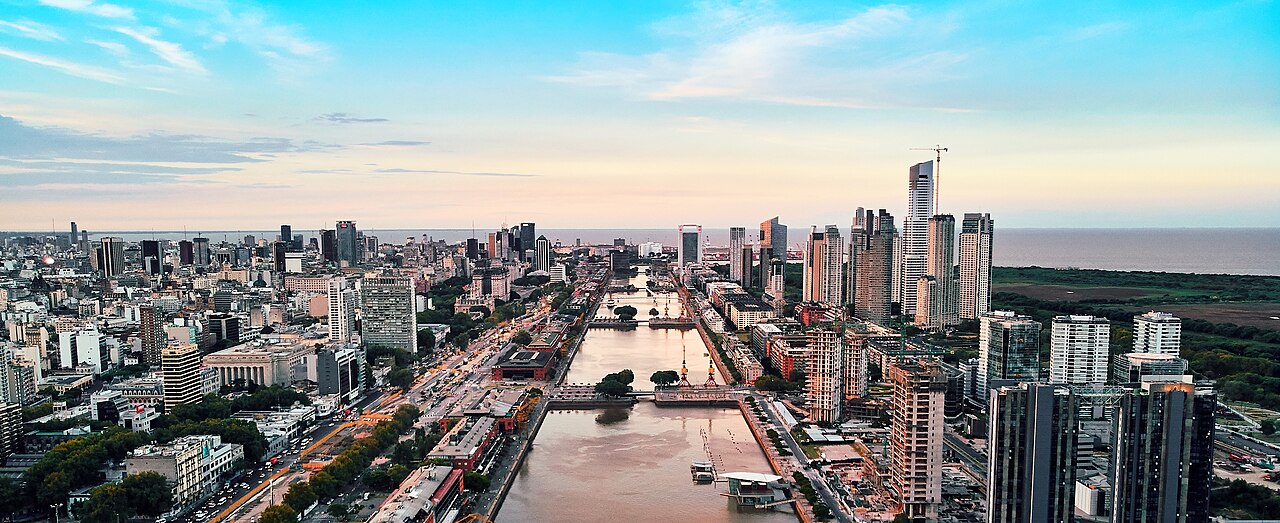
The capital and by far the largest city, on the Río de la Plata. About 3 million people live in the city itself and more than 16 million in the whole metropolitan area, over a third of all Argentines. People from Buenos Aires are called porteños, 'people of the port'.
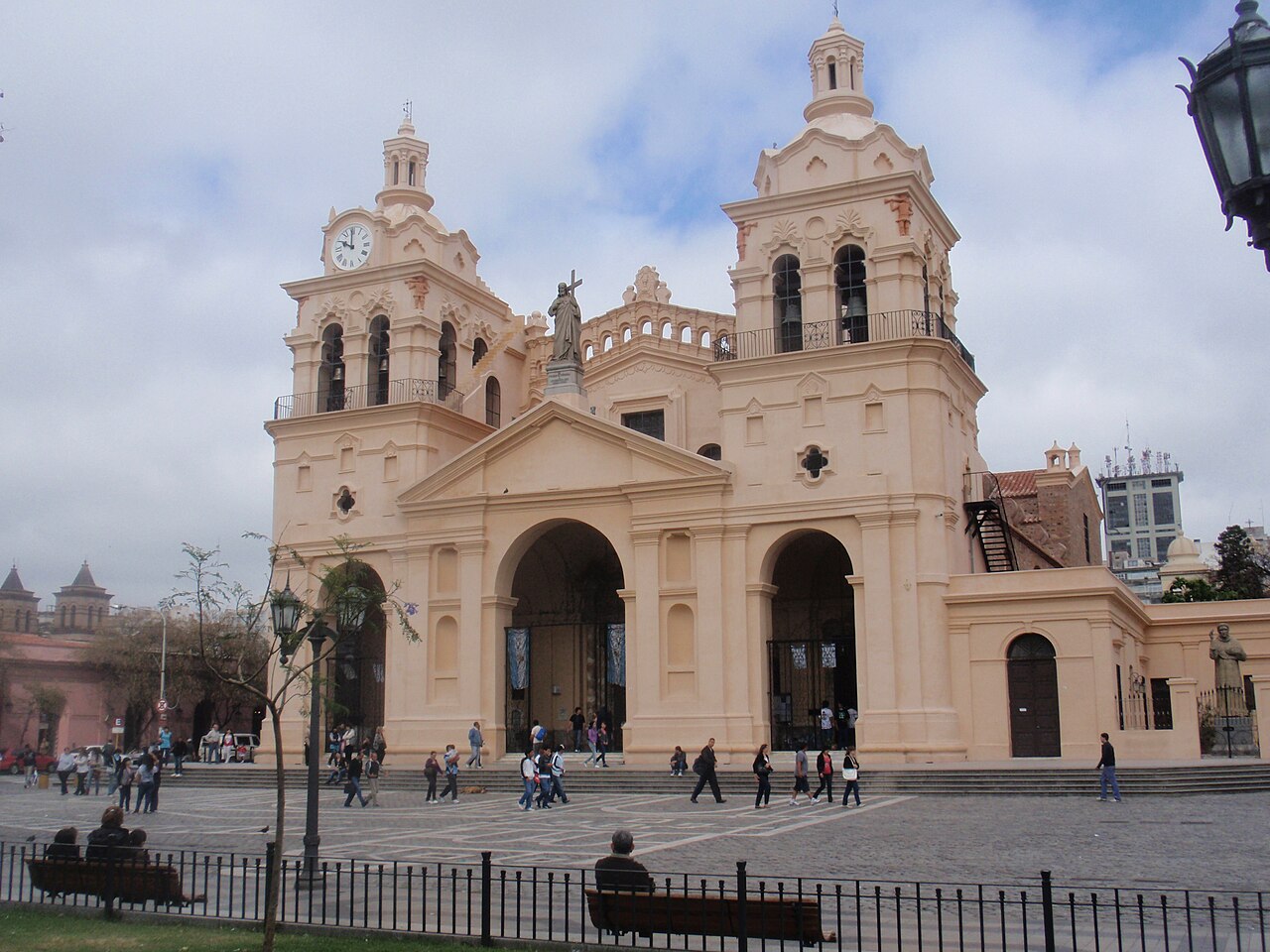
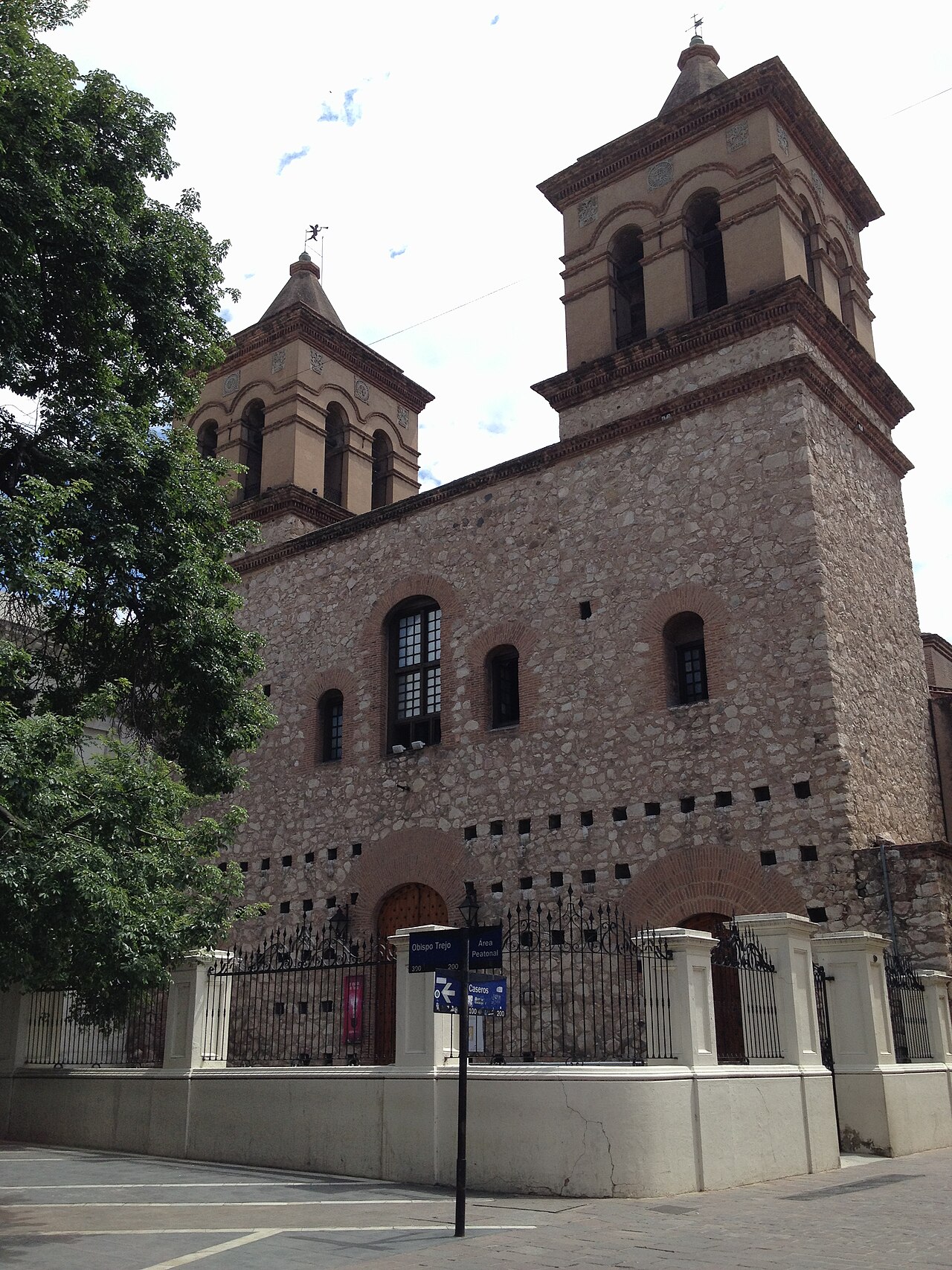
Argentina's second city, in the centre of the country at the foot of the Sierras Chicas hills. It was founded in 1573, and its university, founded by the Jesuits in 1613, is the oldest in the country, which gives the city its nickname La Docta, 'the learned'.
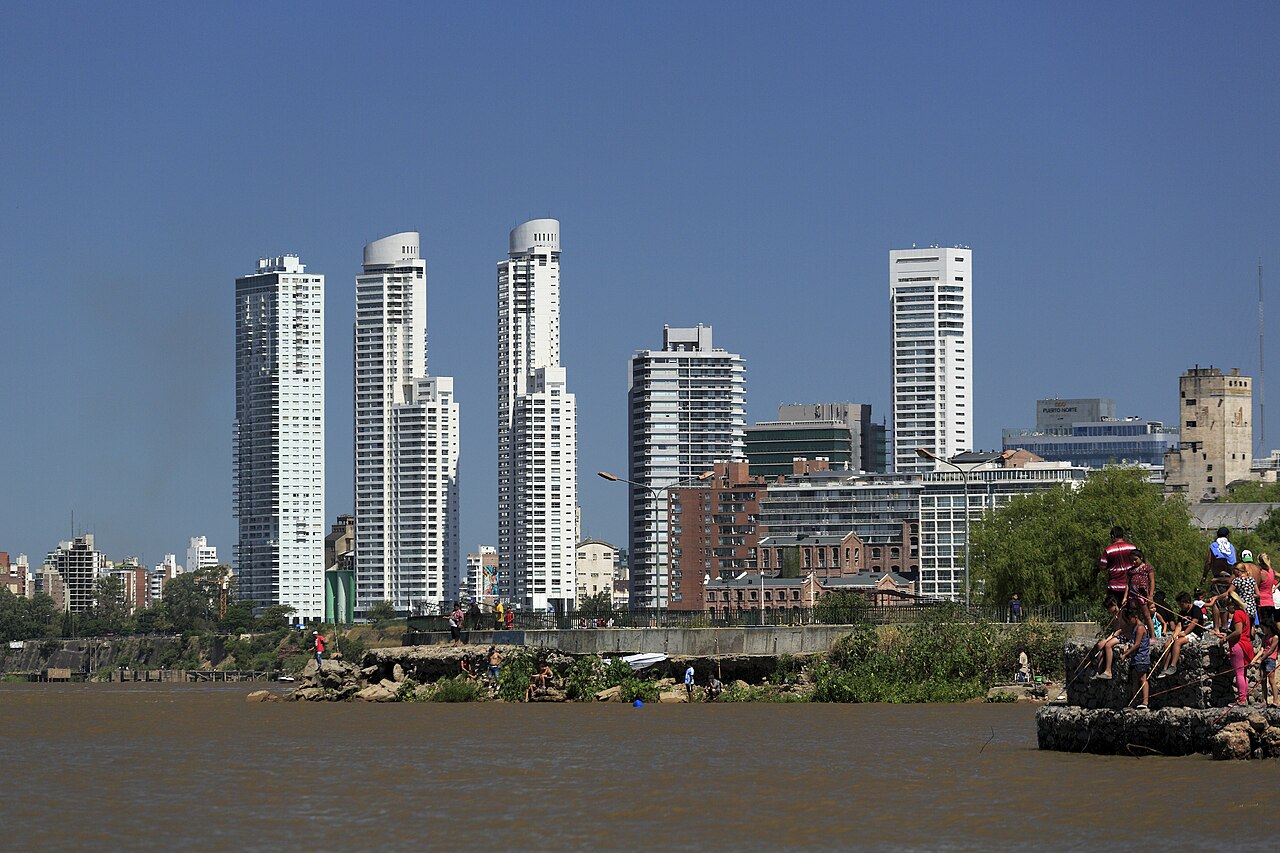
Argentina's third largest city, on the west bank of the Paraná River, about 300 km northwest of Buenos Aires. It is a big river port for grain and the birthplace of the footballer Lionel Messi.
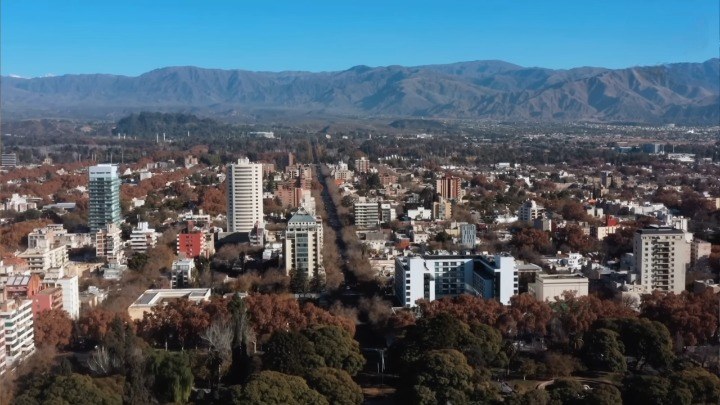
A green city of tree-lined streets and irrigation channels at the foot of the Andes, and the heart of the largest wine-producing area in South America. It is the starting point for trips to Aconcagua and the mountain road to Chile.
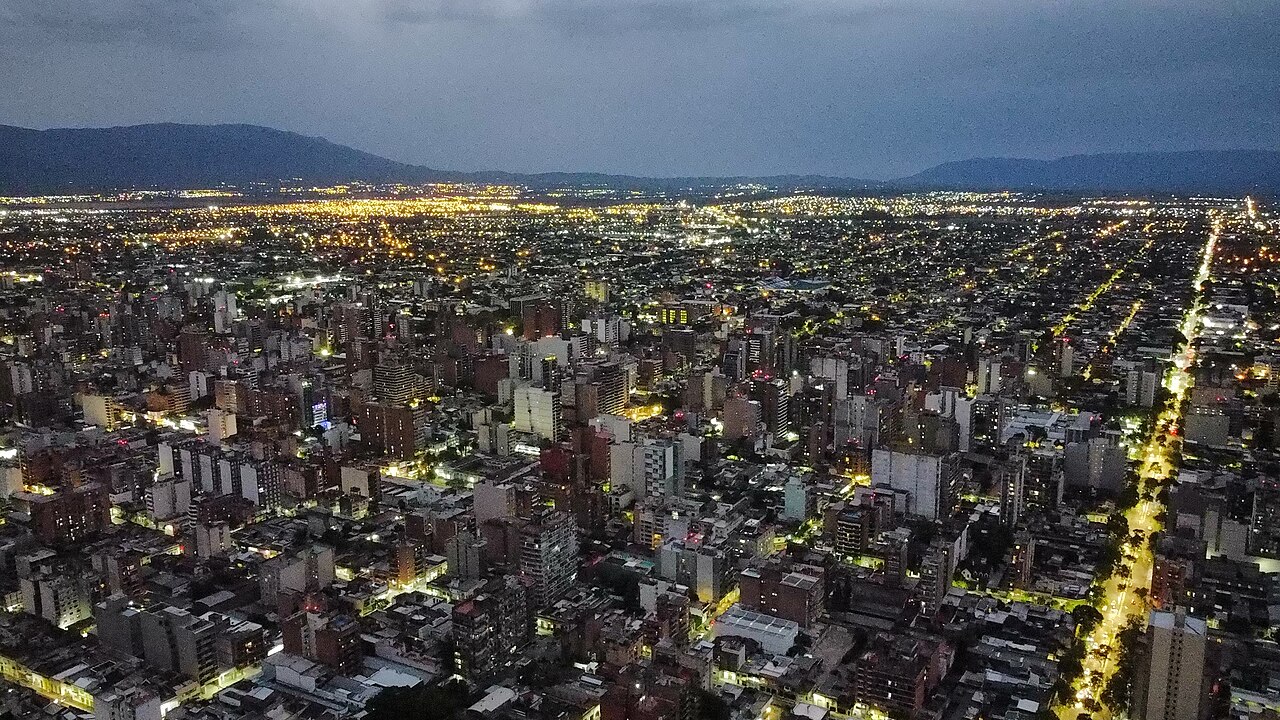
The largest city of the north, usually just called Tucumán. It was here, on 9 July 1816, that a congress declared Argentina's independence. The surrounding province grows so much sugar cane and fruit that it is called the 'Garden of the Republic'.
The House of Tucumán, where independence was declared
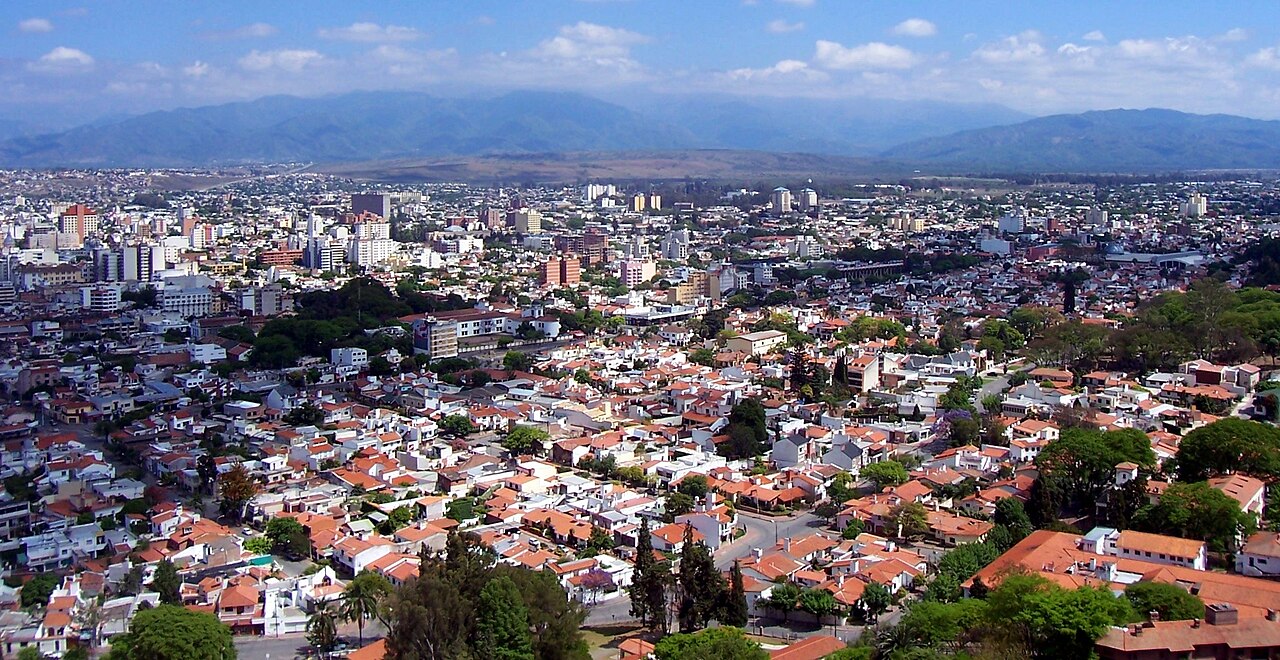
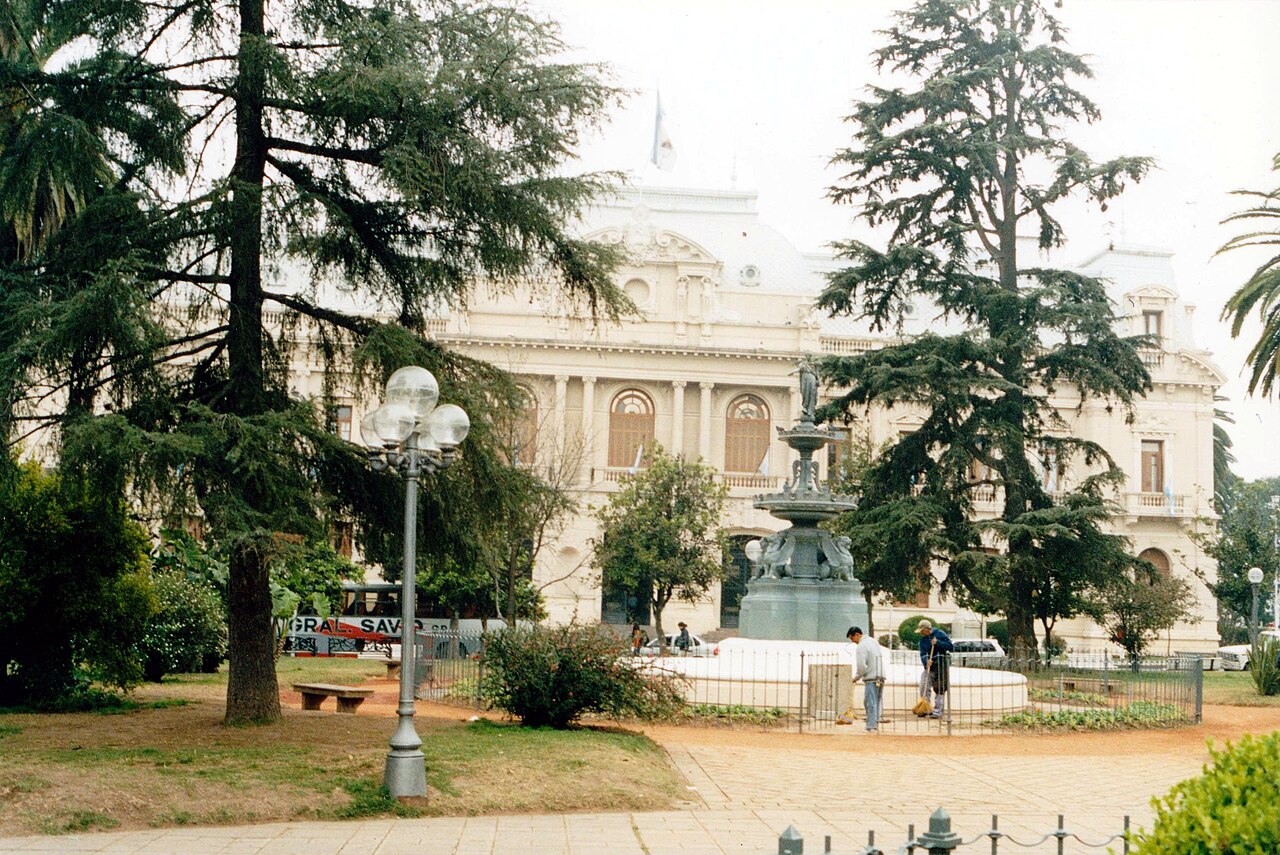
An elegant colonial city in a green valley of the northwest, founded in 1582 on the route between Lima and Buenos Aires. Around its main square stand the cathedral, the old colonial town hall (the cabildo) and museums.
Colonial buildings around the 9 de Julio square
Small, spicy empanadas salteñas
The Train to the Clouds, reached by bus from the city
The capital of Jujuy province, in the far northwest, where wooded hills meet the lowlands. It is the gateway to the Quebrada de Humahuaca, a valley of coloured mountains that climbs north toward Bolivia.
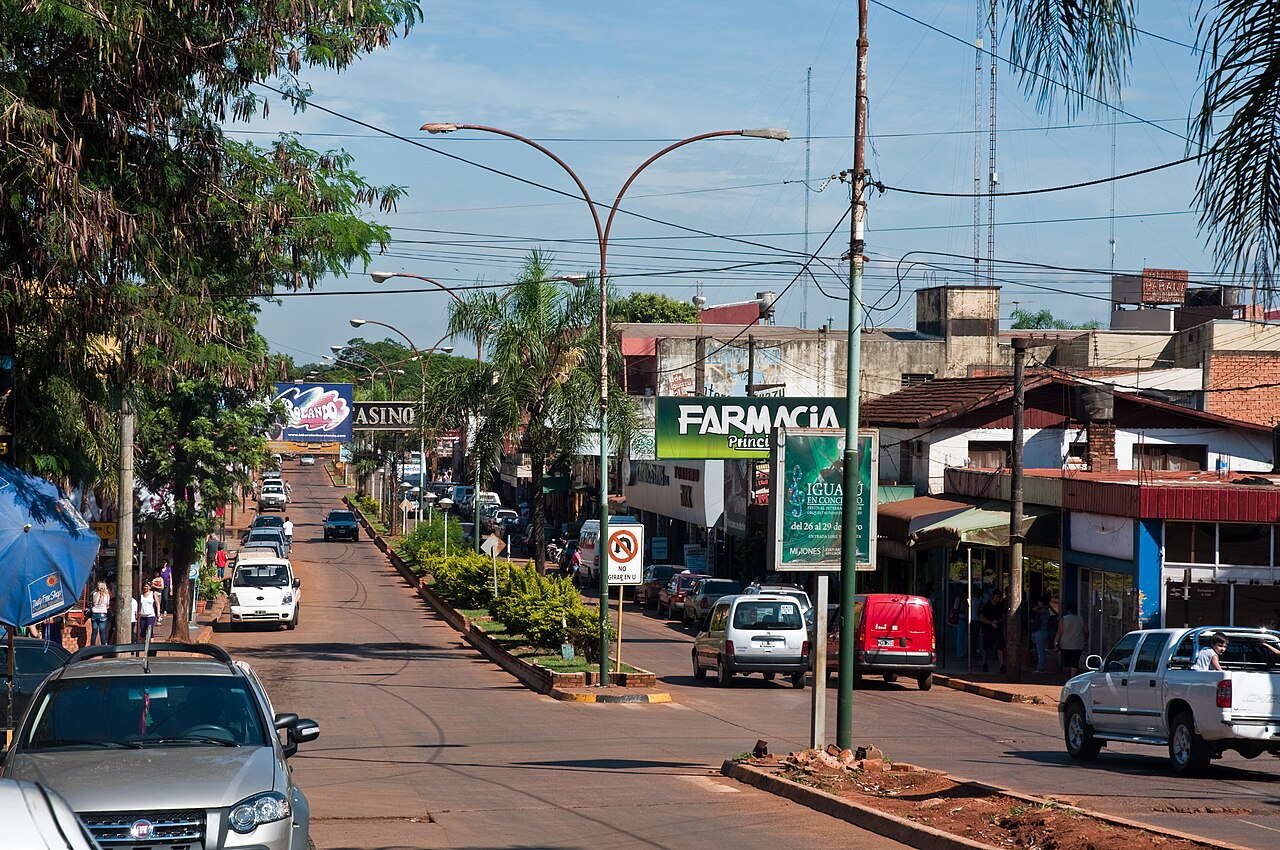
A small town in the subtropical northeast, where the Iguazú and Paraná rivers meet and Argentina, Brazil and Paraguay touch. The Iguazú Falls are about 18 km away, and most of the town lives from tourism.
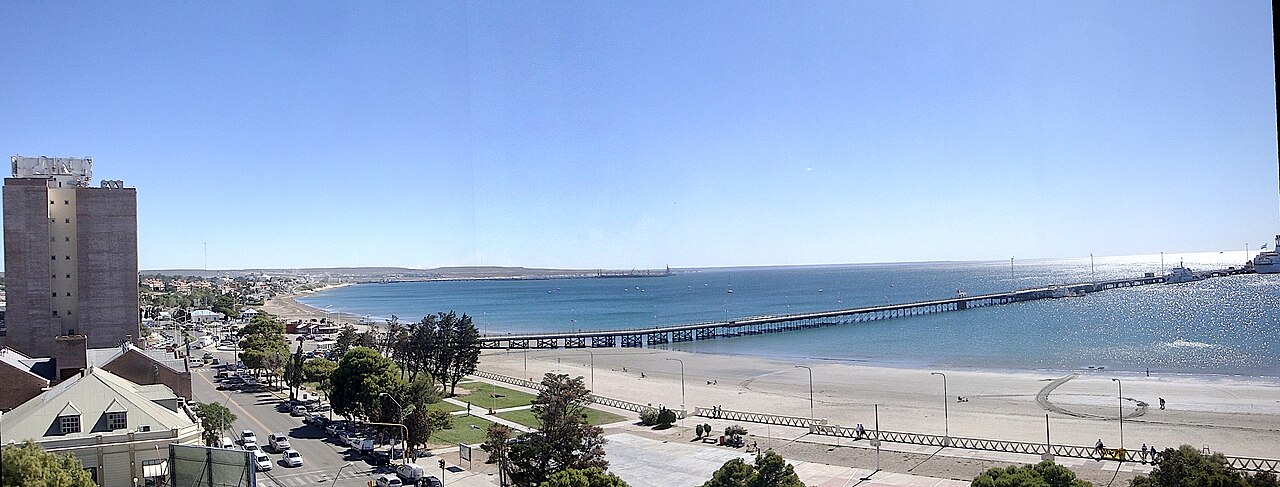
A seaside city in Patagonia, on the spot where Welsh settlers landed in 1865; its name comes from a Welsh estate. It is the base for visiting the wildlife of the Valdés Peninsula.
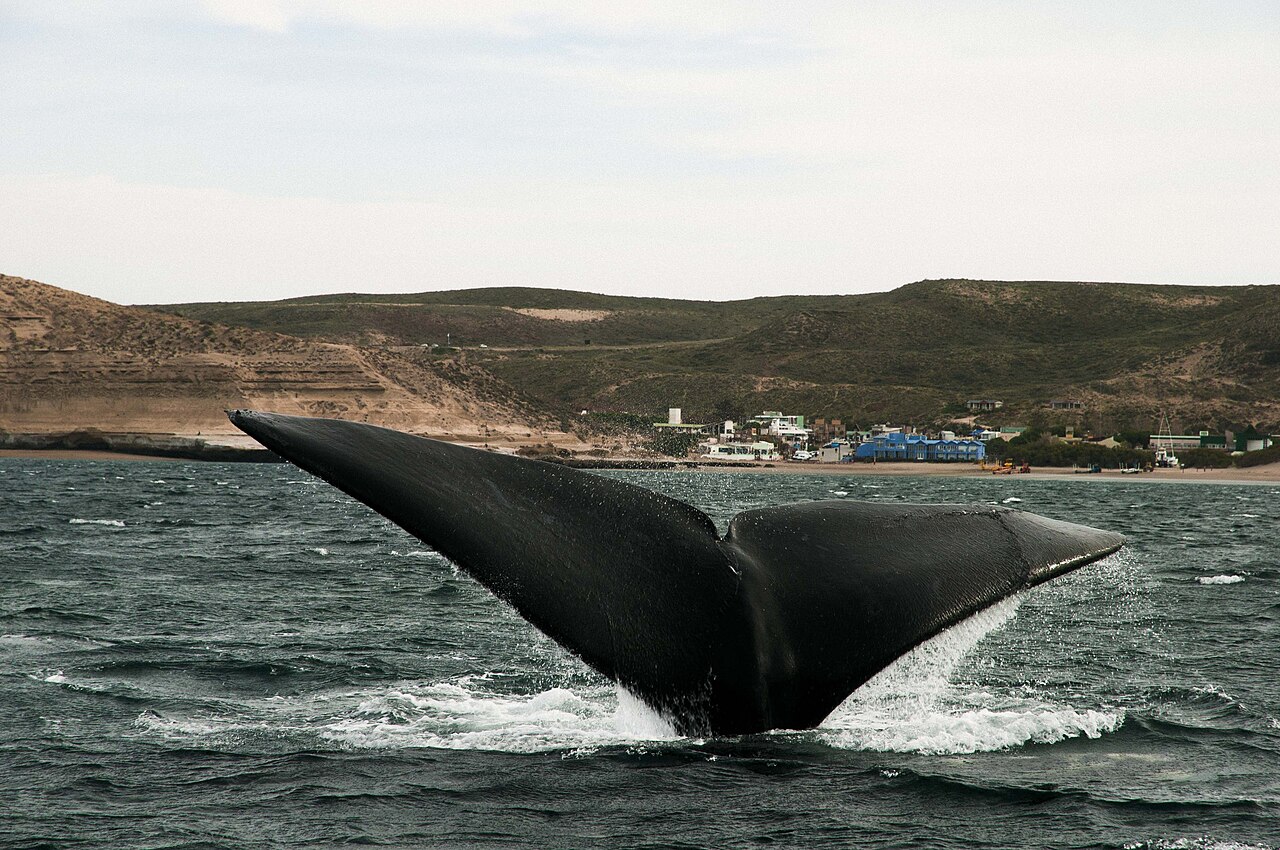
Whale watching
The Valdés Peninsula
Welsh history, and Welsh tea houses in nearby Gaiman
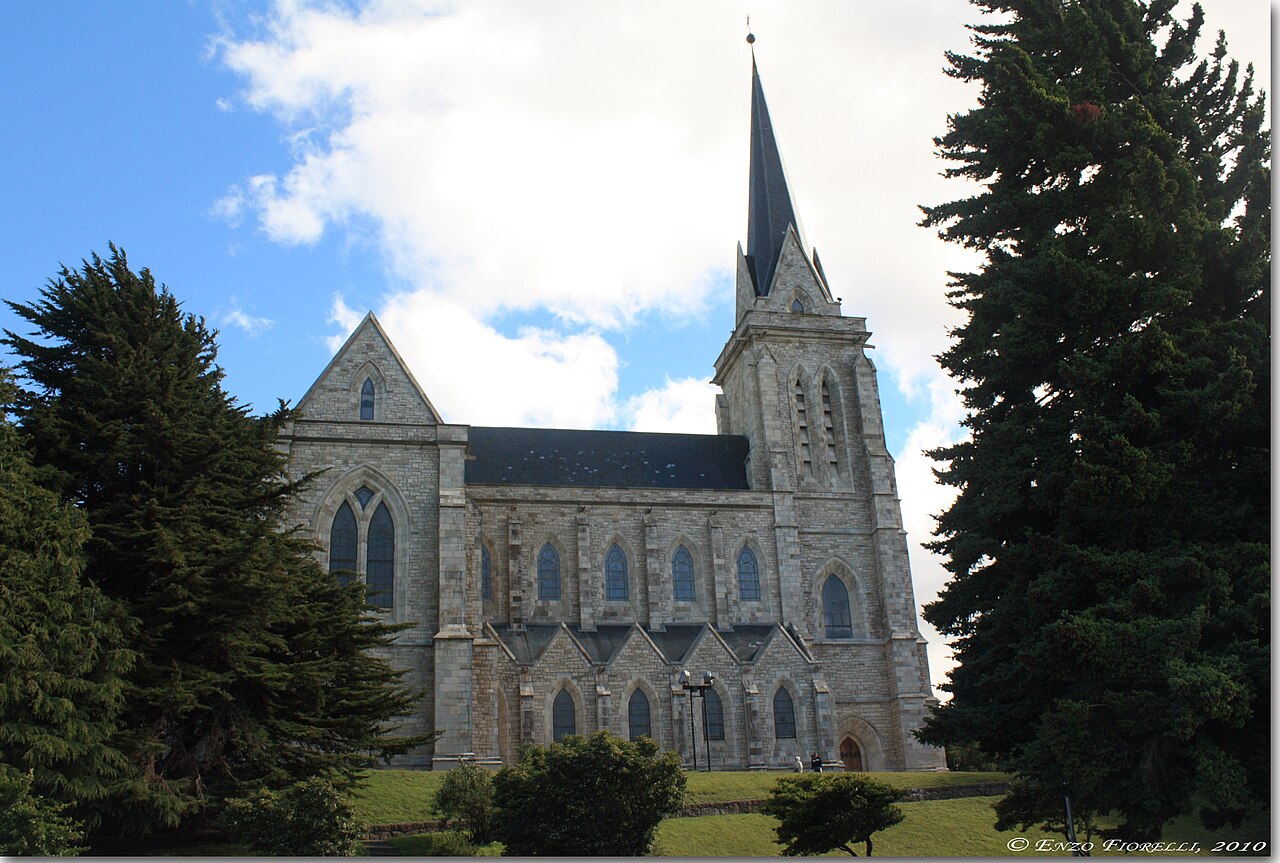
A mountain town on the shore of Nahuel Huapi Lake, in the Patagonian Andes near the border with Chile. With its Swiss-style buildings it is one of Argentina's favourite holiday places, in winter and summer.
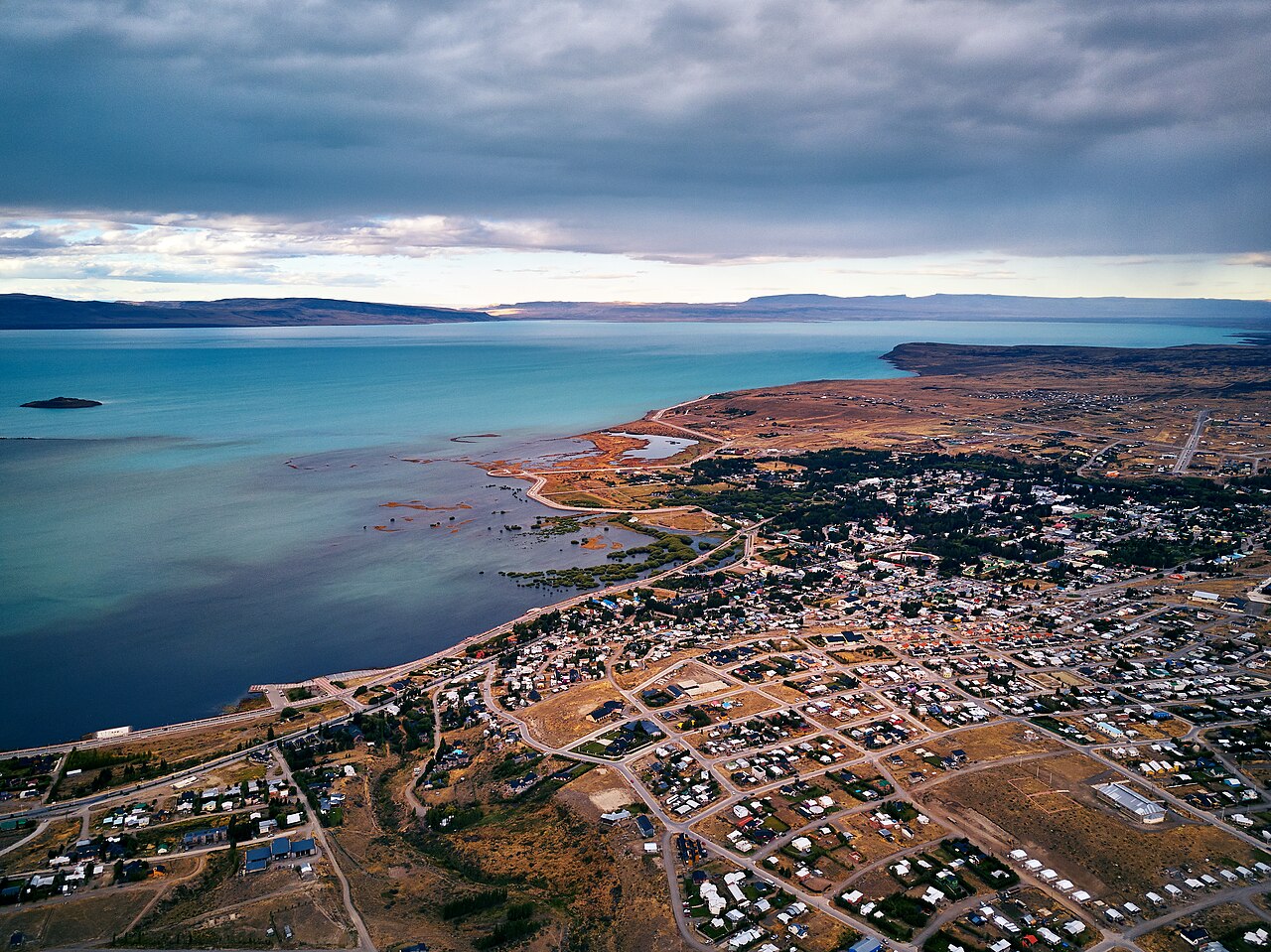
A small town on the shore of Lago Argentino in southern Patagonia, named after a thorny bush with dark-blue berries. It is the base for visiting the Perito Moreno Glacier and Los Glaciares National Park.
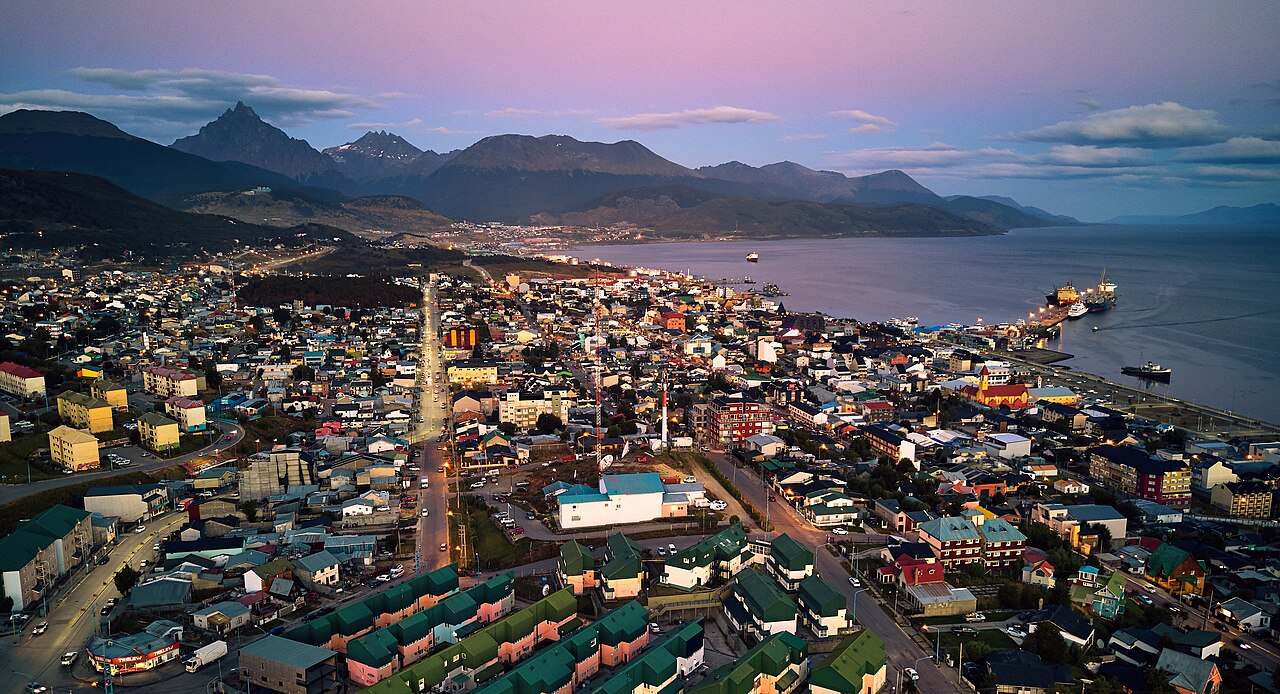
A port on the Beagle Channel, on the island of Tierra del Fuego, between snowy mountains and the sea. It calls itself the southernmost city in the world, and it is one of the main gateways for voyages to Antarctica.
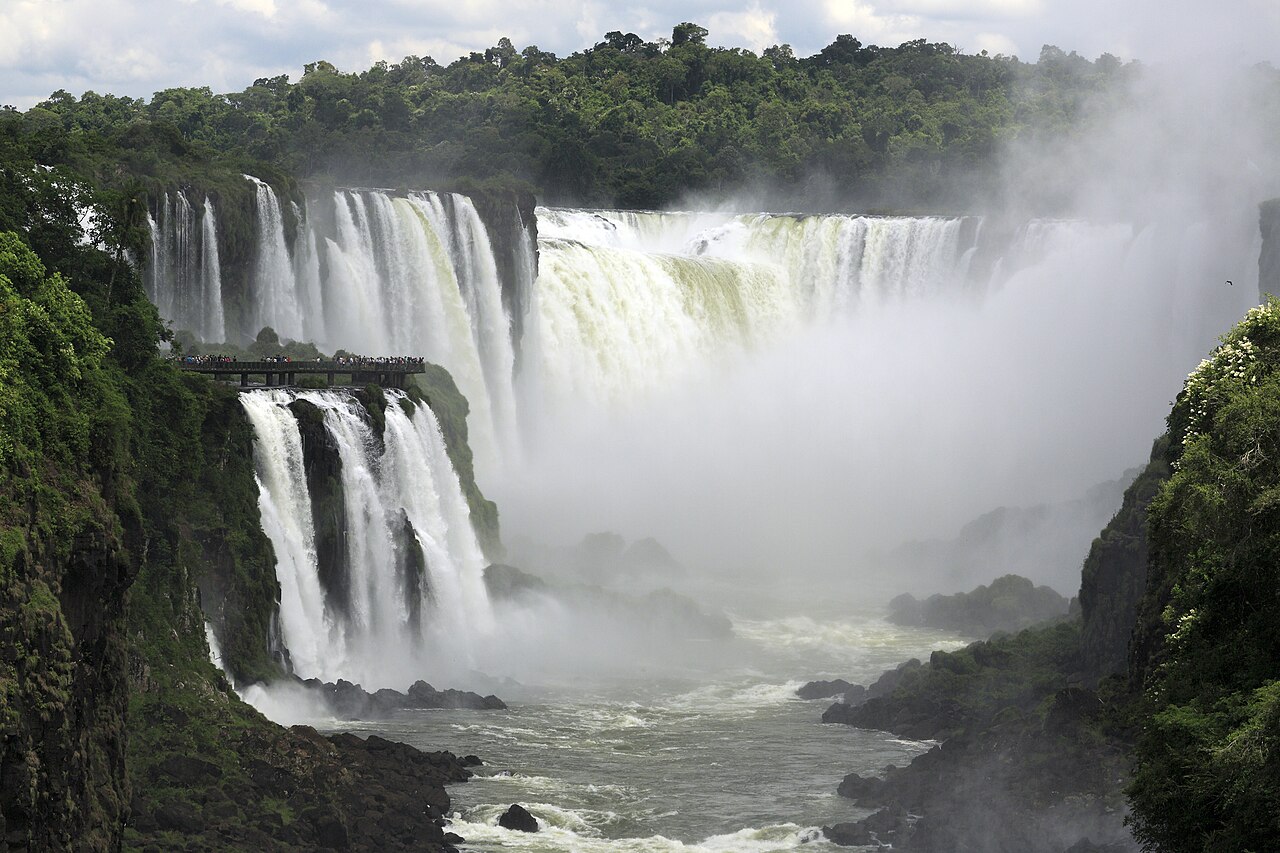
A line of between about 150 and 300 waterfalls, depending on the water level, on the Iguazú River, which forms the border between Argentina and Brazil. About half of the river's water plunges into a narrow chasm called the Devil's Throat (Garganta del Diablo). The falls are shared by two national parks: Argentina's Iguazú National Park, a UNESCO World Heritage Site since 1984, and Brazil's Iguaçu National Park, listed in 1986.
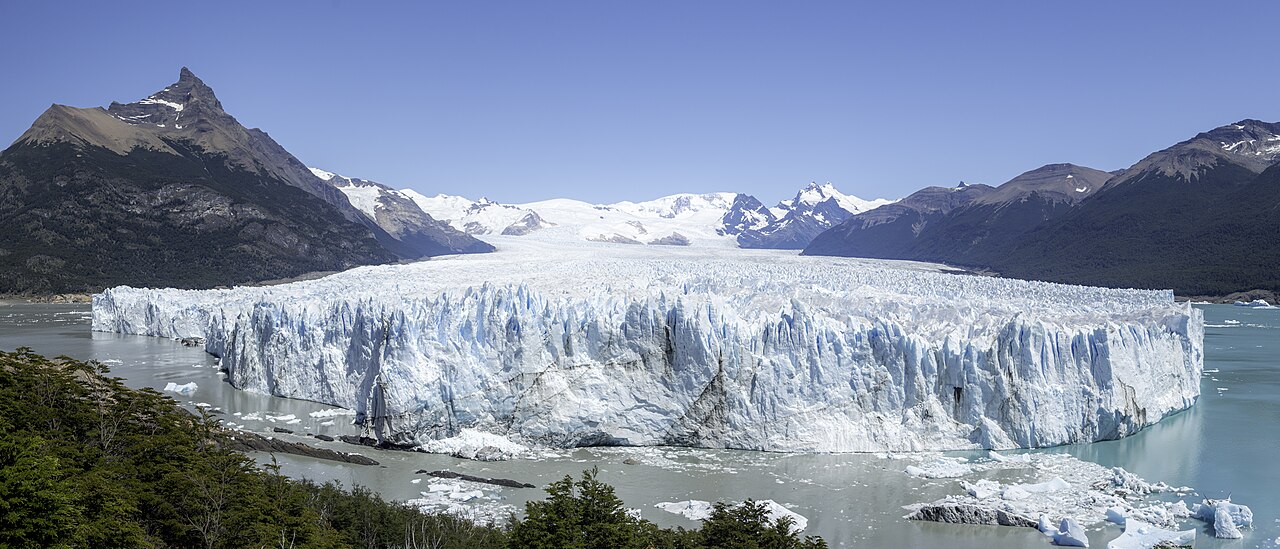
A river of ice about 30 km long that ends in a wall of ice about 5 km wide and about 74 m high above the water of Lago Argentino, about 78 km from El Calafate. Huge blocks of ice regularly break off its front and crash into the lake. It is part of Los Glaciares National Park, a UNESCO World Heritage Site since 1981.
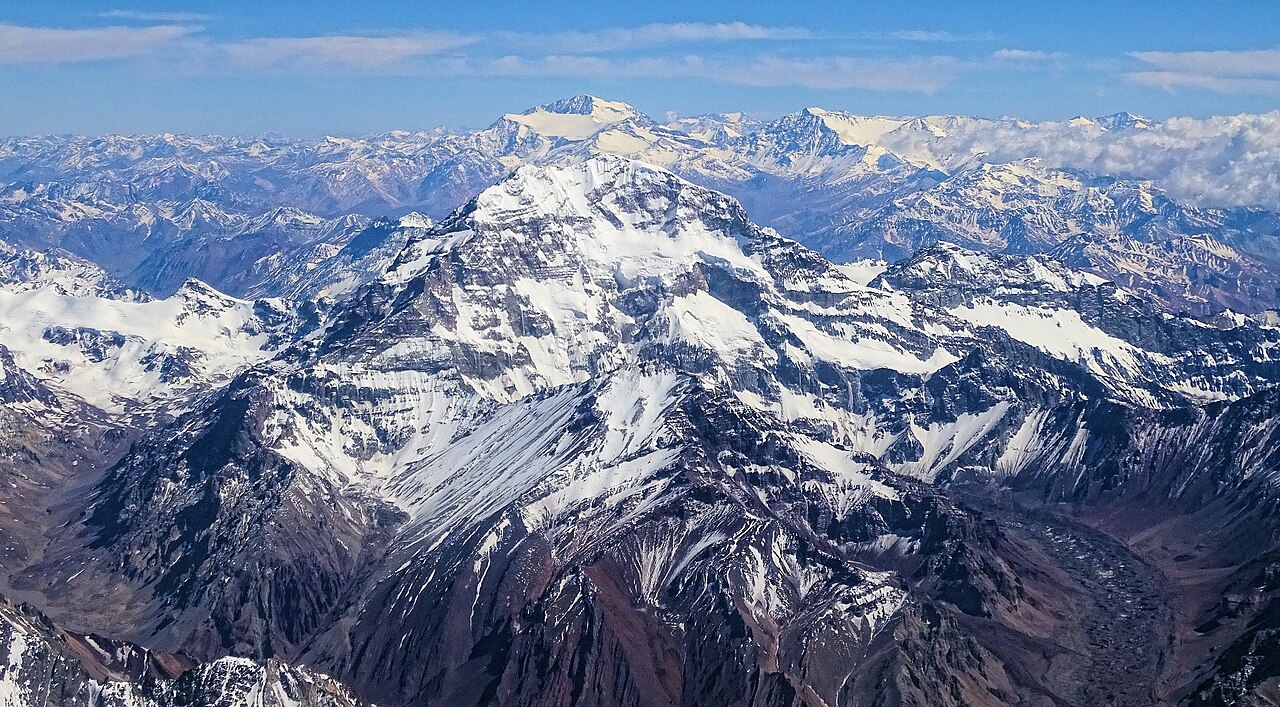
The highest mountain in the Americas and the highest in the world outside Asia, about 6,960 m high, in the Andes of Mendoza province close to the border with Chile. It lies about 112 km northwest of the city of Mendoza and about 15 km from the border with Chile, inside Aconcagua Provincial Park.
A wild peninsula on the Atlantic coast of Patagonia, home to sea lions, elephant seals and Magellanic penguins. The sheltered bays beside it are one of the most important breeding grounds in the world for southern right whales, which come between about May and December. It became a UNESCO World Heritage Site in 1999.
A block of 17th-century buildings in the centre of Córdoba built by the Jesuits: a church, a residence, the Monserrat school and the old university, founded in 1613. Together with five Jesuit estancias (farm estates) in the province, it has been a UNESCO World Heritage Site since 2000.
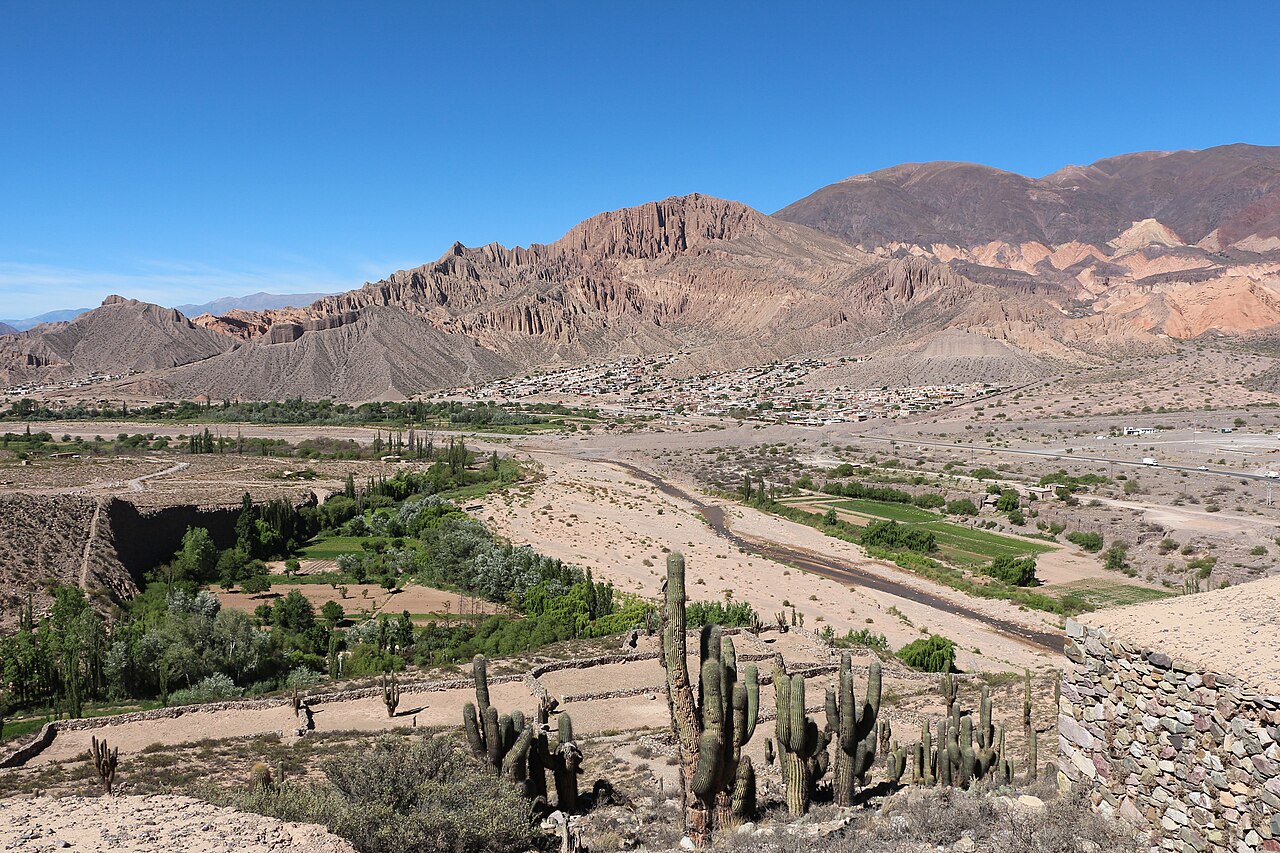
A narrow mountain valley about 155 km long in Jujuy province, with red, green, purple and yellow rock layers and small adobe villages such as Purmamarca, below the Hill of Seven Colours. People have lived here for at least 10,000 years, and the valley has always been a crossroads between the high Andes and the lowlands. It became a UNESCO World Heritage Site in 2003.
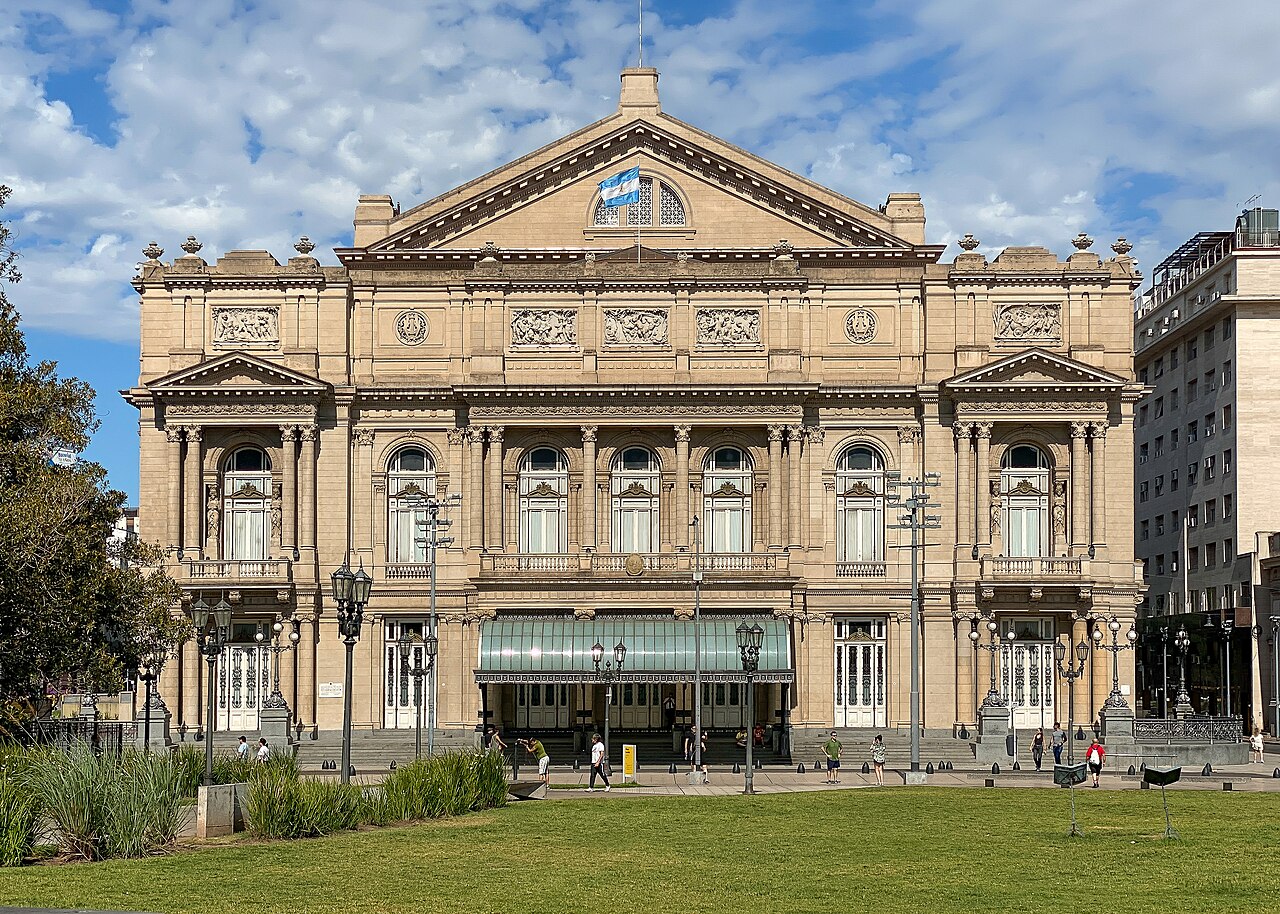
Buenos Aires' great opera house, opened on 25 May 1908 with Verdi's Aida. In a survey of conductors by the acoustics expert Leo Beranek it was rated the best hall in the world for the sound of opera. Guided tours show the horseshoe-shaped auditorium.
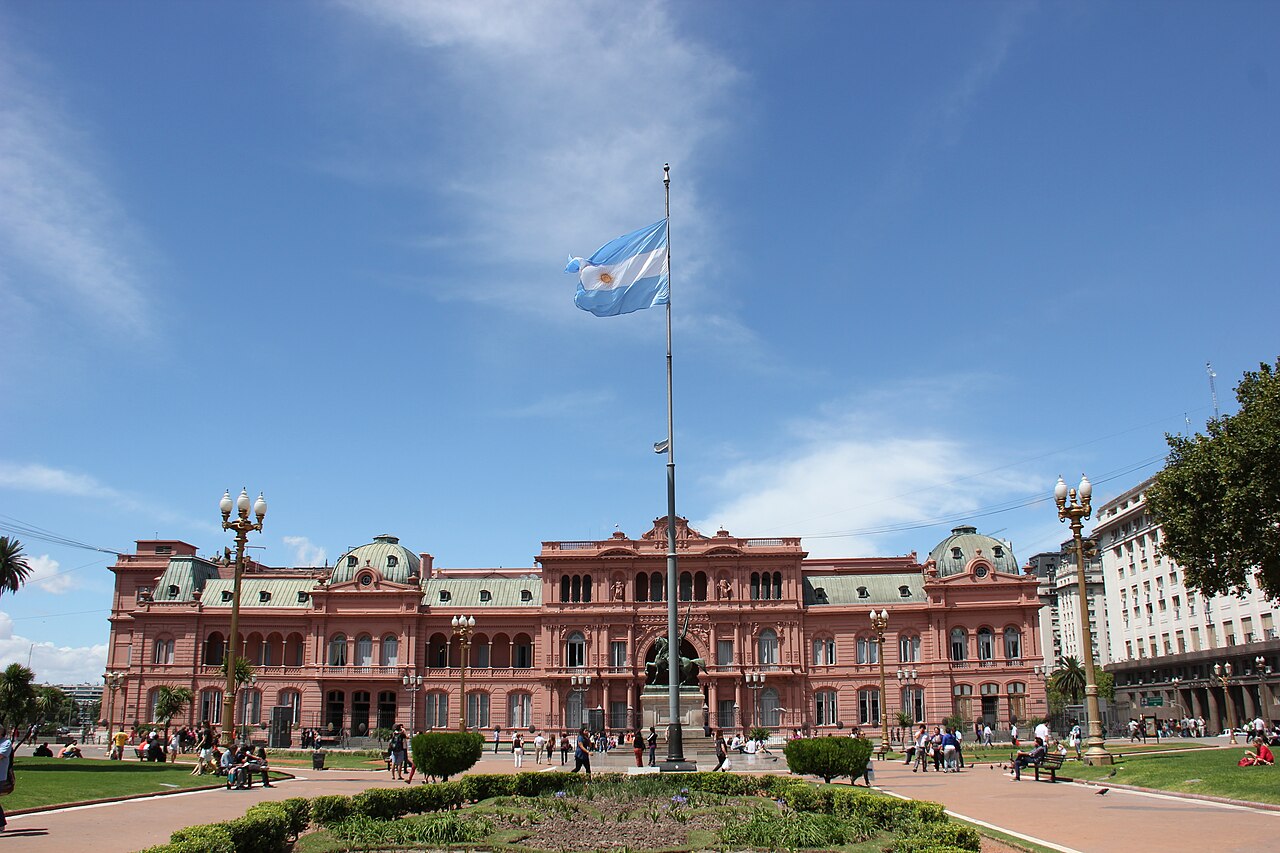
The Casa Rosada, the 'Pink House', is the office of the President of Argentina, on the Plaza de Mayo, the square where the city was founded in 1580 and where the country's big moments have been celebrated or protested ever since. The building has a museum about former presidents.
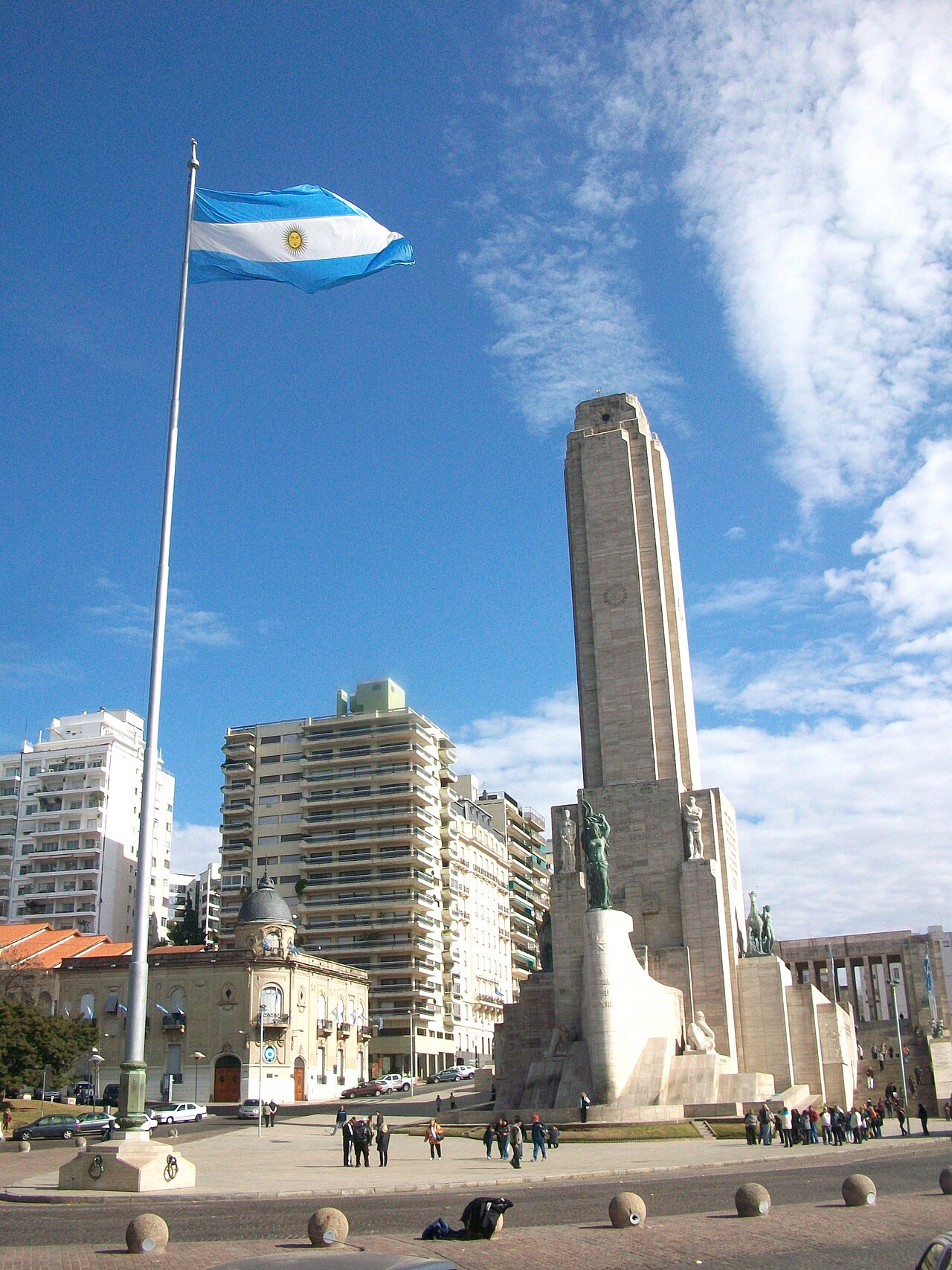
A huge monument beside the Paraná River in Rosario, with a tower 70 m high. It honours Manuel Belgrano, who created the Argentine flag and first raised it near here on 27 February 1812. It was opened on 20 June 1957, the anniversary of Belgrano's death, which is Flag Day in Argentina.
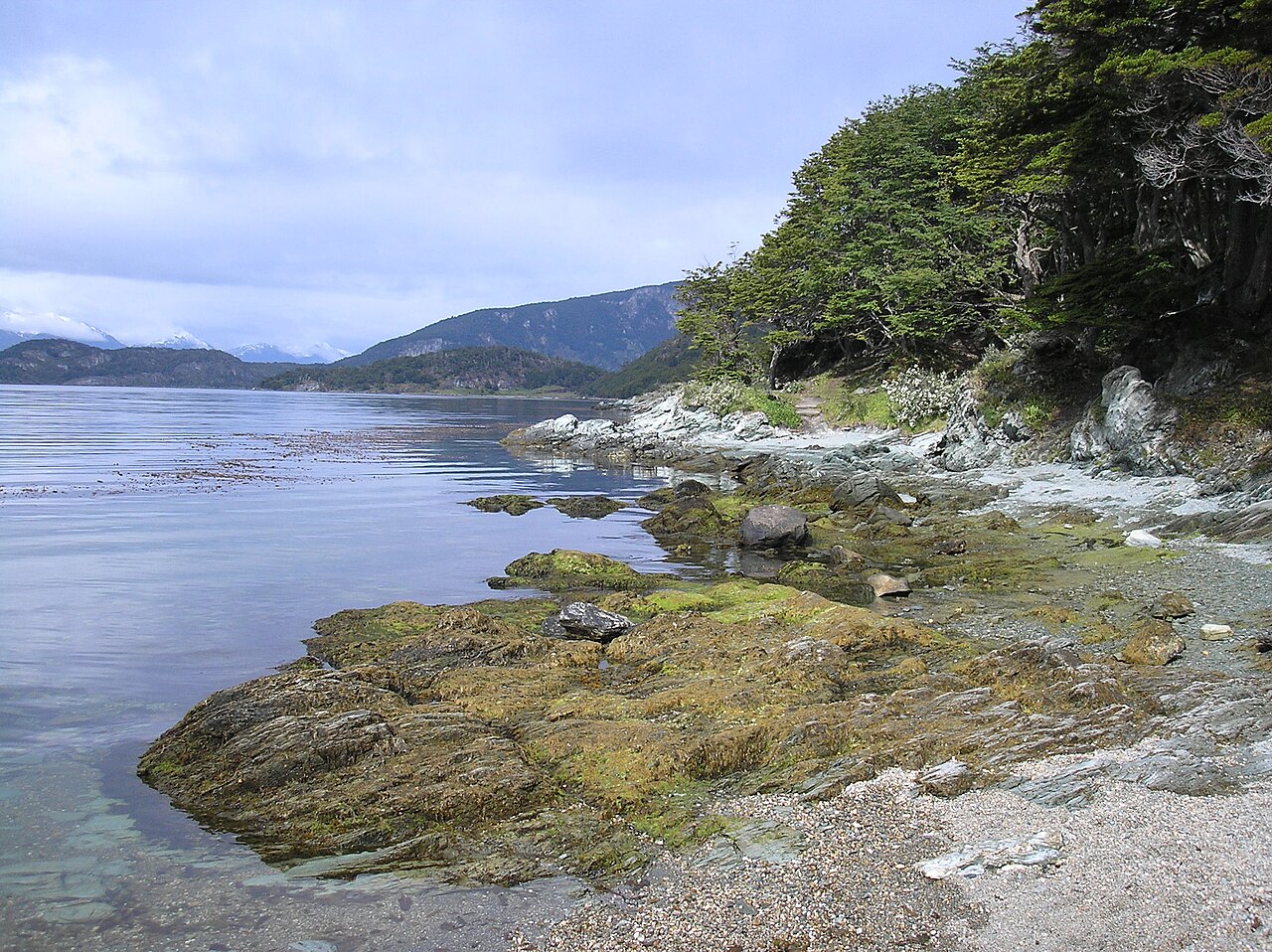
Argentina's southernmost national park on land, about 11 km from Ushuaia, with forests of southern beech, lakes, waterfalls and the shores of the Beagle Channel. The southern end of the Pan-American Highway is inside the park, and the 'End of the World' steam train runs into it.
The name Argentina comes from argentum, the Latin word for silver. Explorers of the Río de la Plata, the 'River of Silver', in the early 1500s believed the region was rich in silver.
02
Argentina is the eighth largest country in the world, and at about 2.78 million km² it is larger than any other Spanish-speaking country.
03
Aconcagua, at about 6,960 m, is the highest mountain in the world outside Asia, and so the highest in both the Southern and the Western Hemisphere.
04
The border between Argentina and Chile, about 5,300 km long, is the longest in South America and the third longest in the world, after the borders between Canada and the United States and between Kazakhstan and Russia.
05
As of 2026, Argentina has won the men's football World Cup three times: in 1978, 1986 and 2022. It reached the final again in 2026 but lost 1 to 0 to Spain after extra time.
06
In 2009 UNESCO added tango to its list of the intangible cultural heritage of humanity, after a joint proposal by Argentina and Uruguay. The dance grew up in the late 1800s in the port neighbourhoods of Buenos Aires and Montevideo.
07
Argentina's official national sport is not football but pato, a game played on horseback that mixes polo and basketball. It was declared the national sport in 1953.
08
In 1892 the Argentine police officer Juan Vucetich solved a murder by matching a bloody fingerprint to the killer, one of the earliest cases anywhere of a criminal identified by fingerprints. Argentine police then adopted his fingerprint system.
09
The first commercially successful ballpoint pen was patented by László Bíró, a Hungarian inventor who fled Europe to Argentina and filed a new patent there in 1943. Argentines still call a ballpoint pen a 'birome'.
10
Avenida 9 de Julio in Buenos Aires, named after Independence Day, is about 110 m wide, with up to seven lanes in each direction, and is often called the widest avenue in the world.
11
Some of the largest dinosaurs ever found lived in what is now Argentina. Argentinosaurus, found in Neuquén province in 1987, was probably 30 to 35 m long.
12
In 1947 the Argentine physiologist Bernardo Houssay shared the Nobel Prize in Physiology or Medicine. He was the first Latin American to win a Nobel Prize in the sciences.
13
Welsh is still spoken in Patagonia. Descendants of the settlers who arrived in 1865 keep the language alive in towns such as Gaiman and Trevelin, and the tea houses of Gaiman still serve Welsh cakes.
14
Ushuaia calls itself the southernmost city in the world, and the 'End of the World' train that runs from there into Tierra del Fuego National Park is considered the southernmost working railway in the world. It was first built to serve the town's prison.
Argentina is in the Southern Hemisphere, so summer is December to February and winter is June to August. Patagonia is best visited from about October to April; the north is pleasant in winter. Pack for wind in Patagonia at any time of year.
Fly across the big distances
Argentina is huge: Buenos Aires to Ushuaia is more than 2,000 km as the crow flies. Domestic flights save days of travel, but they can be delayed or cancelled, so check before you go to the airport and leave spare time between connections.
Watch your bag in Buenos Aires
Pickpockets work on public transport, at bus and train stations and in busy areas such as San Telmo, Florida Street and around the Obelisk. In La Boca, stay in the Caminito tourist area. If a stranger sprays something on you and offers to clean it, politely refuse help and walk away: it is a known trick to steal bags.
Use radio taxis or book ahead
Book taxis in advance, or ask your hotel to call one. If you take a taxi in the street, use a 'radio taxi' with the company's logo on the doors.
Take it slowly at altitude
Parts of the northwest are very high: the railway of the Train to the Clouds climbs to more than 4,200 m, and altitude sickness is a risk there. Rest on your first day, drink water and go easy on alcohol. If you have heart or breathing problems, ask your doctor before you go.
Carry some cash for tips
A tip of about 10 percent is usual in restaurants for good service. Card machines often have no space for a tip, so keep some pesos in small notes. The 'cubierto' on the bill is a cover charge, not a tip. Prices and exchange rules change often: check the latest advice before you travel.
Bring your passport to Iguazú
The Iguazú Falls can be seen from both Argentina and Brazil. Crossing to the Brazilian side means passing through border control, so take your passport and check whether you need a visa for Brazil.
Get good travel insurance
Make sure your insurance covers medical treatment and evacuation. For mountain trips, including Aconcagua, check that it covers helicopter rescue: visitors usually have to pay for it.
 Bolivia
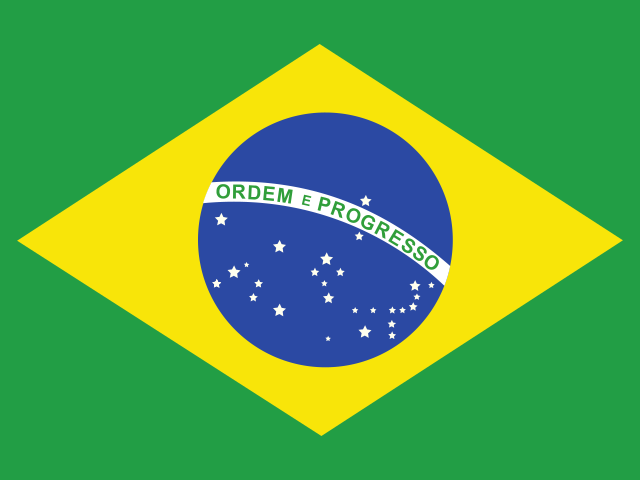 Brazil
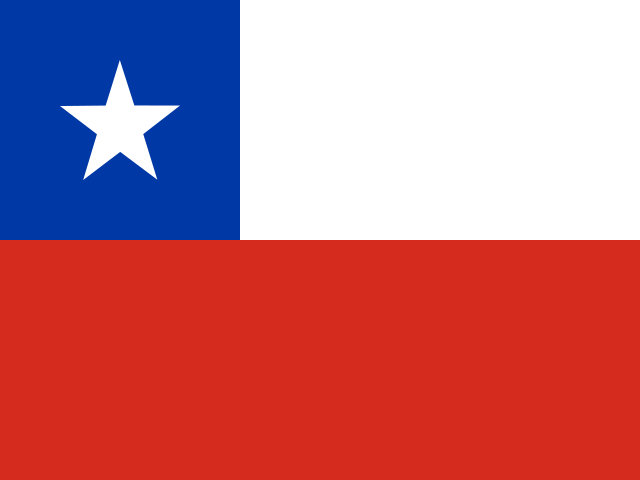 Chile
Chile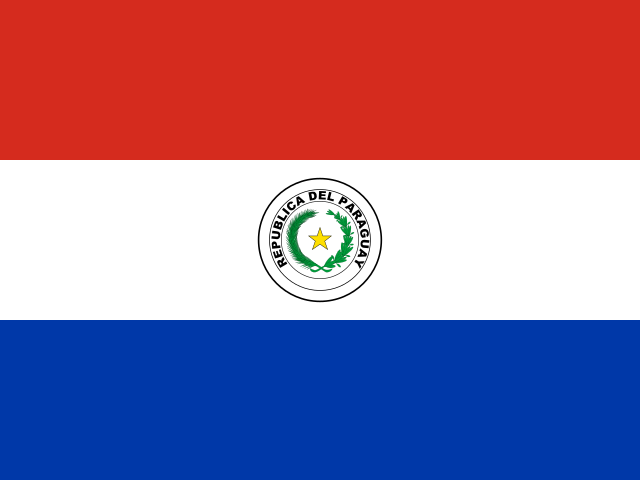 Paraguay
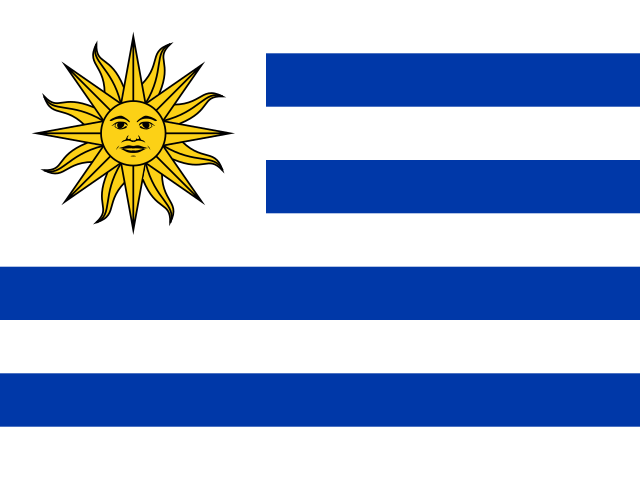 Uruguay