 Argentina
 Bolivia
 Colombia
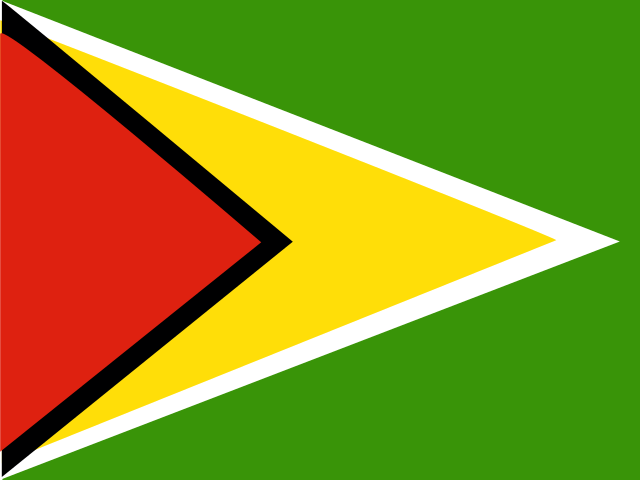 Guyana
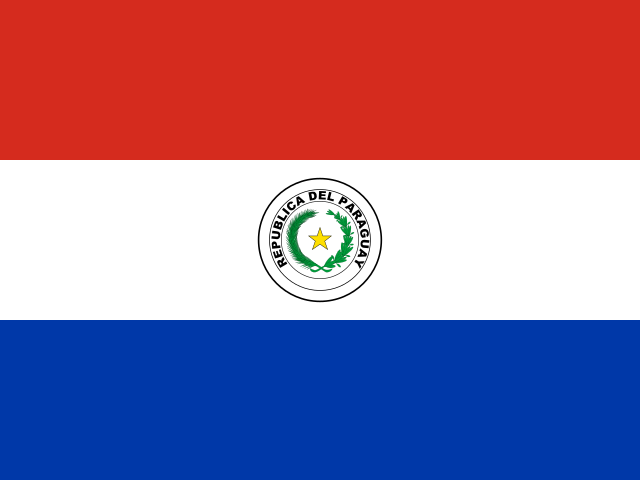 Paraguay
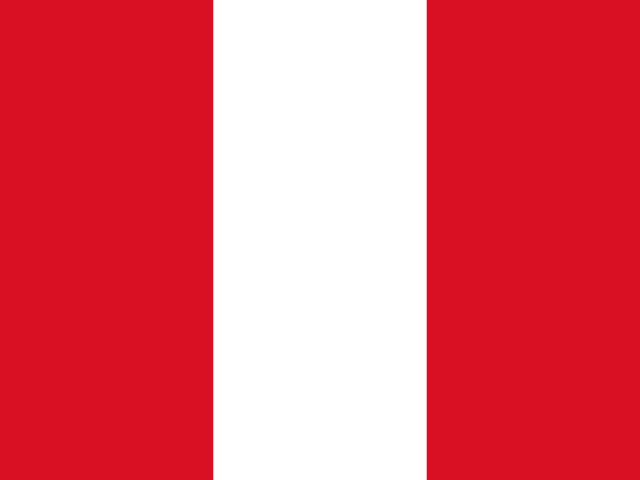 Peru
Peru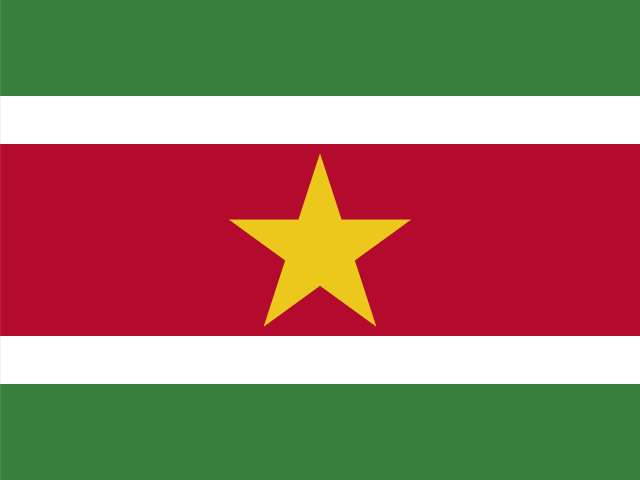 Suriname
 Uruguay
 Venezuela
The Treaty of Tordesillas
Spain and Portugal agreed on a line 370 leagues west of the Cape Verde islands. New lands to the east of it would belong to Portugal. That line later gave Portugal the eastern part of South America.
A free large-print PDF. Choose what goes in: facts, map, history, dishes and recipes, phrases, fun facts, a quiz with or without answers. Made for clubs, care homes, libraries and family afternoons.
Brazil is the largest country in South America and the fifth largest in the world. It covers roughly half of the continent and borders every South American country except Chile and Ecuador. The north is covered by the Amazon rainforest and the Amazon River; the long Atlantic coast has most of the big cities; and inland lie the grassy highlands of the cerrado and the Pantanal, the largest tropical wetland on Earth.
Indigenous peoples lived here for thousands of years before the Portuguese arrived in 1500. For more than three centuries Brazil was a Portuguese colony, built on sugar, gold and coffee, and on the labour of millions of enslaved Africans. Brazil declared its independence in 1822, became an empire, abolished slavery in 1888 and became a republic in 1889. In 1960 the capital moved from Rio de Janeiro to Brasília, a new city built in the middle of the country.
Today Brazil is a federal republic of about 214 million people, and the only country in the Americas where Portuguese is the main language. Its culture mixes Indigenous, Portuguese, African and immigrant roots, from samba and capoeira to Japanese and Italian food in São Paulo. Visitors come for Rio de Janeiro, the Iguaçu Falls, the Amazon and the old colonial towns of Bahia and Minas Gerais.
Brazil's recorded history begins in 1500, when a Portuguese fleet reached its coast, but Indigenous peoples had lived here for thousands of years before. Portugal ruled Brazil for more than three centuries, first for sugar and brazilwood, then for gold and diamonds, and brought millions of enslaved Africans to work the land and the mines. In 1808 the Portuguese royal family moved to Rio de Janeiro, and in 1822 Brazil declared its independence. It was an empire until 1889, then a republic, and in 1960 it moved its capital to Brasília, a new city in the heart of the country.
Spain and Portugal agreed on a line 370 leagues west of the Cape Verde islands. New lands to the east of it would belong to Portugal. That line later gave Portugal the eastern part of South America.
On 22 April 1500 a Portuguese fleet of 13 ships under Pedro Álvares Cabral, on its way to India, sighted land near today's Porto Seguro in Bahia. Cabral claimed it for Portugal and met the Tupiniquim people.
Tomé de Sousa founded Salvador on the Bay of All Saints in 1549 as the seat of the colonial government. It stayed Brazil's capital until 1763.
Estácio de Sá founded the city of Rio de Janeiro on 1 March 1565, at the entrance to Guanabara Bay.
The Dutch West India Company captured the rich sugar lands of the northeast and ruled them from Recife until 1654. Under Johan Maurits of Nassau, artists and scientists came to paint and describe Brazil.
In the 1690s explorers found gold in the mountains of Minas Gerais, and a gold rush began. In 1698 a mining settlement grew up that became Vila Rica, today's Ouro Preto, for a time one of the largest towns in the Americas.
The colonial capital moved from Salvador south to Rio de Janeiro, closer to the gold and diamond region of Minas Gerais. Rio stayed the capital for almost 200 years.
Joaquim José da Silva Xavier, called Tiradentes, 'tooth-puller', was a leader of a plot in Minas Gerais in 1789 to break away from Portugal. He was hanged in Rio de Janeiro on 21 April 1792 and is now a national hero.
Fleeing Napoleon's invasion of Portugal, Prince Regent João and the Portuguese court sailed to Brazil and reached Rio de Janeiro in March 1808. Rio became the capital of the Portuguese Empire, and Brazil's ports opened to foreign trade.
On 7 September 1822, by the Ipiranga brook in São Paulo, Prince Pedro, son of King João VI, declared Brazil independent from Portugal. He was crowned Emperor Pedro I in December 1822.
On 13 May 1888 Princess Isabel signed the Lei Áurea, the Golden Law, which ended slavery in Brazil. Brazil was the last country in the Americas to abolish slavery. About four in ten of all Africans taken to the Americas in the slave trade were brought to Brazil.
On 15 November 1889 Marshal Deodoro da Fonseca led a military coup that deposed Emperor Pedro II. The imperial family went into exile in Europe, and Brazil became a republic.
After nine years of work, the great statue of Christ with open arms was completed on Corcovado mountain above Rio de Janeiro. It is made of reinforced concrete covered with soapstone.
On 21 April 1960 President Juscelino Kubitschek inaugurated Brasília, a new capital built in about 41 months on the high plateau of central Brazil. Rio de Janeiro stopped being the capital after almost two centuries.
In 1964 the armed forces removed President João Goulart. Military governments ruled Brazil for the next 21 years, with censorship and without free presidential elections.
In 1985 an electoral college chose a civilian president, ending military rule. A new constitution, still in force, was adopted in 1988.
Brazilian food mixes Indigenous ingredients such as cassava, corn and Amazon fruits with Portuguese, African and immigrant cooking, and every region has its own dishes. Breakfast, café da manhã, is usually light: coffee with milk, bread, fruit and cheese. Lunch, almoço, is the main meal of the day, eaten from about 11 in the morning to 2 in the afternoon, and for millions of Brazilians it means rice and beans every day, with meat or fish, salad and farofa. Dinner is lighter, and a tiny cup of strong, sweet coffee, a cafezinho, is offered at almost any time.
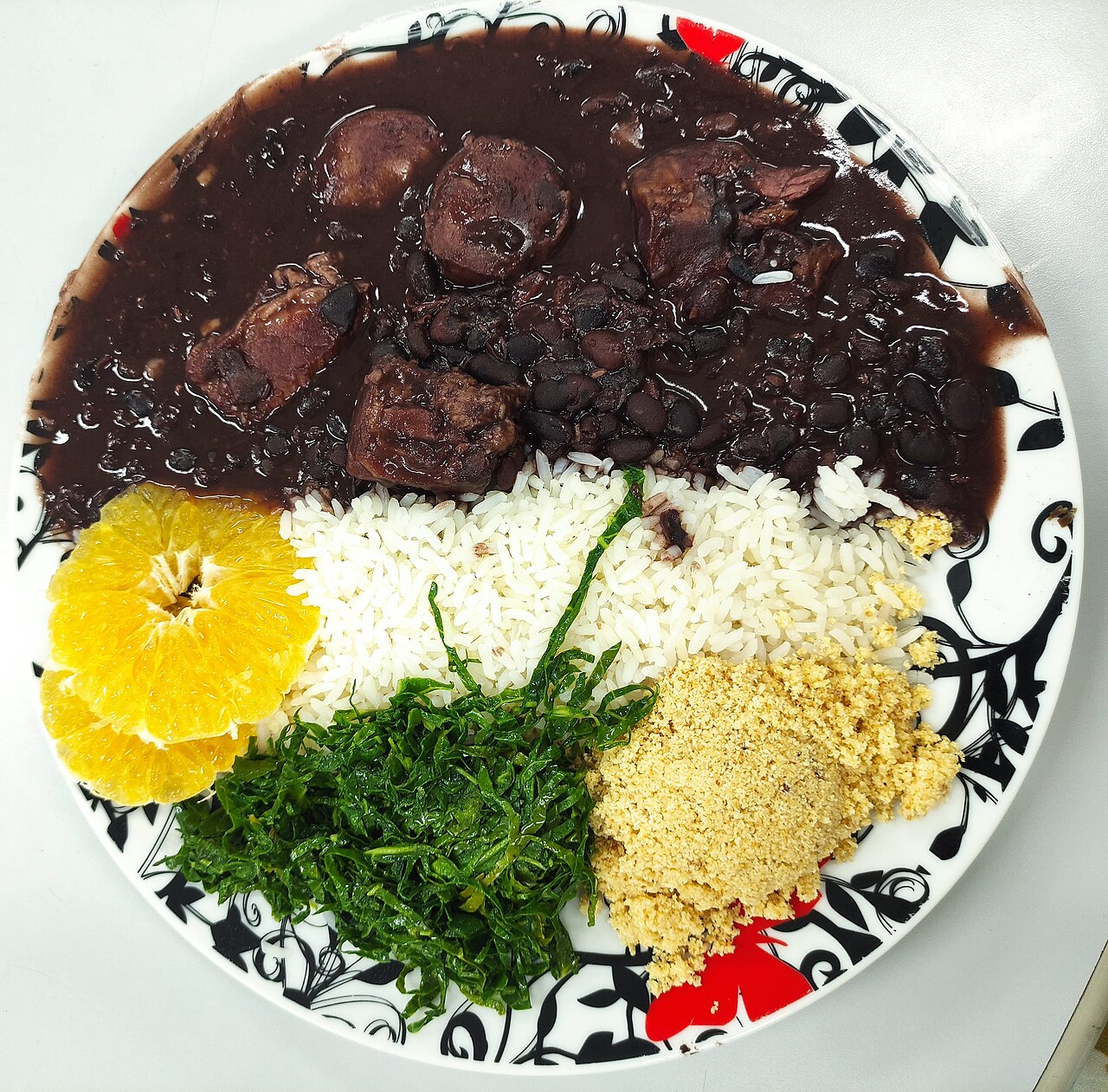
A slow-cooked stew of black beans with smoked sausage, pork and dried or salted meats. It is served with white rice, farofa, collard greens and slices of orange.
Bean and pork stews called feijoada are also cooked in Portugal and in other Portuguese-speaking countries. How the Brazilian version began is still debated by food historians.
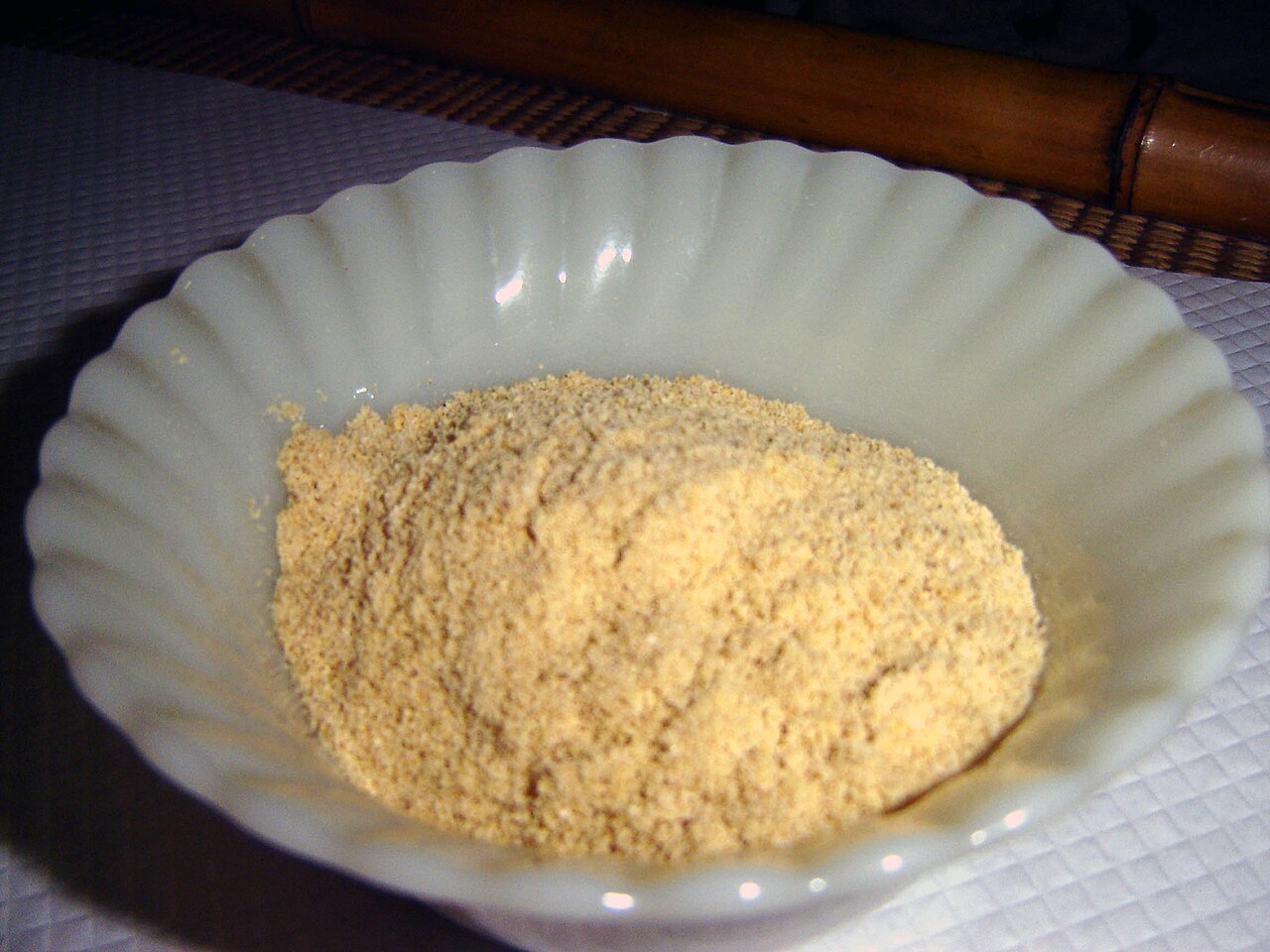
Cassava flour toasted in butter or oil until golden, often with onion, garlic or bacon. Brazilians sprinkle it over rice, beans and grilled meat to add crunch.
In Bahia, farofa is often made with dendê, red palm oil, which turns it yellow.
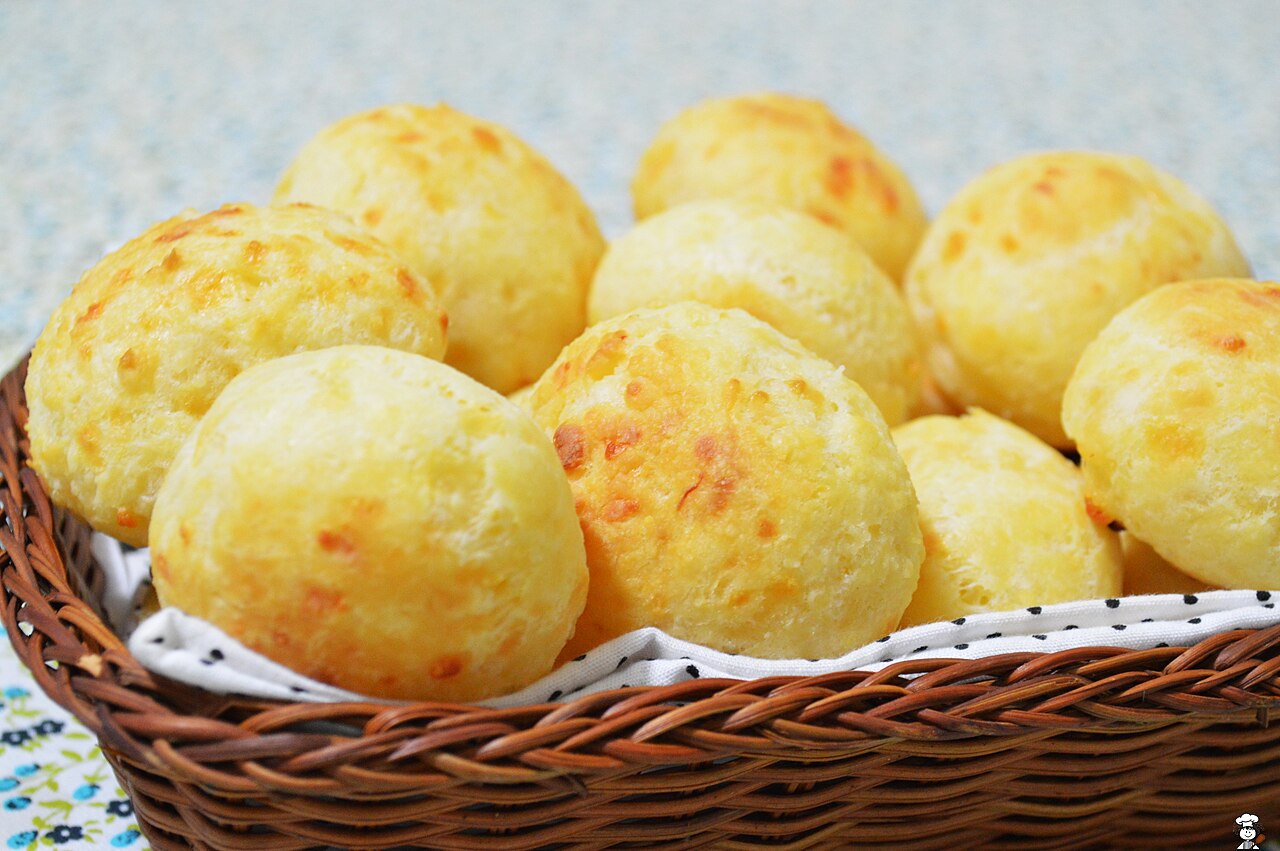
Small, warm balls of bread, crisp outside and soft and chewy inside, made with cassava starch, eggs, milk and cheese. It is eaten at breakfast and with coffee in the afternoon.
It is made with cassava starch, not wheat flour, so it contains no gluten. Cooks in Minas Gerais made bread from cassava as early as the 1700s; the cheese came later.
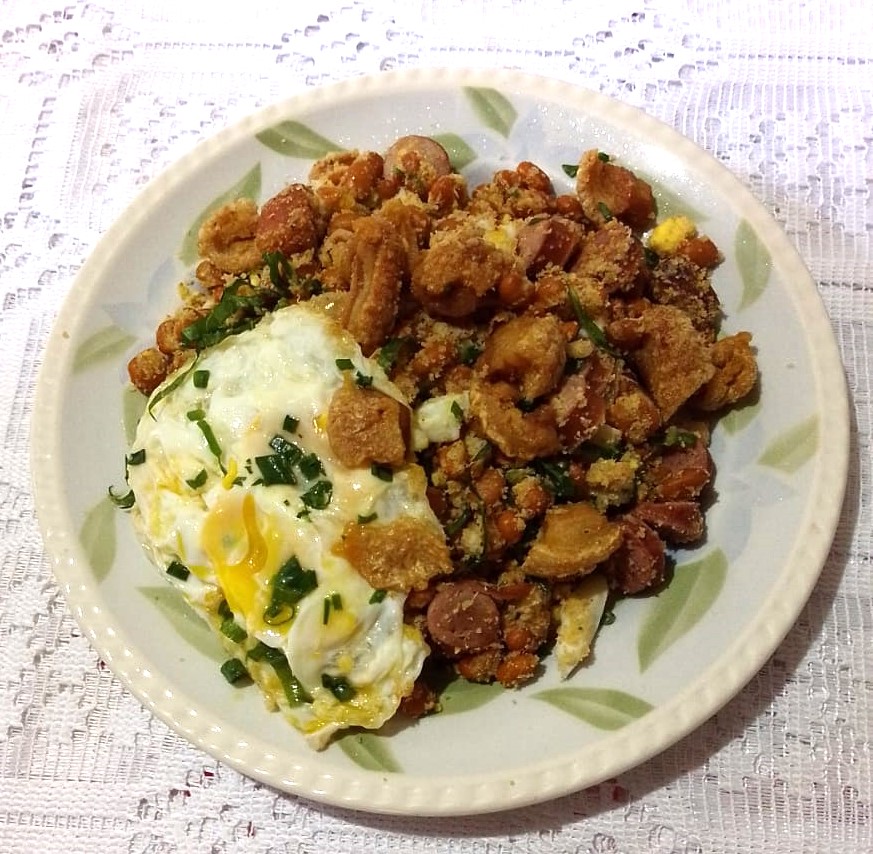
Beans mixed with cassava flour, fried sausage, bacon, egg, garlic and onion, often with collard greens. A hearty dish that keeps well.
It is named after the tropeiros, merchants who drove mule trains across the interior and needed food that would last on long journeys. In Belo Horizonte it is a favourite at the football stadium.
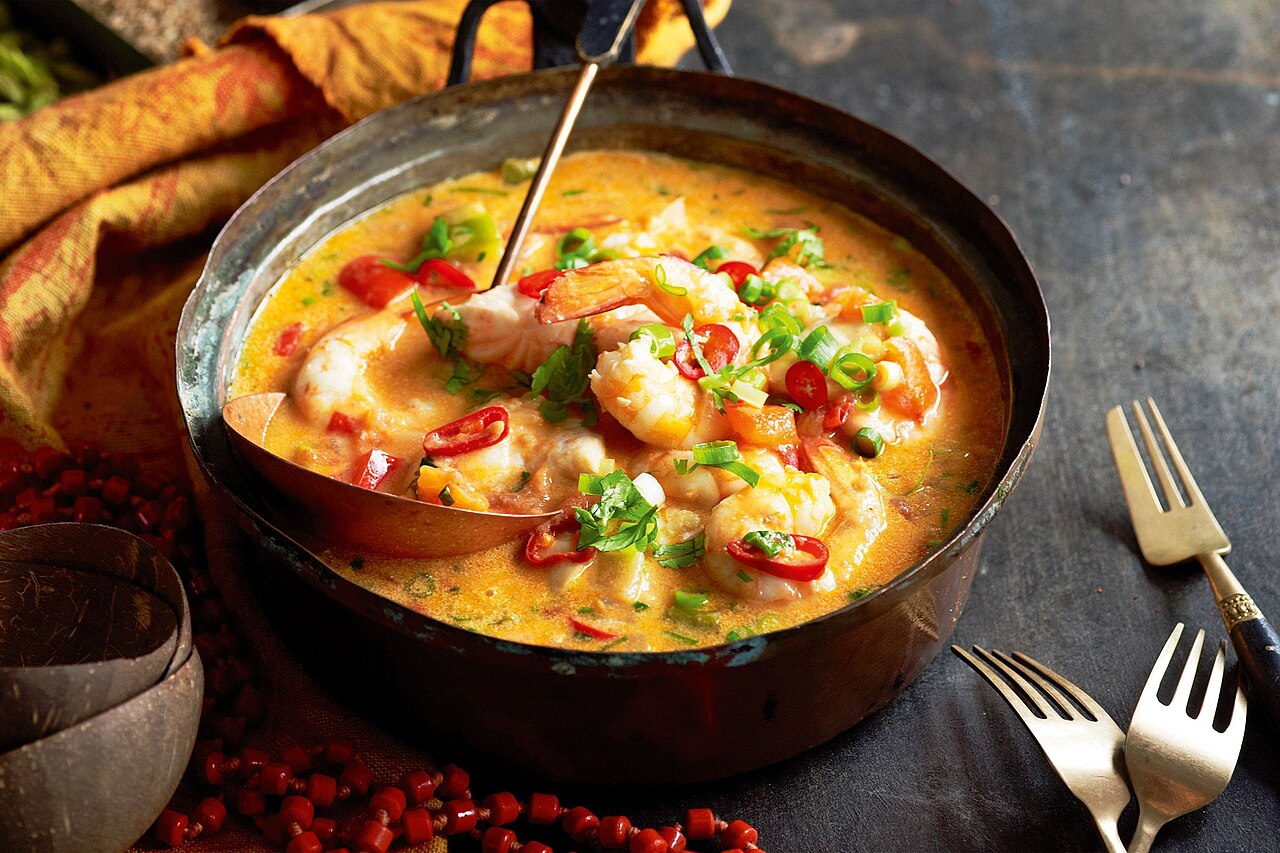
A fish or prawn stew cooked with tomatoes, onions, peppers, lime and coriander. The Bahian moqueca adds coconut milk and dendê, red palm oil. The version from Espírito Santo is lighter, made with olive oil and annatto instead of palm oil, and is always cooked in a black clay pot.
Both states are proud of their own version. Food historians trace moqueca back to Indigenous fish cooked in leaves, with Portuguese and African ingredients added later.
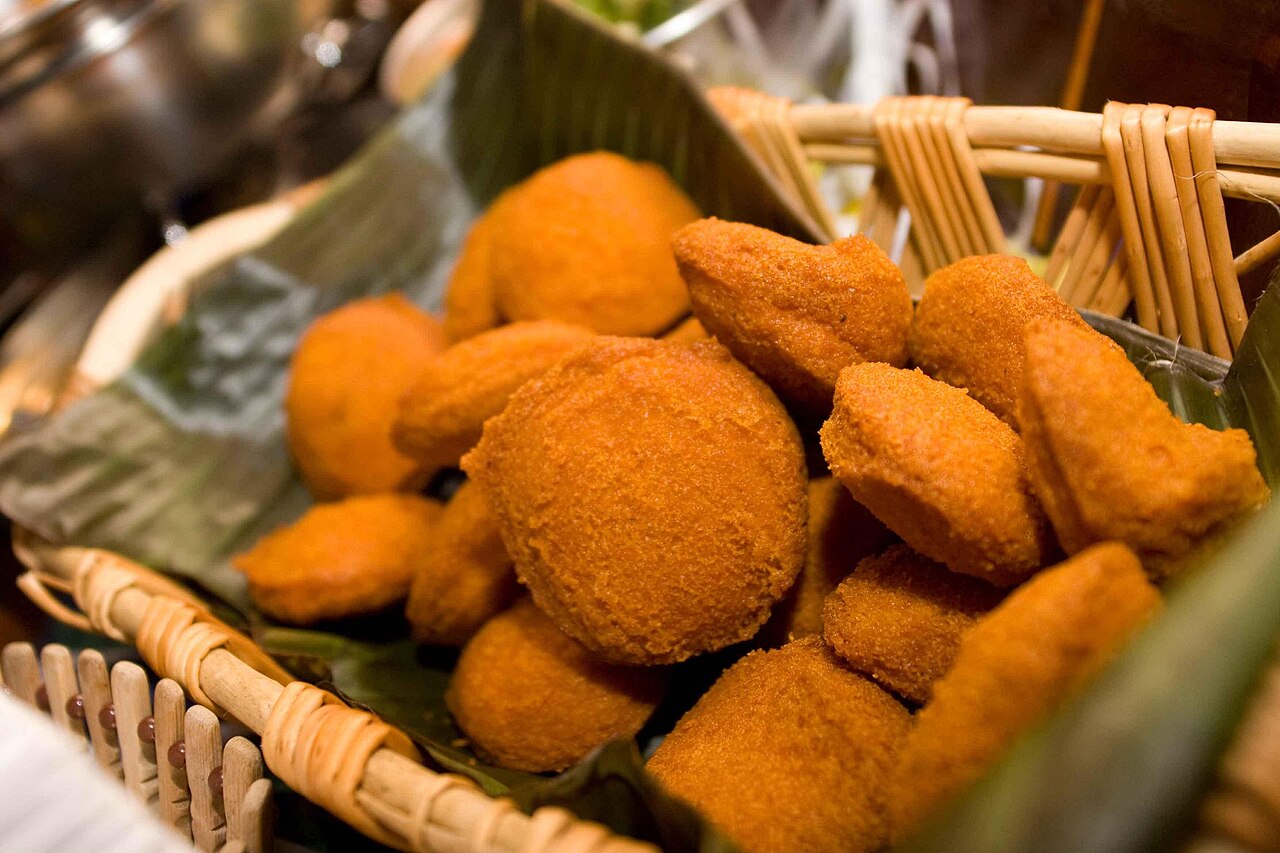
A fritter of mashed black-eyed peas fried in dendê, red palm oil, split open and filled with vatapá, a creamy paste of bread, prawns, coconut milk, peanuts or cashews and palm oil, and with more dried prawns.
It is sold in the streets of Salvador by the baianas de acarajé in white dresses and headscarves. The dish comes from the Yoruba akara and was brought by enslaved West Africans. The craft of the baianas de acarajé is protected as part of Brazil's national heritage.
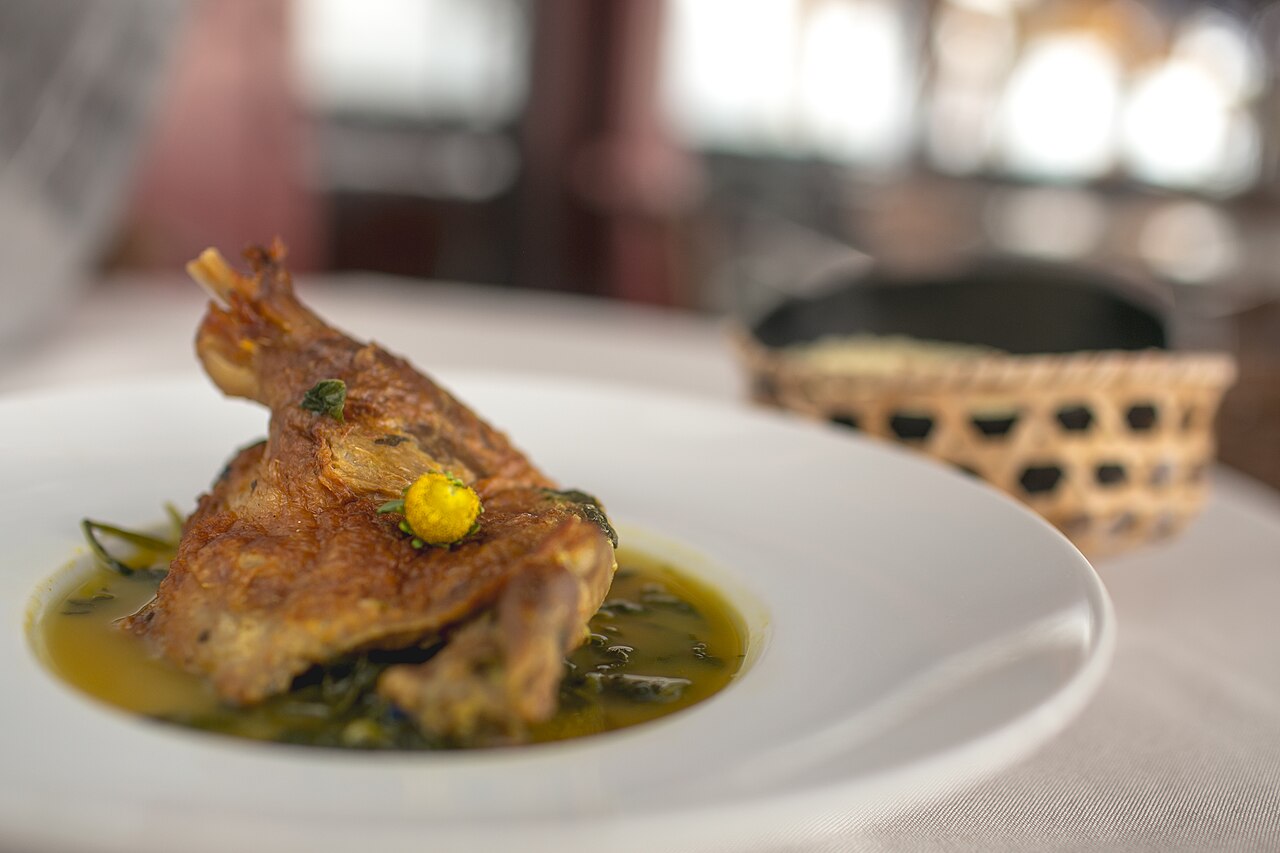
Duck simmered in tucupi, a yellow broth made from the juice of bitter cassava root, with jambu leaves that make your lips tingle. It is served with rice and cassava flour.
Raw cassava juice is poisonous, so tucupi must be carefully fermented and cooked before it is safe to eat. Never make it yourself from raw cassava.
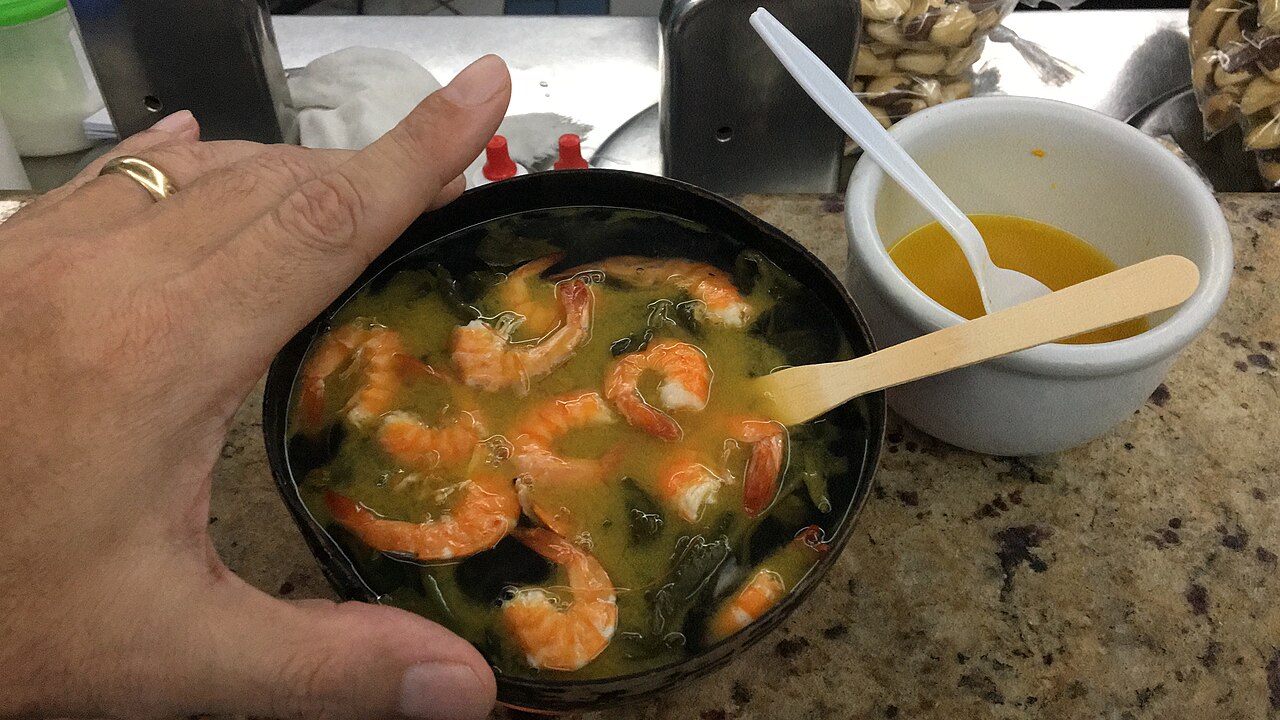
A hot, tangy soup of tucupi with tapioca gum, dried prawns and jambu leaves, served in a bowl made from a gourd, called a cuia.
Jambu is a leaf that makes your mouth tingle and feel slightly numb, a sensation Amazon cooks love.
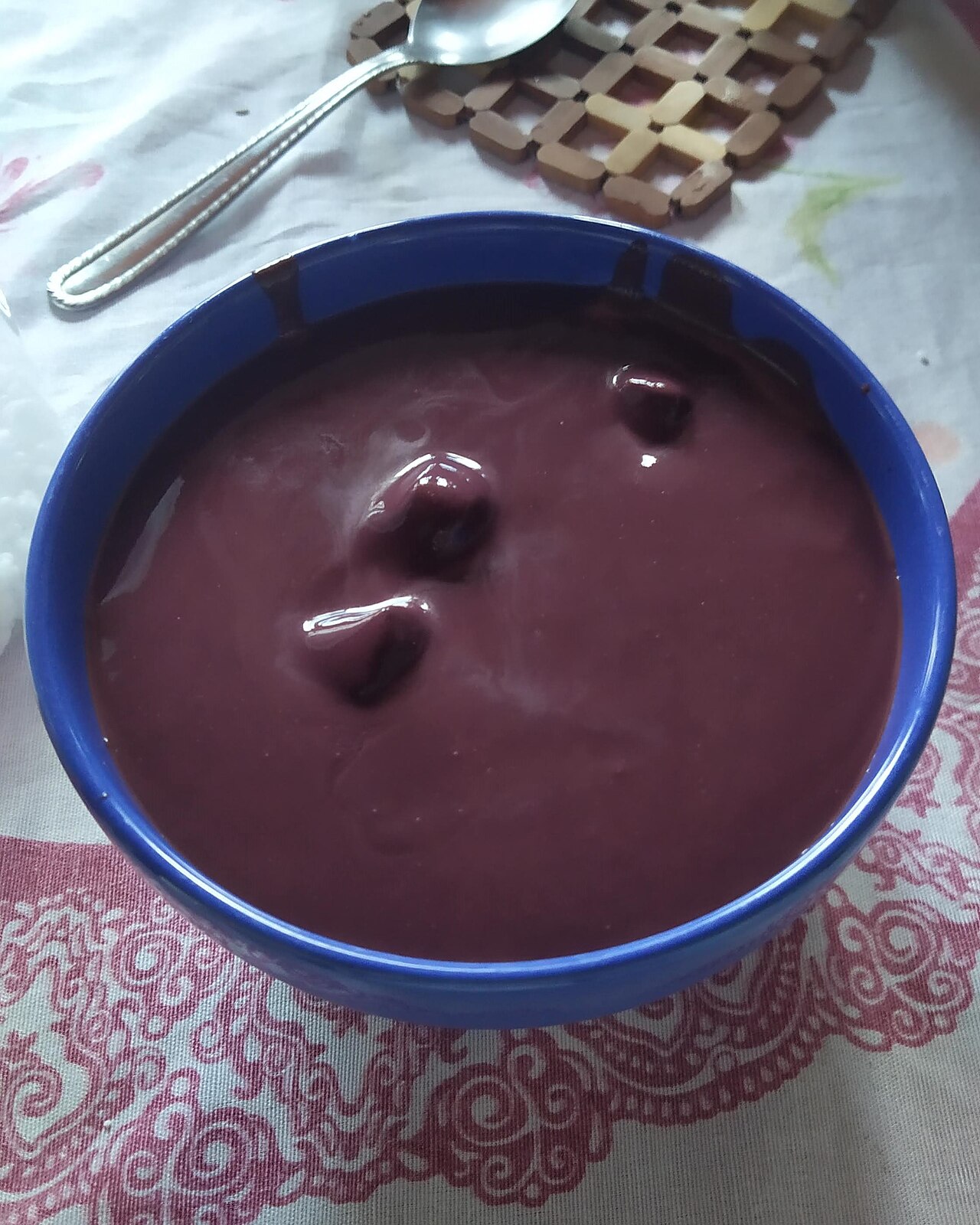
The dark purple pulp of the açaí palm fruit. In Rio de Janeiro and the rest of Brazil it is frozen and eaten sweet in a bowl with banana and granola. In the Amazon it is traditionally eaten unsweetened, as part of a meal with fish and cassava flour.
Brazil grows almost all of the world's açaí, and most of it comes from the state of Pará. The sweet frozen bowl became popular in Rio de Janeiro in the 1980s.
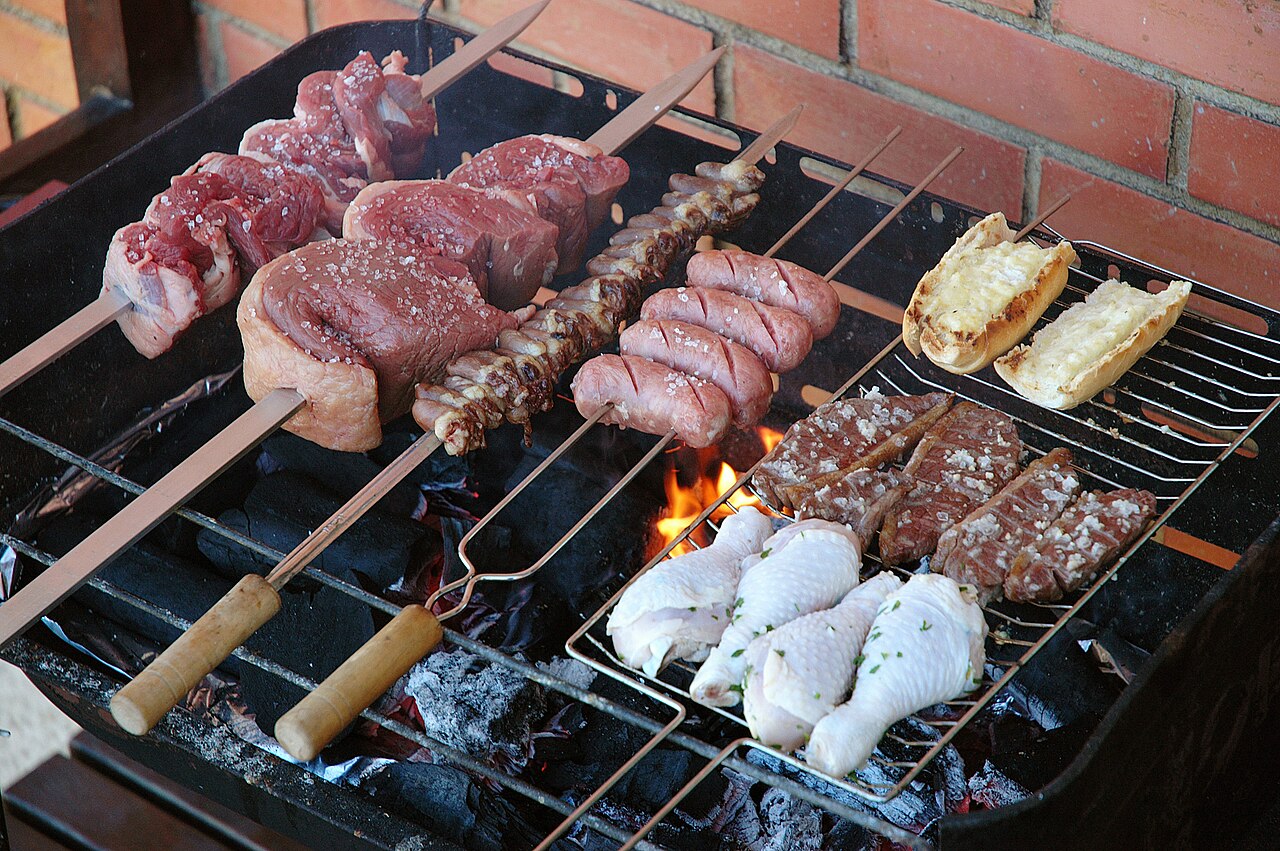
Beef, pork, sausage and chicken grilled on long skewers over charcoal. In a churrascaria, waiters walk from table to table with skewers and slice meat straight onto your plate.
This way of serving is called rodízio or espeto corrido: you pay one price and the meat keeps coming until you say stop.
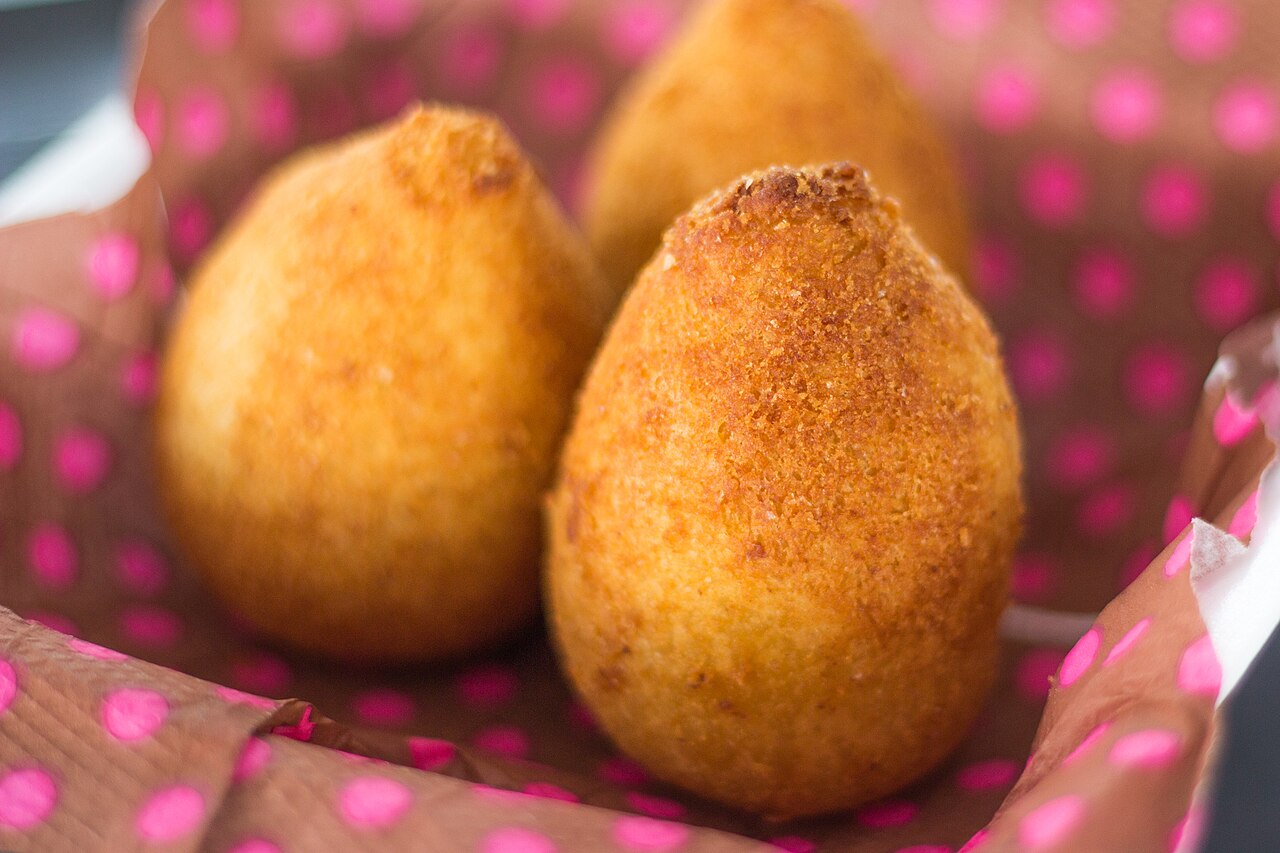
Shredded, seasoned chicken, often with creamy cheese, wrapped in a soft dough, shaped like a teardrop, coated in breadcrumbs and deep-fried. One of Brazil's favourite snacks in bars and bakeries.
Coxinha means 'little thigh', because it is shaped like a chicken drumstick. A popular legend links it to the son of Princess Isabel, but nobody knows for sure where it began.
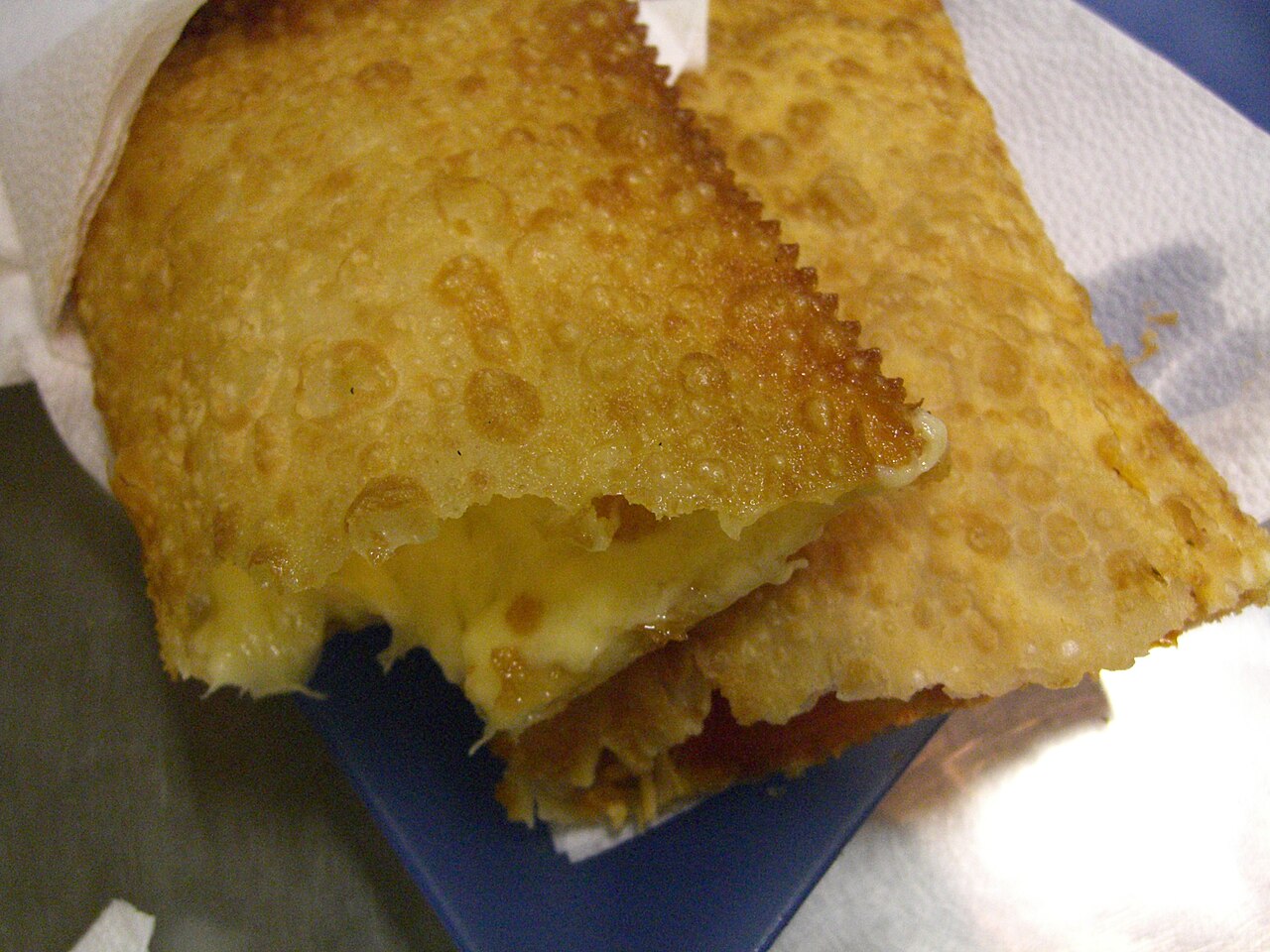
A large, thin, crisp pastry pocket, deep-fried and filled with minced meat, cheese, heart of palm, chicken or prawns, or sweet fillings such as guava paste with cheese.
At weekly street markets it is eaten with a glass of fresh sugarcane juice, caldo de cana. A popular story says Japanese immigrants created it from Chinese spring rolls, but this has not been proved.
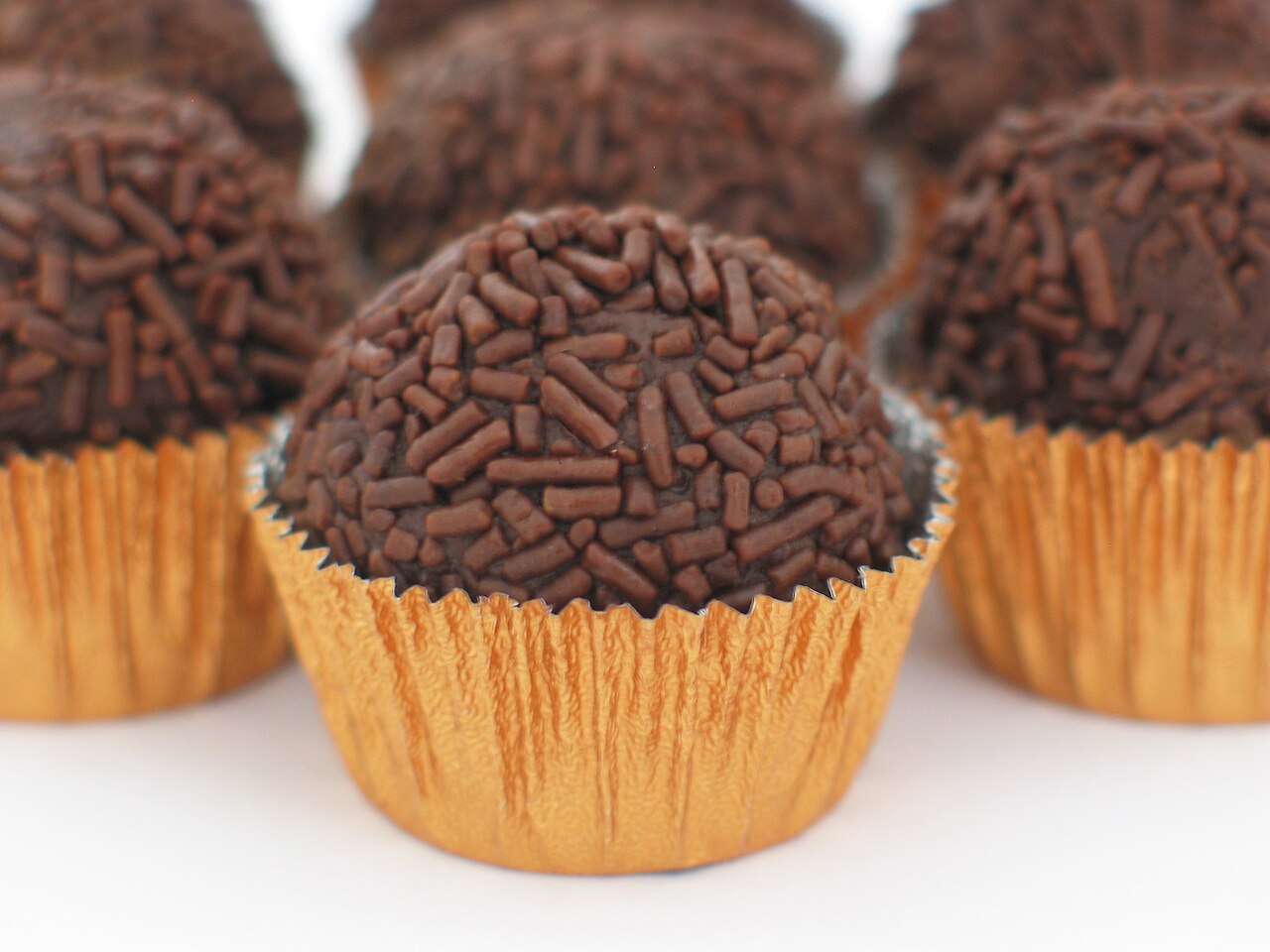
Soft chocolate truffles made of condensed milk, butter and cocoa, rolled in chocolate sprinkles. No Brazilian birthday party is complete without them.
They are named after Brigadier Eduardo Gomes, an air force officer who ran for president in 1945. They were first made by Heloísa Nabuco de Oliveira in Rio de Janeiro and sold to raise money for his campaign. He lost, but the sweet stayed.
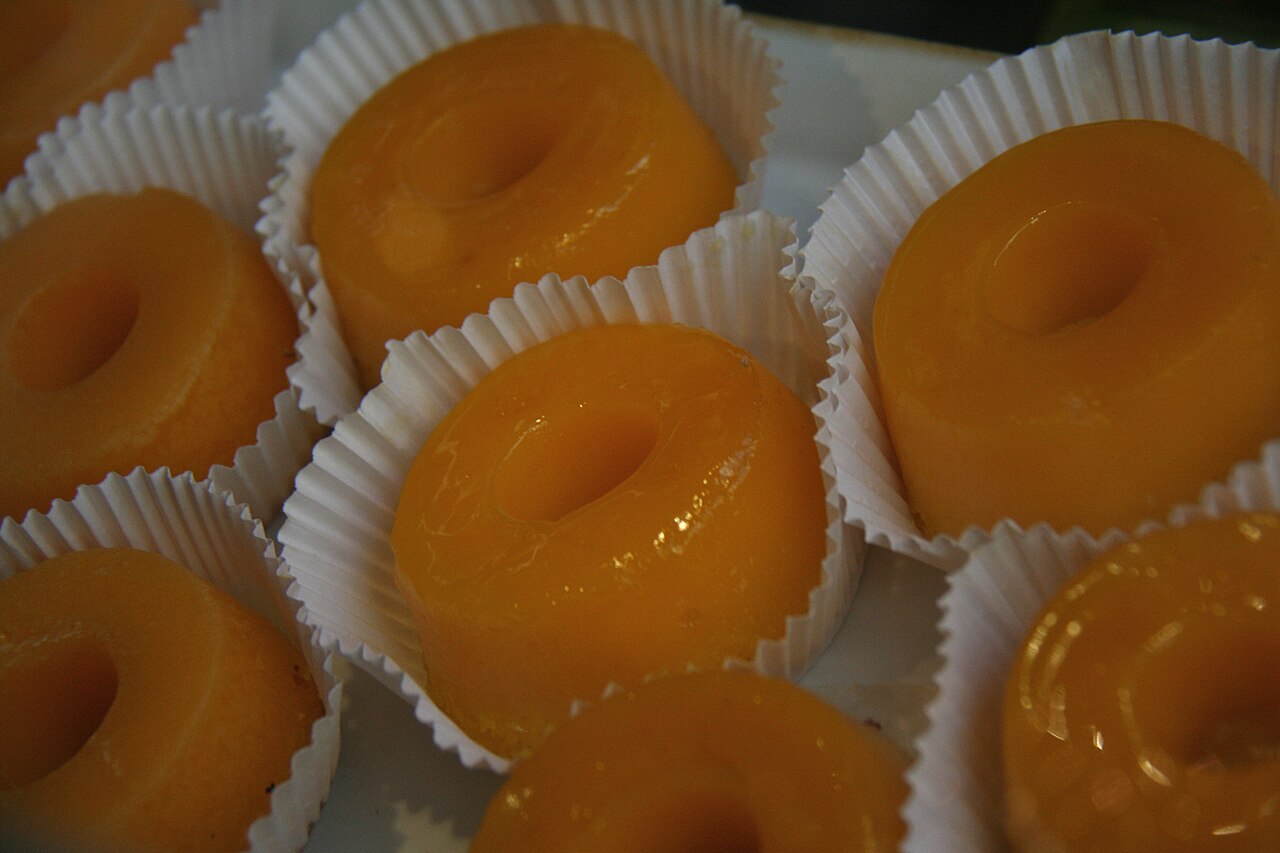
A small, shiny, bright yellow baked custard of egg yolks, sugar and grated coconut, turned out of its mould and served cold.
It joins Portuguese sweets made with egg yolks to the coconut of Brazil's northeast. Its name comes from a word in Kikongo, a language of Central Africa.
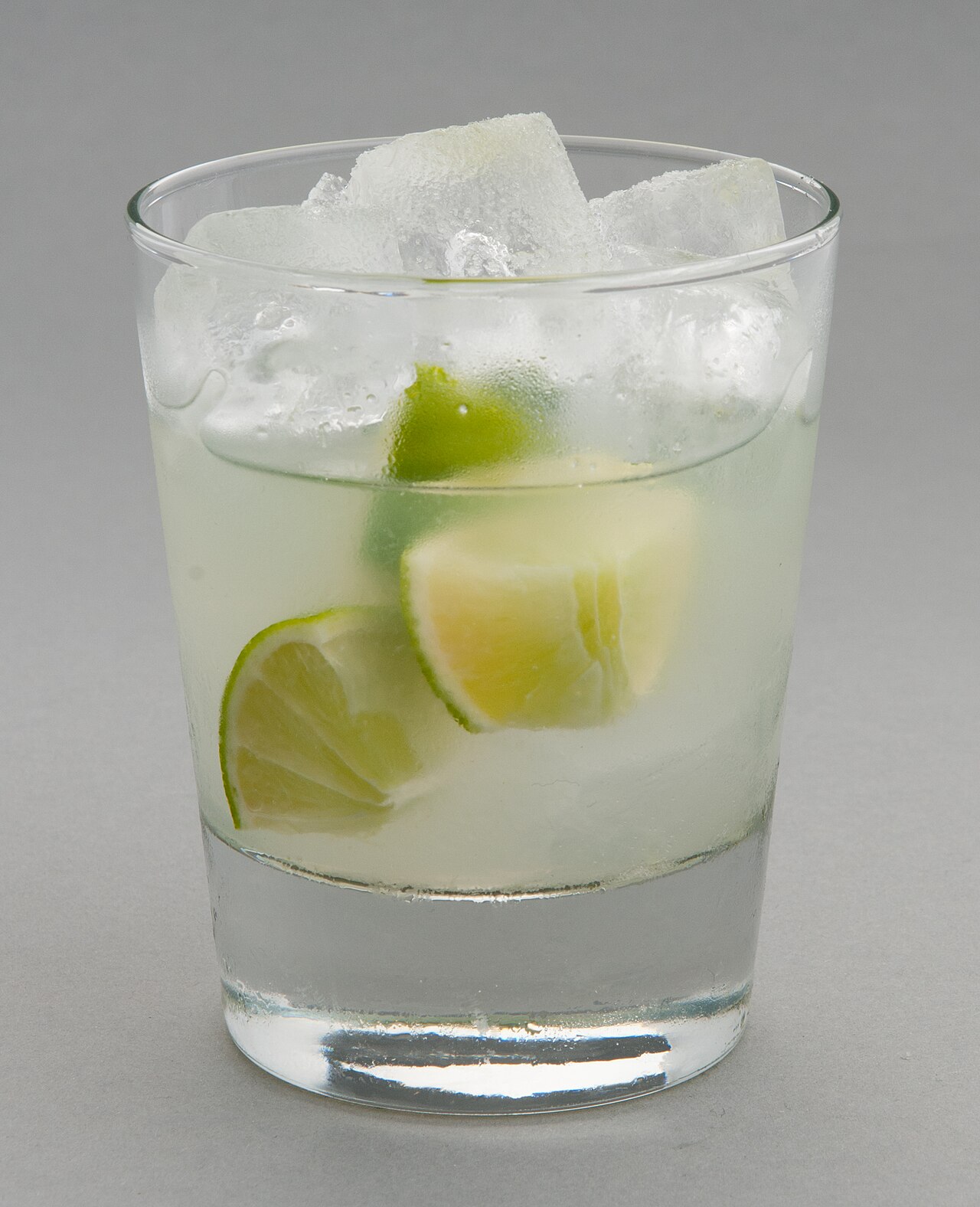
Brazil's national cocktail: lime and sugar crushed in the glass, with ice and cachaça, a spirit distilled from sugarcane juice. It is strong, so sip it slowly.
The name comes from caipira, a word for the country people of São Paulo state. With vodka instead of cachaça it becomes a caipiroska.
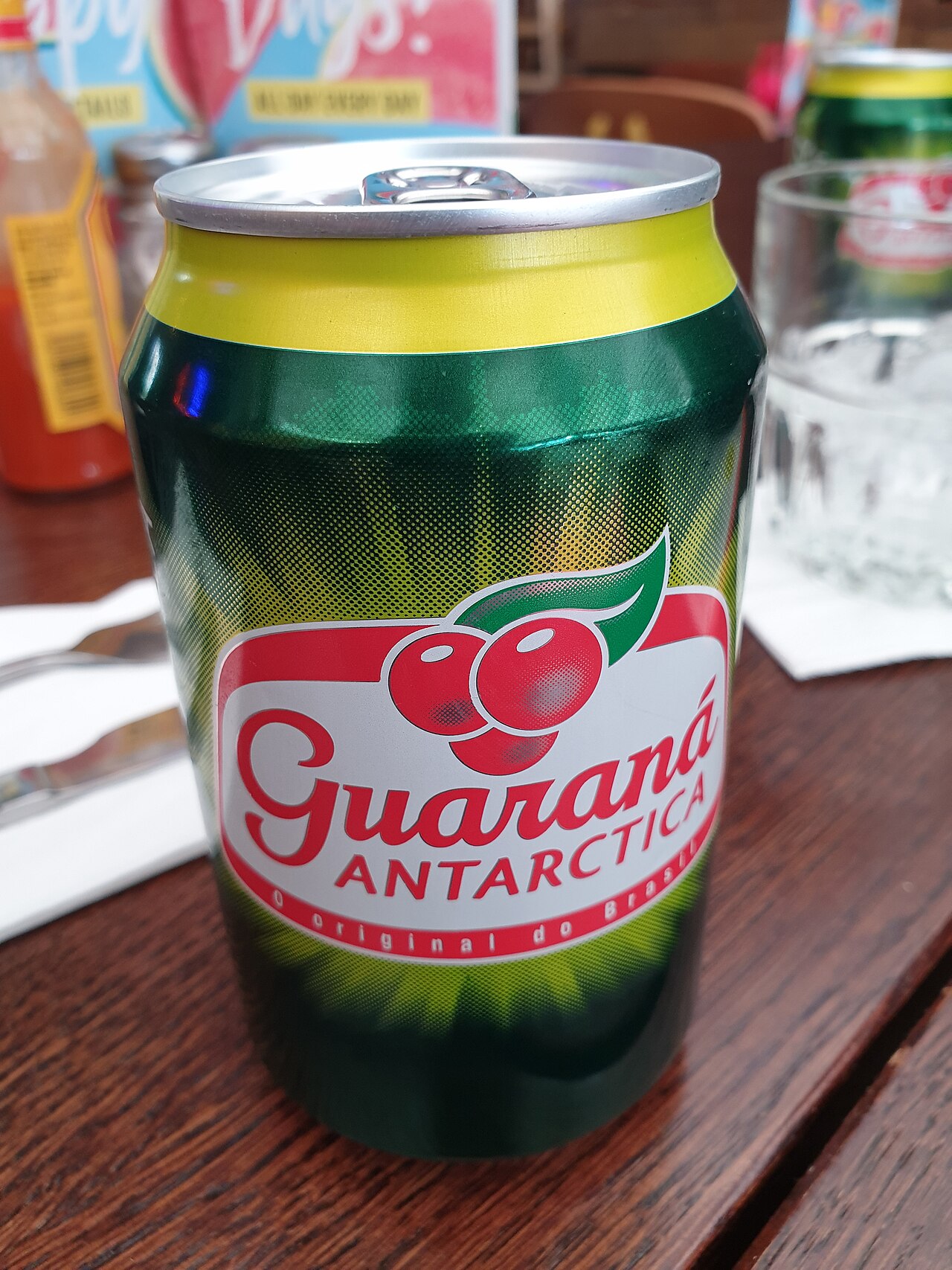
A sweet, fizzy soft drink flavoured with guaraná, a fruit from the Amazon. It contains a little natural caffeine and is Brazil's own soft drink.
Guaraná Champagne Antarctica, one of the best-known brands, was launched in 1921.
Most Brazilians live near the Atlantic coast, in huge cities such as São Paulo and Rio de Janeiro, but some of the most memorable places are far inland: a modern capital on a high plateau, an opera house in the middle of the rainforest and a gold-rush town full of baroque churches.
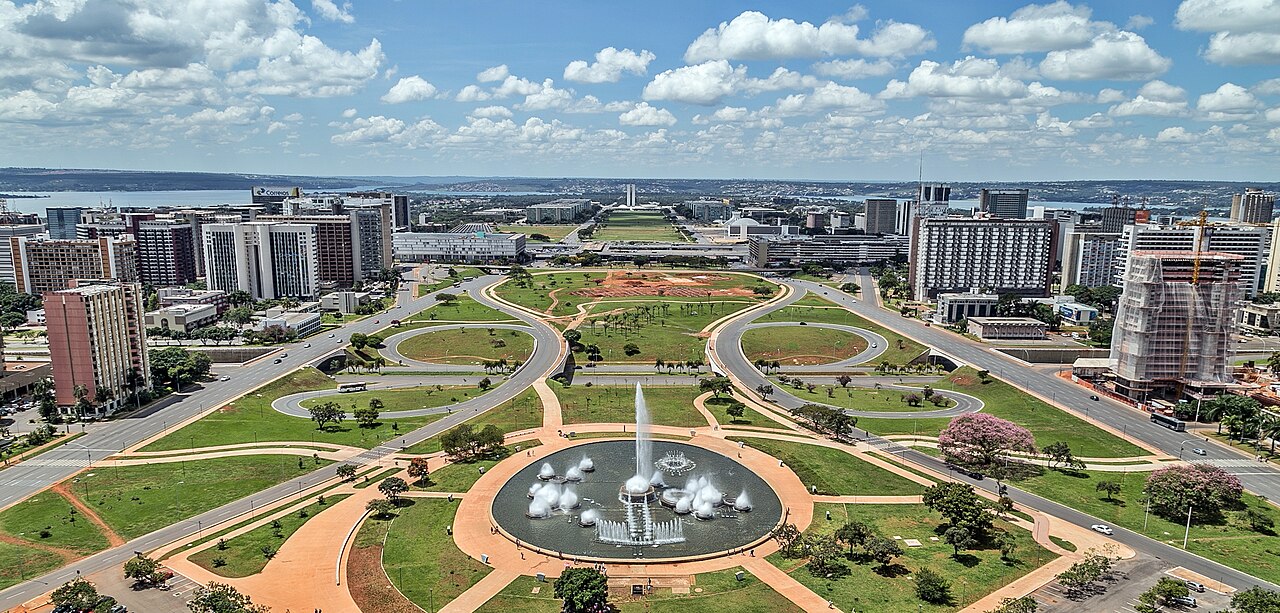
The capital since 1960, built from nothing on a high plateau in about 41 months. Lúcio Costa drew its plan, shaped like an airplane, and Oscar Niemeyer designed its great public buildings. About 3 million people live in the Federal District.
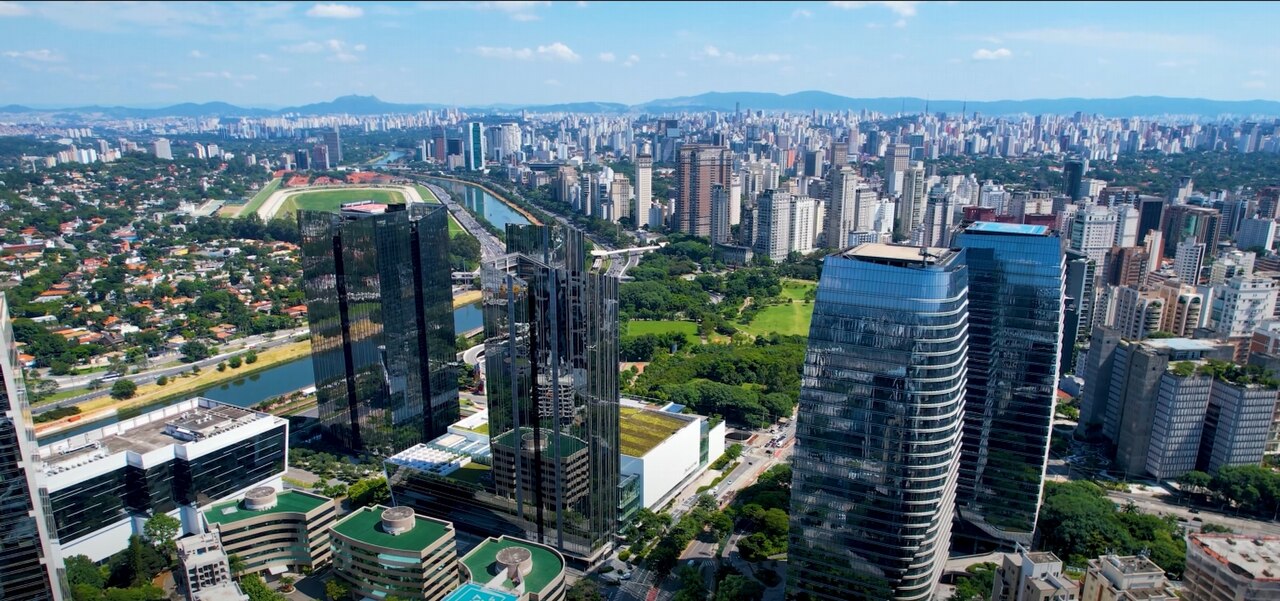
Brazil's largest city, with about 12 million people, and the largest city in the Southern Hemisphere. It was founded by Jesuit missionaries in 1554 and is Brazil's centre of business, food and culture.
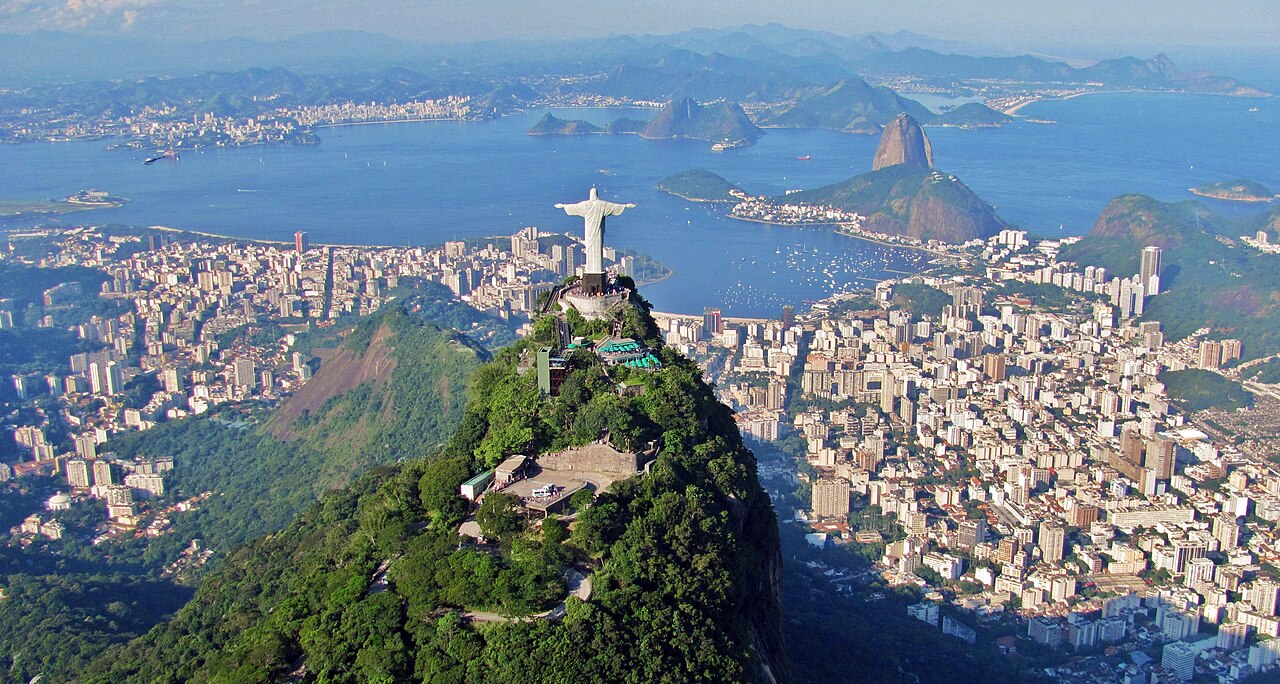
Brazil's second city, with about 6.7 million people, set between mountains, forest and sea. It was the capital from 1763 to 1960, and its people are called cariocas. It hosted the Olympic Games in 2016.
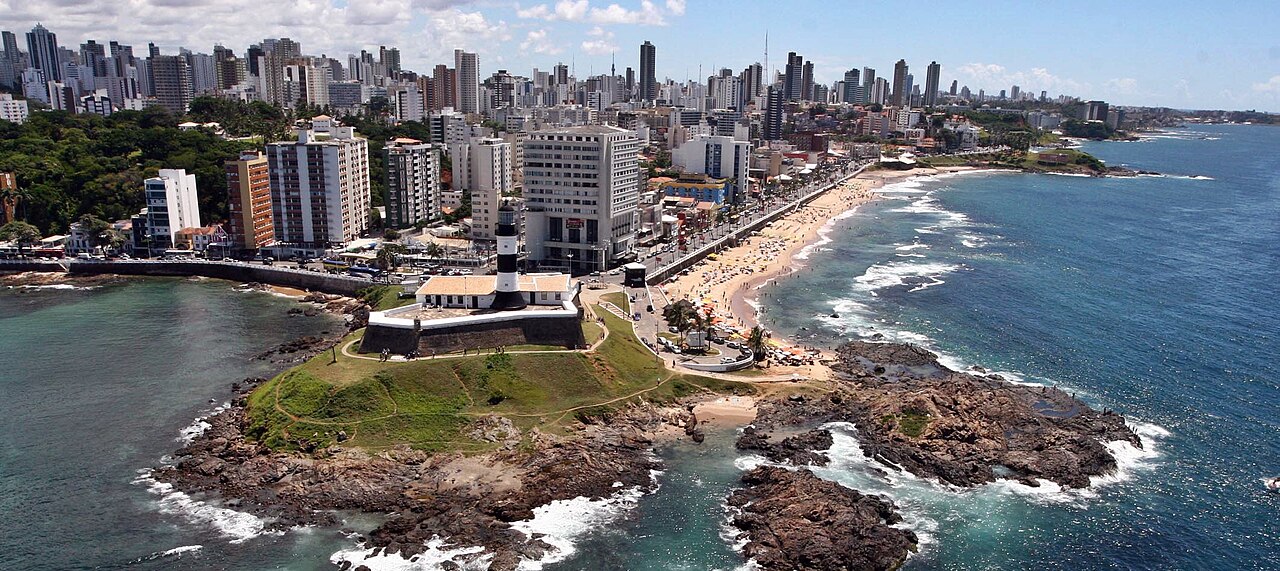
Founded in 1549 and Brazil's first capital, until 1763. Salvador is the heart of Afro-Brazilian culture, with colourful colonial streets, capoeira, drumming and one of the biggest Carnivals in the world.
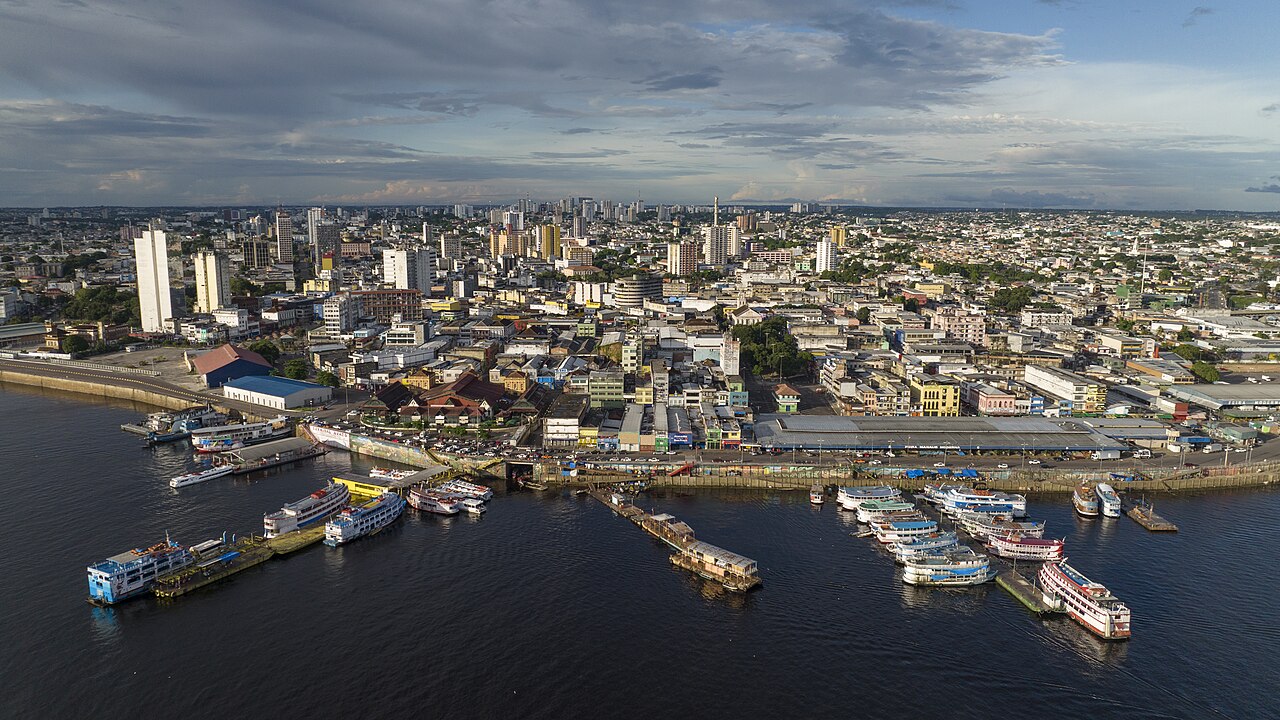
The largest city of the Amazon, with about 2.3 million people, on the Rio Negro near where it joins the Amazon. It grew rich in the rubber boom of the late 1800s and is the starting point for river trips into the rainforest.
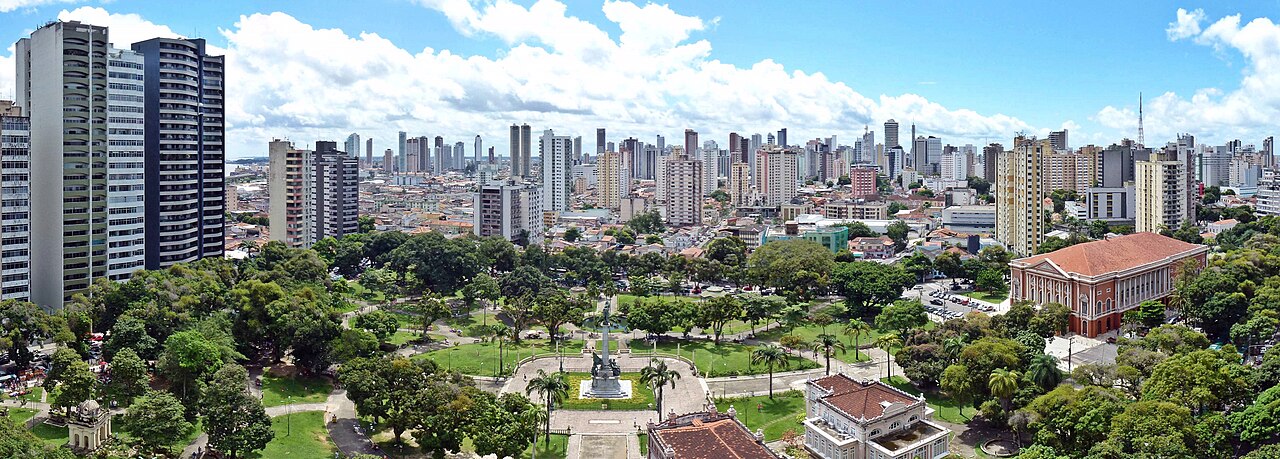
A river port near the mouth of the Amazon, founded in 1616 and called the 'City of Mango Trees'. It is known for Amazon food and for the Círio de Nazaré, a huge religious procession every October.
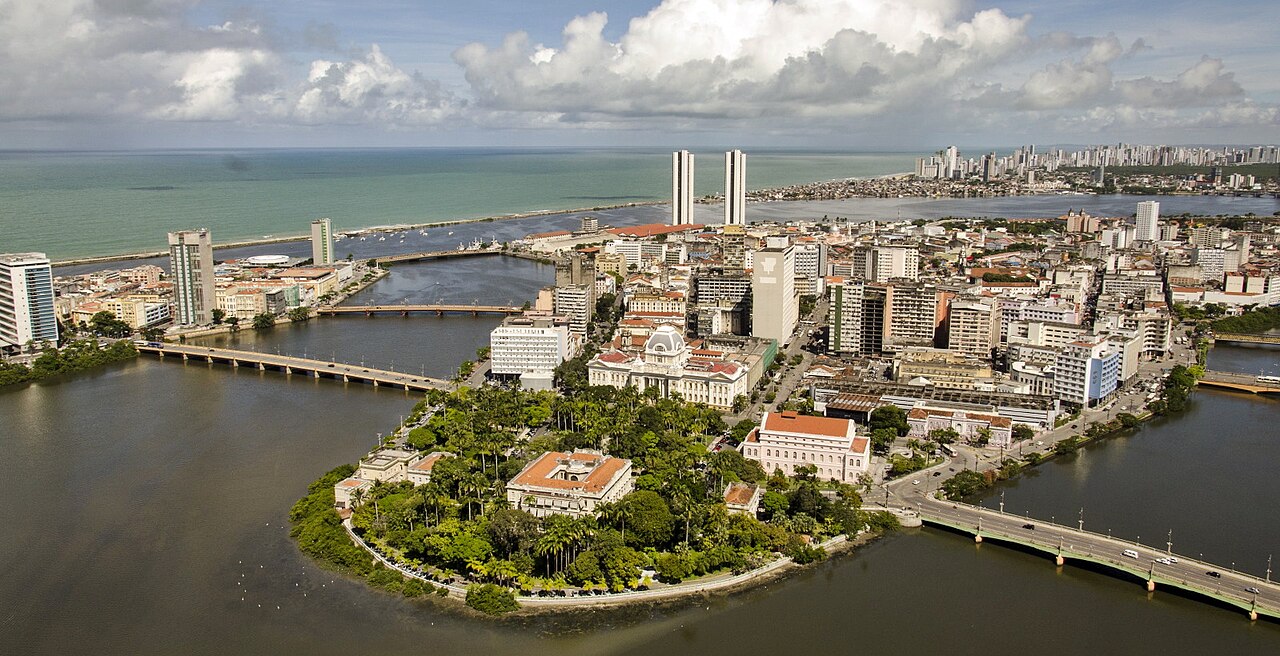
A city of rivers, islands and more than 50 bridges, often called the 'Brazilian Venice'. From 1630 to 1654 it was the capital of Dutch Brazil, and the Kahal Zur Israel synagogue from that time, rebuilt on its original site, is the oldest in the Americas.
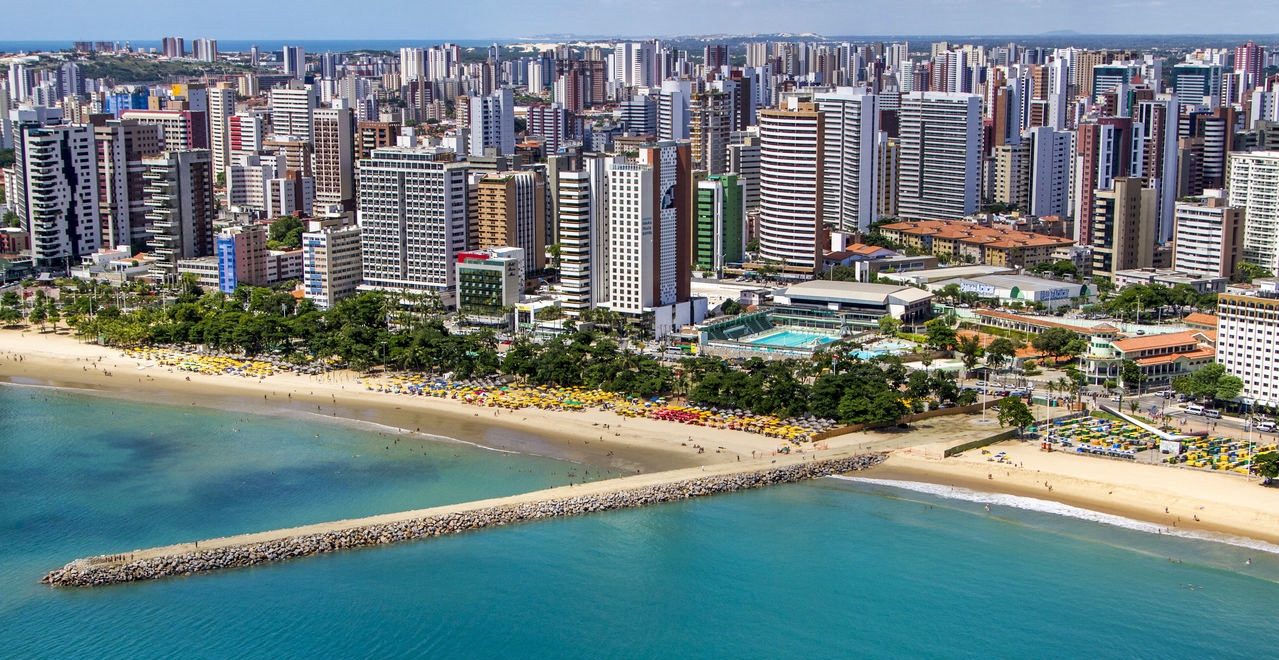
A big, sunny beach city in the northeast, with about 2.6 million people. It is known for its long beaches, forró music and fresh seafood, and it is one of the most visited cities in Brazil.
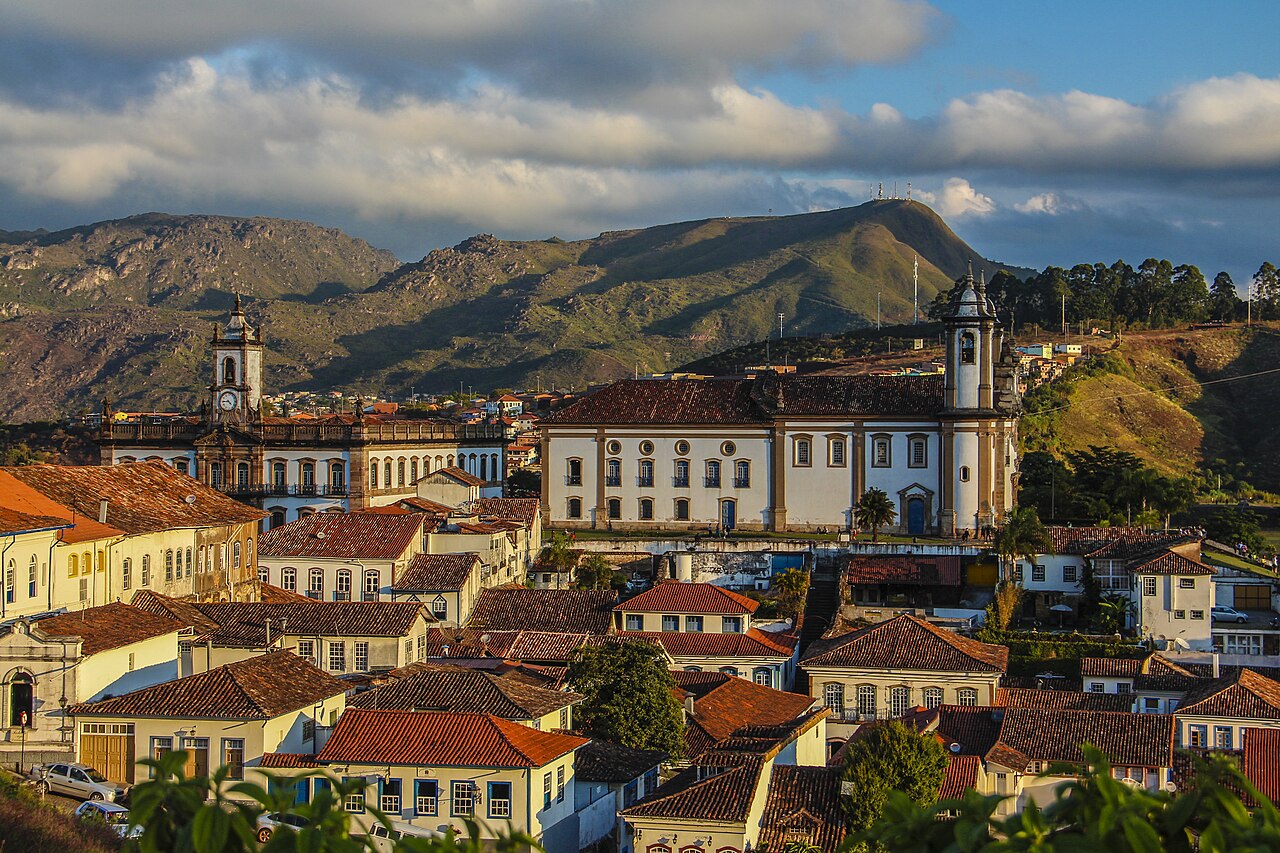
A hilly gold-rush town whose name means 'black gold'. Under the name Vila Rica it was the capital of Minas Gerais and one of the largest towns in the Americas in the 1700s. Its whole historic town is a UNESCO World Heritage Site, the first in Brazil, since 1980.
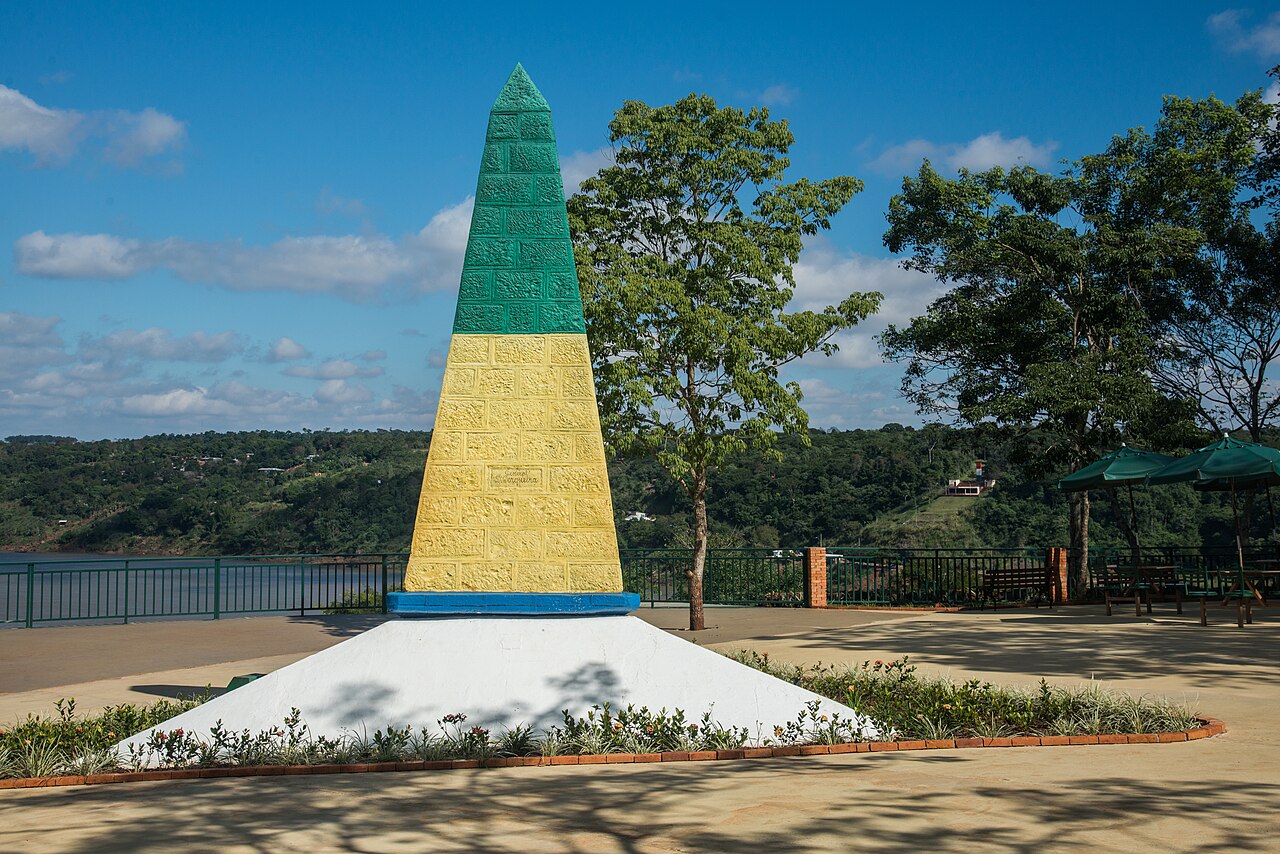
A city in the far southwest where Brazil, Argentina and Paraguay meet. It is the base for visiting the Iguaçu Falls, about 20 km away, and the Itaipu Dam, which Brazil shares with Paraguay.
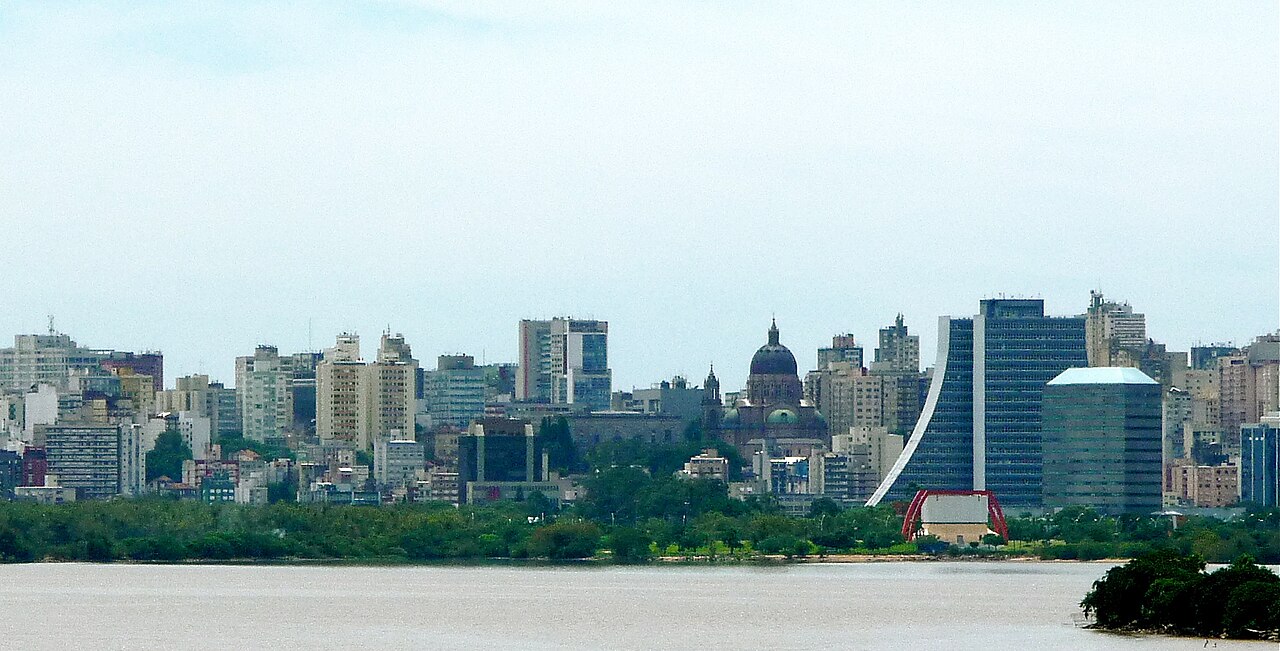
The southernmost state capital in Brazil, on Guaíba Lake, founded in 1772 after settlers from the Azores arrived. It is a centre of gaúcho culture, famous for barbecue and mate tea.
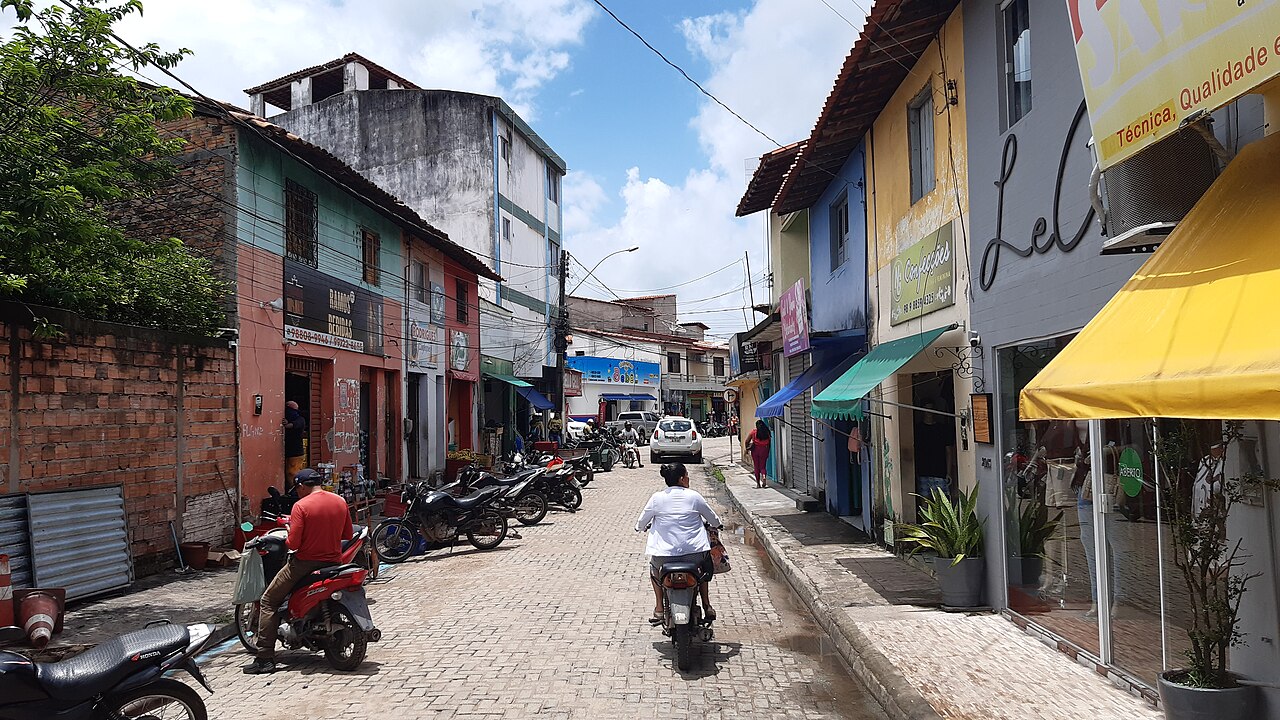
A small river town in the northeast state of Maranhão and the starting point for most trips into the white dunes and lagoons of Lençóis Maranhenses National Park.
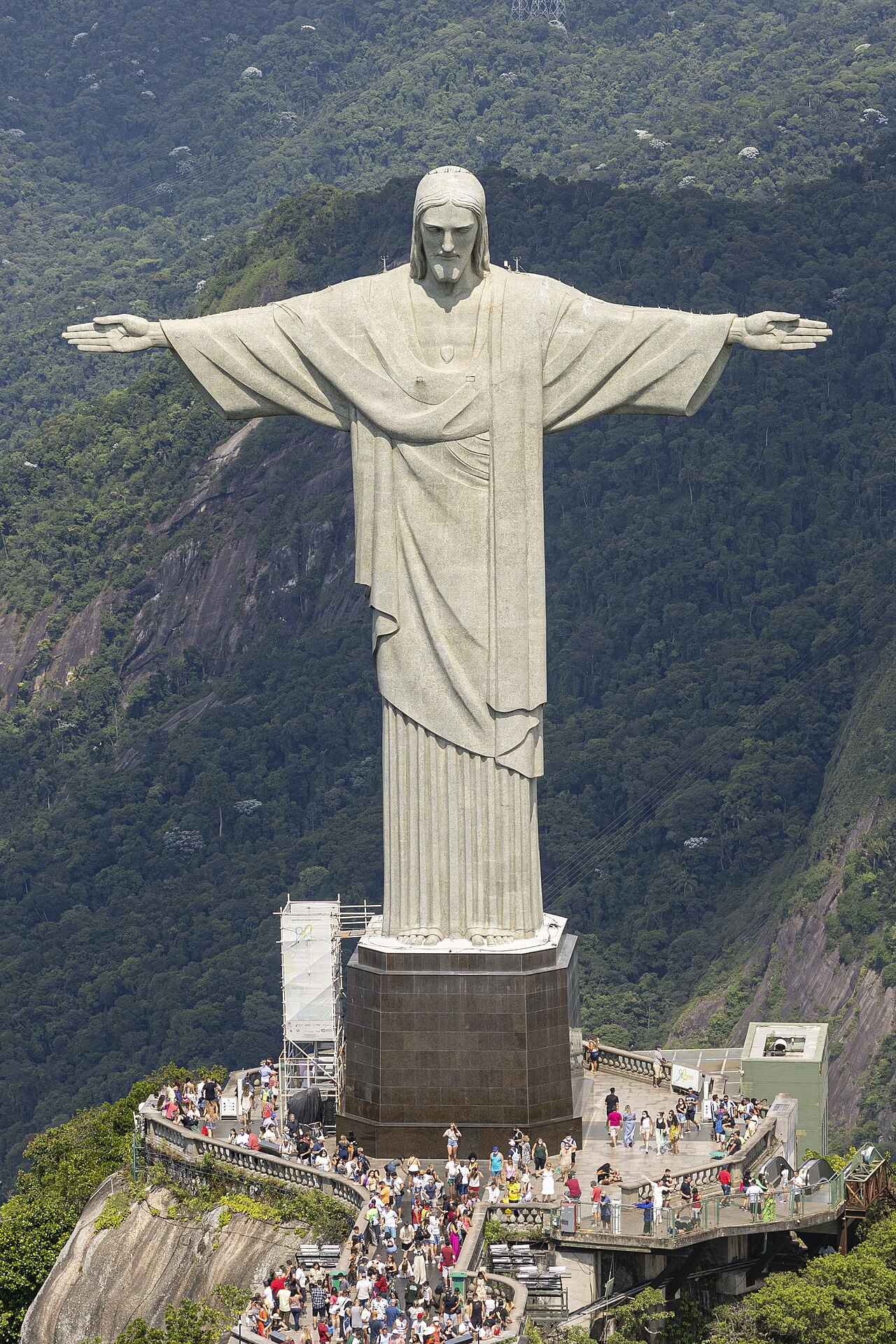
The statue of Christ with open arms on top of Corcovado mountain, 30 m tall on an 8 m pedestal, with arms 28 m wide. It was completed in 1931 and is made of reinforced concrete covered with soapstone. It was voted one of the New Seven Wonders of the World in 2007 and is part of the 'Rio de Janeiro: Carioca Landscapes' World Heritage Site.
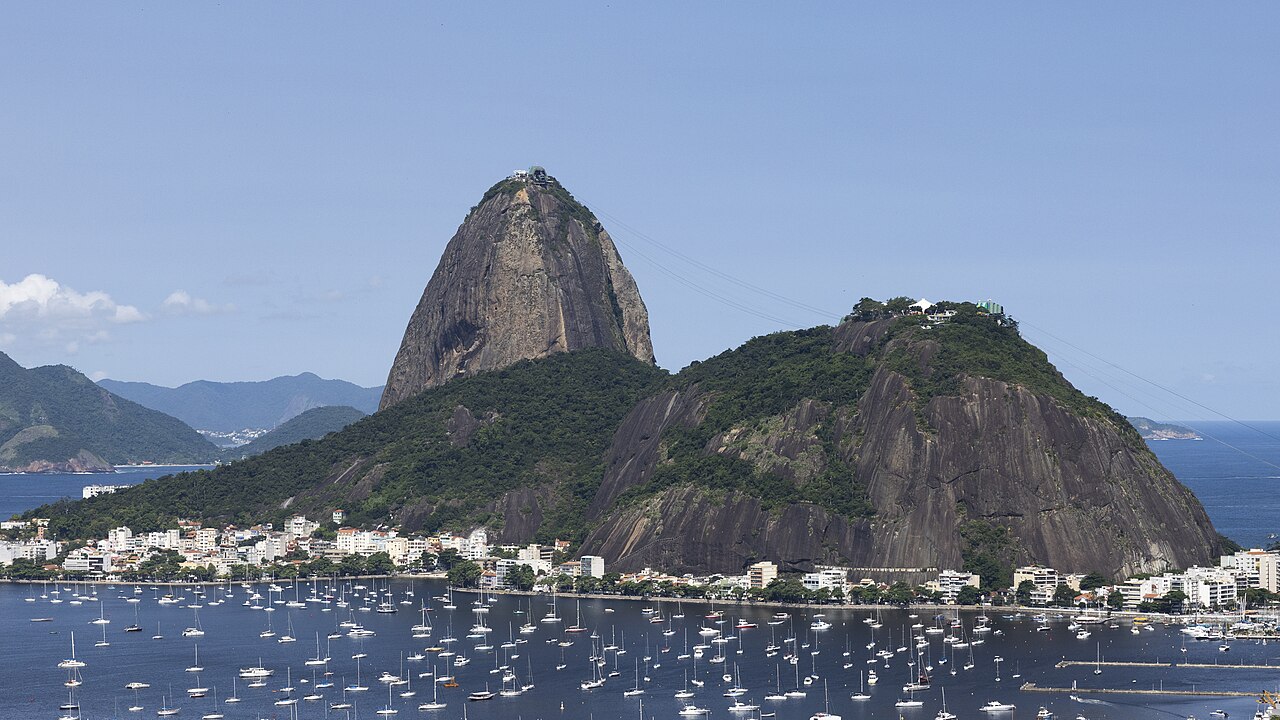
UNESCO World HeritageA granite peak rising 396 m straight out of Guanabara Bay. Two cable cars take you up via Urca Hill; the first opened in 1912. The views of Rio's beaches and mountains are best at sunset. It is part of the Carioca Landscapes World Heritage Site.
UNESCO World Heritage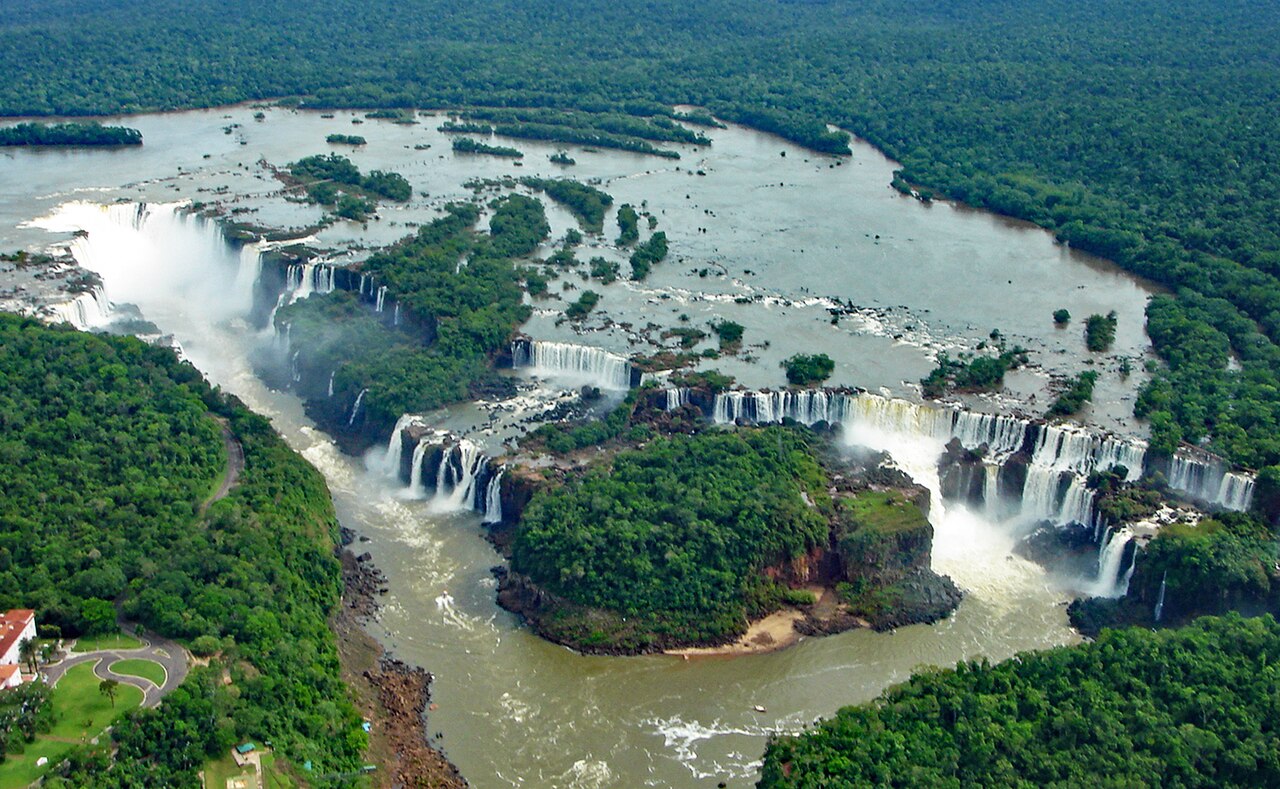
About 275 waterfalls on the Iguaçu River, on the border between Brazil and Argentina, about 20 km from Foz do Iguaçu. The largest, the Devil's Throat, is a U-shaped chasm 70 to 80 m deep. The Brazilian side gives the widest panoramic views; most of the falls are on the Argentine side. Brazil's Iguaçu National Park has been a World Heritage Site since 1986.
UNESCO World Heritage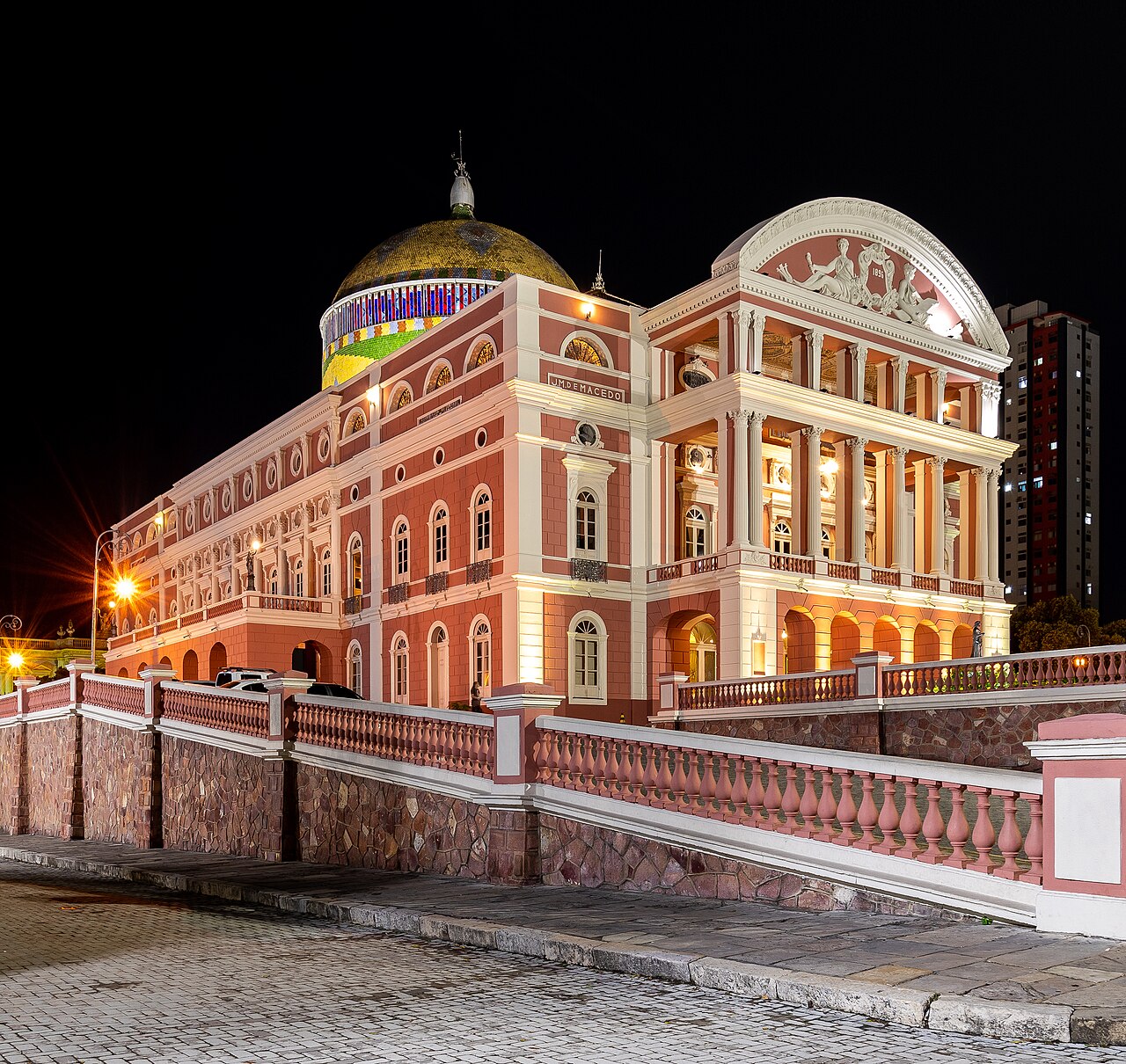
An opera house with a dome of 36,000 tiles in the colours of the Brazilian flag, opened in 1896 in the middle of the rainforest, paid for by the rubber boom. Its roof tiles came from Alsace and its marble from Italy. In 2026 UNESCO added it, together with the Theatro da Paz in Belém, to the World Heritage List as the Amazonia Theaters.
UNESCO World Heritage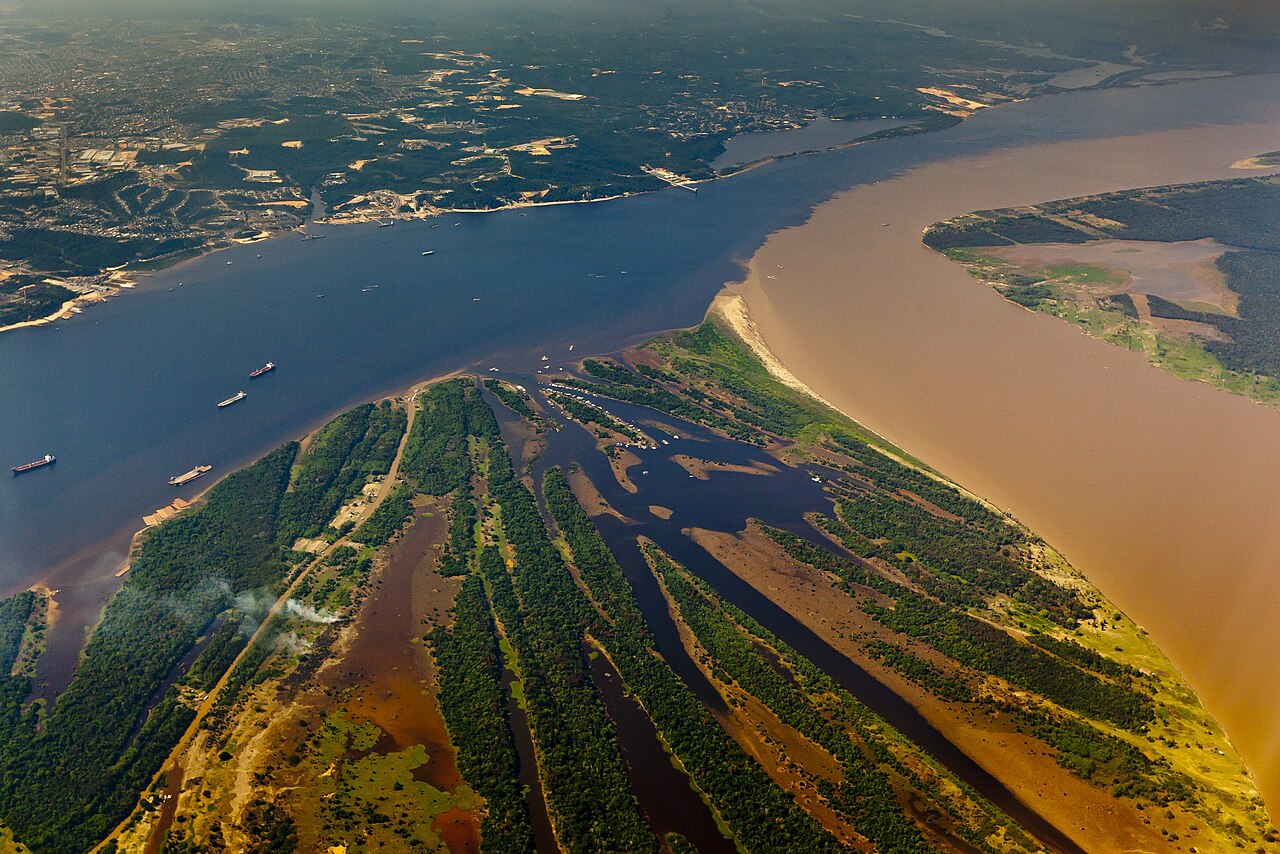
Just outside Manaus, the black water of the Rio Negro meets the sandy-coloured Solimões, as Brazilians call the upper Amazon. Because they differ in speed, temperature and sediment, the two rivers flow side by side for several kilometres without mixing. Boats from Manaus take you there.
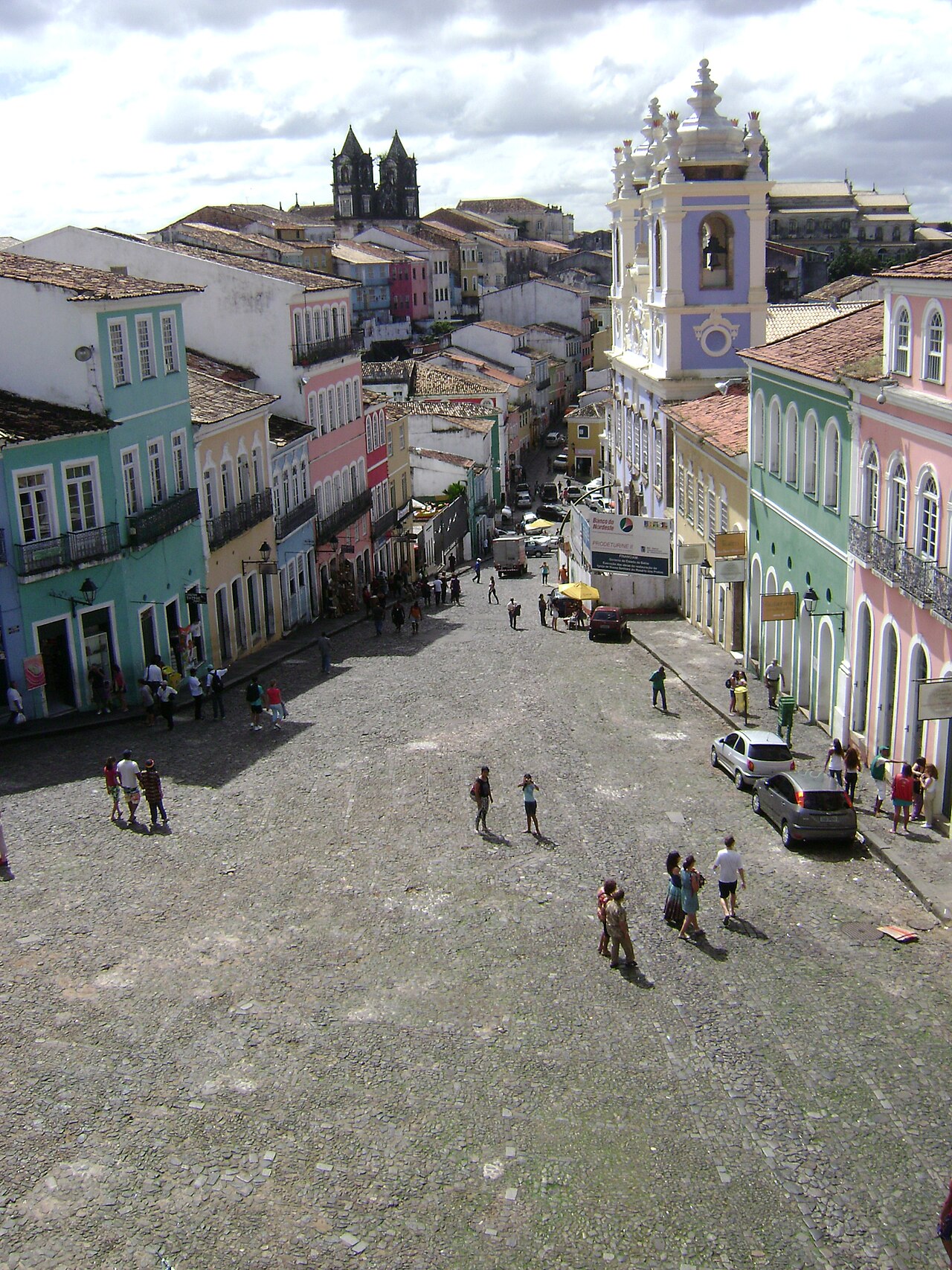
The historic centre of Salvador, with cobbled squares, pastel-coloured colonial houses and richly decorated churches from the 1600s and 1700s. The name means 'pillory', the post where enslaved people were once publicly punished. It has been a World Heritage Site since 1985.
UNESCO World Heritage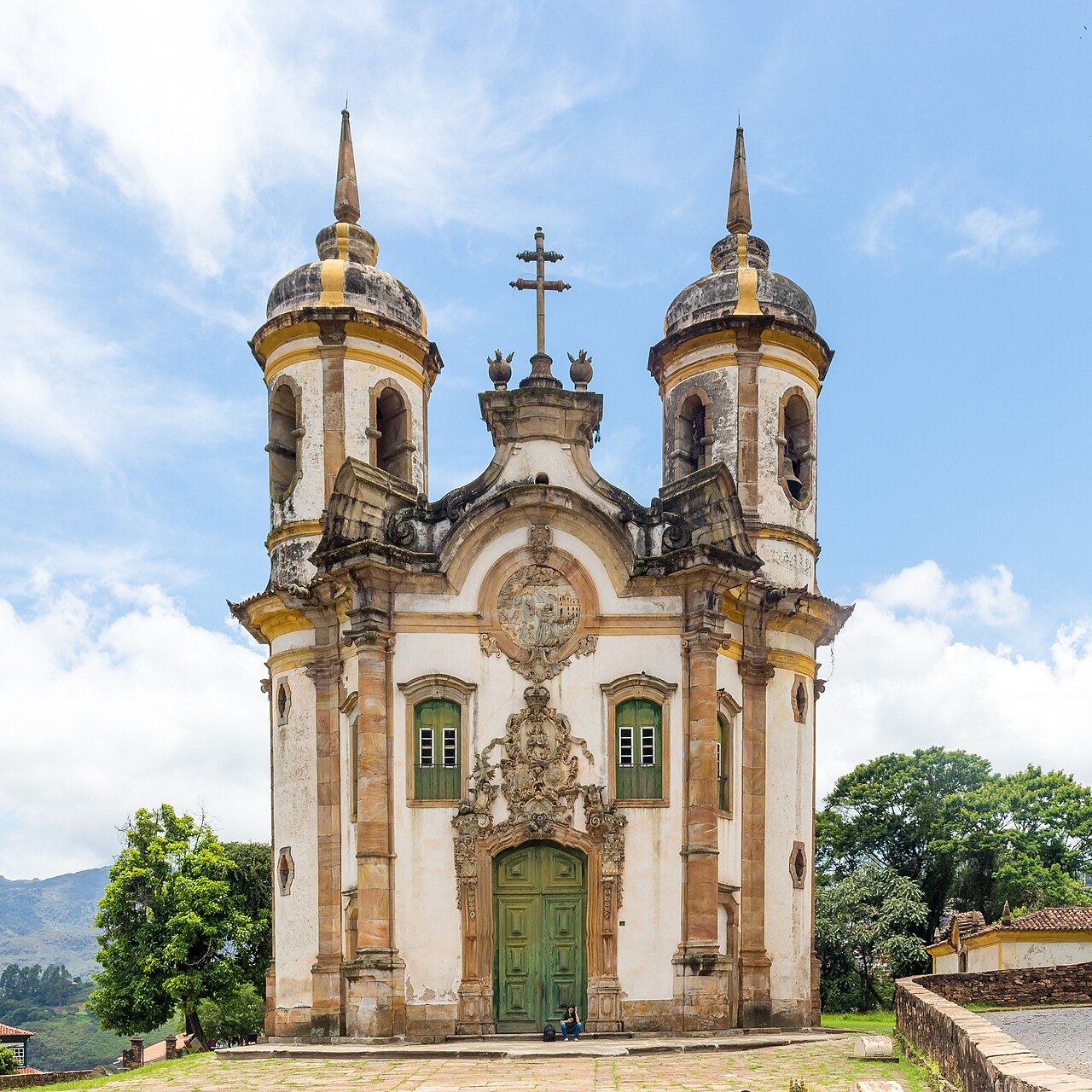
A masterpiece of Brazilian baroque, designed by the sculptor and architect Aleijadinho, begun in 1766, with round bell towers and a carved soapstone front. Inside, the painted ceiling by Manuel da Costa Ataíde shows the Virgin Mary among musician angels. It is part of the Historic Town of Ouro Preto World Heritage Site.
UNESCO World Heritage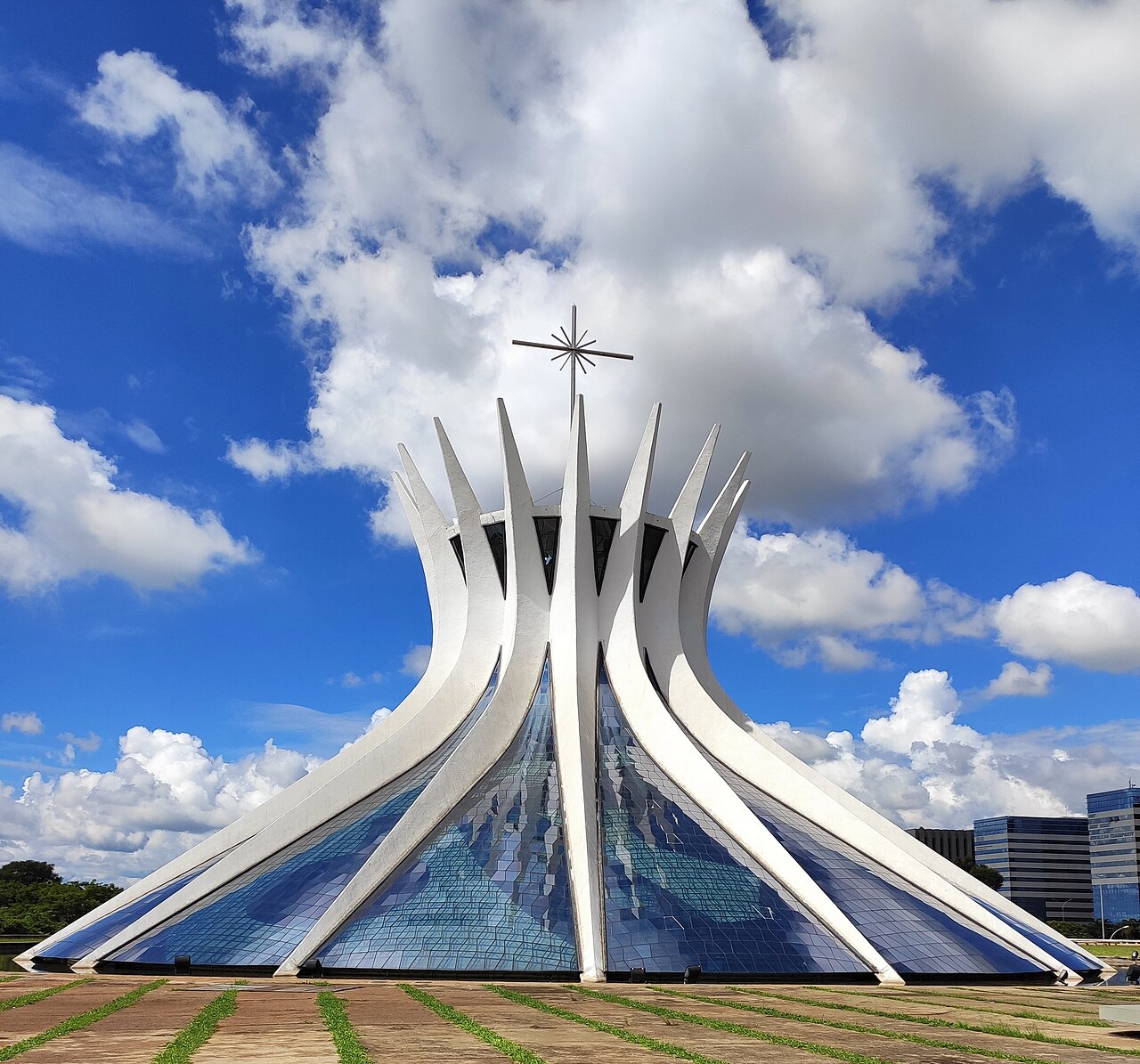
Oscar Niemeyer's cathedral, opened in 1970, is made of 16 curved concrete columns that reach up towards the sky, with glass between them. Inside, three angels hang from the ceiling. It is part of the Brasília World Heritage Site.
UNESCO World Heritage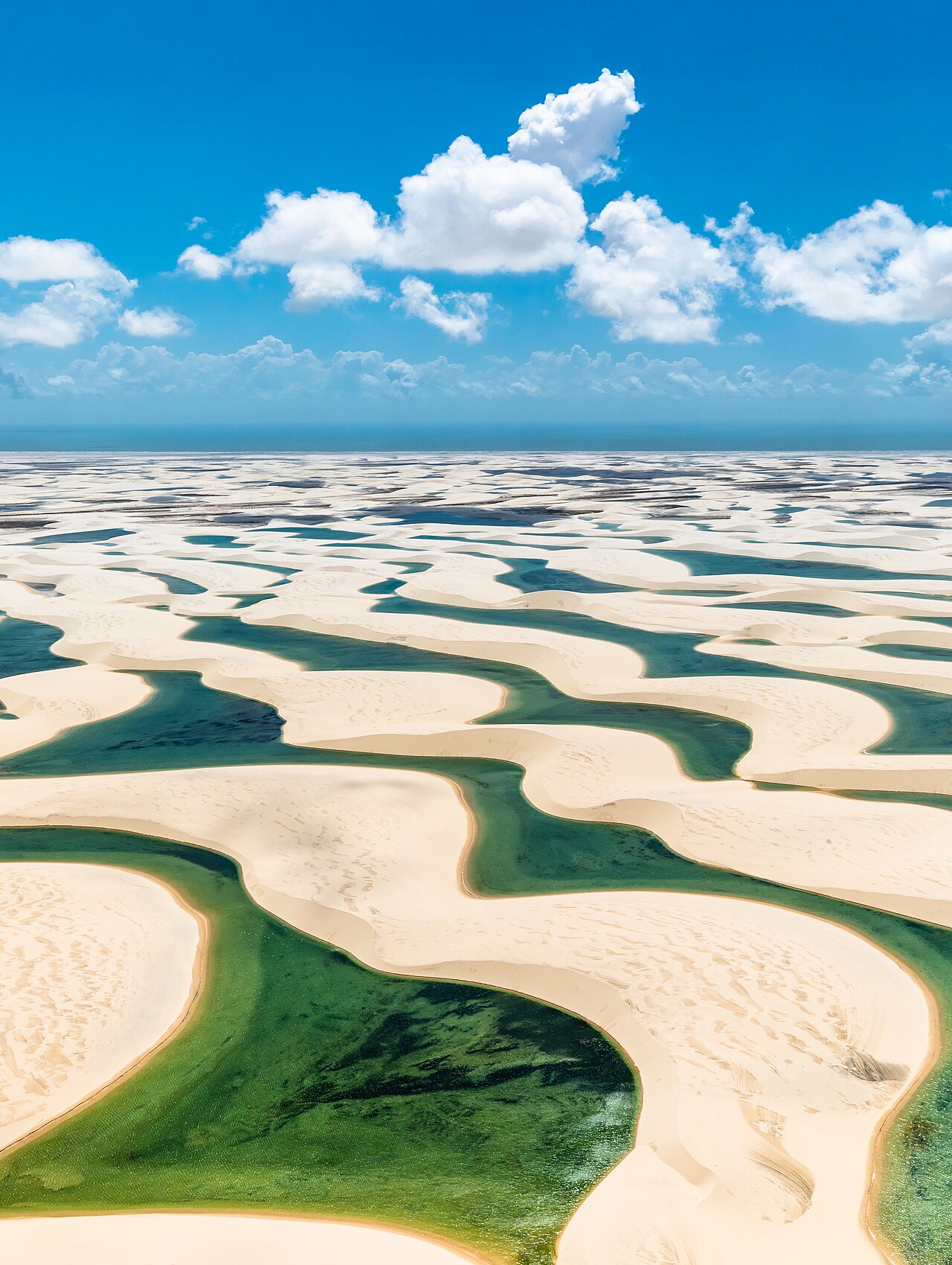
Rolling white sand dunes along the coast of Maranhão. In the rainy season, from about January to June, rainwater collects in the valleys between the dunes and forms blue and green lagoons. Most trips start from Barreirinhas. It became a World Heritage Site in 2024.
UNESCO World Heritage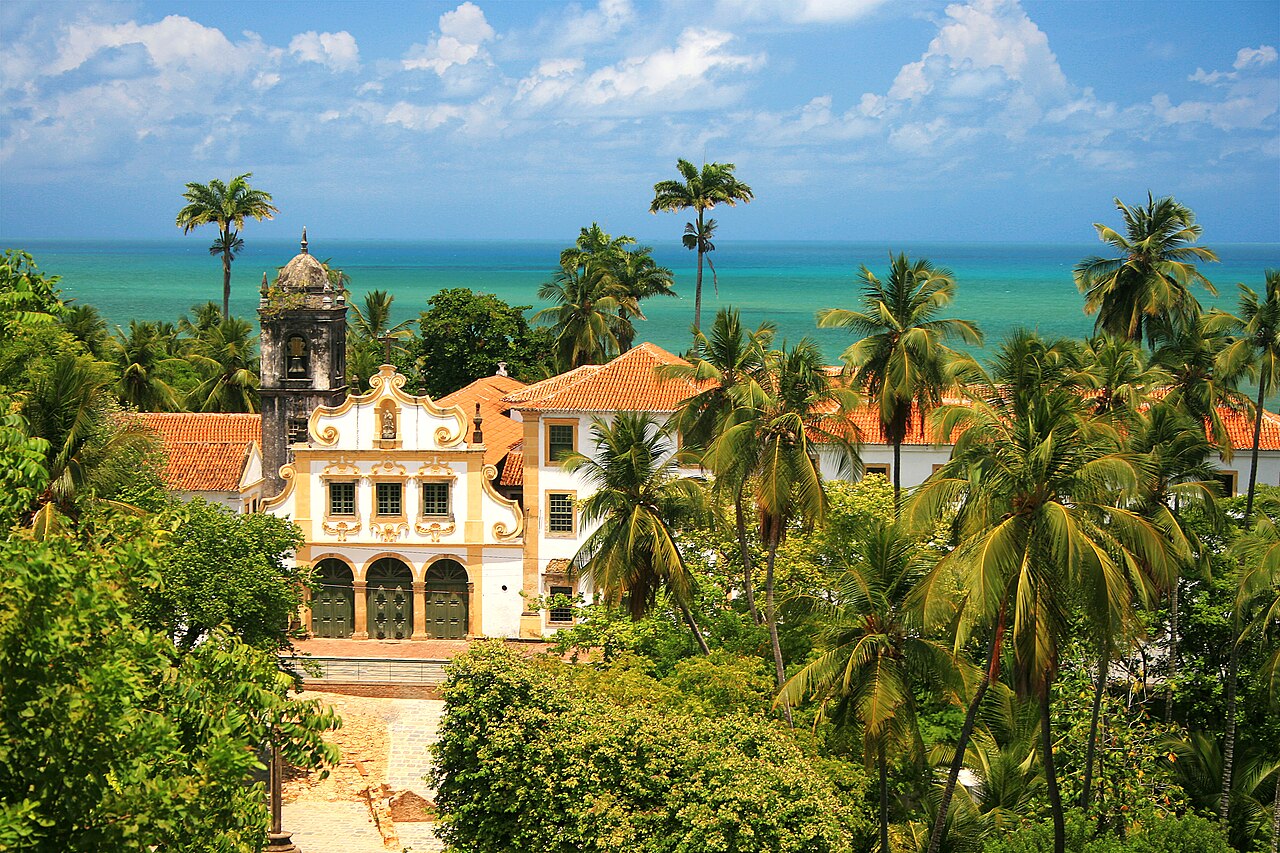
A hilltop colonial town about 6 km north of Recife, founded in 1535, with colourful houses, gardens and baroque churches looking out to sea. At Carnival its steep streets fill with frevo bands and giant puppets. It has been a World Heritage Site since 1982.
UNESCO World HeritageAbout 60 percent of the Amazon rainforest lies in Brazil. The rest is shared by eight other countries and territories, led by Peru and Colombia.
Brazil is named after a tree. Brazilwood, pau-brasil in Portuguese, gave a valuable red dye, and the early Portuguese called the country 'Terra do Brasil', the land of brazilwood. Today it is the national tree, and its wood is prized for violin bows.
Brazil shares its longest land border with Bolivia, but it also borders France: French Guiana, part of France, lies to the north. The 730 km border is the longest land border France has with any country.
Brazil is the only country in the Americas where Portuguese is the official language, and with about 214 million people it has far more Portuguese speakers than Portugal itself.
As of 2026, Brazil has won the men's football World Cup five times, in 1958, 1962, 1970, 1994 and 2002, more than any other country. It is also the only team that has played at every World Cup.
Brazil has been the world's largest coffee producer for more than 150 years and grows about a third of the world's coffee. The first coffee bushes were planted in Pará in 1727.
On 18 June 1908 the ship Kasato Maru brought 781 Japanese workers to the coffee farms of São Paulo. Today about 2 million Brazilians have Japanese ancestry, the largest population of Japanese origin outside Japan.
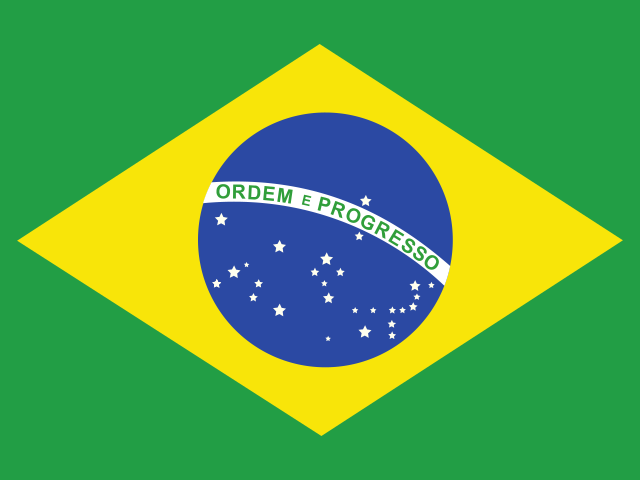
The 27 stars on Brazil's flag, one for each state and the Federal District, show the sky over Rio de Janeiro on the morning of 15 November 1889, the day the republic was proclaimed. The motto 'Ordem e Progresso' means 'Order and Progress'.
Rio de Janeiro means 'River of January'. The name refers to Guanabara Bay, which Portuguese sailors reached on 1 January 1502.
The Pantanal, in the west of Brazil, is the largest tropical wetland in the world. It is one of the best places on Earth to see wild jaguars.
The Iguaçu Falls are made up of about 275 separate waterfalls. Eleanor Roosevelt is said to have cried 'Poor Niagara!' when she saw them.
Capoeira, a mix of martial art, dance and music played to the twang of a one-string bow called the berimbau, was developed by enslaved Africans in Brazil. In 2014 UNESCO added the capoeira circle to its list of intangible cultural heritage.
During Rio's Carnival about two million people a day fill the streets. The samba schools parade in the Sambadrome, a 700 m parade avenue designed by Oscar Niemeyer and opened in 1984.
As of 2026, Brazil has 26 UNESCO World Heritage Sites. The newest, added in July 2026, is the Amazonia Theaters: the two opera houses of the rubber boom in Manaus and Belém.
Pronunciation is written the way it sounds; the capital letters show where the stress goes. Audio is coming soon.
As of 2026, British visitors can stay up to 90 days without a visa, and their passport must be valid for at least 6 months after arrival. Since 10 April 2025, citizens of the United States, Canada and Australia need an e-visa, applied for online before travel. Check the rules for your passport before you book.
Phone snatching and robbery are common in big cities, on buses and on busy beaches. Carry little, leave jewellery at home and use your phone inside shops or cafés. If someone tries to rob you, hand over your things and do not resist.
Travel advice recommends ride-hailing apps or official taxis, not unlicensed cars. Check that the car and driver match the app before you get in. In bars, buy your own drinks and keep them in sight.
Call 192 for an ambulance, 190 for the police and 193 for the fire brigade. Good travel insurance with medical cover is essential, because private hospitals ask for proof that you can pay.
Yellow fever, dengue and other mosquito-borne diseases are found in parts of Brazil. See your doctor or a travel clinic at least 8 weeks before you travel, use insect repellent, and bring your own medicines with a doctor's letter.
Brazil uses two different voltages: 127 V in states such as São Paulo, Rio de Janeiro and Minas Gerais, and 220 V in others, including Brasília, Bahia and most of the northeast. Most phone and laptop chargers work with both, but check hair dryers and other appliances. Sockets are mostly type N, and a type C plug usually fits.
Restaurants usually add a 10 percent service charge to the bill. By law it is optional, but most people pay it, and it counts as the tip.
Brazilians speak Portuguese, not Spanish. English is less common outside hotels and big tourist areas, so a few words such as 'bom dia', 'obrigado' or 'obrigada' and 'por favor' go a long way.