A free large-print PDF. Choose what goes in: facts, map, history, dishes and recipes, phrases, fun facts, a quiz with or without answers. Made for clubs, care homes, libraries and family afternoons.
Bolivia lies in the middle of South America and has no coast. The west is high country: two ranges of the Andes with the Altiplano, a vast cold plateau, between them. Here are Lake Titicaca, which Bolivia shares with Peru, and the Salar de Uyuni, the largest salt flat in the world. The east and north, about two thirds of the country, are warm lowlands of savanna and Amazon rainforest.
Bolivia is one of the few countries with two capital cities, and it helps to know the difference. Sucre is the capital named in the constitution and the home of the Supreme Court. La Paz is the seat of government, where the president, the parliament and the electoral authority work. The largest city of all is a third one, Santa Cruz de la Sierra, in the tropical east.
Long before the Incas, the city of Tiwanaku near Lake Titicaca was the centre of a great Andean culture. Under Spanish rule, the silver mountain above Potosí made the city one of the richest places on earth. Bolivia became independent in 1825 and took its name from Simón Bolívar. Today it has about 11.4 million people, and alongside Spanish, millions speak Quechua, Aymara or Guaraní.
CapitalSucre
Seat of governmentLa Paz, home of the president, the parliament and the electoral authority. Sucre, the constitutional capital, is the seat of the judiciary
PopulationAbout 11.4 million (2024 census)
Official languageSpanish and 36 Indigenous languages named in the 2009 constitution. The most widely spoken are Quechua, Aymara and Guaraní
CurrencyBolivian boliviano (BOB)
AreaAbout 1.1 million km², the fifth largest country in South America
GovernmentPresidential republic, divided into nine departments
Highest mountainNevado Sajama, 6,542 m, an extinct volcano in Oruro Department
Longest riverThe Mamoré, close to 2,000 km. It flows north and, together with the Beni, forms the Madeira, the largest tributary of the Amazon
NeighboursBrazil, Paraguay, Argentina, Chile and Peru. The longest border is with Brazil
The high plateau around Lake Titicaca was home to the Tiwanaku culture more than a thousand years ago, and later became part of the Inca Empire. The Spanish arrived in the 1530s and found one of the richest silver mountains in the world at Potosí. Known in colonial times as Charcas or Upper Peru, the country became independent in 1825. In the century that followed, wars with its neighbours cost Bolivia its coast and large areas of land.
AD 600
Tiwanaku grows into a great city
From about AD 600, Tiwanaku, near the southern shore of Lake Titicaca, grew into a city with stone temples and platforms. It was the centre of a culture whose influence reached into today's Peru and Chile, fed by farmers who grew crops on raised fields.
1000
Tiwanaku is abandoned
Around AD 1000, Tiwanaku lost its power and the city was abandoned within a few decades. Scholars still debate why: a long drought and troubles inside the society are both suggested. Its ruins later became a UNESCO World Heritage Site.
1438
The Inca Empire begins to expand
Between 1438 and 1527, the Inca Empire expanded from its capital, Cusco, and took control of much of what is now the Bolivian Andes. The eastern lowlands stayed in the hands of independent Amazonian and Guaraní peoples.
1538
The Spanish found La Plata, today's Sucre
In 1538 the Spanish founded the town of La Plata on the site of an Inca town called Chuquisaca. From 1559 it was the seat of the Audiencia of Charcas, the court that governed the region. It was renamed Sucre in 1839.
1545
Potosí is founded below the silver mountain
In 1545 the silver of Cerro Rico, the 'rich mountain', was discovered, and the town of Potosí grew at its foot. It soon became one of the largest cities in the Americas. The silver was mined by Indigenous workers under the mita, a brutal system of forced labour.
1548
La Paz is founded
On 20 October 1548, the conquistador Alonso de Mendoza founded Nuestra Señora de La Paz, Our Lady of Peace, to mark the end of a civil war among the conquerors. The city stood on the trade route from Potosí to Lima.
1624
A university opens in Sucre
In 1624 the University of San Francisco Xavier was founded in Sucre by order of King Philip IV of Spain. It is one of the oldest universities in the Americas, and around 1800 it became a centre of ideas of independence.
1781
Túpac Katari besieges La Paz
In March 1781 the Aymara leader Túpac Katari, with his wife Bartolina Sisa, laid siege to La Paz. The rebellion was put down and Katari was executed, but both are honoured today as national Aymara heroes.
1809
The first cry of freedom in Sucre
On 25 May 1809 the people of Chuquisaca, today's Sucre, rose against the Spanish authorities, followed by La Paz on 16 July. Both revolts were defeated, but they opened sixteen years of fighting.
1825
Bolivia declares independence
On 6 August 1825, after the victories of Marshal Antonio José de Sucre, the new republic was proclaimed. It was named after Simón Bolívar, first as the Republic of Bolívar and soon after as Bolivia.
1879
The War of the Pacific begins
In 1879 Chile went to war with Bolivia and Peru. Chile occupied Bolivia's whole coastline, including the port of Antofagasta and rich nitrate fields, and Bolivia has had no coast since.
1903
Bolivia loses Acre to Brazil
After the Acre War, Bolivia signed the Treaty of Petrópolis in 1903 and gave Brazil the Acre territory, a region rich in rubber. Since independence Bolivia has lost more than half of its territory to its neighbours.
1932
The Chaco War begins
From 1932 to 1935 Bolivia and Paraguay fought over the Gran Chaco, a dry region thought to be rich in oil. It was the bloodiest South American war of the 20th century, and the peace treaty gave most of the disputed land to Paraguay.
1952
The National Revolution
In April 1952 the Revolutionary Nationalist Movement took power. It introduced the vote for all adults, bringing women and Indigenous peasants into political life, carried out a land reform and nationalised the largest tin mines.
1967
Che Guevara is killed in Bolivia
The Argentine-born revolutionary Che Guevara tried to start a guerrilla war in Bolivia. He was captured by the Bolivian army and killed on 9 October 1967 in the village of La Higuera.
2009
A new constitution creates the Plurinational State
On 7 February 2009 a new constitution came into force. It renamed the country the Plurinational State of Bolivia, made 36 Indigenous languages official alongside Spanish, and made the wiphala flag a symbol of the state.
Bolivian food is built on what the Andes have grown for thousands of years: potatoes, corn, quinoa, beans and chilli peppers, joined after the Spanish arrived by rice, wheat, beef and pork. The cold highlands like hearty, spicy soups and stews; the warm lowlands of the east cook with cassava (yuca), plantains, rice and river fish. Breakfast is simple, often a coffee and a bread roll called a marraqueta. Lunch, el almuerzo, is the main meal: a soup, then a main course of meat with rice and potatoes, and many shops close from about 12 to 2 pm. In the late afternoon many people stop for tea and pastries, and supper is light. With almost everything comes llajwa, a fresh sauce of tomato and hot locoto pepper.
All of Bolivia. Potosí, Sucre and Cochabamba all claim the best
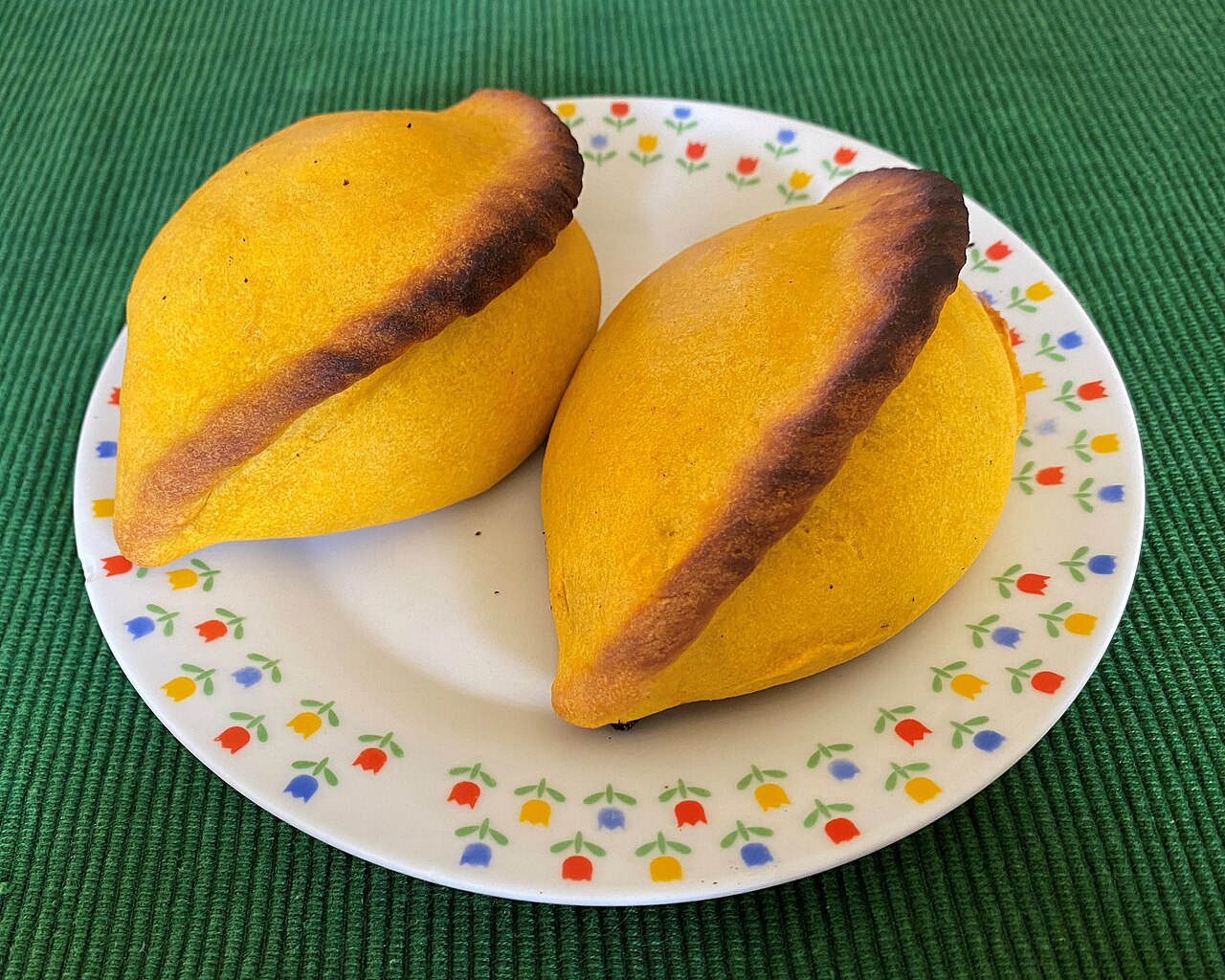
Bolivia's favourite mid-morning snack: a baked pastry with a slightly sweet crust, filled with beef, pork or chicken, potato and a juicy, mildly spicy stew. The stew is solid when the pastry is filled and melts in the oven, so eat it carefully so as not to spill the juice.
Salteñas are sold from about 7 am until noon, and most sellers are sold out by mid-morning. The name points to Salta in Argentina: a popular story, without firm evidence, credits the writer Juana Manuela Gorriti, from Salta, who lived in exile in Bolivia.
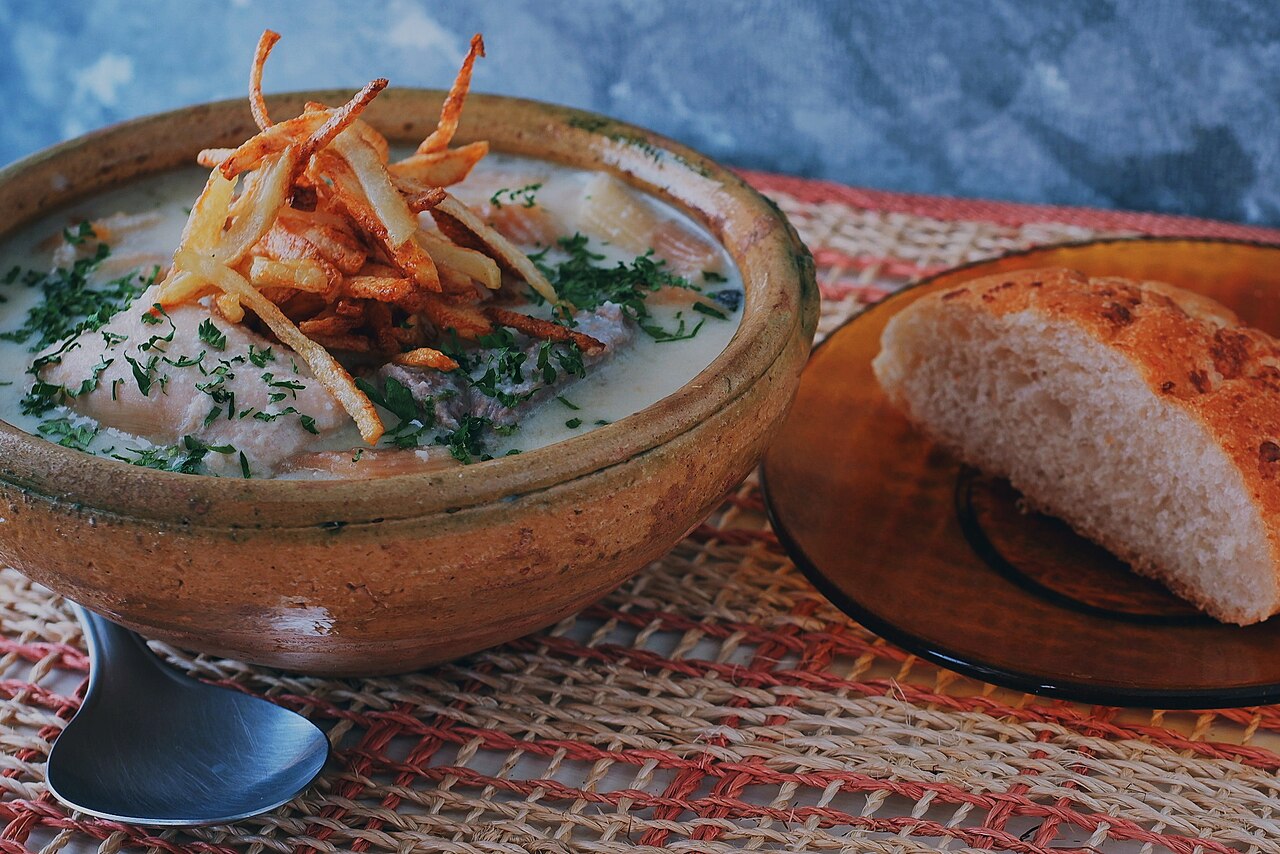
A creamy soup made from ground peanuts in a meat broth, with vegetables, often with pasta or rice, and topped with fried potato sticks and parsley. It is a classic first course of the Bolivian lunch.
In Bolivia it is often made with large macaroni and served with spicy llajwa ground on a stone.
See the recipe
Serves 4
1 h
Ingredients
150 g raw, unsalted peanuts, without skins (this dish is not safe for anyone with a peanut allergy)
1.5 litres beef or chicken stock
300 g beef for stewing, in small pieces, or 2 chicken thighs
1 onion, finely chopped
2 garlic cloves, crushed
1 carrot, diced
1 red pepper, diced
100 g short pasta such as macaroni, or 60 g rice
2 potatoes, cut into thin chips, and oil for frying
Salt, a pinch of cumin, and chopped parsley to serve
Method
Blend the peanuts with 500 ml of the cold stock until smooth.
In a large pot, soften the onion, garlic, carrot and pepper in a little oil for 8 minutes.
Add the meat and the rest of the stock, bring to the boil and simmer for 30 minutes, until the meat is tender.
Pour in the peanut mixture through a sieve, add the pasta or rice and simmer for 15 minutes more, stirring often so it does not stick. Season with salt and cumin.
Meanwhile, fry the potato chips until golden. Serve the soup hot, topped with the chips and parsley.
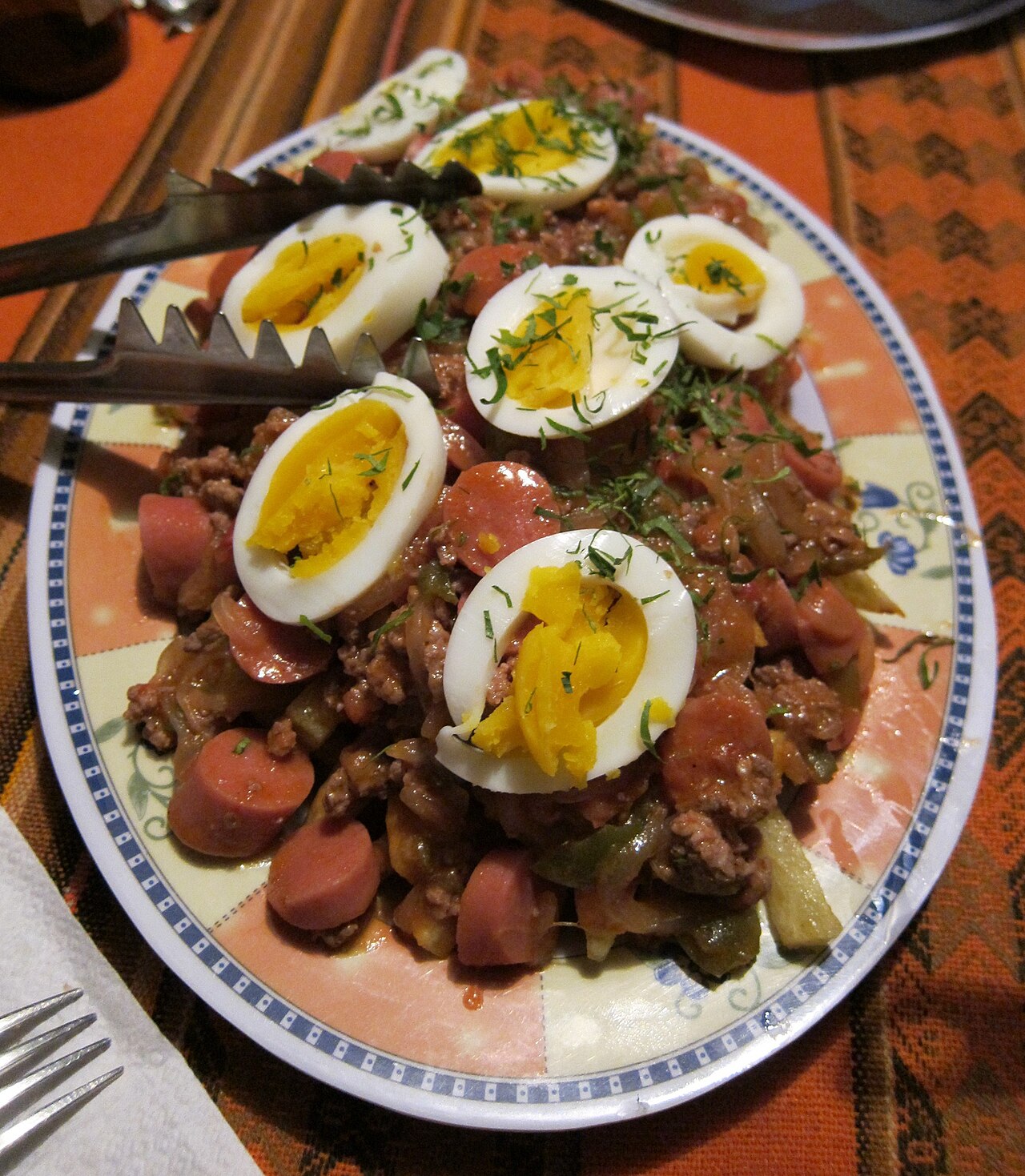
A mountain of chips topped with pieces of beef, sliced sausage, onion, tomato, green pepper and hot locoto pepper, with boiled egg, mustard and mayonnaise. One plate is big enough for two or more, and most people share.
It is said to come from the El Prado restaurant in Cochabamba in the 1970s. The owner served late, hungry guests a very spicy plate and told them to eat it if they were 'machos', man enough.
See the recipe
Serves 4
50 min
Ingredients
600 g beef sirloin or rump, in bite-sized strips
4 frankfurter sausages, sliced
1 kg potatoes, cut into thick chips, and oil for frying
2 onions, cut into wedges
2 tomatoes, cut into wedges
1 green pepper, in strips
1 or 2 hot chillies (locoto if you can find it), in strips
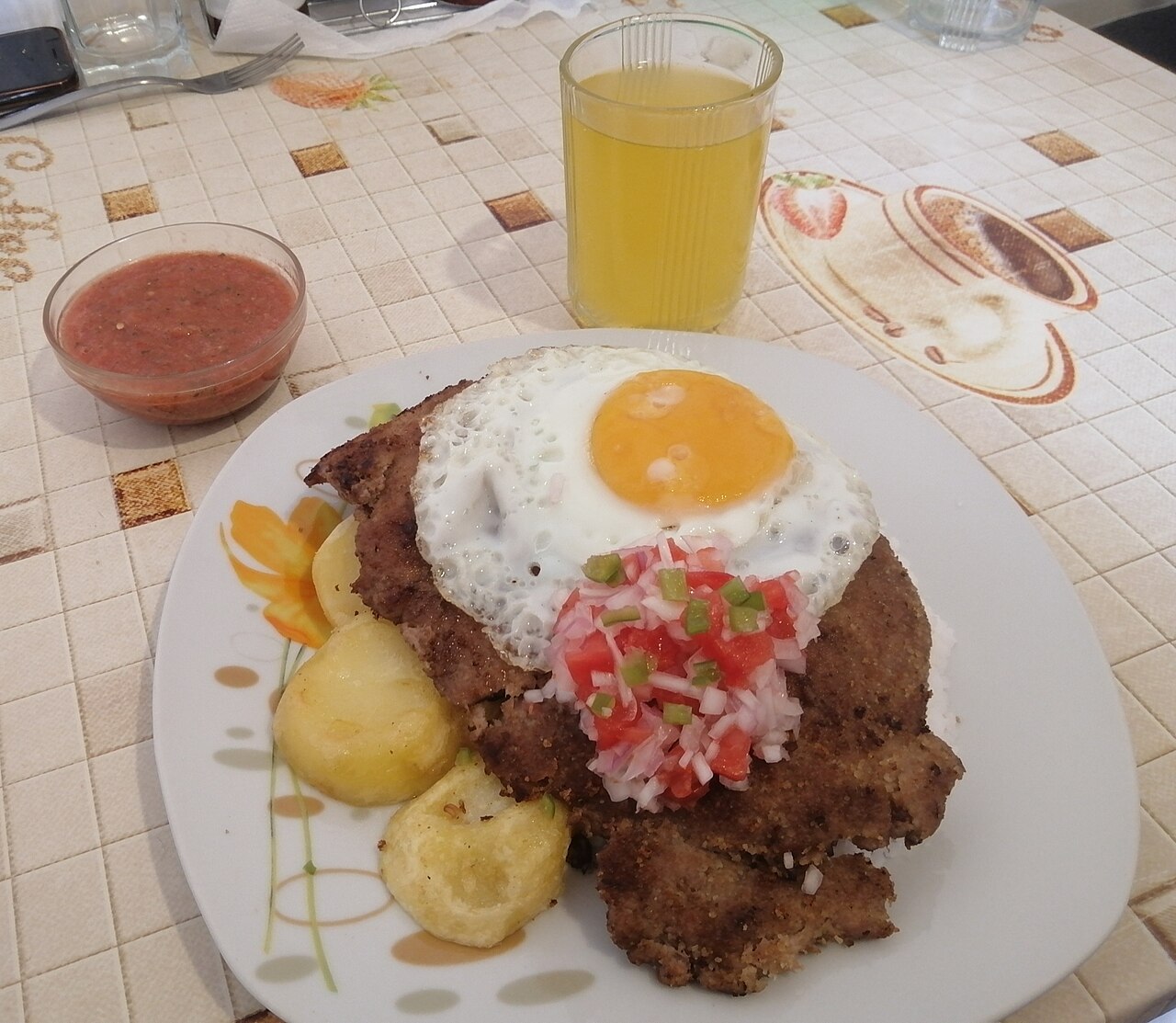
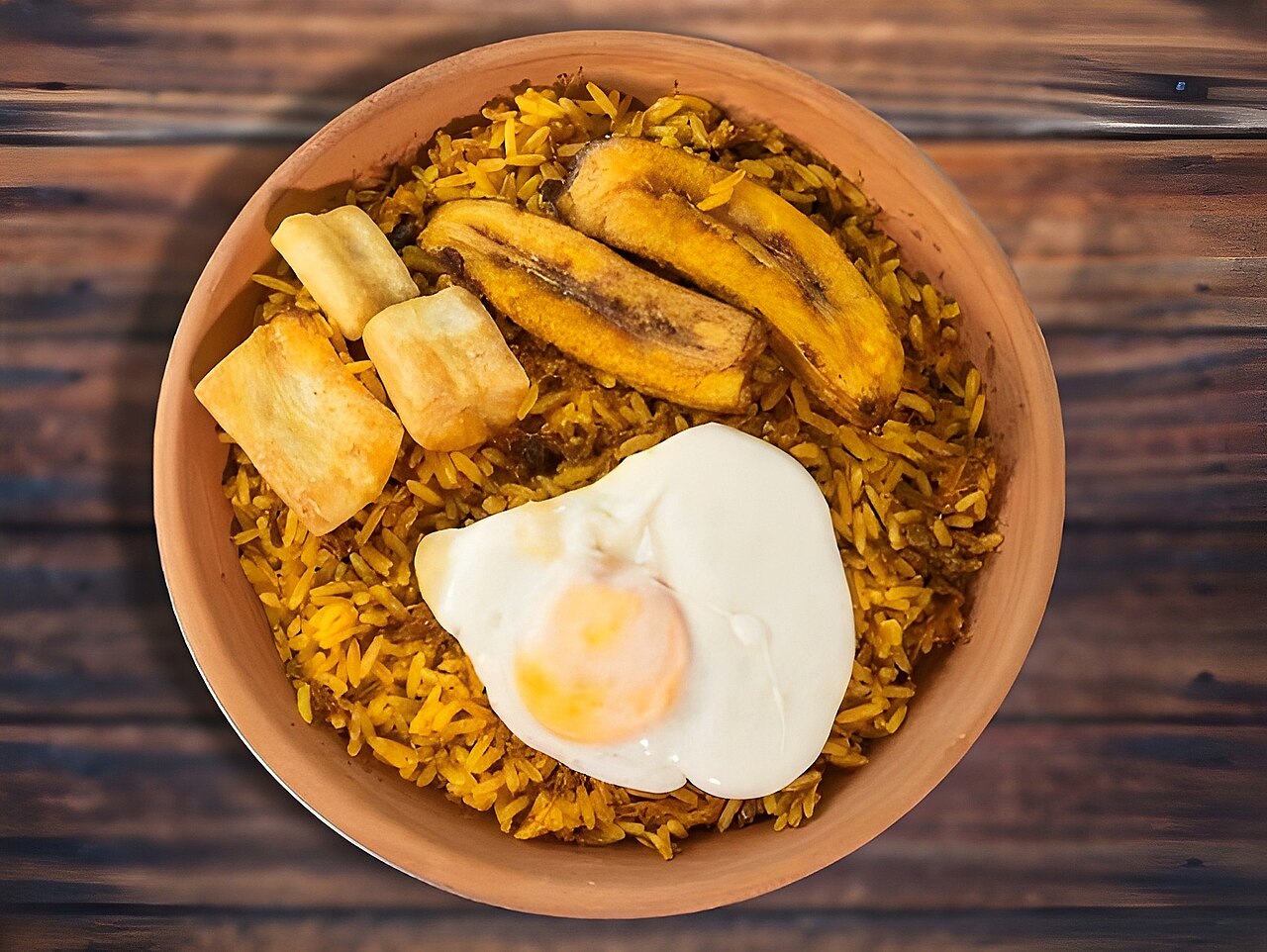
Layers on one big plate: white rice, sliced fried potatoes, a very thin breaded beef steak that covers almost the whole plate, one or two fried eggs, and a fresh salad of tomato, onion and hot locoto on top.
The name comes from the Quechua sillp'anchu, meaning flattened and thin. Cochabamba honours Celia la Fuente Peredo, who died in 2008, as the woman who created the dish as it is served today.
See the recipe
Serves 4
1 h
Ingredients
4 thin slices of beef (about 150 g each), such as topside
100 g fine breadcrumbs
300 g long-grain rice
600 g potatoes, boiled in their skins, peeled and sliced
4 eggs
2 tomatoes and 1 onion, finely diced
1 fresh hot chilli, finely chopped, and a little chopped parsley
Oil, salt and pepper
Method
Cook the rice and keep it warm. Mix the tomato, onion, chilli and parsley with a pinch of salt for the salad.
Put each slice of beef between two sheets of cling film and beat it with a rolling pin until it is very thin, about 3 mm.
Season the meat, press both sides into the breadcrumbs and fry in hot oil for 1 to 2 minutes on each side, until golden.
Fry the sliced potatoes until golden, then fry the eggs.
On each plate, make a layer of rice, then potatoes, then the steak. Put the egg on top and spoon the salad over it. Cook the eggs until the yolk is firm for pregnant women, young children, older people or anyone with a weak immune system, or use pasteurised eggs.
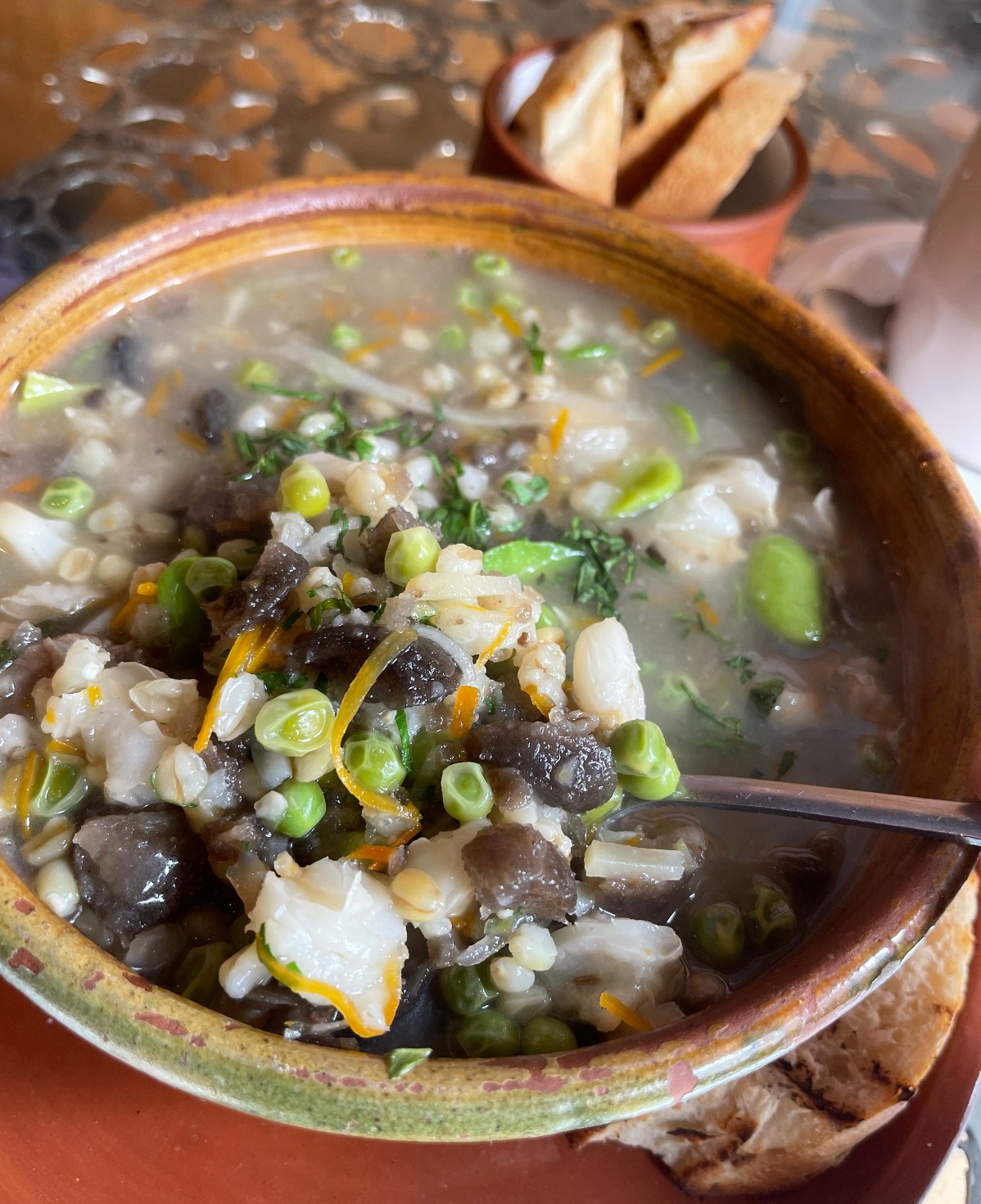
A thick, warming highland soup with chuño (freeze-dried potato), potatoes, broad beans, hominy corn, lamb or beef and dried meat. It is served very hot, a warming meal in the cold highlands.
Country people are said to have made chairo from ingredients that kept well, so it could be carried on long days of work far from home.
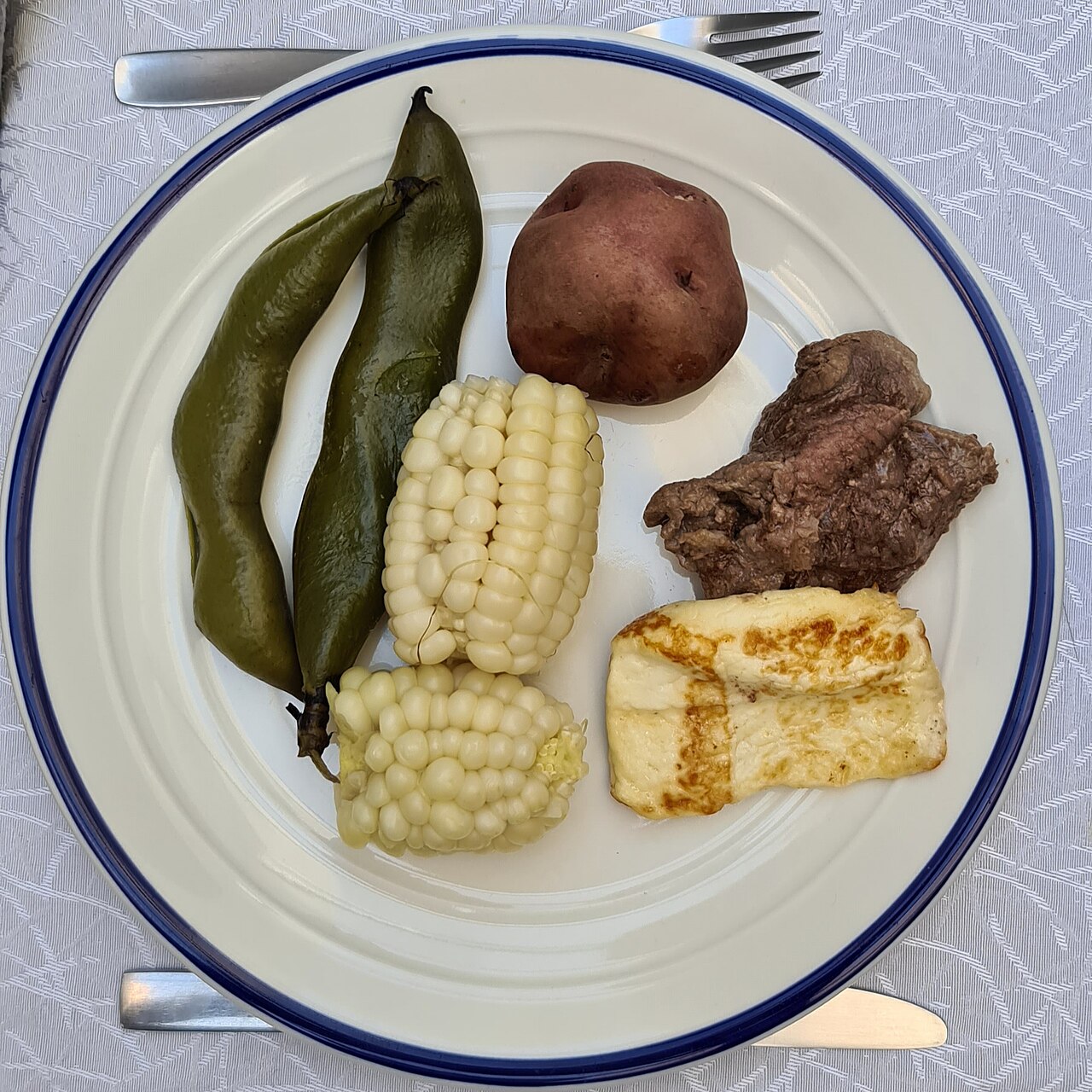
A simple, generous plate of the Andes: corn on the cob, broad beans and potatoes boiled in their skins, and a slice of fried cheese, often with fried beef and always with llajwa.
Tradition links it to the siege of La Paz in 1781, when the town collected all the corn, beans, potatoes and cheese it could find. The meat was only added in the 19th century.
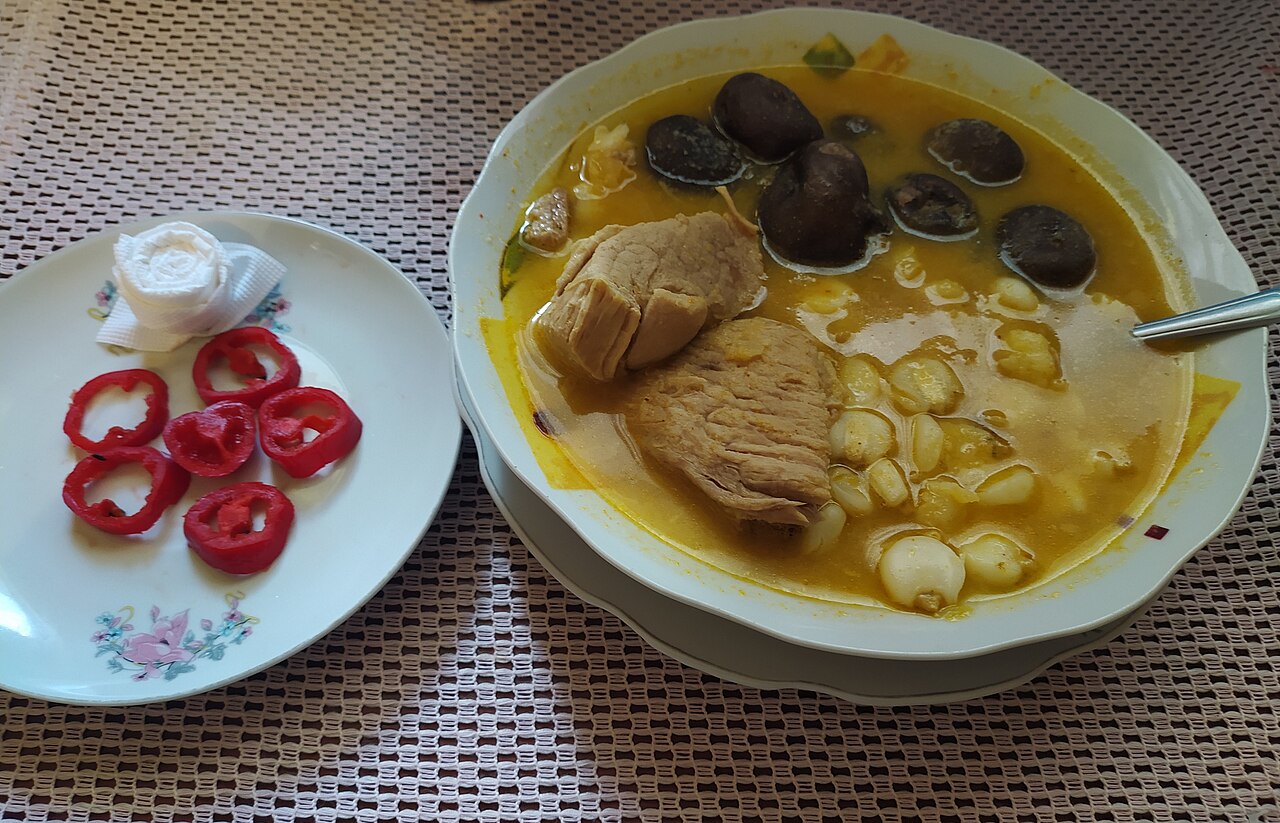
A spicy soup of large pieces of pork, or sometimes chicken, with hominy corn and chuño or potatoes, flavoured with onion, garlic, pepper and sometimes ají. It is often eaten in the morning.
Many Bolivians swear by a bowl of fricasé the morning after a party, as a cure for a hangover.
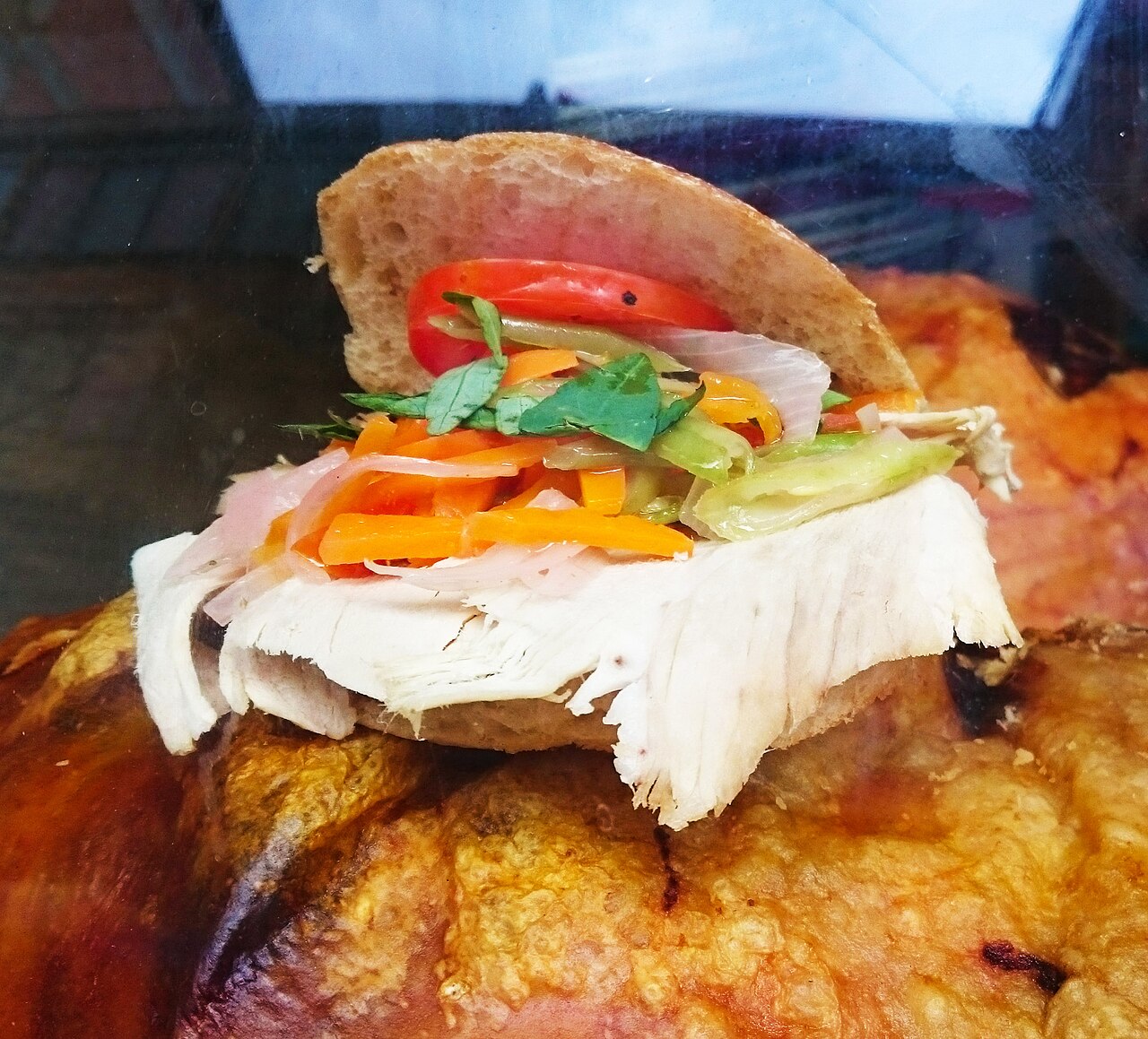
A crusty marraqueta roll filled with slices of slow-roasted pork leg, pickled vegetables, hot llajwa sauce, tomato and a piece of crackling on top.
It is named after the pollera women, the 'cholas' of La Paz, who first sold it at a park in the south of the city in the early 20th century. It took its modern form, with roast pork, in the 1970s.
The Andean cities, a favourite late-evening street food
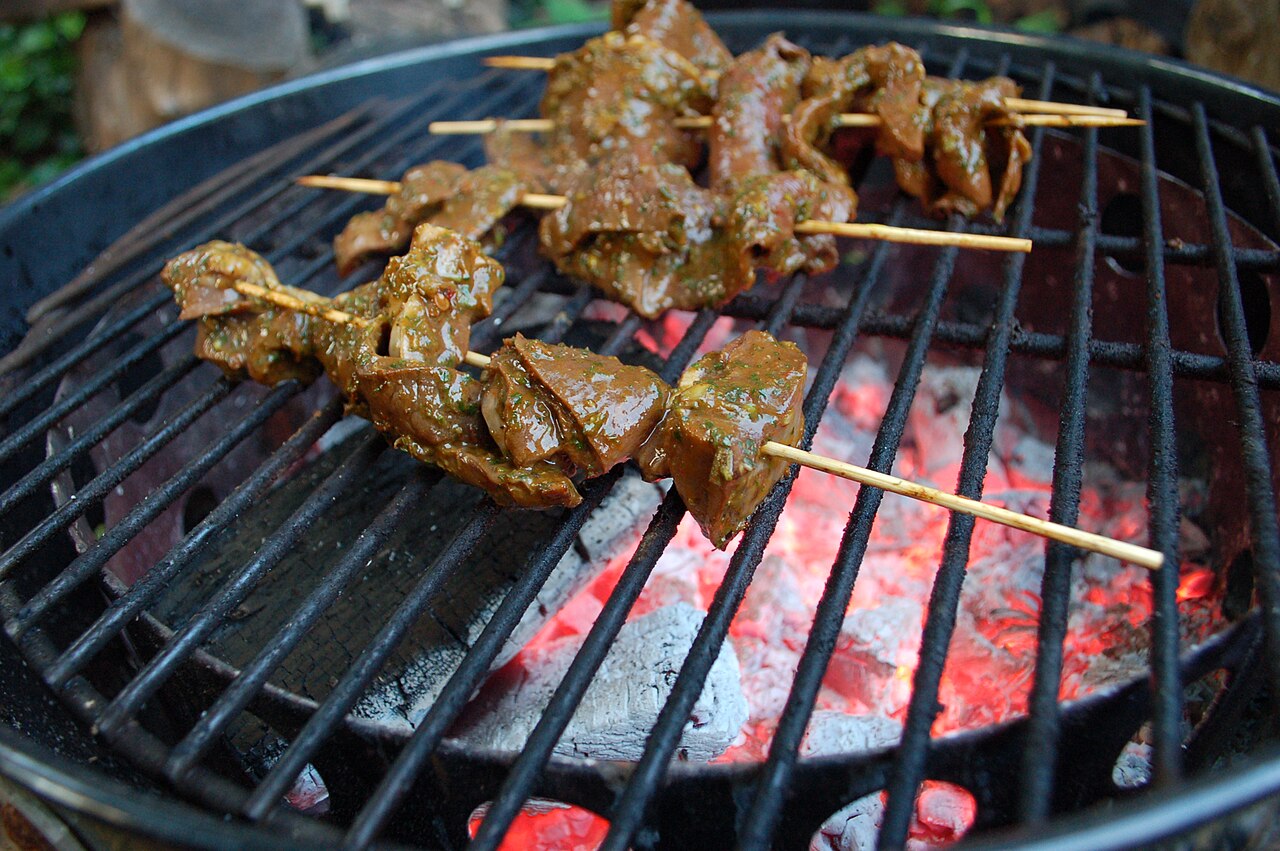
Thin slices of beef heart marinated in spices, oil and vinegar, grilled on skewers over charcoal and served hot with potatoes and a spicy sauce, sometimes made with peanuts.
The women who sell them, the anticucheras, make the flames leap up from the grill, and the smell draws customers from down the street.
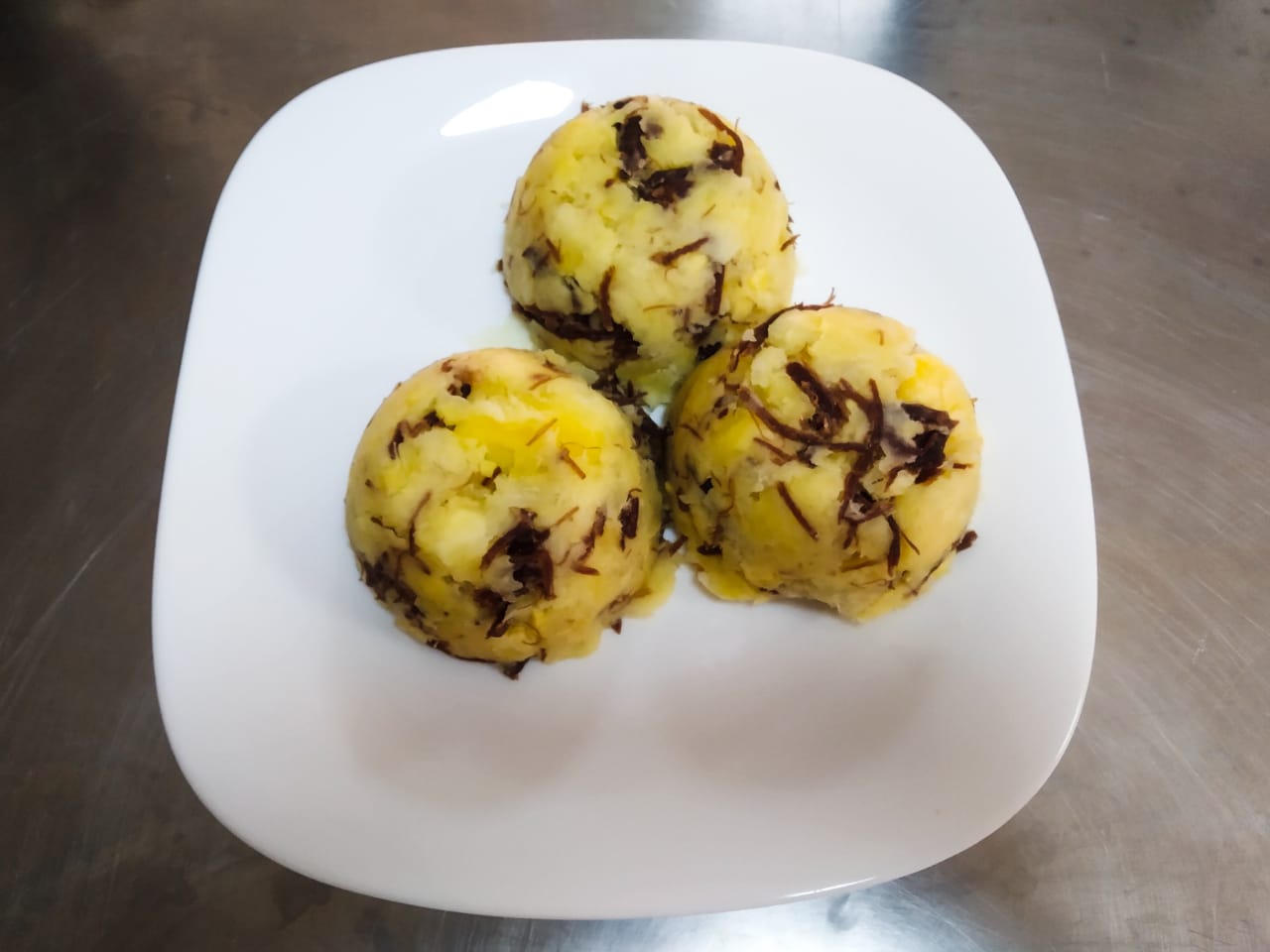
Boiled cassava or plantain pounded into a rough dough and mixed with cheese or dried beef. It is usually eaten with a hot drink after the afternoon siesta.
It was traditionally pounded in a tacú, a large wooden mortar, and Santa Cruz and Trinidad hold festivals in its honour.
The Andean highlands, above all La Paz, Oruro, Potosí and Cochabamba
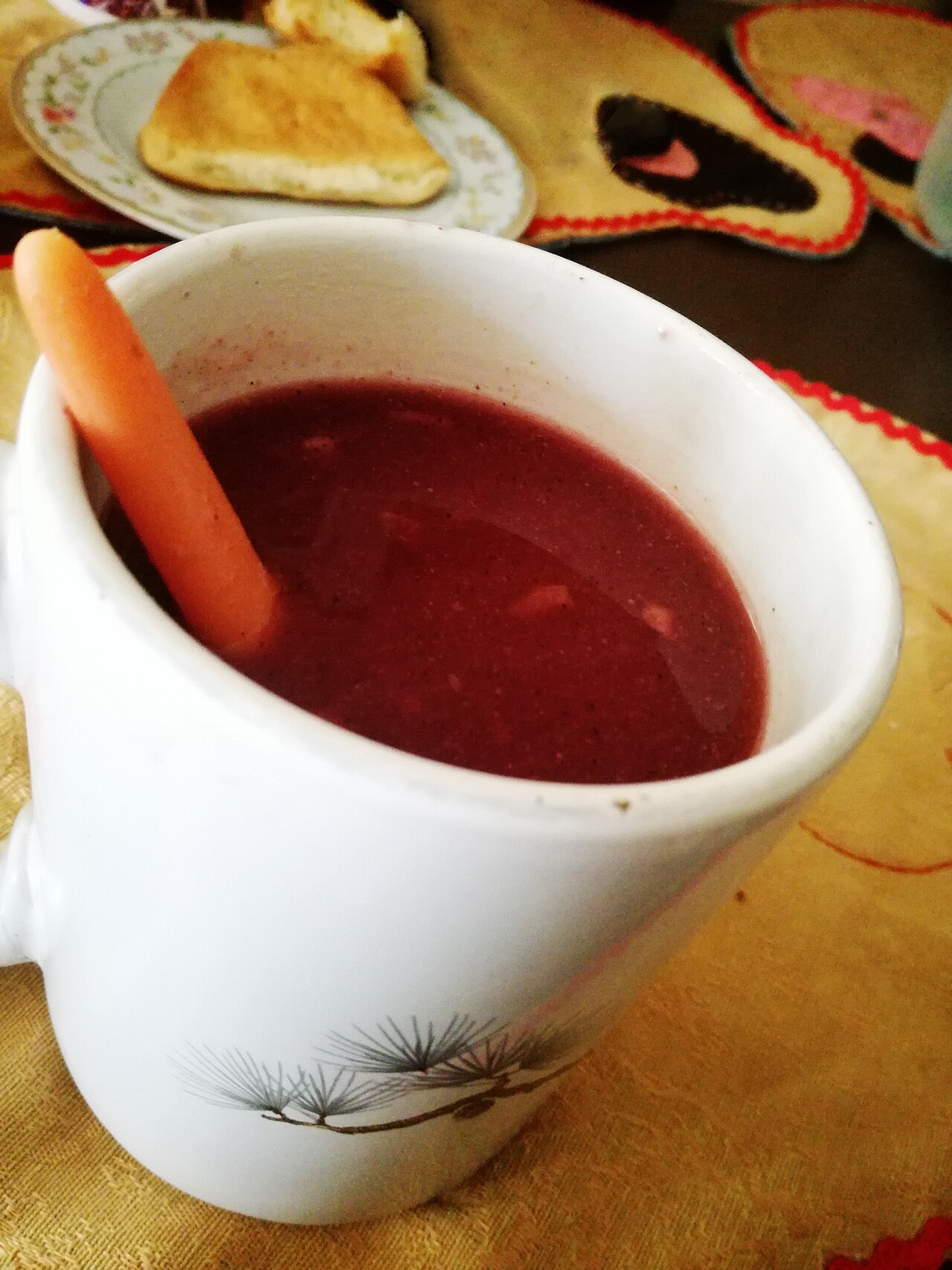
A thick, warm drink made from purple corn, sweetened and spiced with cinnamon and cloves. In Bolivia it is often served with buñuelos, fried pastries with cane syrup, for breakfast.
The drink is pre-Columbian, and its name is the Quechua word for a kind of porridge. Its smell fills the bus stations at dawn during the Oruro Carnival.
See the recipe
Serves 4
40 min
Ingredients
100 g purple corn flour (harina de maíz morado), sold in Latin American shops
1.2 litres water
1 cinnamon stick and 4 cloves
Peel of half an orange (optional)
80 to 100 g sugar, to taste
Method
Mix the corn flour with 300 ml of cold water until there are no lumps.
Bring the rest of the water to the boil with the cinnamon, cloves and orange peel and simmer for 10 minutes.
Pour in the corn mixture, stirring all the time, and cook on a low heat for 15 to 20 minutes, until thick and smooth.
Stir in the sugar, remove the spices and serve hot in cups.
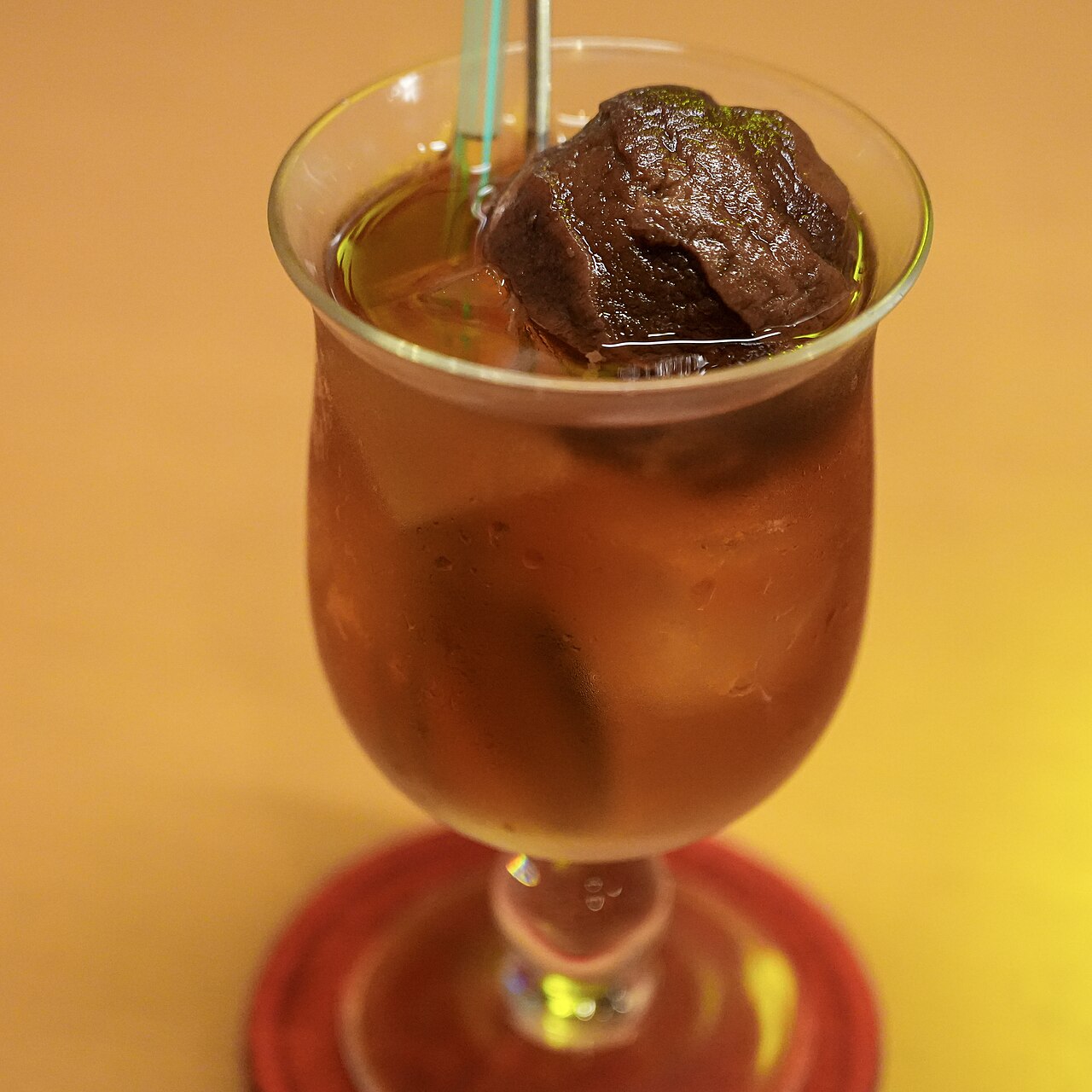
A cold drink made from peeled, dried peaches soaked overnight and then boiled with sugar and cinnamon. When the glass is empty, you eat the soft peach at the bottom.
The name comes from the Quechua word for dried peach.
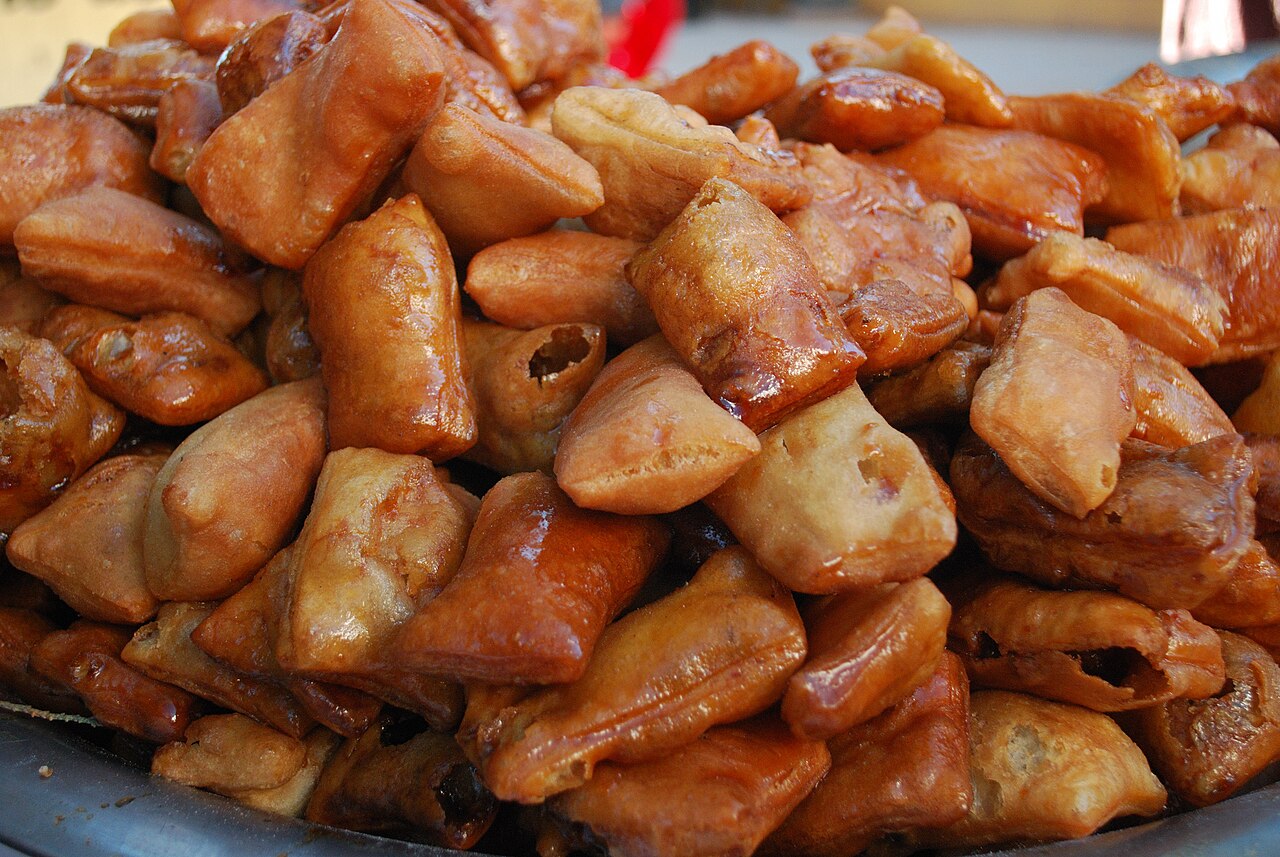
Diamond-shaped pieces of fried dough, soaked in honey or cane syrup, eaten at breakfast or teatime and at the feast of Corpus Christi.
Tawa means four in Quechua, after the four cuts that give them their shape. In 2014 a Bolivian law declared them, with other Potosí sweets, part of the national heritage.
Table manners
Lunch, el almuerzo, is the main meal of the day, with a soup first and then a main course. Many shops and offices close from about 12 to 2 pm.
Salteñas are a morning food, sold until about noon. Bite carefully, because they are full of juice.
In the late afternoon, many Bolivians stop for tea or coffee with pastries, just like an English teatime.
Llajwa, the fresh chilli sauce served with many dishes, can be very hot. Taste a little before you spoon it over your food.
Before you start, or when you pass people who are eating, it is polite to say '¡Buen provecho!', which means 'enjoy your meal'.
Bolivia's cities climb from the tropical lowlands to the roof of the Andes. In one trip you can go from Santa Cruz, where it is warm all year, to La Paz at about 3,650 m, and on to El Alto and Potosí, at about 4,000 m among the highest cities in the world.
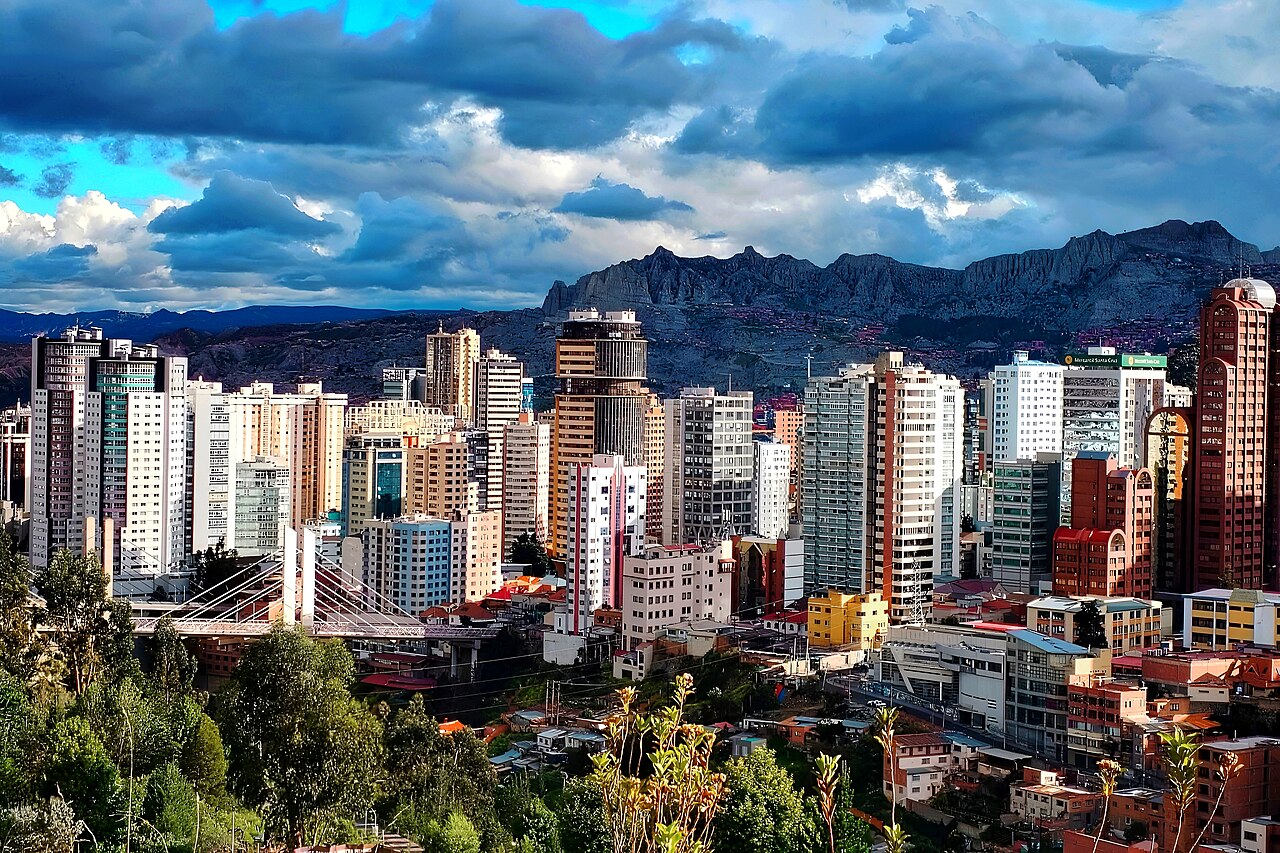
The seat of government: the president, the parliament and all foreign embassies are here. Founded by the Spanish in 1548, La Paz fills a deep canyon at about 3,650 m, under the snowy triple peak of Illimani.
The Palacio Quemado, the presidential palace, on Plaza Murillo
The Witches' Market, with herbs and remedies used in Aymara traditions
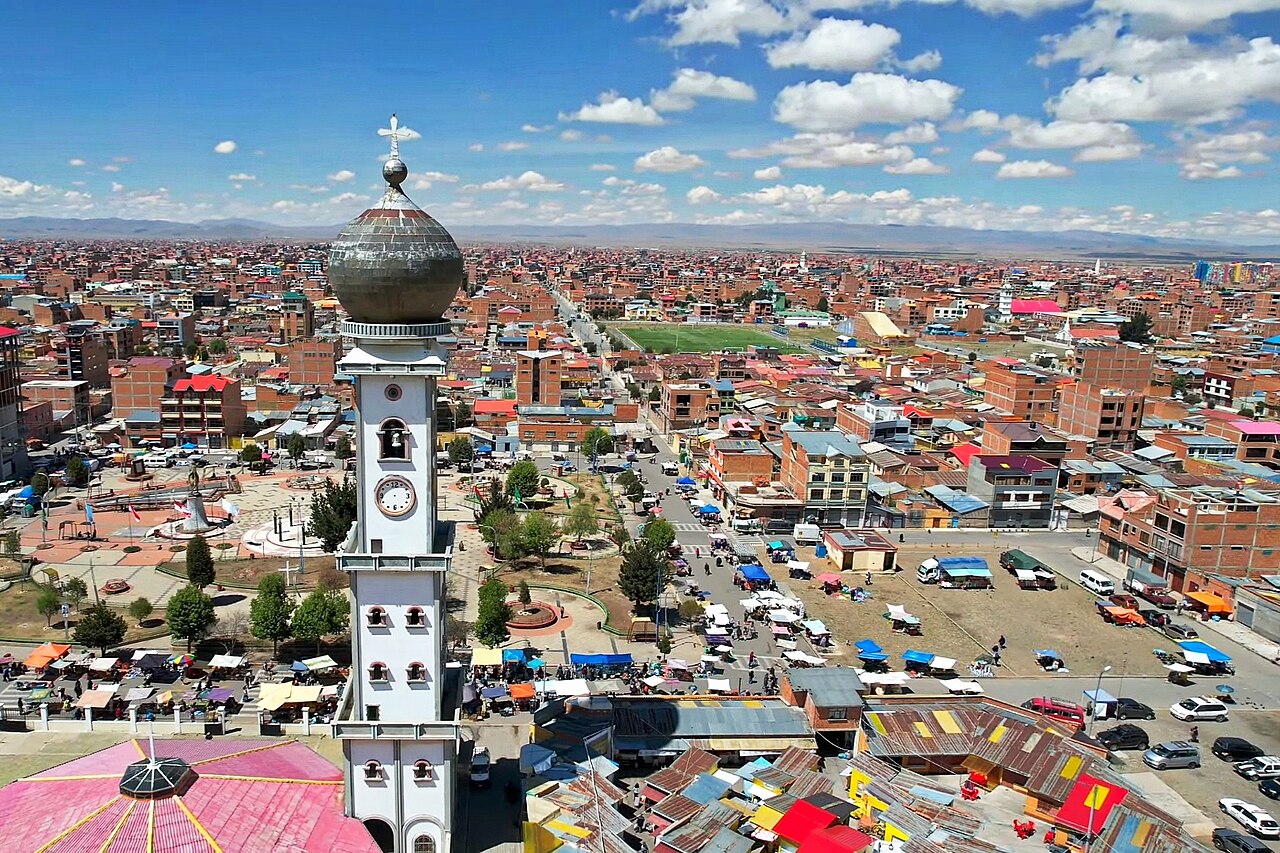
A fast-growing city on the Altiplano at the rim of the La Paz canyon, at an average of about 4,000 m. It is Bolivia's second largest city and is often called the highest major city in the world. Its name means 'the high one'.
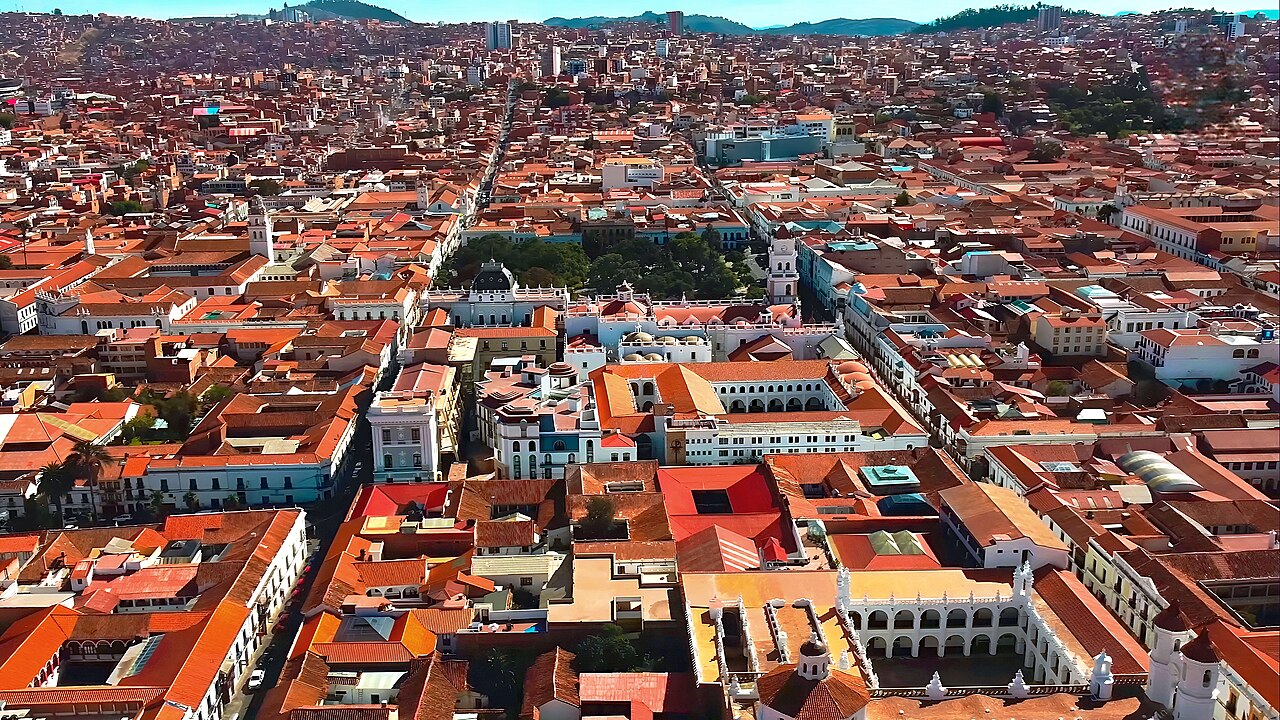
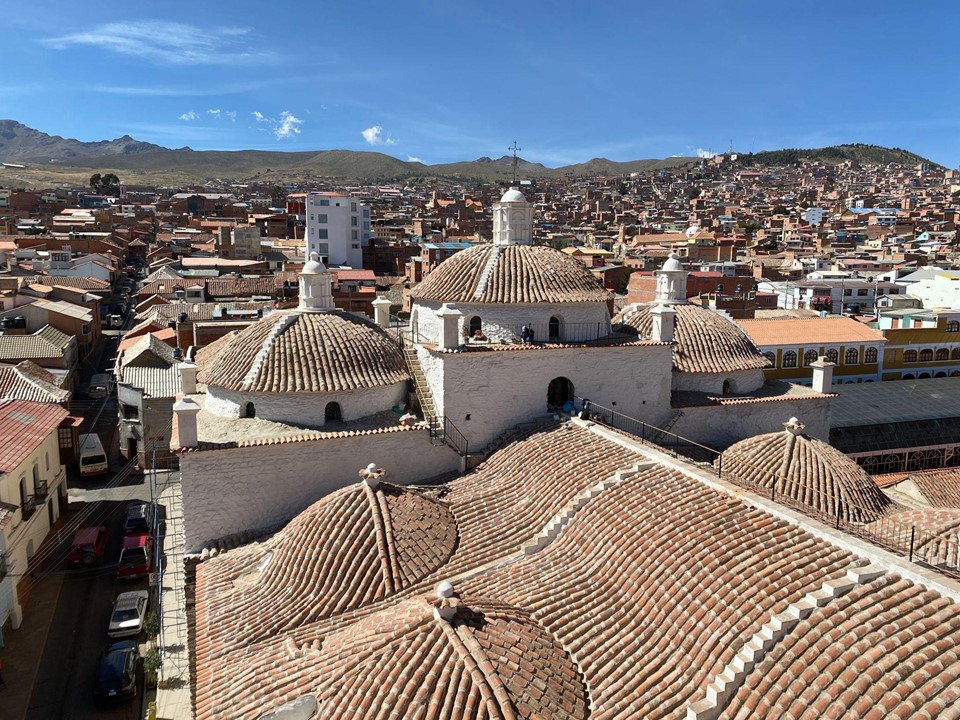
The capital under the constitution and the seat of the Supreme Court. Founded in 1538 as La Plata, it is called the White City for its white colonial houses, and its historic centre is a UNESCO World Heritage Site. The seat of government moved to La Paz in 1898.
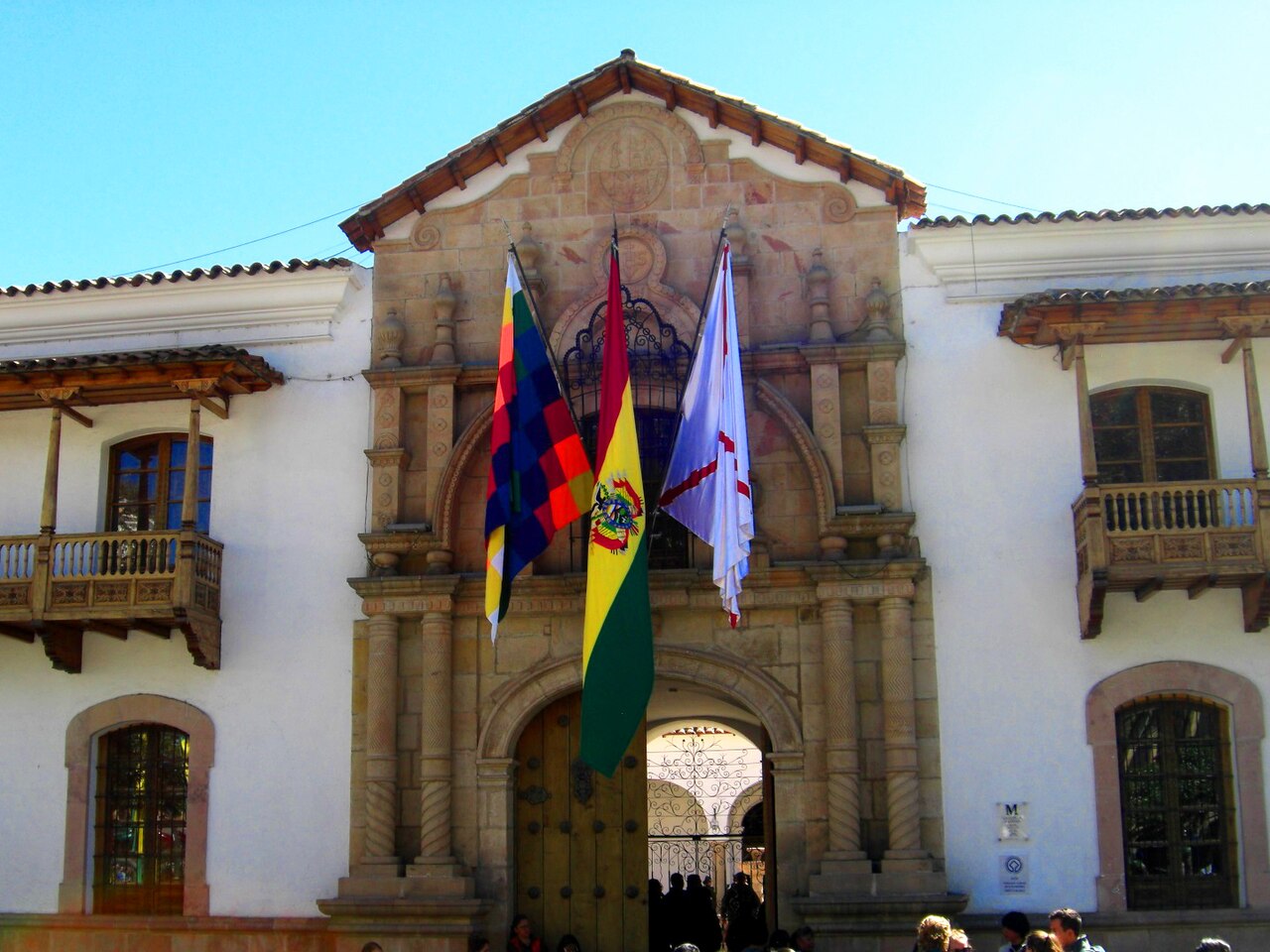
The Casa de la Libertad, where the republic was founded
Chocolate makers and chocolate shops
The University of San Francisco Xavier, founded in 1624
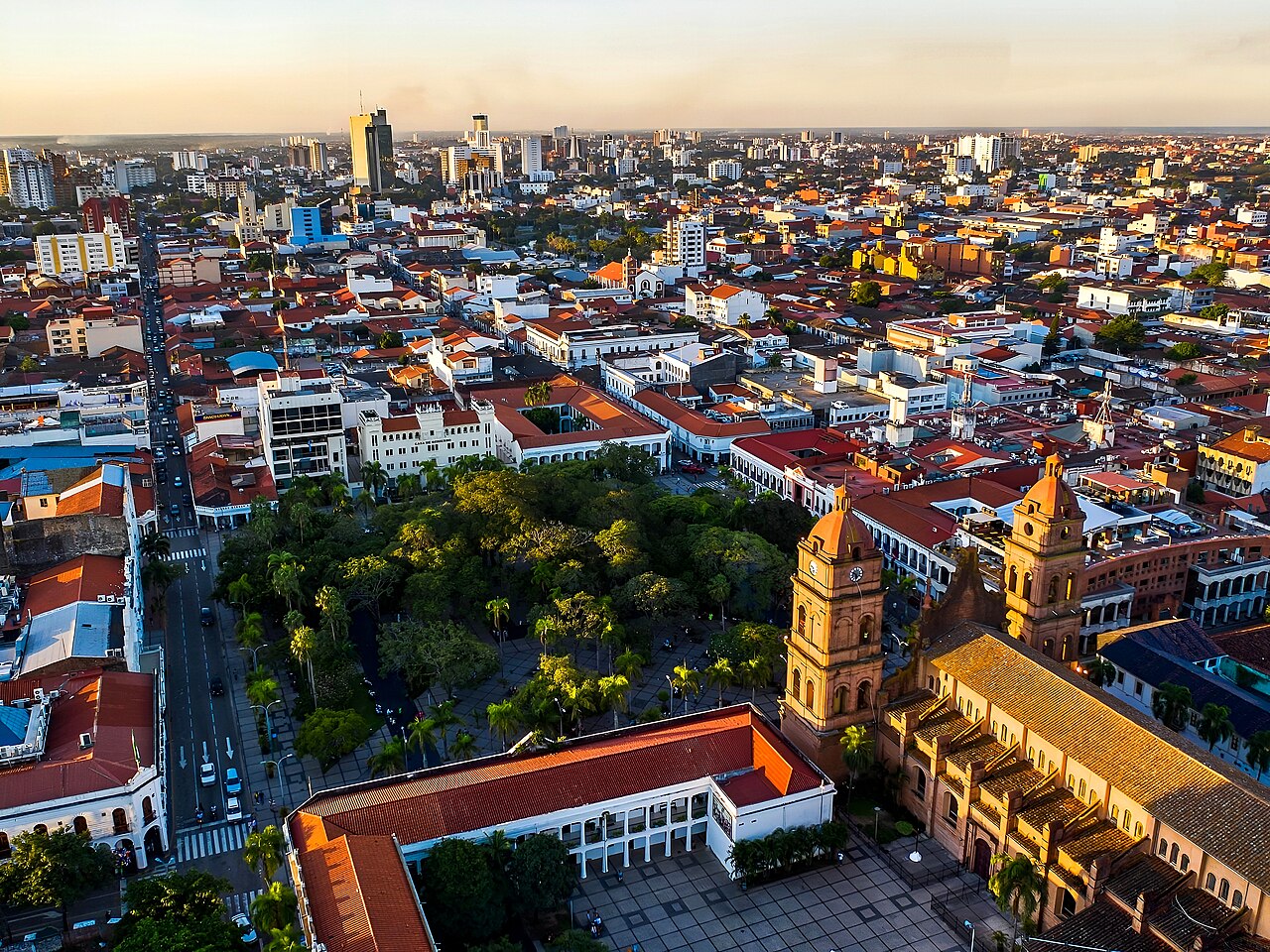
Bolivia's largest city and business centre, in the warm tropical lowlands of the east. Founded in 1561 and moved several times, it stayed small until the mid-20th century and then grew very fast.
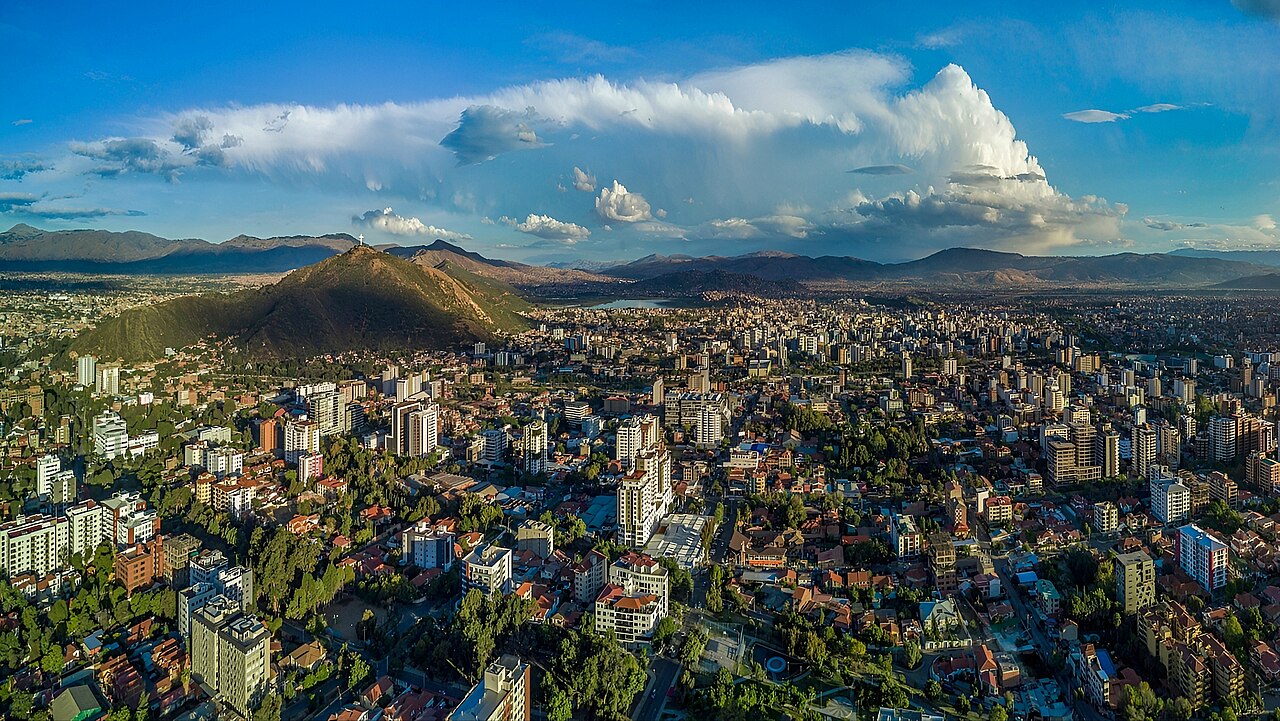
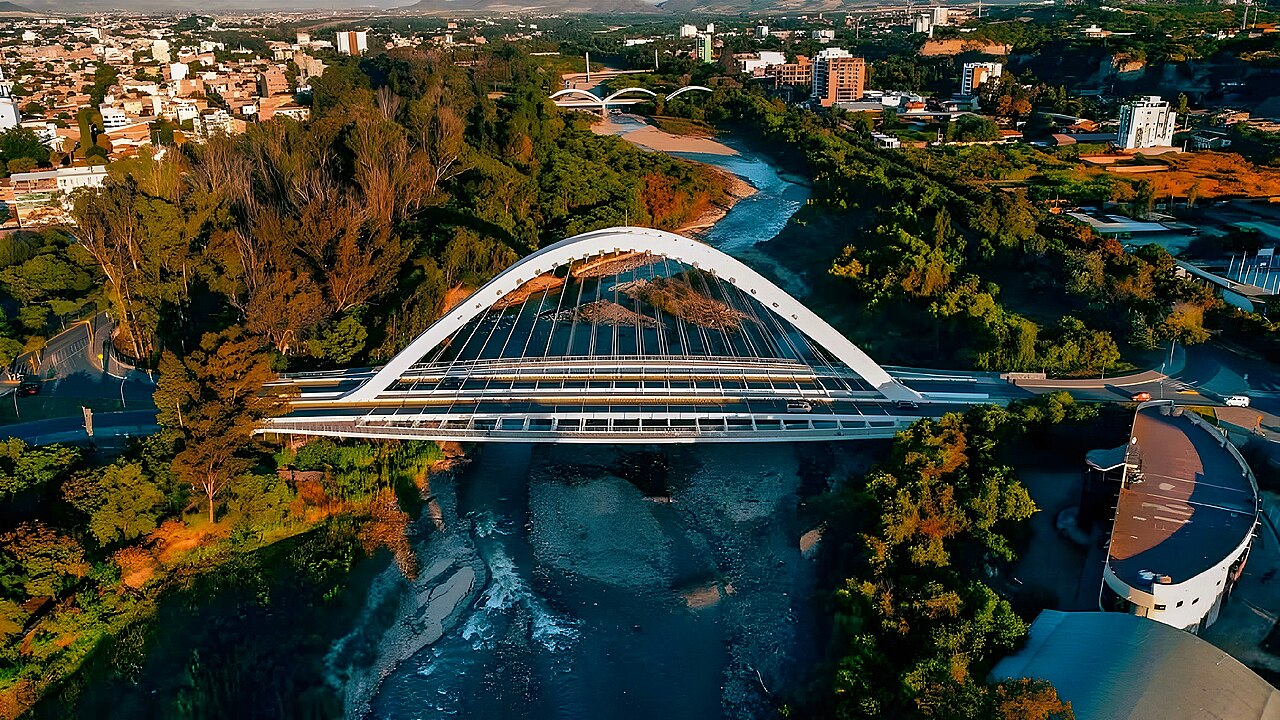
Bolivia's fourth largest city, in a fertile valley of the Andes, with about 660,000 people in the 2024 census. Its mild weather gives it the nickname 'City of Eternal Spring', and its name comes from Quechua words for lake and plain.
Food: it joined UNESCO's network of creative cities of gastronomy in 2017
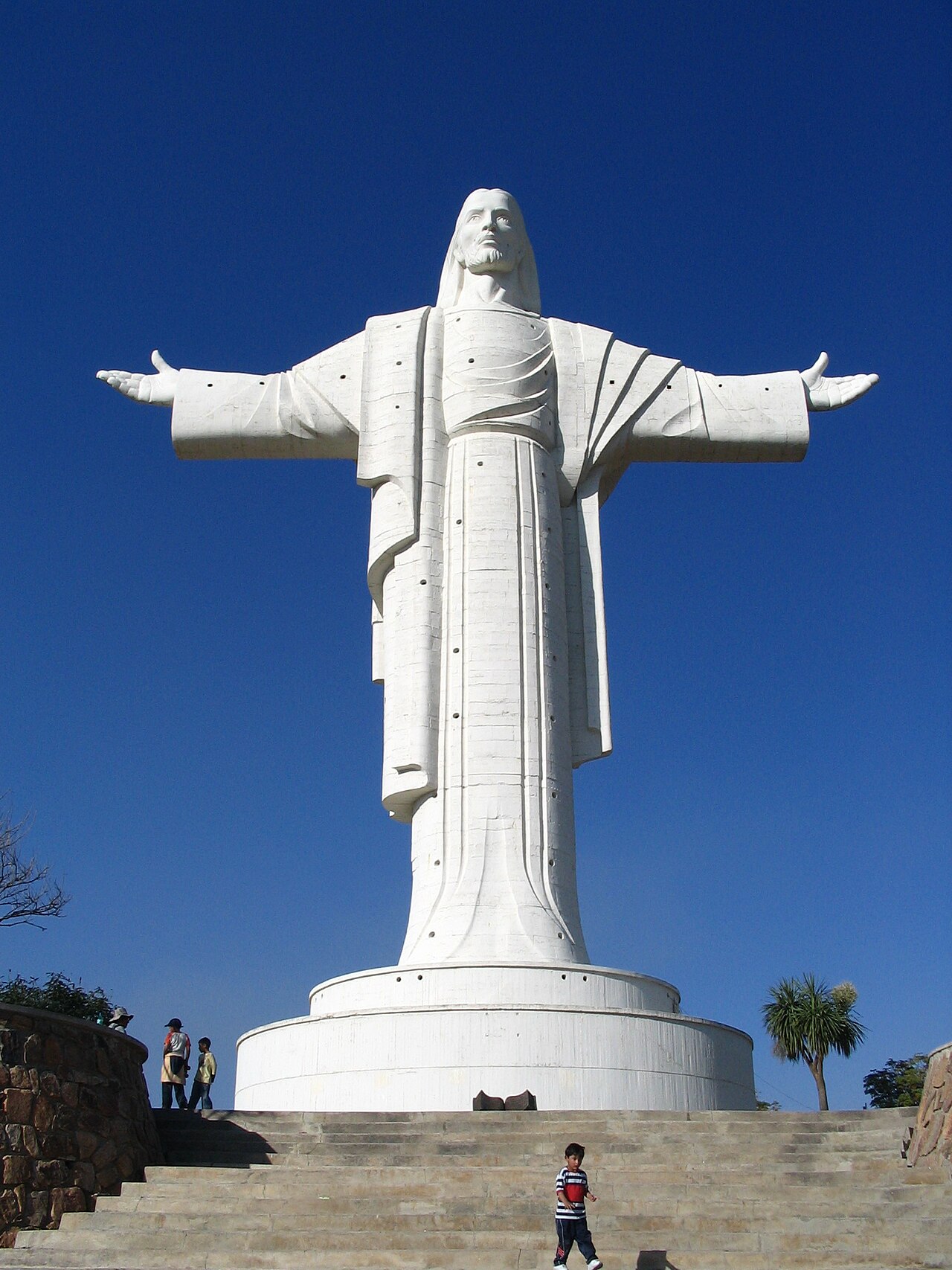
The Cristo de la Concordia statue on San Pedro Hill
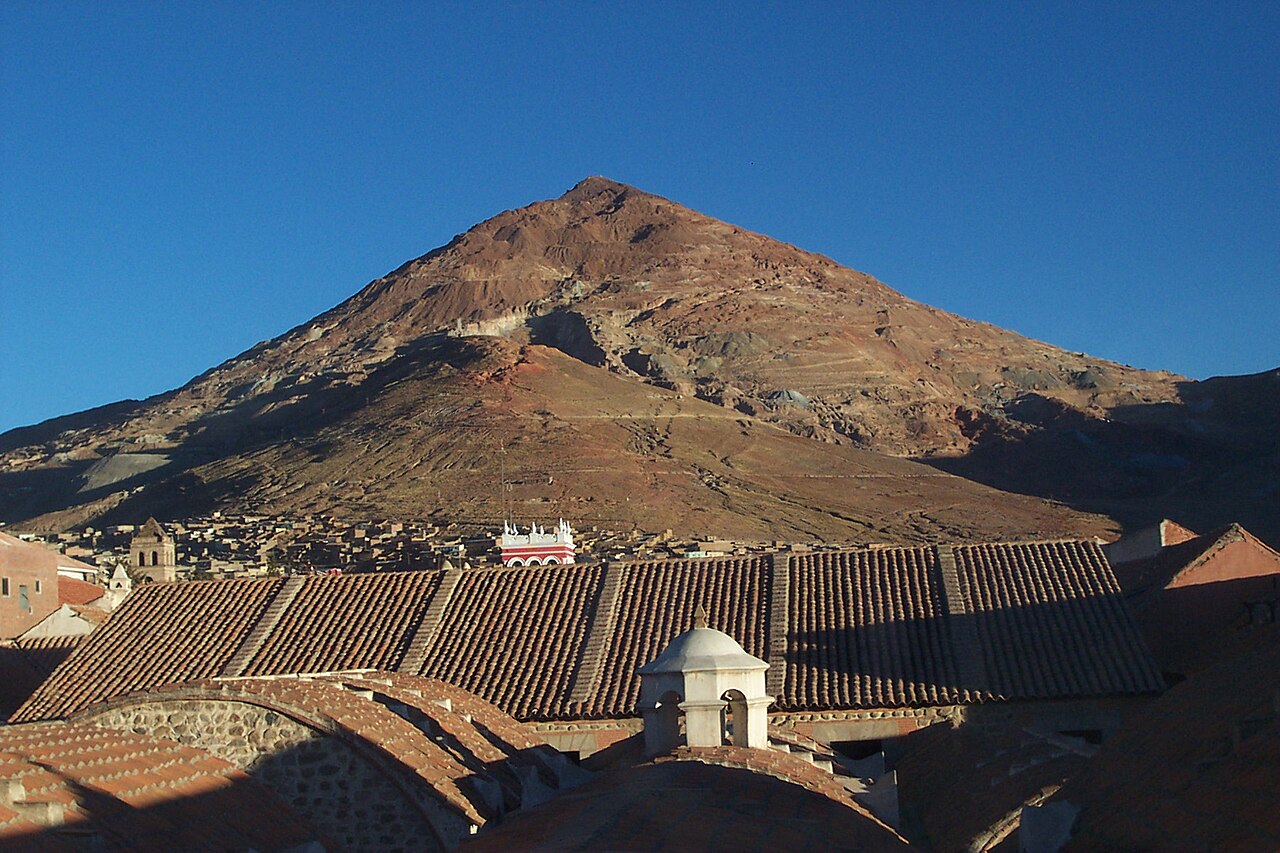
Founded in 1545 at the foot of Cerro Rico, the silver mountain that made Spain rich. At about 4,070 m it is one of the highest cities in the world, and the city with its mountain is a UNESCO World Heritage Site.
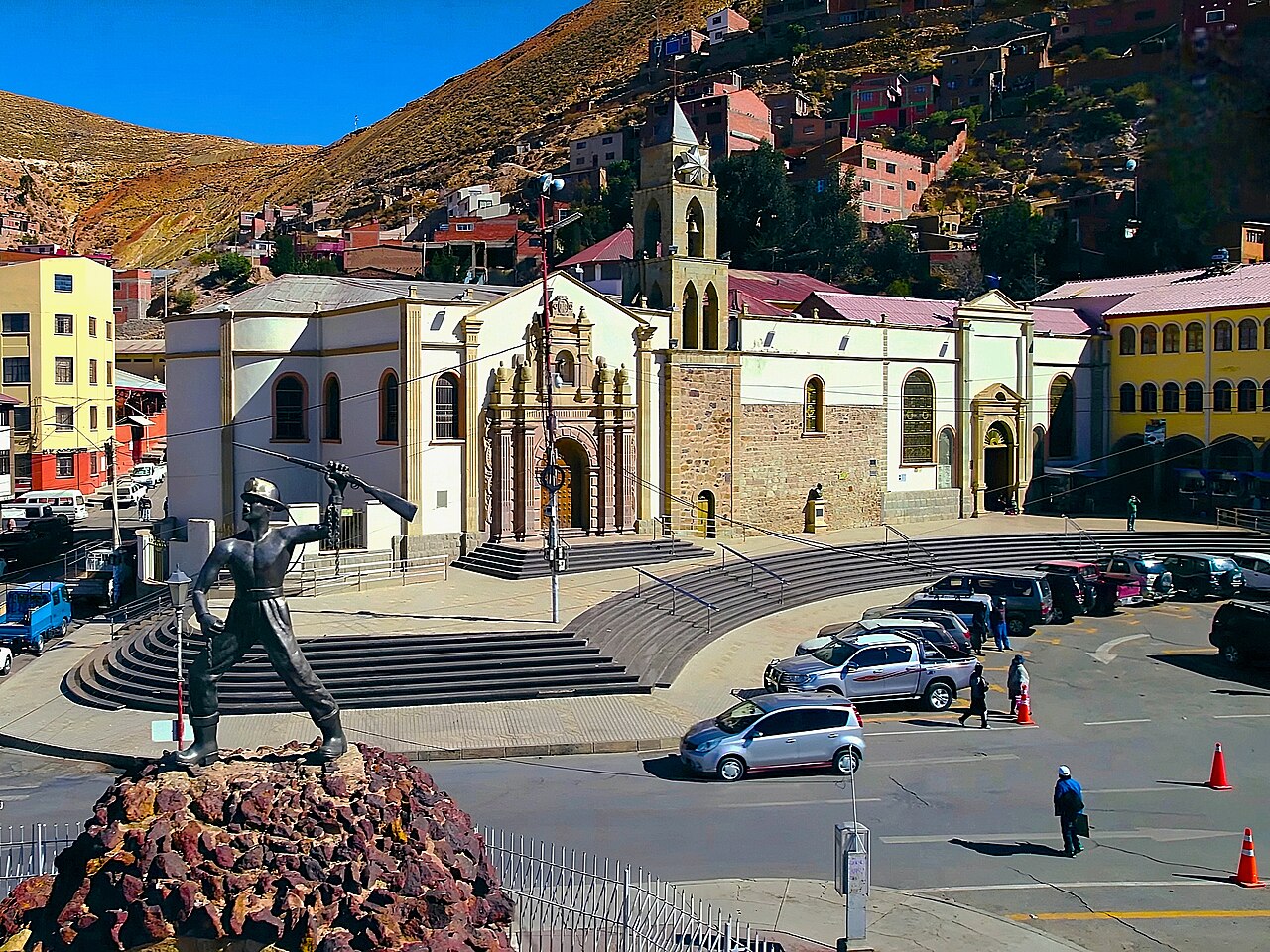
A mining city on the Altiplano at about 3,700 m, roughly halfway between La Paz and Sucre. Its fortunes have risen and fallen with tin, silver and other metals.
The Carnival of Oruro, on UNESCO's list of intangible heritage
A mild valley city in the south, founded in 1574, often called the 'Bolivian Andalusia'. Its people call themselves Chapacos, and the river beside the city is named after Spain's Guadalquivir.
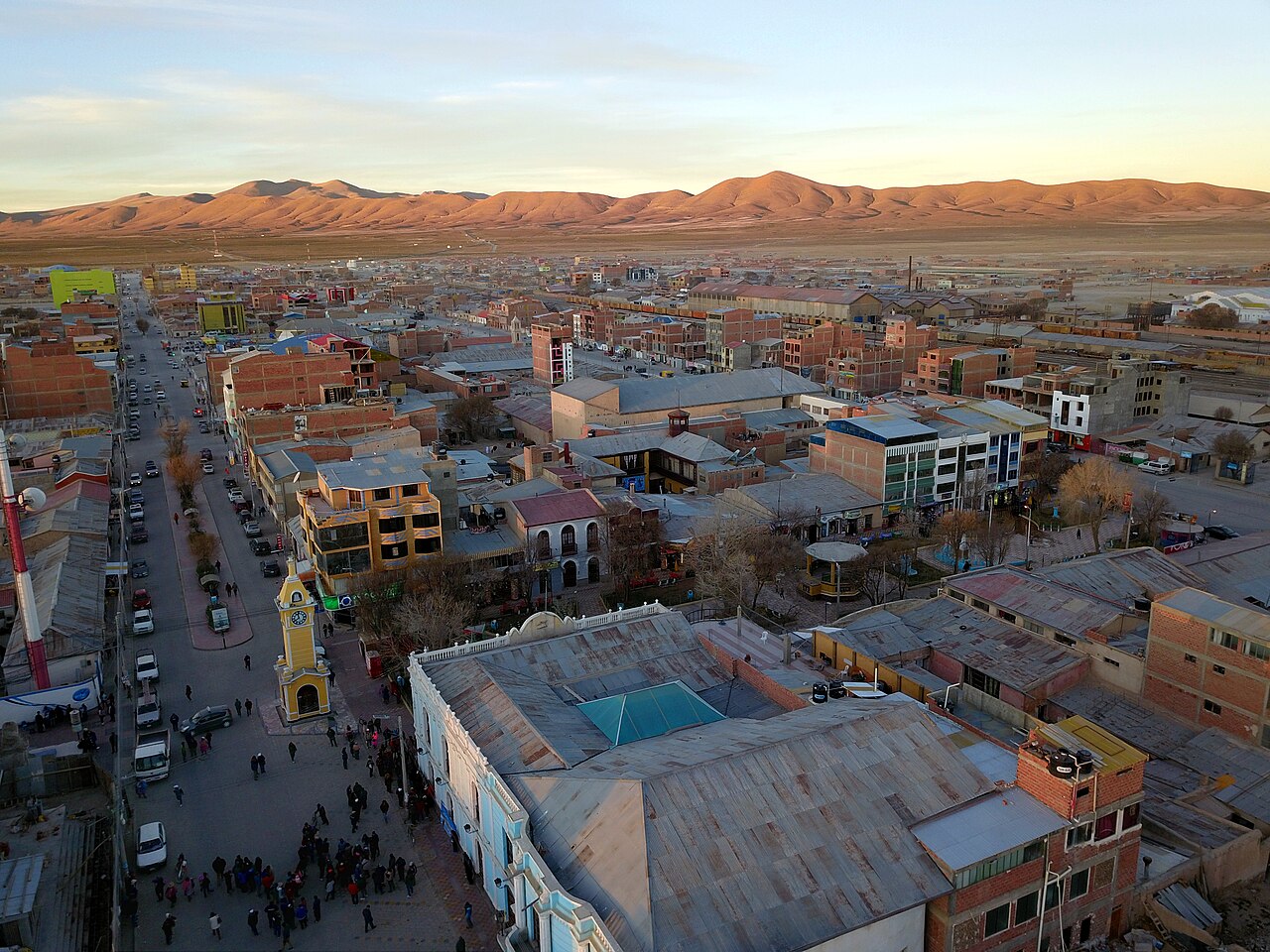
A small town founded in 1890 as a trading post, at about 3,700 m on the edge of the Altiplano. It is the gateway to the Salar de Uyuni and an important railway junction.
Tours to the Salar de Uyuni
A busy street market
Railway lines to La Paz, Chile and the Argentine border
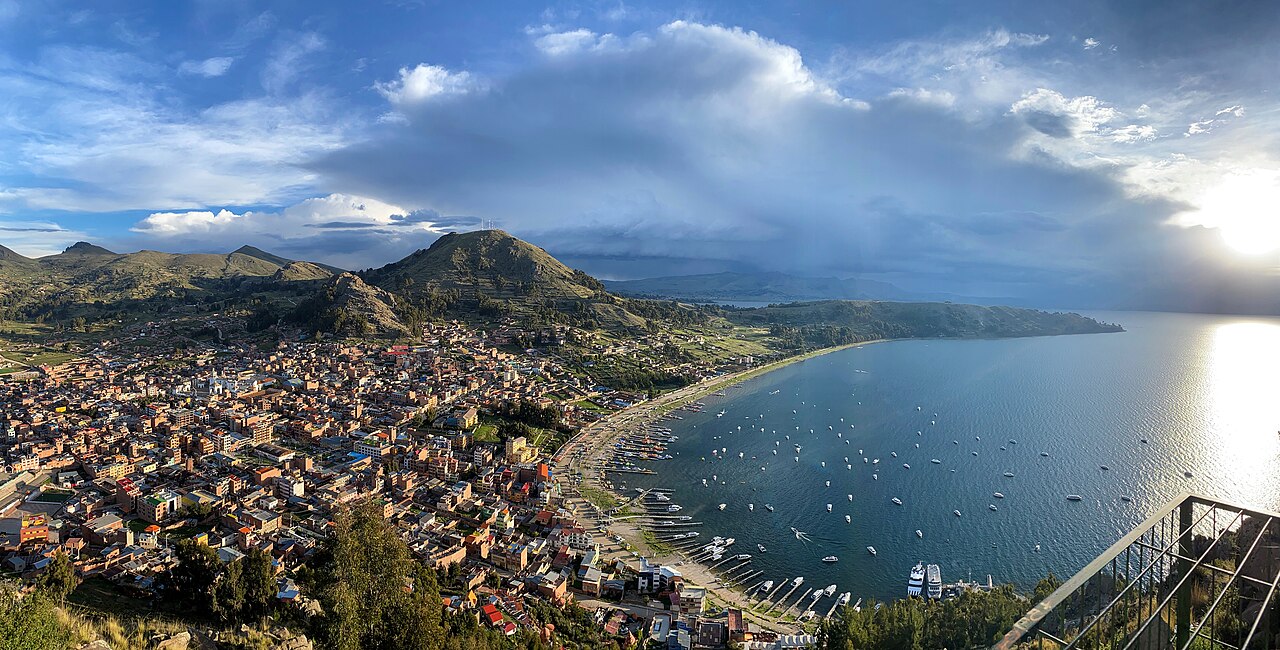
The main Bolivian town on Lake Titicaca, with about 6,000 people. It is a place of pilgrimage for its 17th-century basilica of Our Lady of Copacabana, the patron saint of Bolivia.
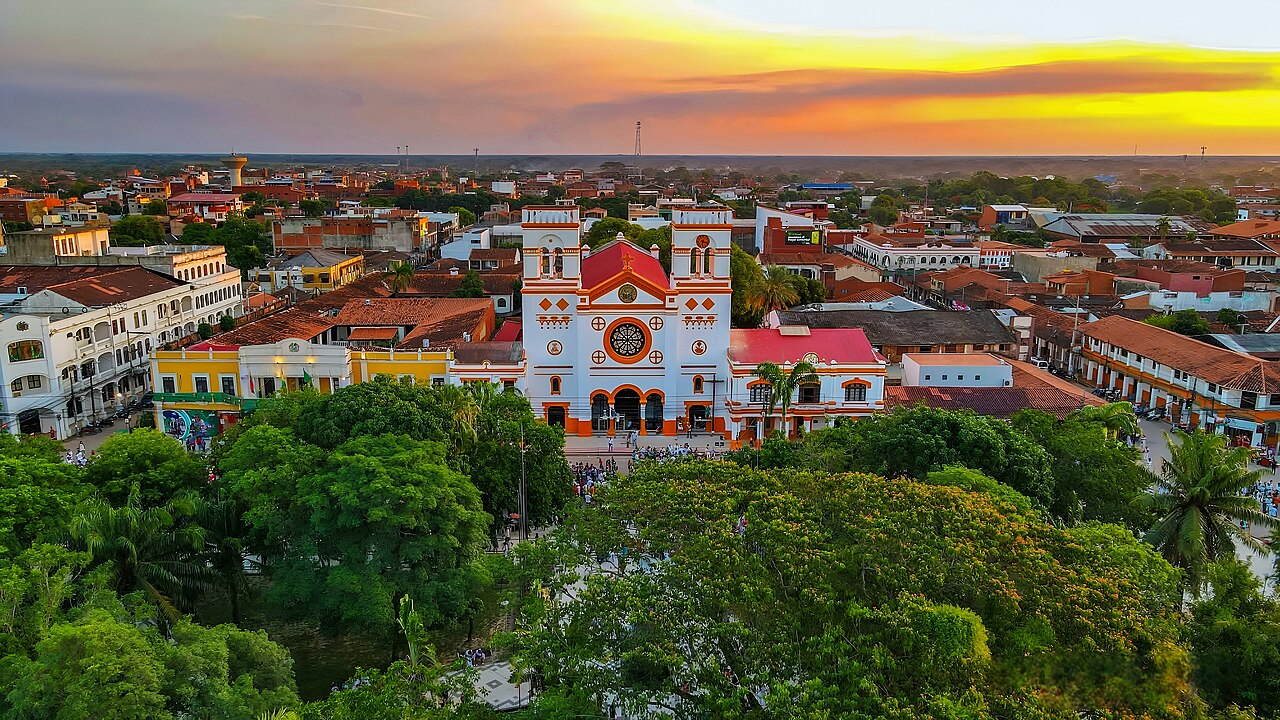
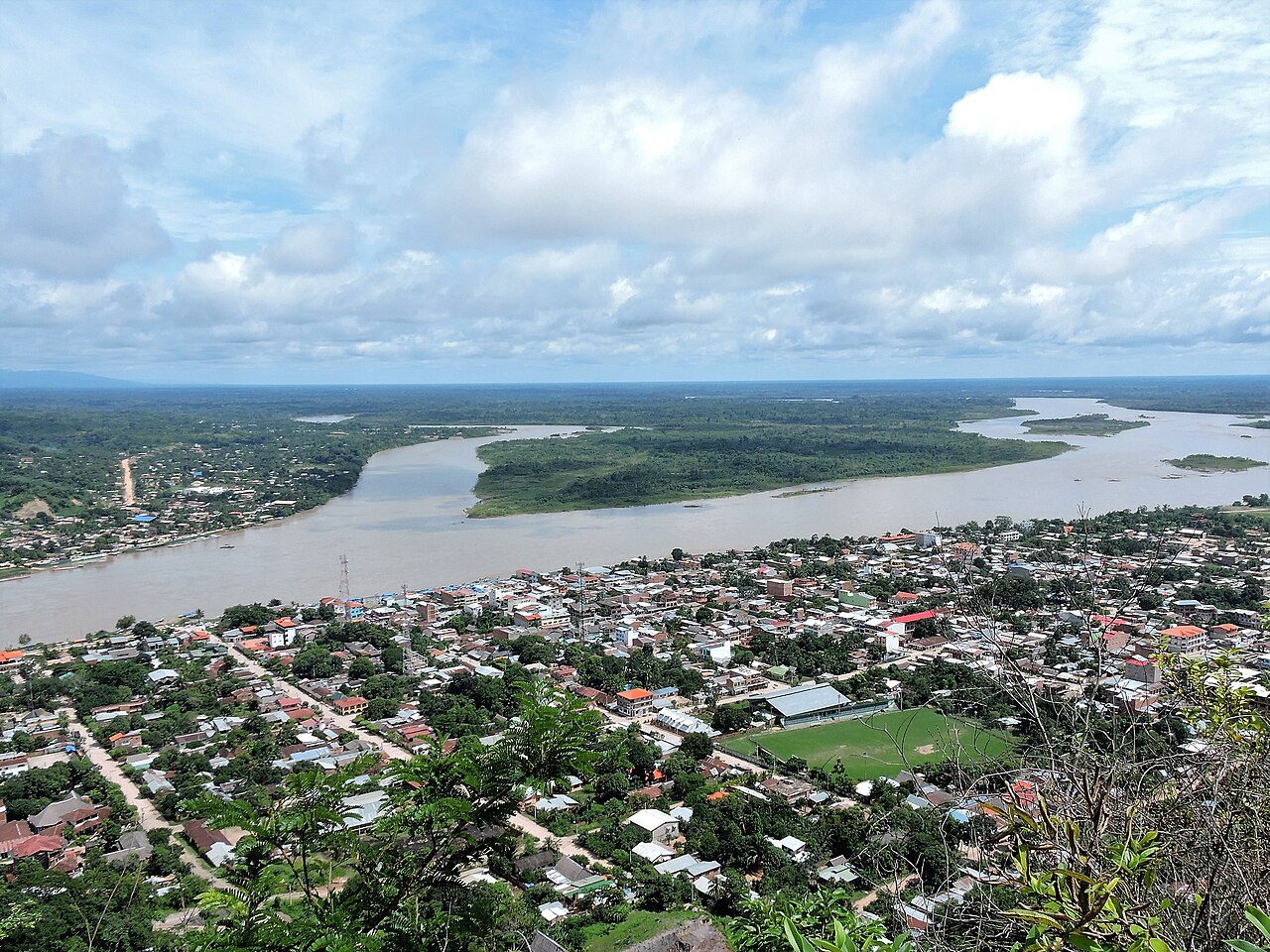
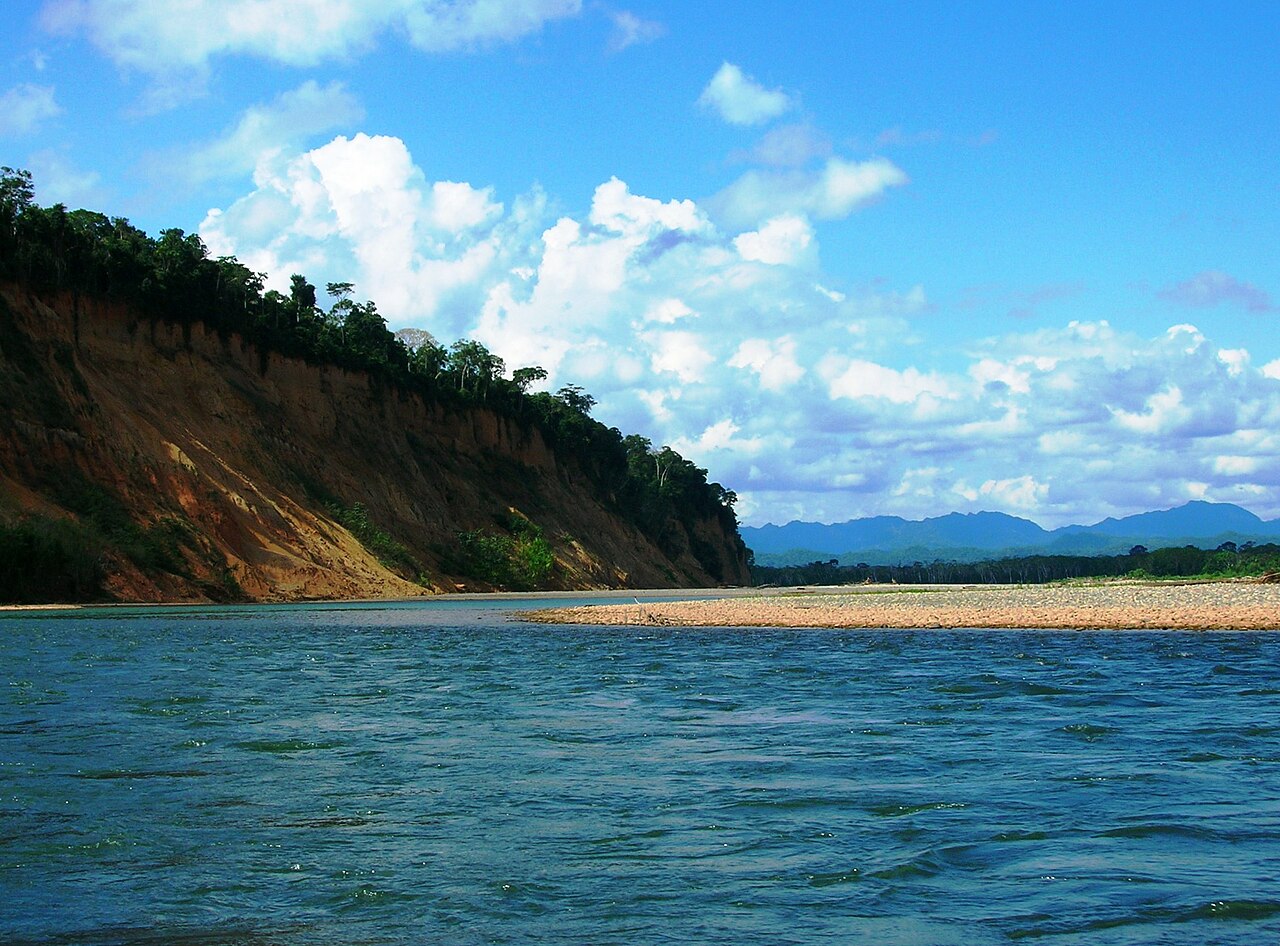
A small river town on the Beni River, known to locals as 'Rurre'. It is the easiest gateway to Madidi National Park and the rainforest, about an hour by plane from La Paz.
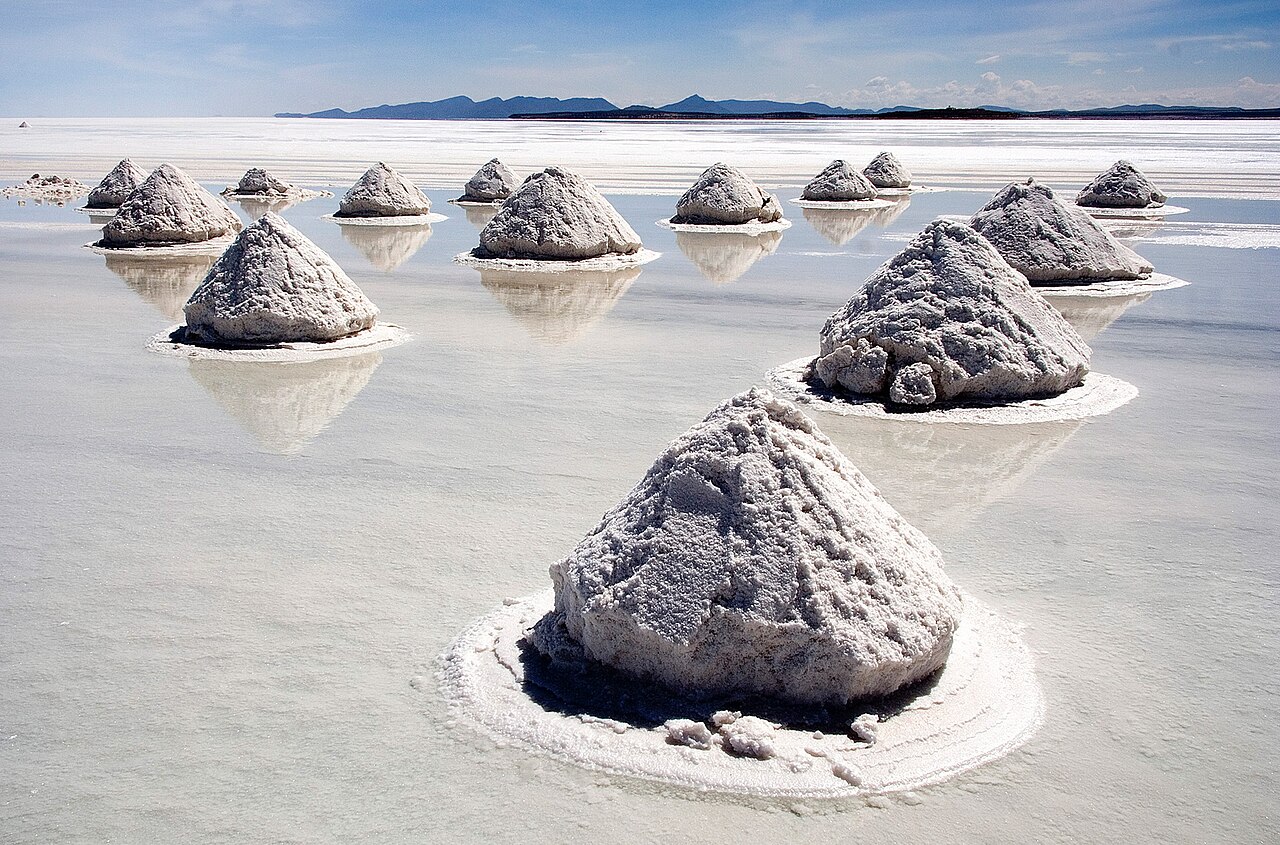
The largest salt flat in the world, about 10,582 km² of white salt at 3,656 m. It is so flat that its height changes by less than one metre across the whole surface. After rain, a thin layer of water turns it into a giant mirror of the sky. Below the salt lies brine that is very rich in lithium.
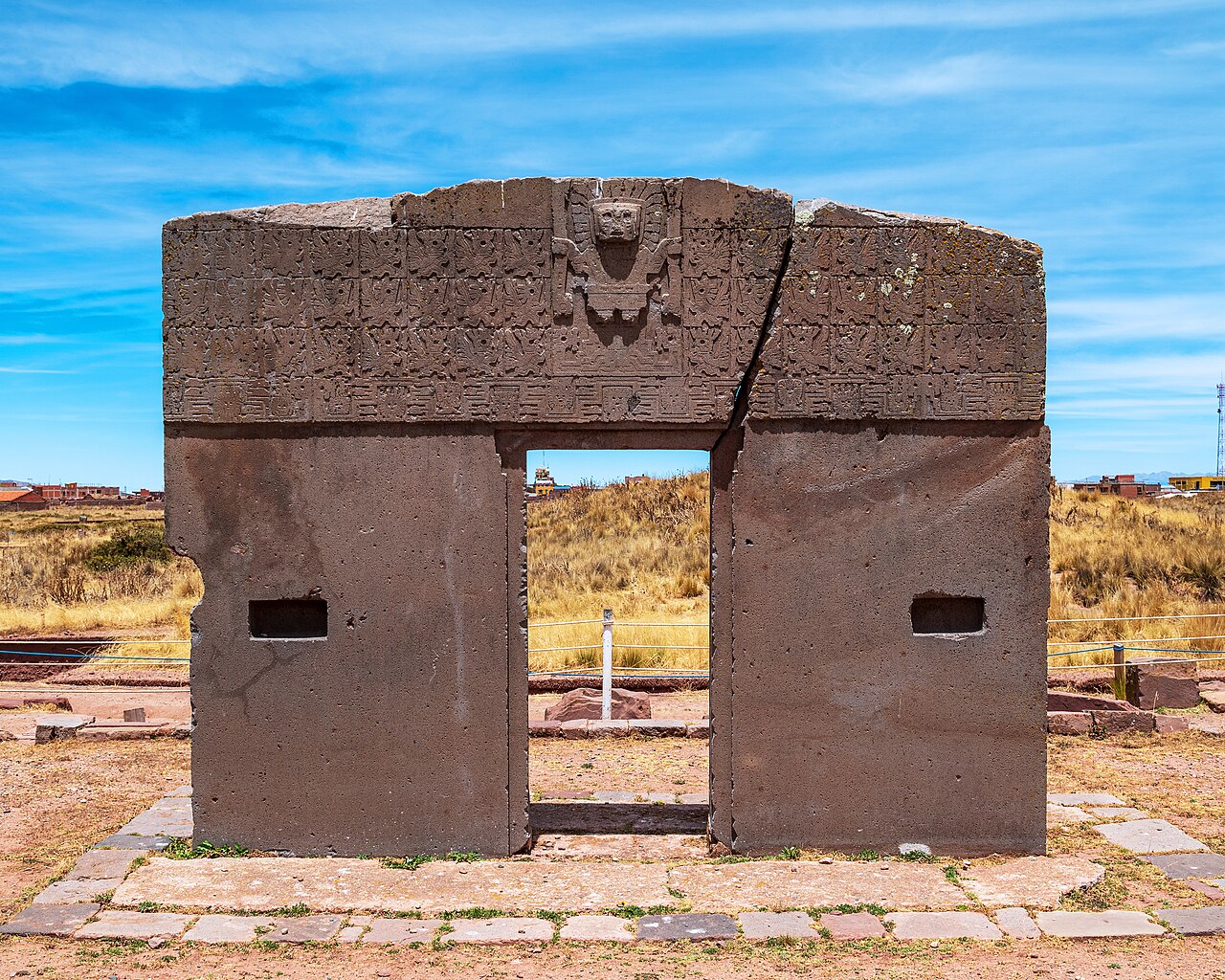
The ruins of the capital of the Tiwanaku culture, near Lake Titicaca and about 70 km from La Paz. Its stone platforms, temples and the carved Gate of the Sun are more than a thousand years old. It became a UNESCO World Heritage Site in 2000.
The 'rich mountain' above Potosí, about 4,800 m high. From 1545 it gave the Spanish Empire vast amounts of silver, and it is still mined today by miners' cooperatives. It is part of the City of Potosí World Heritage Site.
The 'House of Freedom' on Sucre's main square, built in 1621. The Republic of Bolivia was founded here in 1825, and its Hall of Independence keeps Bolivia's declaration of independence. It is part of the Historic City of Sucre World Heritage Site.
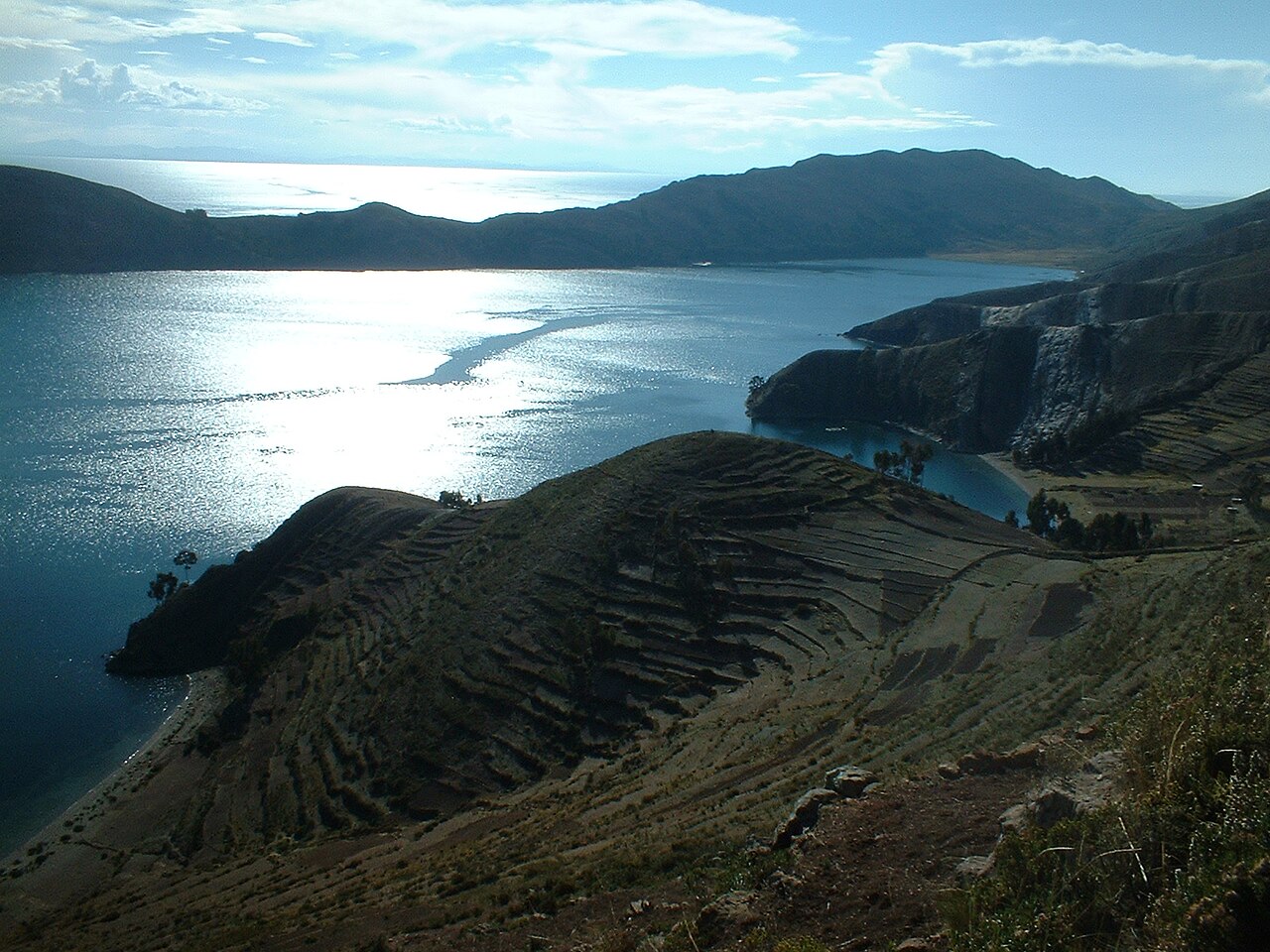
The 'Island of the Sun' on Lake Titicaca, reached by boat from Copacabana. It has no cars or paved roads, more than 80 ruins, most from the Inca period, and old farming terraces. The Incas believed the sun god was born here.
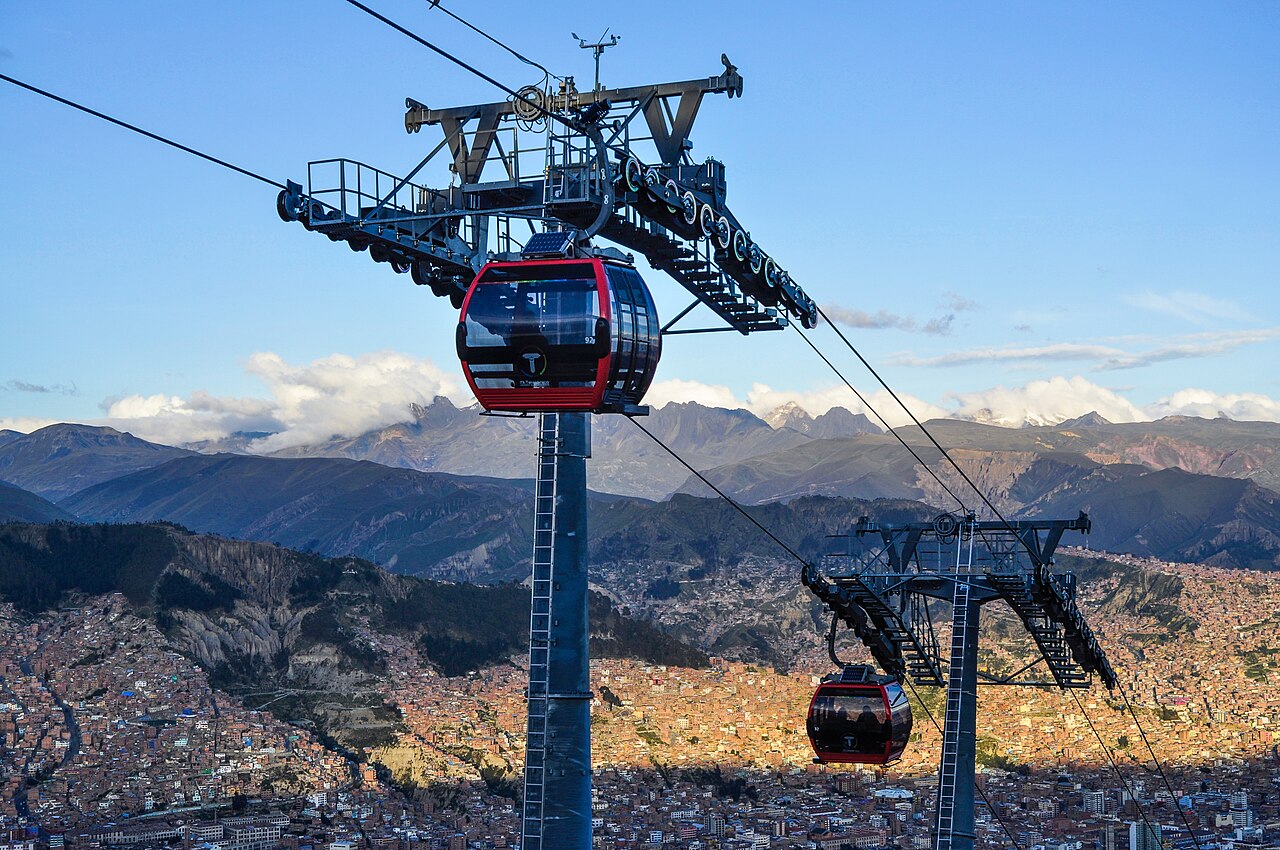
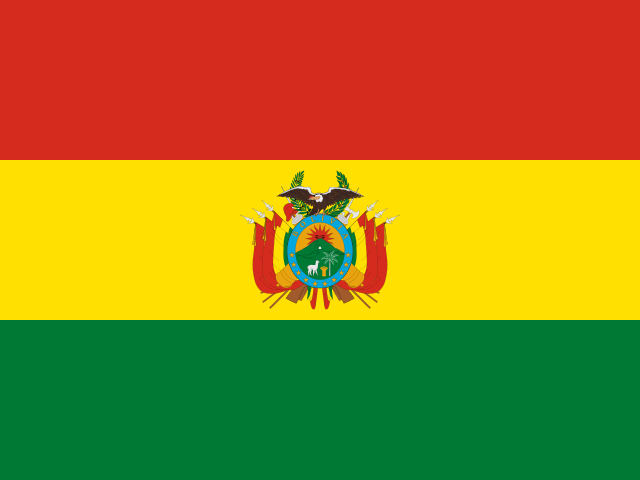
A network of cable cars that is the backbone of public transport between La Paz and El Alto. The first line opened on 30 May 2014, and by the end of that year the red, yellow and green lines, the colours of the Bolivian flag, were all running. The cabins glide over rooftops with views of the canyon and the mountains.
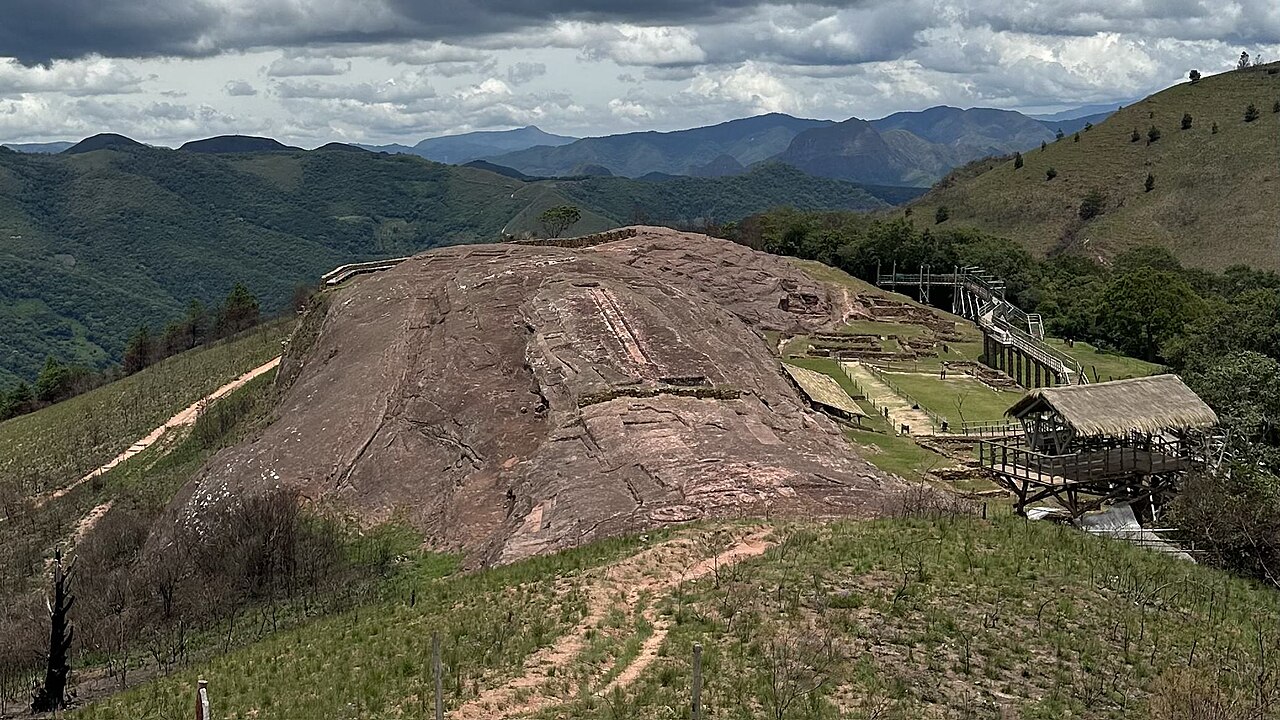
A great rock almost completely covered with carvings, in the eastern foothills of the Andes, southwest of Santa Cruz. Though called a fort, it was a ceremonial and residential centre used by the Chané, the Incas and the Spanish. It became a UNESCO World Heritage Site in 1998.
A vast national park, created in 1995, that runs from the Andes down to the Amazon rainforest. In 2018 the Wildlife Conservation Society called it the most biologically diverse national park in the world. Most visitors come by boat from Rurrenabaque.
A statue of Christ on San Pedro Hill above Cochabamba, 39.68 m tall with its pedestal. It was modelled on Christ the Redeemer in Rio de Janeiro and completed in 1994, taller than the original. You can go up by cable car or climb about 2,000 steps.
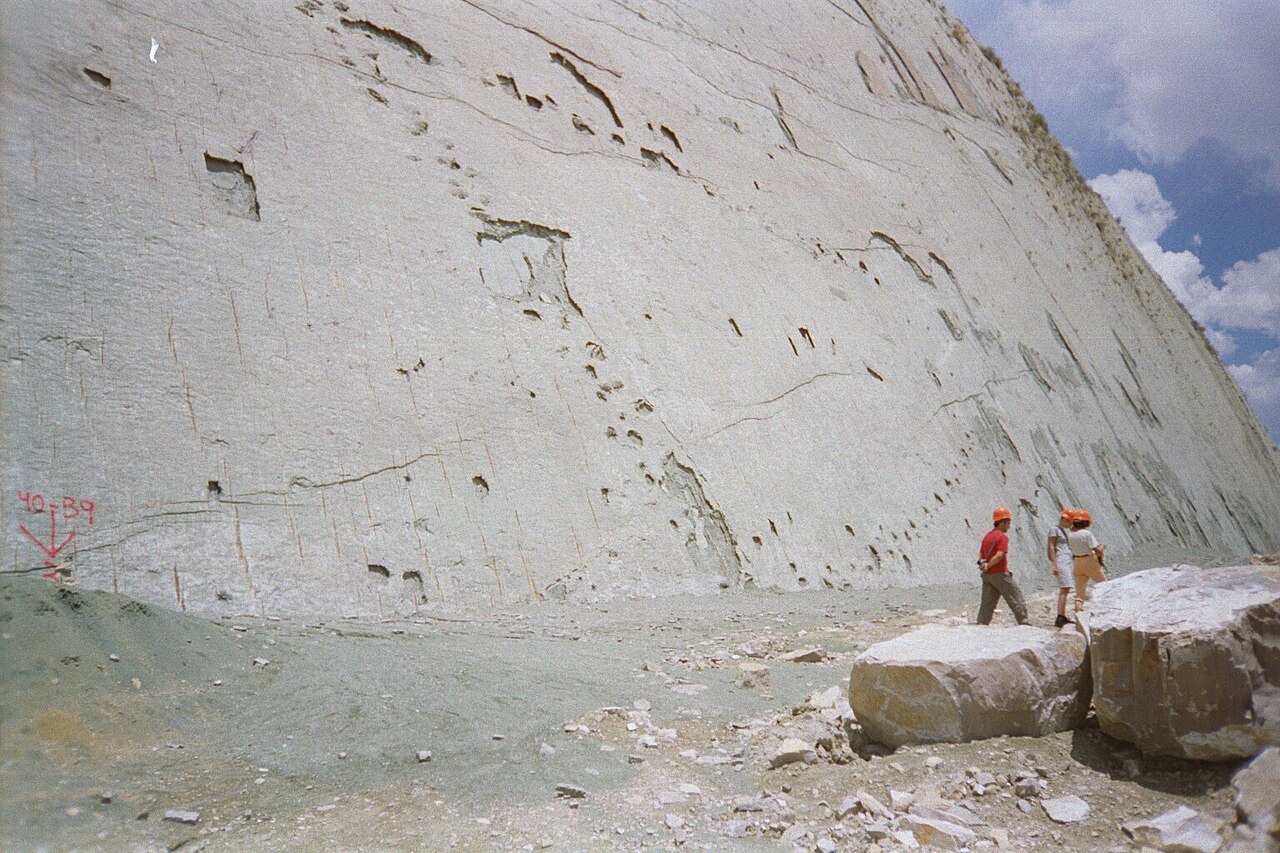
An almost vertical limestone wall in a quarry about 4 km northwest of Sucre, covered with dinosaur footprints. Between 1998 and 2015 scientists mapped 12,092 individual tracks, from at least nine kinds of footprint, including long-necked sauropods.
Bolivia has two capitals. Sucre is the capital named in the constitution and the seat of the courts, while La Paz is the seat of government, with the president and the parliament.
02
The country is named after Simón Bolívar. A congressman proposed the name with the words: 'If from Romulus, Rome, then from Bolívar, Bolivia.'
03
After rain, the Salar de Uyuni becomes the world's largest natural mirror, 129 km across. Its surface is so flat that it is used to calibrate the altimeters of Earth observation satellites.
04
Bolivia has had no coast since the War of the Pacific, but it still has a navy. Its sailors patrol the rivers and Lake Titicaca, often called the highest navigable lake in the world.
05
Every year on 23 March, the Day of the Sea, Bolivia remembers the coast it lost to Chile and repeats its claim to access to the Pacific Ocean.
06
The 2009 constitution made the wiphala, a square flag of many coloured squares used by Andean peoples, a symbol of the state alongside the red, yellow and green national flag.
07
The bowler hats worn by many pollera women in La Paz came from Italy. Italian traders first sold them on the Altiplano in the late 19th century.
08
Chuño, the freeze-dried potato of the Andes, is made by leaving potatoes out on freezing nights and in strong sun by day, then trampling out the water. Chuño has been found at Tiwanaku, so the method is centuries older than the Incas.
09
At the Alasitas fair in La Paz, which starts every 24 January, people buy tiny models of what they wish for, such as houses, cars or banknotes, for Ekeko, the Andean god of abundance. Alasita is Aymara for 'buy from me'.
10
The old Yungas Road from La Paz, known as the Death Road, drops about 3,500 m, and it was the one road in Bolivia where traffic kept to the left, so drivers could see the edge of the cliff. Since a new asphalt road with guardrails replaced it, the old road has become popular with mountain bikers.
11
Six former Jesuit missions in the Chiquitos region of eastern Bolivia, with churches that mix European and Indigenous styles, have been a UNESCO World Heritage Site since 1990. They are unusual because their towns and culture largely survived after the Jesuits were expelled in 1767.
12
As of 2026, La Paz's Mi Teleférico, which links the city with El Alto, is the largest urban cable-car network in the world, with ten lines. It was the first city system to use cable cars as the backbone of public transport.
13
One theory holds that the dollar sign comes from the mint mark of Potosí, the letters PTSI written on top of one another, stamped on colonial silver coins.
14
Singani, Bolivia's national spirit, is distilled from Muscat of Alexandria grapes, and by law the vineyards must be at least 1,600 m above sea level.
Spanish (Bolivian), with a few Andean words Pronunciation is written the way it sounds; the capital letters show where the stress goes. Audio is coming soon.
Greetings
holaOH-lah (the h is silent)hello
graciasGRAH-syahsthank you
por favorpor fah-VORplease
síSEEyes
Food and drink
aguaAH-gwahwater
papaPAH-pahpotato
manímah-NEEpeanut
quesoKEH-sohcheese
chocloCHOH-klohcorn on the cob
llajwaYAH-wahfresh chilli and tomato sauce
apiAH-peehot purple corn drink
la cuentalah KWEN-tahthe bill
Around town
mercadomehr-KAH-dohmarket
iglesiaee-GLEH-syahchurch
bañoBAH-nyohtoilet, bathroom
cerroSEH-rrohhill, mountain
salarsah-LARsalt flat
Andean words
PachamamaPAH-chah MAH-mahMother Earth, the Andean earth goddess
chuñoCHOO-nyohfreeze-dried potato
alasitaah-lah-SEE-tahbuy from me (Aymara), the name of the miniatures fair
La Paz lies at about 3,650 m, El Alto at about 4,000 m, and the Salar de Uyuni at 3,656 m. Altitude sickness is a real risk there. Rest on your first day, walk slowly, drink water and go easy on alcohol. If you have heart or breathing problems, talk to your doctor before you go.
Coca tea stays in Bolivia
Coca tea (mate de coca) is legal in Bolivia and is often offered against altitude sickness, though there is little proof that it works. It is illegal in the United States unless the cocaine has been removed, so do not take coca leaves or tea bags home.
Check for protests and roadblocks
As of September 2026, UK travel advice warns of a state of emergency, protests and road blockades, as well as fuel shortages that can disrupt buses. Keep away from protests, never try to cross a roadblock, and leave extra time for every journey. UK advice also warns against all but essential travel to the Chapare region of Cochabamba Department, including Villa Tunari and the main highways 4 and 24 through it, because of drug-related violent crime.
Use radio taxis
Robberies in taxis have been reported in La Paz, Santa Cruz and Rurrenabaque. Order a radio taxi by phone or ask your hotel to call one, look for the company name and number on the roof, and do not get into a taxi that already has other passengers.
Get your passport stamped
Make sure you get an entry stamp when you arrive, or you may have to pay a fine when you leave. If you cross by land, get an exit stamp from the country you leave and an entry stamp on the Bolivian side. At the Argentine border Bolivia no longer stamps passports, so register your exit with the Argentine officials there.
Yellow fever in the lowlands
The US CDC recommends the yellow fever vaccine for travellers going to the lowlands east of the Andes, such as Santa Cruz, Beni and Pando, but not for trips only to high places like La Paz and Sucre. Bolivia may ask for a yellow fever vaccination certificate when you arrive, and official advice differs on who needs one, so check the current entry rules with your airline and the Bolivian embassy before you travel.
Bring all your medicines
As of September 2026, some medicines are in short supply in Bolivia. Bring enough for your whole stay, with your prescription.
Choose tours with care
There are no official minimum standards for tour operators. For salt flat tours and mountain biking on the Death Road, use a reputable company, check the bikes and safety equipment, and make sure your travel insurance covers the activity.
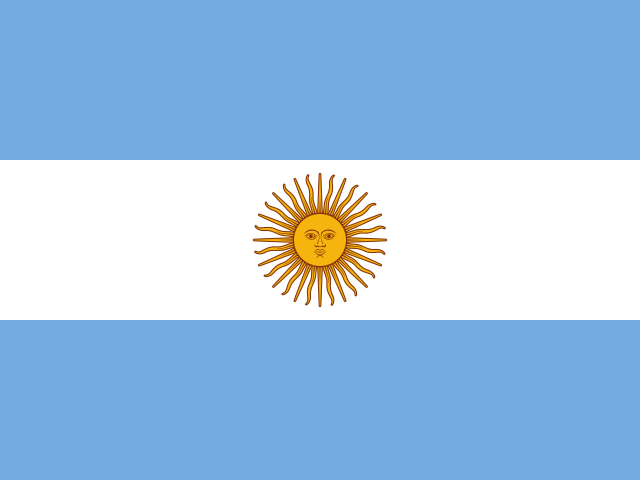 Argentina
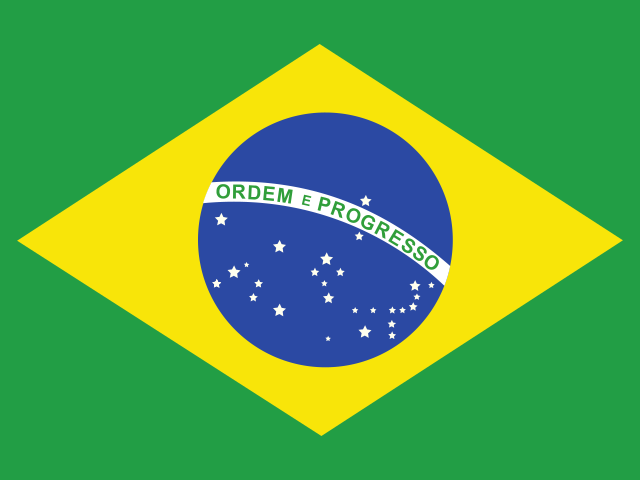 Brazil
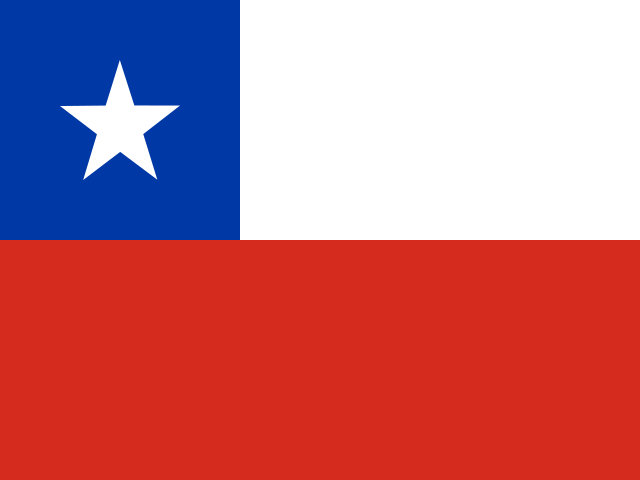 Chile
Chile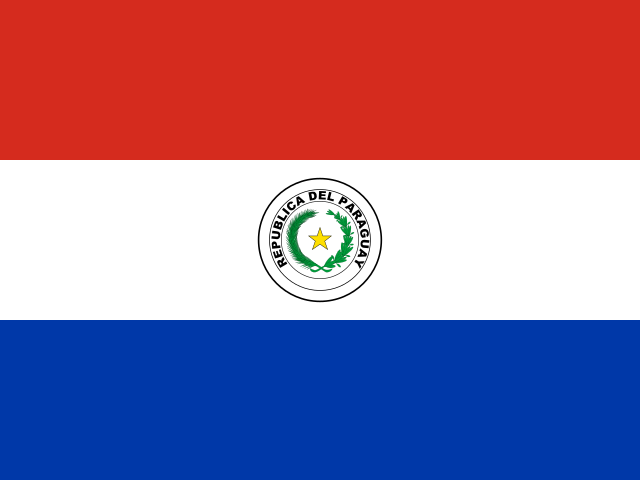 Paraguay
 Peru
Peru