World Stroll
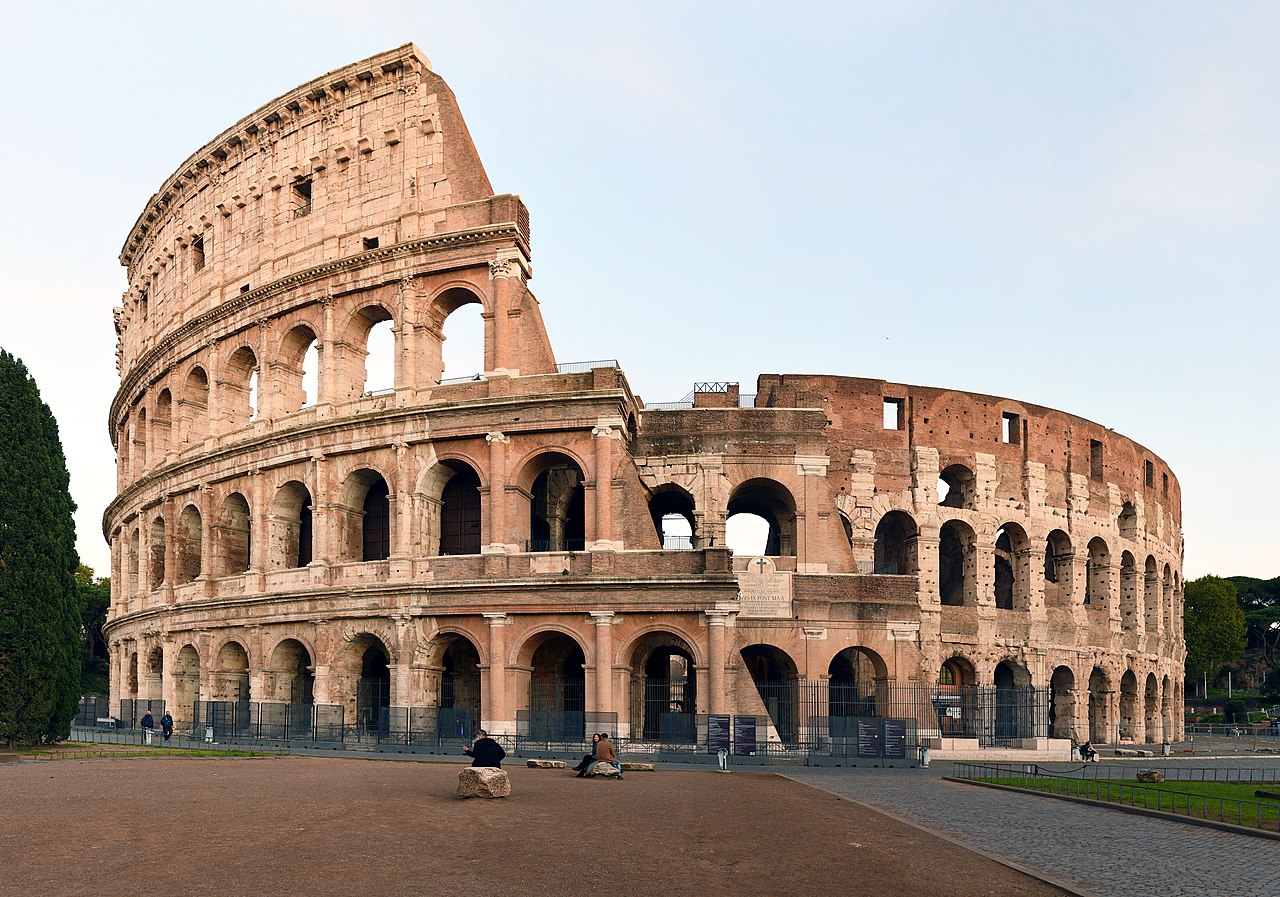
Colosseum
Photo: FeaturedPics, CC BY-SA 4.0
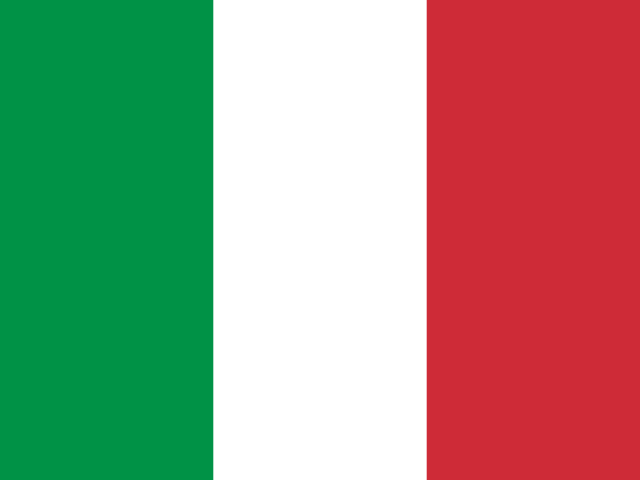
Flag of Italy
Southern Europe

Italy

Ancient ruins, Renaissance art and some of the world's best-loved food, all in one boot-shaped peninsula.
Your trip to Italy

Ready for the trip?

10 questionsAbout 3 minutesNo timer
Explore Italy
You have explored 0 of 9 parts. Scroll on to discover the rest.
AlbaniaAlgeriaAndorraArmeniaAustriaBelarusBelgiumBosnia and HerzegovinaBulgariaCroatiaCyprusCzechiaDenmarkEgyptFranceGeorgiaGermanyGreeceGuernseyHungaryIraqIrelandIsle of ManIsraelItalyJerseyJordanKazakhstanLebanonLibyaLiechtensteinLithuaniaLuxembourgMaltaMoldovaMonacoMontenegroMoroccoNetherlandsNorth MacedoniaPalestinePolandPortugalRomaniaRussiaSan MarinoSaudi ArabiaSerbiaSlovakiaSloveniaSpainSwitzerlandSyriaTunisiaTürkiyeUkraineUnited KingdomVatican City

Neighbours

Going to Italy?Phrases, table manners and local tips on one printable page. Send a postcard from ItalyA free digital postcard for family and friends.
Overview

Italy at a glance

Italy stretches from the snowy Alps in the north deep into the Mediterranean Sea, with the large islands of Sicily and Sardinia off its coast. On a map, the mainland looks like a tall boot kicking a ball, and that ball is Sicily.

For centuries Rome ruled an empire around the Mediterranean, and much later Florence, Venice and other Italian cities gave the world the Renaissance: the art of Leonardo da Vinci, Michelangelo and Raphael, and a new way of looking at science and beauty.

Today Italy is a republic of about 59 million people, famous for its food, fashion, cars, opera and a way of life that takes meals, family and conversation very seriously.

CapitalRome
PopulationAbout 59 million
Official languageItalian
CurrencyEuro (€)
AreaAbout 301,000 km²
GovernmentParliamentary republic (since 1946)
Highest mountainMont Blanc (Monte Bianco), shared with France
Longest riverThe Po, about 650 km
NeighboursFrance, Switzerland, Austria, Slovenia, San Marino, Vatican City
Drives on theRight
Calling code+39

Next: Story

The story

A short history of Italy

Italy is one of the oldest centres of European civilisation, but one of its youngest nations: the country we know today was only united in the 1800s.

  1. 753 BC

    Legendary founding of Rome

    According to legend, the twins Romulus and Remus founded Rome on 21 April 753 BC. Romans later counted their years from this date.
  2. 509 BC

    The Roman Republic begins

    Romans drove out their last king and set up a republic, ruled by elected officials and the Senate.

  3. 27 BC

    Augustus becomes the first emperor

    After years of civil war, Octavian took the name Augustus and became the first Roman emperor. The empire would last in the west for about 500 years.

  4. AD 79

    Vesuvius buries Pompeii

    The volcano Vesuvius erupted and buried the Roman towns of Pompeii and Herculaneum under ash, preserving them almost frozen in time.

  5. AD 476

    The Western Roman Empire falls

    The last emperor in the west, Romulus Augustulus, was removed from power. Over the following centuries Italy broke up into many kingdoms, duchies and city-states.

  6. 1436

    Brunelleschi's dome is completed

    In Florence, Filippo Brunelleschi finished the huge dome of the cathedral, an engineering wonder and a symbol of the Renaissance.

  7. 1492

    Columbus reaches the Americas

    Christopher Columbus, a sailor from Genoa, reached the Caribbean while sailing for the Spanish crown.

  8. 1512

    Michelangelo finishes the Sistine Chapel ceiling

    After four years of work, Michelangelo completed his famous ceiling frescoes in the Sistine Chapel in the Vatican.

  9. 1861

    The Kingdom of Italy is proclaimed

    After the wars of the Risorgimento, led by figures such as Garibaldi and Cavour, most of the peninsula was united under King Victor Emmanuel II. Turin was the first capital.

  10. 1871

    Rome becomes the capital

    After Florence served as capital for a few years, the capital moved to Rome, which had joined the kingdom in 1870.

  11. 1922

    Mussolini takes power

    Benito Mussolini and his Fascist party took power after the March on Rome. His dictatorship led Italy into the Second World War.

  12. 1946

    Italy becomes a republic

    In a referendum on 2 June 1946, Italians voted to end the monarchy. 2 June is still a national holiday, Republic Day.

  13. 1957

    The Treaty of Rome is signed

    Italy and five other countries signed the Treaty of Rome, creating the European Economic Community, which grew into today's European Union.

  14. 1960

    Rome hosts the Olympic Games

    The Summer Olympics came to Rome, with some events held among ancient ruins.

  15. 2002

    The euro replaces the lira

    Euro notes and coins replaced the Italian lira, which had been used since the country was united.

Next: At the table

At the table

What to eat in Italy

Italian food is really many regional kitchens. The north cooks more with butter, rice and polenta, the south with olive oil, tomatoes and dried pasta. A traditional meal goes antipasto (starter), primo (pasta, rice or soup), secondo (meat or fish) with a contorno (side dish), and finally dolce (dessert).
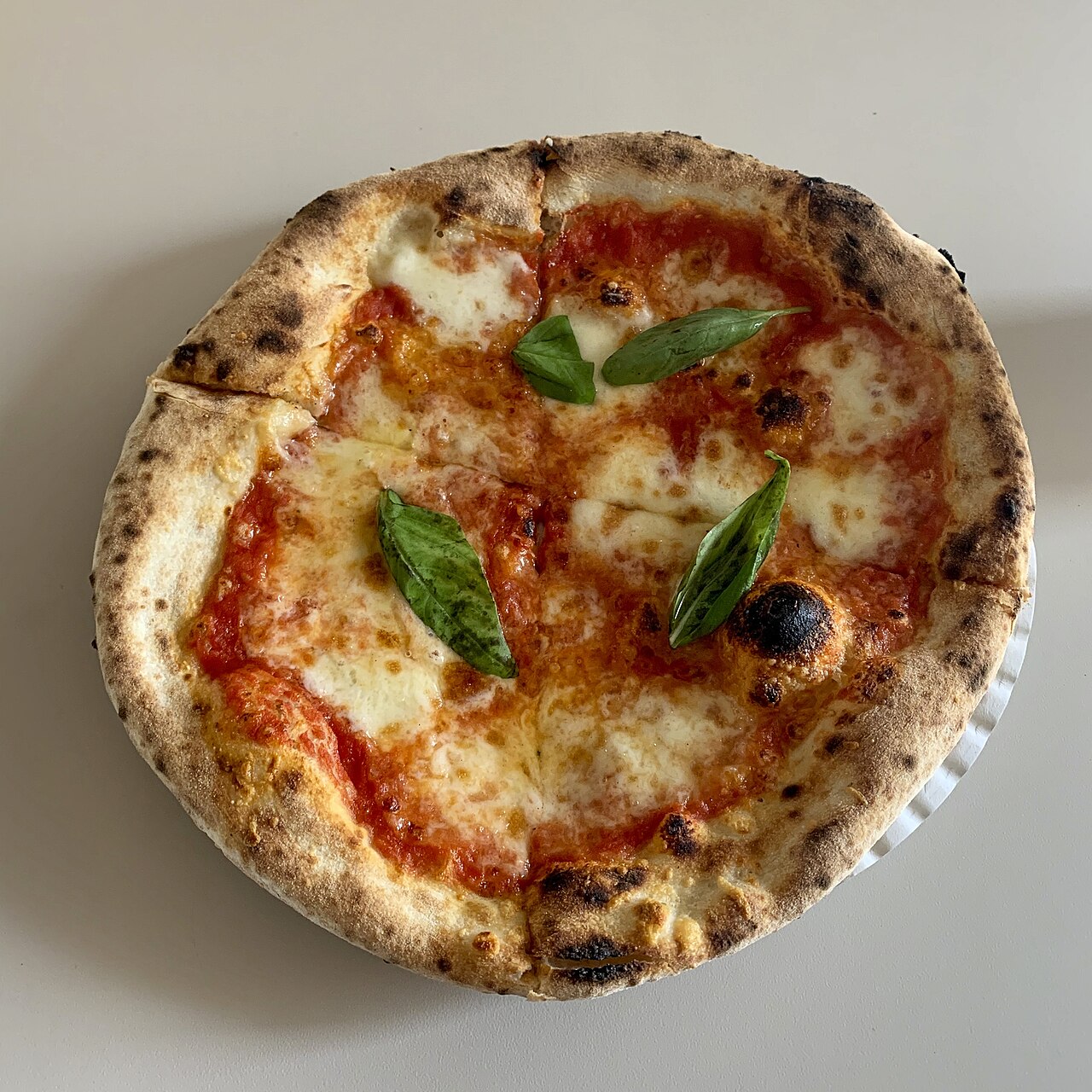
Pizza Margherita
Photo: Bex Walton from London, England, CC BY 2.0
Main course

Pizza margherita

Naples, Campania

A soft, thin Neapolitan pizza with tomato, mozzarella and fresh basil, baked for about a minute in a very hot wood-fired oven.

According to a popular story, it was named after Queen Margherita in 1889, and its colours match the Italian flag. The art of the Neapolitan pizza maker is on UNESCO's list of intangible cultural heritage.
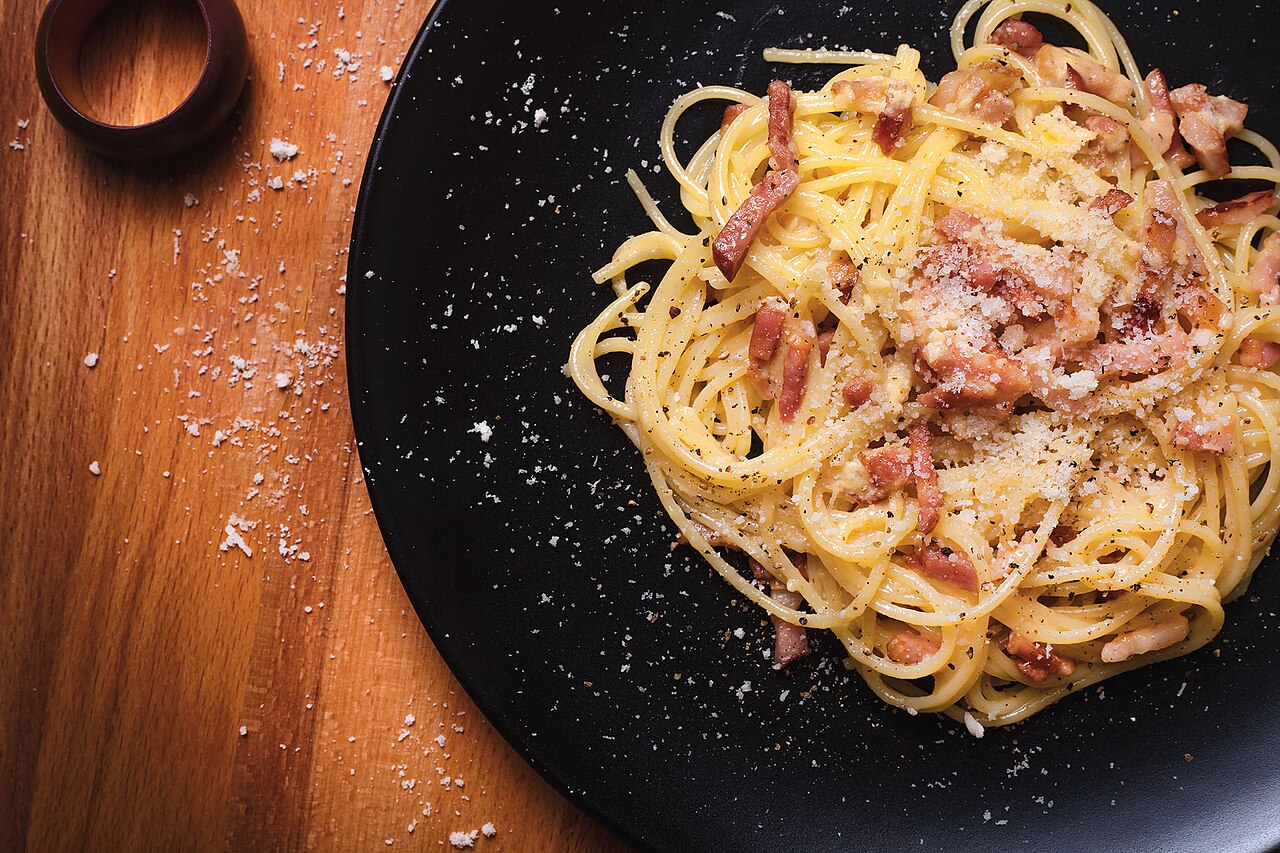
Carbonara
Photo: Javier Somoza, CC BY-SA 4.0
PastaRecipe

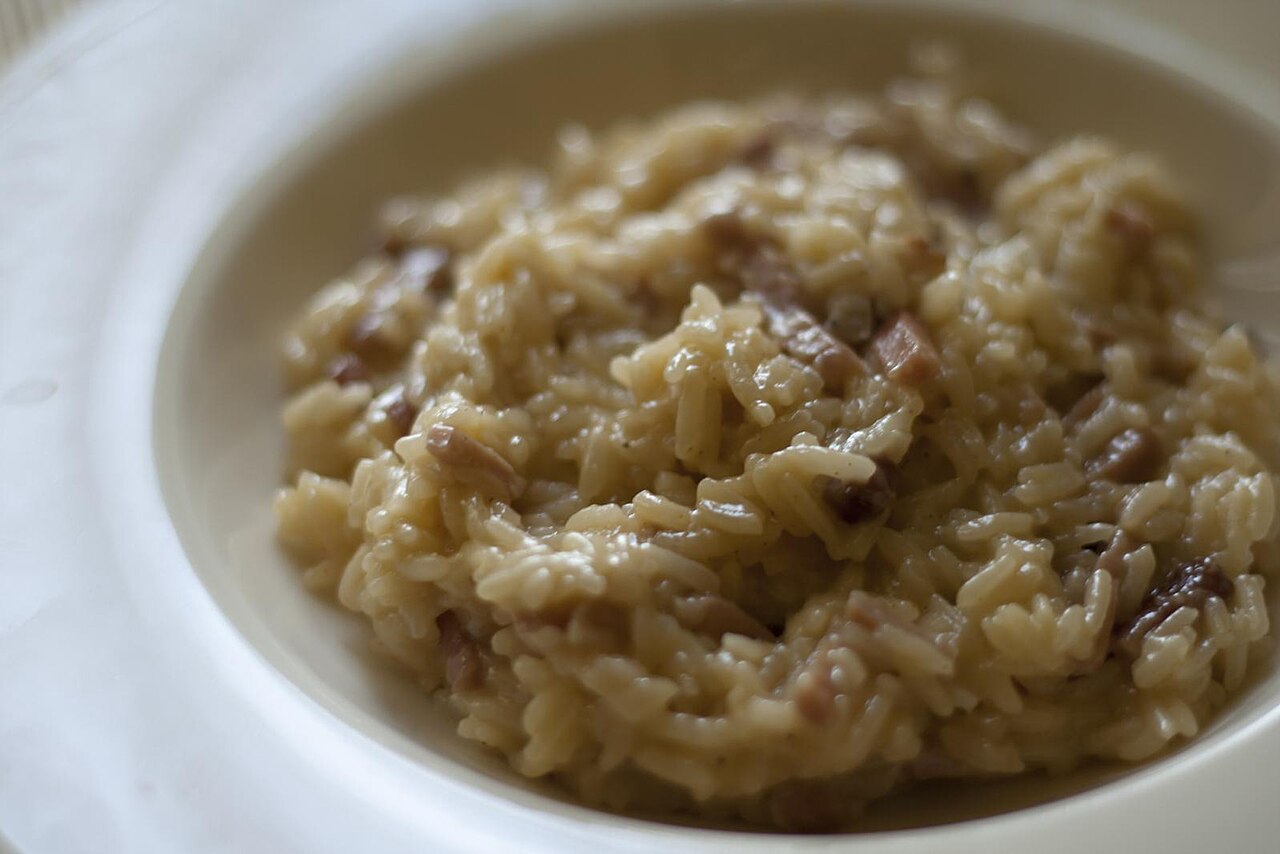
Spaghetti alla carbonara

Rome, Lazio

Spaghetti tossed with crispy guanciale (cured pork cheek), eggs, Pecorino Romano cheese and plenty of black pepper. The creamy sauce comes from the eggs and cheese, not from cream.
See the recipe
Serves 4 25 min

Ingredients

  • 400 g spaghetti
  • 150 g guanciale (or pancetta), cut into strips
  • 4 egg yolks and 1 whole egg (the eggs are only gently cooked: use pasteurised eggs for pregnant women, young children, older people or anyone with a weak immune system)
  • 60 g Pecorino Romano, finely grated, plus extra to serve
  • Freshly ground black pepper
  • Salt for the pasta water

Method

  1. Bring a large pot of salted water to the boil and cook the spaghetti until al dente.
  2. Meanwhile, fry the guanciale in a dry pan over medium heat until golden and crispy. Turn off the heat.
  3. In a bowl, whisk the yolks, the whole egg, the Pecorino and a generous amount of black pepper into a thick paste.
  4. Drain the pasta, keeping a cup of the cooking water. Add the pasta to the pan with the guanciale and toss.
  5. Away from the heat, pour in the egg mixture and a splash of pasta water. Stir quickly until the sauce is creamy. The pan must not be too hot, or the eggs will scramble.
  6. Serve at once with extra Pecorino and pepper.
Lasagna
Photo: jules / stonesoup, CC BY 2.0
Pasta

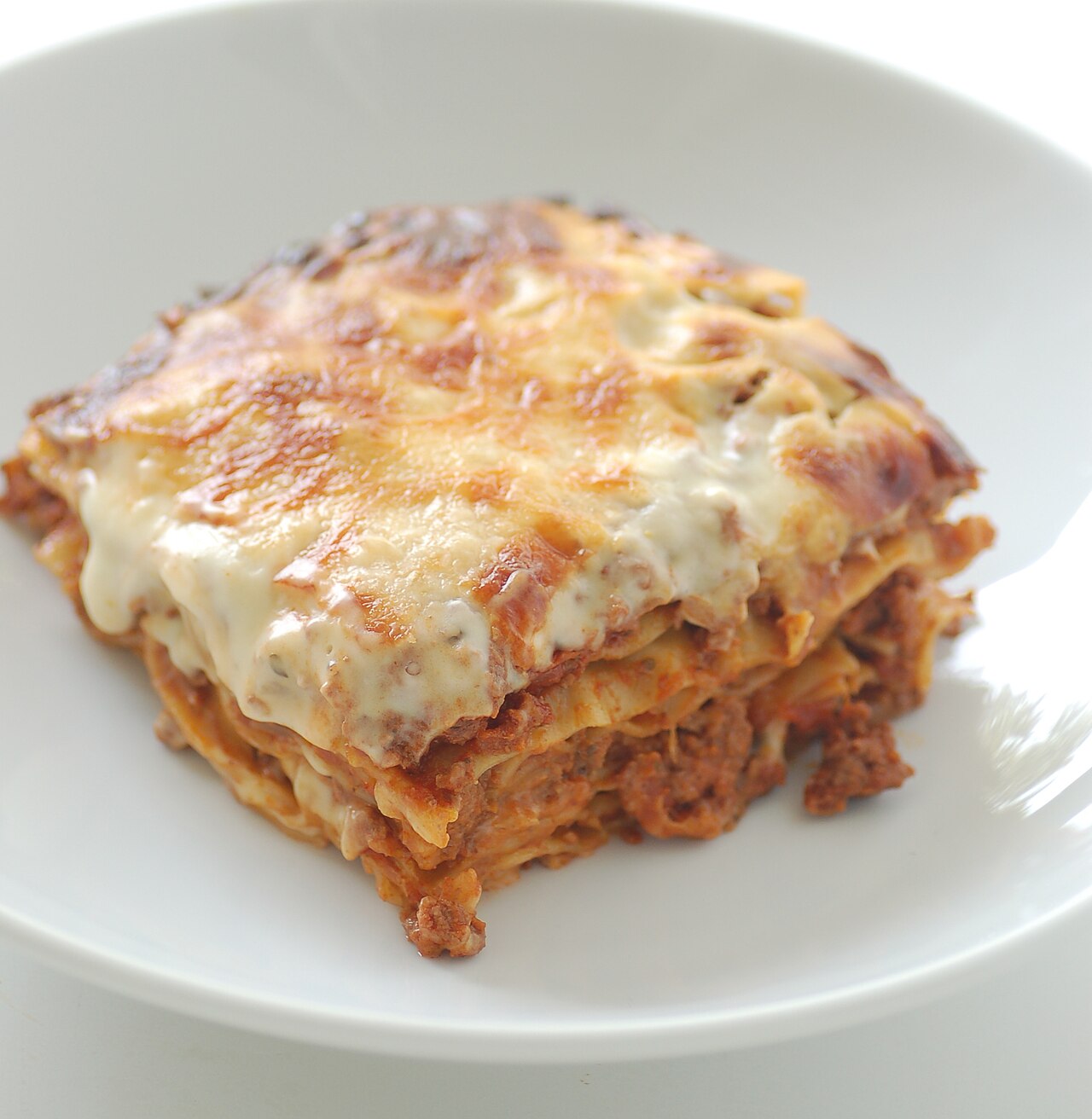
Lasagne alla bolognese

Bologna, Emilia-Romagna

Layers of fresh egg pasta (often green, made with spinach), slow-cooked meat ragù, béchamel sauce and Parmigiano Reggiano, baked until bubbling.
Pesto
Photo: Ɱ, CC BY-SA 3.0
PastaRecipe

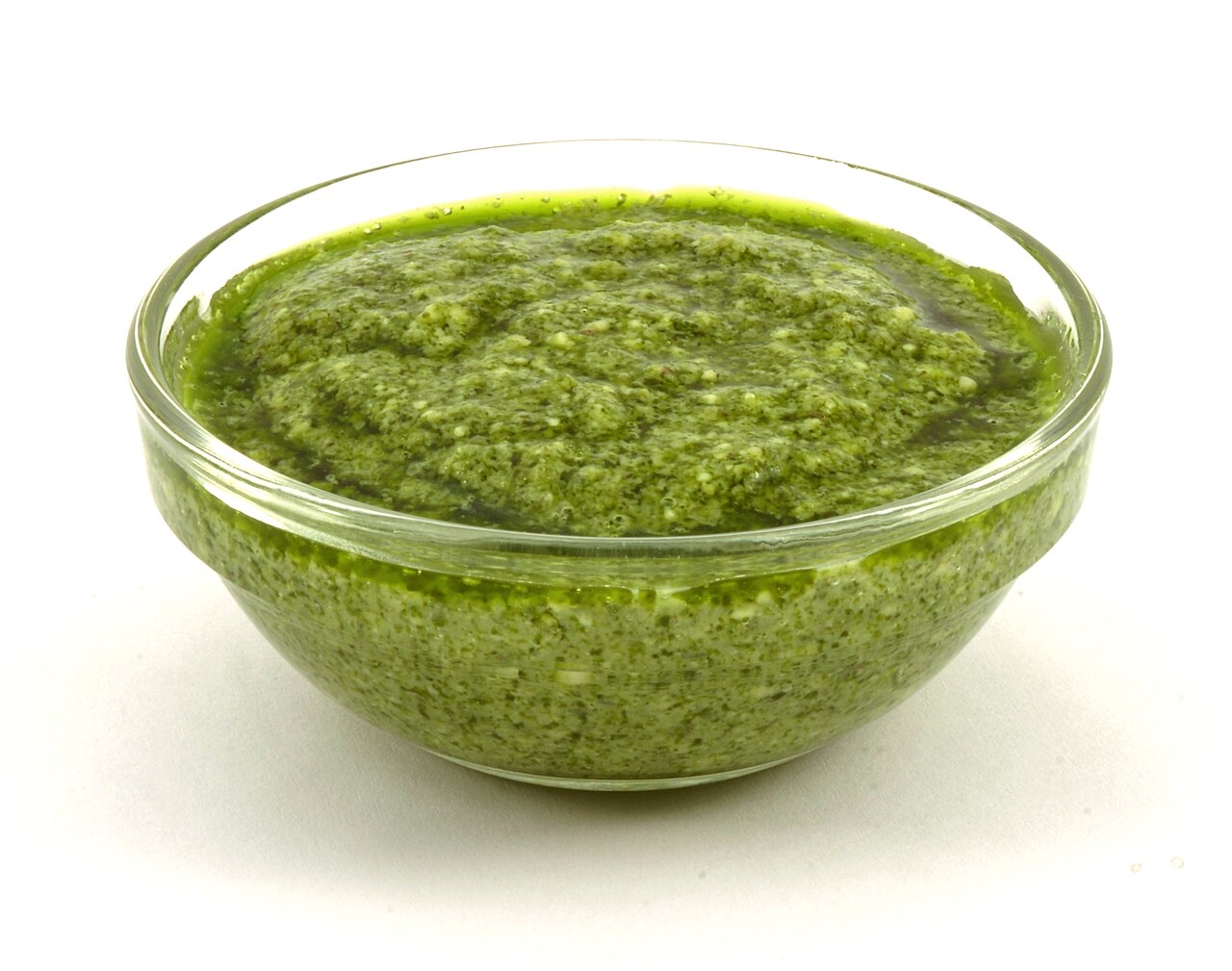
Trofie al pesto

Trofie al pesto genovese
Genoa, Liguria

Short twisted pasta with pesto alla genovese, a raw sauce of basil, pine nuts, garlic, cheese and olive oil, traditionally made in a marble mortar.
See the recipe
Serves 4 20 min

Ingredients

  • 50 g fresh basil leaves
  • 1 small garlic clove
  • 30 g pine nuts
  • 50 g Parmigiano Reggiano, grated
  • 25 g Pecorino (Fiore Sardo or Romano), grated
  • 100 ml extra virgin olive oil
  • A pinch of coarse salt
  • 400 g trofie or other short pasta

Method

  1. Crush the garlic with the salt in a mortar (or use a food processor on short pulses).
  2. Add the pine nuts and grind to a paste.
  3. Add the basil a handful at a time, grinding with a circular motion so the leaves stay bright green.
  4. Stir in both cheeses, then slowly add the olive oil until the pesto is smooth.
  5. Cook the pasta in salted water, drain it, and toss with the pesto and a spoonful of the cooking water. Do not heat the pesto.
Tiramisu
Photo: Raffaele Diomede from Pordenone, ITALIA, CC BY 2.0
DessertRecipe

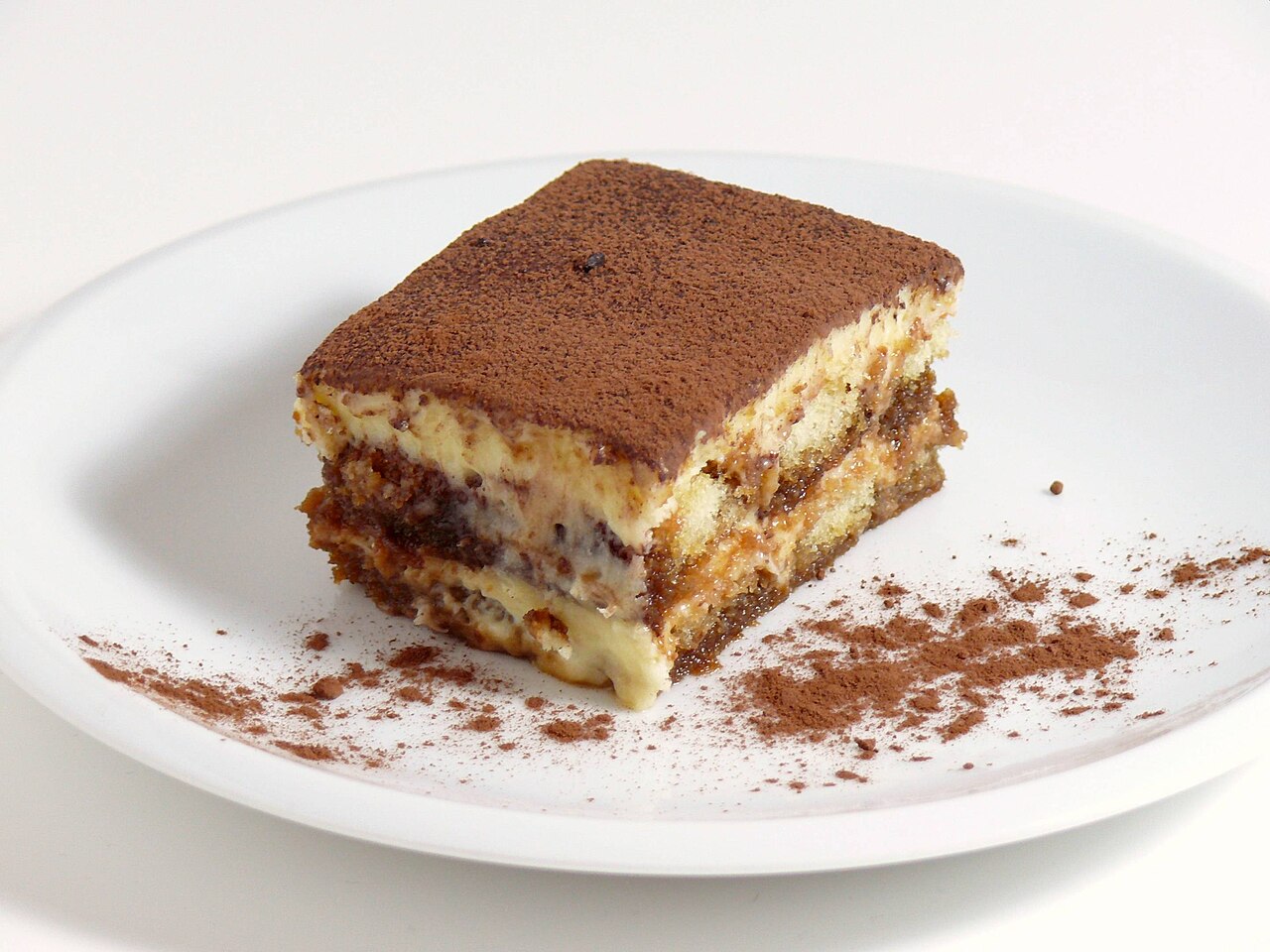
Tiramisù

Northeast Italy (Veneto and Friuli Venezia Giulia both claim it)

Ladyfinger biscuits soaked in espresso, layered with a light cream of mascarpone, eggs and sugar, and dusted with cocoa.

The name means 'pick me up', probably because of the coffee and sugar.
See the recipe
Serves 6 4 h 30 min

Ingredients

  • 4 very fresh eggs (the eggs are raw: use pasteurised eggs for pregnant women, young children, older people or anyone with a weak immune system)
  • 100 g sugar
  • 500 g mascarpone
  • About 300 g ladyfingers (savoiardi)
  • 300 ml strong espresso, cooled
  • Unsweetened cocoa powder

Method

  1. Separate the eggs. Whisk the yolks with the sugar until pale and thick.
  2. Beat in the mascarpone until smooth.
  3. Whisk the egg whites until stiff, then gently fold them into the mascarpone cream.
  4. Dip each ladyfinger quickly in the coffee and lay them side by side in a dish.
  5. Spread half the cream over the biscuits, add another layer of dipped ladyfingers, then the rest of the cream.
  6. Dust with cocoa and chill for at least 4 hours before serving.
Arancini
Photo: Gmelfi, Public domain
Snack

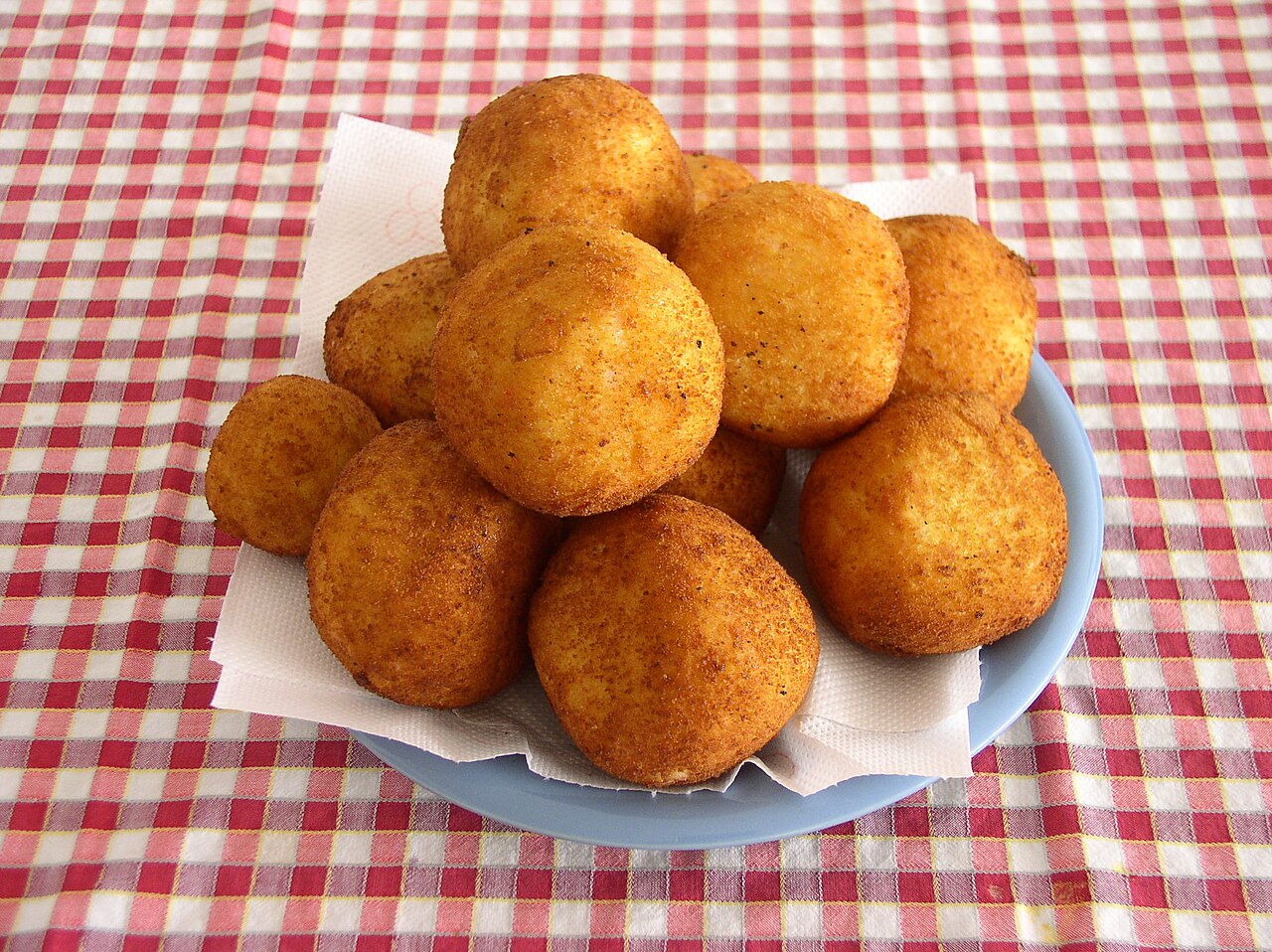
Arancini

Arancini or arancine
Sicily

Golden fried balls of rice, usually filled with meat ragù and peas or with ham and mozzarella.

The name means 'little oranges'. In Palermo they say arancina, in Catania arancino, and Sicilians love to argue about which is right.
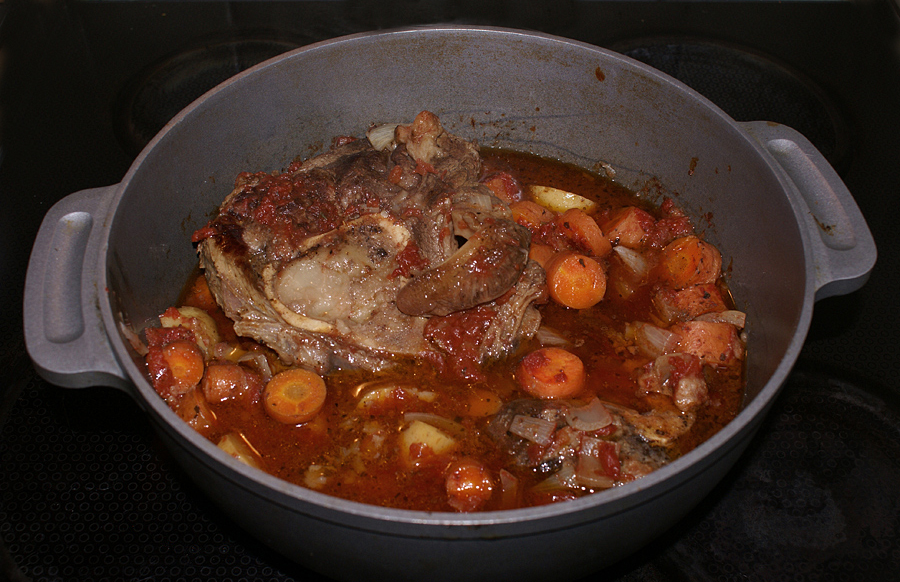
Ossobuco
Photo: Mogens Engelund, CC BY-SA 3.0
Main course

Ossobuco

Milan, Lombardy

Cross-cut veal shanks braised slowly with wine and broth, often topped with gremolata (lemon zest, garlic and parsley) and served with risotto alla milanese.

Ossobuco means 'bone with a hole', after the marrow bone in the middle.
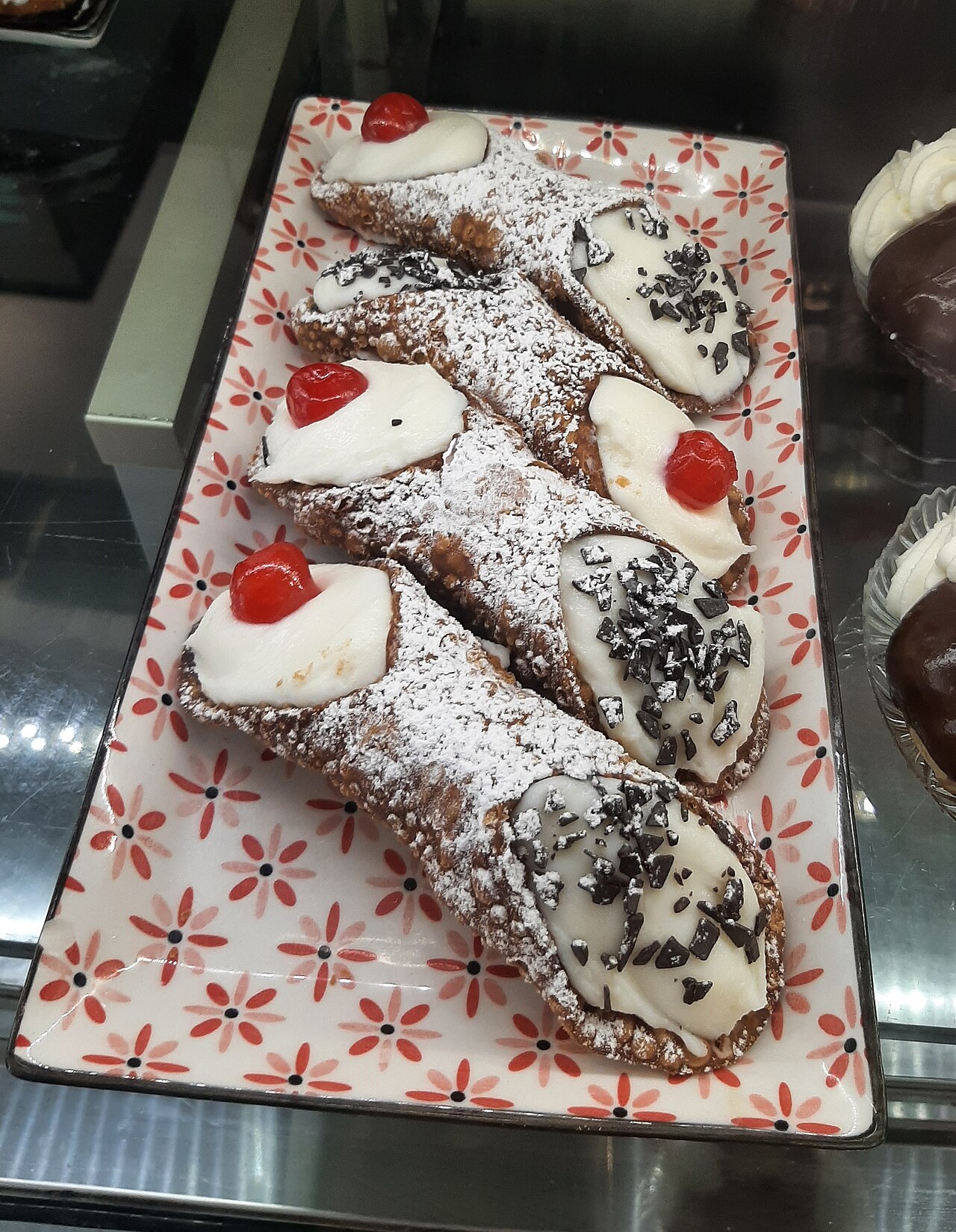
Cannoli
Photo: Ensahequ, CC BY-SA 4.0
Dessert

Cannoli

Sicily

Crisp fried pastry tubes filled with sweet sheep's milk ricotta, sometimes with chocolate chips or candied orange.
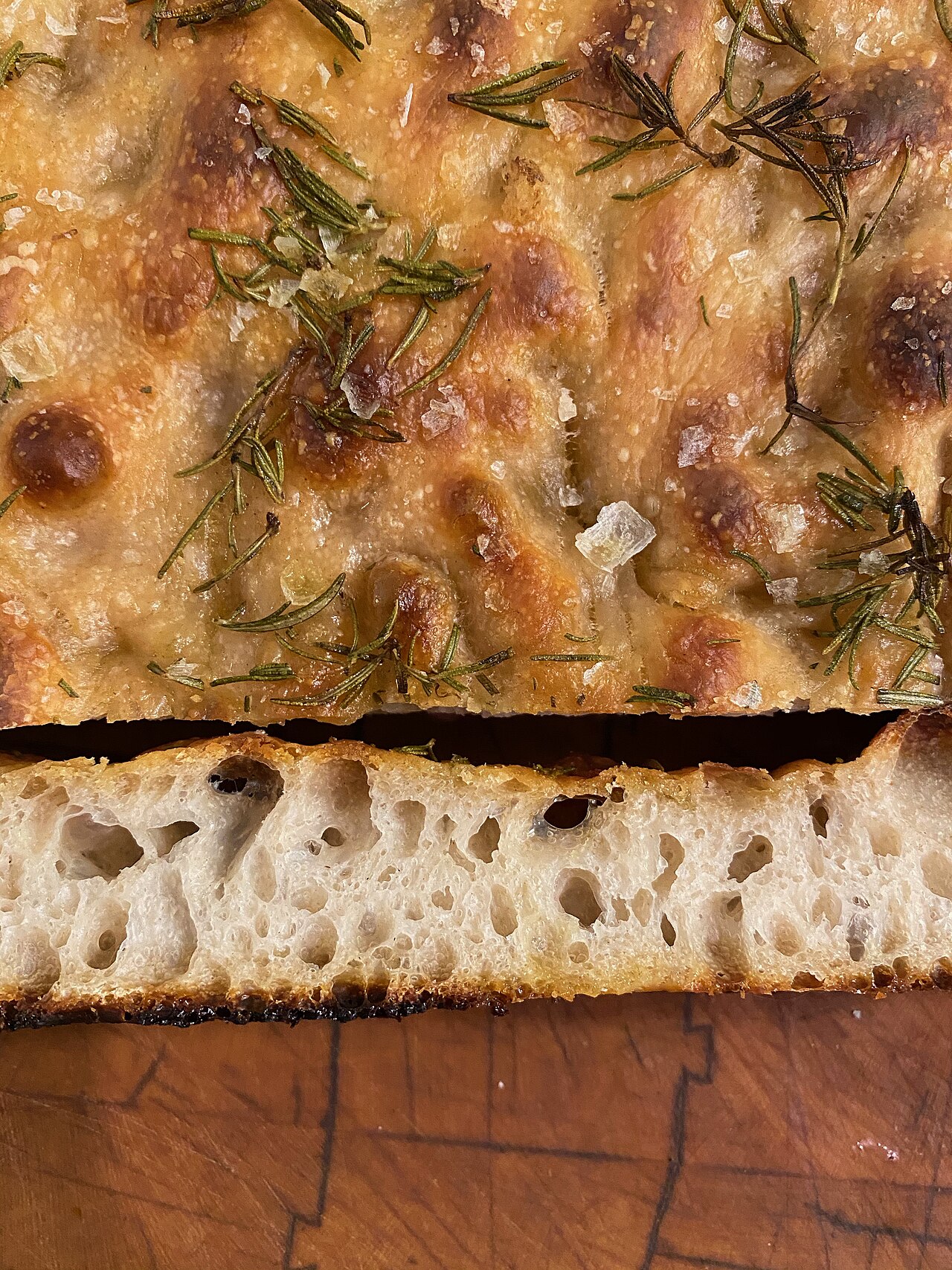
Focaccia
Photo: Fred Benenson, CC BY-SA 4.0
Bread

Focaccia genovese

Genoa, Liguria

A flat, soft bread baked in trays with lots of olive oil and salt, with little dimples pressed in by the baker's fingers. In Genoa people even eat it for breakfast.
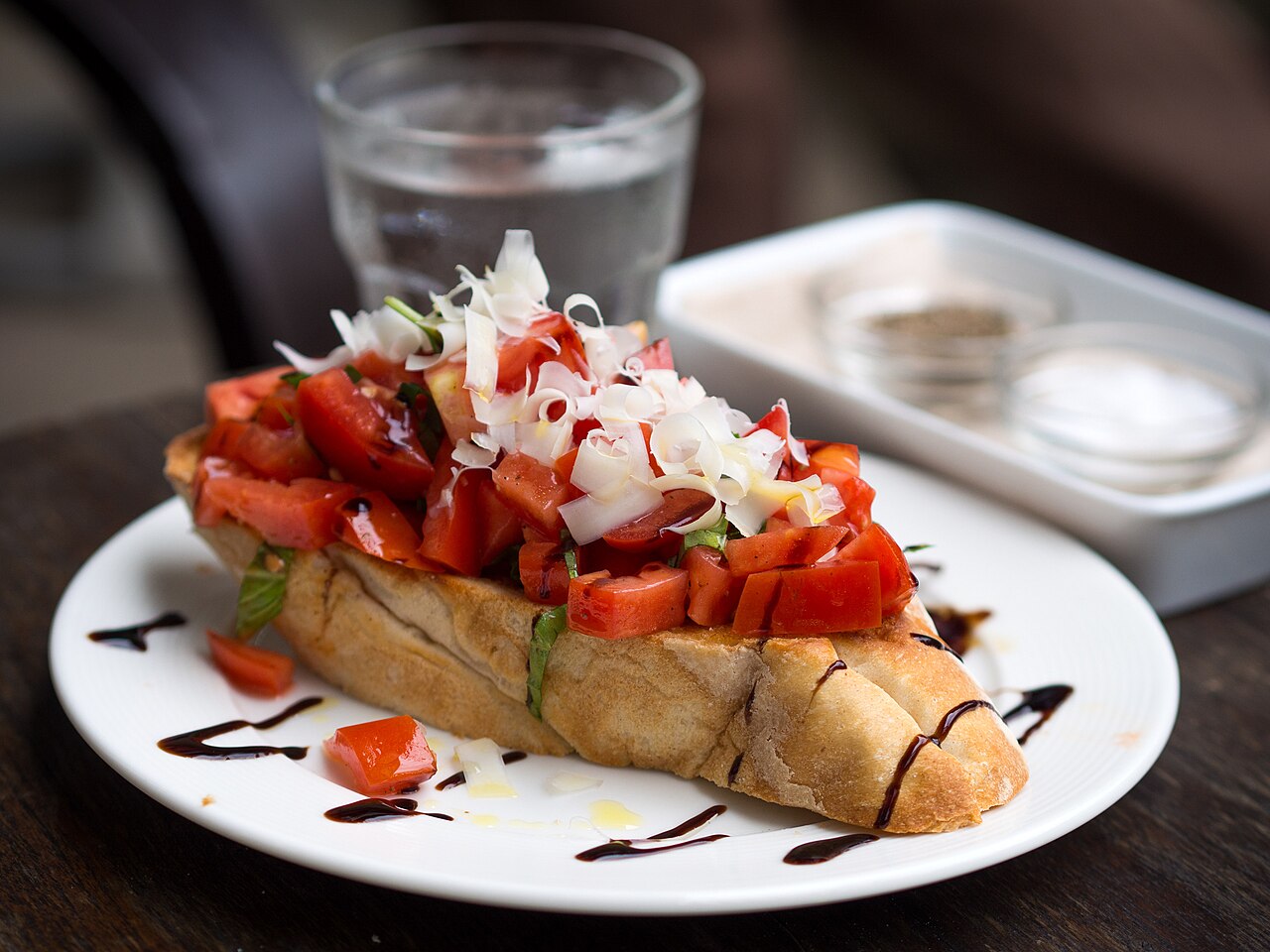
Bruschetta
Photo: Takeaway, CC BY-SA 4.0
StarterRecipe

Bruschetta al pomodoro

Central Italy

Toasted slices of rustic bread rubbed with garlic and topped with chopped tomato, basil, salt and olive oil.
See the recipe
Serves 4 15 min

Ingredients

  • 4 thick slices of rustic bread
  • 4 ripe tomatoes
  • 1 garlic clove, peeled
  • A few basil leaves
  • Extra virgin olive oil
  • Salt

Method

  1. Dice the tomatoes, season with salt, a little olive oil and torn basil, and leave for 10 minutes.
  2. Toast or grill the bread until crisp on both sides.
  3. Rub one side of each hot slice with the garlic clove.
  4. Spoon the tomatoes on top, drizzle with olive oil and serve straight away.
Gelato
Photo: EquipmentAndConcepts, CC BY-SA 4.0
Dessert

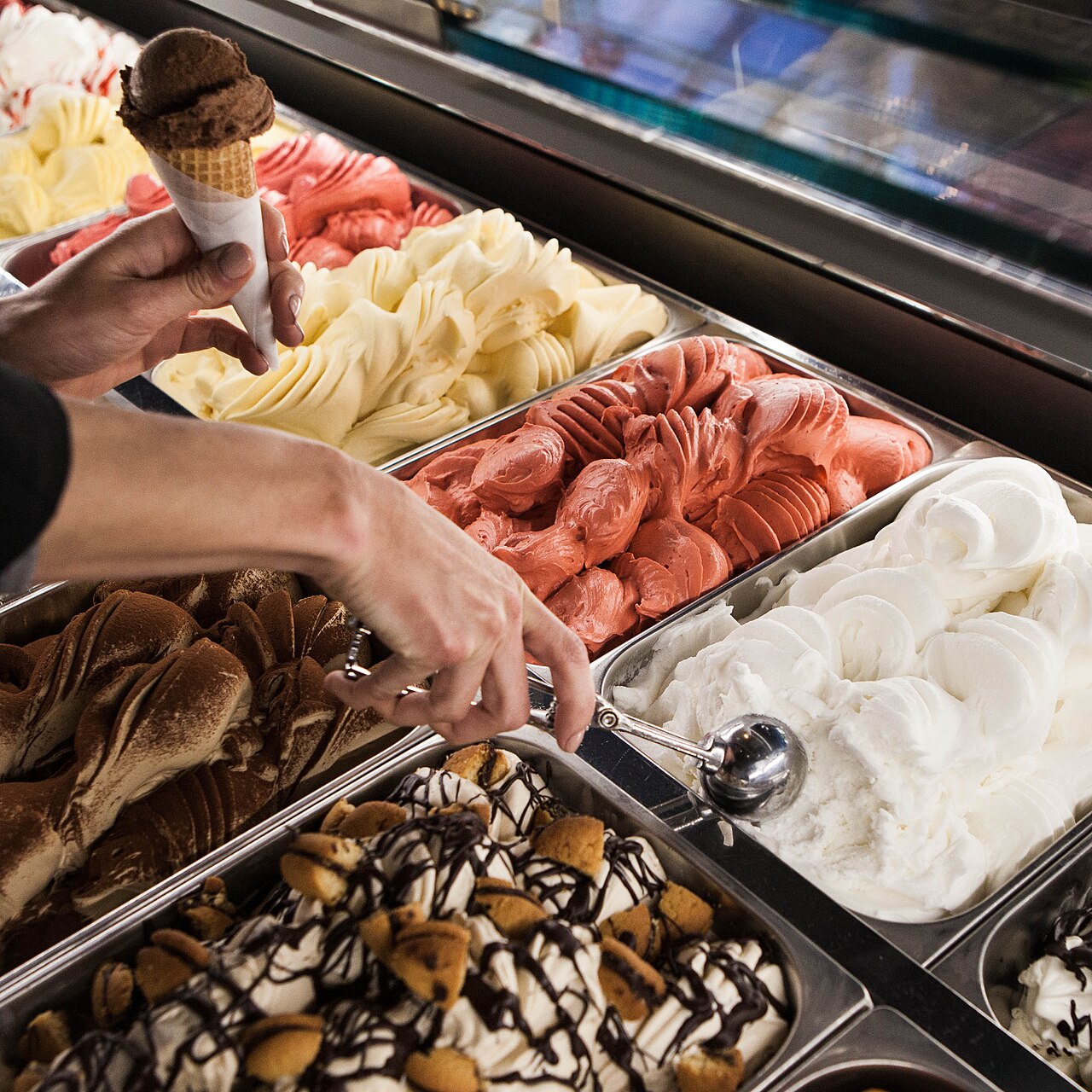
Gelato

All of Italy

Italian ice cream. It usually has less fat than many ice creams and is churned more slowly, so it is dense and full of flavour. Pistachio, hazelnut and stracciatella are classics.
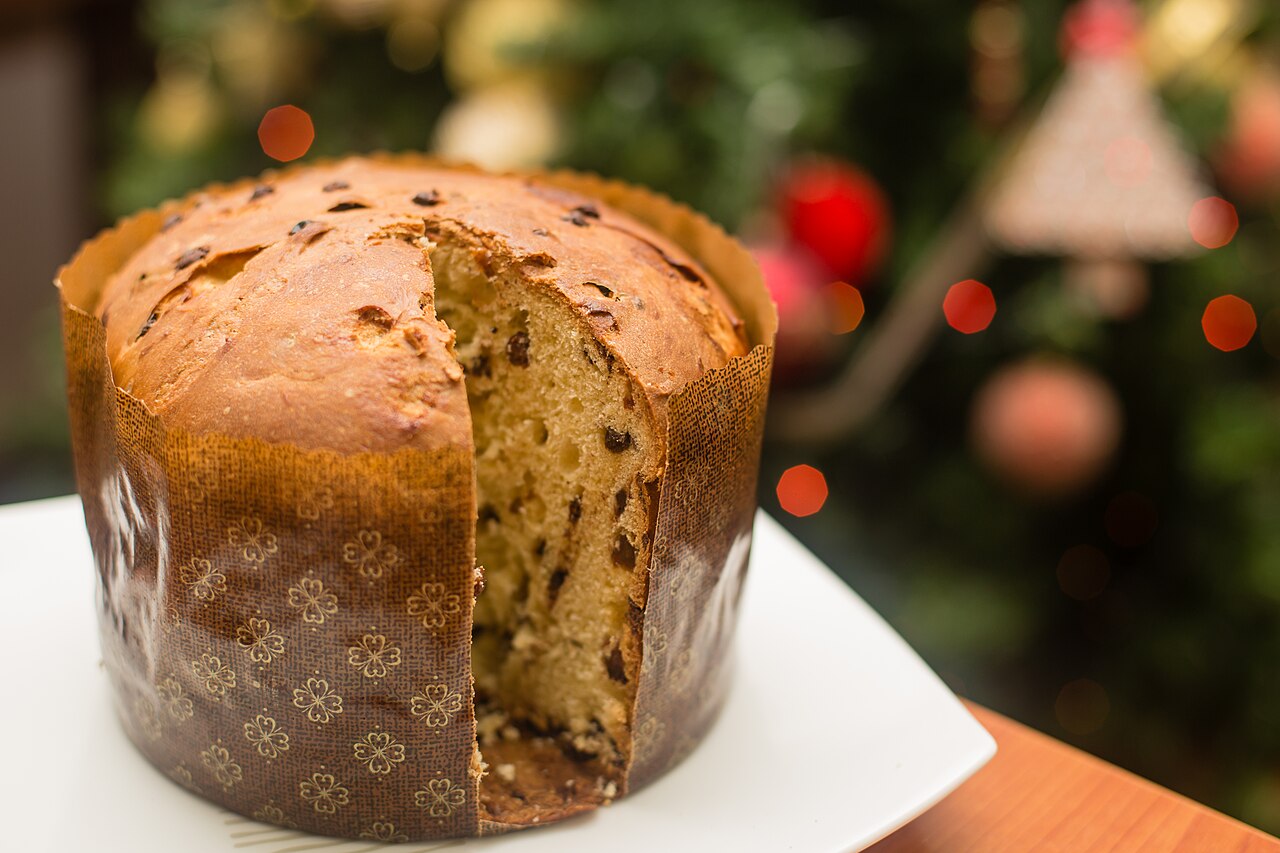
Parmesan
Photo: Naturpuur, CC BY-SA 4.0
Snack

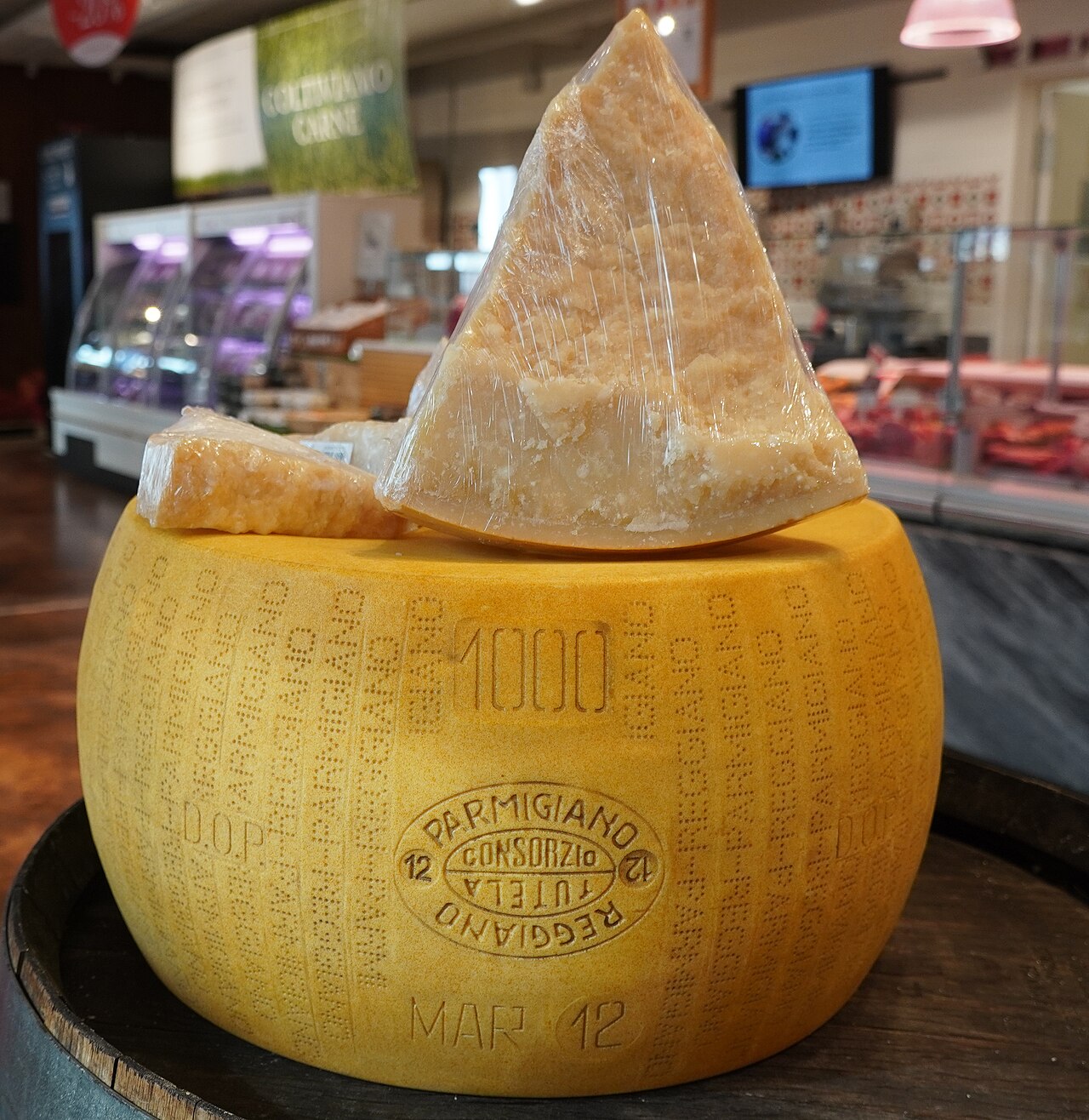
Parmigiano Reggiano

Parma, Reggio Emilia and Modena, and parts of Bologna and Mantua

A hard cheese made from cow's milk and aged for at least 12 months. Only cheese from its protected area of origin may use the name.

A whole wheel weighs around 40 kg.
Espresso
Photo: Lemone, CC BY-SA 4.0
Drink

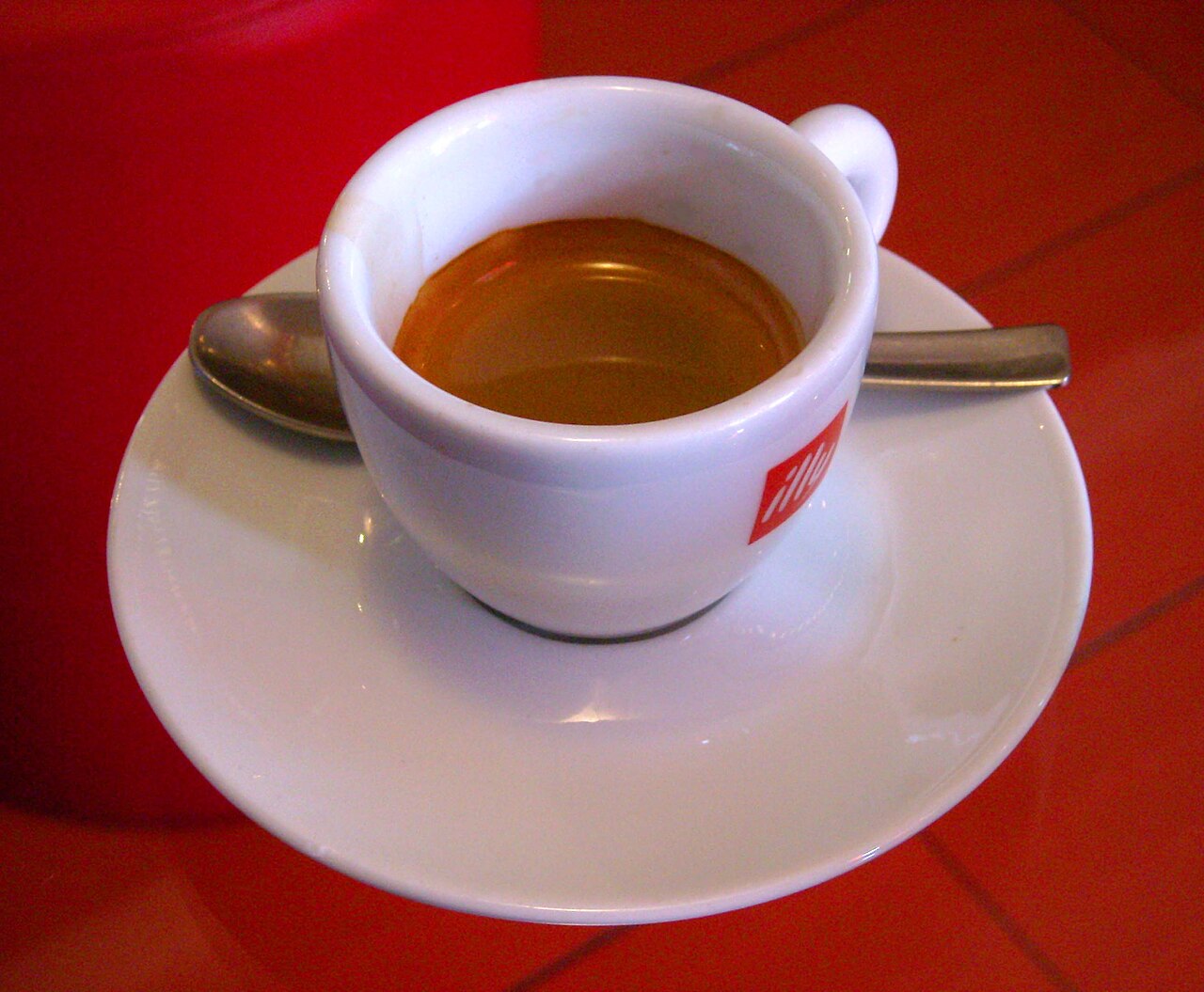
Espresso

Un caffè
All of Italy

A small, strong coffee. In Italy, asking for 'un caffè' gets you an espresso, often drunk standing at the bar in a minute or two.

Table manners

  • Pasta is usually a first course, not a main dish with meat on the same plate.
  • Many Italians think cheese does not belong on seafood pasta.
  • Wiping your plate with bread is called 'fare la scarpetta'. It is common at home, less so at formal dinners.
  • Cappuccino is mostly a breakfast drink. After a meal, Italians usually order an espresso.
  • Many restaurants add a small 'coperto' (cover charge) per person for bread and table service.

Next: Cities

Cities

11 cities to know

Italy was a land of independent city-states for centuries, so every city has its own proud history, dialect and food.
RomeMilanNaplesTurinFlorenceVeniceBolognaGenoaPalermoVeronaPisa
Rome
Photo: Diliff, CC BY 3.0

Rome Capital

Lazio

The capital and largest city, called the Eternal City. Ancient ruins, Baroque fountains and busy squares sit side by side.
  • The Colosseum
  • The Roman Forum
  • The Trevi Fountain
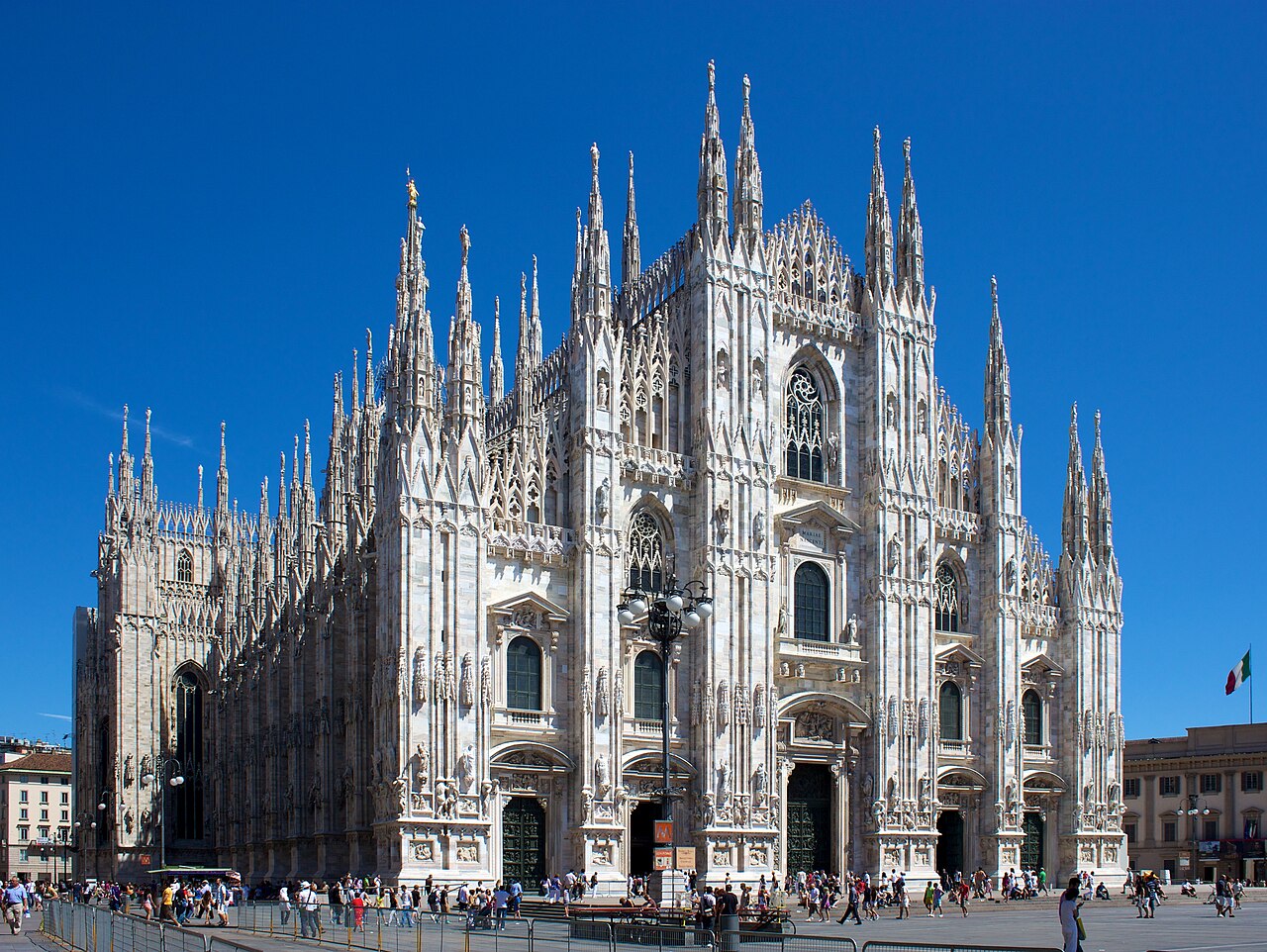
Milan
Photo: Jiuguang Wang, CC BY-SA 3.0

Milan

Lombardy

Italy's business and fashion capital, with a huge Gothic cathedral and one of the world's most famous opera houses, La Scala.
  • Milan Cathedral
  • La Scala
  • Leonardo's The Last Supper
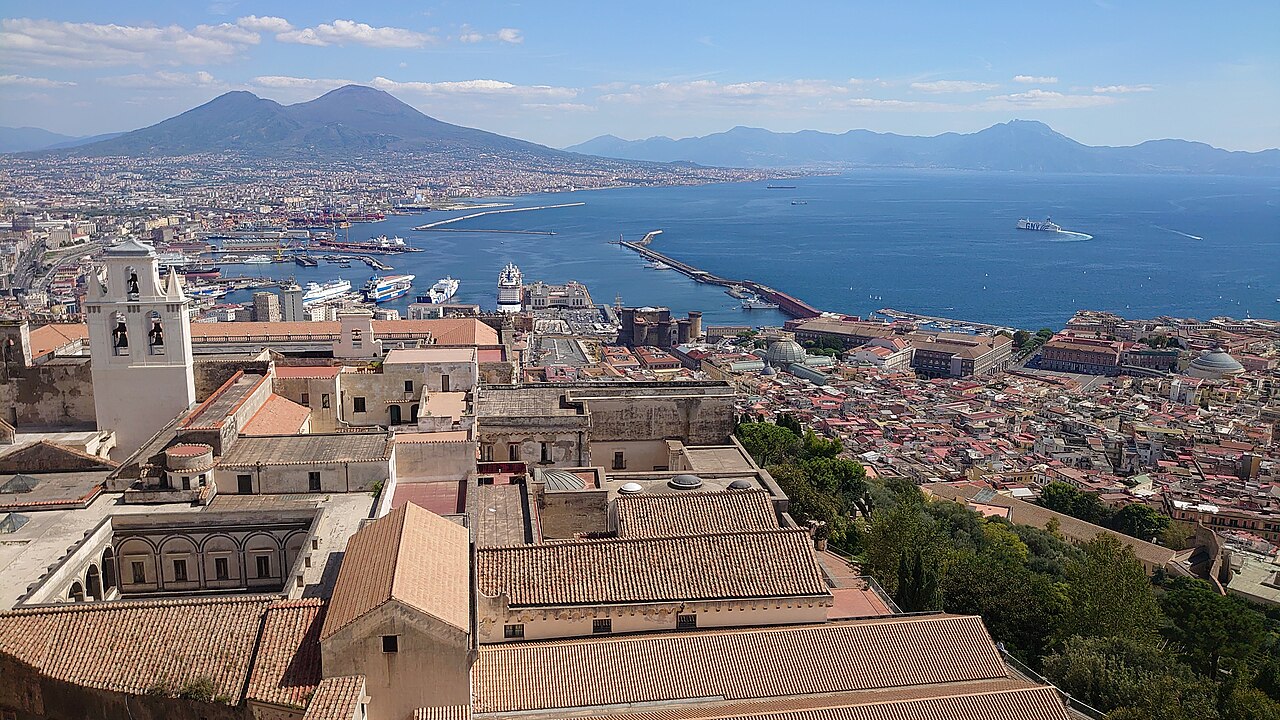
Naples
Photo: Richard Nevell, CC BY-SA 4.0

Naples

Campania

A lively port city on a bay beneath Mount Vesuvius, and the birthplace of pizza.
  • Pizza
  • Mount Vesuvius
  • Day trips to Pompeii
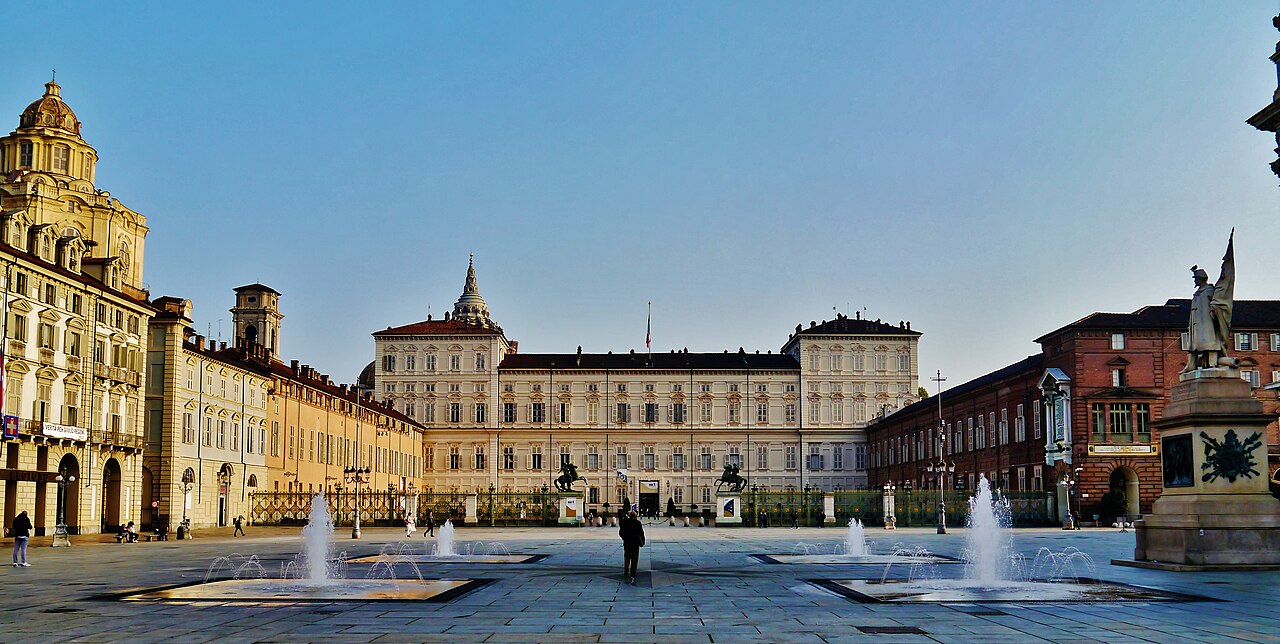
Turin
Photo: Zairon, CC BY-SA 4.0

Turin

Piedmont

An elegant city at the foot of the Alps, the first capital of united Italy and the home of Fiat.
  • The Egyptian Museum
  • Fiat
  • Chocolate and gianduja
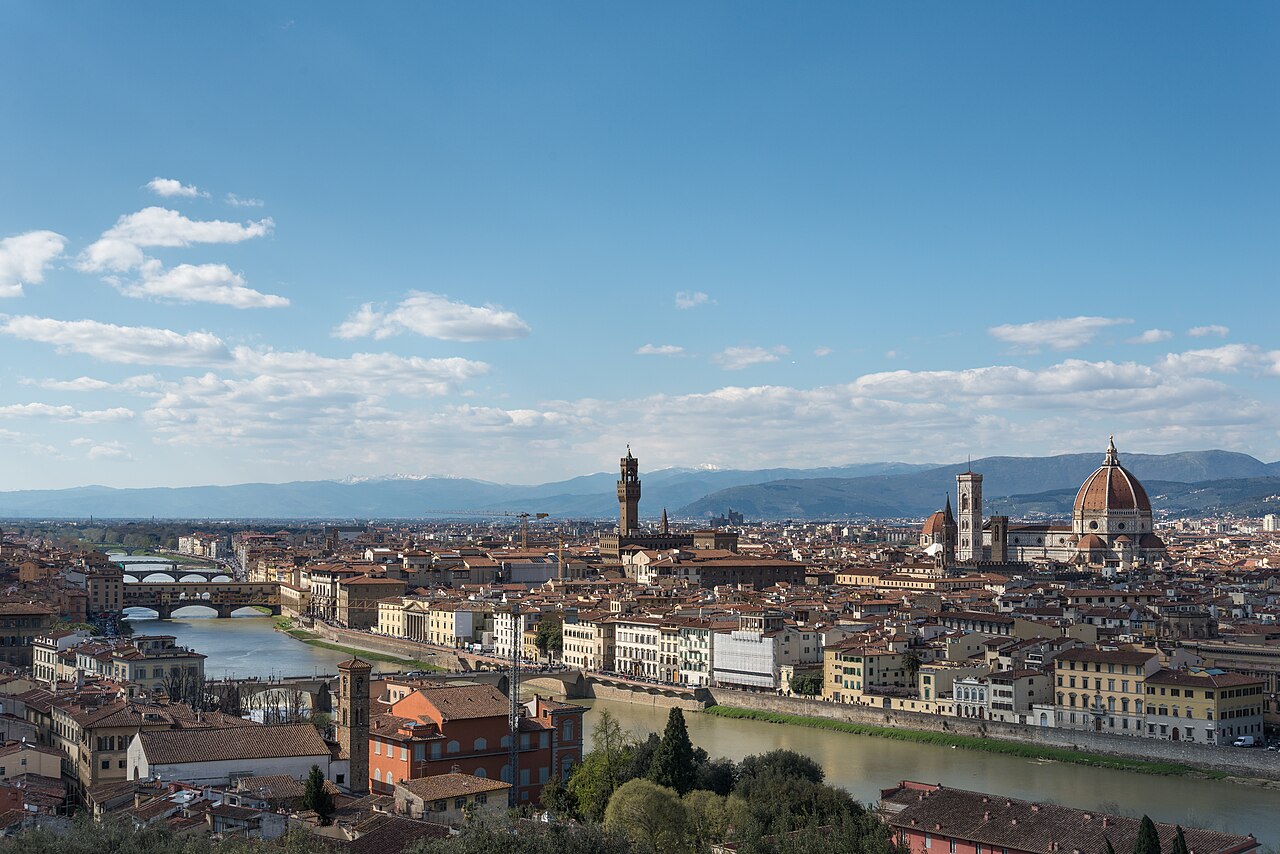
Florence
Photo: Giorgio Galeotti, CC BY 4.0

Florence

Tuscany

The cradle of the Renaissance, packed with masterpieces by Michelangelo, Botticelli and Leonardo.
  • The Duomo
  • The Uffizi Gallery
  • Michelangelo's David
Venice
Photo: kallerna, CC BY-SA 4.0

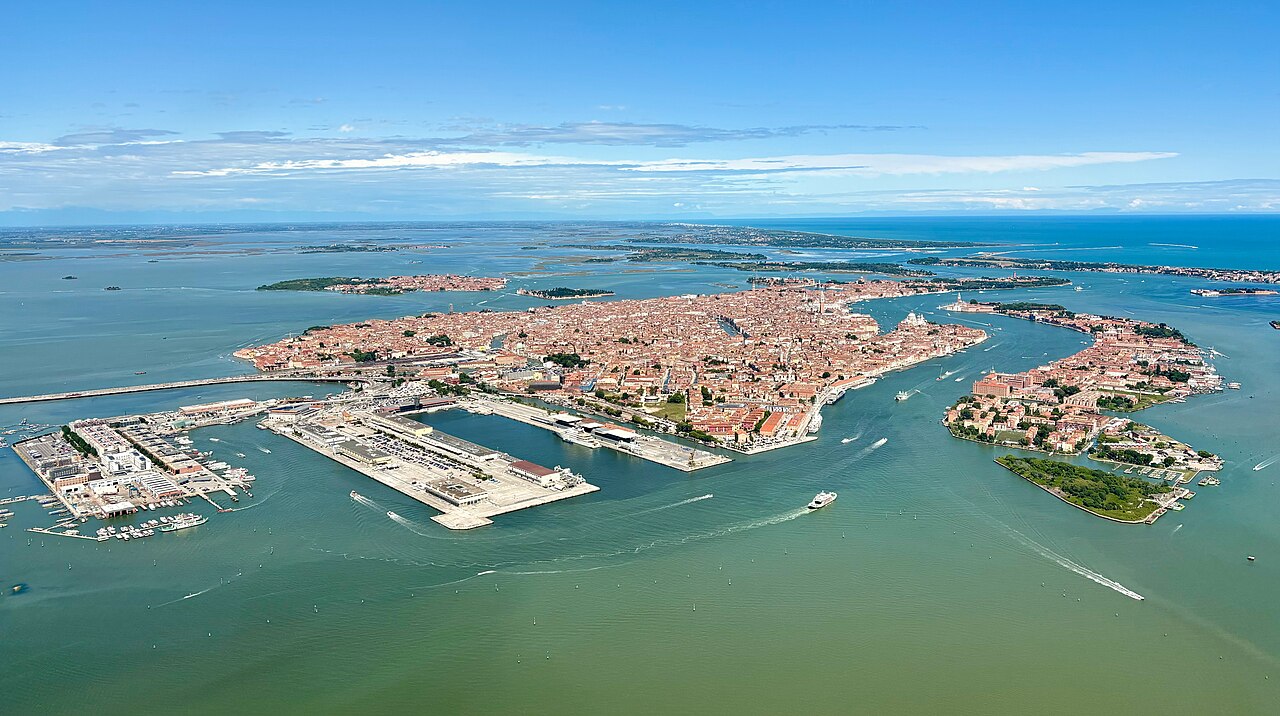
Venice

Veneto

A city of canals built on more than a hundred small islands in a lagoon, where boats replace cars.
  • Gondolas
  • St Mark's Square
  • Carnival masks
Bologna
Photo: Fabio Ciminelli, CC BY-SA 4.0

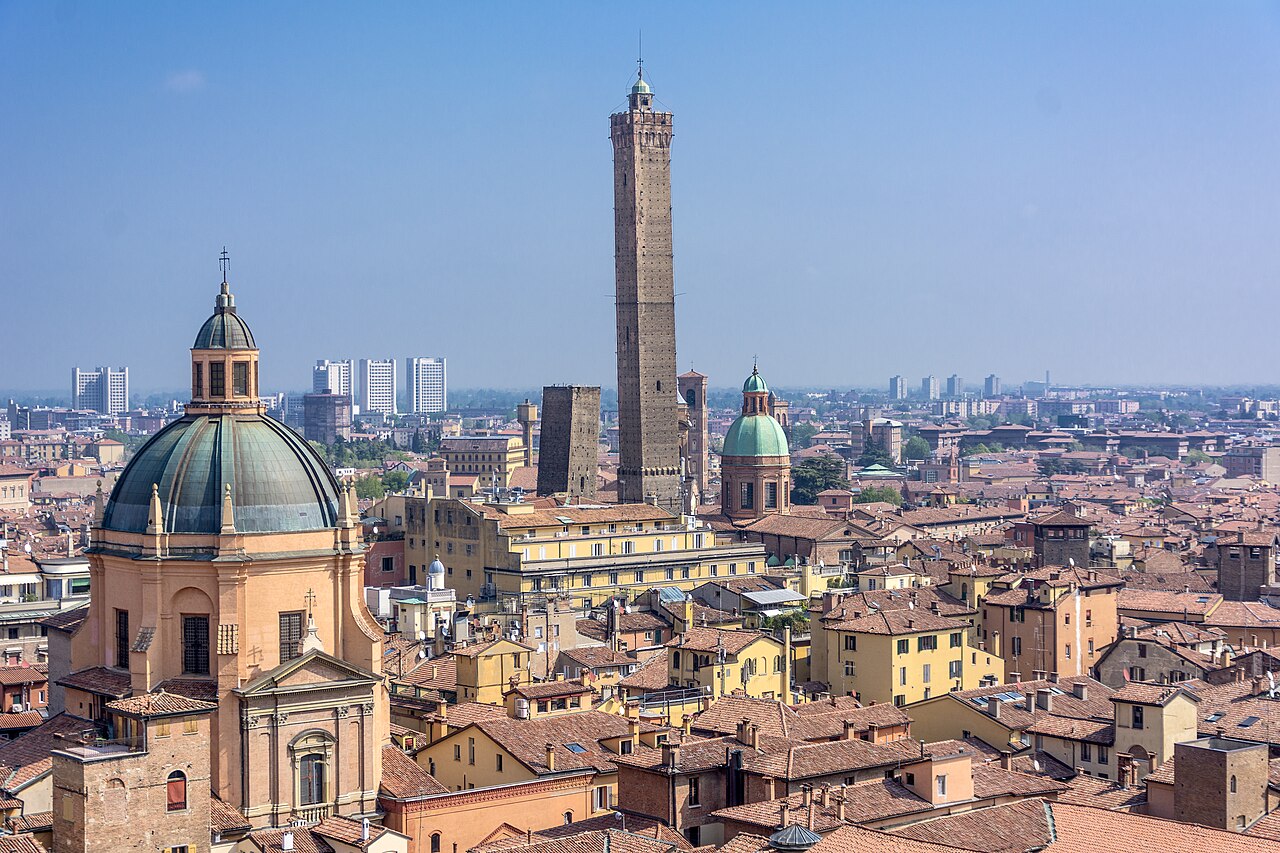
Bologna

Emilia-Romagna

A red-brick university city with kilometres of covered porticoes and a reputation as Italy's food capital.
  • The oldest university in continuous operation
  • Porticoes
  • Ragù and tortellini
Genoa
Photo: Julian Lupyan, CC0

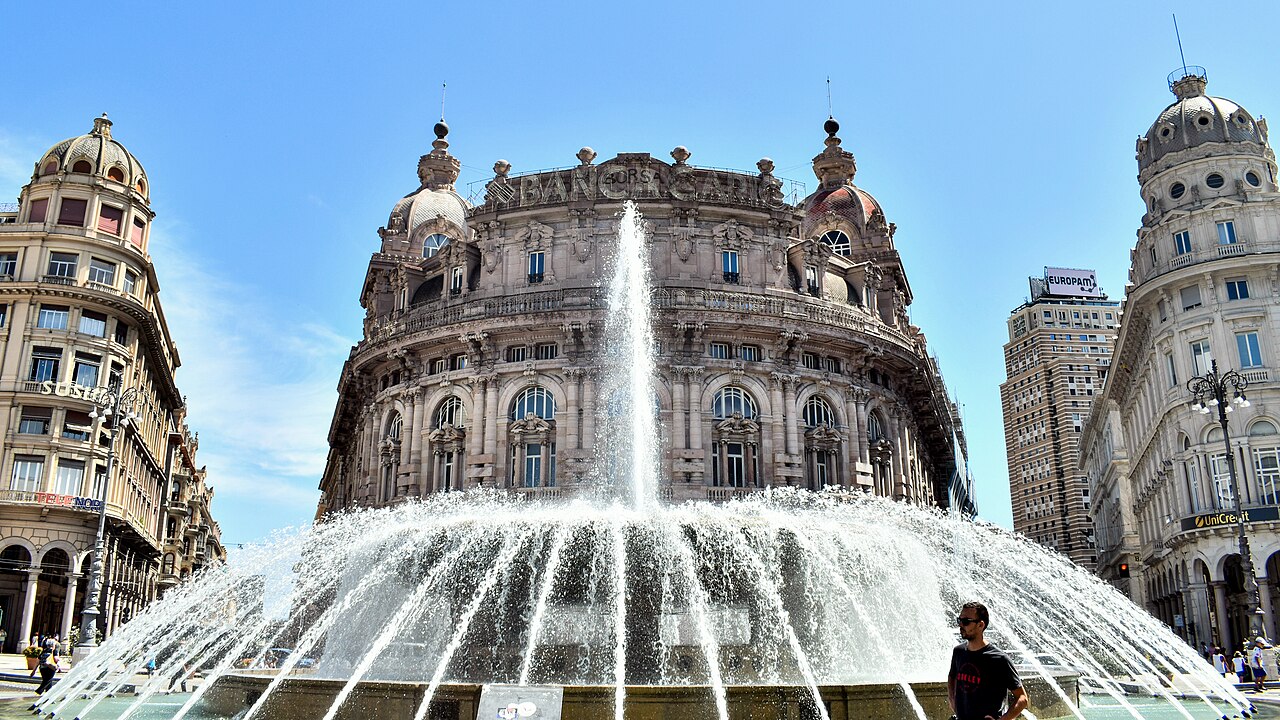
Genoa

Liguria

A historic sea port with narrow alleys, grand palaces and the home of pesto.
  • Pesto
  • Focaccia
  • Its old harbour
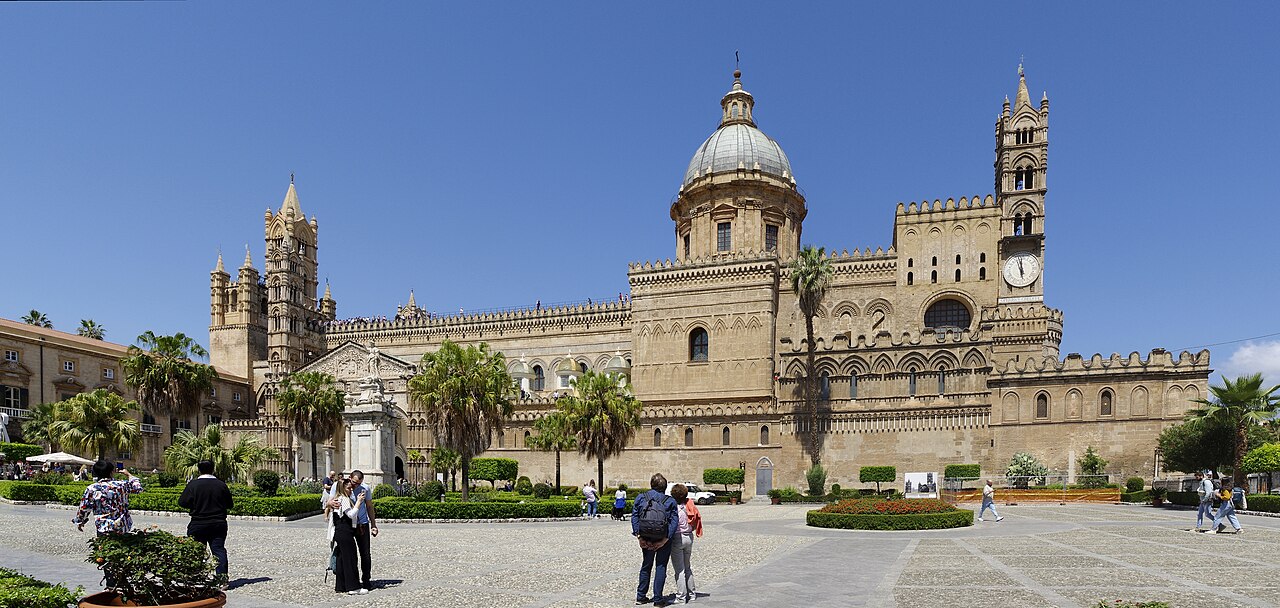
Commons: Palermo Cathedral
Photo: Berthold Werner, CC BY-SA 4.0

Palermo

Sicily

Sicily's capital, a mix of Arab, Norman and Baroque buildings, with famous street markets and street food.
  • Street food
  • Arab-Norman churches
  • Markets like Ballarò
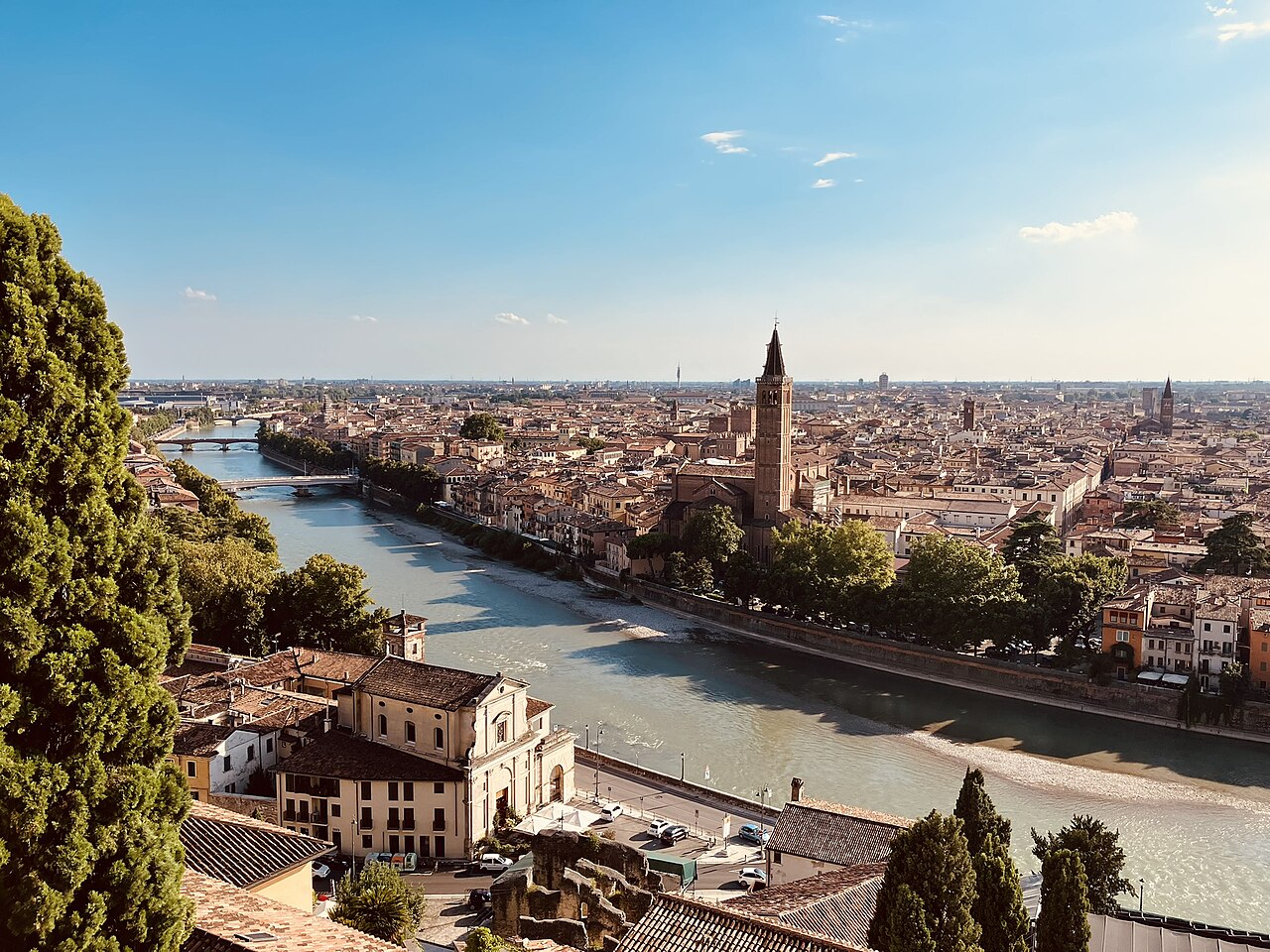
Verona
Photo: Hoppend, CC0

Verona

Veneto

A romantic city with a Roman amphitheatre where operas are staged in summer, and the setting of Shakespeare's Romeo and Juliet.
  • The Arena
  • Romeo and Juliet
  • Summer opera
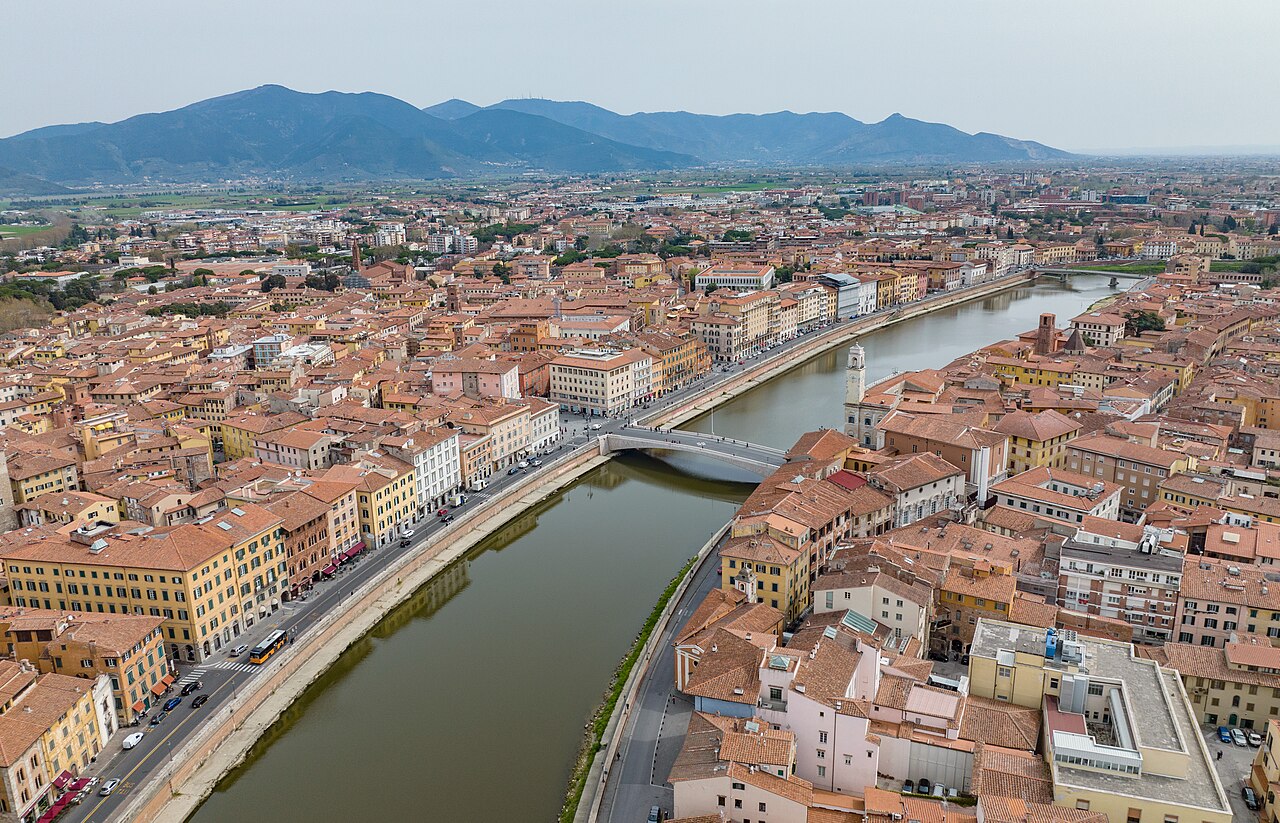
Pisa
Photo: Arne Müseler, CC BY-SA 3.0 de

Pisa

Tuscany

Once a powerful sea republic, now famous for the leaning bell tower in its cathedral square.

  • The Leaning Tower
  • Piazza dei Miracoli
  • Its university

Next: Landmarks

Landmarks

Places everyone should see once

Colosseum
Photo: FeaturedPics, CC BY-SA 4.0
Rome

The Colosseum

The largest amphitheatre ever built by the Romans, finished in AD 80. At least 50,000 spectators watched games and shows here.

UNESCO World Heritage
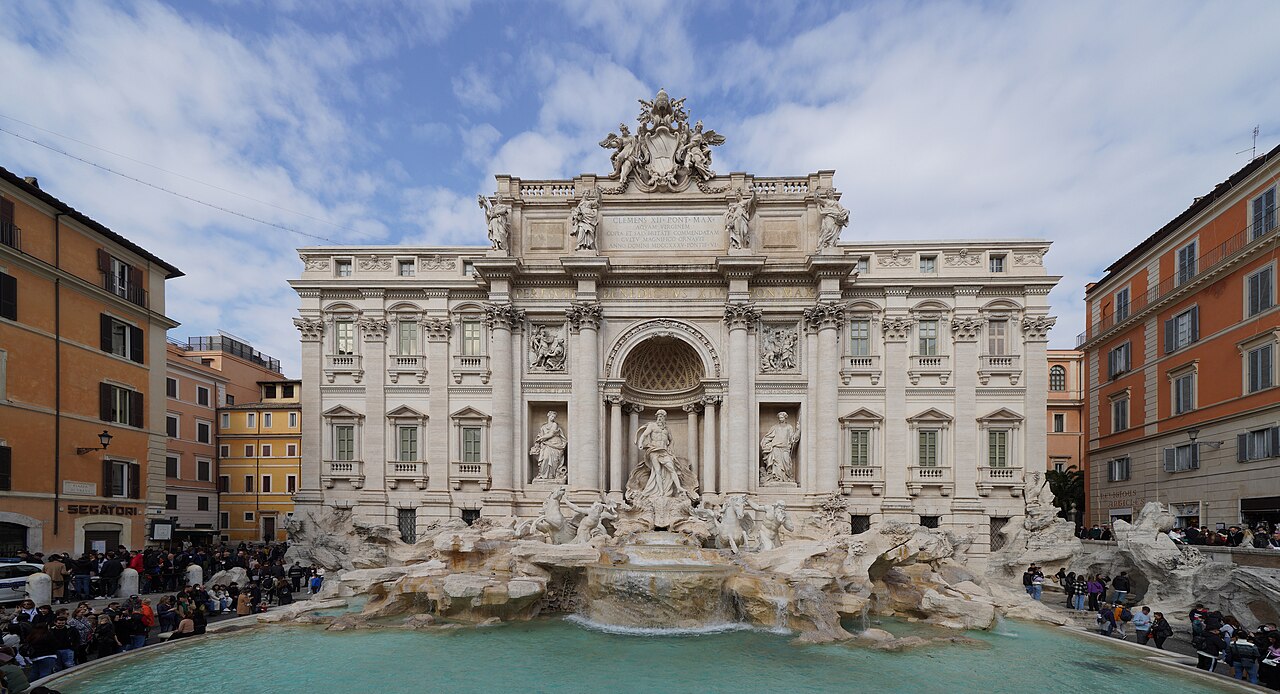
Trevi Fountain
Photo: NikonZ7II, CC BY-SA 4.0
Rome

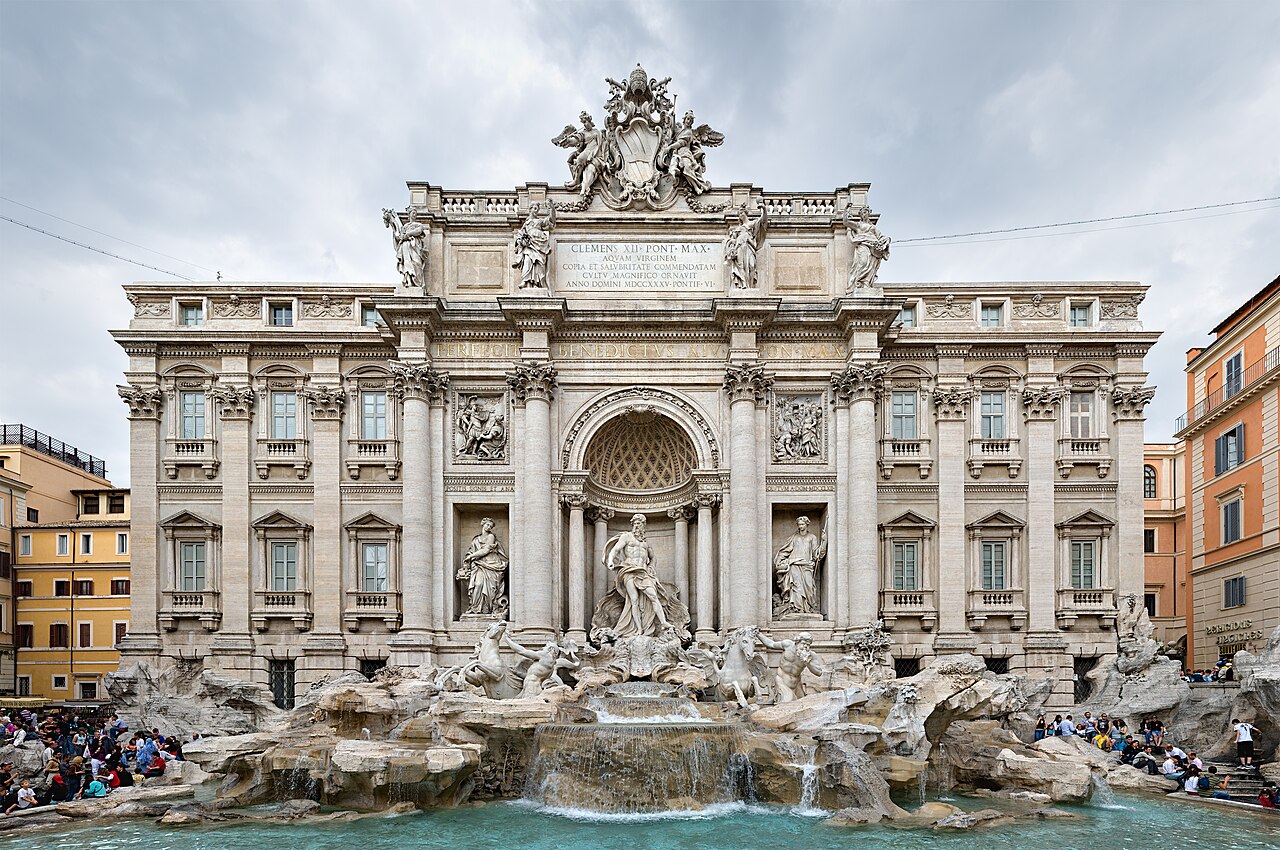
The Trevi Fountain

Rome's grandest Baroque fountain. Tradition says that if you throw a coin over your shoulder into it, you will return to Rome.

UNESCO World Heritage
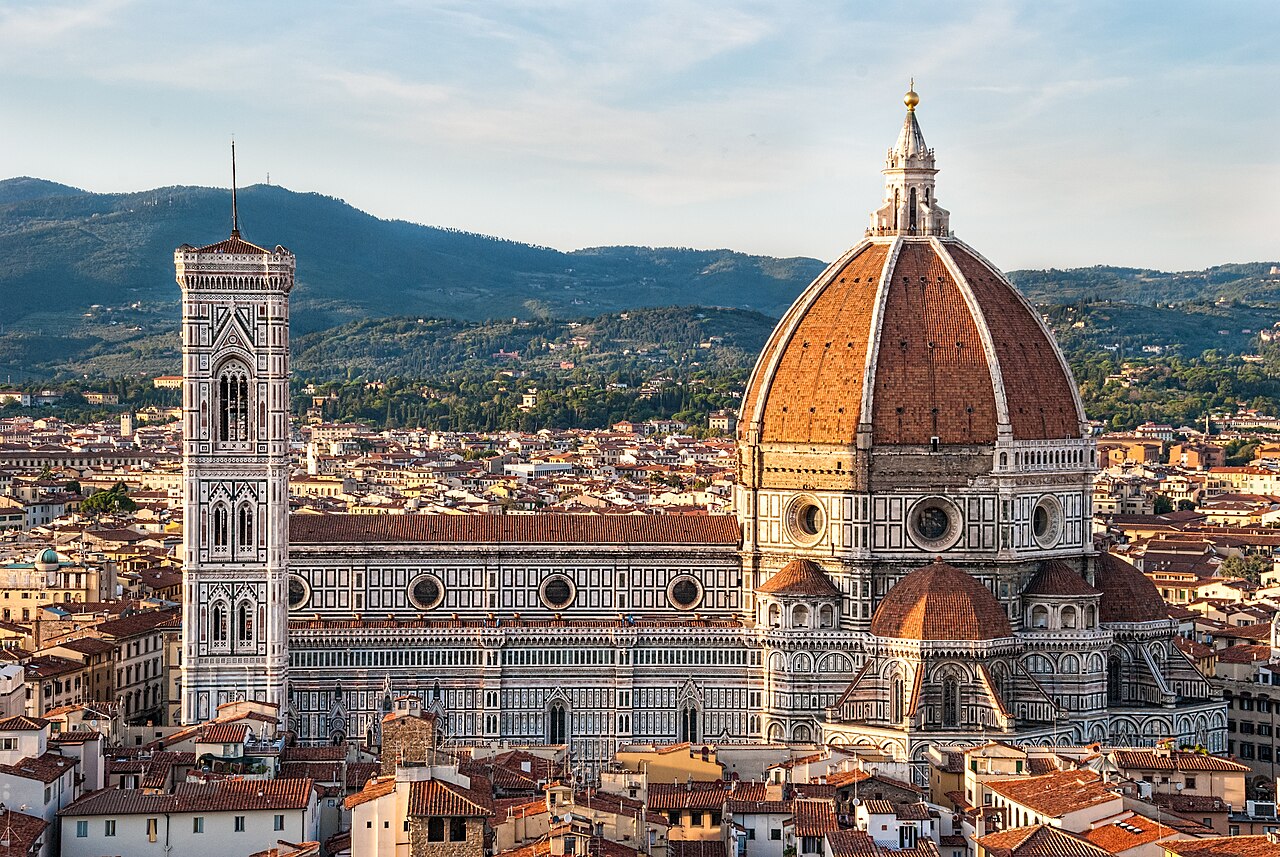
Florence Cathedral
Photo: Gary Campbell-Hall, CC BY 2.0
Florence

Florence Cathedral and Brunelleschi's dome

The red-brick dome still dominates the skyline of Florence. Visitors can climb more than 400 steps to the top.

UNESCO World Heritage
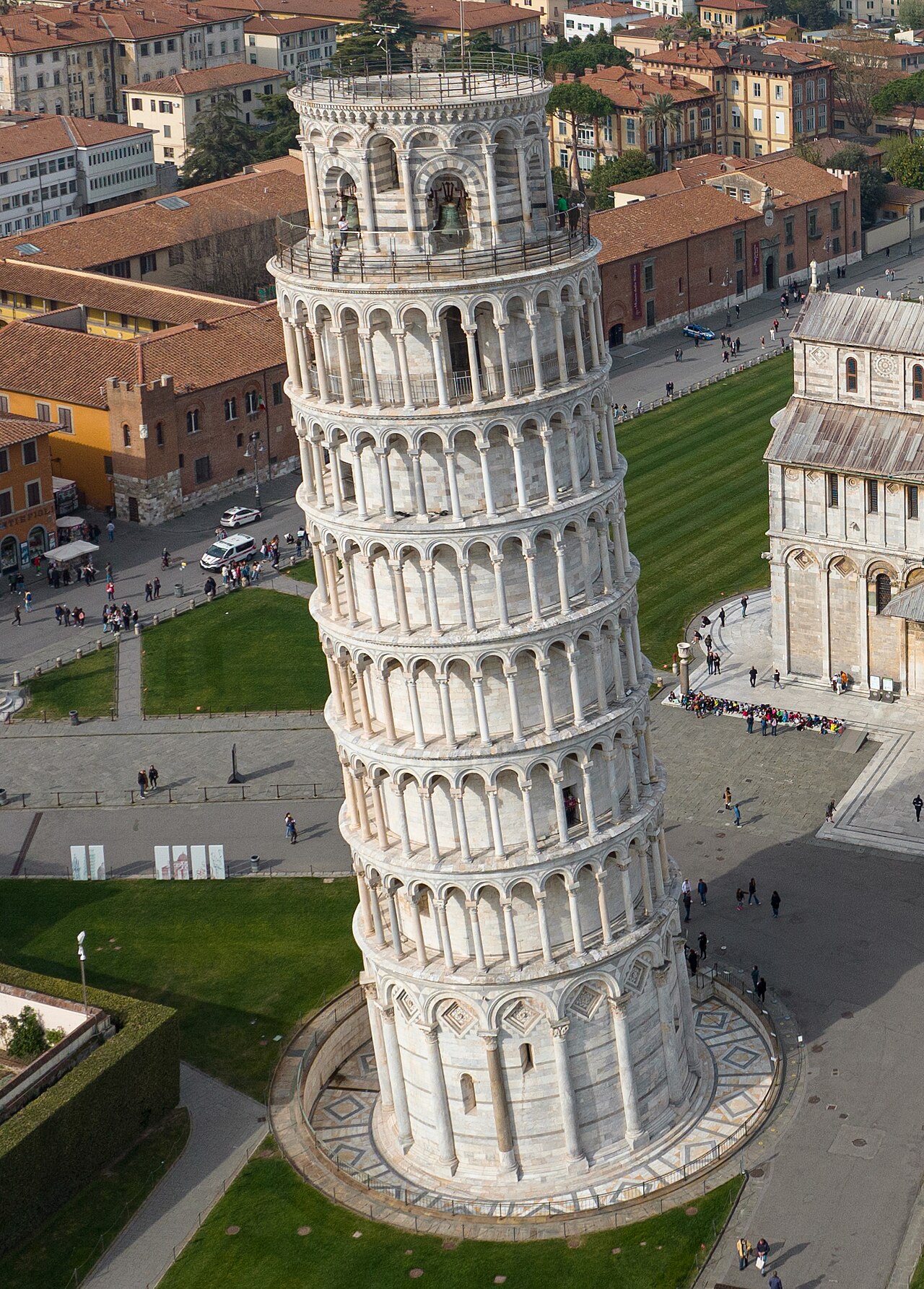
Leaning Tower of Pisa
Photo: Arne Müseler, CC BY-SA 3.0 de
Pisa

The Leaning Tower of Pisa

The bell tower started to lean during construction in the 1100s because of soft ground. Engineers stabilised it in the 1990s and 2000s.

UNESCO World Heritage
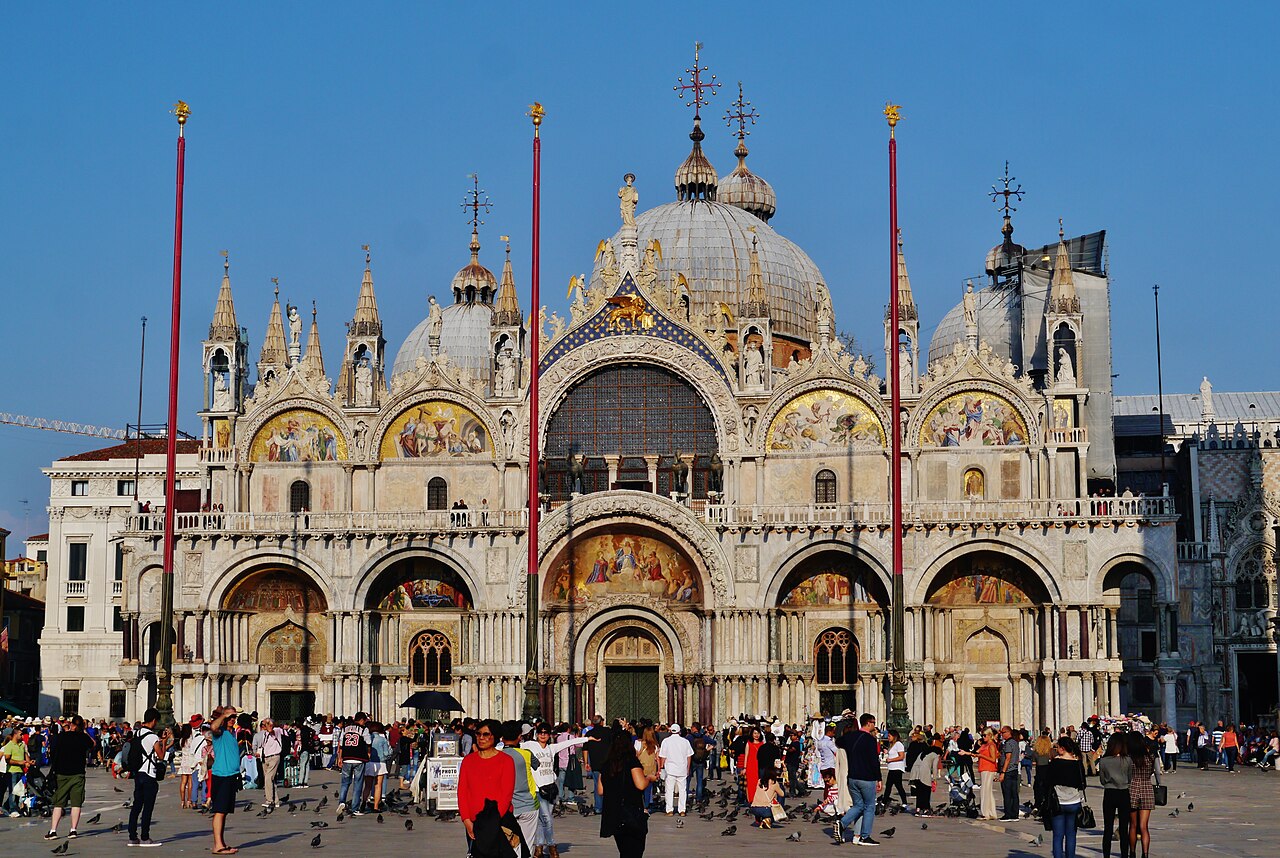
St Mark's Basilica
Photo: Zairon, Public domain
Venice

St Mark's Basilica

Venice's golden church, covered inside with shimmering mosaics, on the city's famous square.

UNESCO World Heritage
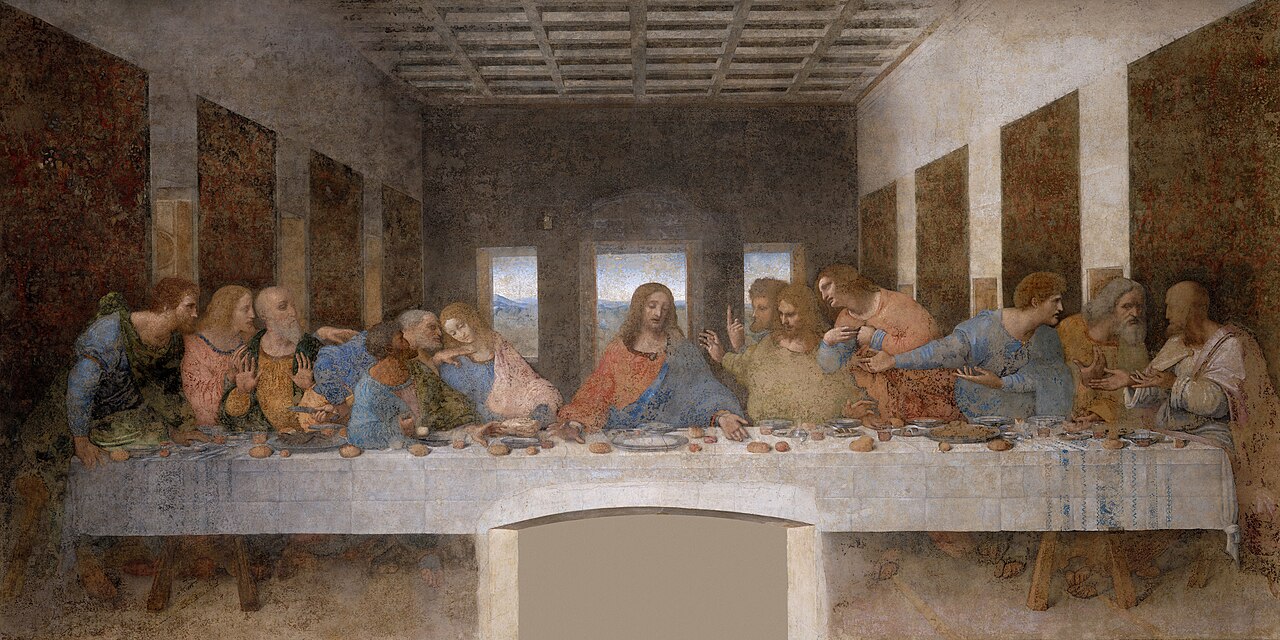
The Last Supper (Leonardo)
Photo: Leonardo da Vinci, Public domain
Milan

Leonardo's The Last Supper

Leonardo da Vinci painted this famous scene on the wall of the dining hall of the convent of Santa Maria delle Grazie. Visits are limited to small groups.

UNESCO World Heritage
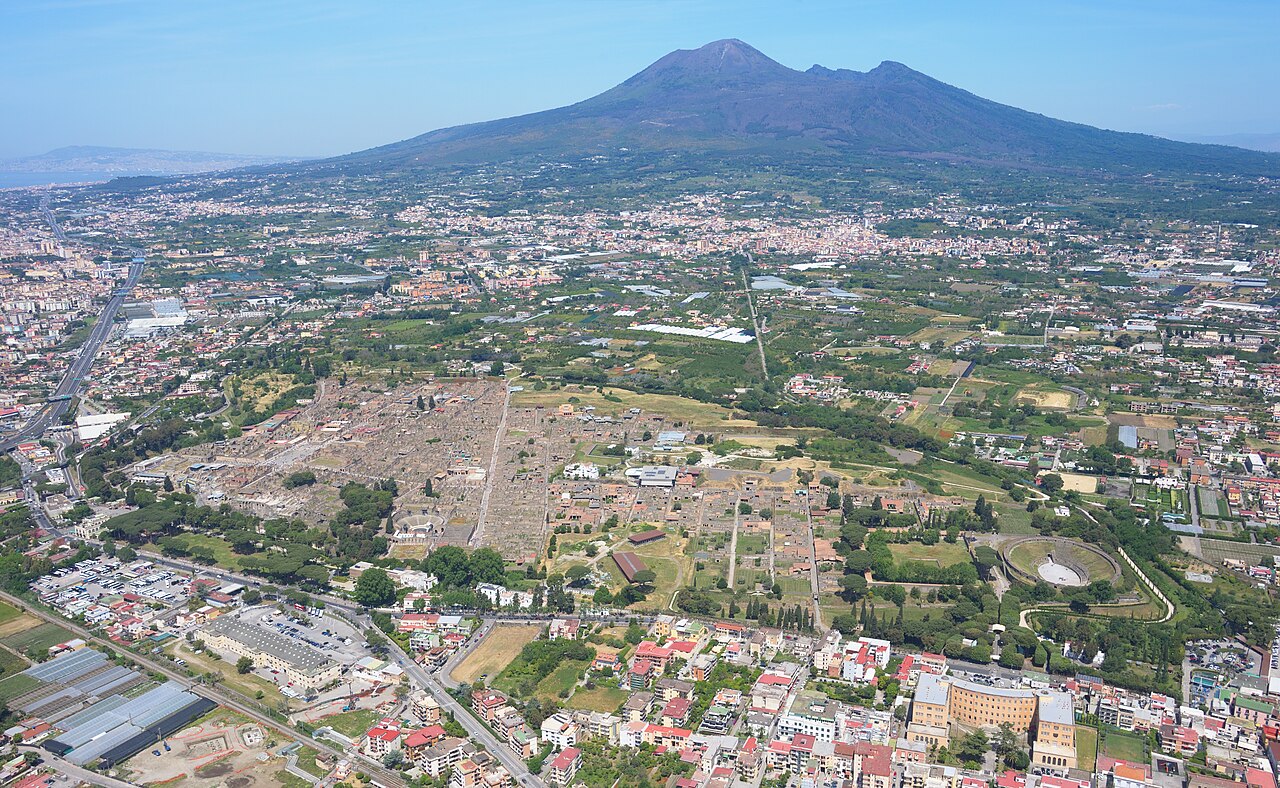
Pompeii
Photo: Carsten Steger, CC BY-SA 4.0
Near Naples

Pompeii

The Roman town buried by Vesuvius in AD 79, about 25 km from Naples. You can walk its streets, houses and bakeries.

UNESCO World Heritage
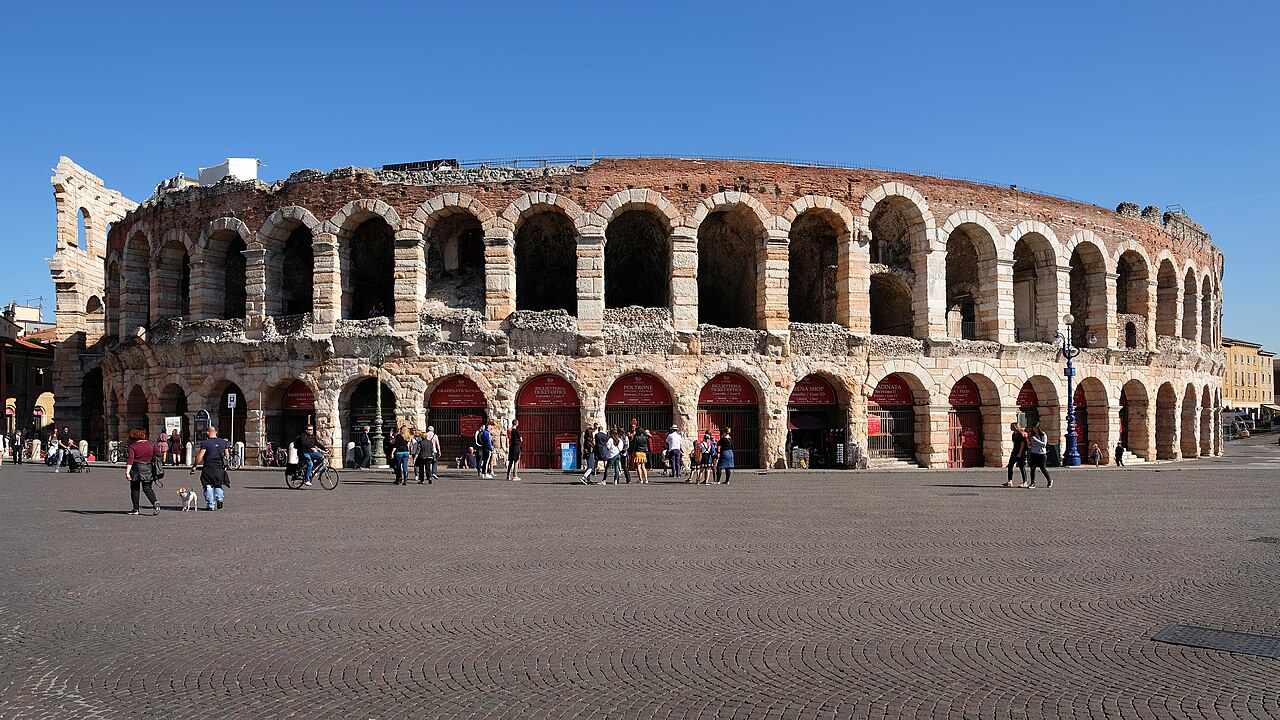
Verona Arena
Photo: Claconvr, CC BY-SA 4.0
Verona

The Arena of Verona

A Roman amphitheatre from the first century AD that is still used today, for a famous summer opera festival.

UNESCO World Heritage
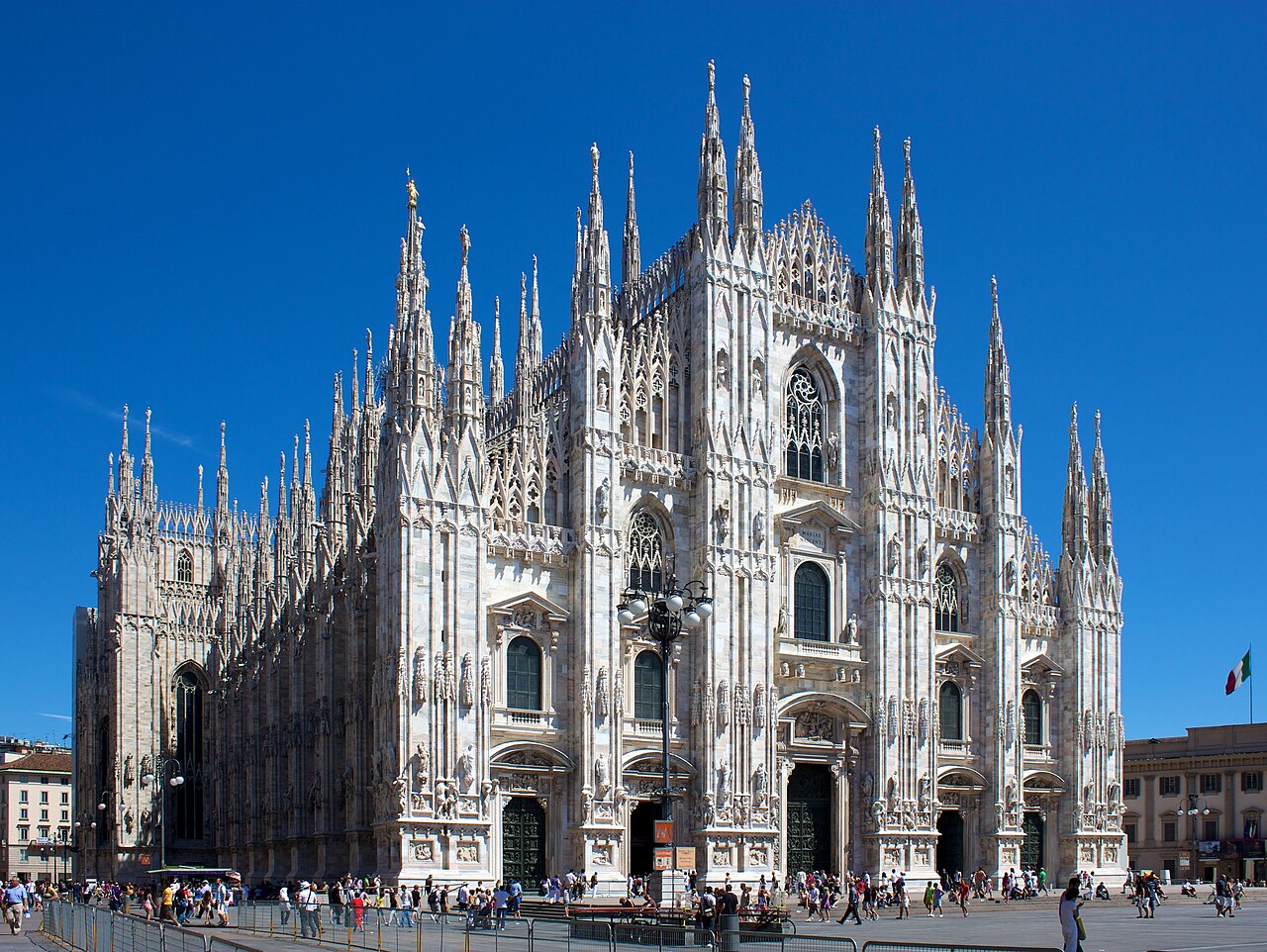
Milan Cathedral
Photo: Jiuguang Wang, CC BY-SA 3.0
Milan

Milan Cathedral

A huge Gothic cathedral with a forest of spires and statues. It took almost six centuries to finish, and you can walk on its roof.

Next: Fun facts

Fun facts

Things you might not know

  1. 01

    As of 2026, Italy has more UNESCO World Heritage Sites than any other country.

  2. 02

    Two independent countries lie completely inside Italy: San Marino and Vatican City.

  3. 03

    Italy's 1 euro coin shows Leonardo da Vinci's drawing of the Vitruvian Man.

  4. 04

    The University of Bologna, founded in 1088, is considered the oldest university in continuous operation in the world.

  5. 05

    The piano was invented in Italy by Bartolomeo Cristofori, around the year 1700.

  6. 06

    The greeting 'ciao' comes from the Venetian 's-ciào vostro', meaning 'I am your servant'.

  7. 07

    Venice is built on more than 100 small islands, connected by more than 400 bridges.

  8. 08

    Mount Etna in Sicily is one of the most active volcanoes in the world.

  9. 09

    Angelo Moriondo of Turin patented an early steam coffee machine in 1884, an ancestor of today's espresso machines.

  10. 10

    Leonardo da Vinci was born in 1452 near the small Tuscan town of Vinci, which gave him his name.

  11. 11

    Italy has had three official capitals since unification: Turin, then Florence, then Rome.

  12. 12

    The toppings of pizza margherita, tomato, mozzarella and basil, have the colours of the Italian flag.

Next: Words

Italian words

20 words to start with

Pronunciation is written the way it sounds; the capital letters show where the stress goes. Audio is coming soon.

Greetings

  • ciaoCHOWhi, bye (informal)
  • grazieGRAHT-see-ehthank you
  • pregoPREH-gohyou're welcome

Basics

  • sìSEEyes
  • noNOHno

Time

  • oggiOHD-jeetoday
  • domanidoh-MAH-neetomorrow

Food and drink

  • acquaAHK-kwahwater
  • panePAH-nehbread
  • vinoVEE-nohwine
  • caffèkahf-FEHcoffee (an espresso)
  • contoKOHN-tohthe bill (in a restaurant)

Travel

  • trenoTREH-nohtrain
  • stazionestaht-see-OH-nehstation
  • bigliettobeel-YET-tohticket

Around town

  • piazzapee-AHT-tsahtown square
  • chiesakee-EH-zahchurch
  • mercatomehr-KAH-tohmarket
  • spiaggiaspee-AHD-jahbeach

Describing

  • belloBEHL-lohbeautiful (bella for feminine words)

Next: Phrases

Say it like a local

Useful phrases

Buongiorno
bwohn-JOR-noh
Good morning, hello
Greeting someone until early afternoon
Buonasera
bwoh-nah-SEH-rah
Good evening
Greeting someone from late afternoon on
Arrivederci
ah-ree-veh-DEHR-chee
Goodbye
Leaving a shop or saying goodbye politely
Per favore
pehr fah-VOH-reh
Please
Asking for anything
Mi scusi
mee SKOO-zee
Excuse me
Getting someone's attention politely
Piacere
pee-ah-CHEH-reh
Nice to meet you
Meeting someone for the first time
Come sta?
KOH-meh STAH
How are you? (polite)
Asking a stranger or an older person how they are
Molto bene, grazie
MOHL-toh BEH-neh GRAHT-see-eh
Very well, thank you
Answering 'How are you?'
Parla inglese?
PAHR-lah een-GLEH-zeh
Do you speak English?
Before asking for help
Non capisco
nohn kah-PEES-koh
I don't understand
When you are lost in the conversation
Quanto costa?
KWAHN-toh KOH-stah
How much is it?
Shopping at a market
Dov'è il bagno?
doh-VEH eel BAHN-yoh
Where is the bathroom?
In a restaurant or café
Un tavolo per due
oon TAH-voh-loh pehr DOO-eh
A table for two
Arriving at a restaurant
Vorrei un caffè
vohr-RAY oon kahf-FEH
I would like a coffee
Ordering at a bar
Il conto, per favore
eel KOHN-toh pehr fah-VOH-reh
The bill, please
At the end of a meal
Buon appetito
bwohn ahp-peh-TEE-toh
Enjoy your meal
Just before eating
Salute!
sah-LOO-teh
Cheers!
Raising a glass (also said after a sneeze)
Aiuto!
ah-YOO-toh
Help!
In an emergency

Next: Local tips

Local tips

Before you go

Validate your train ticket

Paper tickets for regional trains must be validated in a machine at the station before you board, or you can be fined. Digital tickets do not need it.

Dress for churches

Many churches, including St Peter's in the Vatican, ask visitors to cover their shoulders and knees. A light scarf in your bag solves it.

Coffee is cheaper standing

In most cafés, a coffee at the bar costs less than the same coffee served at a table.

Dinner is late

Italians usually have dinner around 8 pm or later. Many restaurants do not open for dinner before 7 pm.

Tipping is small

Tipping is not expected as in some countries. Rounding up or leaving a couple of euros for good service is appreciated.

Shops take a break

In smaller towns, many shops close for a few hours in the early afternoon and open again in the evening.

Greetings with a kiss

Friends and family often greet each other with a light kiss on both cheeks. With strangers, a handshake is normal.

City tourist tax

Many cities add a small tourist tax per night to your hotel bill, often paid on arrival or departure.
You have seen it all: take the quiz

Sources (19)