 Burundi
 DR Congo
 Kenya
Kenya Malawi
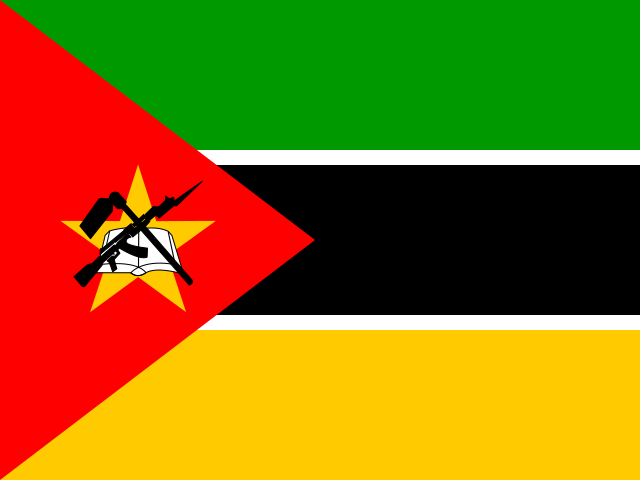 Mozambique
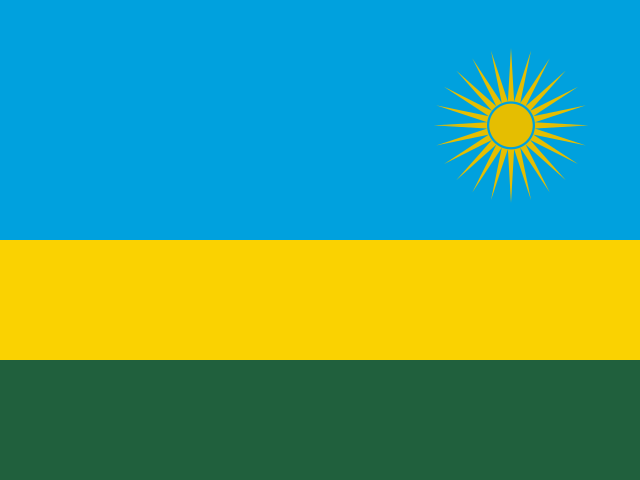 Rwanda
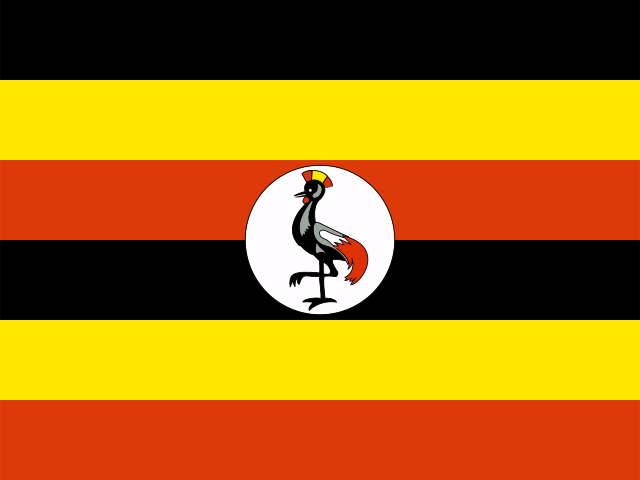 Uganda
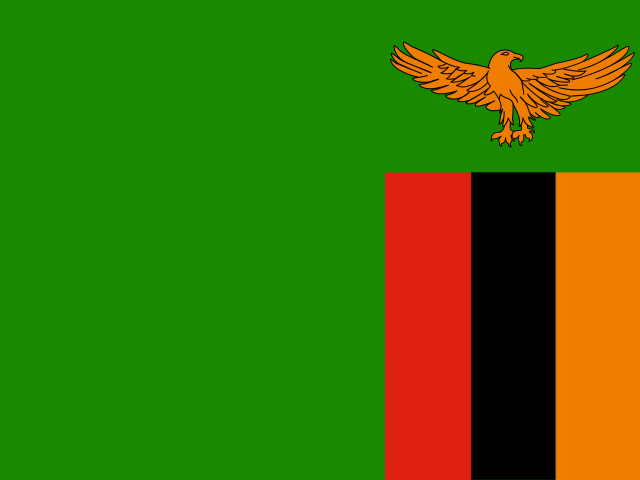 Zambia
Ibn Battuta visits Kilwa
The Moroccan traveller Ibn Battuta visited Kilwa, then the richest Swahili city-state on the coast, and described it as one of the most beautiful cities in the world. Kilwa grew wealthy from the gold trade from the south.
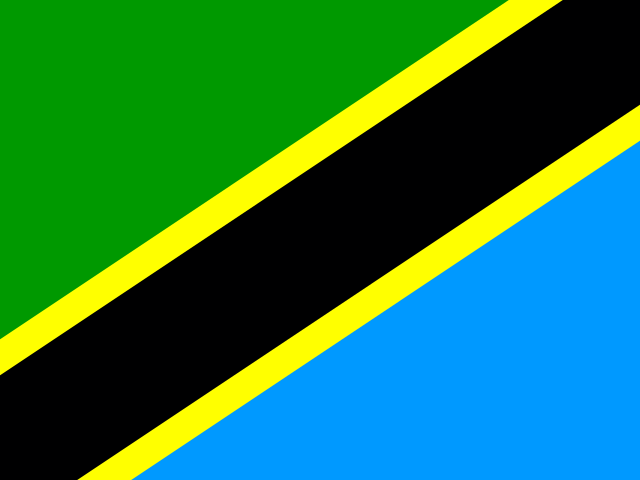
A free large-print PDF. Choose what goes in: facts, map, history, dishes and recipes, phrases, fun facts, a quiz with or without answers. Made for clubs, care homes, libraries and family afternoons.
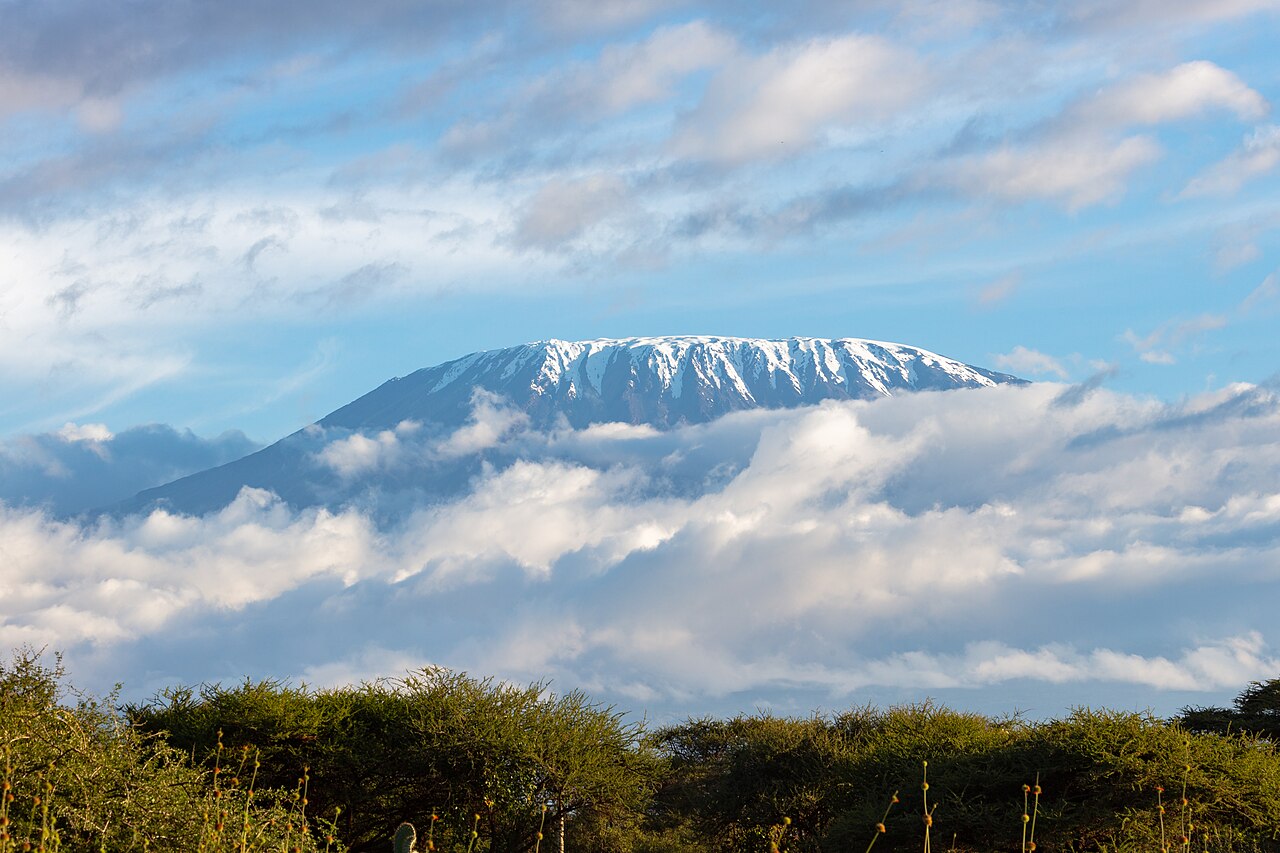
Tanzania lies in East Africa, just south of the equator, with a long, warm coastline on the Indian Ocean. Inland the land rises to a wide central plateau, crossed by the Great Rift Valley and ringed by great lakes: Lake Victoria in the north, Lake Tanganyika in the west and Lake Nyasa in the southwest. In the northeast stands Mount Kilimanjaro, at 5,895 m the highest mountain in Africa.
The country is a union of two parts. The mainland, once called Tanganyika, was ruled by Germany and then Britain and became independent in 1961. The islands of Zanzibar, long ruled by sultans from Oman, became independent in 1963. In 1964 the two joined to form the United Republic of Tanzania, and Zanzibar keeps its own president and parliament for its local affairs.
Tanzania is home to more than 61 million people from over 120 ethnic groups, among them the Sukuma, Nyamwezi, Chagga, Haya and Maasai. Swahili is spoken across the whole country and helps hold it together. Visitors come for the Serengeti, the Ngorongoro Crater and Kilimanjaro, for the beaches and old stone towns of the coast, and for some of the oldest traces of early humans ever found.
Some of the oldest remains of early humans were found in northern Tanzania. Over thousands of years Cushitic, Nilotic and Bantu-speaking peoples settled the land, and from the first millennium AD Swahili trading towns such as Kilwa grew rich along the coast. The Portuguese arrived around 1500, followed by the sultans of Oman, who made Zanzibar their capital. Germany took the mainland in the 1880s and Britain after the First World War. Tanganyika became independent in 1961, Zanzibar in 1963, and in 1964 they united as Tanzania.
The Moroccan traveller Ibn Battuta visited Kilwa, then the richest Swahili city-state on the coast, and described it as one of the most beautiful cities in the world. Kilwa grew wealthy from the gold trade from the south.
A Portuguese fleet under Francisco de Almeida sailed into Kilwa's harbour and landed some 500 soldiers, driving out its ruler. It was the beginning of the end of Kilwa's power on the coast.
Sultan Said bin Sultan moved his capital from Muscat in Oman to Stone Town on Zanzibar. The island grew rich from cloves and trade, but also became the centre of the East African slave trade.
On 10 November 1871 the journalist Henry Morton Stanley found the missing Scottish explorer David Livingstone at Ujiji, on the shore of Lake Tanganyika near today's Kigoma. The famous line 'Dr Livingstone, I presume?' may have been added by Stanley later.
Under a British ultimatum, Sultan Barghash bin Said agreed in June 1873 to end the slave trade by sea from Zanzibar, and the great slave market in Stone Town was closed. Slavery itself was only abolished in the 1890s.
Germany declared a protectorate over parts of the mainland, the start of German East Africa, and extended its control over the following years. Zanzibar, meanwhile, came under British protection in 1890.
The German geographer Hans Meyer and the Austrian climber Ludwig Purtscheller reached the highest point of Kilimanjaro, helped by local porters and guides. The summit was later renamed Uhuru Peak, 'Freedom Peak' in Swahili.
On 27 August 1896 Britain went to war with the Sultanate of Zanzibar after a new sultan took power without British approval. British warships shelled the palace, and the fighting was over in 38 to 45 minutes, the shortest war on record.
Many peoples of the south rose up against German rule and forced cotton growing. The Germans crushed the uprising by 1907, and the fighting and the famine that followed cost between 75,000 and 300,000 lives.
After Germany's defeat in the First World War, most of German East Africa passed to Britain, and on 10 January 1920 the territory took the name Tanganyika. Britain ruled it under a League of Nations mandate.
At Olduvai Gorge the British archaeologist Mary Leakey found the skull of an early human relative about 1.75 million years old. Named for its huge teeth, 'Nutcracker Man' made Olduvai famous around the world.
On 9 December 1961 Tanganyika became independent from Britain, with Julius Nyerere as prime minister. A year later it became a republic, with Nyerere as its first president.
On 10 December 1963 Britain ended its protectorate over Zanzibar, which became independent under its sultan. A month later, in January 1964, a revolution overthrew the sultan.
On 26 April 1964 Tanganyika and Zanzibar joined as one country. In October of the same year it took the name the United Republic of Tanzania, made from the first letters of both names.
In the Arusha Declaration, Nyerere set out a path of African socialism called ujamaa, 'familyhood' in Swahili. Banks and large industries were taken over by the state, and millions of people were later moved into planned villages.
On 1 July 1992 the constitution was changed to allow political parties other than the ruling party, which had been the only legal party. The first multiparty elections were held in 1995.
Tanzanian home cooking is filling and simple. On the mainland most meals are built around ugali, a stiff maize porridge, or rice, served with beans, greens, a stew, fish or grilled meat. Breakfast is often sweet tea with mandazi, chapati or vitumbua. On the coast and in Zanzibar, centuries of trade with Arabia and India show in the food: rice is cooked in coconut milk or with spices such as cloves, cardamom and cinnamon, and the evening markets sell grilled skewers and spicy soups. In the green highlands around Kilimanjaro, cooking bananas are the everyday staple.
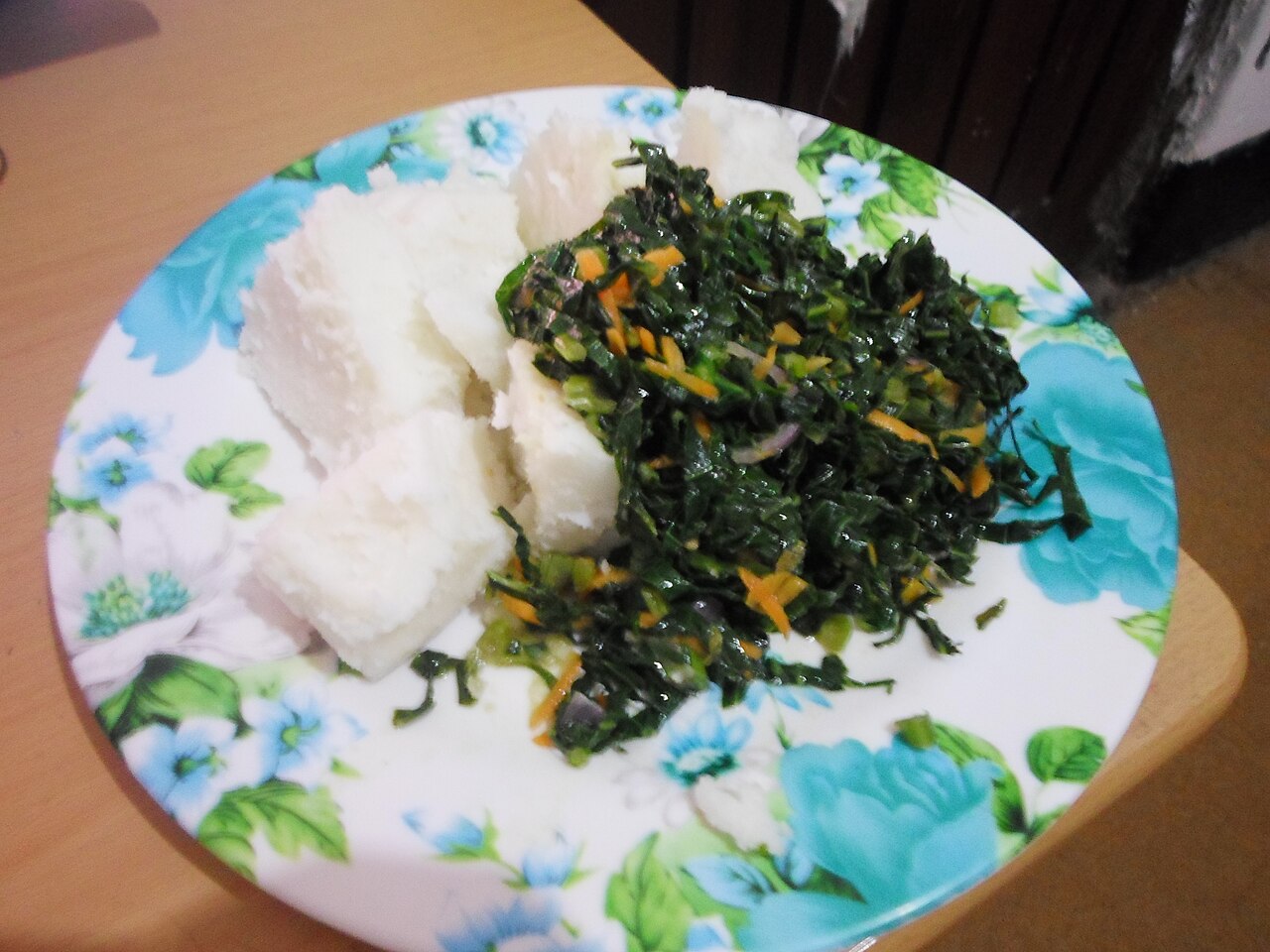
Maize flour cooked in boiling water until it becomes a firm, smooth dough. It is served in a mound, and pieces are pulled off with the right hand, rolled into a ball and used to scoop up beans, greens, fish or stew. It is the everyday staple of the mainland.
Maize came to Africa from the Americas. Before it, East Africans made similar porridges from sorghum and millet.
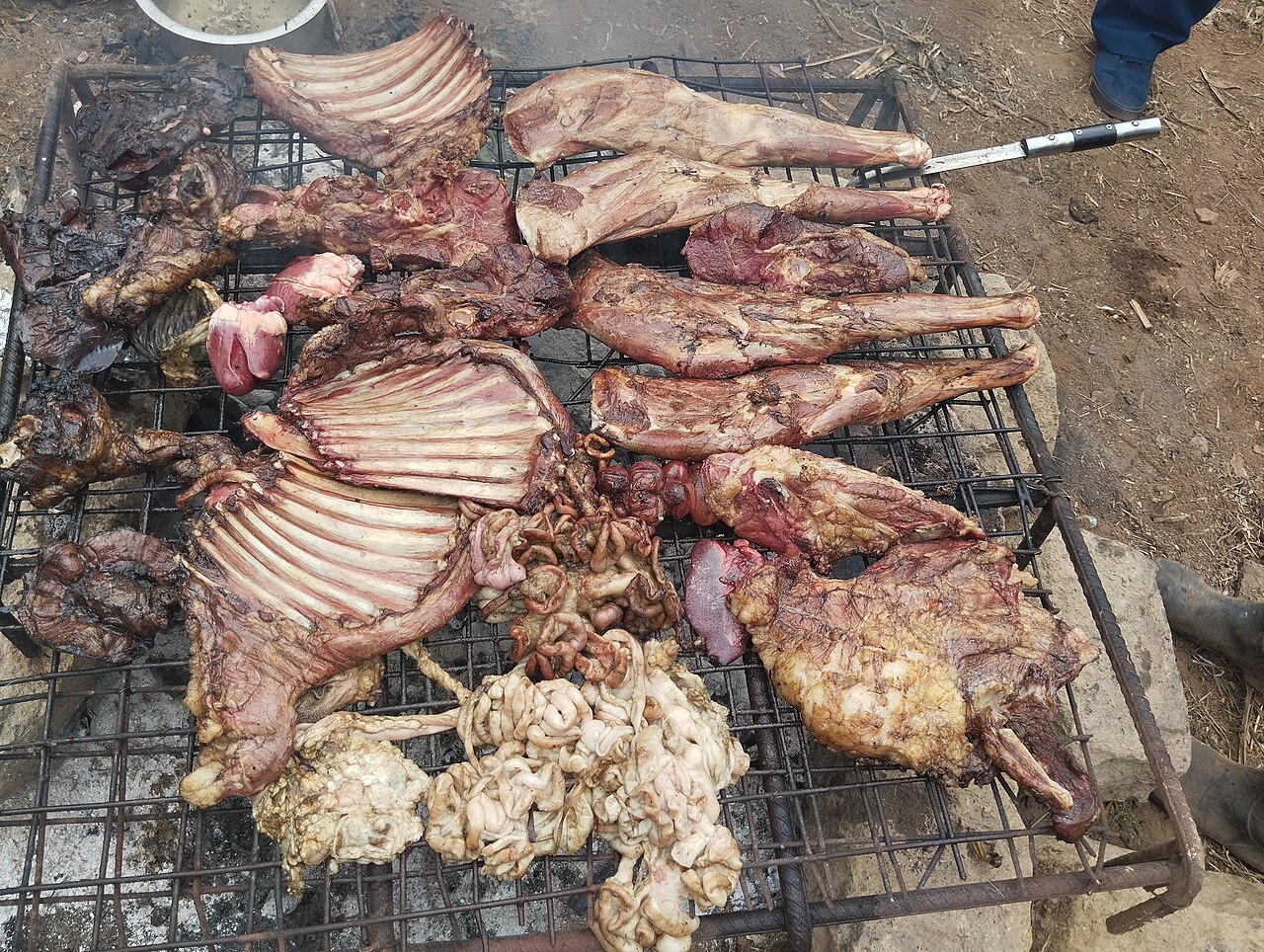
Goat meat, beef or chicken grilled slowly over charcoal with little more than salt, cut into bite-sized pieces and eaten with the hands, usually with ugali or grilled bananas and a fresh kachumbari salad.
Nyama choma simply means 'grilled meat' in Swahili.
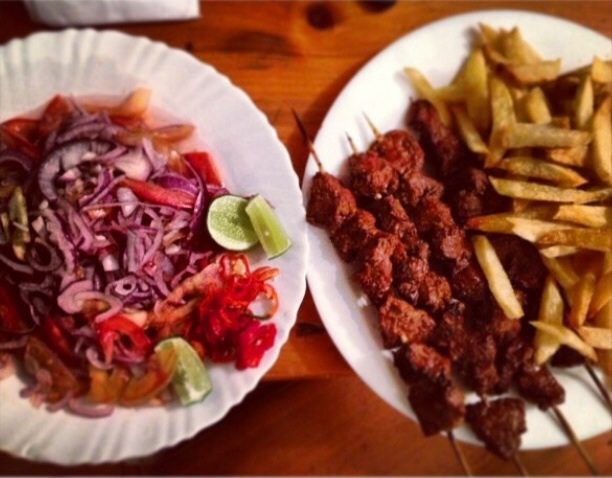
Small cubes of marinated beef or goat threaded onto skewers and grilled over charcoal. They are a favourite street food in the evening, often eaten with chipsi mayai and chilli sauce.
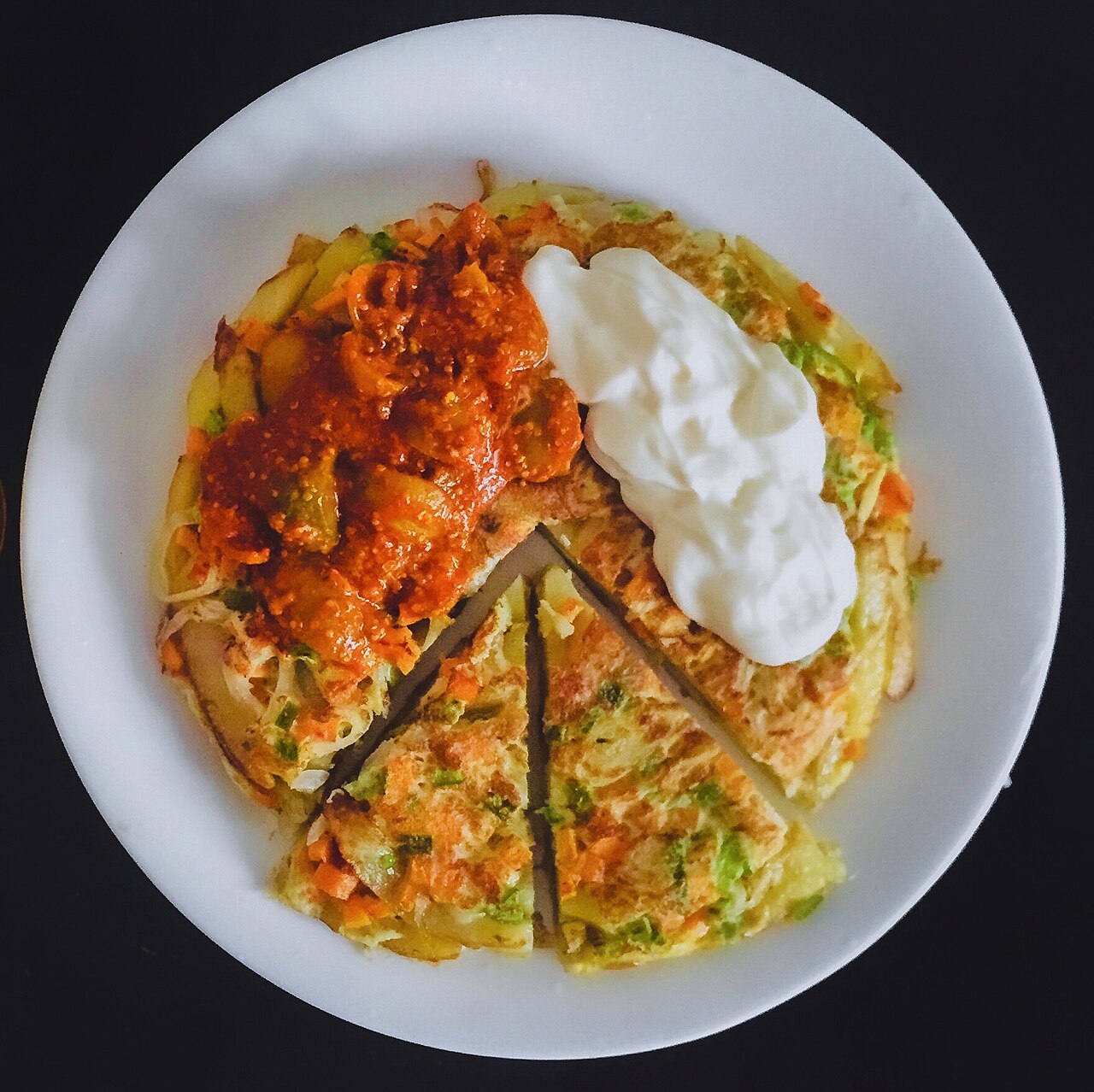
Freshly fried chips cooked into an omelette in the pan, so the egg holds the potatoes together like a flat cake. It is sold at food stands from big towns to small villages and served with kachumbari or chilli sauce.
The name means 'chips and eggs' in Swahili, and many people call it the unofficial national dish.
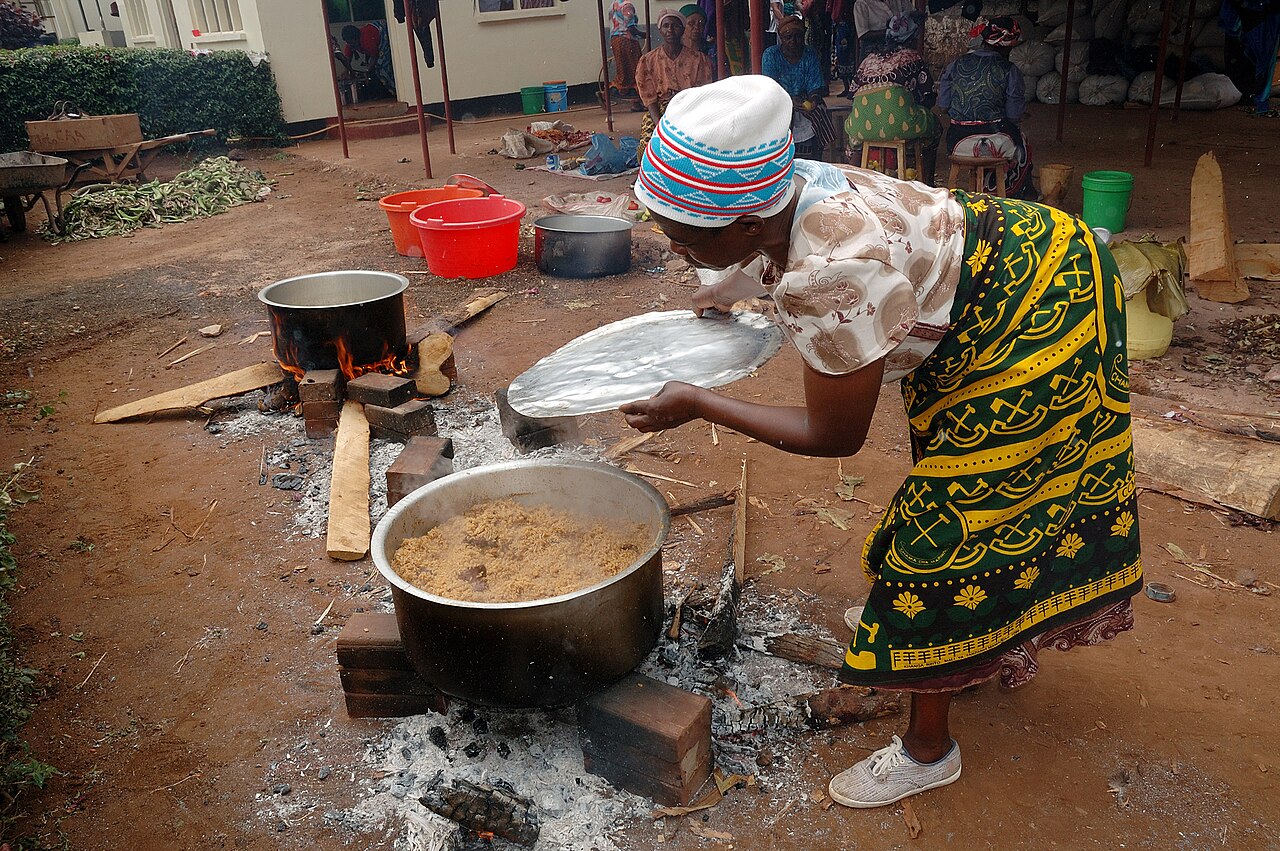
Rice cooked in a meat broth with cumin, cardamom, cinnamon, cloves and black pepper, which turn it a warm brown. It is made with beef, chicken or goat and is the dish for weddings, Eid and other celebrations, served with kachumbari.
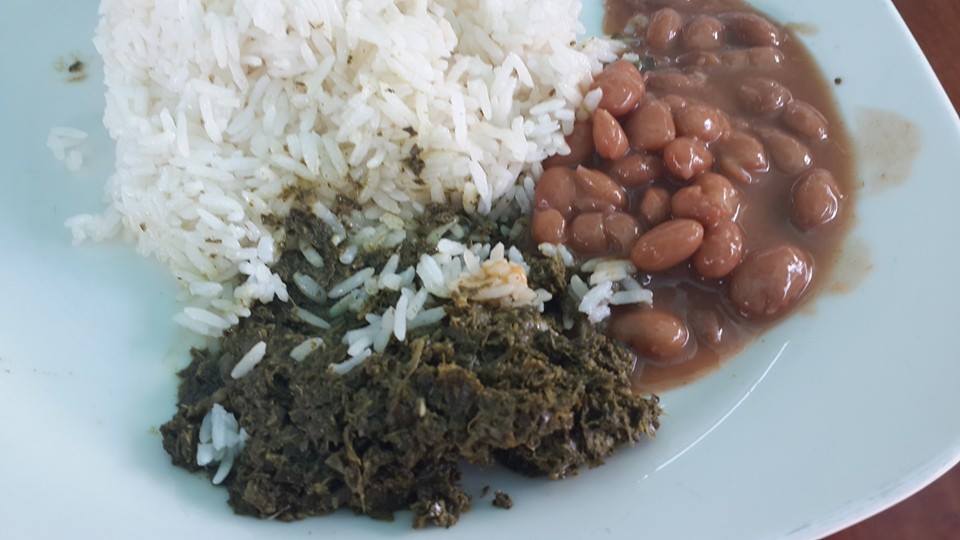
A plate of plain or coconut rice topped with a stew of red kidney beans, one of the most common everyday meals in homes and small restaurants across the country.
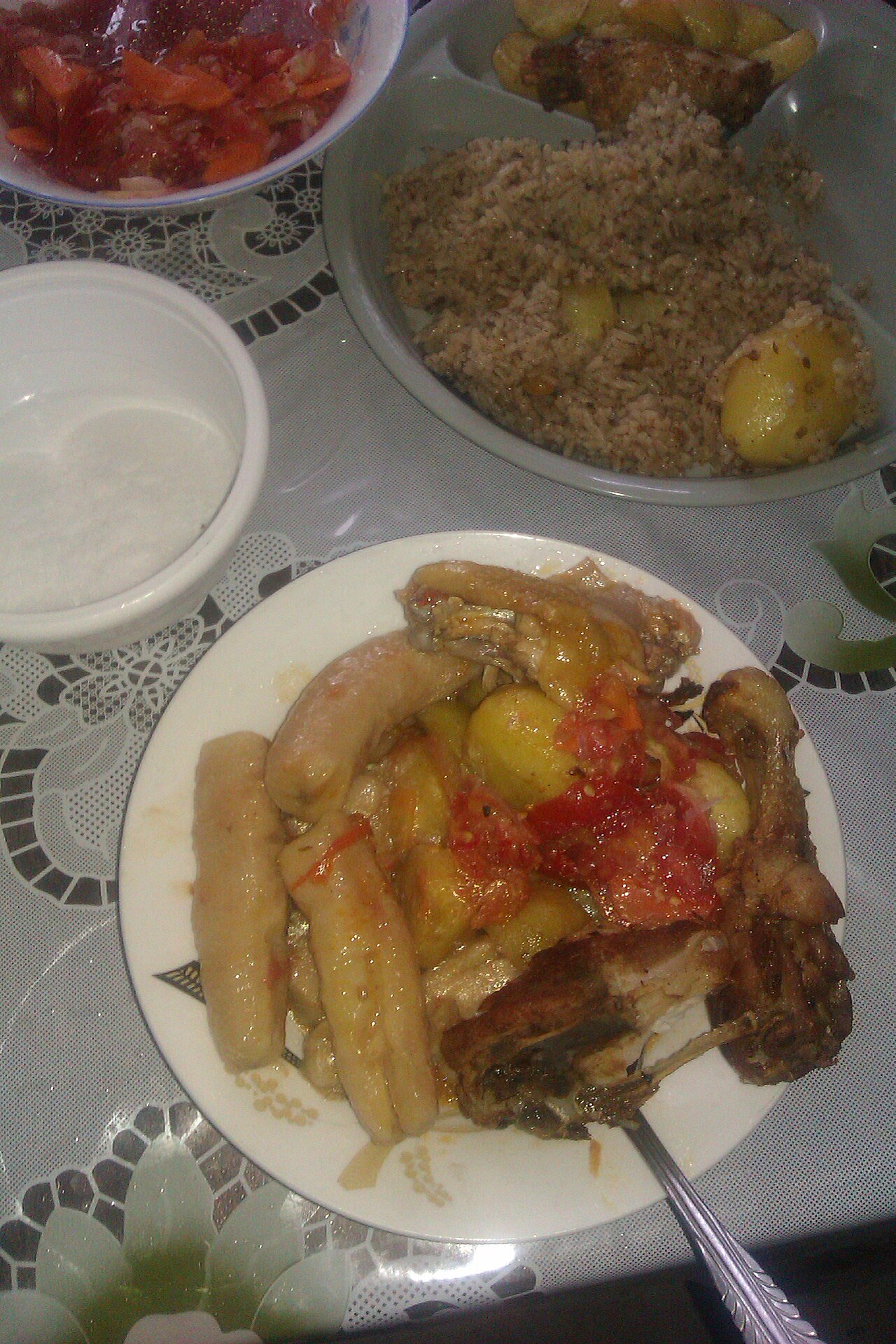
Green cooking bananas stewed with beef or goat, onions and tomatoes, sometimes with coconut milk, until the bananas are soft and have soaked up the sauce.
Tanzania grows many different kinds of bananas, used for soups, stews and chips.
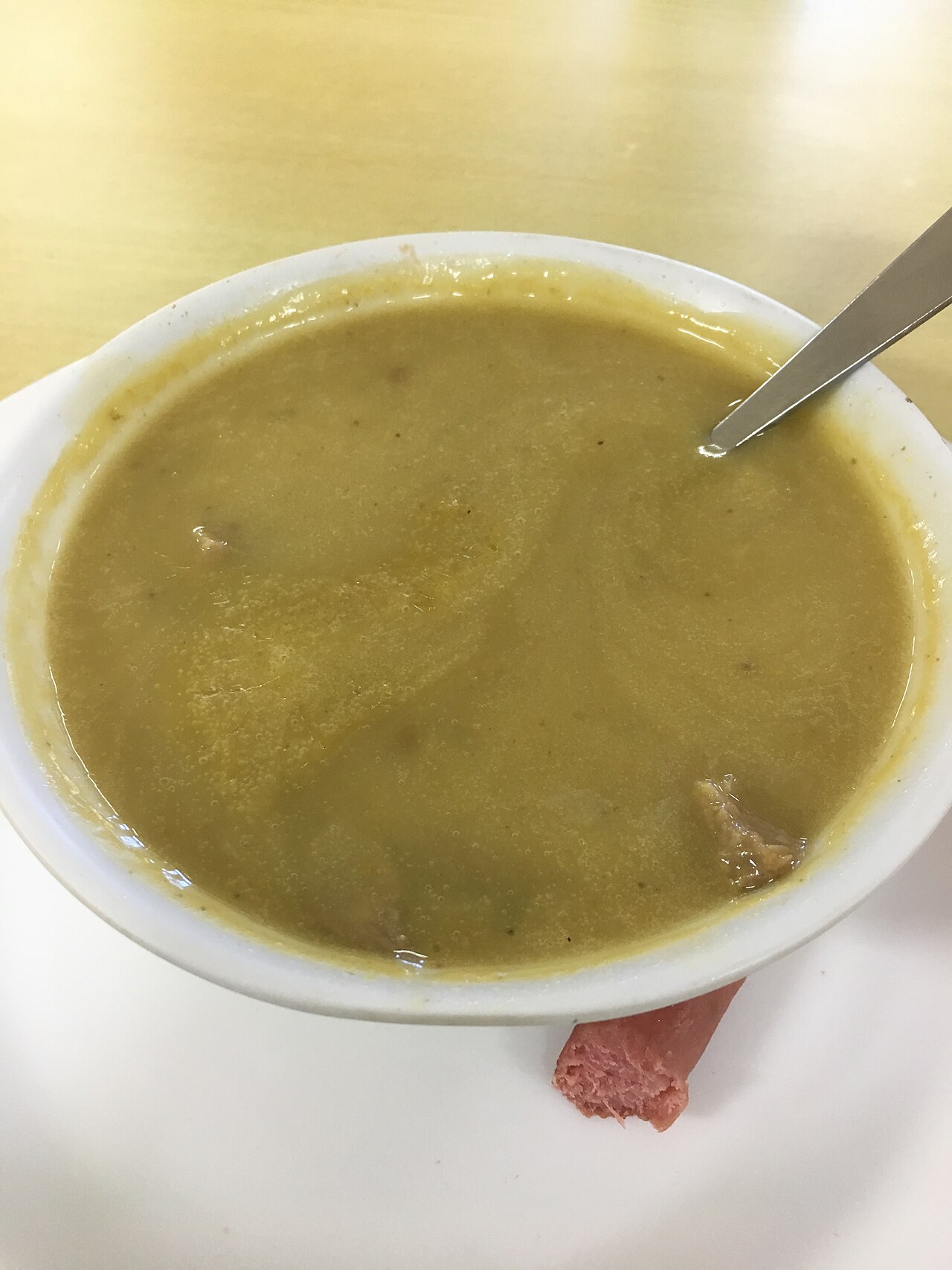
A thick, creamy soup of green bananas cooked with beef and then mashed, sometimes with potatoes and milk. It is eaten at any time of day and is traditionally given to new mothers because it is soft and nourishing.
A special wooden stick is traditionally used to mash the bananas into the soup.
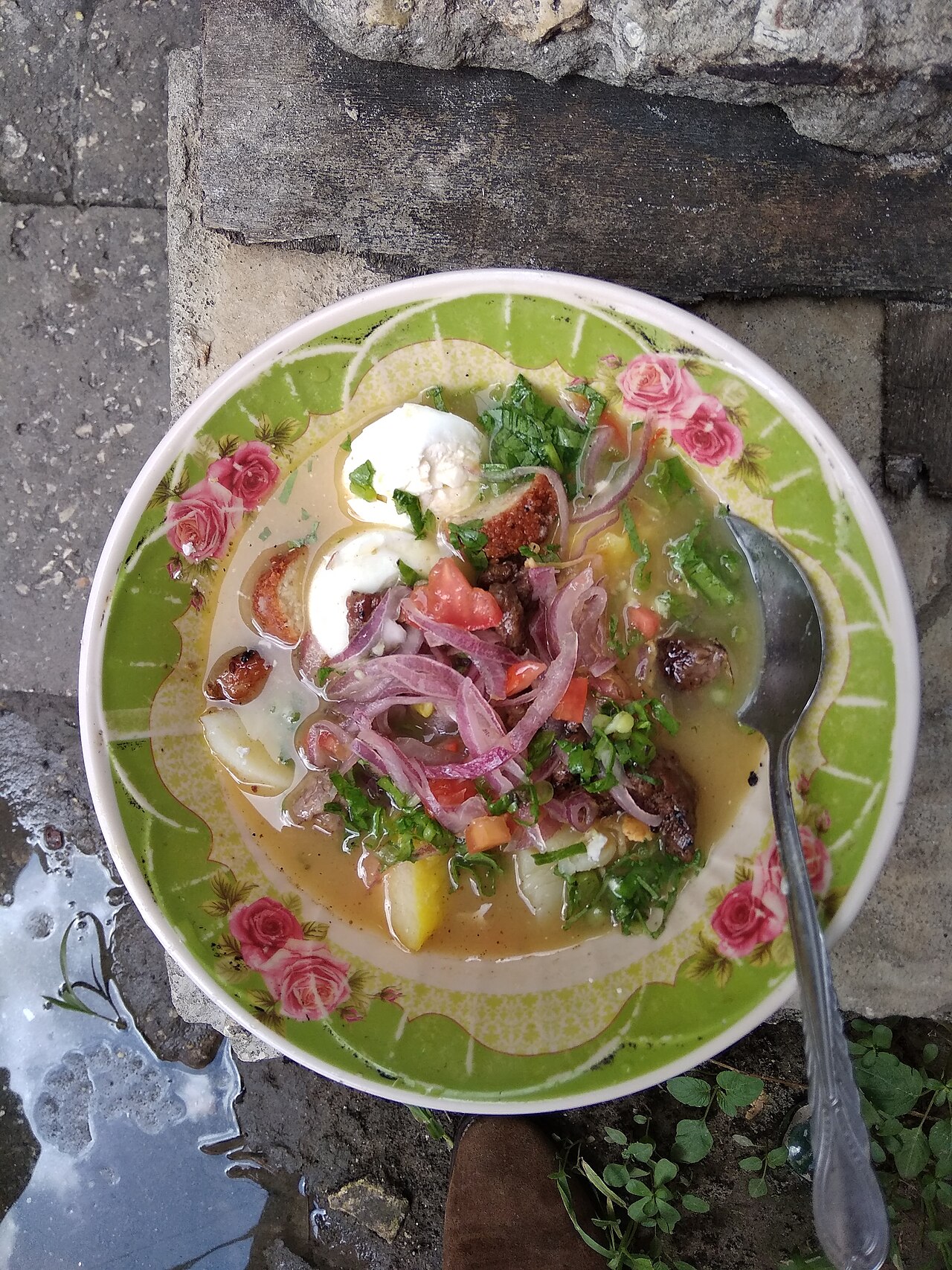
A tangy yellow soup thickened with flour and coloured with turmeric, flavoured with mango or tamarind, and poured over potatoes, crisp fritters, cassava crisps, boiled egg and small skewers, with coconut chutney and chilli on top.
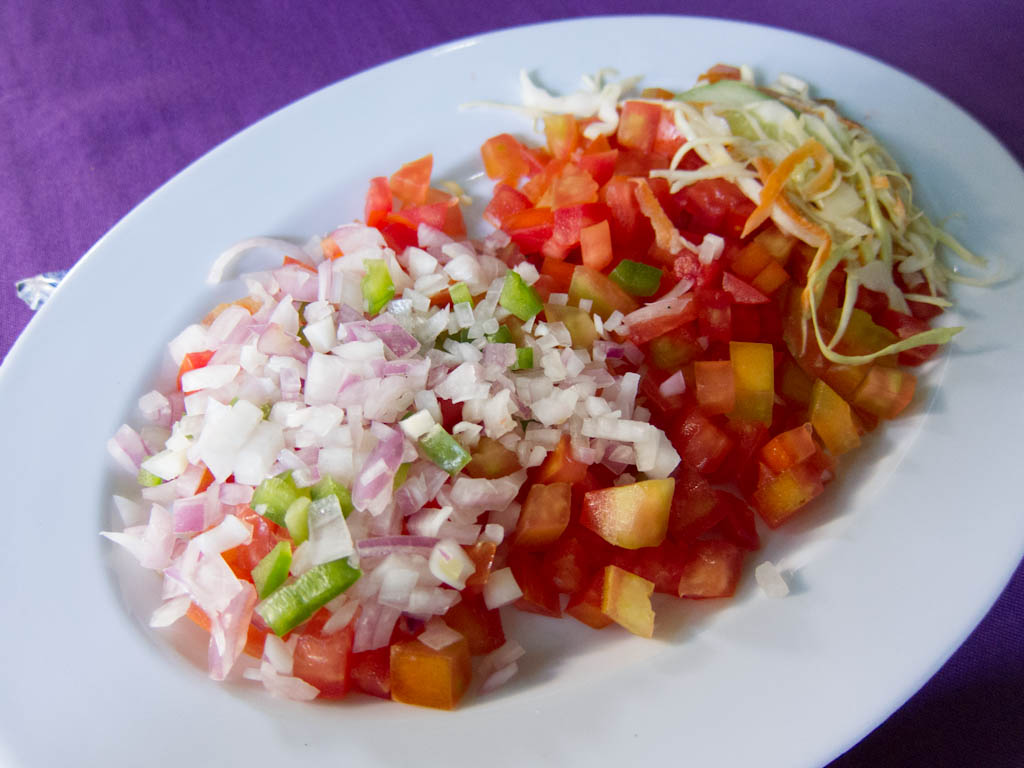
A fresh, uncooked salad of finely chopped tomatoes, red onion and chilli with lime or lemon juice and salt. It is served with pilau, nyama choma and chipsi mayai to add freshness.
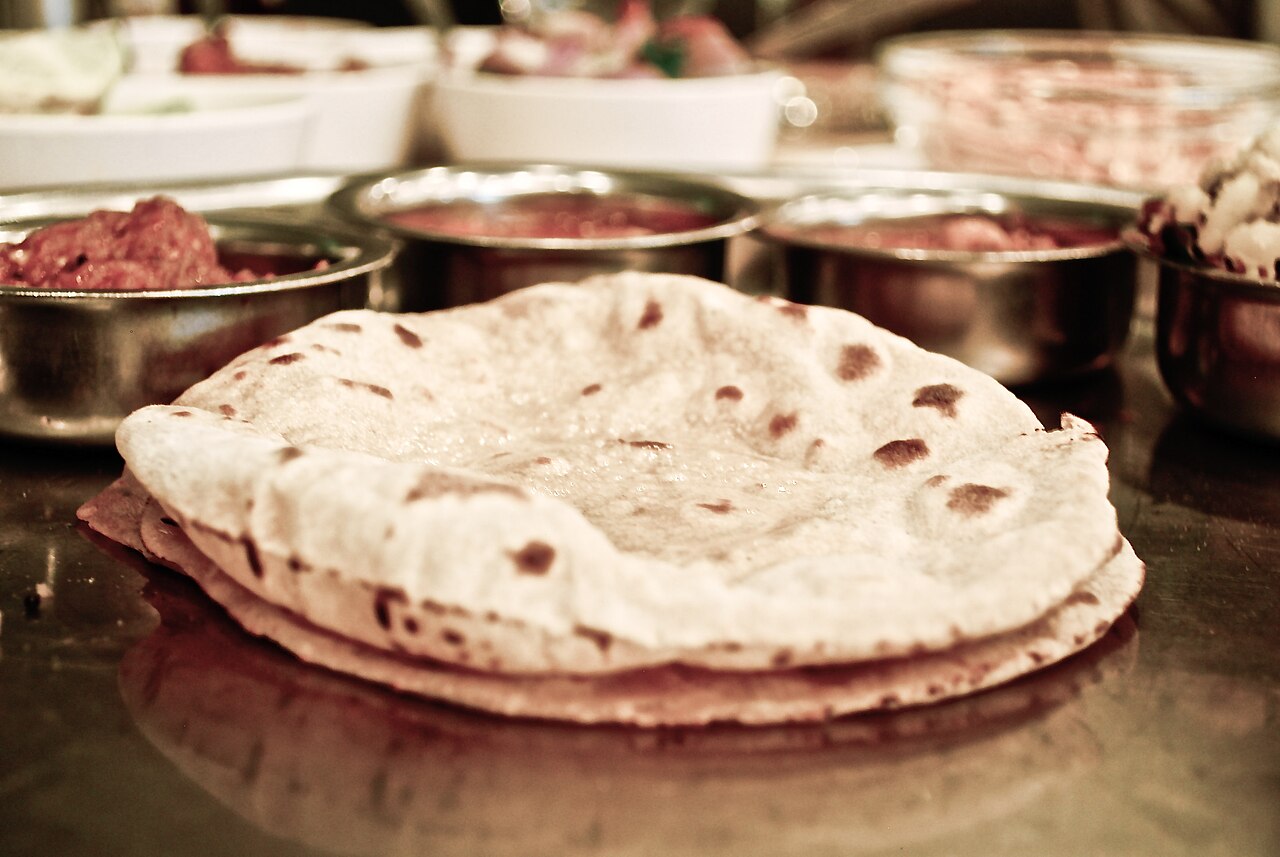
A soft, flaky flatbread of wheat flour, rolled, coiled and rolled again, then fried in a little oil on a flat pan. It is eaten with tea for breakfast or with beans and stews.
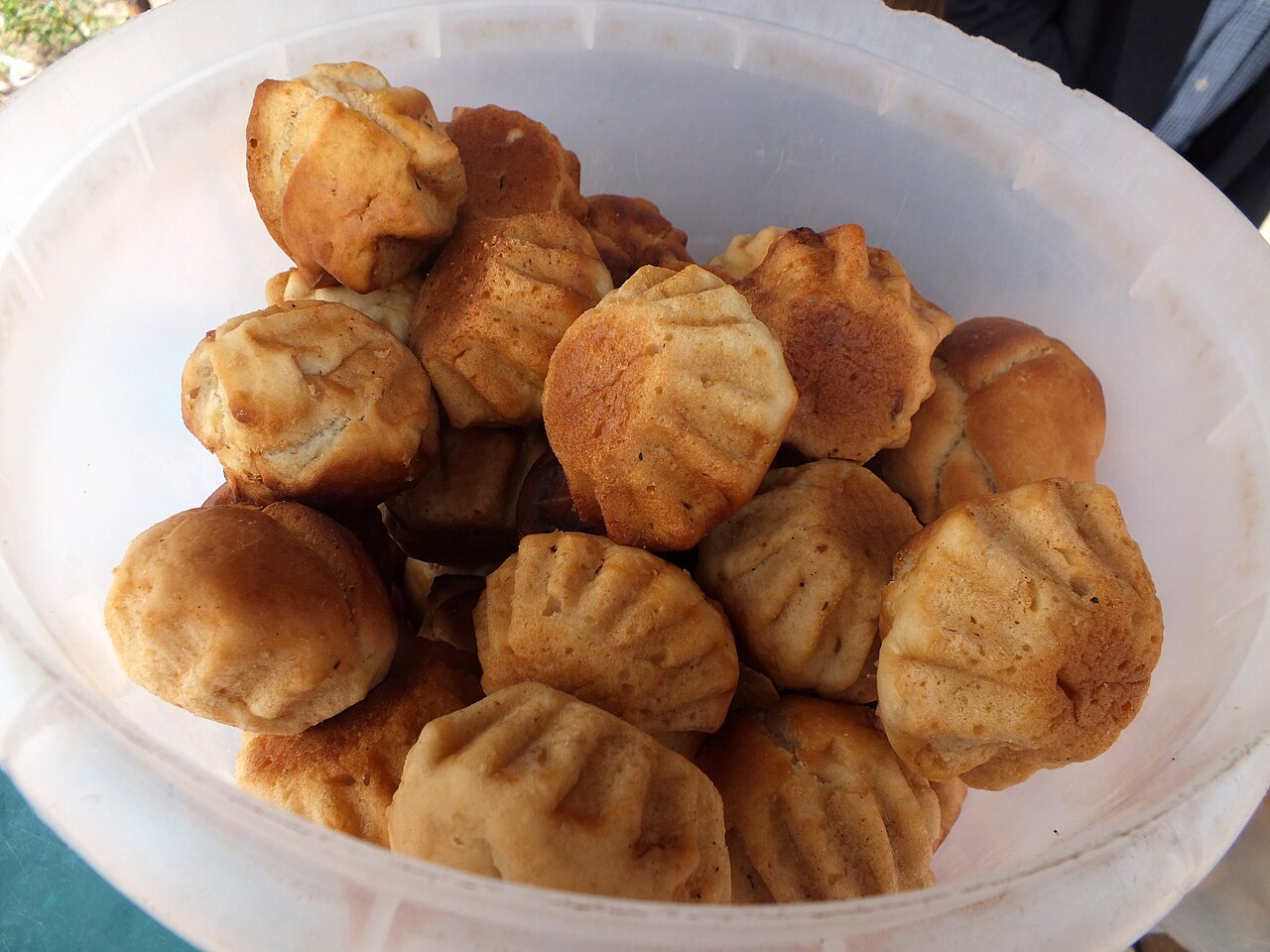
A lightly sweet fried dough, often shaped in triangles and sometimes flavoured with cardamom or coconut milk. It is less sweet than a doughnut and is eaten at breakfast with tea.
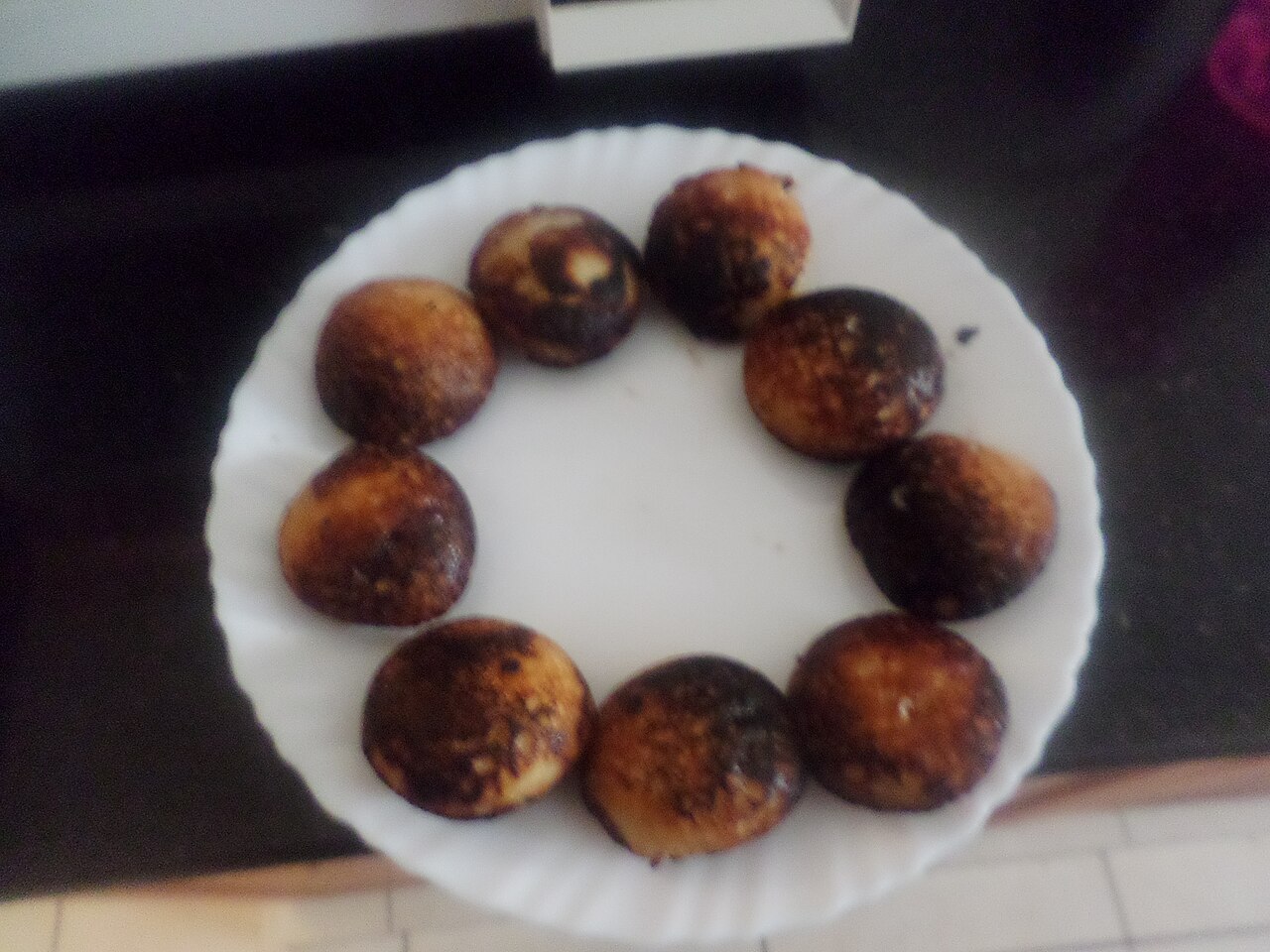
Small round cakes of rice flour and coconut milk, lightly sweet and flavoured with cardamom, cooked in a special pan with round hollows so they are crisp outside and soft inside. They are a favourite breakfast with tea.
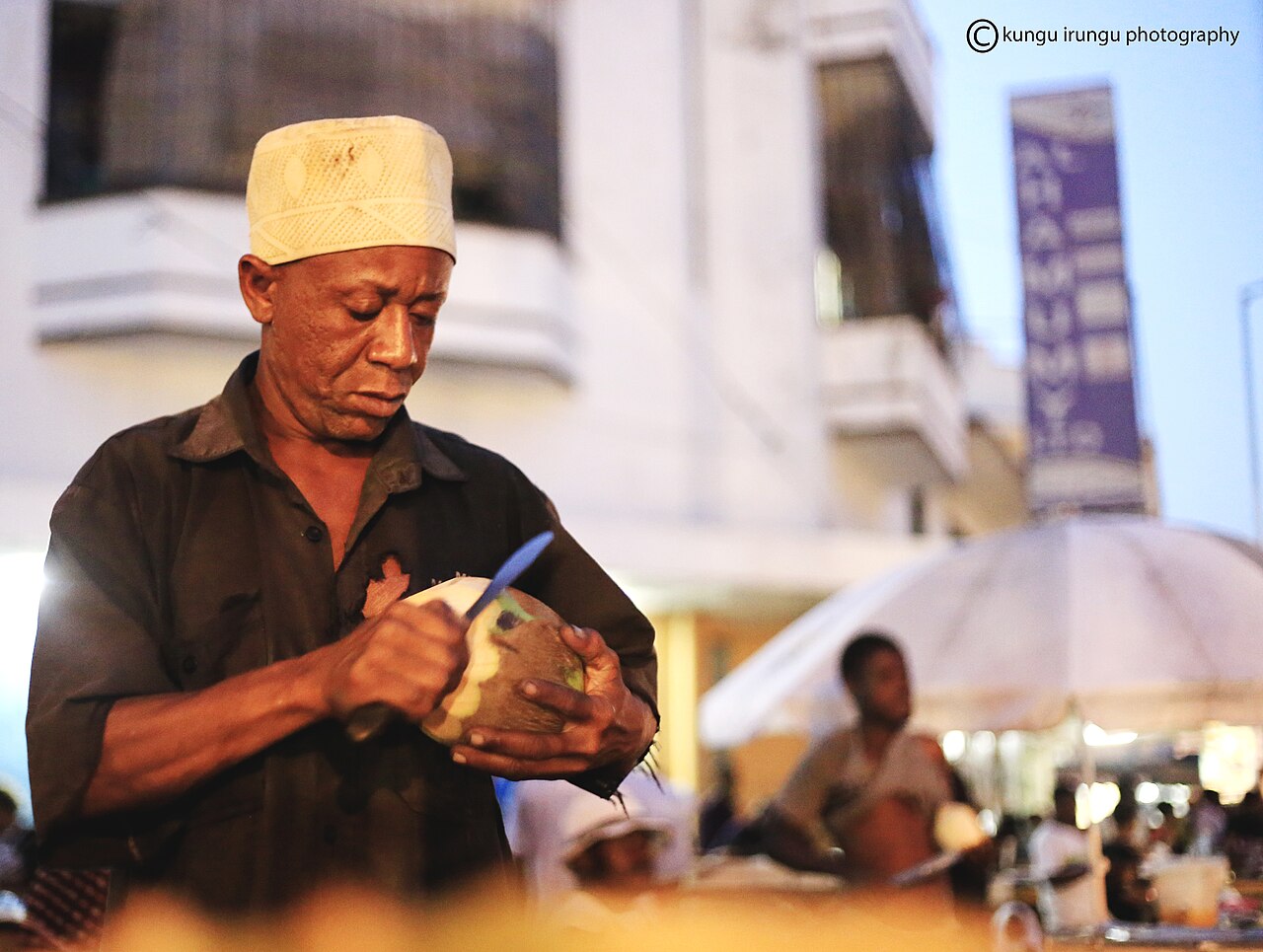
A young green coconut opened with a machete by a street seller and drunk straight from the shell with a straw. When it is empty the seller will often split it so you can scoop out the soft white flesh.
Most Tanzanians live in the countryside, but the towns are growing fast. Dar es Salaam on the coast is by far the largest city and the main port, while Dodoma in the centre is the official capital. Mwanza is the great city of Lake Victoria, Arusha and Moshi are the gateways to the northern parks and Kilimanjaro, and Zanzibar City sits across the channel on the island of Unguja.
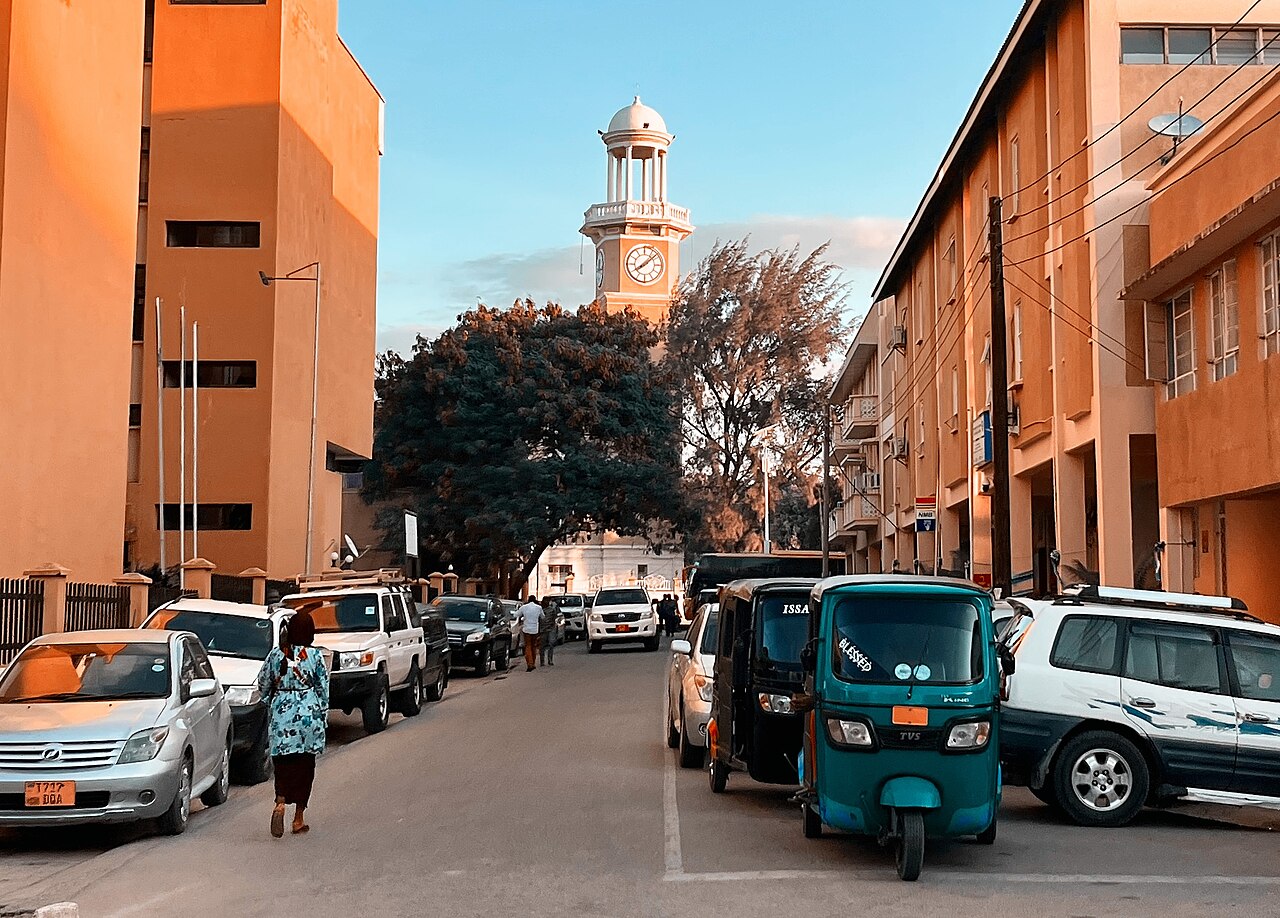
The capital, in the dry heart of the country, with about 765,000 people at the 2022 census. It was founded as a railway town by the Germans in 1907. In 1974 the government decided to move the capital here from Dar es Salaam, and the move has taken decades; parliament meets here and many ministries have followed.
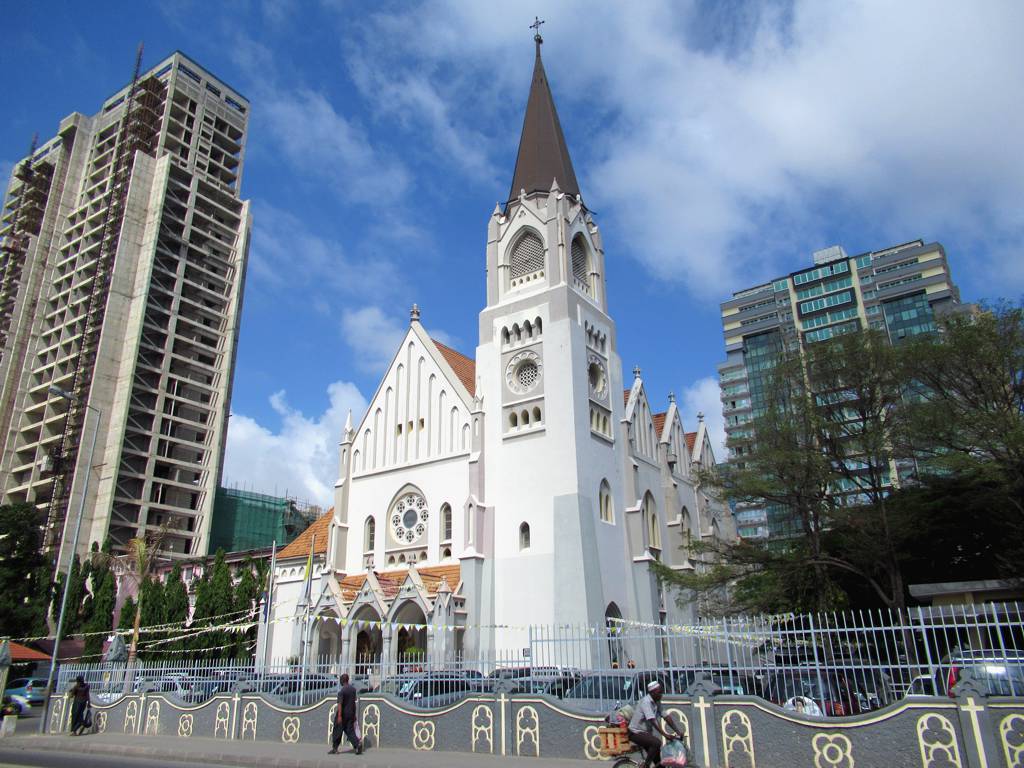
Tanzania's largest city and main port, with more than five million people and one of the fastest-growing cities in Africa. It was founded in the 1860s by the Sultan of Zanzibar, whose name for it means 'abode of peace' in Arabic. It was the capital until the move to Dodoma and still hosts many government offices and embassies.
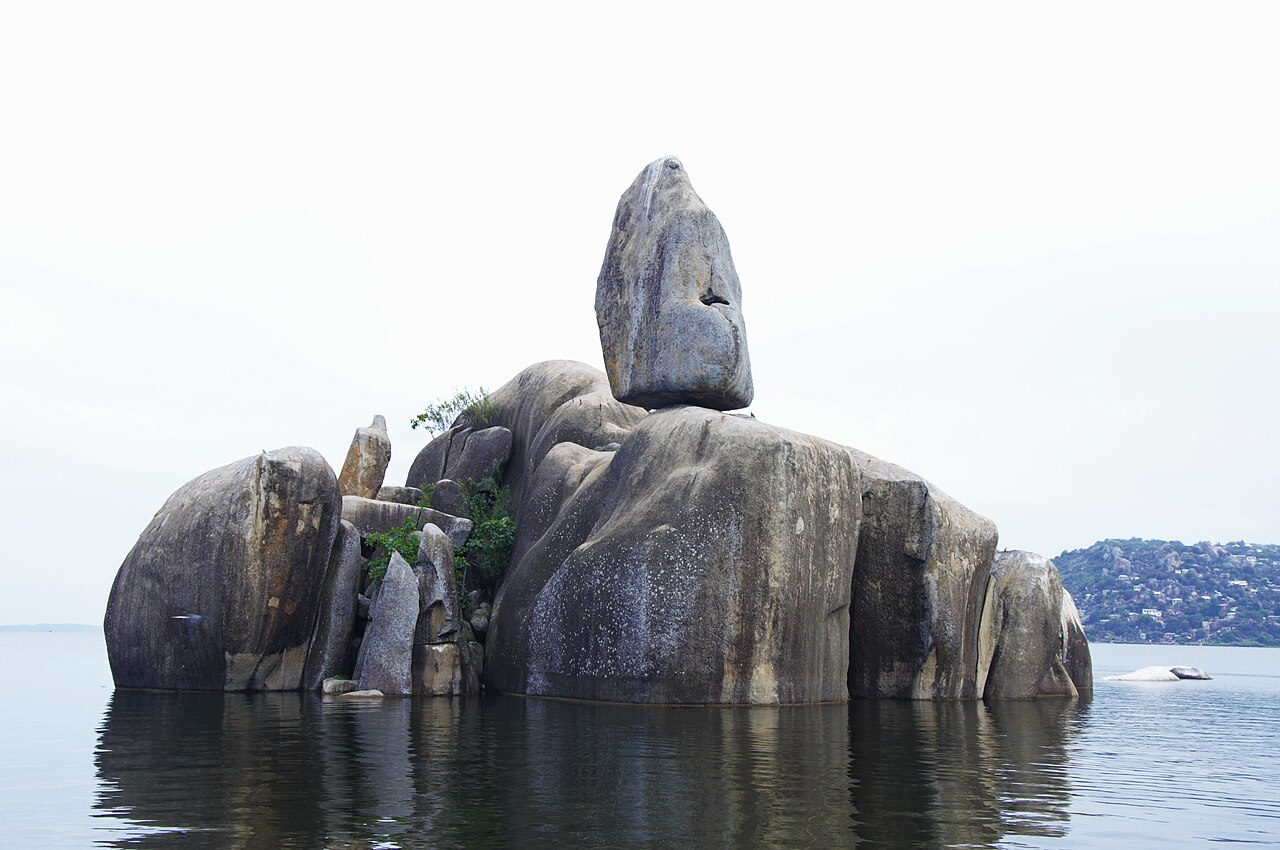
Tanzania's second largest city at the 2022 census, a port on Lake Victoria known as 'Rock City' for the huge granite boulders all around it. The Sukuma people make up more than 90 per cent of the population of the region.
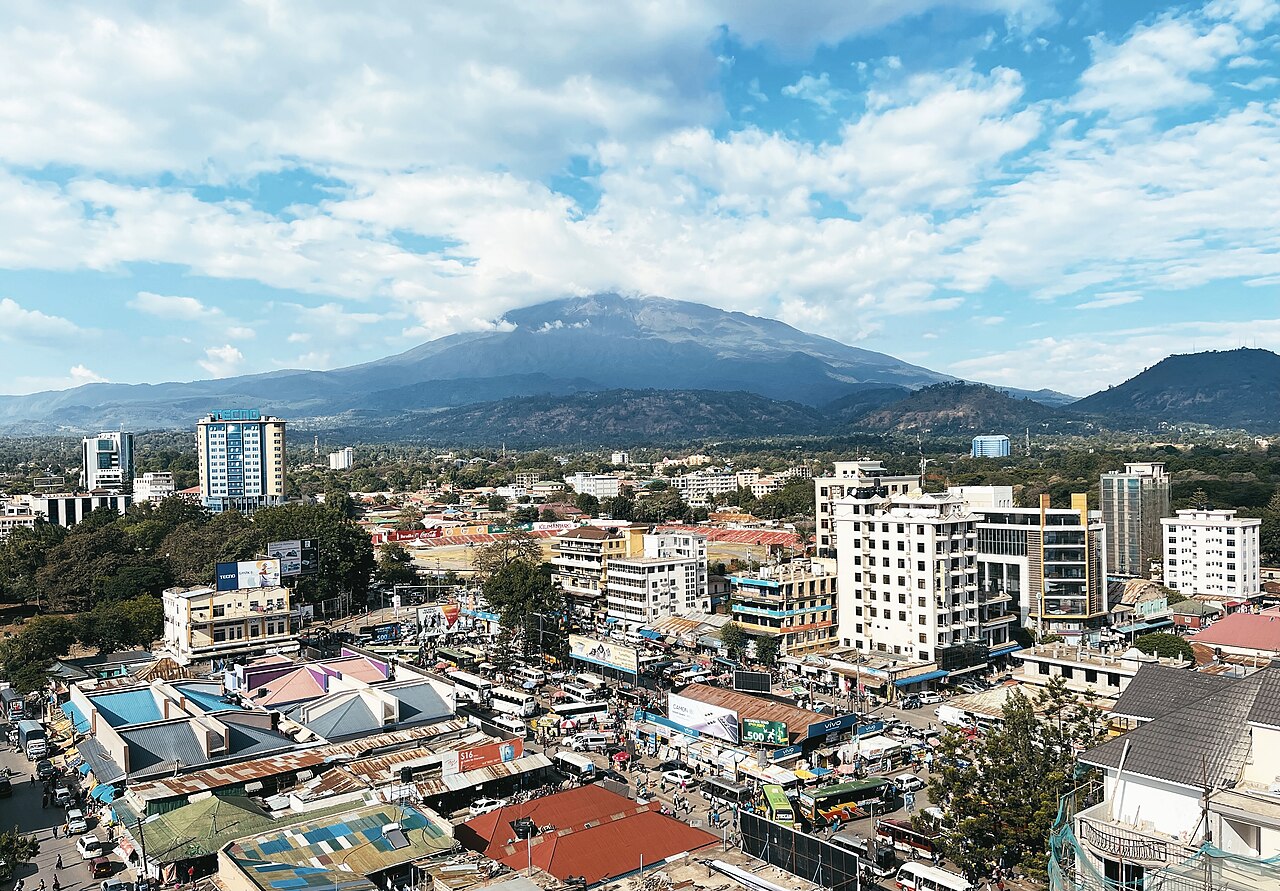
A green, cool city at the foot of Mount Meru and the starting point for safaris to the Serengeti, the Ngorongoro Crater and other northern parks. It is the headquarters of the East African Community and the seat of the African Court on Human and Peoples' Rights.
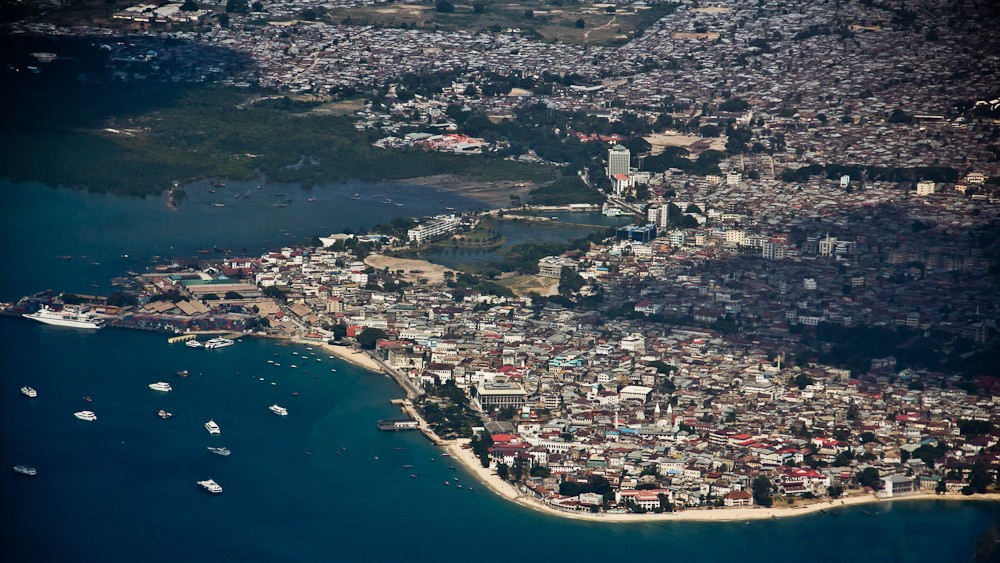
The main city of the Zanzibar islands, on the west coast of Unguja. Its old quarter, Stone Town, was the capital of the sultans and is a UNESCO World Heritage Site; the newer part of the city is called Ng'ambo, 'the other side'.
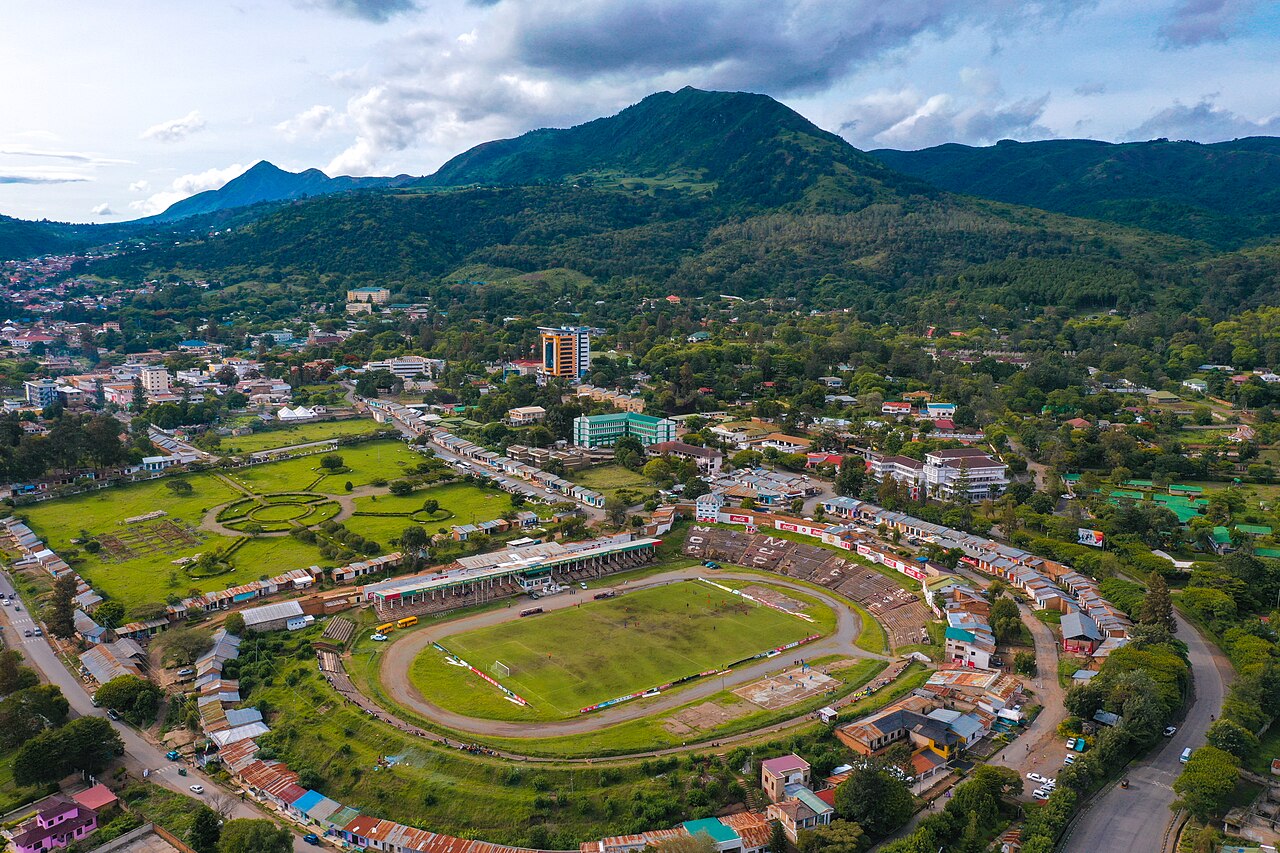
A highland city about 1,700 m above sea level, ringed by mountains. It began as a gold-mining town in the 1920s and is now the trading centre of the fertile southwest, on the road and railway to Zambia.
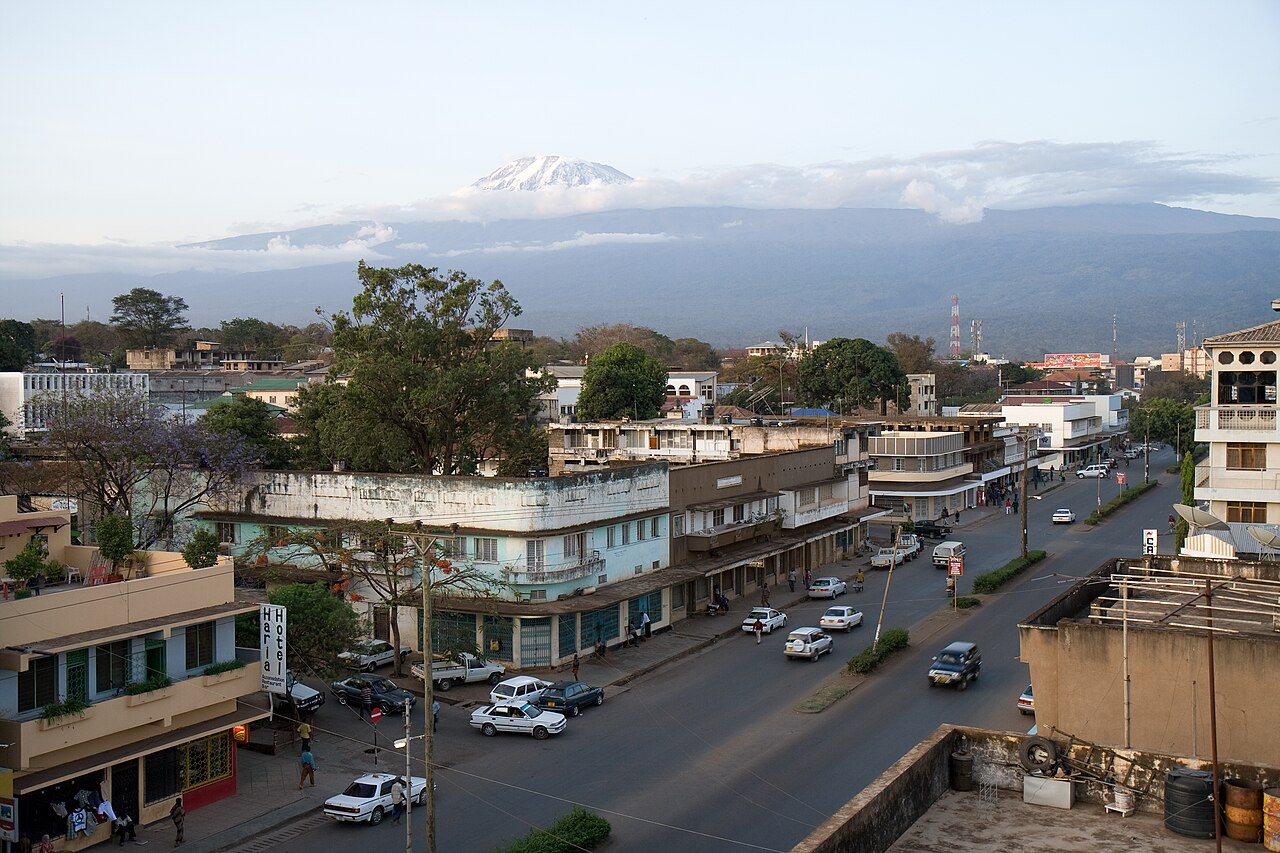
A small, tidy town on the lower slopes of Mount Kilimanjaro and the usual base for climbers. The country of the Chagga people, it is surrounded by coffee and banana farms.
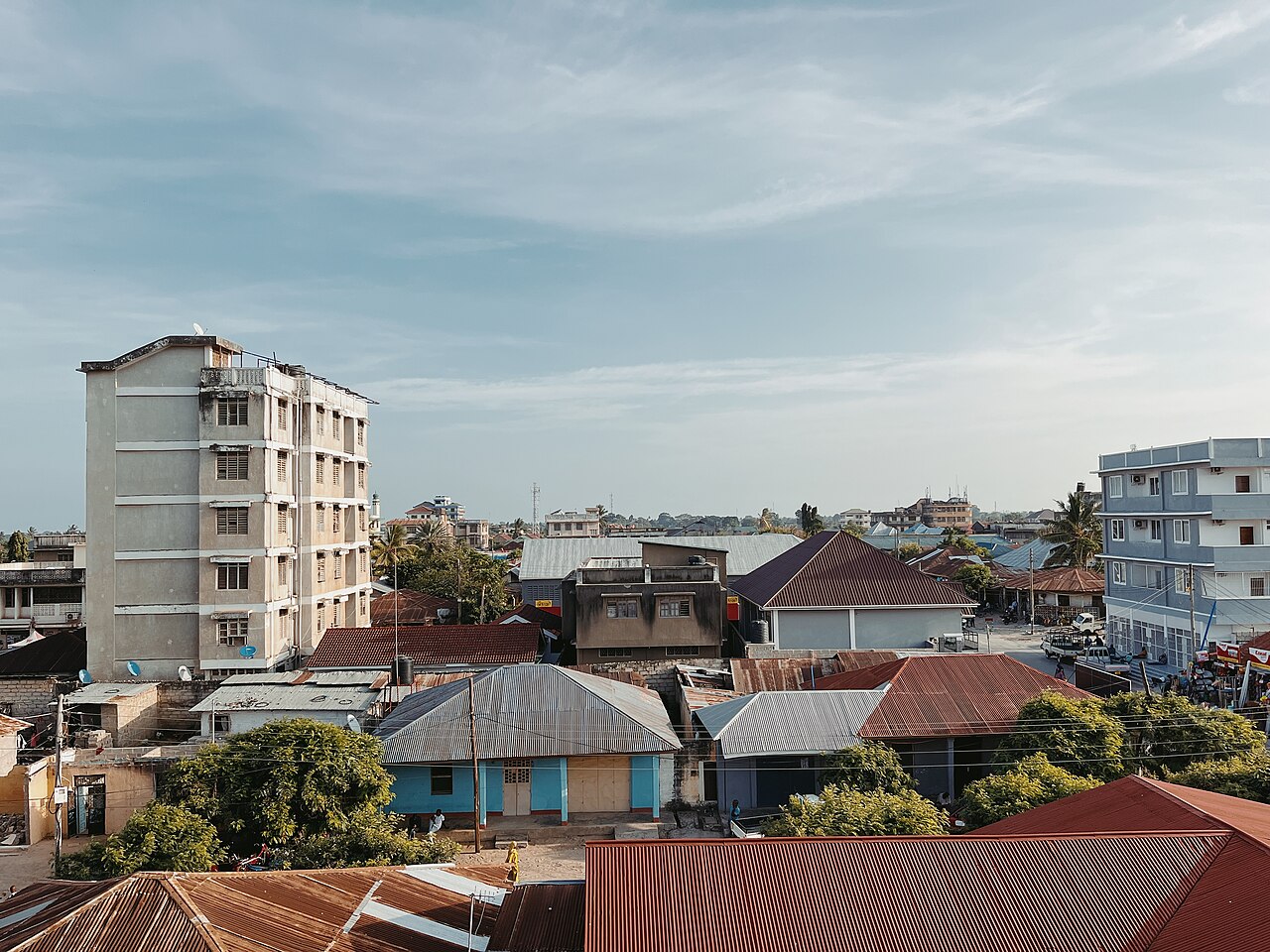
A historic port city near the border with Kenya. Its name means 'sail' in Swahili, and its port ships sisal, coffee, tea and cotton.
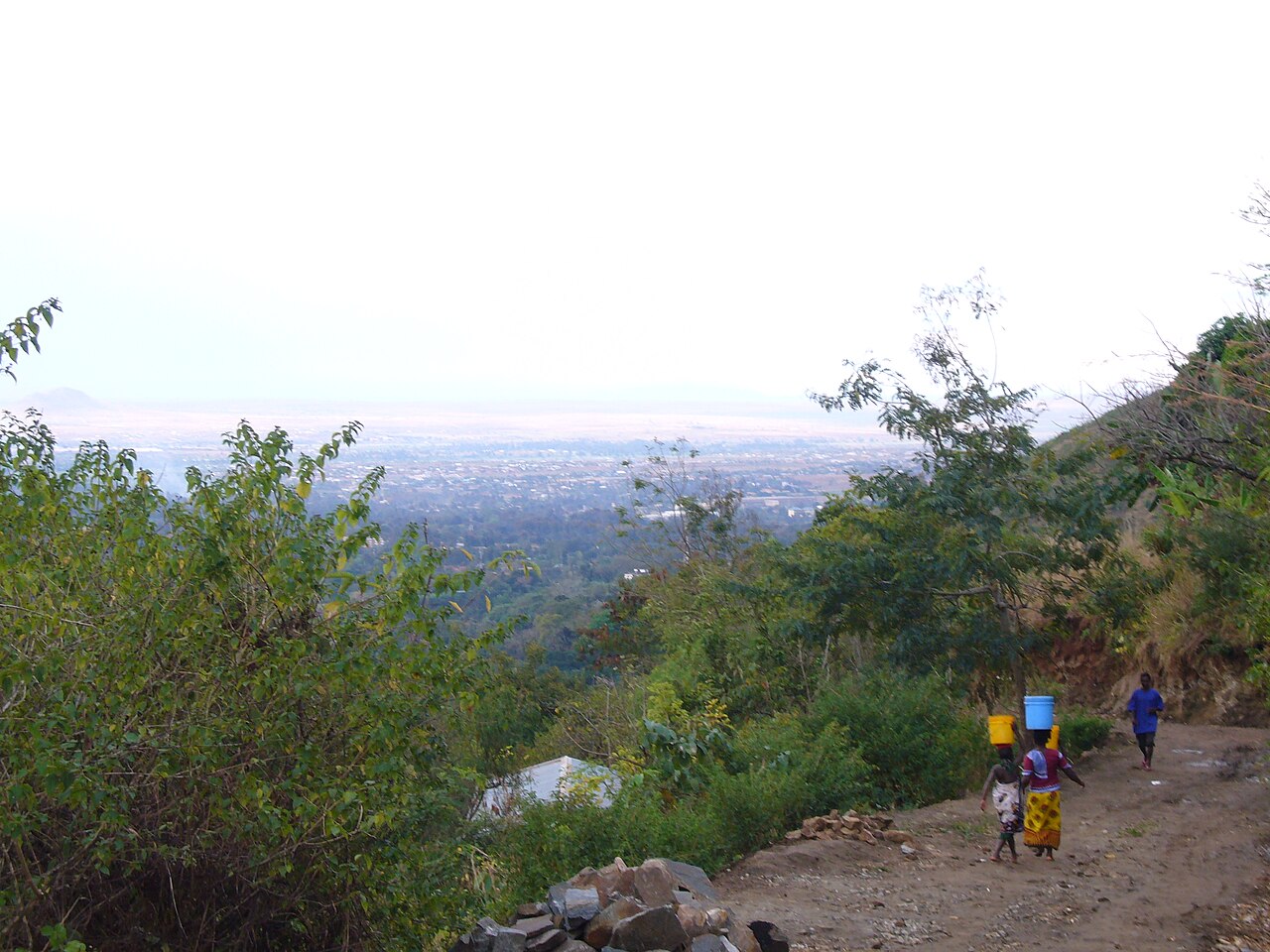
A city at the foot of the Uluguru Mountains, about 195 km west of Dar es Salaam by road. It is home to the Sokoine University of Agriculture and to a project that trains giant pouched rats to sniff out landmines.
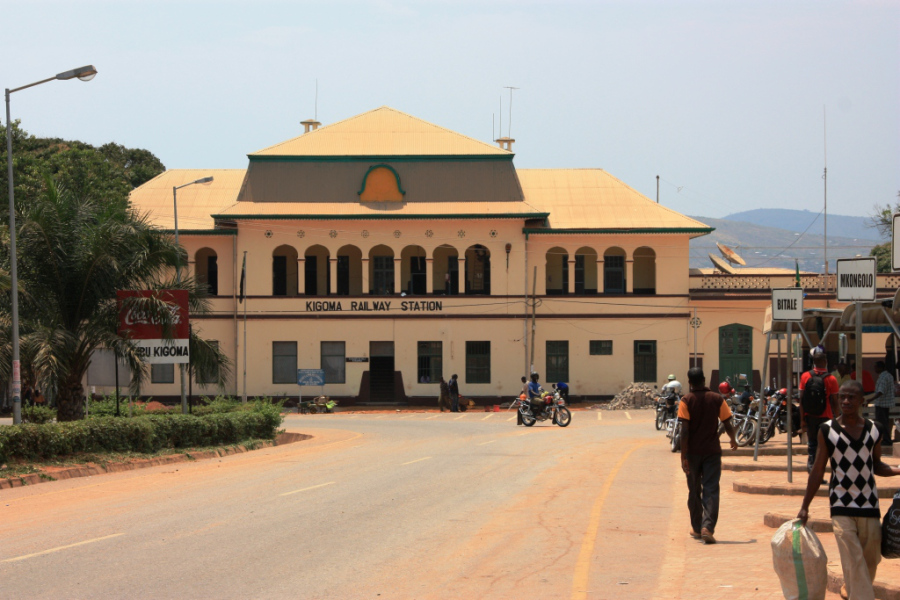
A lake port in the far west, close to Burundi and the Congo, at the end of the Central Railway from Dar es Salaam. The old trading town of Ujiji, where Stanley met Livingstone, lies about 6 km away.
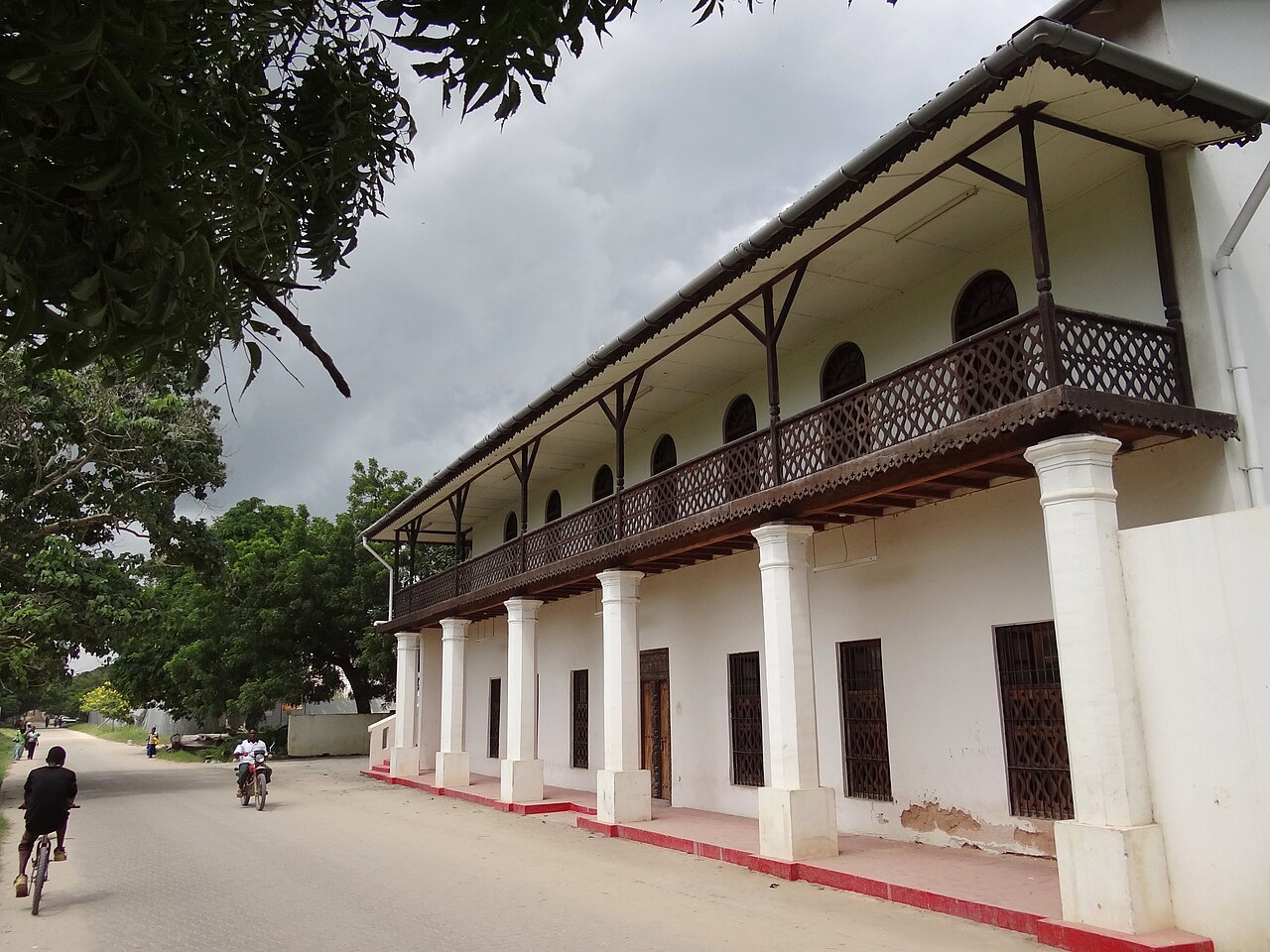
A historic coastal town about 60 km north of Dar es Salaam as the crow flies, facing Zanzibar. In the 1800s it was the end of the great caravan route from the interior, and it was briefly the first capital of German East Africa.
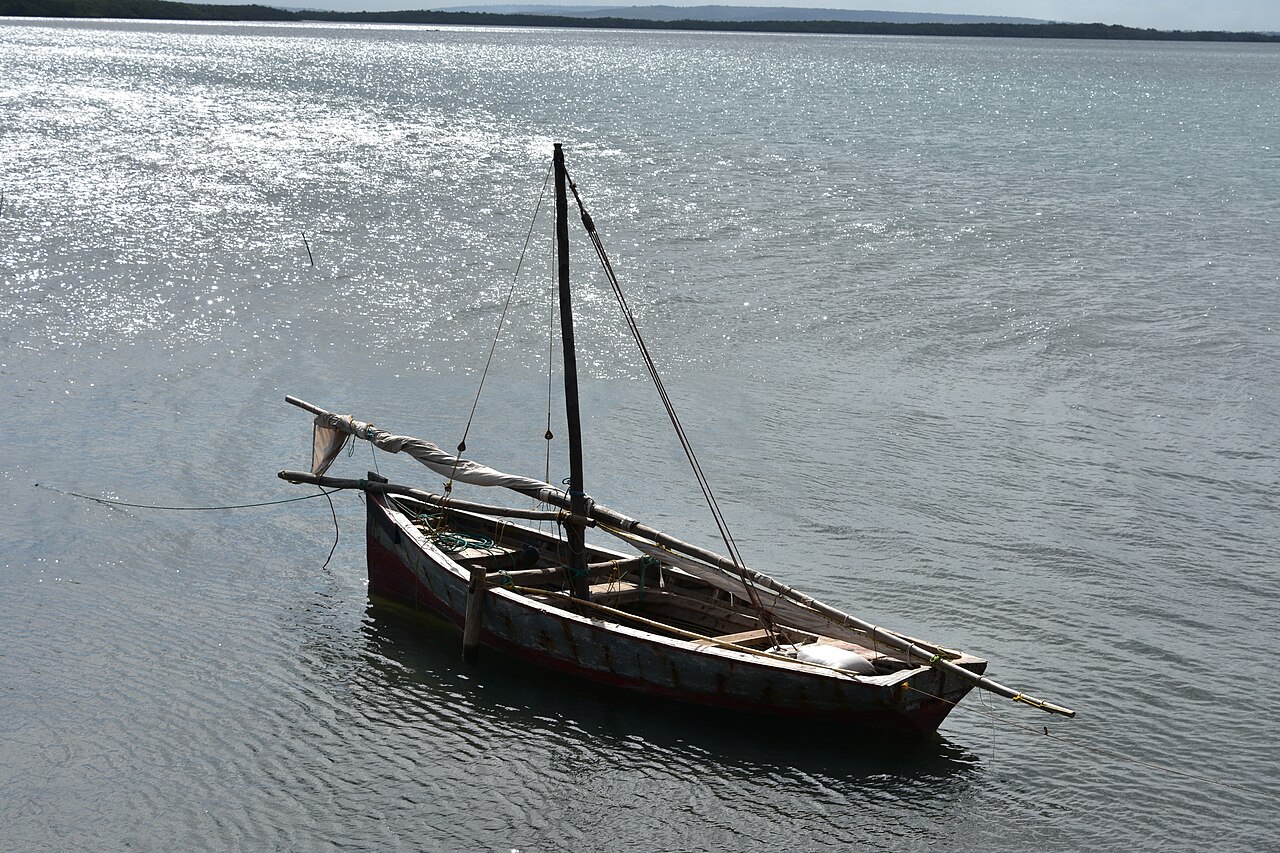
A small, quiet coastal town about 235 km south of Dar es Salaam as the crow flies. Its name means 'Kilwa of the markets', and boats leave from here for the ruins of the medieval city on Kilwa Kisiwani island.
A huge, dormant volcano that rises alone from the plains to 5,895 m at Uhuru Peak, the highest point in Africa and the highest free-standing mountain in the world. Walkers pass through farmland, rainforest, moorland and alpine desert on the way to the icy summit. Its glaciers are shrinking fast. Kilimanjaro National Park is a UNESCO World Heritage Site.
UNESCO World Heritage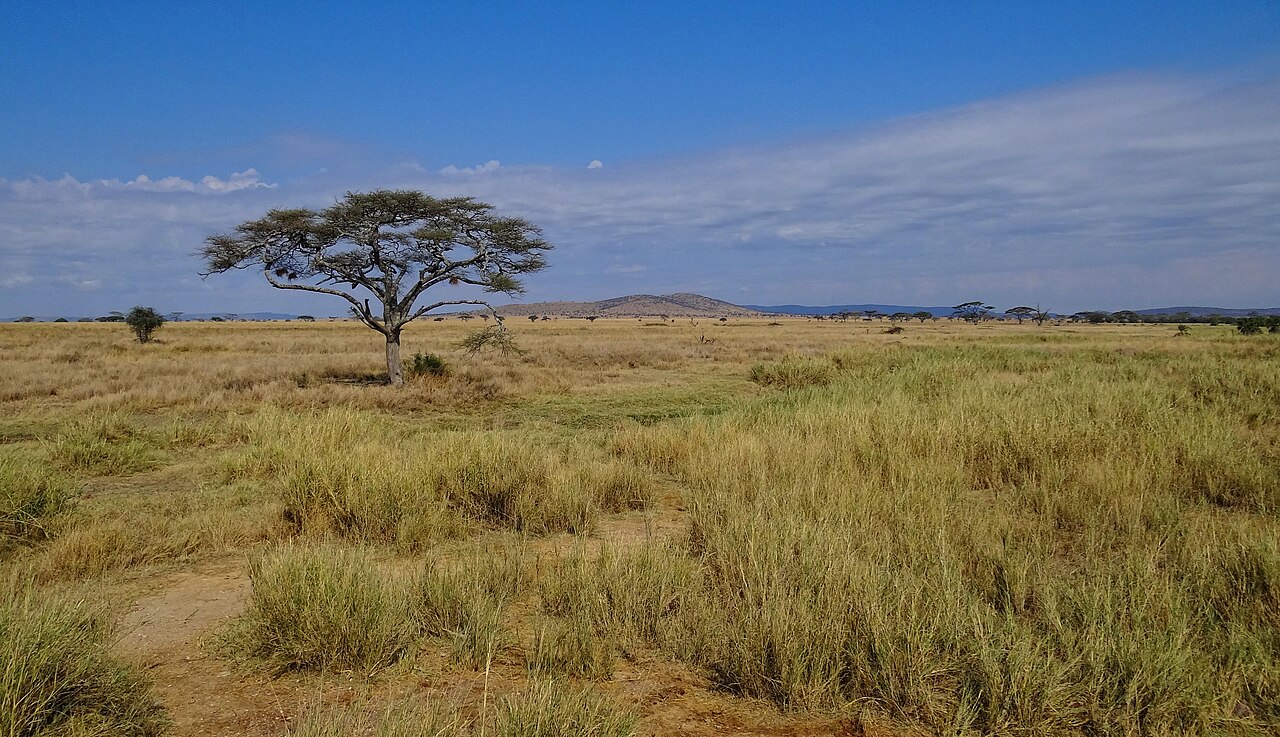
A vast park of open grassland in the north, set up in 1940 and covering about 14,760 km². It is famous for the Great Migration, when more than a million wildebeest, with zebras and gazelles, move in a great circle through the Serengeti and Kenya's Maasai Mara following the rains. Lions, cheetahs and leopards follow the herds. The name is often explained as a Maasai word for 'endless plains'.
UNESCO World Heritage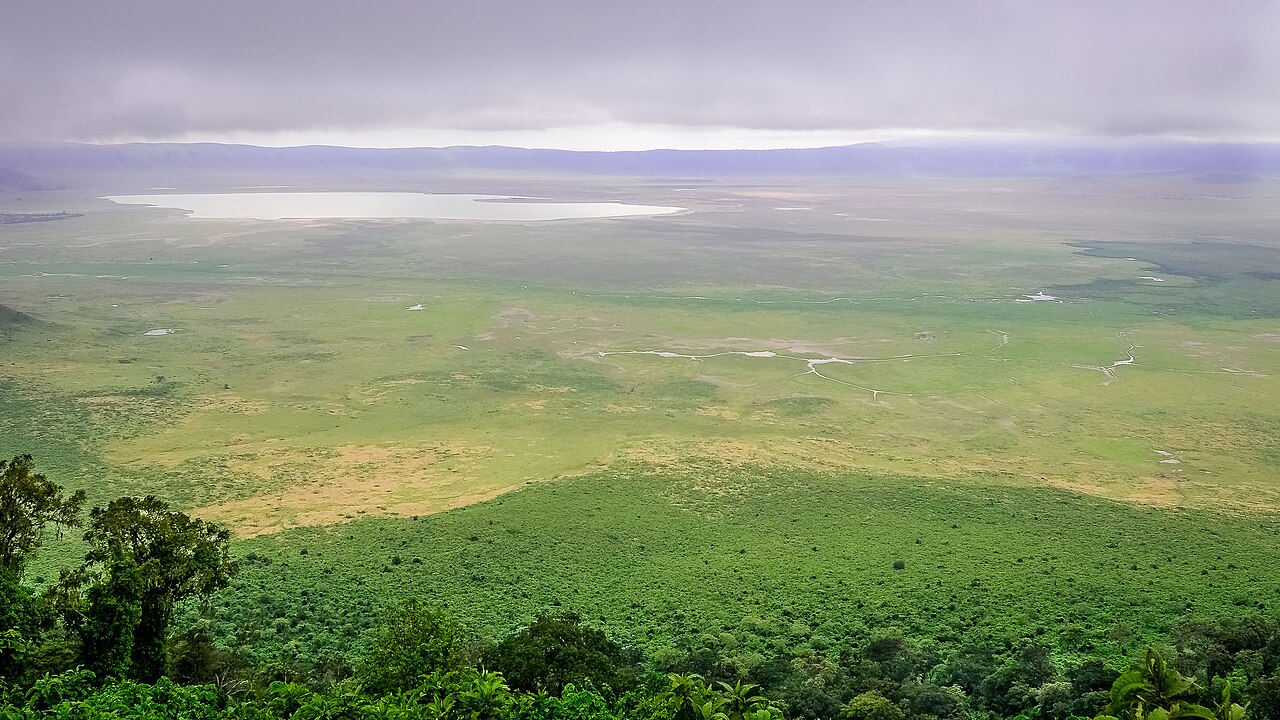
A giant volcanic caldera, a crater left when a volcano collapsed, with steep walls and a flat floor full of wildlife: lions, elephants, buffalo, hippos and black rhinos. It lies in the Ngorongoro Conservation Area, where Maasai herders also live with their cattle. The name is said to come from the sound of a cowbell.
UNESCO World Heritage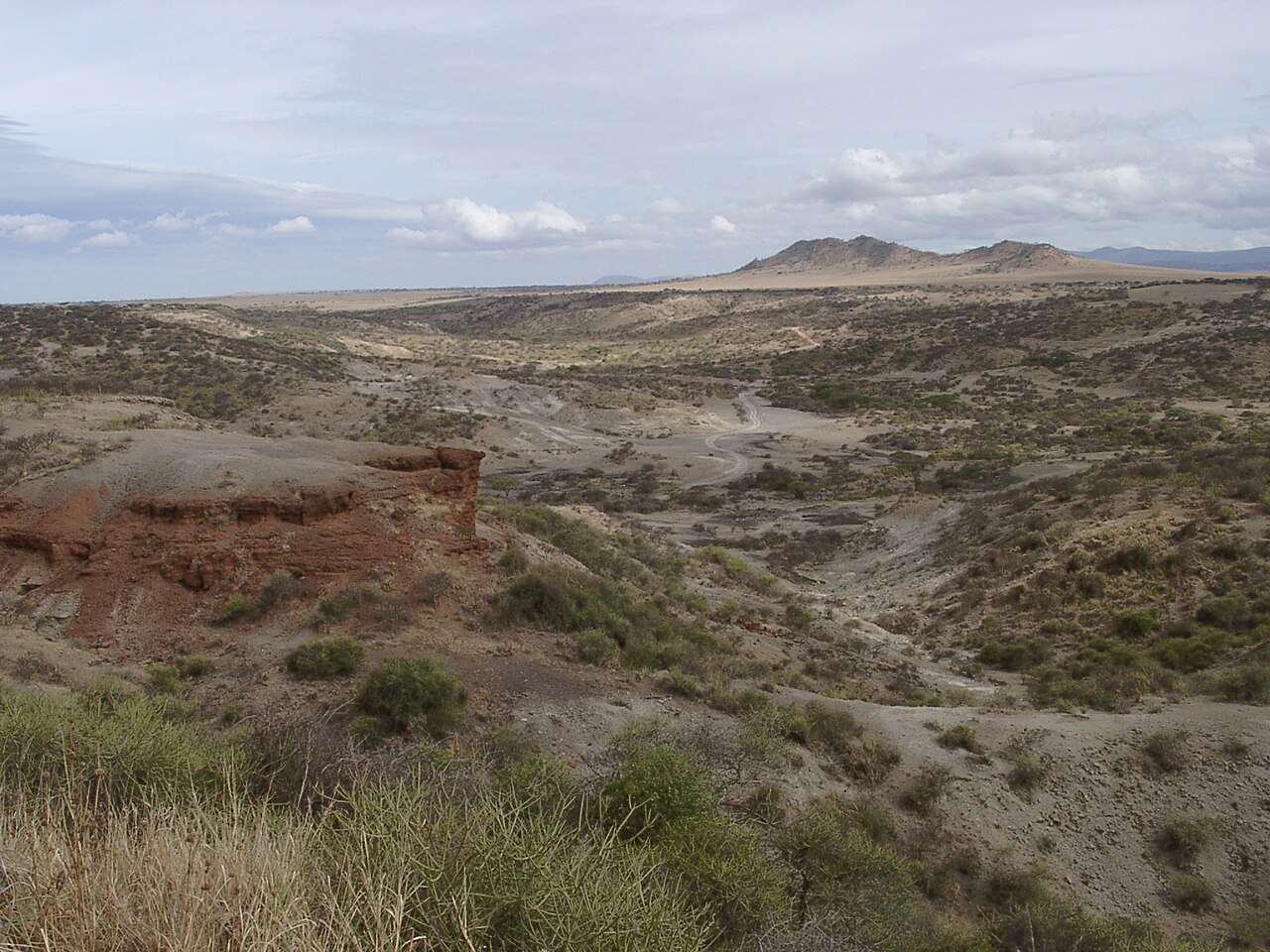
A steep-sided ravine about 48 km long, where Louis and Mary Leakey found stone tools and fossils of early humans and their relatives up to about 1.9 million years old. It lies within the Ngorongoro Conservation Area World Heritage Site and has a museum on its rim. The name comes from the Maasai word for the wild sisal that grows there.
UNESCO World Heritage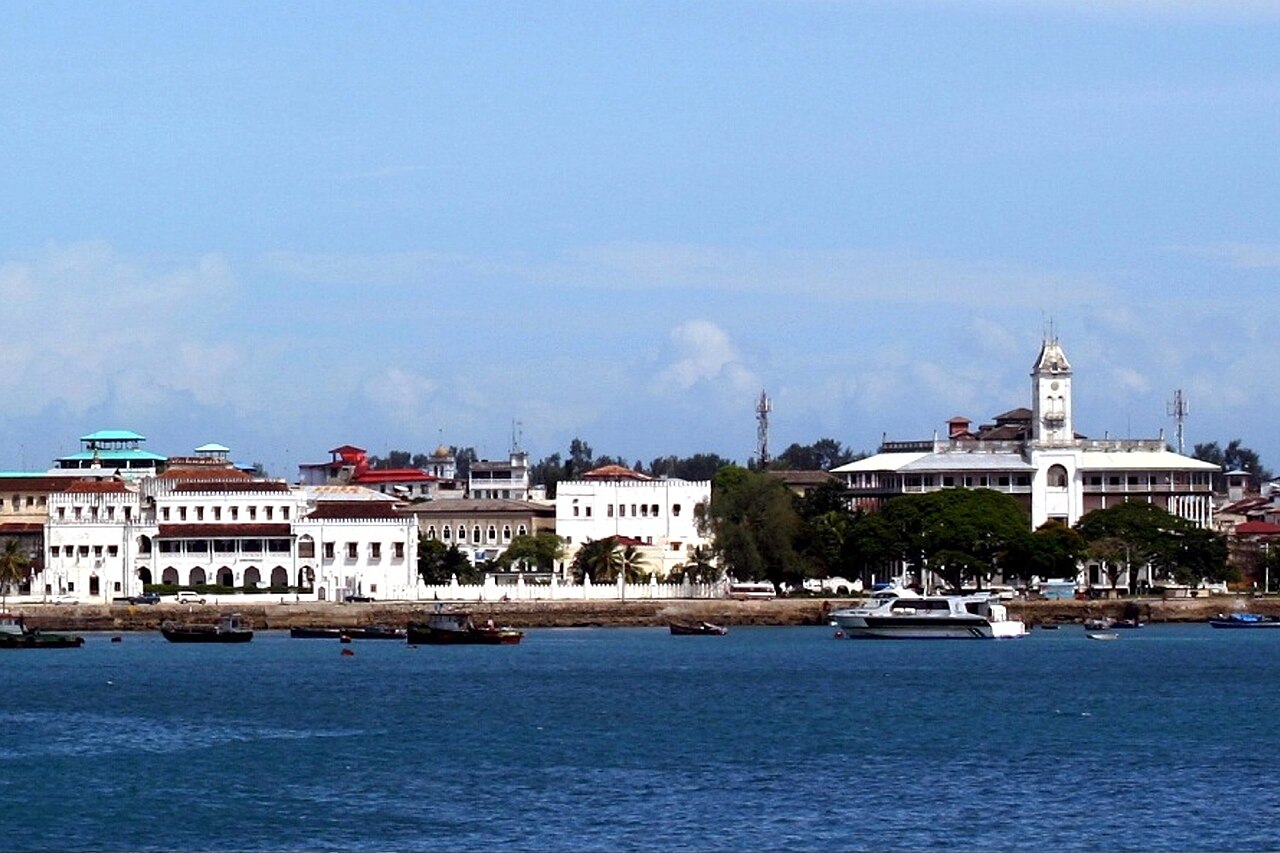
The old heart of Zanzibar City, a maze of narrow lanes lined with coral-stone houses, mosques, bazaars and famous carved wooden doors. Its buildings mix African, Arab, Persian, Indian and European styles. It was once the capital of the sultans and the centre of the spice and slave trades, and became a UNESCO World Heritage Site in 2000.
UNESCO World Heritage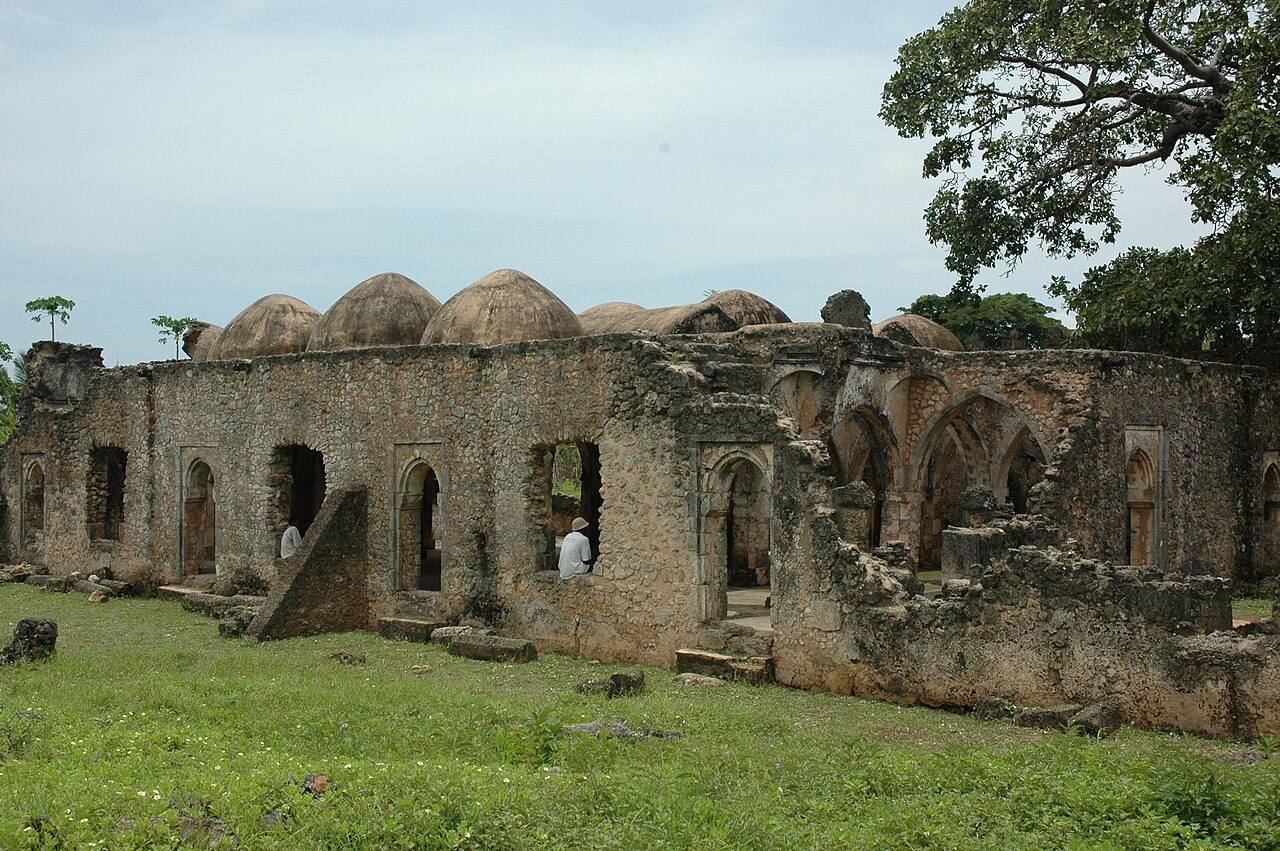
The stone ruins of a medieval Swahili city on a small island off the south coast, with a Great Mosque, a huge palace and a Portuguese fort. From the 1200s to the 1400s Kilwa controlled much of the coast and minted its own coins. Together with nearby Songo Mnara it has been a UNESCO World Heritage Site since 1981.
UNESCO World Heritage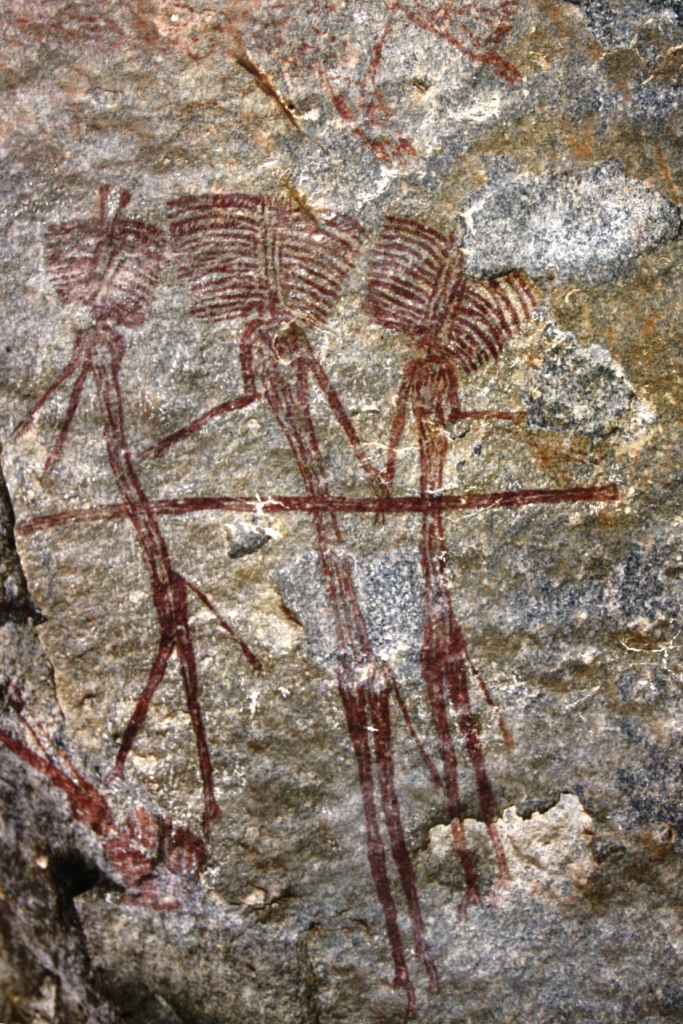
Rock shelters among granite boulders in central Tanzania, painted over many centuries with elongated people, animals and hunting scenes. Some are still used today by the Sandawe and Maasai peoples for ceremonies. They became a UNESCO World Heritage Site in 2006. The pin is at the sites, about 20 km north of the town of Kondoa.
UNESCO World Heritage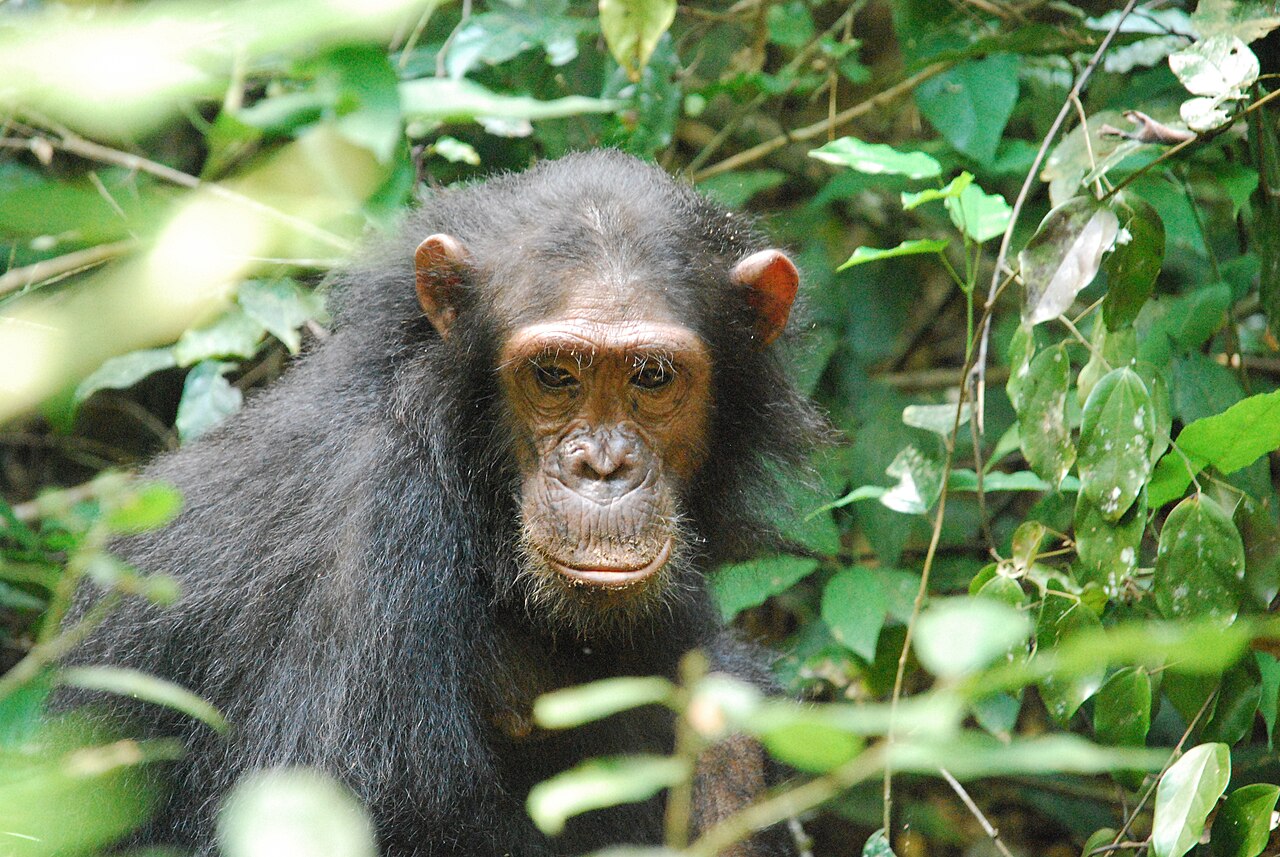
One of Tanzania's smallest national parks, a strip of steep forested valleys on the shore of Lake Tanganyika that can only be reached by boat. It is where Jane Goodall began studying wild chimpanzees in 1960, research that changed what we know about our closest animal relatives.
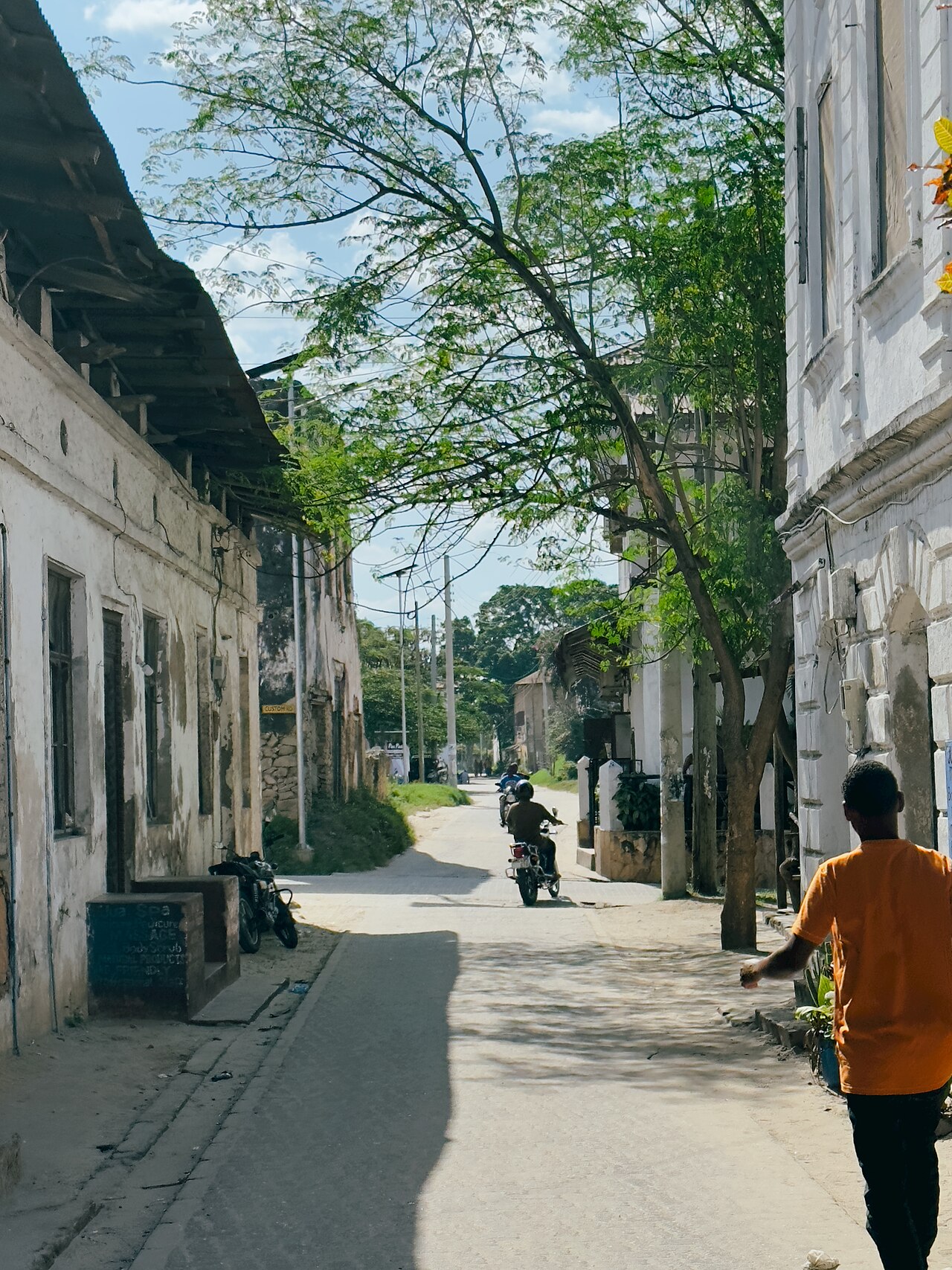
The old centre of Bagamoyo, a National Historic Site of Tanzania, with old Arab houses and buildings from the German colonial period. In the 1800s caravans of porters carrying ivory from the interior ended their long walk here, and the town's name is often translated as 'take a load off your heart'. The ruins of Kaole, a Swahili town with tombs from the 1200s, lie just to the south.
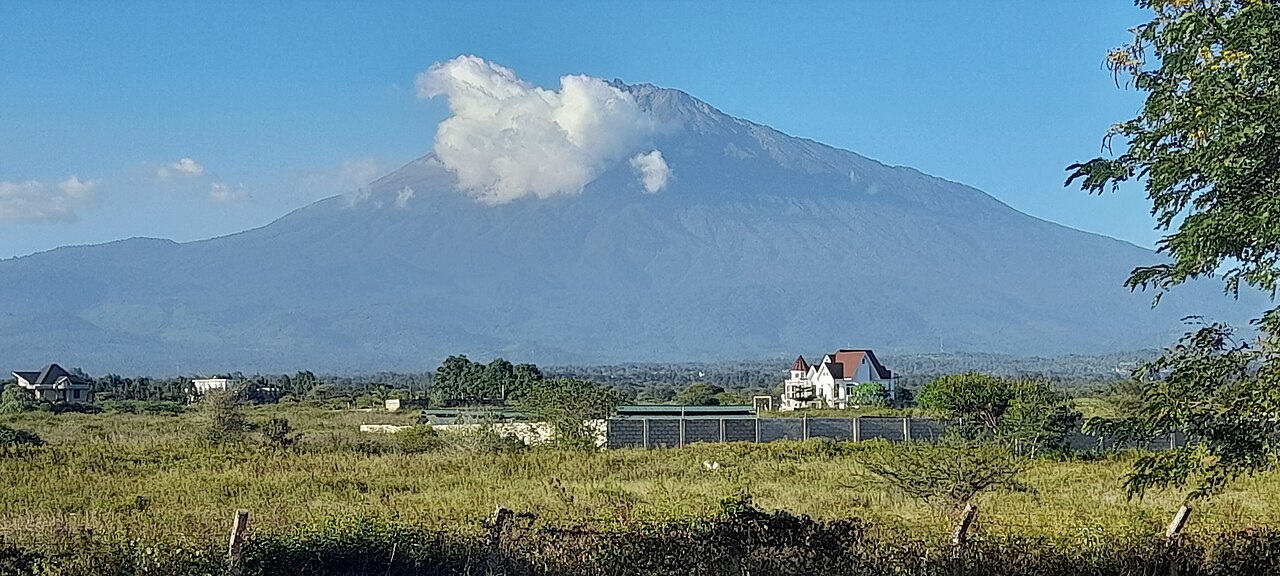
A dormant volcano just north of Arusha and, at 4,562 m, the second highest mountain in Tanzania. It stands in Arusha National Park, where climbers walk with armed rangers past giraffes and buffalo, and on a clear day they can see Kilimanjaro, about 70 km to the east as the crow flies.
The name Tanzania was made in 1964 by joining the first letters of Tanganyika and Zanzibar, the two countries that united to form it.
Lake Tanganyika is the second deepest lake in the world, after Lake Baikal in Siberia, and the deepest in Africa.
Lake Victoria, which Tanzania shares with Kenya and Uganda, is the largest lake in Africa and the largest tropical lake in the world.
Tanzanite, a blue-violet gemstone, is found only in Tanzania, in a small mining area near the Mererani Hills. The jeweller Tiffany & Co. named it after the country and began selling it in 1968.
The Anglo-Zanzibar War of 27 August 1896 lasted only 38 to 45 minutes, which makes it the shortest war on record.
In traditional Swahili timekeeping the day starts at sunrise, around 6 in the morning. So 'saa moja', the first hour, means 7 in the morning.
Julius Nyerere, who led the country to independence, had trained and worked as a schoolteacher. Tanzanians still call him Mwalimu, Swahili for 'teacher'.
In 1976 Mary Leakey's team found footprints at Laetoli, near Olduvai, left in volcanic ash by early humans walking upright about 3.7 million years ago.
Freddie Mercury, the singer of the rock band Queen, was born in Zanzibar in 1946 and grew up partly there before his family moved to England in 1964.
Tanzania's national anthem, Mungu ibariki Afrika ('God bless Africa'), is sung to the same tune as the South African hymn Nkosi Sikelel' iAfrika.
As of September 2026 Tanzania has seven UNESCO World Heritage Sites, including Kilimanjaro, the Serengeti, the Ngorongoro Conservation Area and the Stone Town of Zanzibar.
The summit of Kilimanjaro was once named after the German emperor. After independence it was renamed Uhuru Peak, from the Swahili word for freedom.
In Swahili the stress almost always falls on the second-to-last syllable, and every letter is pronounced. Pronunciation is written the way it sounds; the capital letters show where the stress goes. Audio is coming soon.
Tanzania has banned plastic carrier bags. As of September 2026, if you arrive by air you will be asked to hand over any plastic bags, so pack a cloth bag instead.
As of September 2026 British and many other visitors can apply online for an e-visa before travel, or get a single-entry visa on arrival at the main ports of entry. Everyone visiting Zanzibar, apart from residents, must also have the island's own inbound travel insurance; other policies are not accepted instead.
Tanzanians value a proper greeting. Say 'Habari?' or 'Mambo?' and ask how someone is before you ask for directions or a price. Greet older people with 'Shikamoo'; they will answer 'Marahaba'.
Most people in Zanzibar are Muslim. Away from the beach resorts, and especially in Stone Town, cover your shoulders and knees; people can be fined for revealing clothes in public. During Ramadan, avoid eating or drinking in public outside hotels and restaurants.
In the national parks, stay inside your vehicle except at marked picnic sites and camps, never feed the animals, and keep a good distance. In camps, let a guard walk you to your tent after dark.
Ask before photographing people, especially Maasai herders and villagers. Do not photograph soldiers, police, government buildings or airports, and as of September 2026 it is illegal to take or share photos and videos of protests.
Altitude sickness is the main danger on Kilimanjaro, even for fit walkers. Choose a route with enough days to get used to the height, walk 'pole pole', slowly, drink plenty of water and turn back if you feel very unwell.
Carry some Tanzanian shillings in small notes for markets, tips and small shops, as cards are not taken everywhere. Mobile money on local SIM cards is widely used. In an emergency, dial 112.