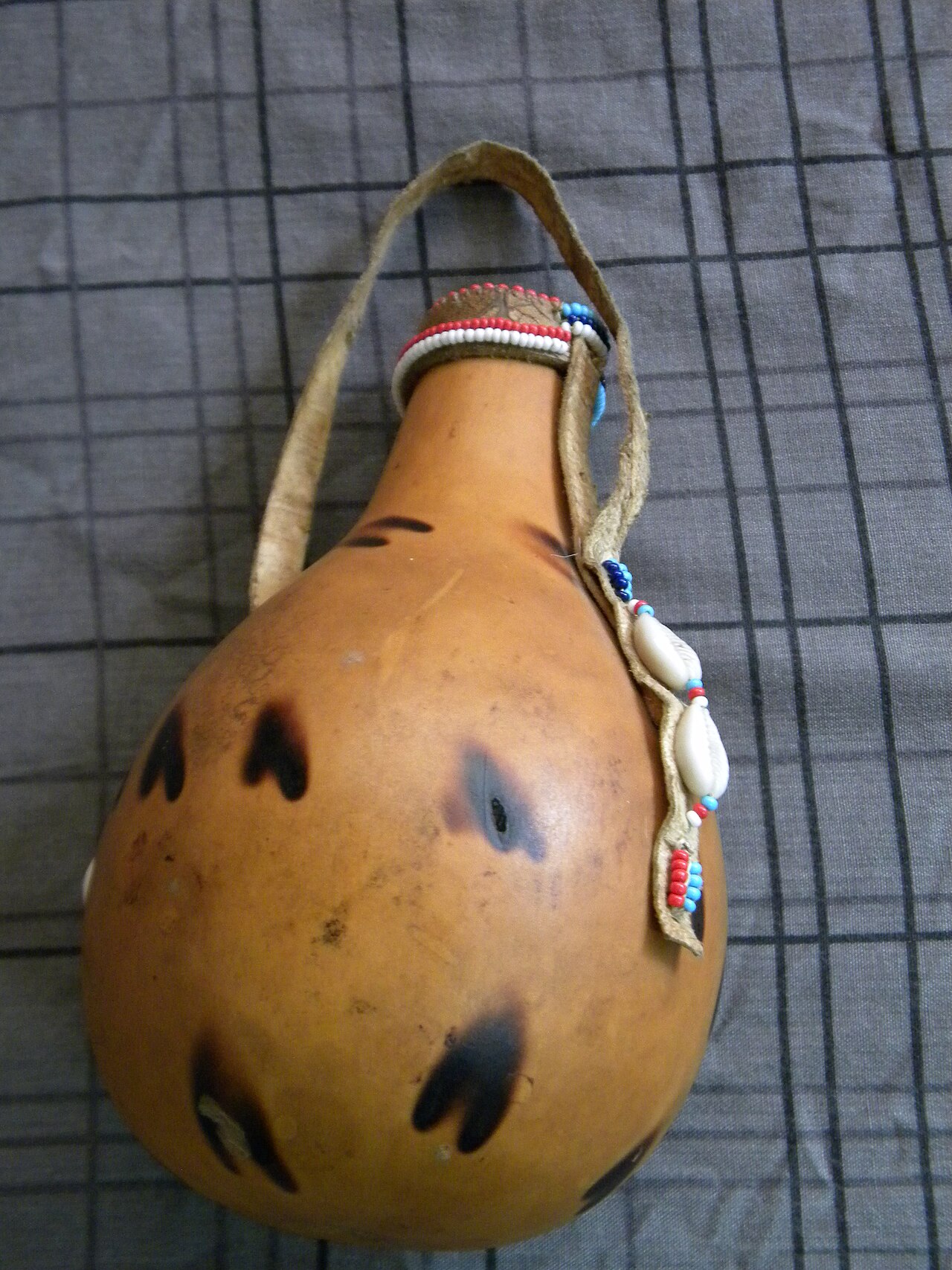
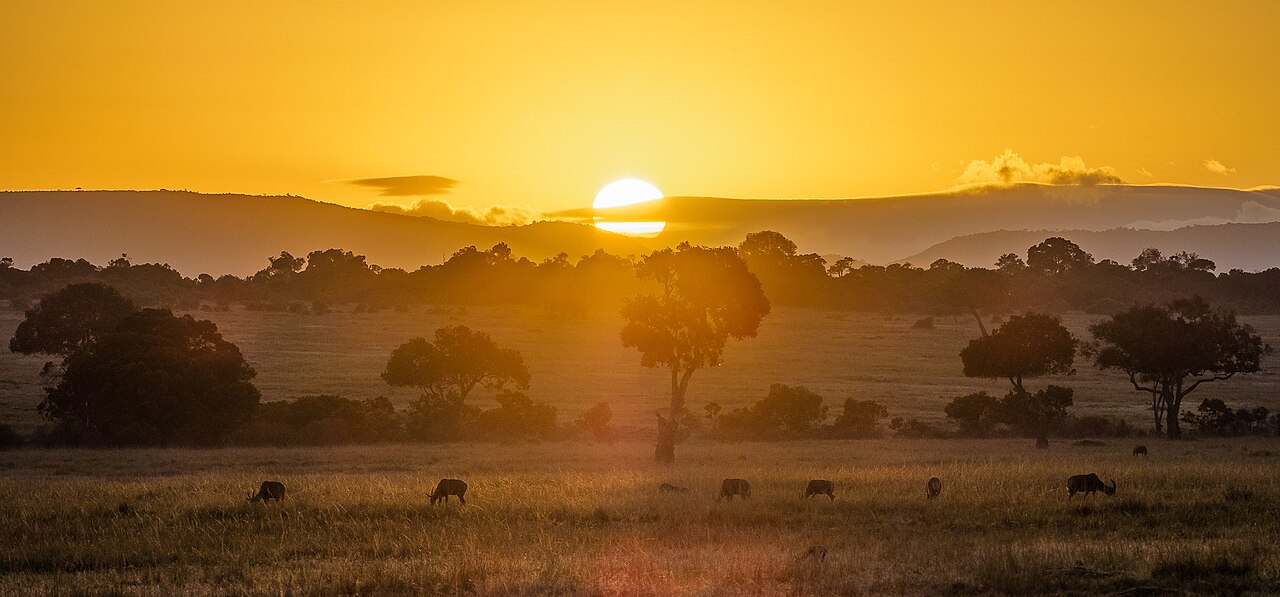
Lions on the savanna, snow on the equator, an old Swahili coast on the Indian Ocean and a hot cup of chai, in the land that gave the world the word safari.
Your trip to Kenya
Ready for the trip?
10 questionsAbout 3 minutesNo timer
Explore Kenya
You have explored 0 of 9 parts. Scroll on to discover the rest.
A free large-print PDF. Choose what goes in: facts, map, history, dishes and recipes, phrases, fun facts, a quiz with or without answers. Made for clubs, care homes, libraries and family afternoons.
Kenya lies in East Africa, right across the equator, with a warm coastline on the Indian Ocean. From the coast, dry plains rise to cool, green highlands, cut in two by the Great Rift Valley with its chain of lakes. Mount Kenya, the second highest mountain in Africa, still carries small glaciers, and the country is named after it.
People have lived here for a very long time: some of the oldest fossils of early humans were found around Lake Turkana. For centuries Swahili towns such as Mombasa, Malindi and Lamu traded across the Indian Ocean. Britain ruled the country from the 1890s, and after years of struggle, including the Mau Mau uprising, Kenya became independent on 12 December 1963.
Today Kenya is a republic of more than 50 million people from dozens of communities, among them the Kikuyu, Luhya, Kalenjin, Luo, Kamba and Maasai. Swahili and English are the official languages. Visitors come for the wildlife of the Maasai Mara and other parks, the beaches and old towns of the coast, and the famous Kenyan distance runners who train in the highlands.
CapitalNairobi
PopulationAbout 47.6 million at the 2019 census; estimated at more than 50 million today
Official languageSwahili (Kiswahili) and English. Most people also speak the language of their own community
CurrencyKenyan shilling (KES)
AreaAbout 580,367 km²
GovernmentPresidential republic, under the constitution of 2010
Highest mountainMount Kenya (Batian peak), 5,199 m
Longest riverThe Tana, about 1,000 km
NeighboursEthiopia, Somalia, South Sudan, Tanzania and Uganda. Kenya also shares Lake Victoria with Uganda and Tanzania, and faces the Indian Ocean to the southeast
Early humans lived around Lake Turkana more than a million years ago. Much later, Cushitic, Nilotic and Bantu-speaking peoples settled the land, and Swahili trading towns grew up along the coast. The Portuguese came in 1498, followed by the Omani Arabs, and in the 1890s Britain took control and built a railway from the coast to Lake Victoria. After the Mau Mau uprising of the 1950s, Kenya won its independence in 1963.
1498
Vasco da Gama reaches Malindi
In April 1498 the Portuguese explorer Vasco da Gama was turned away at Mombasa but welcomed at Malindi, a rival Swahili town. There he hired a pilot who guided his ships across the Indian Ocean to India, opening the first sea route from Europe to India.
1593
The Portuguese begin Fort Jesus
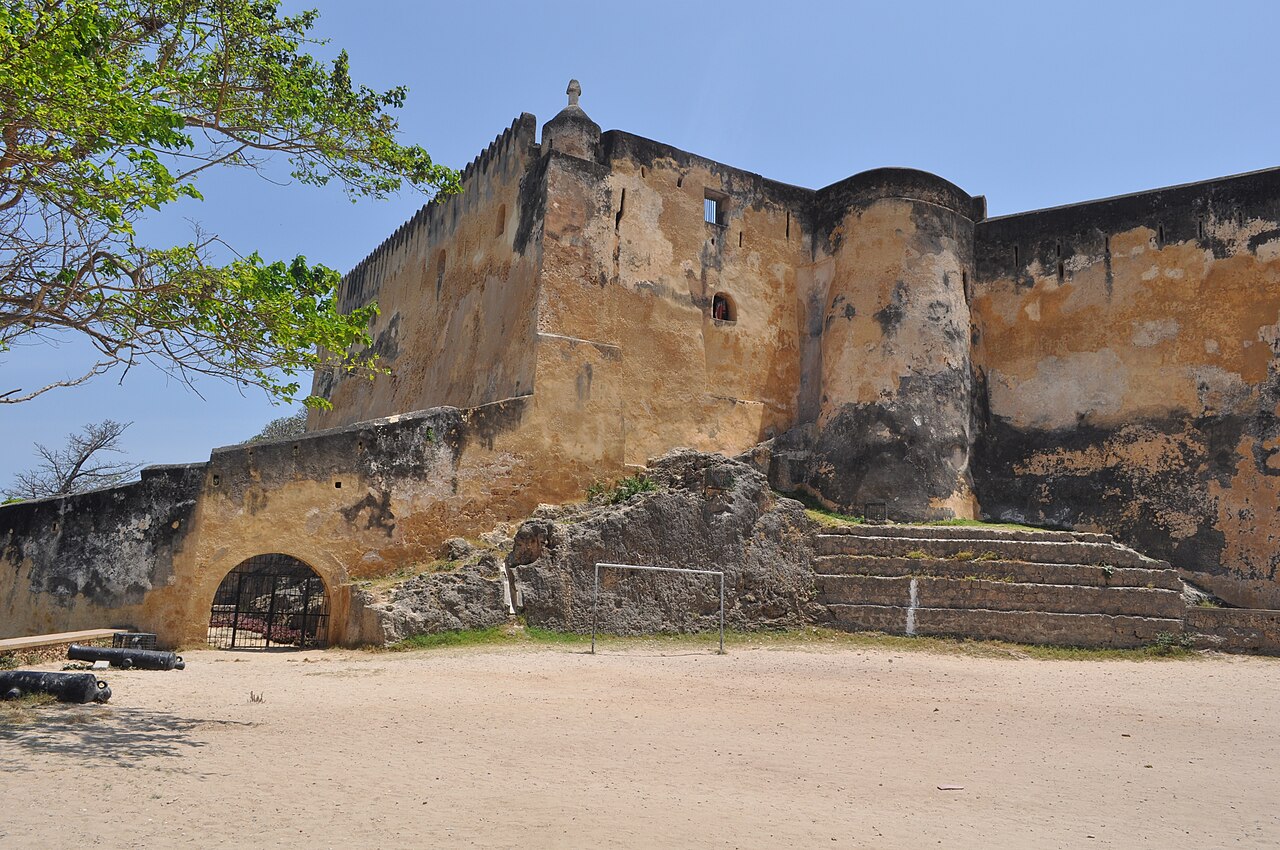
To guard the harbour of Mombasa, the Portuguese built Fort Jesus between 1593 and 1596, designed by the Italian architect Giovanni Battista Cairati. Local Swahili builders and materials were used, and the fort changed hands many times over the next three centuries.
1698
Omani Arabs take Fort Jesus
After a siege that lasted from 1696 to 1698, almost three years, Omani Arab forces captured Fort Jesus in December 1698. This ended most Portuguese power on the coast, and Oman, and later the Sultan of Zanzibar, became the main power along the Kenyan coast.
1849
Krapf sees Mount Kenya
On 3 December 1849 the German missionary Johann Ludwig Krapf became the first European to report seeing Mount Kenya, from Kitui. He wrote the mountain's name down as Kenia, and it later became the name of the whole country.
1895
Britain declares a protectorate
After the Imperial British East Africa Company ran into money troubles, the British government took over and declared the East Africa Protectorate in 1895. Its capital was Mombasa.
1896
Work begins on the Uganda Railway
Construction of a railway began at Mombasa in 1896 and reached Kisumu on Lake Victoria in 1901. Thousands of workers were brought from British India, and many of their descendants still live in Kenya. Two lions at Tsavo became infamous for attacking the workers.
1899
The railway reaches Nairobi
On 30 May 1899 the railway reached a swampy spot the Maasai called Enkare Nyirobi, the place of cool waters. A railway depot was built there, and the town of Nairobi grew so quickly around it that within a few years it replaced Mombasa as the capital.
1920
Kenya becomes a colony
In 1920 the protectorate became the Colony of Kenya, named after its highest mountain; a narrow coastal strip remained a protectorate on lease from the Sultan of Zanzibar. European settlers took much of the fertile highlands for coffee and tea farms, while many Africans lost their land.
1952
A state of emergency is declared
In October 1952 the colonial government declared a state of emergency against the Mau Mau uprising, a rebellion mainly of Kikuyu, Embu and Meru fighters against colonial rule and the loss of their land. At least 11,000 people died, most of them Mau Mau fighters, and some estimates are much higher. By official figures about 80,000 people were held in detention camps without trial, where many were mistreated, and more than a million were moved into guarded villages.
1963
Kenya becomes independent
On 12 December 1963 Kenya became independent from Britain, with Jomo Kenyatta as prime minister. The day is celebrated every year as Jamhuri Day.
1964
Kenya becomes a republic
Exactly one year after independence, on 12 December 1964, Kenya became a republic and Jomo Kenyatta its first president. He led the country until his death in 1978.
1991
Multiparty politics returns
After years in which only one party was allowed, Kenya changed its constitution in 1991 to allow several political parties again. The first multiparty elections were held the following year.
2004
Wangari Maathai wins the Nobel Peace Prize
Wangari Maathai, who founded the Green Belt Movement to plant trees and support women, became the first African woman to win the Nobel Peace Prize.
2010
A new constitution
In a referendum on 4 August 2010, Kenyans approved a new constitution with about 67 per cent of the vote. It limited the powers of the president, added a bill of rights and created elected county governments.
2013
Britain settles Mau Mau claims
In June 2013 the British government agreed a settlement worth 19.9 million pounds, including legal costs, for 5,228 elderly Kenyans who had been mistreated in detention during the emergency, and paid for a memorial in Nairobi, which was unveiled in 2015.
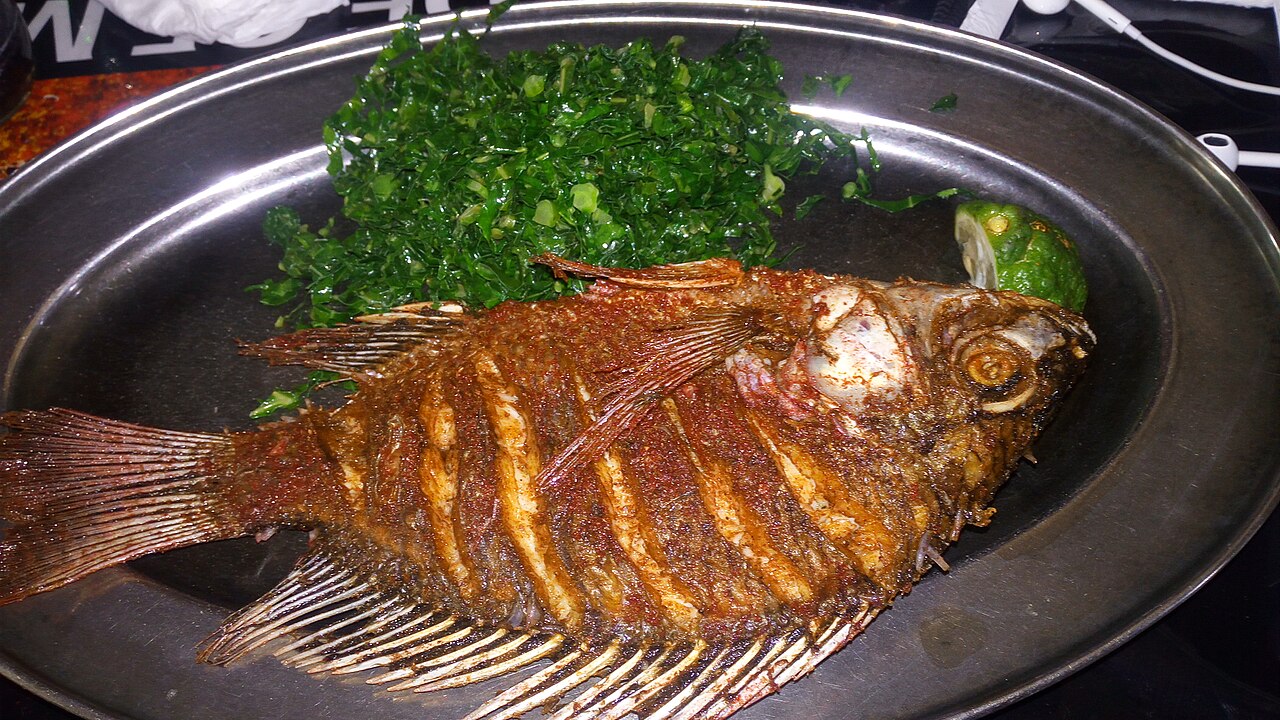
Kenyan home cooking is simple and filling. The day often starts with tea and bread, chapati or mandazi, and many people stop for more tea in the middle of the morning and the afternoon. Lunch and supper are very often ugali, a stiff maize porridge, served with greens, beans, a stew, fish or grilled meat. Each region has its own favourites: fish around Lake Victoria, sour milk in the Rift Valley, and spiced rice and coconut on the Swahili coast, where Arab and Indian influences are strongest.
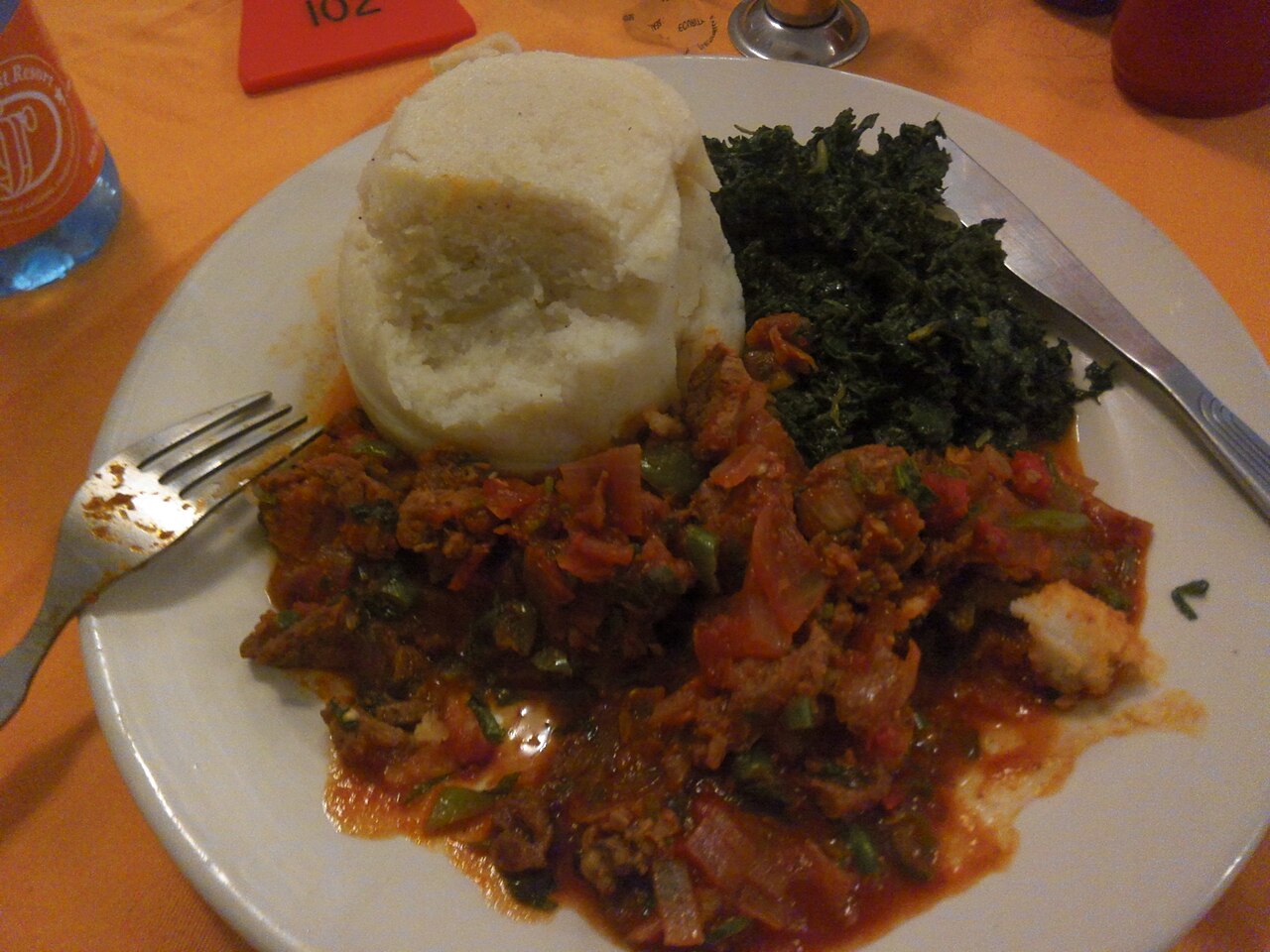
Maize flour cooked in boiling water until it becomes a firm, smooth dough. It is served in a round mound, and pieces are pulled off with the right hand, rolled into a ball and used to scoop up stew or greens.
The same dish is called nsima in Malawi, sadza in Zimbabwe and pap in South Africa. Maize itself was brought to Africa from the Americas by the Portuguese.
See the recipe
Serves 4
20 min
Ingredients
1 litre water
About 300 g white maize flour (maize meal)
A pinch of salt (optional)
Method
Bring the water to the boil in a heavy pan and add the salt if you like.
Add a third of the flour and stir well with a wooden spoon until smooth, then let it bubble for a minute.
Add the rest of the flour a little at a time, pressing and stirring firmly against the side of the pan, until the mixture is thick, pulls away from the sides and no dry flour remains. Take care: it can spit.
Turn the heat down, cover and leave for 3 to 5 minutes, then turn it once more.
Tip it out onto a plate and shape it into a round mound with a wet spoon. Serve hot with sukuma wiki, a stew or grilled meat.
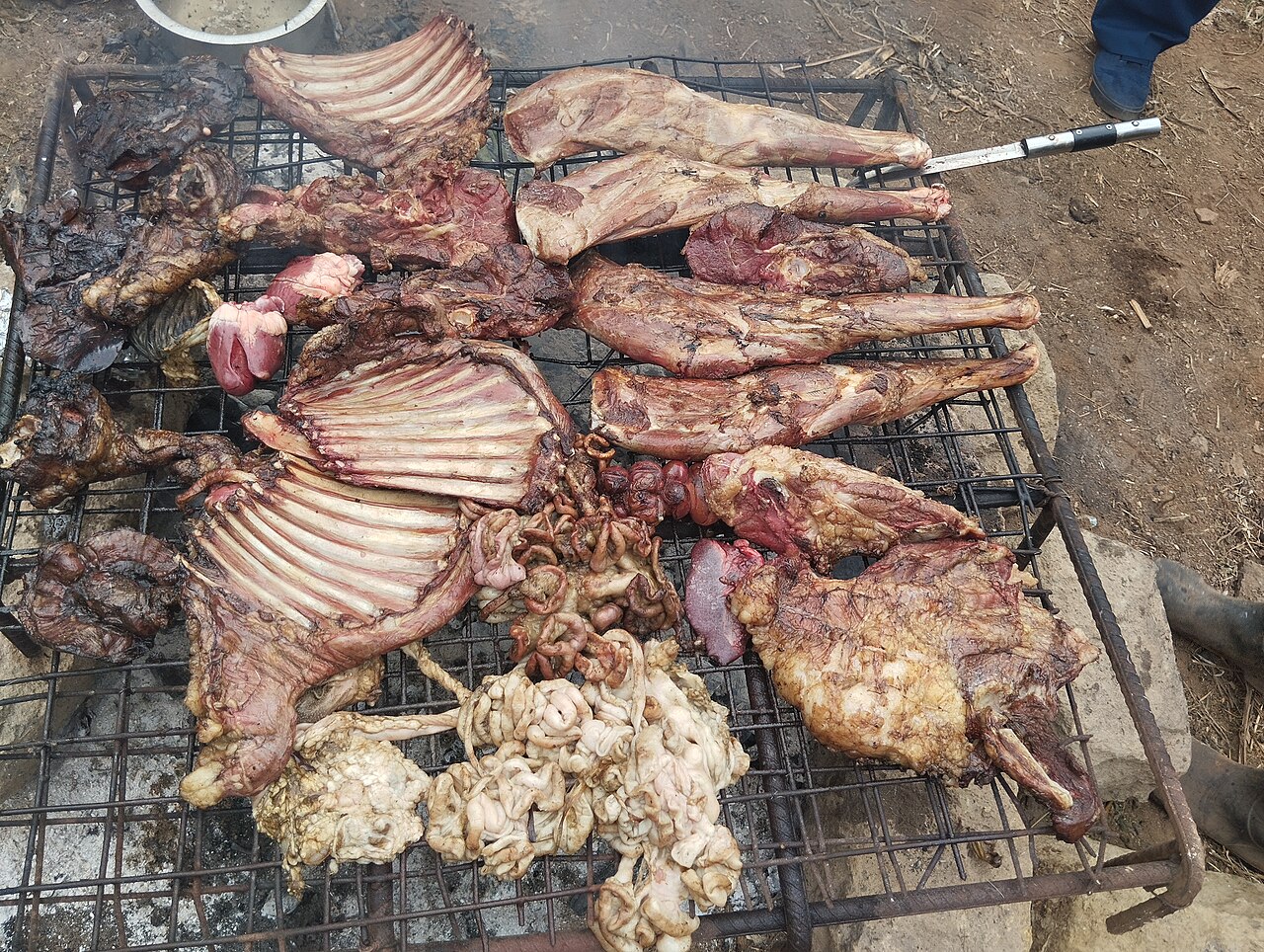
Goat meat or beef slow-grilled over charcoal or wood, cut into bite-sized pieces and eaten with the hands, usually with ugali and a fresh kachumbari salad. Grilling it is a social event, and many people consider it the national dish.
Nyama choma means 'grilled meat' in Swahili. In Kenya goat is the favourite meat for it.
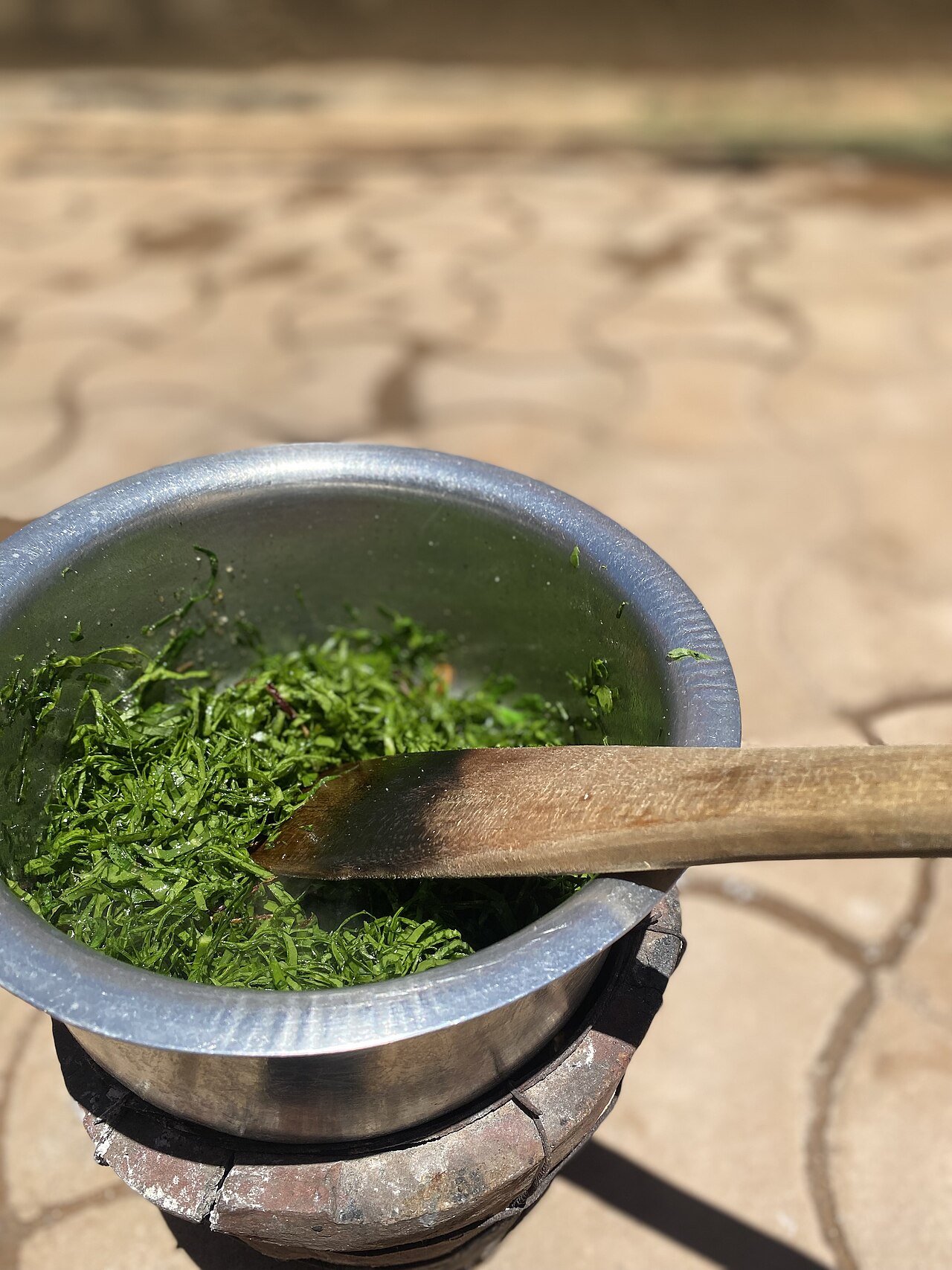
Collard greens, or kale, chopped finely and fried with onions and tomatoes. It is cheap, grows all year round and is eaten with ugali in homes across the country.
The name means 'push the week' or 'stretch the week' in Swahili, because the greens help a family's money last until the end of the week.
See the recipe
Serves 4
25 min
Ingredients
500 g collard greens or kale, stalks removed, leaves finely shredded
2 tablespoons vegetable oil
1 onion, chopped
2 tomatoes, chopped
1 clove garlic, crushed (optional)
Salt and black pepper
Method
Wash the greens well, roll the leaves up and cut them into very thin strips.
Heat the oil in a wide pan and fry the onion for 5 minutes until soft.
Add the garlic and tomatoes and cook for 5 minutes until the tomatoes break down.
Add the greens and a pinch of salt, stir well, cover and cook for 5 to 8 minutes, stirring now and then, until tender but still green.
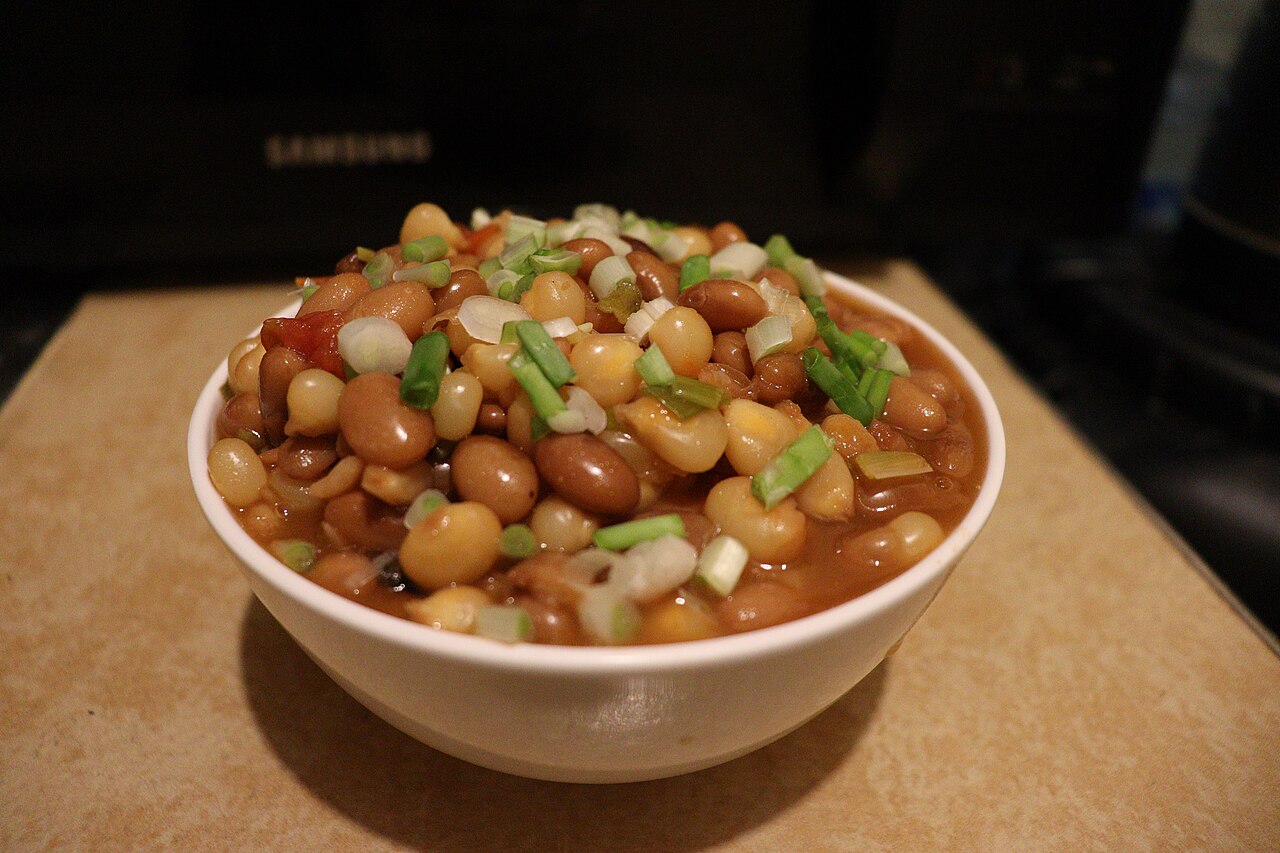
Central Kenya, the Kikuyu, Meru, Embu and Kamba peoples
Maize kernels and beans boiled together until soft, often fried afterwards with onions, tomatoes and sometimes potatoes, greens or a little meat.
Githeri has long been a standard school meal in Kenya.
See the recipe
Serves 4
40 min
Ingredients
2 x 400 g tins red kidney beans, drained (or 200 g dried beans, soaked overnight, drained, then boiled hard in fresh water for at least 10 minutes and simmered until soft; never cook dried kidney beans in a slow cooker)
400 g sweetcorn kernels, frozen or tinned and drained (traditionally dried maize, soaked and boiled for hours)
2 tablespoons vegetable oil
1 onion, chopped
2 tomatoes, chopped
2 potatoes, peeled and cubed (optional)
1 teaspoon curry powder or ground cumin (optional)
A handful of fresh coriander, and salt
Method
Heat the oil in a large pan and fry the onion for 5 minutes until soft.
Add the tomatoes and the spice and cook for 5 minutes until soft.
Add the potatoes and 250 ml water, cover and simmer for 10 minutes.
Add the beans and the maize, stir and simmer for 10 minutes more, until the potatoes are cooked and most of the water has gone.
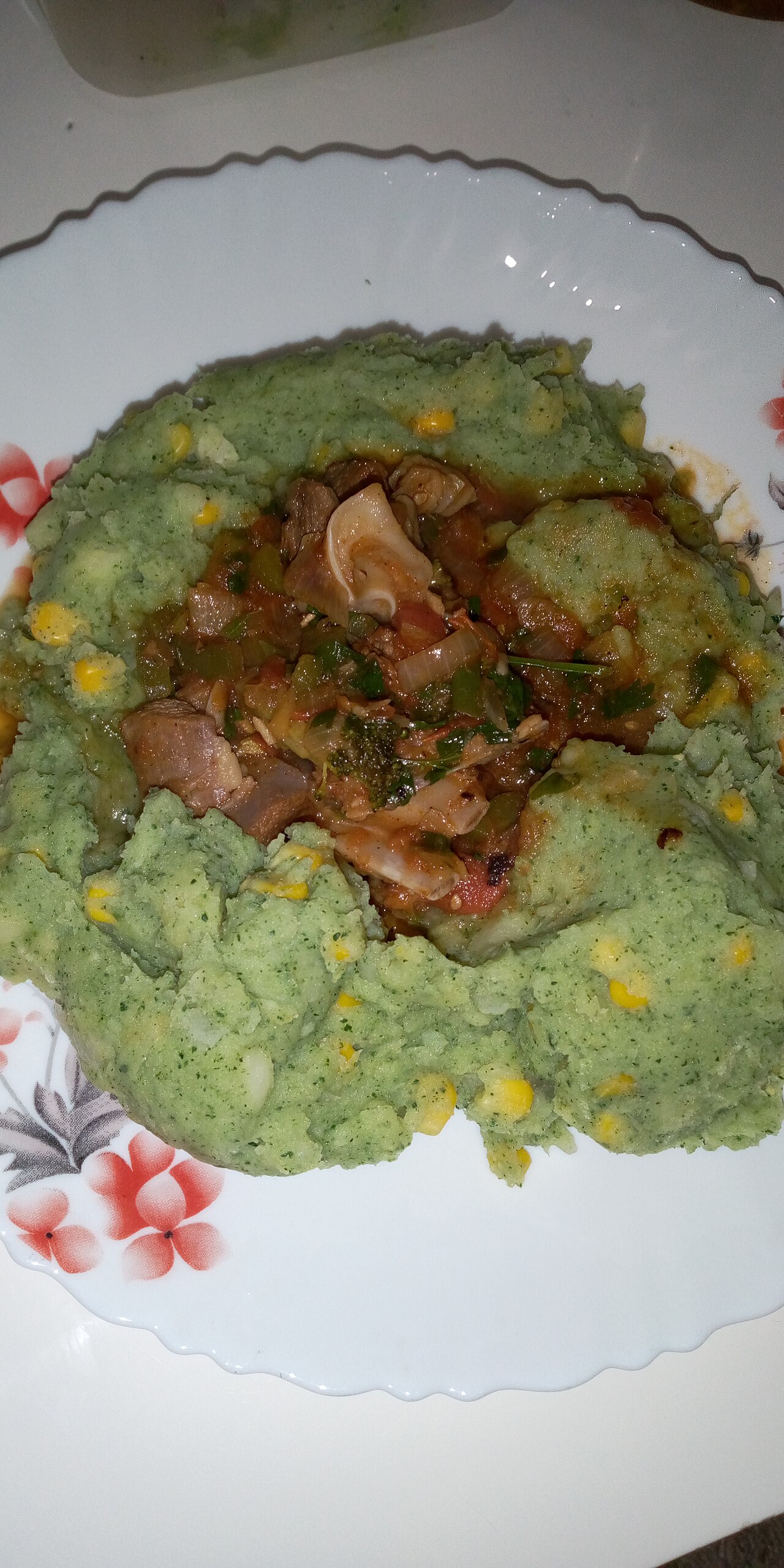
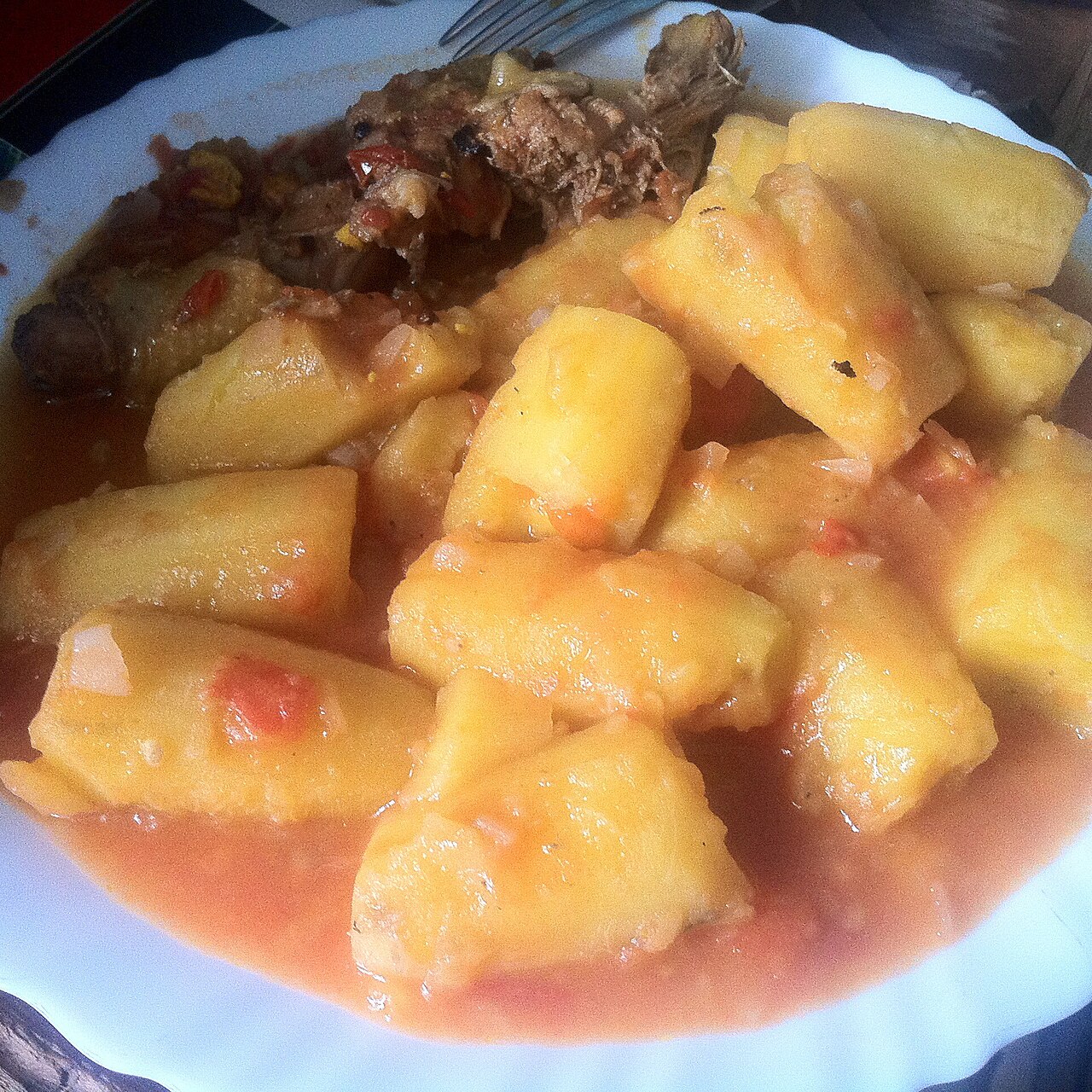
Potatoes mashed with green vegetables such as pumpkin leaves, peas or spinach, and often maize and beans, giving it a bright green colour. It is served with stew or nyama choma.
Brought from the Indian subcontinent; now eaten all over Kenya
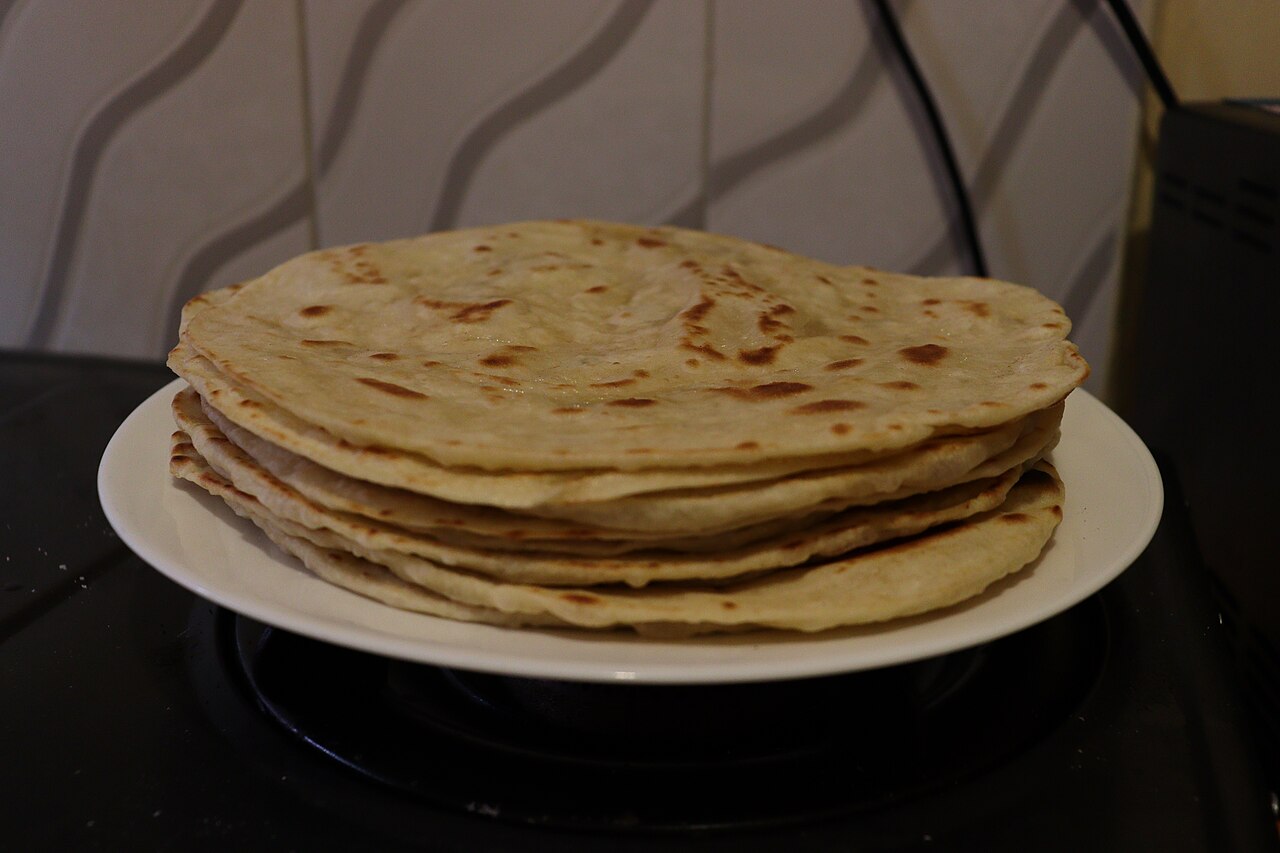
A soft, layered flatbread made from wheat flour and fried in a little oil on a flat pan. In Kenya it is richer and flakier than the Indian original, and it is a favourite for breakfast, with tea, or at celebrations.
Chapati came to East Africa through trade and with Indian workers who came to build the railway in the 1890s.
See the recipe
Serves 6
1 h
Ingredients
500 g plain flour, plus extra for rolling
1 teaspoon salt
1 teaspoon sugar (optional)
About 300 ml warm water
4 tablespoons vegetable oil, plus a little for cooking
Method
Mix the flour, salt and sugar in a bowl. Add 2 tablespoons of the oil and enough warm water to make a soft dough, and knead for about 10 minutes until smooth. Cover and rest for 20 minutes.
Divide the dough into 10 balls. Roll each one into a thin circle, brush with oil, roll it up like a rope and coil it into a snail shape. Leave for 10 minutes.
Roll each coil out again into a circle about 20 cm across.
Cook on a hot, dry frying pan for about a minute, turn it over, brush with a little oil, turn again and press gently until both sides have golden brown spots.
Keep the cooked chapatis wrapped in a clean cloth so they stay soft, and serve warm.
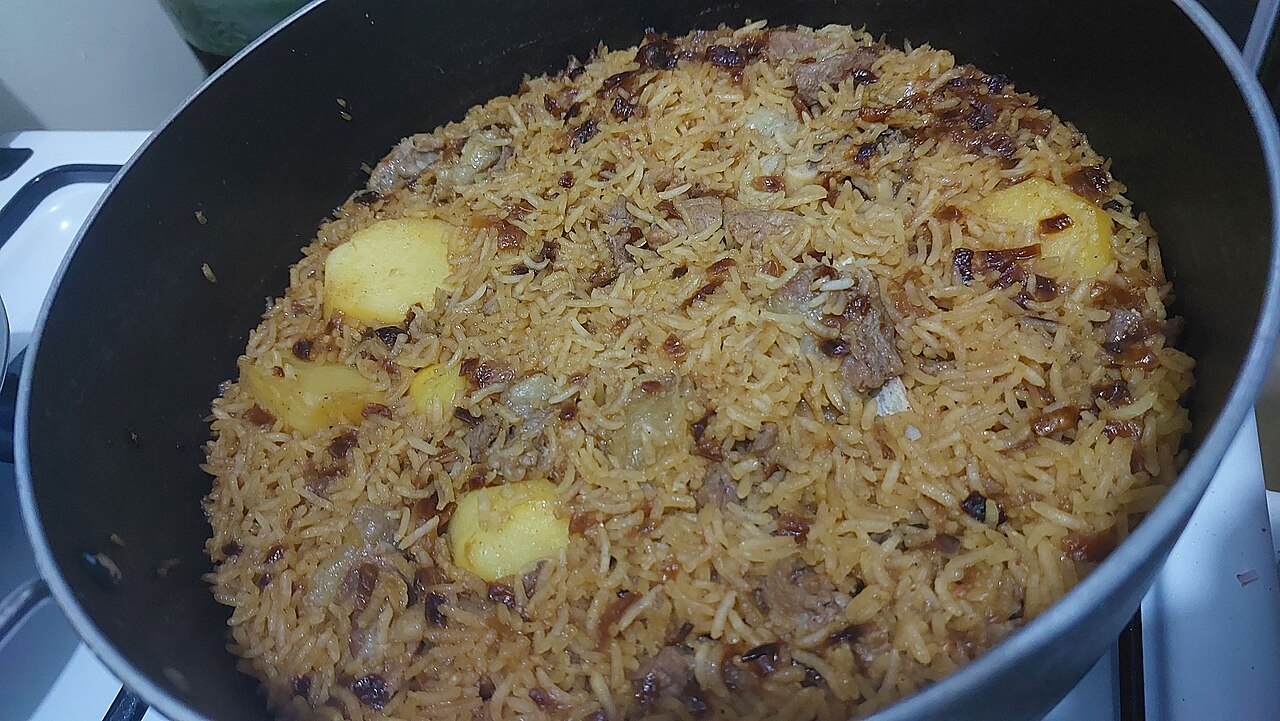
Rice cooked in a meat broth with a spice mix of cumin, cardamom, cinnamon, cloves and black pepper, which turns it a warm brown colour. It is made with beef, chicken or fish, or without meat, and served at weddings and festivals with kachumbari.
400 g basmati rice, rinsed and soaked for 20 minutes
About 750 ml hot water or stock, and salt
Method
Simmer the meat in water with a little salt until tender (about 45 to 60 minutes for beef, 20 for chicken). Keep the broth.
In a large pot, fry the onions in the oil for about 10 minutes until deep brown, then add the garlic, ginger and whole spices and fry for 1 minute.
Add the meat and potatoes and stir for 3 minutes.
Drain the rice, add it to the pot and stir gently so it is coated. Pour in 750 ml of the broth (top up with water), add salt and bring to the boil.
Cover tightly and cook on the lowest heat for about 20 minutes, until the rice has absorbed the liquid and the meat and potatoes are cooked through. Leave for 5 minutes, fluff up and serve with kachumbari.
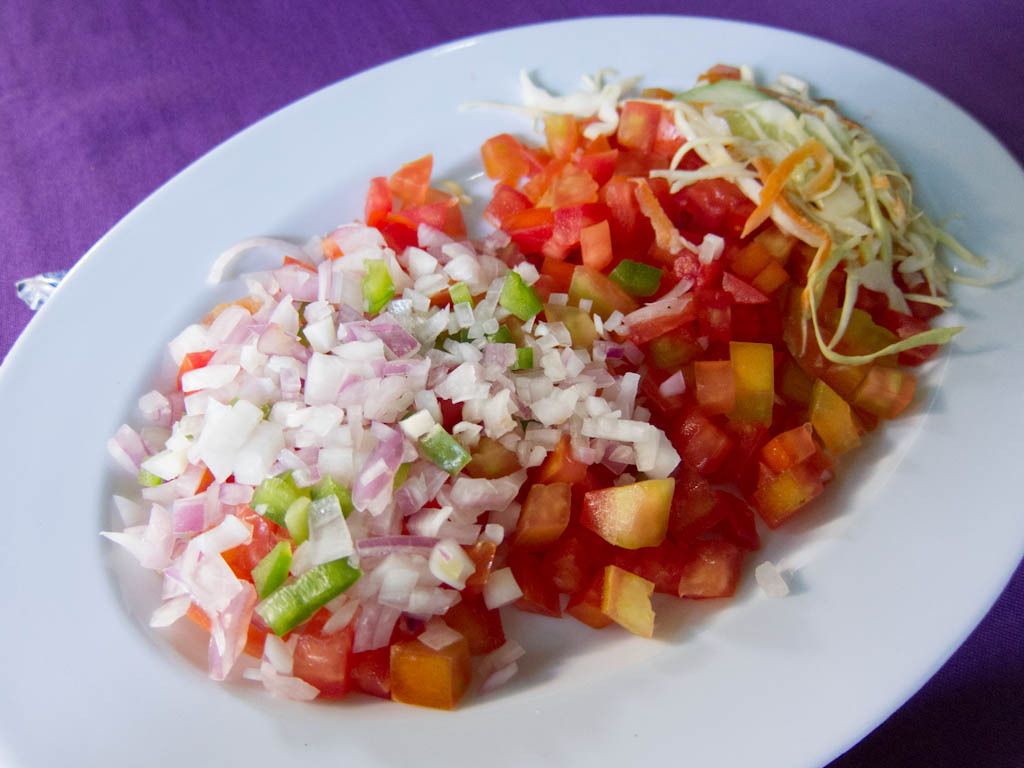
A fresh, uncooked salad of chopped tomatoes, onions and chilli, with lemon or lime juice, coriander and salt. It is served with nyama choma, pilau and ugali to add freshness.
The Swahili word kachumbari comes from the Indian word cachumber, the name of a similar salad.
See the recipe
Serves 4
15 min
Ingredients
4 ripe tomatoes, finely chopped
1 red onion, very thinly sliced
1 small green chilli, finely chopped (optional)
A handful of fresh coriander, chopped
Juice of 1 lemon or lime
Salt
Method
Soak the sliced onion in cold salted water for 5 minutes to soften its taste, then drain.
Mix the tomatoes, onion, chilli and coriander in a bowl.
Add the lemon juice and salt just before serving and toss gently.
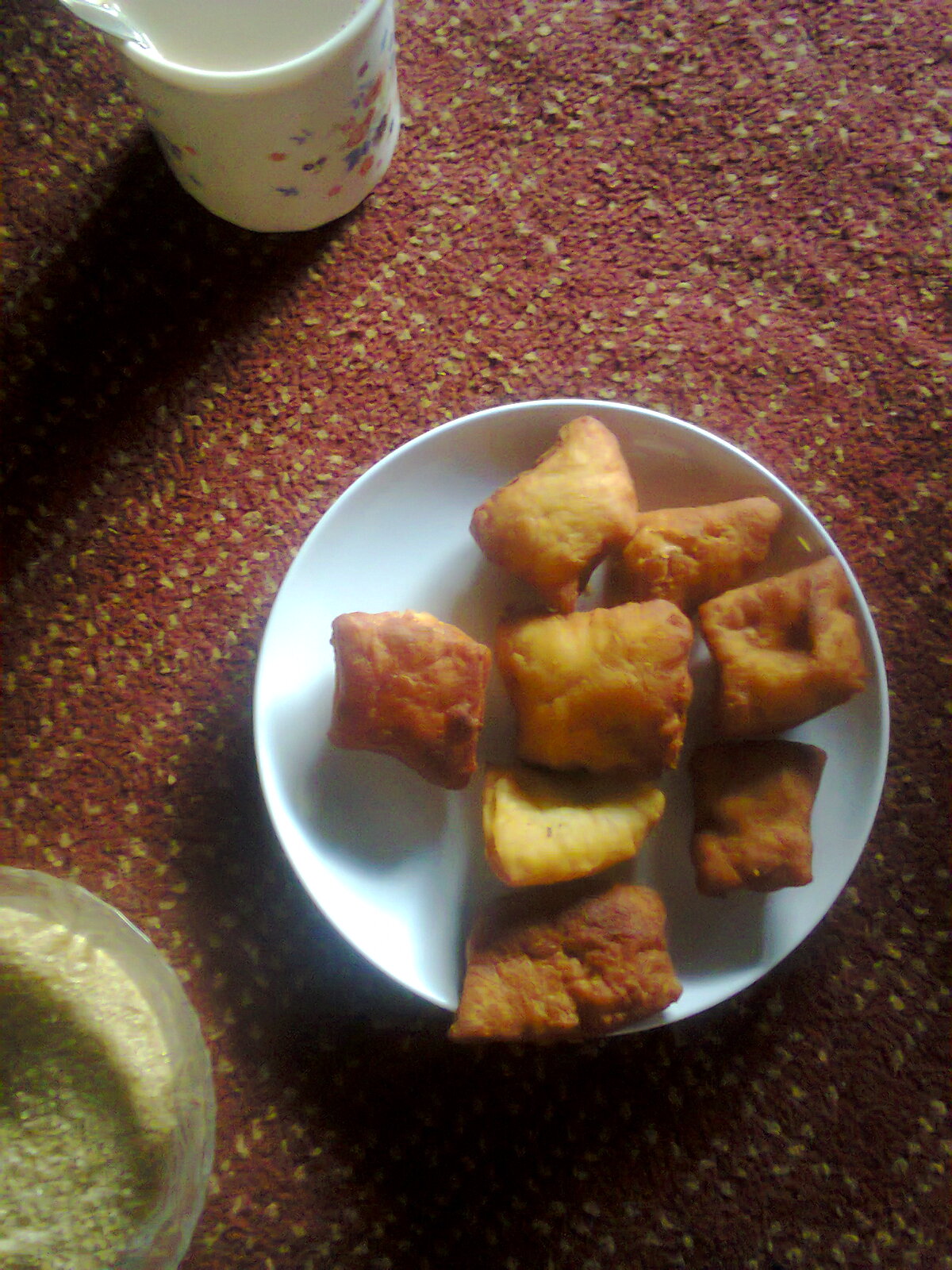
A lightly sweet fried dough, often shaped in triangles, sometimes flavoured with cardamom or coconut milk. It is less sweet than a doughnut and is eaten for breakfast or with tea.
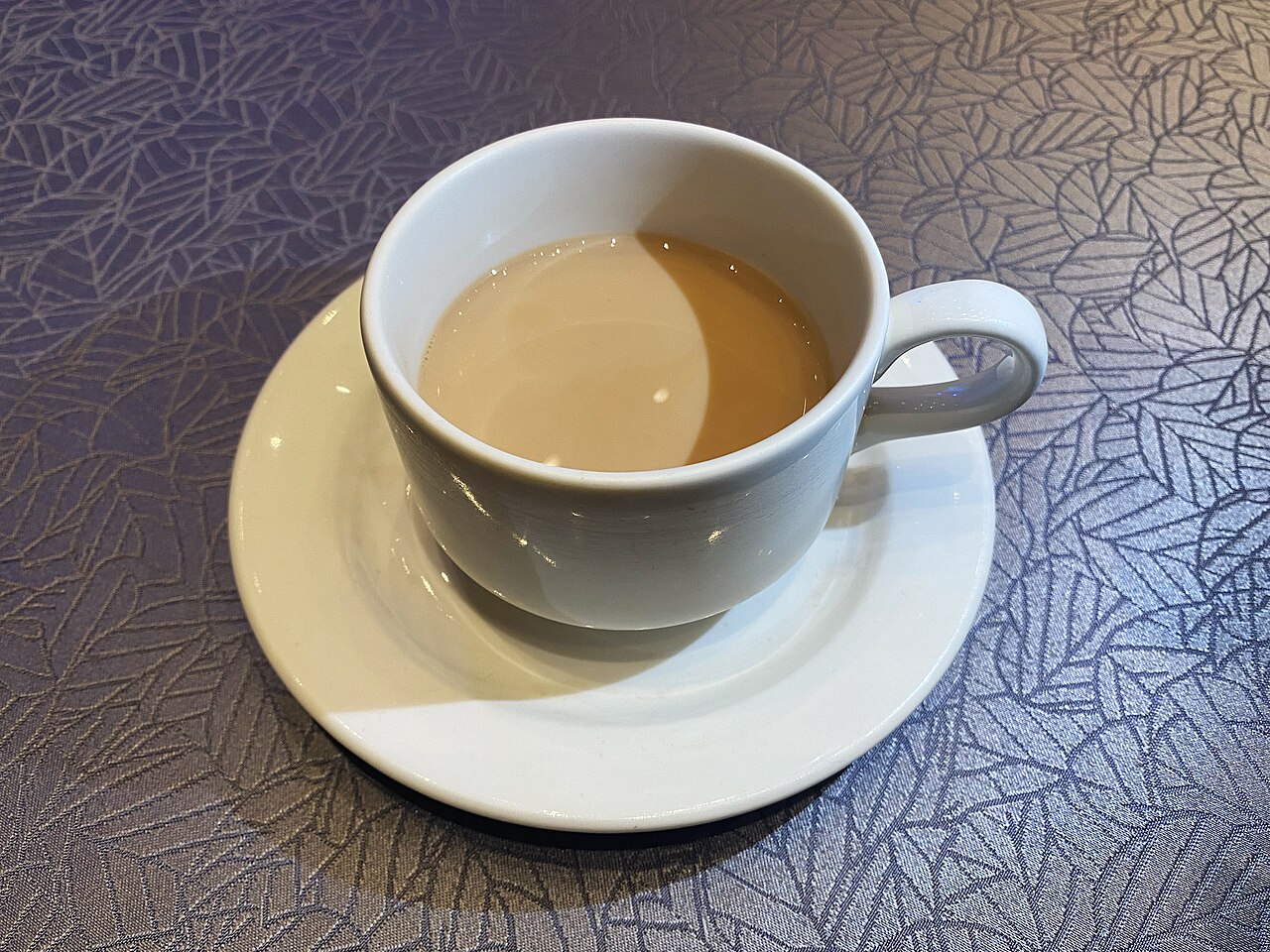
Kenyan black tea boiled together with milk and sugar, sometimes with ginger or cardamom. It is drunk at breakfast and again during the day, and is offered to every guest.
Tea was first planted in Kenya in 1903, at Limuru near Nairobi. Today Kenya is one of the world's leading exporters of black tea.
See the recipe
Serves 4
10 min
Ingredients
500 ml water
500 ml milk
3 teaspoons loose black tea (Kenyan if you can find it), or 3 tea bags
2 to 4 teaspoons sugar, to taste
A small piece of fresh ginger, sliced, or 2 crushed cardamom pods (optional)
Method
Bring the water to the boil in a pan with the ginger or cardamom.
Add the milk and bring back to the boil, watching that it does not boil over.
Add the tea and sugar, lower the heat and simmer for 2 to 3 minutes until it is a rich brown colour.
Pour through a strainer into cups. Take care: it is very hot.
The central highlands, around Mount Kenya and Nyeri
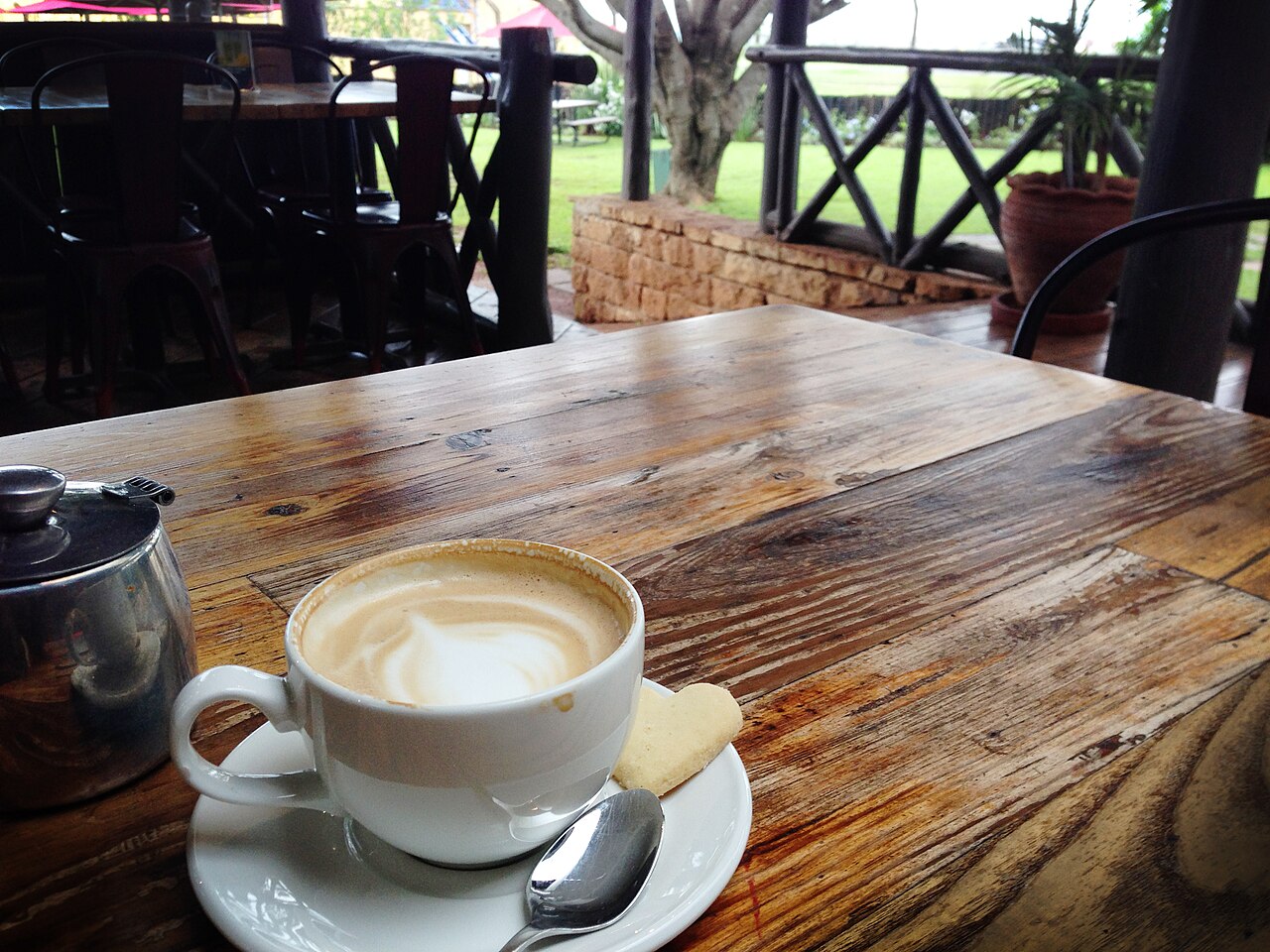
Arabica coffee grown on the volcanic soils of the highlands, mostly by small farmers. It is known around the world for its bright, fruity taste, though at home most Kenyans drink tea.
Table manners
Wash your hands before and after the meal. In many homes a bowl of water and a towel are brought to the table.
Eat with your right hand, and if you are given a spoon or fork, hold it in your right hand too.
To eat ugali, pull off a small piece, roll it into a ball, press a dent in it with your thumb and use it to scoop up stew or greens.
In traditional homes the guest of honour and the elders are served first. Wait until the eldest person has started before you begin to eat.
Accept a cup of tea when it is offered, even if you only take a few sips; tea is a sign of welcome.
On the mainly Muslim coast, in Mombasa and Lamu, pork and alcohol may not be served at the table, and during Ramadan it is polite not to eat in public in the daytime.
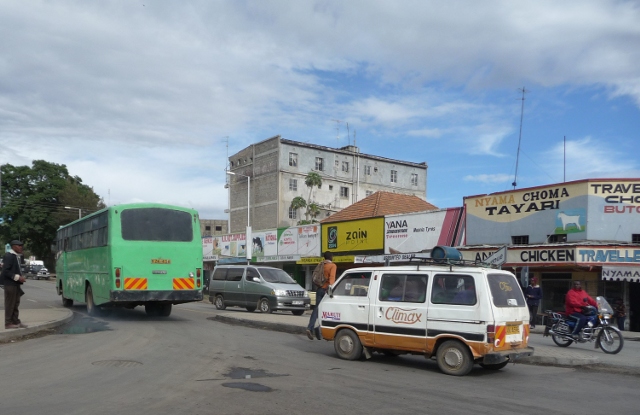
Most Kenyans live in the cool, fertile highlands around Nairobi and Mount Kenya, in the west near Lake Victoria, and along the coast. Nairobi is the capital and by far the largest city, Mombasa is the main port, and Kisumu is the great city of the lake. The dry north, around Lake Turkana, has few towns.
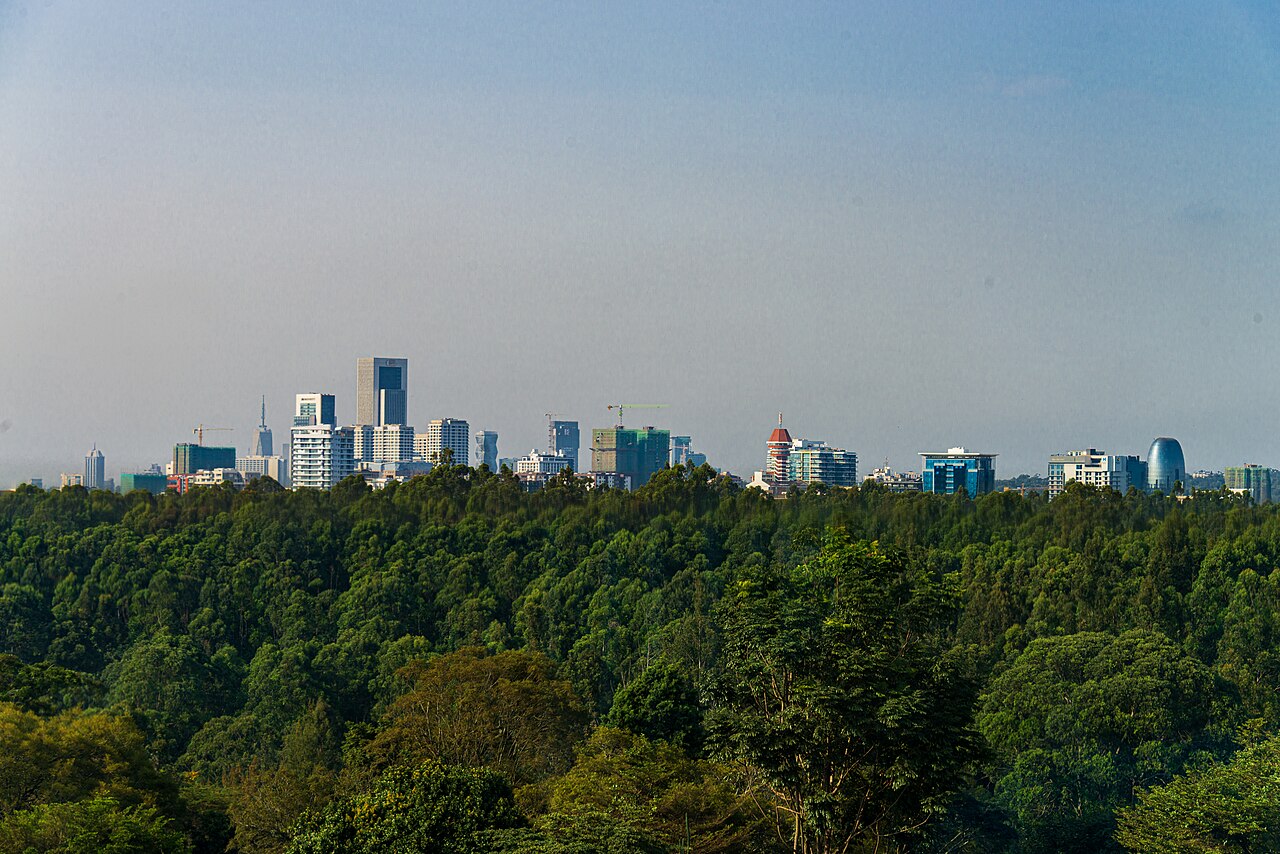
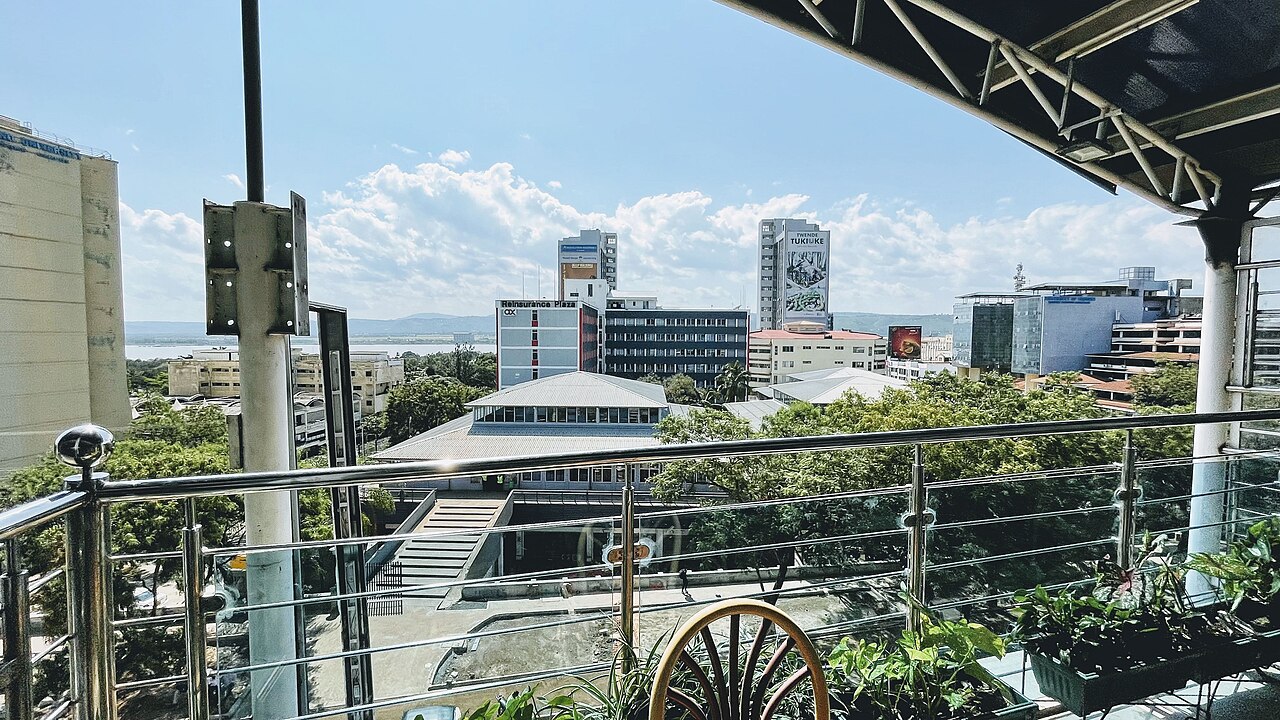
The capital and largest city, with more than four million people. It grew from a railway depot founded in 1899 and replaced Mombasa as the capital in the early 1900s. Its name comes from the Maasai words for 'place of cool waters', and it is a business centre for all of East Africa.
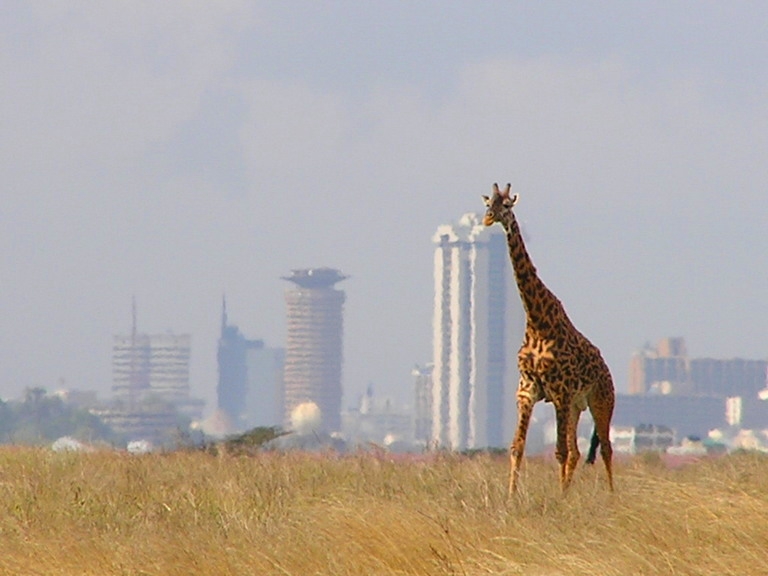
Nairobi National Park, with the city skyline behind the animals
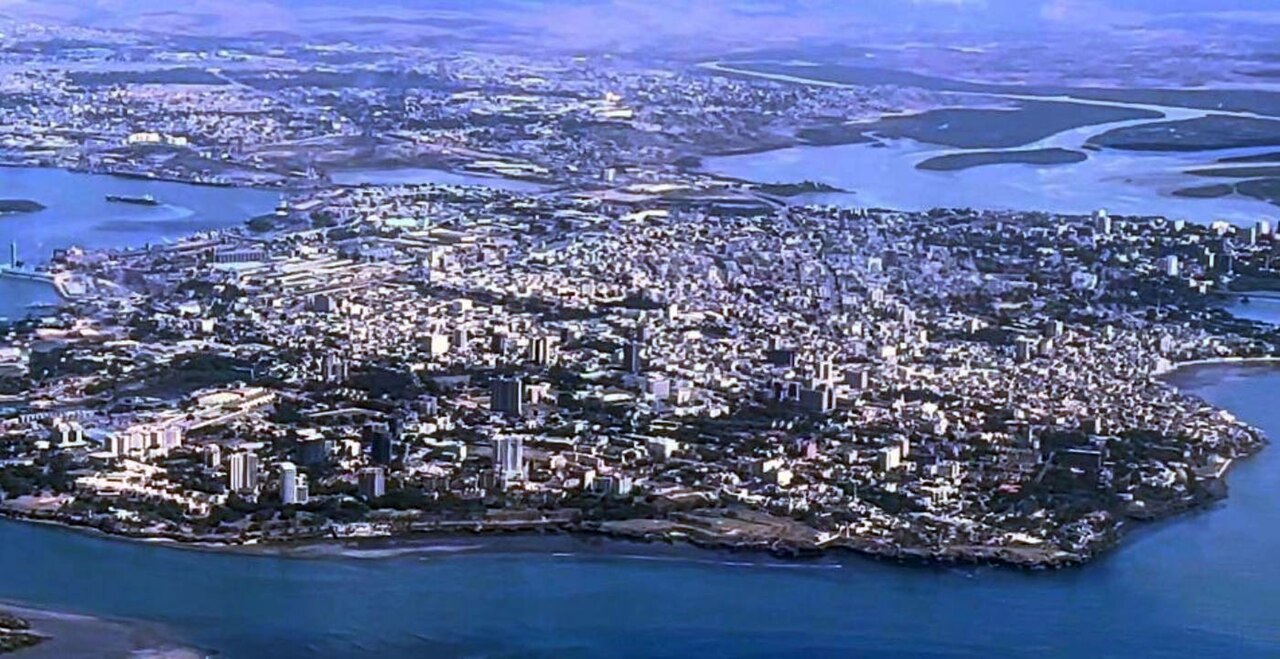
Kenya's second largest and oldest city, on an island joined to the mainland. For more than a thousand years it traded across the Indian Ocean, and it was the capital of British East Africa until the early 1900s. Today it is the country's main port.
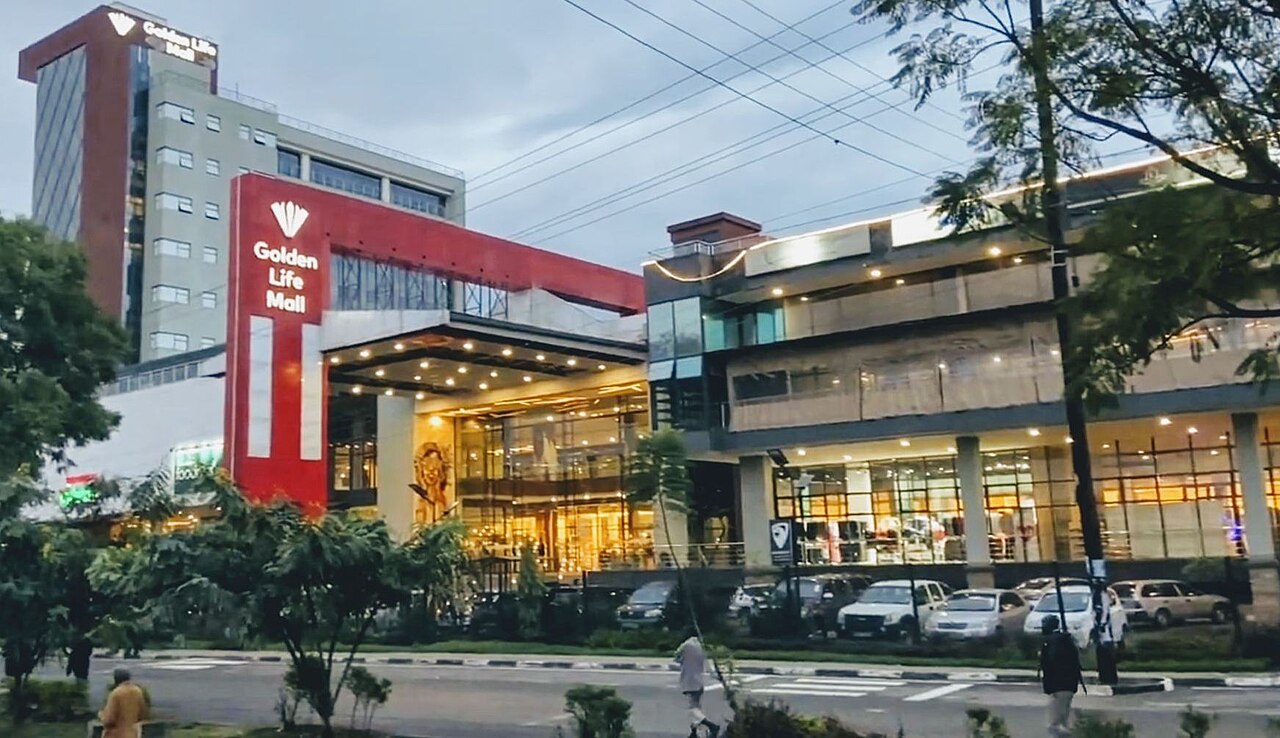
Kenya's third largest city, on the shore of Lake Victoria, and the heart of the Luo community. The first railway from Mombasa ended here in 1901, and for a short time the town was called Port Florence.
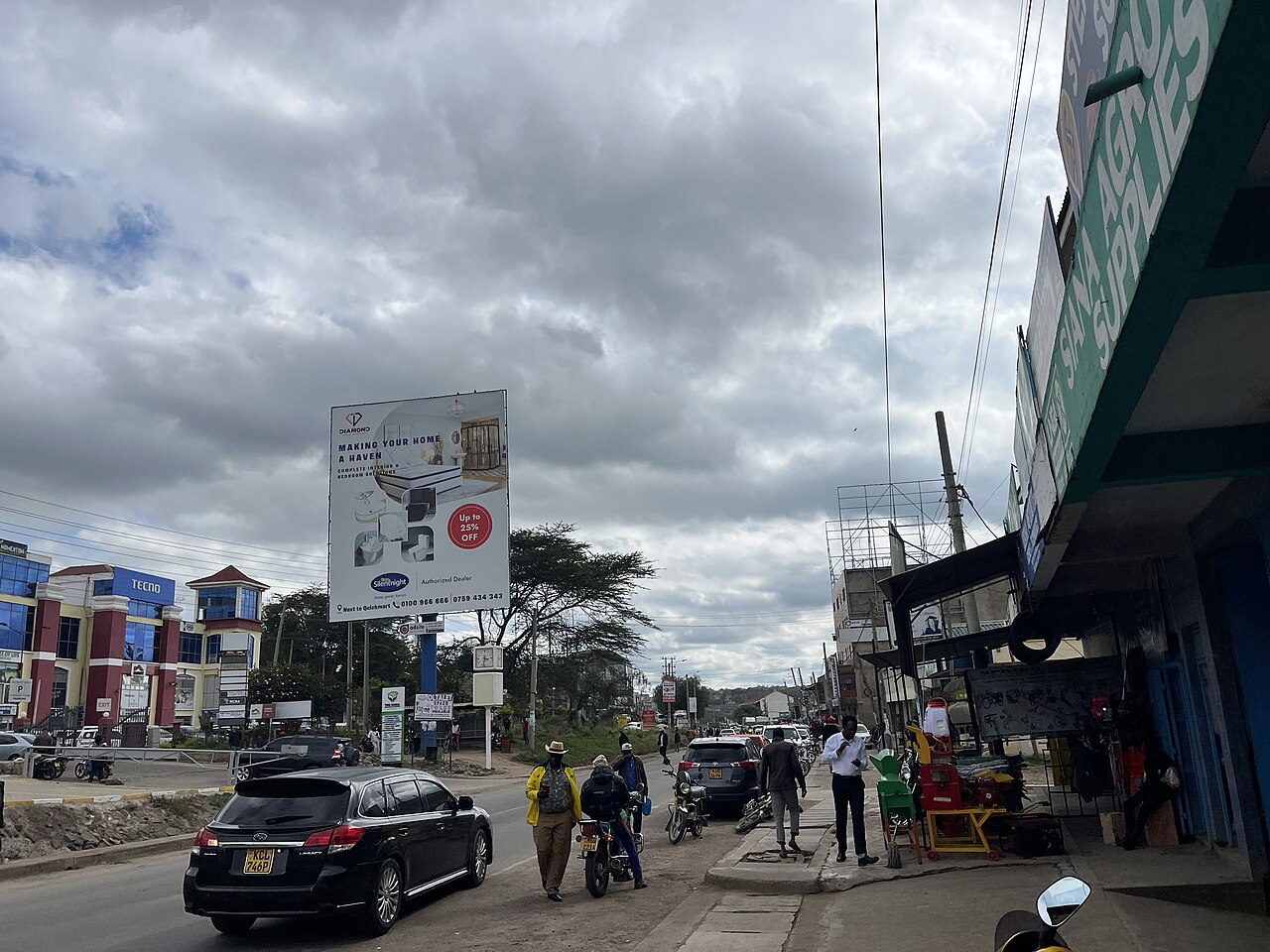
A fast-growing city in the floor of the Rift Valley, about 160 km northwest of Nairobi, which became Kenya's fourth city in 2021. Lake Nakuru National Park lies just south of the town.
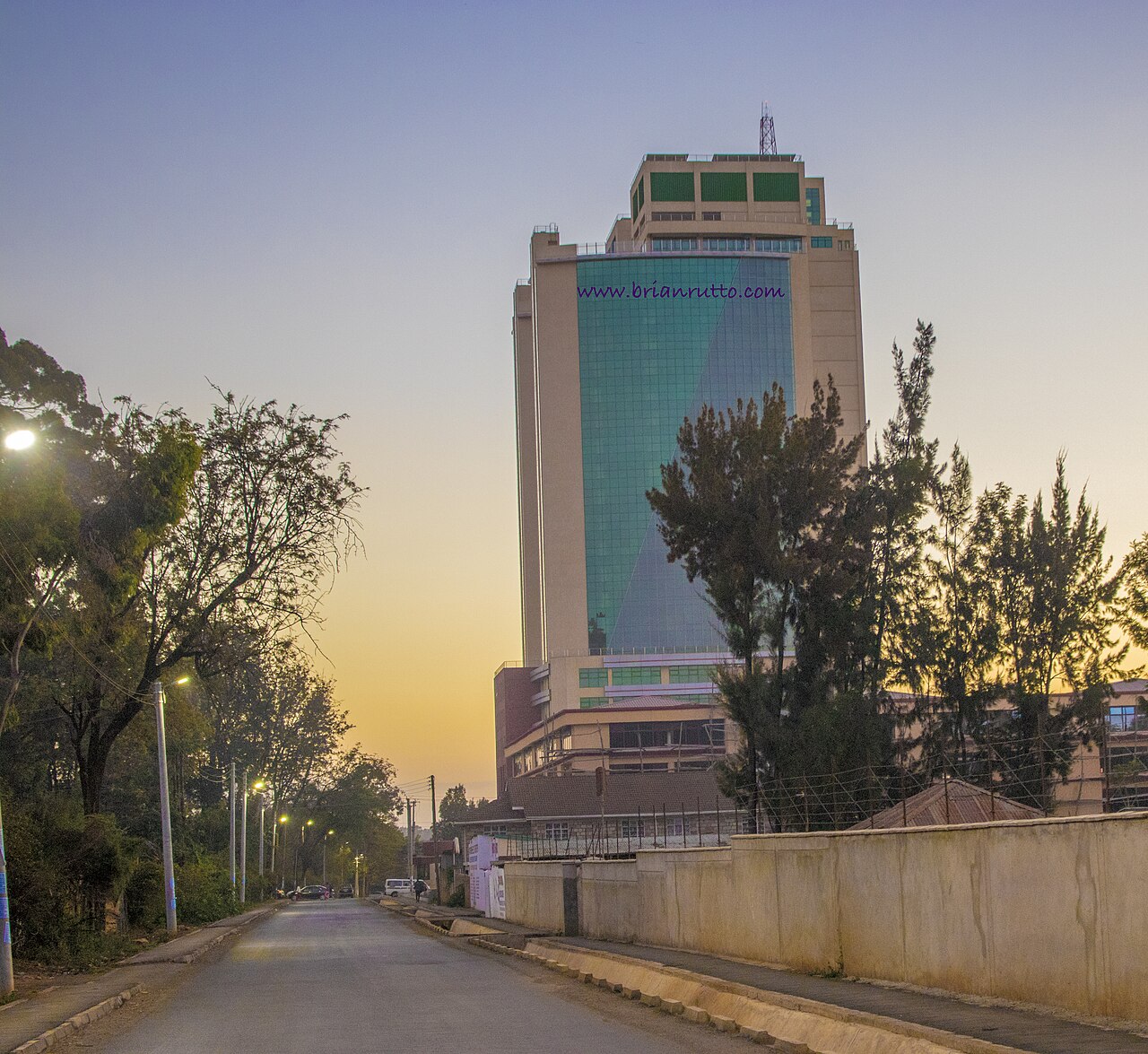
A highland city more than 2,000 m above sea level, which became Kenya's fifth city in 2024. The high altitude has made the area a training base for many of Kenya's champion distance runners, and the running town of Iten lies about 30 km to the north.
An old Swahili trading town north of Mombasa that welcomed Vasco da Gama in 1498. Today it is a beach resort, with marine national parks and the ruins of Gedi nearby.
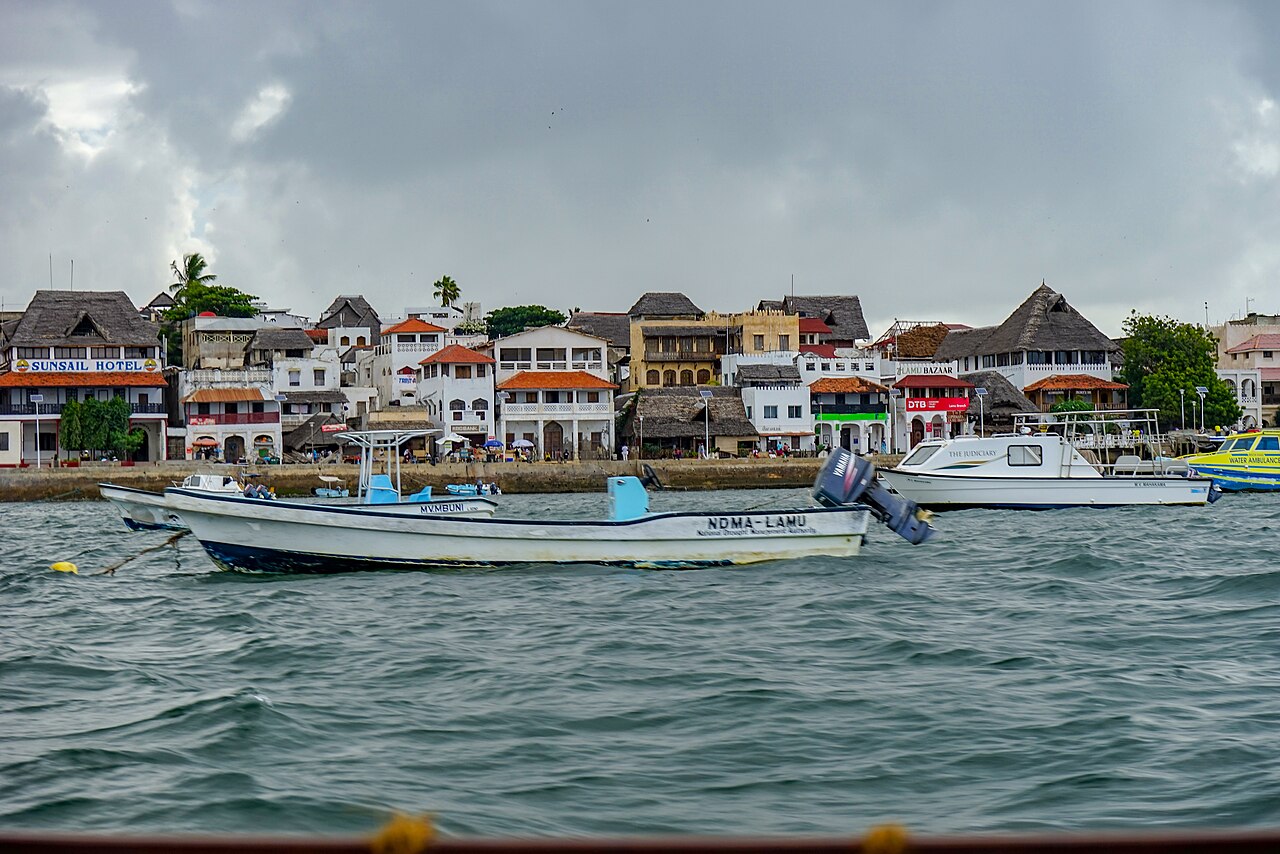
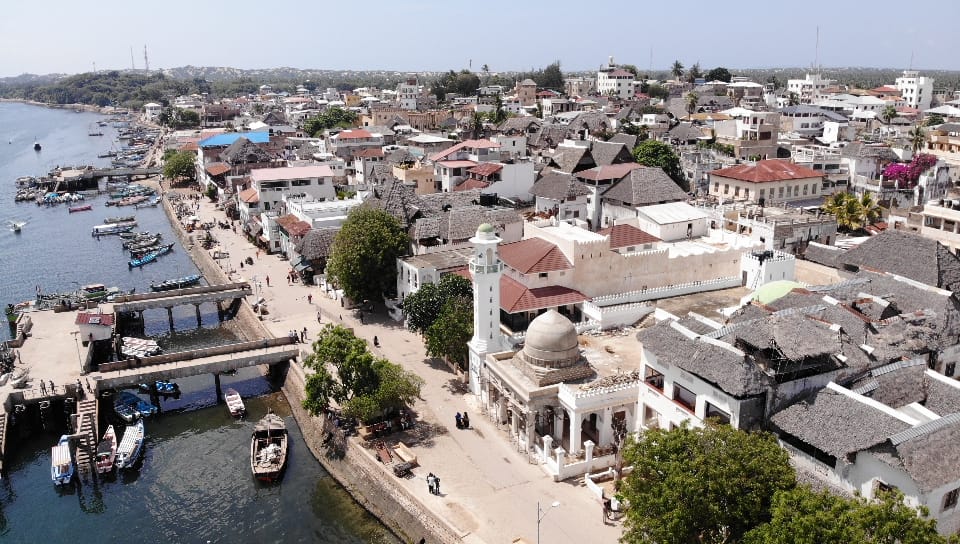
A small town on Lamu Island, believed to have been founded in the 1300s. Its old town is described by UNESCO as the oldest and best-preserved Swahili settlement in East Africa. Donkeys and boats do most of the carrying in its narrow lanes.
A green highland town between the Aberdare Range and Mount Kenya, in the heart of coffee country. Robert Baden-Powell, the founder of the Scout movement, spent his last years here and is buried in the town cemetery.
A market town that sits almost exactly on the equator, at the foot of Mount Kenya. It is the base for many climbers heading up the mountain and for safaris in the Laikipia plateau.
A town beside Lake Naivasha, a freshwater lake in the Rift Valley about 90 km from Nairobi. The farms around the lake grow many of the cut flowers that Kenya sends to Europe.
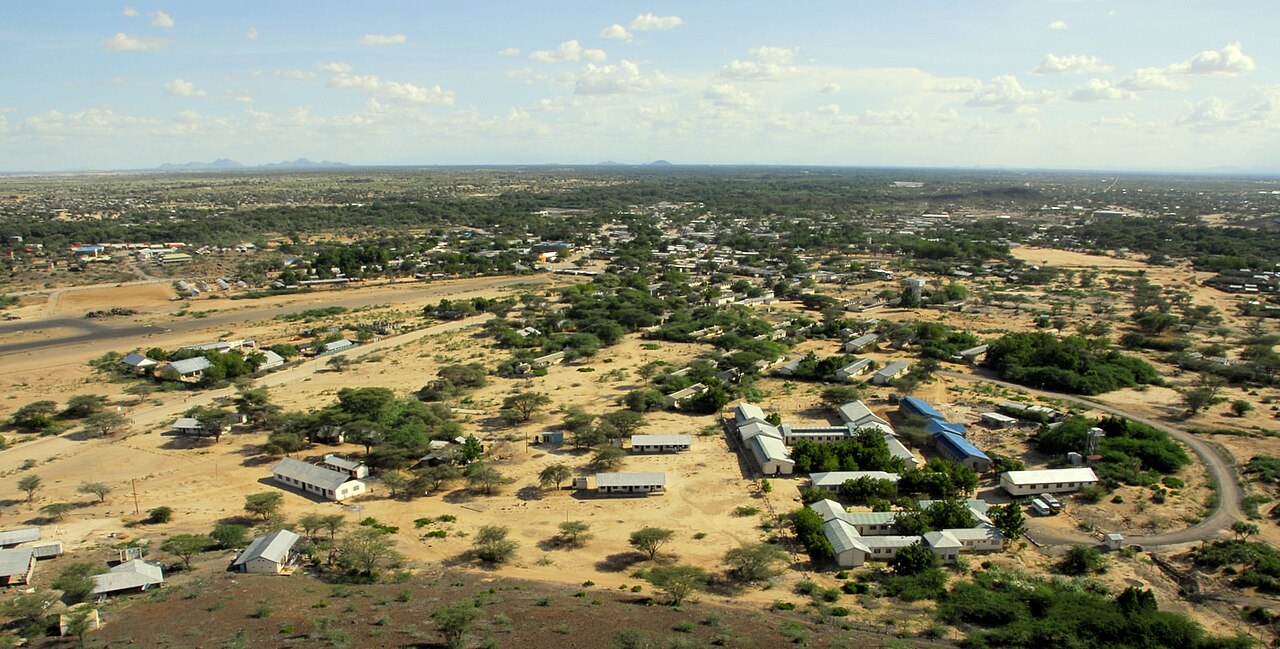
The largest town in hot, dry northwestern Kenya, west of Lake Turkana and home to the Turkana people. It grew from a small trading post founded in the 1930s.
A great open savanna reserve on the border with Tanzania, where it joins the Serengeti. Lions, leopards, cheetahs and elephants live here all year. The Great Migration of well over a million wildebeest, with zebras and gazelles, usually arrives from the Serengeti around July and heads back south around October, crossing the Mara River, but the timing changes with the rains. 'Mara' means 'spotted' in the Maa language, after the trees dotted across the plains.
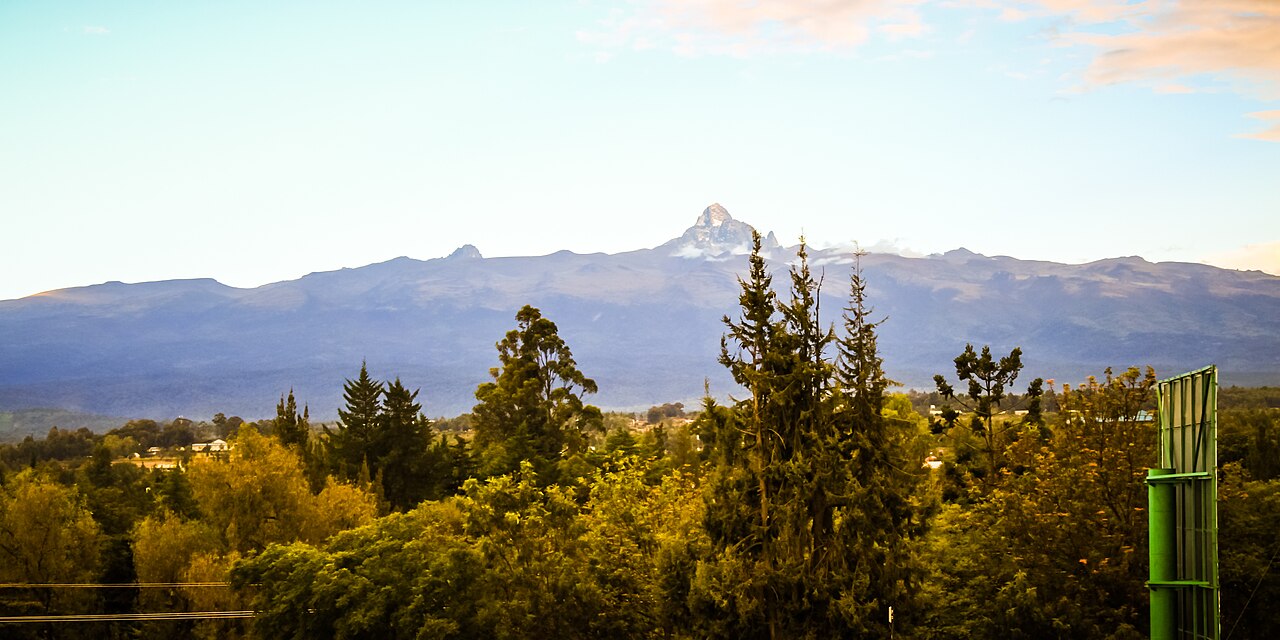
An old volcano just south of the equator and, at 5,199 m, the second highest mountain in Africa after Kilimanjaro. Its two highest peaks, Batian and Nelion, need technical climbing, but walkers can reach Point Lenana at 4,985 m. Its small glaciers are shrinking fast. The national park and forest are a UNESCO World Heritage Site.
A Portuguese fort built between 1593 and 1596 to guard the old harbour of Mombasa. Seen from the air it is shaped like a man. It changed hands many times, was a prison under the British, and is now a museum and a UNESCO World Heritage Site.
A maze of narrow lanes lined with coral-stone houses, carved wooden doors, mosques and a fort from the 1820s. UNESCO lists it as the oldest and best-preserved Swahili settlement in East Africa, and it became a World Heritage Site in 2001.
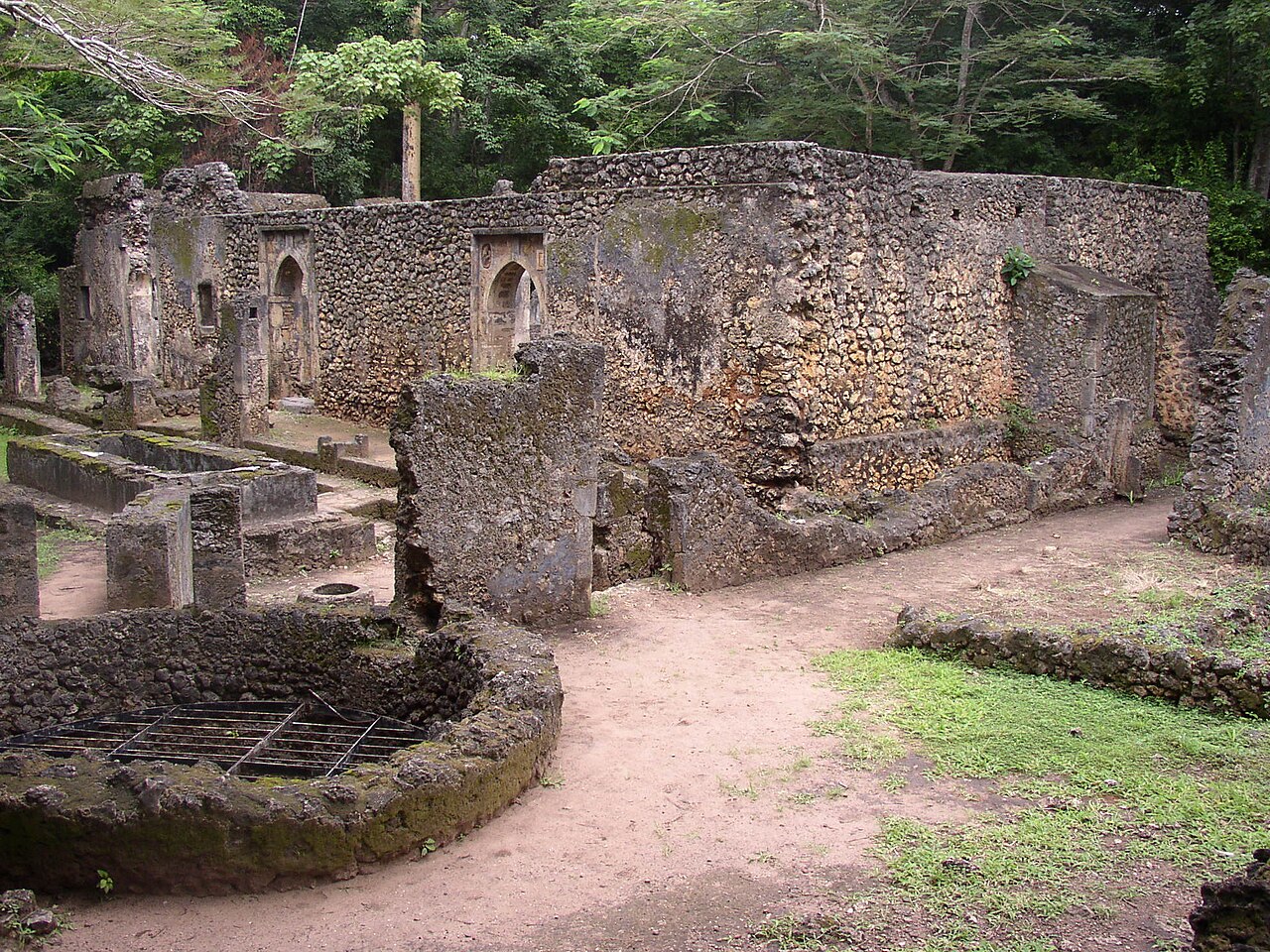
The stone ruins of a walled medieval Swahili town, with mosques, a palace, houses and pillar tombs, hidden in a coastal forest south of Malindi. One tomb carries a date equal to 1399. It became Kenya's eighth World Heritage Site in 2024.
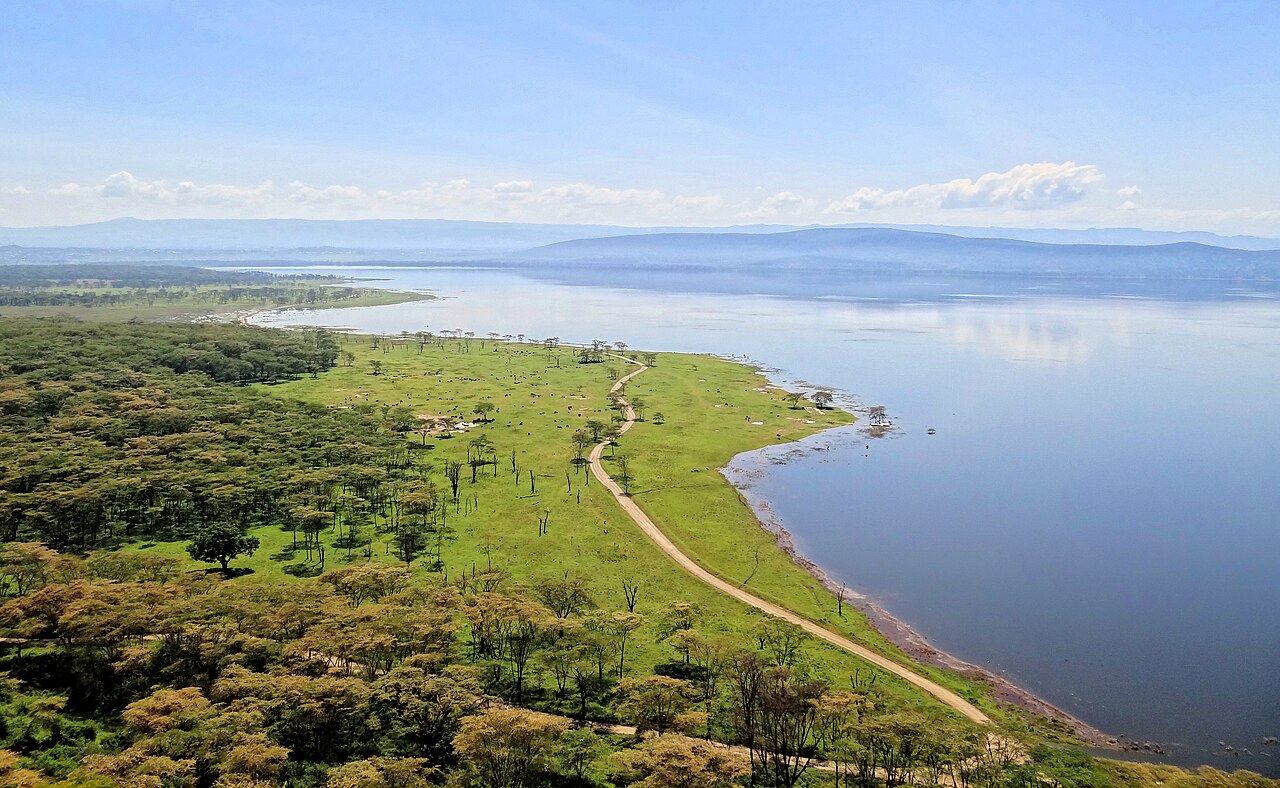
A salt lake in the Rift Valley, famous for the pink flamingos that gather on its shores, with rhinos, buffalo and giraffes in the park around it. Together with Lakes Bogoria and Elementaita it forms the Kenya Lake System World Heritage Site. The lake has risen sharply since about 2010, flooding parts of the park.
Kenya's first national park, set up in 1946 just 7 km from the city centre. Lions, giraffes, zebras and rhinos roam the grasslands with the skyscrapers of Nairobi on the horizon. It is one of Kenya's most successful rhino sanctuaries.
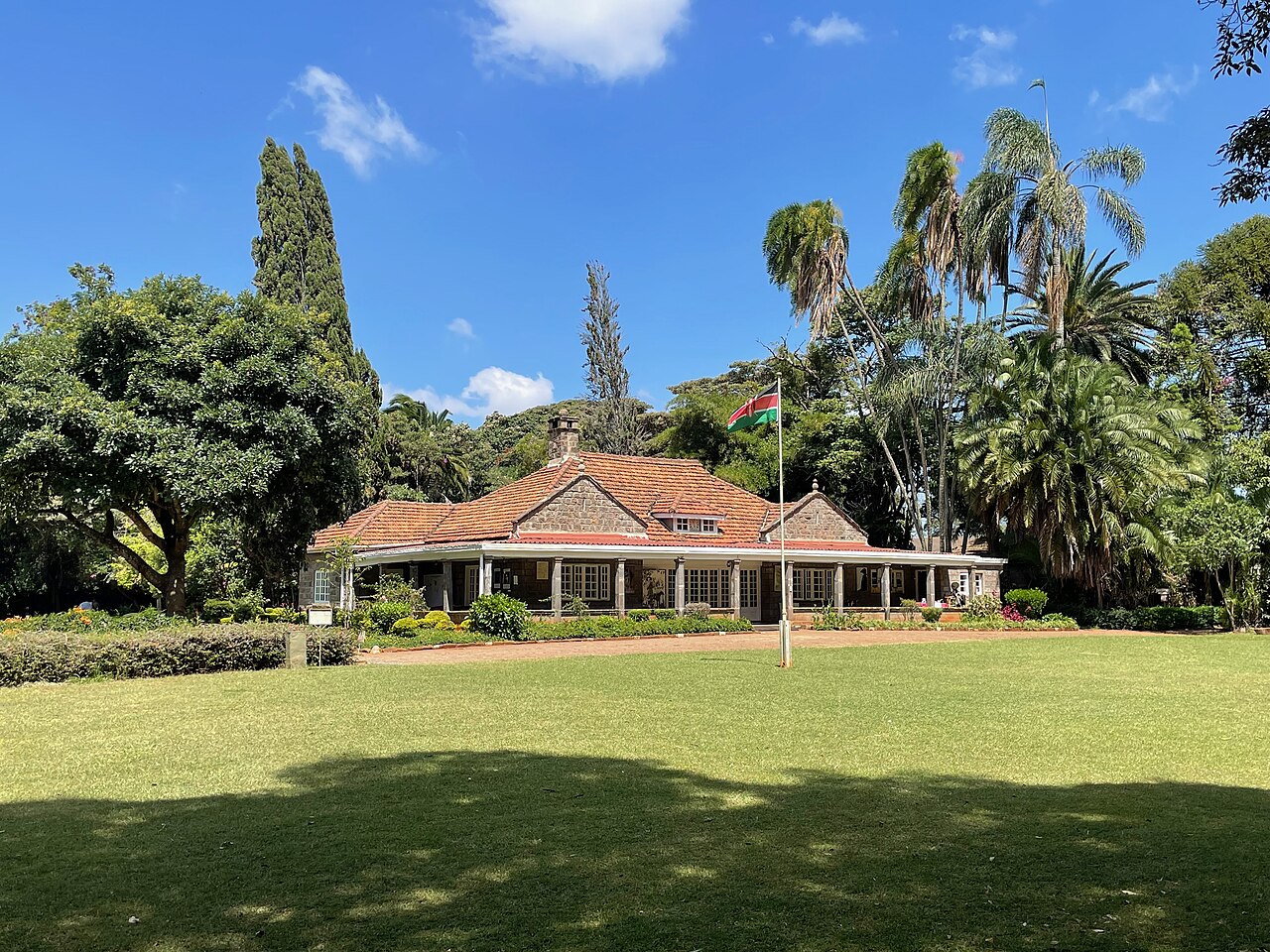
The farmhouse at the foot of the Ngong Hills where the Danish writer Karen Blixen lived from 1917 to 1931 and ran a coffee farm. She wrote about it in her 1937 memoir Out of Africa. Denmark gave the house to Kenya as an independence gift, and it opened as a museum in 1986.
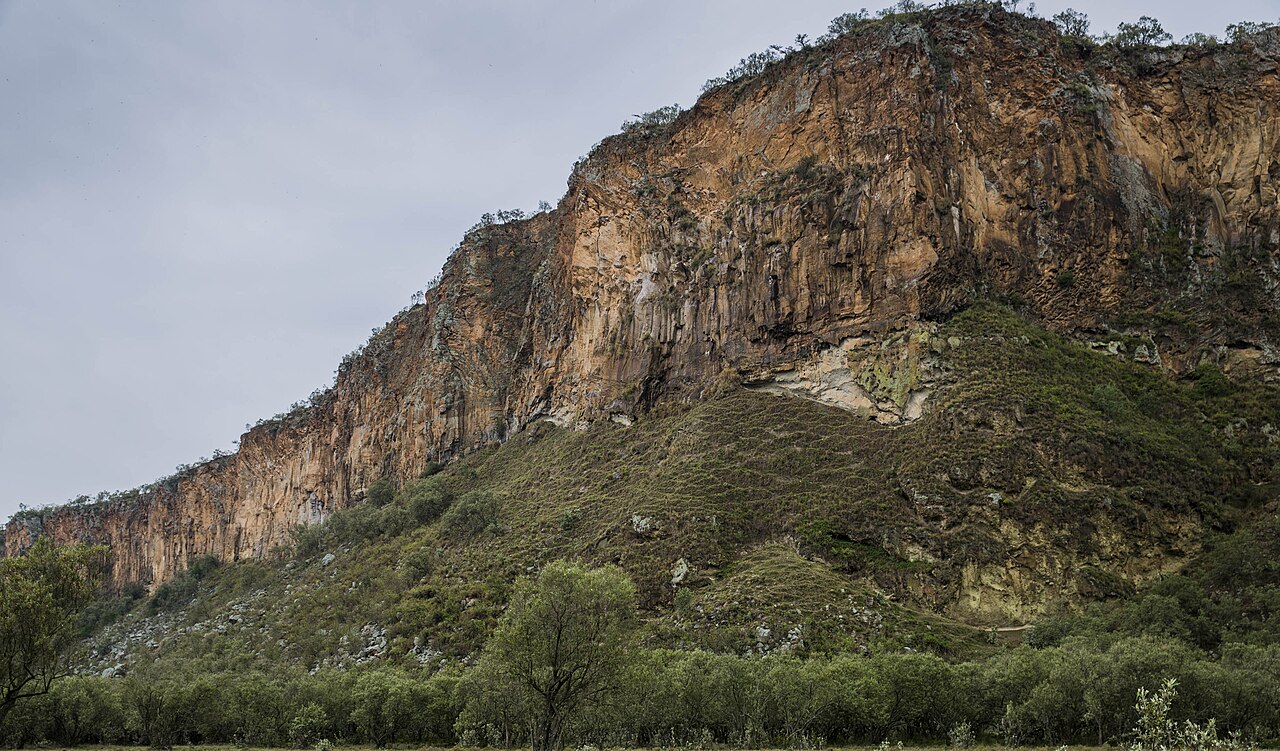
A small park of red cliffs, rock towers and a deep gorge south of Lake Naivasha, named in 1883 by explorers. It is one of the few Kenyan national parks where visitors may walk or cycle among zebras and giraffes, and it is home to the Olkaria geothermal power stations.
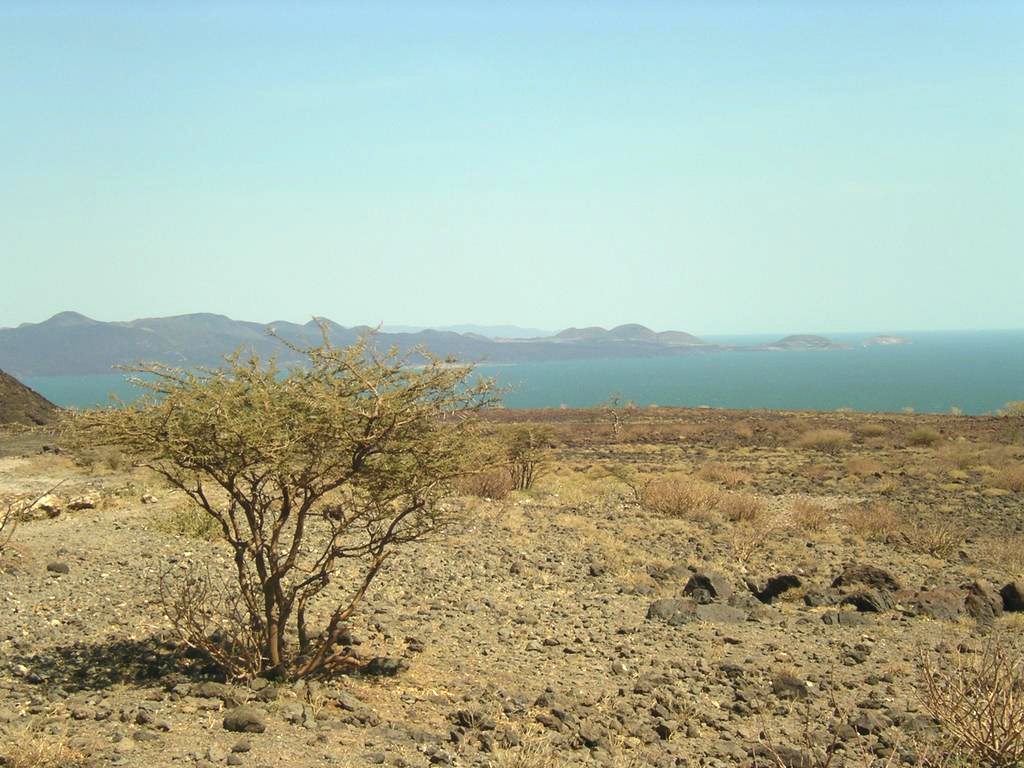
A long jade-green lake in the desert of the far north, the world's largest permanent desert lake. Fossils of early humans have been found on its shores, and its national parks, with huge numbers of Nile crocodiles on Central Island, are a UNESCO World Heritage Site. The pin marks Central Island.
Kenya is named after Mount Kenya. The name probably comes from the Kamba word Kĩ-Nyaa, and the country took it officially in 1920.
02
The equator runs right through Kenya. At Nanyuki, at the foot of Mount Kenya, a sign by the main road marks the line, and visitors stand with one foot in each hemisphere.
03
In 2004 Wangari Maathai, founder of the Green Belt Movement, became the first African woman to win the Nobel Peace Prize.
04
On 12 October 2019 in Vienna, Eliud Kipchoge ran a marathon distance in 1 hour 59 minutes 40 seconds, the first person ever to run it in under two hours. It did not count as an official record, because it was a special event with rotating pacemakers.
05
Kipchoge Keino won the 1,500 m at the 1968 Olympics in Mexico City by about 20 metres, and helped begin Kenya's long run of success in distance running.
06
M-Pesa, a way of sending and paying money by mobile phone, was launched in Kenya in 2007. 'Pesa' means money in Swahili.
07
Kenya's national motto is Harambee, a Swahili word meaning 'all pull together'. It appears on the country's coat of arms.
08
In 1984 a nearly complete skeleton of a Homo erectus youth, about 1.5 to 1.6 million years old, was found near Lake Turkana. Known as Turkana Boy, it is the most complete skeleton of its kind ever found.
09
Lake Turkana is the world's largest permanent desert lake and its largest alkaline lake.
10
Nairobi is one of the very few capital cities with a national park inside its boundaries, where lions and rhinos can be seen against a background of office towers.
11
As of 2026 Kenya has eight UNESCO World Heritage Sites. The newest, the Historic Town and Archaeological Site of Gedi, was added in 2024.
12
The Swahili phrase 'hakuna matata' means 'no worries'. It became famous around the world through the 1994 Disney film The Lion King.
13
The English word safari comes from Swahili, where it simply means a journey.
14
Tea was first planted in Kenya in 1903. Today tea is one of the country's biggest exports, and most of it is grown by hundreds of thousands of small farmers.
In Swahili the stress almost always falls on the second-to-last syllable. Pronunciation is written the way it sounds; the capital letters show where the stress goes. Audio is coming soon.
Greetings
jamboJAHM-bohhello (a simple greeting, often used with visitors)
habarihah-BAH-reenews; used to ask 'how are you?'
asanteah-SAHN-tehthank you
tafadhalitah-fah-THAH-leeplease
karibukah-REE-boowelcome; also 'come in' and 'you're welcome'
In national parks and reserves, stay inside your vehicle except at marked picnic sites, viewpoints and camps. As of 2025 the Kenya Wildlife Service asks visitors to keep at least 20 m from animals, never to feed them, not to drive off the tracks, and to keep below 40 km/h.
Respect wild animals on foot too
Never walk up to wild animals, even ones that look calm; buffaloes, elephants and hippos can be very dangerous. In safari camps, let a guard walk you to your tent after dark, take a guide on hikes, and do not swim in lakes or rivers in the parks.
Leave plastic bags at home
Since August 2017 Kenya has banned plastic carrier bags, and parks are plastic-free zones. Travellers may be asked to leave duty-free plastic bags on the plane or at the airport, so pack a cloth bag instead.
Greet people before anything else
Kenyans value a proper greeting. Say 'Jambo' or 'Habari?' and ask how someone is before you ask for directions or a price. Older people are treated with great respect; in traditional settings, especially on the coast, a younger person greets them with 'Shikamoo'. It is heard far more often in Tanzania.
Ask before taking photos
Ask before photographing people; some Maasai and other villagers may ask for a small fee. It is illegal to photograph government buildings, embassies or airports.
Dress modestly on the coast
Most people on the coast, in towns such as Lamu and Mombasa's Old Town, are Muslim. Away from the beach, cover your shoulders and knees, and keep swimwear for the beach and the pool.
Carry cash and know about M-Pesa
Many Kenyans pay for almost everything by mobile phone with M-Pesa, and visitors can use it with a local SIM card. Carry some Kenyan shillings in small notes for tips, markets and places that do not take cards.
Paperwork and emergencies
As of 2026 visitors from outside Africa, including the UK, Europe and North America, must apply online for an electronic travel authorisation (eTA) before they travel. Always carry ID; a copy of your passport is usually accepted, but police may ask to see the original. In an emergency, dial 999.
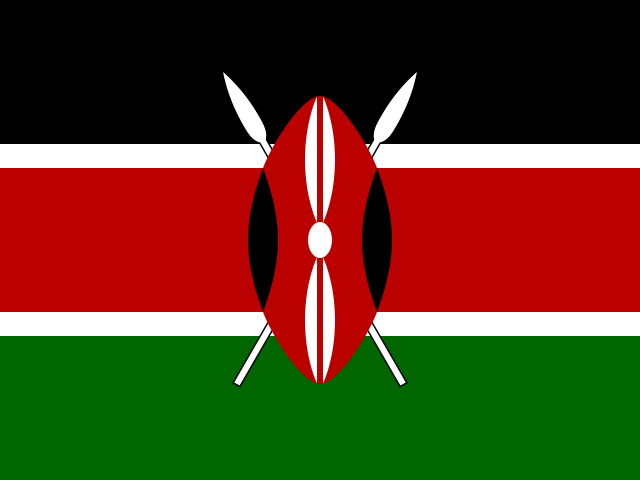
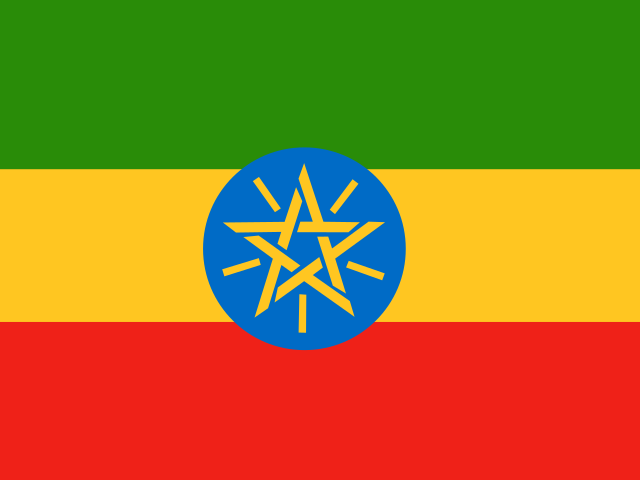 Ethiopia
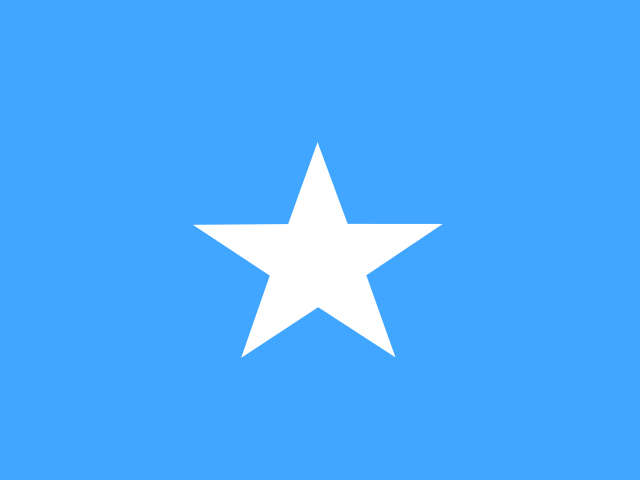 Somalia
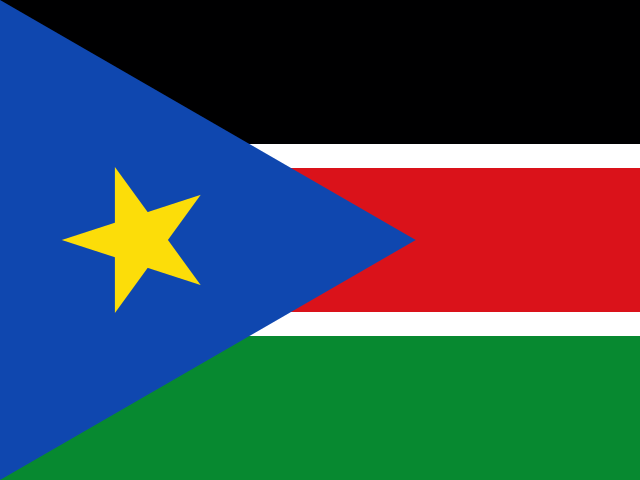 South Sudan
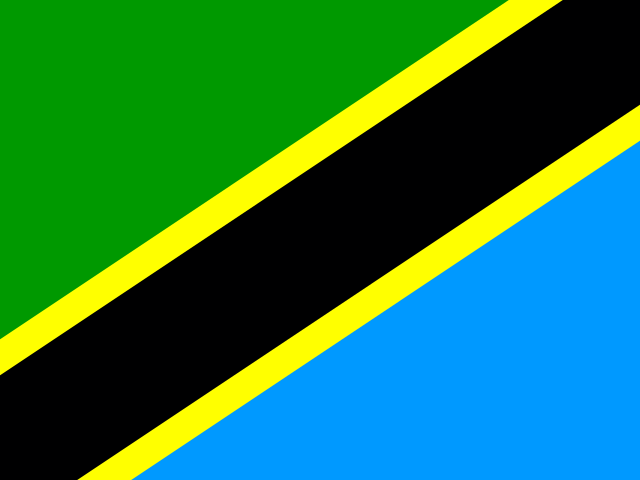 Tanzania
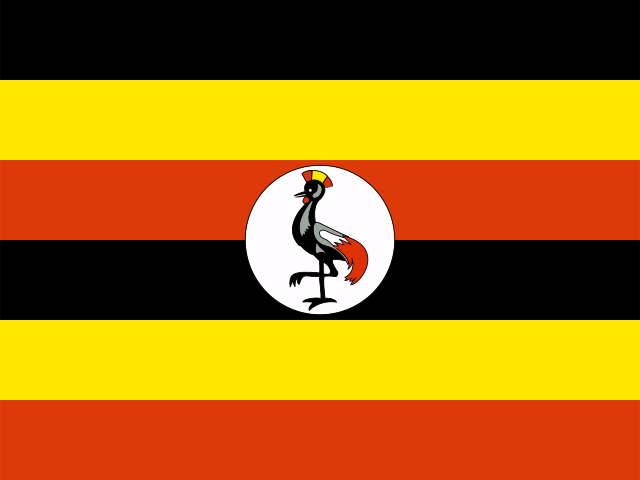 Uganda