A free large-print PDF. Choose what goes in: facts, map, history, dishes and recipes, phrases, fun facts, a quiz with or without answers. Made for clubs, care homes, libraries and family afternoons.
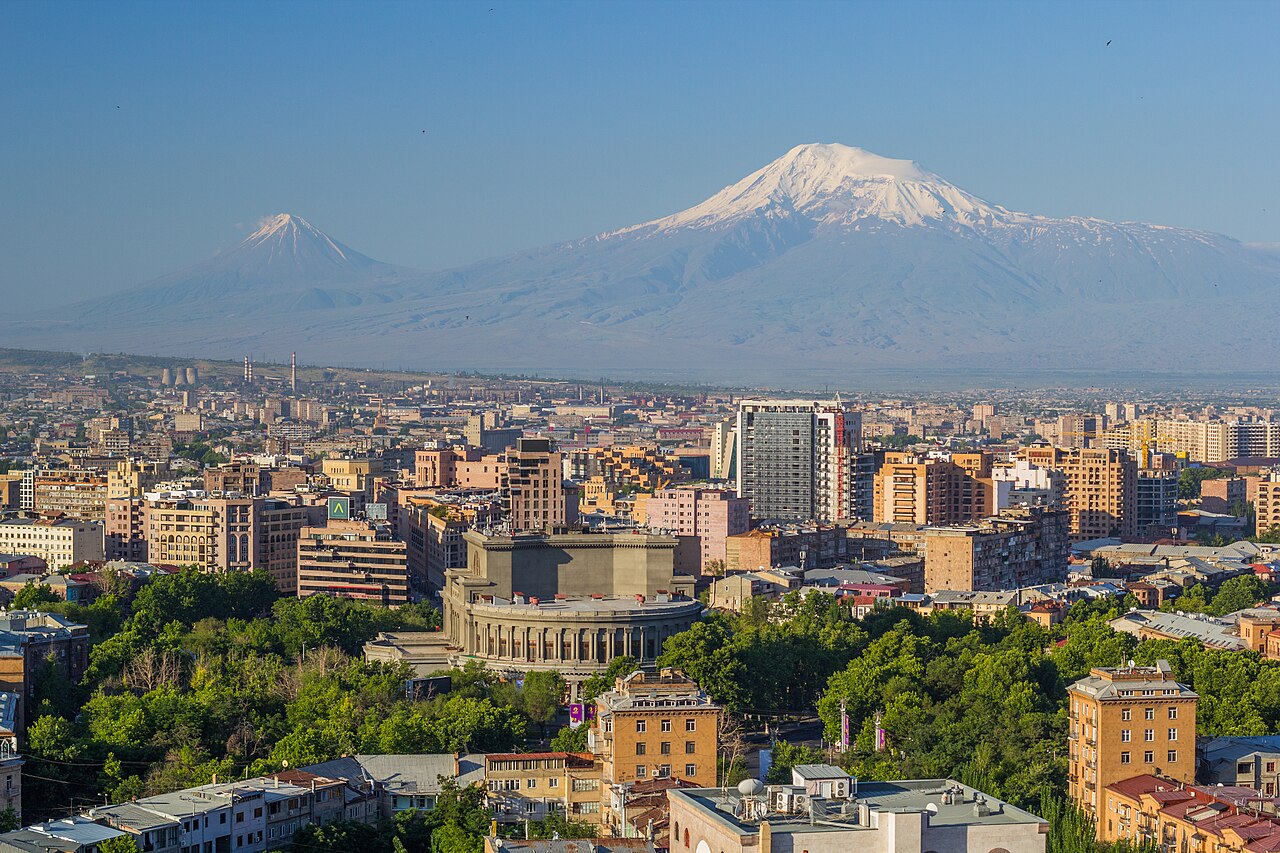
Armenia is a small, landlocked country in the South Caucasus, high in the mountains between the Black Sea and the Caspian Sea. It borders Georgia to the north, Azerbaijan to the east, Iran to the south and Turkey to the west. Almost all of it is highland: about half the land lies above 2,000 m, and the highest peak, Mount Aragats, reaches 4,090 m. The great blue Lake Sevan sits at about 1,900 m above sea level. On clear days the snowy cone of Mount Ararat, the national symbol, rises over Yerevan, although the mountain itself stands across the border in Turkey.
Armenians have lived in these highlands for thousands of years. The Urartian king Argishti I built the fortress of Erebuni, where Yerevan stands today, in 782 BC. Armenia is widely regarded as the first country to adopt Christianity as its state religion, traditionally dated to 301, and around 405 the monk Mesrop Mashtots created the Armenian alphabet, still in use today. Over the centuries the land was ruled or divided by Romans, Persians, Arabs, Byzantines, Mongols, Ottomans and Russians. During the First World War the Armenians of the Ottoman Empire suffered the Armenian genocide. After a short-lived republic and seven decades as a Soviet republic, Armenia became independent in 1991.
Today Armenia is a parliamentary republic of about 3 million people, and more than a third of them live in Yerevan. Several million more Armenians live abroad, in Russia, the United States, France and many other countries. Visitors come for the medieval monasteries set in deep gorges and on mountain ledges, the lively cafés of Yerevan, Lake Sevan, the cable car to Tatev, and a table heaped with lavash, grilled meat, fresh herbs and fruit.
CapitalYerevan
PopulationAbout 3 million (2.93 million at the 2022 census)
Official languageArmenian, written in its own alphabet. Russian is widely understood, especially by older people
CurrencyArmenian dram (AMD), introduced in November 1993
AreaAbout 29,700 km², a little smaller than Belgium
GovernmentParliamentary republic. The prime minister leads the government; the president, elected by parliament for one seven-year term, is the head of state
Highest mountainMount Aragats, 4,090 m. Mount Ararat (5,137 m), the national symbol, is in Turkey
Main riversThe Araks (Aras) forms the border with Iran and much of the border with Turkey, where the Akhurian forms the northern part. The Hrazdan flows out of Lake Sevan and through Yerevan
NeighboursGeorgia to the north, Azerbaijan to the east, Iran to the south and Turkey to the west. In the southwest it also borders Nakhchivan, an exclave of Azerbaijan. Armenia has no coast
Armenia's story reaches back to the Bronze Age and the kingdom of Urartu, whose fortress of Erebuni grew into Yerevan. The Armenian kingdom was at its largest under Tigranes the Great, adopted Christianity and created its own alphabet, then spent many centuries divided between great empires. In the 20th century Armenians lived through the genocide of 1915, a brief first republic, Soviet rule and the Spitak earthquake. Independent since 1991, Armenia has also been in a long conflict with Azerbaijan over Nagorno-Karabakh, a mountain region that had a large Armenian population and is internationally recognised as part of Azerbaijan. After fighting in 2020 and an Azerbaijani offensive in September 2023, more than 100,000 Karabakh Armenians, almost the entire Armenian population of the region, fled to Armenia.
782 BC
King Argishti I founds Erebuni
Argishti I, king of Urartu, built the fortress of Erebuni on a hill in what is now southern Yerevan. A cuneiform inscription found on the site records the founding, which is why Yerevan counts its age from 782 BC. The name Yerevan is thought to come from Erebuni.
95 BC
Tigranes the Great becomes king
Tigranes II, known as Tigranes the Great, took the throne in 95 BC and ruled until 55 BC. For a short time his kingdom stretched from the Caspian Sea to the Mediterranean, the largest Armenia has ever been. He later had to accept the power of Rome.
AD 301
Armenia adopts Christianity as its state religion
King Tiridates III made Christianity the religion of the state, a step traditionally dated to 301 (some historians prefer a date around 314). He was converted by Gregory the Illuminator, who, according to tradition, had been held for 13 years in a deep pit at Khor Virap. Soon afterwards the first cathedral was built at Etchmiadzin.
AD 405
Mesrop Mashtots creates the Armenian alphabet
The monk and scholar Mesrop Mashtots created an alphabet for the Armenian language around 405. It originally had 36 letters. Its first task was a translation of the Bible, and the same alphabet, with a few letters added later, is still used today.
AD 451
The Battle of Avarayr
Armenian forces led by Vardan Mamikonian fought the army of Sasanian Persia, which wanted to force Zoroastrianism on the Armenians. The Armenians lost the battle and Vardan was killed, but resistance continued, and in 484 a treaty allowed Armenians to keep their Christian faith. Vardan is honoured as a saint.
1198
An Armenian kingdom is crowned in Cilicia
After Armenians had moved west to Cilicia, on the Mediterranean coast of what is now southern Turkey, Prince Leo was crowned king there in 1198. The Armenian Kingdom of Cilicia was an ally of the Crusaders and lasted until 1375.
1828
Eastern Armenia passes to Russia
After a war between Russia and Persia, the Treaty of Turkmenchay handed the khanates of Erivan (Yerevan) and Nakhichevan to the Russian Empire. Eastern Armenia, roughly today's country, was now Russian, while Western Armenia stayed under Ottoman rule.
1915
The Armenian genocide begins
On 24 April 1915 the Ottoman authorities arrested hundreds of Armenian community leaders and intellectuals in Constantinople. Mass deportations, death marches to the Syrian desert and massacres followed, and around one million Armenians were killed; estimates range from about 600,000 to 1.5 million. Most historians and many countries recognise these events as genocide, while the Turkish government rejects the term. Armenians remember the victims every year on 24 April.
1918
The First Republic of Armenia is declared
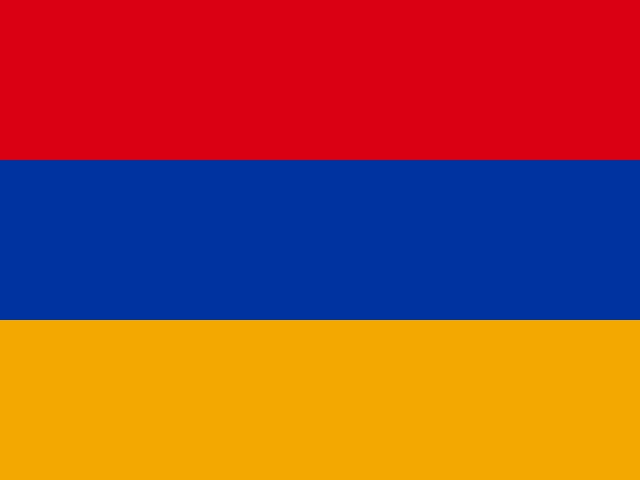
As the Russian Empire collapsed, Armenia declared independence on 28 May 1918, with Yerevan as its capital. The young republic struggled with war, hunger and a huge number of refugees. Its red, blue and orange flag is the flag Armenia uses today.
1920
Armenia becomes a Soviet republic
In late 1920 the Red Army entered Armenia and a Soviet government took power. Under treaties signed in 1921, Mount Ararat and the medieval capital of Ani went to Turkey. Armenia joined the Soviet Union in 1922, first inside a Transcaucasian federation and from 1936 as a republic of its own.
1988
The Spitak earthquake
On 7 December 1988 a powerful earthquake struck northern Armenia. It destroyed much of the town of Spitak and badly damaged Gyumri, then called Leninakan. At least 25,000 people died and hundreds of thousands lost their homes. More than 100 countries sent rescue teams, equipment and medical aid.
1991
Armenia votes for independence
In a referendum on 21 September 1991, Armenians voted overwhelmingly to leave the Soviet Union. The date is now Independence Day. Armenia joined the United Nations on 2 March 1992.
1994
A ceasefire ends the first Karabakh war
From 1988 the Armenians of Nagorno-Karabakh, then an autonomous region of Soviet Azerbaijan, demanded union with Armenia, and after the Soviet collapse this turned into a war. It ended with a ceasefire in May 1994, after tens of thousands of deaths and more than a million people displaced on both sides. The conflict flared again in 2020 and 2023.
2001
Armenia marks 1,700 years of Christianity
To celebrate the 1,700th anniversary of Christianity as the state religion, the large Saint Gregory the Illuminator Cathedral was consecrated in Yerevan in 2001. It is the largest Armenian cathedral in the world, and Pope John Paul II visited it that September.
Armenian food is built on wheat, lamb and pork, fresh herbs, yogurt and fruit. Bread, above all the thin lavash, is on every table. A festive meal starts with a spread of cold dishes: cheeses, cured basturma and sujukh sausage, pickles, salads such as eetch, and a big plate of fresh herbs like tarragon, basil, coriander and green onions. Then come hot dishes such as tolma, and at the centre of any celebration the grilled meat called khorovats, served with grilled vegetables and lavash. The meal ends with fruit, sweets such as gata and strong Armenian coffee, while toasts are raised with wine, fruit vodka or brandy.
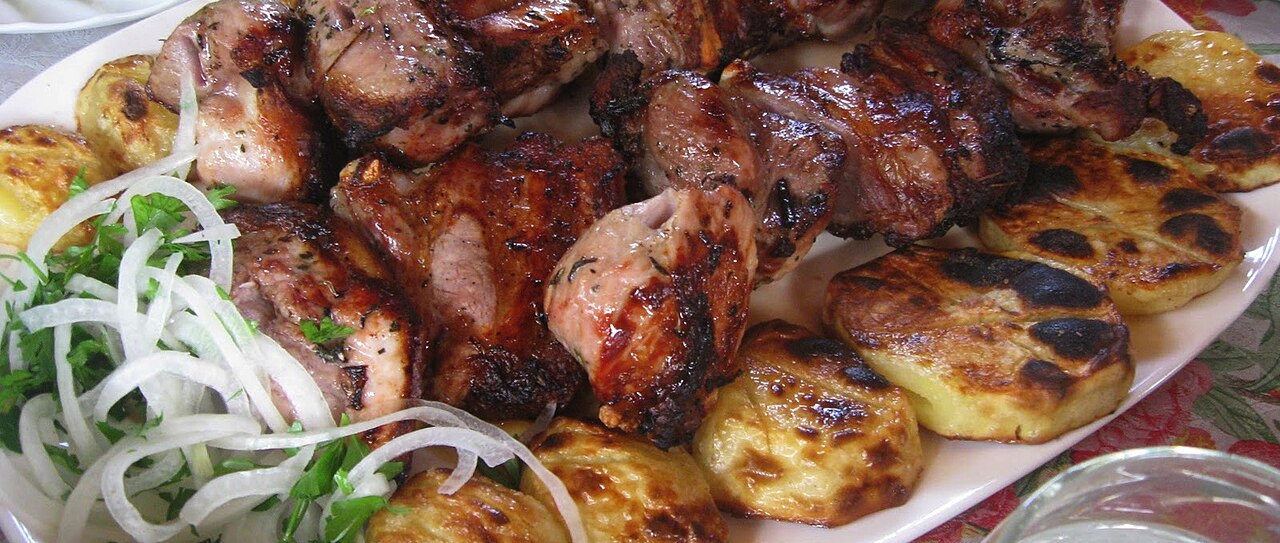
Armenian barbecue: chunks of pork, lamb, beef or chicken, often still on the bone, grilled on long flat skewers over glowing embers. Aubergines, peppers and tomatoes are grilled beside the meat, then peeled and chopped into a smoky salad. Khorovats is the dish for weekends, family feasts and summer picnics, wrapped in lavash with raw onion and herbs.
The word khorovats simply means 'grilled'. Since 2009 a khorovats festival has been held each year in Akhtala in northern Armenia.
See the recipe
Serves 4
1 h
Ingredients
1 kg boneless pork neck or shoulder, cut into 4 to 5 cm pieces
3 onions, 2 sliced into rings and 1 thinly sliced for serving
1 teaspoon salt and 1 teaspoon black pepper
1 teaspoon ground coriander or dried basil
4 small aubergines, 4 peppers and 4 tomatoes
Lavash and a bunch of fresh herbs (coriander, basil, tarragon) to serve
Method
Mix the meat with the onion rings, salt, pepper and coriander, cover and leave in the fridge for at least 2 hours or overnight.
Light a charcoal or wood grill and wait until the flames die down and the coals are glowing.
Thread the meat onto flat skewers without the onion, and grill for 15 to 20 minutes, turning often, until browned outside and cooked through.
Grill the whole aubergines, peppers and tomatoes at the same time until soft and charred, then peel them, chop them and season with salt and a little of the raw onion.
Serve the meat on lavash with the sliced onion, the vegetable salad and plenty of fresh herbs.
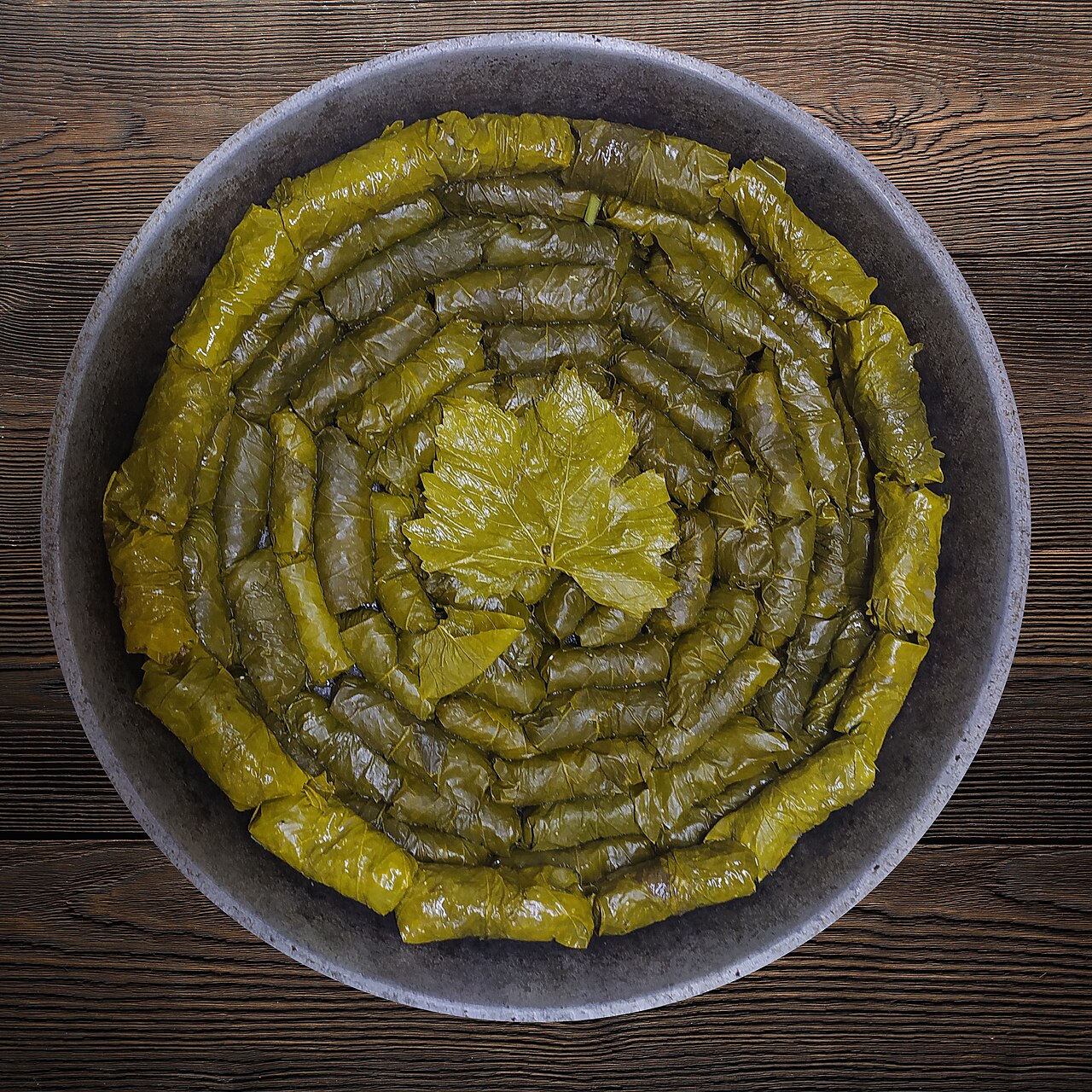
Tolma is the Armenian name for dolma: minced meat mixed with rice and herbs, wrapped in young grape leaves or cabbage leaves and simmered slowly. Summer tolma is made with stuffed peppers, tomatoes and aubergines. It is served warm with a sauce of yogurt and crushed garlic.
Armenia holds a yearly tolma festival, where cooks from different regions show their own versions.
See the recipe
Serves 4
1 h 30 min
Ingredients
About 40 grape leaves in brine, rinsed
500 g minced beef or a mix of beef and lamb
80 g short-grain rice, rinsed
1 onion, finely chopped
A handful each of chopped coriander, dill and mint
1 teaspoon salt, ½ teaspoon black pepper
1 tablespoon butter and about 500 ml water or light stock
300 g plain yogurt and 2 garlic cloves, crushed, for the sauce
Method
Mix the meat, rice, onion, herbs, salt and pepper with 3 tablespoons of cold water.
Lay a grape leaf shiny side down, put a heaped teaspoon of filling near the stem, fold in the sides and roll it up firmly.
Line a heavy pot with a few torn leaves and pack the rolls in tightly, seam side down, in layers.
Add the butter and enough water or stock to almost cover, then weigh the rolls down with a small plate so they do not open.
Cover and simmer gently for 50 to 60 minutes, until the rice is soft.
Mix the yogurt with the garlic and a pinch of salt, and serve the tolma warm with the sauce.
The whole country, and Armenian communities abroad
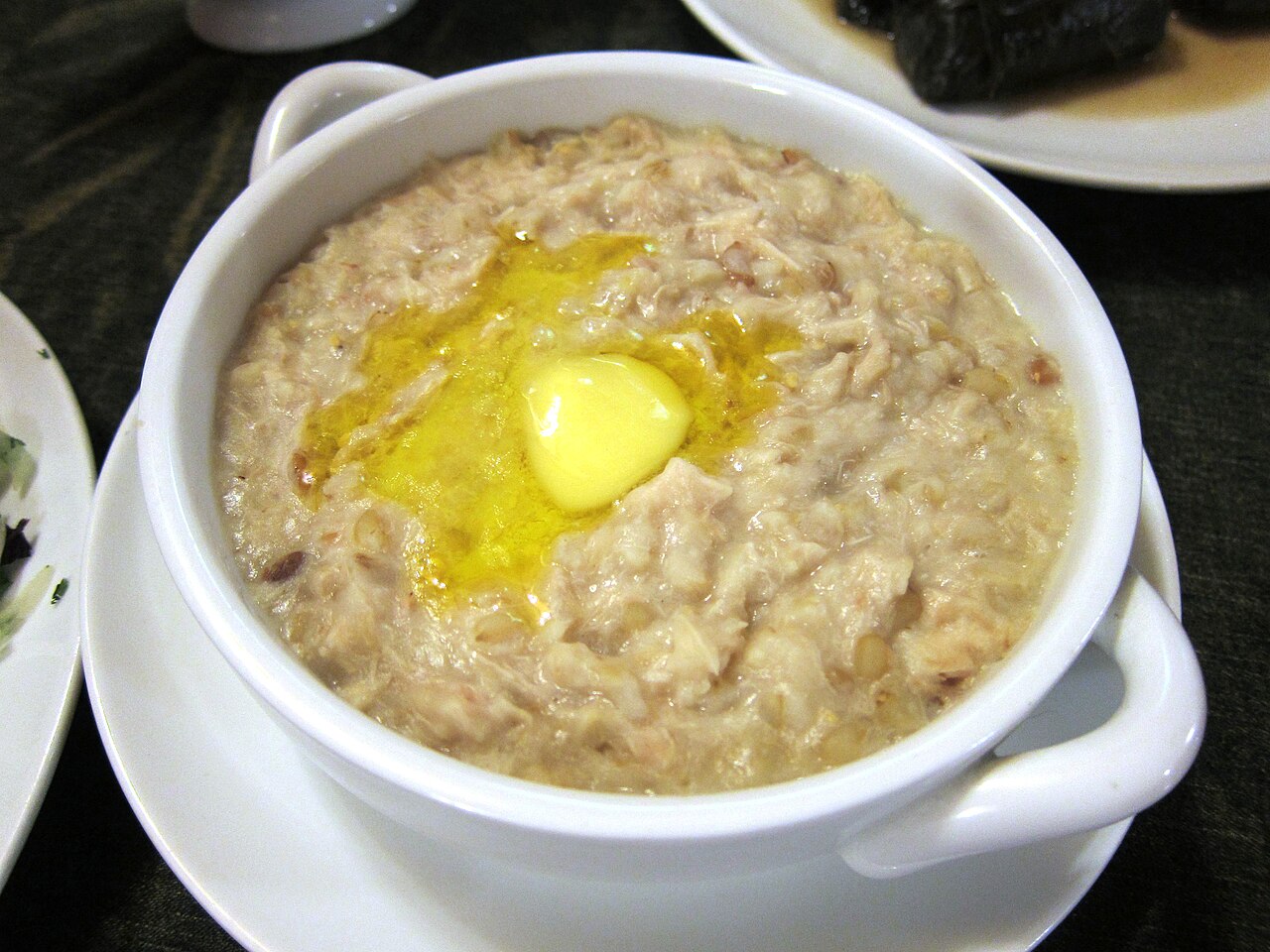
A thick, smooth porridge of whole wheat and chicken or lamb, cooked for many hours and beaten until the meat and grain become one. It is served with a pool of melted butter on top. Harissa is traditionally shared from large pots at church feasts and at Easter.
A legend says the name comes from Gregory the Illuminator telling cooks feeding the poor to keep stirring: 'hari sa!', 'stir it!'
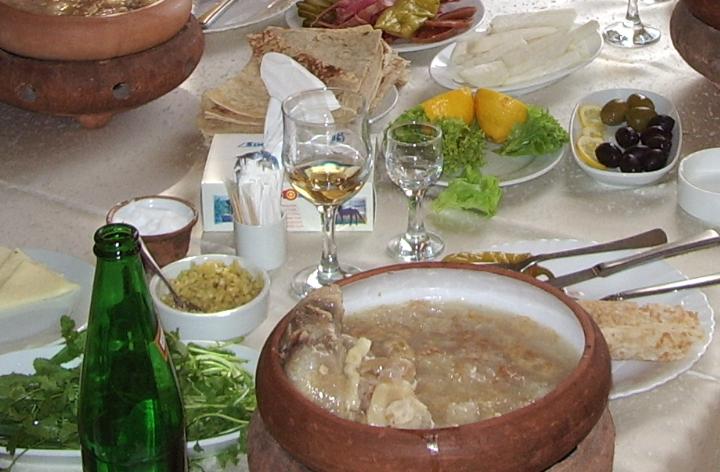
A clear, rich broth of beef or lamb feet, simmered through the night. It is eaten early on winter mornings, seasoned at the table with lots of crushed garlic and salt, with dried lavash crumbled into the bowl. Friends gather for a khash party, usually with herbs and a glass of vodka.
The name comes from the Armenian verb khashel, 'to boil', and medieval Armenian writers already mention the dish.
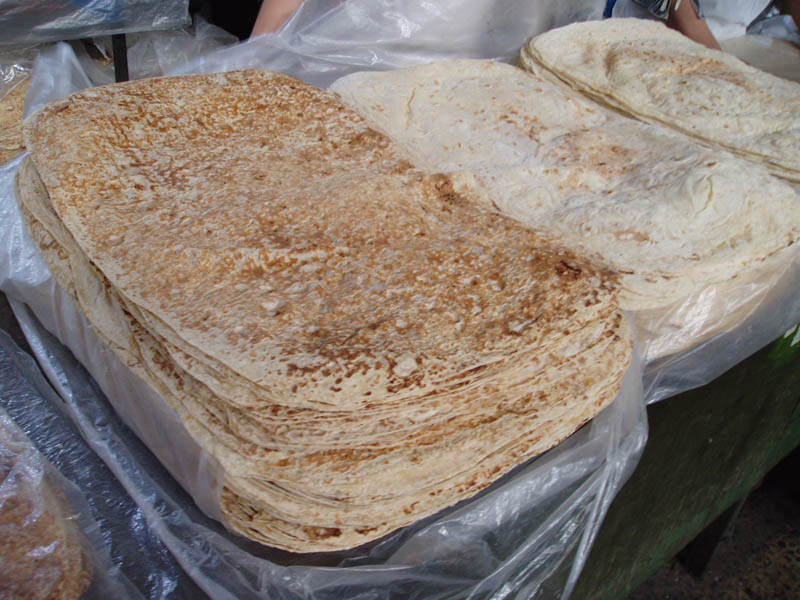
Large, paper-thin sheets of wheat bread, slapped onto the hot wall of a tonir, a clay oven sunk into the ground, and baked in moments. Lavash is soft when fresh and can be dried and stored for months, then softened again with a sprinkle of water. It is used to wrap meat, cheese and herbs, and to scoop up food.
In 2014 UNESCO added the making and meaning of lavash in Armenia to its list of the intangible cultural heritage of humanity. Baking it is often a shared task for several women working together.
The mountains of the southeast, Syunik and Karabakh
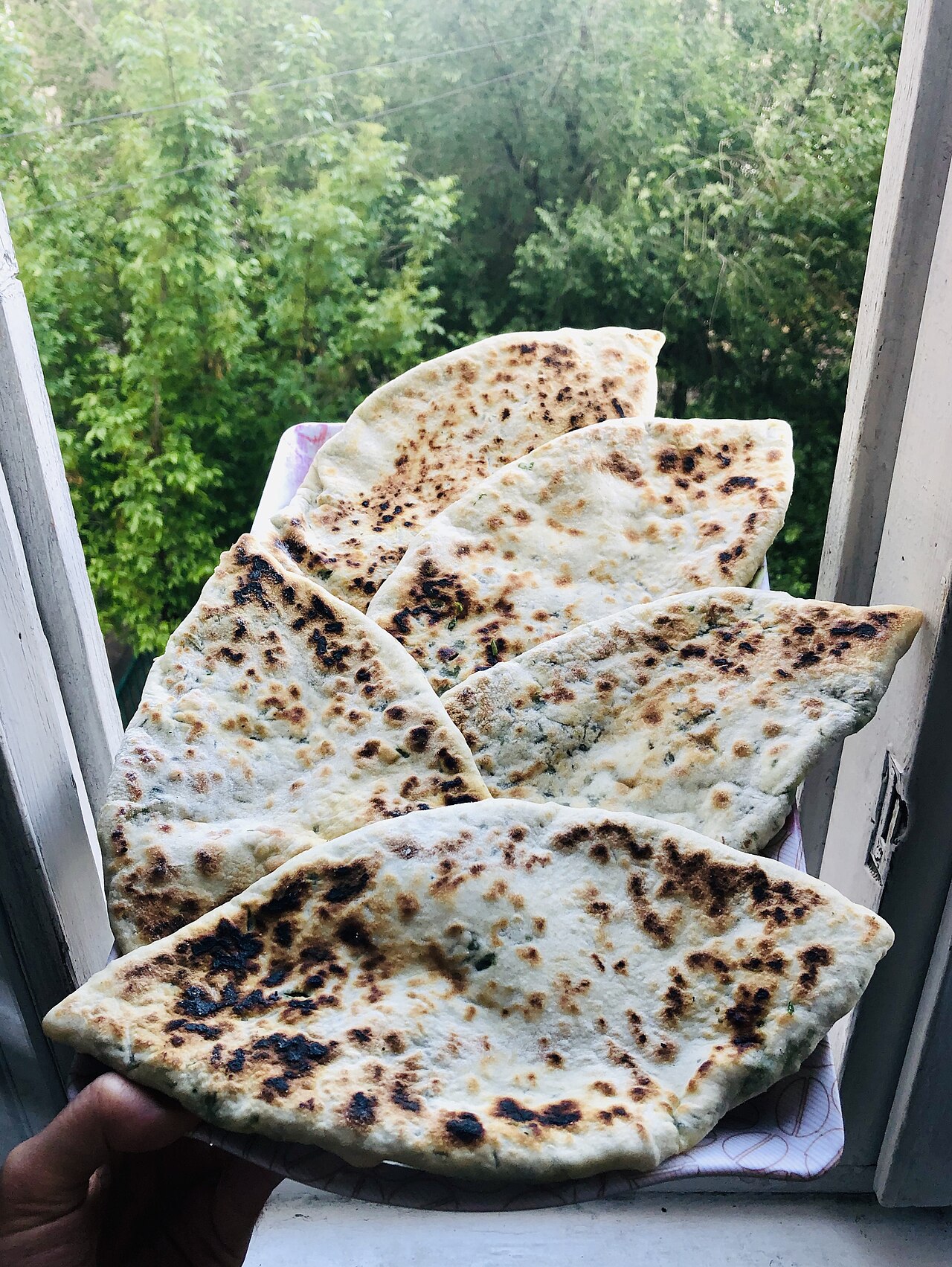
A thin flatbread filled with a mound of finely chopped wild and garden greens, often 10 to 20 kinds, from spinach and sorrel to nettles and herbs. It is cooked on a hot griddle and eaten warm. It is especially popular during Lent, when many people do not eat meat.
The dish was long a food for hard times, because the herbs could be gathered for free on the hillsides.
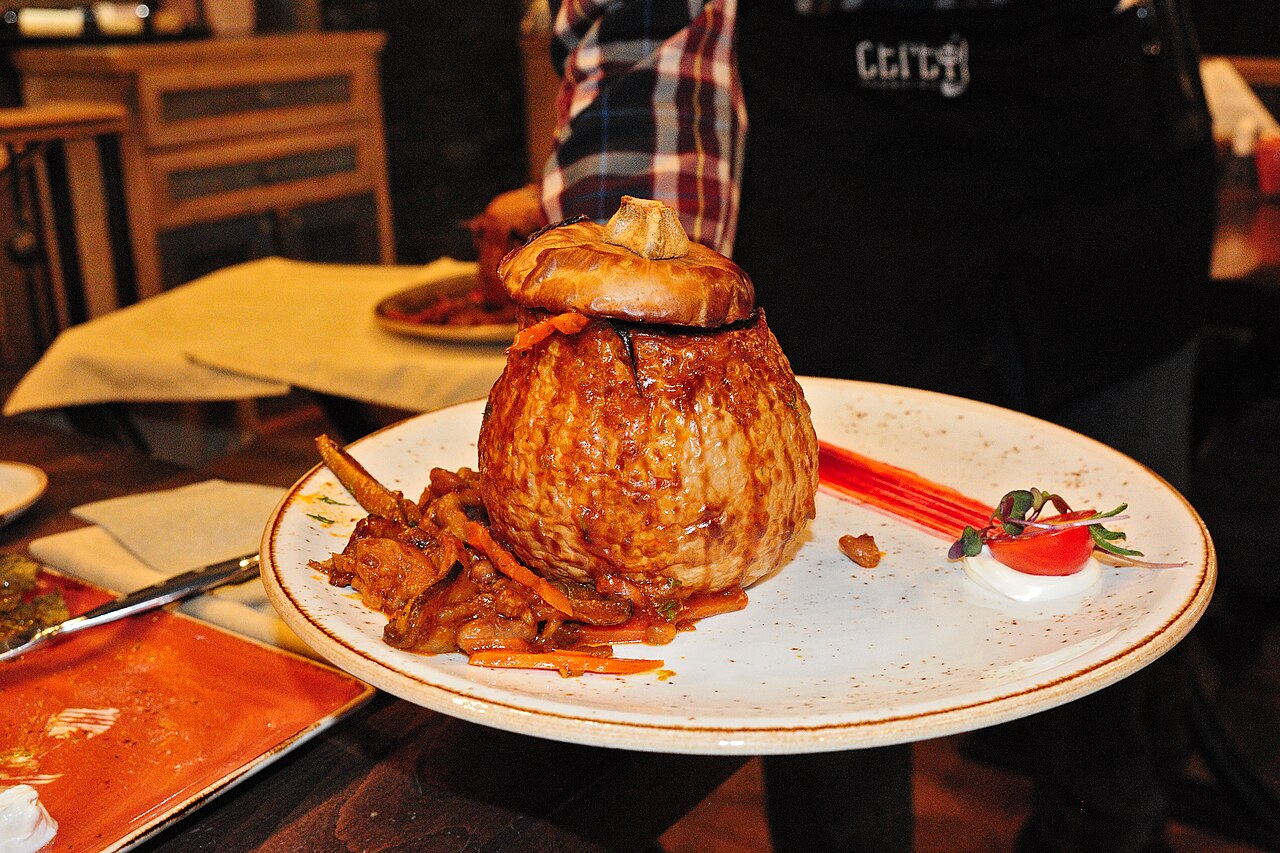
A whole pumpkin stuffed with rice, dried apricots, prunes, raisins, nuts, butter and honey, then baked until soft. At the table the pumpkin is cut into wedges like a cake. It is an autumn and holiday dish, served at Christmas, New Year and weddings.
An old folk song, 'Hey Jan Ghapama', praises the dish and is still played at Armenian weddings.
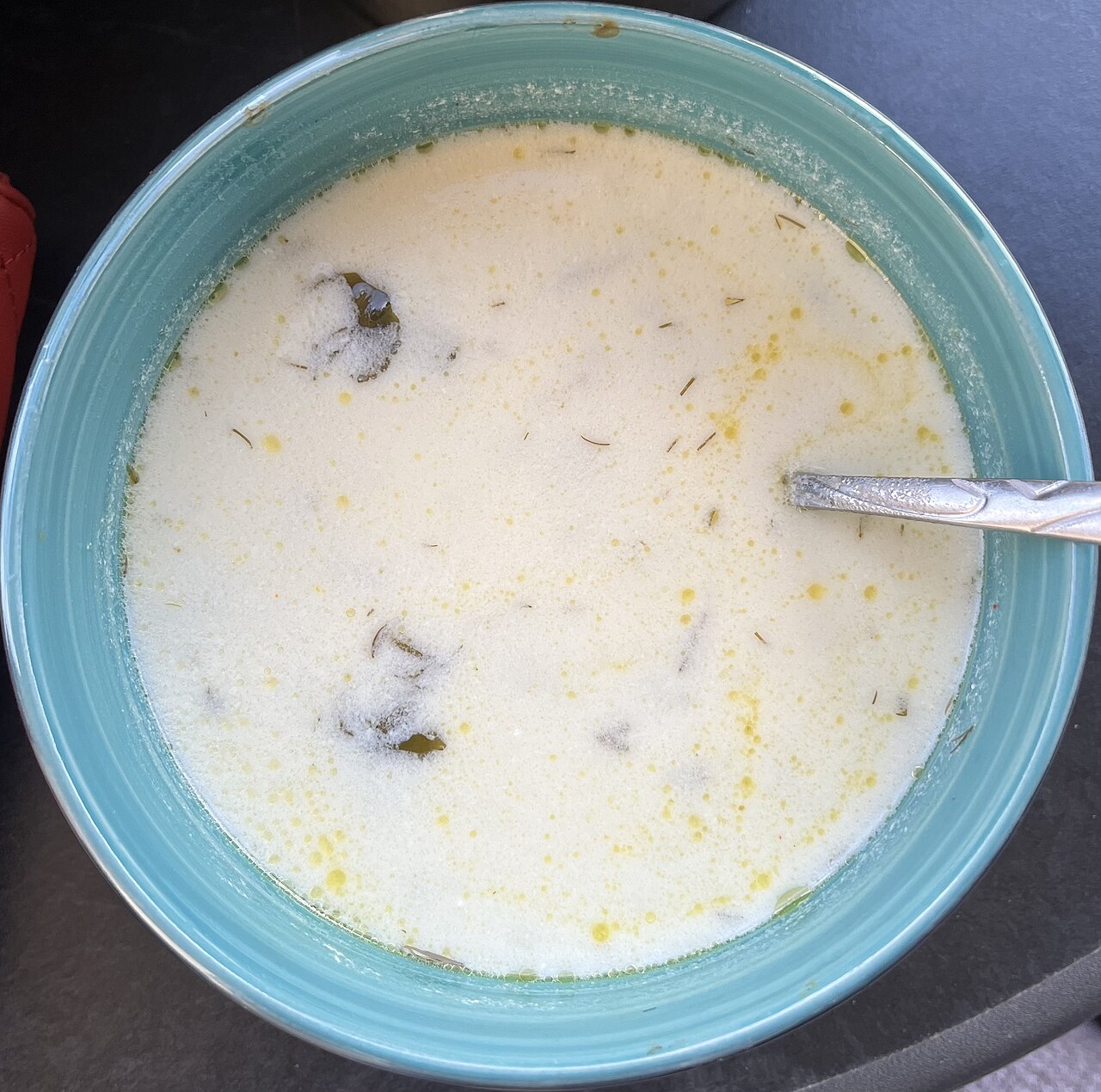
A gentle soup of matsun, the Armenian yogurt, with hulled wheat, butter-fried onion and herbs such as coriander and mint. An egg and a little flour are stirred in so the yogurt does not curdle. It is eaten warm in winter and chilled in summer.
See the recipe
Serves 4
45 min
Ingredients
100 g hulled wheat or pearl barley, soaked overnight
500 g plain whole-milk yogurt
1 egg
1 tablespoon plain flour
700 ml water
1 onion, finely chopped, and 2 tablespoons butter
A handful of chopped coriander and 1 teaspoon dried mint
Salt
Method
Drain the wheat, cover with fresh water and simmer for about 30 minutes, until soft. Drain.
In a pot, whisk the yogurt, egg and flour until smooth, then whisk in the water.
Heat slowly, stirring all the time in one direction, until it just comes to the boil. Stirring stops the yogurt from curdling.
Add the cooked wheat and a pinch of salt and simmer gently for 5 minutes.
Fry the onion in the butter until golden, stir it into the soup with the coriander and mint, and serve warm or chilled.
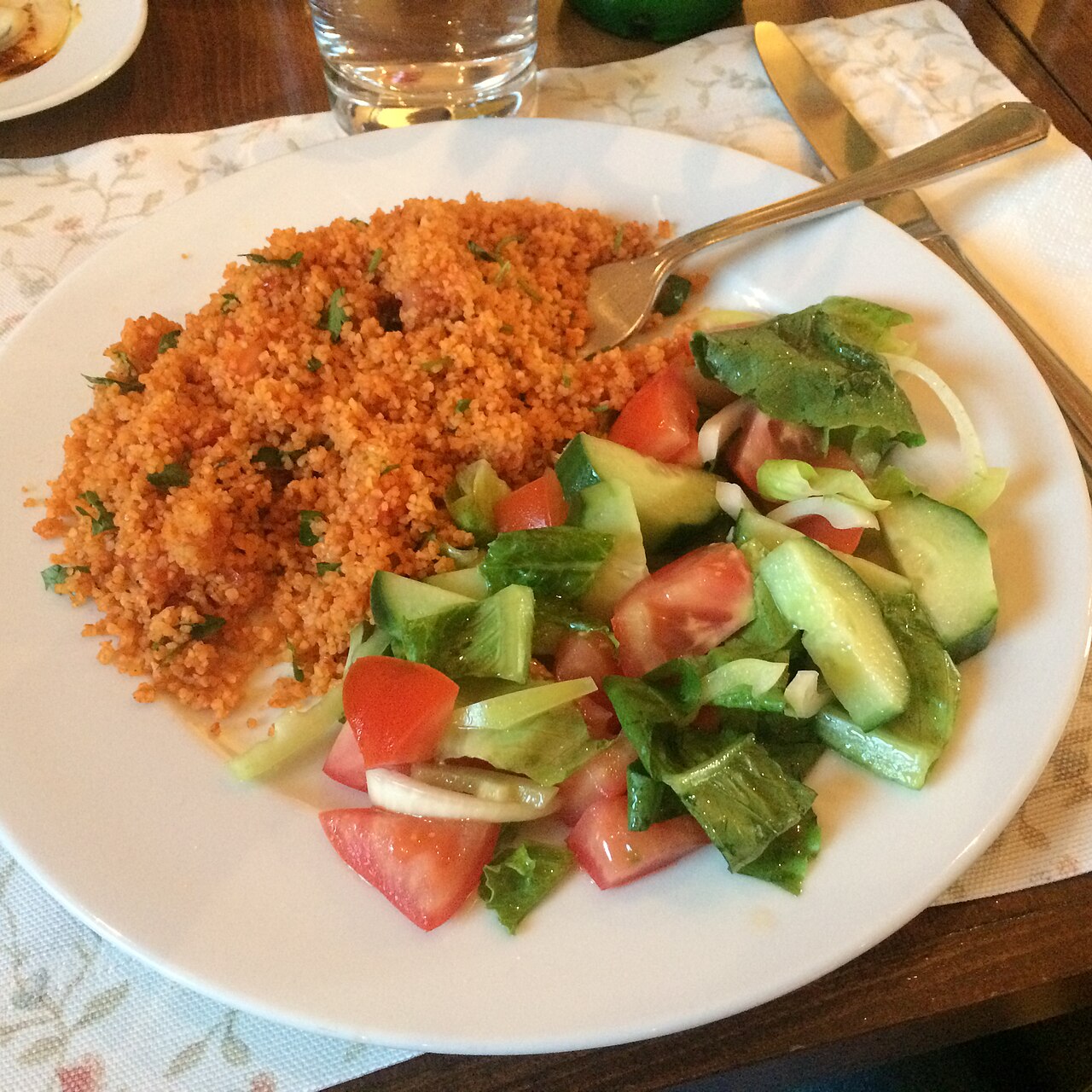
A red bulgur salad, similar to tabbouleh, made with tomato, onion, parsley, peppers, olive oil and lemon. It is eaten at room temperature or warm, scooped up with lettuce leaves or lavash, and is a favourite at picnics and during Lent.
See the recipe
Serves 4
40 min
Ingredients
200 g fine bulgur
3 tablespoons olive oil
1 onion and 1 red pepper, finely chopped
2 tablespoons tomato paste and 400 g chopped tomatoes
1 teaspoon paprika, salt and pepper
Juice of 1 lemon
A large bunch of parsley and 4 spring onions, chopped
Method
Fry the onion and pepper in the olive oil for 5 minutes, until soft.
Stir in the tomato paste, chopped tomatoes, paprika, salt and pepper, and simmer for 5 minutes.
Take the pan off the heat, stir in the dry bulgur, cover and leave for 20 minutes until the bulgur has soaked up the juice.
Stir in the lemon juice, parsley and spring onions, taste for salt, and serve warm or at room temperature.
Armenian home cooking, especially in families of Western Armenian origin
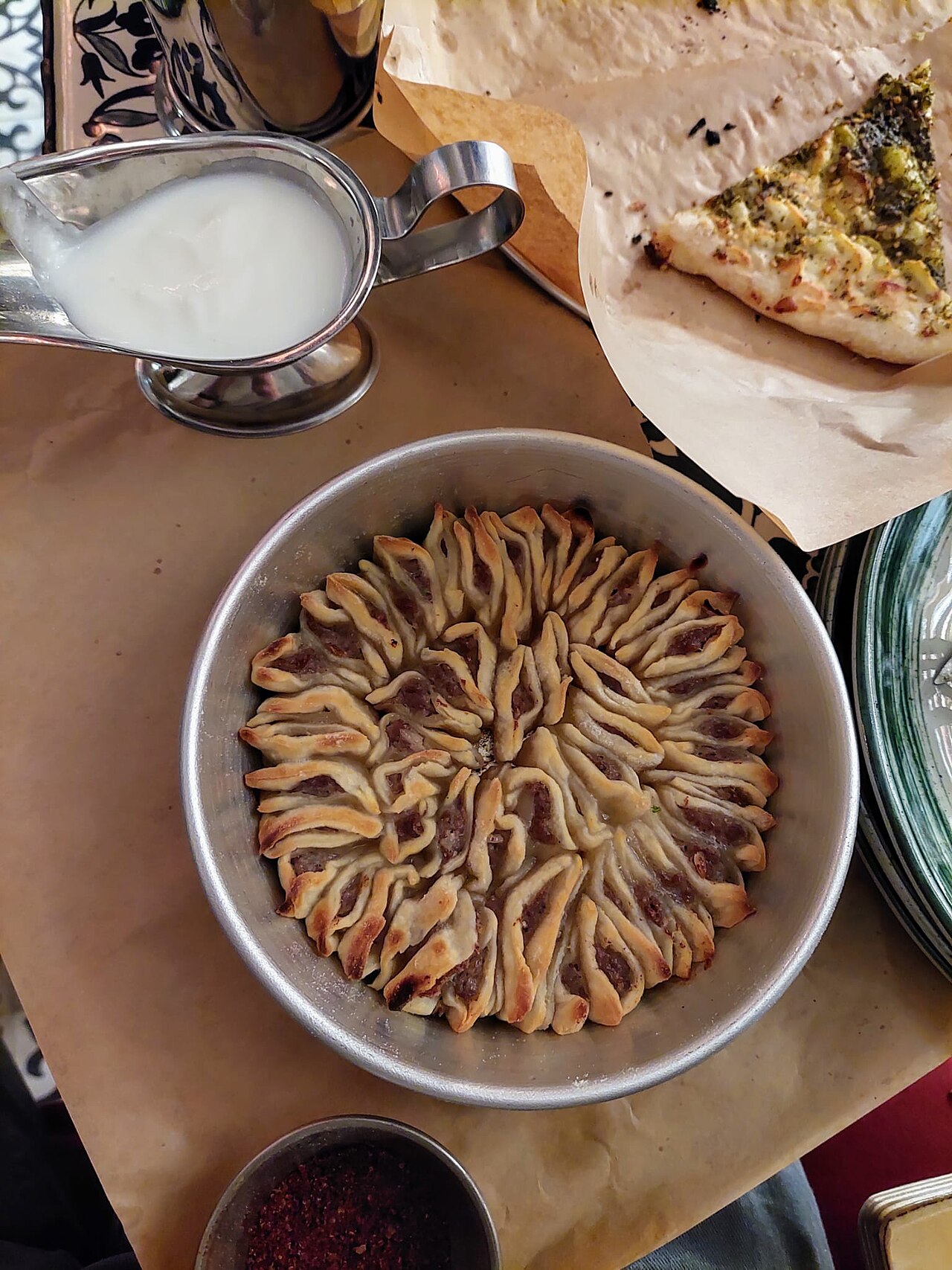
Tiny open dumplings shaped like little boats, filled with spiced minced meat. In the Armenian style they are baked in the oven until crisp, then moistened with hot broth or tomato sauce and served with yogurt and garlic.
Making manti is slow work because each dumpling is only a bite, so families often sit together to fold them.
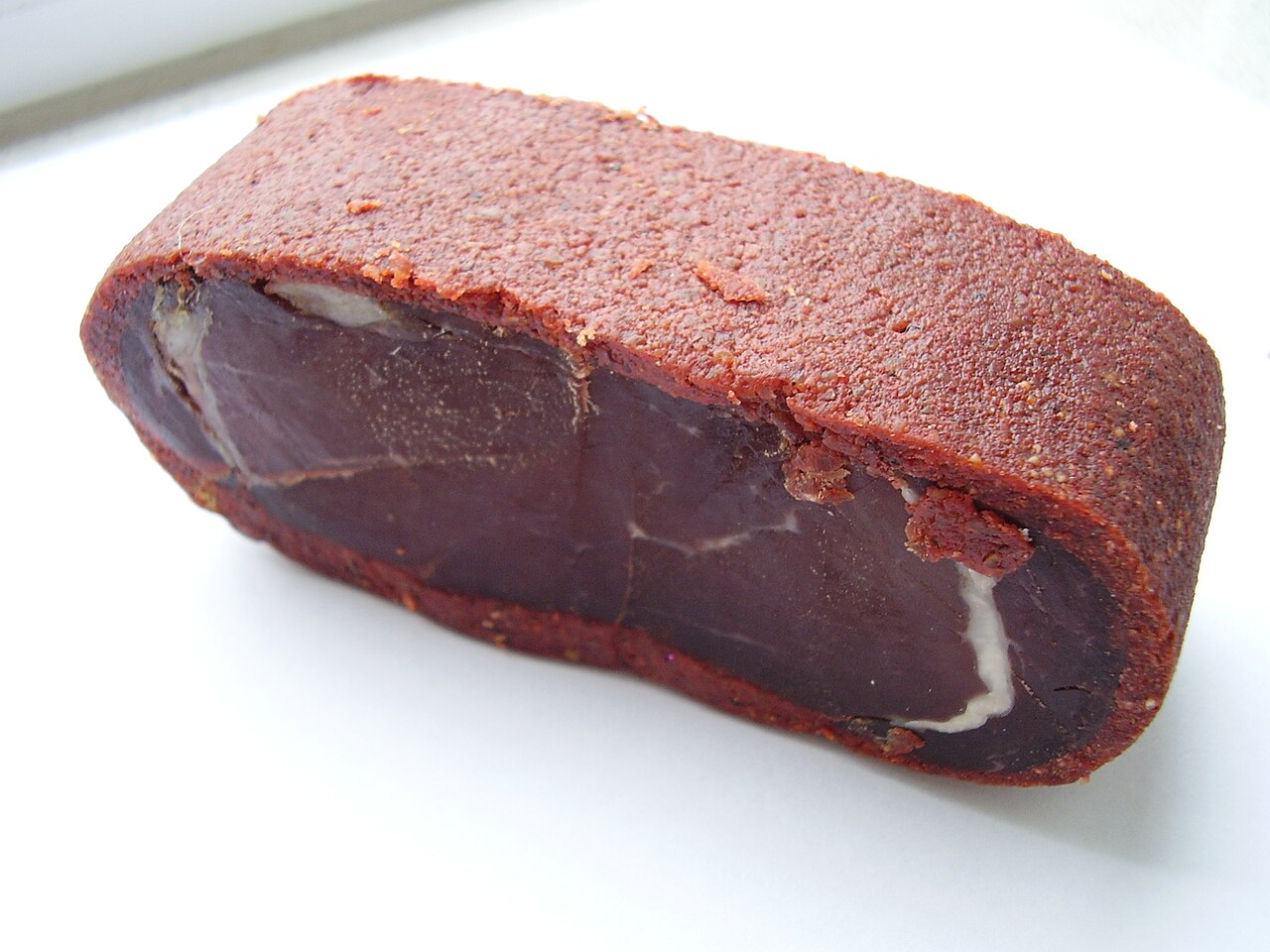
Beef that is salted, pressed and air-dried, then coated in a thick red paste of fenugreek, paprika, garlic and cumin called chaman. It is sliced paper-thin and served as a cold starter, often with sujukh sausage, cheese and lavash.
Armenians also call it apukht, a word already used in the fifth-century Armenian translation of the Bible for salted, dried meat.
The whole country, with a different style in almost every region
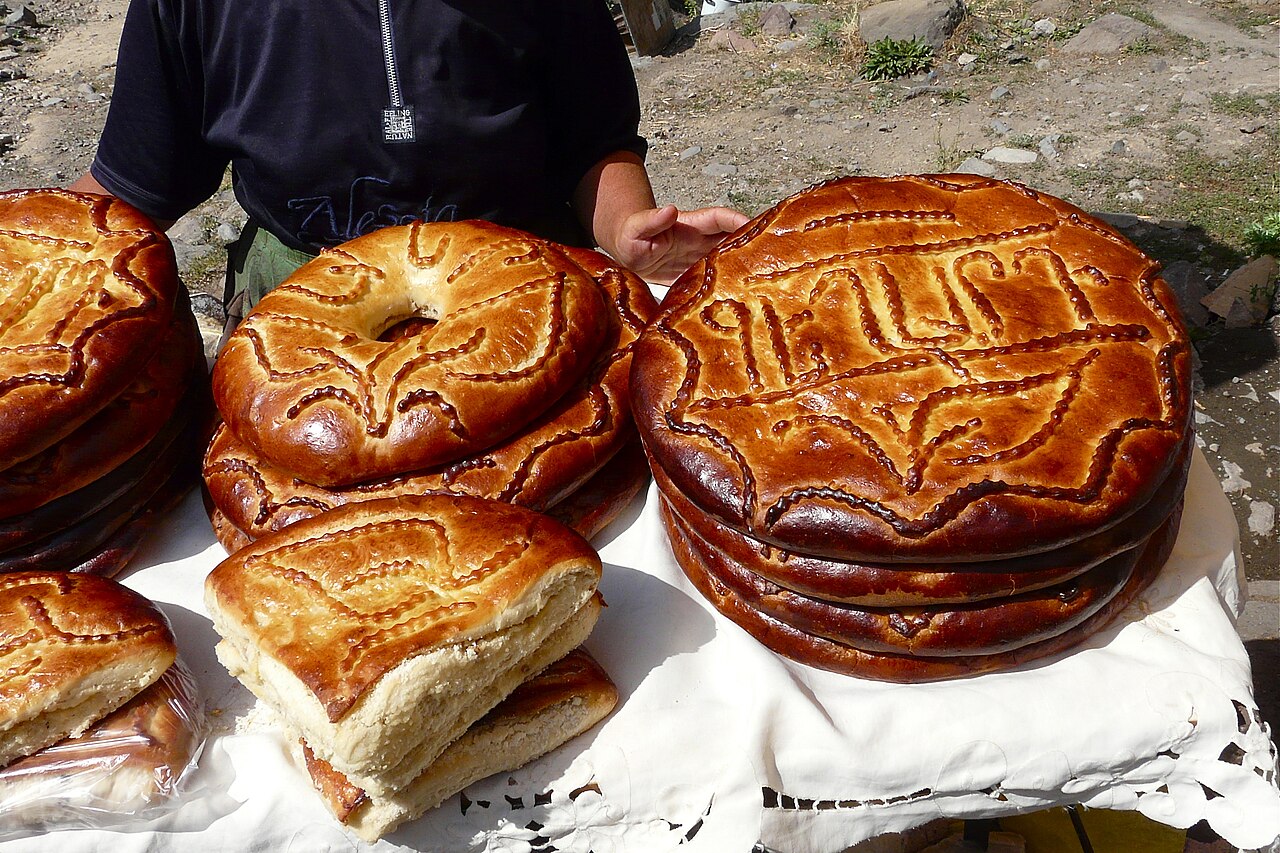
A sweet, buttery bread or cake, often with a crumbly filling of flour, butter and sugar called khoriz. Gata from the villages of Garni and Geghard is round, decorated and about a foot across.
Families sometimes bake a coin into the gata, and whoever finds it in their slice is said to have good luck for the year.
See the recipe
Serves 8
1 h 15 min
Ingredients
Dough: 350 g plain flour, 150 g soft butter, 200 g plain yogurt, 1 egg, 1 teaspoon baking soda, a pinch of salt
Filling (khoriz): 150 g plain flour, 120 g soft butter, 150 g sugar, 1 teaspoon vanilla sugar
1 egg yolk, beaten, for glazing
Method
Mix the yogurt with the baking soda, then work in the egg, butter, salt and flour to a soft dough. Cover and chill for 30 minutes.
Rub the filling ingredients together with your fingertips until they look like damp sand.
Heat the oven to 180 °C. Divide the dough in two, roll each piece into a circle about 25 cm across, and spread the filling on one circle, leaving a border.
Cover with the second circle and press the edges together firmly. Prick the top with a fork, draw a pattern with a knife and brush with the egg yolk.
Bake for 30 to 35 minutes, until golden. Cool before cutting into wedges.
The whole country, sold at markets and roadside stalls
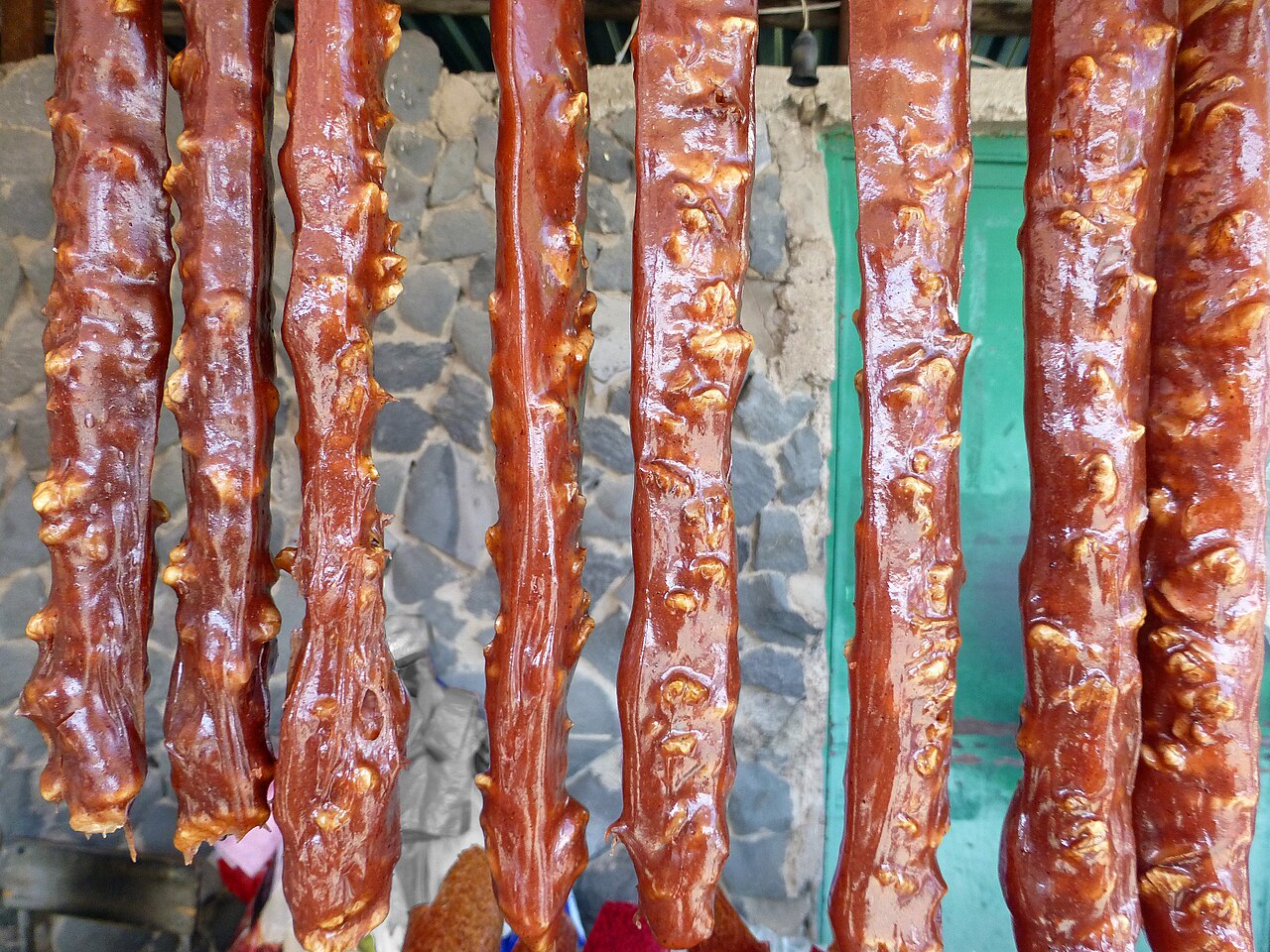
Strings of walnuts dipped again and again in thickened grape or mulberry juice, then hung up to dry into chewy, candle-shaped sweets. They hang in bunches at markets and outside monasteries, next to dried fruit and fruit leather.
The same sweet is called churchkhela in neighbouring Georgia.
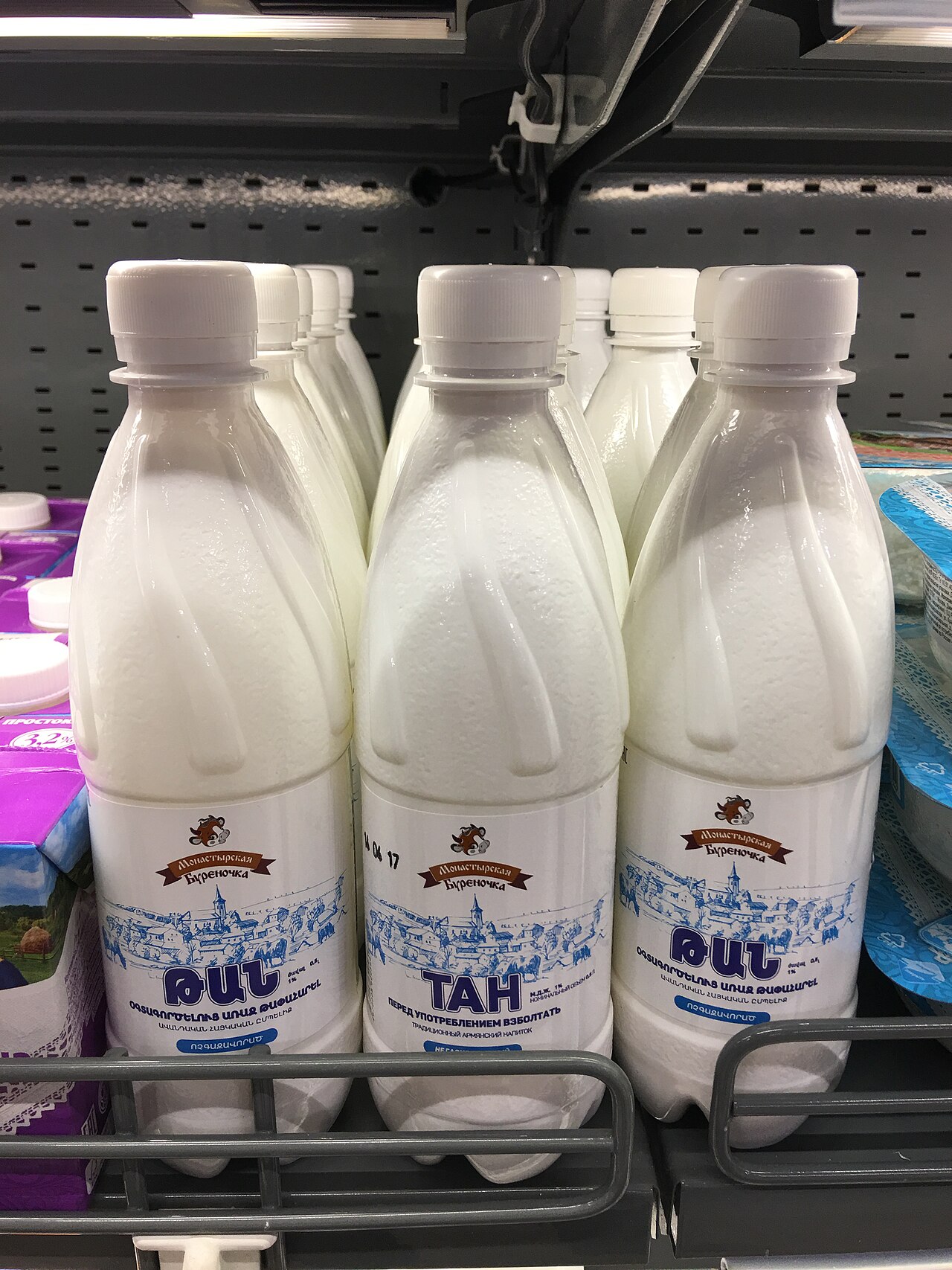
A cool, salty drink of matsun yogurt mixed with water, sometimes with herbs or cucumber, and sold still or fizzy. It is the classic drink with khorovats on a hot day.
Tan is related to the ayran of Turkey and the doogh of Iran, and was probably first made as a way to keep yogurt from spoiling.
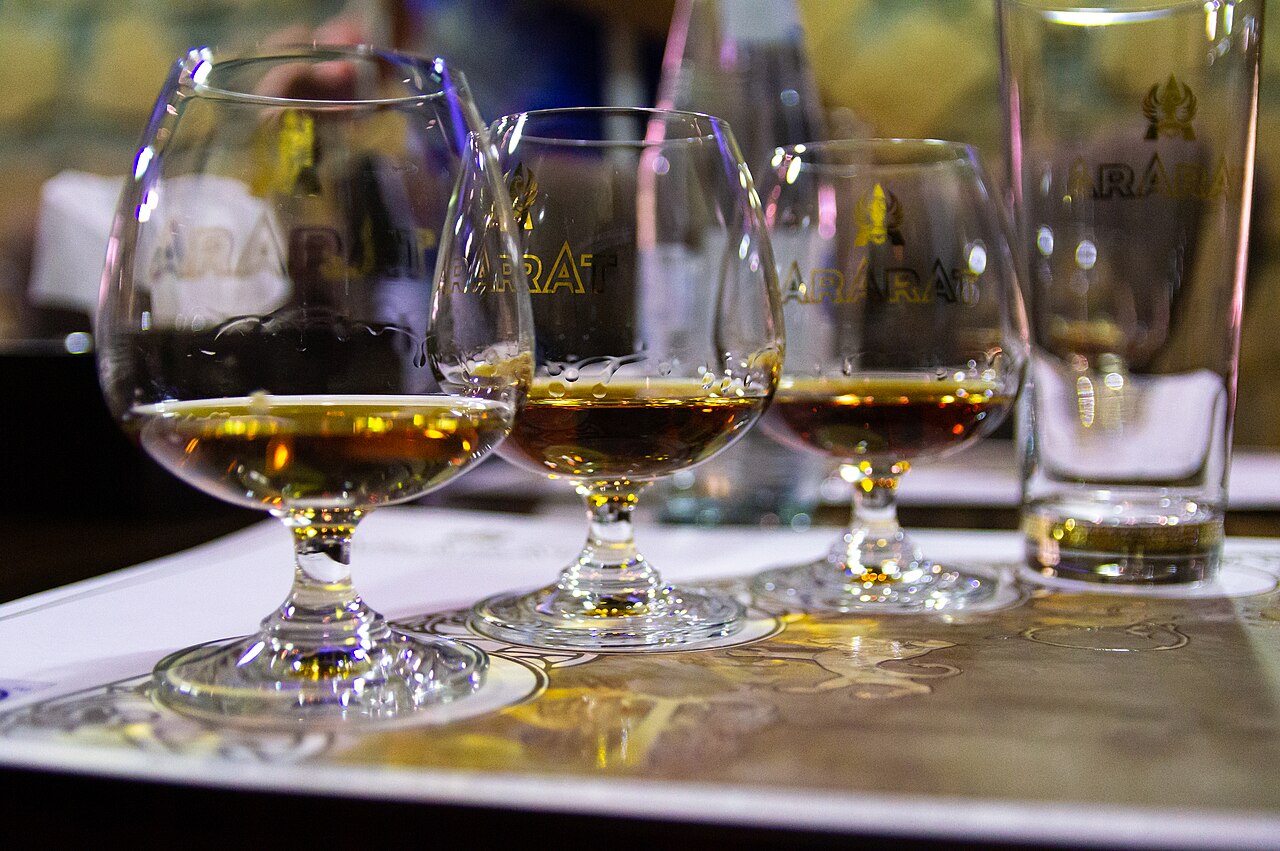
Brandy distilled from local white grapes and aged in oak barrels, made in Armenia since the late 19th century. The best known is sold under the Ararat name by the Yerevan Brandy Company, whose factory stands above the Hrazdan gorge and can be visited. Armenians call it konyak, although outside Armenia only brandy from the Cognac region of France may be sold as cognac.
Armenian brandy is said to have been a favourite of Winston Churchill, although the story is hard to prove.
Table manners
Guests are treated with great warmth. Your hosts will keep offering more food, and refusing outright can seem unfriendly. Leaving a little on your plate is the polite sign that you have had enough.
At a feast there are many toasts, led by the host or a chosen toastmaster. Wait for the toast before you drink, and raise your glass to the family, to guests and to those who are no longer with you. Kenatsd! means 'Cheers!'
Lavash is used like a plate, a napkin and a spoon at once: wrap meat and herbs in it, or tear off a piece to scoop up food. Bread is treated with respect and is not thrown away carelessly.
Khash is a winter morning ritual. Crumble dried lavash into the broth, add garlic and salt, and eat slowly with friends. It is not a dish for a hurried lunch.
If you are invited to a home, bring a small gift such as chocolates, flowers or a cake. Expensive gifts are not expected.
Many restaurants add a service charge of about 10 percent. If it is not included, rounding up or leaving about 10 percent is usual.
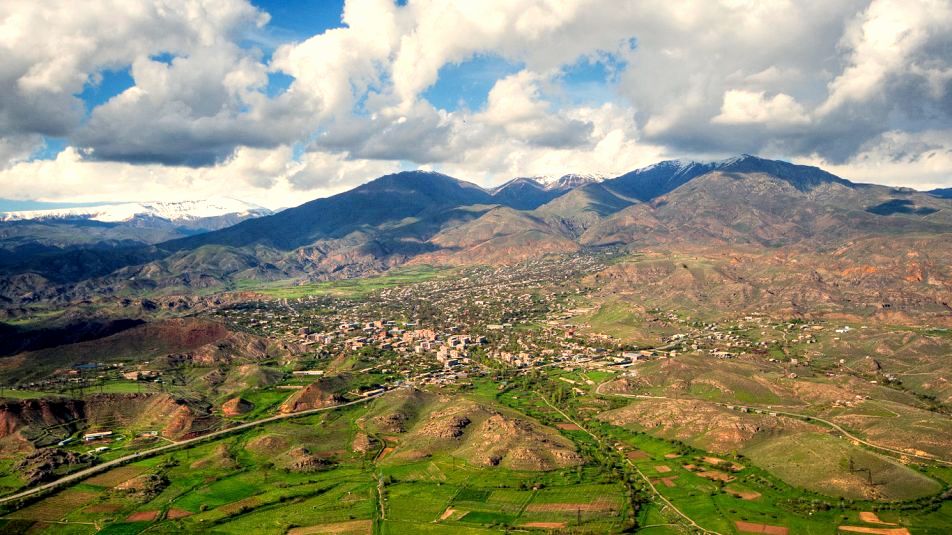
More than a third of Armenia's people live in Yerevan, on the edge of the Ararat Plain. Just west of it is Vagharshapat, the spiritual centre of the Armenian Church. In the north lie Gyumri and Vanadzor, the next largest cities, the green spa town of Dilijan and the copper town of Alaverdi in the Debed gorge. Sevan sits on the shore of the great lake, while to the south, down the long road to Iran, come Artashat, Yeghegnadzor, the spa town of Jermuk and Goris in the far southern mountains.
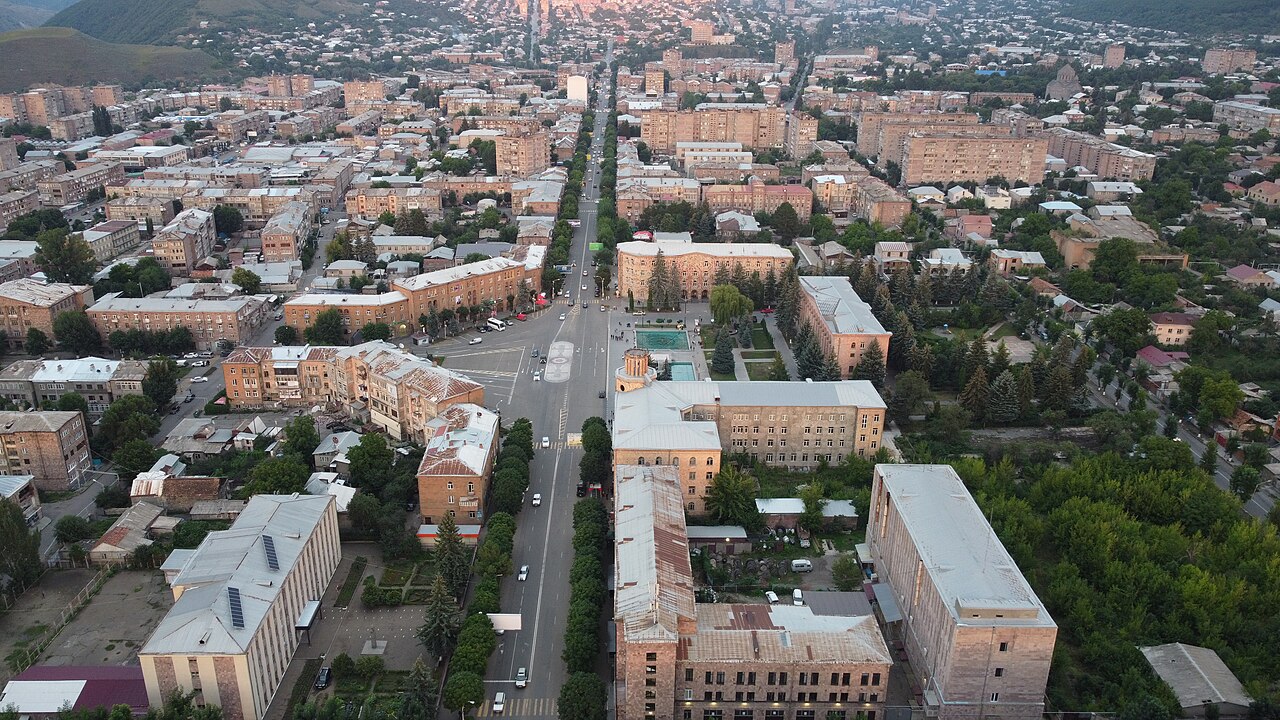
The capital and by far the largest city, home to about 1.09 million people (2022 census). It grew from the Urartian fortress of Erebuni, founded in 782 BC, and much of the centre was rebuilt in the 20th century from pink and orange volcanic tuff stone. It is a city of cafés, parks and wide avenues, with Mount Ararat rising to the south on clear days.
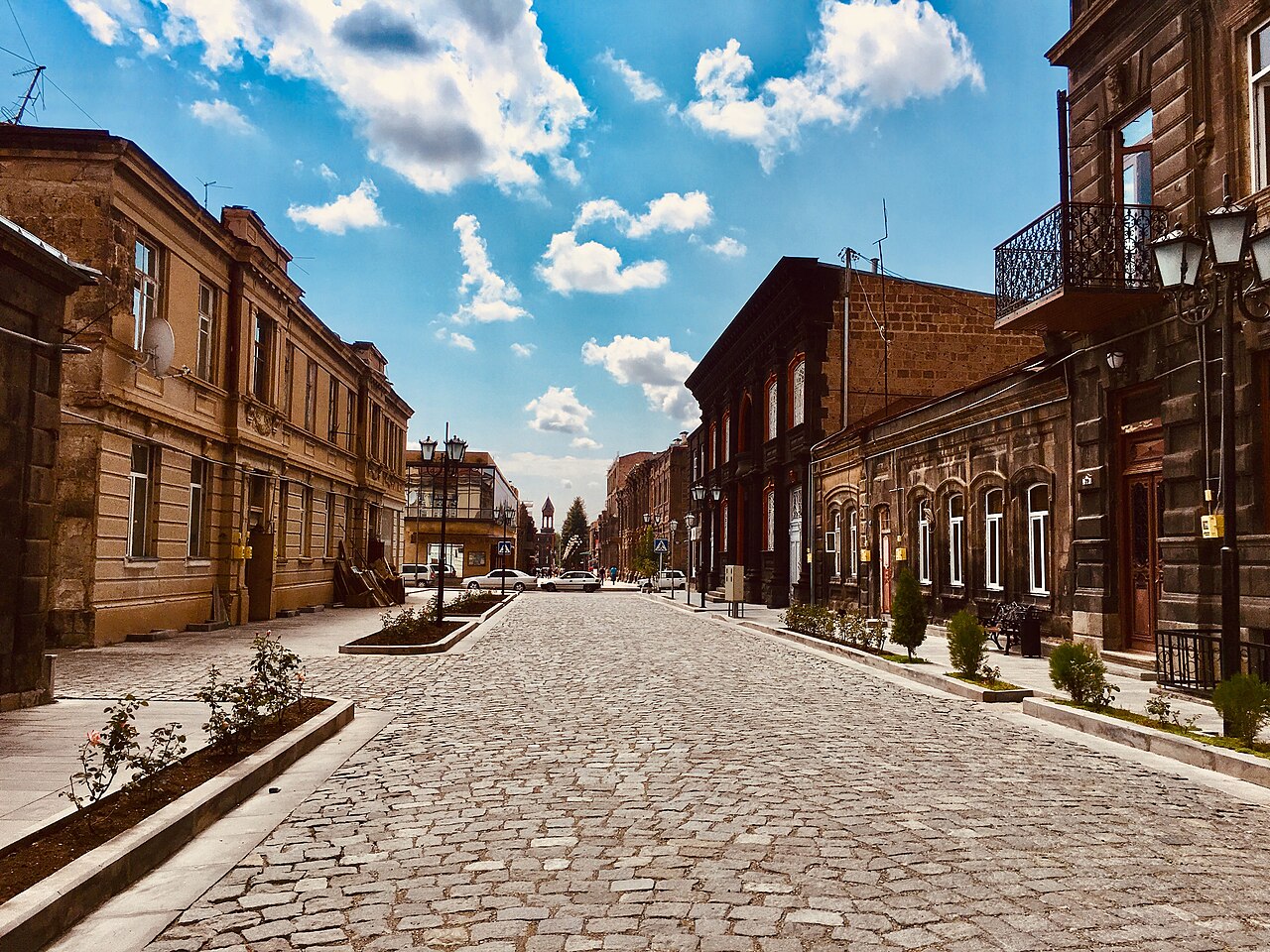
The second-largest city, in the northwest near the Turkish border, with about 112,000 people (2022 census). Known as Alexandropol under Russian rule and Leninakan in Soviet times, it was badly damaged by the 1988 earthquake. Its old Kumayri quarter of black and red stone houses is one of the best preserved historic districts in Armenia.
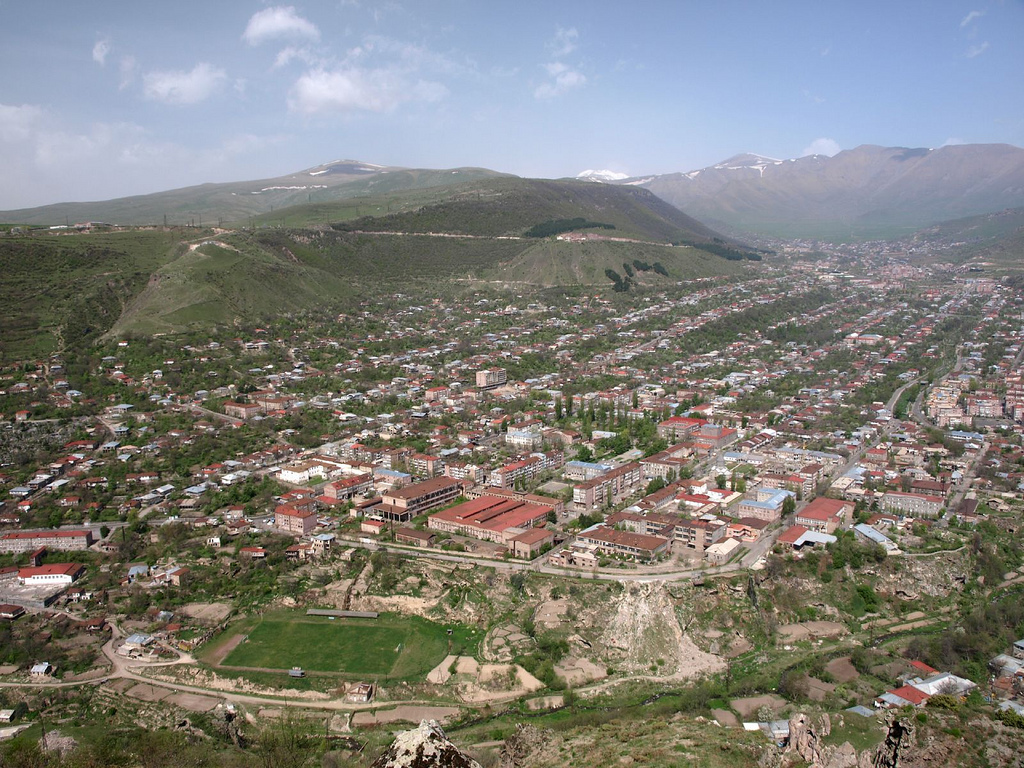
The third-largest city and capital of Lori Province, about 128 km north of Yerevan, with about 75,000 people (2022 census). Its name means 'valley of the monasteries'. In Soviet times it was called Kirovakan and was an industrial town.
A city about 18 km west of Yerevan, still widely known by its other name, Etchmiadzin. It is the seat of the Catholicos, the head of the Armenian Apostolic Church, and is often called Armenia's spiritual capital. It was also a royal capital of ancient Armenia.
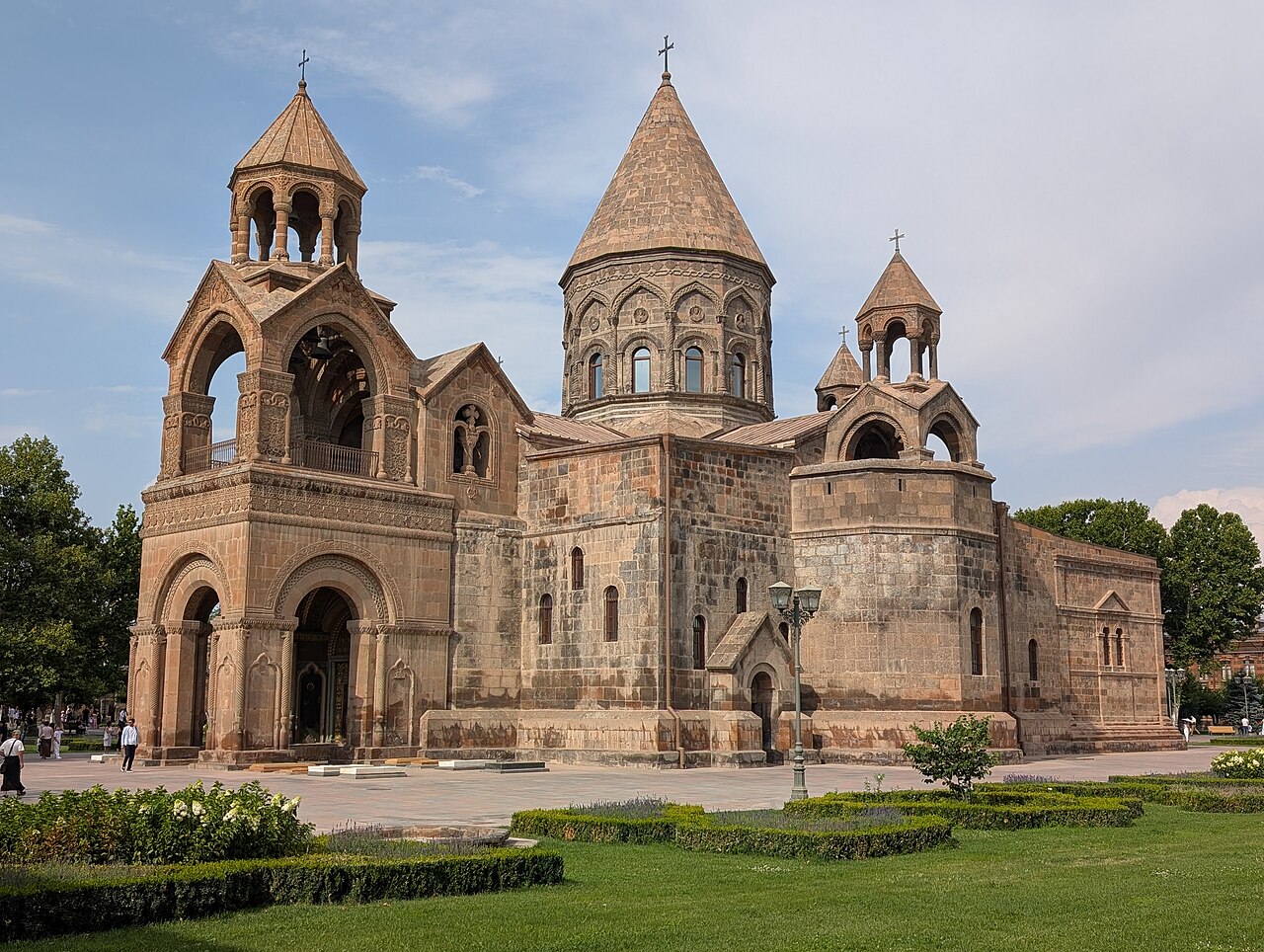
Etchmiadzin Cathedral, the mother church of the Armenian Church
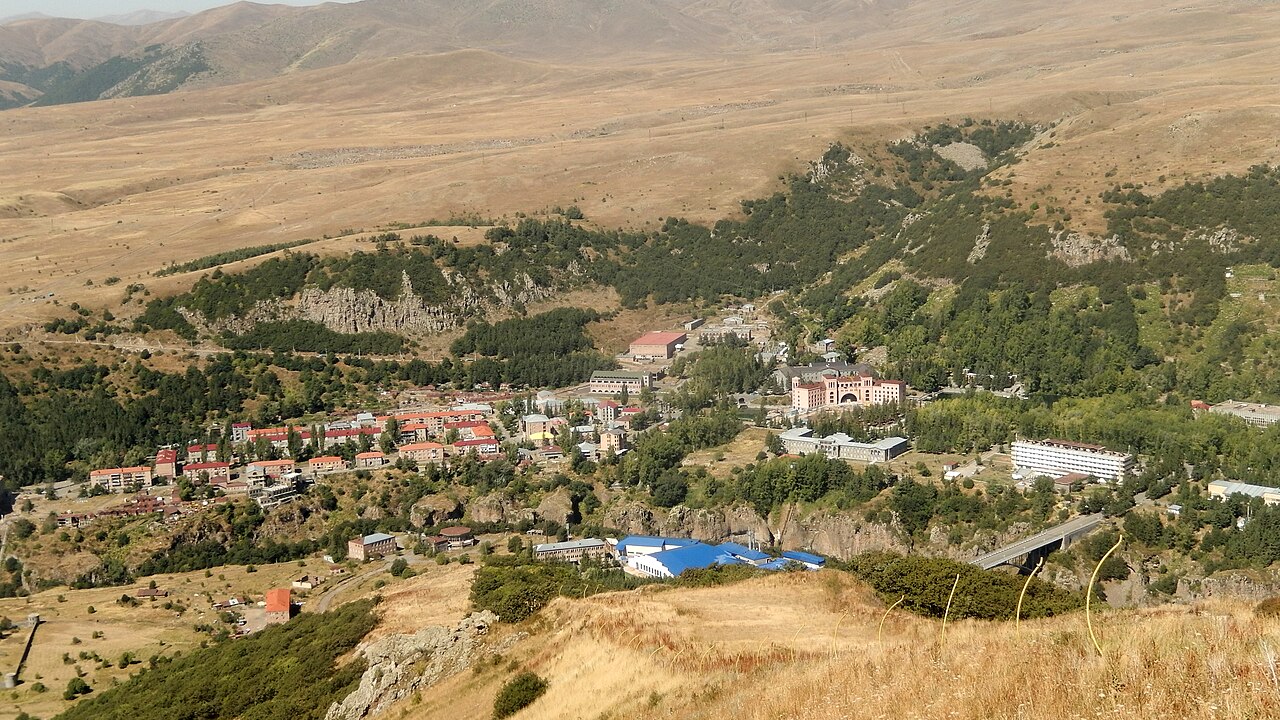
A spa town of about 16,000 people in the forested mountains of the northeast, inside Dilijan National Park. It has long attracted Armenian artists, composers and filmmakers, and it is popular for its mountain air, hiking and mineral water.
Old Sharambeyan Street with craft workshops
Forest walks in Dilijan National Park
The monasteries of Haghartsin and Goshavank nearby
A resort town on the northwestern shore of Lake Sevan, more than 1,900 m above sea level and about 65 km northeast of Yerevan. In summer people come for the beaches, the cool air and fish from the lake.
The monastery of Sevanavank on its peninsula
Beaches on Lake Sevan
Fish from the lake and local fish farms, especially trout and whitefish
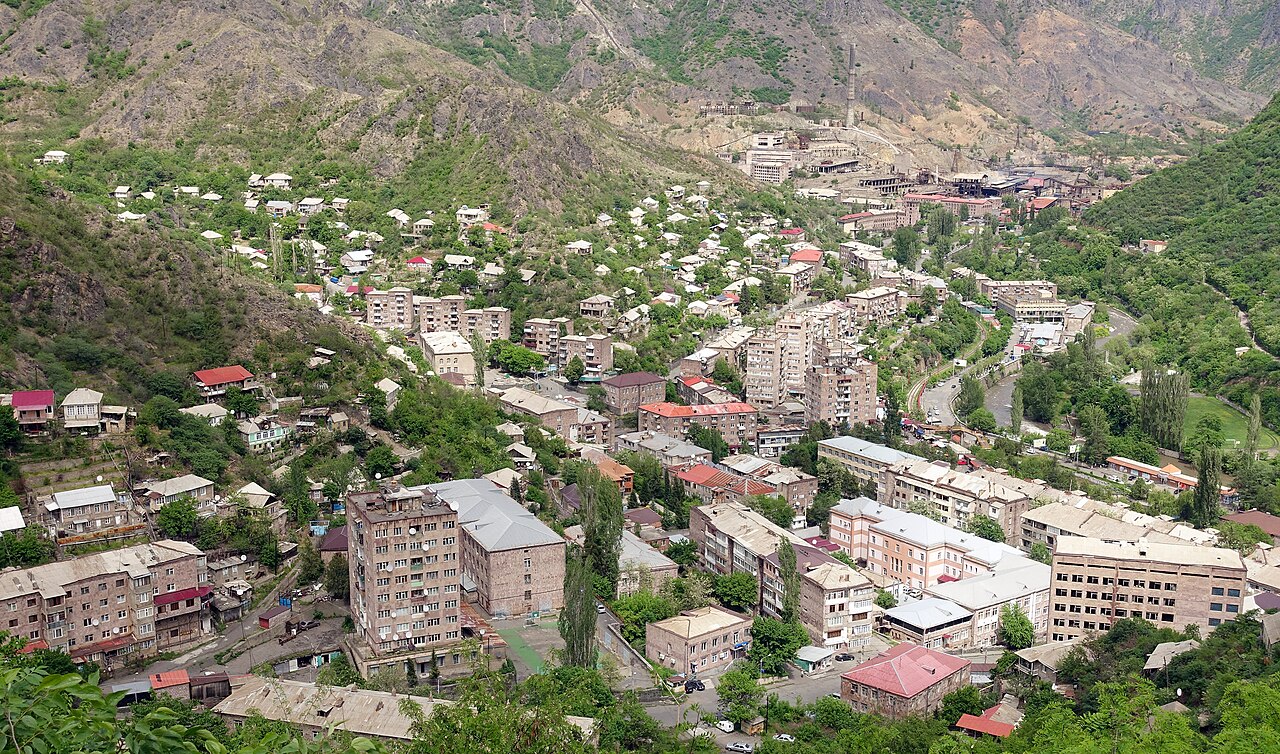
An old copper-mining town deep in the gorge of the Debed River, near the border with Georgia. It sits on the railway between Armenia and Georgia and is the base for visiting the monasteries of Haghpat and Sanahin.
The capital of Ararat Province, about 30 km southeast of Yerevan on the Ararat Plain. It is named after ancient Artashat (Artaxata), capital of the Armenian kingdom for several centuries, whose ruins lie a few kilometres to the southeast, beside Khor Virap.
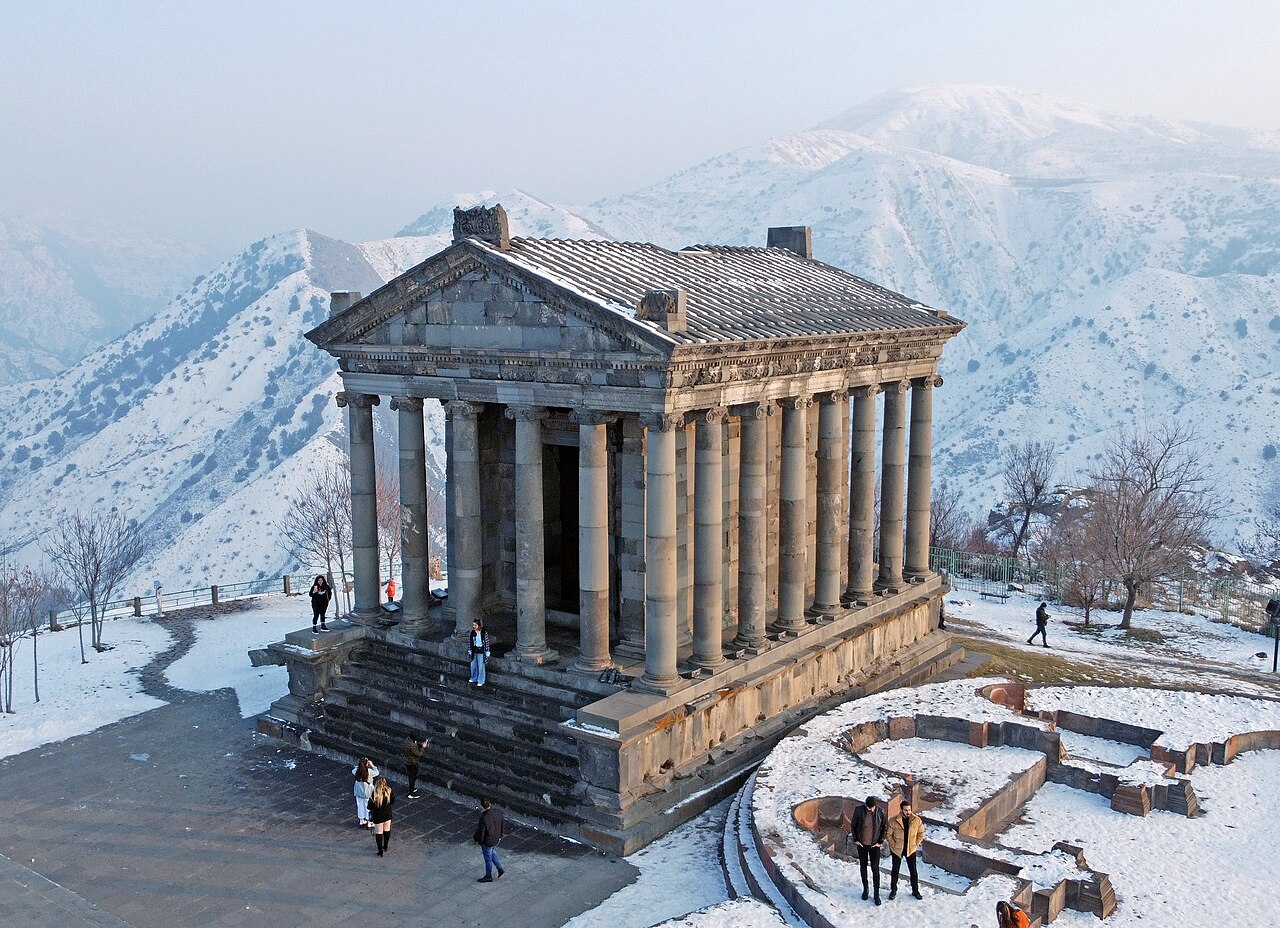
A large village about 30 km east of Yerevan, on the edge of the deep Azat River gorge. It is the most popular day trip from the capital because of its classical temple, and the monastery of Geghard is a short drive further up the valley.
The Temple of Garni
The 'Symphony of Stones', basalt columns in the gorge
A small town of about 7,000 people in the south, the capital of Vayots Dzor Province, about 123 km by road from Yerevan. The area around it is known for its wine villages, red rock canyons and the monastery of Noravank.
A mountain spa town in the south, famous for its hot springs and for the mineral water bottled there under its name. Its name comes from an Armenian word for a warm mineral spring. It also hosts international chess tournaments.
A town of about 17,000 people in the mountains of the far south, about 250 km from Yerevan, known as the cultural centre of Syunik. Its streets of 19th-century stone houses lie below cliffs full of old cave dwellings.
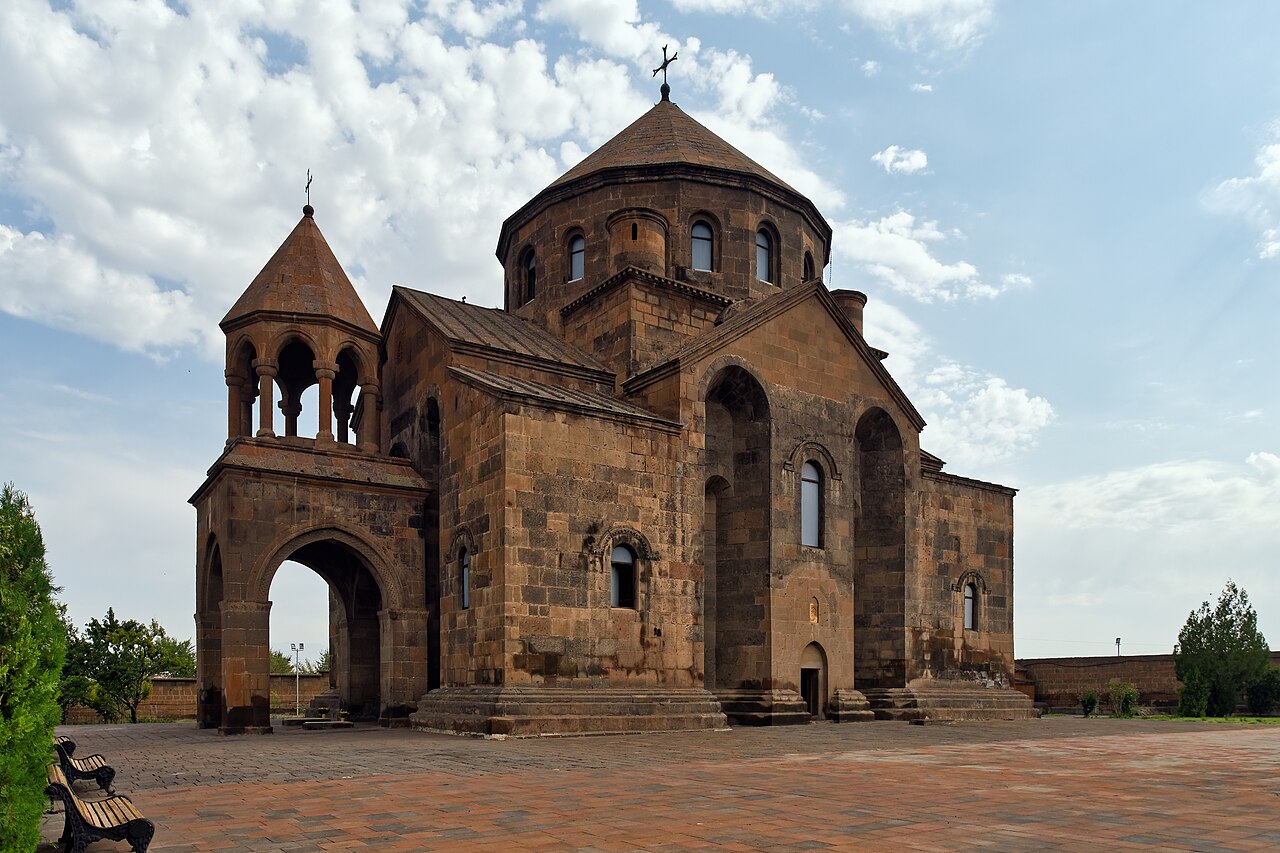
The mother church of the Armenian Apostolic Church. The first church here was built, according to tradition, between 301 and 303, soon after Armenia adopted Christianity, and the core of today's building dates from 483 to 484. It is often described as the oldest cathedral in the world. Together with the nearby churches and the ruins of Zvartnots Cathedral it has been a UNESCO World Heritage Site since 2000.
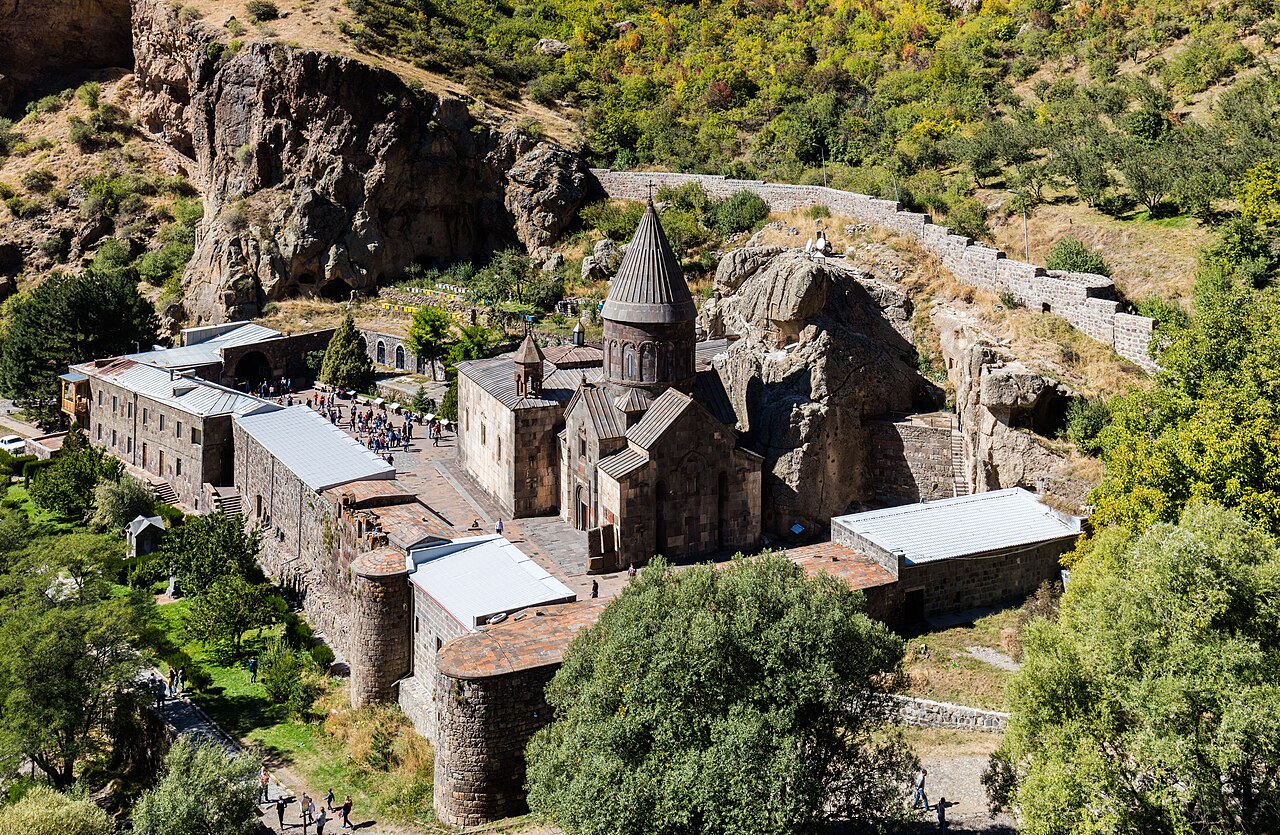
A medieval monastery partly carved out of the cliffs of the Azat River gorge. Some of its churches are cut entirely into the rock. Its name means 'spear', after the spear said to have wounded Jesus, which was once kept here. The main church was built in 1215. Together with the upper Azat valley it has been a UNESCO World Heritage Site since 2000.
A Greek-style temple with Ionic columns, standing on a cliff above the Azat River gorge. It is usually dated to the first century AD and is the best-known building of Armenia's pre-Christian past. It collapsed in an earthquake in 1679 and was rebuilt from its original stones between 1969 and 1975.
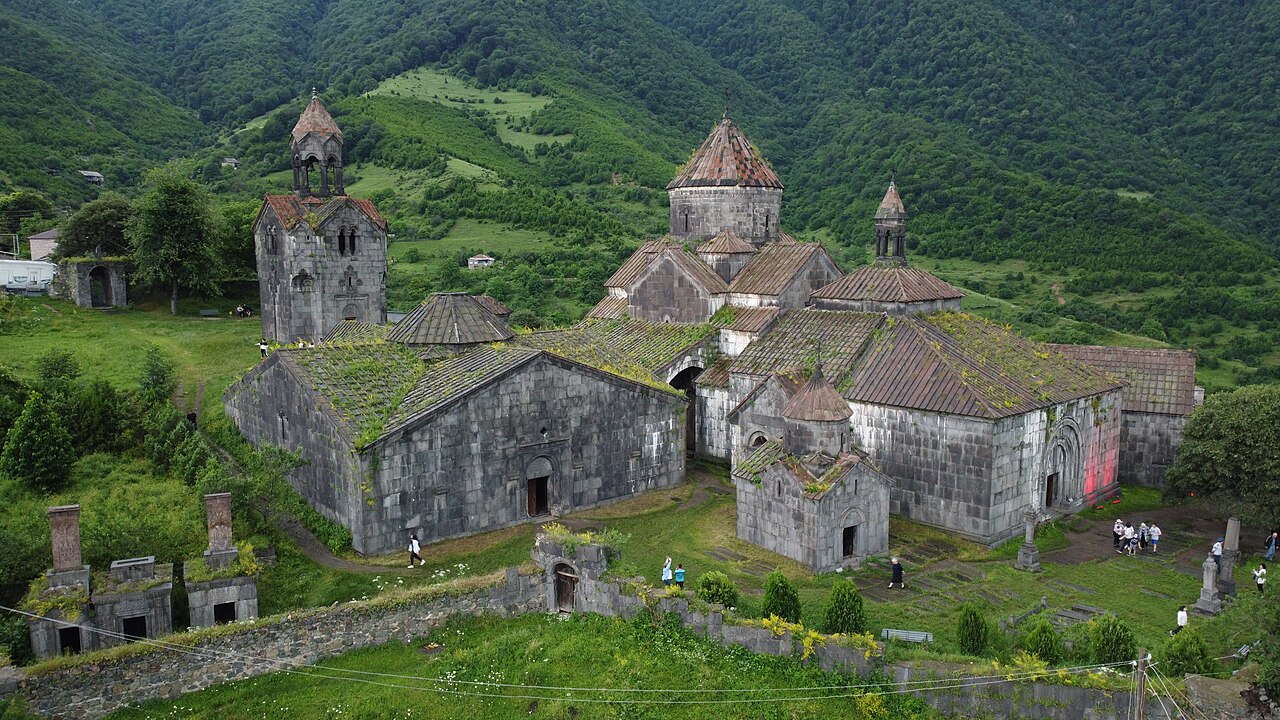
A monastery on a hillside above the Debed gorge, founded around 976 and built up between the 10th and 13th centuries, with churches, a library, a refectory and many carved stone crosses (khachkars). With the nearby monastery of Sanahin it forms a UNESCO World Heritage Site, listed in 1996 and 2000.
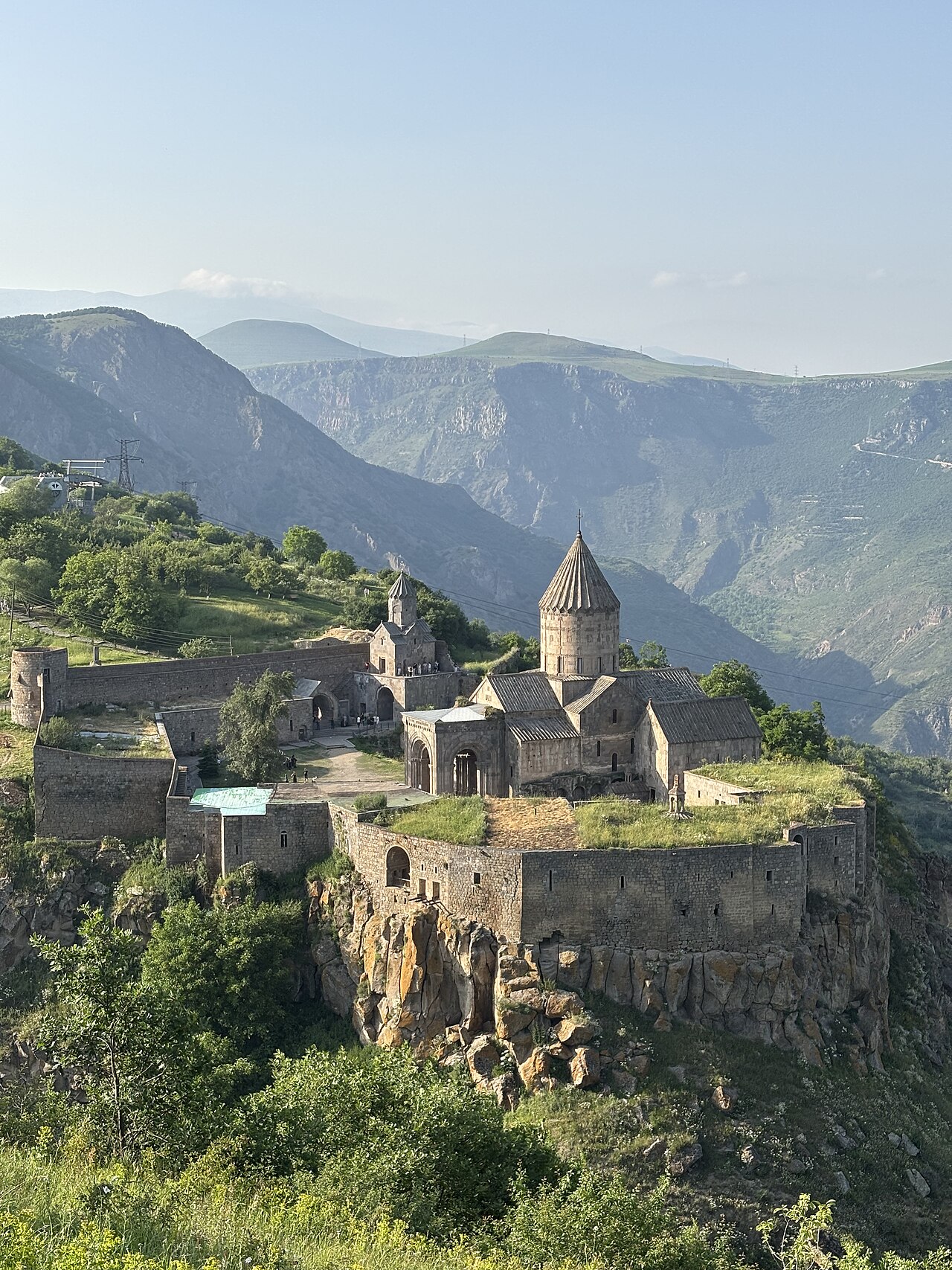
A 9th-century monastery on the edge of a basalt plateau above the deep Vorotan gorge. In the 14th and 15th centuries it housed one of the most important medieval Armenian universities. Most visitors arrive on the Wings of Tatev, a cable car about 5.7 km long that glides over the gorge from the village of Halidzor in about 12 minutes.
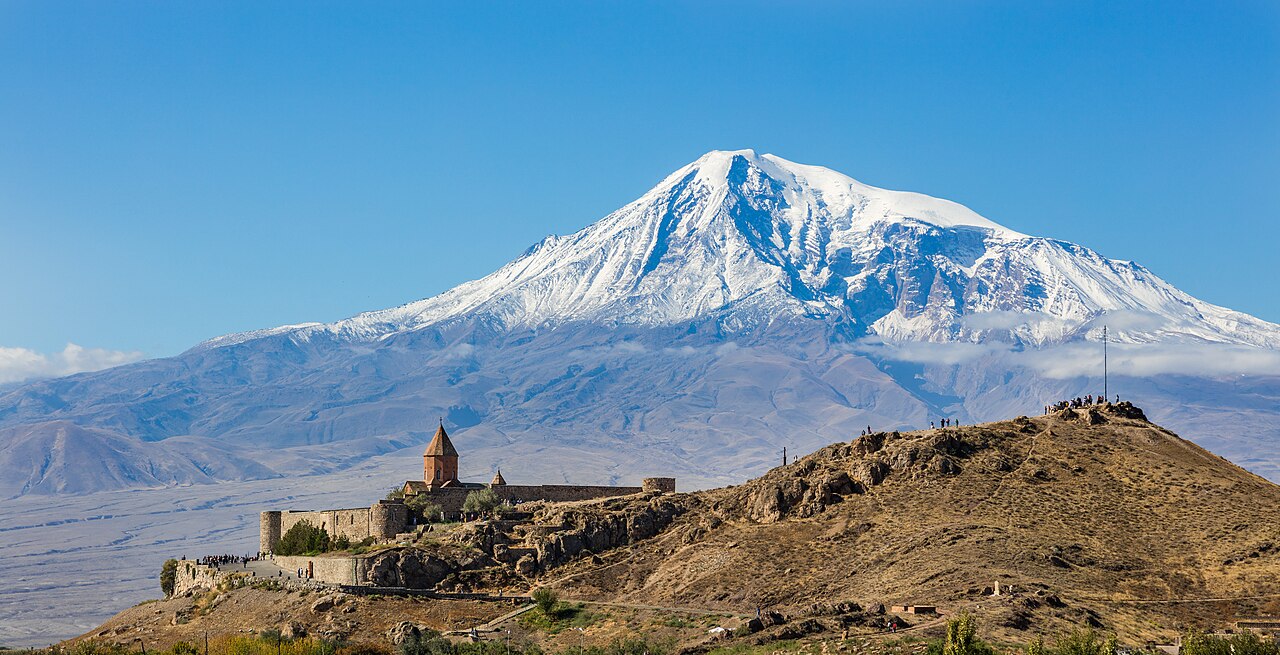
A monastery on a small hill on the Ararat Plain, right by the Turkish border, with Mount Ararat towering behind it. Its name means 'deep pit': according to tradition, Gregory the Illuminator was held for 13 years in a pit here before he converted the king. Visitors can climb down a ladder into the pit.
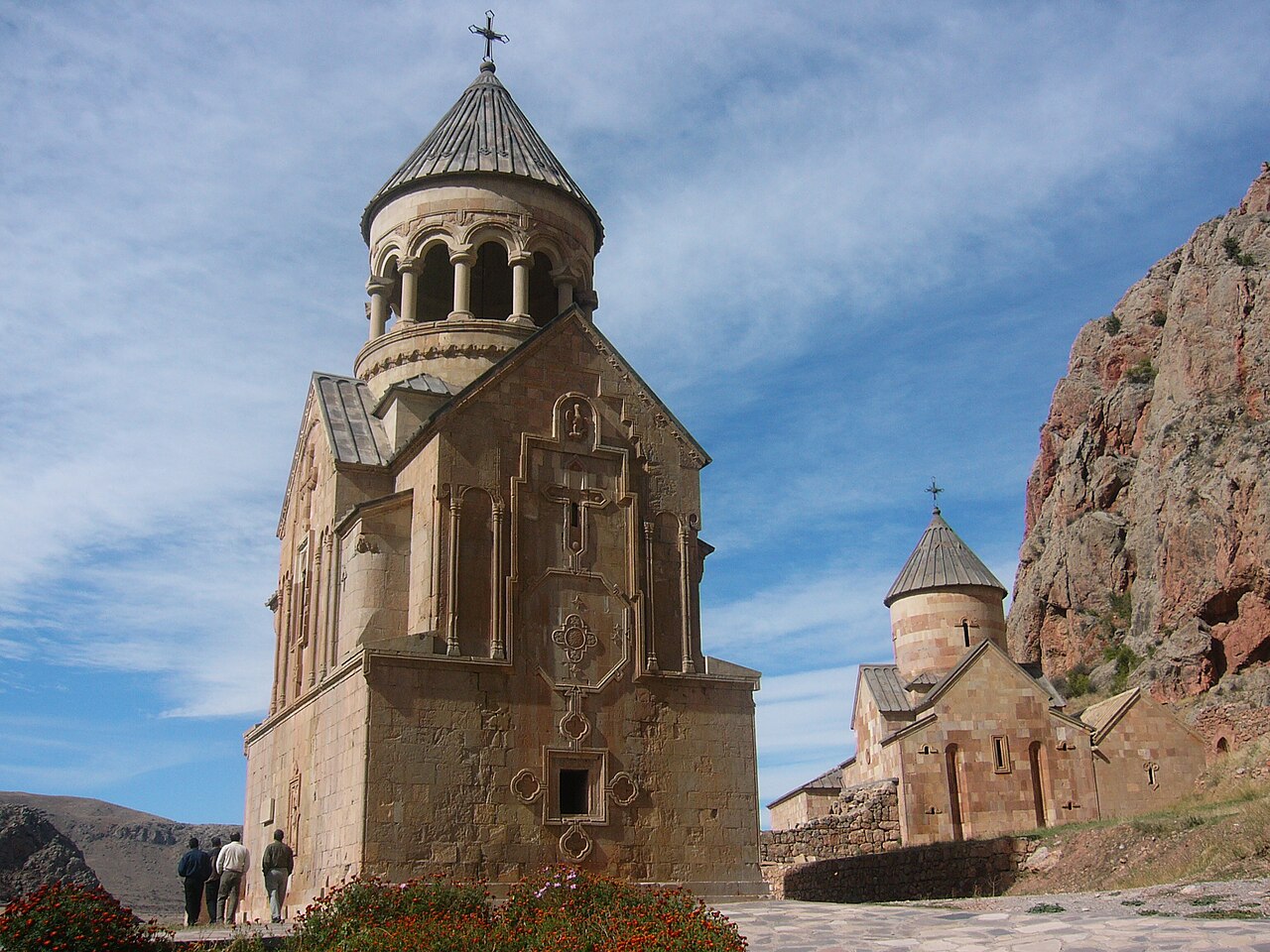
A 13th-century monastery at the end of a narrow gorge of brick-red cliffs. It is best known for its two-storey Church of the Holy Mother of God, where a narrow stone staircase juts out from the front wall to reach the upper floor. The sculptor and painter Momik worked here.
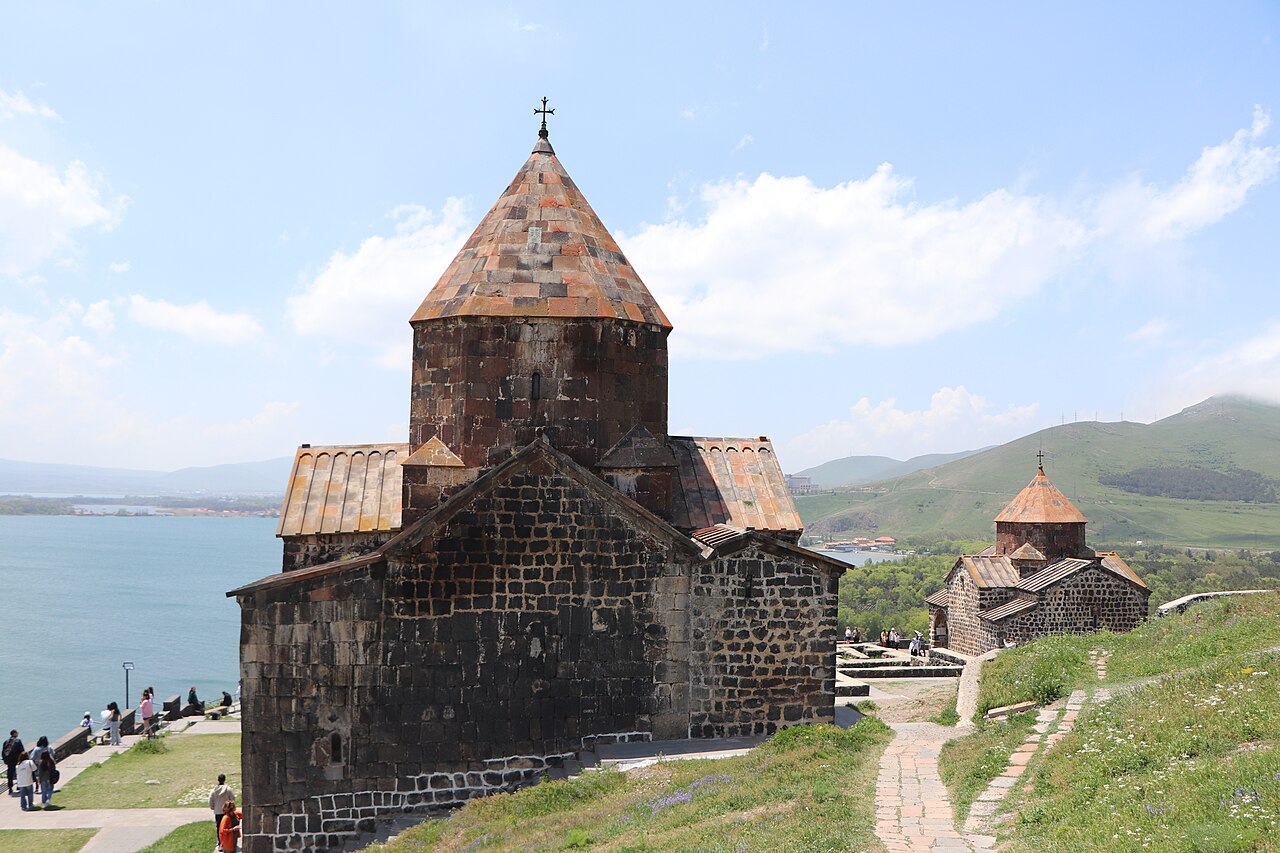
A monastery founded in 874 on an island in Lake Sevan. When the lake was partly drained in the Soviet era, the water fell by about 20 m and the island became a peninsula. Its two dark stone churches stand on a hilltop with wide views over the blue water.
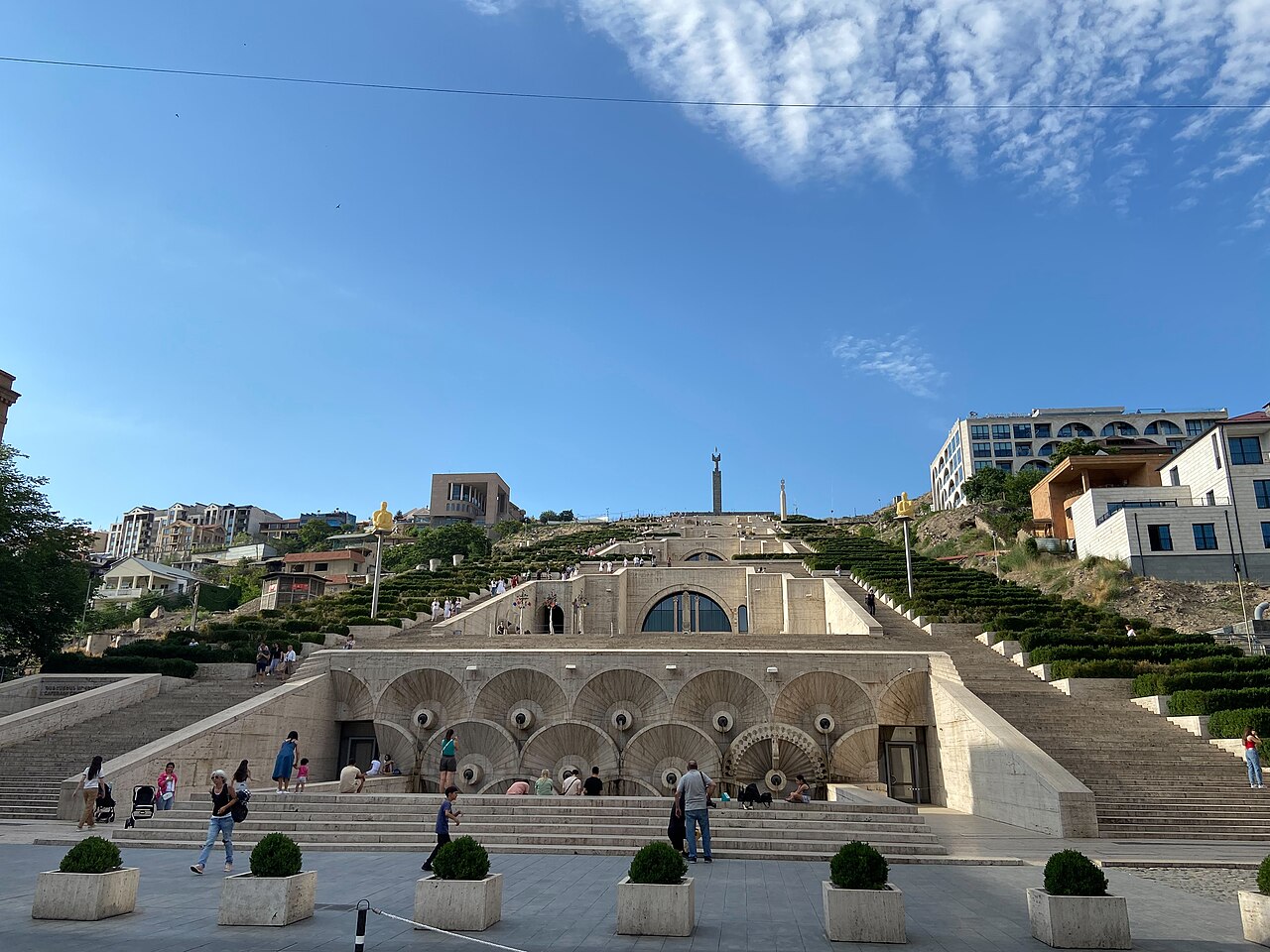
A huge white stone stairway with terraces, fountains and gardens that climbs from the centre of Yerevan to the hills above it. Inside, escalators and galleries hold the Cafesjian Center for the Arts, and modern sculptures stand in the garden at its foot. From the top there is a fine view over the city to Mount Ararat.
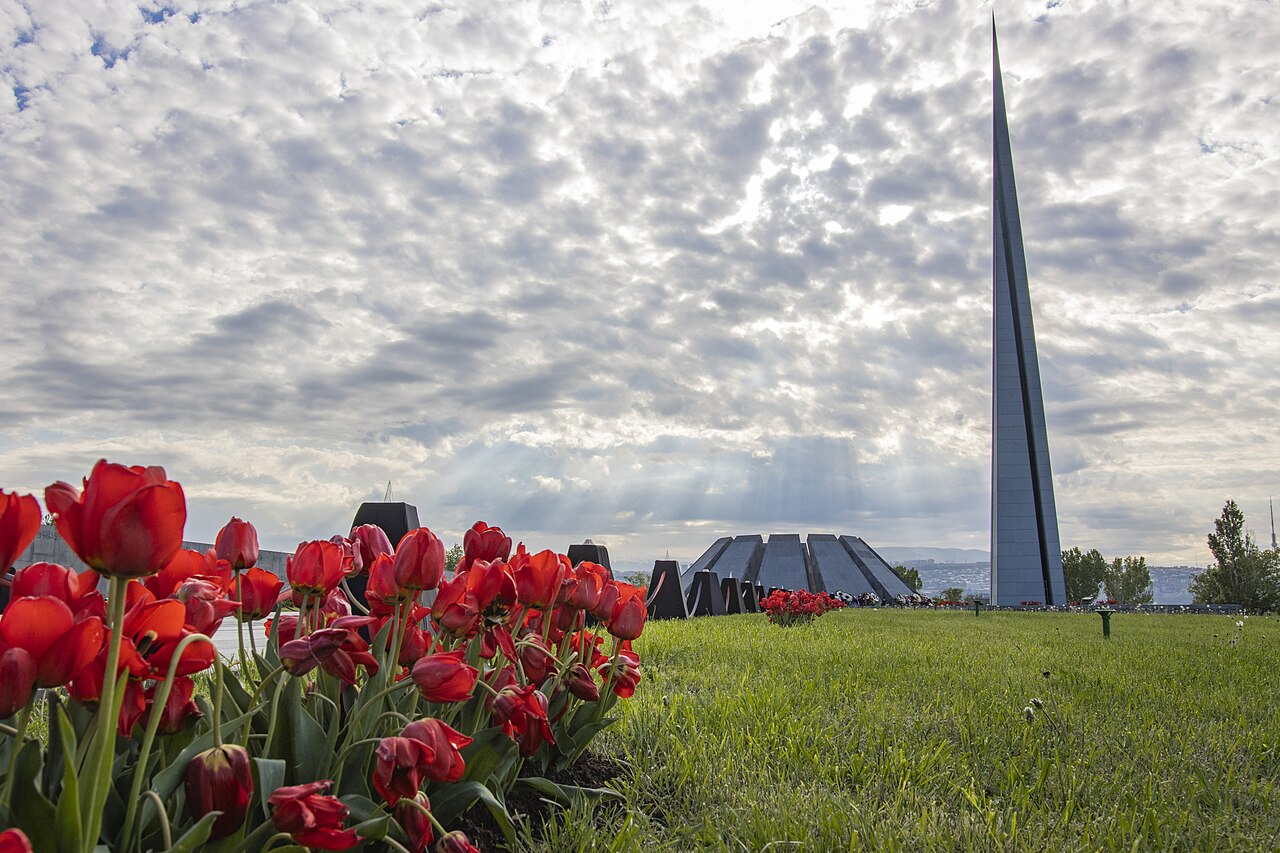
Armenia's official memorial to the victims of the Armenian genocide, built in 1967 on a hill above the Hrazdan gorge. An eternal flame burns inside a circle of twelve leaning stone slabs, beside a tall split stele. Every year on 24 April thousands of people walk up the hill to lay flowers. A museum stands next to the memorial.
Mount Ararat, the national symbol of Armenia, appears on the country's coat of arms, but it stands across the border in Turkey. From Yerevan you can see it clearly on a fine day.
02
The apricot's scientific name, Prunus armeniaca, refers to Armenia. Armenians call the apricot tsiran, and the orange band of the national flag is often compared to its colour.
03
The duduk, a gentle, mournful woodwind instrument, is traditionally made of apricot wood. UNESCO recognised Armenian duduk music as intangible cultural heritage, and its sound can be heard in many film soundtracks.
04
Armenia has its own alphabet, created around 405 by Mesrop Mashtots. The Armenian word for alphabet, aybuben, comes from the names of its first two letters, ayb and ben.
05
In the Areni-1 cave in southern Armenia, archaeologists found a leather shoe about 5,500 years old, the oldest leather shoe found so far (as of 2026), and the remains of one of the oldest known wineries.
06
Since the 2011 to 2012 school year, chess has been part of the curriculum in Armenian public schools. Armenia's men's team has won the Chess Olympiad three times, in 2006, 2008 and 2012.
07
Lake Sevan covers about 1,240 km² at roughly 1,900 m above sea level. It is the largest lake in Armenia and in the whole Caucasus region.
08
Yerevan is 29 years older than Rome by tradition: the fortress of Erebuni was founded in 782 BC, while Rome's legendary founding date is 753 BC.
09
Yerevan's streets are dotted with pulpulaks, small stone drinking fountains with running water, often fed by mountain springs. They first appeared in the 1920s and are a favourite meeting point.
10
Far more Armenians live outside Armenia than inside it. By some estimates the diaspora numbers about 8 million people, with the largest communities in Russia, the United States and France.
11
The Wings of Tatev cable car, opened in 2010, is about 5.7 km long and entered Guinness World Records in 2010 as the longest non-stop double track cable car.
12
The Matenadaran in Yerevan keeps some 23,000 manuscripts and scrolls, including fragments, by far the largest collection of Armenian manuscripts in the world.
13
As of September 2026, Armenia's land border with Turkey has been officially closed since 1993, apart from rare one-off openings for humanitarian aid, so travellers usually arrive by air or overland from Georgia or Iran.
Eastern Armenian, as spoken in Armenia. Each word is shown in Latin letters, with the Armenian spelling in brackets. Pronunciation is written the way it sounds; the capital letters show where the stress goes. Audio is coming soon.
Greetings
barev (բարև)bah-REVhello, hi
tstesutyun (ցտեսություն)tsuh-teh-soo-TYOONgoodbye
Basics
ayo (այո)ah-YOyes
voch (ոչ)VOCHno
shnorhakalutyun (շնորհակալություն)shnor-hah-kah-loo-TYOONthank you
khndrem (խնդրեմ)khun-DREMplease, and also 'you're welcome'
neroghutyun (ներողություն)neh-ro-ghoo-TYOONsorry, excuse me
jan (ջան)JAHNdear (put after a name, as in 'Anna jan')
Food and drink
hats (հաց)HAHTSbread, and also 'a meal'
jur (ջուր)JOORwater
gini (գինի)gee-NEEwine
panir (պանիր)pah-NEERcheese
mis (միս)MEESmeat
tsiran (ծիրան)tsee-RAHNapricot
surch (սուրճ)SOORCHcoffee
Family
mayr (մայր)MAYRmother
hayr (հայր)HAYRfather
tatik (տատիկ)tah-TEEKgrandma
papik (պապիկ)pah-PEEKgrandpa
Places
vank (վանք)VAHNKmonastery
yekeghetsi (եկեղեցի)yeh-keh-gheh-TSEEchurch
lich (լիճ)LEECHlake
sar (սար)SAHRmountain
Numbers
mek, yerku, yerek (մեկ, երկու, երեք)MEK, yer-KOO, yeh-REKone, two, three
Most visitors fly into Zvartnots Airport near Yerevan. Overland, the open land borders are with Georgia and Iran. The borders with Turkey and Azerbaijan have long been closed to ordinary travellers (as of September 2026), and travel advice warns against going within 5 km of the border with Azerbaijan. Many nationalities, including citizens of the European Union, can visit without a visa, but check the current rules before you go.
Dress modestly in churches
Armenia is a deeply Christian country, and its churches are working places of worship. Cover your shoulders and knees, and men take off their hats. Many women cover their hair with a scarf. This is appreciated, though visitors are not strictly required to do it, and some churches keep scarves at the door.
Carry some cash outside Yerevan
Cards are accepted in most shops, hotels and restaurants in Yerevan, and there are plenty of cash machines. In villages, markets and small guesthouses you will usually need Armenian dram in cash.
Use taxi apps or agree a price
Taxis are cheap. In Yerevan, ride apps such as GG and Yandex Go are widely used (as of 2026) and show the fare in advance. For a street taxi, agree the price before you get in. Minibuses called marshrutkas link most towns cheaply, but they can be crowded.
Drink from the fountains
Tap water in Yerevan comes from mountain springs and is generally safe to drink. The little stone fountains called pulpulaks on street corners and at many monasteries are a free way to refill your bottle.
Remember the altitude and the sun
Much of Armenia lies above 1,000 m and Lake Sevan at about 1,900 m. Summers in Yerevan are hot, dry and sunny, with days that can reach 35 °C or more, while mountain evenings can be cold even in July. Bring a hat, sunscreen and a warm layer, and take mountain roads and hikes slowly.
Plan for long drives in the south
Armenia is small, but mountain roads are winding and slow. From Yerevan it is about 250 km by road to Goris and Tatev, a drive of several hours. Many people split the trip with a night in Yeghegnadzor, Jermuk or Goris.
Be gentle with painful history
Armenians are proud of their history and happy to talk about it. The genocide of 1915 and the conflict over Nagorno-Karabakh are painful subjects, so listen with care and avoid arguing about them.
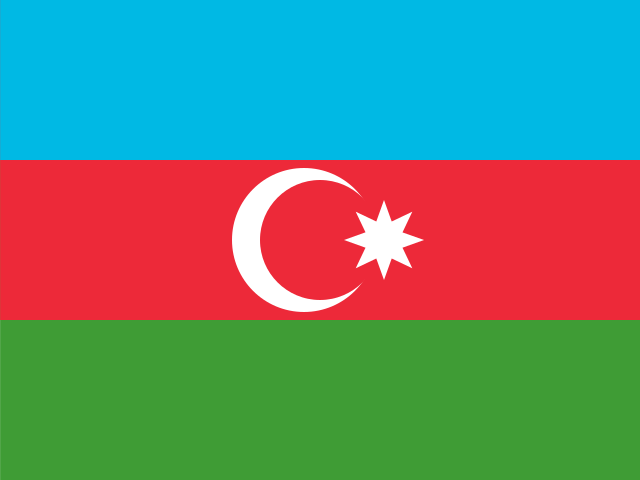 Azerbaijan
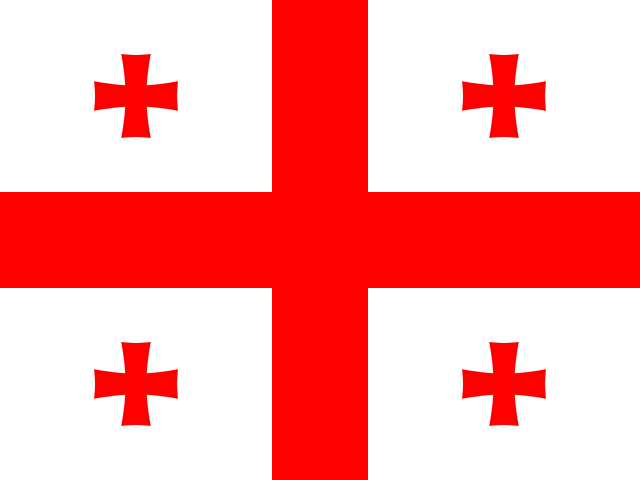 Georgia
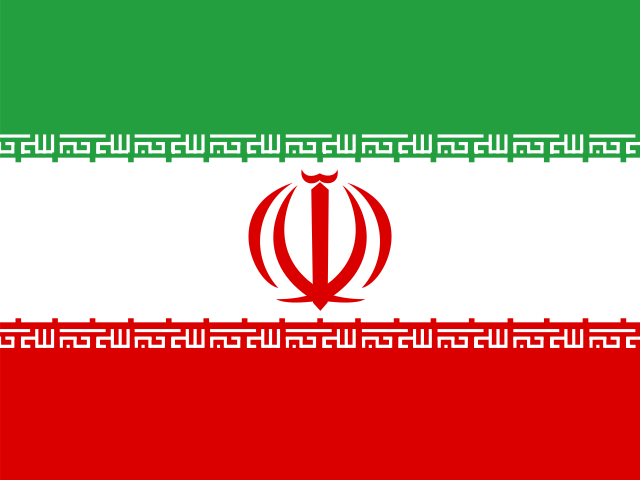 Iran
Iran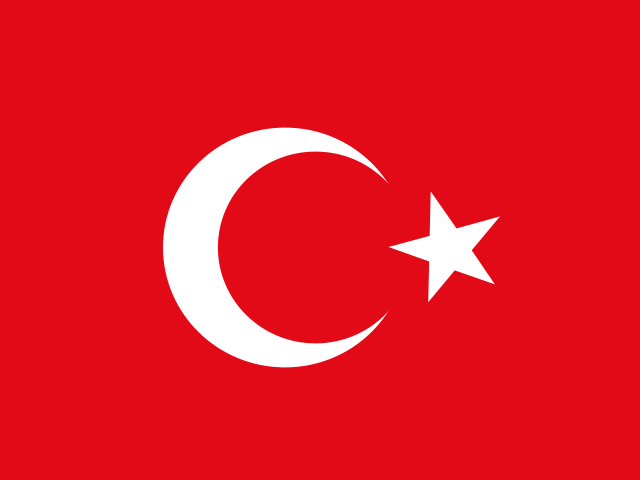 Türkiye