A free large-print PDF. Choose what goes in: facts, map, history, dishes and recipes, phrases, fun facts, a quiz with or without answers. Made for clubs, care homes, libraries and family afternoons.
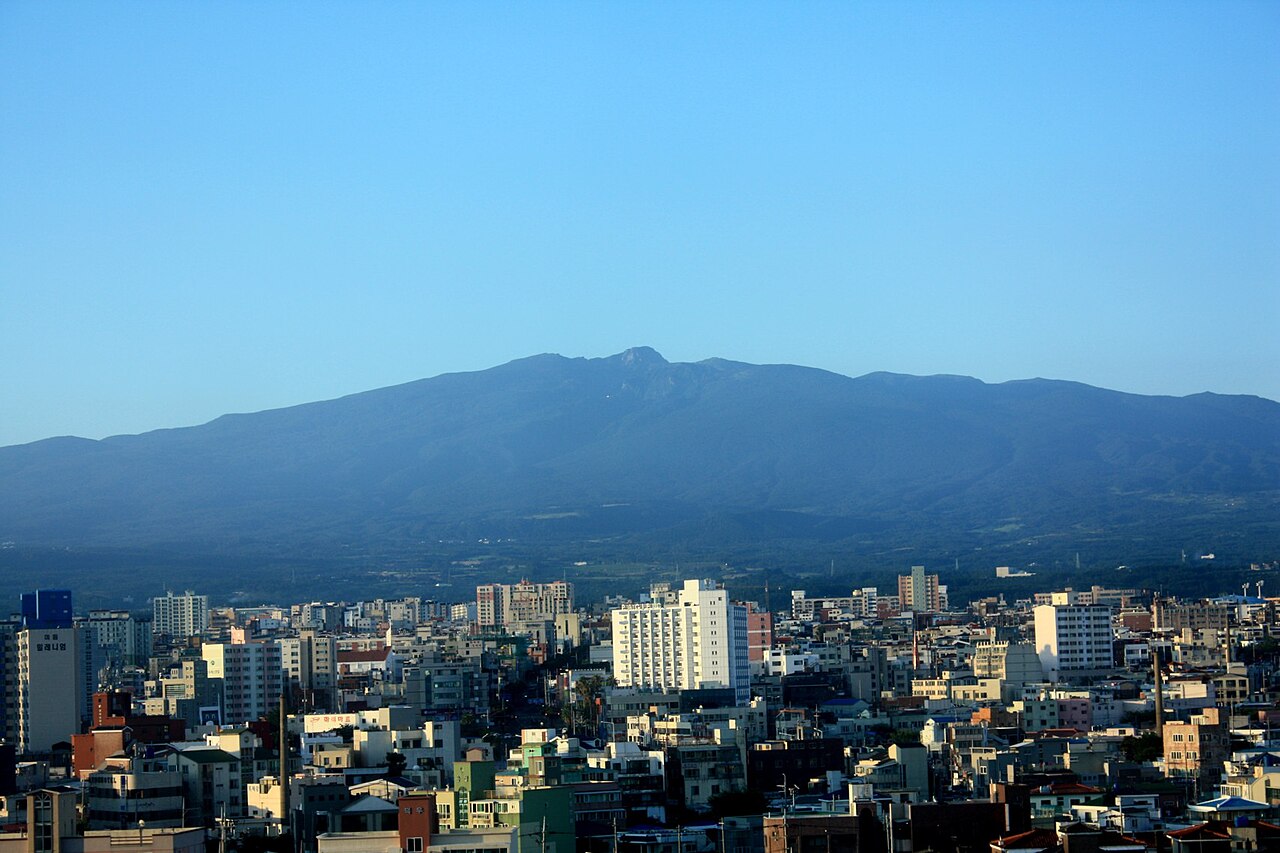
South Korea, officially the Republic of Korea, covers the southern part of the Korean Peninsula in East Asia. Its only land border is with North Korea, and across the sea its nearest neighbours are Japan to the east and China to the west. Mountains cover much of the land, and many islands lie off the south and west coasts, the largest of them the volcanic island of Jeju.
Korea has a long history of kingdoms and dynasties, and the Joseon dynasty ruled from Seoul for more than 500 years. After 35 years of Japanese rule, the division of the peninsula in 1945 and the Korean War of 1950 to 1953, the south was one of the poorest countries in the world. Within a few decades it became one of the richest, a change often called the Miracle on the Han River.
Today about 51 million people live in South Korea, about half of them in and around Seoul. Visitors come for its palaces and Buddhist temples, its hiking trails and hot spicy food, and for the films, dramas and music that have made Korean culture popular all over the world.
CapitalSeoul
PopulationAbout 51.7 million (UN estimate, 2025)
Official languageKorean; Korean Sign Language is also official by law since 2016
CurrencySouth Korean won (₩)
AreaAbout 100,000 km²
GovernmentPresidential republic with an elected National Assembly
Highest mountainHallasan on Jeju Island, 1,947 m
Longest riverThe Nakdong, about 510 km
NeighboursNorth Korea by land. Across the sea: Japan and China
Korean tradition counts almost 5,000 years of history, starting with the legend of Dangun. For most of the last 1,500 years the peninsula was ruled by a few long-lasting kingdoms and dynasties, before the upheavals of the 20th century divided it in two.
2333 BC
The legend of Dangun
According to a legend first written down in the 13th century, Dangun, grandson of the lord of heaven, founded the first Korean kingdom, Gojoseon, in 2333 BC. South Korea still celebrates this on National Foundation Day, 3 October.
AD 668
Goguryeo falls to Silla and Tang
For centuries three kingdoms, Goguryeo, Baekje and Silla, shared the peninsula. Allied with Tang China, Silla defeated Baekje and then, in 668, Goguryeo. By 676 Silla had pushed the Tang armies out and ruled most of the peninsula from its capital, Gyeongju.
AD 918
Goryeo is founded
The general Wang Geon founded the kingdom of Goryeo, which ruled Korea until 1392. The English name Korea comes from Goryeo, a time famous for its green celadon pottery and Buddhist art.
1377
Jikji is printed
Monks at Heungdeok Temple in Cheongju printed Jikji, a collection of Buddhist teachings, with movable metal type. It is the oldest surviving book printed this way, 78 years before Gutenberg's Bible.
1392
The Joseon dynasty begins
General Yi Seong-gye took power and founded the Joseon dynasty. It lasted more than 500 years, until 1897, and made Confucian values the basis of government and family life.
1394
Hanyang becomes the capital
The new dynasty moved its capital to Hanyang, the city we now call Seoul, on the Han River. Seoul has been the capital ever since, apart from the wartime years.
1446
Hangul is proclaimed
King Sejong the Great and his scholars created a new alphabet, first presented at court in 1443. It was proclaimed to the people in 1446 in a book called Hunminjeongeum, 'the correct sounds for the instruction of the people'.
1592
Japanese invasions begin
Japanese armies invaded Korea in 1592 and again in 1597. Admiral Yi Sun-sin, with his armoured turtle ships, won battle after battle at sea, and the invaders withdrew in 1598.
1910
Japan annexes Korea
In August 1910 Japan formally annexed Korea, which had been under growing Japanese control for several years. Japanese rule lasted until 1945.
1919
The March First Movement
On 1 March 1919 a Declaration of Independence was read in Seoul, and peaceful protests spread across the country. The day is a national holiday in South Korea.
1945
Liberation and division
Japan's surrender on 15 August 1945 ended its rule over Korea. The peninsula was then divided at the 38th parallel, with Soviet forces in the north and American forces in the south.
1948
The Republic of Korea is founded
On 15 August 1948 the Republic of Korea was proclaimed in the south, with Seoul as its capital. A separate state was set up in the north a few weeks later.
1950
The Korean War begins
On 25 June 1950 North Korean forces crossed the 38th parallel. United Nations forces, led by the United States, fought alongside South Korea, and China later entered the war on the side of the North.
1953
The armistice is signed
An armistice signed at Panmunjom on 27 July 1953 stopped the fighting and created the Demilitarized Zone between the two Koreas. No peace treaty has been signed.
1988
Seoul hosts the Summer Olympics
The Seoul Olympics, held from 17 September to 2 October 1988, brought 159 nations together and showed the world how far the country had come since the war.
2018
PyeongChang hosts the Winter Olympics
The mountain county of PyeongChang hosted South Korea's first Winter Olympics. Athletes from North and South Korea marched together at the opening ceremony.
A Korean meal is built around a bowl of rice, a soup or stew, and many small shared side dishes called banchan, with kimchi always among them. Everything is brought to the table at once, and people help themselves from the shared dishes. The flavours come from garlic, sesame oil and three fermented seasonings: gochujang (red chilli paste), doenjang (soybean paste) and ganjang (soy sauce).
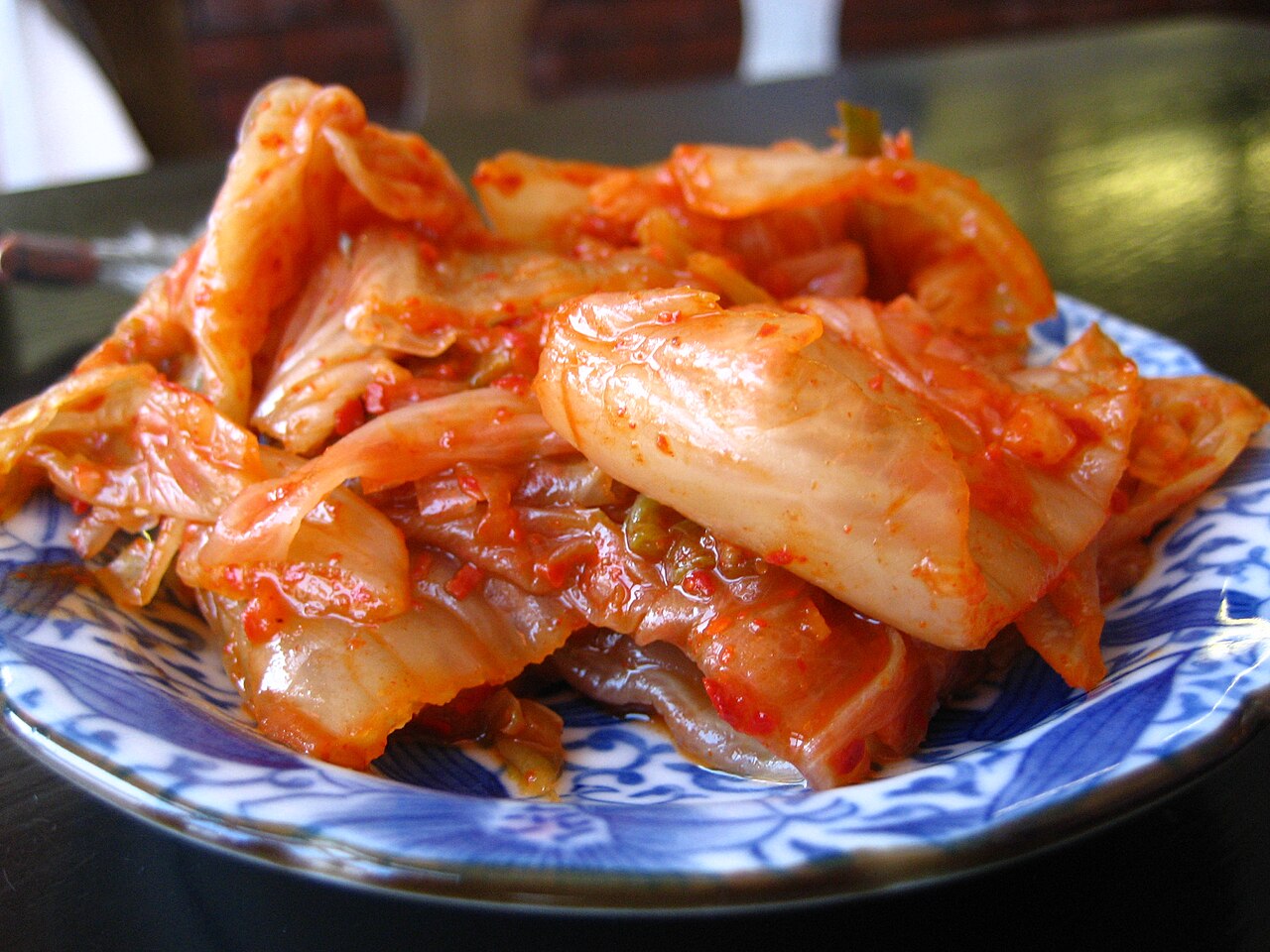
Vegetables, most often napa cabbage or radish, salted and fermented with chilli, garlic, ginger and spring onion. It is served with almost every meal, and older, sourer kimchi is used for cooking stews and pancakes.
Kimjang, the late autumn custom of families and neighbours making kimchi together for the winter, is on UNESCO's list of intangible heritage since 2013. Chilli came later than you might think: it is first mentioned in Korea in a book of 1614.
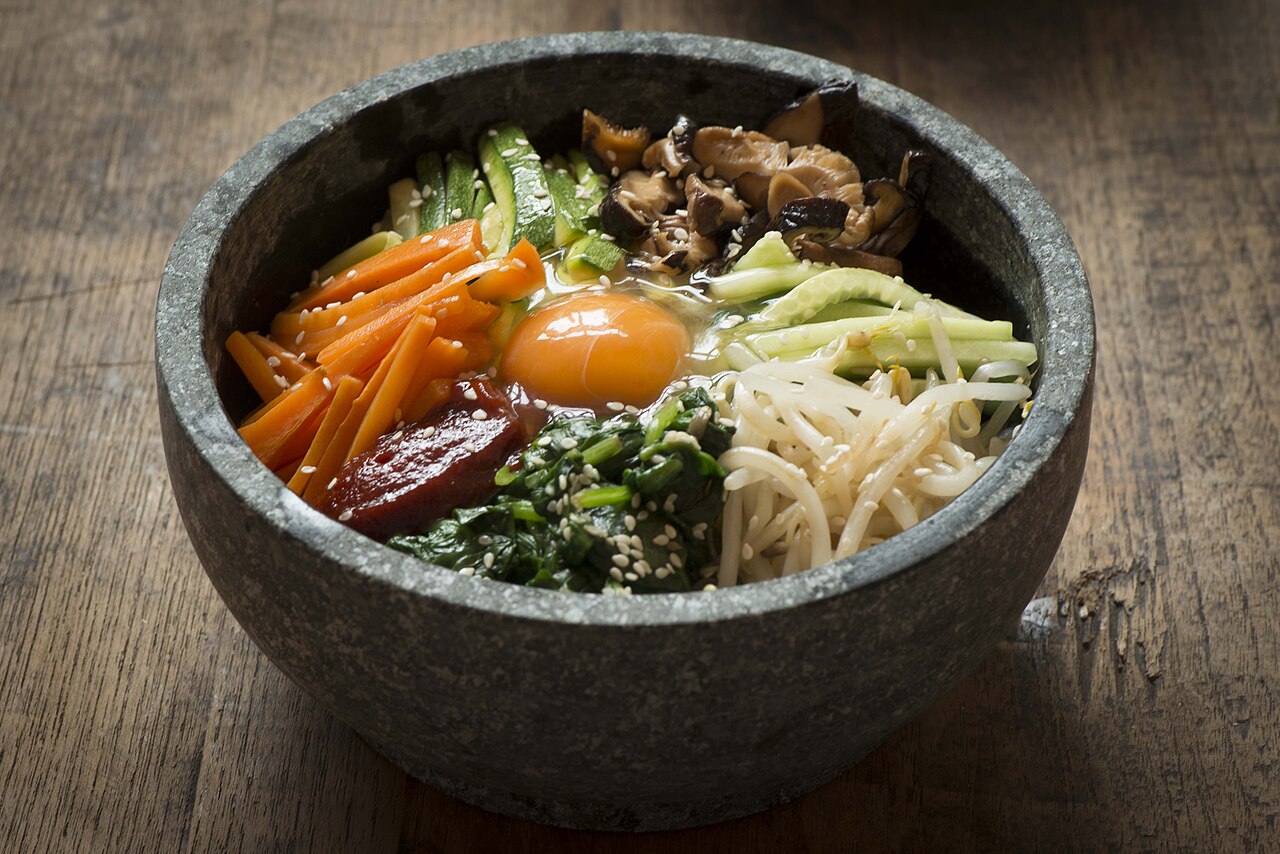
A bowl of warm rice topped with seasoned vegetables, meat, an egg and a spoonful of gochujang, all mixed together just before eating. The name means 'mixed rice'.
In dolsot bibimbap the bowl is a very hot stone pot, so the rice at the bottom turns into a golden, crunchy crust.
See the recipe
Serves 2
45 min
Ingredients
2 bowls of hot cooked short-grain rice
150 g minced beef or thinly sliced beef
1 tablespoon soy sauce and 1 teaspoon sugar for the beef
150 g spinach
150 g bean sprouts
1 carrot, cut into thin strips
1 courgette, cut into thin strips
2 eggs (a runny yolk is traditional; cook them until firm if serving pregnant women, young children, older people or anyone with a weak immune system)
Mix the beef with the soy sauce, sugar and crushed garlic, then fry it in a little oil until cooked through.
Blanch the spinach and the bean sprouts separately in boiling water for 1 minute, squeeze out the water and season each with a pinch of salt and a little sesame oil.
Fry the carrot and courgette separately in a little oil for 1 to 2 minutes, adding a pinch of salt.
Fry the eggs in a pan until the whites are set, or until the yolks are firm too if you prefer.
Put the rice in two large bowls, arrange the vegetables and beef in small piles on top, add an egg and a spoonful of gochujang, and sprinkle with sesame seeds.
At the table, mix everything together well with a spoon before eating.
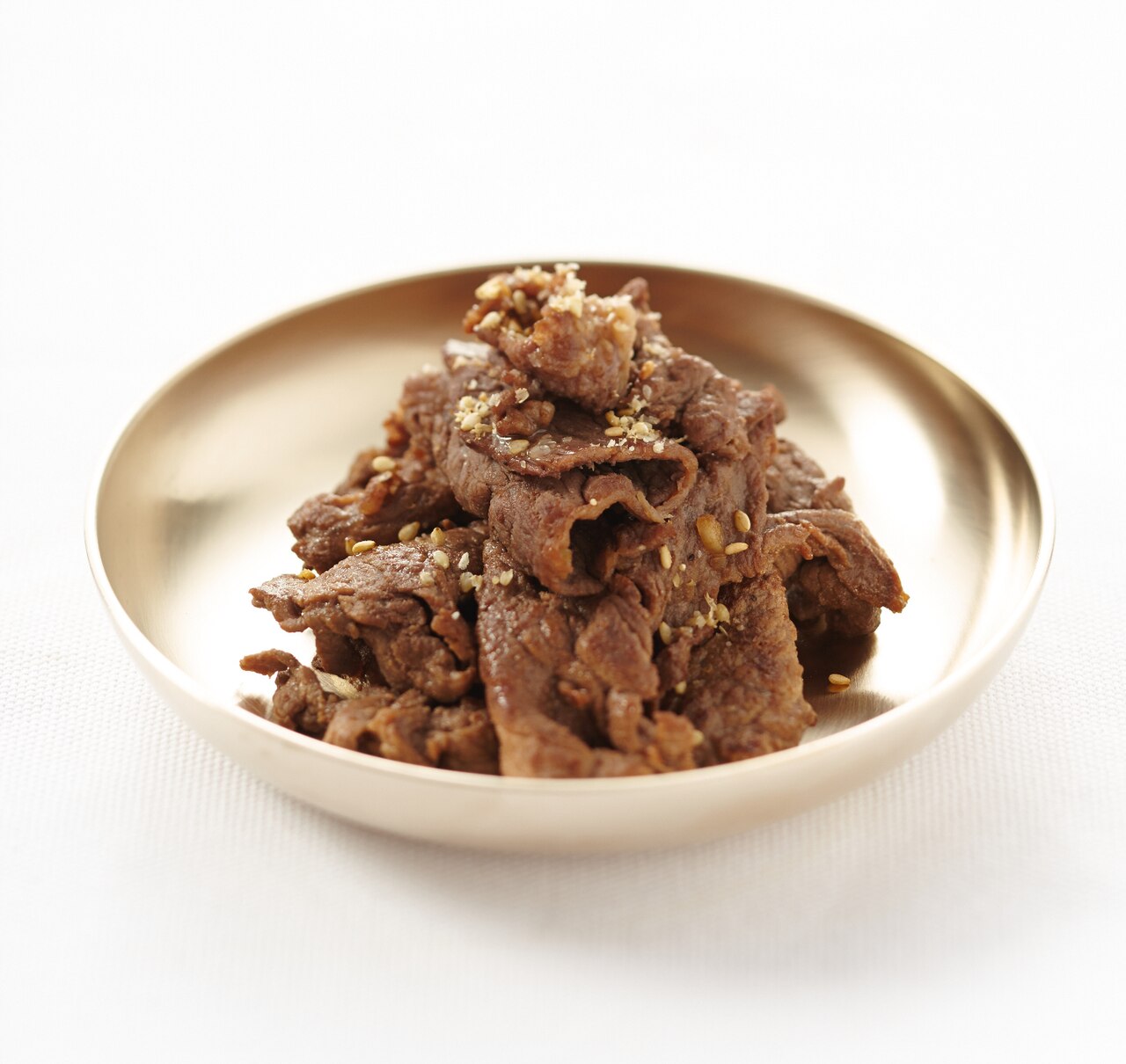
Thin slices of beef marinated in soy sauce, sugar, sesame oil, garlic and grated pear, then grilled or pan-fried. The name means 'fire meat'.
Grated pear is not only for sweetness: its juice helps make the meat tender.
See the recipe
Serves 4
45 min
Ingredients
500 g beef sirloin or rib-eye, sliced very thin (partly freezing it makes slicing easier)
4 tablespoons soy sauce
2 tablespoons sugar
1 tablespoon sesame oil
3 cloves garlic, crushed
Half an Asian pear or 1 ripe ordinary pear, grated
1 onion, thinly sliced
2 spring onions, sliced
Black pepper and toasted sesame seeds
Rice and lettuce leaves to serve
Method
Mix the soy sauce, sugar, sesame oil, garlic, grated pear and a little pepper in a bowl.
Add the beef and onion, mix well with your hands and leave in the fridge for 30 minutes.
Heat a large frying pan or grill pan until very hot and cook the beef in batches, spread out in one layer, for 2 to 3 minutes until browned and cooked through.
Sprinkle with spring onions and sesame seeds and serve with rice, or wrap bites in lettuce leaves.
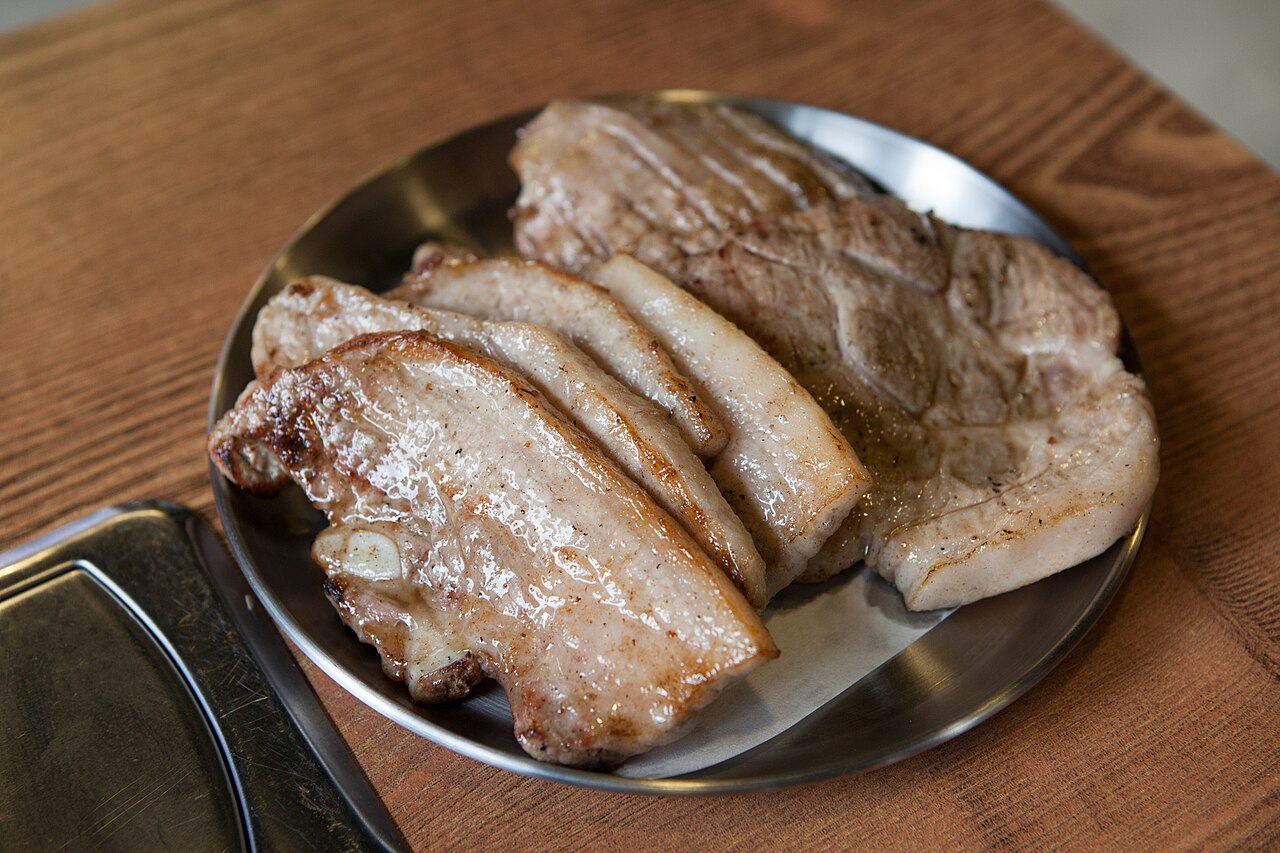
Thick slices of pork belly that diners grill themselves on a hot plate in the middle of the table, then wrap in lettuce leaves with garlic and a dab of ssamjang, a spicy bean paste.
The name means 'three-layer flesh', for the stripes of fat and meat. Because of the three, some Koreans celebrate 3 March as Samgyeopsal Day.
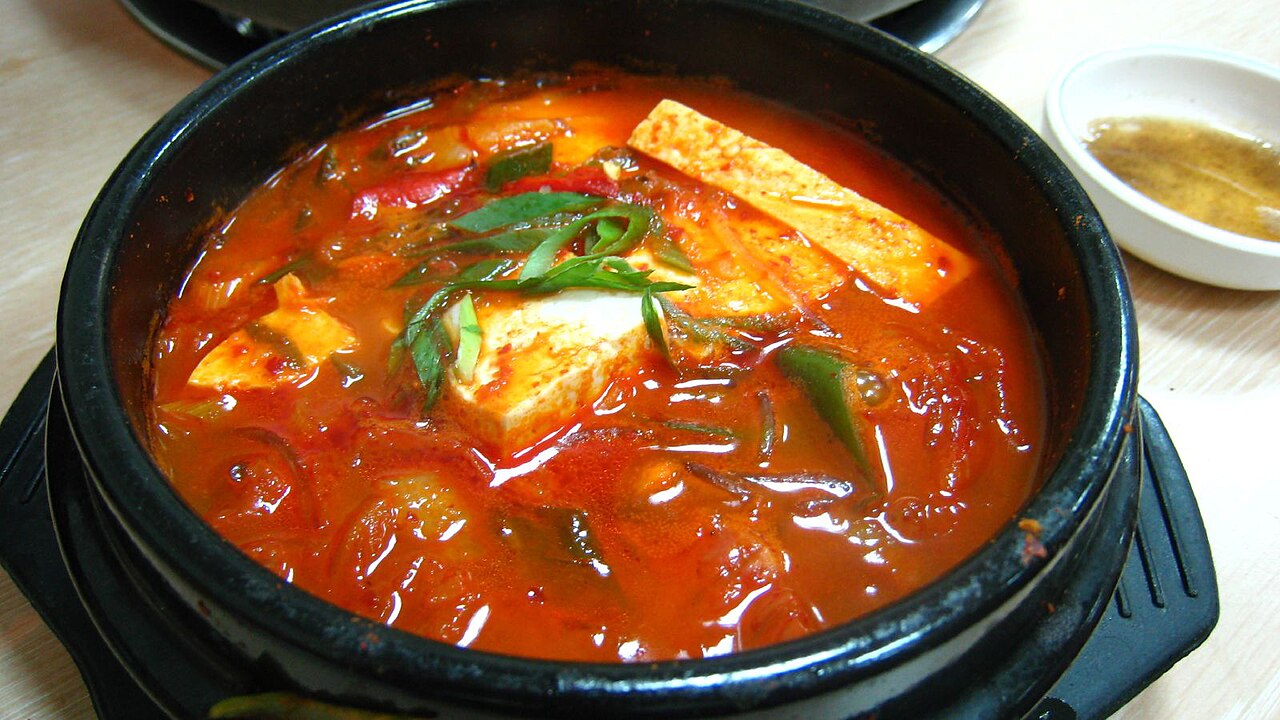
A bubbling, spicy stew of well-fermented kimchi, pork and tofu, one of the most common home dishes in Korea. It is served boiling hot in the middle of the table with rice.
See the recipe
Serves 2
35 min
Ingredients
300 g well-fermented (sour) kimchi, cut into bite-size pieces, plus 3 tablespoons of its juice
200 g pork belly or shoulder, sliced
1 tablespoon vegetable oil
1 teaspoon gochugaru (Korean chilli flakes) or 1 tablespoon gochujang
1 clove garlic, crushed
500 ml water or anchovy stock
200 g firm tofu, sliced
1 spring onion, sliced
Rice to serve
Method
Heat the oil in a pot and fry the pork for 3 to 4 minutes until it starts to brown.
Add the kimchi, chilli and garlic and fry for another 5 minutes, stirring.
Pour in the water or stock and the kimchi juice, bring to the boil and simmer for 15 minutes.
Lay the tofu on top and simmer for 5 more minutes. Taste and add a little salt or soy sauce if needed.
Sprinkle with spring onion and serve hot with rice.
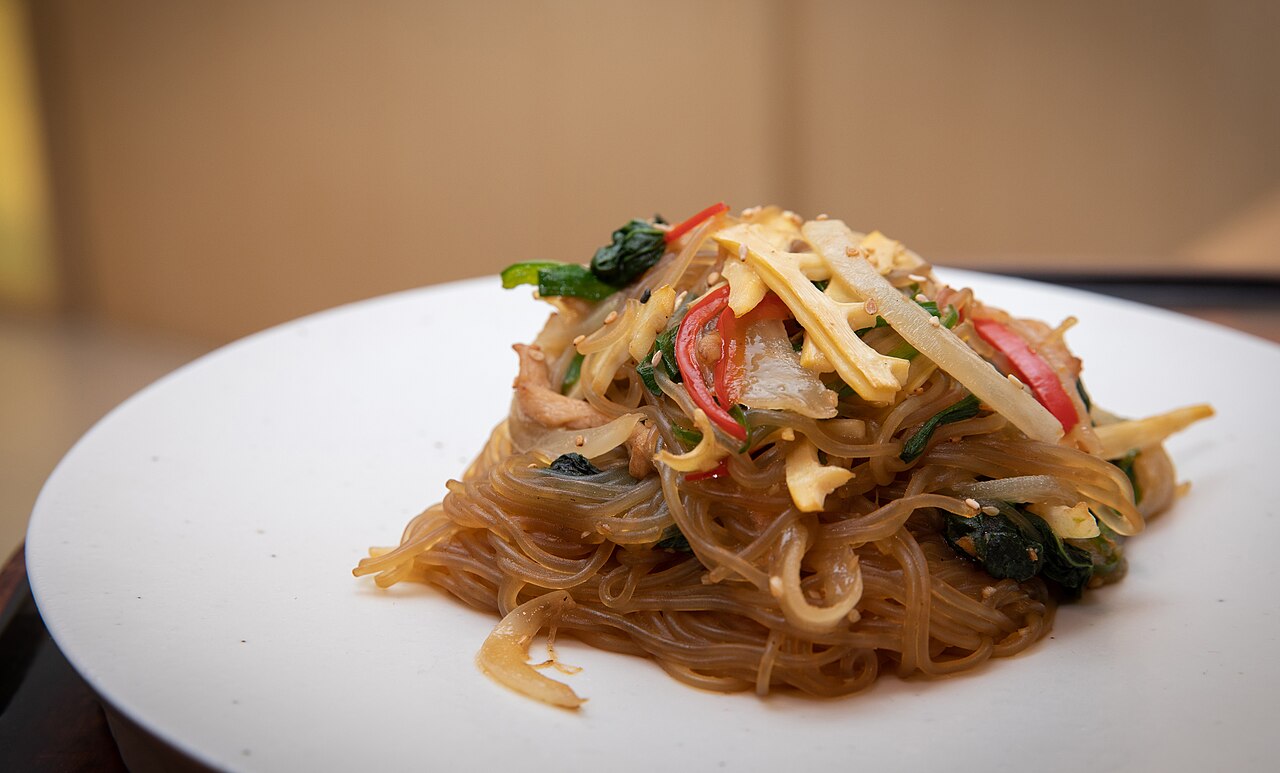
Glass noodles made from sweet potato starch, stir-fried with vegetables, mushrooms and beef and seasoned with soy sauce and sesame oil. It is a favourite dish for birthdays, weddings and holidays.
The first japchae, made for King Gwanghaegun in the 1600s, had no noodles at all. The glass noodles were added in the 20th century.
See the recipe
Serves 4
40 min
Ingredients
200 g Korean sweet potato glass noodles (dangmyeon)
150 g beef, cut into thin strips
150 g spinach
1 onion, sliced
1 carrot, cut into thin strips
4 shiitake mushrooms, sliced
4 tablespoons soy sauce
2 tablespoons sugar
2 tablespoons sesame oil
2 cloves garlic, crushed
Vegetable oil and toasted sesame seeds
Method
Cook the noodles in boiling water for 6 to 7 minutes, drain, rinse and cut them a few times with scissors.
Mix the soy sauce, sugar, sesame oil and garlic to make the sauce.
Blanch the spinach for 30 seconds and squeeze it dry.
Stir-fry the onion, carrot and mushrooms in a little oil for 2 to 3 minutes, then set aside. Stir-fry the beef until cooked through.
Put the noodles in the pan with the sauce and stir over medium heat for 2 minutes.
Add all the vegetables and the beef, mix well and sprinkle with sesame seeds. Serve warm or at room temperature.
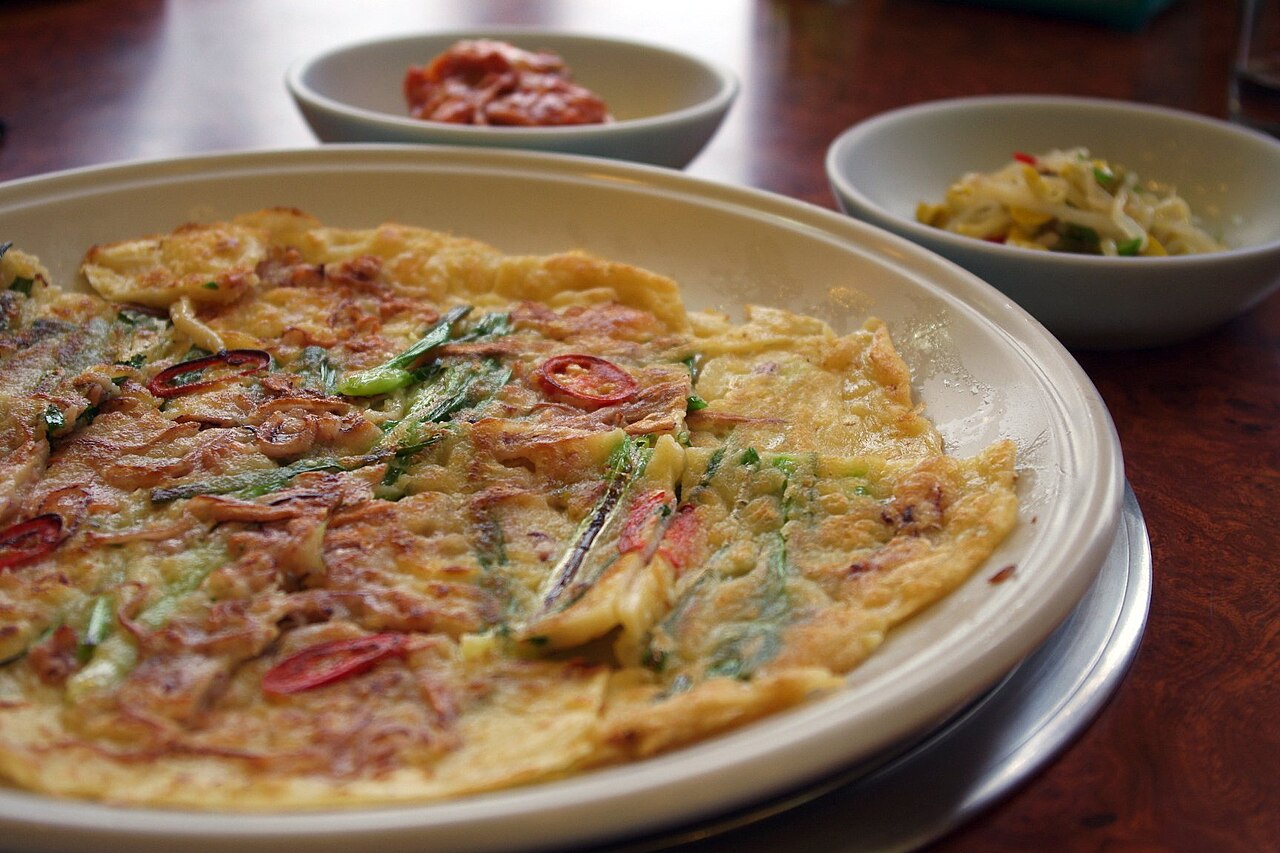
A large, crisp pancake of batter packed with whole spring onions and seafood such as squid, prawns and clams, cut into pieces and dipped in soy sauce with vinegar.
Koreans often crave pajeon on rainy days, with a bowl of makgeolli, a milky rice wine.
See the recipe
Serves 2
30 min
Ingredients
100 g plain flour
2 tablespoons rice flour or cornflour
150 ml cold water
1 egg
A bunch of spring onions (about 8), cut into 10 cm lengths
150 g mixed seafood (squid, peeled prawns), chopped
3 tablespoons vegetable oil
For the dip: 2 tablespoons soy sauce, 1 tablespoon rice vinegar, a few drops of sesame oil
Method
Whisk the flours, water, egg and a pinch of salt into a smooth, thin batter.
Heat the oil in a large frying pan and lay the spring onions in it side by side.
Scatter the seafood on top and pour the batter evenly over everything.
Cook over medium heat for 4 to 5 minutes until golden underneath, flip carefully and cook for another 4 minutes, pressing down, until crisp and the seafood is cooked.
Mix the dip, cut the pancake into squares and serve hot.
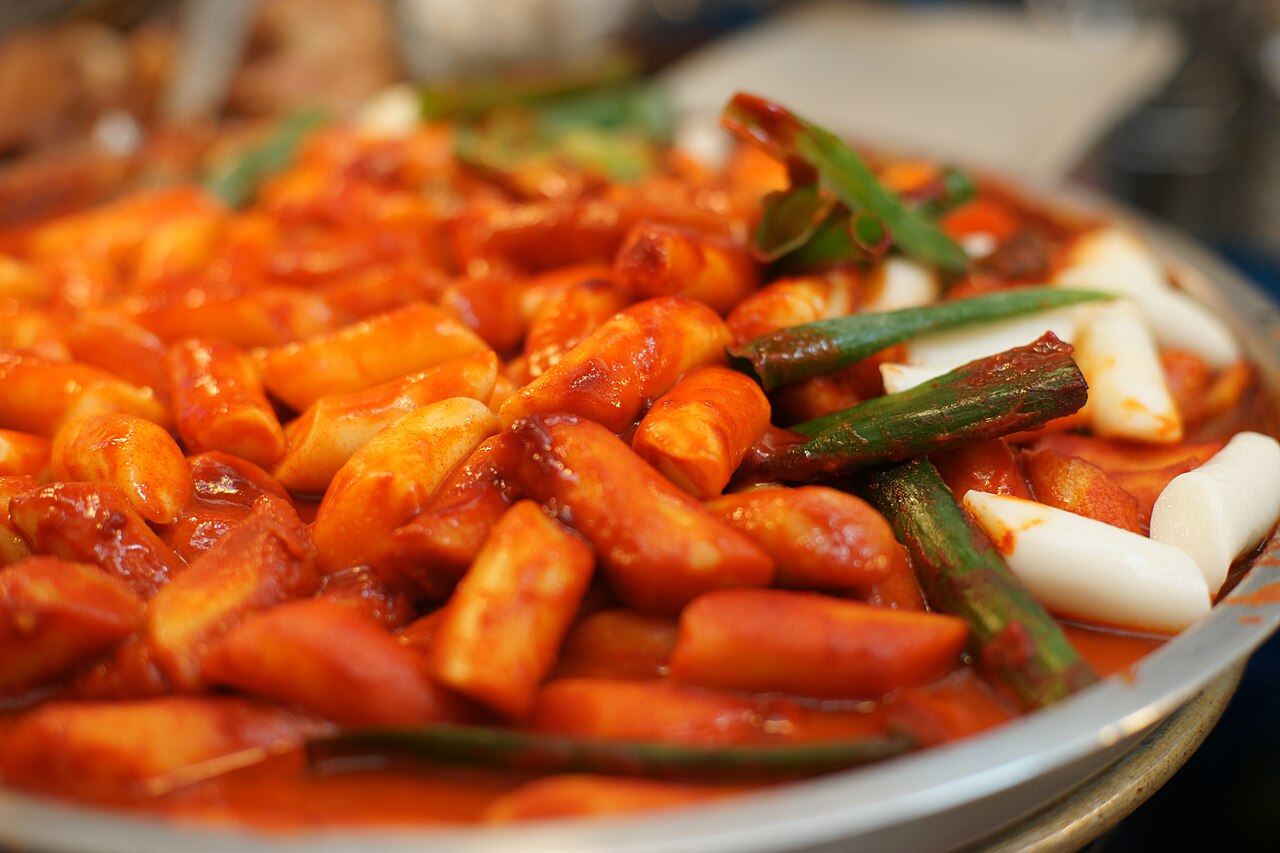
Chewy rice cakes shaped like thick fingers, simmered in a sweet and fiery gochujang sauce with fish cakes and spring onions. It is the classic street food of Korea.
The red, spicy version is credited to Ma Bok-rim, who began selling it in Seoul's Sindang-dong in the 1950s. Rice cakes are very chewy: older people and children should take small bites.
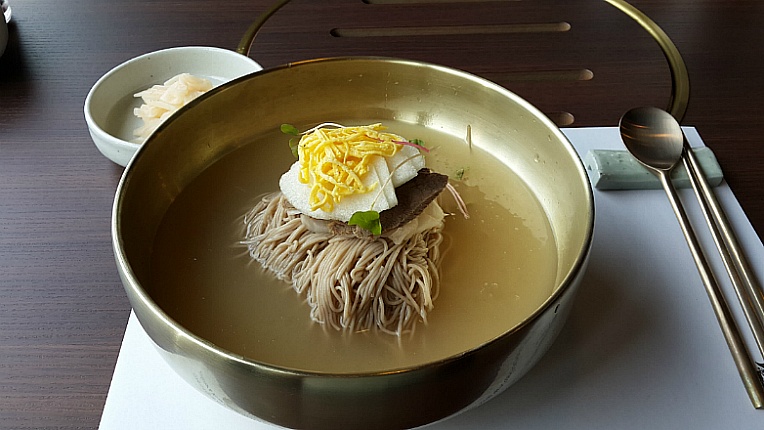
Long, thin, chewy noodles, often made with buckwheat, served in an icy beef broth (mul-naengmyeon) or with a spicy chilli dressing (bibim-naengmyeon), topped with cucumber, pear and a boiled egg.
The noodles are so long that restaurants give you scissors to cut them.
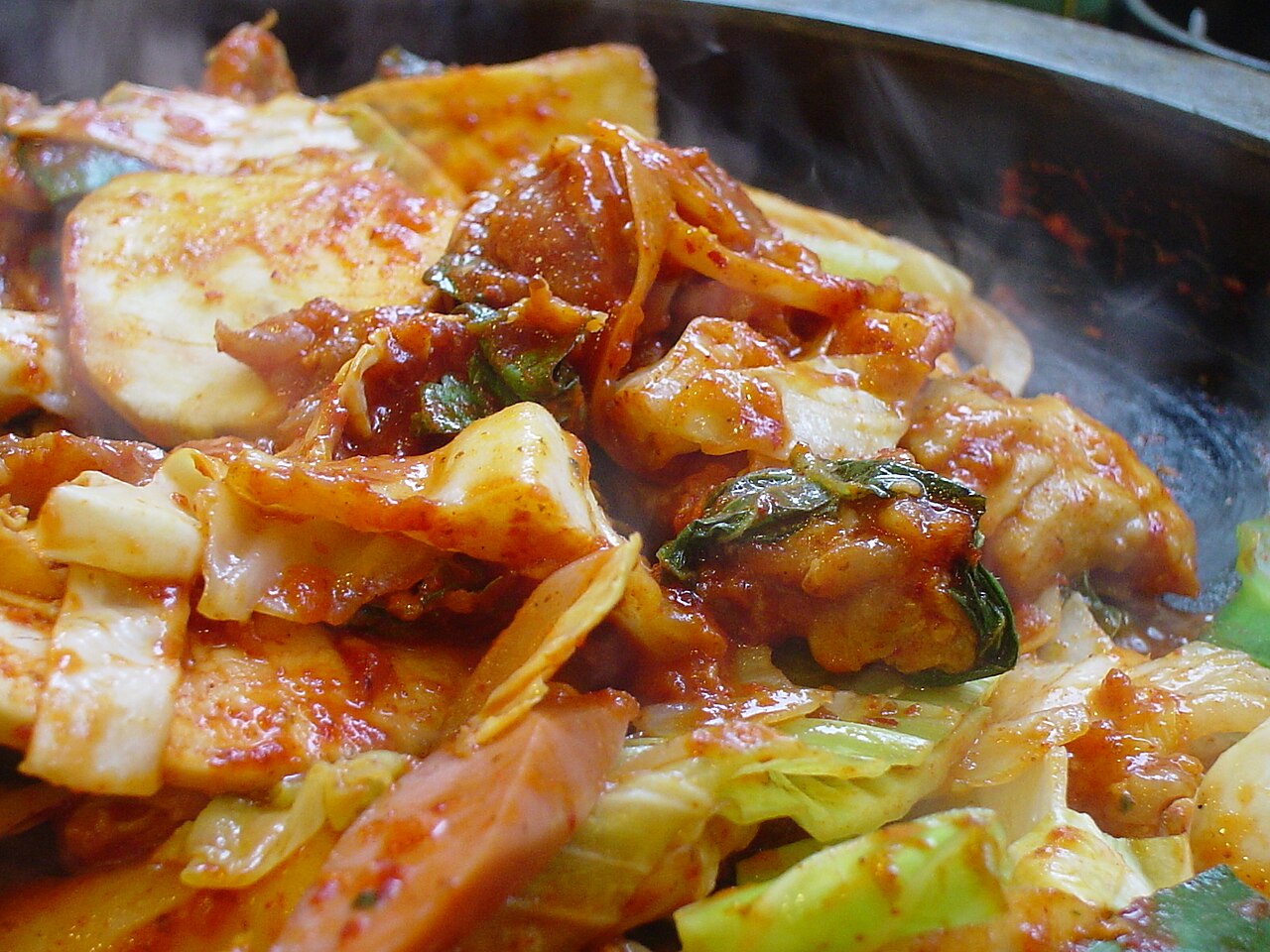
Pieces of chicken marinated in a spicy gochujang sauce and stir-fried at the table on a big iron pan with cabbage, sweet potato, rice cakes and perilla leaves.
It was created in a Chuncheon pub in the 1960s and became known as the 'students' galbi' because it was cheap and filling.
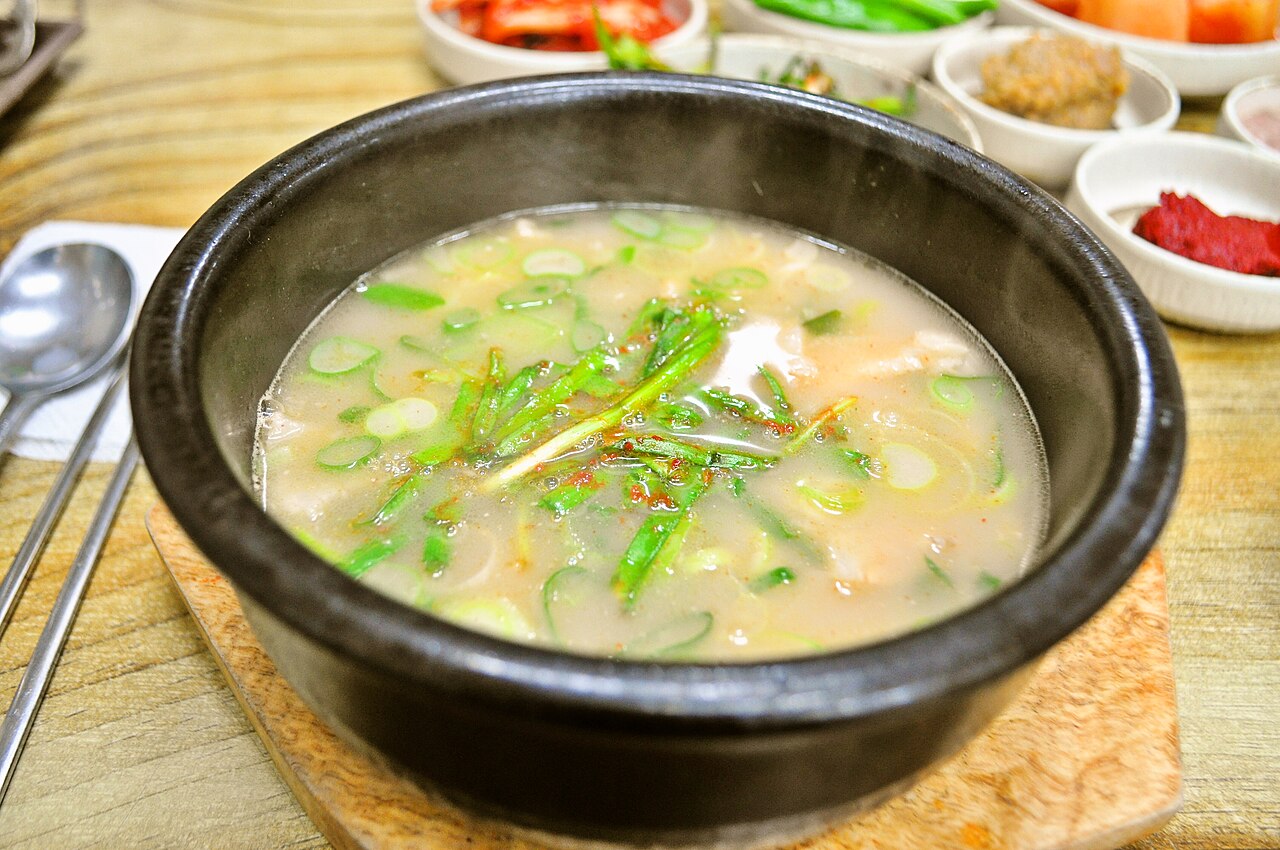
A milky pork bone broth with slices of pork, served with rice, chives and small dishes of salted shrimp and chilli so each person can season it to taste.
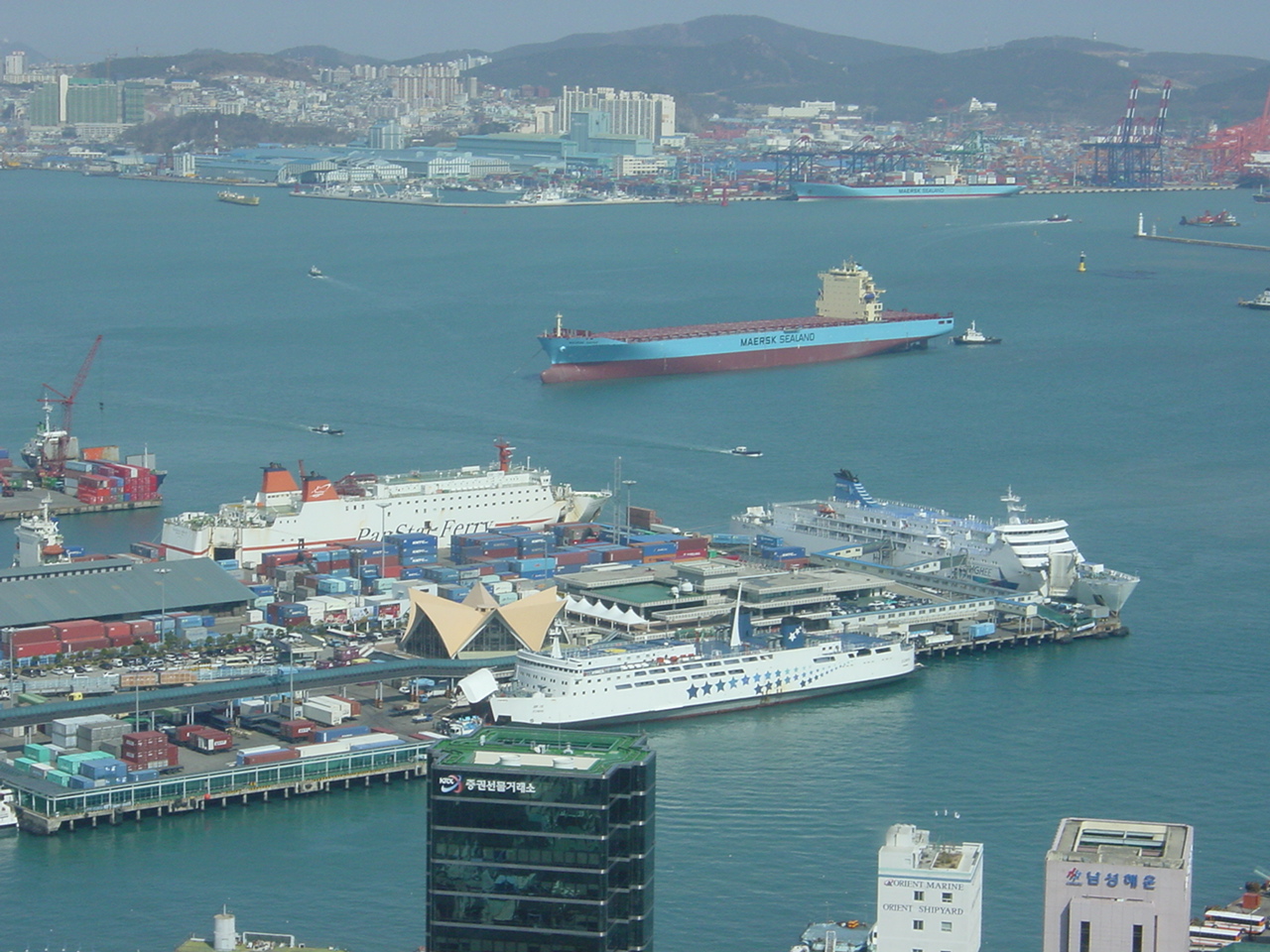
It became popular in Busan during the Korean War, when refugees made soup from pork bones.
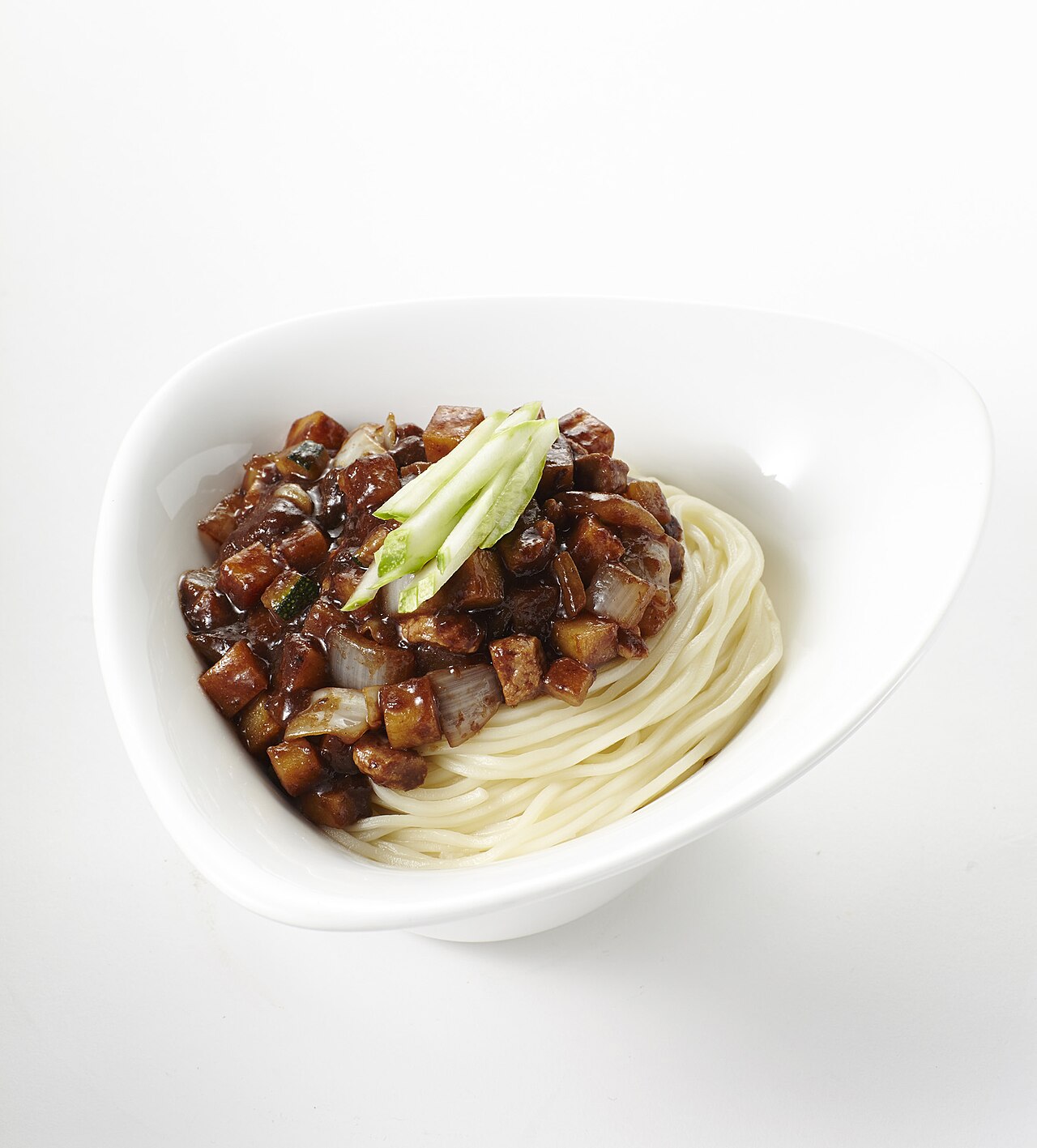
Thick wheat noodles covered in a glossy black sauce of fermented black bean paste, pork and onions. It is a Korean-Chinese favourite, often ordered for delivery.
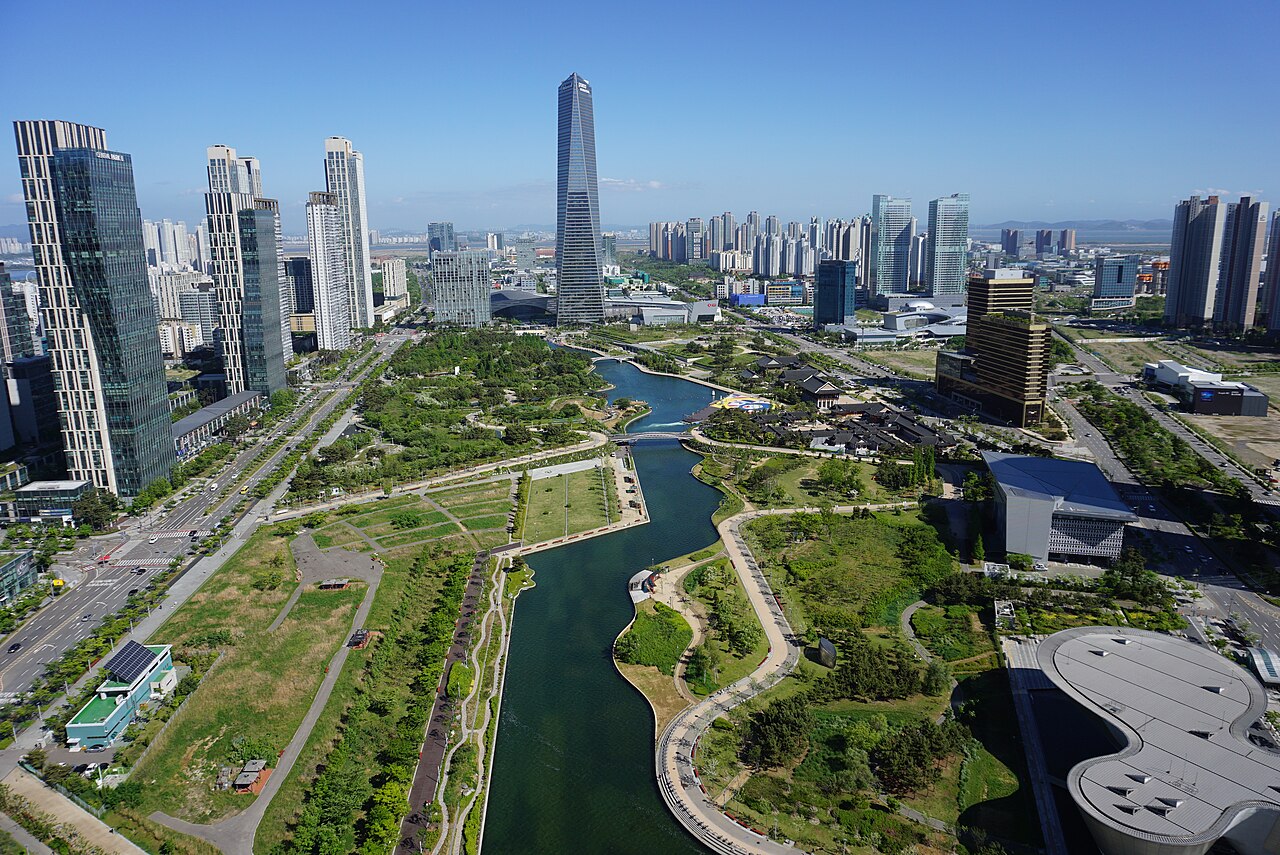
It is said to have been first served at Gonghwachun, a restaurant opened in 1905 in Incheon's Chinatown. A museum about the dish opened there in 2012.
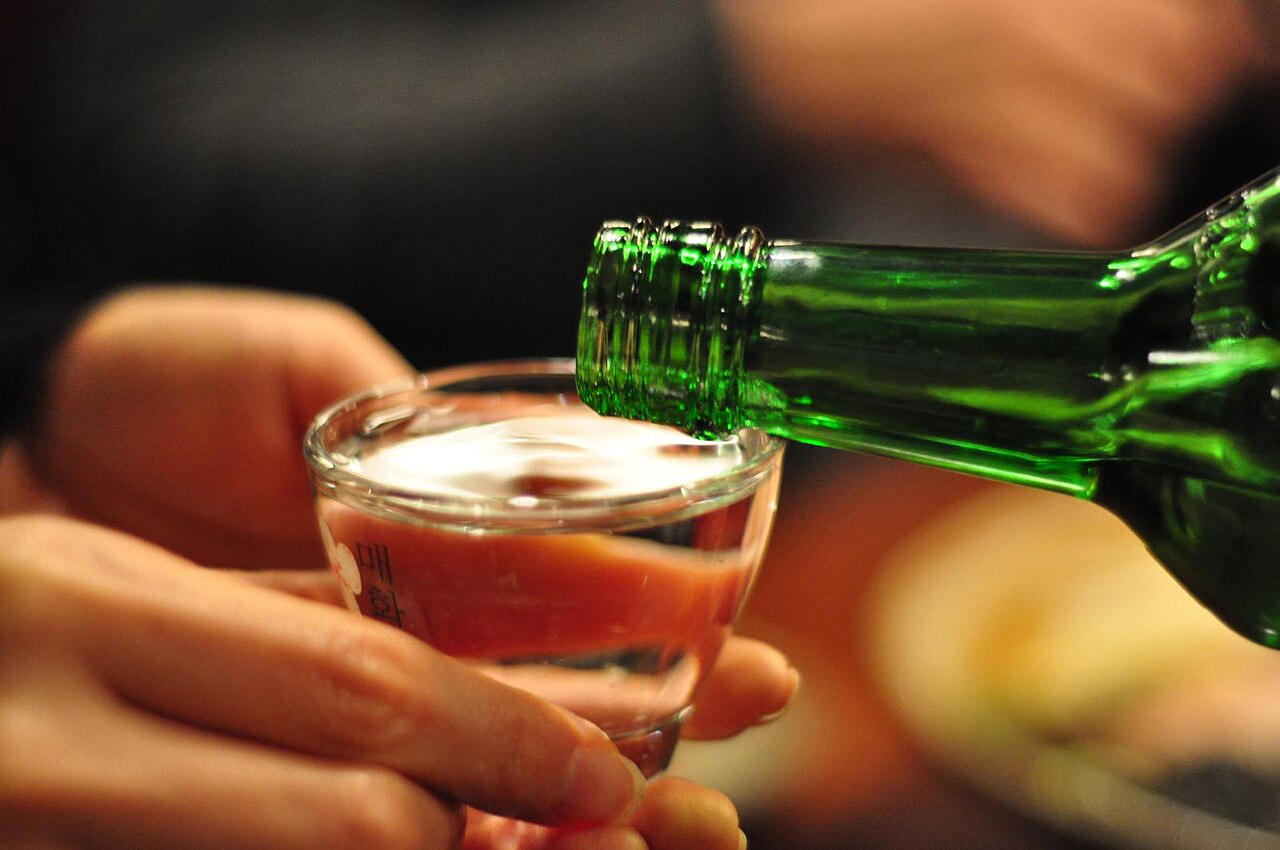
A clear alcoholic spirit, most of it under 20 percent alcohol today, drunk from small glasses with food. It contains alcohol, so enjoy it in moderation.
By custom the younger person pours for the elder, and you hold out your glass with both hands when someone older pours for you.
Table manners
Wait for the oldest person at the table to start eating before you begin.
Rice and soup are eaten with a spoon, and side dishes with chopsticks. Chopsticks and spoons are usually made of metal.
Leave your rice bowl on the table instead of lifting it to your mouth.
Never stand your chopsticks upright in a bowl of rice: it looks like a ritual for the dead.
When someone older pours you a drink, hold your glass with both hands, and when you pour for them, use both hands too.
Side dishes are shared and usually refilled for free, so it is fine to ask for more.
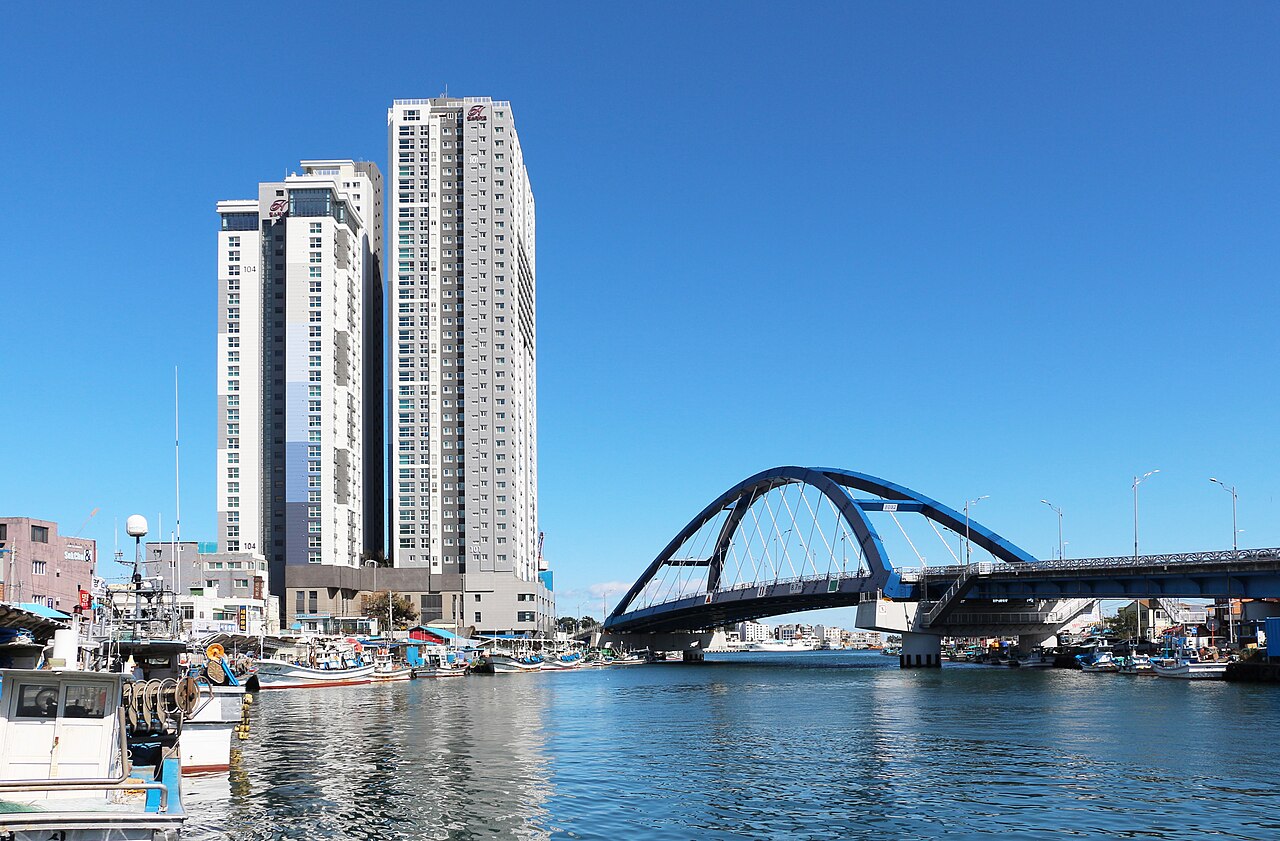
Half of South Koreans live in the Seoul area in the northwest. Busan, the second city, sits on the southeast coast, and old royal and religious centres such as Gyeongju, Andong and Jeonju keep much of the country's history.
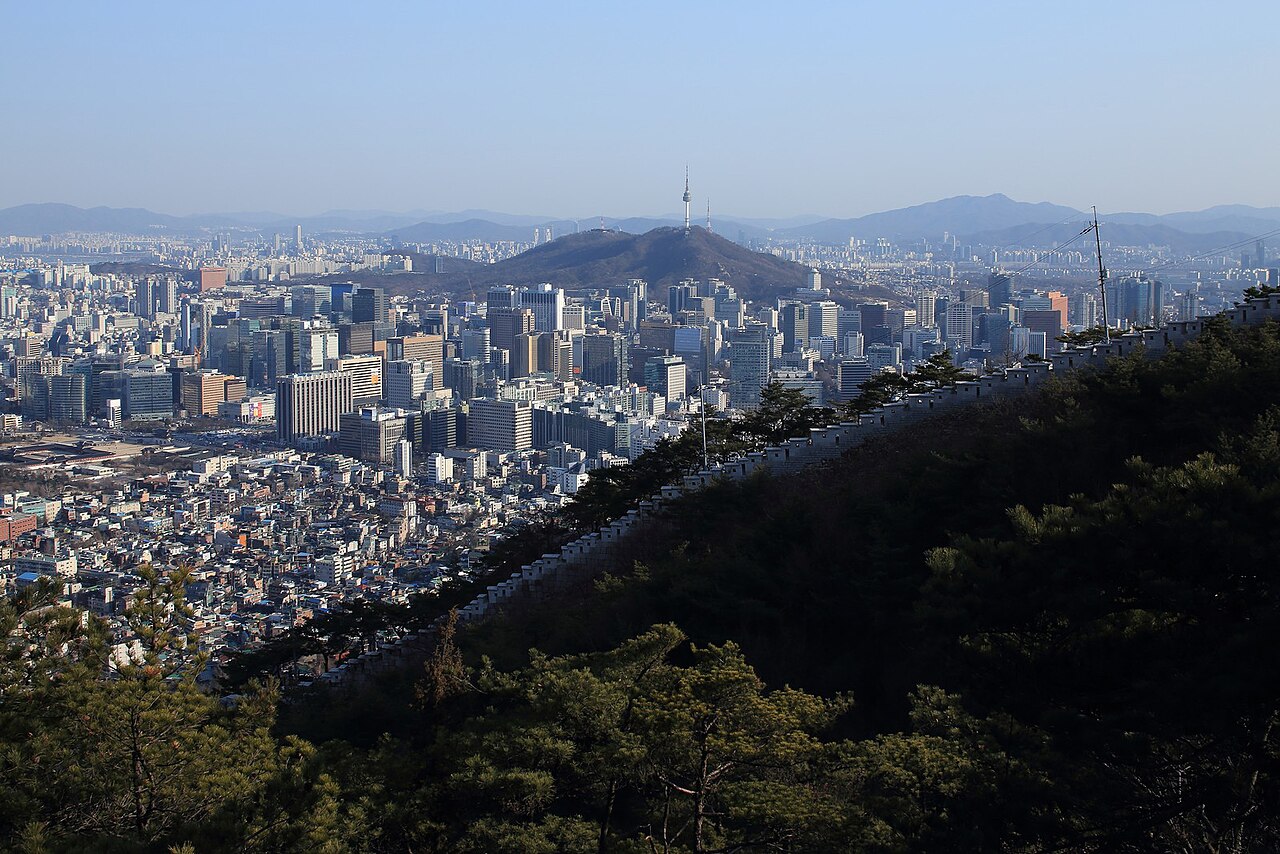
The capital and largest city, with about 9.5 million people, on both banks of the Han River. It has been the capital since 1394, and old palaces and hanok houses stand among glass towers.
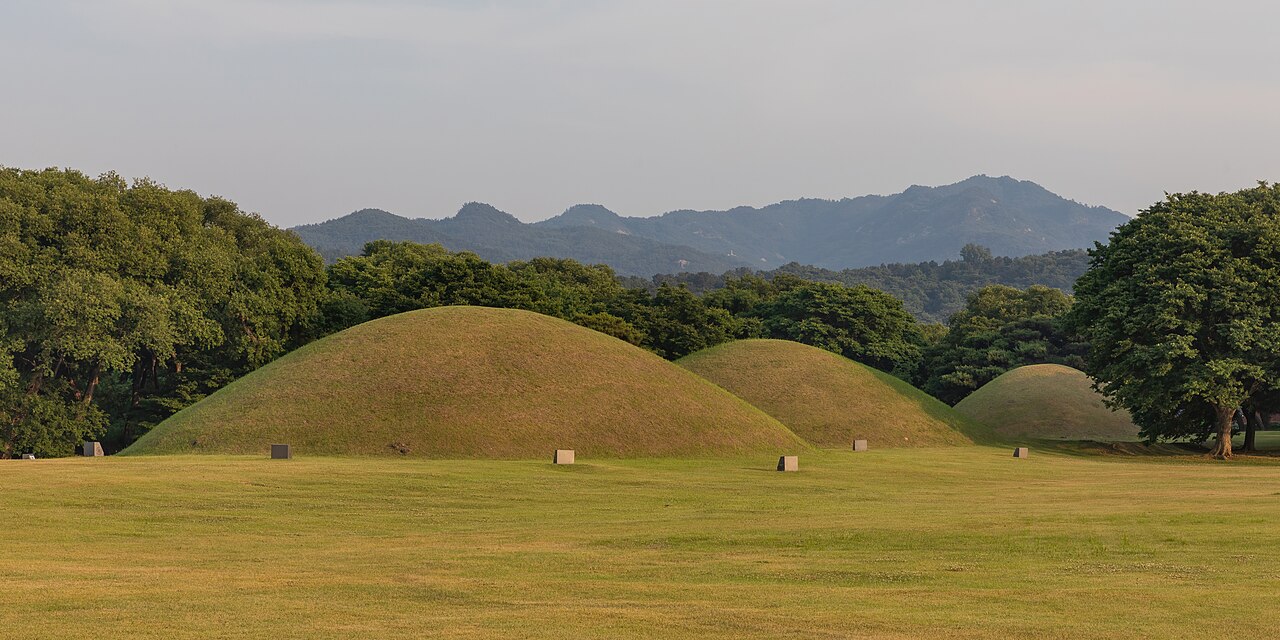
The capital of the Silla kingdom for almost 1,000 years. Royal burial mounds, temples and ruins are everywhere, so it is called the 'museum without walls'.
A city in the southwest, famous for food and tradition, and the ancestral home of the Joseon royal family. UNESCO named it a Creative City of Gastronomy in 2012.
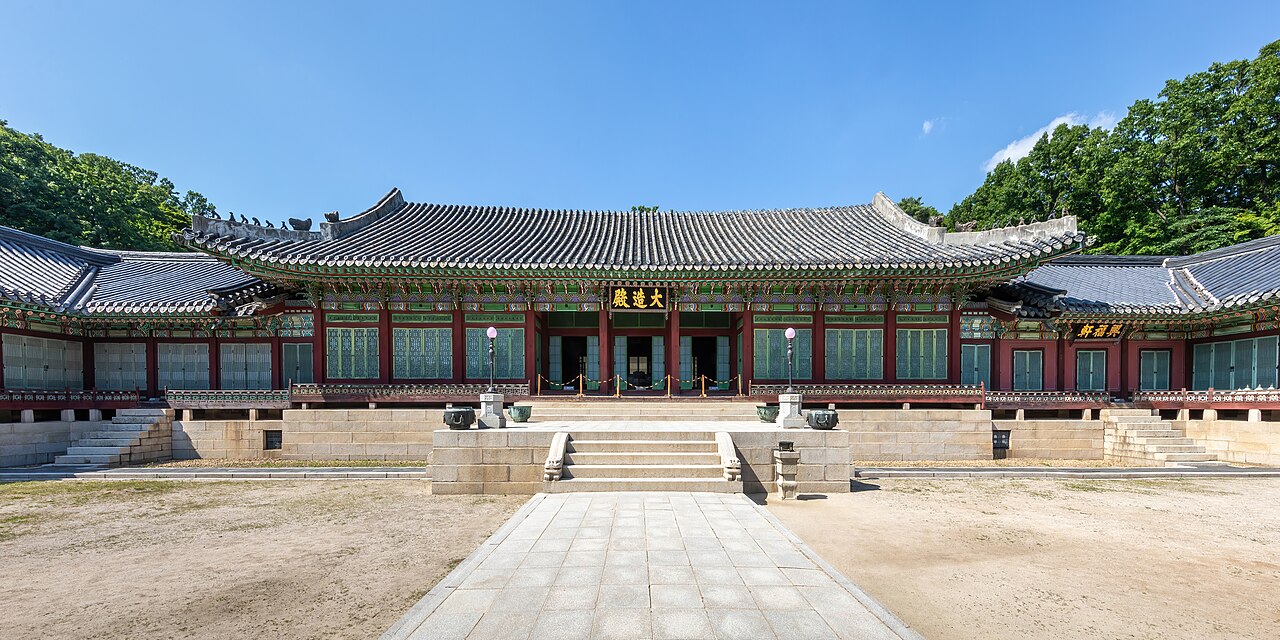
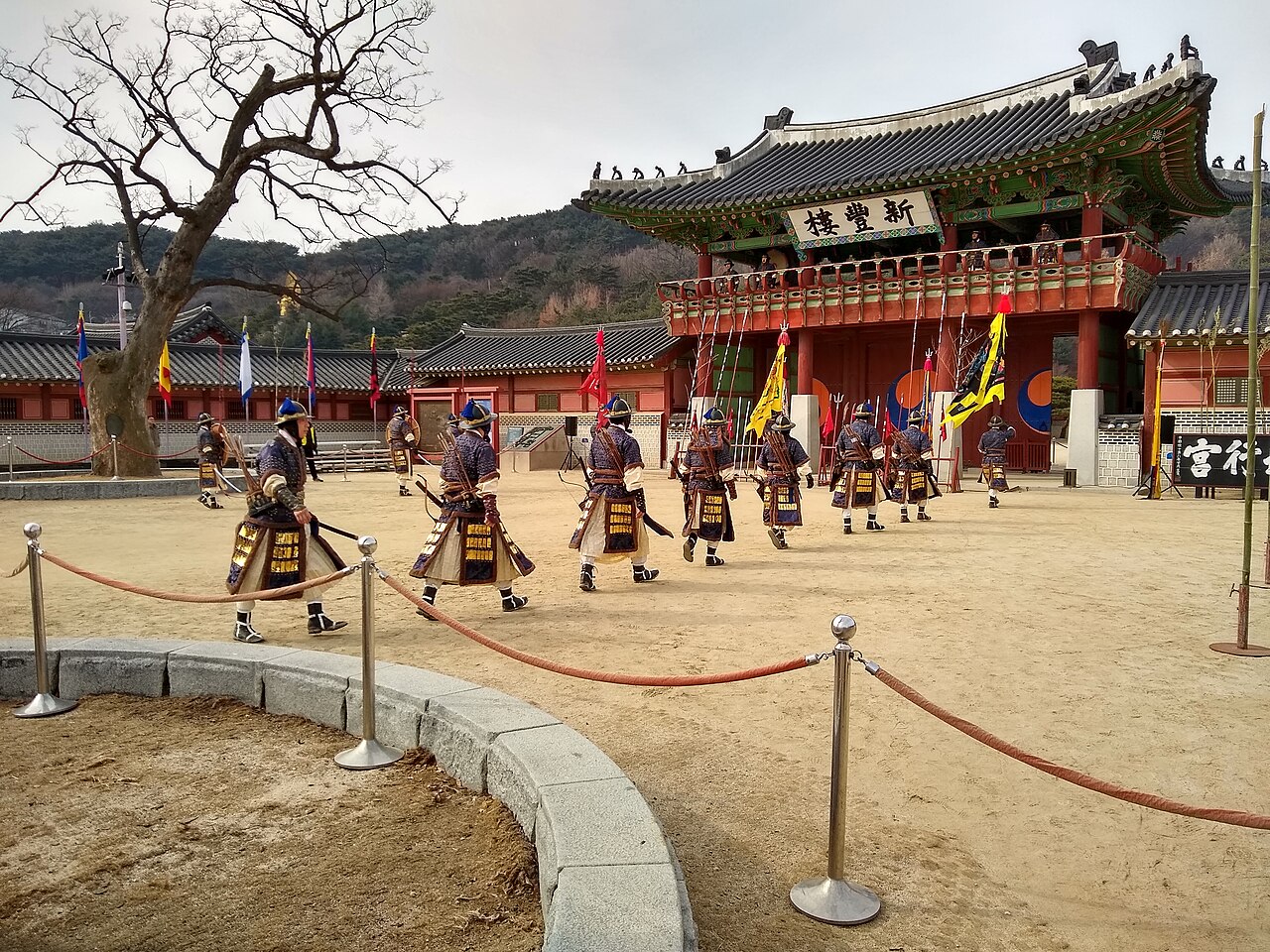
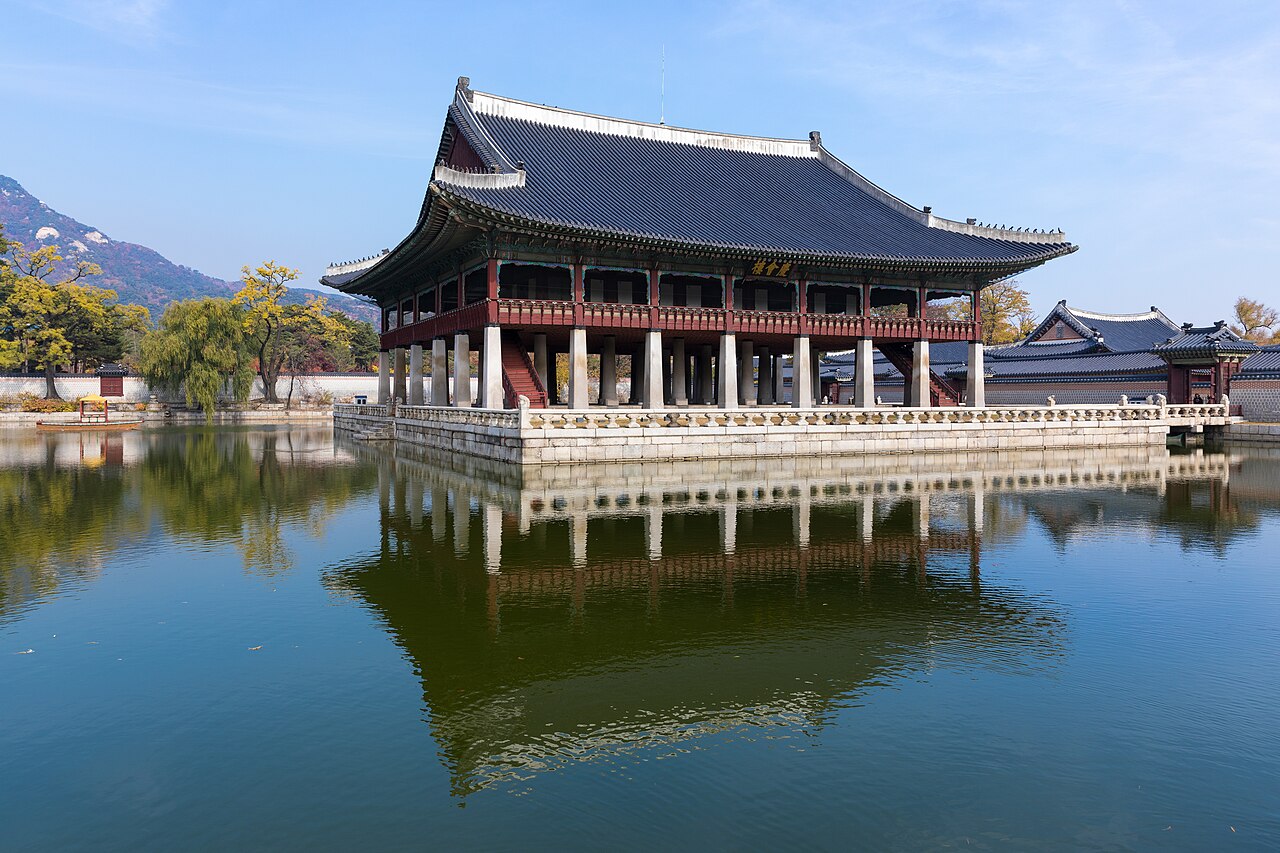
The first and main royal palace of the Joseon dynasty, built in 1395. It burned during the Japanese invasion of 1592 and was rebuilt in the 1860s. Guards in colourful costume change shifts at the main gate, and visitors wearing hanbok get in free.
A palace built in 1405 that many Joseon kings preferred to live in. Its buildings follow the shape of the hills, and behind them lies the Secret Garden, with ponds and pavilions.
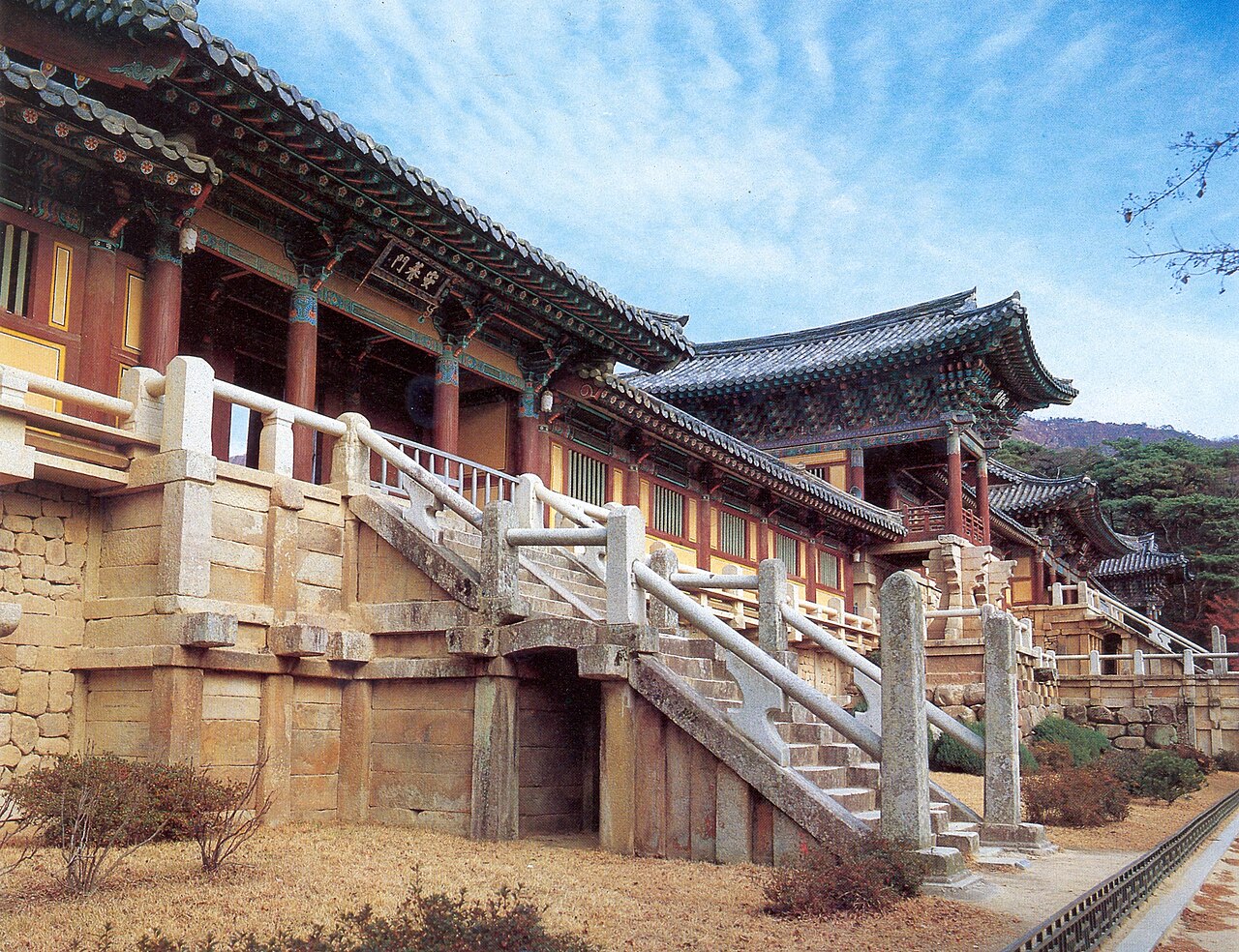
A Buddhist temple on the slopes of Mount Toham, begun in 751, with stone bridges and two famous stone pagodas. Higher up the mountain, the Seokguram Grotto holds a great granite Buddha looking out towards the sea.
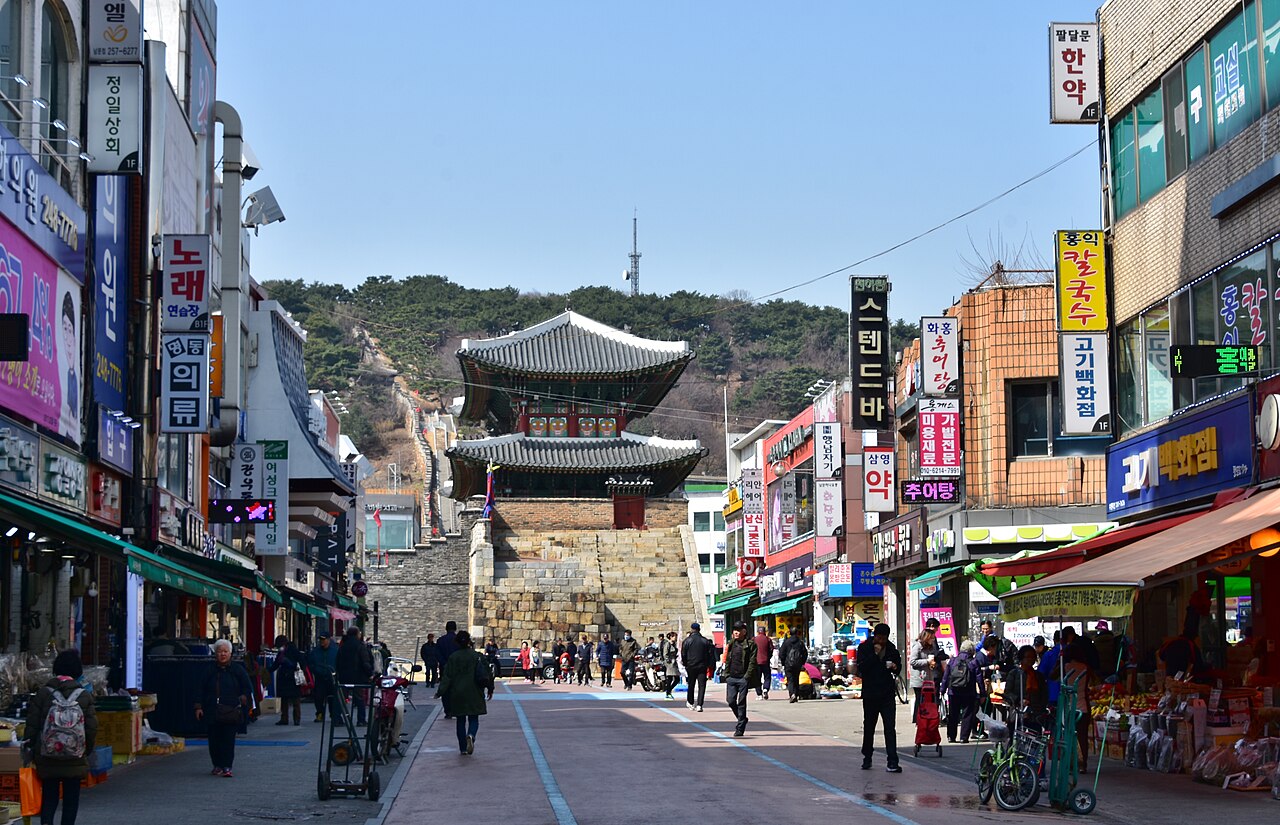
A fortress built from 1794 to 1796 by King Jeongjo, with 5.7 km of walls, gates and watchtowers around old Suwon. It was rebuilt after the Korean War using the detailed record of its construction published in 1801.
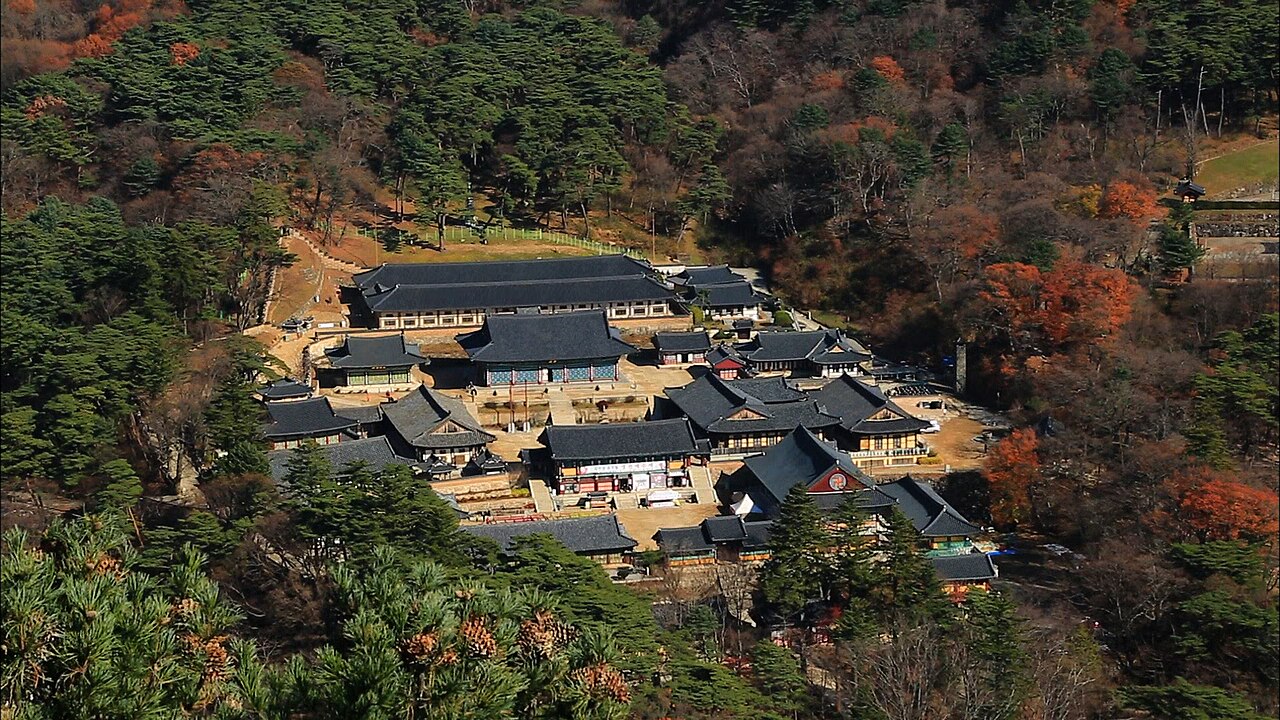
A mountain temple in Gayasan National Park, west of Daegu, founded in 802. Its halls keep the Tripitaka Koreana, the Buddhist scriptures carved on about 81,000 wooden printing blocks in the 1200s.
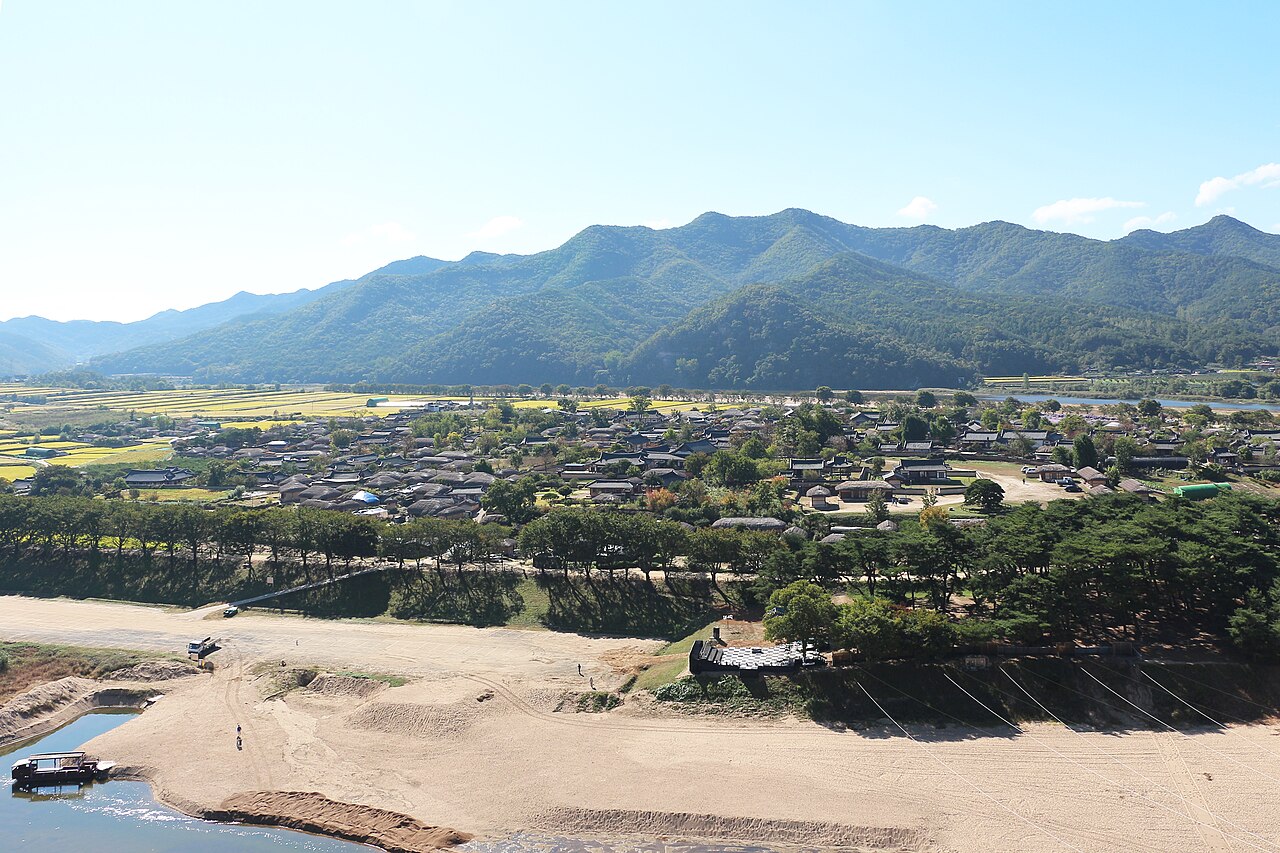
A village of tile-roofed and thatched houses where the Ryu family has lived for about 600 years, in a loop of the Nakdong River. It is famous for its masks and mask dance.
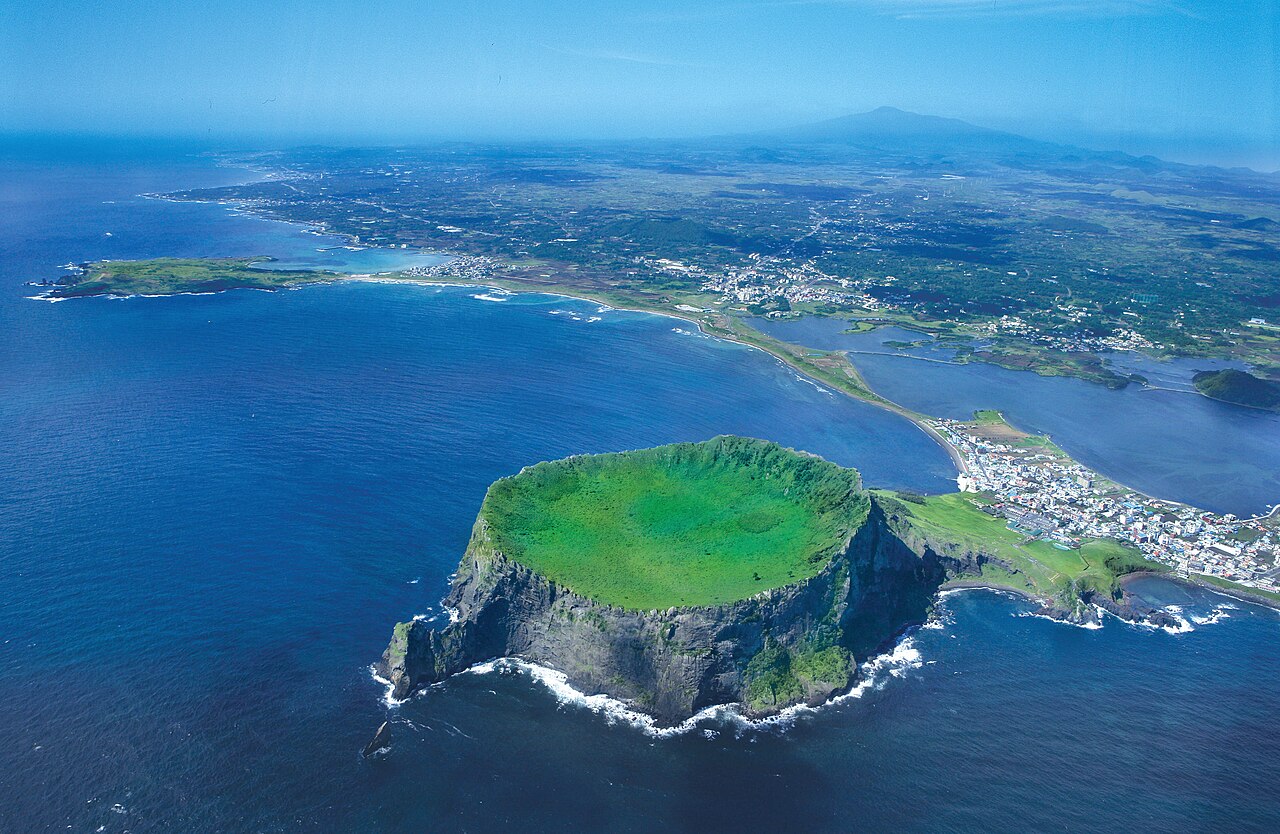
'Sunrise Peak', a volcanic crater 182 m high rising straight from the sea on the east coast of Jeju Island. It was formed about 6,700 years ago, and a stairway climbs to the rim in about 30 minutes.
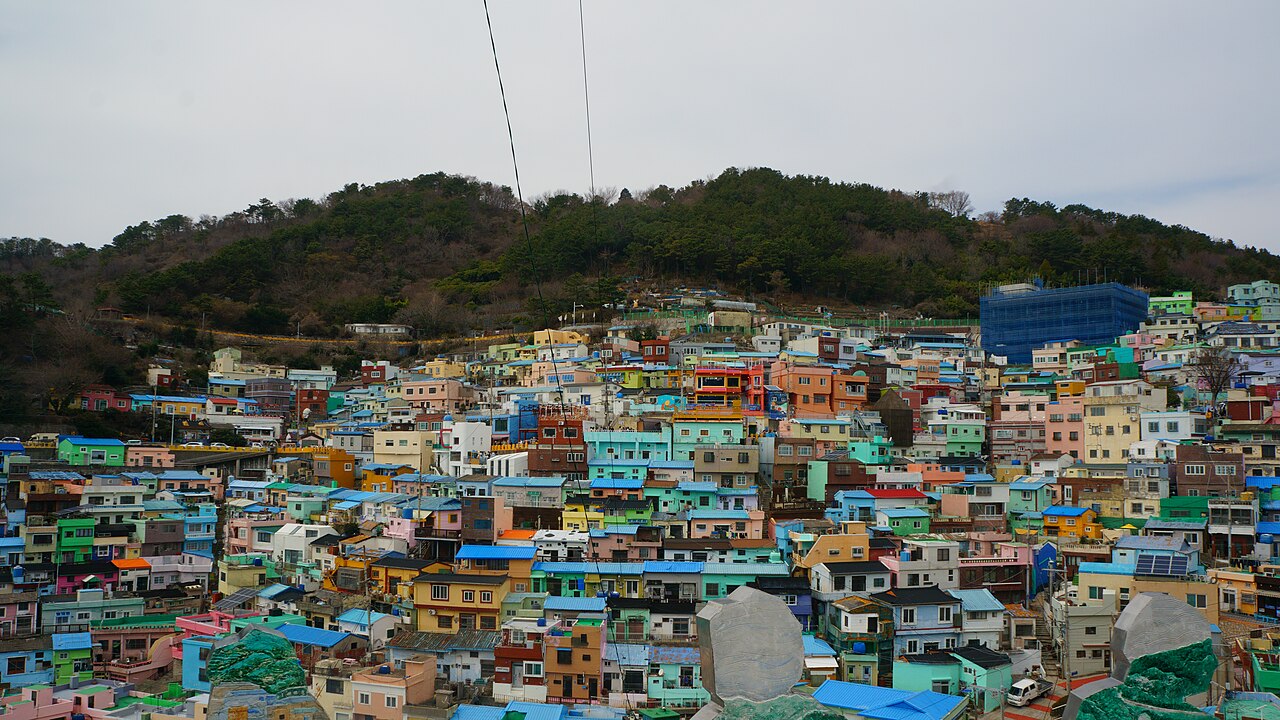
A hillside neighbourhood of small, brightly painted houses that grew after the Korean War, when refugees and members of a religious community settled here. An art project in 2009 filled its lanes with murals and sculptures.
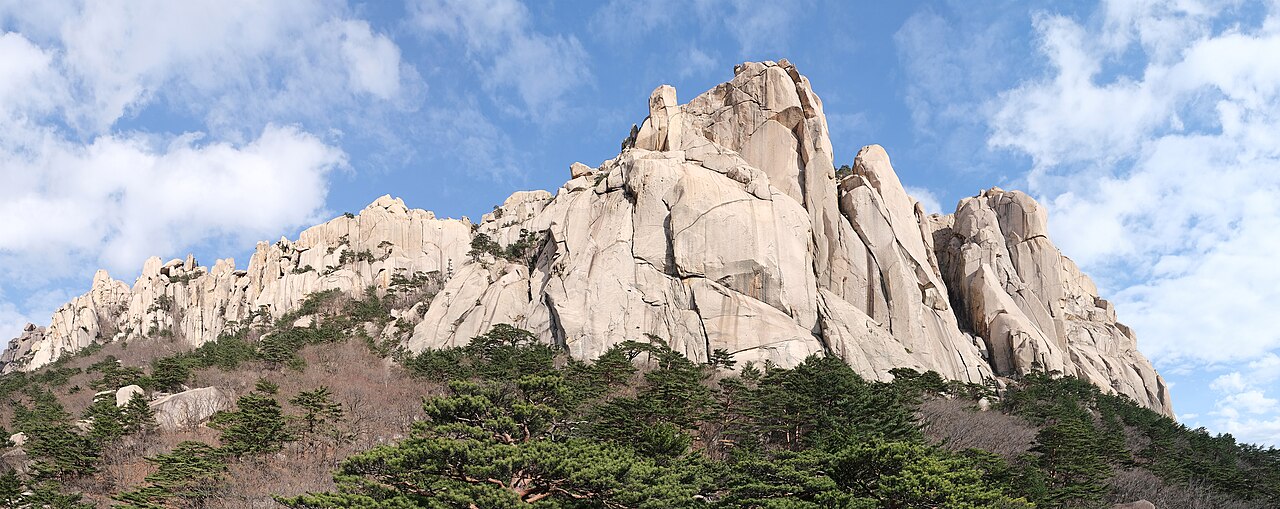
Granite peaks, waterfalls and temples near the east coast. The highest peak, Daecheongbong, is 1,708 m. The area is a UNESCO Biosphere Reserve, and it is most famous for its autumn colours.
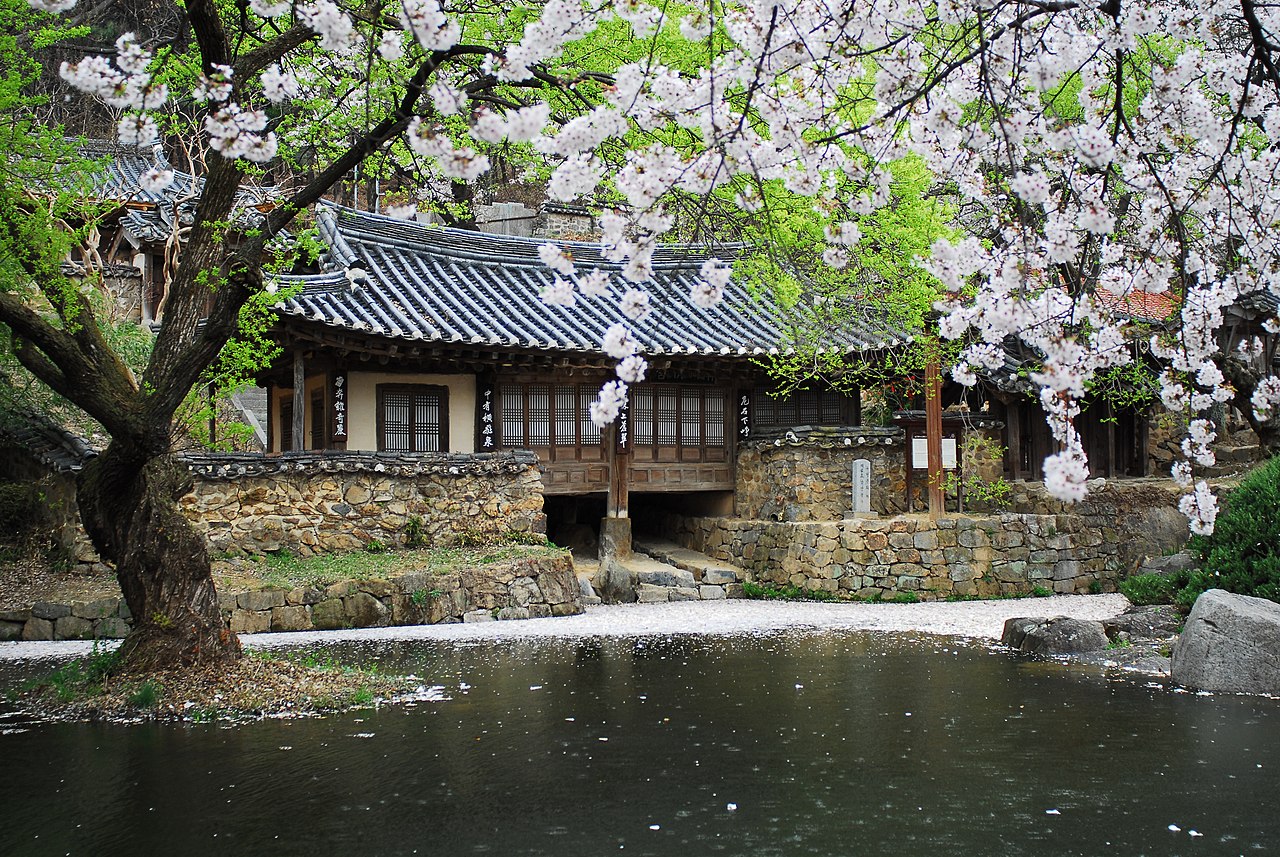
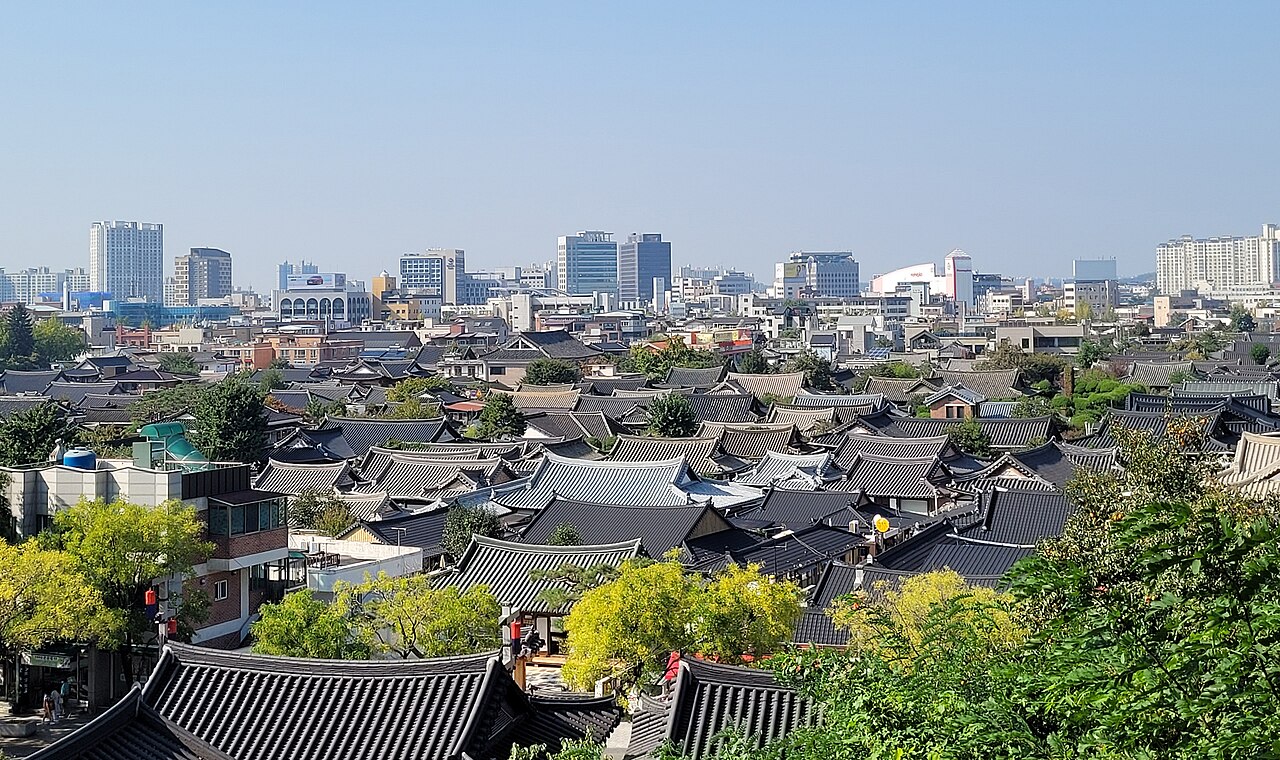
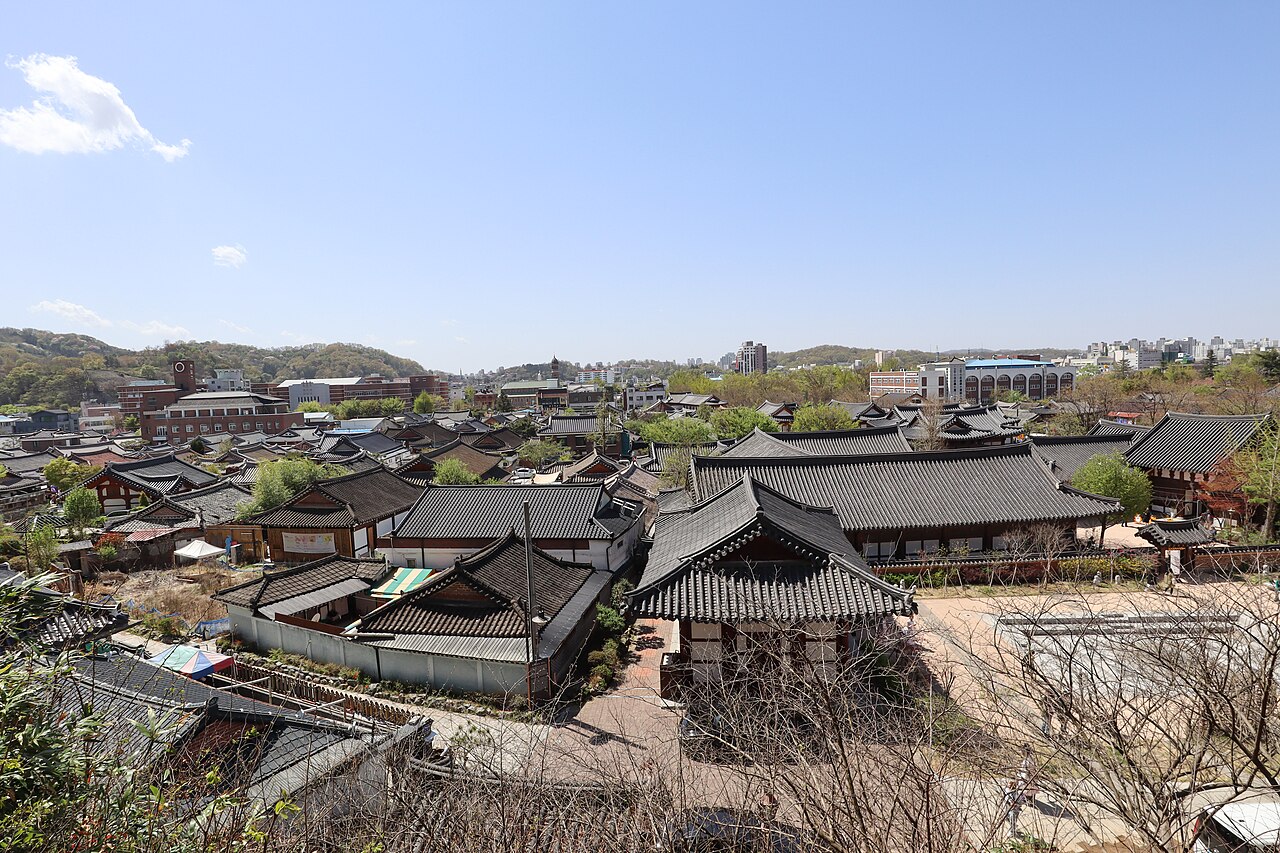
A quarter of more than 800 traditional hanok houses with curved tile roofs, full of tea houses and small restaurants. Nearby stand the Gyeonggijeon Shrine, with a portrait of the first Joseon king, and a brick cathedral finished in 1914.
The English name 'Korea' comes from Goryeo, the kingdom that ruled the peninsula from 918 to 1392.
02
Hangul, the Korean alphabet, has 24 basic letters: 14 consonants and 10 vowels. South Korea celebrates Hangul Day every year on 9 October.
03
Koreans used to count a baby as one year old at birth and add a year for everyone on New Year's Day. Since 28 June 2023 the international way of counting age has been the official standard.
04
Jikji, printed in Korea in 1377, is the oldest surviving book printed with movable metal type. The only surviving volume is kept in the National Library of France in Paris.
05
The 50,000 won note, first issued in 2009, shows the 16th-century artist Shin Saimdang, the first woman from history on a South Korean banknote.
06
About one in five South Koreans has the family name Kim: 21.5 percent of the population in the 2015 census.
07
On Jeju Island, haenyeo, 'sea women', dive for shellfish and seaweed holding their breath, without oxygen tanks. Their culture has been on UNESCO's intangible heritage list since 2016.
08
As of 2026, South Korea has 17 UNESCO World Heritage Sites. In July 2026 the city of Busan hosted UNESCO's World Heritage Committee.
09
The Demilitarized Zone between the two Koreas is about 250 km long and 4 km wide. Because people have kept out of it since 1953, it has become a refuge for wildlife such as rare cranes.
10
Korean homes are warmed from the floor up. The old ondol system sent smoke from a fire under a stone floor; today hot-water pipes do the job, and people often sit and sleep on the warm floor.
11
Taekwondo, the Korean martial art whose name means roughly 'the way of the foot and the fist', has been an Olympic medal sport since the Sydney Games in 2000.
12
In 2020 the Korean film Parasite became the first film not in English to win the Oscar for Best Picture.
13
Since 2016, by law, Korean Sign Language has been an official language of Deaf Koreans, equal in status with spoken Korean.
A rechargeable T-money card works on subways, city buses and many taxis across the country, and each ride is a little cheaper than with a paper ticket. Buy and top it up at convenience stores and subway stations; topping up usually needs cash.
Use Korean map apps
Naver Map and KakaoMap usually give much better walking and public transport directions in South Korea than Google Maps. Naver Map has a full English version, and KakaoMap has English menus.
Do not tip
Tipping is not customary in restaurants, taxis or hotels. The price you see is the price you pay.
Remember the emergency numbers
Call 112 for the police and 119 for an ambulance or the fire service. The tourist helpline 1330 answers questions in English and other languages.
Take your shoes off
Take off your shoes when you enter a home, a temple hall and many traditional restaurants where people sit on the floor. Wear socks without holes, and shoes that slip on and off easily.
Leave priority seats free
Priority seats on subways and buses are kept for older people, disabled people and pregnant women. Leave them free if you do not need one.
Plan around the big holidays
At Seollal (Lunar New Year) and Chuseok (the autumn harvest festival) millions travel home, trains sell out and many shops close. In 2027 Seollal falls on 6 to 9 February and Chuseok on 14 to 16 September.
Bring the right plug
South Korea uses 220 volts and round two-pin European plugs (types C and F). Visitors from Britain, the USA and elsewhere need an adapter.
 North Korea