A free large-print PDF. Choose what goes in: facts, map, history, dishes and recipes, phrases, fun facts, a quiz with or without answers. Made for clubs, care homes, libraries and family afternoons.
Morocco sits in the far northwest corner of Africa, where the Atlantic Ocean meets the Mediterranean Sea. At the Strait of Gibraltar, Africa and Europe are only about 14 km apart. The Atlas Mountains run across the middle of the country, rising to Toubkal, the highest peak in North Africa, and beyond them stony valleys and sand dunes lead to the edge of the Sahara.
For more than twelve centuries a series of dynasties ruled here from royal cities such as Fes, Marrakesh, Meknes and Rabat. Arab and Amazigh (Berber) traditions mix with influences from Andalusia, Africa and Europe, and since 2011 both Arabic and Tamazight, the Amazigh language, are official languages.
Today Morocco is a kingdom of about 37 million people, most of them Muslim. Rabat is the capital, while Casablanca is the largest city and the centre of business. Visitors come for the maze-like old medinas, colourful souks, mountain villages, desert camps, Atlantic beaches and one of the world's great cuisines.
CapitalRabat
PopulationAbout 37 million (2024 census)
Official languageArabic and Tamazight (Berber). Most people speak Moroccan Arabic, called Darija, and French is widely used in business
CurrencyMoroccan dirham (MAD)
AreaAbout 446,550 km², not counting Western Sahara
GovernmentConstitutional monarchy with an elected parliament (King Mohammed VI, since 1999)
Highest mountainToubkal, 4,167 m
Longest riverThe Draa, about 1,100 km (its lower course is dry for most of the year)
NeighboursAlgeria, and Spain at Ceuta, Melilla and the tiny Peñón de Vélez de la Gomera. To the south lies Western Sahara, a disputed territory. Across the sea: Spain, Portugal and Gibraltar
Amazigh (Berber) peoples have lived in Morocco since ancient times, and Phoenician and Carthaginian traders built ports on its coast. After the Romans and the arrival of Islam, a line of Moroccan dynasties, from the Idrisids to the Alaouites who still reign today, ruled from great royal cities. In the 20th century the country was divided into French and Spanish protectorates before regaining its independence in 1956.
AD 40
Rome takes over Mauretania
The Roman emperor Caligula had Ptolemy, the last king of Mauretania, killed, and Rome took over his kingdom. A few years later Emperor Claudius made northern Morocco the province of Mauretania Tingitana, named after Tingis, today's Tangier, with Volubilis as its most important city.
AD 788
The Idrisid dynasty is founded
Idris I, a descendant of the Prophet Muhammad who had fled from the east, was welcomed by Amazigh tribes at Volubilis and founded a new state, often seen as the beginning of the Moroccan state. He and his son Idris II built up the city of Fes, which became their capital.
AD 859
The Qarawiyyin Mosque is founded
Tradition says Fatima al-Fihri, a woman from a family that had moved from Kairouan in Tunisia, founded a mosque in Fes. Its school grew into a great centre of learning, and it is still active as the University of al-Qarawiyyin.
1070
Marrakesh is founded
The Almoravids, an Amazigh dynasty from the Sahara, founded Marrakesh around 1070 as their capital. For centuries the city was so important that the whole country was known abroad as the Kingdom of Marrakesh, which gave Morocco its name.
1147
The Almohads take Marrakesh
The Almohads, a movement from the High Atlas, captured Marrakesh and built an empire reaching from Morocco to Tunisia and into Spain. They began the Koutoubia Mosque in Marrakesh and the Hassan Tower in Rabat.
1578
The Battle of the Three Kings
On 4 August 1578, near Ksar el-Kebir, a Moroccan army crushed an invading Portuguese army. Three kings died: King Sebastian of Portugal, the Moroccan sultan Abd al-Malik and his rival, the deposed sultan. Ahmad al-Mansur became sultan, and Portugal soon lost its independence to Spain for 60 years.
1666
The Alaouite dynasty takes Fes
Moulay al-Rashid won the surrender of Fes in June 1666 and then Marrakesh in 1668, uniting the country under the Alaouite dynasty. The Alaouites still reign in Morocco today.
1672
Moulay Ismail makes Meknes his capital
Sultan Moulay Ismail reigned for 55 years, until 1727, one of the longest reigns in Moroccan history. He made Meknes his capital and surrounded it with walls, grand gates, palaces and vast granaries.
1777
Morocco recognises the United States
In December 1777 Sultan Mohammed ben Abdallah opened Moroccan ports to American ships, which is seen as the first recognition of the independence of the United States. A treaty of friendship followed in 1786 and is still in force, the oldest unbroken treaty in US history.
1912
The Treaty of Fes
On 30 March 1912 Sultan Abd al-Hafid signed a treaty that made most of Morocco a French protectorate; later that year Spain received a zone in the north. The French moved the capital to Rabat, and Tangier later became an international zone.
1956
Morocco regains its independence
After years of protests and the exile of Sultan Mohammed V, France recognised Morocco's independence on 2 March 1956, and Spain gave up its northern zone the following month. Mohammed V took the title of king in 1957.
1961
Hassan II becomes king
On the death of his father, Mohammed V, Hassan II came to the throne in February 1961. He reigned for 38 years, until his death in 1999, and built the great mosque in Casablanca that bears his name.
1975
The Green March
In November 1975, at the call of King Hassan II, about 350,000 unarmed Moroccans marched into Spanish Sahara. Spain withdrew soon after. The status of the territory, now called Western Sahara, is still disputed and is the subject of talks at the United Nations.
1999
Mohammed VI becomes king
Mohammed VI became king on 23 July 1999, after the death of his father, Hassan II. He is a member of the Alaouite dynasty, which has reigned since the 1600s.
2011
A new constitution
After street protests in early 2011, Moroccans approved a new constitution in a referendum on 1 July. It gave more power to the elected government and made Tamazight, the Amazigh language, an official language alongside Arabic.
2023
The Al Haouz earthquake
On the night of 8 September 2023 a magnitude 6.9 earthquake struck the High Atlas southwest of Marrakesh. It was the strongest earthquake ever recorded by instruments in Morocco, and nearly 3,000 people died, mostly in mountain villages.
Moroccan cooking mixes Amazigh, Arab, Andalusian and Jewish traditions, with spices such as cumin, cinnamon, ginger, saffron and the blend ras el hanout, and with preserved lemons, olives, dried fruit and argan oil. A family lunch often starts with several hot and cold salads, followed by a tagine, and on Fridays by a big shared dish of couscous. Round loaves of bread come with almost every meal, and sweet mint tea is served all day long.
All of Morocco; the tagine is rooted in Amazigh (Berber) cooking
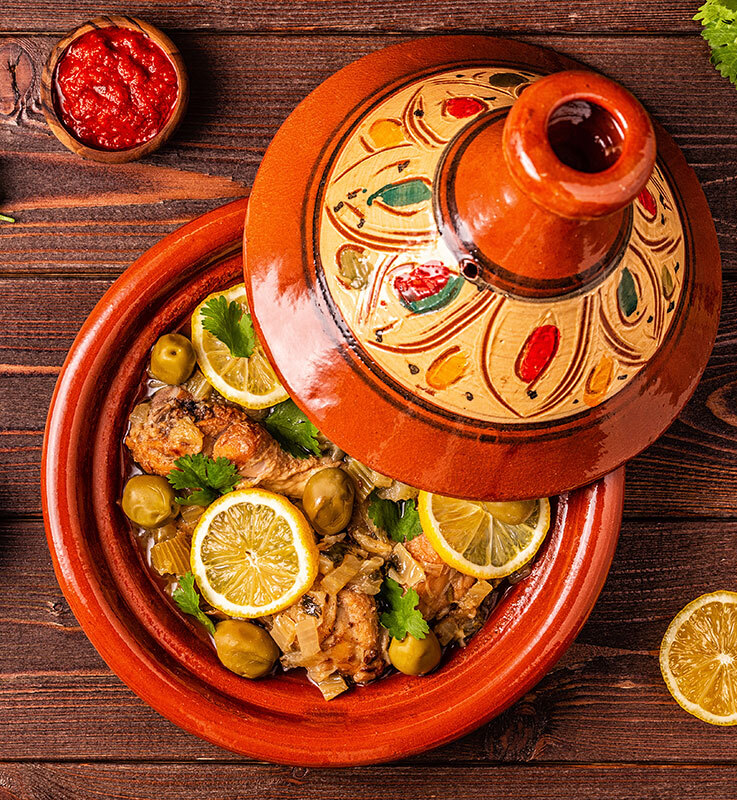
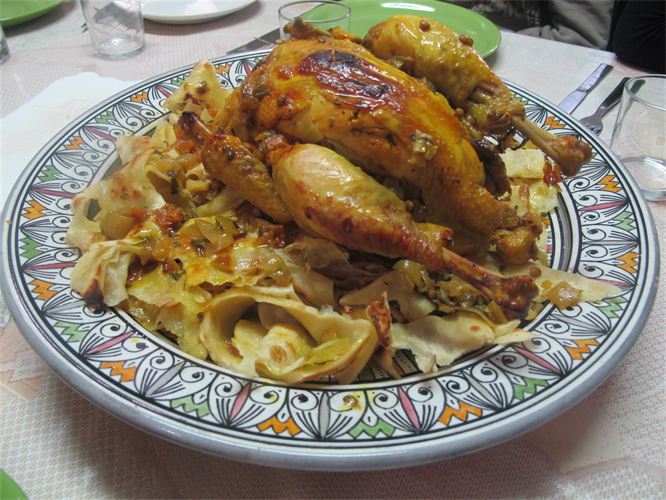
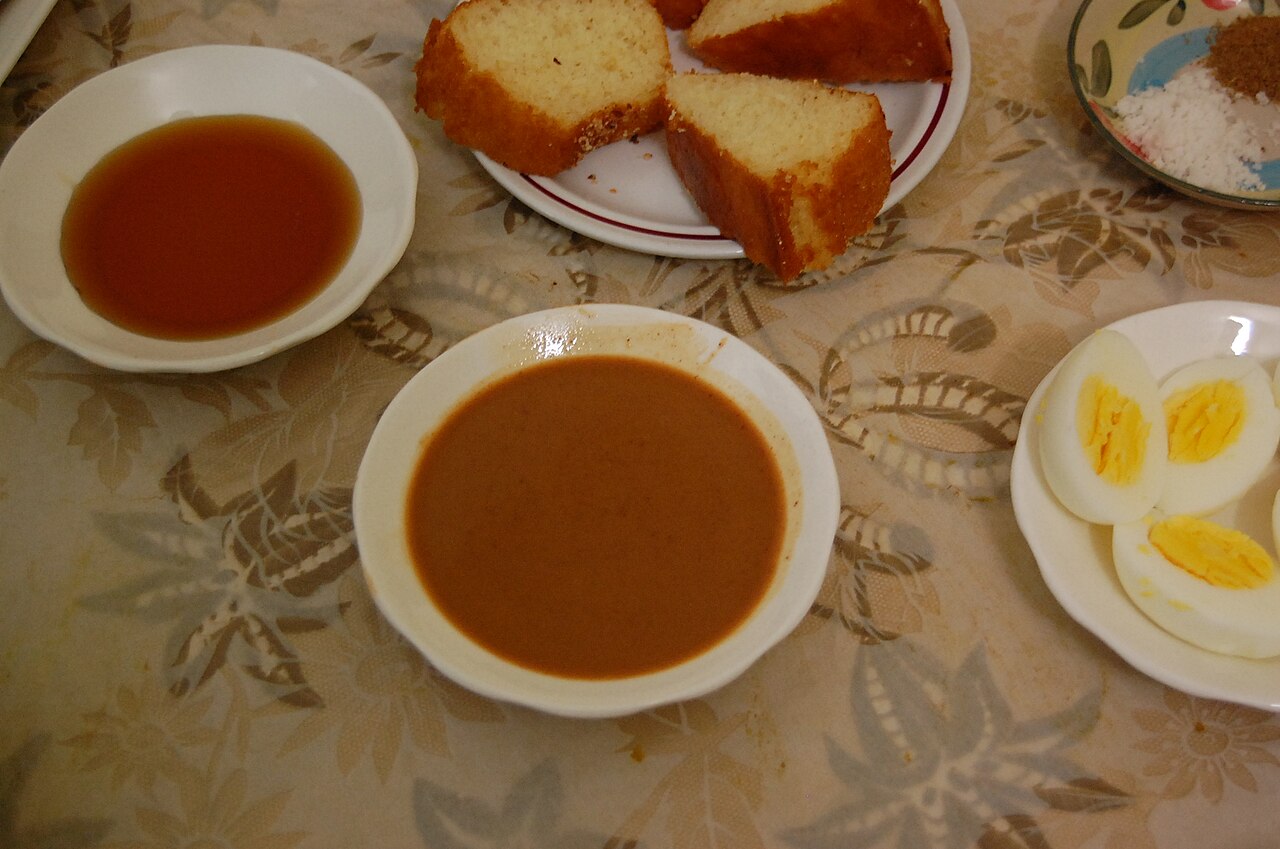
A slow-cooked stew named after the clay pot it is cooked in, a shallow dish with a tall cone-shaped lid. There are countless versions: chicken with preserved lemon and olives, lamb with prunes and almonds, or meatballs in tomato sauce with eggs.
The cone-shaped lid catches the steam and lets it drip back down, so the food cooks gently in very little water, useful in dry regions.
See the recipe
Serves 4
1 h 30 min
Ingredients
1.2 kg chicken pieces (thighs and legs), skin removed if you prefer
3 tablespoons olive oil
2 onions, finely chopped
3 cloves garlic, crushed
1 teaspoon ground ginger
1 teaspoon ground turmeric
1 teaspoon ground cumin
A pinch of saffron threads soaked in 2 tablespoons warm water (optional)
300 ml chicken stock or water
1 preserved lemon, rinsed, flesh removed and the peel cut into strips
100 g green or purple olives
A handful of fresh coriander and parsley, chopped
Salt and black pepper, and bread to serve
Method
Mix the oil, half the onions, the garlic and all the spices in a bowl, add the chicken and turn it to coat. Cover and leave in the fridge for 30 minutes if you have time.
Put the rest of the onions in a tagine or a heavy pan with a lid, lay the chicken on top and pour in the stock with the saffron.
Cover and cook over a low heat (use a heat diffuser under a clay tagine) for about 50 minutes, until the chicken is cooked through and tender.
Add the preserved lemon peel and the olives, and cook uncovered for 10 minutes more so the sauce thickens.
Taste for salt (the lemon and olives are already salty), sprinkle with the herbs and serve with bread to scoop up the sauce.
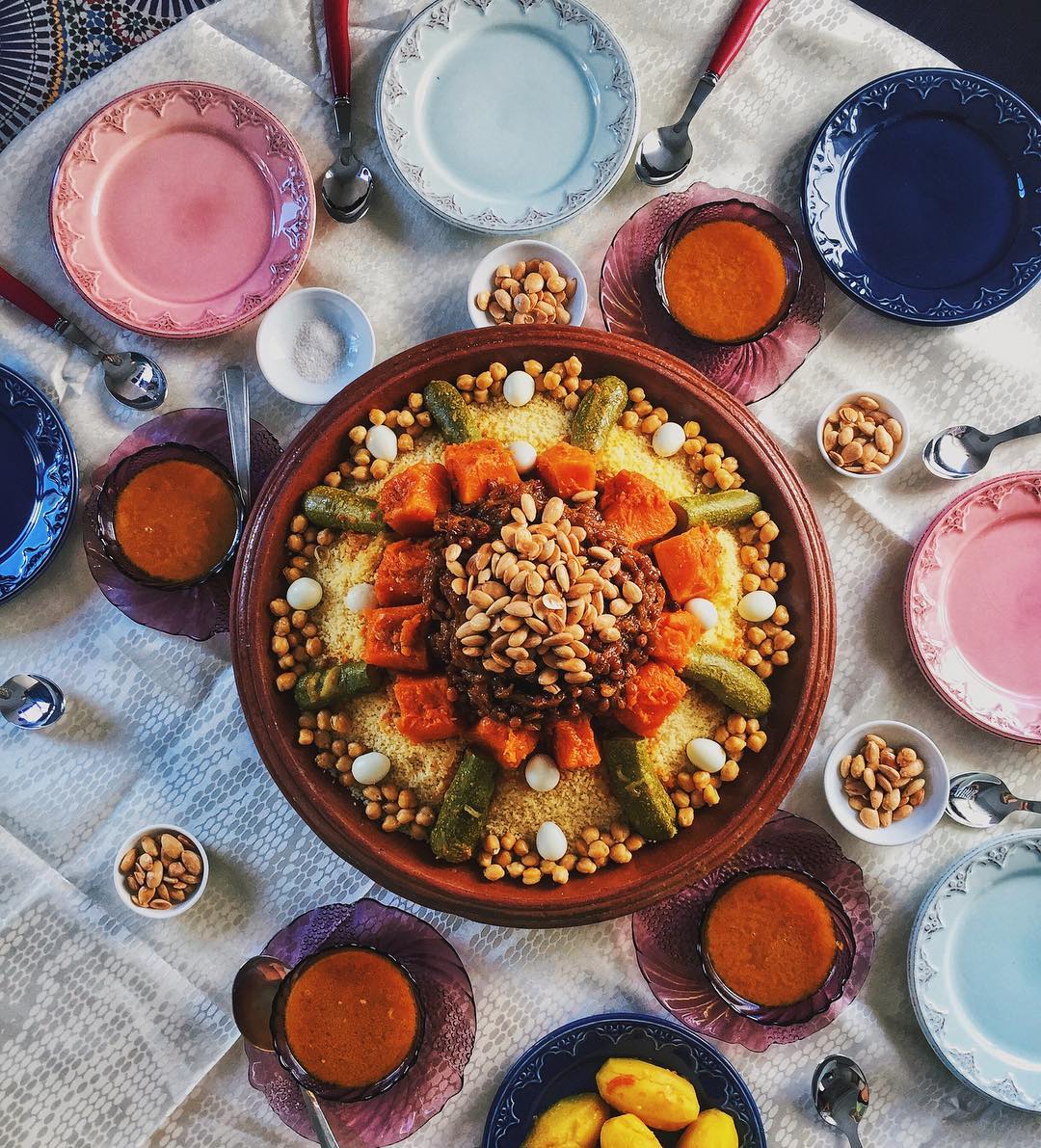
Tiny grains of steamed durum wheat semolina, piled high in a large dish and topped with meat and vegetables in a spiced broth. It is traditionally served on Fridays, when the family gathers after midday prayers.
In 2020 UNESCO added the knowledge and practices of couscous to its intangible heritage list, after a joint nomination by Morocco, Algeria, Mauritania and Tunisia.
See the recipe
Serves 6
1 h 30 min
Ingredients
600 g lamb shoulder or chicken pieces
3 tablespoons olive oil
2 onions, sliced
2 tomatoes, chopped
1 teaspoon each of ground ginger, turmeric and black pepper
A bunch of coriander and parsley, tied together
1 x 400 g tin chickpeas, drained
3 carrots and 2 turnips, peeled and cut in half lengthways
3 courgettes, cut into large pieces
400 g pumpkin or butternut squash, in large chunks
1 small cabbage, cut into wedges
500 g couscous
30 g butter, and salt
Method
Put the meat, oil, onions, tomatoes, spices, herbs and 1 teaspoon of salt in a large pot, cover with about 2 litres of water and bring to the boil. Simmer for 40 minutes.
Add the carrots, turnips and cabbage and simmer for 15 minutes, then add the courgettes, pumpkin and chickpeas and cook for 15 minutes more, until everything is tender.
Meanwhile, put the couscous in a large bowl with a pinch of salt and pour over 500 ml of boiling water. Cover and leave for 10 minutes, then fluff it up with a fork and rub in the butter. (Traditionally the couscous is steamed two or three times over the pot in a couscoussier.)
Pile the couscous in a large shallow dish, make a hollow in the middle and place the meat in it.
Arrange the vegetables around and on top, spoon over some broth to moisten the grains and serve the rest of the broth in a bowl.
Fes and the old cities of the north, with Andalusian roots
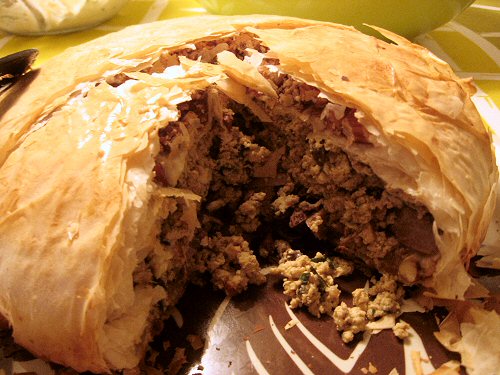
A large round pie of paper-thin warqa pastry filled with slow-cooked, shredded pigeon or chicken, eggs cooked in the spiced sauce and a layer of toasted almonds with cinnamon and sugar. It is dusted with icing sugar and cinnamon on top, both savoury and sweet at once.
A spicy seafood pastilla with fish and vermicelli, without the sugar, is a favourite at Moroccan weddings.
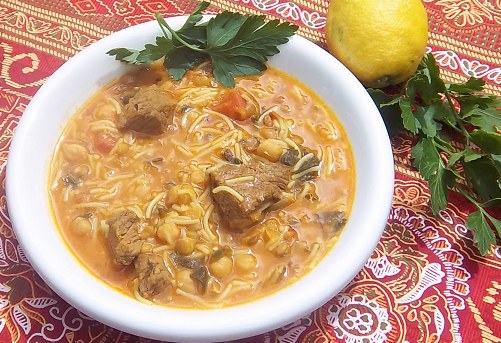
A thick soup of tomatoes, lentils, chickpeas and a little meat, flavoured with ginger, cinnamon, coriander and parsley, and thickened at the end with a mixture of flour and water.
During Ramadan many families break the day's fast at sunset with a bowl of harira, dates and honey-soaked sweets such as chebakia.
See the recipe
Serves 6
1 h 30 min
Ingredients
250 g lamb or beef, cut into small cubes (leave out for a vegetarian version)
2 tablespoons olive oil
1 onion, grated
1 stick celery, finely chopped
A large bunch each of fresh coriander and parsley, finely chopped
800 g ripe tomatoes, blended, or 2 x 400 g tins chopped tomatoes
2 tablespoons tomato paste
40 g broken vermicelli or 40 g rice
4 tablespoons plain flour mixed with 250 ml cold water, and salt
Lemon wedges and dates to serve
Method
In a large pot, fry the meat, onion, celery and half the herbs in the oil with the spices for 5 minutes.
Add the lentils and 2 litres of water, bring to the boil and simmer for 30 minutes.
Add the tomatoes, tomato paste and chickpeas and simmer for 15 minutes more.
Add the vermicelli or rice and cook for 10 minutes. Then pour in the flour and water mixture slowly, stirring all the time, and simmer for 5 to 10 minutes until the soup is thick and silky and no longer tastes of flour.
Stir in the rest of the herbs, add salt to taste and serve with lemon wedges and dates.
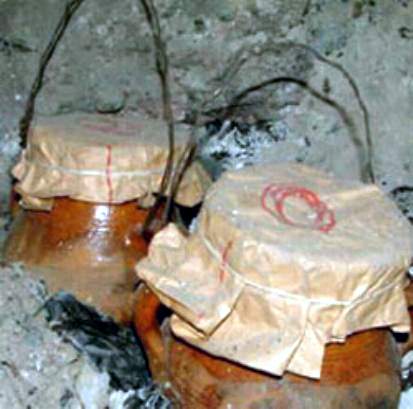
Beef or lamb with preserved lemon, garlic, cumin, saffron and olive oil, sealed in a tall clay jar and cooked slowly for many hours in the hot ashes of a hammam (public bathhouse) furnace or a hearth, until it falls apart.
Like the tagine, the dish takes its name from the clay pot it is cooked in.
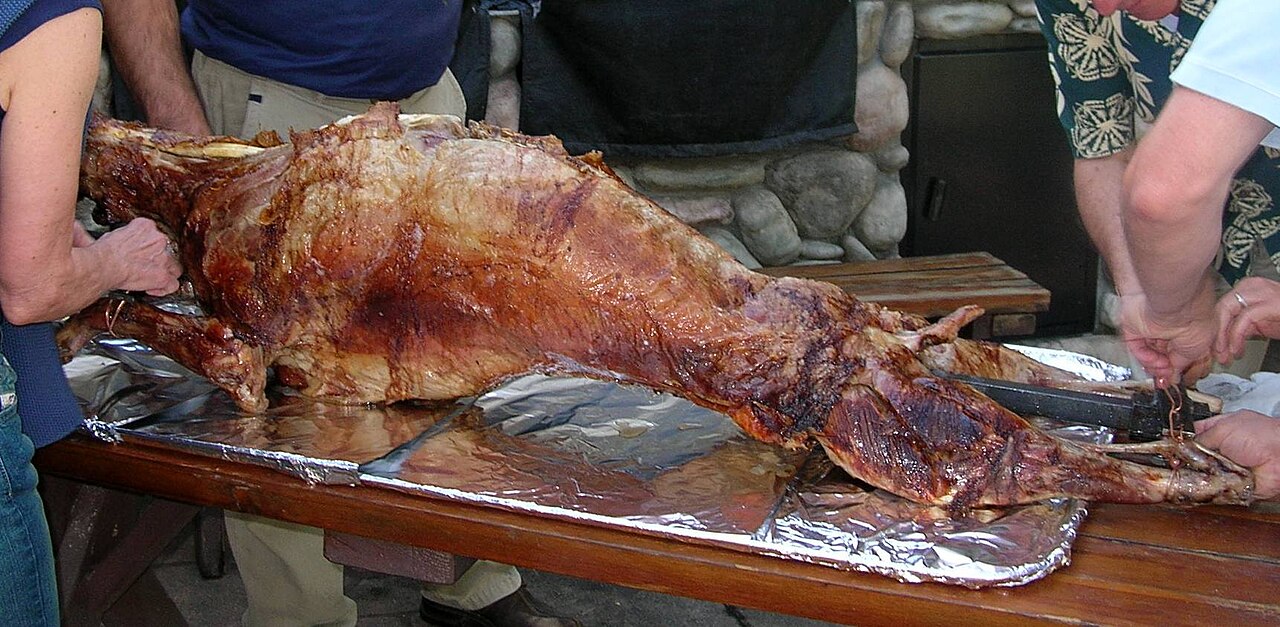
A whole lamb roasted slowly on a spit over embers, or in a pit oven in the ground, until the meat is tender enough to pull off with the fingers. It is served with cumin and salt.
Traditionally no knives or forks are used: the host pulls off pieces with the right hand and offers them to guests.
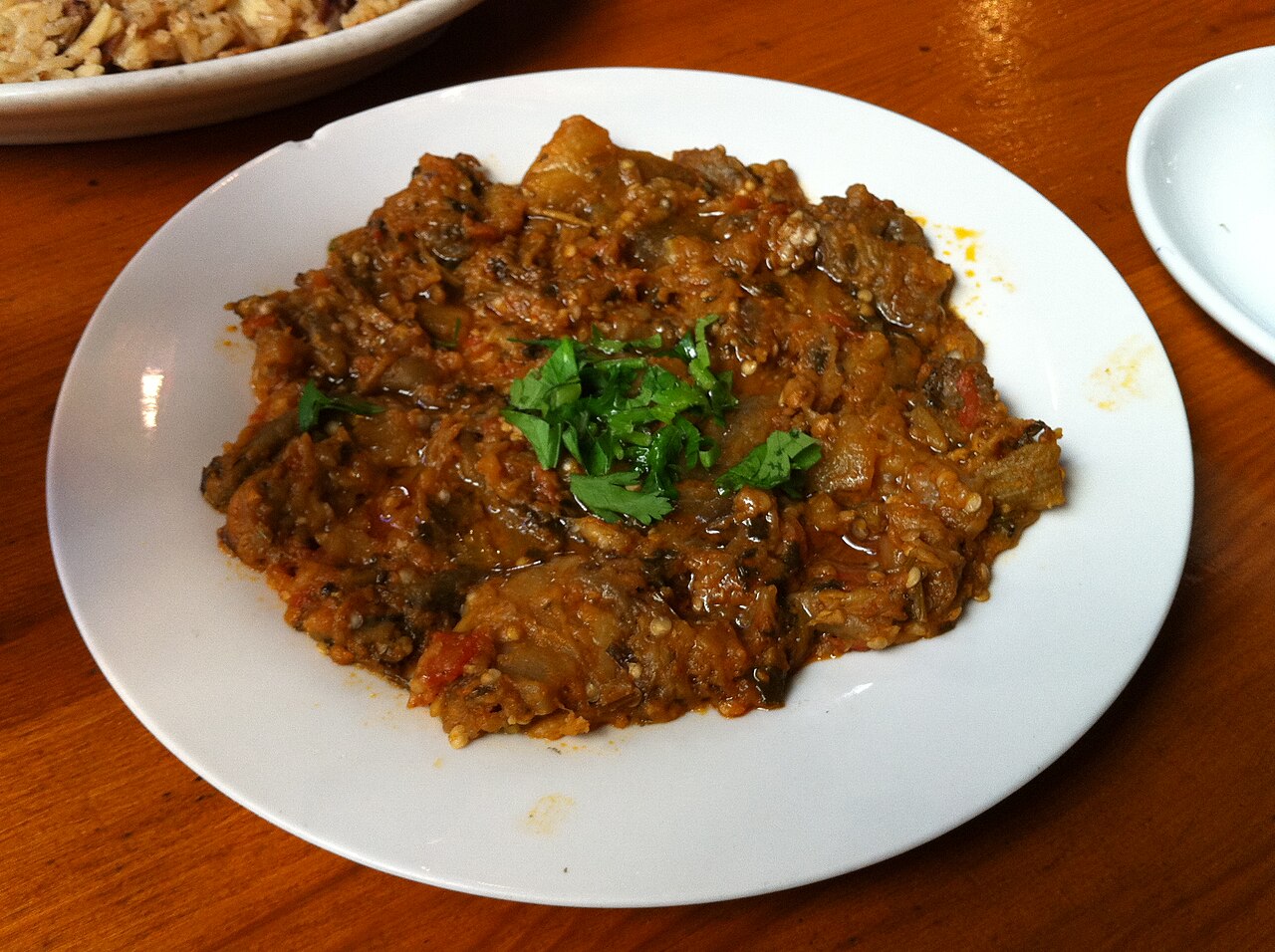
A cooked salad of aubergines and tomatoes with garlic, cumin, paprika, olive oil and fresh herbs, eaten warm or cold and scooped up with bread.
See the recipe
Serves 4
45 min
Ingredients
2 medium aubergines (about 600 g)
4 ripe tomatoes, peeled and chopped, or 1 x 400 g tin chopped tomatoes
3 cloves garlic, crushed
4 tablespoons olive oil
1 teaspoon ground cumin
1 teaspoon sweet paprika, and a pinch of chilli (optional)
A handful of fresh coriander and parsley, chopped
1 tablespoon lemon juice or vinegar, and salt
Method
Prick the aubergines with a fork and roast them in a hot oven (220 °C) for 30 to 40 minutes, turning once, until soft and collapsed. Or peel them, cut into cubes and steam them for 15 minutes.
Meanwhile, cook the tomatoes, garlic, olive oil and spices in a frying pan over a medium heat for about 10 minutes, until thick.
Scoop out the soft aubergine flesh, chop it and add it to the pan. Mash everything together and cook for 5 more minutes, stirring.
Stir in the herbs and lemon juice and add salt to taste. Serve warm or cold, with bread.
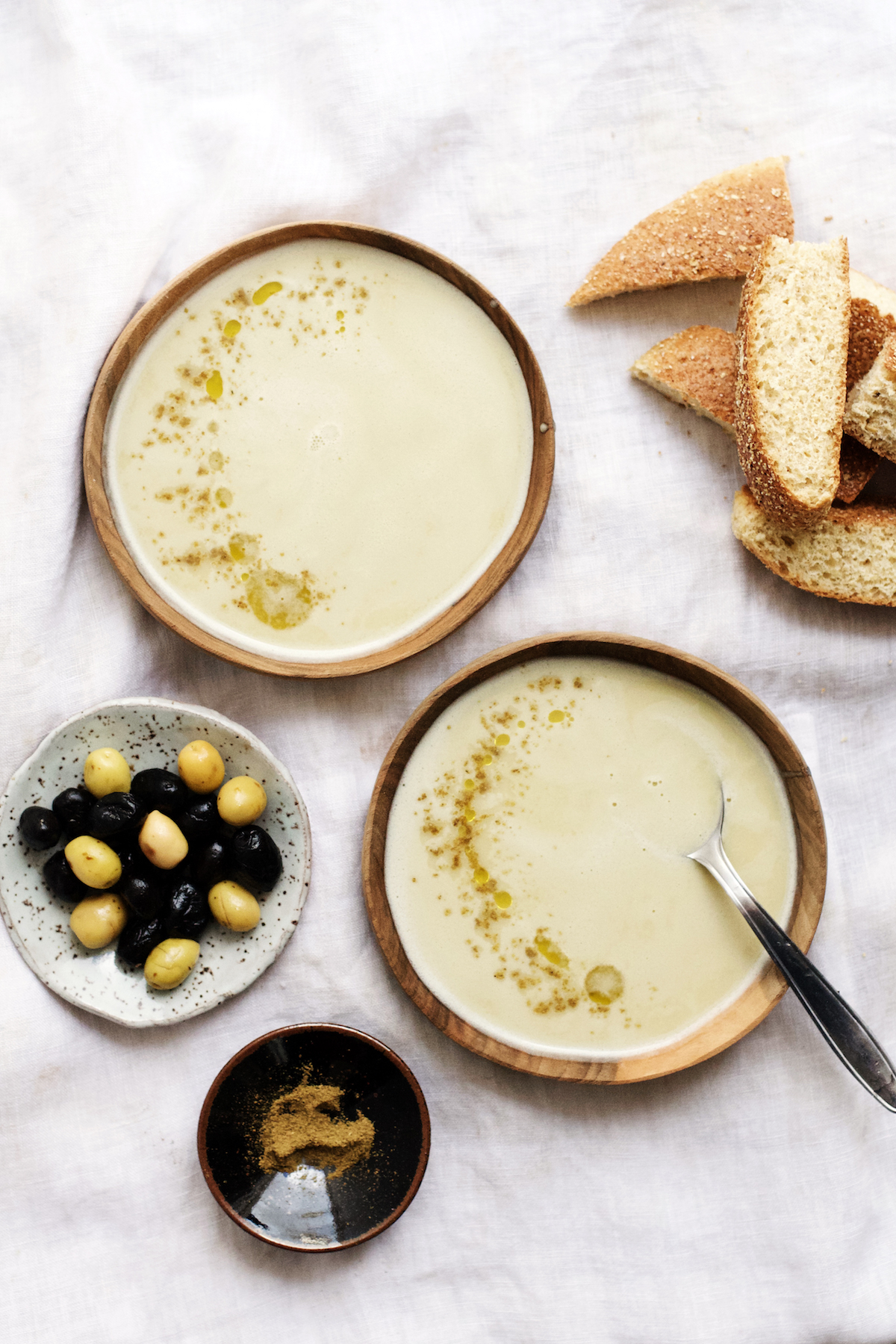
A thick, warming soup or dip of dried split broad beans cooked with garlic, then puréed and served with a generous pour of olive oil, cumin and paprika on top.
It is one of the cheapest hot meals in Morocco, sold from big pots in town squares and alleys on cold mornings.
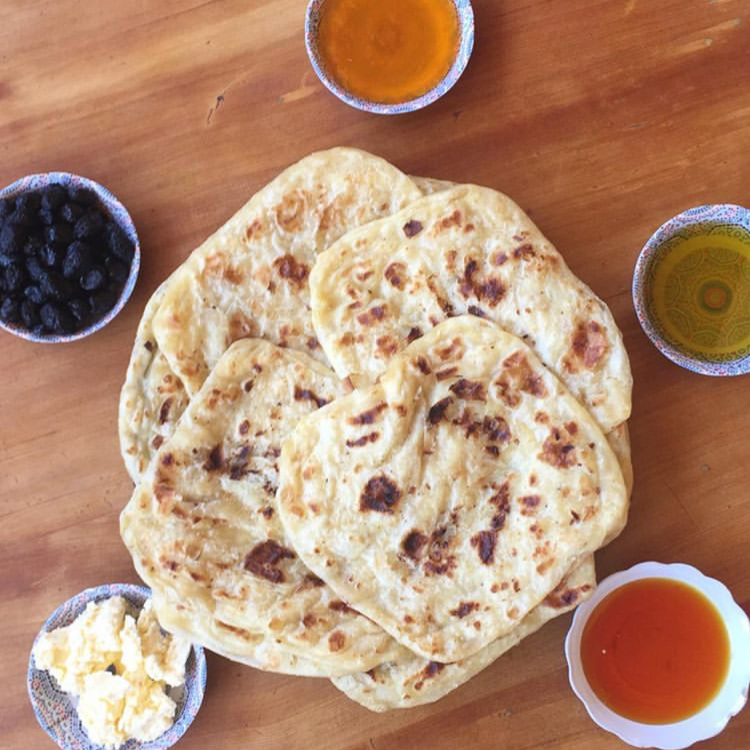
A square, flaky flatbread made by folding buttered dough many times and cooking it on a griddle. It is usually eaten for breakfast or with afternoon tea, with honey, butter or amlou.
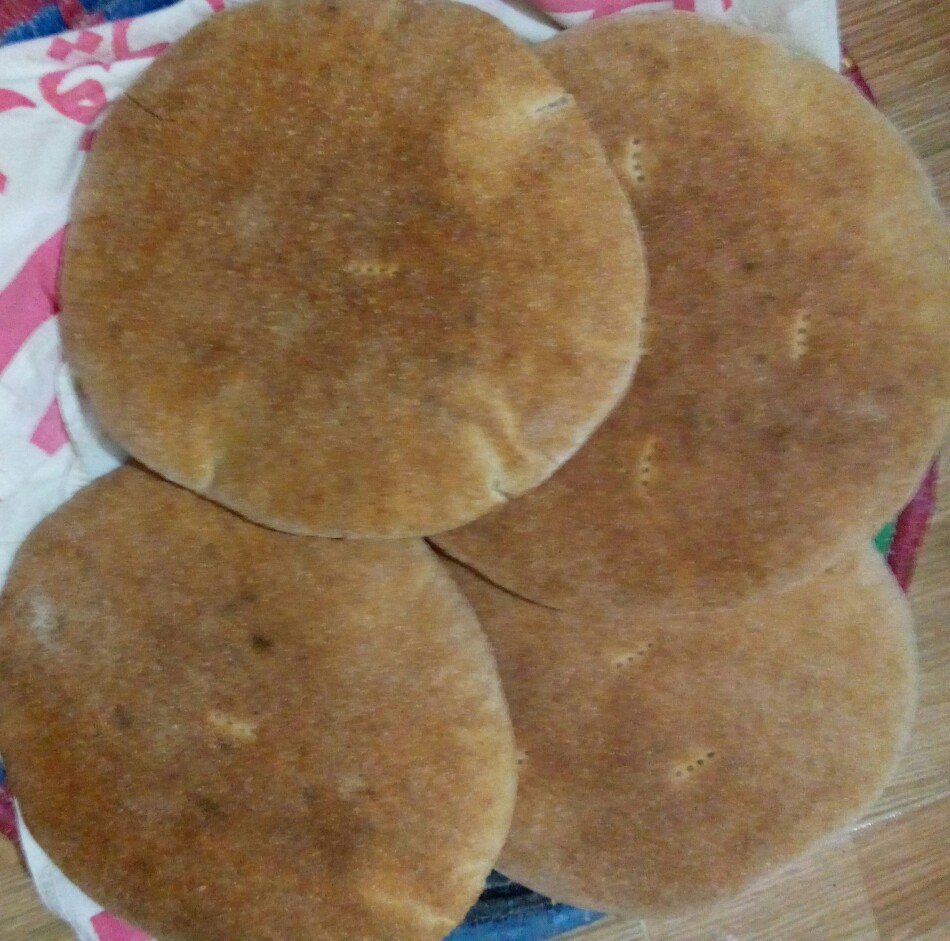
The everyday round, flat loaf, made with wheat flour and often some semolina. It is served with almost every meal and used instead of a fork to scoop up tagines and salads.
Moroccans traditionally eat with their hands, using pieces of bread to pick up food.
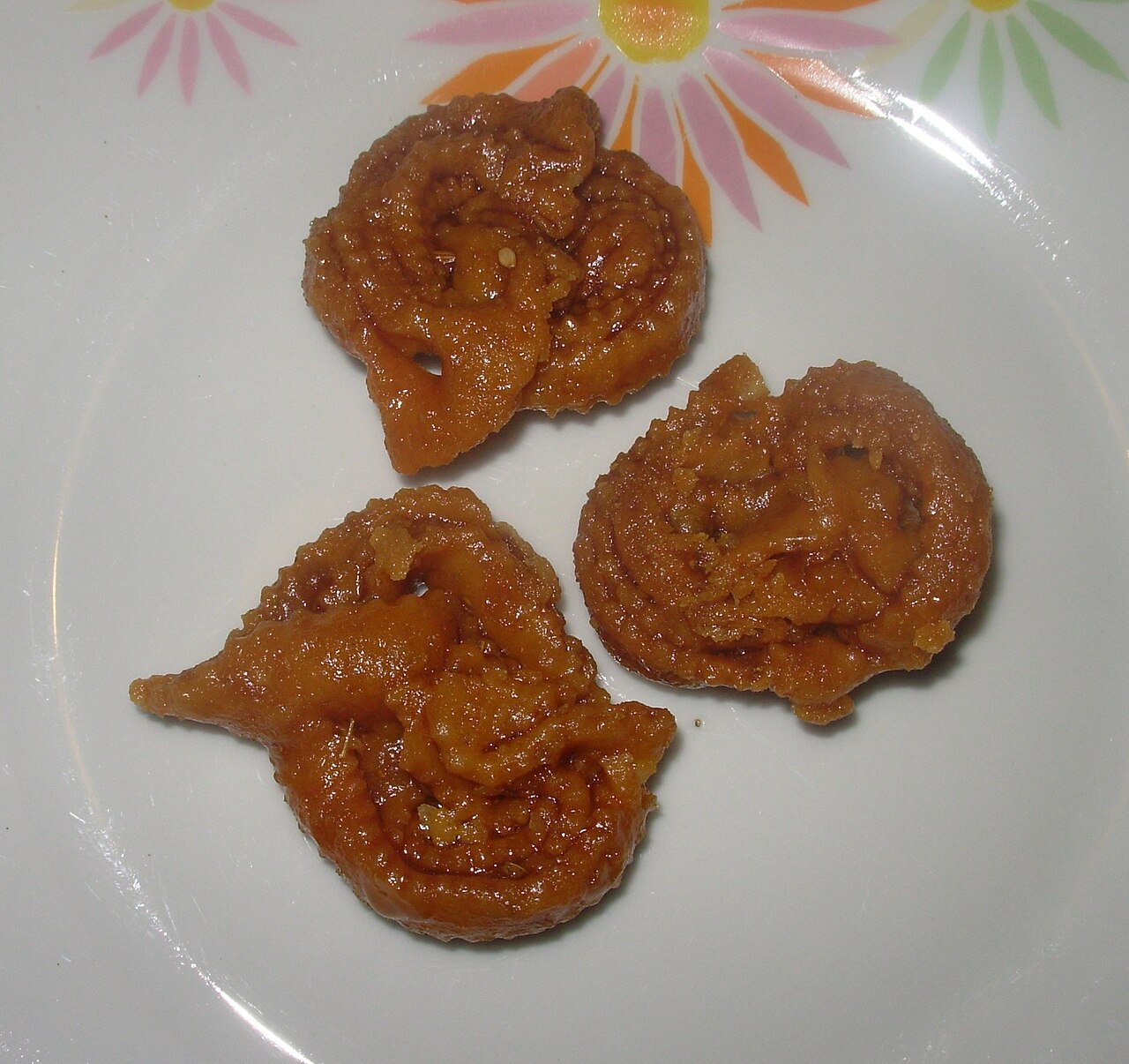
Strips of dough flavoured with anise and cinnamon, folded into a flower shape, deep-fried, soaked in honey with orange blossom water and sprinkled with sesame seeds.
Families make large batches just before Ramadan, and it is often eaten alongside savoury harira.
The Souss region in the southwest, from the Shilha (Amazigh) people
A sweet spread of toasted almonds ground with argan oil and honey, eaten at breakfast or with tea on bread, msemen or pancakes. Honey should not be given to babies under one year old.
Argan oil is pressed from the nuts of the argan tree, which grows naturally in southwestern Morocco.
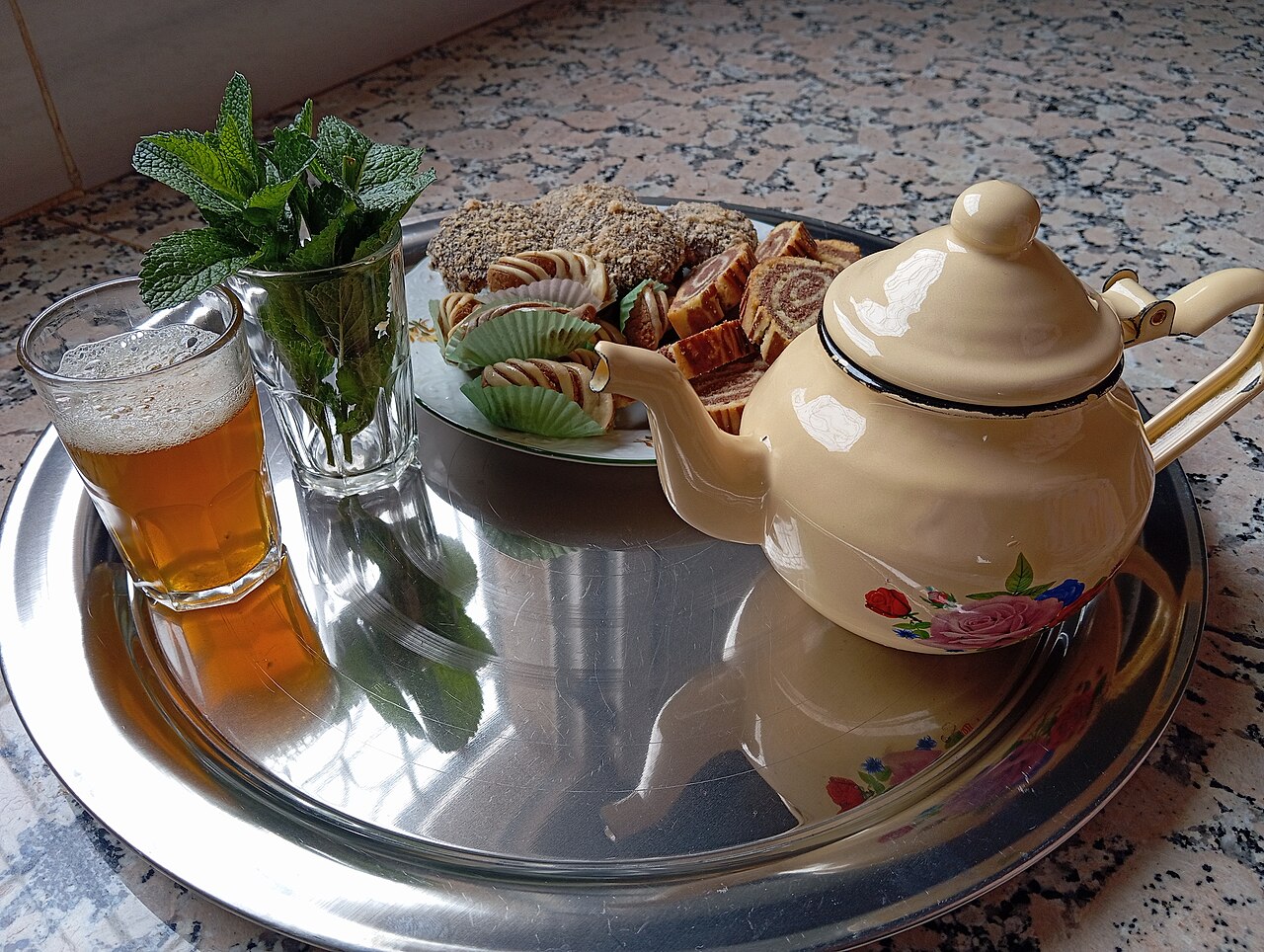
Green gunpowder tea brewed with plenty of fresh spearmint and sugar, poured from high above into small glasses so that it gets a little foam on top. It is offered to every guest as a sign of welcome.
Green tea arrived with British traders, and imports grew greatly during the Crimean War in the 1850s, when British merchants sold tea in Morocco that they could no longer sell to the Baltic.
See the recipe
Serves 4
10 min
Ingredients
1 tablespoon Chinese gunpowder green tea
A large handful of fresh spearmint, with stalks
2 to 4 tablespoons sugar, to taste
750 ml boiling water
Method
Put the tea in a teapot, pour in a small glass of boiling water, swirl it round and pour it away. This rinses the tea and softens its bitterness.
Add the mint and the sugar, then fill the pot with boiling water.
Leave for 3 to 4 minutes (or heat the pot gently on the stove), then pour a glass and pour it back into the pot once or twice to mix in the sugar.
Pour into small glasses from as high as you comfortably can, to make a little foam. Take care: the tea is very hot.
Wash your hands before the meal and again after it. At a traditional home, the host may bring round a basin, a jug of water and a towel.
Eat with your right hand. Tear off a small piece of bread and use it, held between your thumb and first two fingers, to pick up food from the dish.
Main dishes are shared from one large plate in the middle of the table. Eat from the part of the dish directly in front of you and take a fresh piece of bread for each bite.
Couscous is often eaten with a spoon; some people skilfully roll it into small balls with the fingers of the right hand.
Your host will keep offering you more food. It is polite to accept a little more, and to say that you are full when you have had enough.
Accept a glass of mint tea when it is offered; it is a gesture of hospitality, and at least three glasses are often served.
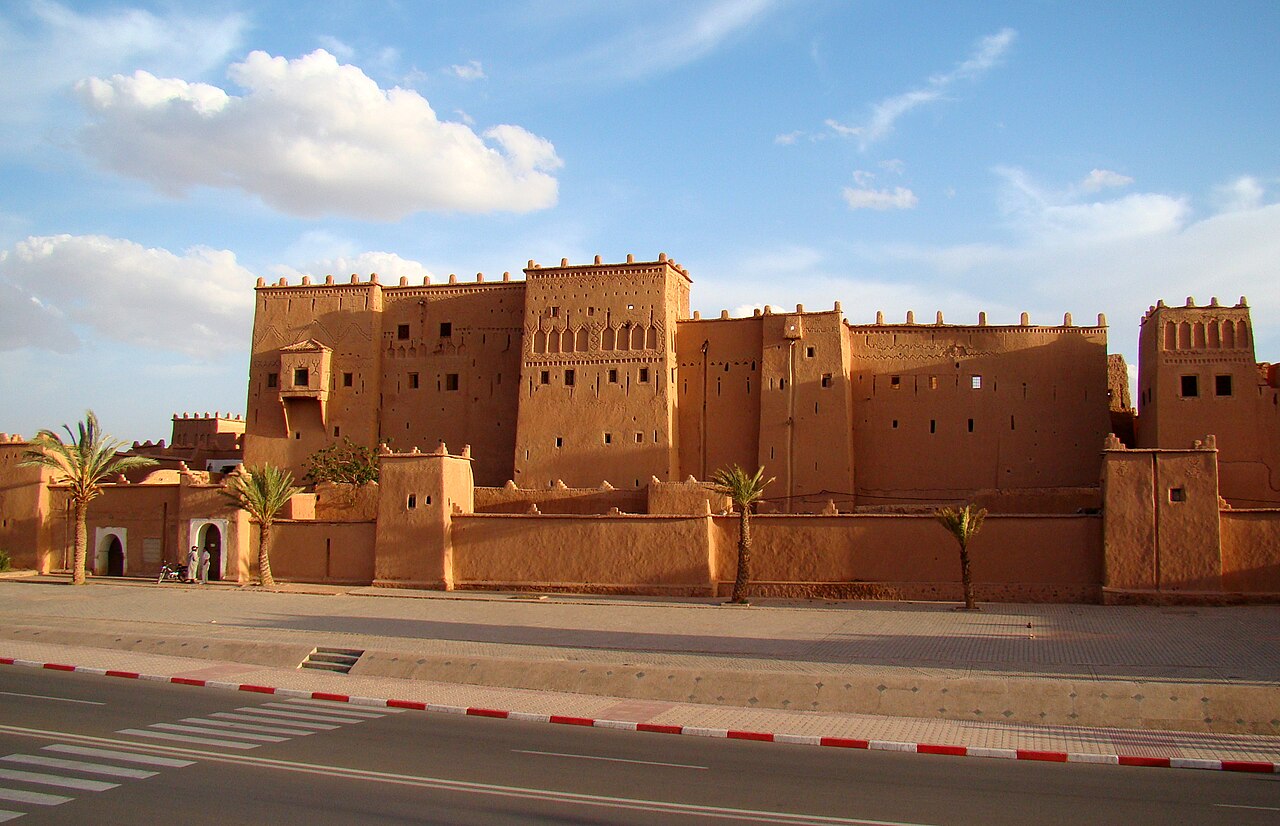
Most Moroccans live in the north and west, between the Atlantic coast and the Atlas Mountains. Casablanca is by far the largest city, Rabat is the capital, and the four old imperial cities, Fes, Marrakesh, Meknes and Rabat, each served as a royal capital. South of the High Atlas, towns such as Ouarzazate lead towards the desert.
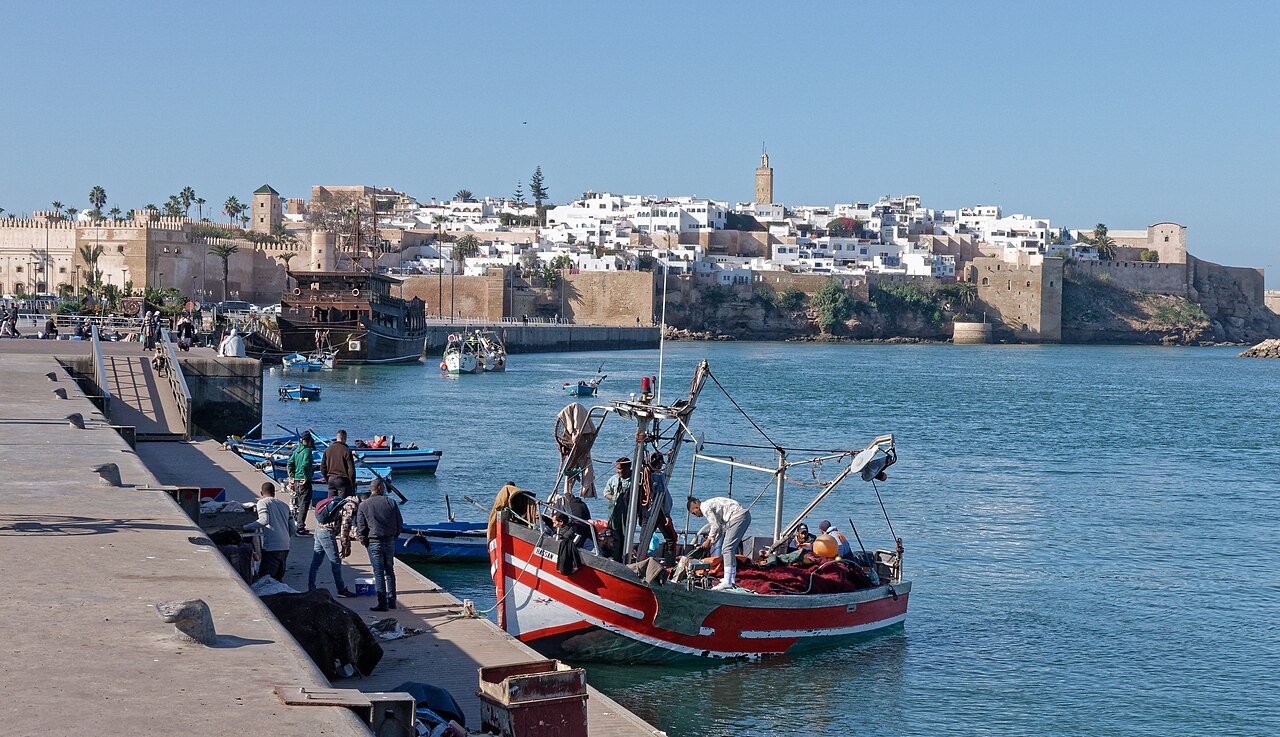
The capital, a calm and green city of about half a million people at the mouth of the Bou Regreg river, facing the town of Salé. The French made it the capital in 1912, and it stayed the capital after independence. It is home to the Royal Palace and the parliament.
The Hassan Tower and the Mausoleum of Mohammed V
The Kasbah of the Udayas above the sea
A World Heritage Site covering both the old and the modern city
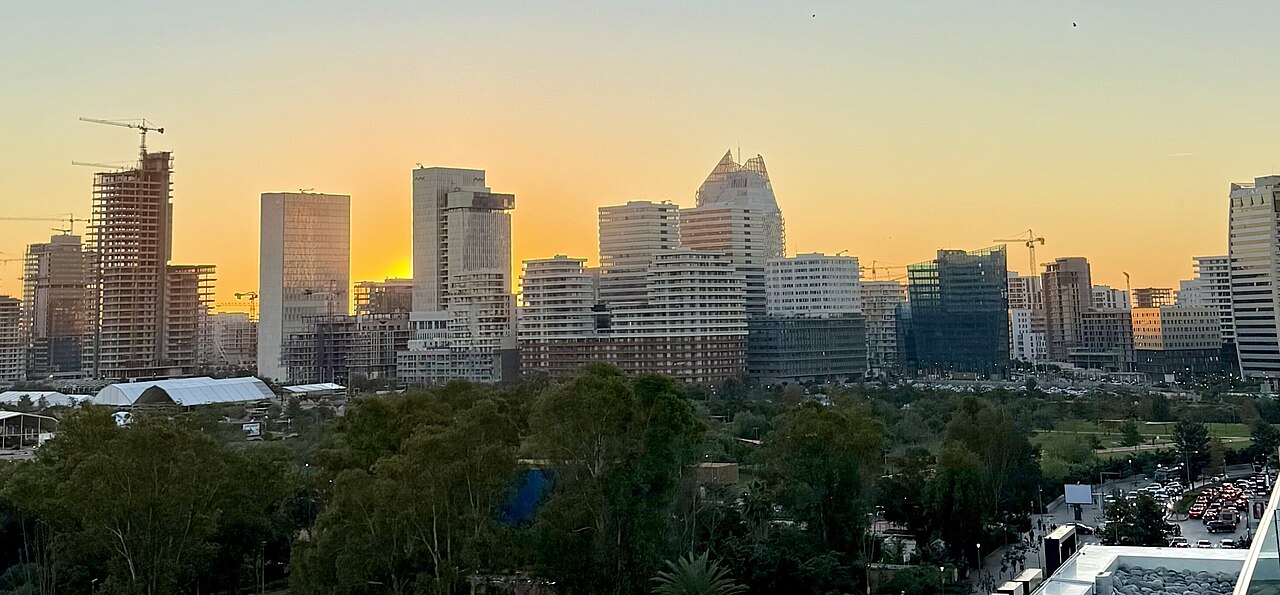
Morocco's largest city, with about 3.2 million people in the city itself, and the centre of business, banking and industry. Its name means 'white house' in Spanish, a translation of its Arabic name, Dar al-Bayda. Its centre is full of elegant white buildings from the early 20th century.
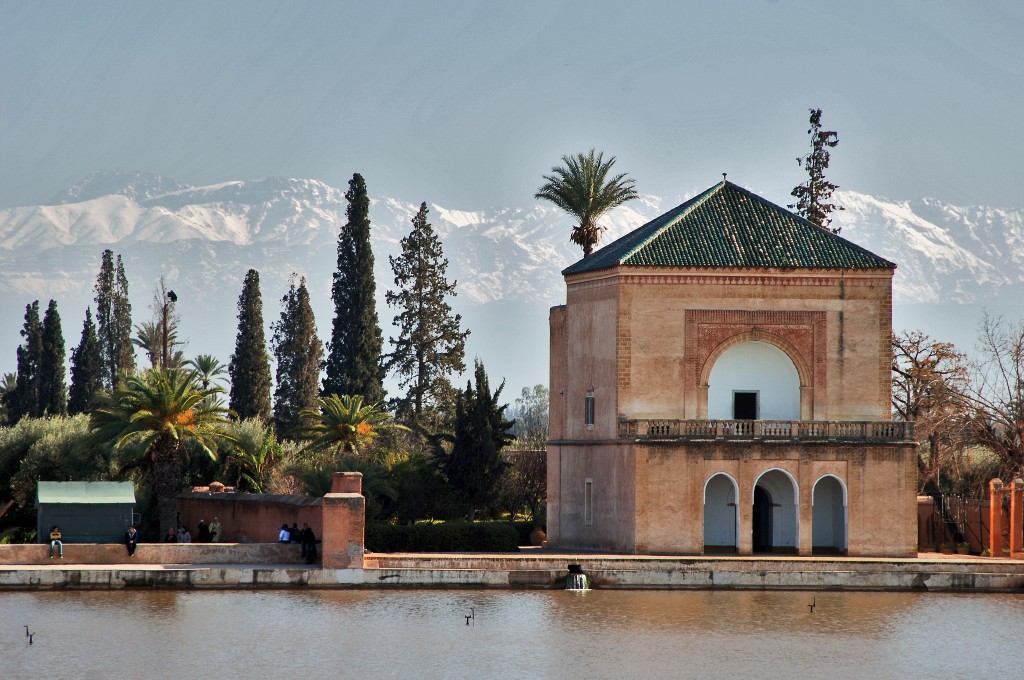
The 'Red City', founded around 1070 by the Almoravids and named for the orange-red earth of its walls and buildings. Its old medina, with its souks and palaces, lies beneath the Koutoubia minaret, with the snowy peaks of the High Atlas on the horizon.
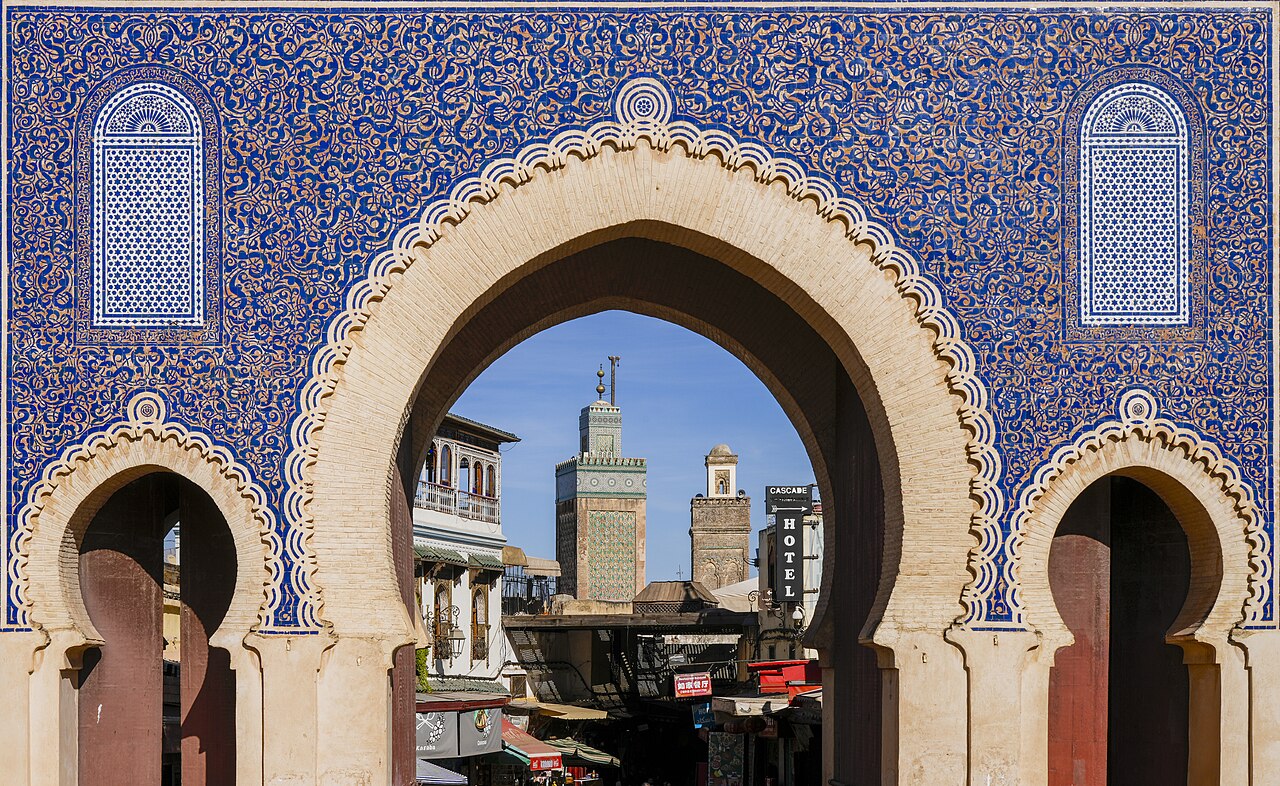
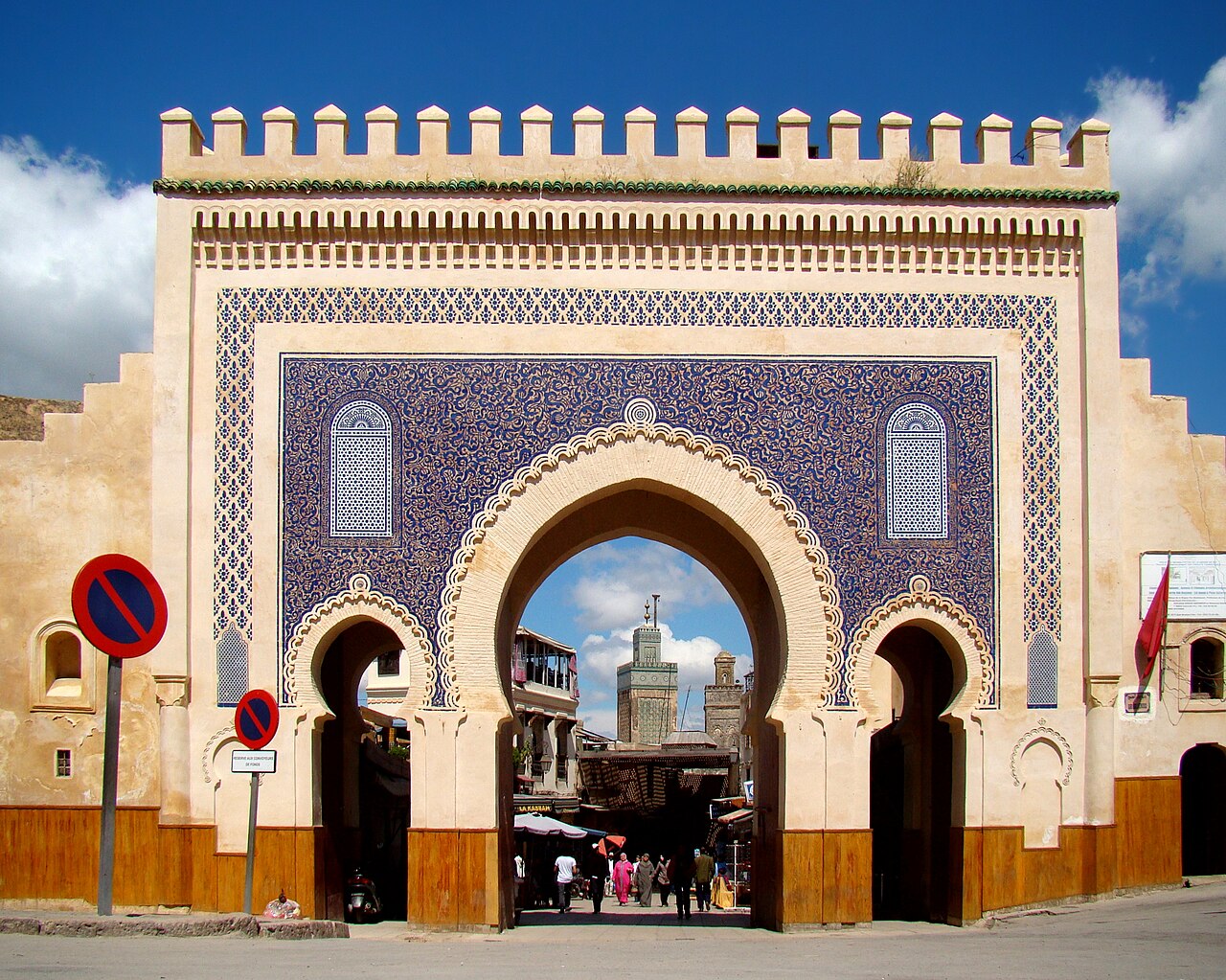
The oldest of the imperial cities, founded under the Idrisids in the late 700s and long Morocco's centre of religion and learning. Its walled medina, Fes el-Bali, is one of the largest car-free urban areas in the world, where donkeys and handcarts still carry goods through the lanes.
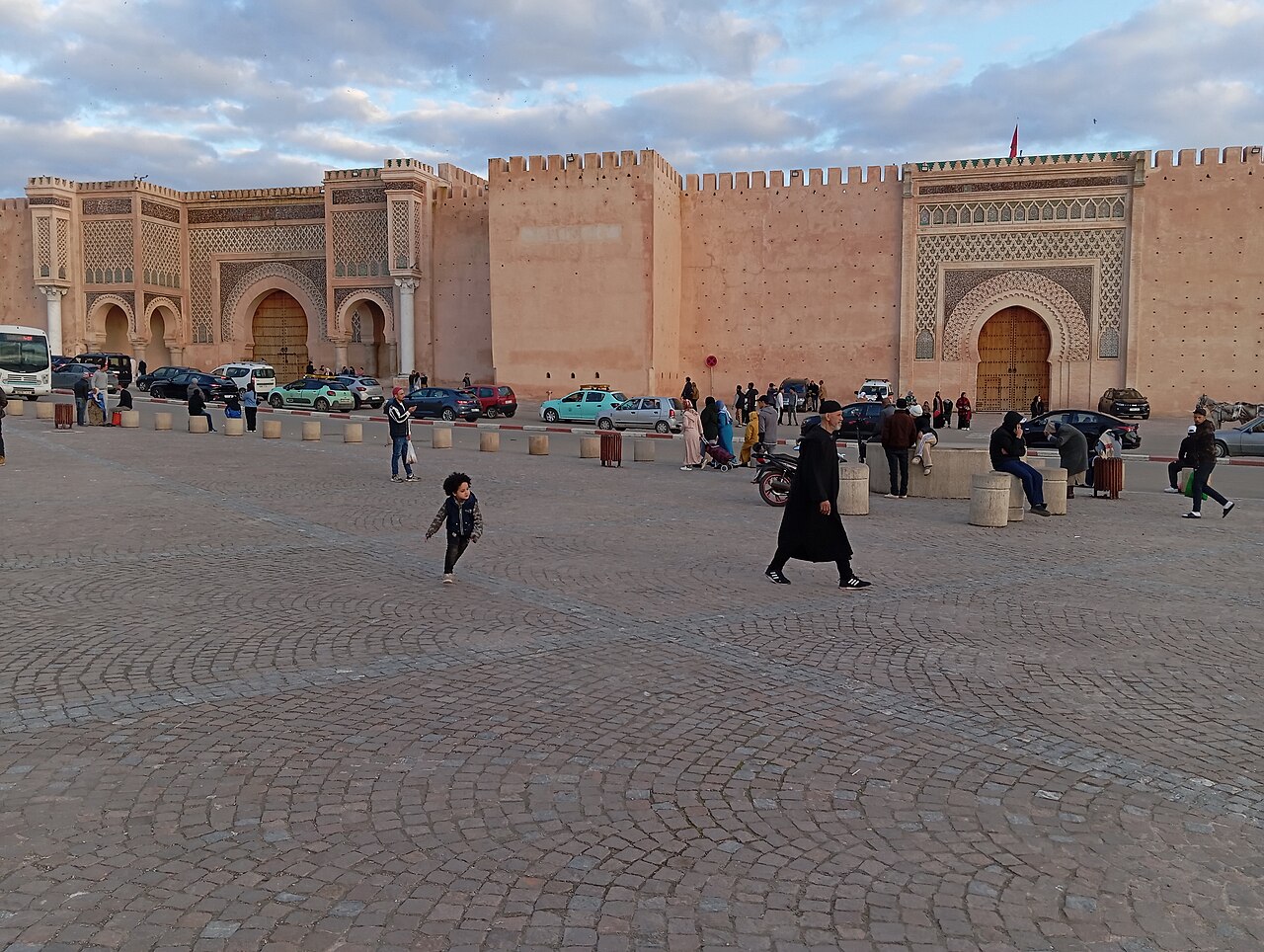
The capital of Sultan Moulay Ismail from 1672 to 1727, who surrounded it with kilometres of walls and monumental gates. It is quieter than Fes, about an hour's drive to the east, and close to the Roman ruins of Volubilis.
Tanger-Tétouan-Al Hoceïma, on the Strait of Gibraltar
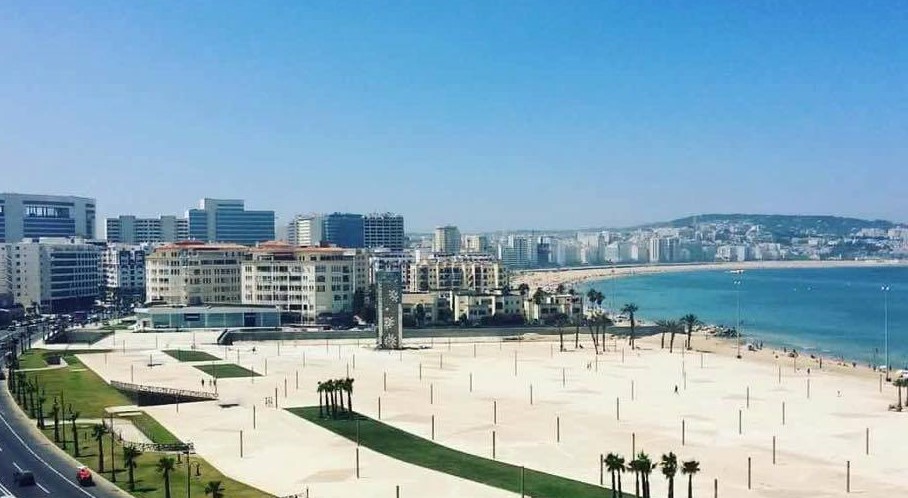
A port city at the northern tip of Morocco, where the Atlantic meets the Mediterranean and Spain is visible across the water. The great traveller Ibn Battuta was born here in 1304, and from 1925 to 1956 it was an international zone that attracted writers and artists.
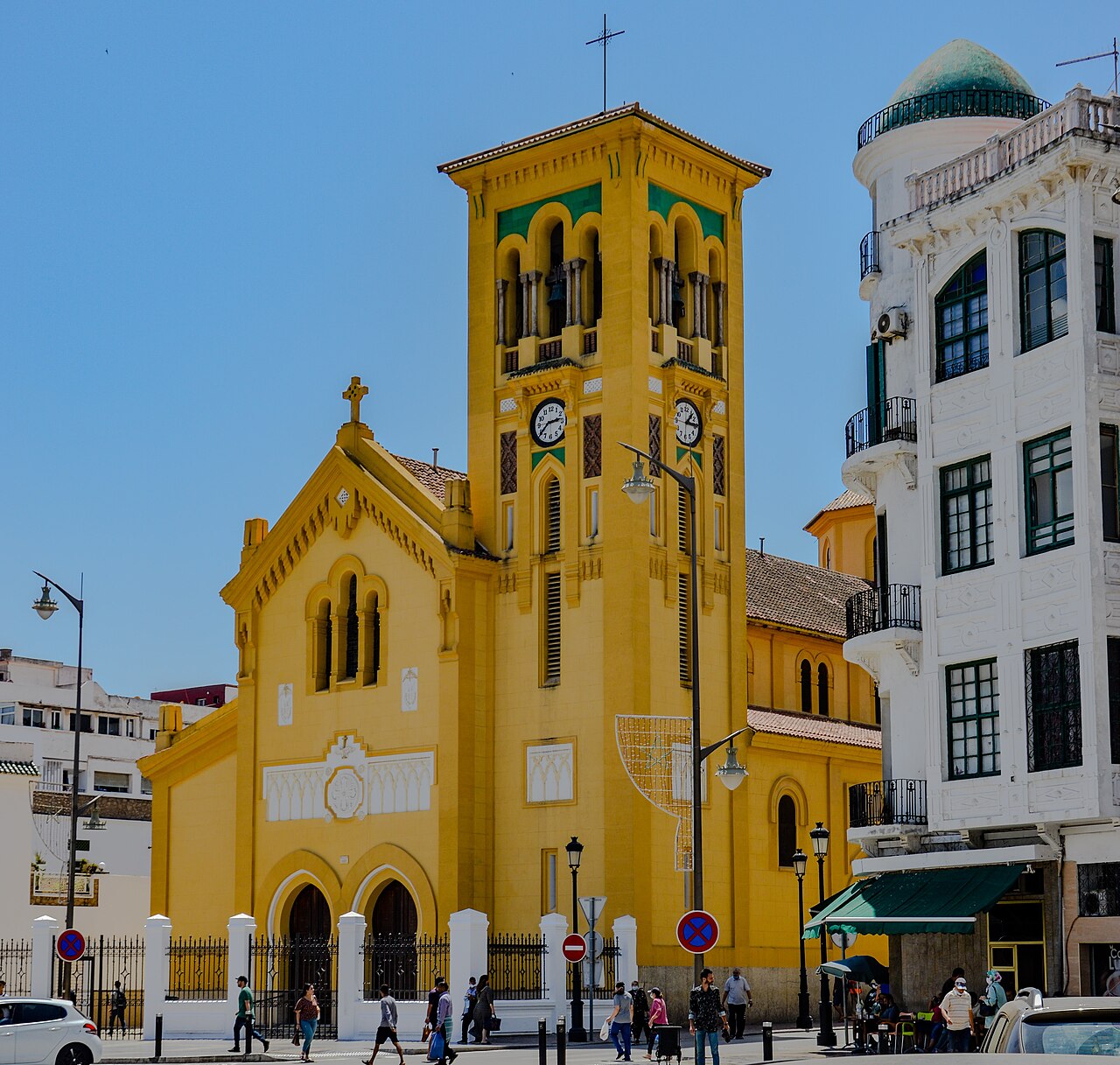
A white-walled city at the foot of the Rif Mountains, rebuilt at the end of the 15th century by Muslim and Jewish refugees from Andalusia. It was the capital of the Spanish protectorate from 1913 to 1956.
Its Andalusian-style medina, a World Heritage Site
The nickname 'the White Dove'
Traditional crafts, recognised by UNESCO's Creative Cities Network
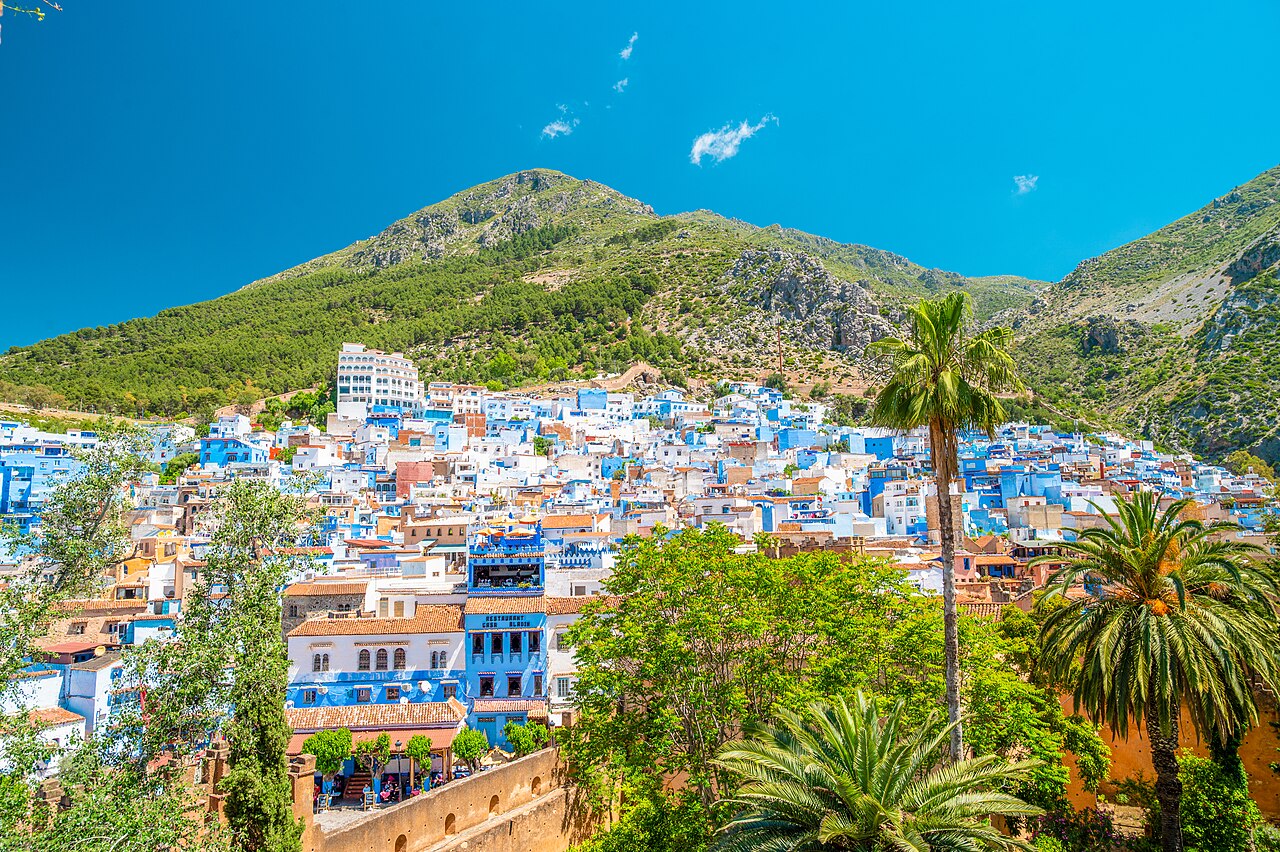
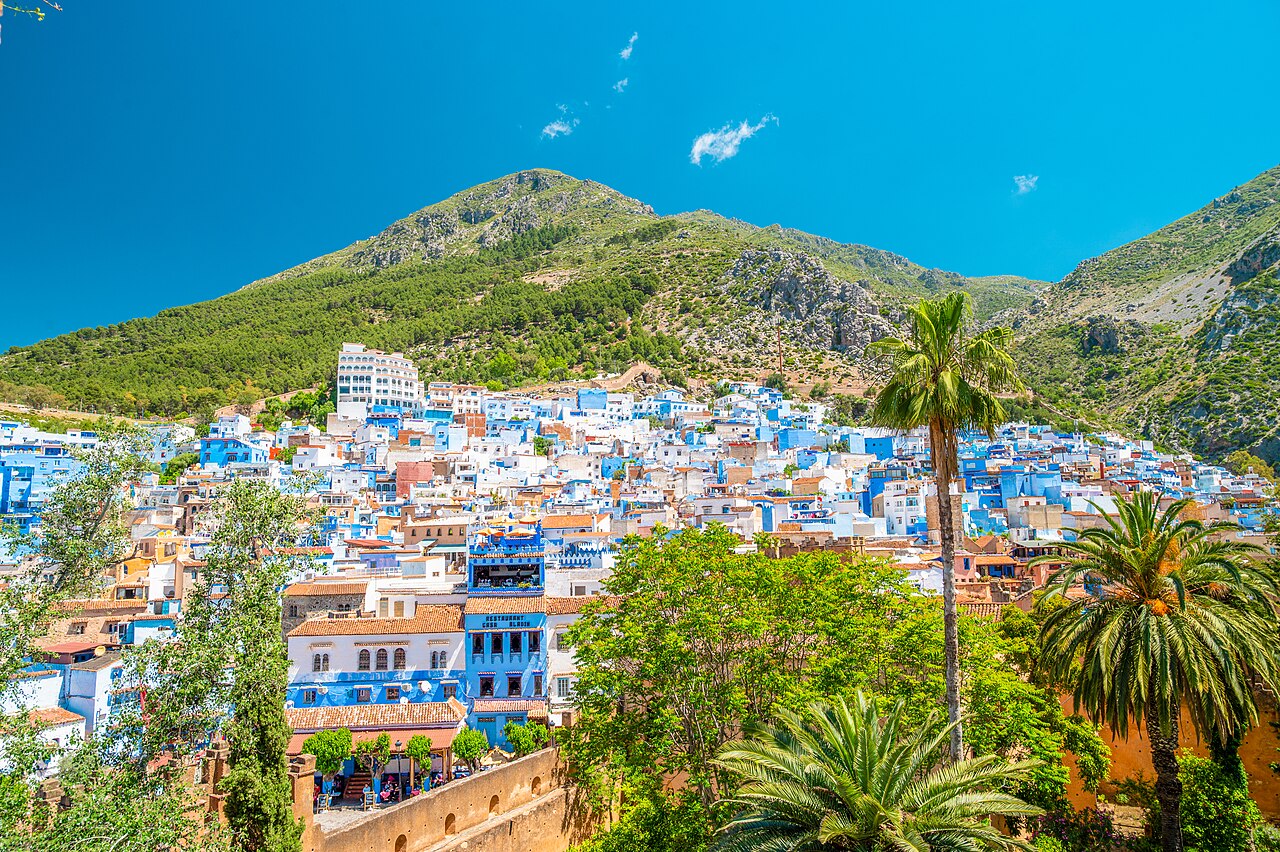
A small mountain town founded in 1471 as a fortress against Portuguese raids. Its old town is painted in many shades of blue, which has made it one of the most photographed places in Morocco.
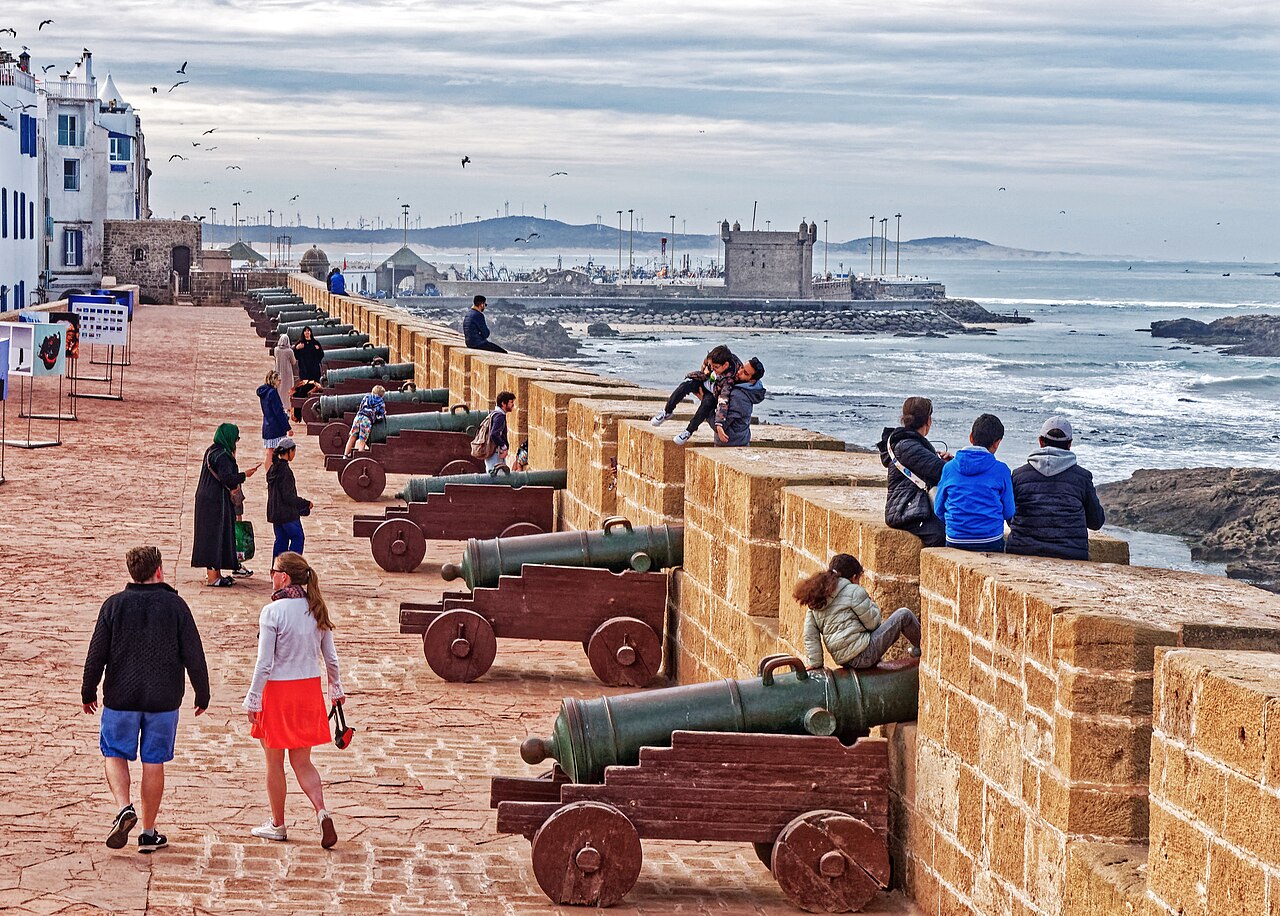
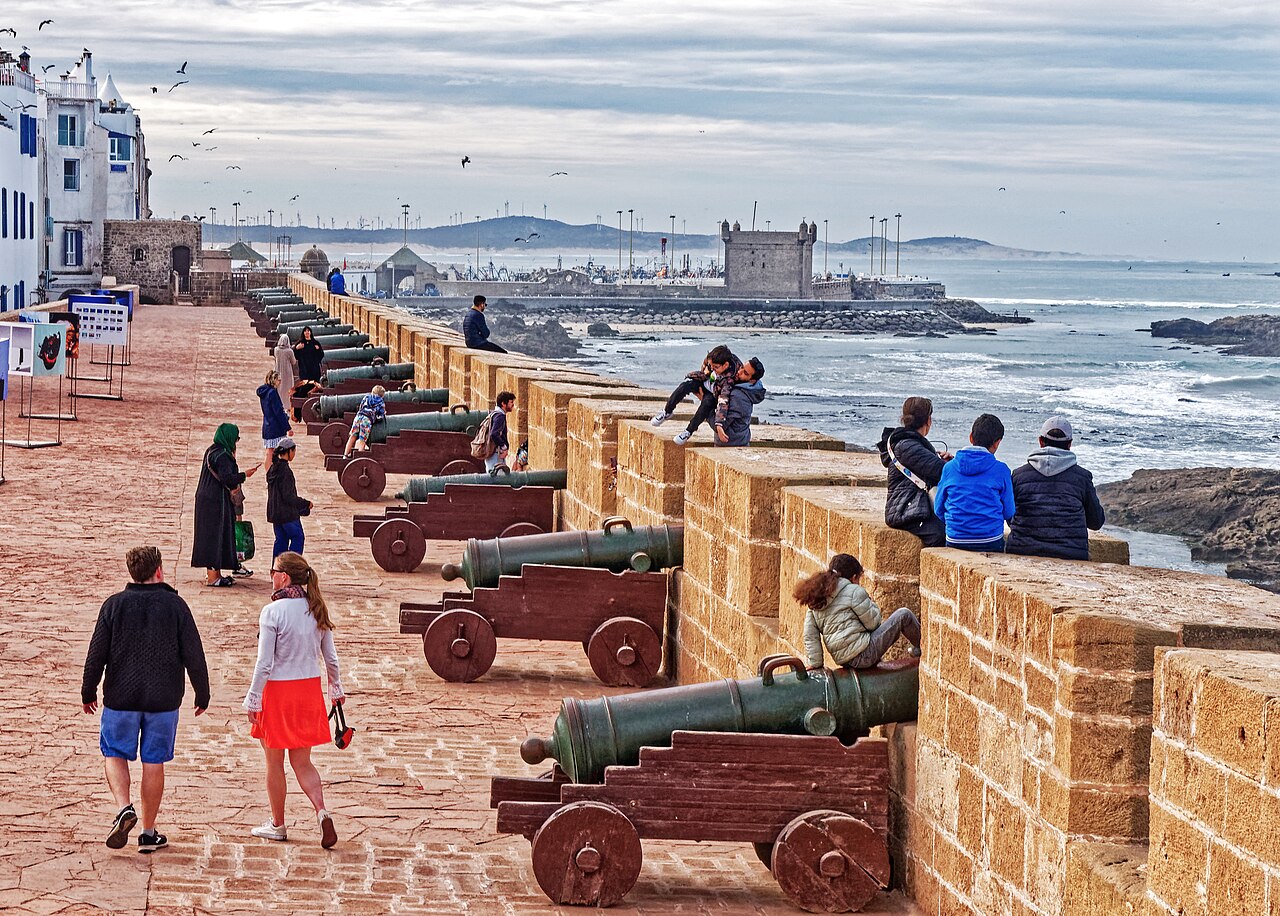
A breezy fishing port, once called Mogador, rebuilt in the 1760s by Sultan Mohammed ben Abdallah with the help of a French engineer. Its walled medina with sea ramparts and cannons is a World Heritage Site.
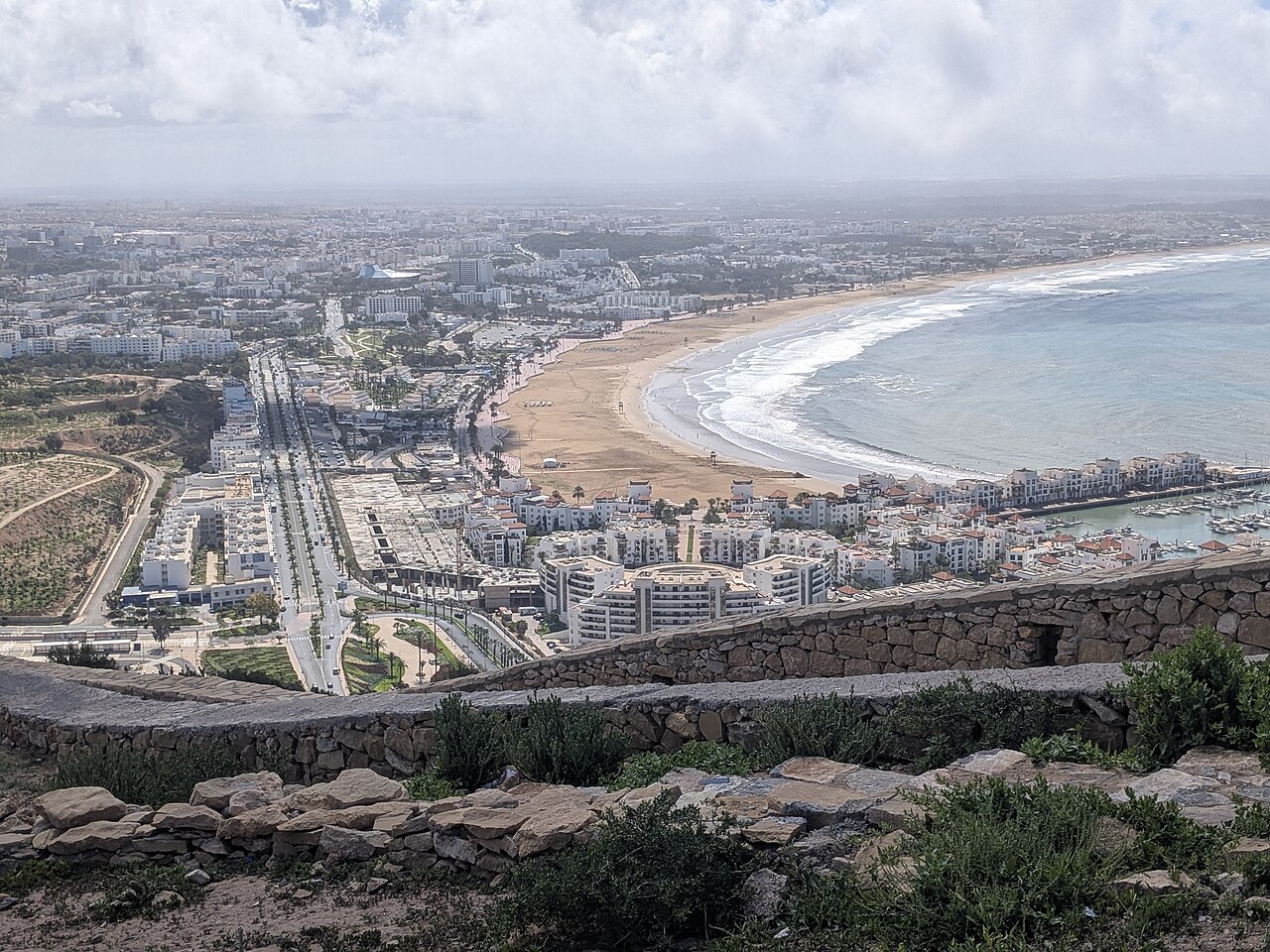
A modern beach resort with a long sandy bay. An earthquake destroyed the old city on 29 February 1960, killing between 12,000 and 15,000 people, and a new city was built slightly further south.
A desert town known as the 'door of the desert', on the road from Marrakesh across the High Atlas to the southern valleys. Its huge film studios and landscapes have appeared in films such as Lawrence of Arabia and Gladiator.
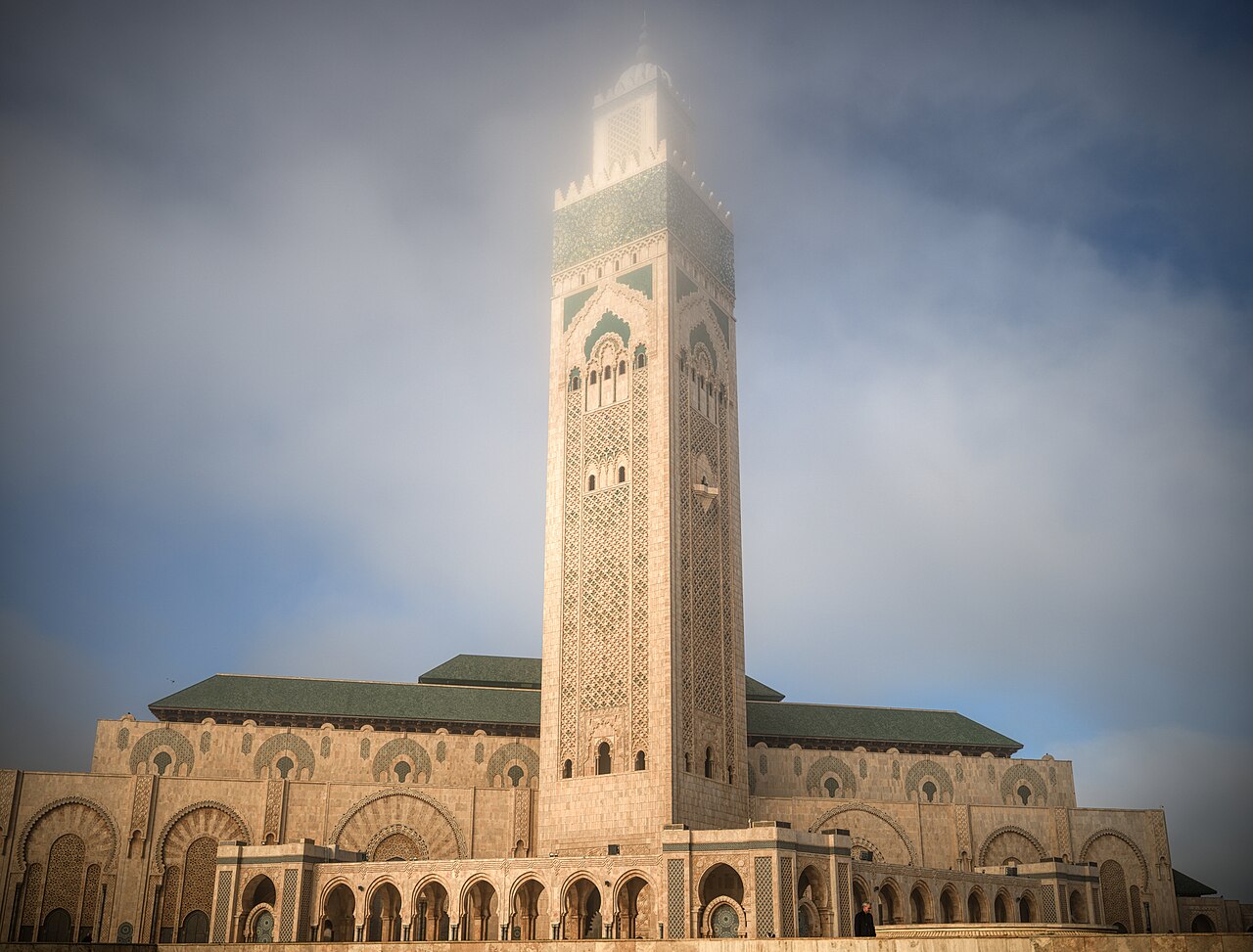
A vast mosque built partly over the Atlantic Ocean and completed in 1993, with room for 105,000 worshippers inside and in its grounds. Its minaret is 210 m high, the second tallest in the world as of 2026. It is one of the very few mosques in Morocco that non-Muslims may visit, on guided tours.
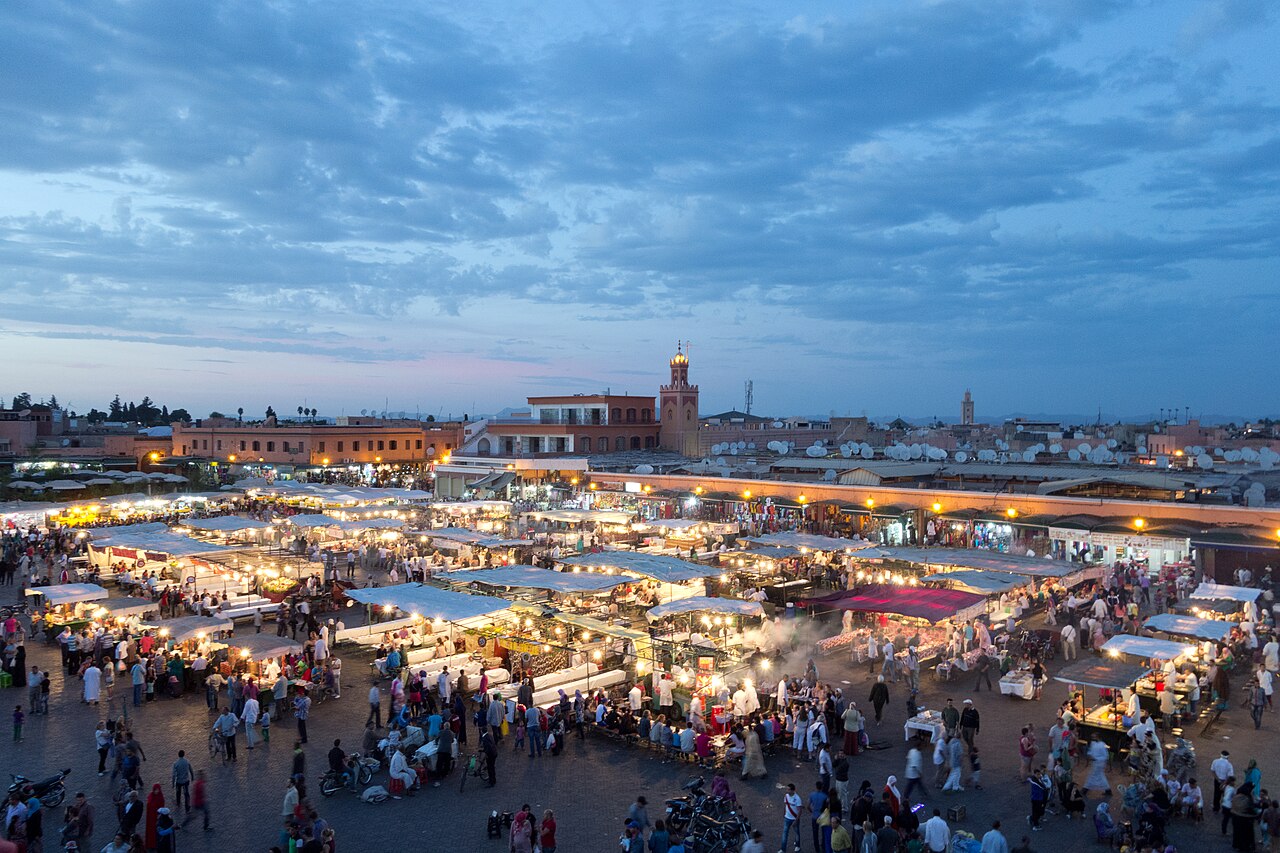
The great square at the heart of Marrakesh's medina. By day it has orange juice sellers and snake charmers; in the evening storytellers, musicians and dozens of open-air food stalls take over. UNESCO has recognised its living traditions as intangible heritage, and it lies within the Medina of Marrakesh World Heritage Site.
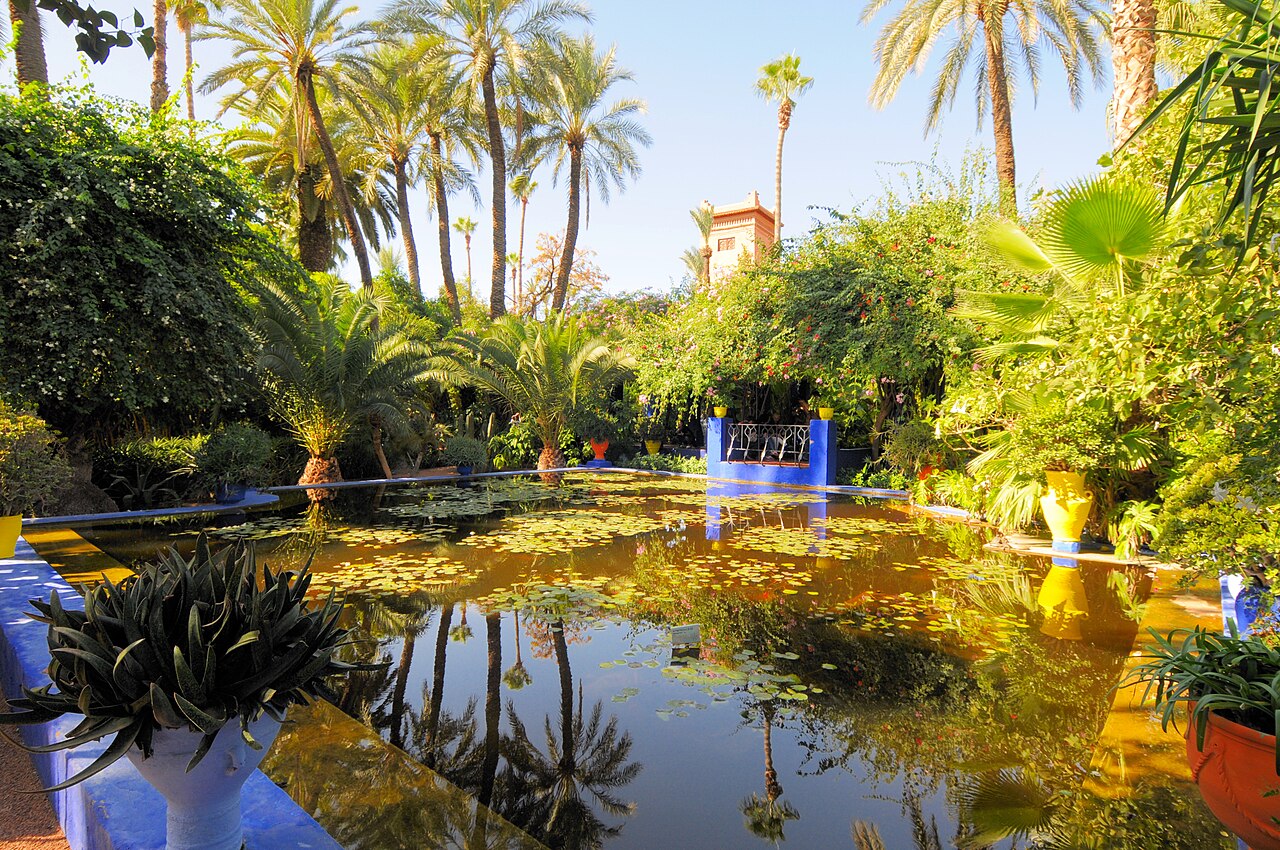
A garden of cactuses, palms and bamboo created from 1923 by the French painter Jacques Majorelle, whose villa is painted in a deep cobalt shade now called Majorelle blue. The fashion designer Yves Saint Laurent and Pierre Bergé bought and restored it, and it now includes a Berber museum.
The walled old city of Fes, a maze of thousands of narrow lanes, mosques, schools and workshops. At its heart stands the Qarawiyyin Mosque and university, founded in the 800s, and nearby the Chouara tannery still dyes leather in stone vats. The Medina of Fez was Morocco's first World Heritage Site, in 1981.
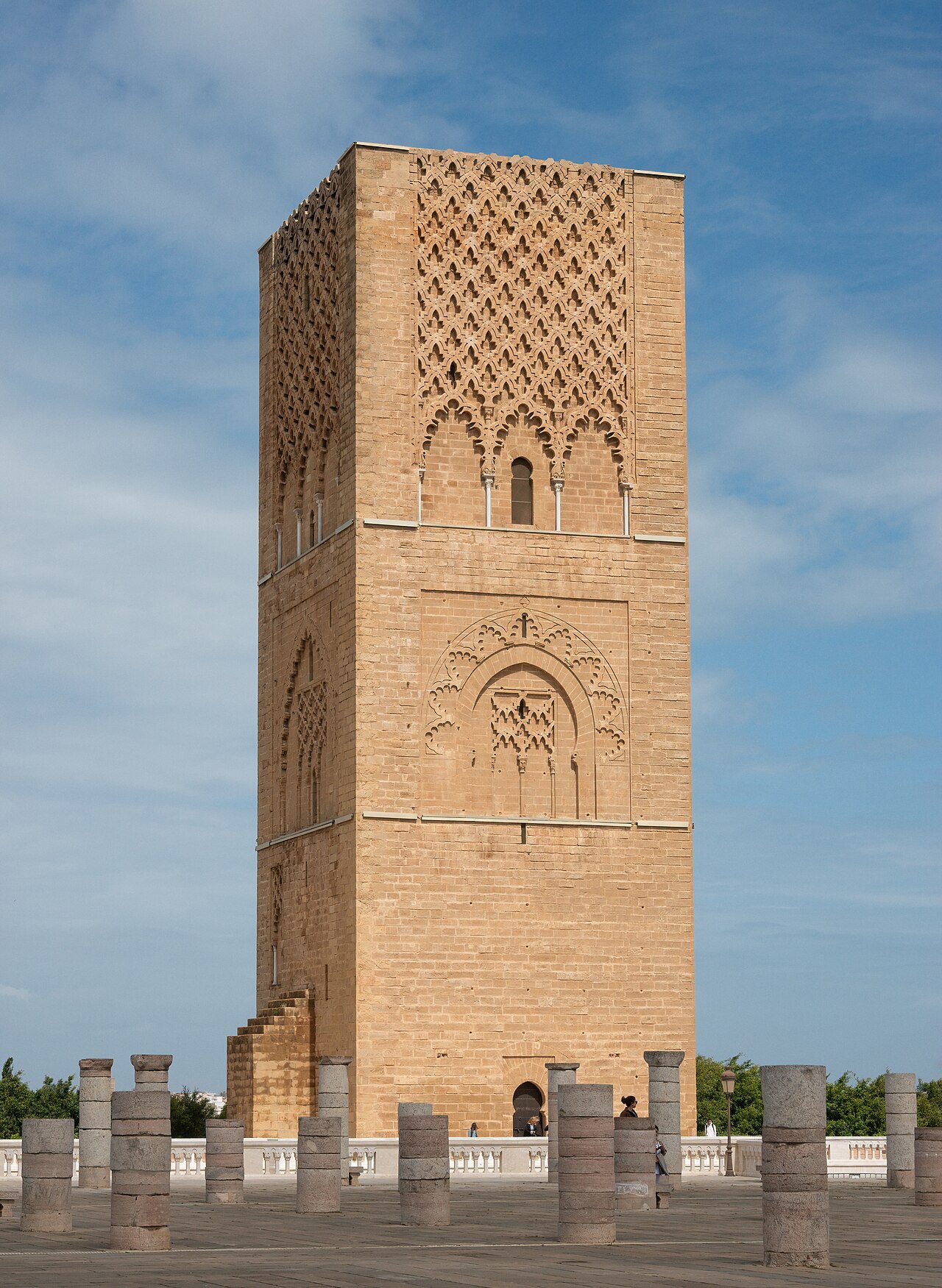
The unfinished minaret of a huge mosque begun in 1191 by the Almohad caliph Yaqub al-Mansur. Work stopped when he died in 1199, leaving a tower 44 m high among rows of broken columns. Beside it stands the Mausoleum of Mohammed V, with the tombs of Mohammed V and Hassan II.
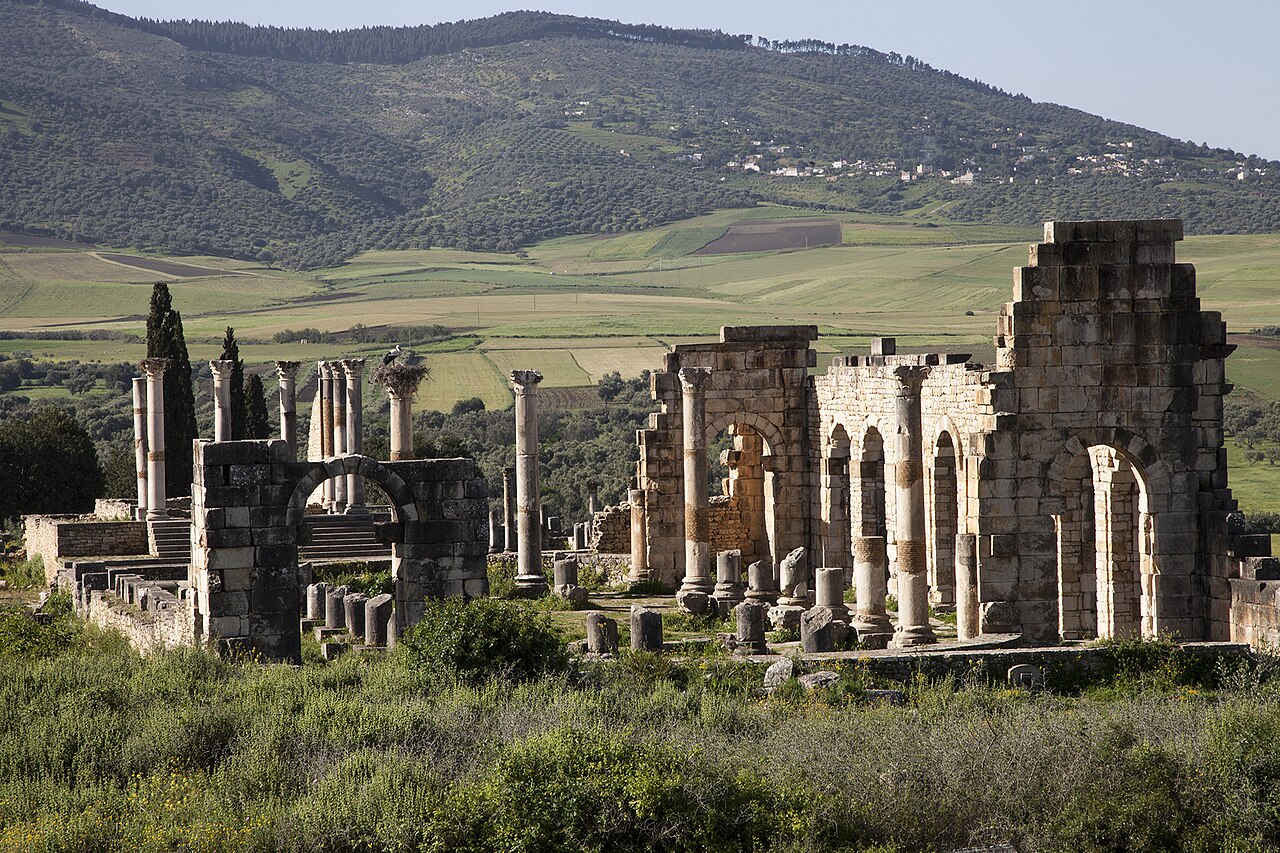
The ruins of a Berber and Roman city about 30 km north of Meknes, with a triumphal arch, a basilica and houses whose colourful mosaic floors are still in place. It was abandoned after the seat of power moved to Fes, and badly damaged by the Lisbon earthquake of 1755.
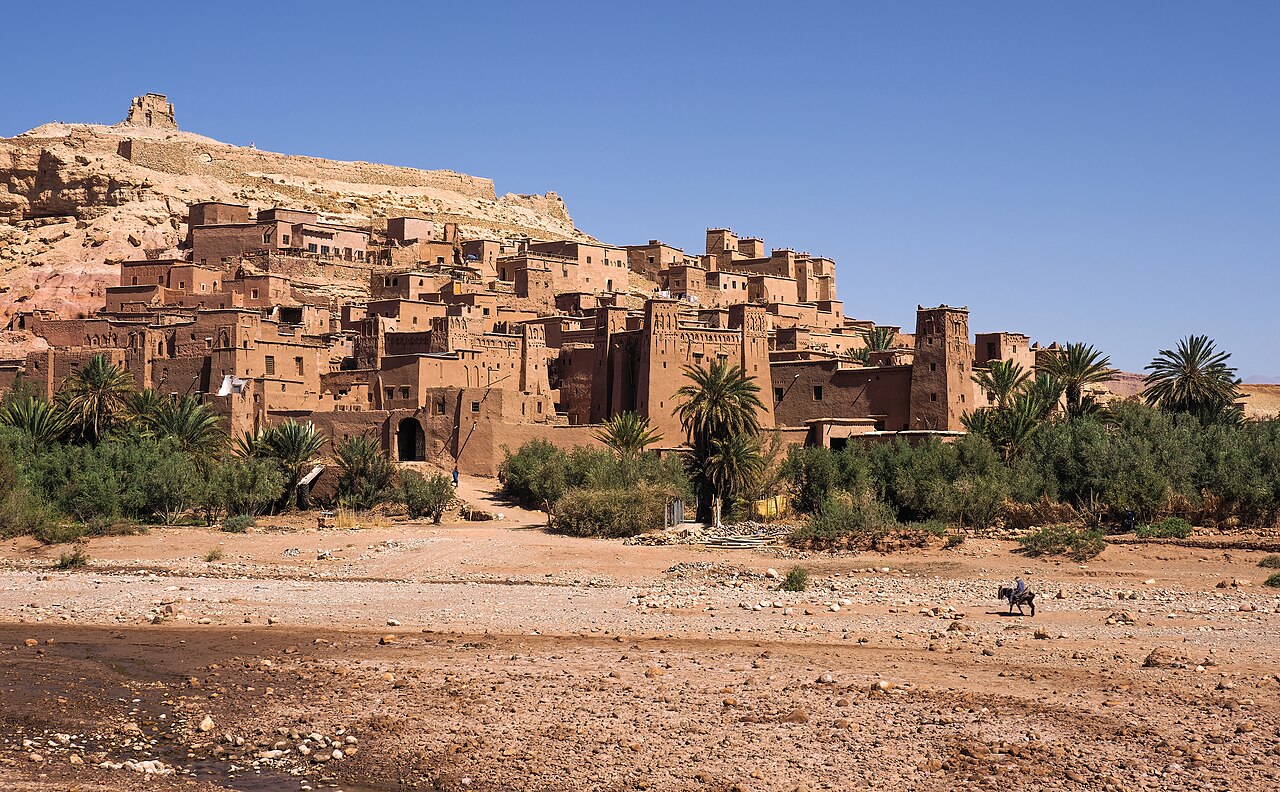
A fortified village (ksar) of earth-built houses and towers climbing a hillside above a river, on the old caravan route between the Sahara and Marrakesh. It has appeared in many films and television series, including Gladiator and Game of Thrones.
The old town of Chefchaouen, whose houses, steps and doors are washed in shades of blue. Nobody agrees why: some say the colour keeps mosquitoes away or has a spiritual meaning, while some locals say the walls were painted blue in the 1970s to attract visitors.
An 18th-century fortified port town planned with straight streets, designed partly by a French engineer for Sultan Mohammed ben Abdallah. Old cannons still line the sea walls, the Skala, looking out over the Atlantic.
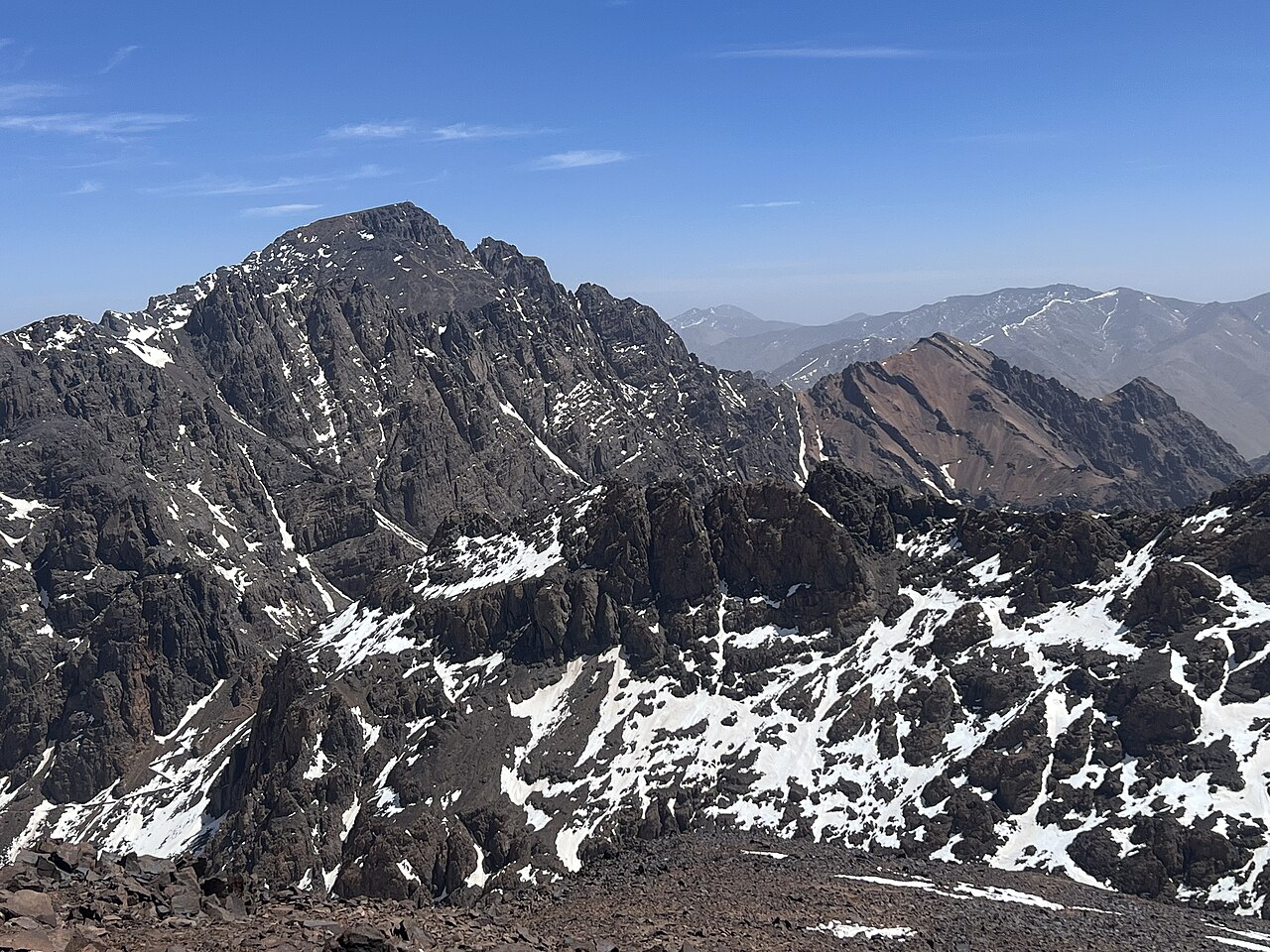
At 4,167 m, the highest mountain in North Africa, in the High Atlas about 63 km south of Marrakesh, from where it can be seen on clear days. Walkers usually start from the village of Imlil and take two days to reach the top.
In 1777 Morocco opened its ports to American ships, the first country to recognise the new United States, and the treaty of friendship the two countries signed in 1786 is still in force.
02
The American Legation in Tangier, a gift from the sultan in 1821, is the oldest diplomatic property owned by the United States anywhere in the world. Today it is a museum.
03
UNESCO and Guinness World Records cite the University of al-Qarawiyyin in Fes, founded as a mosque in the 800s, as the oldest continually operating institution of higher learning in the world.
04
The famous 1942 film Casablanca was not filmed in Casablanca at all. It was made in Hollywood.
05
Morocco's name comes from Marrakesh. For centuries the country was known abroad as the Kingdom of Marrakesh, and in Persian and Urdu it is still called Marrakesh today.
06
Toubkal, 4,167 m high, is the highest mountain in North Africa and in the Arab world.
07
The Barbary macaque, which lives in the cedar forests of Morocco's Atlas and Rif mountains, is the only monkey in Africa that survives north of the Sahara. A small group also lives on the Rock of Gibraltar.
08
At the 2022 World Cup in Qatar, Morocco became the first African and the first Arab team to reach a World Cup semi-final.
09
Morocco will host the 2030 World Cup together with Spain and Portugal, with three opening matches in South America to mark the tournament's 100th anniversary.
10
A well-known saying about mint tea goes: the first glass is as bitter as life, the second as strong as love, the third as soothing as death.
11
Goats really do climb argan trees to eat the leaves and fruit, but the goat-filled trees shown to tourists along the roads are often staged.
12
The fez hat is named after the city of Fes, which was famous for making it for centuries.
13
Tamazight is written in a script derived from the ancient Tifinagh alphabet, which Morocco officially adopted in 2003 and which now appears on many public buildings and road signs.
14
As of 2026, Morocco has nine UNESCO World Heritage Sites, including the medinas of Fes, Marrakesh, Tétouan and Essaouira and the Roman ruins of Volubilis.
Moroccan Arabic (Darija), with one Tamazight word Pronunciation is written the way it sounds; the capital letters show where the stress goes. Audio is coming soon.
Greetings
salam (سلام)sah-LAHMhello (literally 'peace')
shukran (شكرا)shook-RAHNthank you
afak (عافاك)ah-FAHKplease
smahli (سمح لي)smah-LEEsorry, excuse me
bslama (بسلامة)bes-LAH-mahgoodbye
azul (ⴰⵣⵓⵍ)ah-ZOOLhello, in Tamazight (Berber)
Basics
iyeh (ايه)EE-yehyes
la (لا)LAHno
Numbers
wahed (واحد)WAH-hedone
jouj (جوج)JOOJtwo
tlata (تلاتة)TLAH-tahthree
Food and drink
atay (أتاي)ah-TAItea
khobz (خبز)KHOBZ (the kh as in Scottish 'loch')bread
lma (الما)el-MAHwater
bnin (بنين)b-NEENdelicious
Around town
souk (سوق)SOOKmarket
medina (مدينة)meh-DEE-nahcity; in English, the walled old town
riad (رياض)ree-AHDa house built around an inner garden, often a guesthouse today
hammam (حمّام)hahm-MAHMpublic steam bath
Nature
sahra (صحرا)SAH-rahdesert, the word that gave the Sahara its name
During the holy month of Ramadan most Moroccans fast from dawn to sunset. Visitors are not expected to fast, but eating, drinking or smoking in public in the daytime may cause offence. Many restaurants for tourists stay open, shops keep shorter hours, and the evenings after the sunset meal are lively and welcoming.
Drink alcohol only where it is served
Alcohol is available in licensed hotels, bars and some restaurants, and in some supermarkets. Drinking in the street or anywhere other than a licensed place is illegal, and being drunk in public is frowned upon.
Dress modestly
Loose clothes that cover the shoulders, upper arms and knees are the most comfortable choice in towns and villages, especially in the countryside and during Ramadan. A light scarf is handy for women, for sun and for visiting religious sites.
Mosques are mostly closed to visitors
Most mosques in Morocco are open to Muslims only. The great Hassan II Mosque in Casablanca is a notable exception: non-Muslims can visit on guided tours, with shoulders and knees covered, shoes removed and, for women, hair covered.
Bargain with a smile
In the souks prices are rarely fixed. Ask the price, offer less, and meet somewhere in between, without hurry and with good humour. If you are not interested, a friendly 'la, shukran' (no, thank you) is enough. Shops with fixed prices will tell you so.
Ask before taking photos
Always ask before photographing people, especially women and children; some will say no, and some may ask for a small tip. Do not take photographs near military or government buildings, where it is illegal.
Agree on the taxi fare
Small city taxis (petits taxis) should use the meter; if the driver does not switch it on, agree on the fare before you set off. Larger shared taxis (grands taxis) travel between towns.
Carry some dirhams in cash
The Moroccan dirham cannot be bought freely outside the country, so change money or use a cash machine on arrival. Small notes and coins are useful for tips, taxis and markets, where cards are often not accepted.
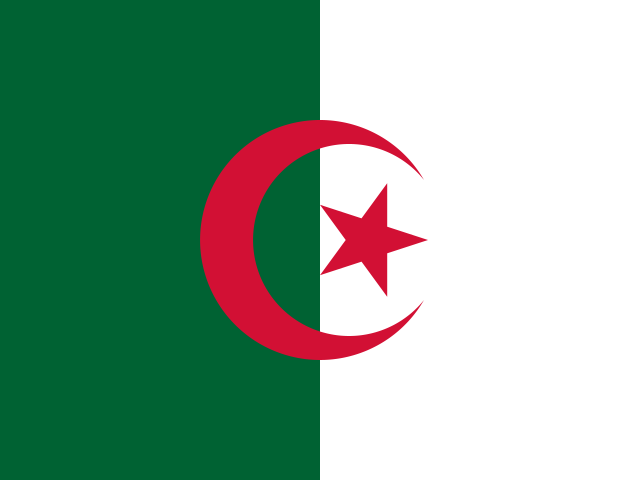 Algeria
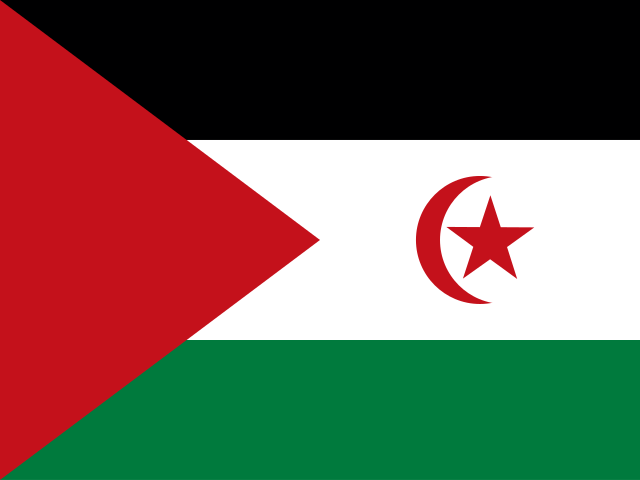 Western Sahara
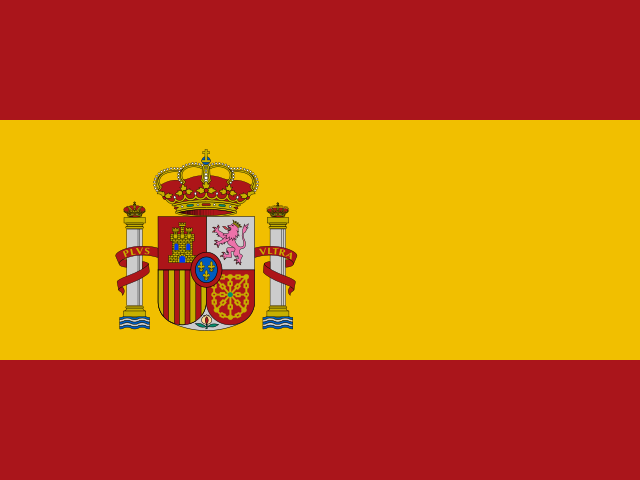 Spain
Spain