A free large-print PDF. Choose what goes in: facts, map, history, dishes and recipes, phrases, fun facts, a quiz with or without answers. Made for clubs, care homes, libraries and family afternoons.
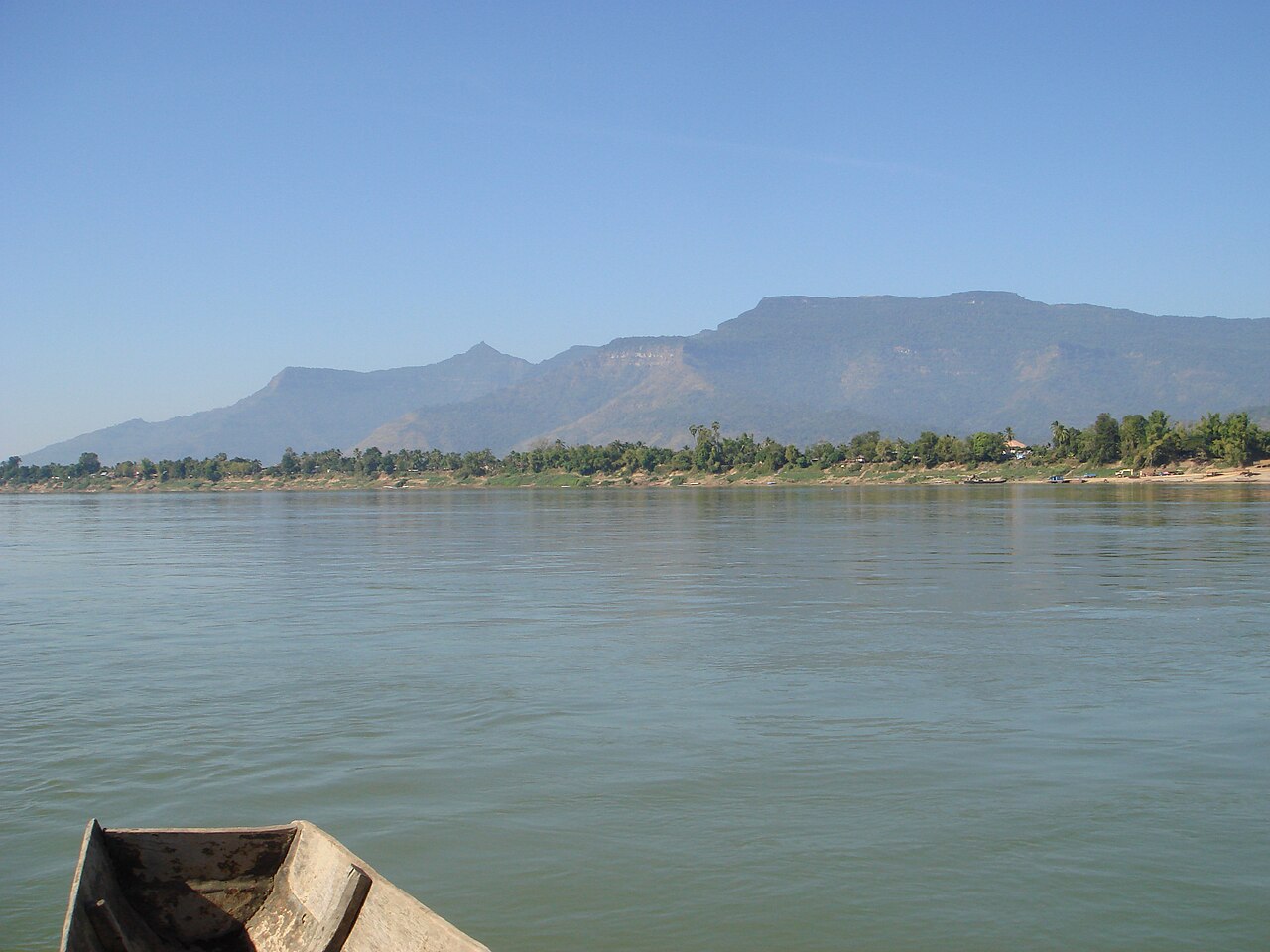
Laos is the only country in Southeast Asia without a coastline. It is wrapped around by China, Myanmar, Thailand, Cambodia and Vietnam, and most of it is forested mountains and high plateaus. The Mekong River runs the length of the country and forms much of its long border with Thailand, and the capital, Vientiane, and most larger towns lie along its banks.
From 1353 the kingdom of Lan Xang, 'a million elephants', ruled these lands and made Theravada Buddhism the heart of Lao life. After Lan Xang broke apart in the early 1700s, its pieces fell under Siamese control, and in 1893 France took the lands east of the Mekong into French Indochina. Laos became fully independent in 1953, and after a long war that drew in its neighbours and the United States, the monarchy ended in 1975.
Today Laos is home to about 7.8 million people from dozens of ethnic groups. It is a quiet, unhurried country, where saffron-robed monks collect morning alms in Luang Prabang, families gather around shared baskets of sticky rice, and visitors come for its temples, caves, waterfalls and river journeys.
CapitalVientiane
PopulationAbout 7.8 million (2025 estimate)
Official languageLao
CurrencyLao kip (₭)
AreaAbout 236,800 km²
GovernmentSocialist republic, a one-party state led by the Lao People's Revolutionary Party
Highest mountainPhou Bia, about 2,800 m
Longest riverThe Mekong, about 4,900 km in all, which runs through Laos and along its border with Thailand
NeighboursChina, Myanmar, Thailand, Cambodia and Vietnam (no coastline)
People have lived in the mountains of Laos for tens of thousands of years: a human skull found in Tam Pa Ling cave is at least 46,000 years old, and the great stone jars of the Xiangkhoang Plateau were set in place well over two thousand years ago. Tai-speaking peoples, the ancestors of the Lao, moved south along the rivers from what is now southern China from about the 8th century. In 1353 their principalities were united as the kingdom of Lan Xang, the foundation of Lao identity to this day.
1353
Fa Ngum founds Lan Xang
Prince Fa Ngum, raised in exile at the Khmer court of Angkor, returned with an army, took the towns along the Mekong and was crowned at Xieng Dong Xieng Thong, today's Luang Prabang. He named his kingdom Lan Xang, 'a million elephants', and, by tradition, made Theravada Buddhism the state religion.
1560
The capital moves to Vientiane
King Setthathirath moved the royal capital from Luang Prabang to Vientiane, better placed for trade and farther from the Burmese armies that had already taken Chiang Mai. Before leaving, he built Wat Xieng Thong in Luang Prabang, and he brought with him the Emerald Buddha.
1566
Pha That Luang is built
Setthathirath ordered the building of Pha That Luang, the great golden stupa of Vientiane, on a site where, by tradition, a relic of the Buddha had long been kept. Rebuilt several times since, it is now the national symbol of Laos.
1641
A Dutch envoy visits Vientiane
Gerrit van Wuysthoff of the Dutch East India Company reached Vientiane and was received by King Sourigna Vongsa, whose long reign was a golden age for Lan Xang. He wrote with wonder about the gold-covered stupa of That Luang.
1707
Lan Xang breaks apart
After Sourigna Vongsa died in 1694 with no grown son to succeed him, a struggle over the throne split Lan Xang. Rival kingdoms formed at Luang Prabang and Vientiane, and by 1713 a third at Champasak in the south. Divided, they were soon drawn into the wars between Burma and Siam.
1779
Siam takes Vientiane
A Siamese army led by General Chao Phraya Chakri, later King Rama I, captured Vientiane. The Emerald Buddha and the Phra Bang were carried off to Siam, and the Lao kingdoms became Siamese vassals. The Phra Bang was later returned; the Emerald Buddha is still in Bangkok.
1827
Anouvong's revolt fails
King Anouvong of Vientiane rose against Siam and marched towards Bangkok, but his armies were driven back. Siamese forces took Vientiane and in 1828 burned much of it; Wat Si Saket was one of the few temples left standing. Anouvong died a captive in Bangkok and is honoured in Laos as a national hero.
1893
France takes the lands east of the Mekong
After a crisis in which French gunboats blockaded Bangkok, Siam gave up the lands east of the Mekong to France. They became part of French Indochina, and a few years later Vientiane became the administrative capital, with the king of Luang Prabang kept as a local ruler. Laos remained a quiet corner of the empire.
1945
Free Laos declares independence
After Japan's surrender at the end of the Second World War, Lao nationalists led by Prince Phetsarath formed the Lao Issara, 'Free Laos', government in October 1945 and declared the country independent. French troops returned in 1946 and the Lao Issara leaders went into exile in Thailand.
1953
Full independence
On 22 October 1953 a treaty with France made the Kingdom of Laos fully independent, as a constitutional monarchy under King Sisavang Vong. Soon, royalists, neutralists and the communist Pathet Lao were struggling for control of the country.
1964
The American bombing begins
As the war in Vietnam widened, North Vietnamese supply routes, the Ho Chi Minh Trail, ran through eastern Laos. From 1964 to 1973 the United States carried out a long, officially secret air campaign over Laos, dropping more than 2 million tons of bombs, while a ground war was fought in the north.
1975
The Lao PDR is proclaimed
After the Pathet Lao took control of the country, King Sisavang Vatthana abdicated, and on 2 December 1975 the monarchy of six centuries ended. The country was renamed the Lao People's Democratic Republic, a one-party state, and in the years that followed some 300,000 people, many of them Hmong, left for Thailand and beyond.
1994
The first Friendship Bridge opens
The First Thai-Lao Friendship Bridge, built with aid from Australia, opened across the Mekong between Nong Khai in Thailand and the outskirts of Vientiane. It was the first bridge across the lower Mekong.
1997
Laos joins ASEAN
On 23 July 1997 Laos joined the Association of Southeast Asian Nations, together with Myanmar. Membership opened the country further to trade and tourism with its neighbours.
2021
The Laos-China Railway opens
On 3 December 2021 a new electric railway, about 422 km long, opened between Vientiane and Boten on the Chinese border, through Vang Vieng and Luang Prabang. A trip from the capital to Luang Prabang that took most of a day by road now takes a few hours.
A Lao meal is shared and has no courses. Everyone takes sticky rice, khao niao, from a small woven basket, rolls a little ball of it with the fingers and uses it to scoop up the other dishes: usually a soup that is sipped all through the meal, something grilled, a chilli dip called jeow, a meat or fish salad such as larb, and a big plate of fresh raw herbs and greens. Lao food is often spicy, sour or pleasantly bitter, and savoury dishes are rarely sweet. Fish sauce and padaek, a thick fermented fish sauce, give it its deep flavour. The French left behind baguettes and coffee, and noodle soups are the favourite breakfast.
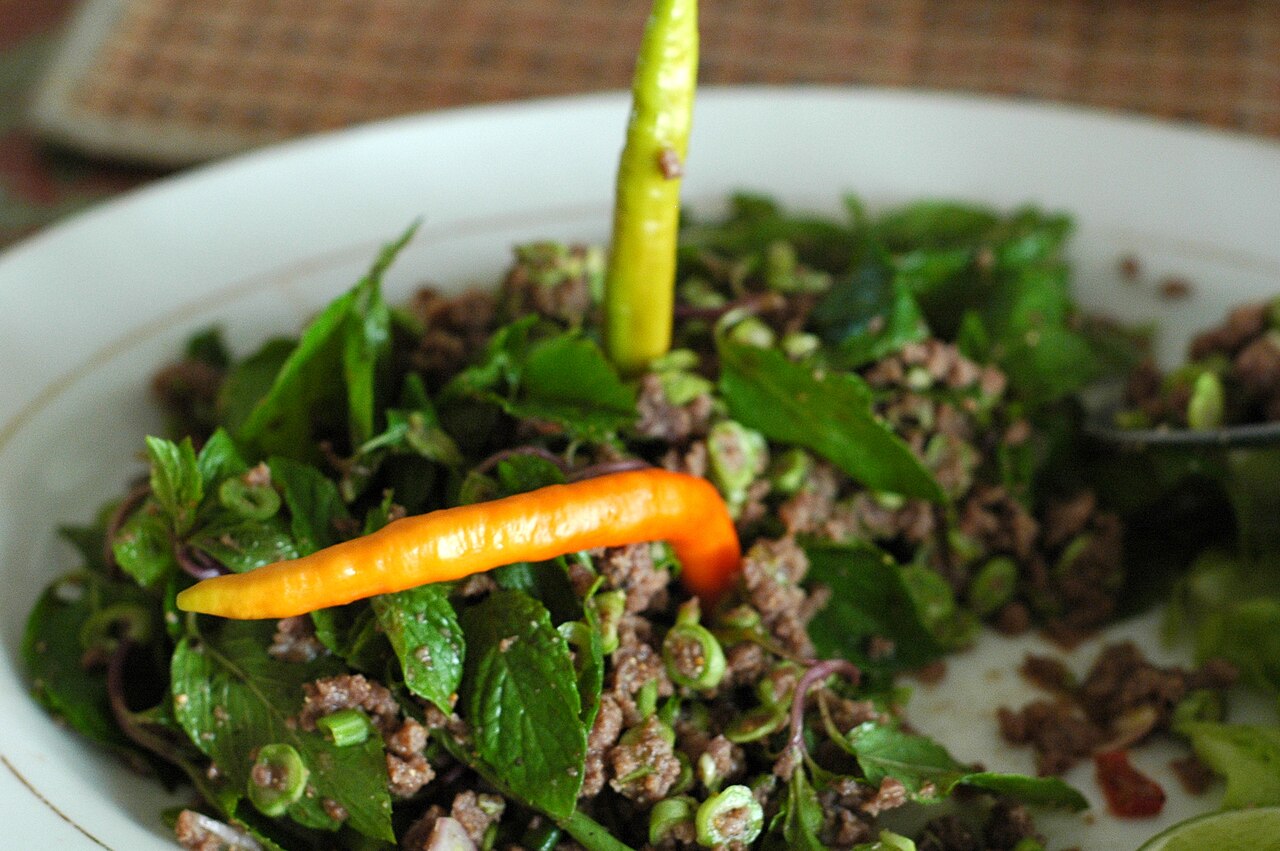
Finely chopped meat or fish, cooked or sometimes raw, mixed with lime juice, fish sauce, chilli, shallots, a lot of fresh mint and coriander, and toasted ground sticky rice, khao khua, which gives it a nutty crunch. It is served at room temperature with sticky rice and raw vegetables, and is often called the national dish of Laos.
The word larb sounds like a Lao word for luck, so larb is served at weddings and at New Year to bring good fortune.
See the recipe
Serves 4
30 min
Ingredients
2 tablespoons uncooked sticky (glutinous) rice, for the toasted rice powder
500 g minced chicken
3 tablespoons water or chicken stock
2 tablespoons fish sauce
Juice of 2 limes
1 teaspoon dried chilli flakes, or to taste
2 shallots, thinly sliced, and 3 spring onions, chopped
A large handful of mint leaves and a handful of coriander, roughly chopped
To serve: sticky rice, lettuce leaves, cucumber and green beans
Method
Toast the uncooked sticky rice in a dry frying pan over medium heat, shaking often, for 5 to 8 minutes until deep golden. Let it cool, then grind it to a coarse powder in a mortar or spice grinder.
Put the minced chicken and water in a pan over medium heat. Stir and break up the meat for about 6 to 8 minutes, until it is cooked right through with no pink left. Take the pan off the heat.
Stir in the fish sauce, lime juice and chilli flakes, then the shallots and spring onions. Taste: it should be sour, salty and spicy. Add more lime or fish sauce if needed.
Just before serving, mix in the mint, coriander and 1 to 2 tablespoons of the toasted rice powder, and sprinkle a little more on top.
Serve warm or at room temperature with sticky rice and crisp raw vegetables to eat alongside.
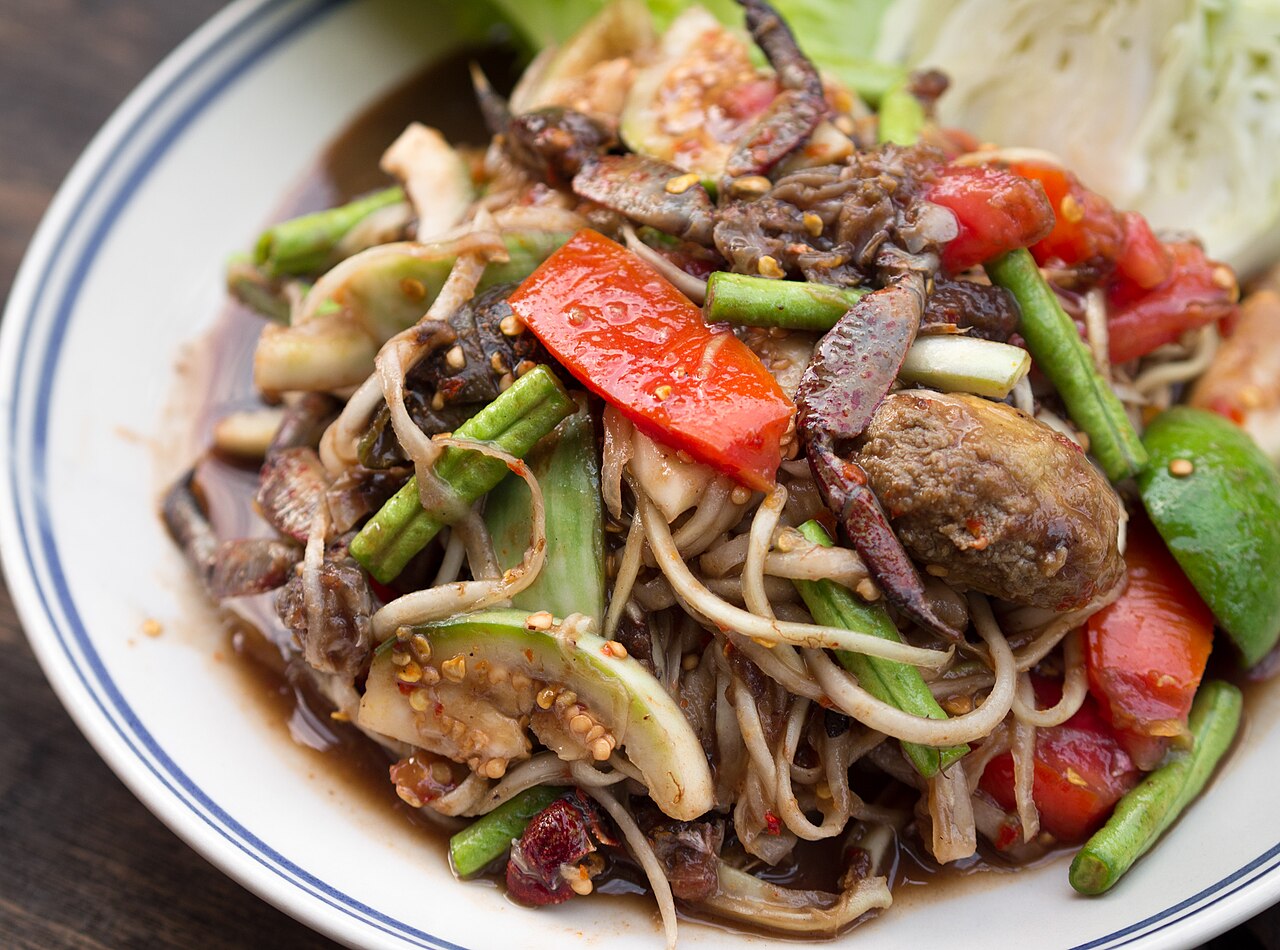
Shredded unripe green papaya pounded in a deep clay or wooden mortar with garlic, chillies, lime, tomatoes and fish sauce. The Lao version is usually sour, salty and very hot, and is often made with padaek, a pungent fermented fish sauce, and sometimes with small salted crabs.
In Thailand the same salad is called som tam. The Lao like theirs stronger and less sweet.
See the recipe
Serves 2
20 min
Ingredients
1 small green (unripe) papaya, about 400 g
2 cloves garlic
1 to 3 small red chillies, to taste
1 teaspoon palm or brown sugar
2 tablespoons fish sauce, or 1 tablespoon fish sauce and 1 tablespoon bottled padaek (boil home-made padaek for a few minutes first and let it cool)
Juice of 1 lime
6 cherry tomatoes, halved
A few yard-long beans or green beans, cut into 3 cm pieces
Method
Peel the papaya, cut it in half and scoop out the seeds. Shred the flesh into long thin strips with a coarse grater or a julienne peeler.
In a large mortar, pound the garlic and chillies to a rough paste. Add the sugar and the beans and bruise them lightly.
Add the fish sauce (and padaek, if using), lime juice and tomatoes, and press gently so the tomatoes release their juice.
Add the papaya and pound lightly while turning everything with a spoon, for 1 to 2 minutes, just until the papaya softens a little and soaks up the dressing.
Taste and adjust: it should be sour, salty, a little sweet and hot. Serve straight away with sticky rice and grilled chicken or sausage.
Laos, where it has been grown for thousands of years
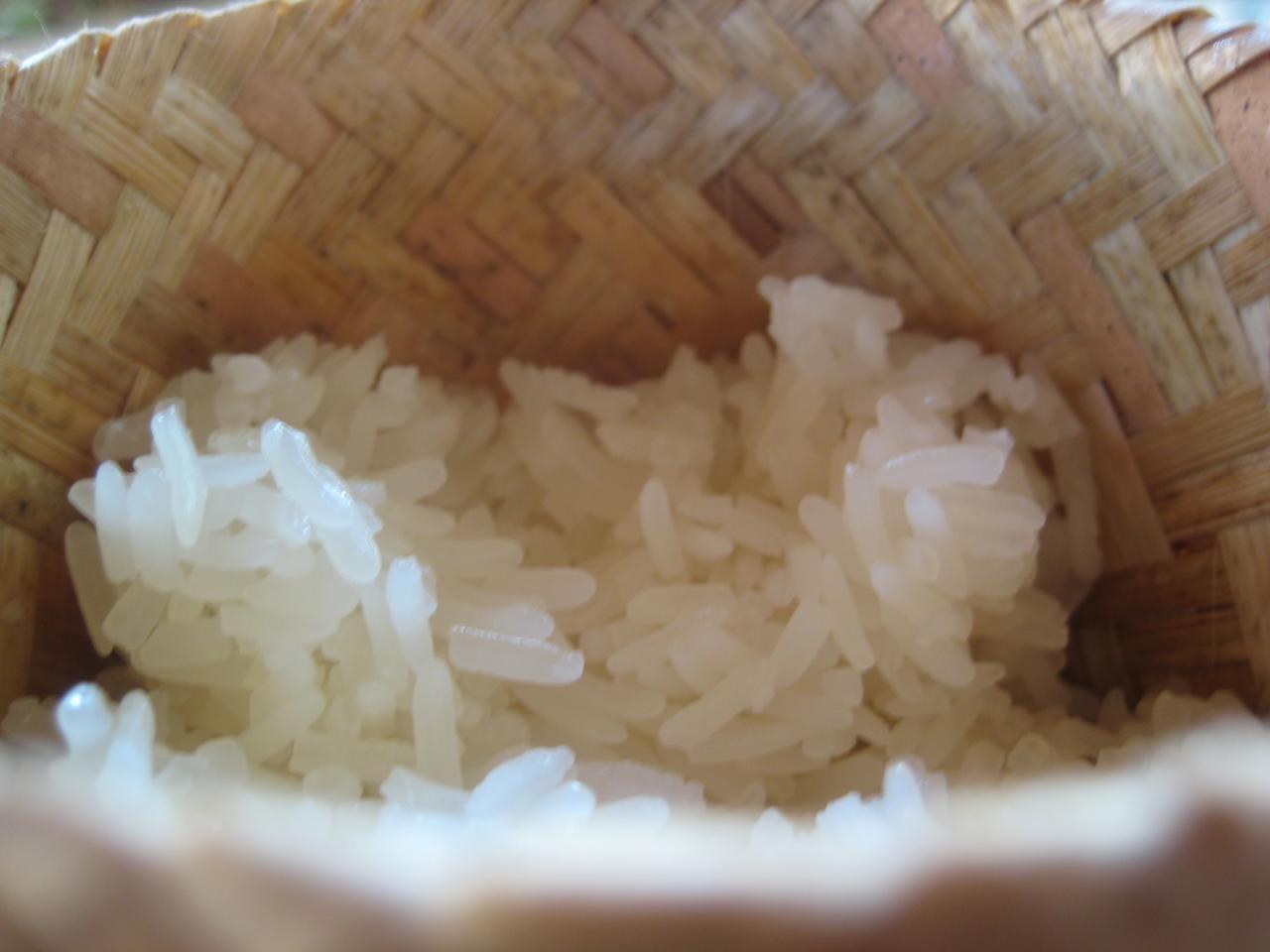
Glutinous rice, soaked for hours and then steamed in a cone-shaped bamboo basket over a pot of boiling water. It is kept warm in a small lidded basket, the tip khao, and eaten with the fingers: you pinch off a little, roll it into a ball and dip it into sauces and dishes.
Sticky rice is so central to Lao life that Lao people often call themselves luk khao niao, 'children of sticky rice'. Most of the rice grown in Laos is sticky rice.
See the recipe
Serves 4
45 min
Ingredients
400 g Thai or Lao glutinous (sticky) rice
Plenty of cold water for soaking
A bamboo sticky rice steamer, or an ordinary steamer lined with a damp clean cloth or muslin
Method
Rinse the rice in cold water until the water runs almost clear. Cover it with plenty of fresh water and leave it to soak for at least 4 hours, or overnight.
Drain the rice well and spread it in the bamboo basket or in the cloth-lined steamer.
Steam over boiling water, covered, for about 20 to 25 minutes. Halfway through, flip the whole mass of rice over so it cooks evenly. It is ready when the grains are soft, shiny and chewy.
Tip the rice onto a clean tray and spread it out with a wooden spoon for a minute to let the steam escape, then gather it back into a ball.
Keep it in a covered basket or wrapped in a cloth so it stays warm and soft. Eat with your fingers, pinching off small pieces.
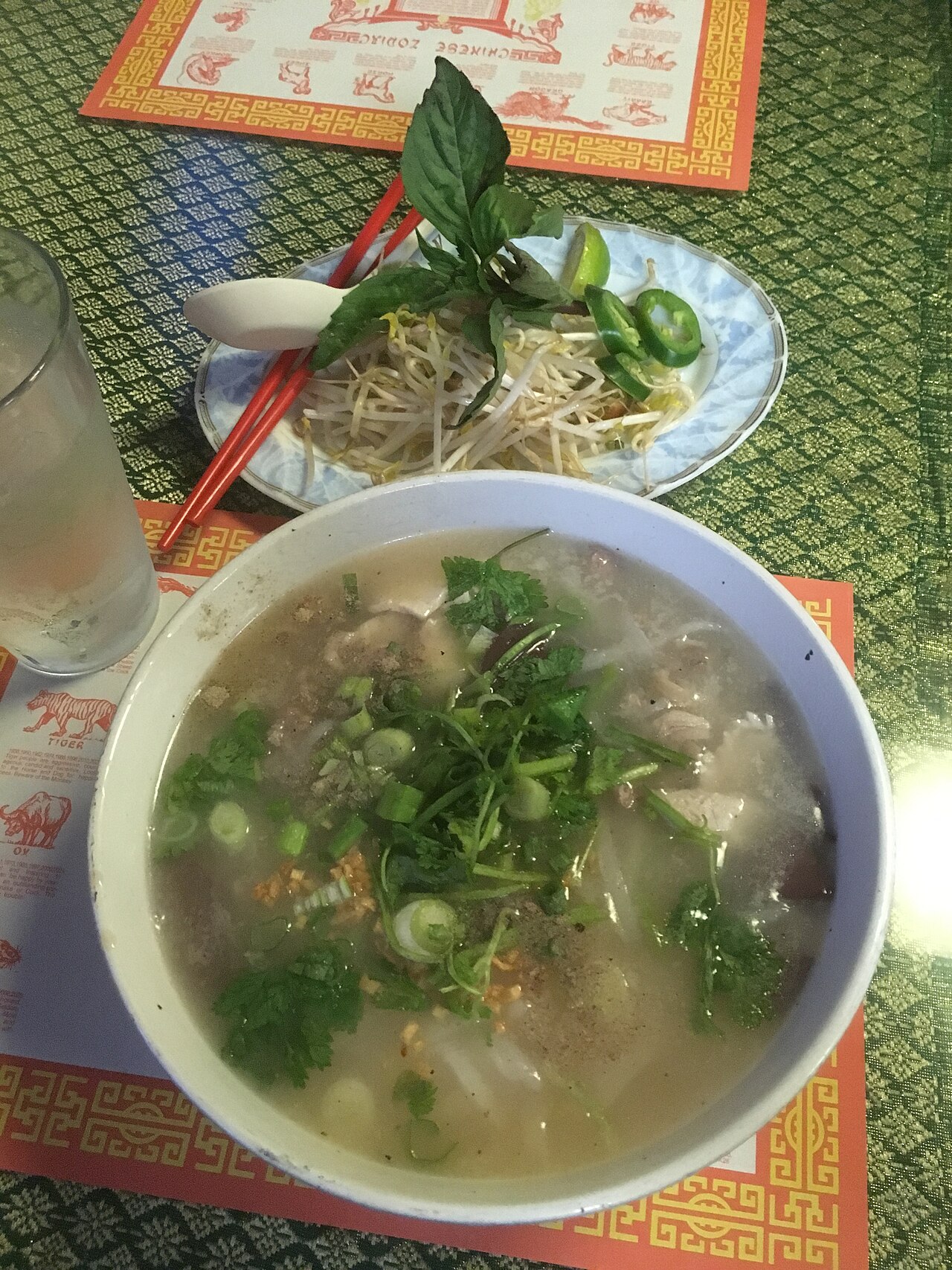
A thick, comforting noodle soup. Chewy handmade noodles of rice flour and tapioca are cooked straight in a chicken or pork broth flavoured with galangal, lemongrass and lime leaves, so the starch makes the soup silky. It is topped with shredded chicken, fried garlic, spring onions and coriander.
The name means 'wet rice strands'. Many families make it in big batches for a crowd.
Laos, served at family celebrations and in markets
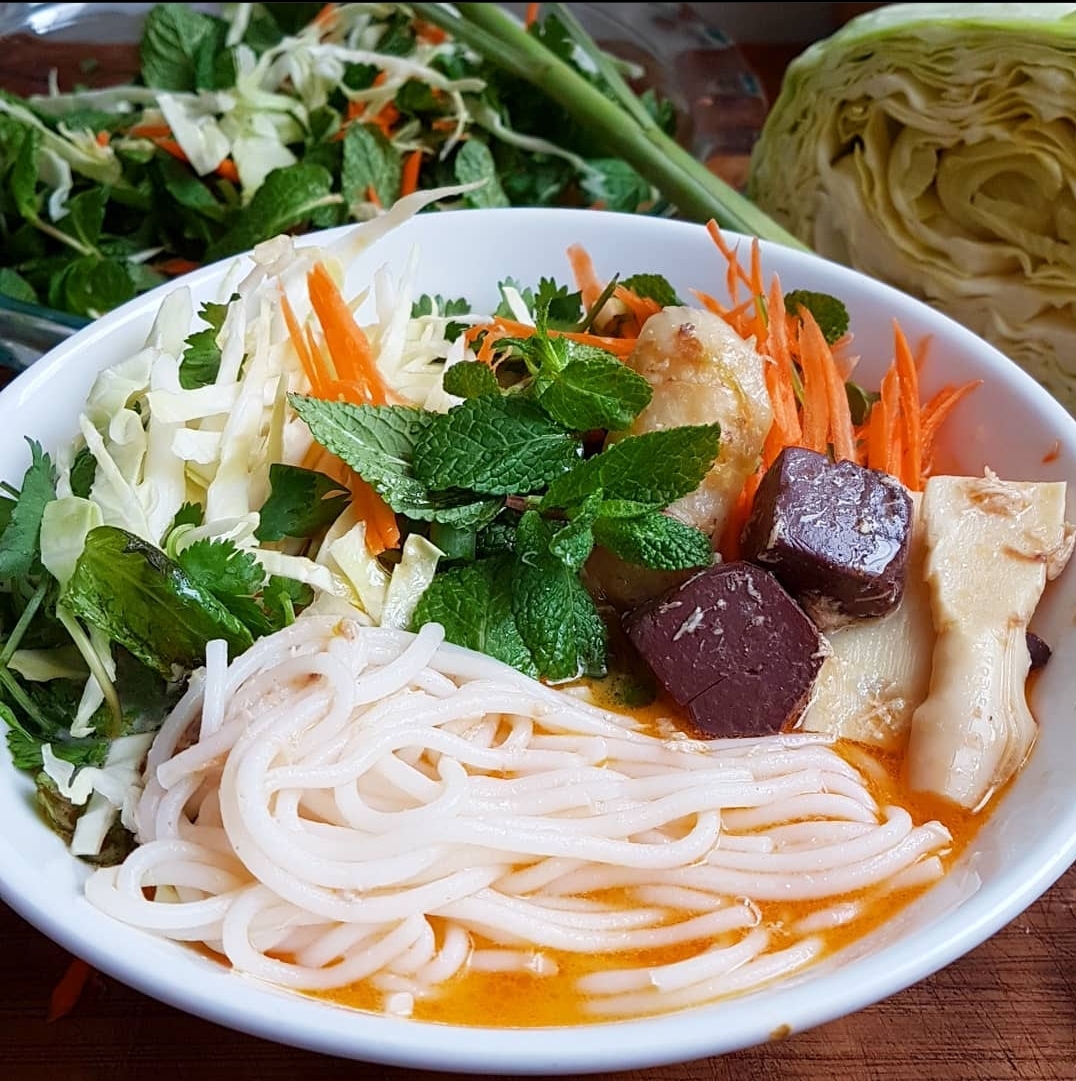
Thin fresh rice noodles in a spicy red broth of pounded chicken, fish or pork, often made rich with coconut milk and flavoured with galangal, lime leaves and chillies. Each bowl is topped with shredded cabbage, banana flower, bean sprouts and fresh herbs.
Recipes for khao poon were among those written down by Phia Sing, chef to the Lao royal court in Luang Prabang.
Northern Laos, especially Luang Prabang and Luang Namtha
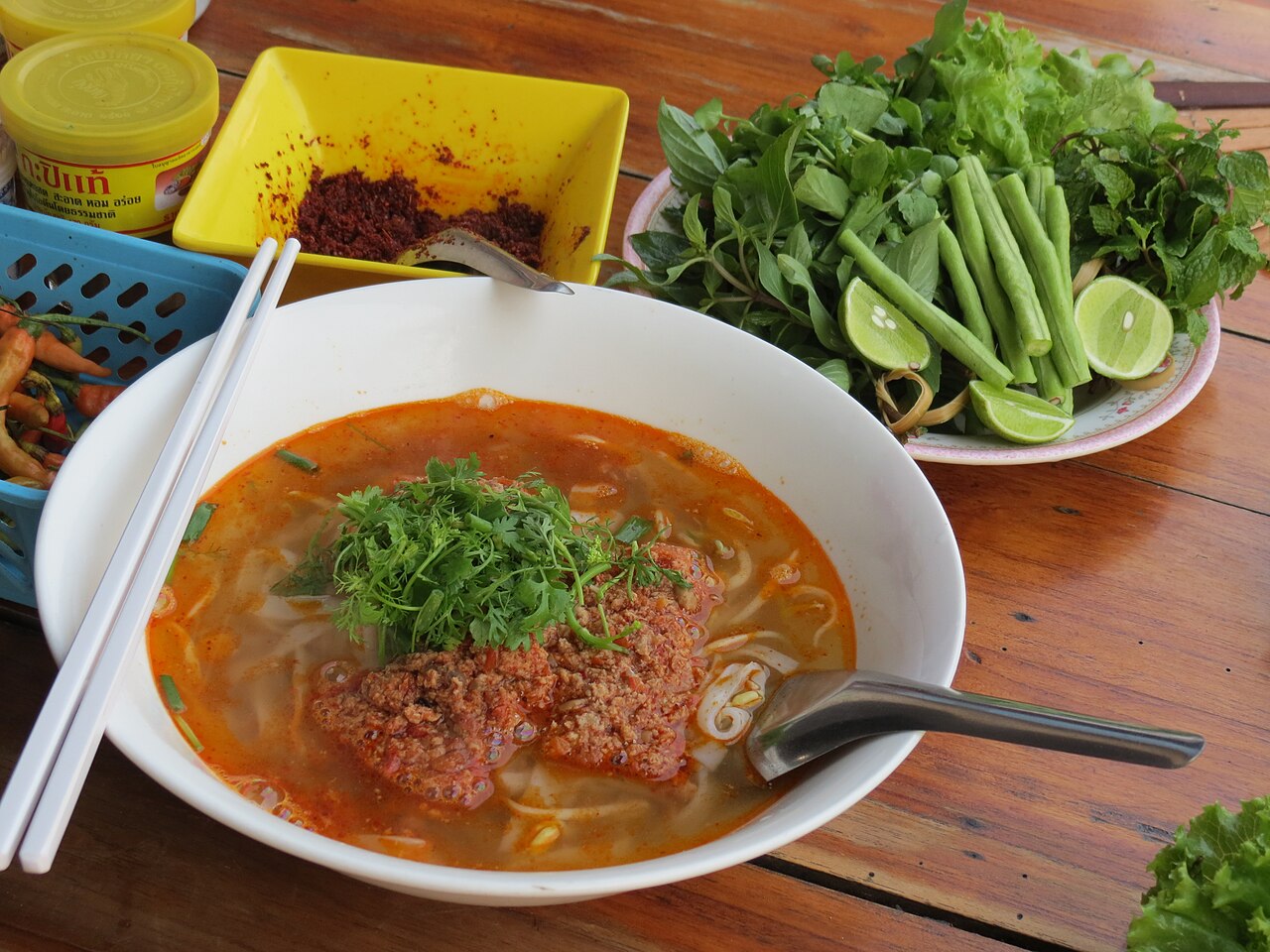
Wide, flat rice noodles in a clear pork or chicken broth, topped with a rich, spicy sauce of minced pork, tomatoes, garlic and fermented bean paste, and served with a plate of fresh herbs and greens.
Lao khao soi is quite different from the better-known khao soi of northern Thailand, which is a coconut curry soup with egg noodles.
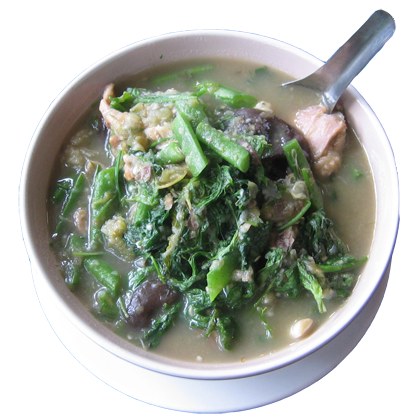
A thick, peppery stew of meat, often buffalo, beef or chicken, with eggplant, wood ear mushrooms, long beans, dill and lemongrass. A little sticky rice thickens the broth, and slices of sakhaan, a local 'chilli wood', make the tongue tingle pleasantly.
In the old royal recipe from Luang Prabang, or lam was made with deer meat.
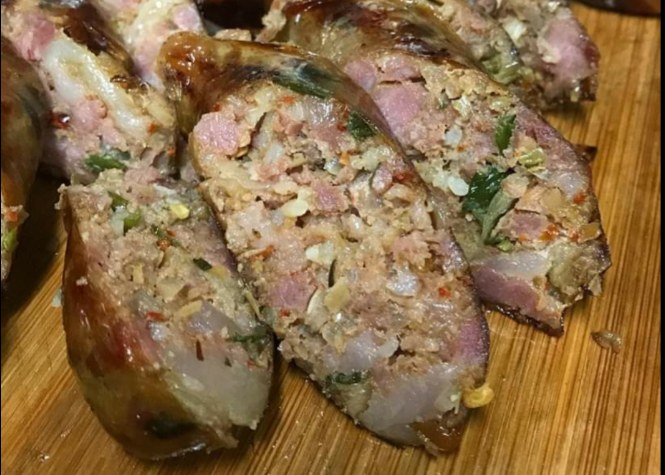
A coarse, juicy pork sausage packed with lemongrass, galangal, lime leaves, garlic, shallots and chilli, then grilled slowly over charcoal. It is eaten in slices with sticky rice and a chilli dip, or as a snack with a cold beer.
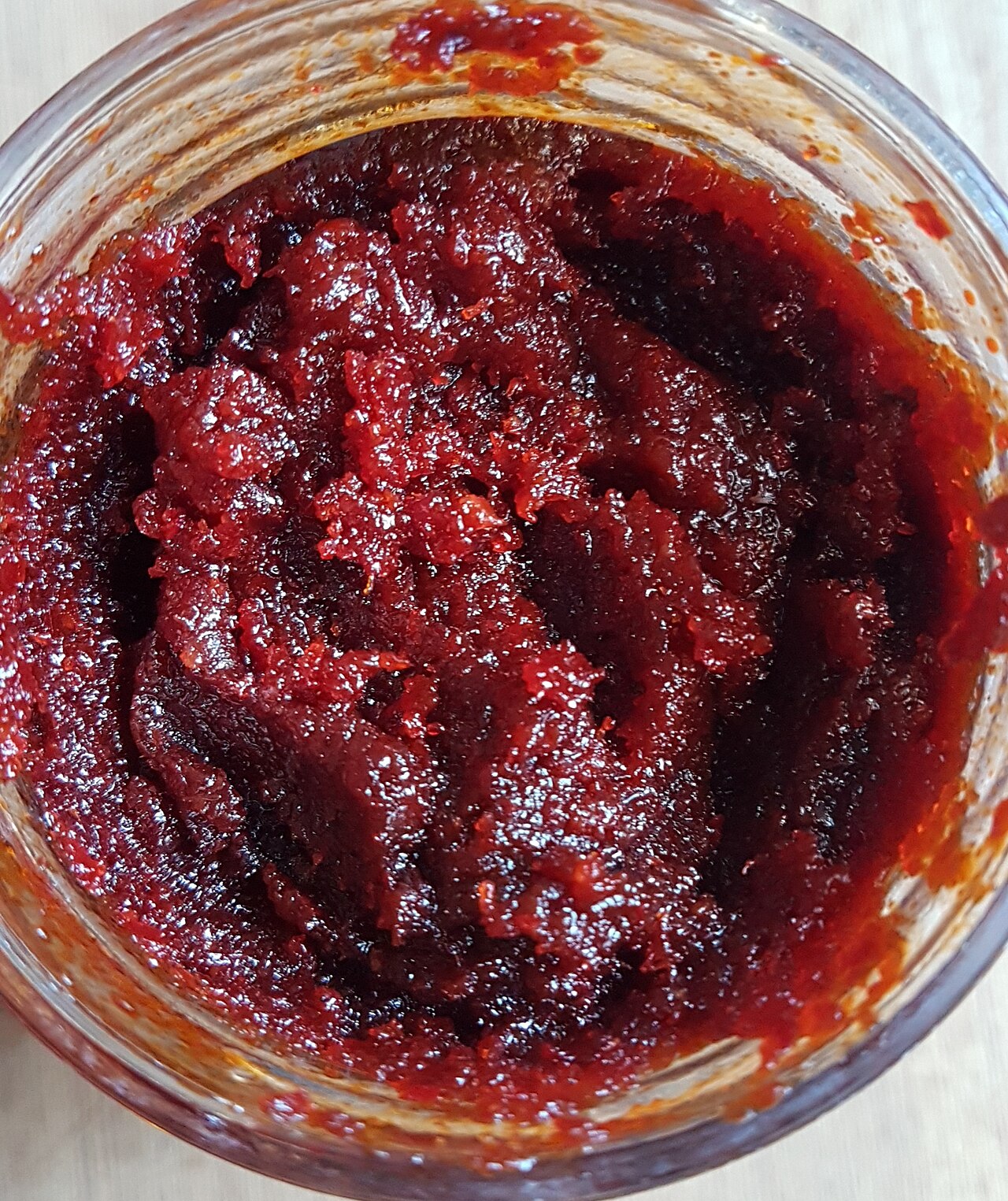
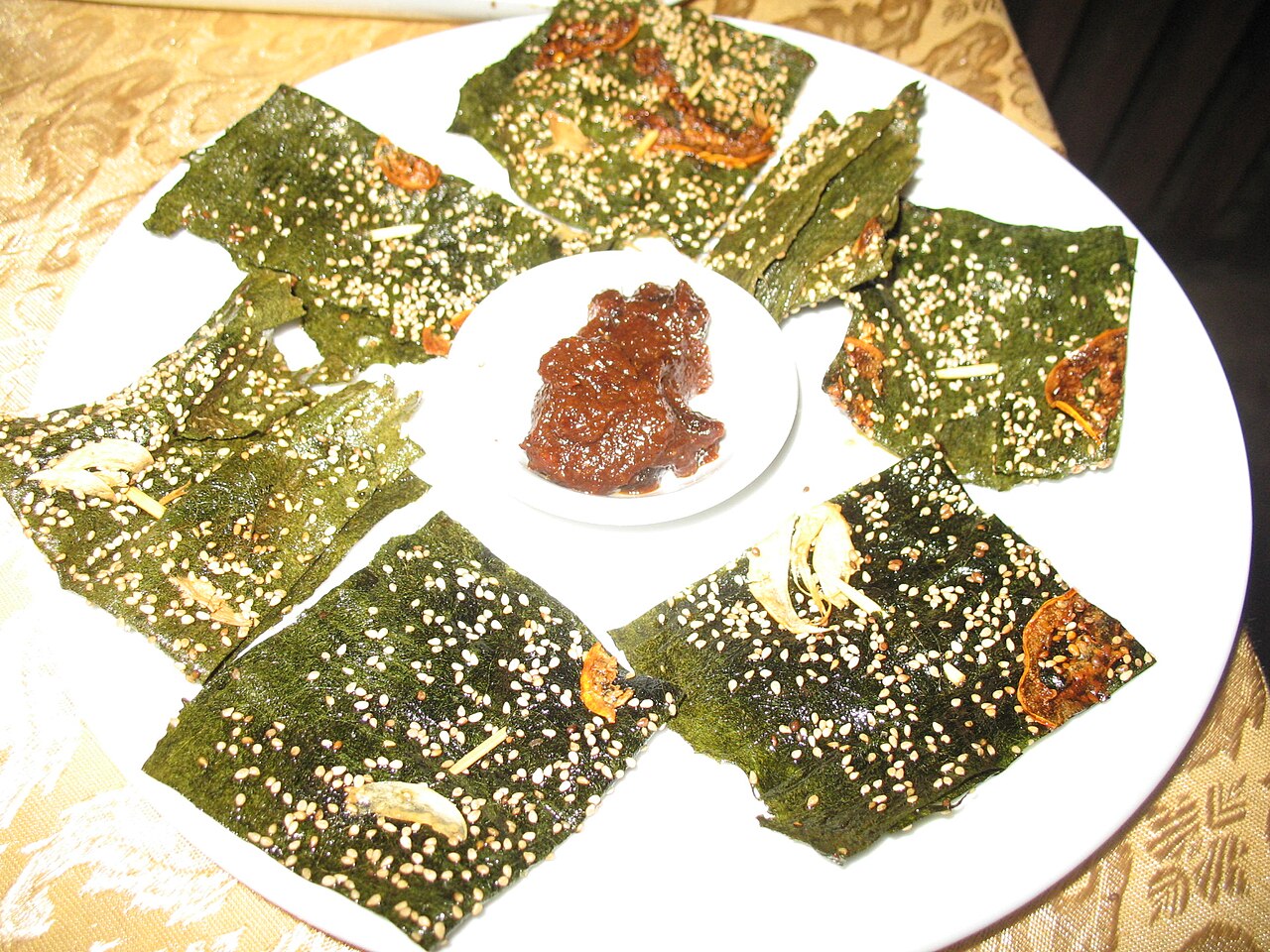
A sweet, smoky and spicy chilli paste made from roasted dried chillies, garlic, shallots, galangal and fish sauce, with thin strips of dried buffalo or pork skin for a chewy texture. It is eaten with sticky rice, raw vegetables and crispy river weed.
Jeow bong keeps for a long time without spoiling, so families make it in big jars.
Thin green sheets of river algae, collected from rivers in northern Laos in the dry season, pressed with garlic, tomato and sesame seeds and dried in the sun. They are quickly fried until crisp and eaten like crisps, often dipped in jeow bong.
Kaipen looks and tastes a little like Japanese nori, but it comes from fresh water, not the sea.
Vientiane, said to come from the river village of Tha Deua
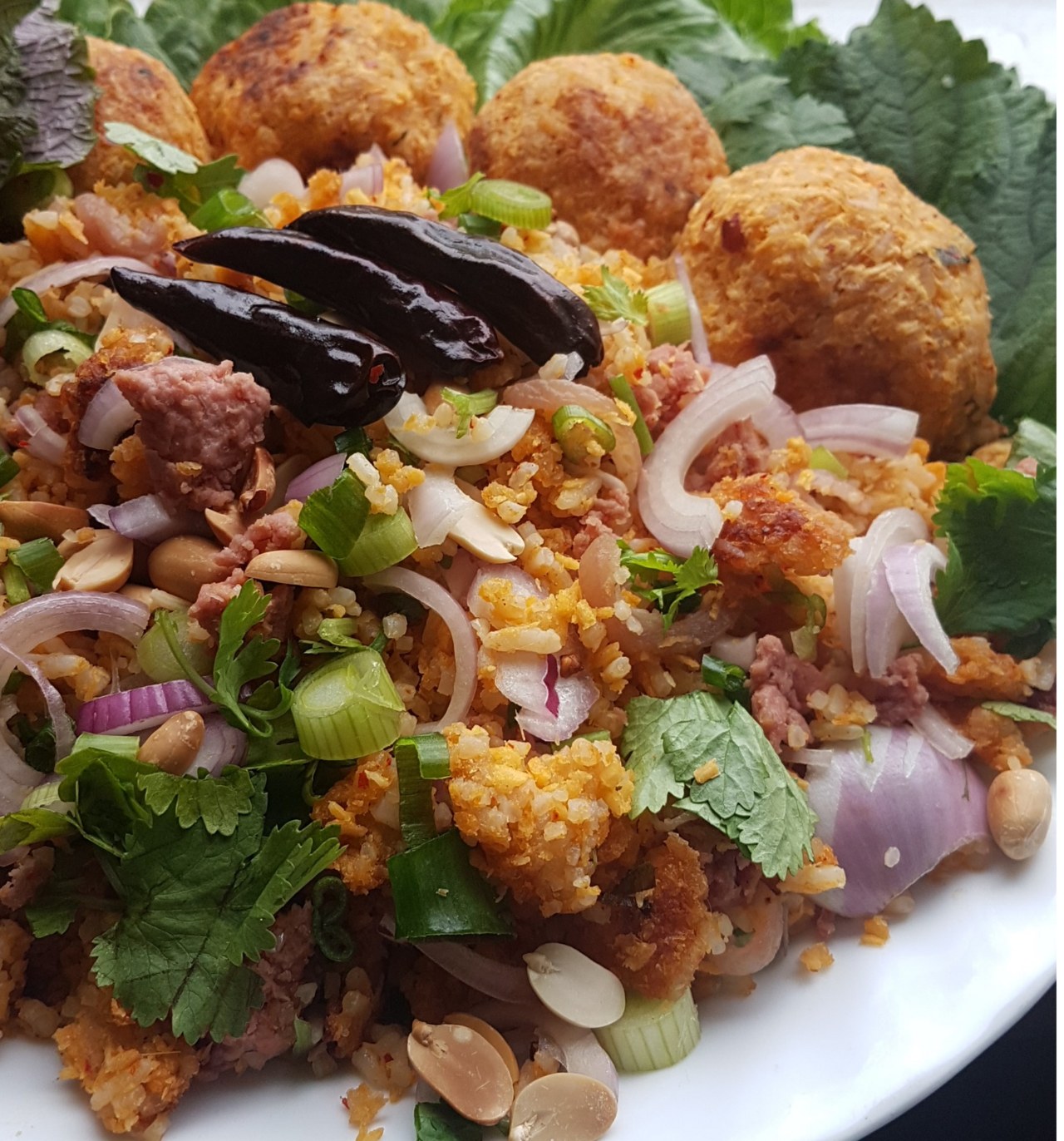
Balls of rice seasoned with red curry paste and coconut are deep-fried until crisp, then broken up and tossed with sour fermented pork sausage, peanuts, shallots, lime juice, fish sauce and herbs. It is eaten wrapped in lettuce leaves with extra herbs and dried chillies.
It is a favourite party dish, served on big trays for everyone to wrap their own.
Vientiane and the Mekong towns, from French colonial times
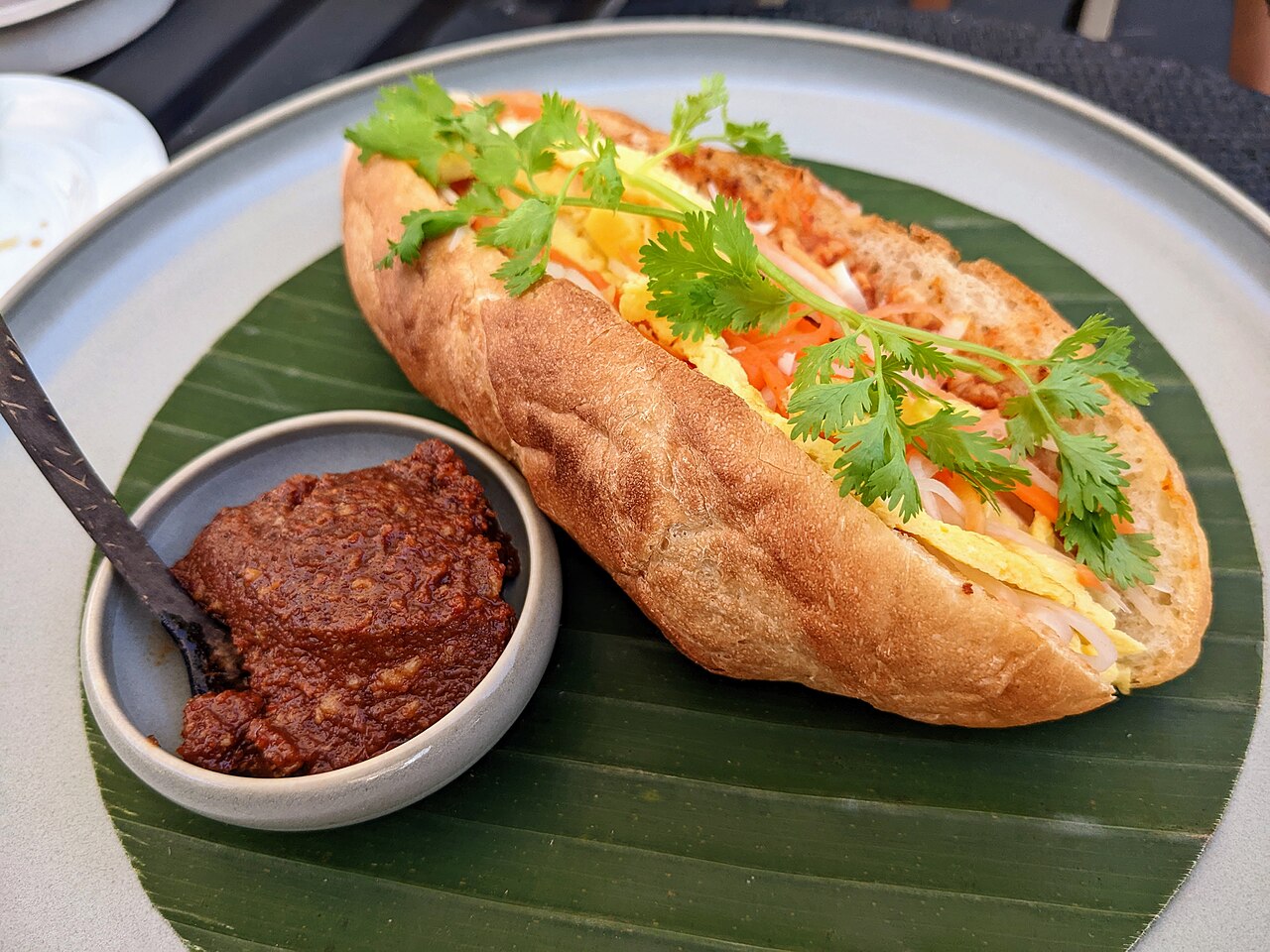
A crusty baguette filled with pork pâté, cold meats, pickled vegetables, cucumber, fresh herbs and a little chilli sauce, sold from street stalls for breakfast and lunch. The same baguettes are also eaten with a morning coffee.
In Lao, khao jee is the word for this French-style bread, and also for grilled sticky rice cakes brushed with egg.
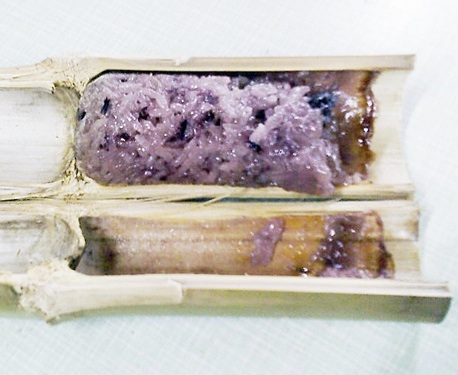
Sticky rice mixed with coconut cream, a little sugar and beans, packed into a length of bamboo and roasted slowly over a fire. You peel back the bamboo to eat the soft, sweet rice inside. It is often sold together with grilled chicken, ping kai.
Lao families have long made khao lam for festivals and as an offering to monks.
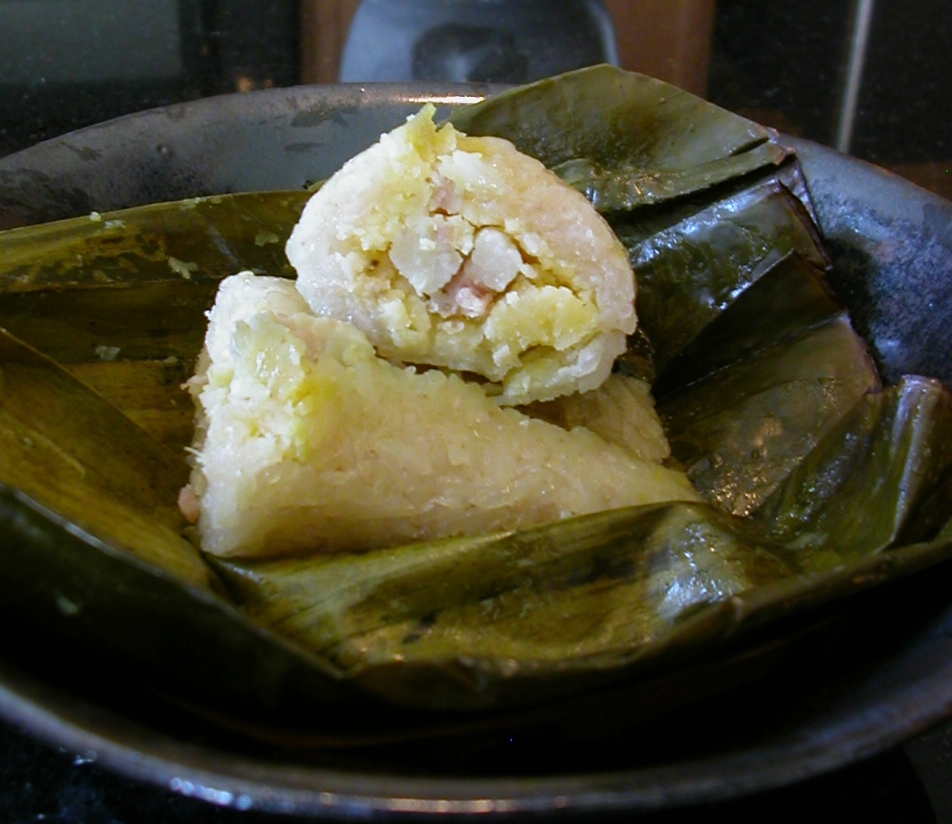
Small parcels of sticky rice cooked with coconut milk, wrapped around a piece of banana, sometimes with black beans, then folded into banana leaves and steamed. There are also savoury versions filled with pork and mung beans.
Khao tom is offered at the baci ceremony, which is held for weddings, births, journeys and the Lao New Year.
See the recipe
Serves 6
1 h 30 min
Ingredients
300 g sticky (glutinous) rice, soaked in water for 4 hours and drained
250 ml coconut milk
2 tablespoons sugar and ½ teaspoon salt
3 small ripe bananas, each cut in half lengthways and across (12 pieces)
12 pieces of banana leaf, about 20 by 20 cm, wiped clean (or baking paper and foil)
Kitchen string
Method
Put the coconut milk, sugar and salt in a wide pan and warm gently until the sugar dissolves. Add the drained rice and stir over low heat for about 5 minutes, until the rice has soaked up most of the liquid. Let it cool a little.
Soften the banana leaves by passing them briefly over a flame or dipping them in hot water, so they fold without tearing.
Place a spoonful of rice in the middle of a leaf, lay a piece of banana on top and cover it with another spoonful of rice.
Fold the leaf over into a neat parcel, fold in the ends, and tie it with string. Make the rest the same way.
Steam the parcels over boiling water for about 45 to 50 minutes, until the rice is soft and see-through. Top up the water if needed. Serve warm or at room temperature.
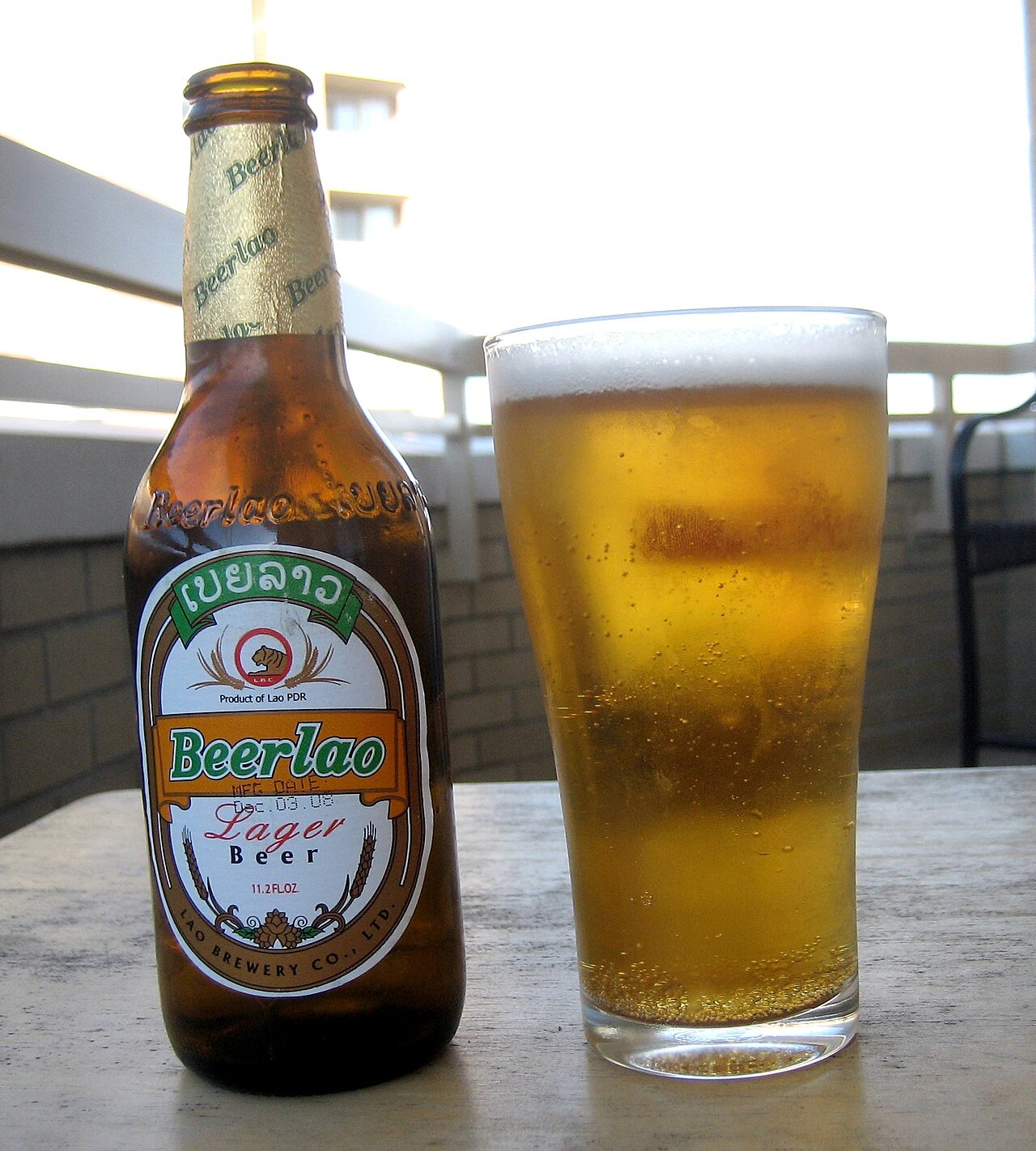
A light, crisp lager brewed with locally grown jasmine rice, sold in big 640 ml bottles with a yellow label and a tiger's head. It is found in almost every restaurant in the country and is now sold in many other countries too.
The Lao Brewery Company also makes Beerlao Dark, newer beers such as Beerlao White and Beerlao IPA, and Tiger Head, the bottled drinking water sold all over the country.
Table manners
Sticky rice is eaten with the fingers of the right hand: pinch off a small piece, roll it into a ball and use it to pick up food or dip into sauces.
Dishes are placed in the middle for everyone to share, and the soup is sipped all through the meal rather than served first.
When you have finished eating, close the lid of your sticky rice basket.
A good host always cooks far more than the guests can eat. Running out of food would be embarrassing, so do not worry about leaving some.
Raw herbs and vegetables come with most meals. They cool the mouth when a dish is very hot.
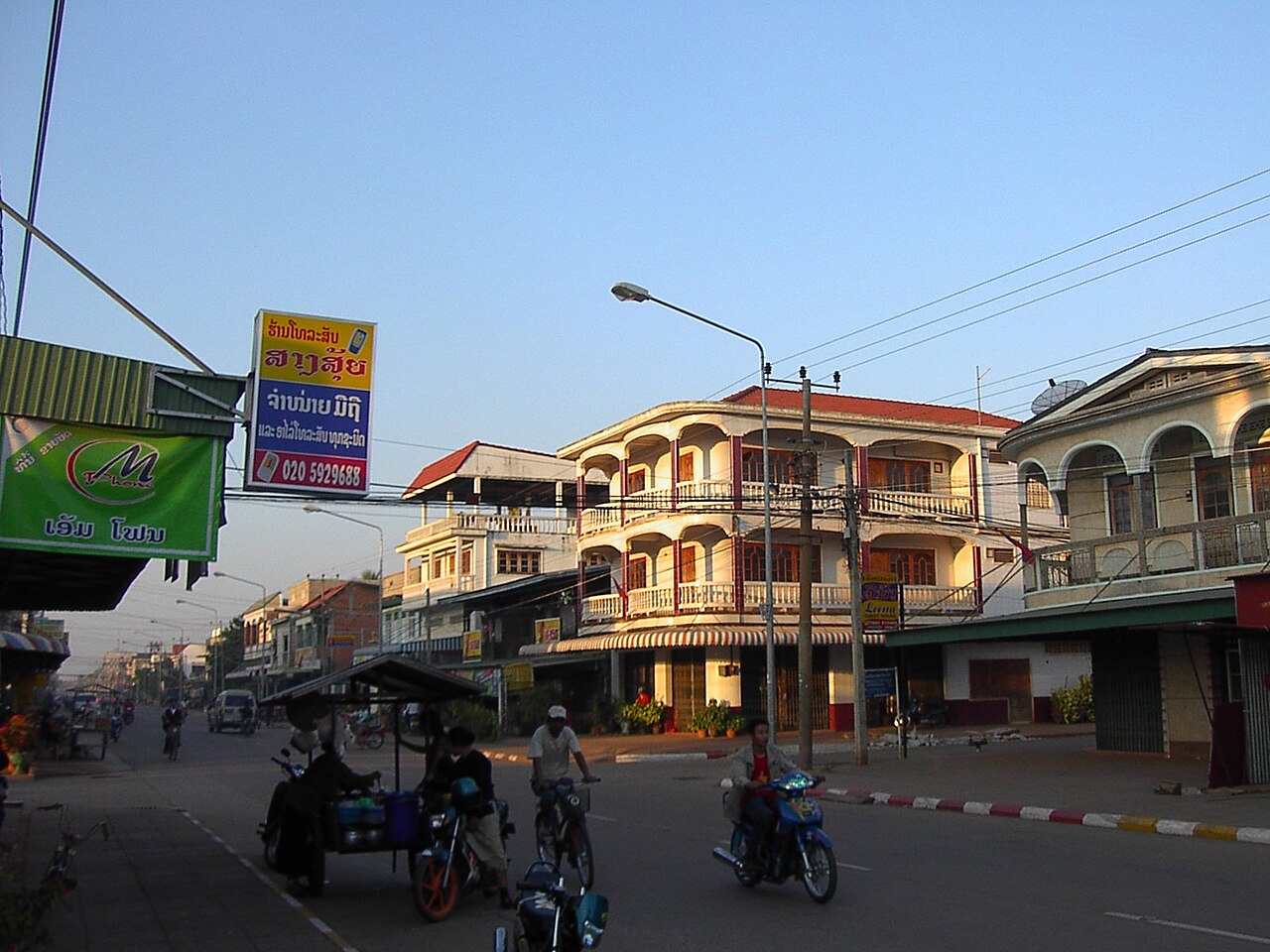
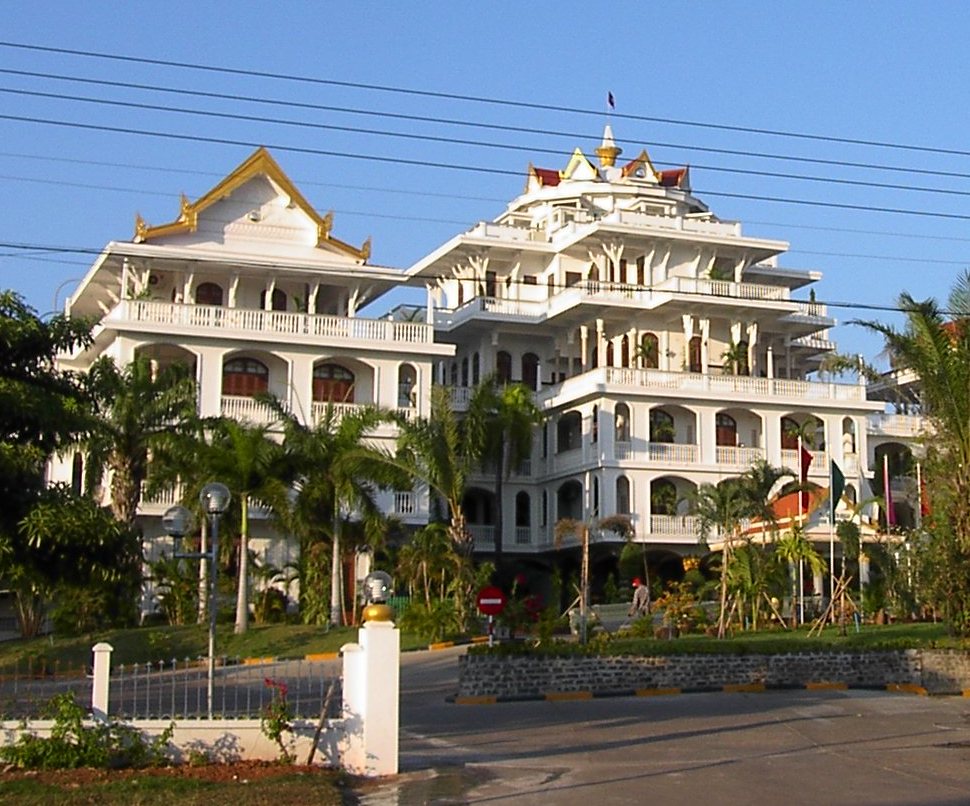
Laos has few big cities. Most towns grew up on the Mekong and its tributaries, where river trade once ran: Vientiane, the capital, faces Thailand across the river, and Savannakhet, Thakhek and Pakse line the Mekong further south. In the green, mountainous north lie the old royal city of Luang Prabang and small river towns such as Nong Khiaw, while Phonsavan sits on a high plateau in the east.
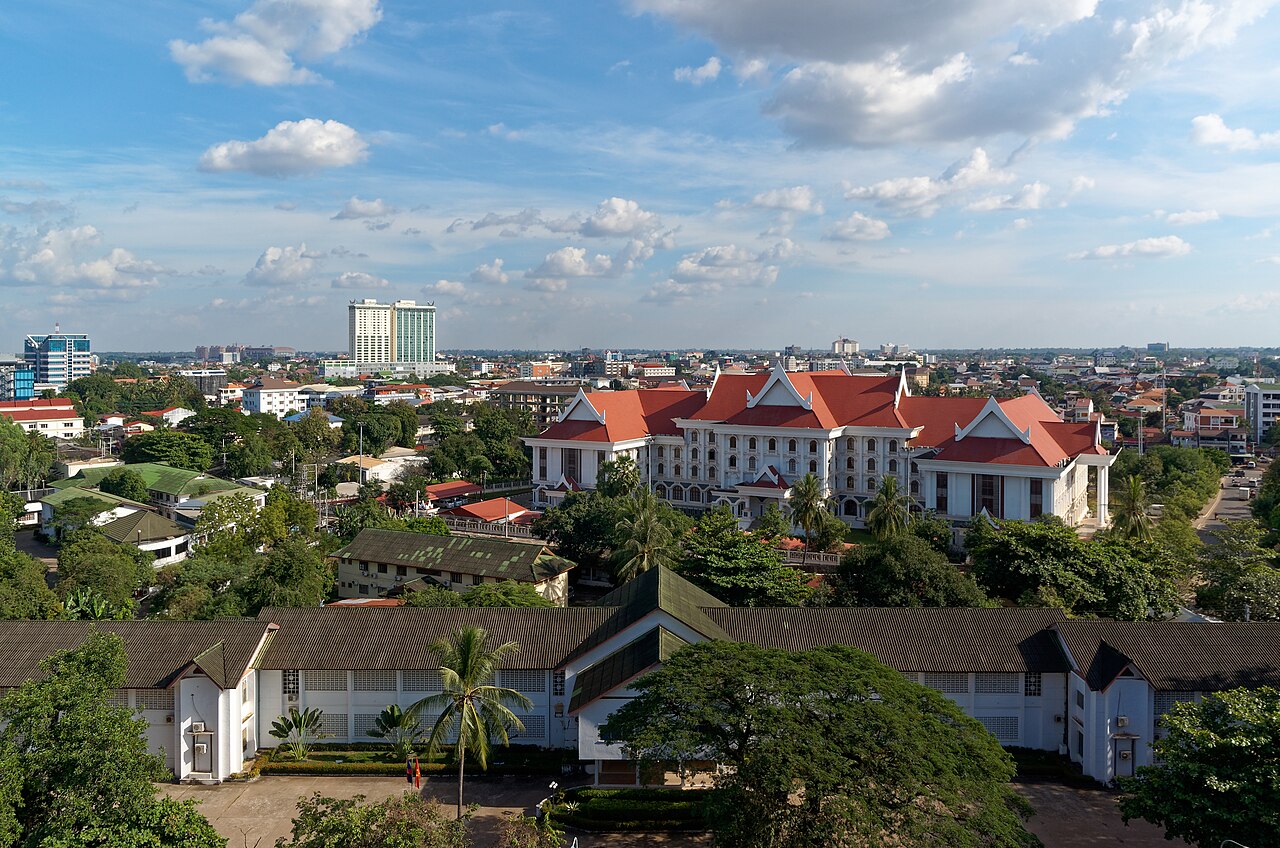
The capital and largest city, with about 840,000 people in its urban districts, spread along a bend of the Mekong opposite Thailand. It is a relaxed city of temples, French colonial villas, riverside night markets and wide boulevards.
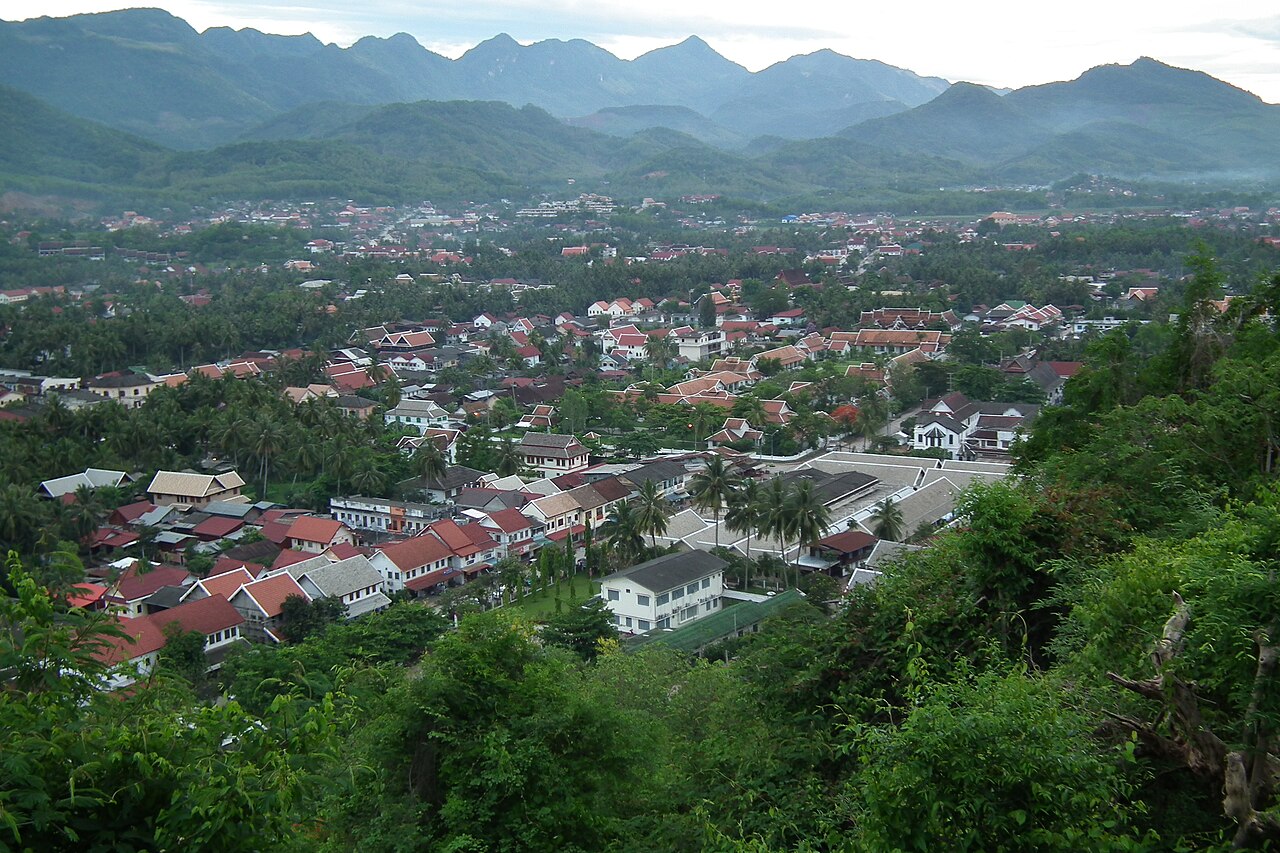
The old royal capital, on a peninsula where the Nam Khan meets the Mekong. Its gilded temples, wooden Lao houses and French colonial buildings are a UNESCO World Heritage Site, and every morning at dawn monks walk the streets collecting alms.
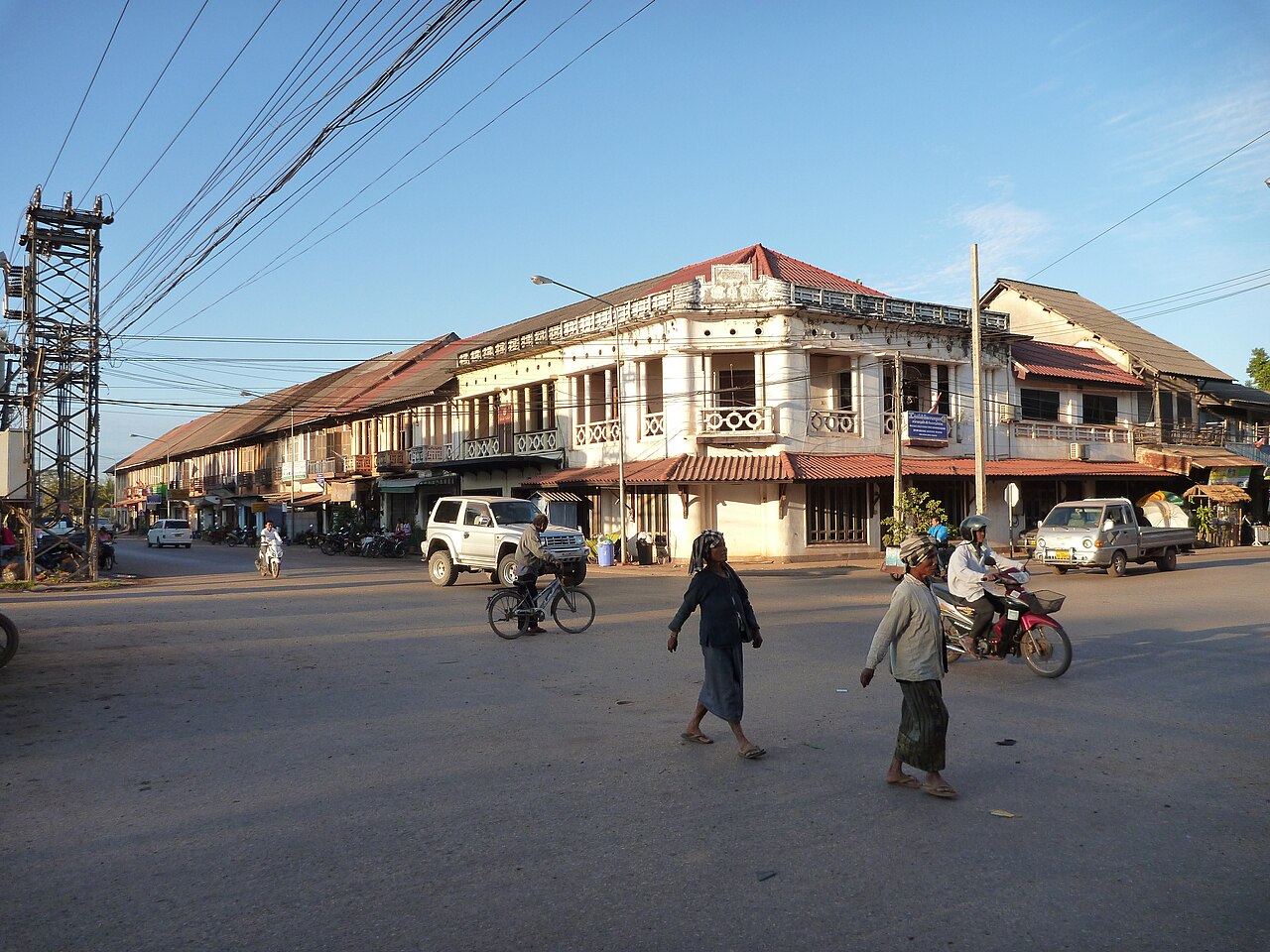
A trading city on the Mekong, officially named Kaysone Phomvihane, with a quiet old quarter of French colonial buildings. A bridge across the river links it to Mukdahan in Thailand.
Colonial old town and the Catholic church of St Therese
The main city of the south, where the Xe Don river flows into the Mekong. It is the gateway to the coffee farms of the Bolaven Plateau, the temple of Vat Phou and the 4,000 Islands.
A small Mekong town with French colonial streets, facing Nakhon Phanom in Thailand. It is the start of 'the loop', a popular road trip through limestone mountains, caves and villages.
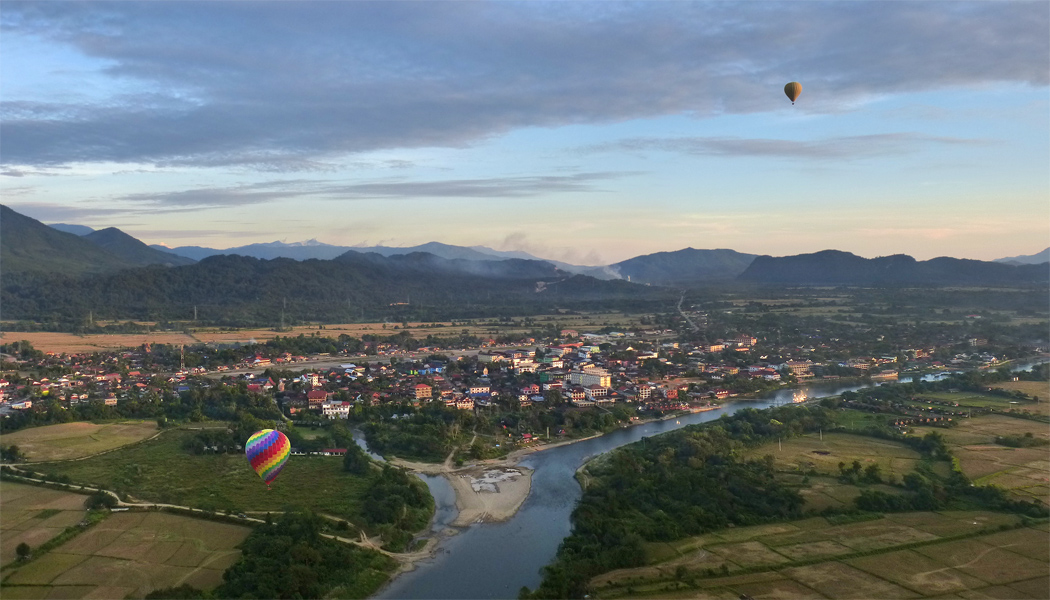
A small town on the Nam Song River, surrounded by dramatic limestone karst hills, about 130 km north of Vientiane. Once a backpacker party town, it is now better known for kayaking, caves and its station on the Laos-China Railway.
A young town about 1,100 m up on the Xiangkhoang Plateau, built after 1975 to replace the old provincial capital destroyed by wartime bombing. It is the base for visiting the Plain of Jars.
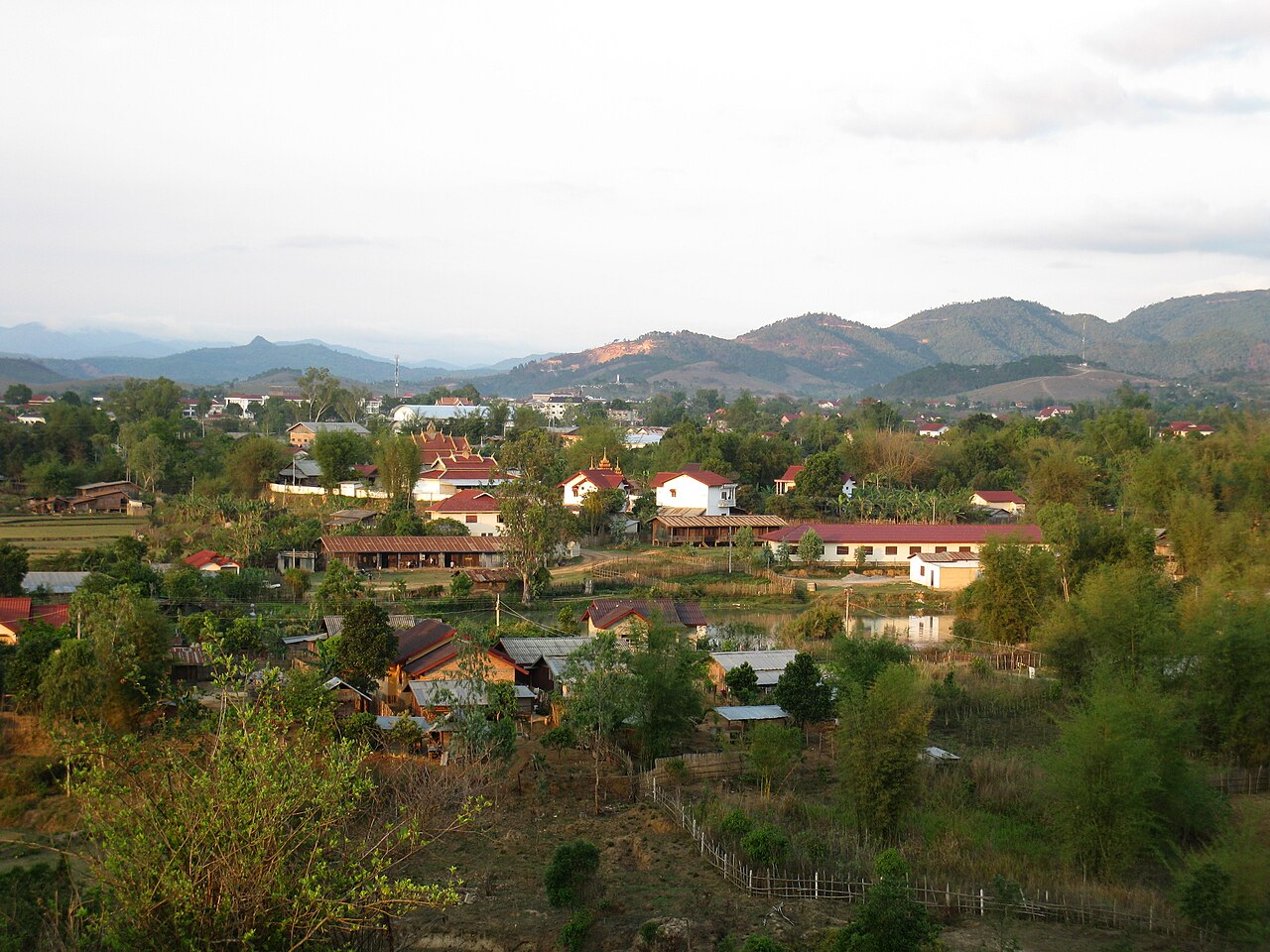
A small town in a green valley near the borders with China and Myanmar, home to many ethnic groups. It is a base for trekking and has a station on the Laos-China Railway in the same province.
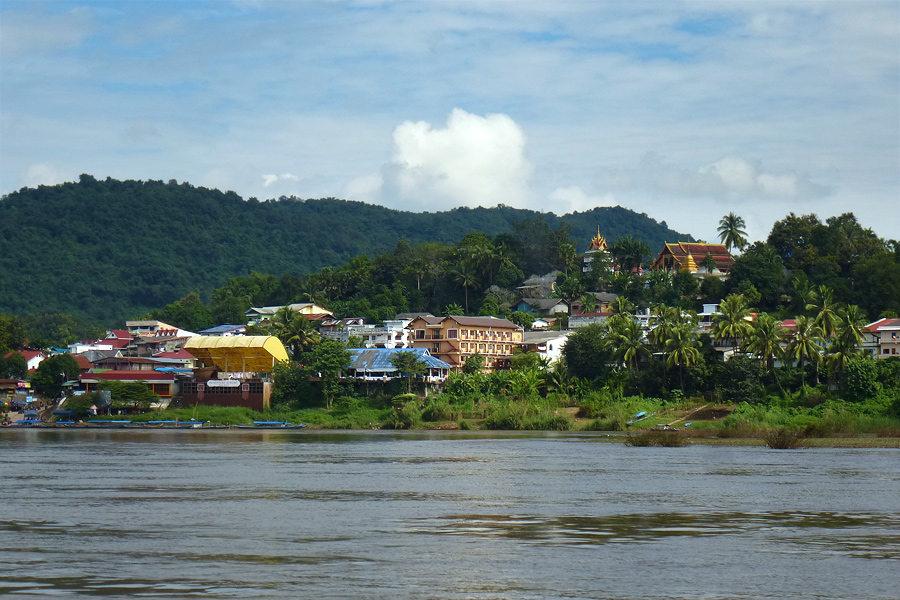
A border town on the Mekong, opposite Chiang Khong in Thailand. Many travellers arrive here and take the two-day slow boat down the Mekong to Luang Prabang.
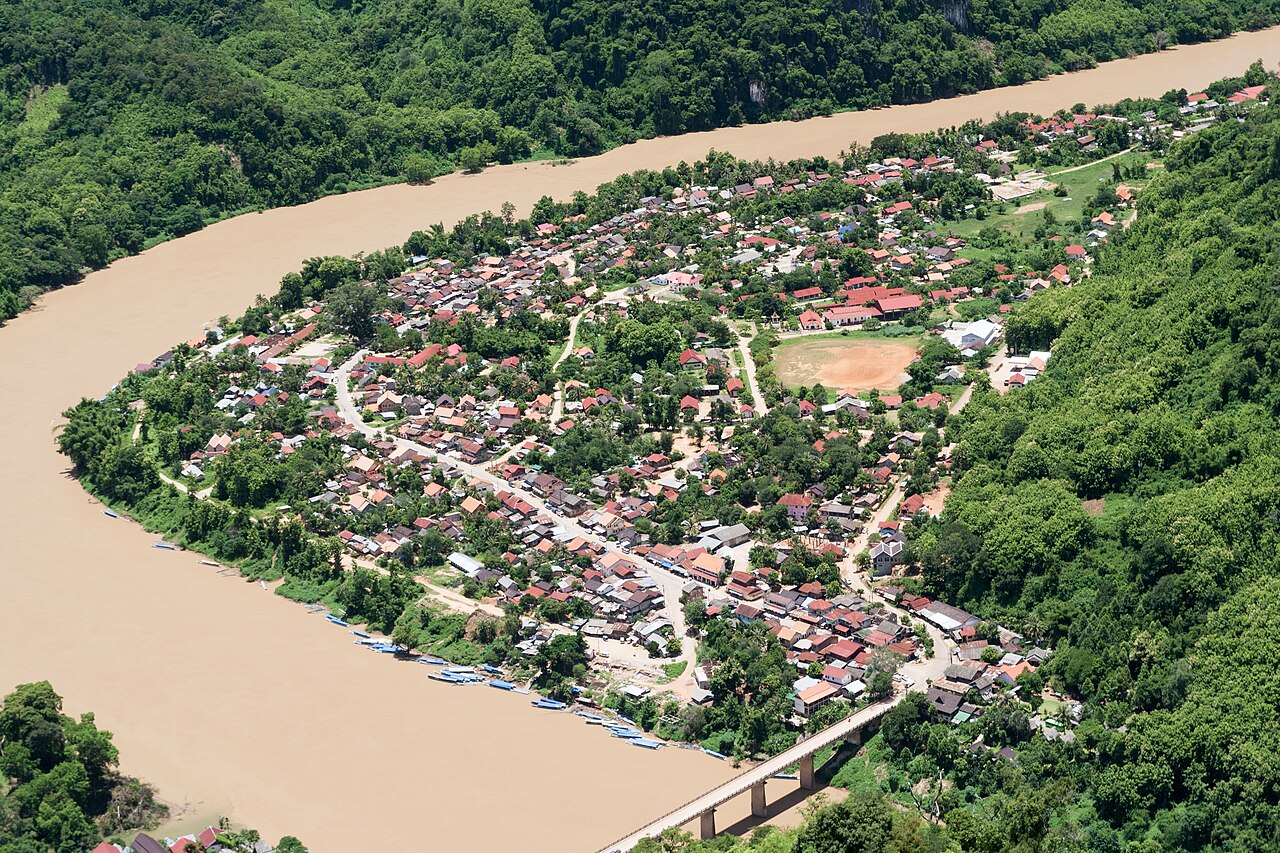
A riverside village on the Nam Ou, beneath towering limestone cliffs, joined across the river by a bridge. It is popular for walking, cycling and mountain climbing, and the bridge gives wide views of the river and cliffs.
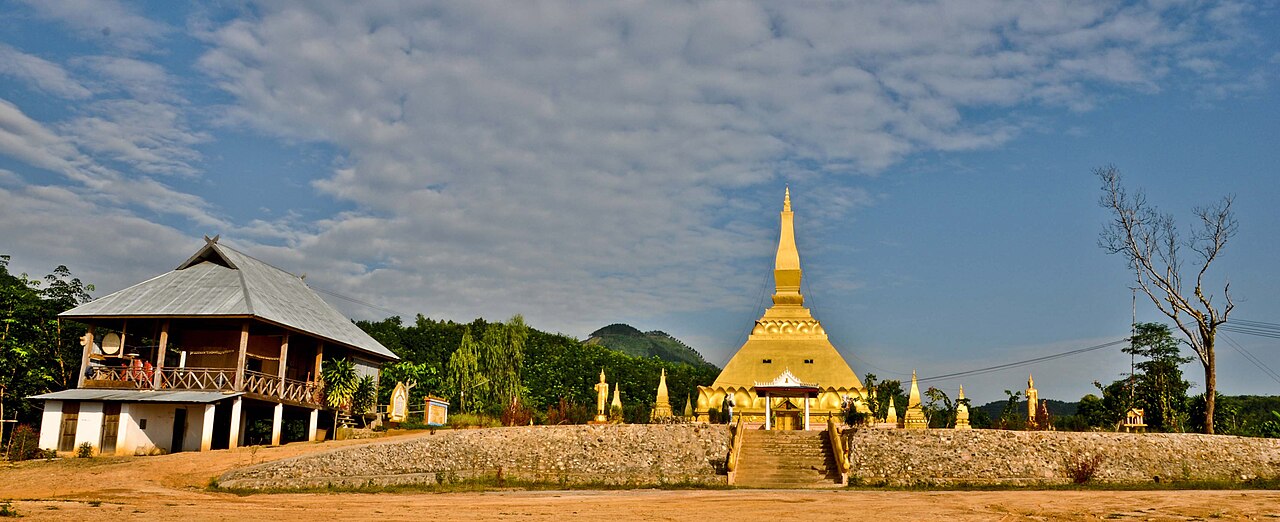
A sleepy small town on the west bank of the Mekong, once the seat of the Lao kingdom of Champasak. Today it is mostly guesthouses along the river for visitors to the ancient temple of Vat Phou, about 10 km away.
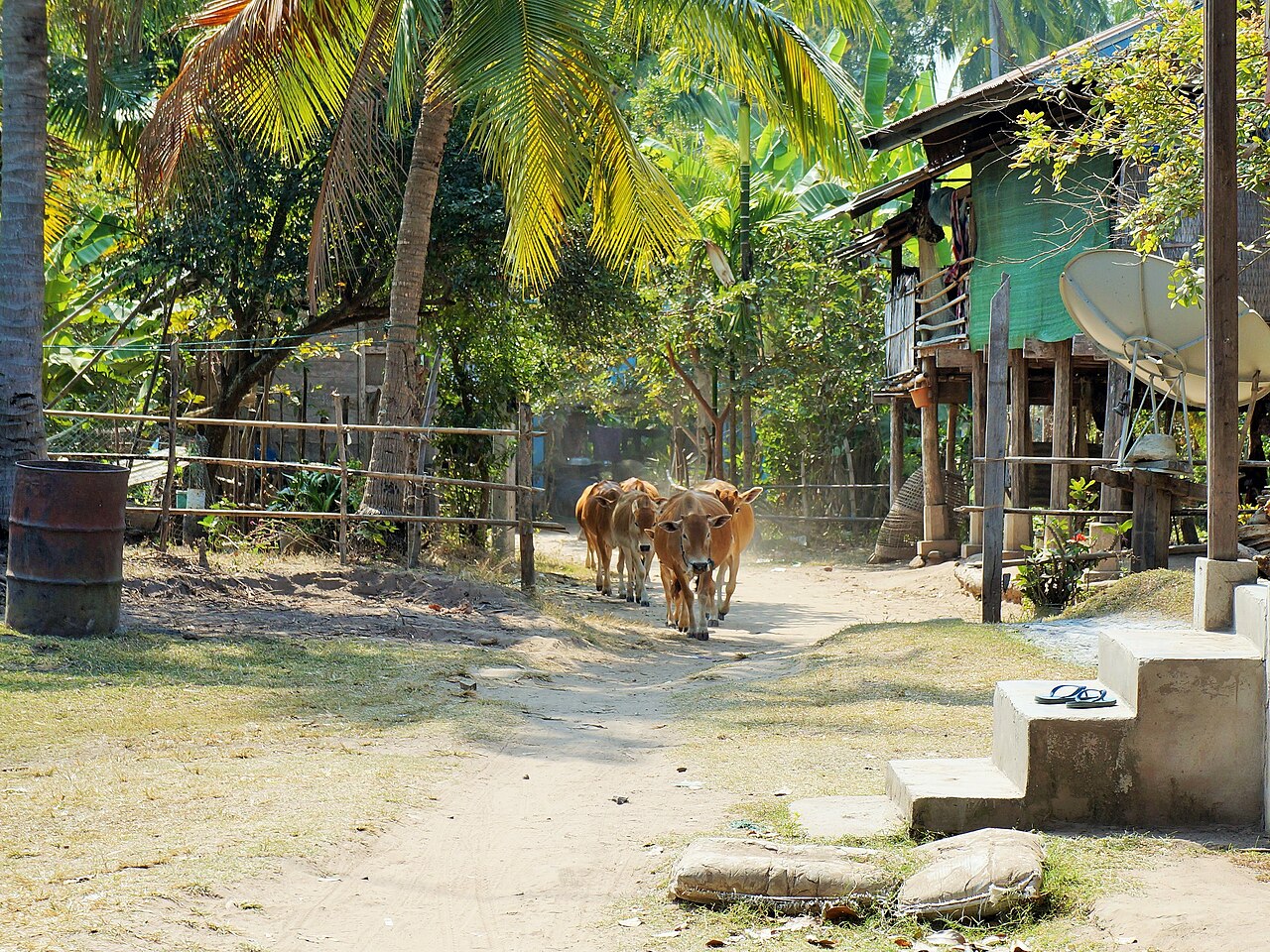
The largest island of Si Phan Don, the '4,000 Islands', where the Mekong spreads out into countless channels near the Cambodian border. Its main village, Muang Khong, is the quiet administrative centre of the islands.
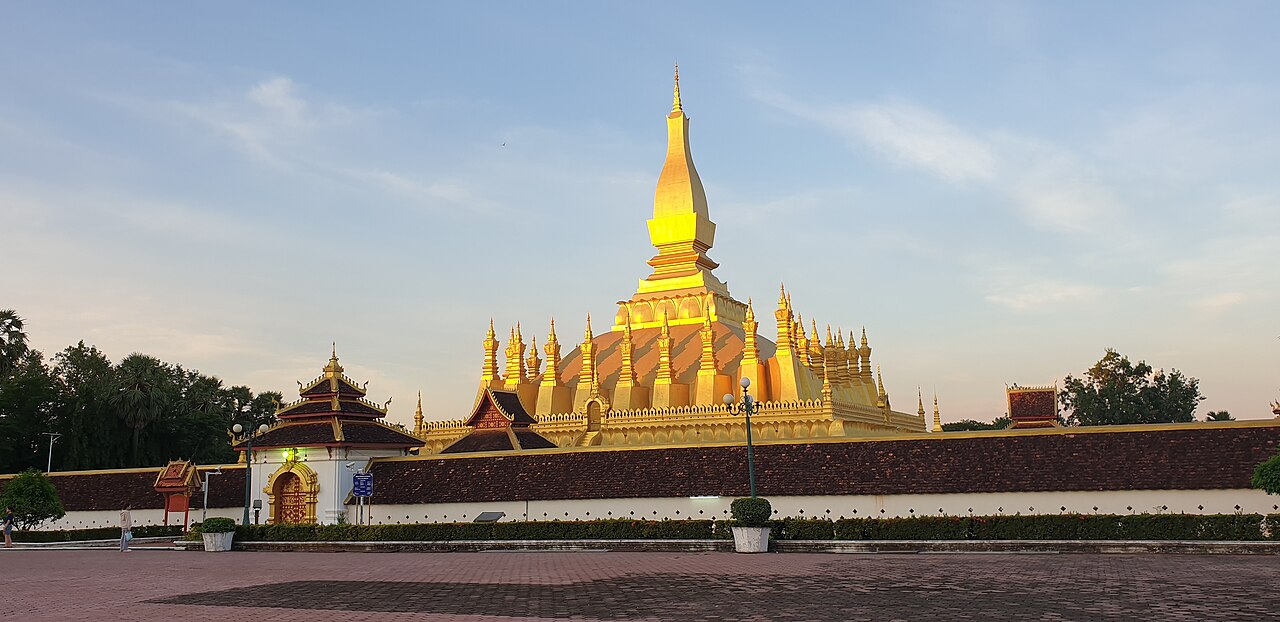
The great golden stupa of Vientiane, 45 m tall, built by King Setthathirath in 1566 and restored after it was destroyed in 1828. It is the national symbol of Laos, shown on the national emblem, and the centre of the That Luang festival each November.
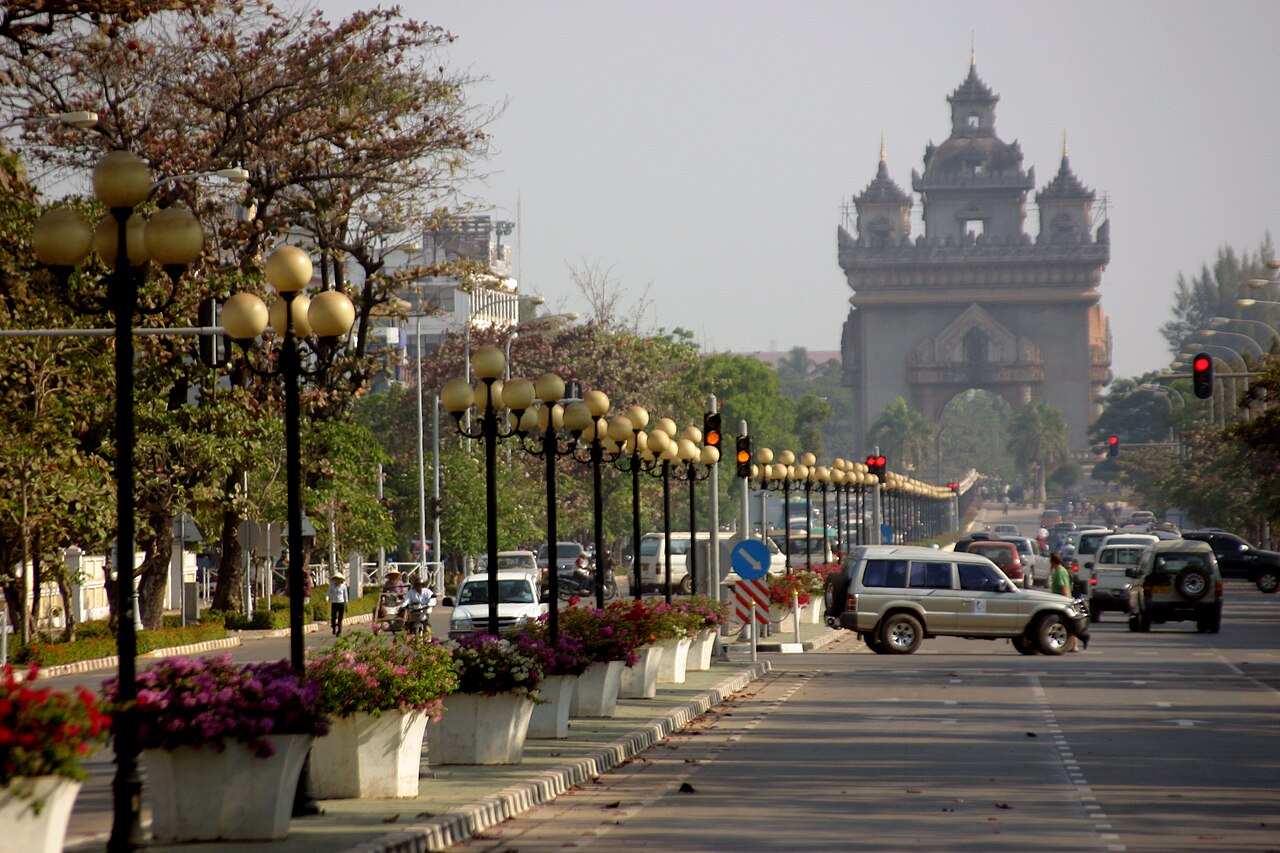
A victory gate at the end of Lane Xang Avenue, built between 1957 and 1968 and decorated with Lao mythical creatures. It looks like the Arc de Triomphe in Paris, and visitors climb to the top for views over the city.
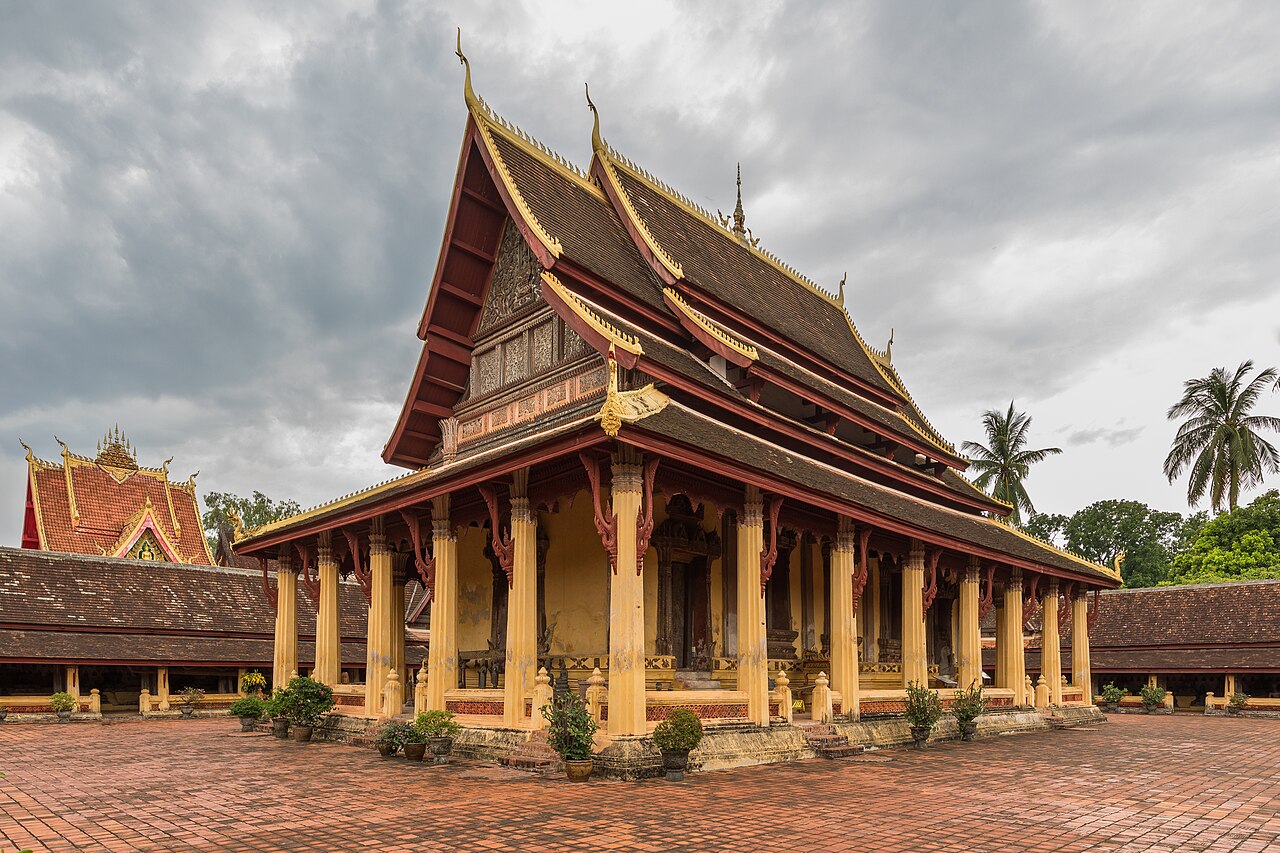
A temple built on the orders of King Anouvong from 1818, probably the oldest temple still standing in Vientiane: it survived when the city was burned in 1828. Its cloister walls hold more than 2,000 small Buddha images of silver and ceramic.
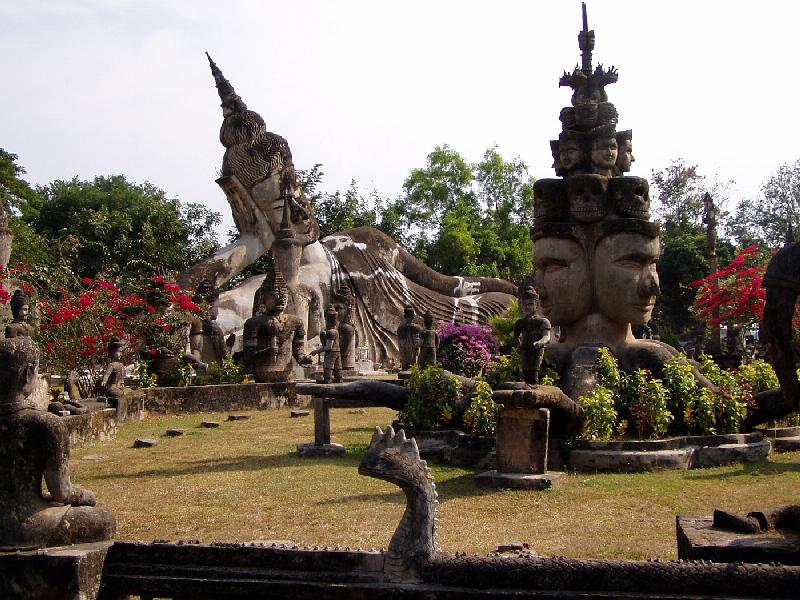
A strange and wonderful meadow by the Mekong, about 25 km from central Vientiane, filled with more than 200 concrete Buddhist and Hindu statues made from 1958 onwards. There is a 40 m reclining Buddha and a giant 'pumpkin' you can climb through from hell to heaven.
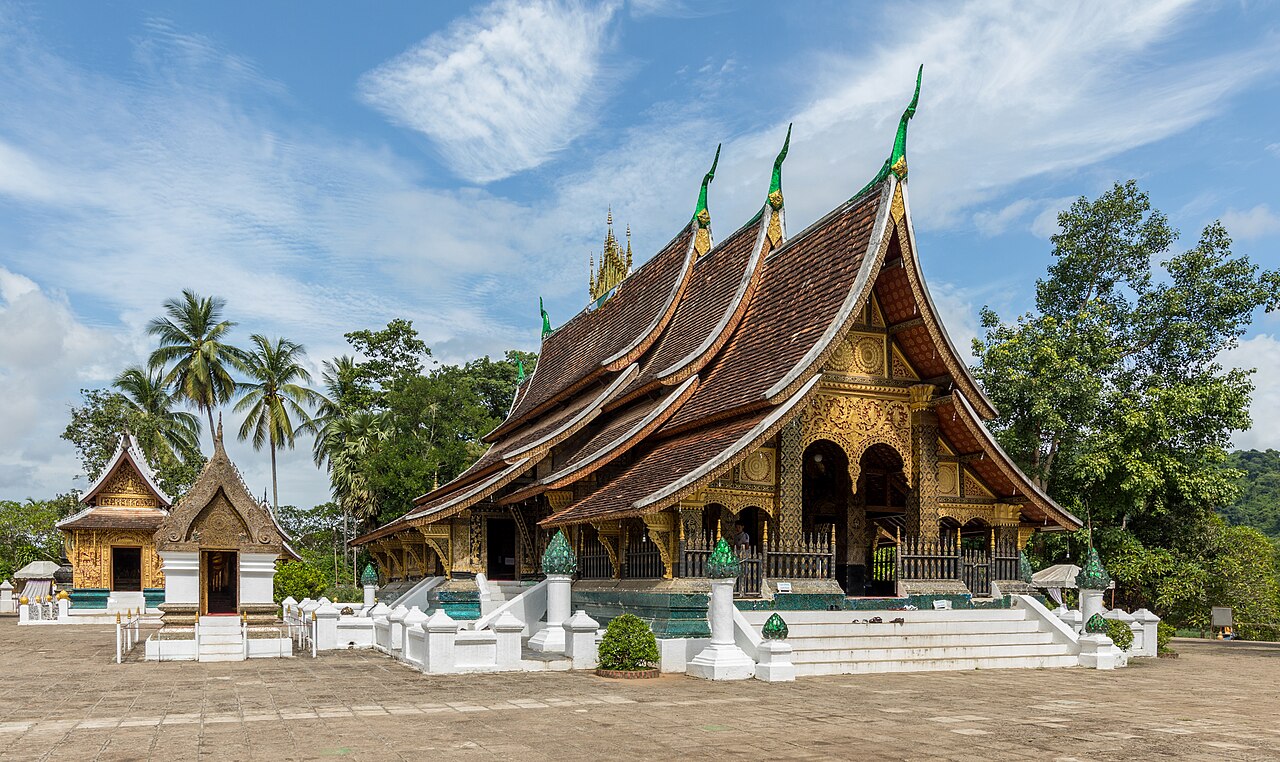
The 'Temple of the Golden City', built around 1560 at the tip of the Luang Prabang peninsula. Its main hall has sweeping roofs that come down almost to the ground, and the walls glitter with gold stencils and glass mosaics. It lies within the UNESCO-listed Town of Luang Prabang.
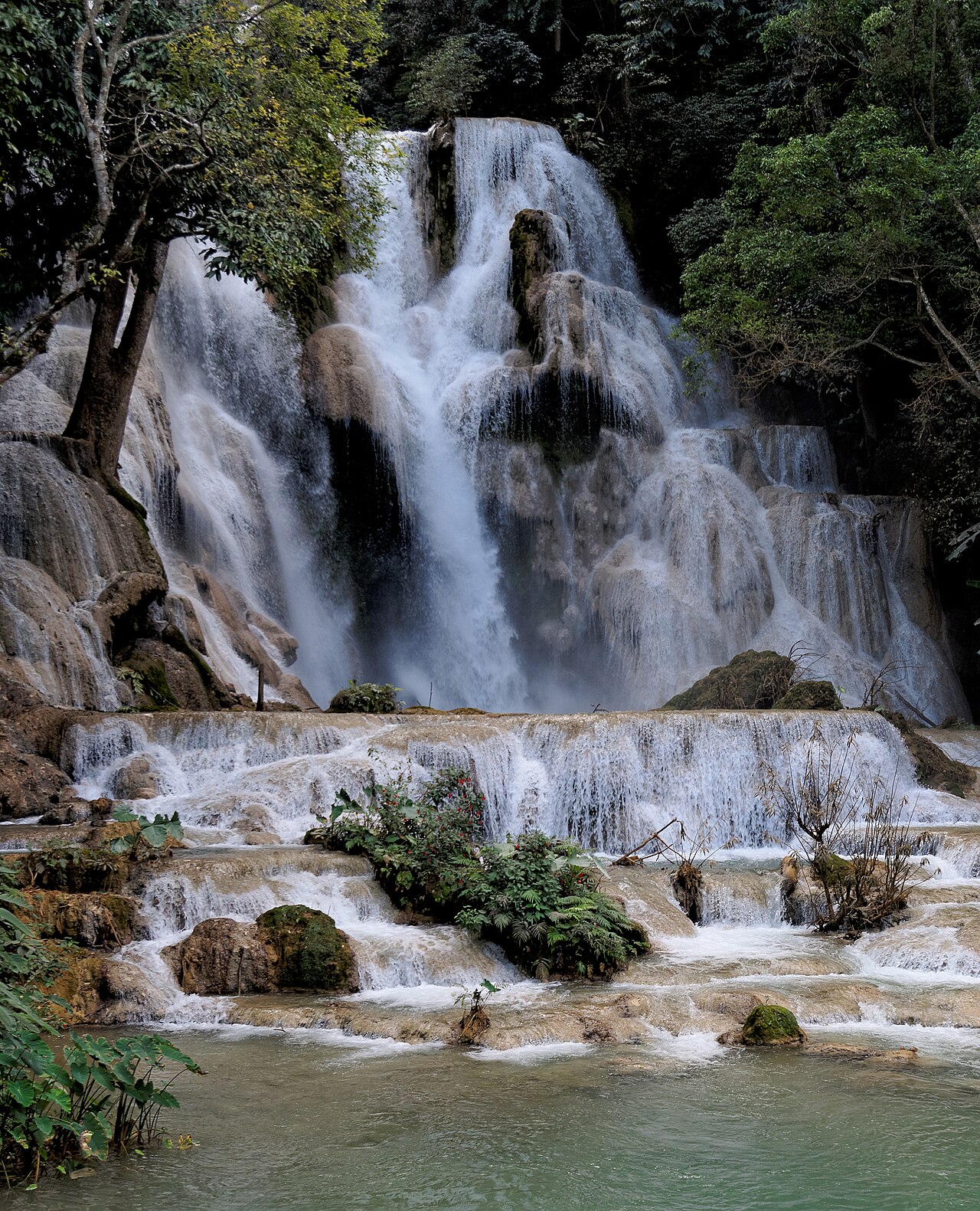
A waterfall about 29 km south of Luang Prabang that drops about 60 m over white limestone and then fills a chain of turquoise pools in the forest, where visitors can swim.
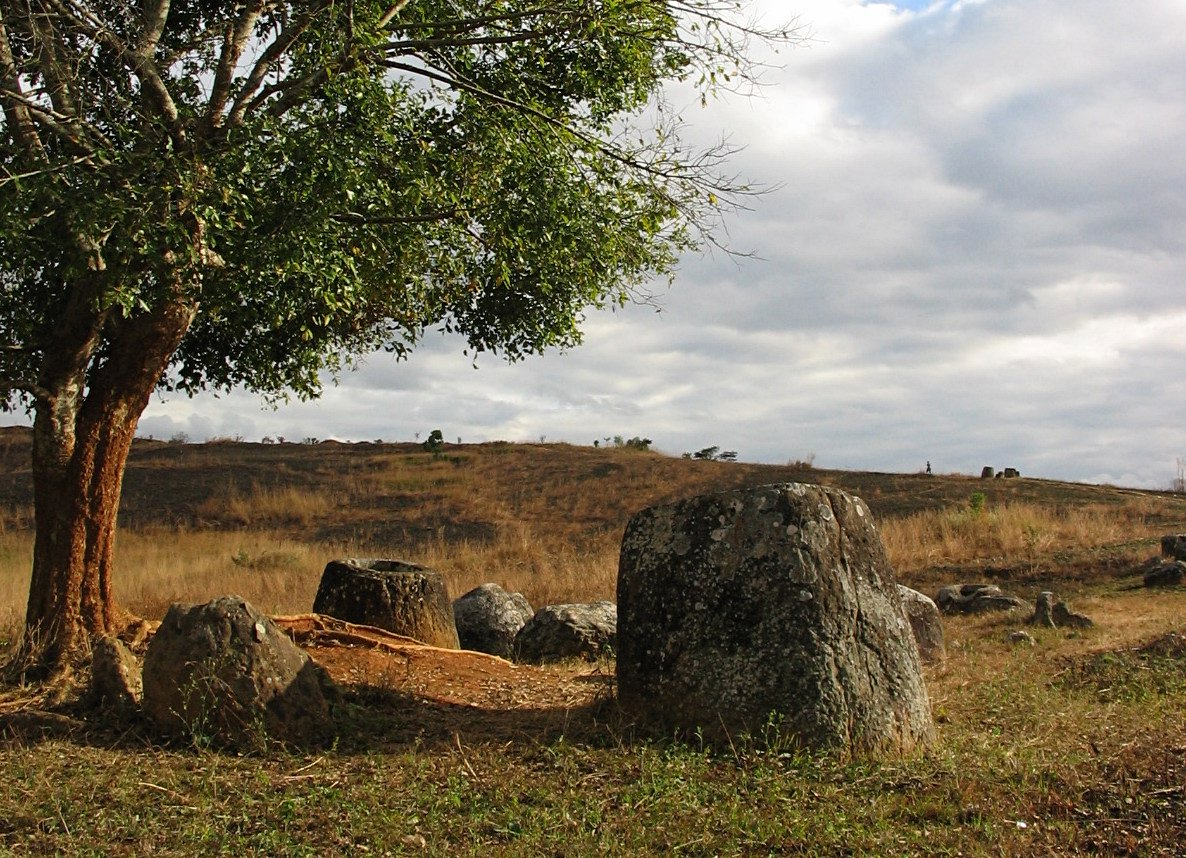
Thousands of huge stone jars, up to 3 m tall, scattered in groups across the hills of the Xiangkhoang Plateau. They are linked to ancient burials and some were set in place more than 2,500 years ago. Only cleared sites are open, because the area was heavily bombed during the war. It became a UNESCO World Heritage Site in 2019.
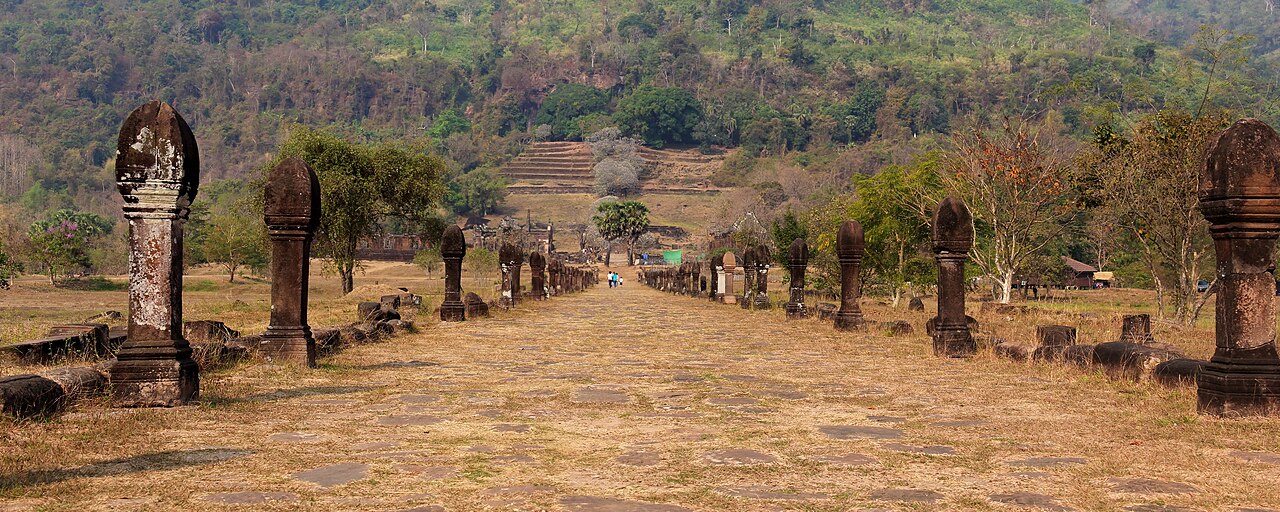
The ruins of a Khmer Hindu temple climbing the slope of a sacred mountain above the Mekong, a holy site for well over a thousand years, with most of the surviving stone buildings from the 11th to the 13th centuries. It became a UNESCO World Heritage Site in 2001.
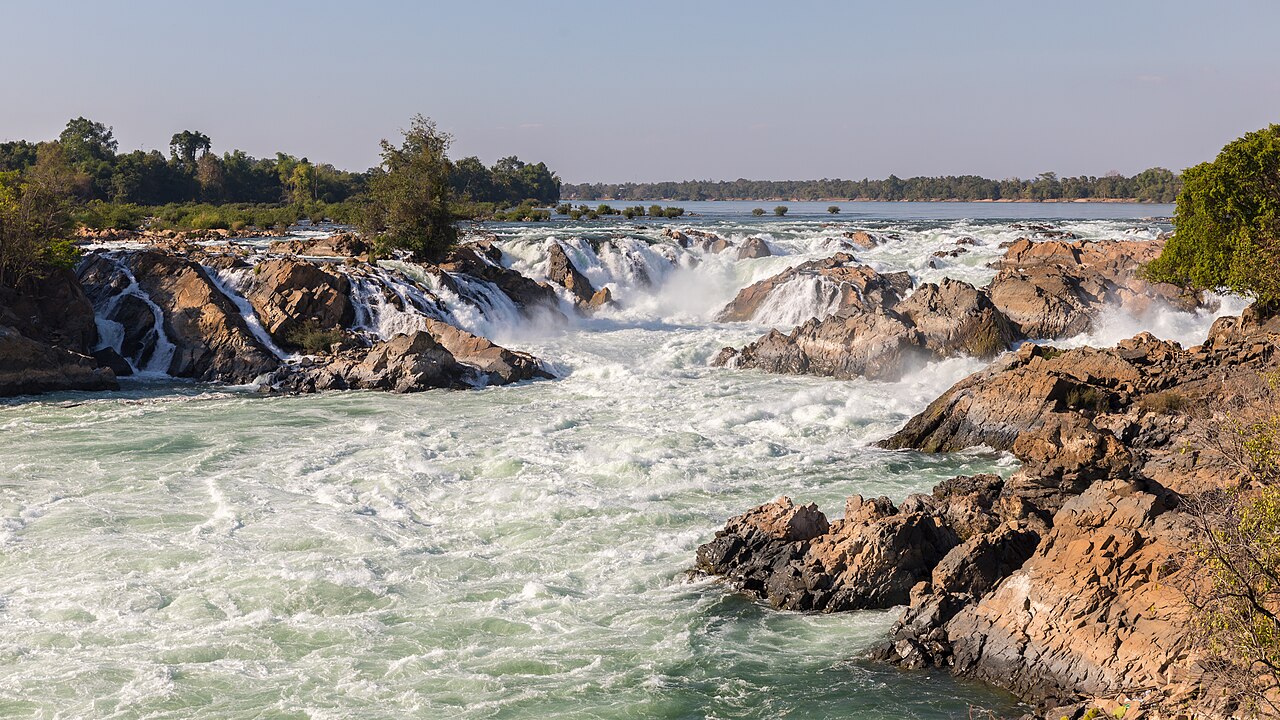
The Mekong crashes over a long line of rapids and falls near the Cambodian border. The falls are the main reason ships cannot sail up the Mekong all the way into China, and they are often called the widest waterfall in the world.
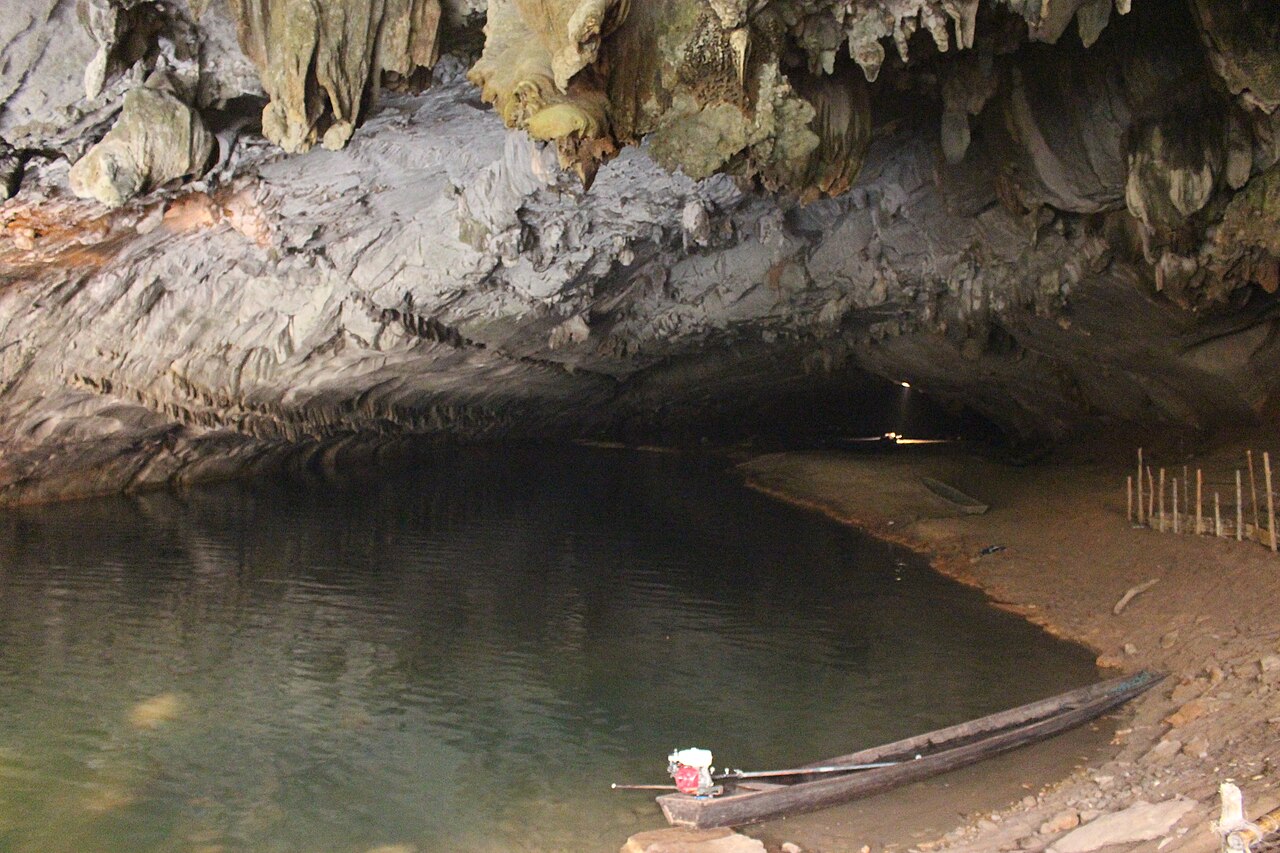
A river cave in the limestone mountains of Khammouane, a drive of three to four hours north of Thakhek. The Nam Hin Bun river runs through the mountain for about 7 km, and visitors cross it in a small motorboat, in darkness broken only by headlamps.
Laos is the only country in Southeast Asia with no coastline.
02
The old kingdom's name, Lan Xang, means 'a million elephants'. Its full name added 'and the white parasol', a symbol of royal power.
03
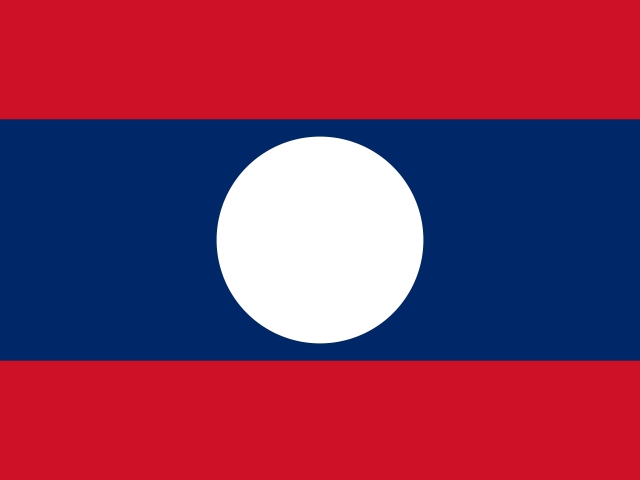
The white disc on the Lao flag is said to stand for a full moon over the Mekong, and the blue stripe for the river itself. The flag was designed in 1945.
04
Since 1991 the national emblem of Laos has shown the golden stupa of Pha That Luang, which replaced the hammer and sickle.
05
As of September 2026, Laos has four UNESCO World Heritage Sites: the Town of Luang Prabang, Vat Phou, the Plain of Jars, and Hin Nam No National Park, which is listed together with Vietnam's Phong Nha-Ke Bang.
06
Between 1964 and 1973 more than 2 million tons of bombs were dropped on Laos, making it the most heavily bombed country per person in history. About 80 million small cluster bomblets did not explode, and teams are still clearing them today.
07
Because of this, Laos became a strong supporter of the treaty banning cluster munitions, and in 2010 it hosted the first meeting of the countries that signed it.
08
A human skull found in Tam Pa Ling cave in northern Laos is at least 46,000 years old, one of the oldest modern human fossils ever found in mainland Southeast Asia.
09
The khaen, a mouth organ made of bamboo pipes, is the national instrument of Laos. Khaen music was added to UNESCO's list of the Intangible Cultural Heritage of Humanity in 2017.
10
Khone Phapheng Falls on the Mekong is often called the widest waterfall in the world: its many channels stretch more than 10 km from edge to edge.
11
According to a popular story, Patuxai in Vientiane was built with cement given by the United States for a new airport runway, which is why it is jokingly called the 'vertical runway'.
12
Lao and Thai are close relatives, and speakers of the two languages can largely understand each other. Many more ethnic Lao live in northeastern Thailand than in Laos itself.
13
At the baci ceremony, held for weddings, births, journeys and New Year, guests tie white cotton strings around each other's wrists to wish good luck.
14
Lao New Year, Pi Mai, falls in mid-April, the hottest time of the year, and is celebrated with water: people splash each other in the streets and gently pour scented water over Buddha images.
Cover your shoulders and knees when you visit temples, and take off your shoes before entering temple halls and people's homes. Look for the pile of shoes by the door.
Heads and feet
The head is the most respected part of the body and the feet the lowest. Do not touch anyone on the head, even a child, and do not point your feet at people or at Buddha images when you sit.
Respect the monks
Monks are greatly respected in Laos. Give up your seat to a monk, do not sit higher than him, and ask before taking his photograph. Women should not touch a monk or hand things to him directly. Monks may only receive food, and only in the morning.
Stay on the path
Unexploded bombs from the war still lie in the ground, mostly in the east and north near the border with Vietnam. Stay on roads and well-used paths, never enter marked areas, and ask local people if you are unsure. The main tourist sites and towns are cleared.
Carry some cash
The kip is hard to exchange outside Laos, and ATMs give only modest amounts and charge a fee. Carry cash for small towns and markets, and change any leftover kip before you leave. In speech, people often drop the last three zeros: '20' means 20,000 kip.
Drink bottled water and sealed spirits
Tap water is not safe to drink, but bottled water is cheap everywhere. Buy spirits only in sealed, commercial bottles: home-distilled rice spirit, lao-lao, has caused deadly methanol poisoning.
Book the train early
The fast trains between Vientiane, Vang Vieng and Luang Prabang are very popular and often sold out. As of 2025, buy tickets a few days ahead through a travel agency or an online ticket service, and expect airport-style ID and security checks at the station.
Keep calm
Things in Laos happen slowly. Raising your voice causes everyone to lose face and rarely helps; a smile and 'bo pen nyang' get you much further.
 Myanmar
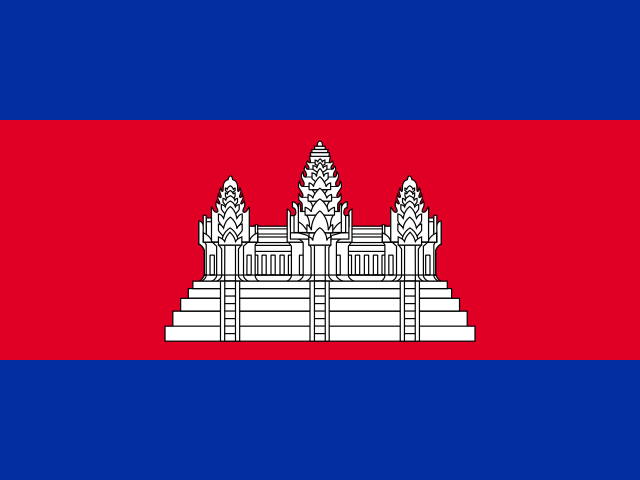 Cambodia
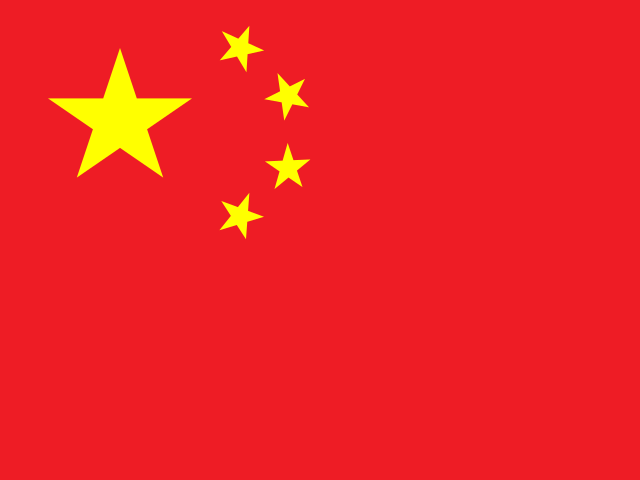 China
China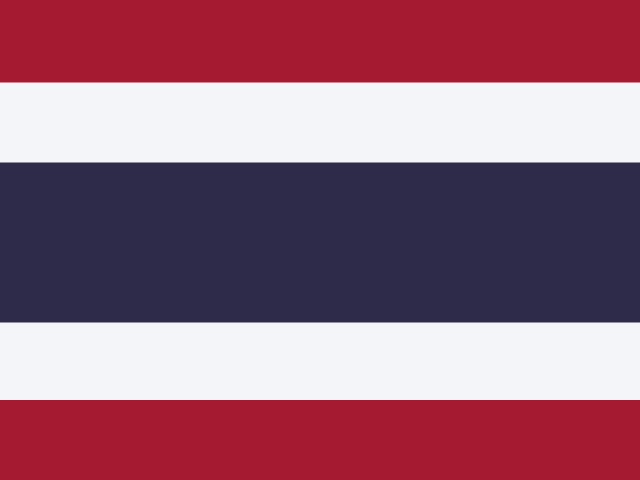 Thailand
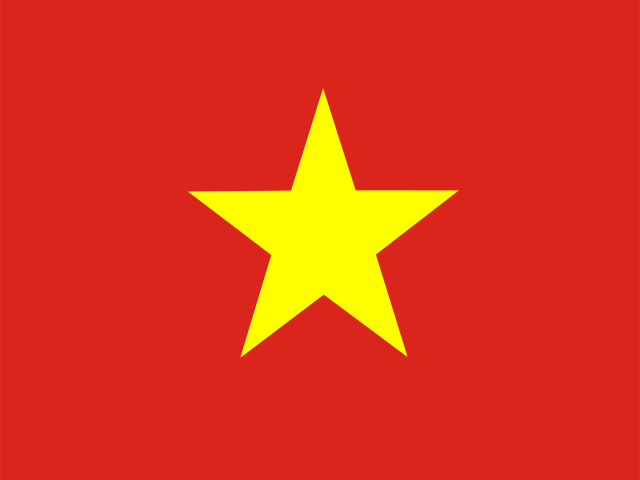 Vietnam