 Greece
 North Macedonia
 Romania
 Serbia
 Türkiye
The gold of Varna
People of the Varna culture buried their leaders with rich gold ornaments. The graves, dated to between about 4600 and 4200 BC, were found by chance in 1972 and hold what is often called the oldest gold treasure in the world.
A free large-print PDF. Choose what goes in: facts, map, history, dishes and recipes, phrases, fun facts, a quiz with or without answers. Made for clubs, care homes, libraries and family afternoons.
Bulgaria lies in the east of the Balkan Peninsula, with the Danube river along most of its northern border and the Black Sea to the east. The Balkan Mountains cross the middle of the country from west to east. To the north lies the flat Danubian Plain, and to the south the warm Upper Thracian Plain and the high Rila, Pirin and Rhodope mountains. Musala in the Rila mountains is the highest peak in the whole Balkan Peninsula.
People have lived here for a very long time: the gold found in a cemetery at Varna is more than 6,000 years old. Thracians, Greeks and Romans followed, and in 681 the First Bulgarian Empire was founded. In the 890s scholars at its capital Preslav developed the Cyrillic alphabet, which today is also used for Russian, Serbian and many other languages. After almost five centuries of Ottoman rule, Bulgaria was reborn as a state in 1878 and declared full independence in 1908.
Today Bulgaria is a parliamentary republic of about 6.4 million people. It joined NATO in 2004 and the European Union in 2007, became a full member of the Schengen area on 1 January 2025, and adopted the euro on 1 January 2026, replacing the Bulgarian lev.
Bulgaria's story runs from what is often called the oldest worked gold in the world and the Thracians, through two medieval empires and almost five hundred years of Ottoman rule, to rebirth in 1878, communism, and today's place in the European Union.
People of the Varna culture buried their leaders with rich gold ornaments. The graves, dated to between about 4600 and 4200 BC, were found by chance in 1972 and hold what is often called the oldest gold treasure in the world.
Bulgars led by Khan Asparuh moved south of the Danube and defeated a Byzantine army. A peace treaty of 681 recognised their state, the beginning of Bulgaria.
Khan Boris I was baptised and made Orthodox Christianity the religion of his state. A shared faith and, soon after, a written language helped join Bulgars and Slavs into one people.
Simeon the Great began his long reign, a golden age of Bulgarian culture. Scholars at the Preslav Literary School developed the Cyrillic alphabet in the 890s, and the empire reached its largest size.
After more than 150 years under Byzantine rule, the brothers Asen and Peter from Tarnovo led a revolt and restored the Bulgarian state, with Tarnovo as its capital.
Tarnovo fell to the Ottomans in 1393 after a three-month siege, and in 1396, after a Christian crusade was defeated at Nicopolis, the Ottomans took Vidin, the last Bulgarian kingdom. Almost five centuries of Ottoman rule followed.
At the Zograf Monastery on Mount Athos, the monk Paisius of Hilendar finished his Slavonic-Bulgarian History. Copied by hand and passed around, it helped wake a new national pride.
Bulgarians rose up against Ottoman rule. The revolt was crushed, and up to 30,000 people were killed. The massacres shocked Europe and led to a new war the next year.
After the Russo-Turkish War, the Treaty of San Stefano was signed on 3 March 1878 and created a Bulgarian principality. 3 March is now Bulgaria's national holiday, Liberation Day.
The Ottoman province of Eastern Rumelia, around Plovdiv, joined the Principality of Bulgaria. Bulgaria then defended the union in a short war with Serbia.
On 5 October 1908 Prince Ferdinand proclaimed Bulgaria a fully independent kingdom at a church in the old capital, Tarnovo, and took the title of tsar.
Bulgaria was allied with Nazi Germany. In March 1943 it deported 11,343 Jews from the lands it occupied in Macedonia, Thrace and Pirot, and almost all of them were murdered. Protests by the deputy speaker of parliament Dimitar Peshev, other politicians and the Orthodox Church stopped the plans to deport the Jews of Bulgaria itself, who survived the war.
After communists took power in 1944, a referendum on 8 September 1946 ended the monarchy. The young Tsar Simeon II left the country, and a one-party people's republic followed.
On 10 November 1989 the long-time leader Todor Zhivkov was forced to resign. In February 1990 the Communist Party gave up its monopoly on power, free elections followed that June and a democratic constitution was adopted in 1991.
On 1 January 2007 Bulgaria joined the European Union, together with Romania. It had joined NATO in 2004.
On 1 January 2026 the euro replaced the Bulgarian lev after 146 years, making Bulgaria the 21st member of the euro area. A year earlier, on 1 January 2025, it had become a full member of the Schengen area.
Bulgarian food shares much with its Balkan neighbours, Turkey and Greece, and is rich in vegetables, yogurt and white cheese. A meal usually starts with a salad and a small glass of rakia, followed by a soup or a stew, grilled meat or a vegetable dish, and ends with something sweet. Breakfast is often a warm pastry with yogurt or boza.
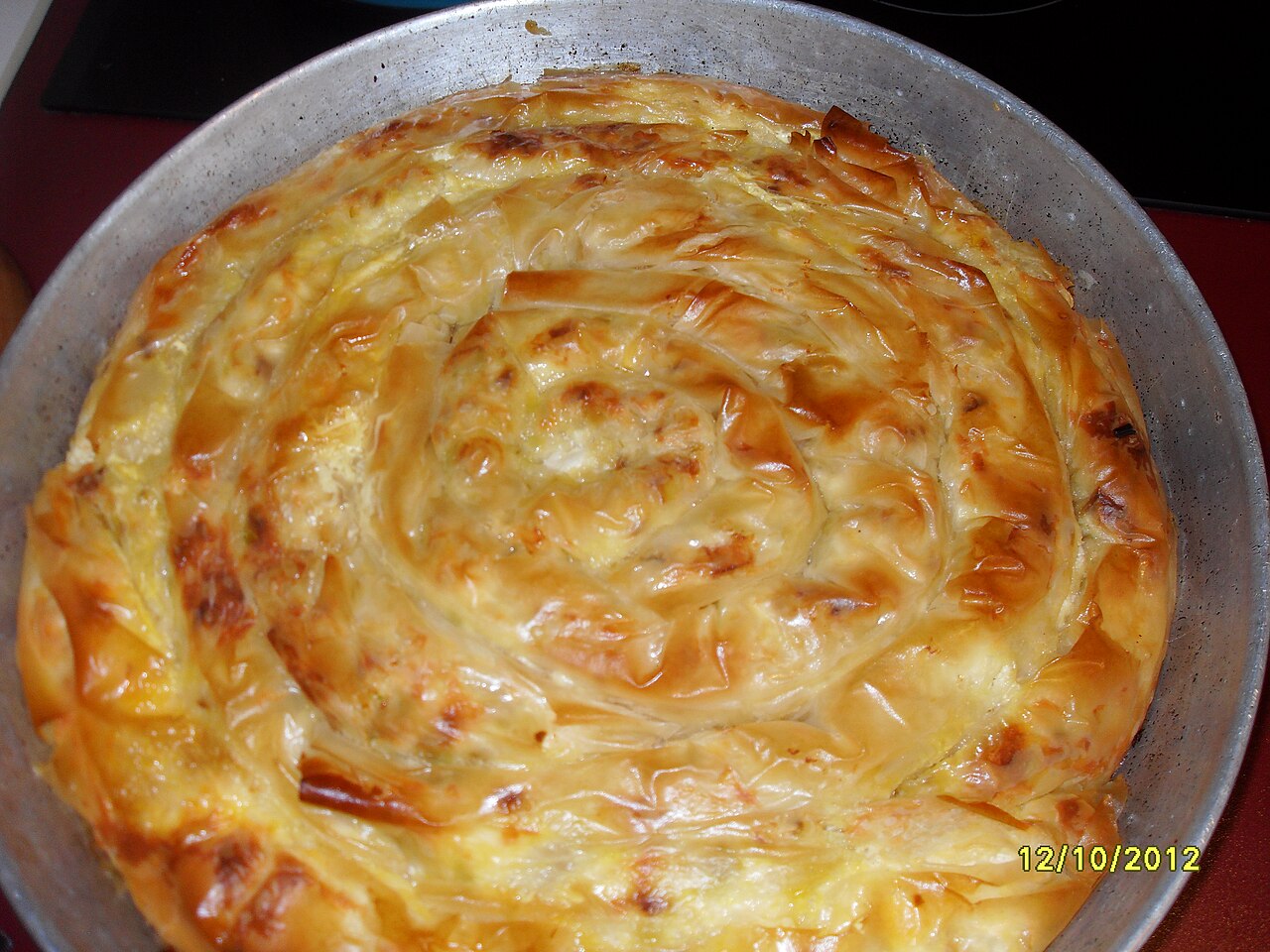
A pie of thin filo pastry layered with a filling of whisked eggs, yogurt and crumbled white cheese, baked until golden. It is eaten for breakfast, hot or cold, with yogurt, ayran or boza.
On New Year's Eve, lucky charms such as coins, small dogwood twigs or wishes written on paper are baked into the banitsa.
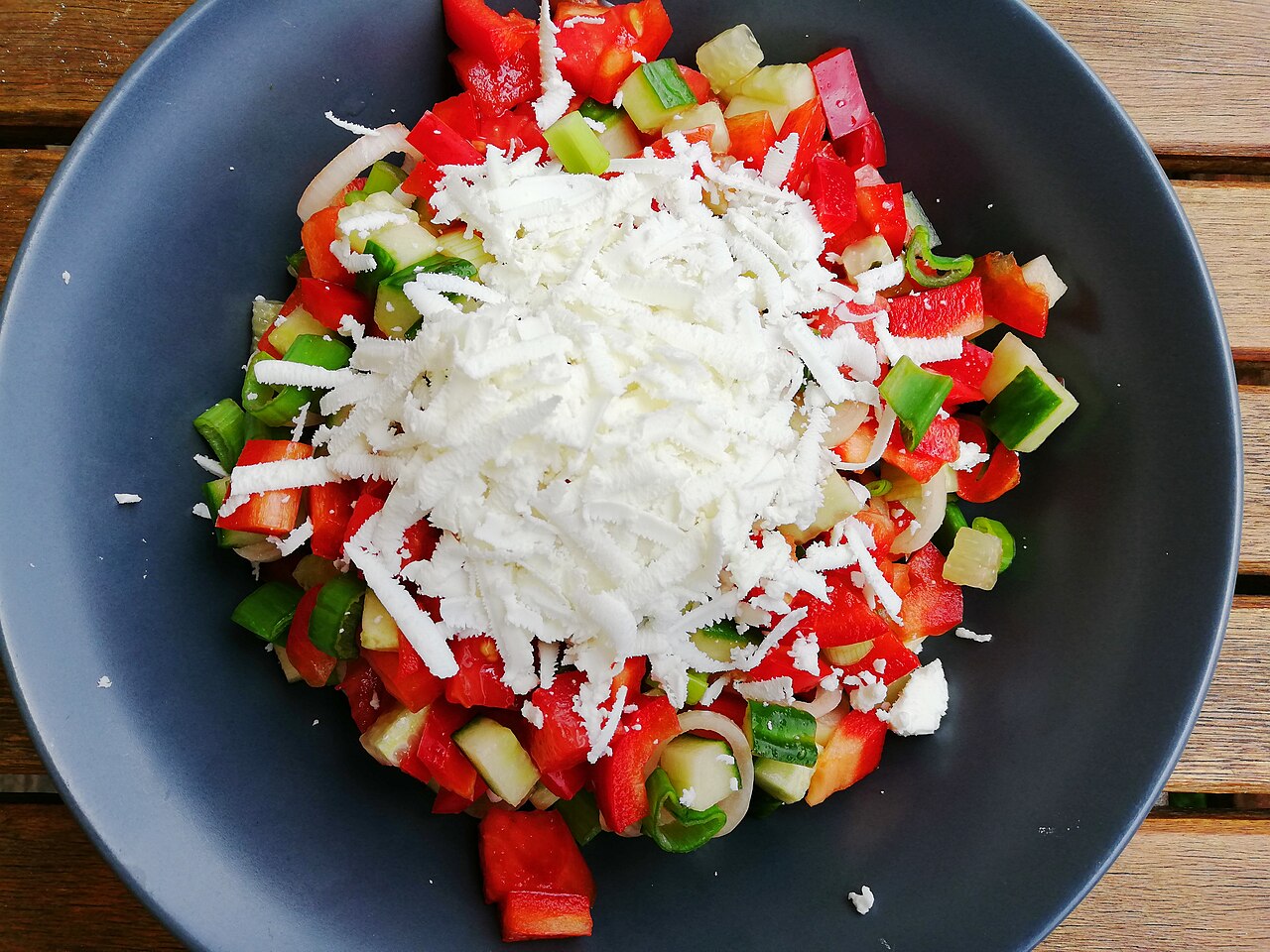
Bulgaria's best-known salad: chopped tomatoes, cucumbers, onion and peppers under a thick snowy layer of grated sirene, a white brined cheese. It is often eaten as a starter with a glass of rakia.
Although it tastes of the village, the salad is fairly young: it is thought to have been created in the mid-1950s for the state tourism company Balkantourist.
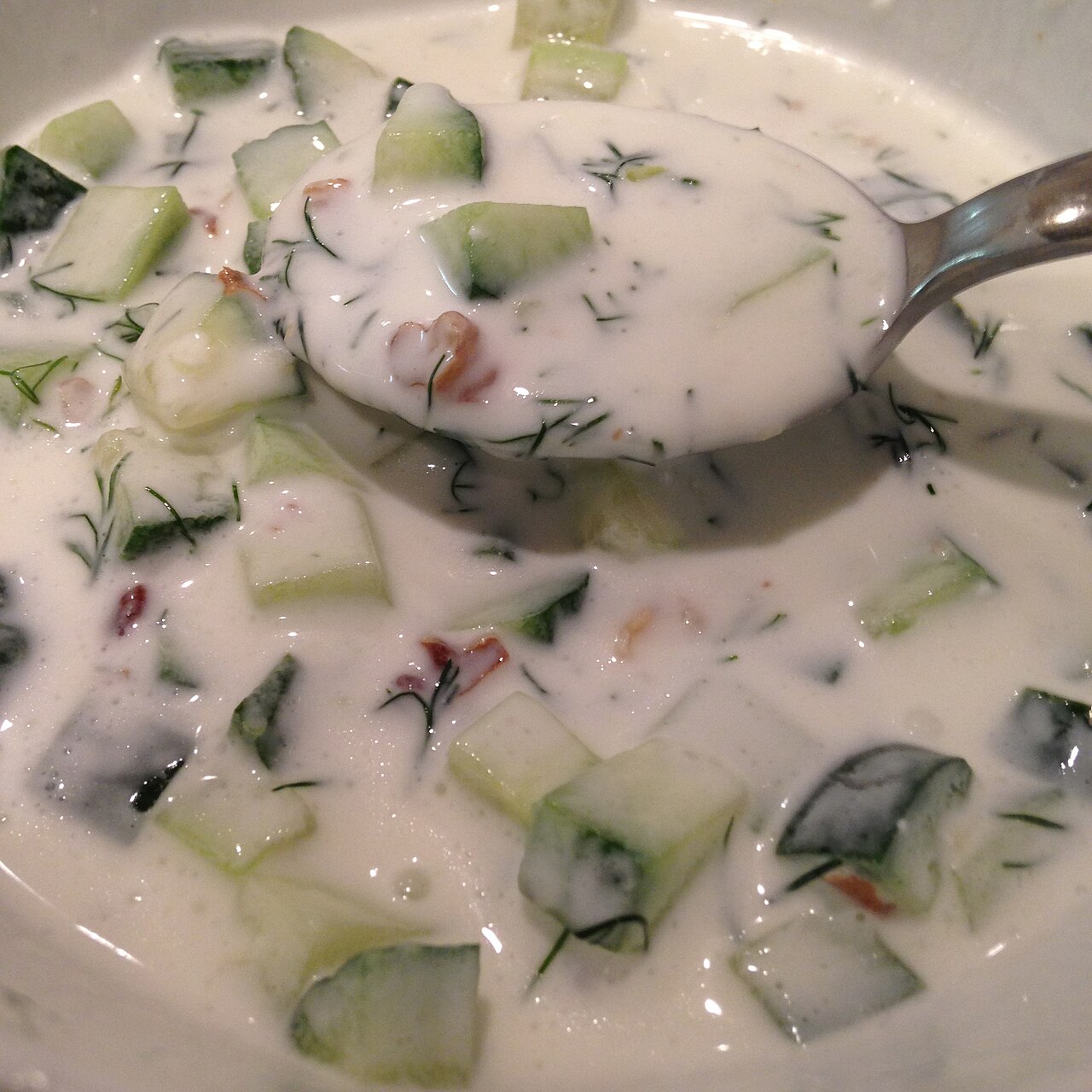
A cold summer soup of yogurt thinned with water, with chopped cucumber, garlic, dill and a little sunflower or olive oil. It is served chilled on hot days.
Similar yogurt and cucumber dishes are eaten from Greece to Turkey and the Middle East, but in Bulgaria tarator is eaten as a soup.
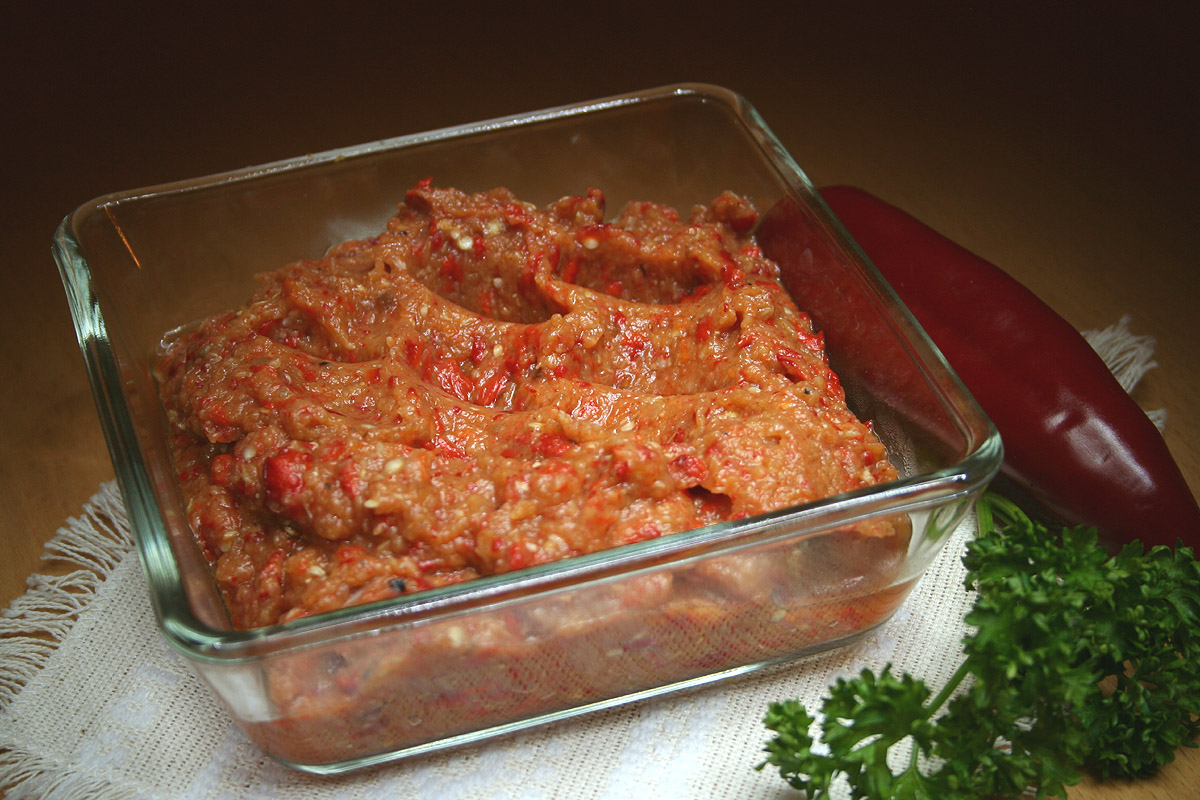
A smoky spread of roasted aubergine and peppers, mashed with garlic and parsley. It is eaten with bread as part of a spread of starters.
Kyopolou can be mild and sweet or hot and peppery, depending on the peppers the cook adds.
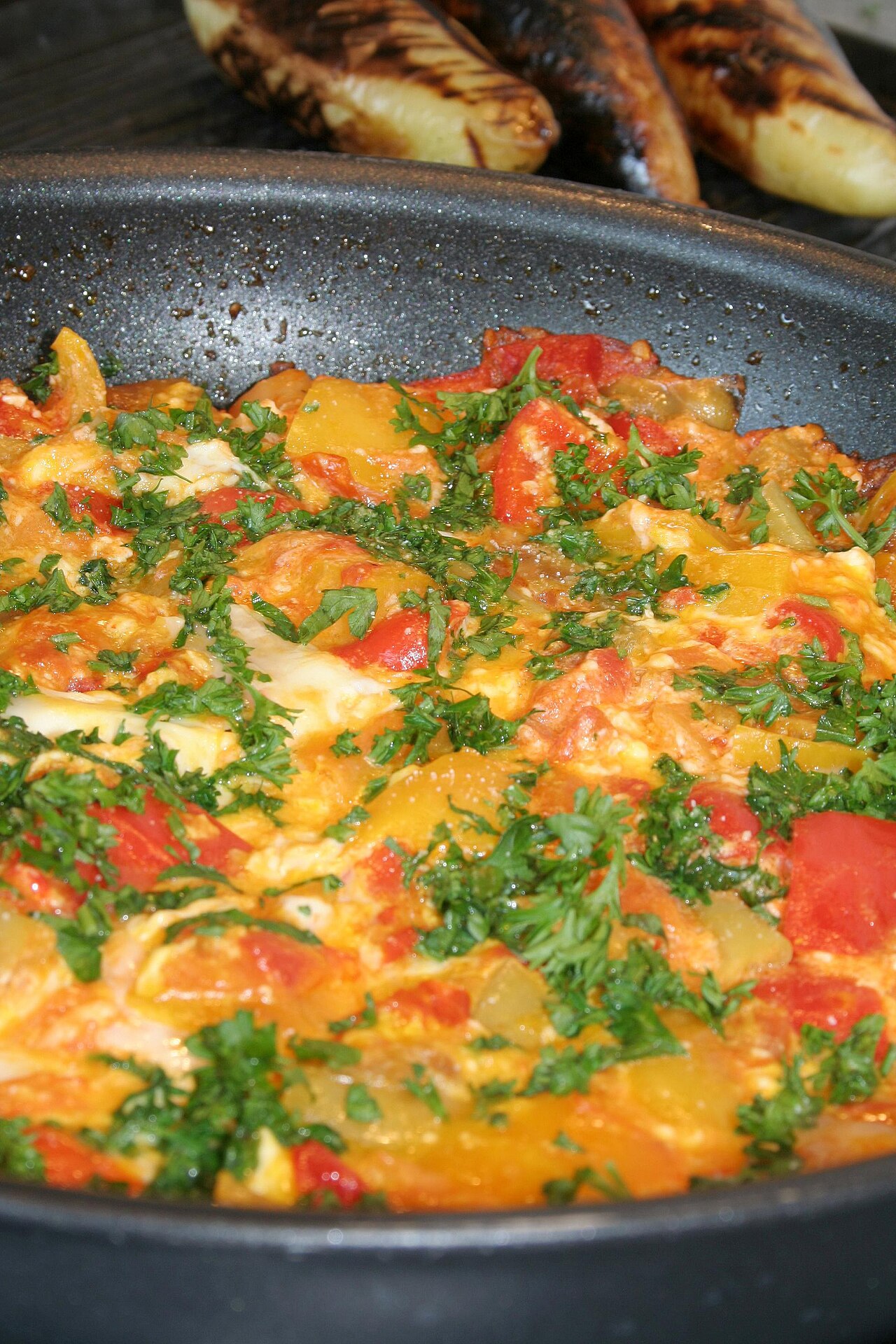
Peppers, tomatoes and onions stewed in oil, then mixed with eggs and crumbled white cheese until creamy, and finished with fresh parsley.
Every family has its own version: some add garlic, spring onions, aubergine or okra, and some leave out the cheese or the onion.
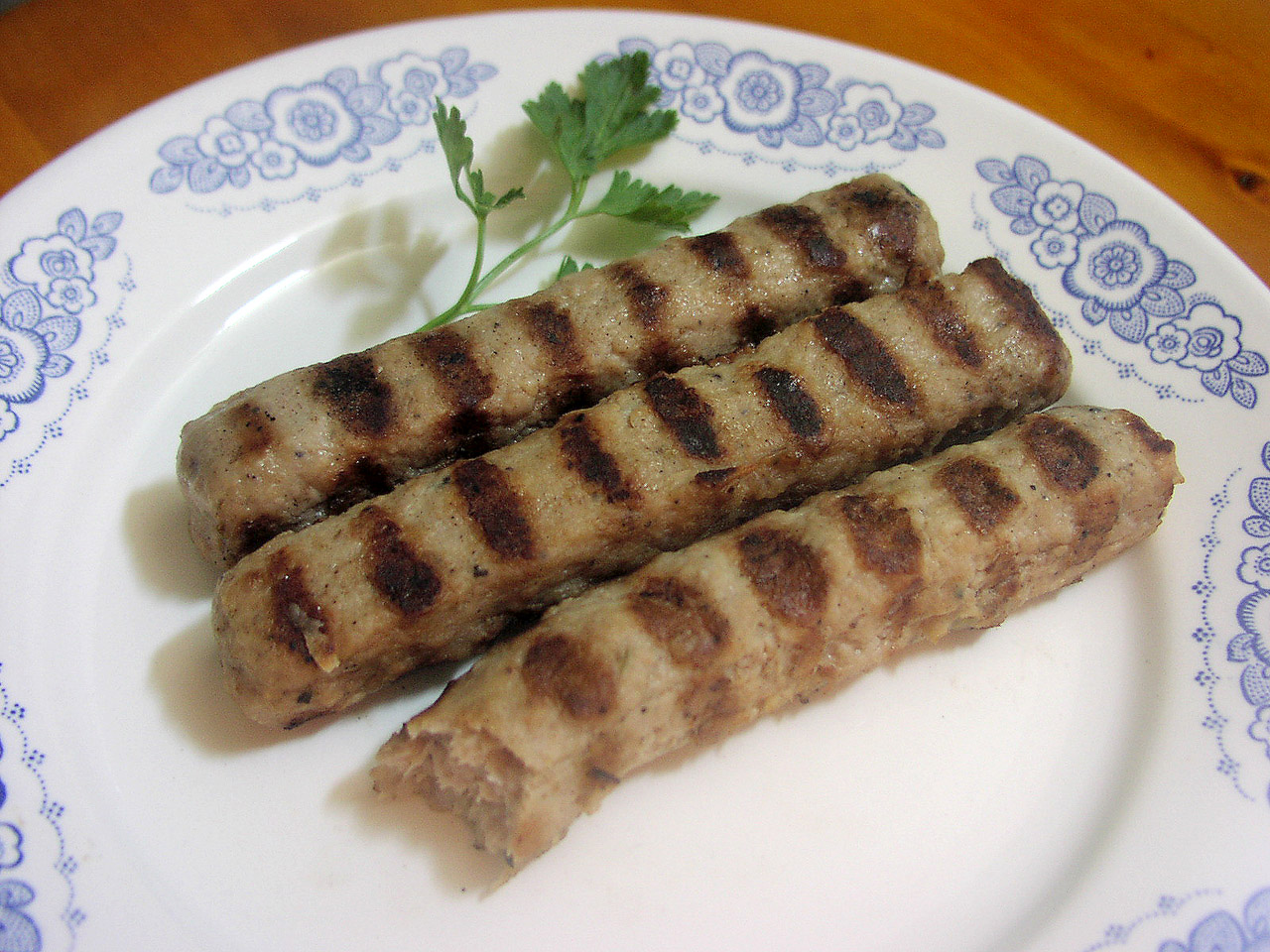
A long, sausage-shaped stick of minced pork and beef seasoned with cumin, black pepper and salt, cooked on the grill. It is often served with chips covered in grated white cheese, lyutenitsa and a cold beer.
A classic order is 'troyka kebapcheta s garnitura': three kebapcheta with a side of chips or salad.
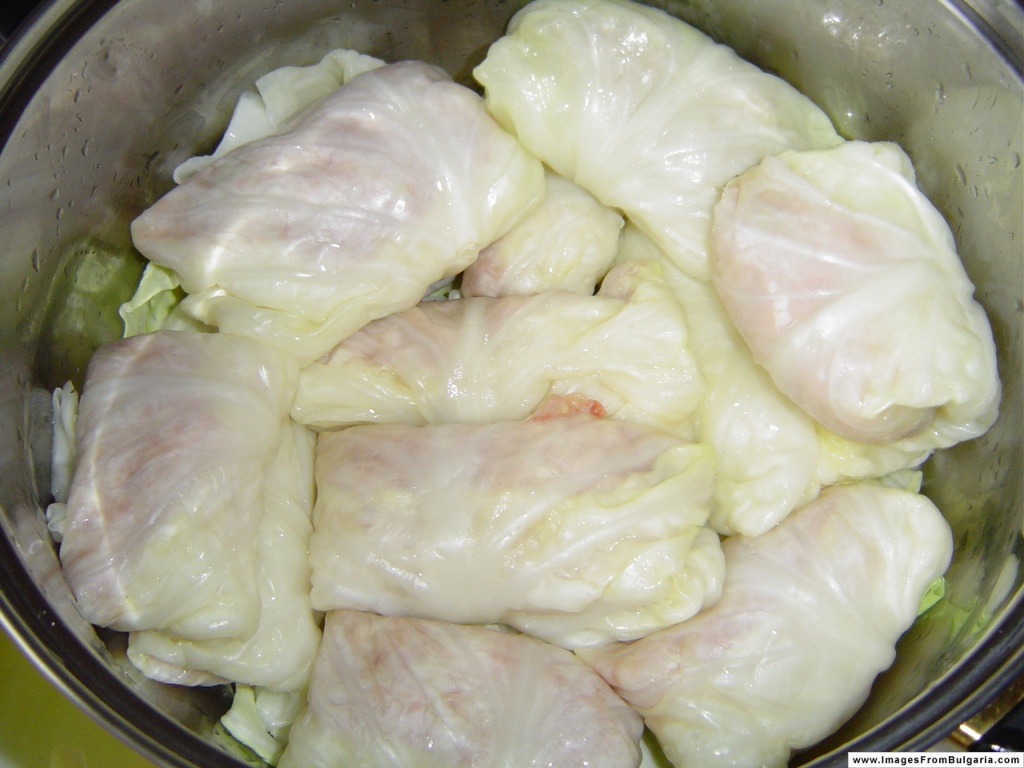
Cabbage leaves or vine leaves rolled around a filling of rice and minced meat and simmered slowly. Cabbage sarmi are usually a winter dish and vine leaf sarmi a spring and summer one.
On Christmas Eve, when the meal is meatless, Bulgarians make vegetarian sarmi and stuffed peppers.
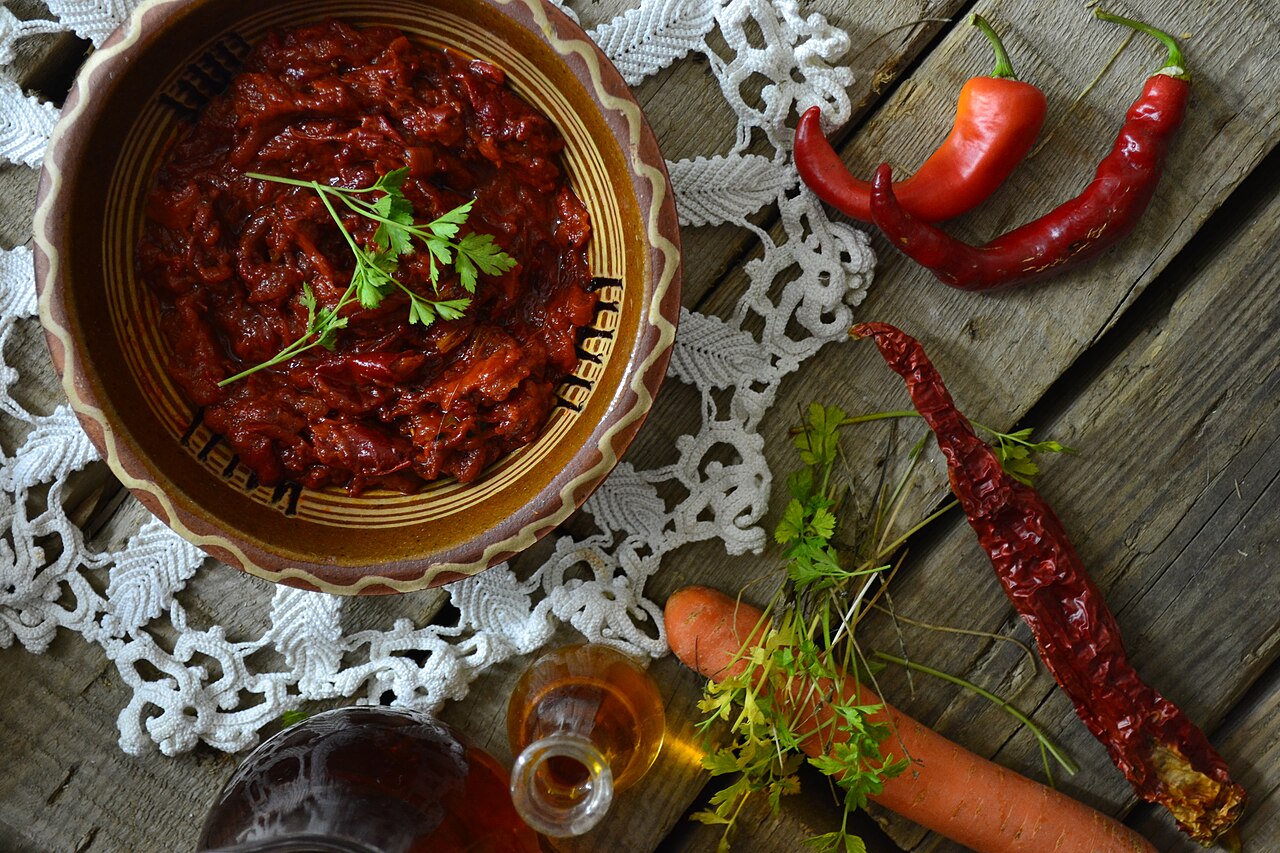
A thick red relish of roasted peppers and tomatoes, often with carrots and garlic. It is spread on bread, sometimes topped with white cheese, and served with grilled meat.
The name comes from the word for 'spicy', but there are mild versions as well as hot ones.
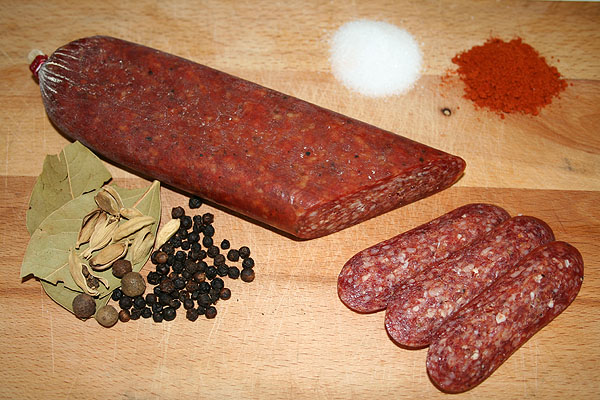
A semi-dried salami of pork, veal, black pepper and cumin, dried for 40 to 50 days and pressed flat as it dries. It is sliced thin and served cold as a starter.
In 2014 the European Union registered Panagyurska lukanka, from the town of Panagyurishte, as a traditional speciality.
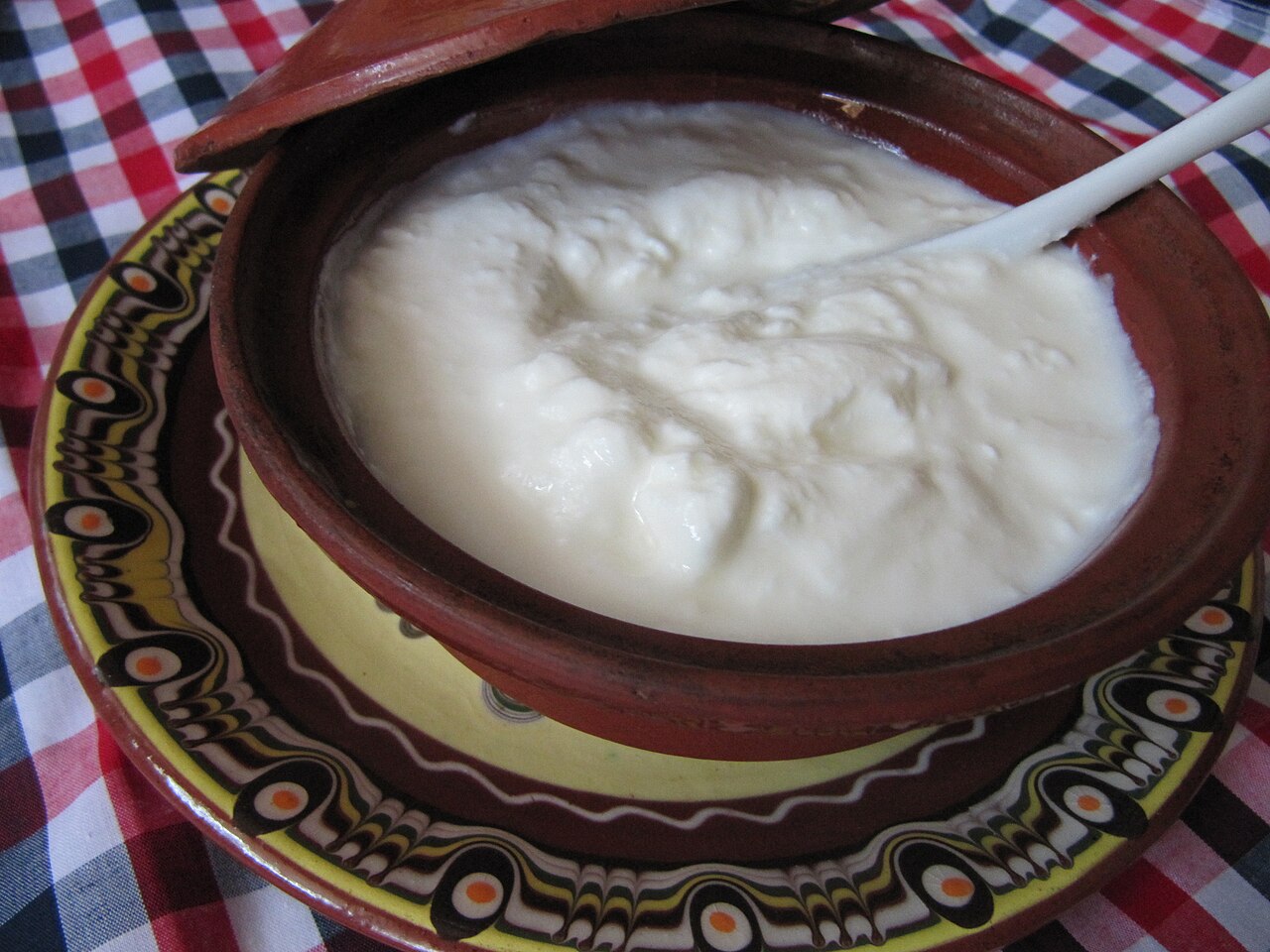
Thick, tangy yogurt, whose Bulgarian name means 'sour milk'. It is eaten on its own, poured over pastries, stirred into soups and sauces, and made into the cold drink ayran.
One of the two bacteria that turn milk into yogurt is called Lactobacillus bulgaricus, after Bulgaria.
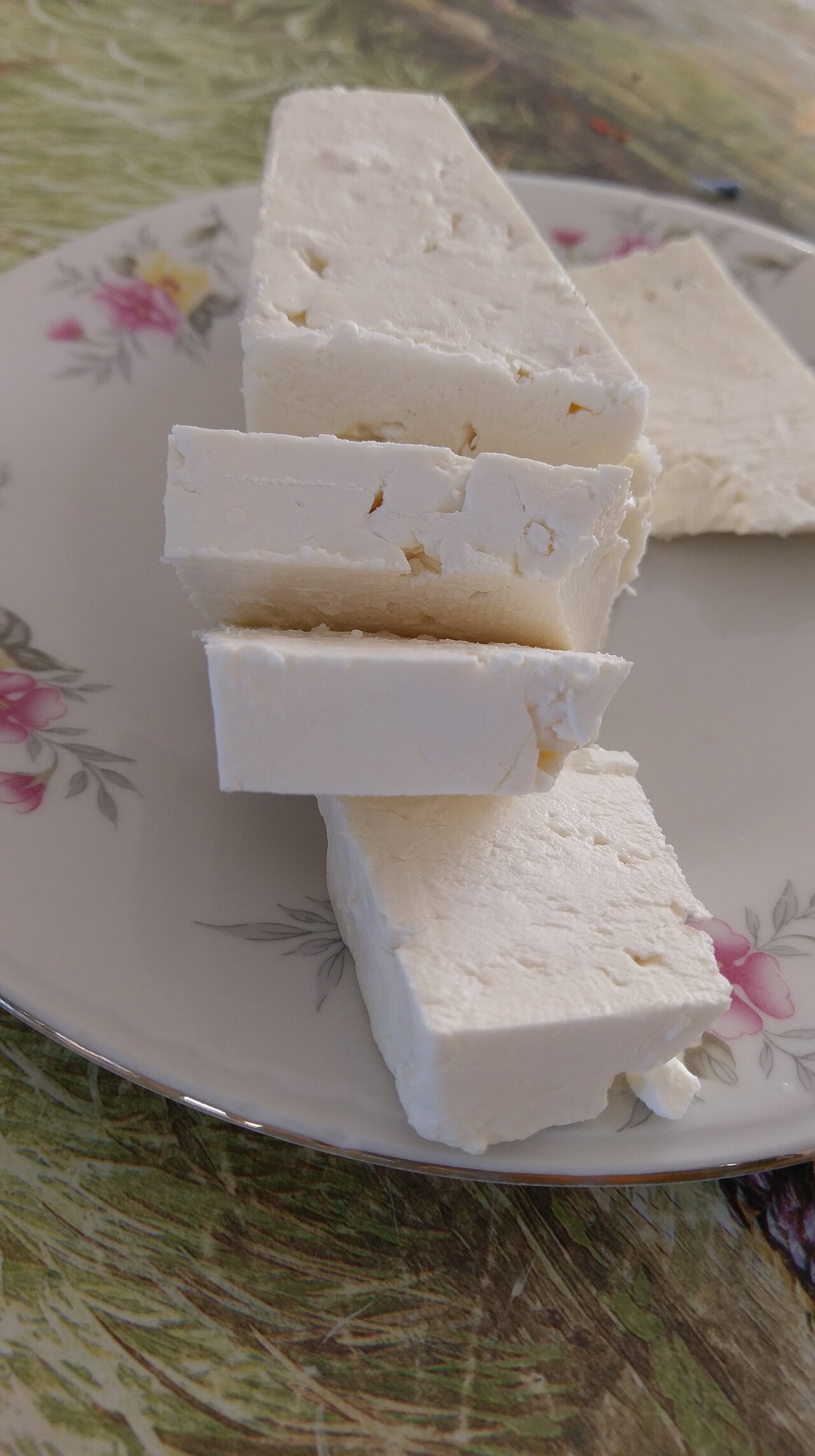
A white brined cheese, similar to feta, made from cow's, sheep's, goat's or buffalo milk. It is crumbled into salads and pastries or served in slices with tomatoes.
In 2023 Bulgarian white brined cheese was registered as a protected designation of origin in the European Union.
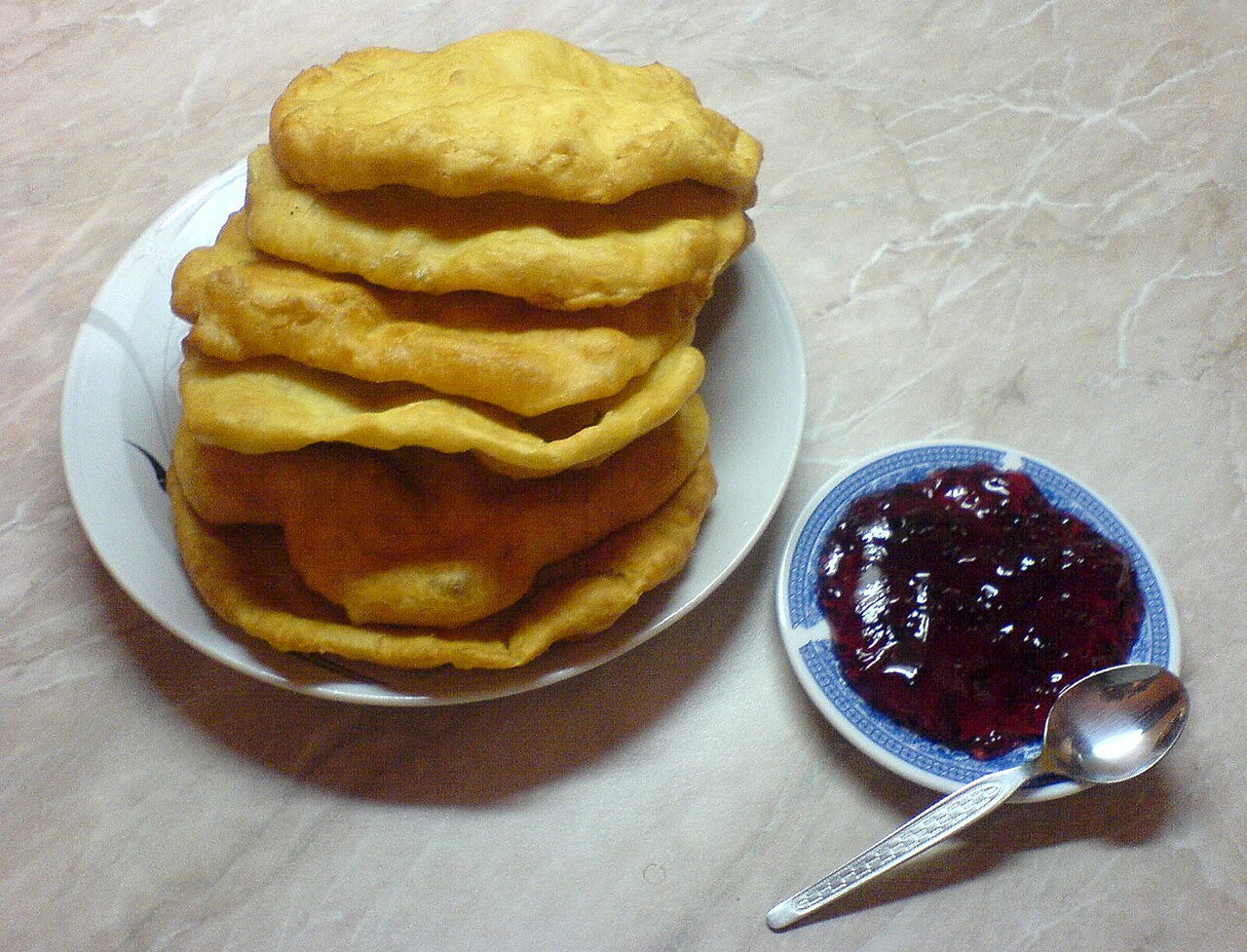
Flat rounds of soft dough made with yogurt, fried until puffed and golden. They are a breakfast treat, served with jam, honey, white cheese or icing sugar.
Nearly every region has its own recipe: some use yeast, others yogurt and baking soda, and one of the oldest uses only flour, yeast, salt, sugar and water.
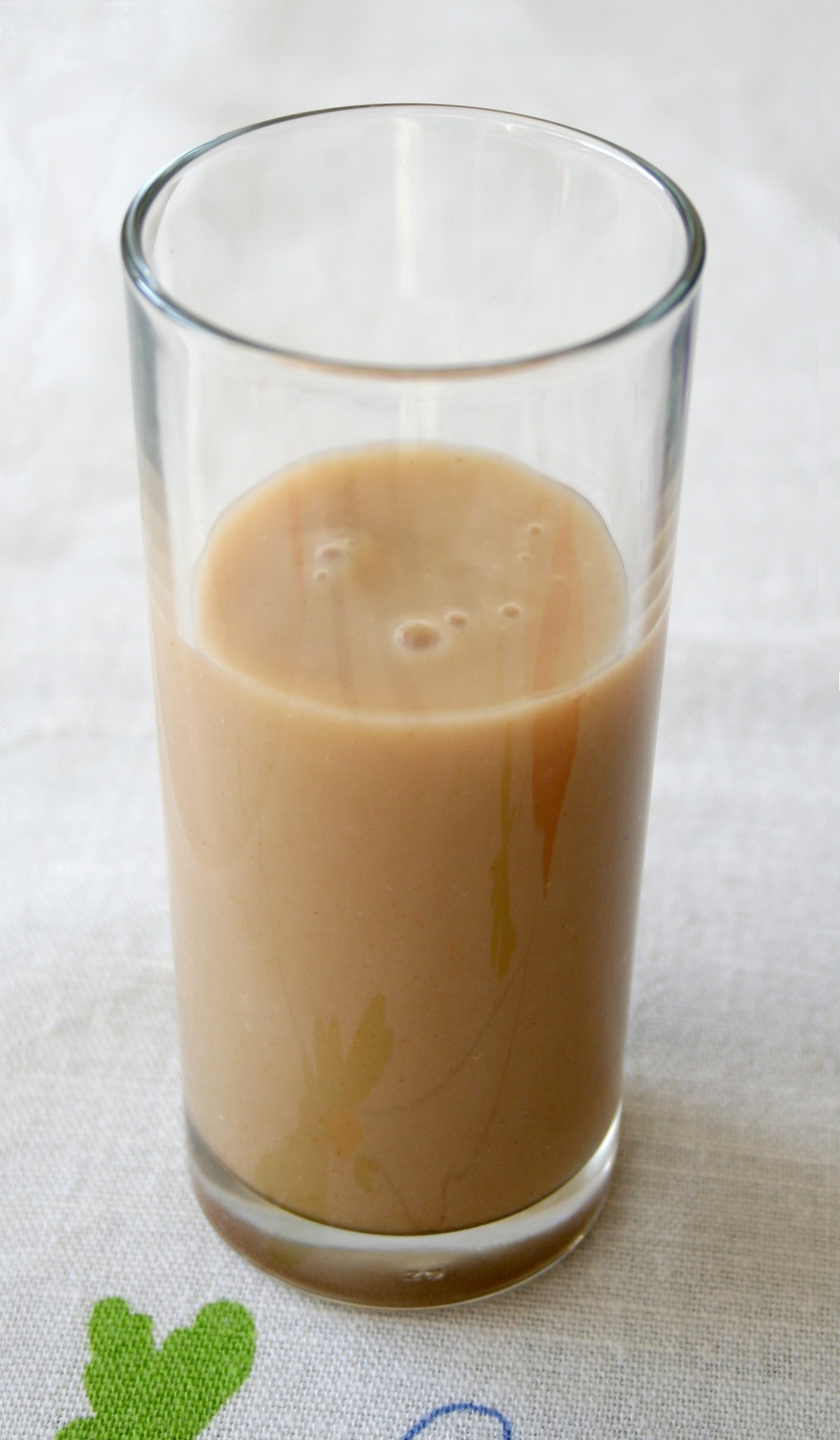
A thick, slightly sweet and sour drink made by fermenting grains. It has very little alcohol, about 1%, and is a classic partner for banitsa at breakfast.
Boza is one of the oldest drinks of the Turkic peoples, and today it is made from Turkey and the Balkans to North Africa.
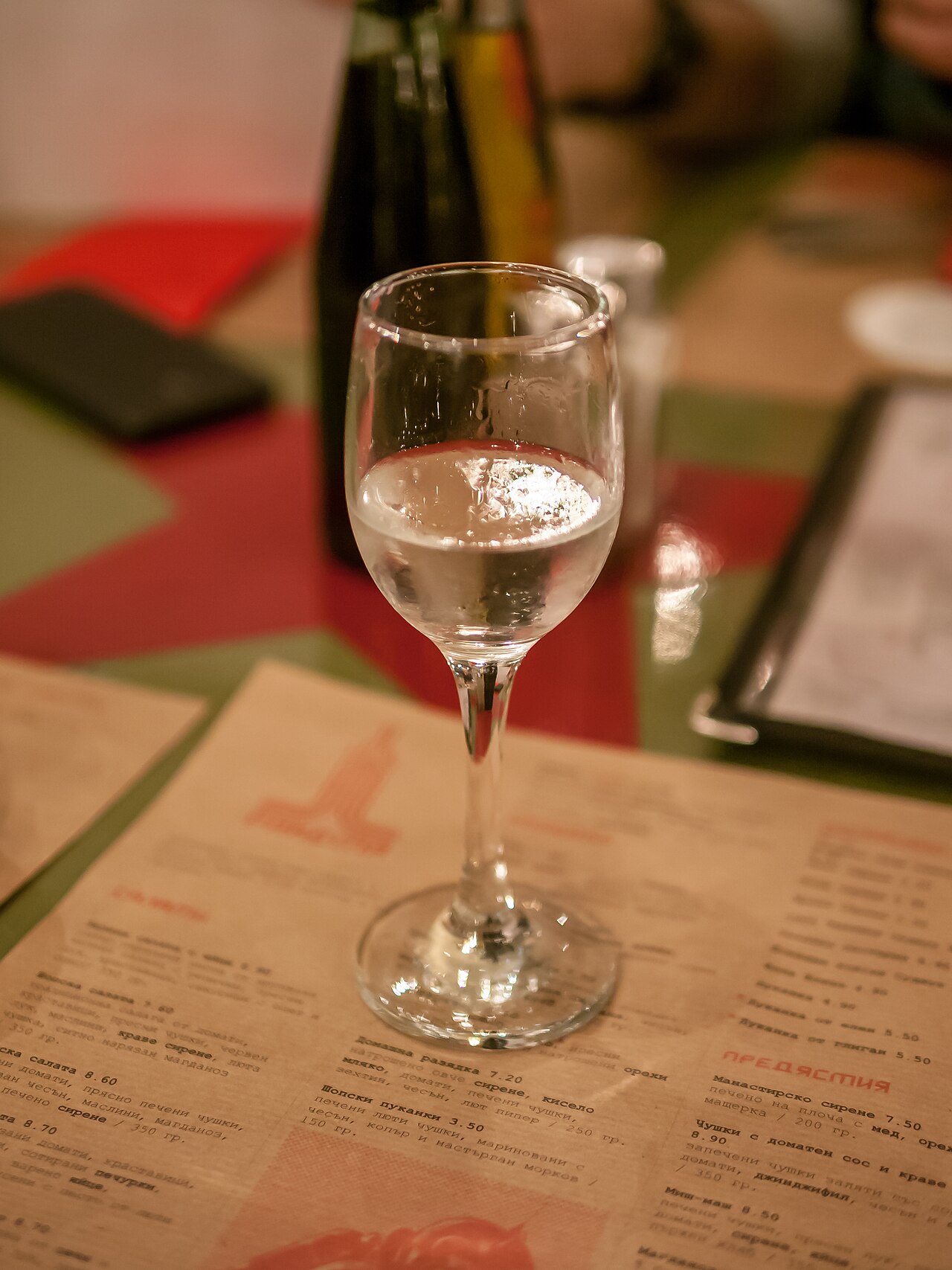
A strong fruit brandy, most often made from grapes (grozdova) or plums, and also from apricots. It is sipped slowly from a small glass with the salad at the start of a meal. Anyone who does not drink alcohol can politely say no.
Inscriptions from the 14th century already mention rakia in Bulgaria, and as of 2026 twelve Bulgarian rakias have protected names in the European Union.
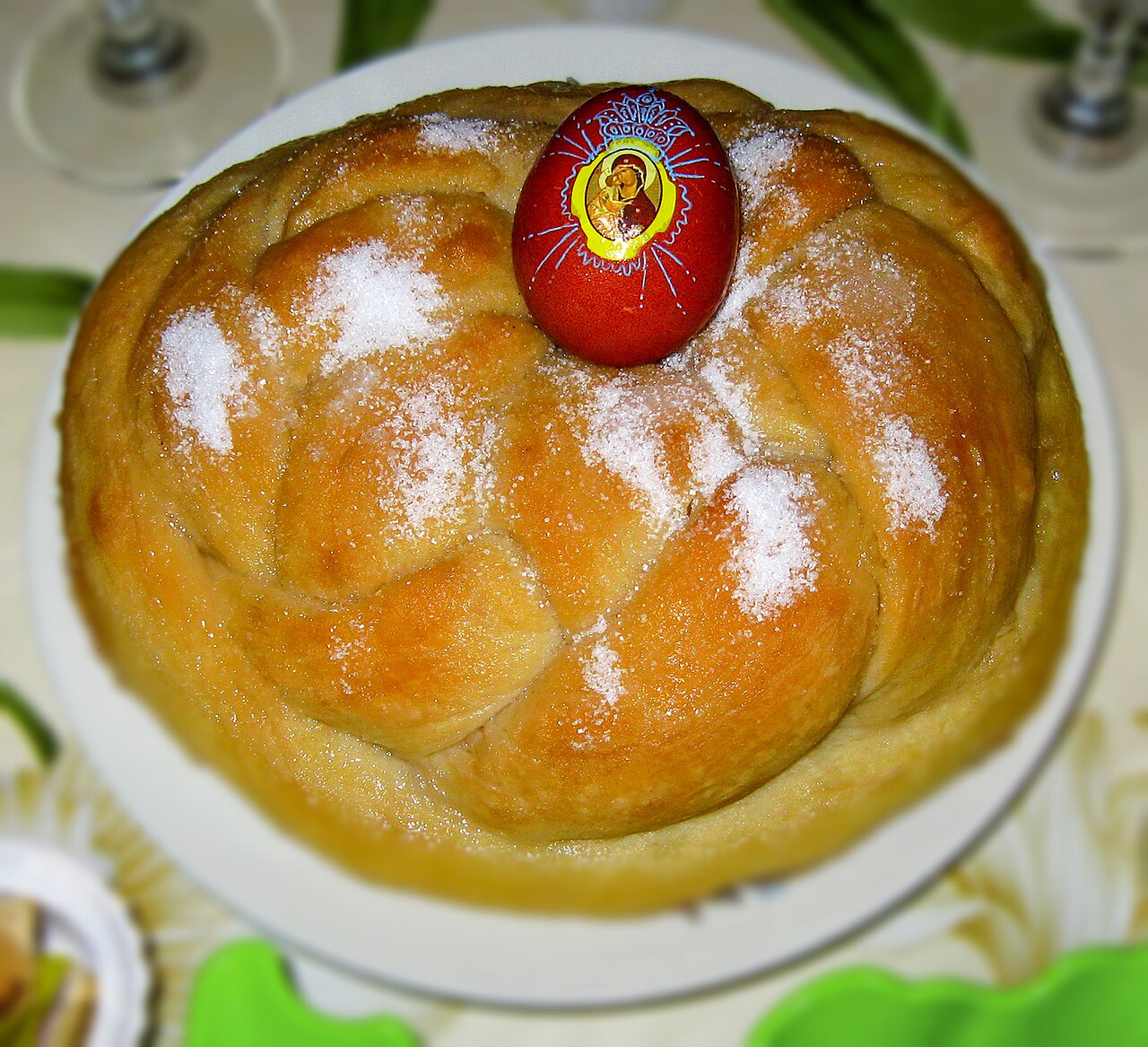
A sweet, soft yeast bread enriched with butter, milk and eggs, often with raisins and citrus peel. It is baked above all for Orthodox Easter.
Similar sweet Easter breads are baked in Romania, Greece, Serbia and North Macedonia.
Bulgaria's cities range from Sofia at the foot of Mount Vitosha and ancient Plovdiv on its hills, to Black Sea ports like Varna and Burgas, the Danube port of Ruse and Veliko Tarnovo, the old royal capital on its river bends.
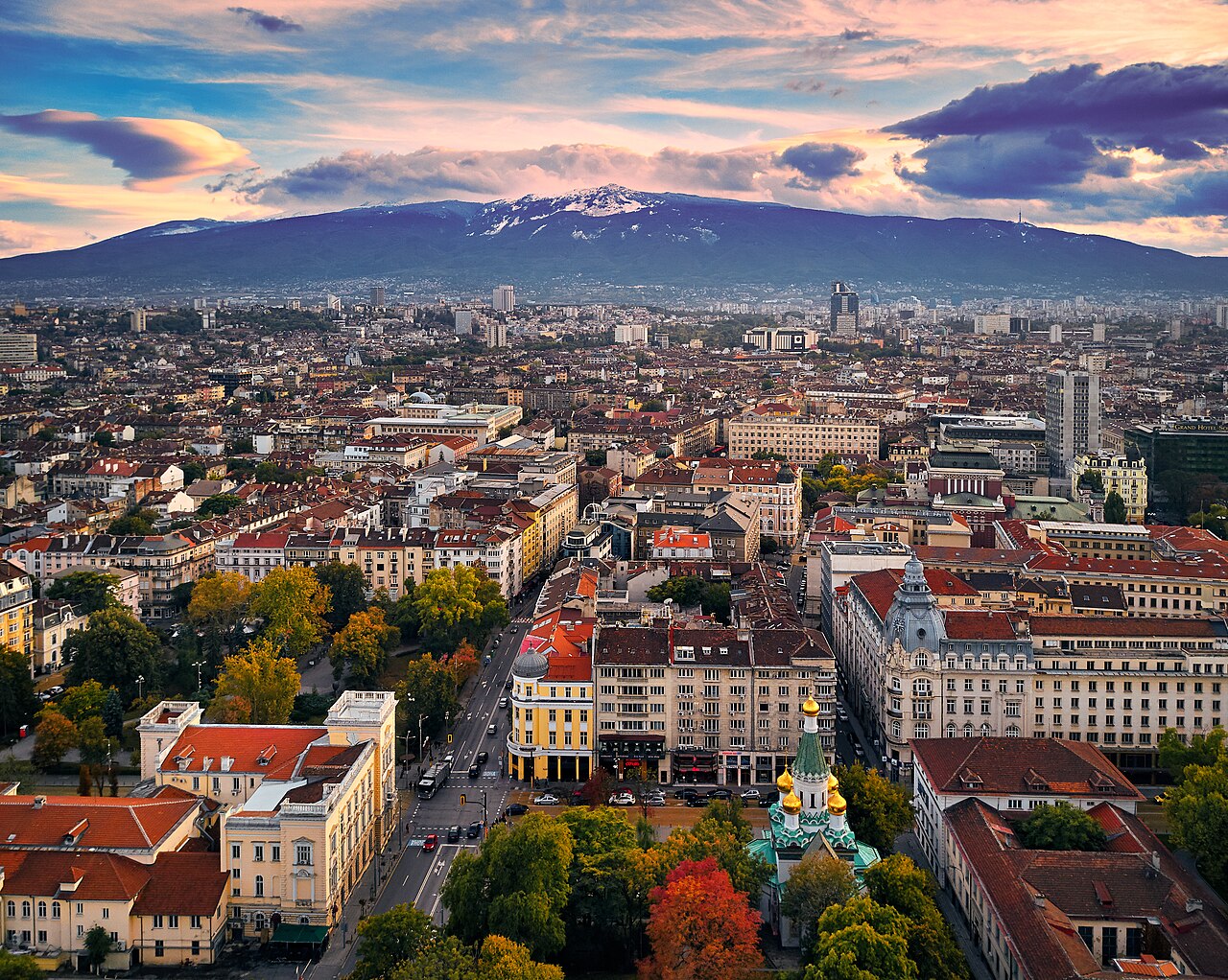
The capital and largest city, home to about 1.3 million people. Known as Serdica in Roman times, it lies in a high valley at the foot of Mount Vitosha and has been the capital since 1879.
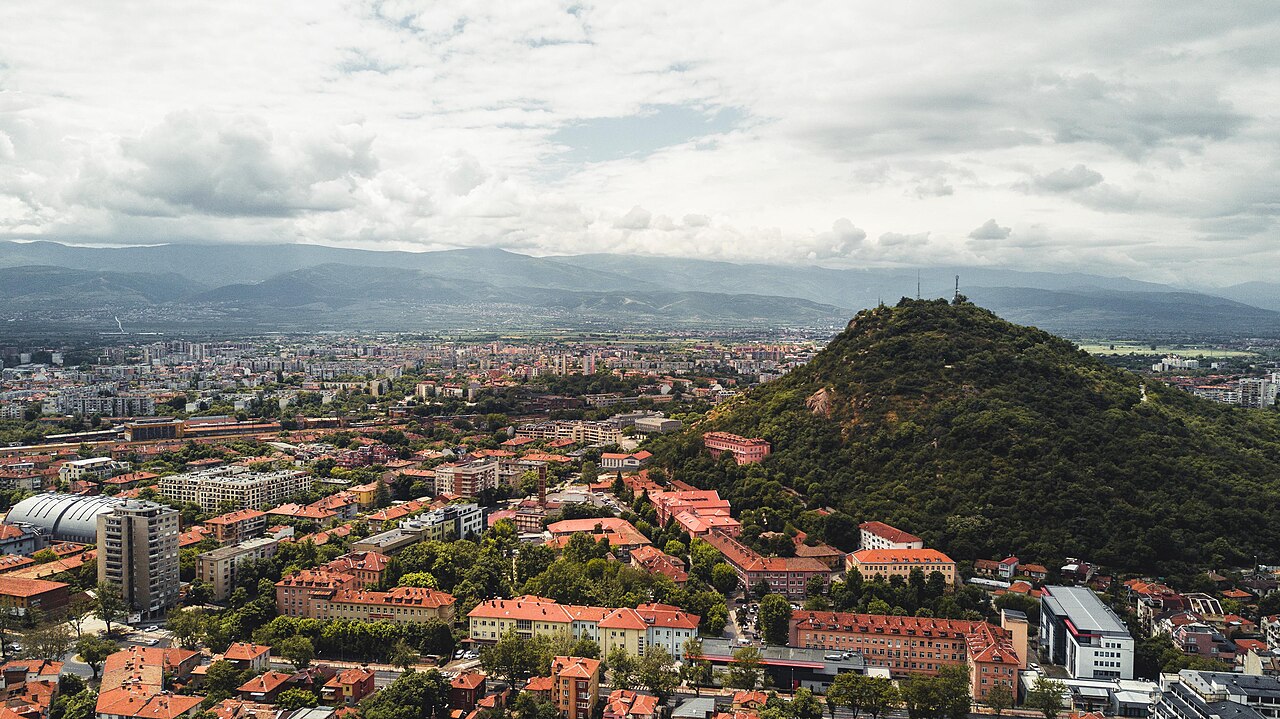
The second-largest city, on the Upper Thracian Plain, often called the City of the Seven Hills. Philip II of Macedon gave it the name Philippopolis, and it has been lived in for thousands of years. It was a European Capital of Culture in 2019.
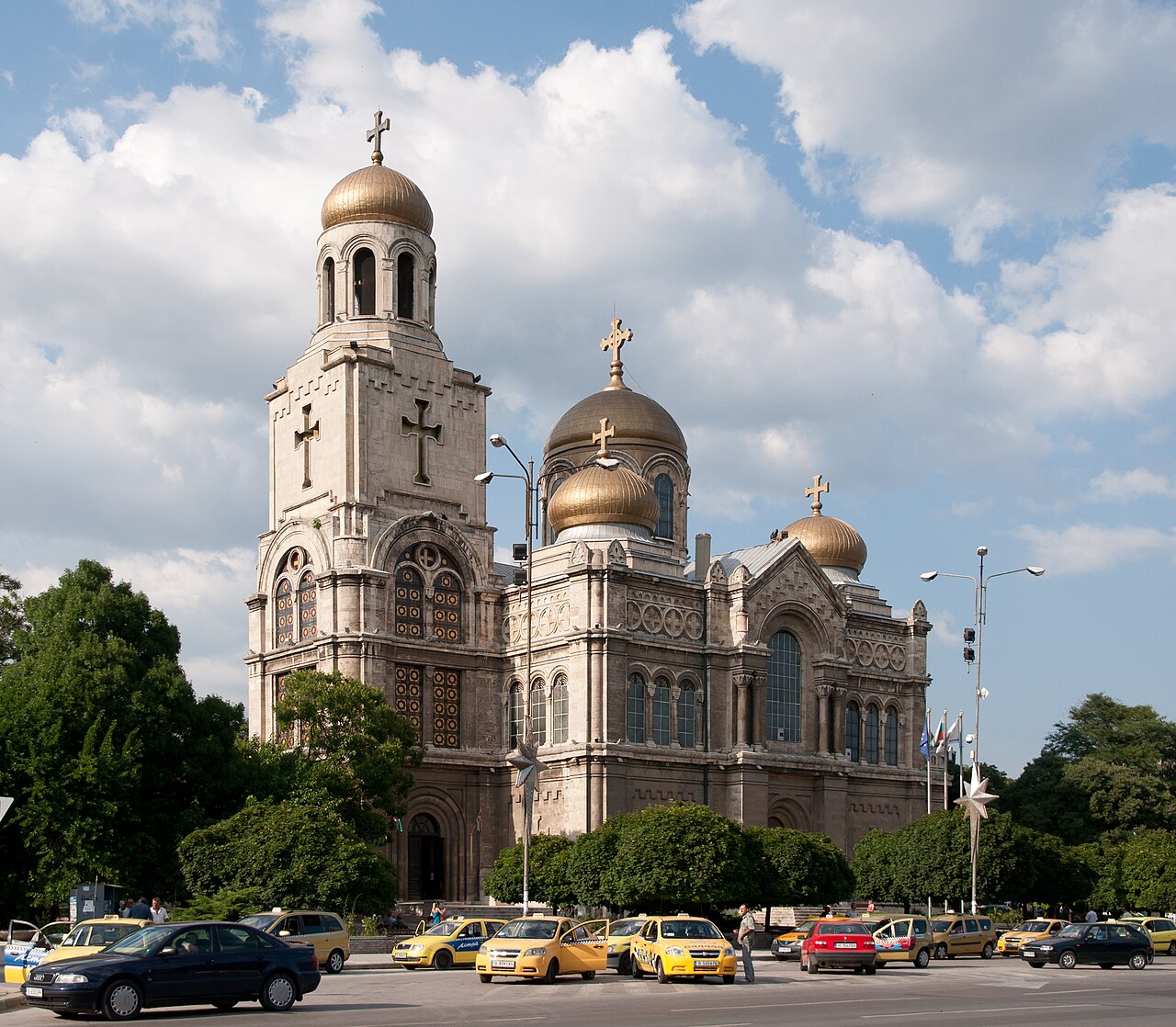
The third-largest city and the biggest on the Black Sea coast, known in ancient times as the Greek colony of Odessos. It is called Bulgaria's maritime capital and is home to the Bulgarian Navy.
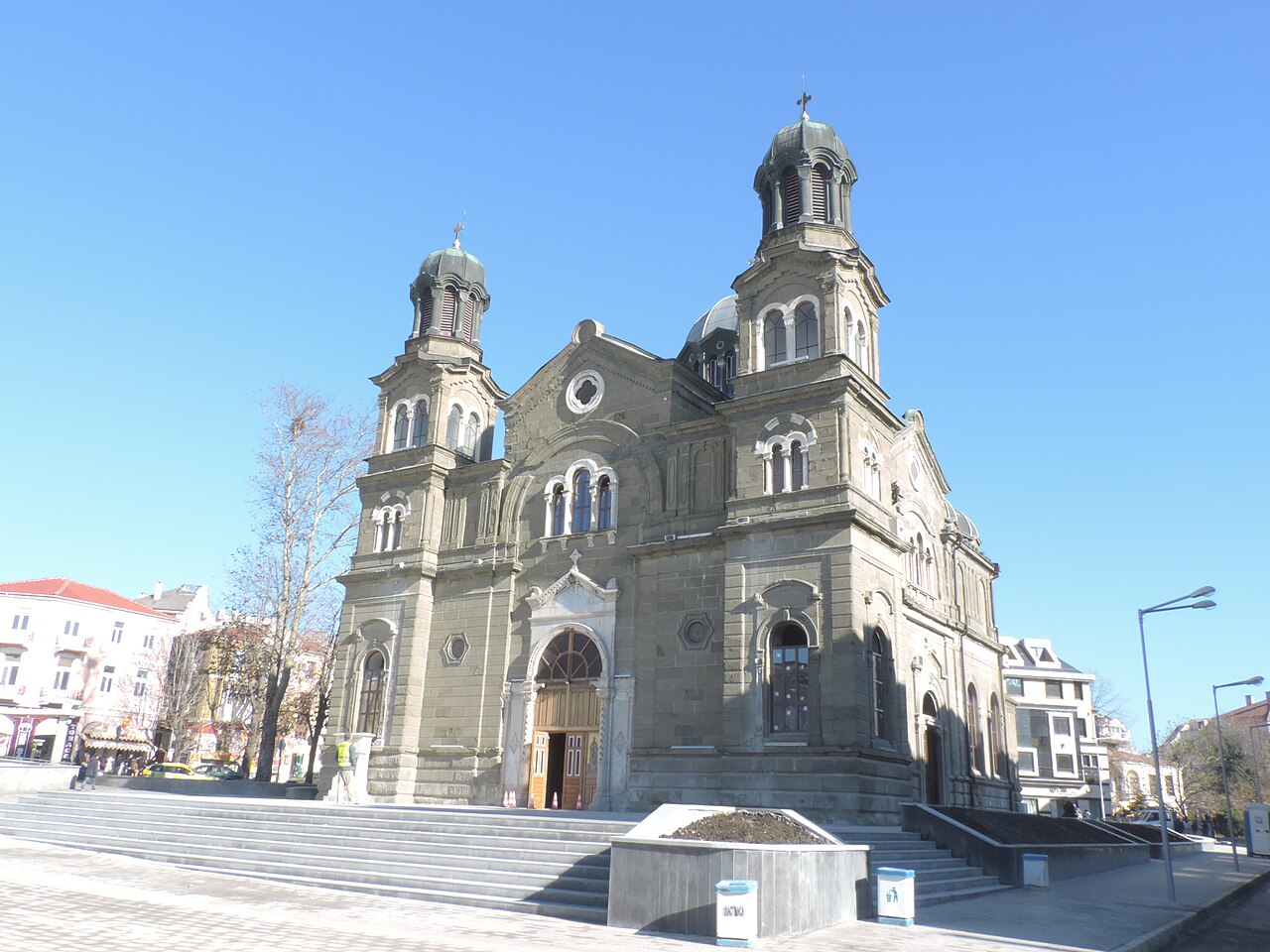
The fourth-largest city and the second largest on the Black Sea coast, surrounded by coastal lakes. It is a busy port and the gateway to the southern beaches.
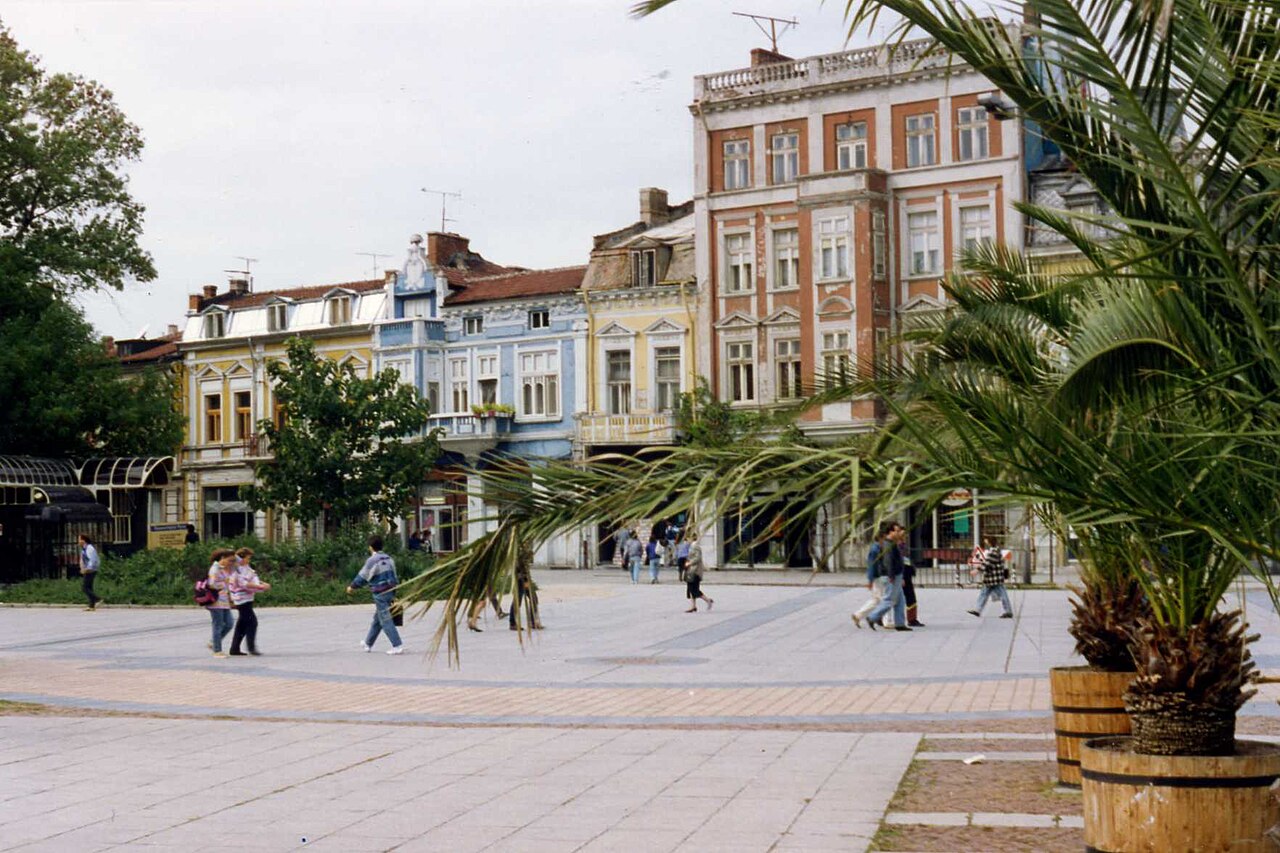
Bulgaria's most important Danube port, facing the Romanian town of Giurgiu across the river. Its elegant 19th-century buildings earned it the nickname Little Vienna.
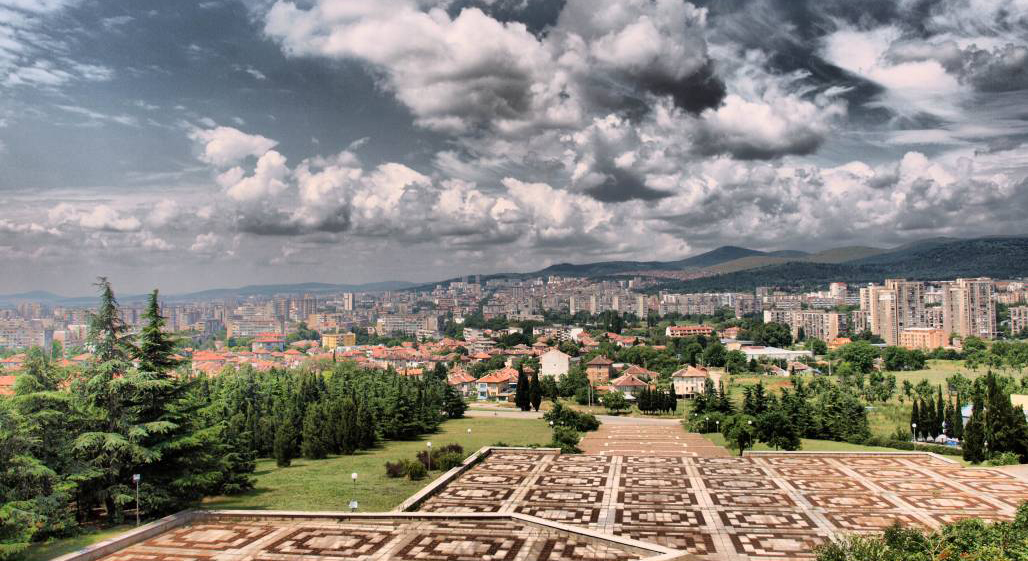
A city on the Upper Thracian Plain that has had many names, among them Beroe and the Roman Augusta Traiana. In 1968 remains of Neolithic houses from about 5500 BC were found here.
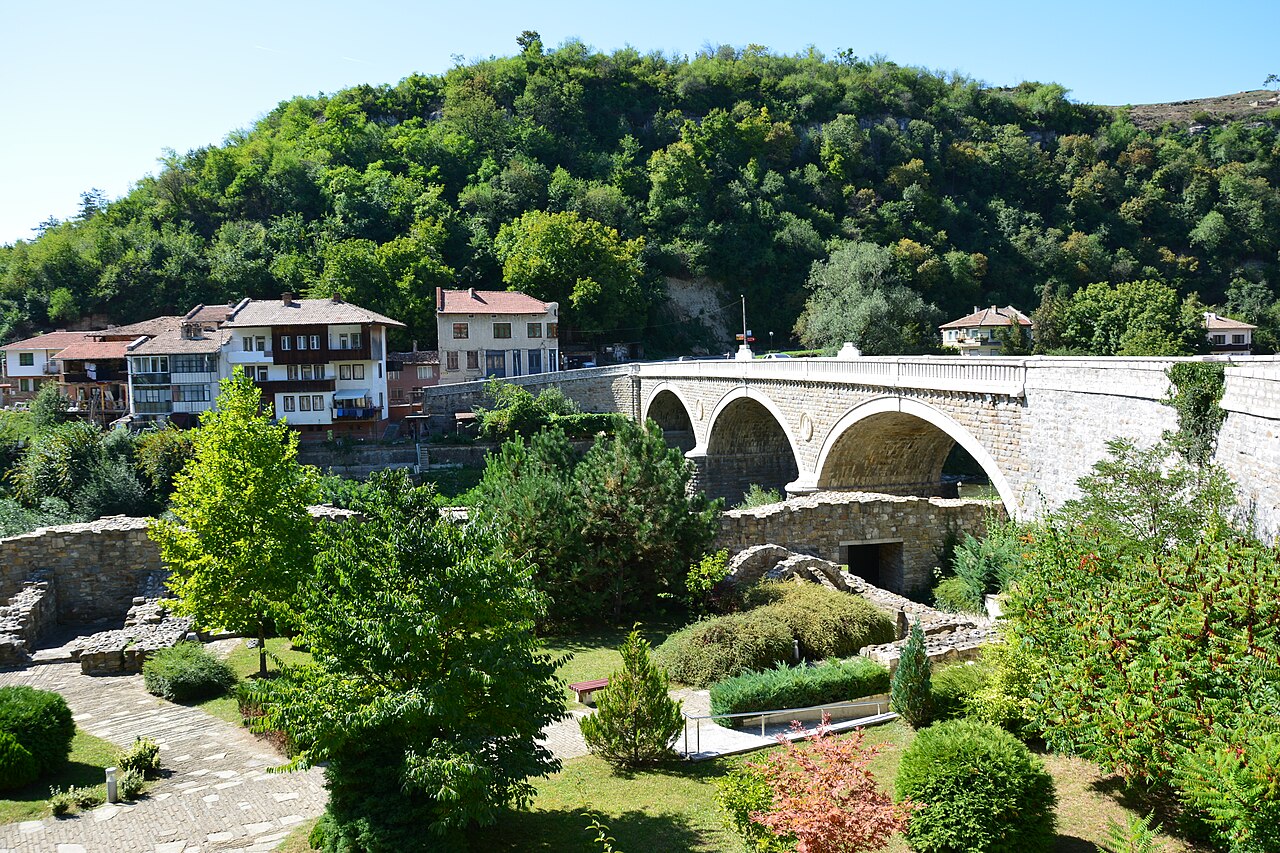
The City of the Tsars, built on three hills above the winding Yantra river. It was the capital of the Second Bulgarian Empire, and the word 'Veliko', meaning great, was added to its name in 1965.
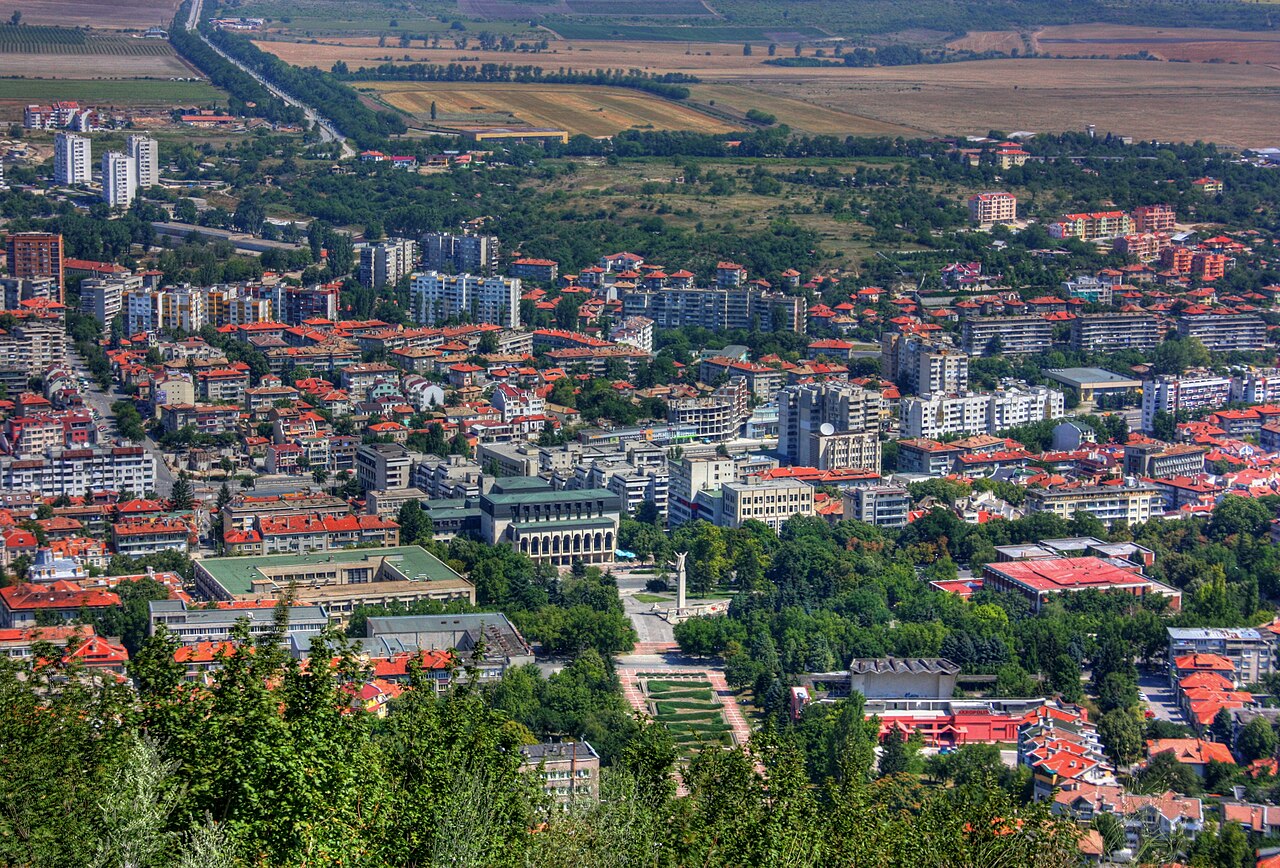
A city in the north-east, close to Pliska and Preslav, the first two capitals of medieval Bulgaria, and to the Madara Rider. Shumensko beer has been brewed here since 1882.
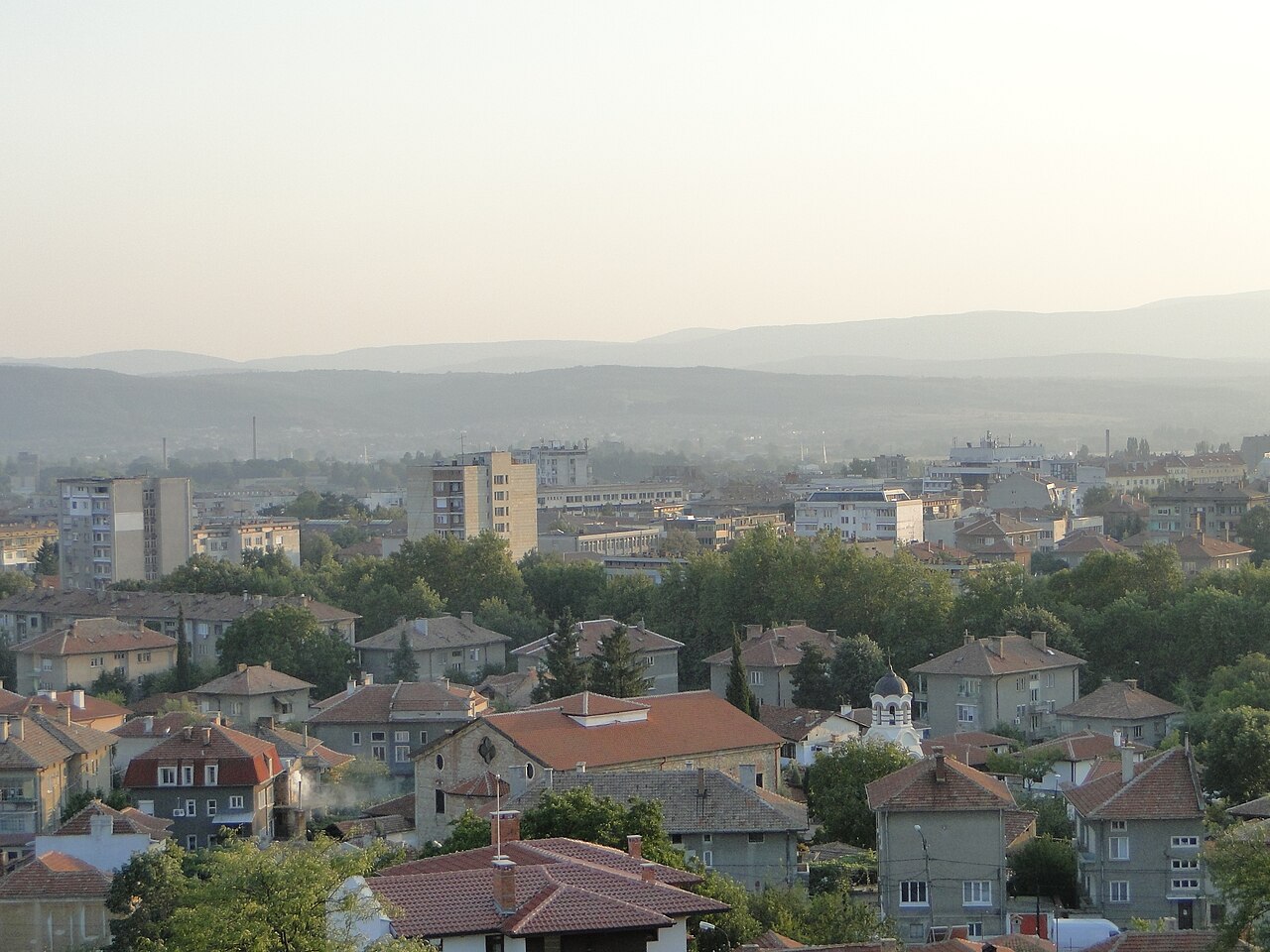
A town in the Rose Valley at the foot of the Balkan Mountains and the centre of Bulgaria's rose oil industry. The valley around it is full of Thracian royal tombs.
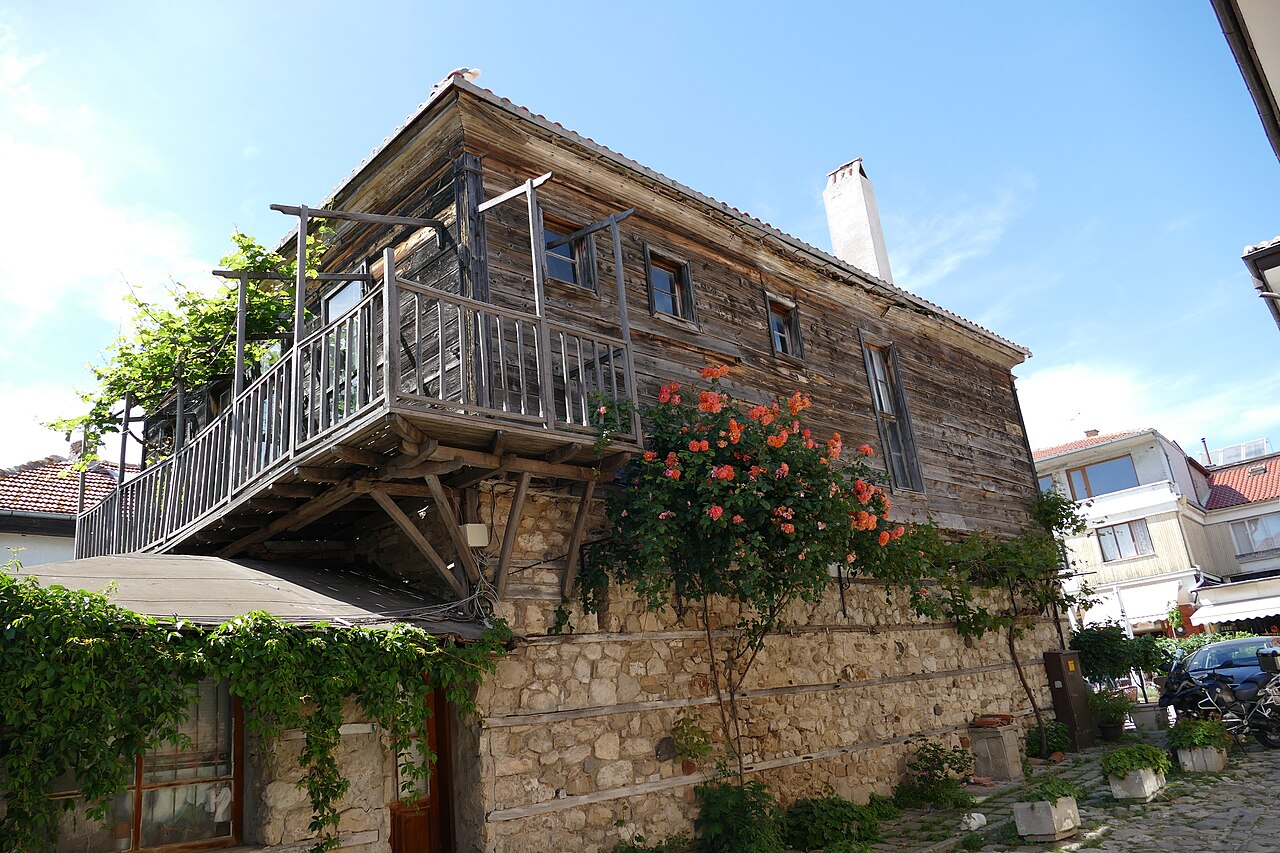
The Pearl of the Black Sea: an old town on a small peninsula, joined to the mainland by a narrow strip of land. Thracians, Greeks, Romans, Byzantines and Bulgarians all left their mark over more than 3,000 years.
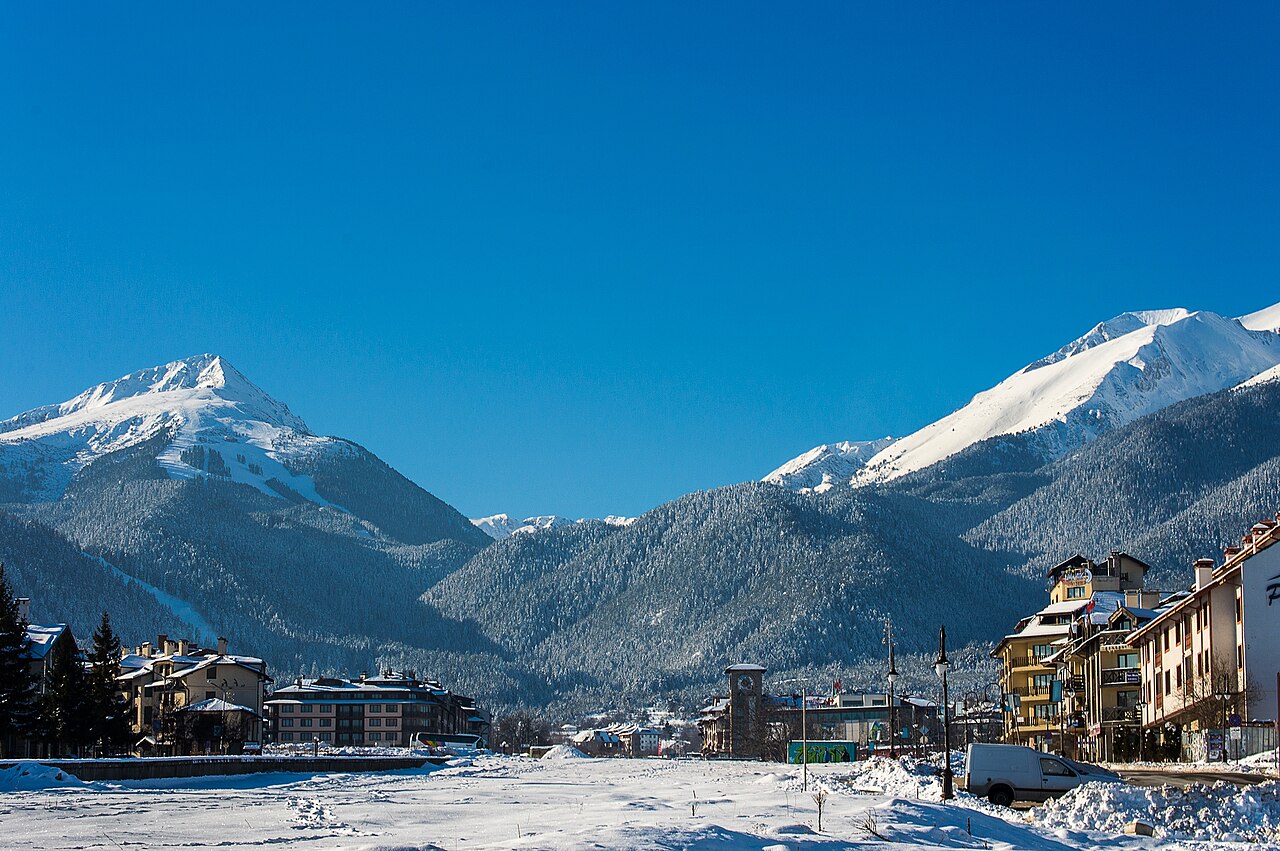
A small mountain town at the foot of the Pirin mountains. Once a town of herders and travelling merchants, it is now a busy resort for skiing in winter and hiking in summer.
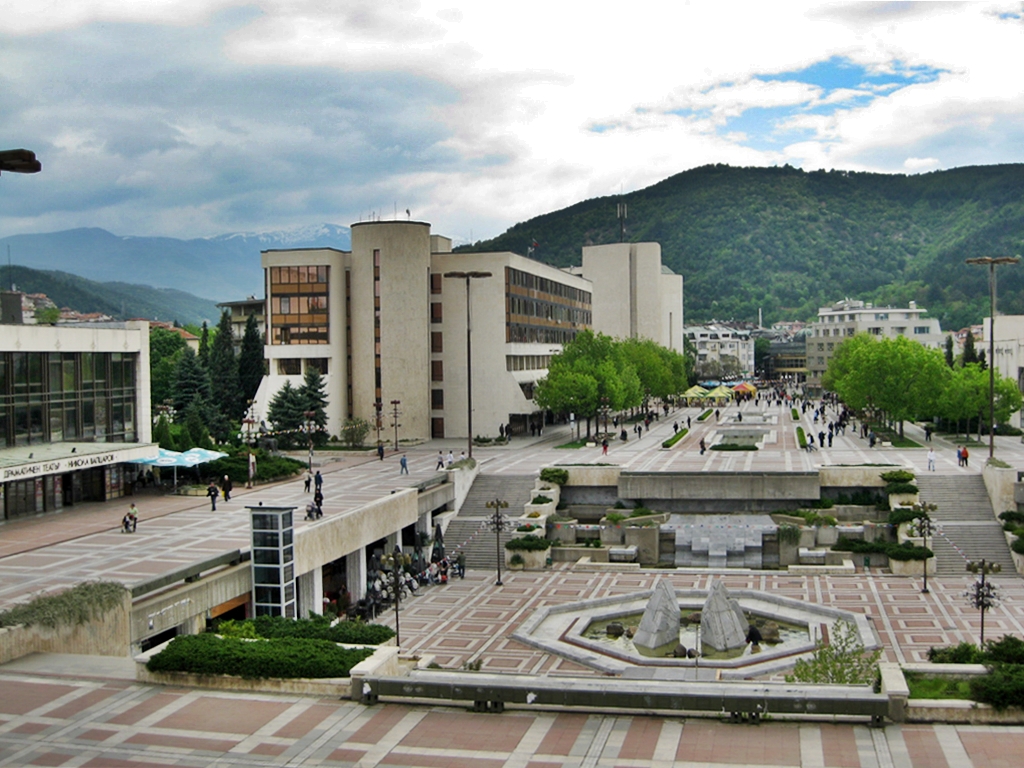
The main town of south-west Bulgaria, in the Struma valley at the foot of the Rila mountains, 101 km south of Sofia and close to North Macedonia.
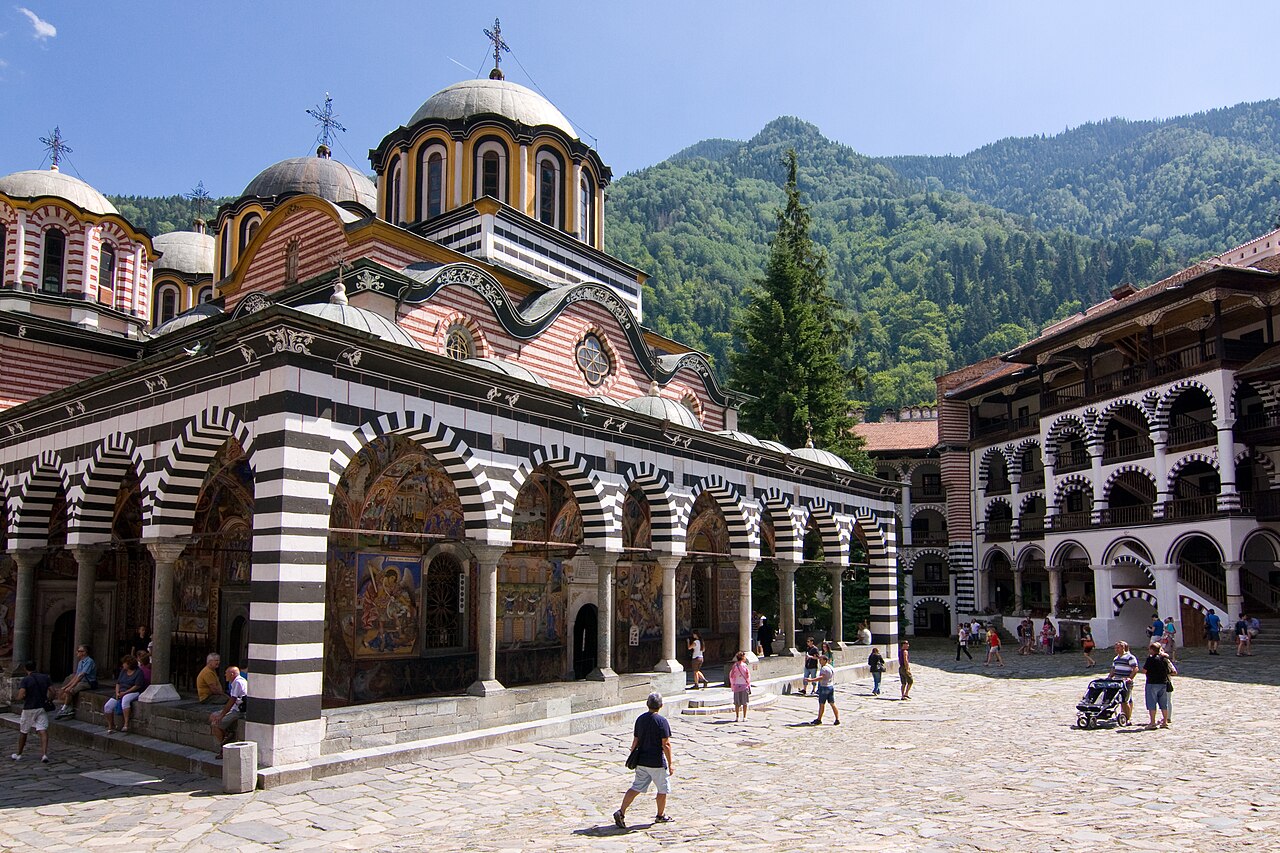
Bulgaria's largest and most famous monastery, in a deep valley of the Rila mountains about 117 km south of Sofia. Tradition says it was founded in the 10th century by the hermit Saint John of Rila, whose name it bears. After a fire in 1833 it was rebuilt between 1834 and 1862 with money from Bulgarians all over the country.
UNESCO World Heritage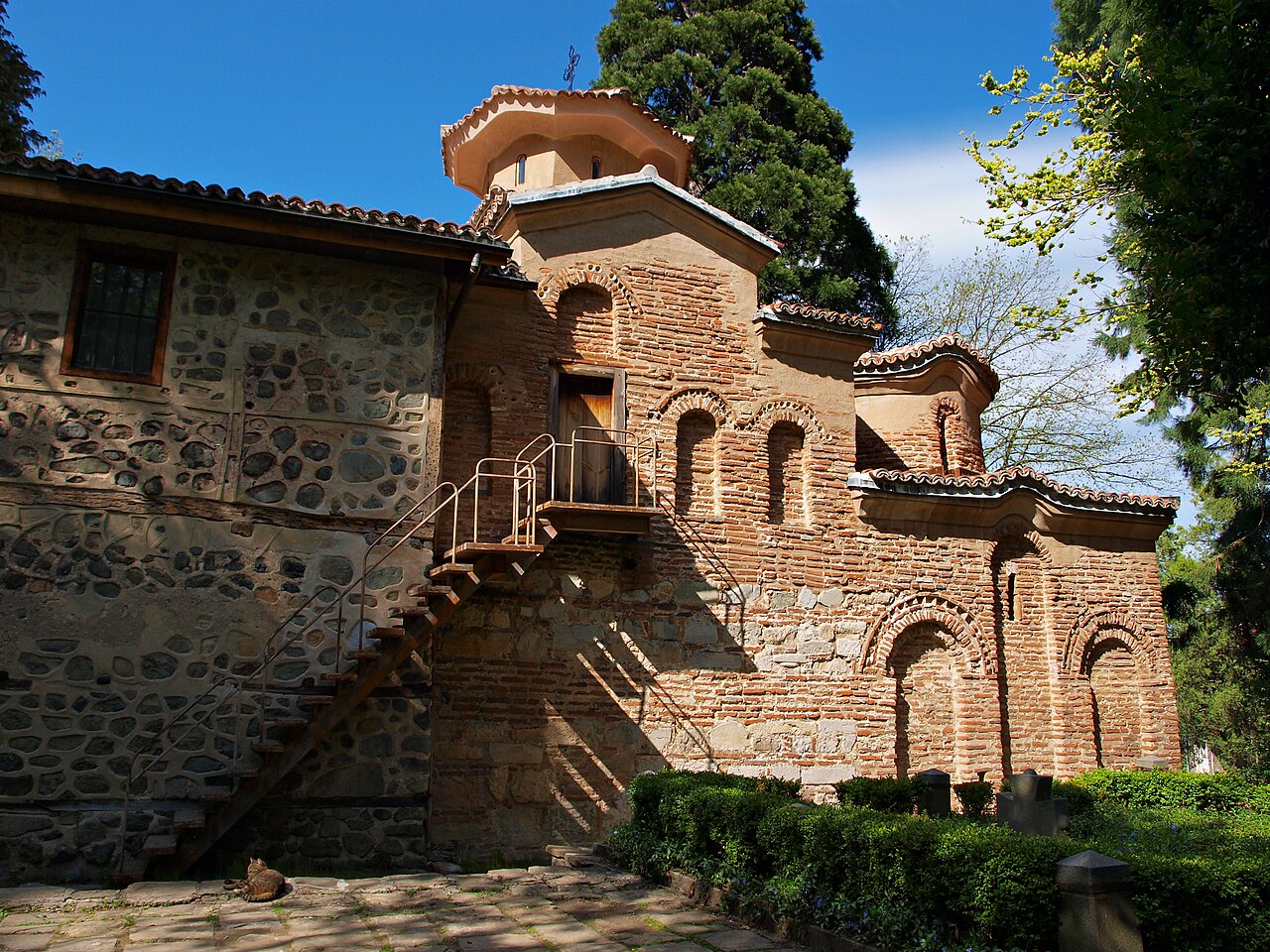
A small medieval church on the edge of Sofia, famous for its wall paintings from 1259. The lifelike portraits of its patrons, Kaloyan and Desislava, are among its most admired paintings.
UNESCO World Heritage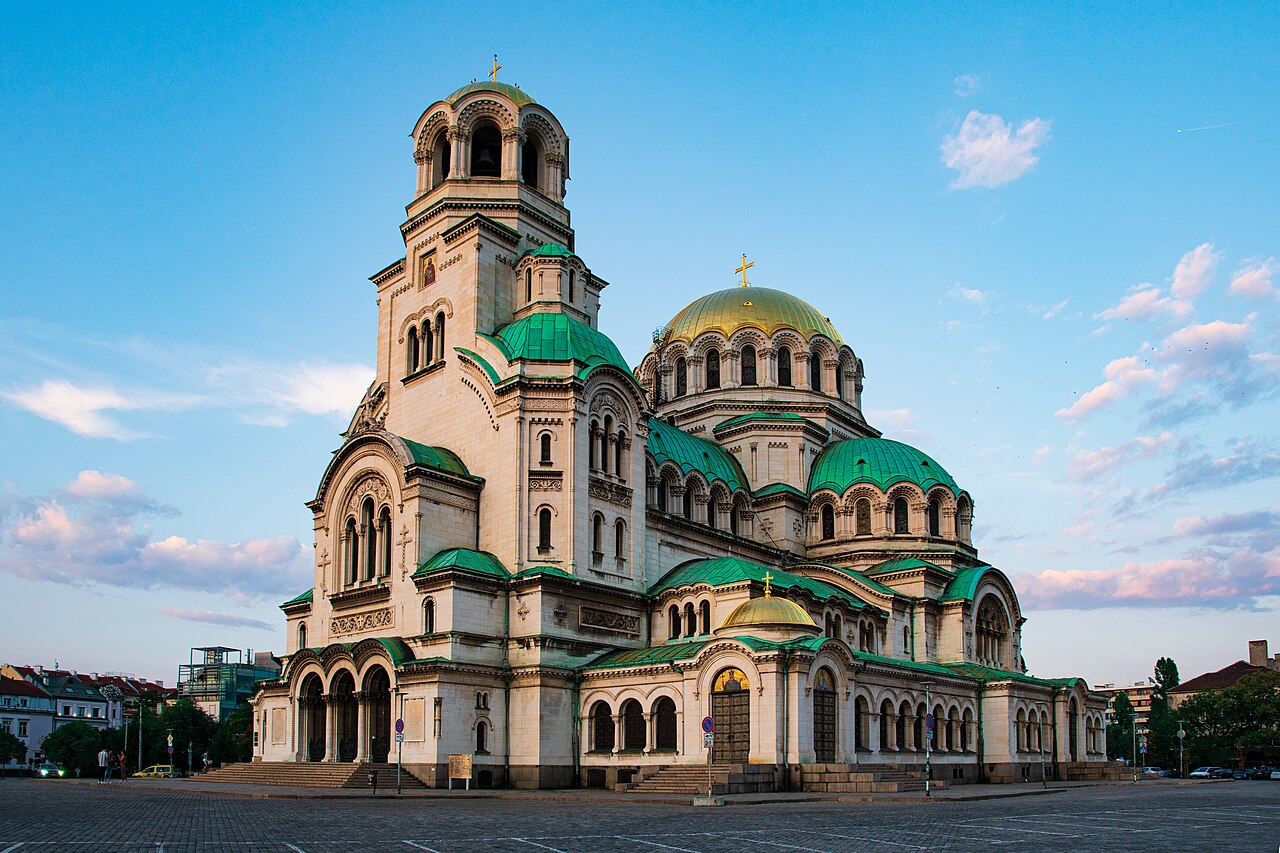
Sofia's great gold-domed cathedral, built mostly between 1904 and 1912 in honour of the Russian soldiers who died in the war that freed Bulgaria in 1877 and 1878. It can hold 5,000 people and is one of the largest Orthodox churches in the world.
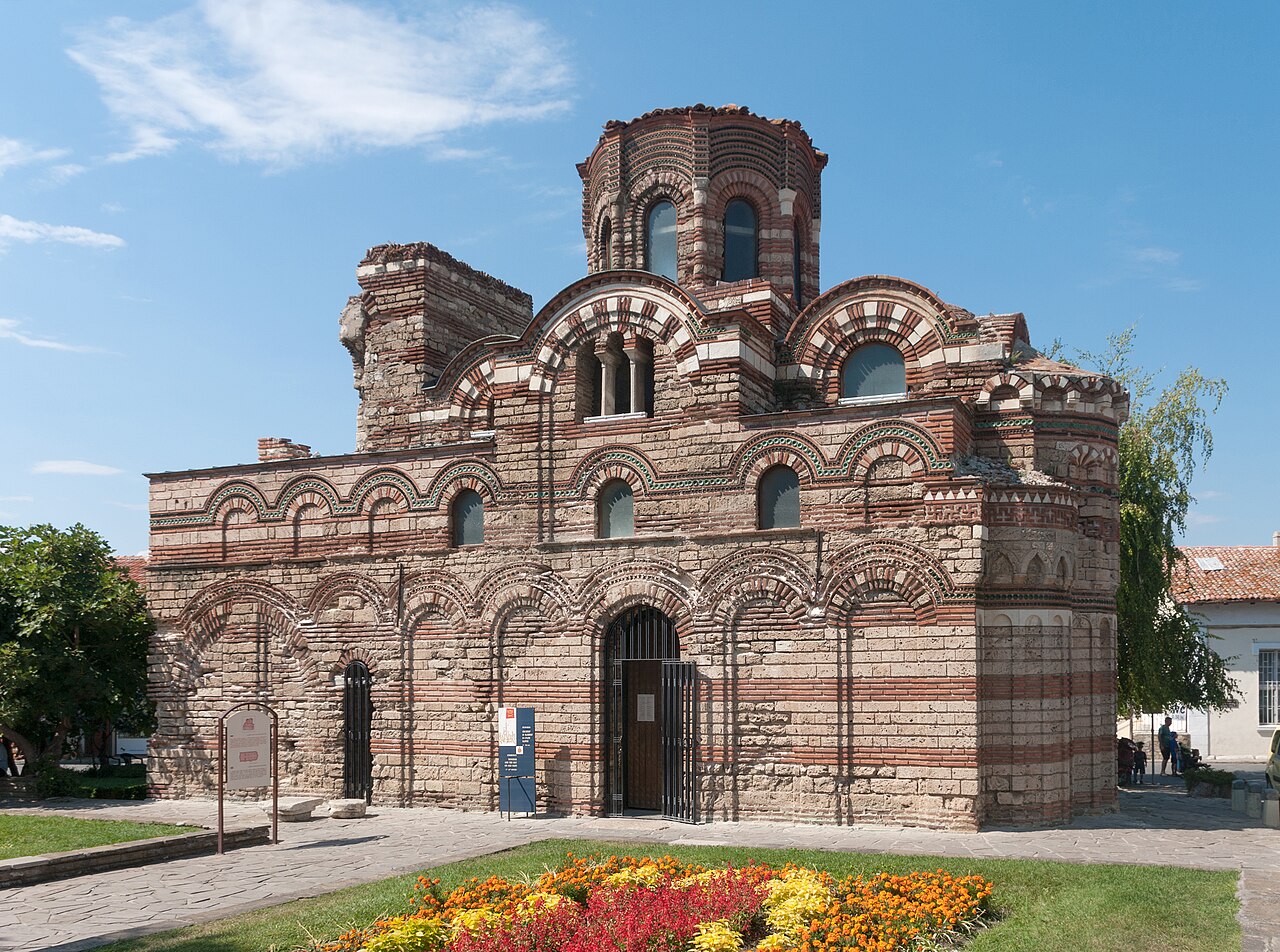
The old town of Nesebar on its rocky peninsula, first a Thracian settlement and then the Greek colony of Mesembria. Its churches of brick and stone from the Middle Ages stand among old wooden houses.
UNESCO World Heritage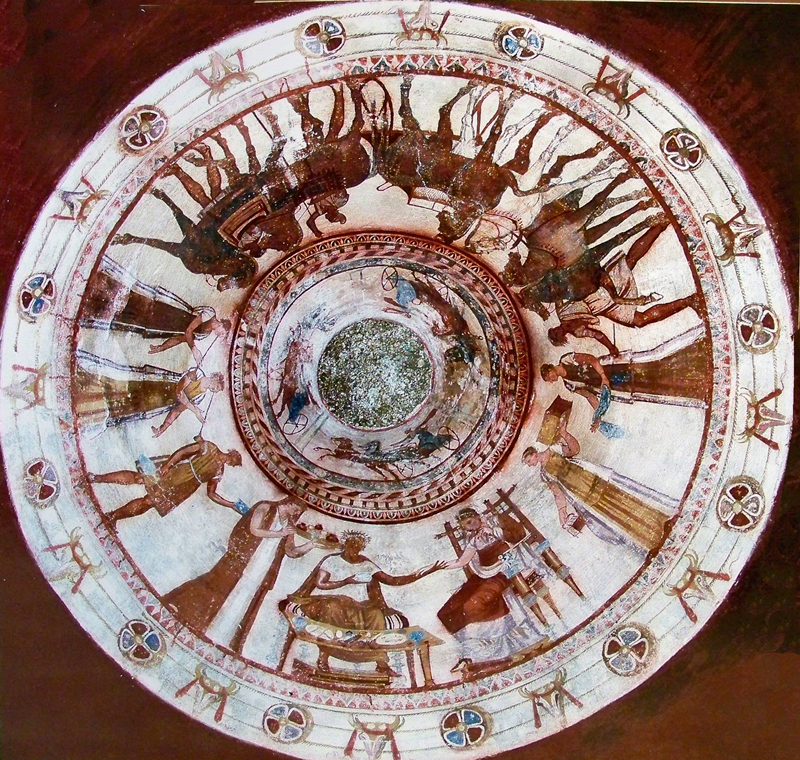
A small beehive-shaped tomb from the 4th century BC, painted inside with a Thracian couple at a funeral feast. Its wall paintings are the best preserved in Bulgaria from the Hellenistic period. Visitors see an exact copy next to it, to protect the original.
UNESCO World Heritage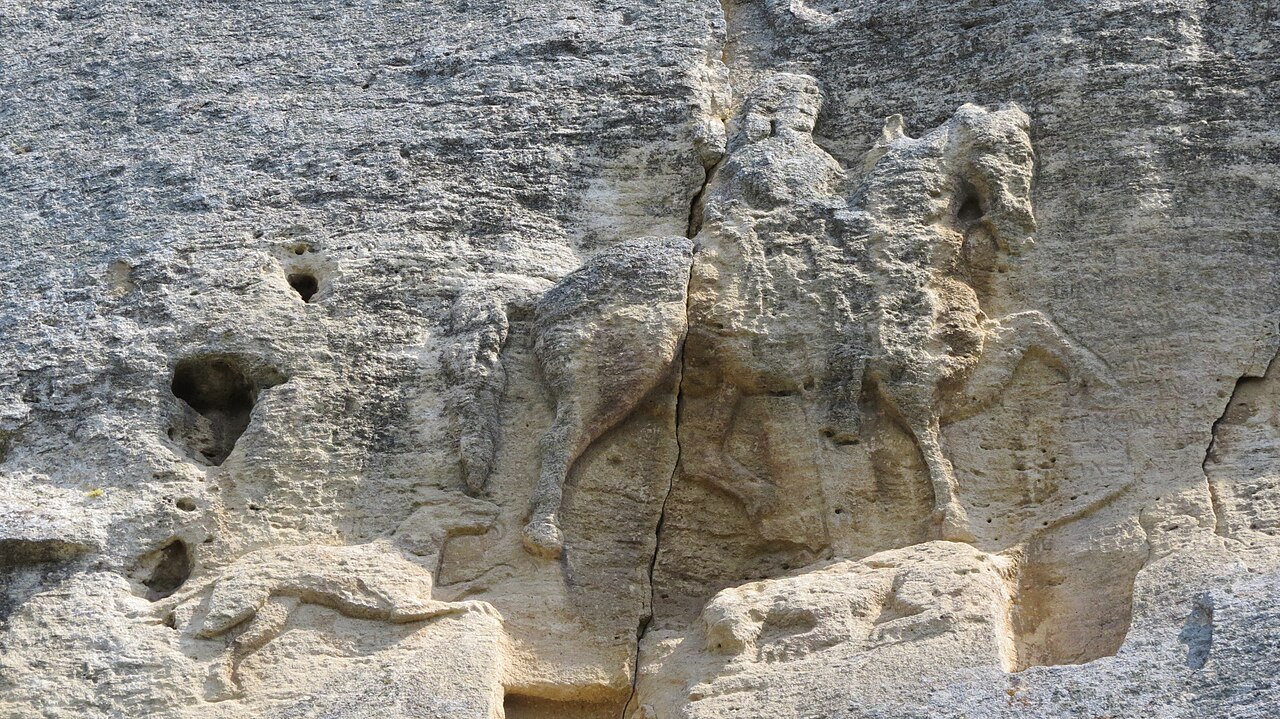
A horseman carved into a sheer cliff about 23 metres above the ground, east of Shumen, around the early 8th century. He spears a lion at his horse's feet while a dog runs behind. The rider also appears on Bulgaria's euro coins.
UNESCO World Heritage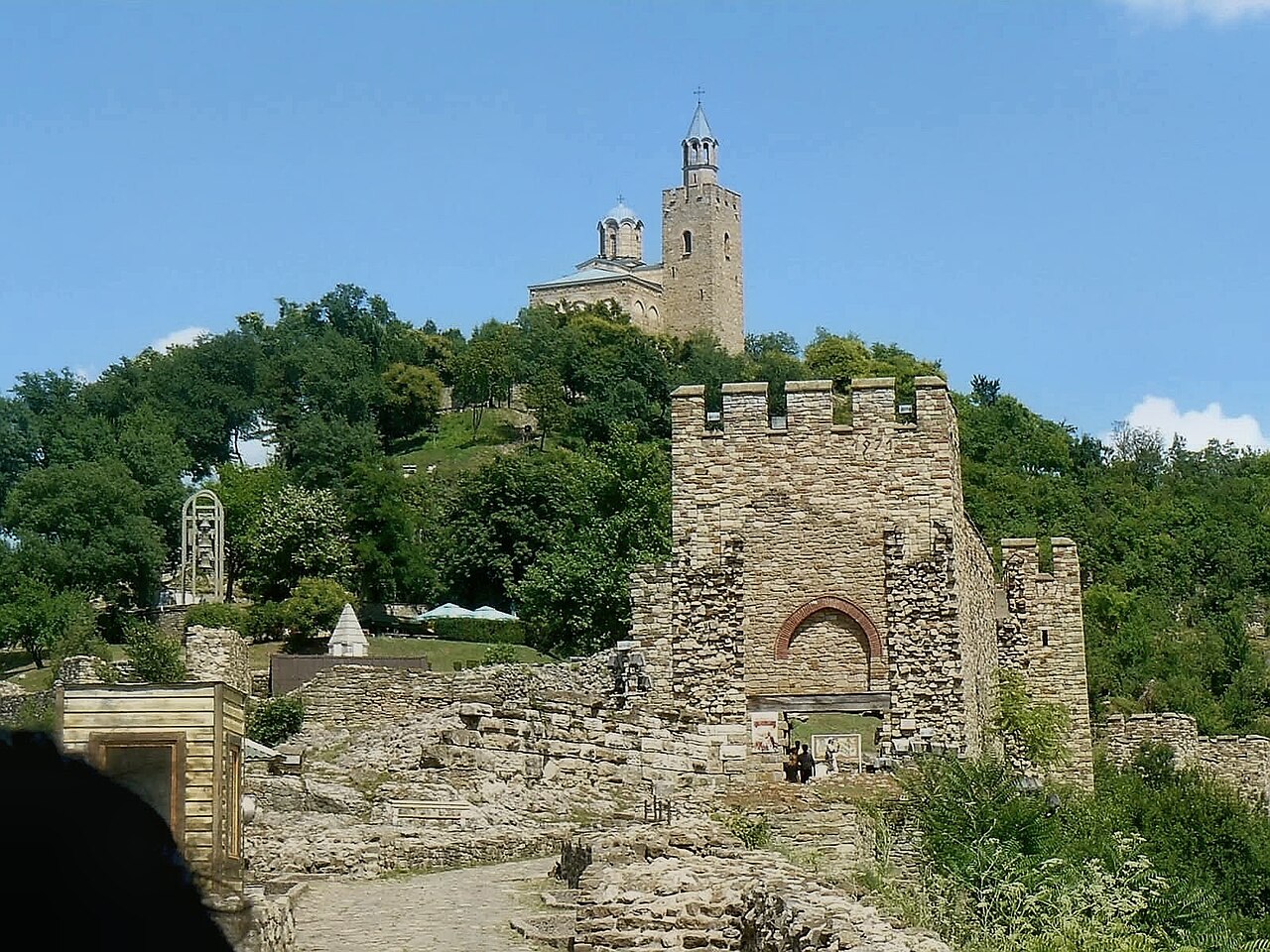
The walled hill in Veliko Tarnovo that held the palace of the tsars and the patriarch's church of the Second Bulgarian Empire. It fell to the Ottomans in 1393 after a three-month siege.
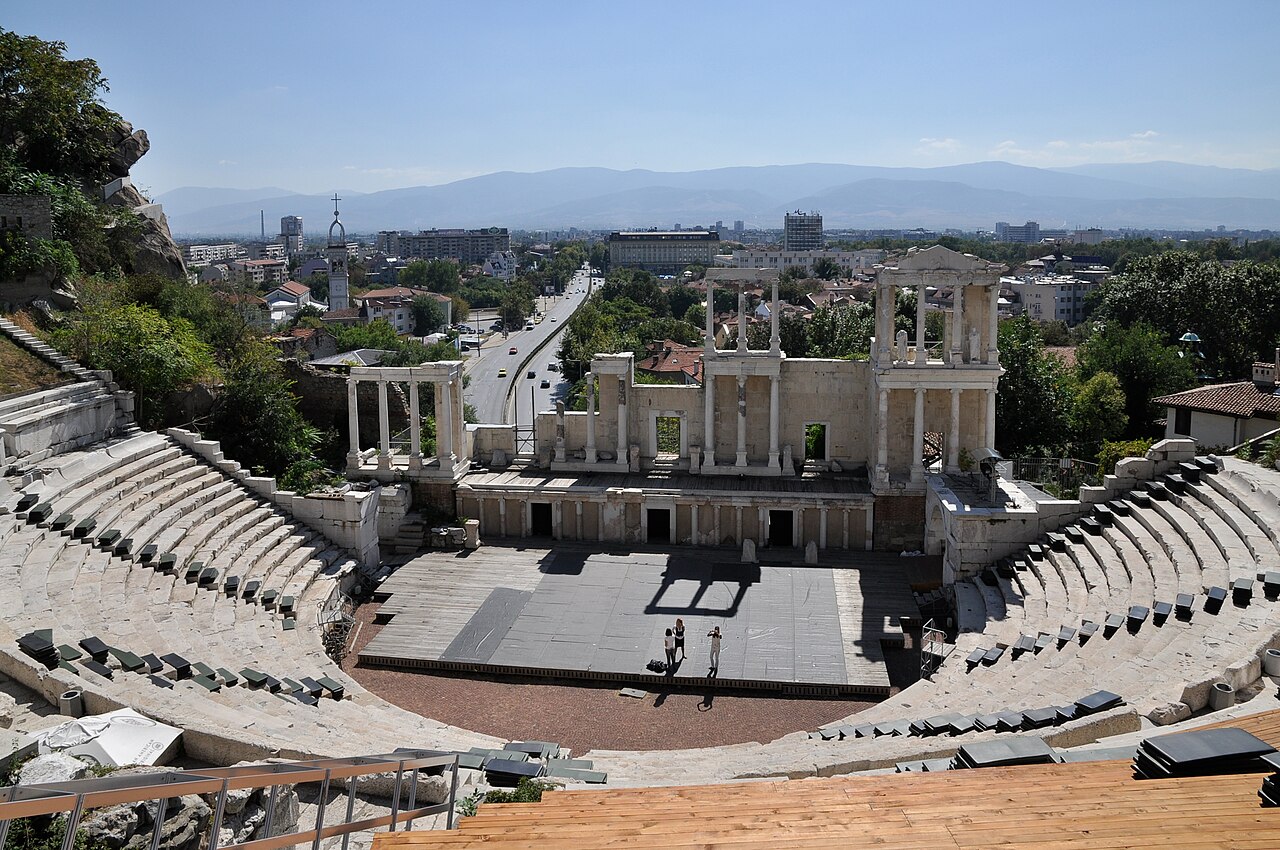
One of the best-preserved Roman theatres in the world, built in the 1st century AD with 28 rows of marble seats. It lay buried until a landslide uncovered it in the early 1970s, and today it is used again for concerts and opera.
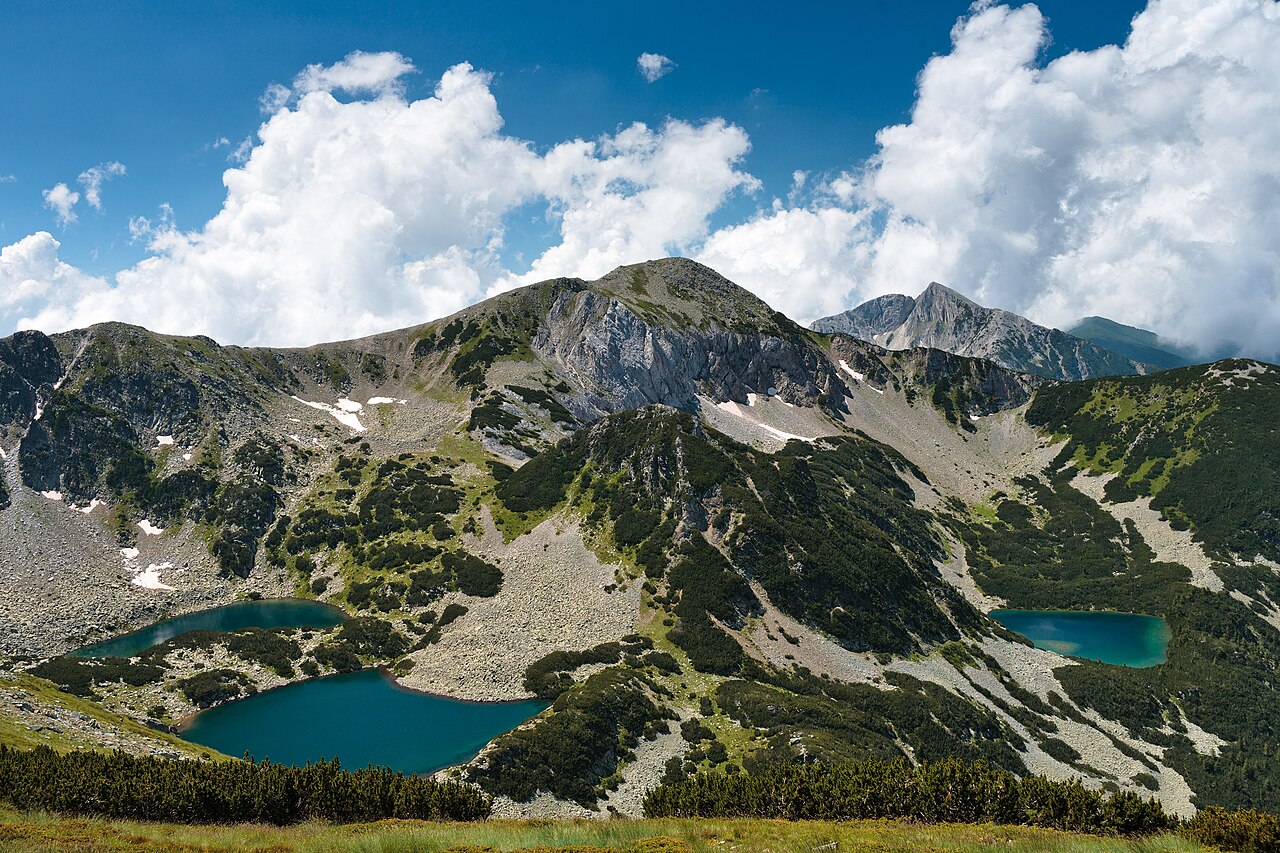
A national park of high peaks above Bansko, with 118 glacial lakes and Baikushev's pine, one of the oldest trees in Bulgaria at about 1,300 years old. Its highest point, Vihren, 2,914 m, is Bulgaria's second-highest peak.
UNESCO World Heritage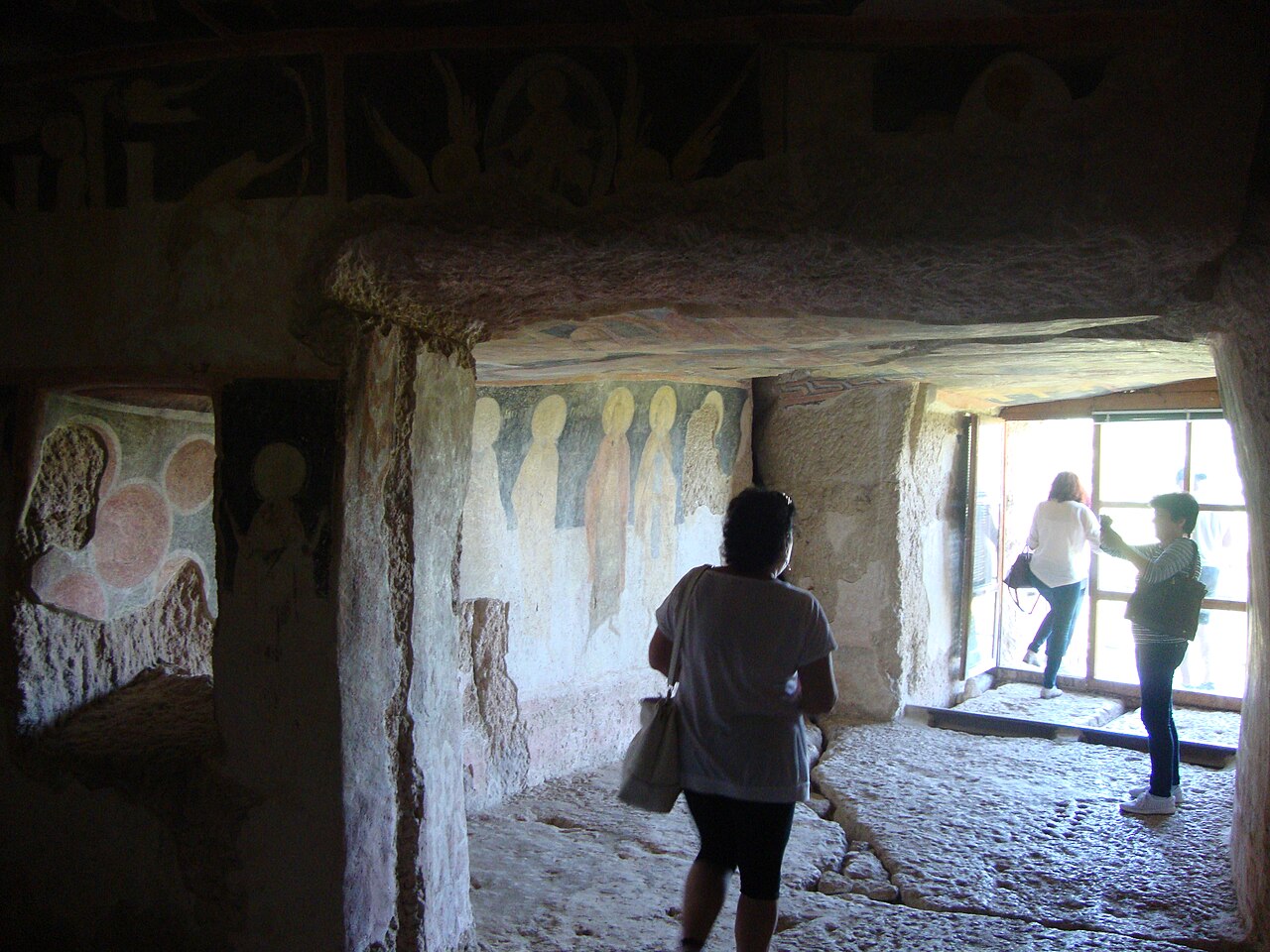
Churches and chapels cut into the cliffs above the Rusenski Lom river, about 20 km south of Ruse. Monks lived here from the 1220s, and some of the churches keep fine medieval wall paintings.
UNESCO World HeritageThe Cyrillic alphabet was developed in the 890s at the Preslav Literary School in the First Bulgarian Empire, by followers of the brothers Cyril and Methodius. When Bulgaria joined the EU in 2007, Cyrillic became the EU's third official alphabet.
Because of Bulgaria, the newer euro banknotes spell the word euro in three alphabets: Latin (EURO), Greek (ΕΥΡΩ) and Cyrillic (ЕВРО).
Bulgaria's euro coins show the Madara Rider and two saints, John of Rila and Paisius of Hilendar.
Traditionally, Bulgarians shake their heads from side to side to say yes and nod to say no. If an answer confuses you, ask again in words.
In 1905, in a laboratory in Geneva, the young Bulgarian doctor Stamen Grigorov discovered the bacterium behind yogurt. It is now called Lactobacillus bulgaricus.
The Rose Valley around Kazanlak has grown roses for centuries, and Bulgaria is one of the world's leading producers of rose oil for perfume. Kazanlak has held a Rose Festival since 1903, on the first weekend of June.
The gold found in 1972 in a prehistoric cemetery at Varna, from about 4600 to 4200 BC, is often called the oldest gold treasure in the world. It was found by chance by an excavator operator.
On 1 March, Baba Marta (Grandma March) Day, Bulgarians give each other martenitsi, little red and white tassels or dolls, and wear them until they see a stork, a swallow or a tree in blossom.
In Nestinarstvo, a fire-walking ritual kept up in a few villages in the south-east, dancers holding icons walk barefoot over glowing embers. It is on UNESCO's list of intangible cultural heritage.
Around New Year and before Lent, kukeri, men in huge animal masks and costumes with heavy bells on their belts, dance through villages to scare away evil spirits.
The Bulgarian State Television Female Vocal Choir, known from the album Le Mystère des Voix Bulgares, won a Grammy Award in 1990 for its haunting folk singing.
The artist Christo, famous for wrapping the Reichstag in Berlin in 1995 with his wife Jeanne-Claude, was born in Bulgaria in 1935.
John Vincent Atanasoff, credited with inventing the first electronic digital computer in the 1930s in the United States, was the son of a Bulgarian immigrant.
The writer Elias Canetti, born in the Danube city of Ruse in 1905, won the Nobel Prize in Literature in 1981.
Pronunciation is written the way it sounds; the capital letters show where the stress goes. Audio is coming soon.
As of September 2026, Bulgaria uses the euro, which replaced the lev on 1 January 2026, so lev prices in older guidebooks are out of date. Old lev notes and coins can still be changed for euros free of charge at the Bulgarian National Bank, with no end date.
Traditionally, a shake of the head means yes and a nod means no. If you are unsure, ask for a spoken 'da' (yes) or 'ne' (no).
Signs, bus timetables and station names outside Sofia and the coast are often written only in Cyrillic. The alphabet is phonetic and easy to learn well enough to read place names, which makes travel much easier.
Use licensed taxis with a meter and the prices shown on a sticker in the window, ordered by phone or app or taken from the official stand at the airport. Avoid drivers who approach you at arrivals or wait outside hotels and tourist spots.
The number for police, ambulance and fire in Bulgaria is 112. The older numbers 166 (police), 150 (ambulance) and 160 (fire) also work.
Drive on the right with dipped headlights or side lights on, even in daytime. To use motorways and main roads outside towns you need a digital vignette, a road toll you buy online before the journey.
Service is not added to the bill. Leave 5 to 10% in a restaurant if you were happy with the service.
Since 1 January 2025 Bulgaria has been a full member of the Schengen area, so there are no routine checks on flights from other Schengen countries. Still carry your passport: border guards may check it at the land borders with Greece and Romania.