A free large-print PDF. Choose what goes in: facts, map, history, dishes and recipes, phrases, fun facts, a quiz with or without answers. Made for clubs, care homes, libraries and family afternoons.
Sweden is a long country on the Scandinavian Peninsula, reaching from about 55 to 69 degrees north: from the farmland of Skåne (Scania) in the south to the mountains of Lapland, far above the Arctic Circle. It is the largest of the Nordic countries, with about 10.6 million people, but it is thinly populated: most Swedes live in towns and cities in the south and centre, while the north is a land of forests, rivers, lakes and reindeer. Around Kiruna, the sun does not set at all for weeks in early summer.
The Vikings of the Swedish lands traded far to the east, along the rivers of today's Russia and Ukraine. In the Middle Ages Sweden joined Denmark and Norway in the Kalmar Union, left it in 1523 under Gustav Vasa, and in the 17th century became a great power around the Baltic Sea. After losing Finland to Russia in 1809, Sweden fought its last war in 1814 and then stayed out of wars for more than two centuries. It joined the European Union in 1995 and, after Russia's full-scale invasion of Ukraine, NATO in 2024.
Today Sweden is a constitutional monarchy and parliamentary democracy. King Carl XVI Gustaf is head of state, while the Riksdag, the parliament of 349 members, makes the laws. Swedes are known for the coffee break called fika, for the right to walk and camp in the countryside (allemansrätten), for design and inventions, for pop music from ABBA onwards, and for the Nobel Prizes, most of which are presented in Stockholm every 10 December. The Sámi, the Indigenous people of the north, have their own parliament, the Sámediggi, since 1993.
CapitalStockholm
PopulationAbout 10.6 million (2026), the largest in the Nordic countries
Official languageSwedish, named the main language of the country by the Language Act of 2009. Finnish, Meänkieli, Sámi, Romani and Yiddish are recognised national minority languages, and Swedish Sign Language is also protected
CurrencySwedish krona (SEK, 'kr'), divided into 100 öre. Sweden is in the European Union but does not use the euro; voters said no to it in a referendum in 2003
AreaAbout 450,000 km², the fifth-largest country in Europe
GovernmentConstitutional monarchy and parliamentary democracy. King Carl XVI Gustaf, on the throne since 1973, is head of state; the Prime Minister leads the government, which answers to the Riksdag
Highest mountainAs of 2026, Kebnekaise, about 2,097 m, in Lapland. Its glacier-covered southern peak used to be higher, but the ice has melted and the ice-free northern peak is now the highest point
Longest riverThe Klarälven and Göta älv, which count as one river through Lake Vänern: it rises in Norway and reaches the sea at Gothenburg, the longest river in Scandinavia
NeighboursTwo by land: Norway and Finland. Denmark is linked by the Öresund Bridge and tunnel; across the Baltic Sea lie Estonia, Latvia, Lithuania, Russia, Poland and Germany
Drives on theRight, since 3 September 1967 (before that, on the left)
From Viking trading towns to the Kalmar Union, a 17th-century empire around the Baltic and two centuries of peace, Sweden's story runs from longships to the Nobel Prizes and NATO.
AD 750
Birka is founded
Around the year 750, the trading town of Birka grew up on the island of Björkö in Lake Mälaren, west of today's Stockholm. For about 200 years merchants met there with furs, iron and silver, and in the 830s the missionary Ansgar founded the first known Christian congregation in Sweden there.
1252
Stockholm is first mentioned
The name Stockholm first appears in writing in 1252, and the statesman Birger Jarl is traditionally named as the city's founder. The town grew on an island where Lake Mälaren meets the Baltic Sea, guarding the route inland.
1397
The Kalmar Union
At Kalmar in 1397, Queen Margaret of Denmark brought Denmark, Norway and Sweden, which then included much of Finland, under one monarch. The union lasted until 1523, but Swedes often resisted Danish rule.
1520
The Stockholm Bloodbath
In November 1520 the Danish king Christian II, newly crowned king of Sweden, had more than 80 Swedish nobles, bishops and townsmen executed in Stockholm. The massacre turned Swedes against him and sparked a rebellion.
1523
Gustav Vasa becomes king
The rebel leader Gustav Vasa was elected King of Sweden on 6 June 1523, ending Sweden's part in the Kalmar Union. He built a strong state and broke with the Catholic Church. The date, 6 June, is today Sweden's National Day, which also marks the constitution of 1809.
1628
The warship Vasa sinks
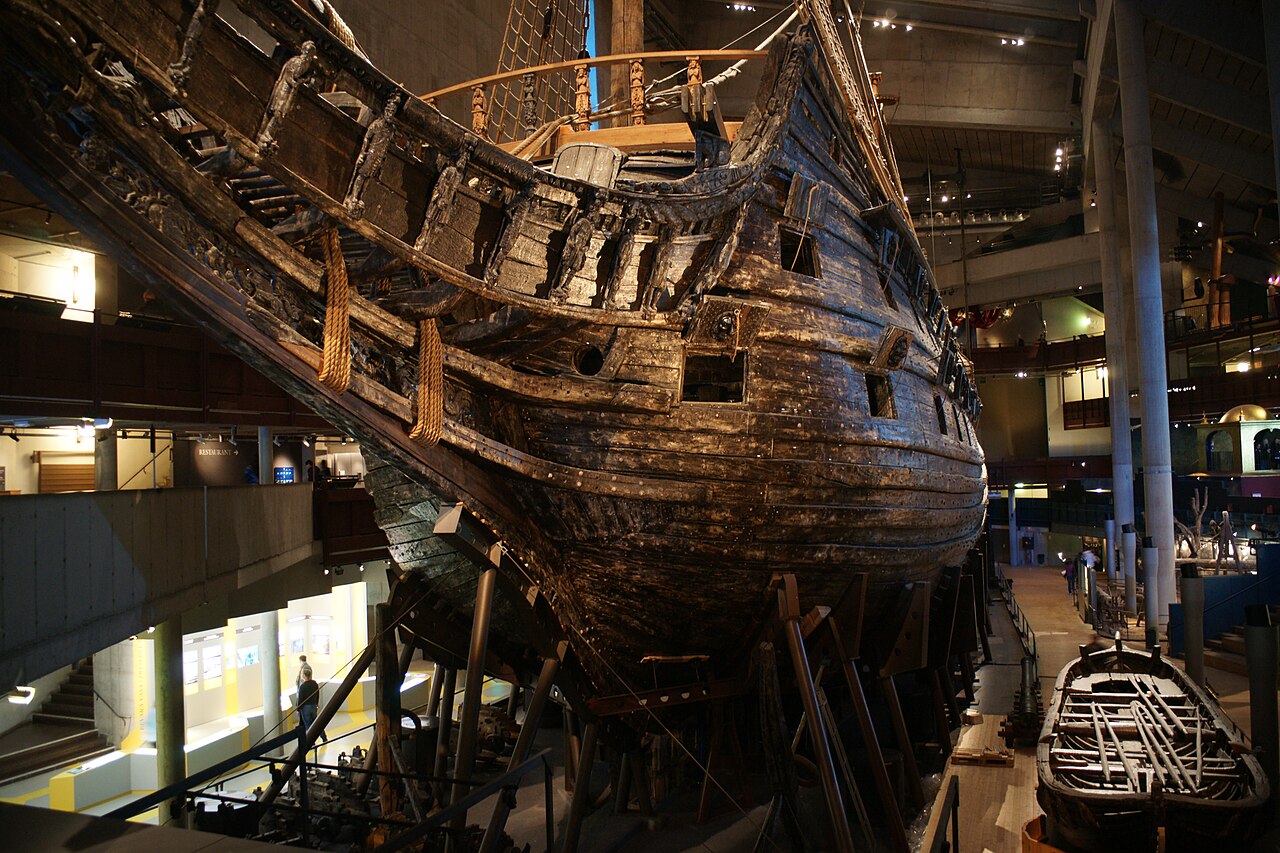
On 10 August 1628, the mighty new warship Vasa, built for King Gustavus Adolphus, keeled over and sank in Stockholm harbour after sailing only about 1,300 m on her first voyage. She was raised in 1961 and can be seen today in the Vasa Museum.
1658
The Treaty of Roskilde
After Charles X Gustav led his army across the frozen straits of Denmark, Denmark-Norway had to give up large lands in 1658. Scania (Skåne), Halland, Blekinge and Bohuslän in the south and west have been Swedish ever since.
1709
Defeat at Poltava
On 8 July 1709, the army of Charles XII was crushed by Peter the Great of Russia at Poltava, in today's Ukraine. It marked the beginning of the end of Sweden as a great power.
1766
The Freedom of the Press Act
In 1766 the Riksdag passed a Freedom of the Press Act that ended most censorship and gave the public the right to read official documents. It is regarded as one of the world's first laws of its kind, and its ideas are still part of Sweden's constitution.
1809
Finland is lost to Russia
After the Finnish War with Russia, Sweden gave up Finland, which had been part of the Swedish realm for about 600 years. The same year Sweden got a new constitution, which created the Parliamentary Ombudsman.
1814
The union with Norway begins
In 1814 Sweden forced Norway into a union under the Swedish king after a short campaign. It was the last war in which Sweden was directly involved.
1901
The first Nobel Prizes
The Swedish inventor Alfred Nobel, famous for dynamite, left most of his fortune in his will of 1895 to fund prizes for the greatest benefit to humankind. The first Nobel Prizes were awarded in 1901.
1905
The union with Norway ends
In 1905 Norway left the union, and Sweden accepted it without war. The two countries have been close neighbours and friends ever since.
1967
Dagen H: driving on the right
Early on Sunday 3 September 1967, the whole country switched from driving on the left to driving on the right. The day is remembered as Dagen H, 'H Day', from 'högertrafik', right-hand traffic.
1995
Sweden joins the European Union
On 1 January 1995, Sweden joined the European Union together with Finland and Austria. In a referendum in 2003, Swedes voted not to adopt the euro, so the krona is still the currency.
2024
Sweden joins NATO
After Russia's full-scale invasion of Ukraine, Sweden applied to join NATO in 2022 together with Finland. It became the alliance's 32nd member on 7 March 2024, ending more than 200 years of military non-alignment.
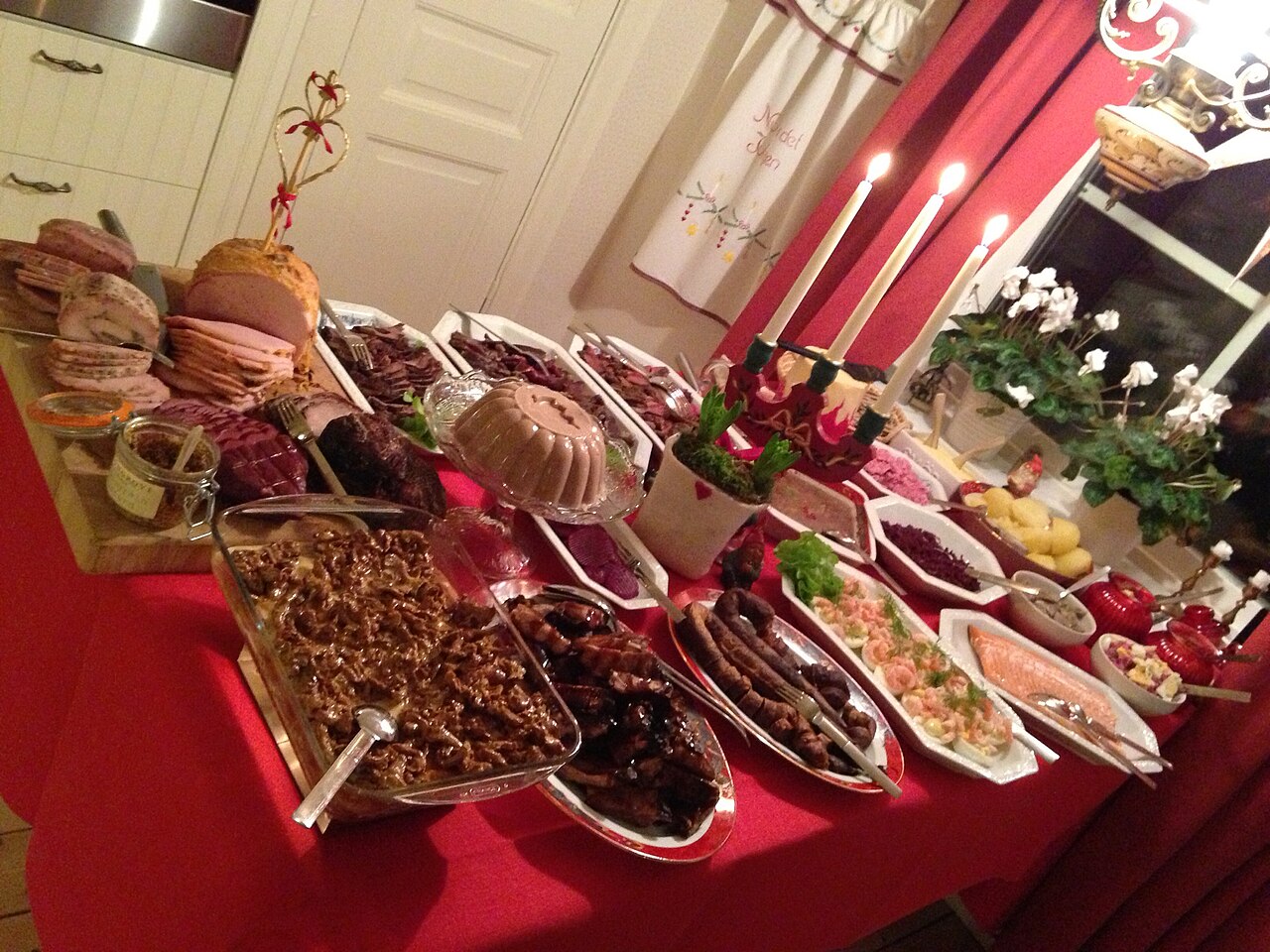
Swedish food grew out of long winters: fish that was salted, pickled, cured or fermented, crisp rye bread that kept for months, potatoes, and berries from the forest. A classic buffet, the smörgåsbord, is eaten in an order: first herring, then other fish such as salmon, then cold meats, then warm dishes like meatballs, and finally cheese and something sweet. Every day there is time for fika, coffee with a bun or a slice of cake, and many families still eat pea soup and pancakes on Thursdays.
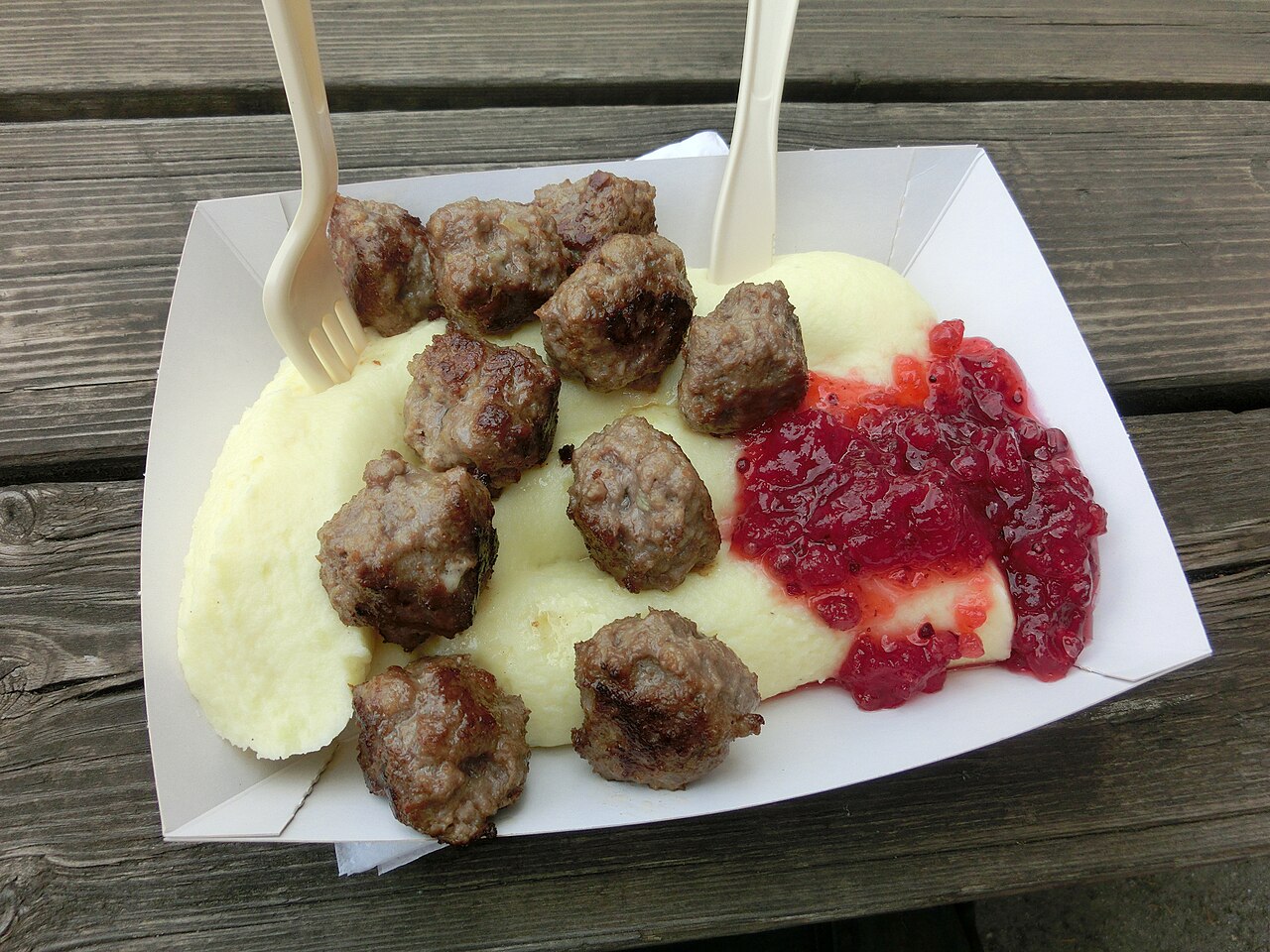
Small, round meatballs of minced beef and pork with onion and breadcrumbs soaked in milk, fried in butter. They are served with a creamy brown sauce, boiled or mashed potatoes, sweet-sour lingonberry jam and often pickled cucumber.
The furniture company IKEA began serving meatballs in its restaurants in 1985 and now sells them all over the world.
See the recipe
Serves 4
50 min
Ingredients
50 g dried breadcrumbs
150 ml milk
1 small onion, very finely chopped
500 g mixed minced beef and pork
1 egg
1 teaspoon salt, a pinch of white pepper and a pinch of ground allspice
2 tablespoons butter for frying
For the sauce: 1 tablespoon plain flour, 300 ml beef stock, 150 ml single cream, 1 teaspoon soy sauce
To serve: boiled potatoes and lingonberry jam
Method
Stir the breadcrumbs into the milk and leave for 10 minutes to swell.
Soften the onion in a little of the butter for 5 minutes and let it cool.
Mix the minced meat, soaked breadcrumbs, onion, egg, salt and spices. Wet your hands and roll small balls, about 3 cm across.
Fry the meatballs in batches in the butter over medium heat for about 8 to 10 minutes, shaking the pan, until browned all over and cooked right through with no pink in the middle. Keep them warm.
Stir the flour into the fat left in the pan, whisk in the stock and cream and simmer for 5 minutes until thick. Add the soy sauce and season.
Serve the meatballs with the sauce, potatoes and a spoonful of lingonberry jam.
All of Sweden, from an old Nordic way of keeping fish
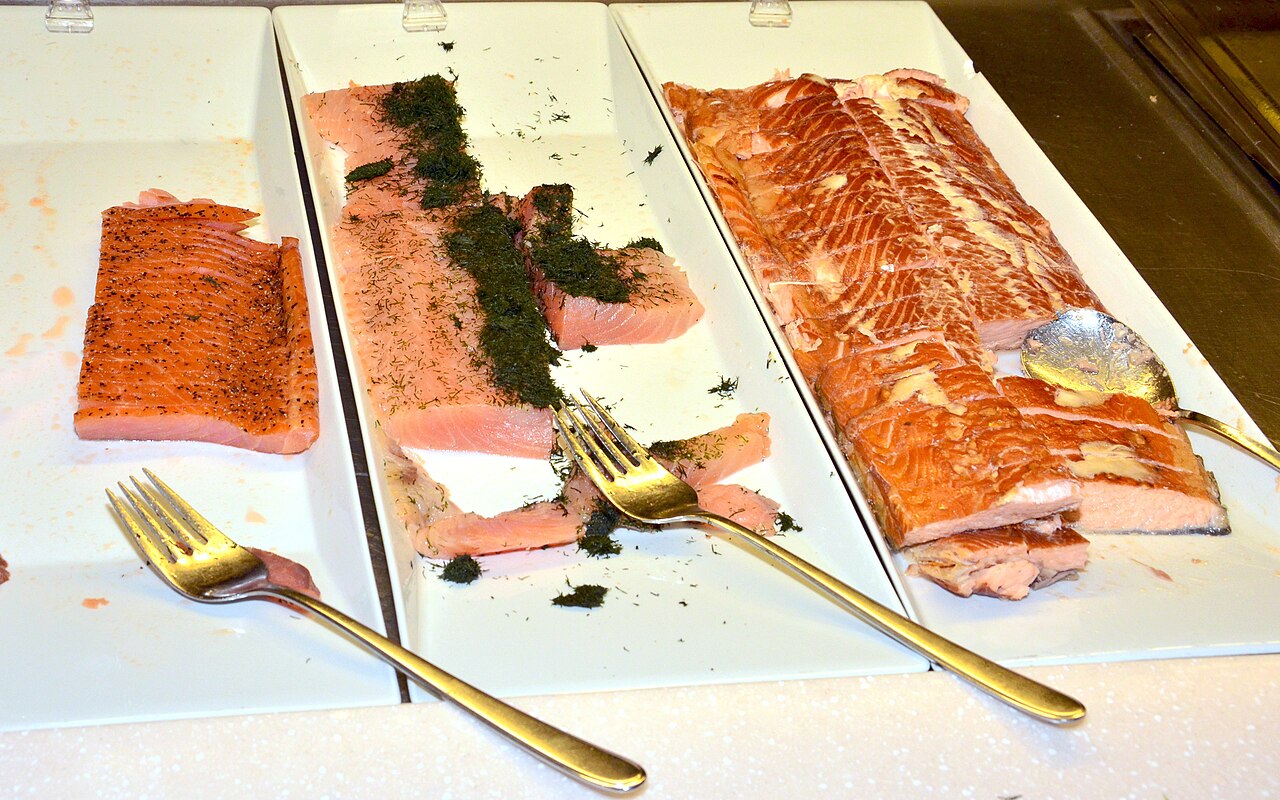
Raw salmon cured for a few days under salt, sugar and plenty of dill, then sliced thinly. It is eaten with a sweet mustard and dill sauce, on bread or with boiled potatoes. The fish is cured, not cooked, so it is still raw.
The name means 'buried salmon': in the Middle Ages fishermen salted the fish and buried it in the sand above the high-tide line to cure it.
See the recipe
Serves 8
30 min
Ingredients
1 kg very fresh salmon fillet with skin, pin bones removed. Use fish sold as frozen for raw use, or freeze it at home for at least 4 days first (see the note in the steps)
3 tablespoons coarse sea salt
3 tablespoons sugar
1 teaspoon crushed white peppercorns
A large bunch of fresh dill, chopped with the stalks
For the sauce: 3 tablespoons Swedish or sweet mustard, 1 tablespoon sugar, 1 tablespoon vinegar, 100 ml oil, 3 tablespoons chopped dill
Method
Safety first: the salmon is eaten raw. Parasites in raw fish are killed by freezing, so buy fish that has been frozen for raw use, or freeze it yourself in a home freezer at minus 18 °C or colder for at least 4 days, then thaw it in the fridge. Pregnant women, older people, young children and anyone with a weak immune system should not eat raw cured fish.
Cut the fillet in two pieces across. Mix the salt, sugar and pepper.
Lay one piece skin side down in a dish, cover with the salt mixture and most of the dill, and lay the other piece on top, skin side up, like a sandwich.
Cover with cling film, put a small weight on top and keep it in the fridge for 2 to 3 days, turning the parcel every 12 hours and spooning the juices over.
Whisk the mustard, sugar and vinegar, then slowly whisk in the oil and stir in the dill.
Scrape off the dill and spices, slice the salmon very thinly at an angle away from the skin and serve with the sauce. Keep it in the fridge and eat it within a few days.
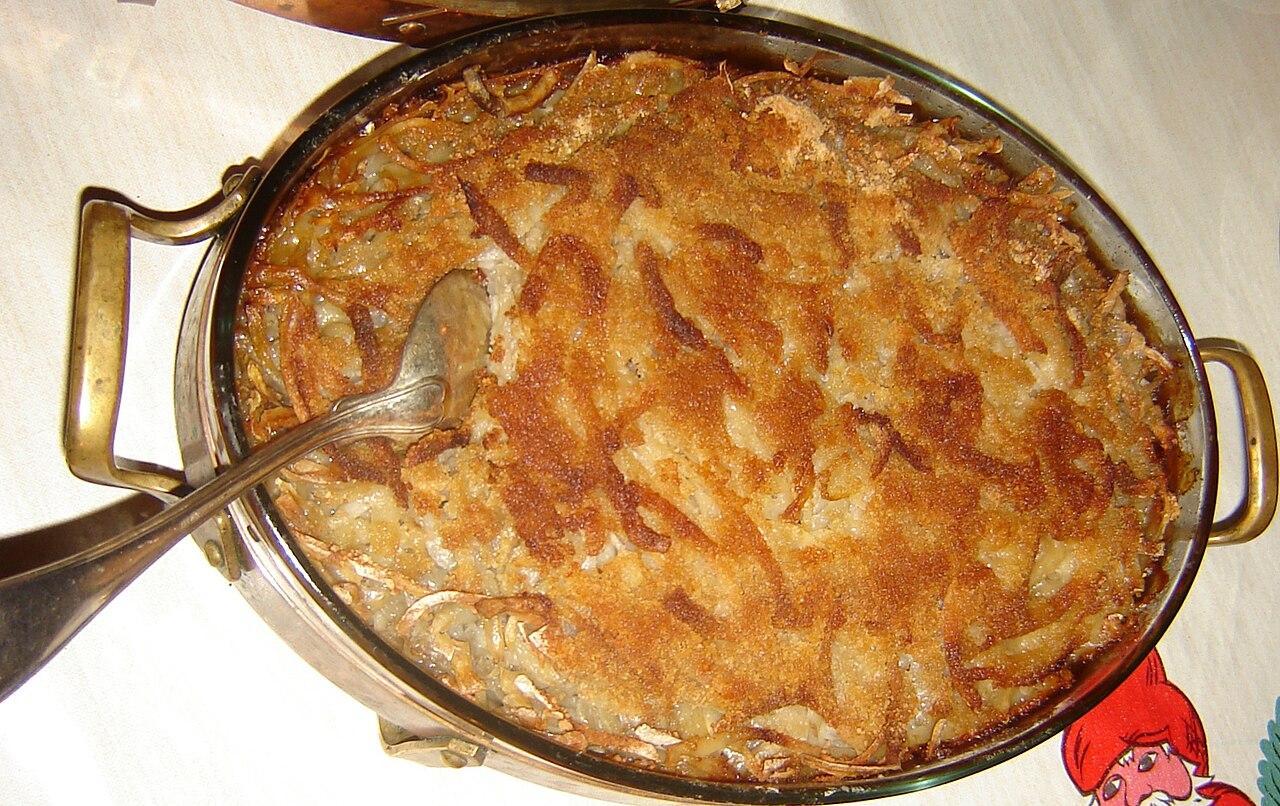
A creamy bake of thin potato strips, onions and pickled sprats, topped with breadcrumbs and baked until golden. It is a favourite on the Christmas buffet, the julbord.
Swedish recipes call for 'ansjovis', but these are spiced, pickled sprats, not the salty anchovies of southern Europe.
See the recipe
Serves 6
1 h 20 min
Ingredients
1 kg firm potatoes, peeled
2 onions, thinly sliced
1 tin (about 125 g) Swedish pickled sprats ('ansjovis'), or half as many ordinary anchovies, which are much saltier
300 ml double cream
2 tablespoons butter
2 tablespoons dried breadcrumbs
Method
Heat the oven to 200 °C and butter an ovenproof dish.
Cut the potatoes into thin matchsticks. Soften the onions in half the butter for 5 minutes.
Layer the potatoes, onions and fish in the dish, starting and ending with potatoes. Pour over some of the liquid from the tin.
Pour half the cream over, sprinkle with breadcrumbs and dot with the rest of the butter.
Bake for 20 minutes, pour over the rest of the cream and bake for another 30 to 40 minutes, until the potatoes are soft and the top is golden.
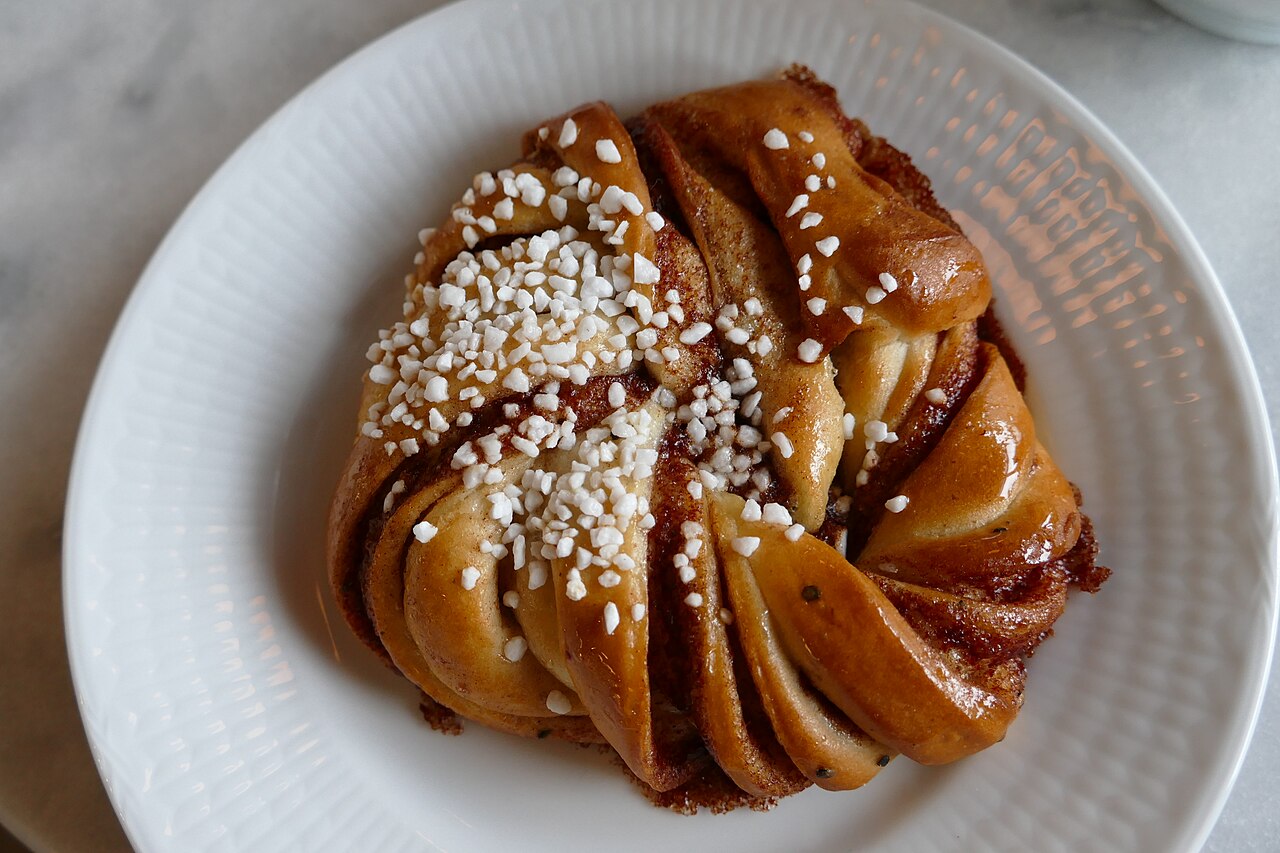
Soft, twisted buns of sweet yeast dough spiced with cardamom and rolled up with butter, sugar and cinnamon, topped with pearl sugar. They are the most famous treat for fika.
Since 1999, 4 October has been promoted as Cinnamon Bun Day, Kanelbullens dag.
See the recipe
Serves 12
2 h
Ingredients
250 ml milk
75 g butter
7 g dried yeast (1 sachet)
50 g sugar
1 teaspoon ground cardamom and a pinch of salt
About 450 g plain flour
For the filling: 75 g soft butter, 50 g sugar, 1 tablespoon ground cinnamon
1 beaten egg and pearl sugar (or crushed sugar cubes) for the top
Method
Melt the butter in the milk and let it cool until just warm to the touch. Stir in the yeast, sugar, cardamom and salt.
Work in the flour a little at a time to make a soft dough and knead for 5 minutes. Cover and leave in a warm place for about 45 minutes, until doubled.
Roll the dough out to a rectangle about 30 by 40 cm. Spread with the soft butter and sprinkle with the sugar and cinnamon.
Roll up from the long side, cut into 12 slices and place them cut side up in paper cases on a baking tray. Leave to rise for 30 minutes.
Heat the oven to 225 °C. Brush the buns with egg, sprinkle with pearl sugar and bake for 8 to 10 minutes until golden.
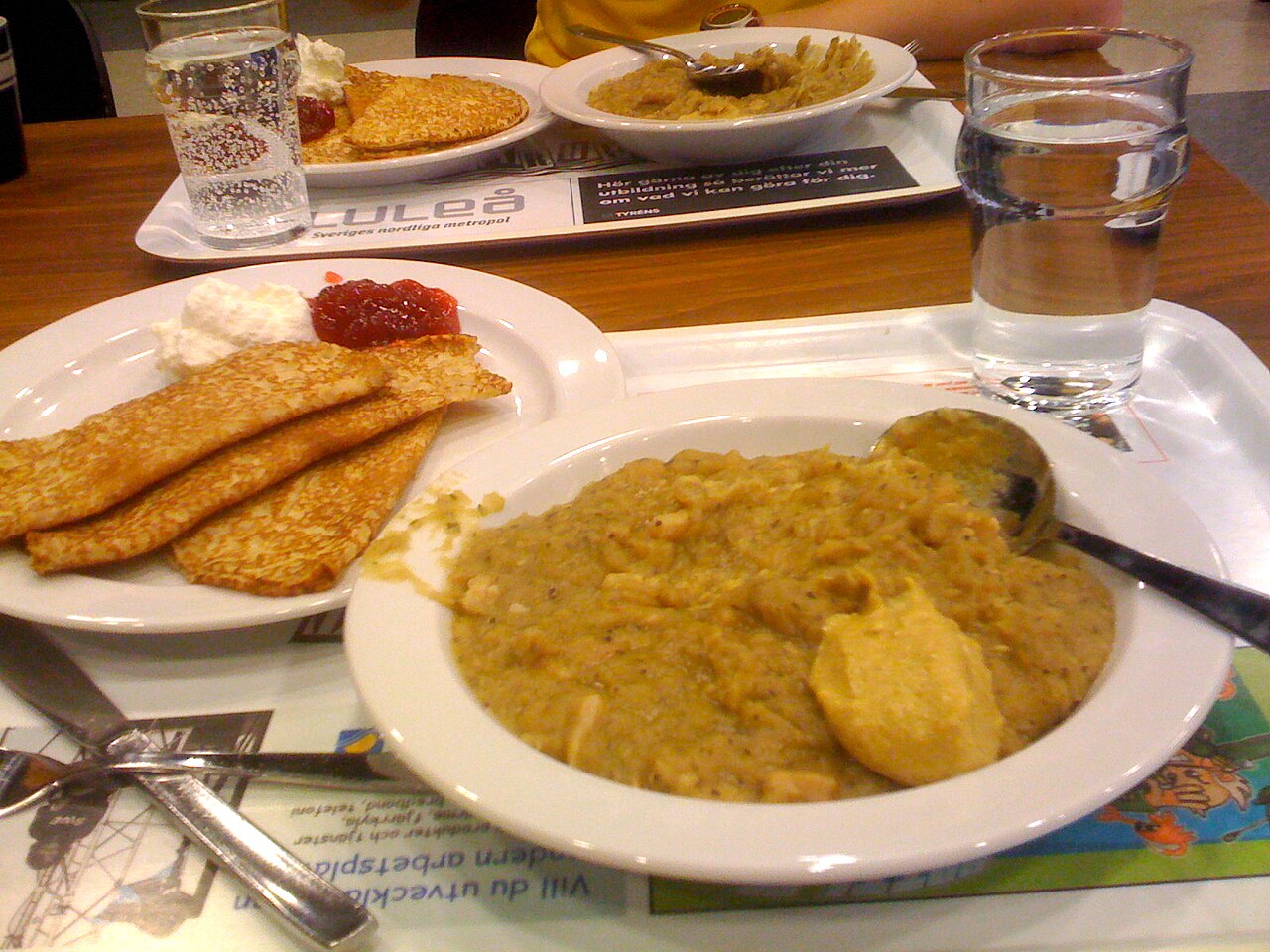
A thick soup of dried yellow peas cooked with salted pork, onion and marjoram, eaten with a little mustard. It is followed by thin pancakes with jam and cream. Schools, workplaces and restaurants still serve it on Thursdays.
Swedes have eaten pea soup since at least the 13th century; the pancakes, and a glass of warm 'punsch' liqueur, were added later.
See the recipe
Serves 6
2 h 30 min
Ingredients
500 g dried yellow peas, soaked overnight in plenty of cold water
2 litres water
1 onion, chopped
400 g lightly salted pork belly or ham hock
1 teaspoon dried marjoram and 1 teaspoon dried thyme
Salt, pepper and Swedish or mild mustard to serve
Method
Drain the soaked peas, put them in a large pot with the water and bring to the boil. Skim off the pea skins and foam that rise to the top.
Add the onion and the pork and simmer gently with a lid half on for about 1 and a half to 2 hours, until the peas are soft.
Take out the pork, cut it into pieces and put it back. Stir in the herbs, season with salt and pepper, and add more water if the soup is too thick.
Serve with mustard, and afterwards thin pancakes with jam.
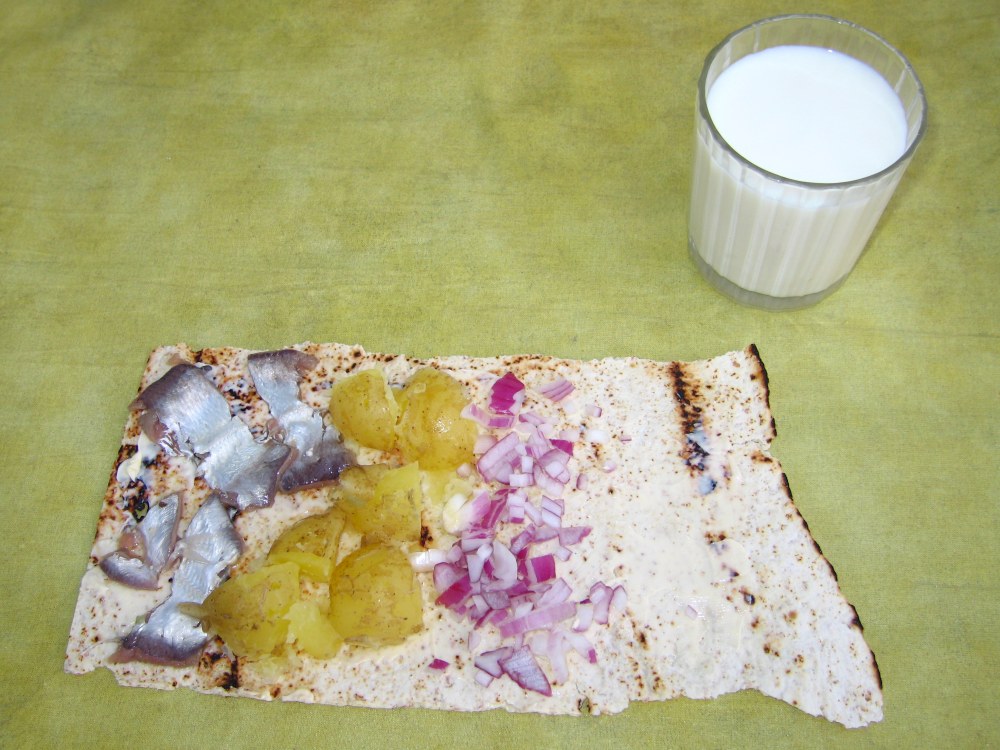
Baltic herring lightly salted and fermented for months, sold in bulging tins. Its smell is famously strong, so tins are often opened outdoors. It is eaten with thin flatbread (tunnbröd), boiled potatoes, onion and sour cream.
The new season's tins go on sale from the third Thursday in August, a date first set by a royal order in the 1940s and still kept by shops today.
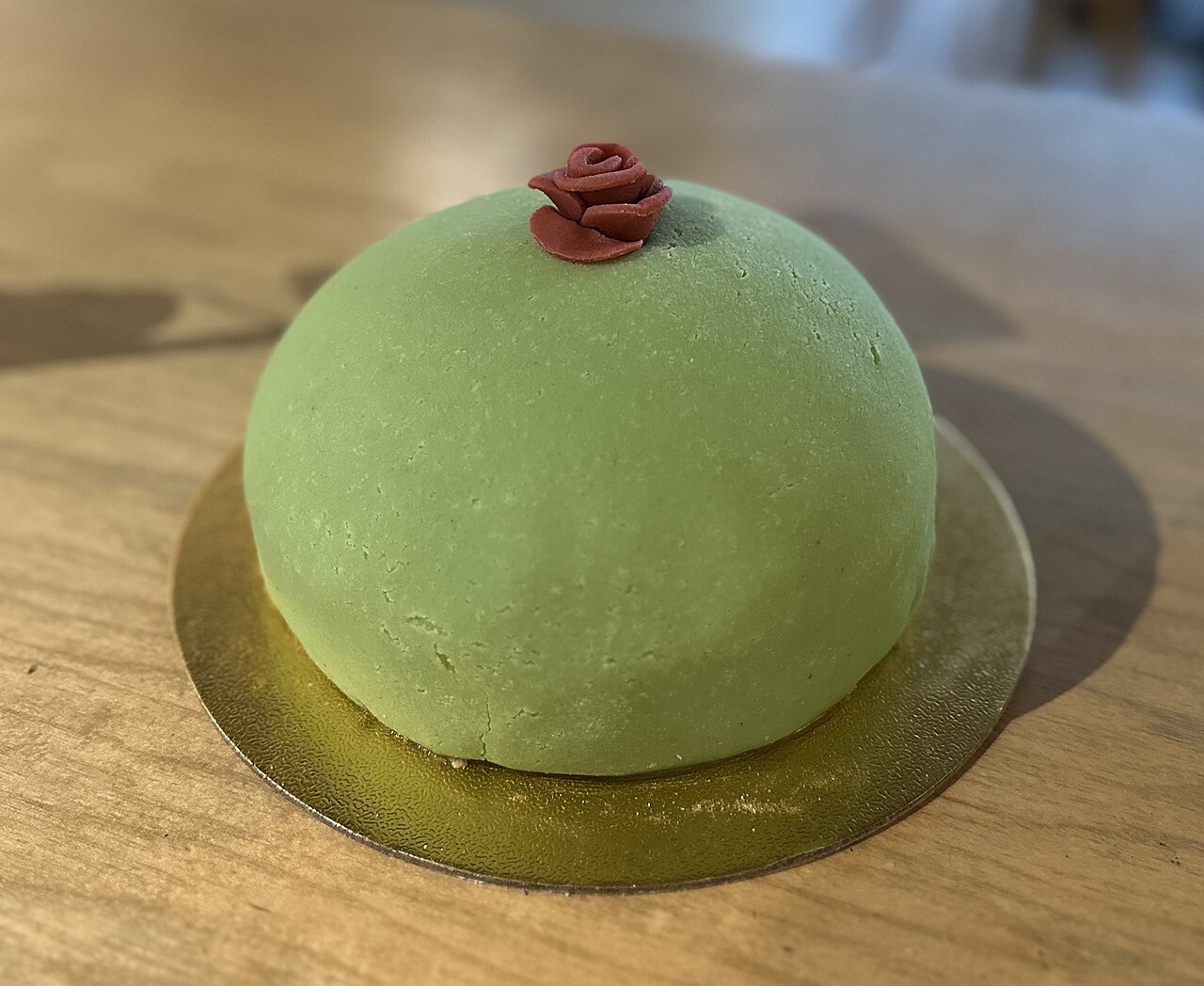
A dome-shaped cake of sponge layers, raspberry jam, vanilla custard and a mountain of whipped cream, covered with smooth green marzipan and often a pink marzipan rose.
The recipe first appeared in 1948 in 'The Princesses' Cookbook' by Jenny Åkerström, who taught the three daughters of Prince Carl.
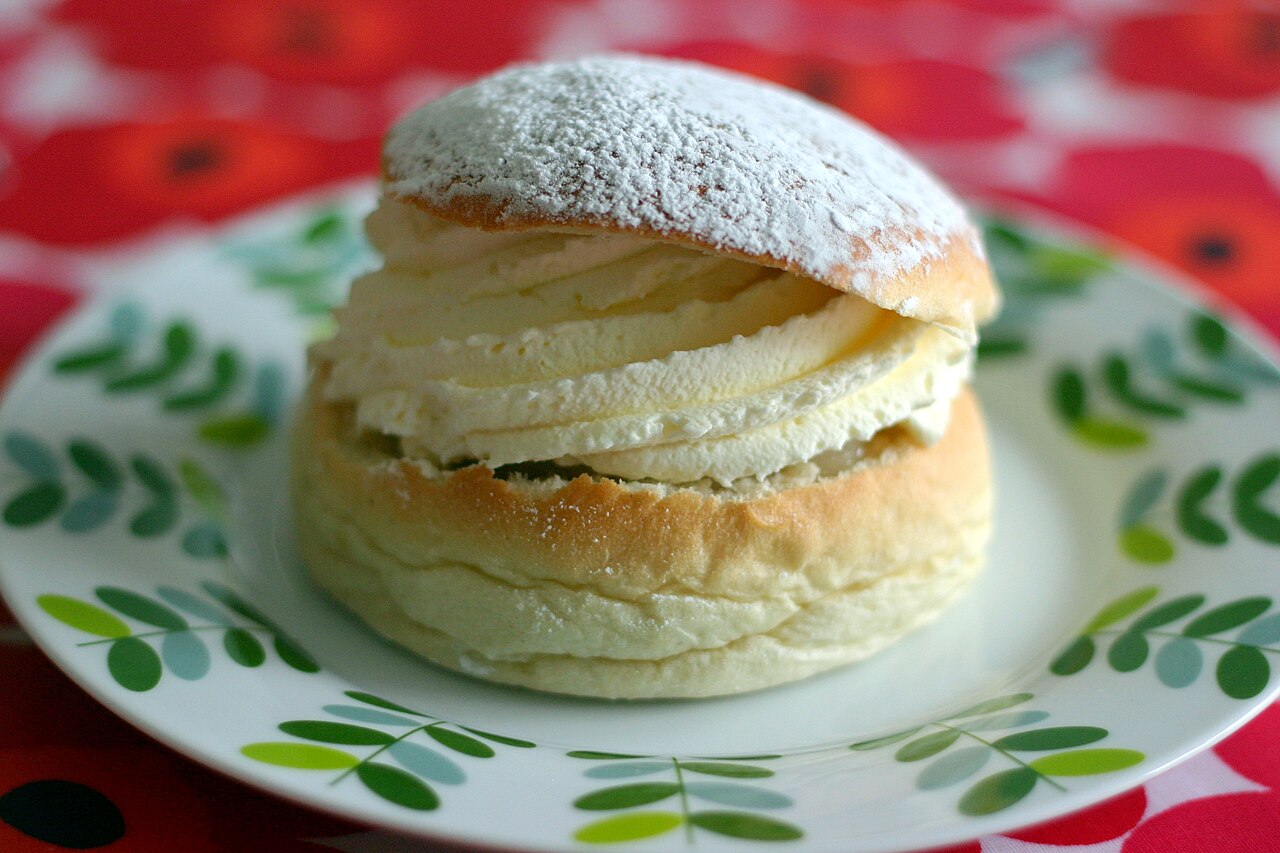
A cardamom bun with its top cut off, filled with almond paste mixed with milk and piled with whipped cream, then dusted with icing sugar. It belongs to the weeks before Easter, and above all to Shrove Tuesday.
A popular story says King Adolf Frederick died in 1771 after a huge dinner finished with semla in hot milk, his favourite dessert.
A large buffet of cold and warm dishes: herring, salmon, eggs, cold meats, meatballs, sausages, cheese and bread. At Christmas it becomes the julbord, with Christmas ham, and at Easter and Midsummer there are smaller versions.
It began as a small table of snacks with bread, butter, cheese, herring and spirits served before the meal; during the 1912 Stockholm Olympics restaurants began serving it as the main meal.
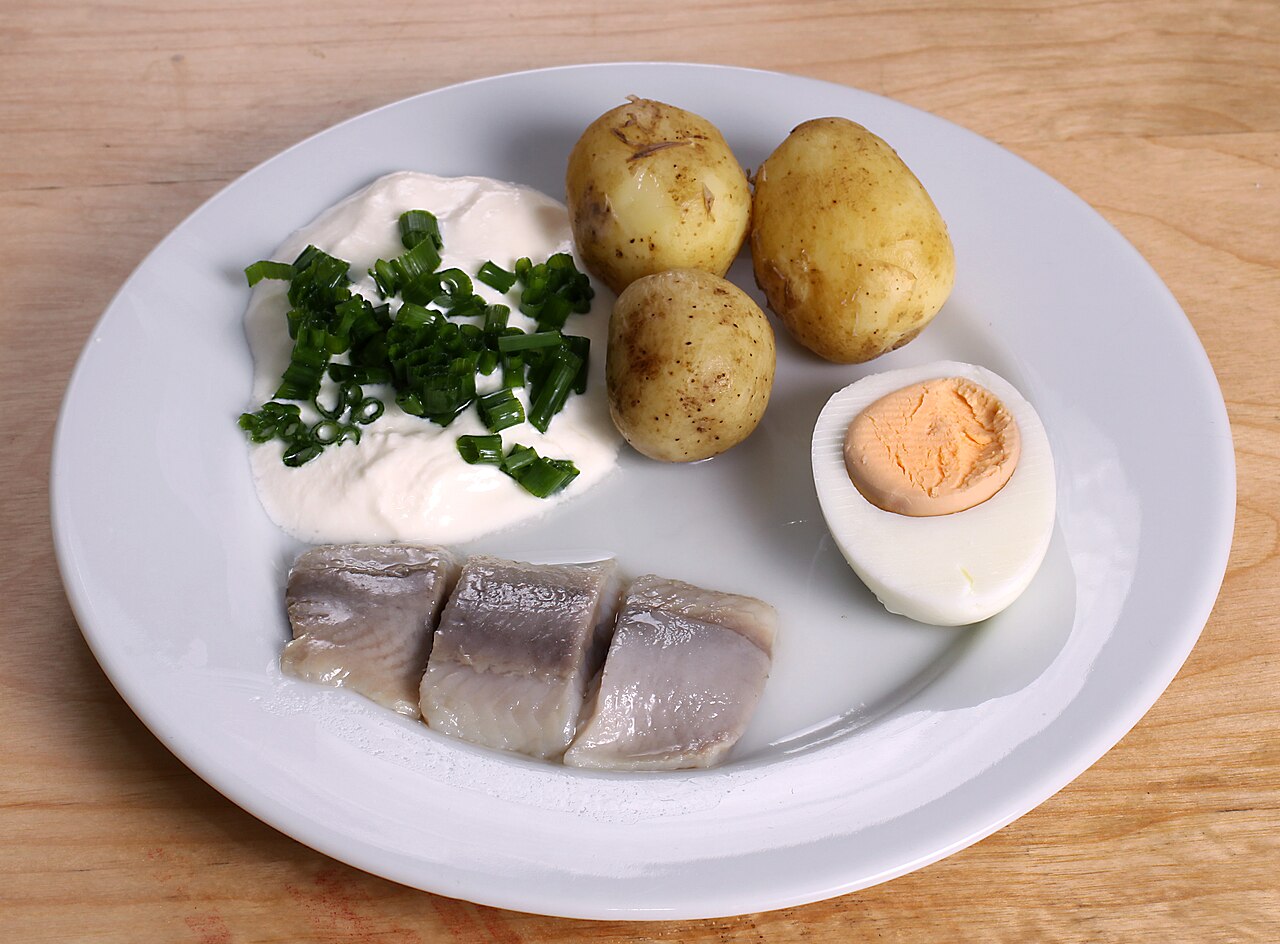
Herring pickled in a sweet vinegar brine with onion and spices, or served in mustard, dill or cream sauces. With new potatoes, sour cream and chives it is the heart of the Midsummer meal.
On a Swedish buffet the herring is eaten first, before the salmon, the cold meats and the warm dishes.
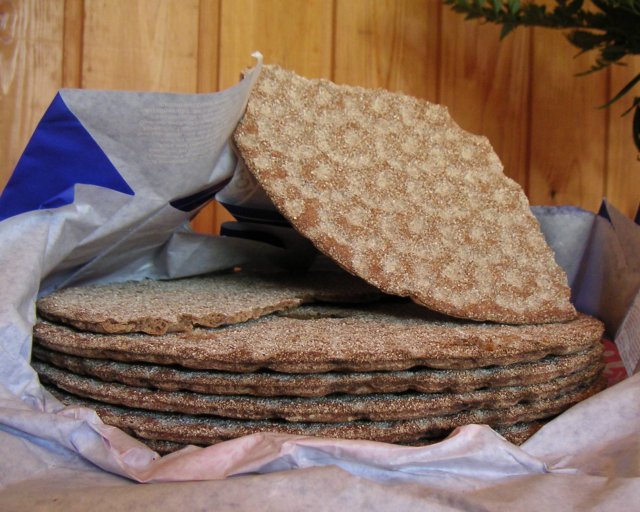
Thin, dry and crunchy bread, usually made of rye flour, that keeps for months. Swedes eat it with butter, cheese or caviar spread at breakfast and with soup.
Crispbread has been baked in central Sweden since at least the sixth century. Traditional round loaves had a hole in the middle so they could be stored on a pole under the roof.
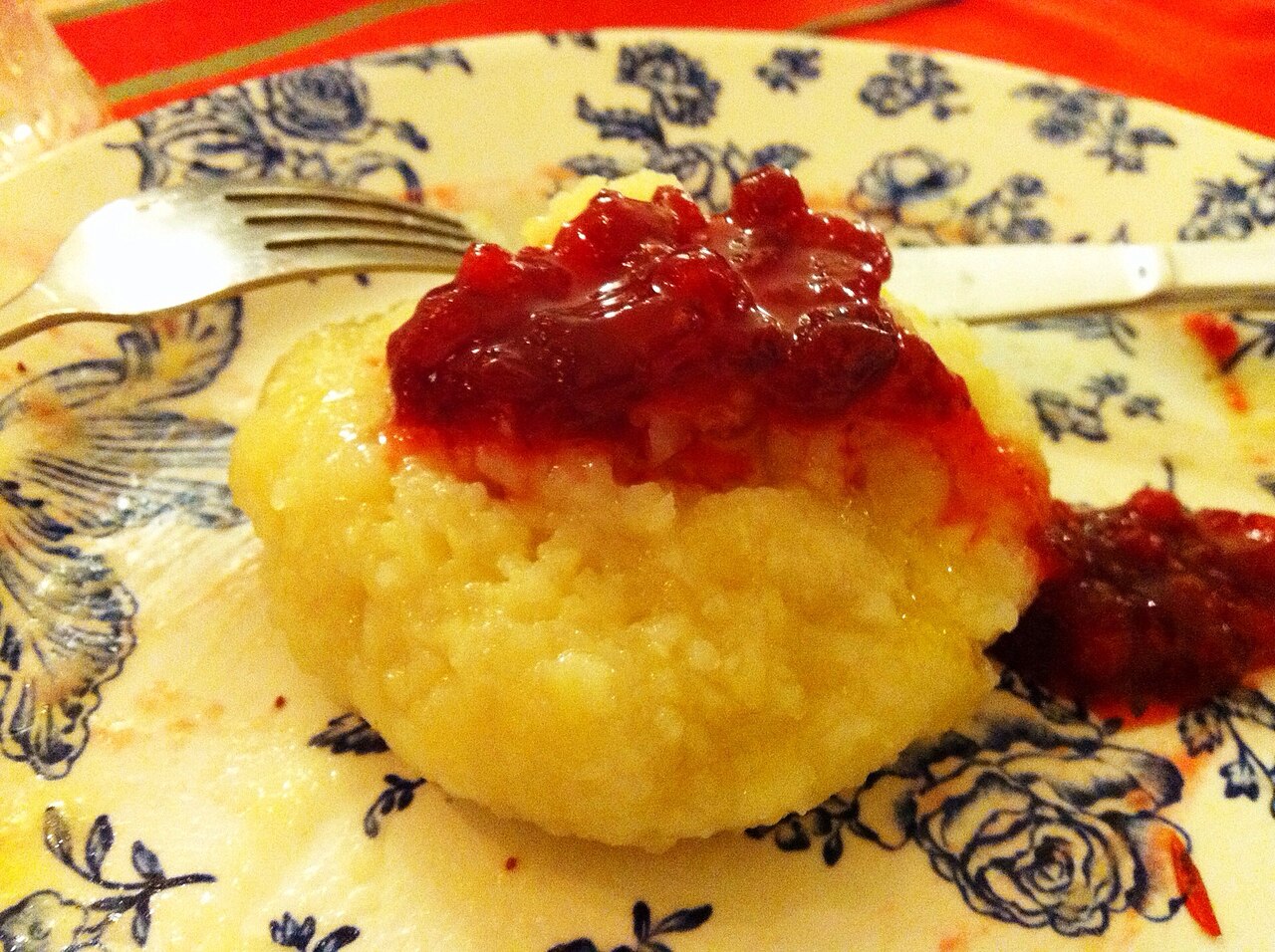
Small red lingonberries grow wild in Swedish forests and are picked in late summer and autumn. Made into a lightly sweetened jam, their tart taste goes with meatballs, potato pancakes, black pudding and porridge.
Thanks to the right of public access, anyone may pick wild lingonberries in the forest, even on private land, though not in some national parks and nature reserves.
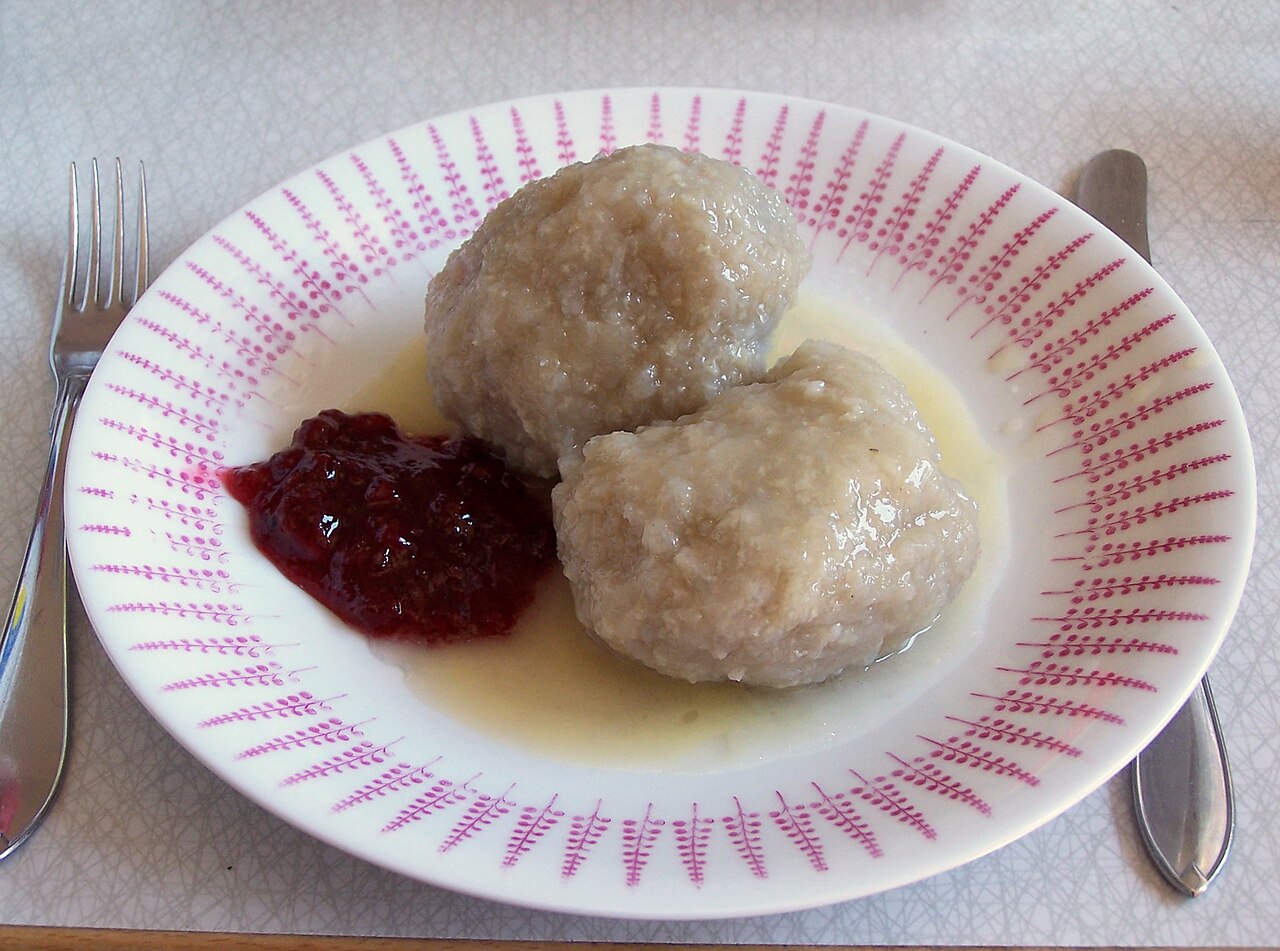
Large dumplings of potato dough filled with salted pork and onion, boiled and served with melted butter and lingonberry jam.
Each region makes them a little differently: on Öland mostly with raw potato, in Småland mostly with boiled potato, and on Gotland only with boiled potato.
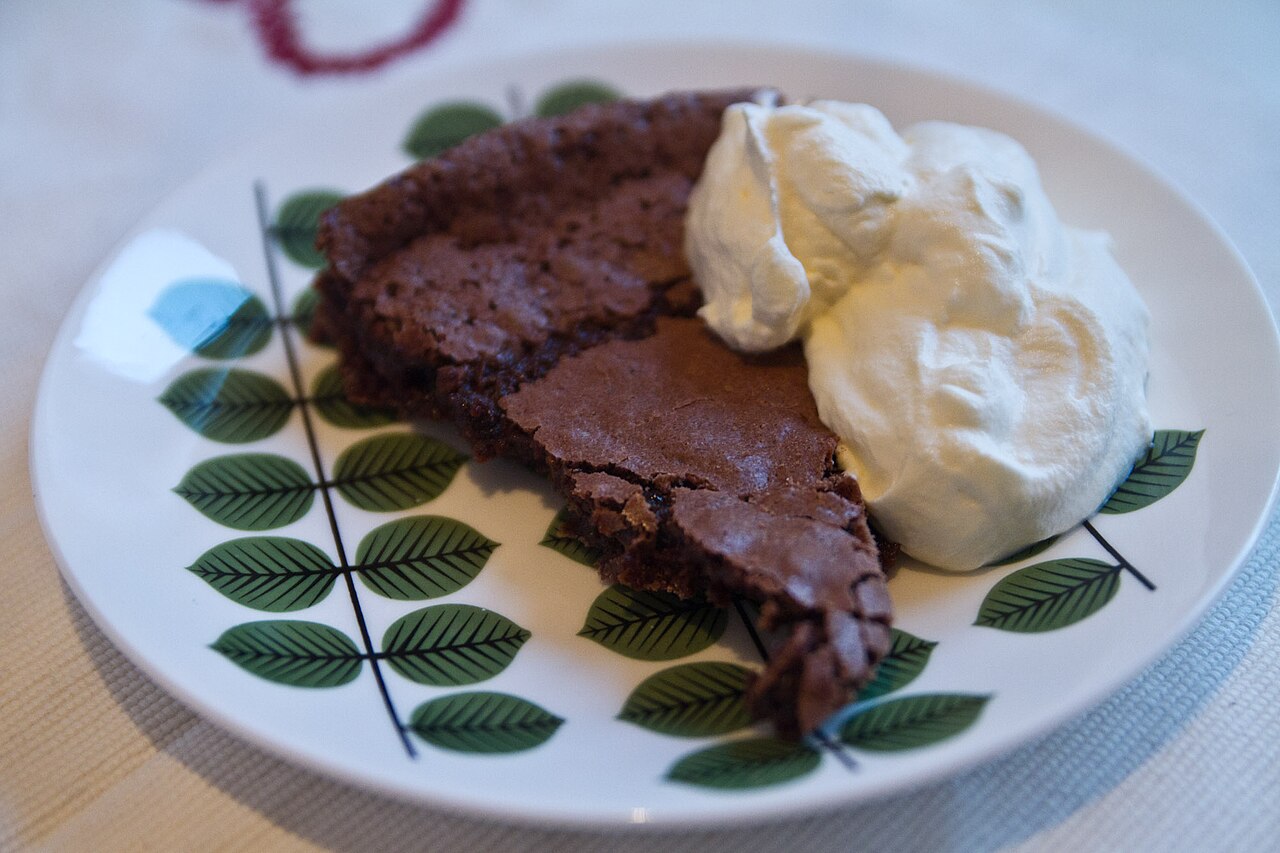
A flat chocolate cake with a crisp top and a soft, gooey middle, served with whipped cream or ice cream. 'Kladdig' means sticky. Because the middle is left soft, the eggs are not fully cooked: use pasteurised eggs or bake it longer for pregnant women, older people and anyone with a weak immune system.
It is made without baking powder, which is why it stays flat and dense. Since 2008, 7 November has been Kladdkaka Day.
Table manners
Before eating, people may wish each other 'Smaklig måltid', enjoy your meal.
When raising a glass, Swedes say 'Skål', cheers.
People take their shoes off when entering a private home.
Be on time: Swedes value punctuality, whether for dinner or a friendly fika.
Tipping is welcome but not expected; rounding up or adding about 10 percent in a restaurant is generous.
Most Swedes live in the south, in and around Stockholm, Gothenburg and Malmö. Further north, towns are small and far apart, strung along the rivers and the coast of the Gulf of Bothnia, and above the Arctic Circle they share the land with the reindeer herds of the Sámi.
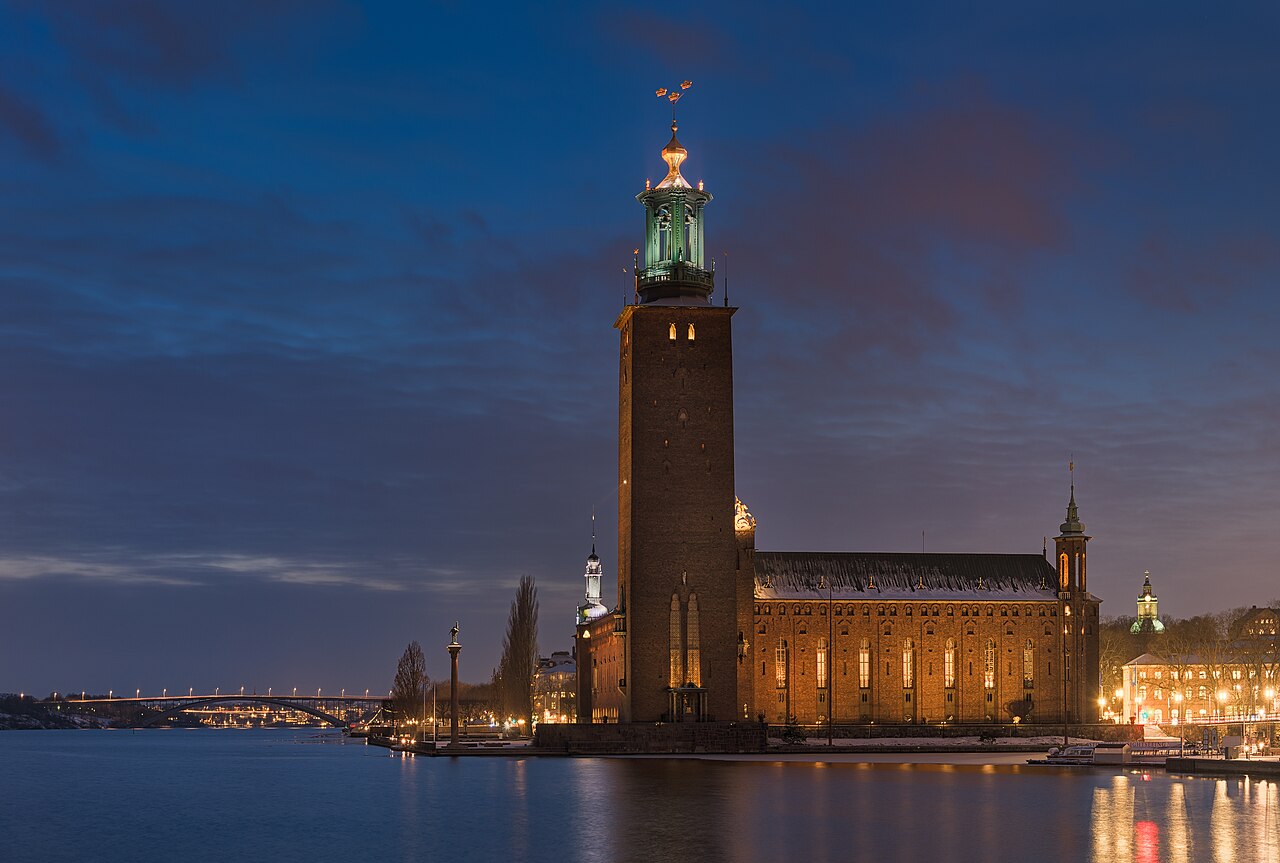
The capital and largest city, built on 14 islands where Lake Mälaren meets the Baltic Sea, with a vast archipelago of islands outside. It hosted the 1912 Olympic Games and hosts the Nobel Prize ceremony and banquet every December.
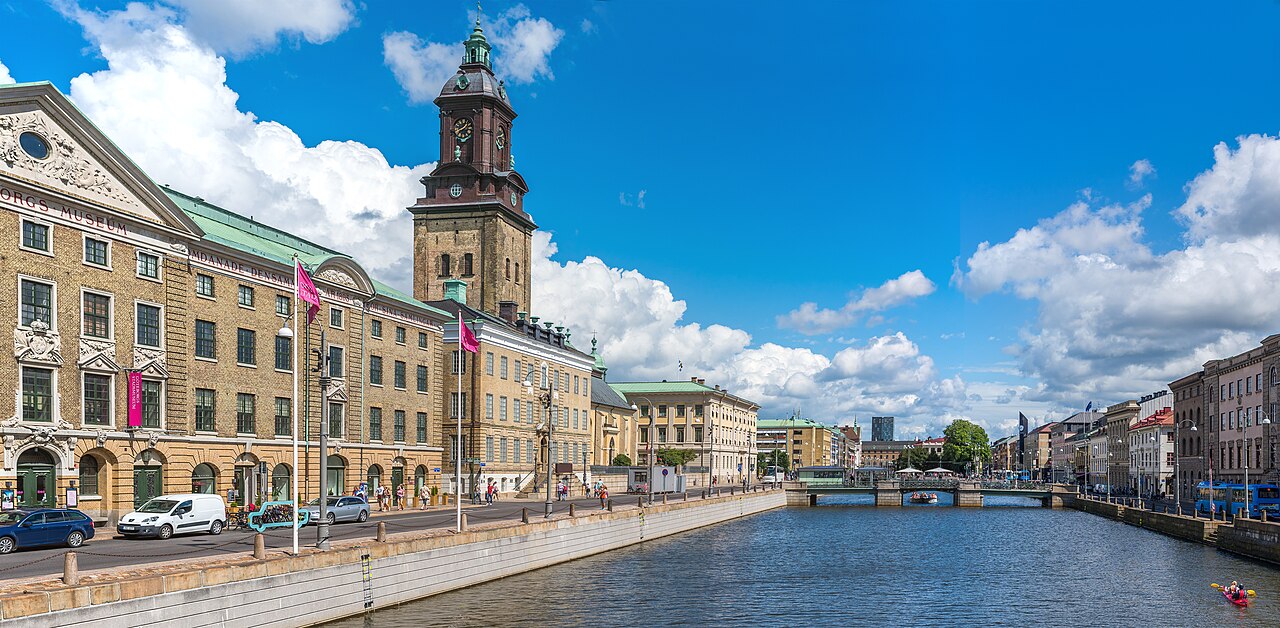
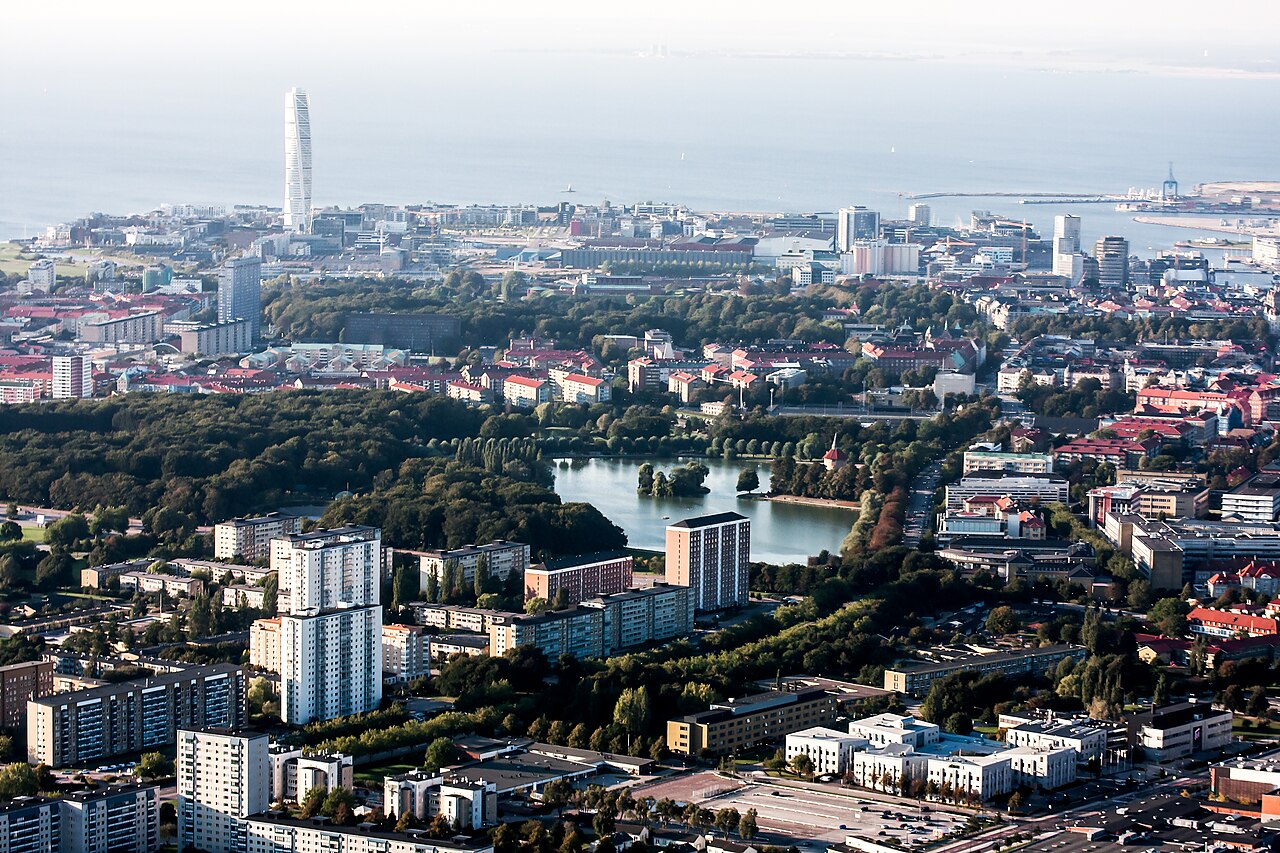
Sweden's second-largest city, on the west coast at the mouth of the Göta älv river. It was founded by King Gustavus Adolphus in 1621 with the help of Dutch settlers, and its port is the largest in the Nordic countries.
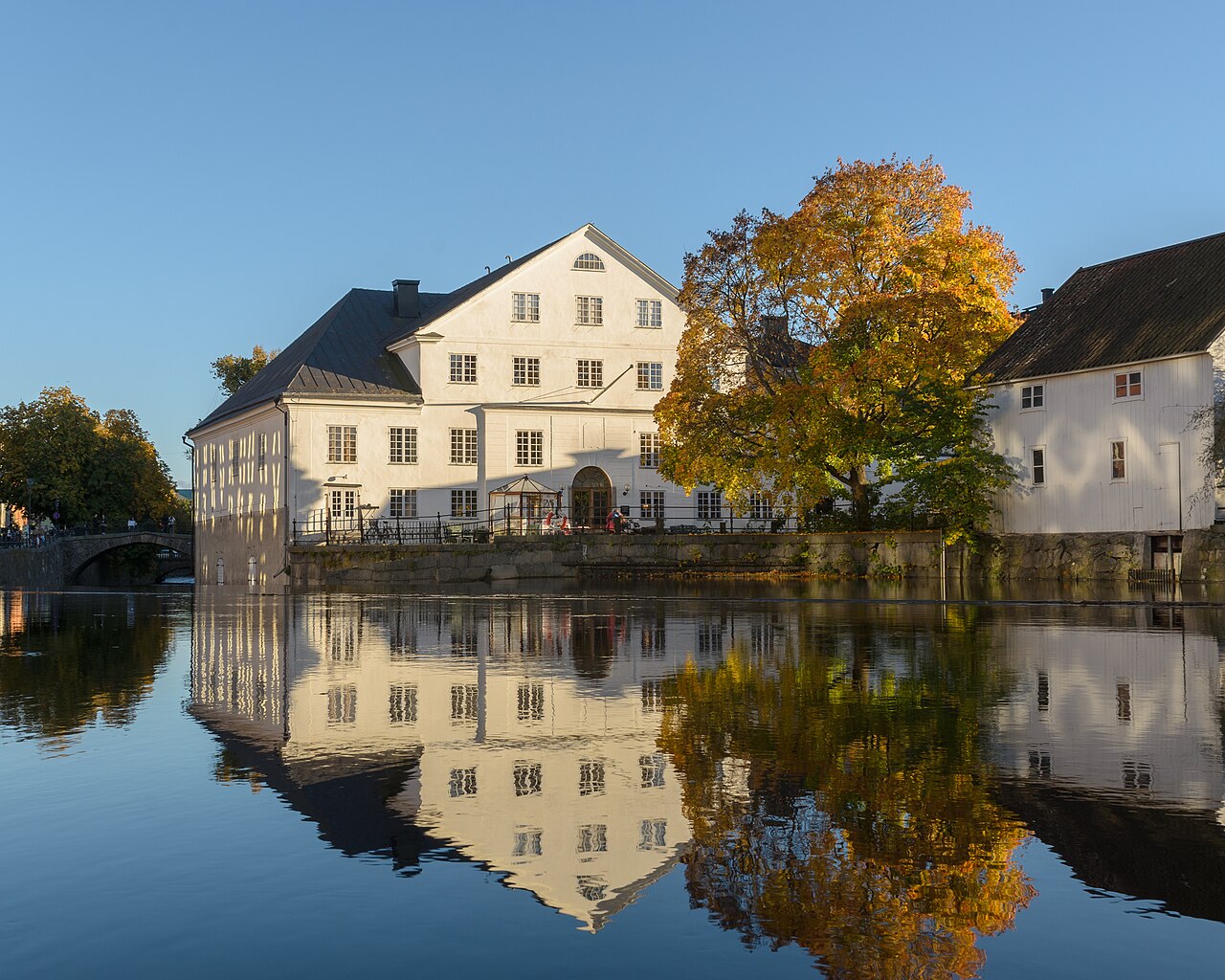
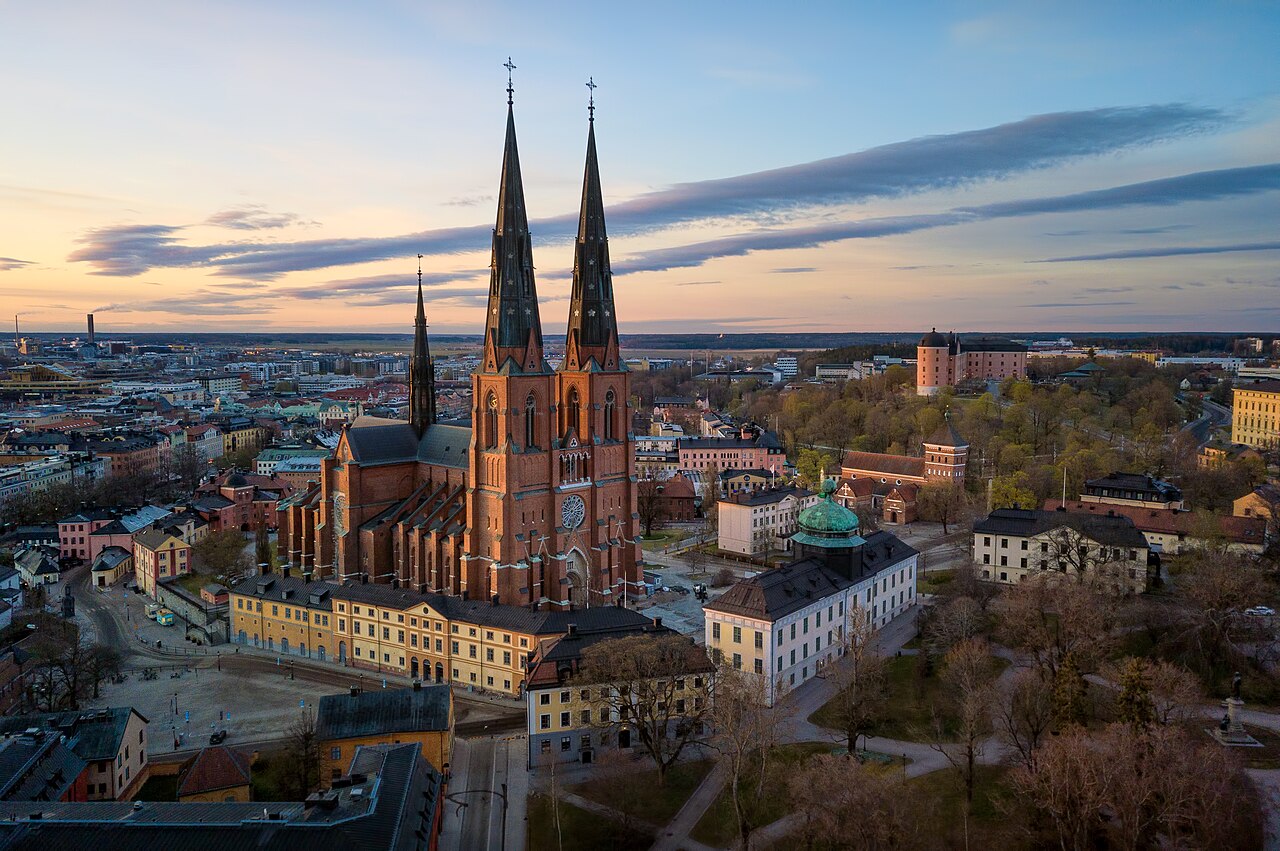
An old university and church city north of Stockholm. Uppsala University, founded in 1477, is the oldest in the Nordic countries, and the botanist Carl Linnaeus lived and taught here.
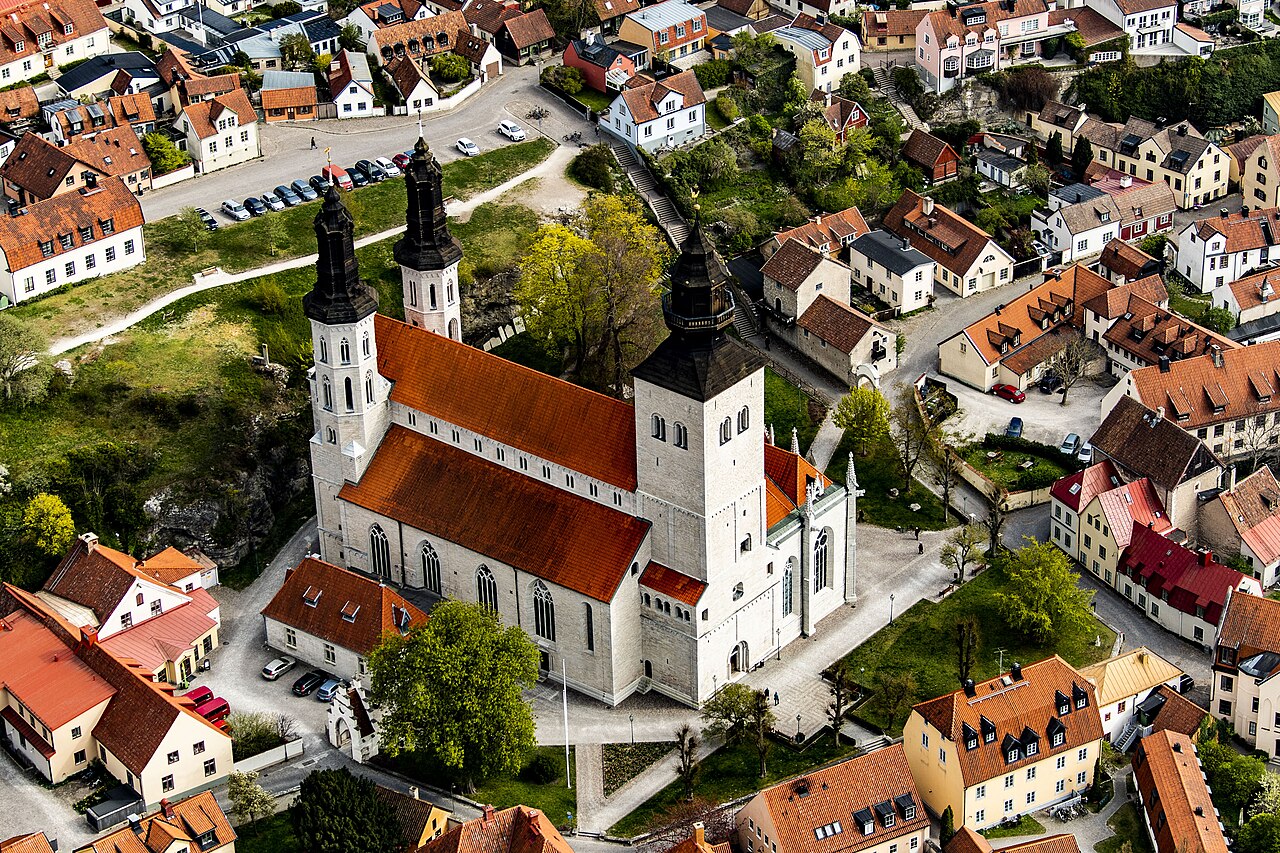
The main town of the island of Gotland, in the Baltic Sea. A rich trading town of the Hanseatic League in the Middle Ages, it is one of the best-preserved medieval towns in Scandinavia.
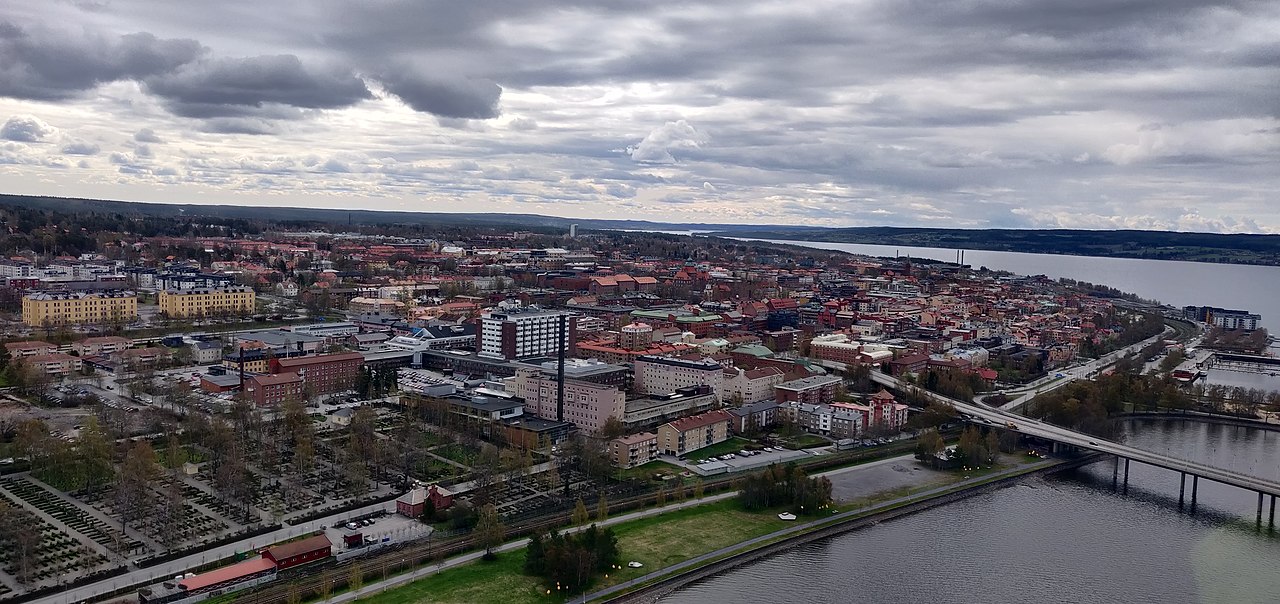
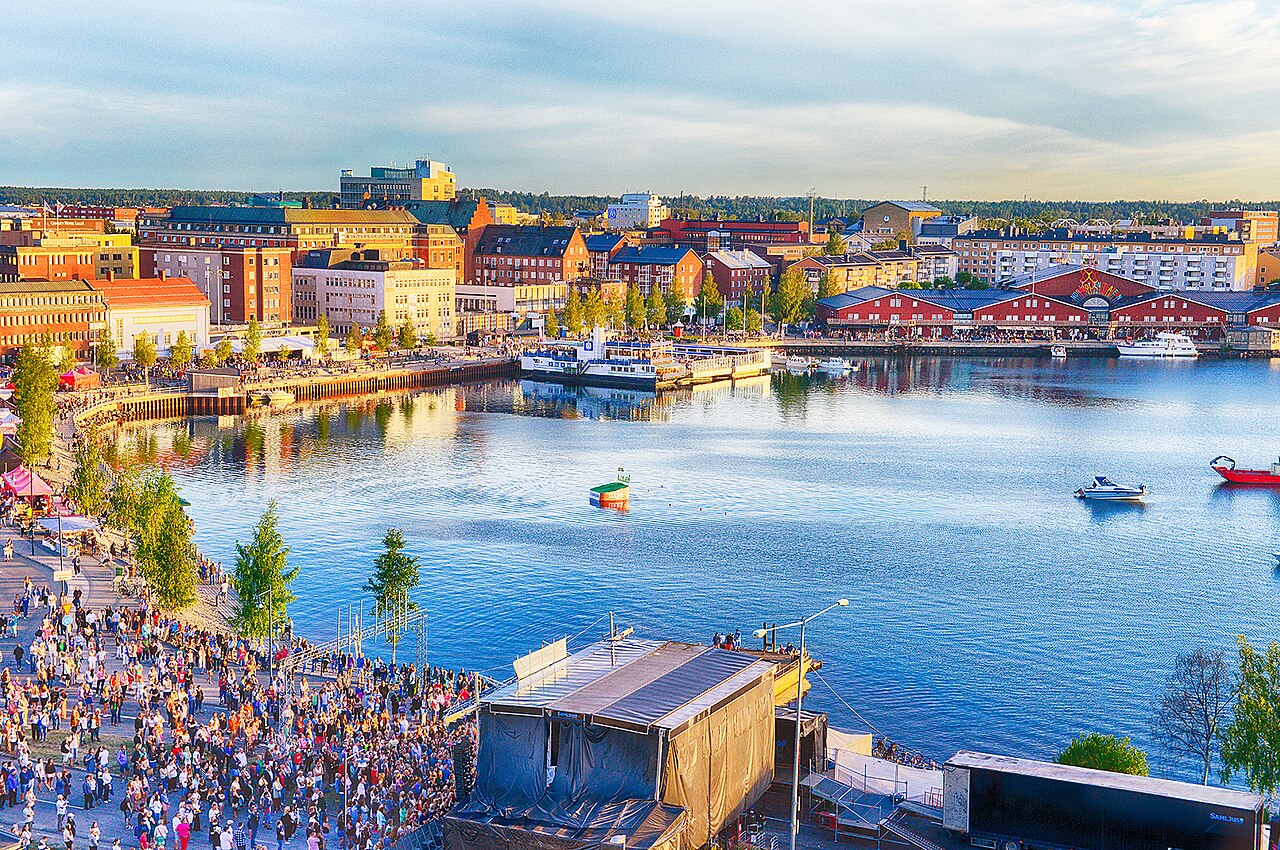
The main city of the far north, on the coast of the Gulf of Bothnia, with a steelworks, a university of technology and an archipelago of more than 1,300 islands.
A small town just north of the Arctic Circle and an important centre of Sámi life, with the Ájtte museum and an office of the Sámi Parliament. Its winter market has been held since 1605.
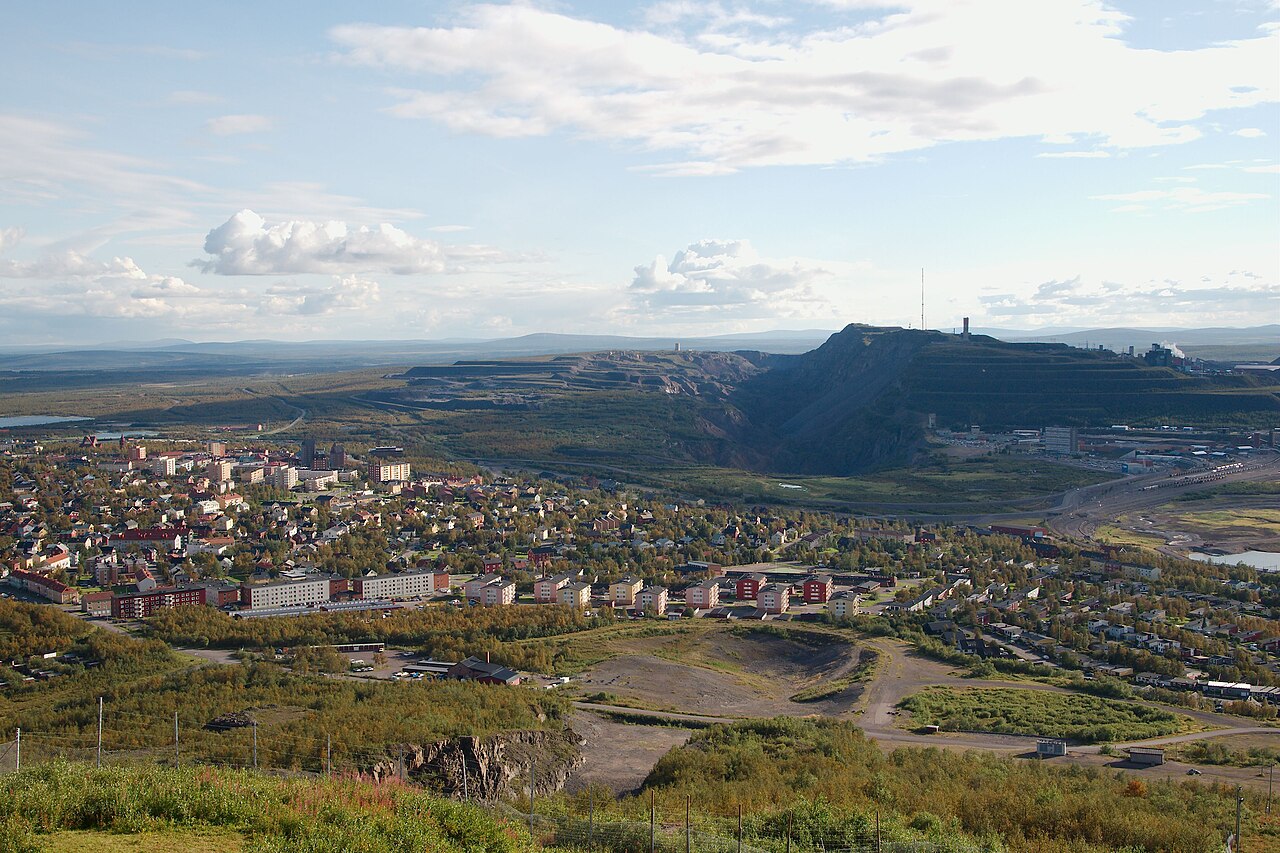
Sweden's northernmost town, founded in 1900 around a huge iron ore mine. Because the mine is undermining the ground, the town centre is being moved to a new site to the east. The midnight sun shines here from late May to mid-July.
The iron ore mine
The moving of the town
The northern lights and midnight sun
Kebnekaise, Sweden's highest mountain, to the west
The home of the warship Vasa, which sank on her first voyage in 1628 and was raised almost whole in 1961 after 333 years on the seabed. The museum opened in 1990, and more than 45 million people have seen the ship since it was raised.
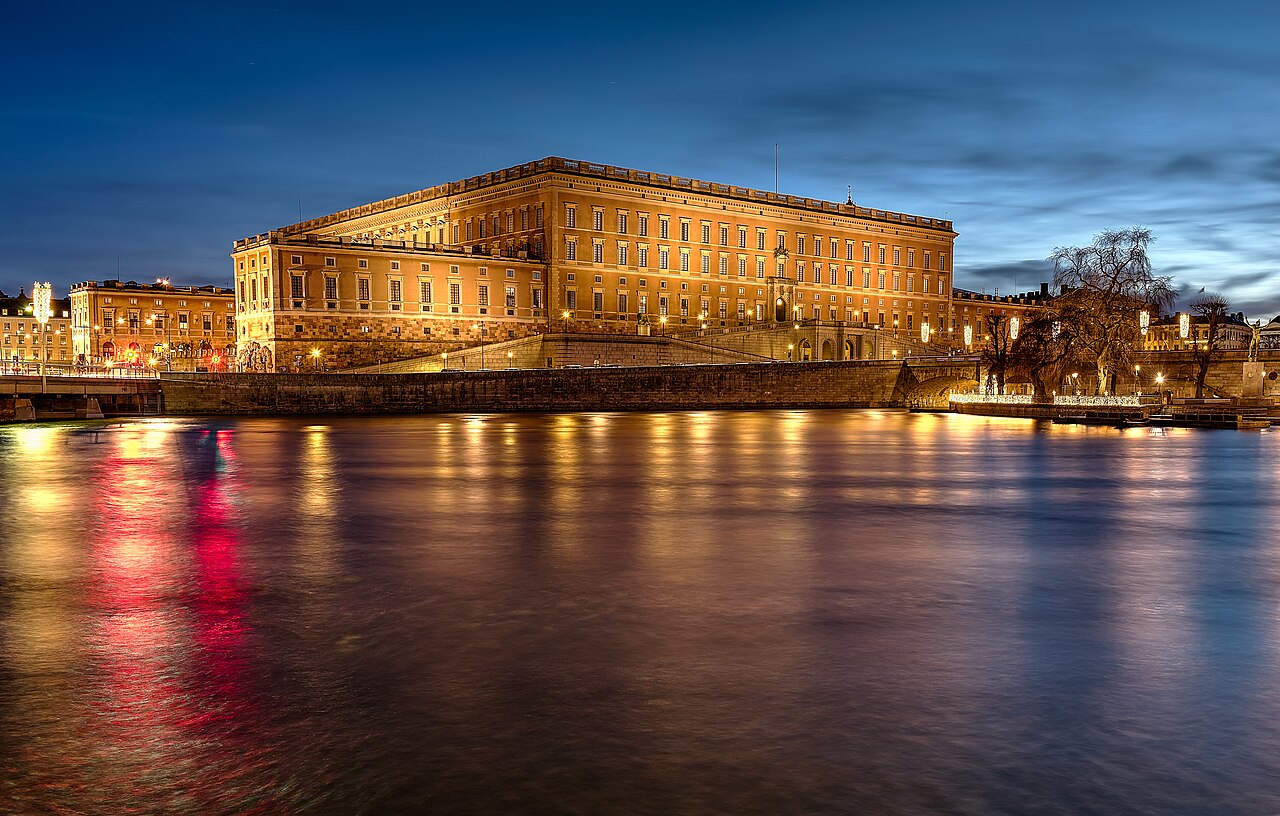
The official residence of the King, on the edge of Gamla stan. It was built in the baroque style on the site of the old Tre Kronor castle, which burned down in 1697, and was ready in 1754. It has 1,430 rooms, and Royal Guards have guarded the palace and the royal family since 1523.
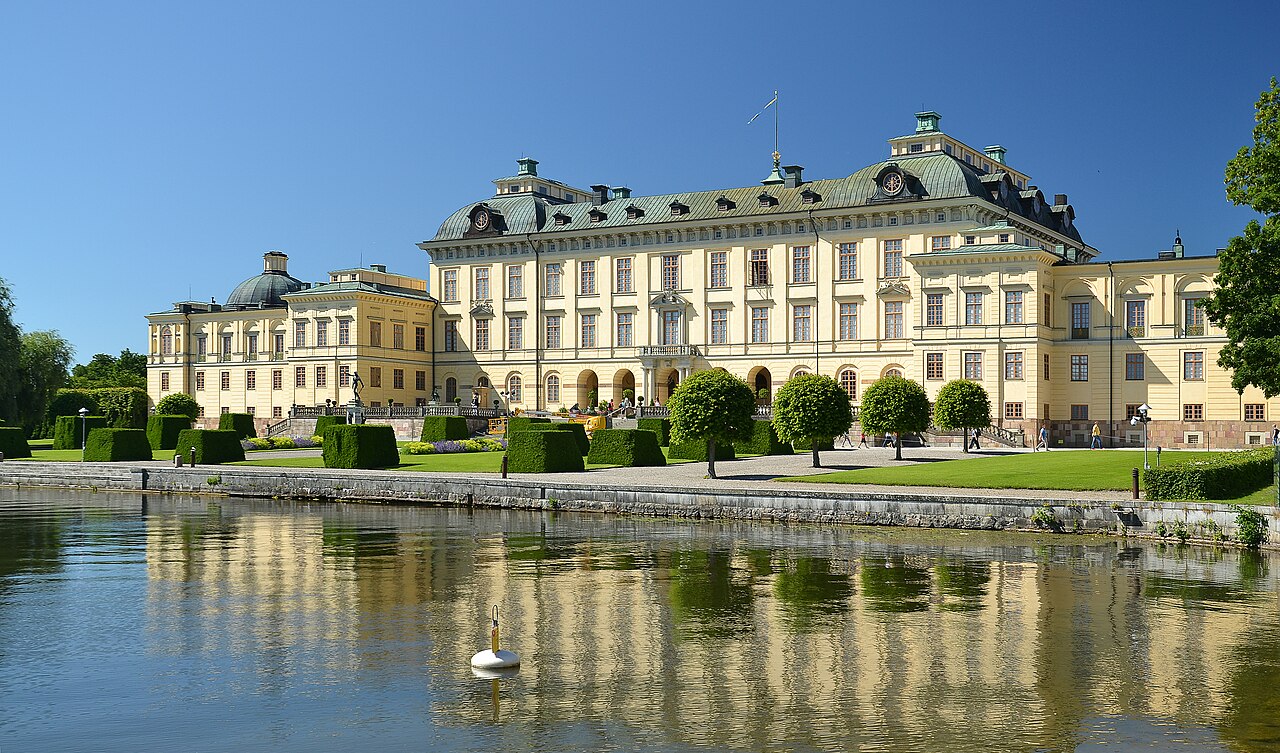
A royal palace on the island of Lovön, west of Stockholm, inspired by Versailles, with formal gardens, a Chinese pavilion and a perfectly preserved theatre of 1766. The King and Queen have lived in the southern wing since 1981.
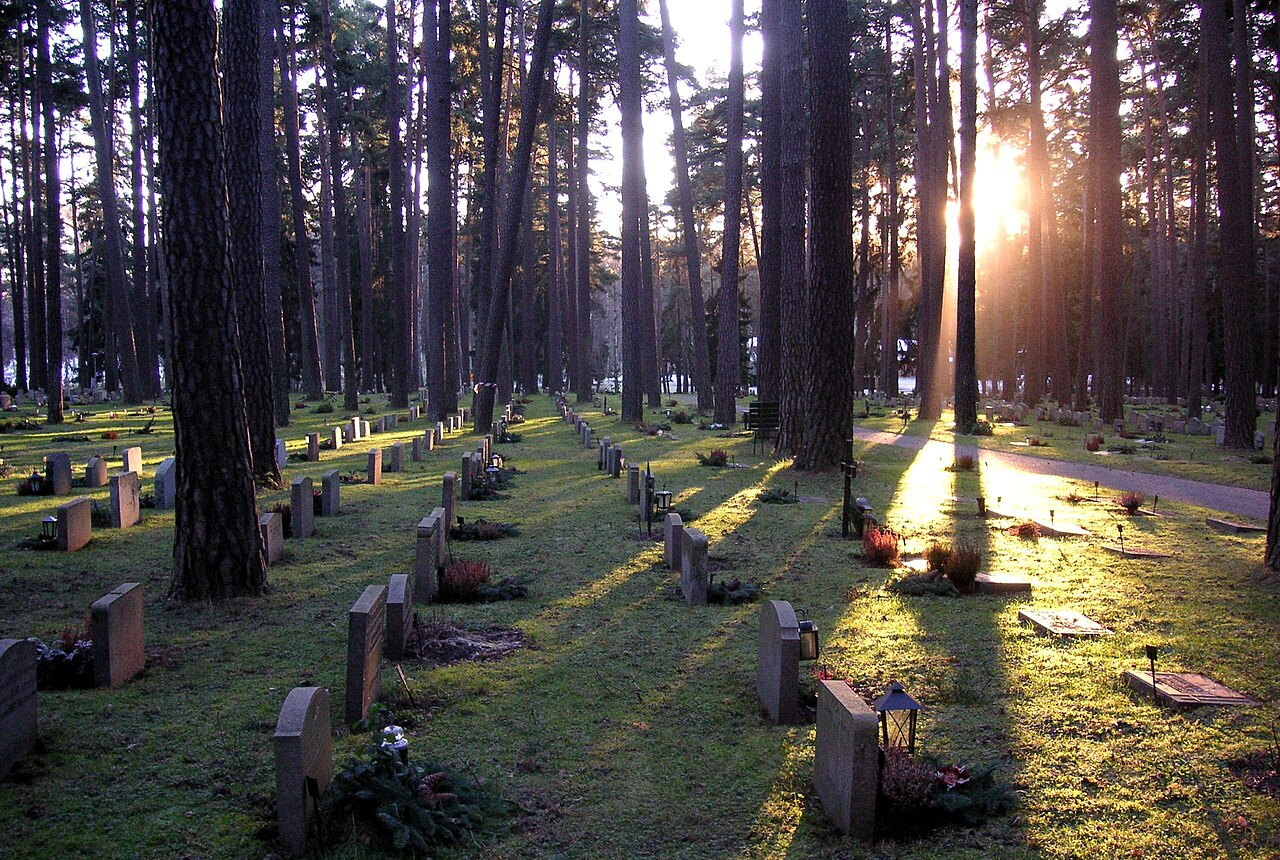
A cemetery in southern Stockholm designed by the architects Gunnar Asplund and Sigurd Lewerentz, where paths, chapels and graves blend into a pine forest. The film star Greta Garbo is buried here.
The remains of the Viking Age trading town of Birka on the island of Björkö in Lake Mälaren, with the royal estate of Hovgården on the island of Adelsö nearby. Birka is generally regarded as Sweden's oldest town, and a small museum on the island tells its story.
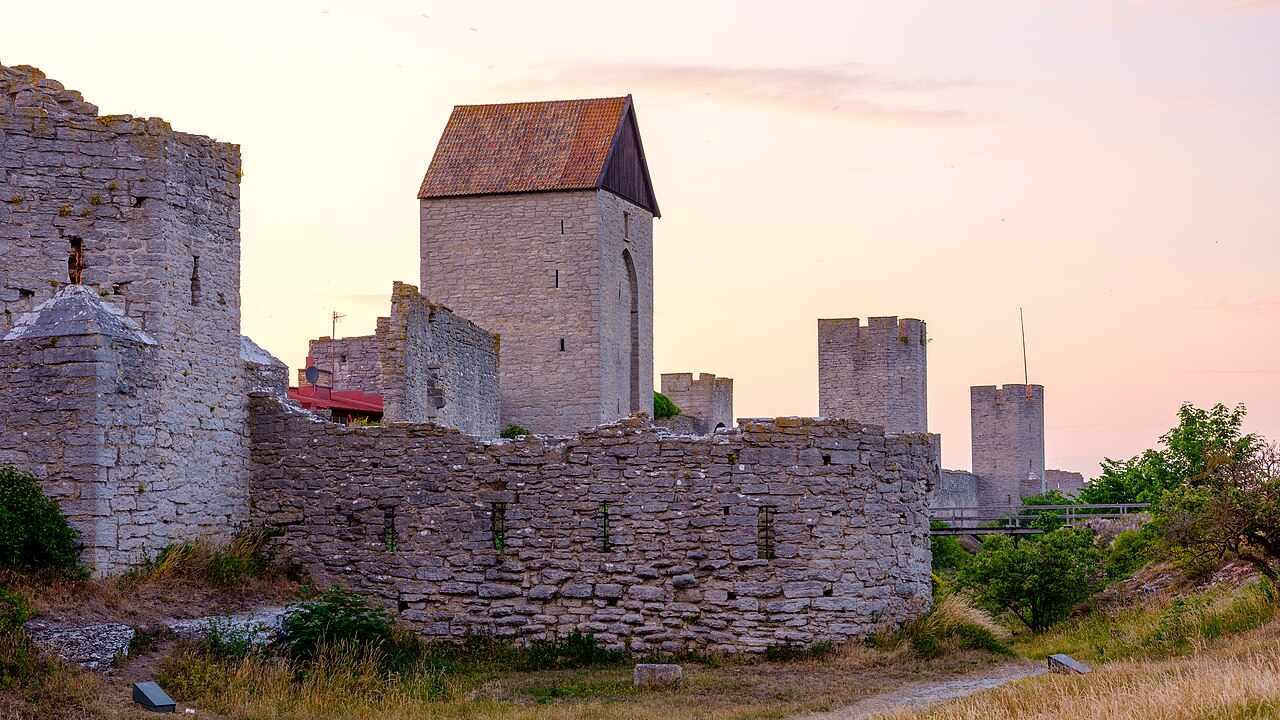
A medieval stone wall built in the 13th and 14th centuries around the Hanseatic town of Visby. About 3.4 km of the original 3.6 km still stands, with 27 of its 29 large towers, making it the best-preserved medieval town wall in Scandinavia.
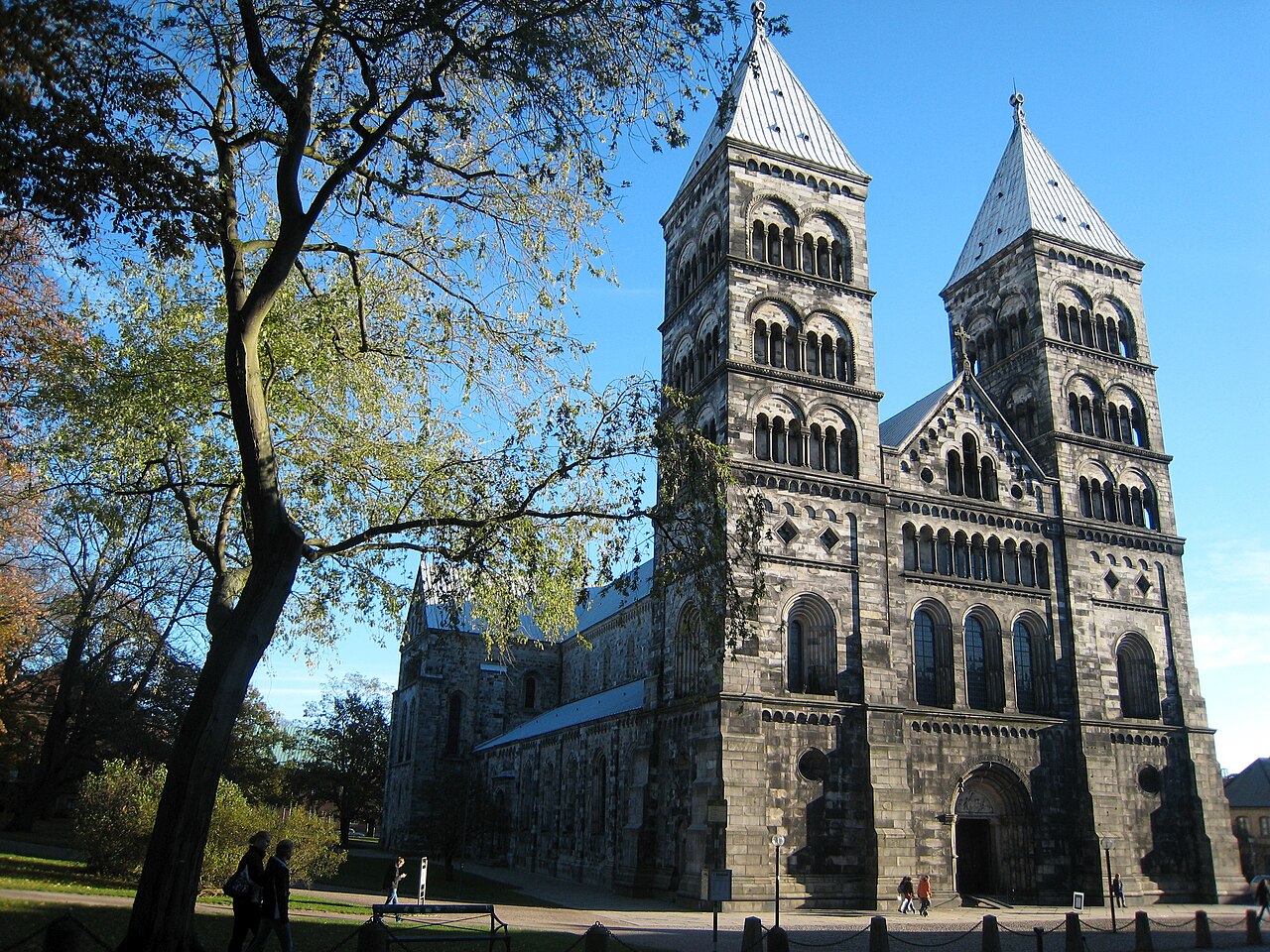
A Gothic brick cathedral begun in the late 13th century and consecrated in 1435. As of 2026 it is the tallest church in the Nordic countries, 118.7 m high. King Gustav Vasa and the botanist Carl Linnaeus are buried here.
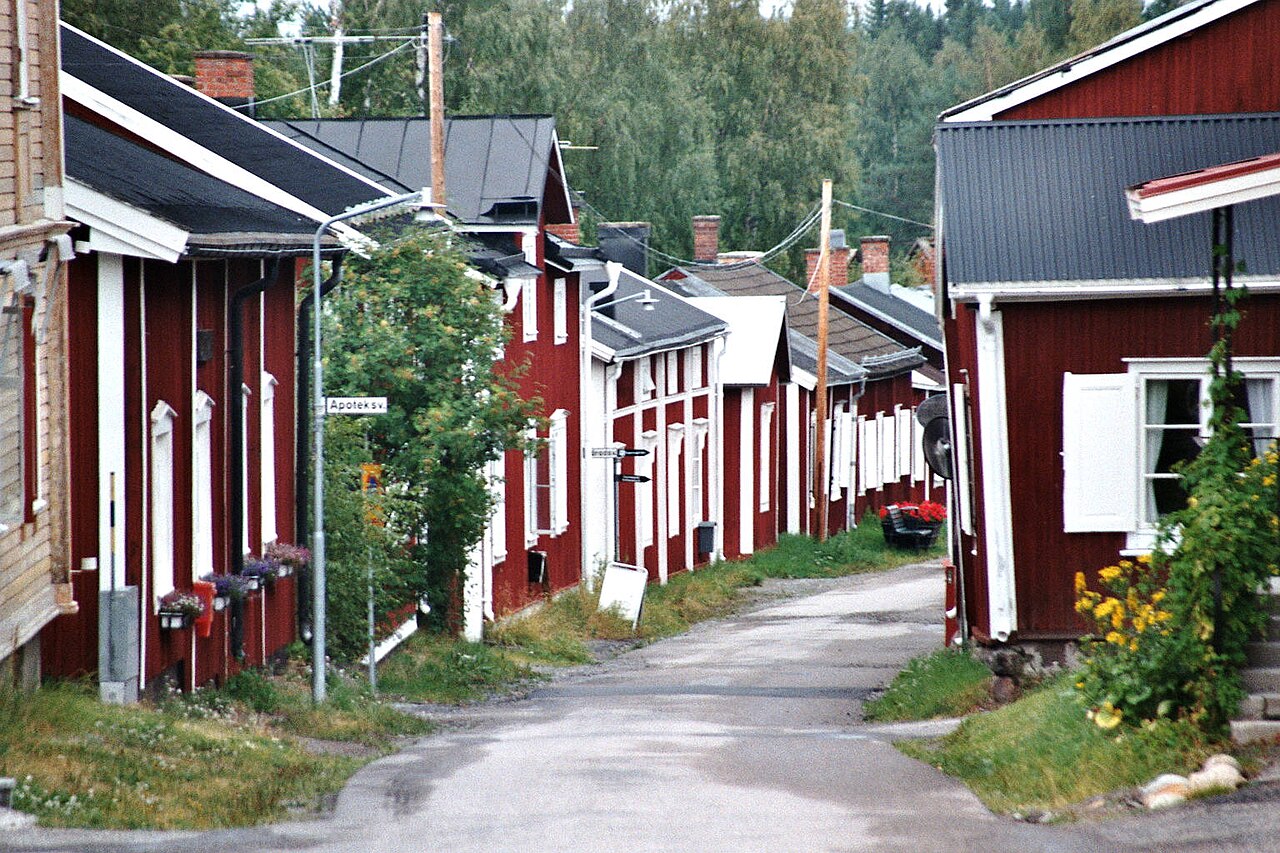
A 15th-century stone church surrounded by 424 small wooden houses. Families from the countryside, who lived too far away to travel home the same day, stayed in them overnight when they came to church on Sundays and holidays.
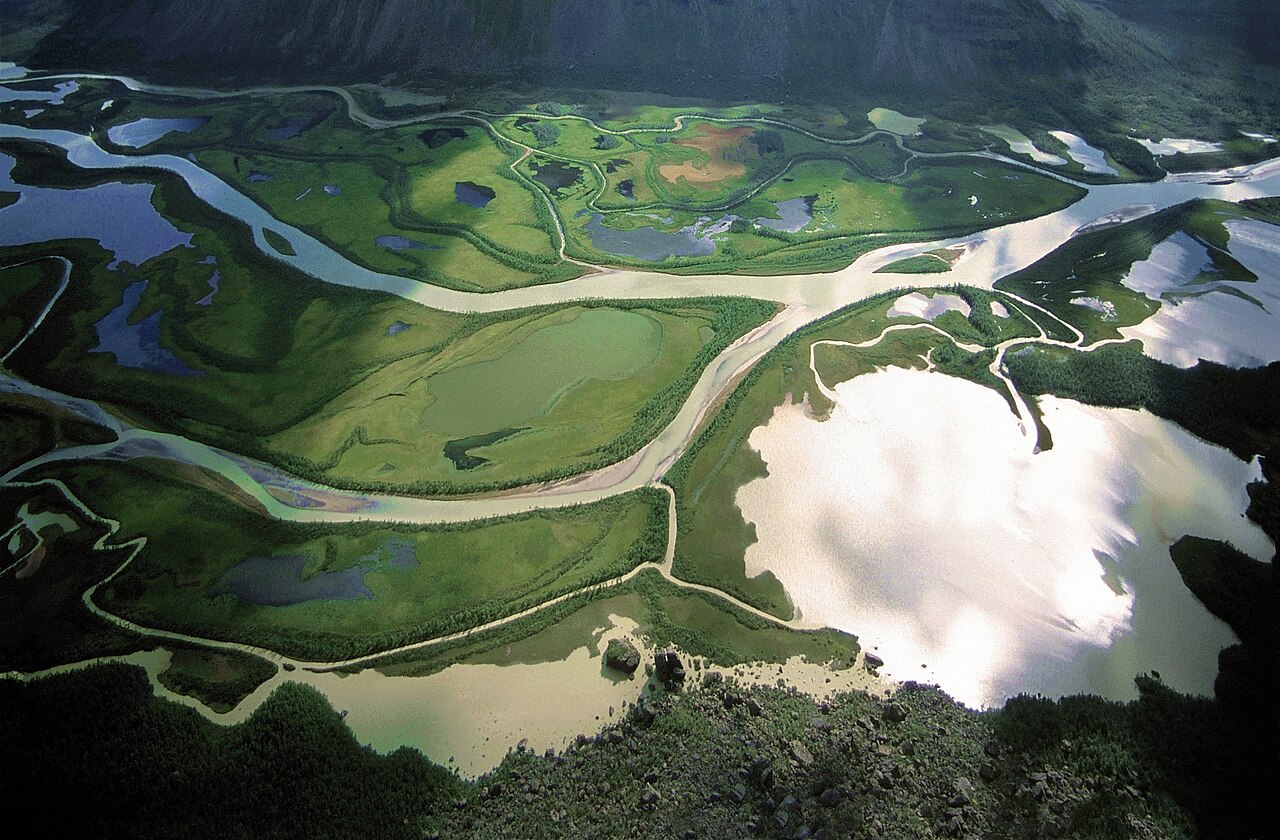
About 9,400 km² of mountains, valleys, rivers and lakes, including the national parks of Sarek, Padjelanta, Stora Sjöfallet and Muddus. Sámi families still move their reindeer herds across it between winter and summer grazing lands. It is on the World Heritage list for both its nature and its culture.
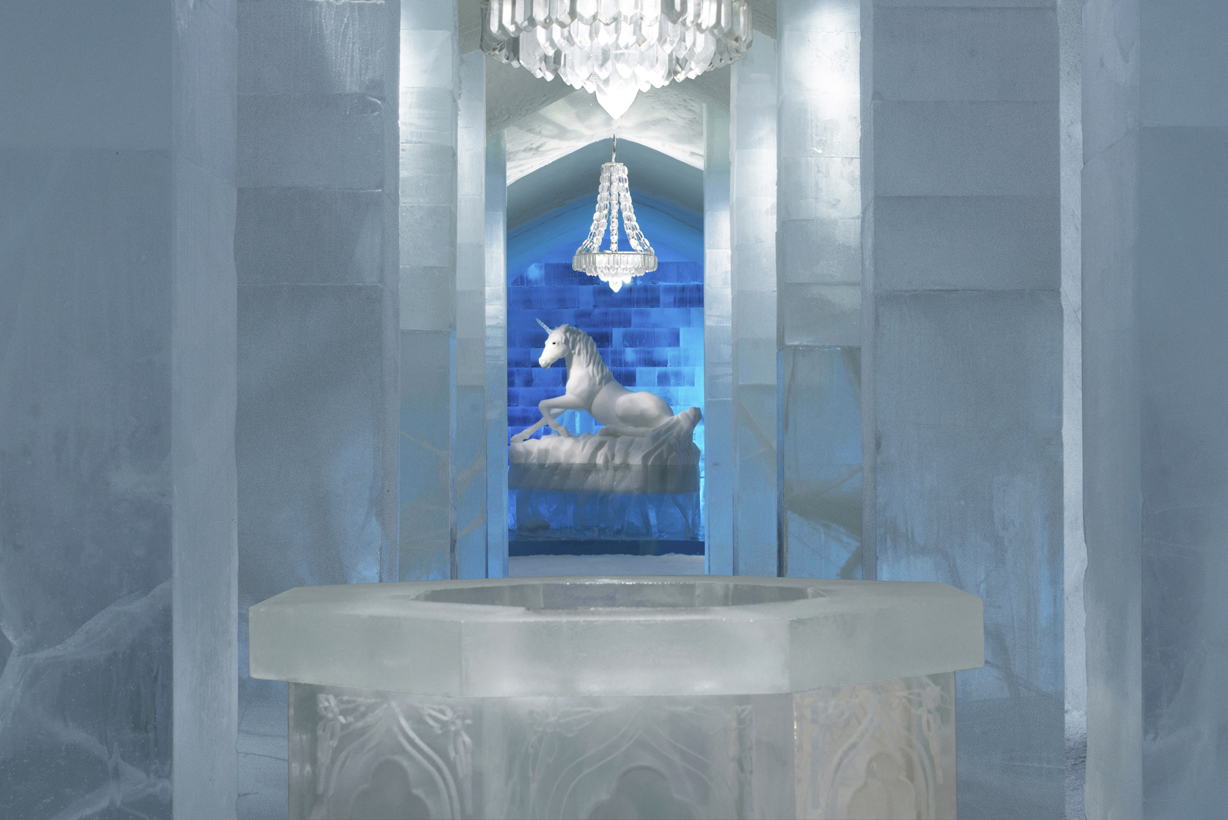
A hotel in the village of Jukkasjärvi, near Kiruna, built from snow and ice from the Torne River, with rooms, beds and bar glasses made of ice. Since it first opened in 1990 it has been rebuilt every winter, and in spring it melts back into the river. Since 2016 a smaller part, Icehotel 365, stays open all year.
IKEA was founded in 1943 by 17-year-old Ingvar Kamprad. The name is made of his initials, IK, and the first letters of Elmtaryd, the farm where he grew up, and Agunnaryd, the nearby village. As of 2026, it has been the world's largest furniture retailer since 2008.
02
ABBA won the Eurovision Song Contest for Sweden on 6 April 1974 in Brighton, England, with 'Waterloo'. The band's name is made from the first letters of its members' first names: Agnetha, Björn, Benny and Anni-Frid.
03
Alfred Nobel, who patented dynamite in 1867, signed his last will in Paris on 27 November 1895. The Nobel Prizes are presented in Stockholm on 10 December, the anniversary of his death, except the Peace Prize, which is presented in Oslo, Norway, because Nobel wanted a committee chosen by the Norwegian parliament to award it.
04
The astronomer Anders Celsius of Uppsala proposed his temperature scale in 1742, but the other way round: water boiled at 0 and froze at 100 degrees. It was turned the right way up after his death.
05
On Dagen H, 3 September 1967, all traffic in Sweden stopped early in the morning and then moved over from the left side of the road to the right.
06
The word 'ombudsman' is Swedish. Sweden's Parliamentary Ombudsman, created in 1809 to protect citizens against the authorities, became a model for similar offices around the world.
07
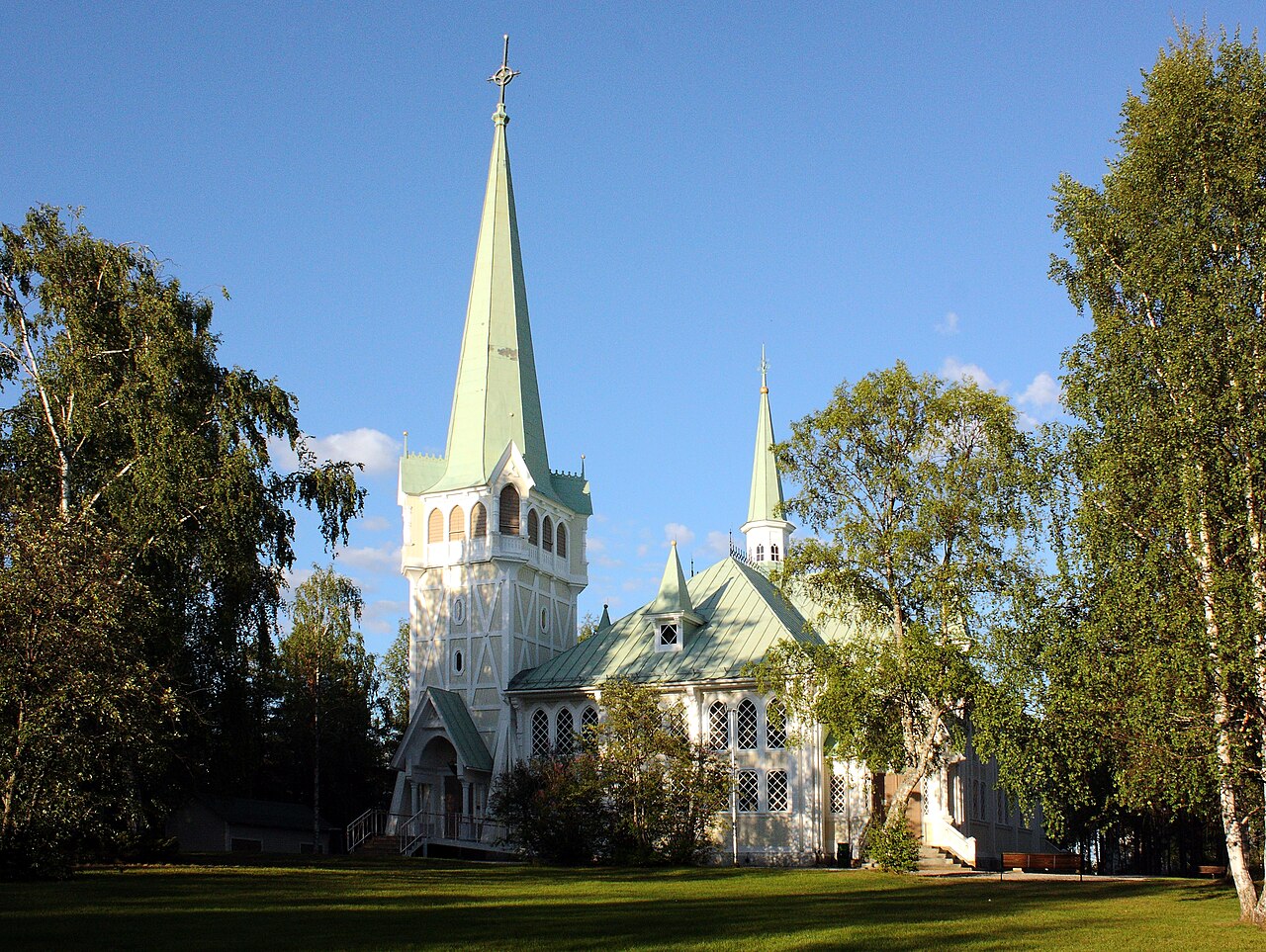
Kiruna's town centre is moving because the iron ore mine is making the ground unstable. In August 2025 Kiruna Church, one of Sweden's largest wooden buildings, was moved in one piece about 5 km to the east on giant transporters over two days. In 2001 Swedes voted it the most popular building in the country built before 1950.
08
On 13 December, Lucia Day, girls and boys in white gowns sing in candlelit processions in schools, churches and homes, led by 'Lucia' wearing a crown of candles on her head.
09
Midsummer Eve is always a Friday between 19 and 25 June. Swedes dance around a maypole decorated with leaves and flowers, and eat herring, new potatoes and strawberries.
10
Under allemansrätten, the right of public access, anyone may walk in the countryside, pick berries and mushrooms and camp for a night, even on private land, as long as they keep away from homes. The rule of thumb is: do not disturb, do not destroy.
11
The Icehotel in Jukkasjärvi is rebuilt every winter from blocks of river ice, and each year artists design new rooms and suites.
12
The Swedish alphabet has 29 letters: the three extra letters å, ä and ö come after z at the end.
13
In a surströmming tin, the fermenting fish can make the lid bulge. The smell is so strong that it is often opened and eaten outdoors.
The letters å, ä and ö are separate letters at the end of the alphabet: å sounds like the 'o' in 'more', ä like the 'e' in 'bed', and ö like the 'u' in 'fur'. The pronunciation guides are simple approximations for English speakers. Pronunciation is written the way it sounds; the capital letters show where the stress goes. Audio is coming soon.
Greetings
hejHAYhello, hi
hej dåhay DOHgoodbye
tackTAHKthank you
jaYAHyes
nejNAYno
Food and drink
kaffeKAH-fehcoffee
bulleBULL-ehbun
brödBRUHDbread
ostOOSTcheese
fiskFISKfish
sillSILLherring
Places
stadSTAHDtown, city
öUH (like the 'u' in 'fur', with rounded lips)island
sjöSHUH (a soft 'sh' and the 'u' in 'fur')lake
skogSKOOGforest
slottSLOTTcastle, palace
kyrkaSHIR-kah (the 'k' before 'y' sounds like a soft 'sh')church
Everyday life
stugaSTOO-gahcottage, cabin (often a summer house)
fikaFEE-kaha coffee break with something sweet; also 'to have a coffee break'
lagomLAH-gomjust the right amount, not too much and not too little
Sweden is one of the most cashless countries in the world: most people pay by card or with the mobile app Swish, and quite a few shops, cafés and restaurants do not accept cash at all. A contactless bank card works almost everywhere.
Tipping
Tipping is welcome but not expected. In restaurants people often round up the bill, and adding about 10 percent is generous. Service is sometimes already included, and then the bill says so.
Take a queue ticket
In pharmacies, at the fish and meat counters of supermarkets and in many offices, take a numbered ticket from the machine by the door and wait until your number is shown on the screen.
Wine and spirits come from Systembolaget
Wine, spirits and beer stronger than 3.5 percent alcohol are sold in the state-run Systembolaget shops and in bars and restaurants; since 2025 small producers may also sell their own drinks at the farm. You must be 20 to buy at Systembolaget, and all its shops are closed on Sundays and public holidays.
Enjoy the right of public access
You may walk, swim, pick berries and mushrooms and put up a tent for a night in the countryside, even on private land. Keep well away from houses and gardens, stay off crops, and follow the rule: do not disturb, do not destroy.
Midsummer closes the country
Midsummer Eve, a Friday in late June, is one of the biggest holidays of the year. Many workplaces close and shops may shut at noon, and cities empty as people head to the countryside, so plan ahead.
Shoes off indoors
When you visit someone's home, take off your shoes by the door.
In an emergency, call 112
The emergency number for police, ambulance and fire brigade in Sweden, as in the rest of the European Union, is 112. The call is free from any phone.
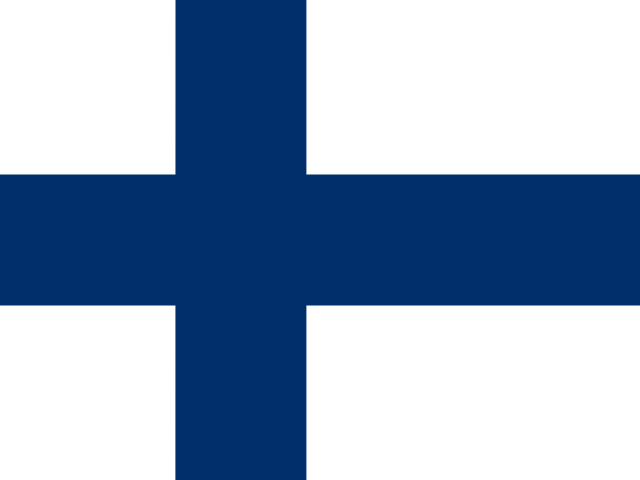 Finland
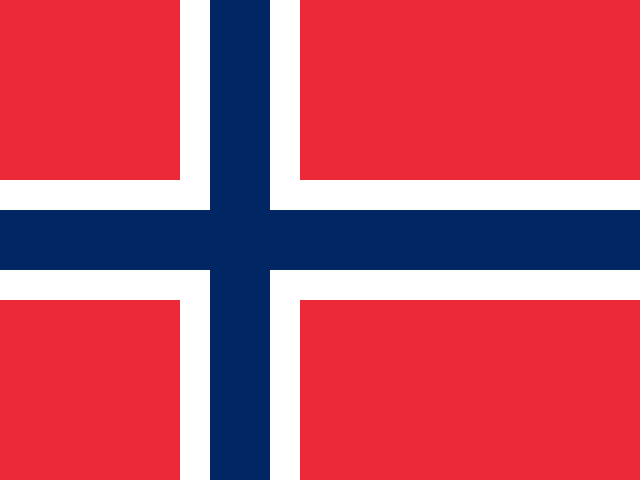 Norway