A free large-print PDF. Choose what goes in: facts, map, history, dishes and recipes, phrases, fun facts, a quiz with or without answers. Made for clubs, care homes, libraries and family afternoons.
Poland lies in the heart of Central Europe. Most of the country is flat farmland and forest on the great European plain, which gave the land its name: the Polans, an early Slavic tribe, were 'people living in open fields'. In the north it meets the Baltic Sea with sandy beaches and dunes, in the north-east lies the Masurian Lake District, with more than two thousand of the country's roughly ten thousand lakes, and in the far south rise the Sudetes and the Carpathian mountains, including the rocky Tatras.
Polish statehood is usually dated to 966, when Duke Mieszko I was baptised. The Kingdom of Poland joined with Lithuania to form the Polish-Lithuanian Commonwealth, one of Europe's great powers, which adopted a modern constitution in 1791. Soon after, its neighbours divided up what was left of it, and Poland vanished from the map for 123 years. It returned in 1918, suffered terribly in the Second World War, lived under communist rule, and in 1989 led the way out of it with the Solidarity movement.
Today Poland is a parliamentary republic of about 37.3 million people. It joined NATO in 1999 and the European Union in 2004, but it keeps its own currency, the złoty. As of 2026 it has 18 UNESCO World Heritage Sites, from Kraków's old town to the primeval Białowieża Forest.
CapitalWarsaw
PopulationAbout 37.3 million (official estimate for January 2026)
Official languagePolish
CurrencyPolish złoty (zł, PLN), divided into 100 groszy
AreaAbout 312,700 km²
GovernmentParliamentary republic
Highest mountainRysy, 2,500 m at its north-western summit, in the Tatras on the border with Slovakia
Longest riverThe Vistula, 1,047 km, from the mountains in the south through Kraków and Warsaw to the Baltic Sea near Gdańsk
NeighboursGermany, the Czech Republic, Slovakia, Ukraine, Belarus, Lithuania and Russia (its Kaliningrad region) by land, and the Baltic Sea to the north
Poland's story runs from a duke's baptism and a golden age of kings and scholars, through the partitions that erased it from the map, to the terrible years of the Second World War and the peaceful Solidarity revolution that helped end communism in Europe.
AD 966
The baptism of Mieszko I
Duke Mieszko I, the first ruler of the Polish state, was baptised together with much of his court, probably at Poznań or Gniezno. His Czech wife Dobrawa is often credited with influencing him. Many historians see this as the beginning of Poland as a state.
1000
The Congress of Gniezno
The Holy Roman Emperor Otto III made a pilgrimage to the tomb of Saint Adalbert in Gniezno and met Duke Bolesław I the Brave there. The meeting strengthened Poland's place among the Christian states of Europe.
1025
The first king is crowned
Bolesław I the Brave, son of Mieszko I, was crowned the first king of Poland in 1025, near the end of his life, after years of building up the Polish Church and enlarging his lands.
1364
A university for Kraków
King Casimir III the Great founded a university in Kraków. Today called the Jagiellonian University, it is the oldest university in Poland and one of the oldest surviving universities in the world. Copernicus later studied there.
1410
The Battle of Grunwald
On 15 July 1410 the armies of Poland and Lithuania, led by King Władysław II Jagiełło and Grand Duke Vytautas, crushed the Teutonic Knights. It was one of the largest battles of medieval Europe, and the Teutonic Order never recovered its former power.
1543
Copernicus puts the Sun at the centre
Nicolaus Copernicus, born in Toruń, published his great book 'On the Revolutions of the Heavenly Spheres' in the year of his death. It argued that the Earth moves around the Sun, not the other way round.
1569
The Union of Lublin
On 1 July 1569 Poland and the Grand Duchy of Lithuania joined into a single state, the Polish-Lithuanian Commonwealth, with one elected king and one parliament. It became one of the largest countries in Europe.
1683
The Battle of Vienna
On 12 September 1683 King John III Sobieski led a relief army of Polish and Imperial troops that broke the Ottoman siege of Vienna. The victory made Sobieski a hero across Christian Europe.
1791
The Constitution of 3 May
The Commonwealth adopted a written constitution with a separation of powers, often called the first modern constitution in Europe and the second in the world after that of the United States. It was in force for less than 19 months, and 3 May is still a national holiday.
1795
Poland vanishes from the map
In the third partition, Russia, Prussia and Austria divided up what was left of the Commonwealth. After partitions in 1772, 1793 and 1795, there was no independent Polish state for 123 years.
1918
Independence regained
At the end of the First World War all three partitioning empires had collapsed. On 11 November 1918 Józef Piłsudski was given command in Warsaw, and the reborn Second Polish Republic began. The date is now Poland's National Independence Day.
1939
The invasion of Poland
On 1 September 1939 Nazi Germany invaded Poland, starting the Second World War in Europe, and on 17 September the Soviet Union invaded from the east. Around 6 million Polish citizens died in the war, about half of them Polish Jews murdered in the Holocaust.
1944
The Warsaw Uprising
On 1 August 1944 the Polish underground Home Army rose up to free Warsaw from German occupation. They fought for 63 days with little outside help. After the defeat, German forces systematically destroyed most of the city.
1980
Solidarity is born
Strikes at the Lenin Shipyard in Gdańsk in August 1980 led to Solidarity, the first independent trade union in a Warsaw Pact country to be recognised by the state. Led by the electrician Lech Wałęsa, it soon had about 10 million members.
1989
Partly free elections
After Round Table talks between the communists and Solidarity, elections were held on 4 June 1989. Only part of the seats were freely contested, but Solidarity won almost all of them, and in August Tadeusz Mazowiecki became Poland's first non-communist prime minister since the 1940s.
2004
Poland joins the EU
On 1 May 2004 Poland joined the European Union together with nine other countries. It had already joined NATO on 12 March 1999, and in 2007 it joined the Schengen area.
Polish food is hearty, warming country cooking, built on potatoes, cabbage, rye, mushrooms, pork and fresh curd cheese, with many sour and pickled flavours. The main meal of the day, obiad, traditionally starts with a soup such as rosół or tomato soup, followed by meat with potatoes and a salad of shredded vegetables, and often ends with cake. On Christmas Eve, called Wigilia, families serve a meat-free supper that often begins with clear red barszcz.
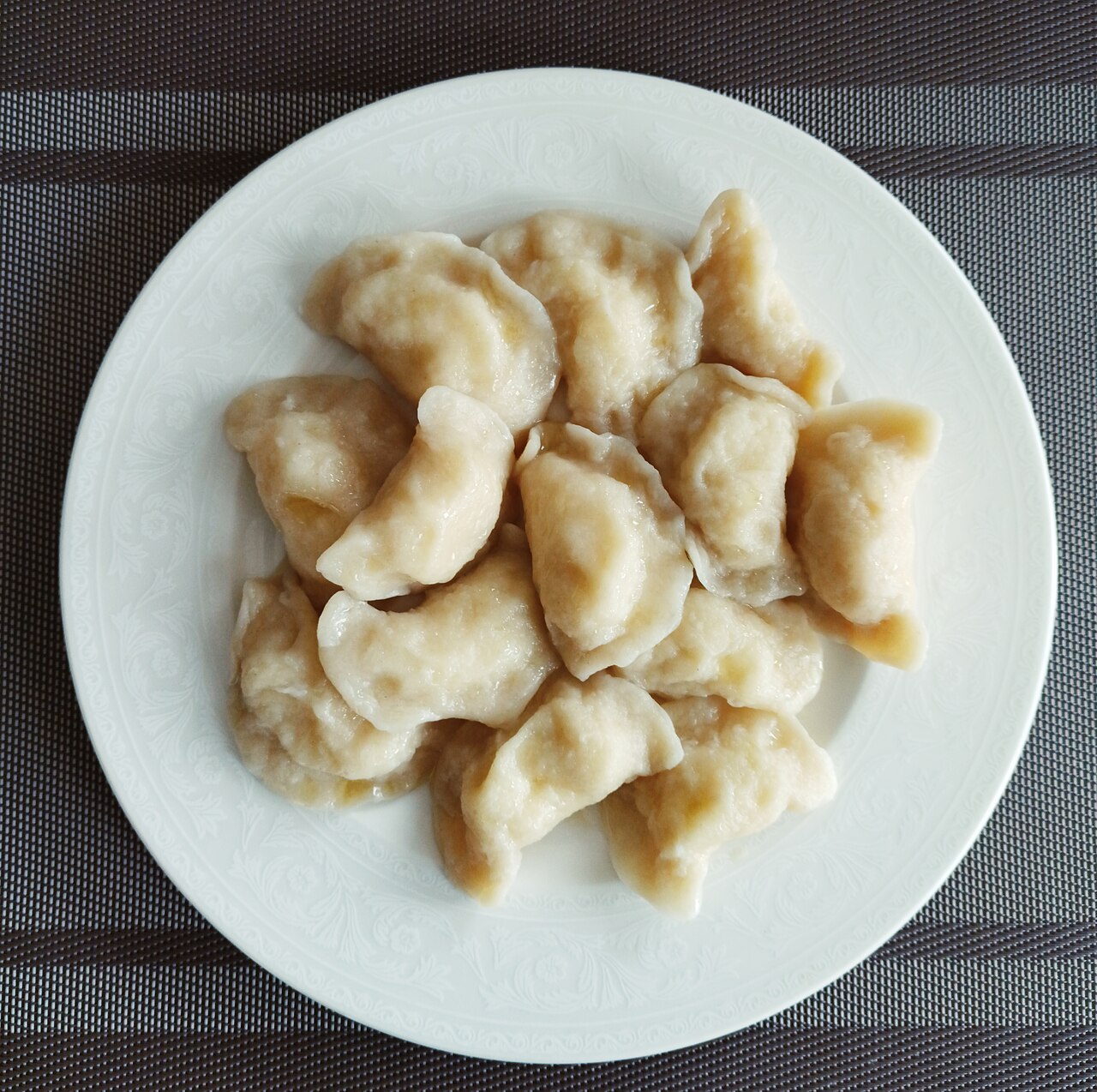
Half-moon dumplings of soft dough, boiled and often then fried in butter. Favourite fillings include potato with curd cheese and onion (pierogi ruskie), sauerkraut with mushrooms, minced meat, or sweet fruit in summer.
Pierogi already appear in the oldest surviving Polish cookbook, published in Kraków in 1682. The word comes from an old Slavic root meaning 'feast'.
See the recipe
Serves 4
1 h 30 min
Ingredients
For the dough: 400 g plain flour, 1 egg, 2 tablespoons oil, a pinch of salt and about 180 ml warm water
For the filling: 500 g floury potatoes, peeled
250 g curd cheese (twaróg) or drained cottage cheese
2 onions, finely chopped, and 2 tablespoons butter or oil
Salt and plenty of black pepper
Sour cream and extra fried onion to serve
Method
Boil the potatoes in salted water until soft, drain well and mash. Fry the onions gently in the butter until golden. Mix the potatoes, cheese and half the onions, and season well with salt and pepper. Let the filling cool.
Mix the flour, egg, oil, salt and water into a soft, smooth dough. Knead for 5 minutes, cover and rest for 30 minutes.
Roll out the dough thinly on a floured table and cut out circles about 8 cm across with a glass.
Put a heaped teaspoon of filling on each circle, fold it in half and pinch the edges firmly closed.
Cook the pierogi in batches in a large pan of gently boiling salted water. When they float, cook for 2 more minutes, then lift out with a slotted spoon.
Serve hot with sour cream and the rest of the fried onion, or fry them briefly in butter first.
All of Poland, and the lands of the old Commonwealth
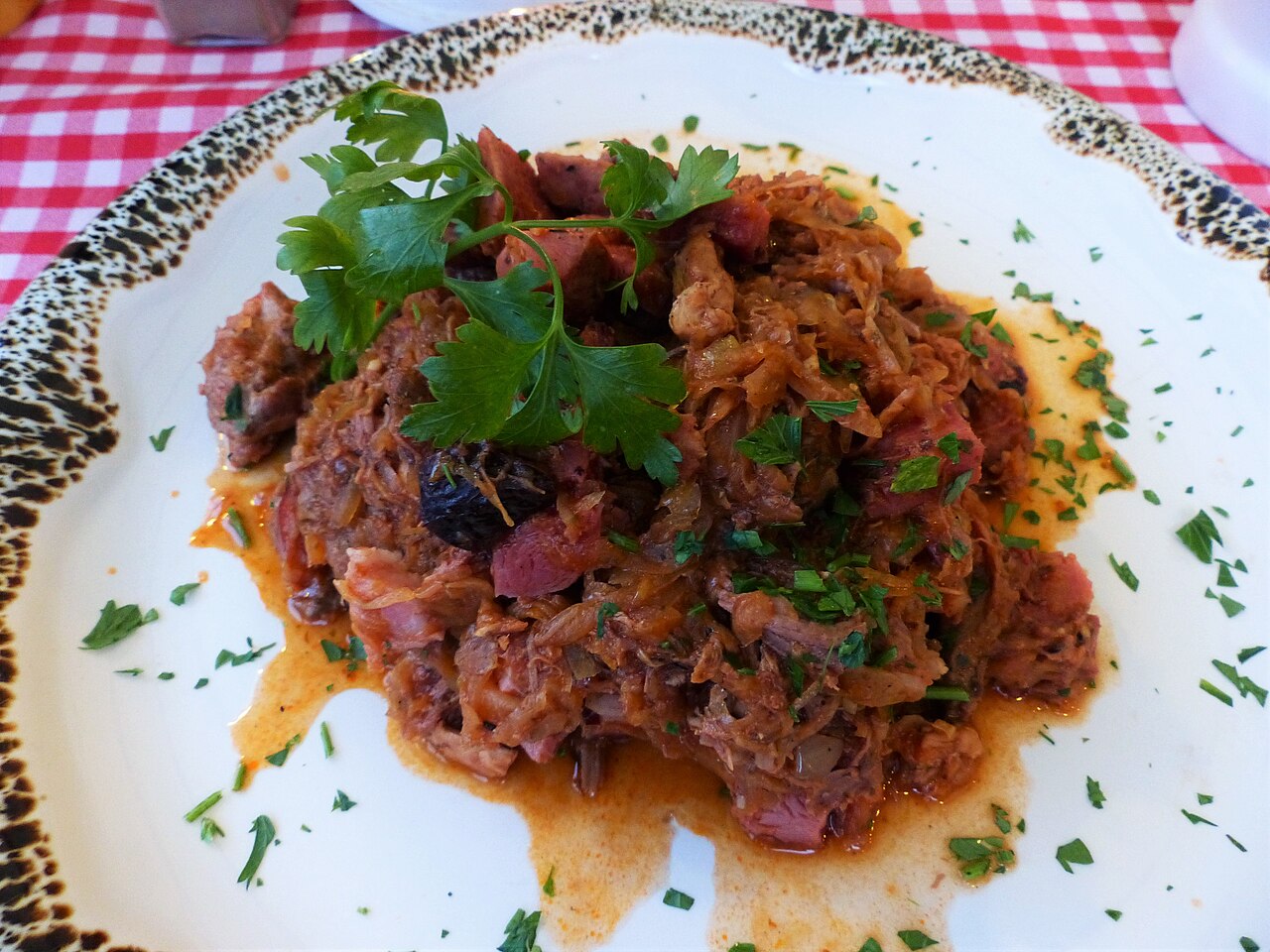
A rich stew of sauerkraut and fresh white cabbage slowly cooked with several kinds of meat and sausage, dried mushrooms, prunes and spices. It is served hot with rye bread or potatoes.
A good bigos uses many different meats, so making it is a traditional way to use up leftovers. It is often said to taste best when reheated over several days.
See the recipe
Serves 6
3 h
Ingredients
1 kg sauerkraut, drained, and 500 g fresh white cabbage, shredded
500 g pork shoulder, cut in bite-sized pieces
300 g smoked kiełbasa, sliced, and 150 g smoked bacon, diced
20 g dried mushrooms, soaked in 250 ml hot water
1 onion, chopped, and 8 prunes, halved
2 bay leaves, 5 allspice berries and 1 teaspoon caraway seeds
2 tablespoons tomato purée and 150 ml dry red wine (optional)
Salt, pepper and a little oil or lard
Method
Put the sauerkraut and fresh cabbage in a large pot with 500 ml water, the bay leaves, allspice and caraway, and simmer for 30 minutes.
Meanwhile brown the pork in a little fat in a frying pan, then add the bacon, onion and kiełbasa and fry for 5 more minutes.
Add the meat to the cabbage with the chopped mushrooms and their soaking water, the prunes, tomato purée and wine.
Simmer gently with the lid on for about 2 hours, stirring from time to time and adding a little water if it gets dry. Season with salt and pepper.
Serve hot with rye bread. Bigos keeps well in the fridge for several days and tastes even better reheated.
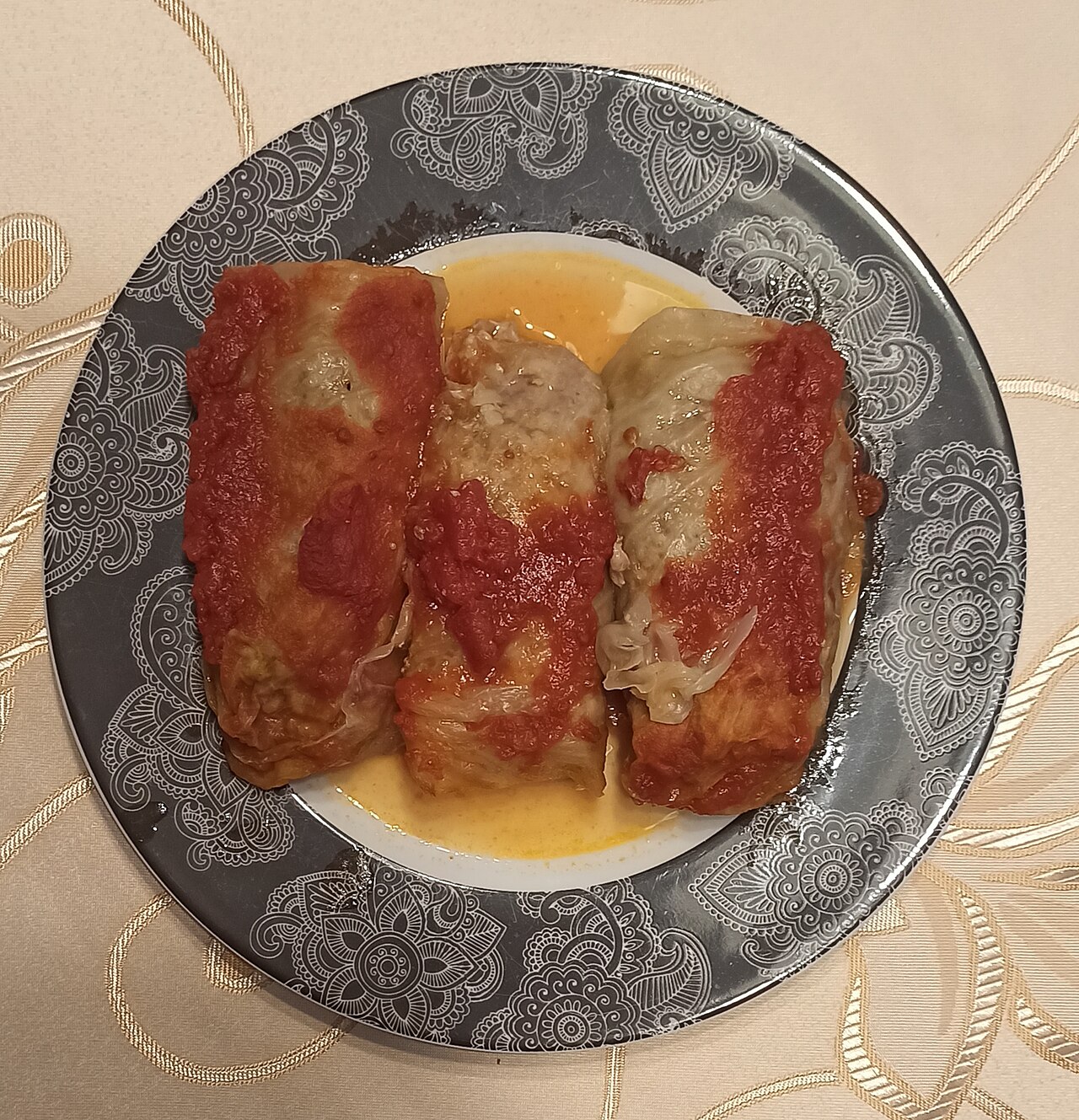
Soft boiled cabbage leaves wrapped around a filling of minced pork or beef, onion and rice or buckwheat groats, then baked or simmered in a tomato or mushroom sauce.
Gołąbki means 'little doves' or 'little pigeons', perhaps because of their plump shape, although linguists disagree about where the name comes from.
See the recipe
Serves 4
2 h
Ingredients
1 large white cabbage
500 g minced pork or a mix of pork and beef
150 g rice, cooked until just tender
1 onion, finely chopped and softened in a little butter
1 egg, salt and pepper
For the sauce: 500 ml tomato passata, 250 ml stock and 2 tablespoons sour cream
Method
Cut out the hard core of the cabbage. Put the whole head in a large pot of boiling salted water and peel off the leaves one by one as they soften. Shave down the thick rib of each leaf with a knife.
Mix the meat, rice, onion and egg, and season well with salt and pepper.
Put 2 tablespoons of filling near the base of each leaf, fold in the sides and roll up firmly.
Lay the rolls close together in a baking dish lined with a few spare leaves. Pour over the passata mixed with the stock.
Cover and bake at 180°C for about 1 hour. Stir the sour cream into the sauce before serving, with potatoes or bread.
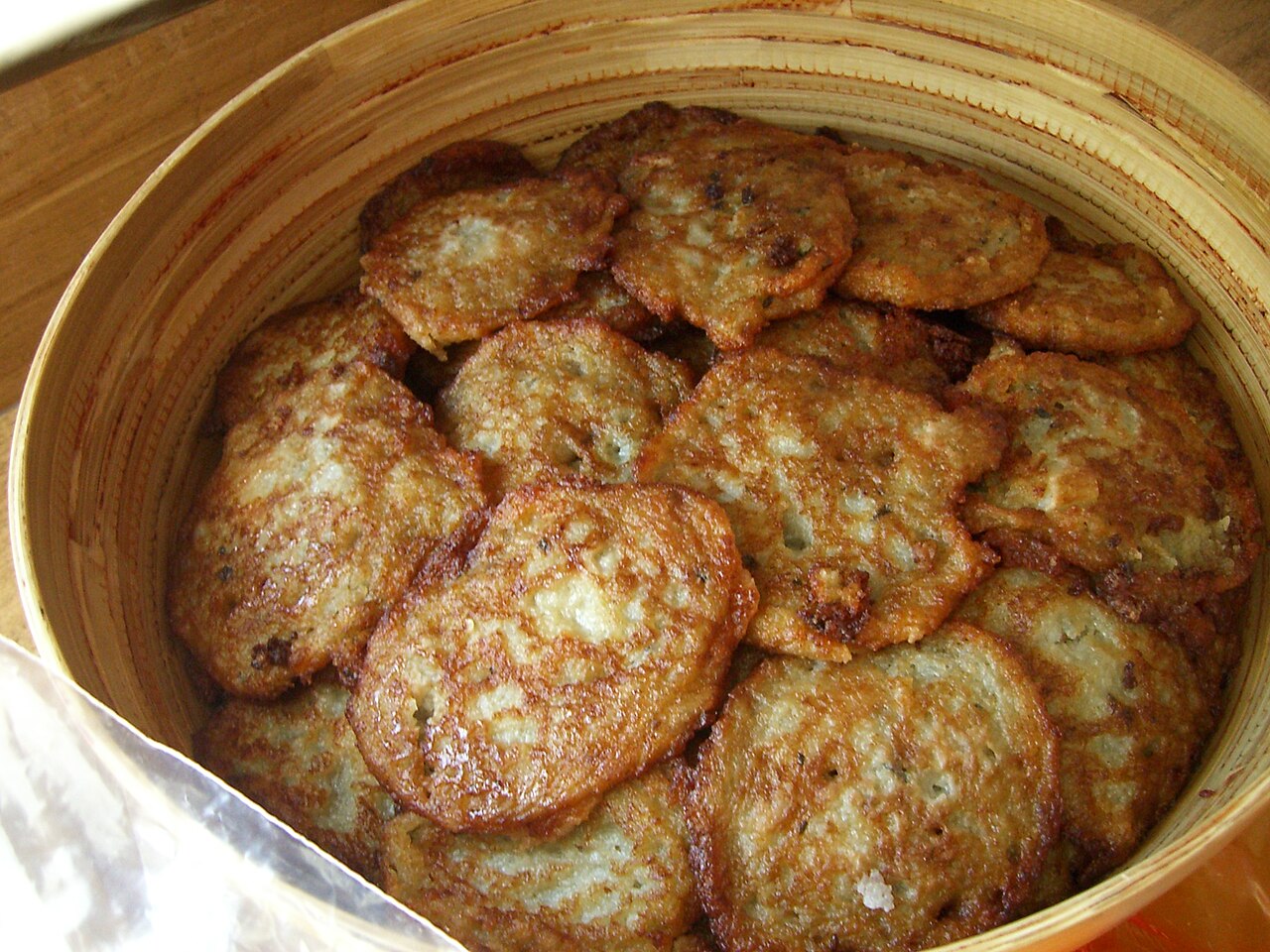
Crisp pancakes of grated raw potato, onion, egg and a little flour, fried in oil. They are eaten with sour cream, apple sauce or sugar, or in the mountains with a spicy goulash poured on top.
Poles eat them sweet, with sugar or apple sauce, or savoury, with sour cream, mushroom sauce or a spicy goulash.
See the recipe
Serves 4
40 min
Ingredients
1 kg floury potatoes, peeled
1 onion
1 egg
2 to 3 tablespoons plain flour
Salt and pepper
Sunflower oil for frying
Sour cream or apple sauce to serve
Method
Finely grate the potatoes and onion into a bowl. Tip into a sieve and press out as much liquid as you can.
Mix in the egg, flour, salt and pepper to make a thick batter.
Heat about 1 cm of oil in a frying pan. Drop in heaped tablespoons of batter and flatten them a little with the back of the spoon. Take care with hot oil.
Fry for 3 to 4 minutes on each side until golden and crisp, then drain on kitchen paper.
Serve hot with sour cream, or with apple sauce and a sprinkle of sugar.
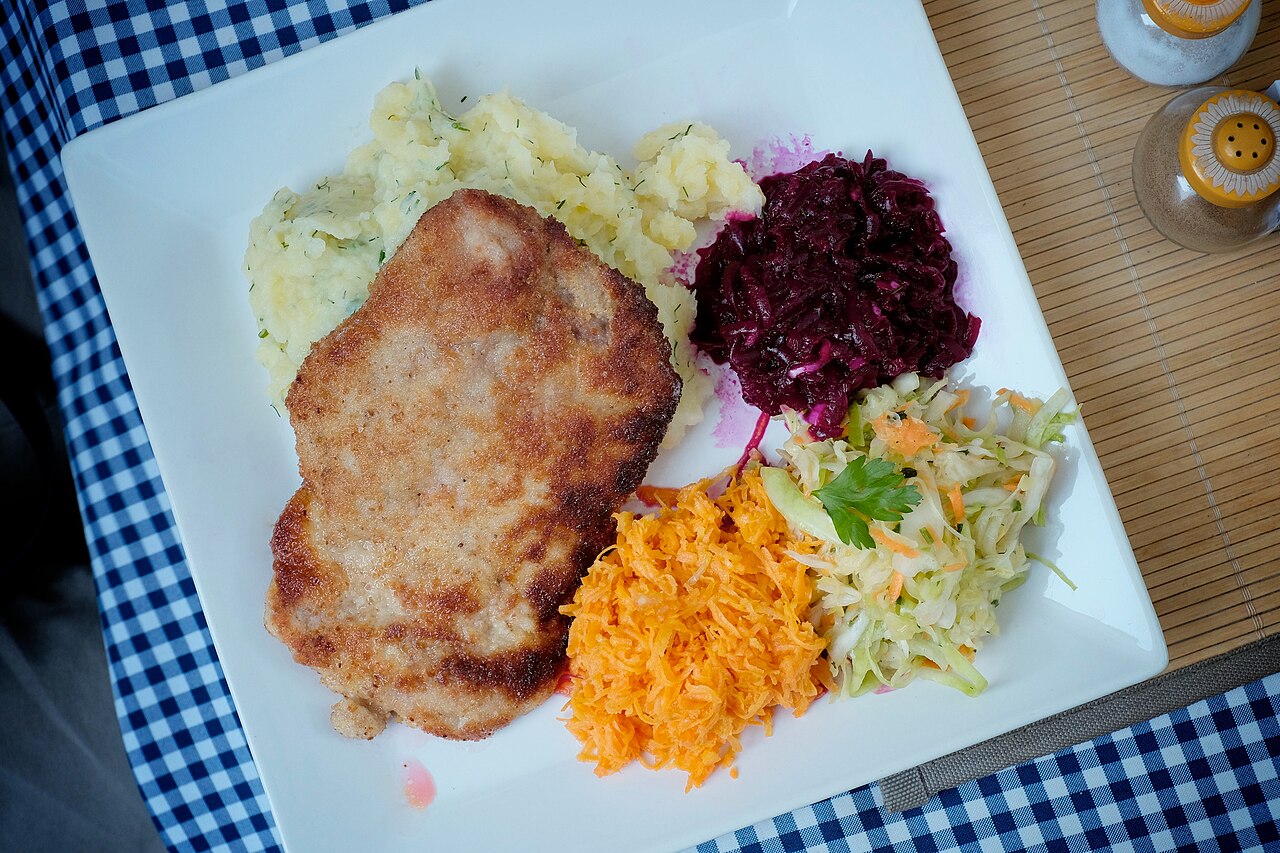
A slice of pork loin beaten thin, coated in flour, egg and breadcrumbs and fried until golden. It is a classic Polish dinner, served with boiled potatoes and cabbage or a cucumber salad.
It is a cousin of the Viennese schnitzel. Recipes for it appear in an 1860 Polish cookbook called '365 Dinners for Five Złoty'.
All of Poland, with local versions in Silesia and the east
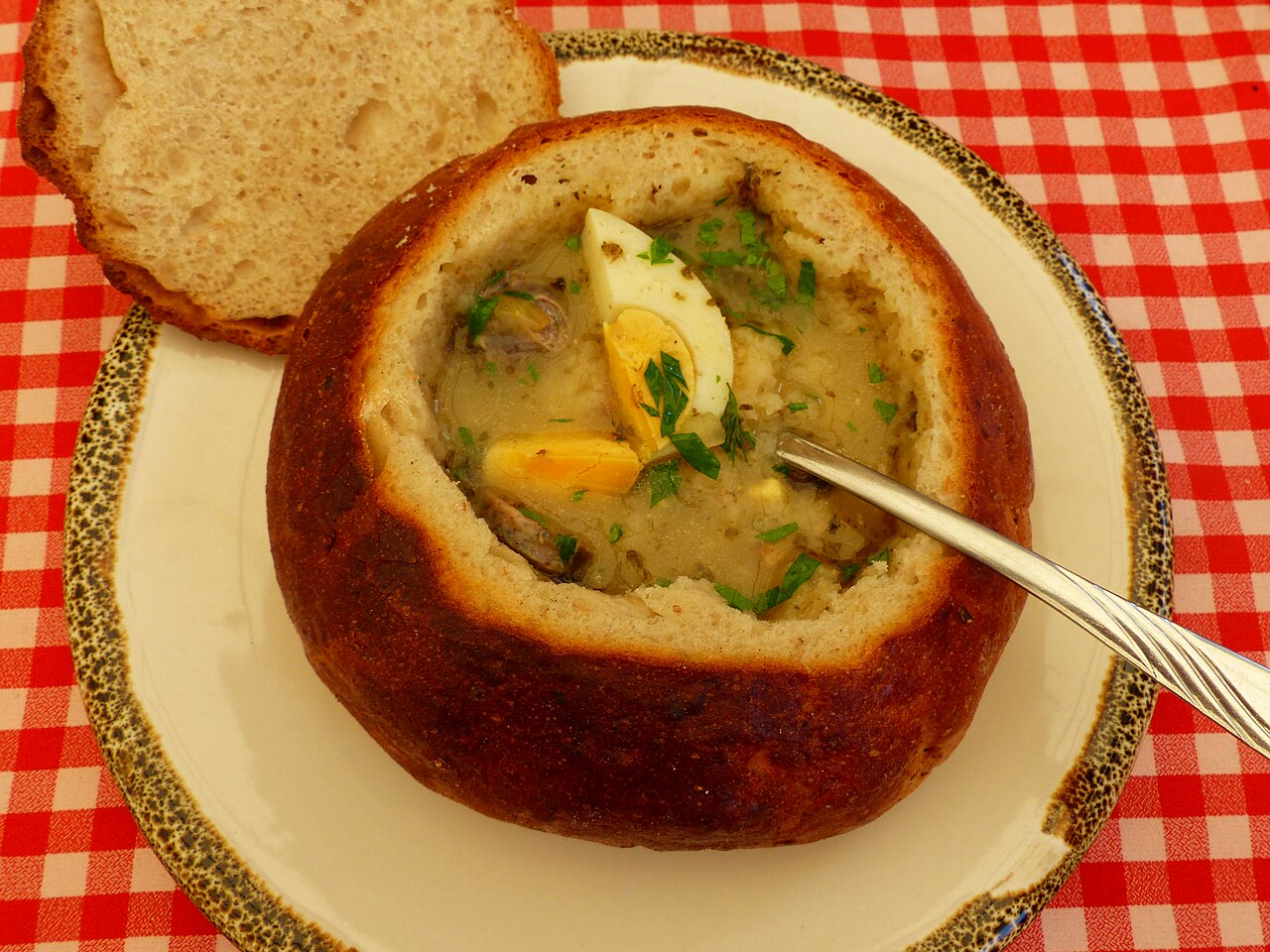
A tangy, creamy soup made with soured rye flour, flavoured with garlic and marjoram and served with white sausage, bacon and halved hard-boiled eggs. It is sometimes served in a hollowed-out loaf of bread.
Żurek is a traditional Easter dish, though Poles eat it all year round.
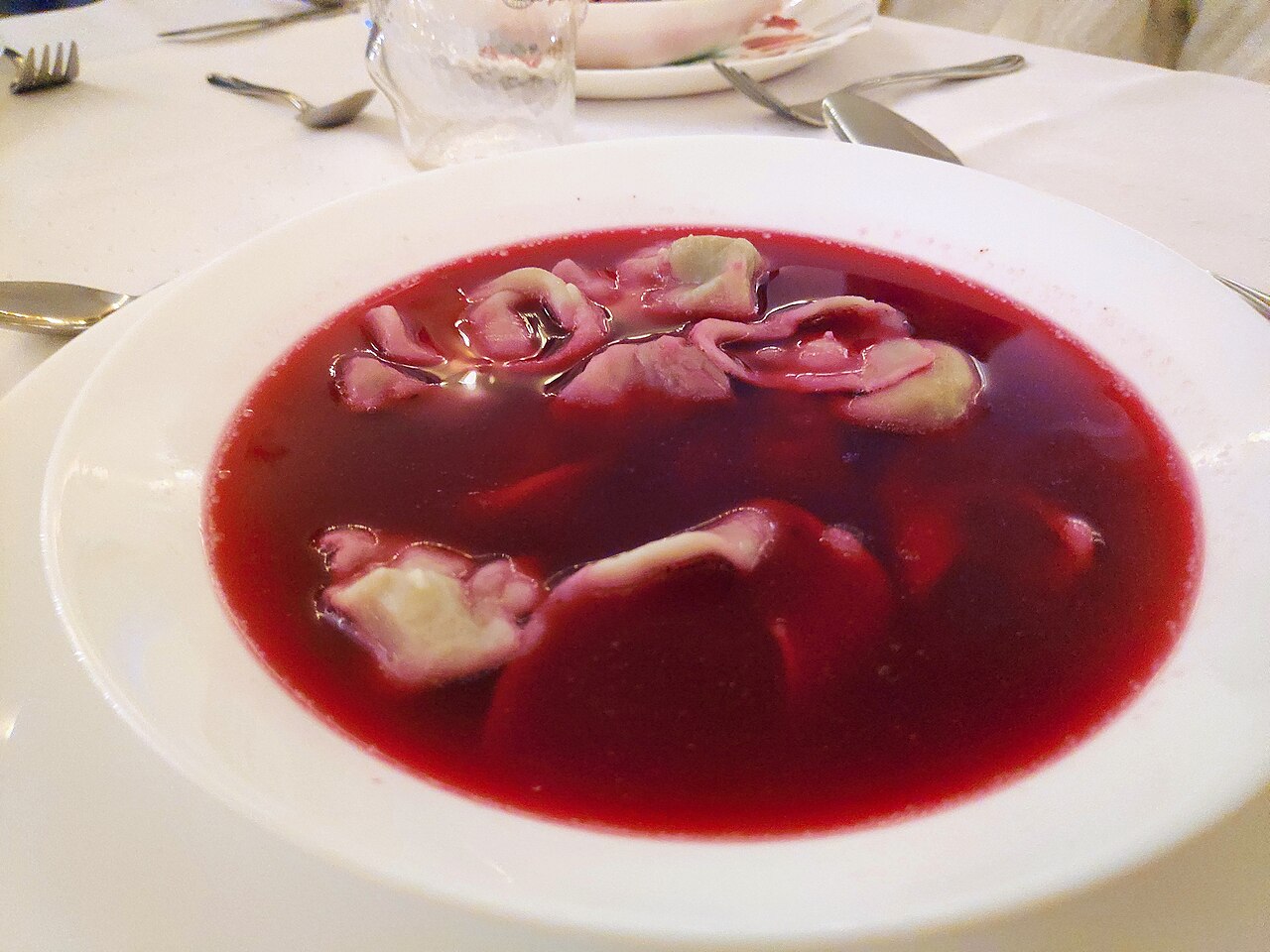
A clear, ruby-red beetroot soup with a gentle sweet-sour taste, served with uszka, tiny dumplings filled with wild mushrooms. It is the classic first course of the Christmas Eve supper.
Uszka means 'little ears', after the shape of the dumplings.
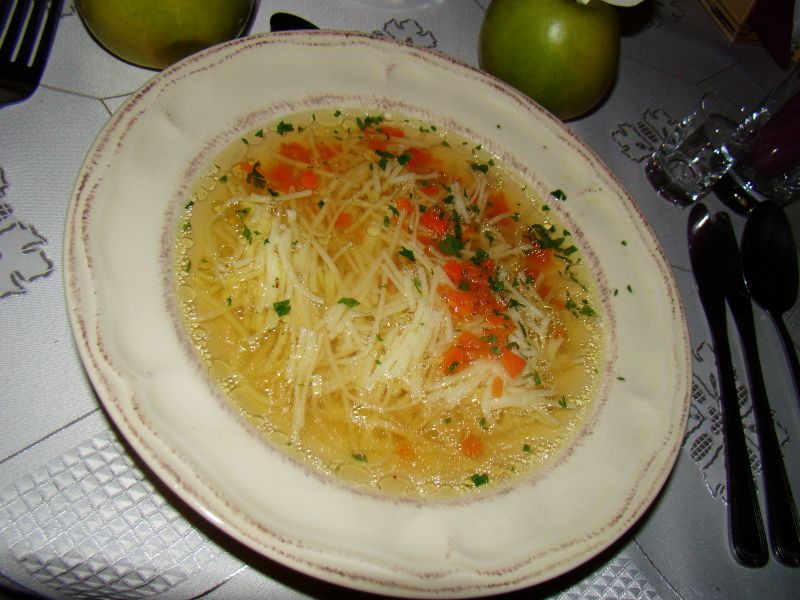
A clear golden broth slowly simmered from chicken or beef with root vegetables, served with very thin noodles and chopped parsley. It is the classic start to a family Sunday dinner.
Rosół is a traditional soup at weddings, and many Polish families still swear by it as a cure for colds.
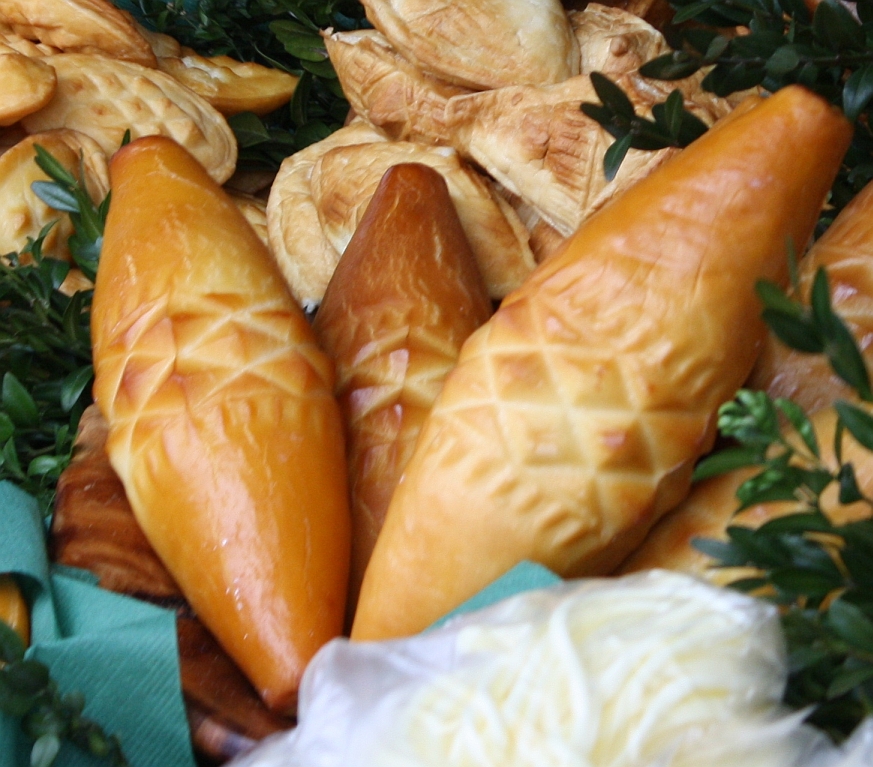
A firm, smoked cheese of salted sheep's milk, pressed into decorated wooden moulds that give it a spindle shape and a carved pattern. It is often grilled and eaten with cranberry jam.
Oscypek has protected status in the European Union: it must be made from at least 60% sheep's milk, and only between late April and early October, when the sheep graze on fresh mountain grass.
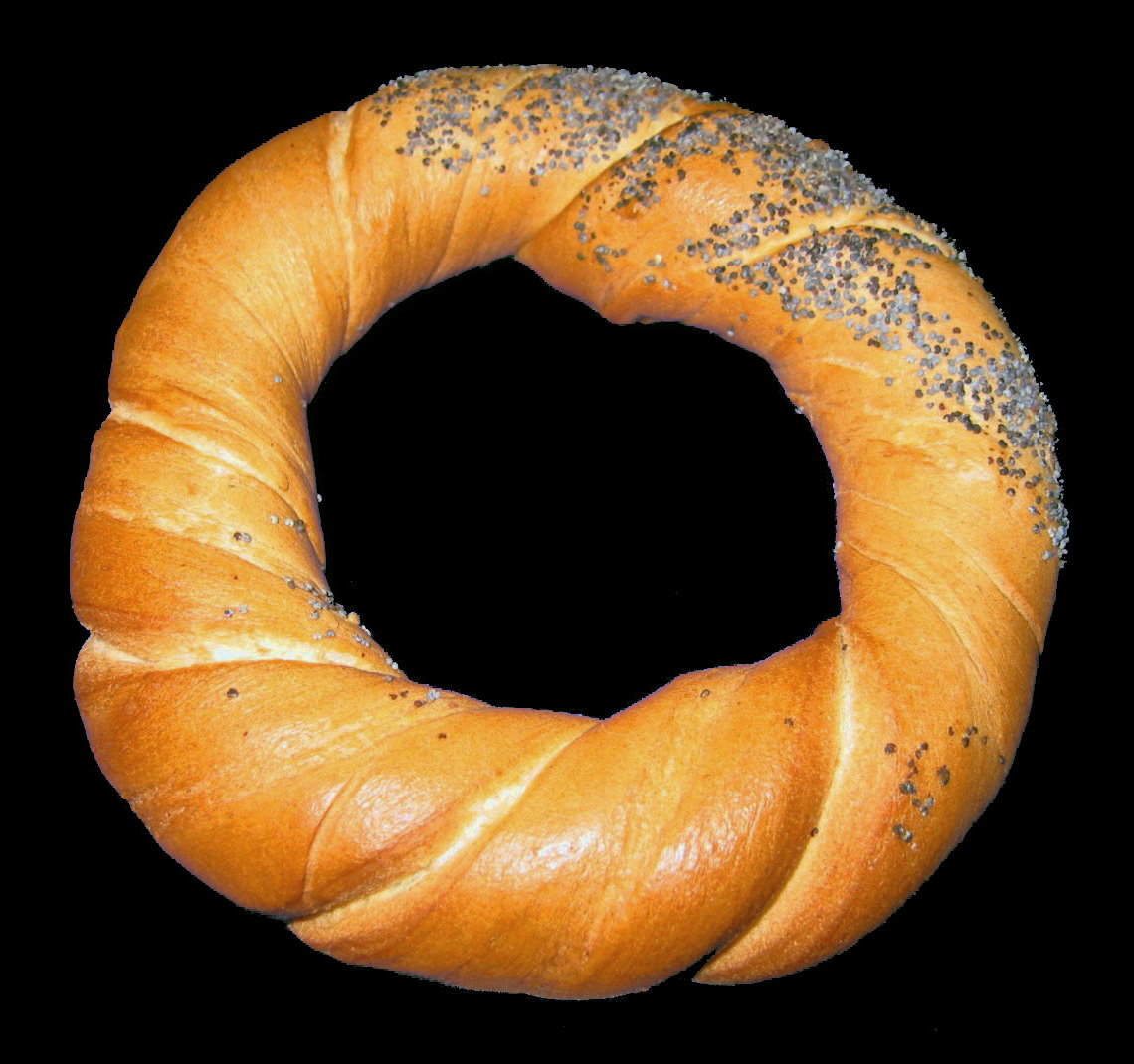
A twisted ring of bread that is boiled before baking, like a bagel, then sprinkled with salt, poppy seeds or sesame. It is chewy inside and crisp outside, and sold from street carts all over Kraków.
It has protected regional status in the EU. Its name comes from the Polish verb 'obwarzać', to parboil.
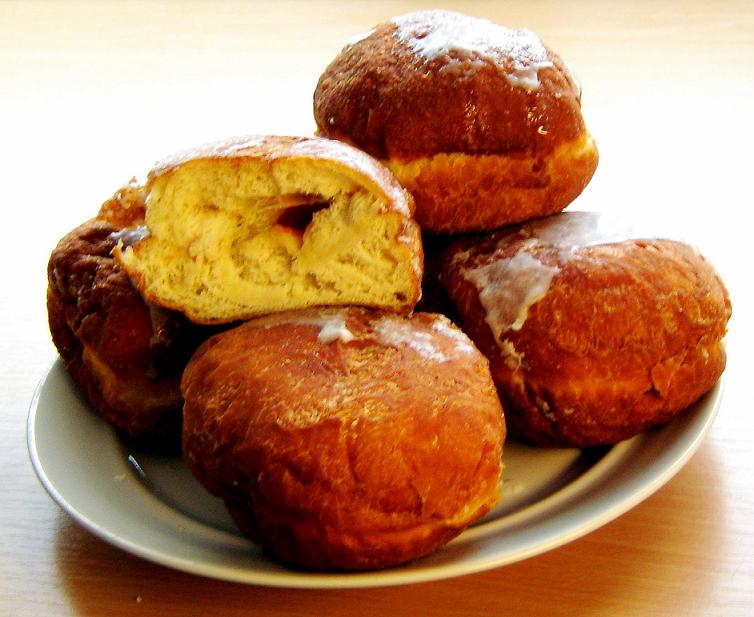
Rich, round doughnuts made with eggs and butter, filled with plum jam or rose petal jam and dusted with sugar or glazed.
Poles eat huge numbers of them on Fat Thursday (Tłusty Czwartek), the last Thursday before Lent, a tradition that began as a way to use up lard, sugar and eggs before the fast.
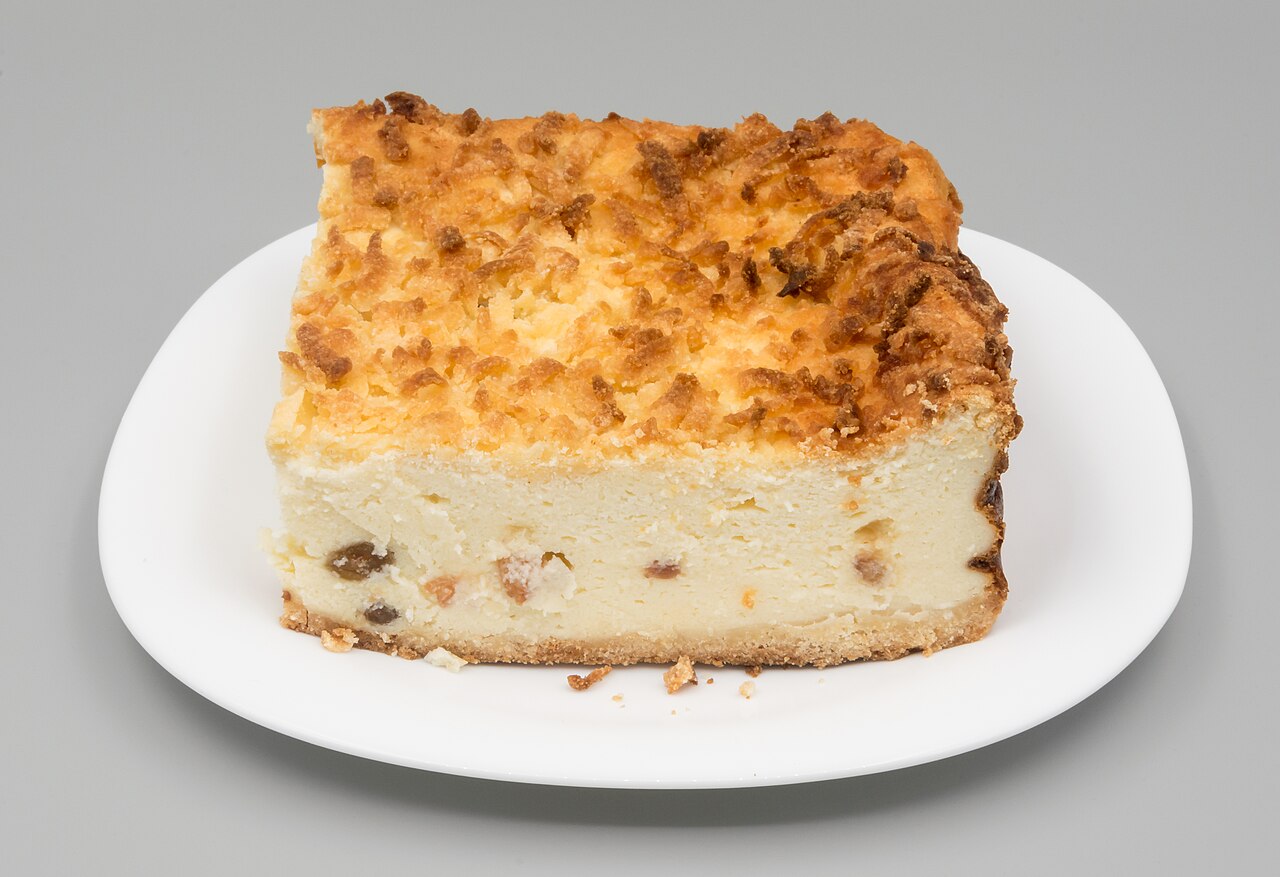
A baked cheesecake made with twaróg, a fresh Polish curd cheese, together with eggs and butter. It is lighter and a little drier than a cream cheese cake, and is often flavoured with vanilla, lemon or raisins.
Sernik dates back to the 17th century. The Kraków version has a lattice of pastry on top.
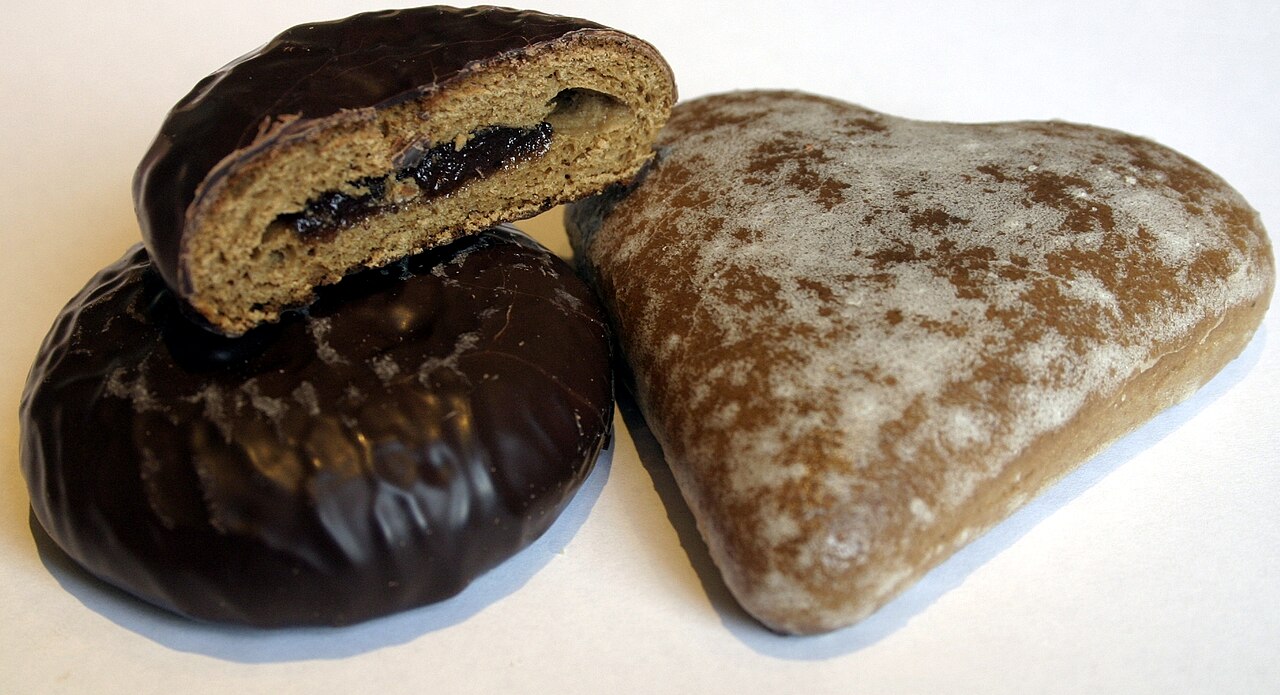
Spiced honey biscuits and cakes, traditionally shaped in carved wooden moulds, some filled with jam and covered in chocolate.
The first mention of Toruń gingerbread dates from 1380. In 1556 Toruń and Nuremberg, the other great gingerbread city, agreed that each could bake the other's specialities.
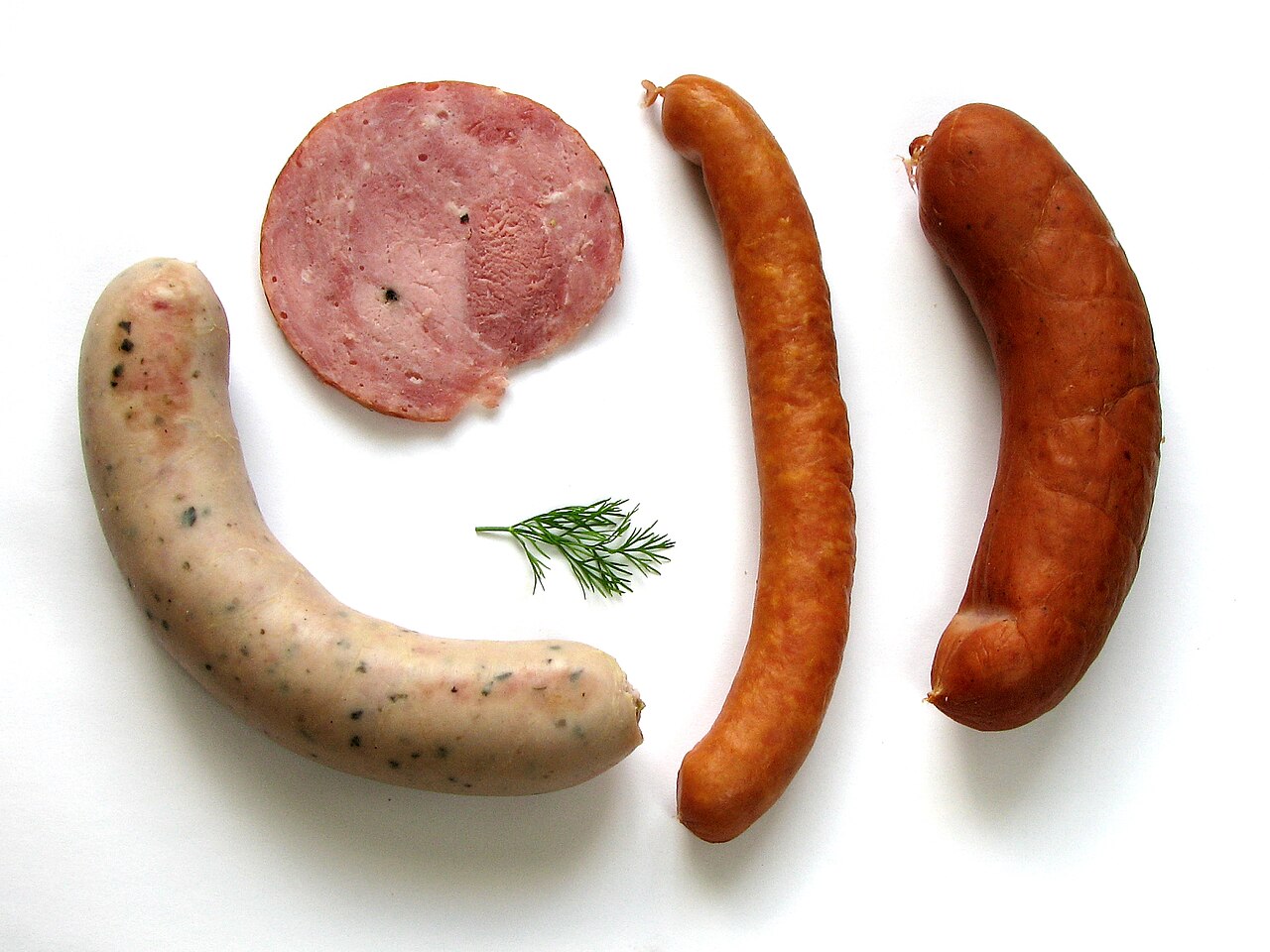
Kiełbasa simply means 'sausage' in Polish, and there are dozens of kinds, smoked or fresh, from thin dry kabanosy to white sausage for Easter żurek. It is grilled, fried with onions, or eaten cold with bread and mustard.
Several Polish sausages are protected in the EU, among them kiełbasa lisiecka from near Kraków.
Table manners
Before a meal people wish each other 'Smacznego' (enjoy your meal).
When glasses are raised, Poles say 'Na zdrowie!', which means 'to your health'.
Lunch, or obiad, is the main meal of the day and almost always begins with a soup.
On Christmas Eve many families prepare twelve dishes, all without meat. Fried carp is the traditional main course.
It is polite to bring a small gift when invited to a Polish home. Flowers are a good choice, but always an odd number, as even numbers are for funerals.
It is polite to ask whether you should take off your shoes when you enter someone's home.
Poland's cities each have their own story: rebuilt Warsaw on the Vistula, royal Kraków, the Baltic port of Gdańsk, Wrocław on its islands in the Oder, Gothic Toruń, and Zakopane at the foot of the Tatras.
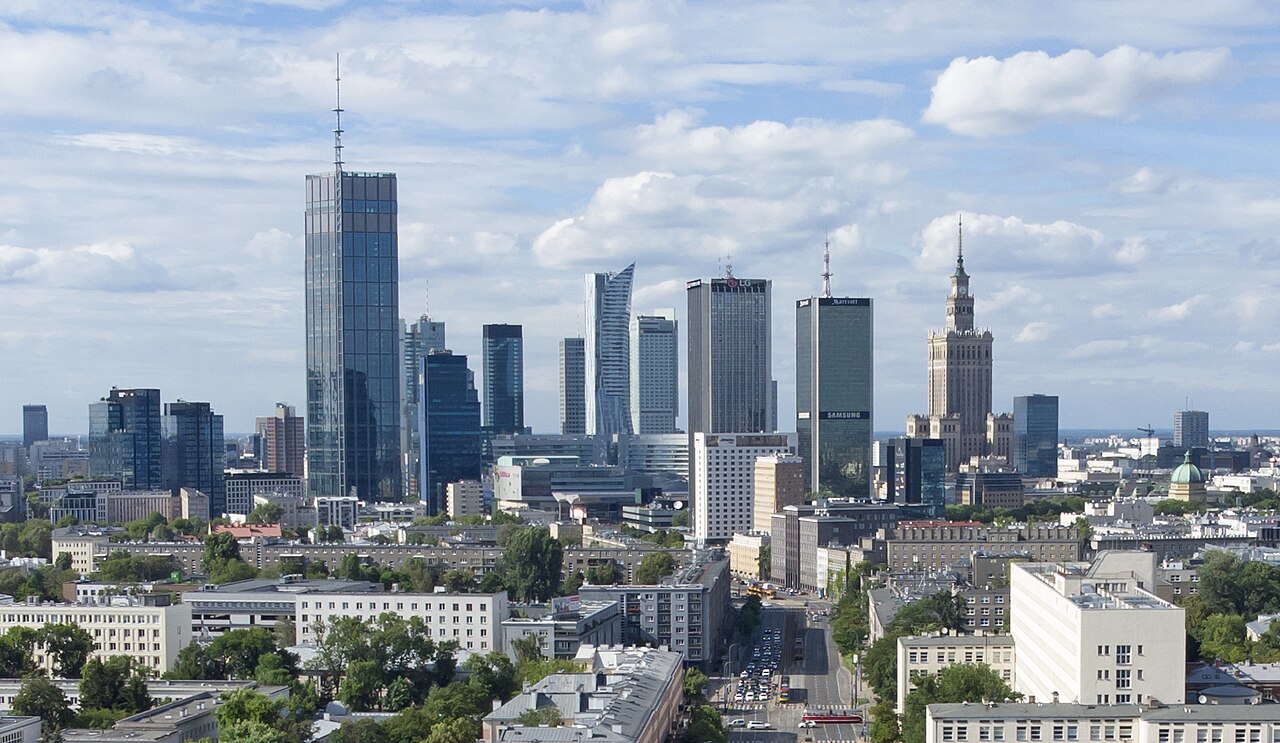
The capital and largest city, home to about 1.87 million people, on the Vistula river in east-central Poland. It became the royal capital when King Sigismund III moved his court here from Kraków in the late 16th century. After the Warsaw Uprising most of the city lay in ruins, and its Old Town was carefully rebuilt after the war.
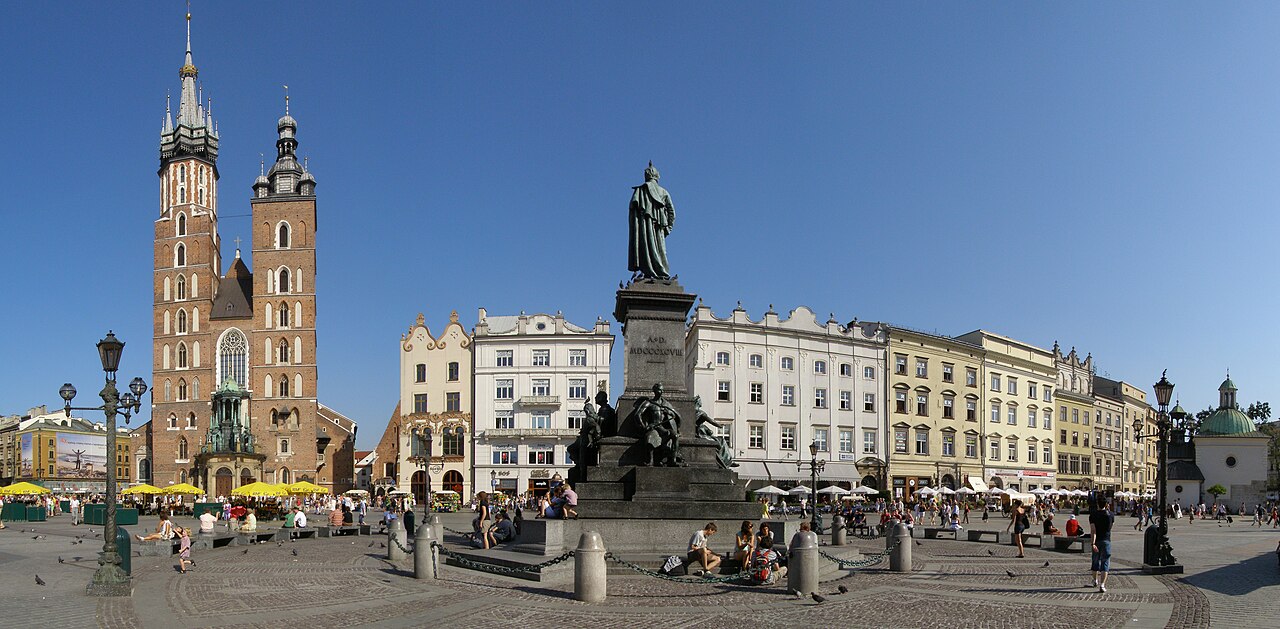
Poland's second-largest city and its royal capital for centuries, on the Vistula in the south. It escaped destruction in the Second World War, and its old town, with the huge Main Market Square, is one of the treasures of Europe.
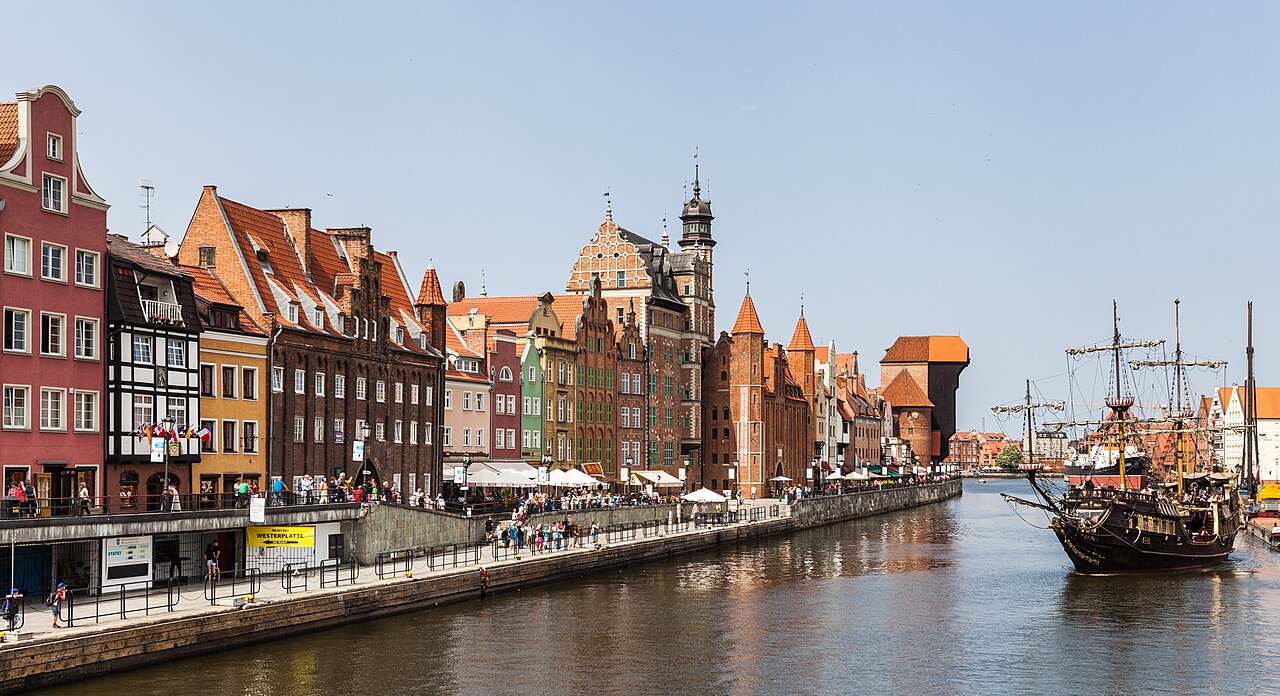
A great Baltic seaport near the mouth of the Vistula, once a rich member of the Hanseatic League. The Second World War began here at Westerplatte in 1939, and Solidarity was born in its shipyard in 1980. With Sopot and Gdynia it forms the Tricity.
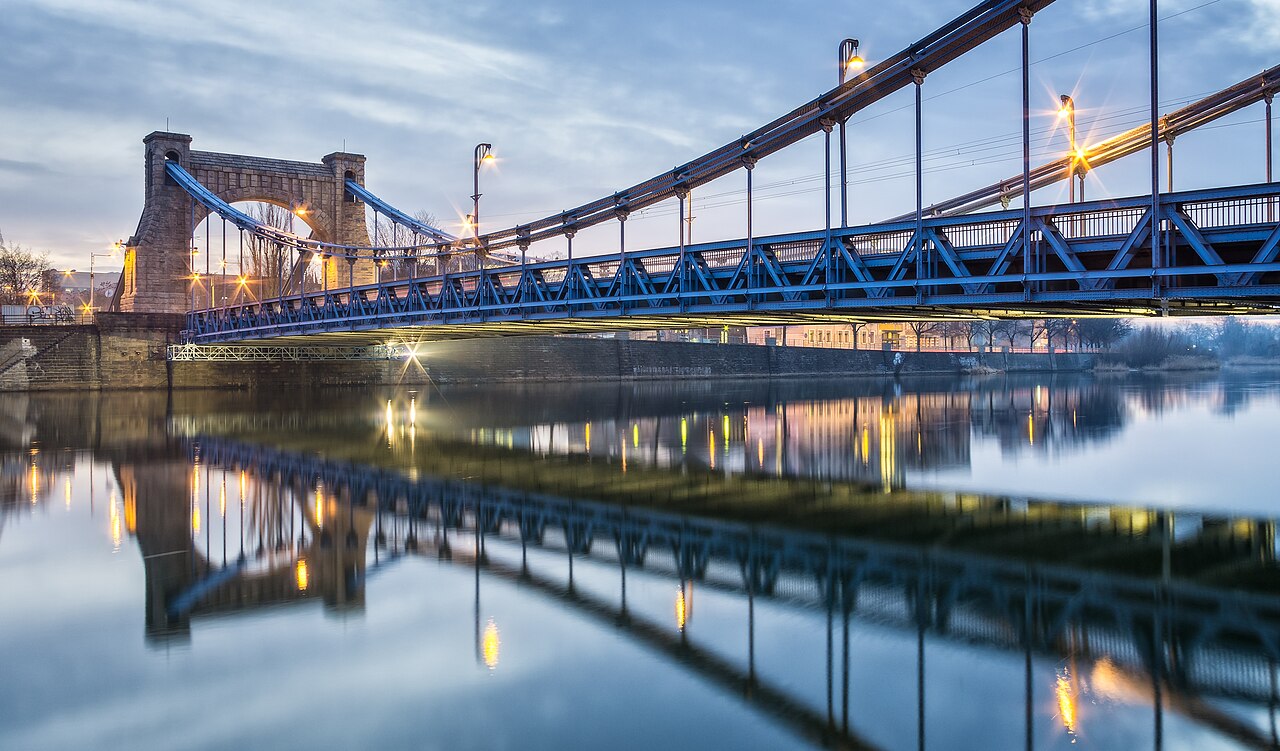
The third-largest city in Poland and the historic capital of Silesia, built on the Oder river and its many islands and bridges. It was a German city called Breslau until 1945 and is now a lively university town.
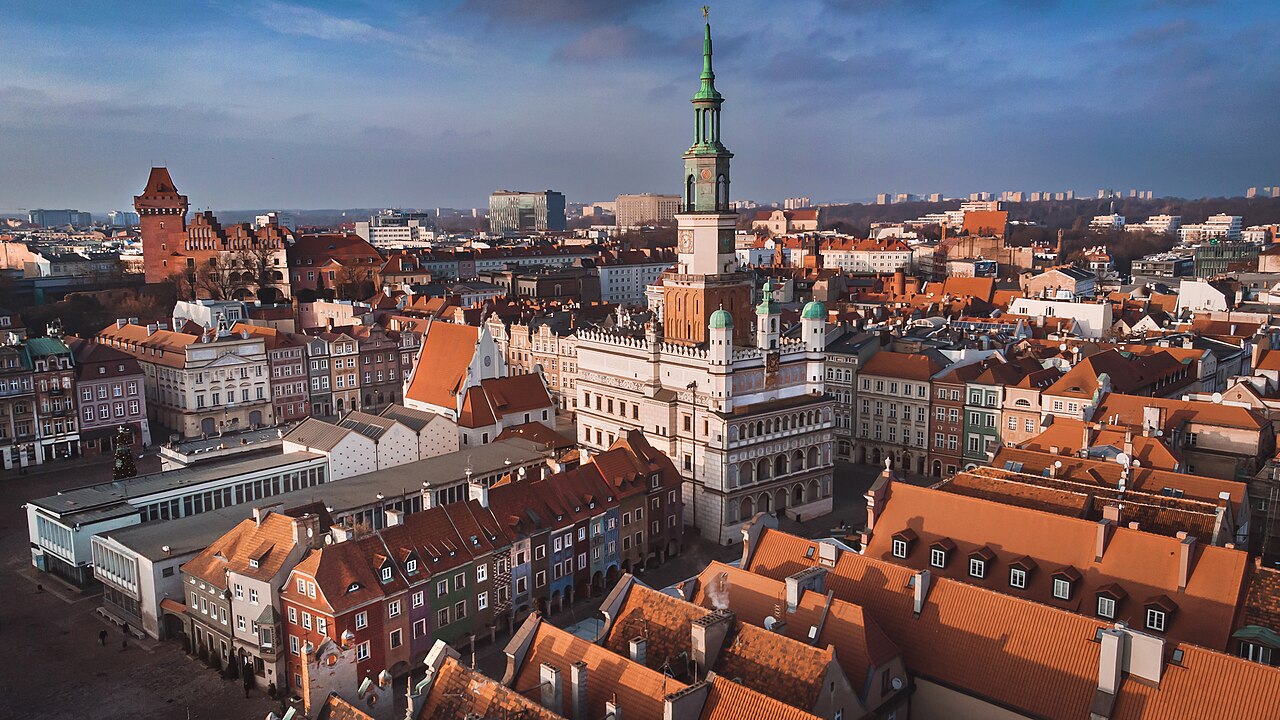
The fifth-largest city in Poland, on the Warta river in the west. It is one of the historic capitals of early Poland, the seat of the oldest Polish diocese, and a busy centre of trade with a big international fair.
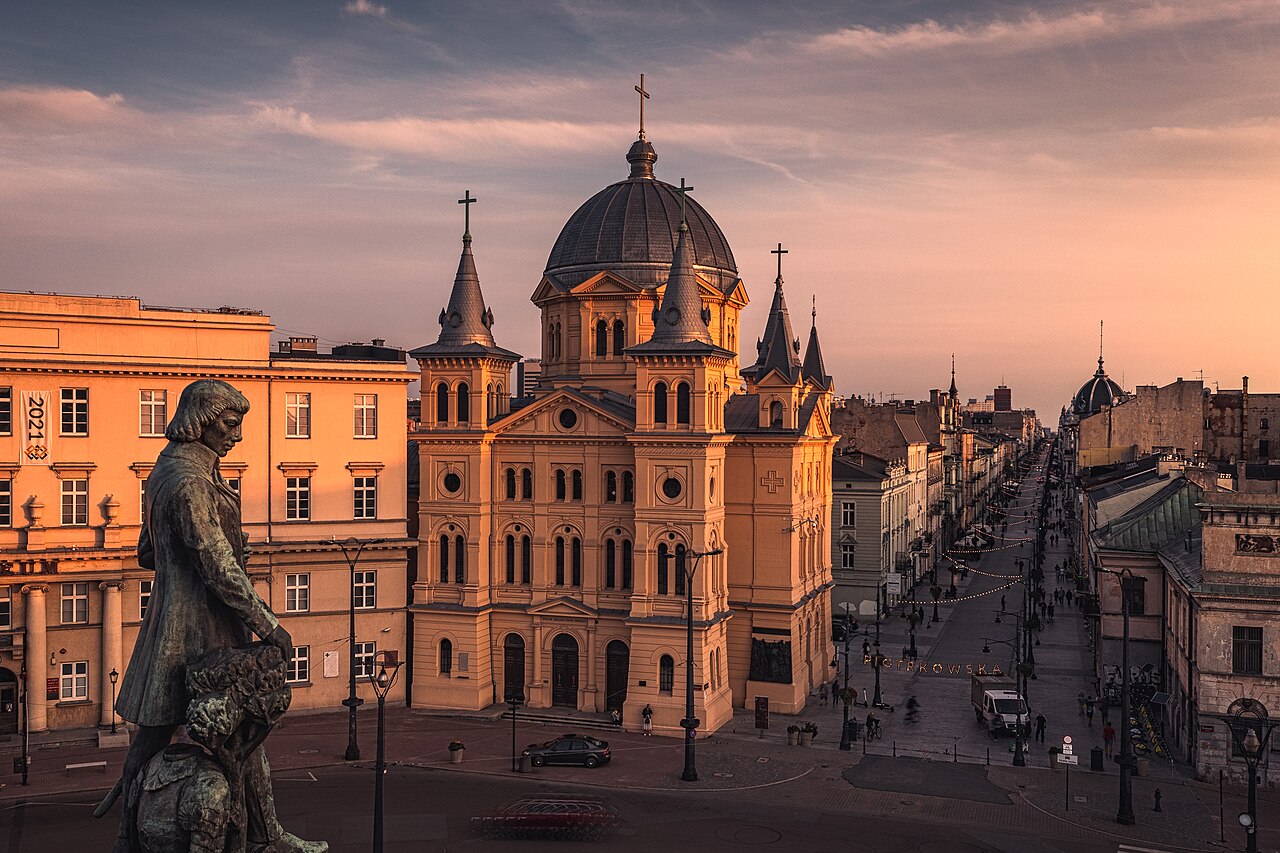
A city in the middle of Poland that grew rapidly in the 19th century around its textile mills, with grand mansions next to red-brick factories. Its famous National Film School trained directors such as Andrzej Wajda and Roman Polański.
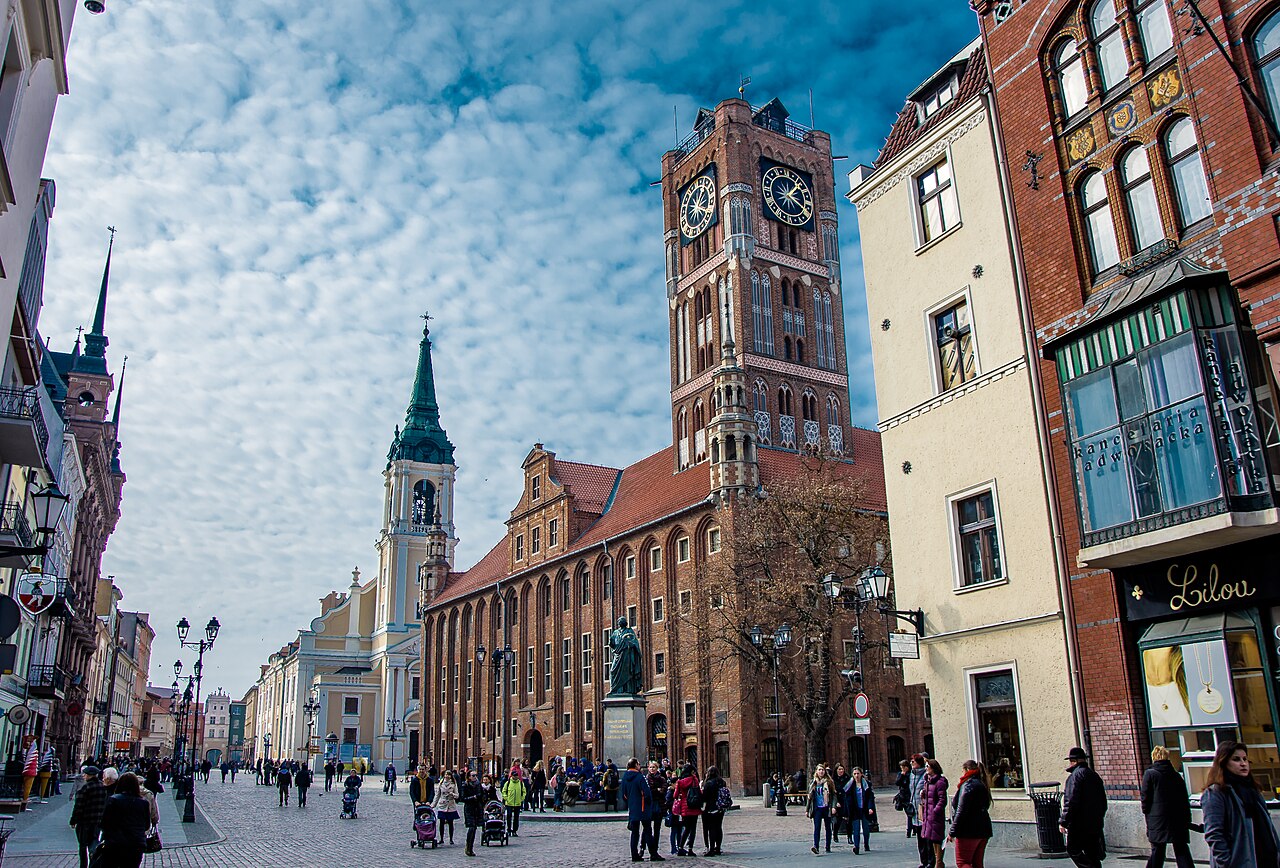
One of Poland's oldest cities, on the Vistula in the north. It was a Hanseatic trading town and was spared bombing in the Second World War, so its Gothic old town survives intact. Nicolaus Copernicus was born here in 1473.
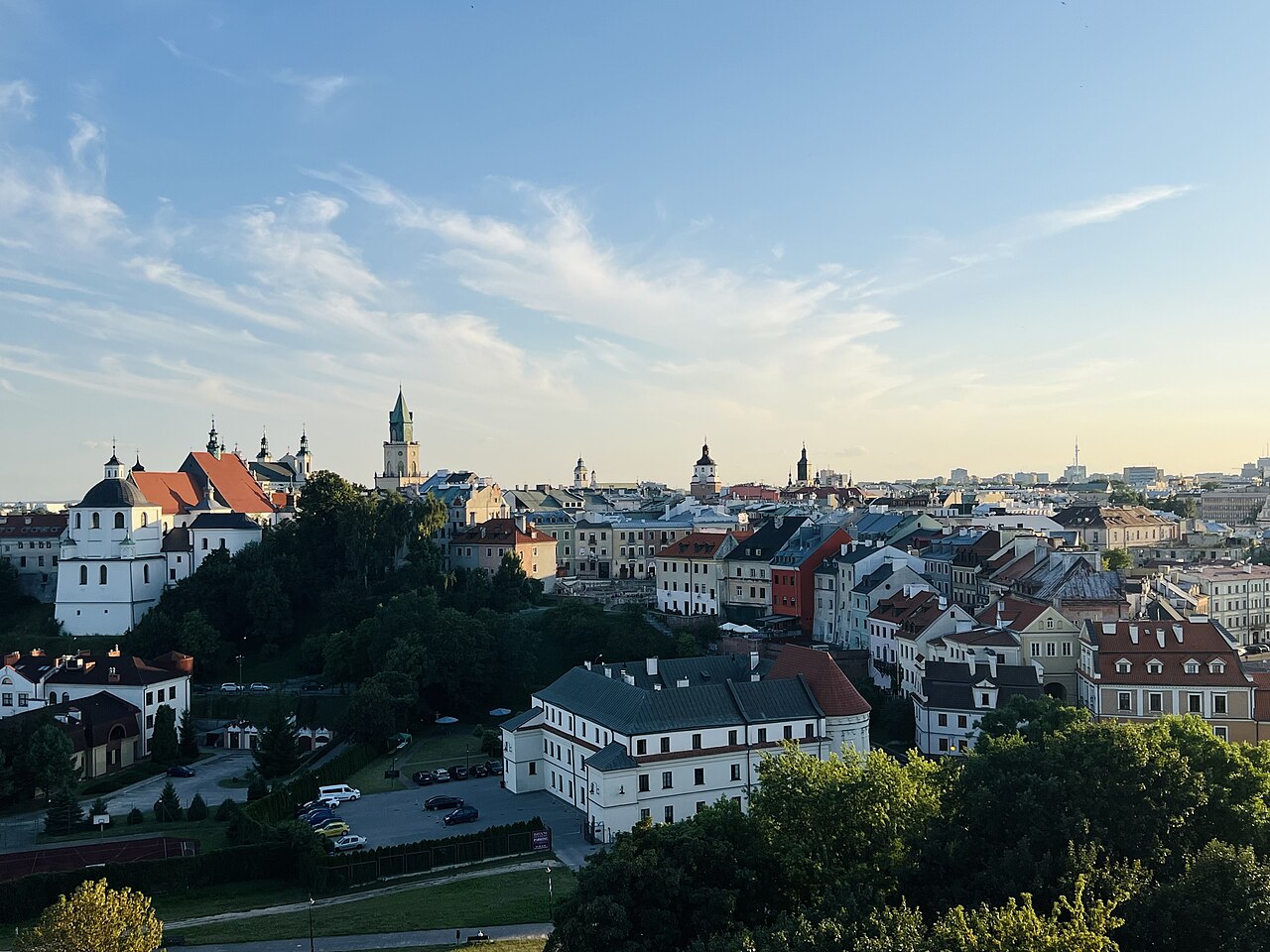
A historic city in eastern Poland that grew rich on the trade route between Kraków and Vilnius. The Union of Lublin, which joined Poland and Lithuania into one state, was agreed here in 1569.
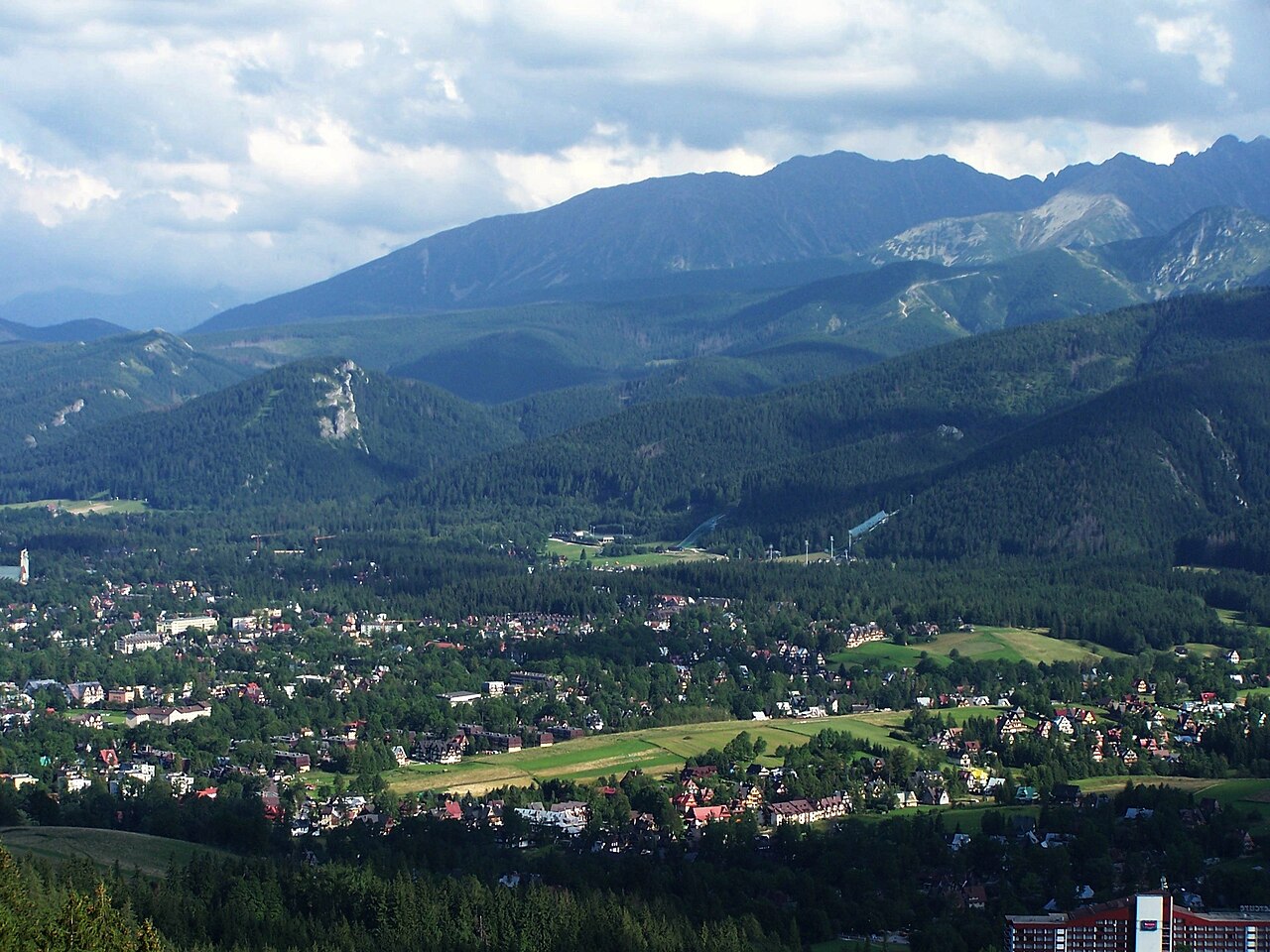
A mountain town at the foot of the Tatras, often called the winter capital of Poland. It is the centre of the culture of the Górale, the highlanders, and a base for skiing and hiking.
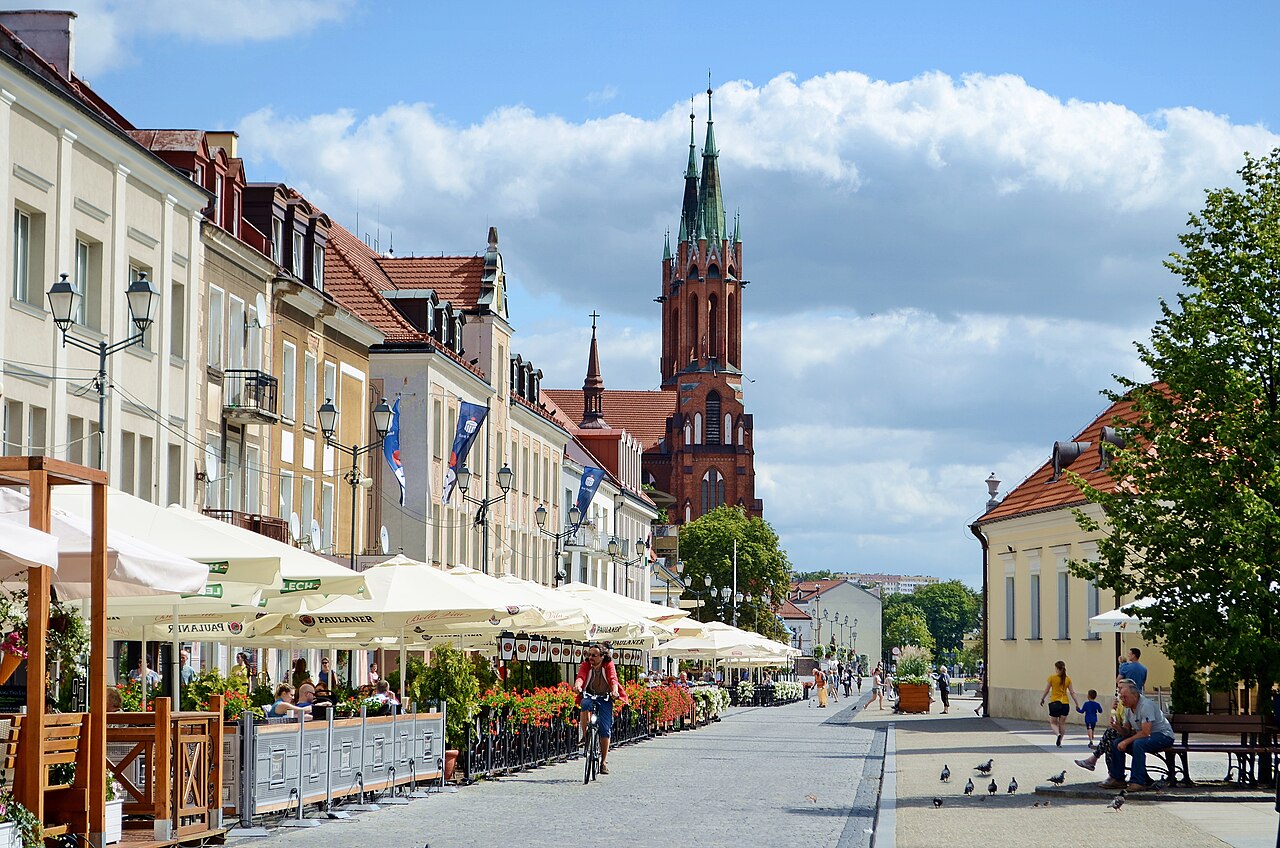
The main city of north-eastern Poland, about 200 km north-east of Warsaw and close to the border with Belarus. Forests cover almost a fifth of the city, and it is the gateway to the Białowieża Forest.
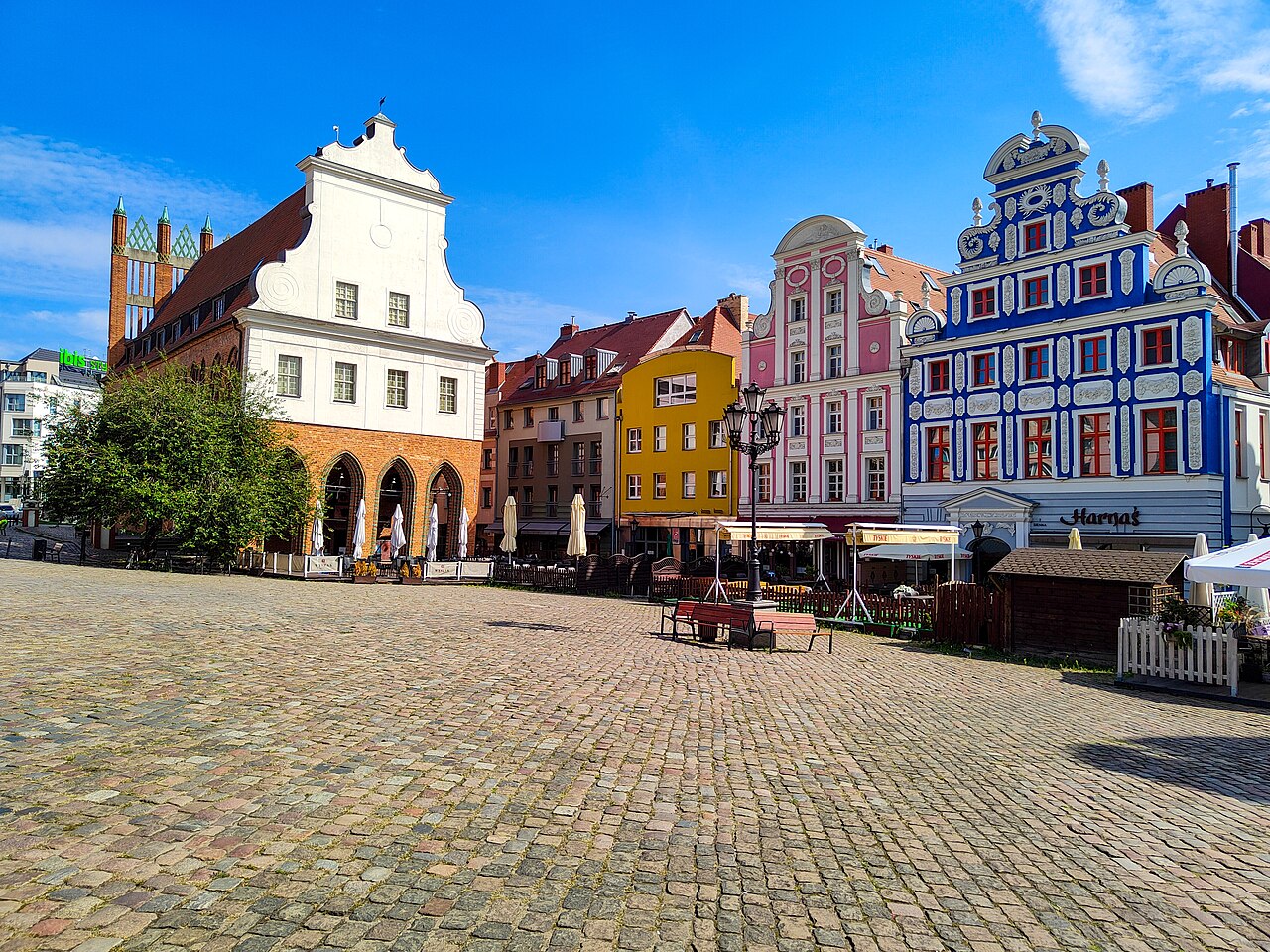
A port city on the Oder in the far north-west, close to the German border. It was long the capital of the dukes of Pomerania and later belonged to Sweden and Prussia, before becoming part of Poland after 1945.
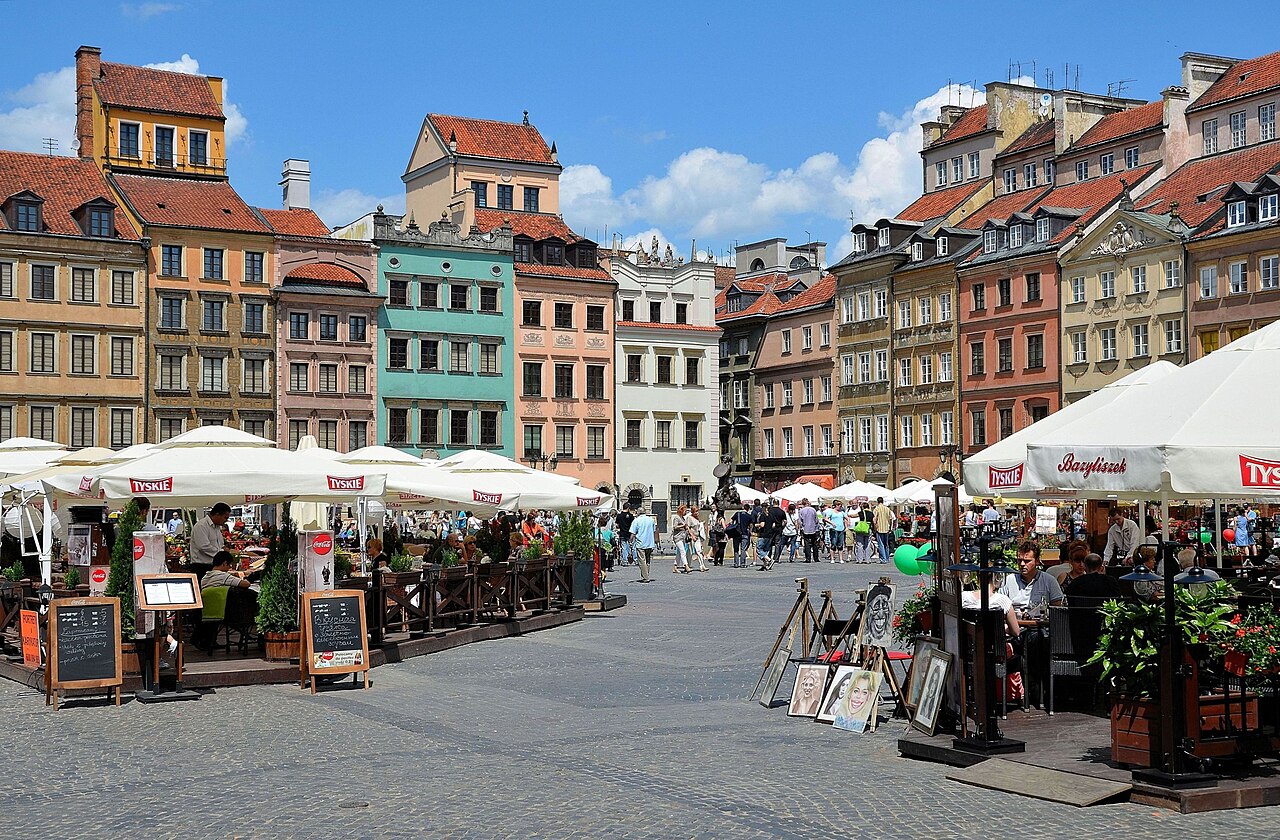
Warsaw's Old Town was almost totally destroyed in the Second World War and rebuilt stone by stone, mostly between 1947 and 1951. The project was a pioneering attempt to bring back a whole historic city centre, and it joined the World Heritage List in 1980. Its market square, Royal Castle and city walls look as they did before the war.
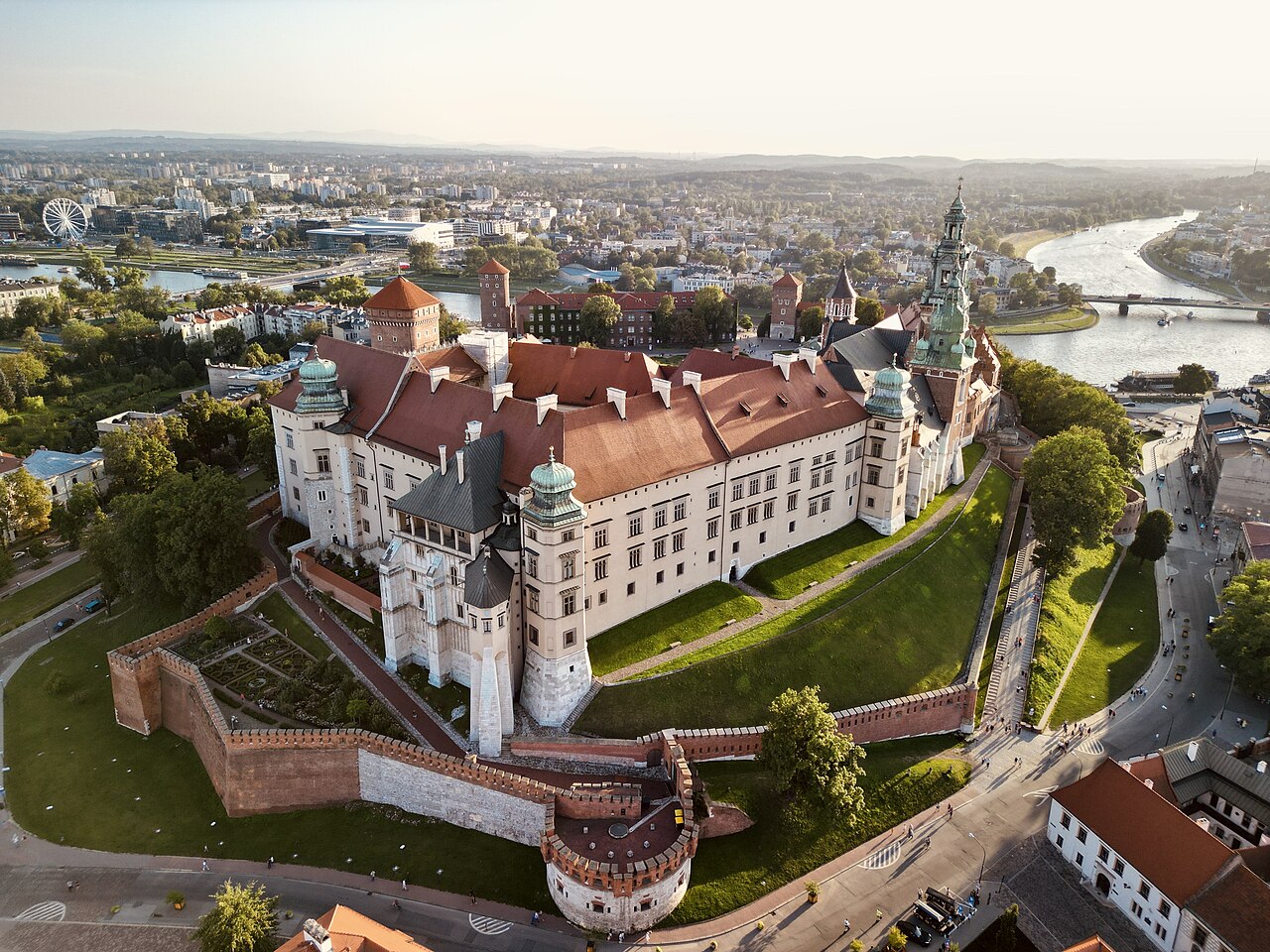
A castle on a limestone hill above the Vistula, home of Polish kings for centuries. The cathedral beside it was where Polish monarchs were crowned and buried. It is part of the Historic Centre of Kraków, one of Poland's first two World Heritage Sites, listed in 1978.
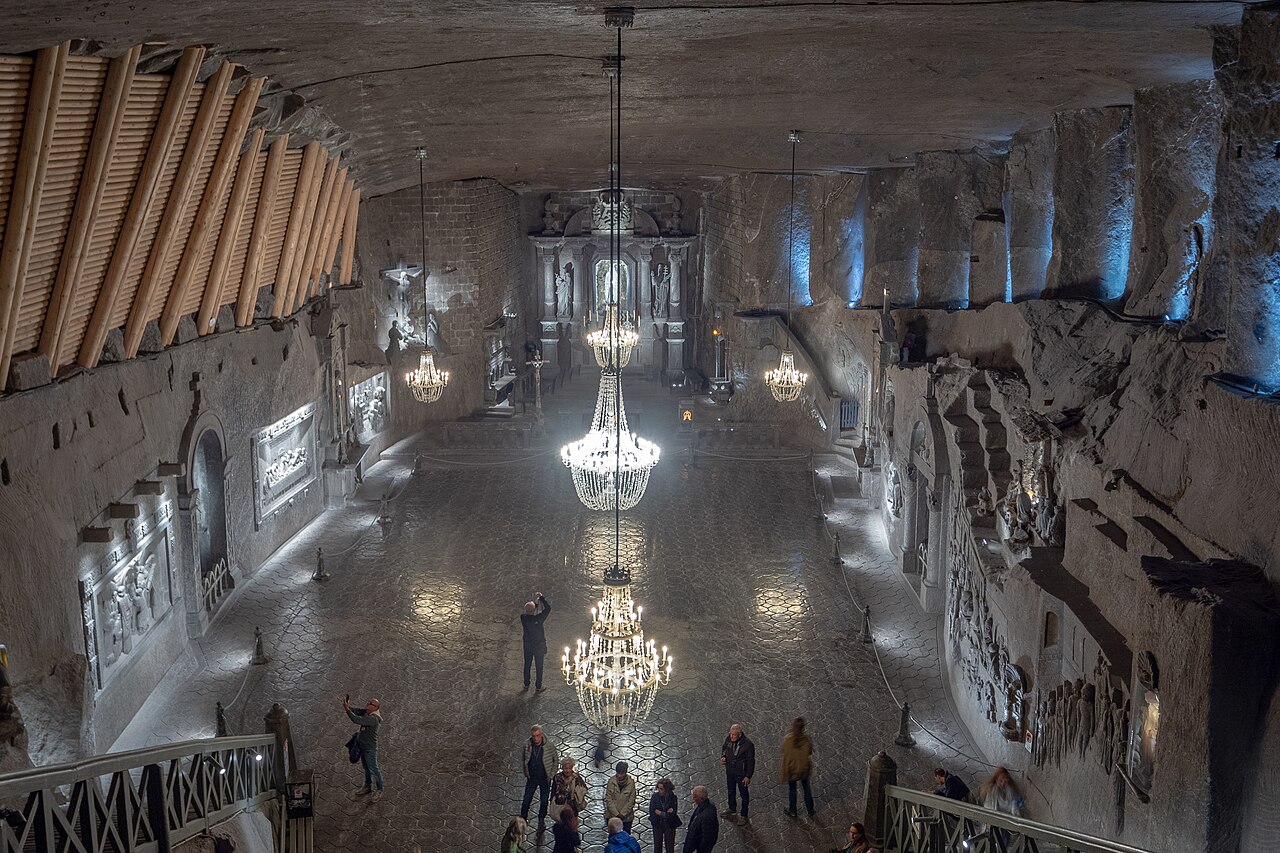
A royal salt mine just outside Kraków, dug from the 13th century and worked until 1996. It reaches 327 metres deep and has more than 287 km of passages. Visitors walk through chambers with an underground lake, chapels and statues carved by miners out of rock salt.
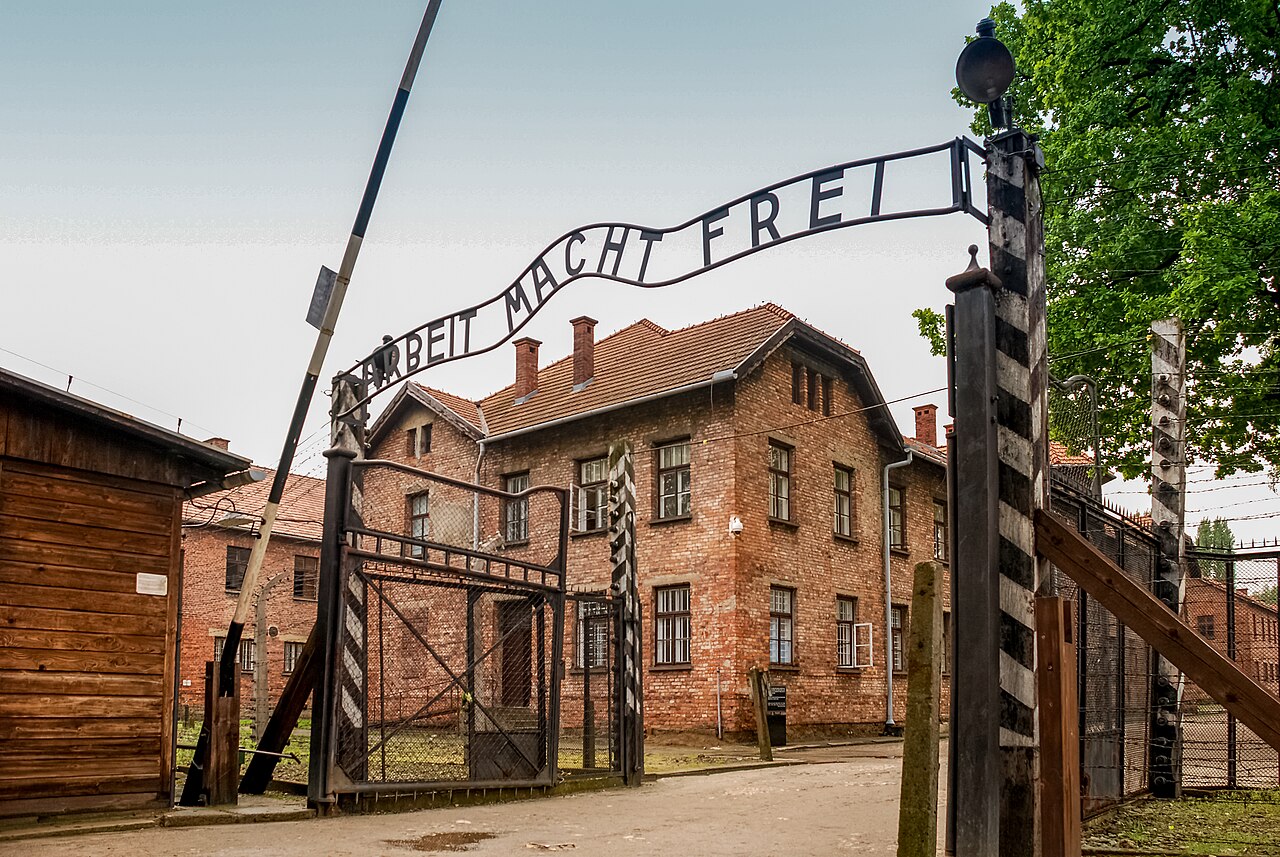
The former German Nazi concentration and extermination camp near the town of Oświęcim, about 50 km west of Kraków. At least 1.1 million people were murdered here, about 960,000 of them Jews. Soviet troops liberated the camp on 27 January 1945, now International Holocaust Remembrance Day. Today it is a museum and a place of remembrance.
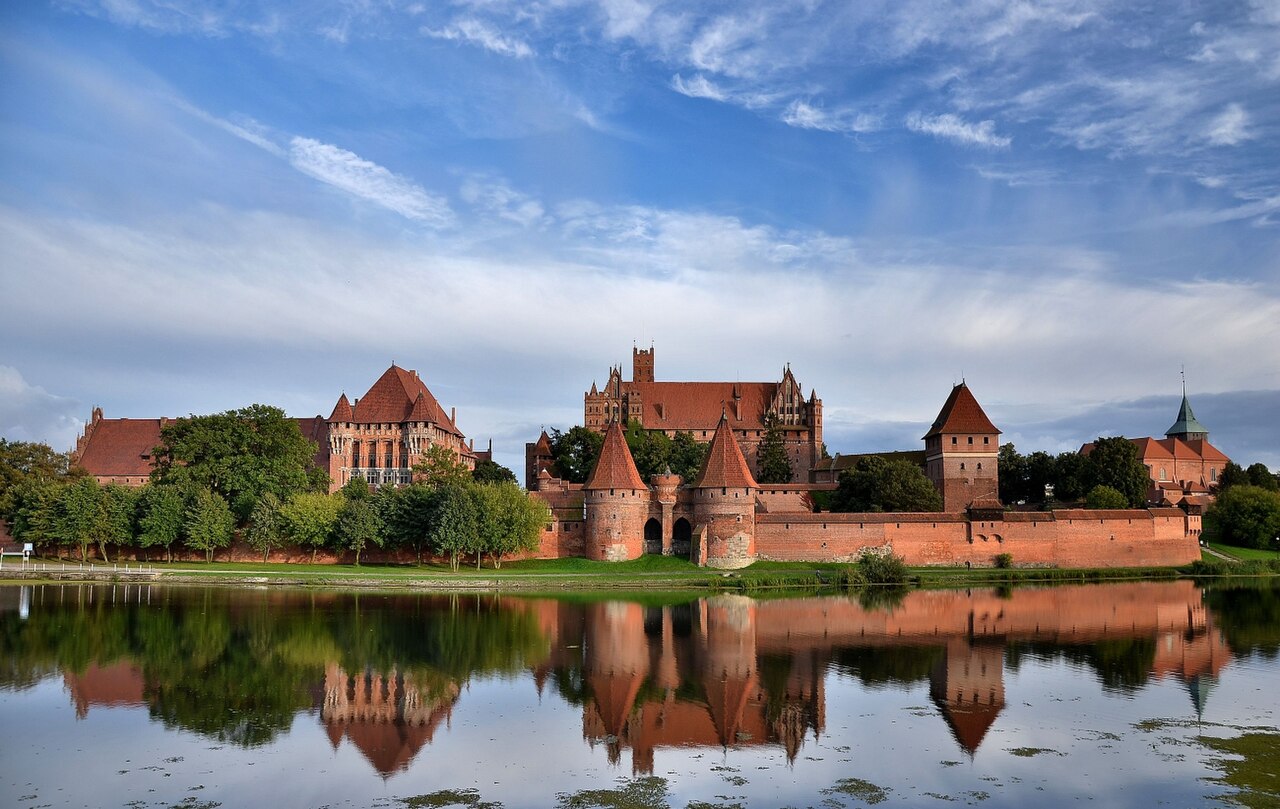
A vast red-brick castle south-east of Gdańsk, built by the Teutonic Knights between about 1274 and 1406. On its completion it was the largest brick castle in the world. It passed to the kings of Poland in 1457.
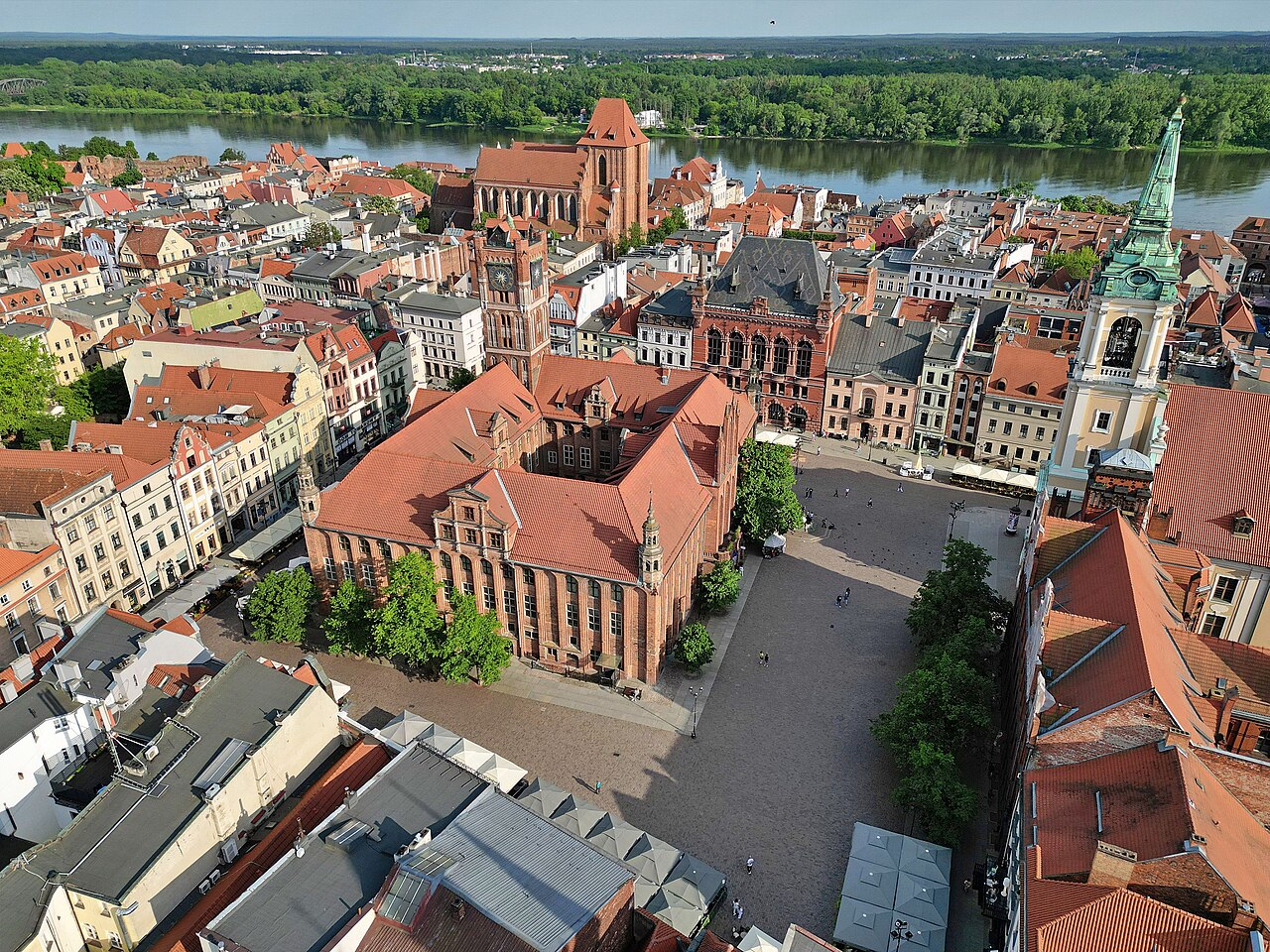
Toruń's Old Town, New Town and castle, which received its town charter from the Teutonic Knights in 1233. UNESCO describes it as a small historic trading city that gives an exceptionally complete picture of medieval life, with its Gothic churches, burghers' houses and town hall.
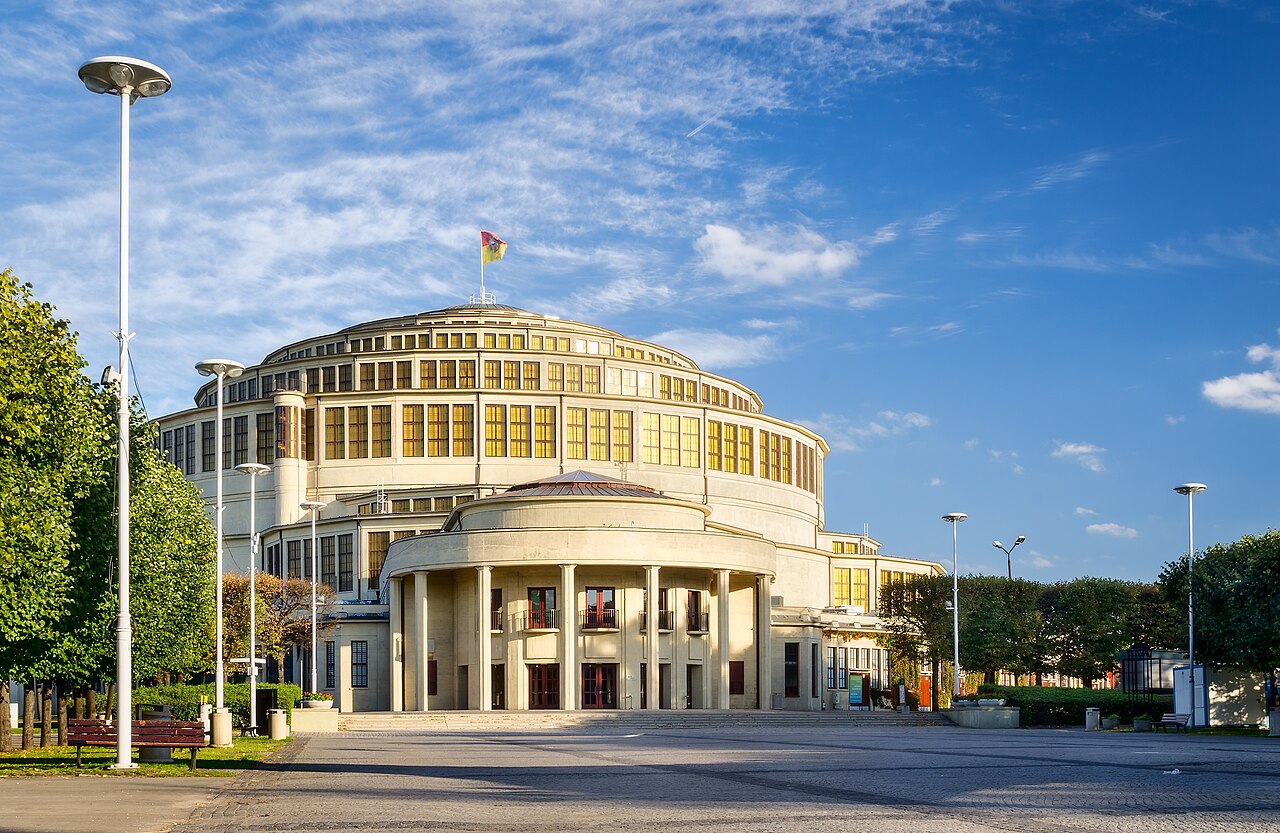
A huge domed hall of reinforced concrete, designed by Max Berg and built in 1911 to 1913. It was an early landmark of modern concrete building and is still used for concerts, sport and exhibitions. It became a World Heritage Site in 2006.
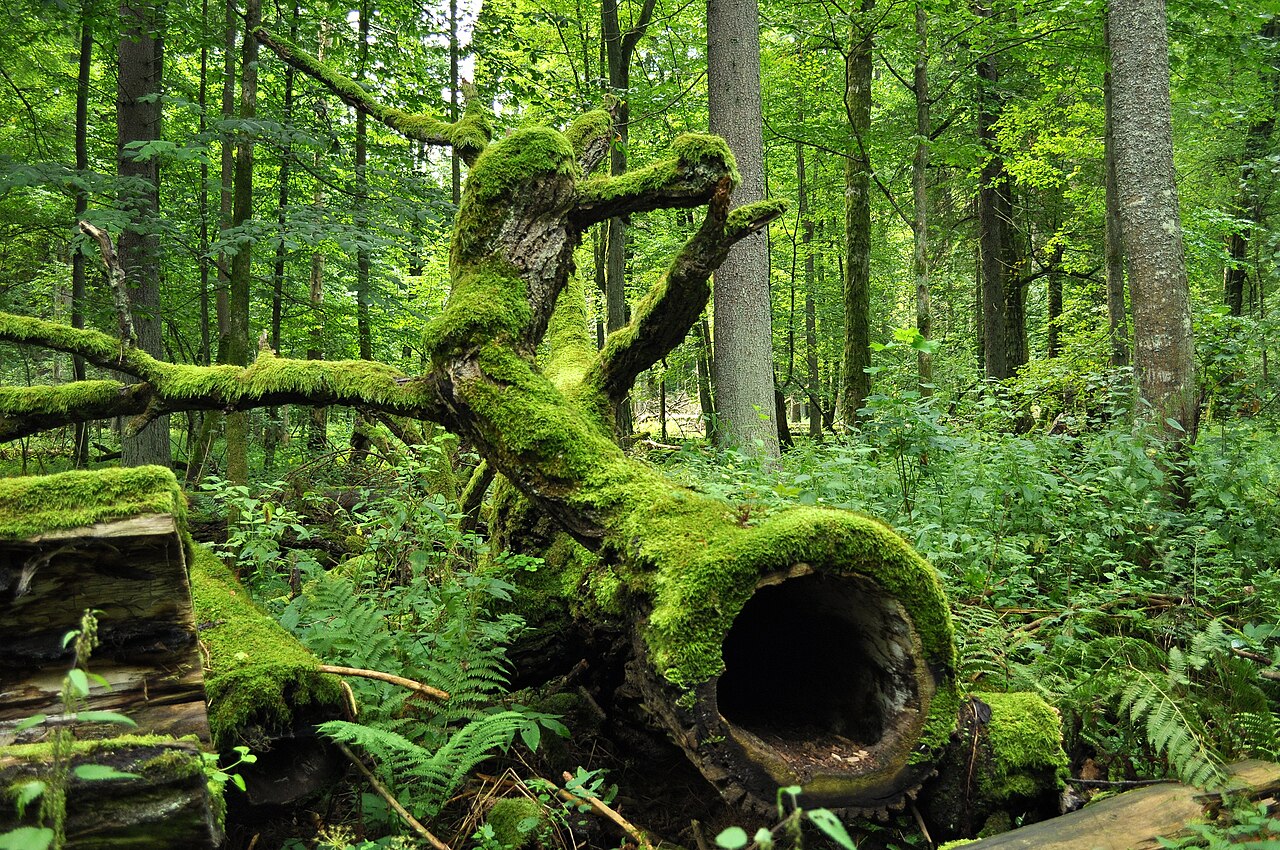
One of the last and largest remaining parts of the primeval forest that once covered the European plain, shared between Poland and Belarus. The Polish national park lies about 62 km south-east of Białystok. As of 2026, more than 800 European bison, Europe's heaviest land animals, live in the forest.
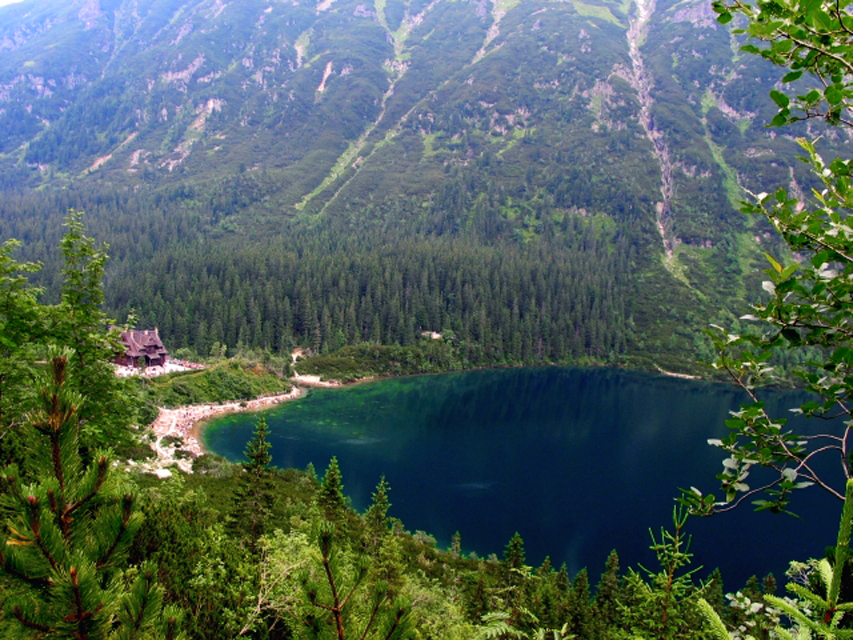
The largest lake in the Tatra Mountains, deep in the Tatra National Park. Its name means 'Eye of the Sea', from a legend that it was joined to the sea by an underground passage. A mountain hut on its shore is a starting point for the climb to Rysy.
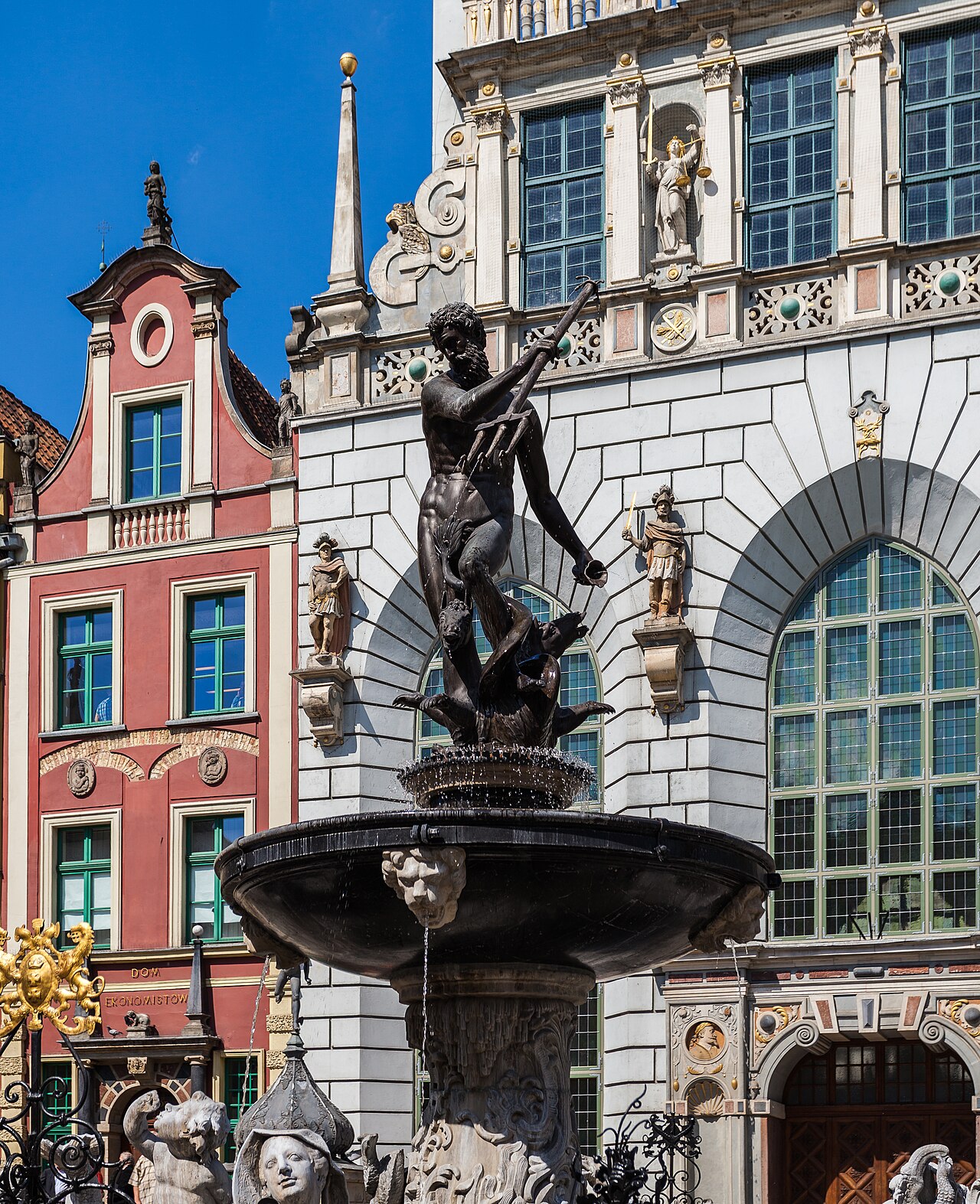
A bronze statue of the sea god Neptune, cast in 1615, stands in Gdańsk's Long Market in front of Artus Court. The fountain is one of the most distinctive landmarks of the city.
Marie Curie was born Maria Skłodowska in Warsaw. She was the first woman to win a Nobel Prize and the only person to win Nobel Prizes in two different sciences, physics and chemistry.
02
The composer Frédéric Chopin was born in 1810 in Żelazowa Wola, west of Warsaw, and died in Paris. As he wished, his heart was brought back to Warsaw, and it rests in a pillar of the Holy Cross Church.
03
Every hour, a trumpeter plays a short tune called the hejnał from the highest tower of St. Mary's Basilica in Kraków. It stops suddenly in the middle of a note, in memory of a legendary watchman said to have been shot by an arrow while sounding the alarm.
04
Poland's national anthem, 'Poland Is Not Yet Lost', was written in Italy in 1797 for Polish legions fighting alongside Napoleon. It even names him: 'Bonaparte has shown us ways to victory'.
05
During the Second World War, Polish soldiers adopted a bear cub in Iran and named him Wojtek. He travelled with them to Italy, was said to carry ammunition crates at the Battle of Monte Cassino, was made a corporal, and spent his last years at Edinburgh Zoo.
06
Near Gryfino in north-western Poland stands the Crooked Forest: about 400 pine trees, planted around 1930, that all bend sharply near the ground and then grow upright again. Nobody knows for certain how they got their shape.
07
Around a quarter of all the world's white storks breed in Poland, one of the most important breeding grounds for these birds.
08
The Hel Peninsula is a sandy spit about 35 km long reaching into the Baltic Sea. In places it is only about 100 metres wide, and winter storms sometimes turn it into an island.
09
Deep in the Wieliczka Salt Mine, St. Kinga's Chapel was carved by miners out of the rock salt, and even its chandeliers are made of salt crystals. It is sometimes used for weddings.
10
As of 2026, Poland has 18 UNESCO World Heritage Sites. The first two, Kraków's historic centre and the Wieliczka salt mine, were listed in 1978, and the newest, Gdynia's modernist city centre, was added in 2026.
11
As of 2026, Wrocław has around 1,000 small bronze dwarf figures hidden on pavements, walls and lampposts around the city. The first, Papa Dwarf, was placed in 2001, and hunting for them is a favourite pastime for visitors.
12
In 1978 Karol Wojtyła, the Archbishop of Kraków, was elected Pope John Paul II. He was the first non-Italian pope since the 16th century.
13
Poland's currency, the złoty, gets its name from the Polish word for 'golden'. It is divided into 100 groszy.
14
The Polish alphabet has letters with extra marks, such as ą, ę, ł, ń, ó, ś, ź and ż, and it does not normally use q, v or x.
Poland is in the European Union but uses its own currency, the złoty (zł). Cards are accepted almost everywhere in the cities. If you change money, private exchange offices called kantor usually give fair rates, but those at stations and tourist hot spots often charge more.
Careful with 'thank you' when paying
A tip of about 10% is usual in restaurants when you are happy with the service. But if you hand over money and say 'Dziękuję' (thank you), it is understood as 'keep the change', so only say it when you really mean that.
Most shops close on Sundays
Poland bans most trading on Sundays, apart from a few special shopping Sundays before big holidays. Supermarkets, malls and most shops are closed, but restaurants, petrol stations, bakeries and some pharmacies stay open. Plan your shopping for Saturday.
Validate your ticket
On trams and buses, validate your ticket in the machine at the start of your journey. Inspectors give fines for tickets that have not been validated.
No drinking in the street
It is illegal to drink alcohol in public places such as streets and parks, and police can fine you. Enjoy your beer or glass of wine in a bar, café or restaurant garden.
Emergency numbers
Call 112 for any emergency, from any phone. Poland also keeps its own older numbers: 999 for an ambulance, 998 for the fire brigade and 997 for the police.
Driving and walking by the road
Drive on the right. The alcohol limit is very low, 0.02%, so it is best not to drink at all before driving. Outside towns at night, walkers and cyclists must wear something reflective.
Mountain weather changes fast
Many trails in the Tatras and other southern mountains are easy enough for a day walk, but take a waterproof jacket, good shoes and something warm, as rain and cold can arrive suddenly.
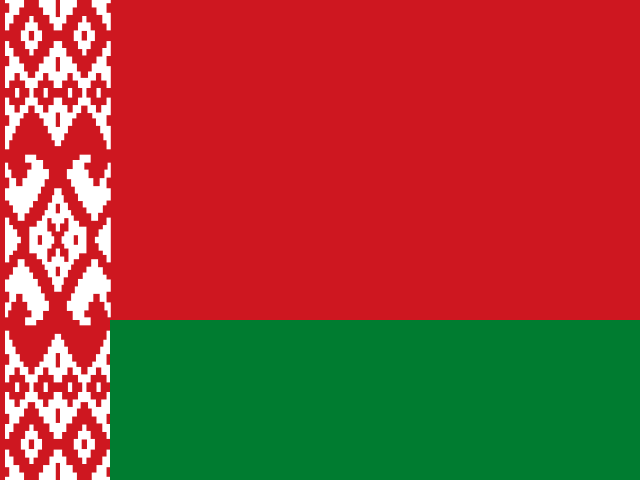 Belarus
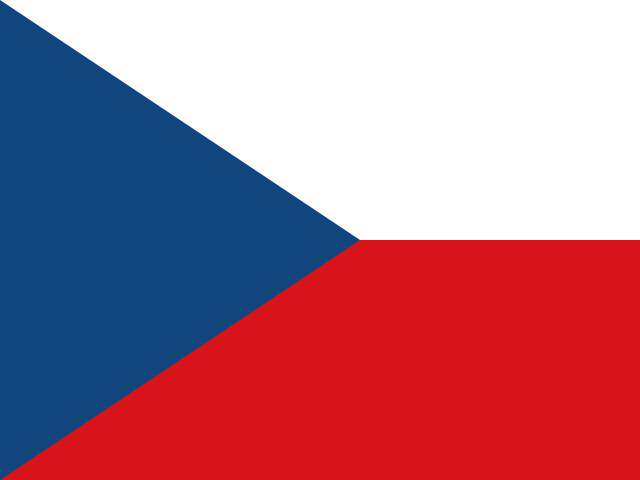 Czechia
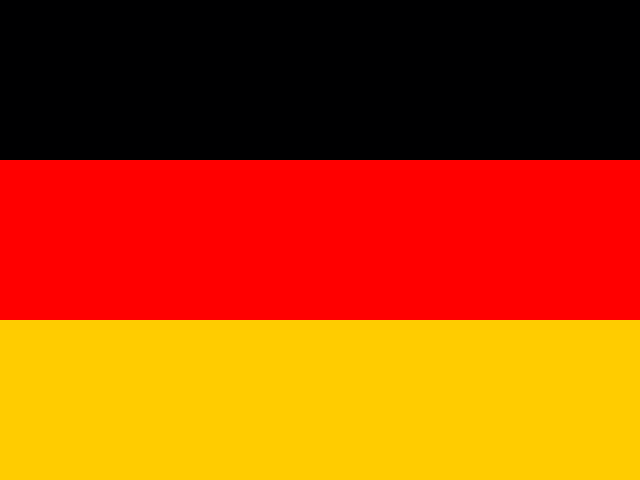 Germany
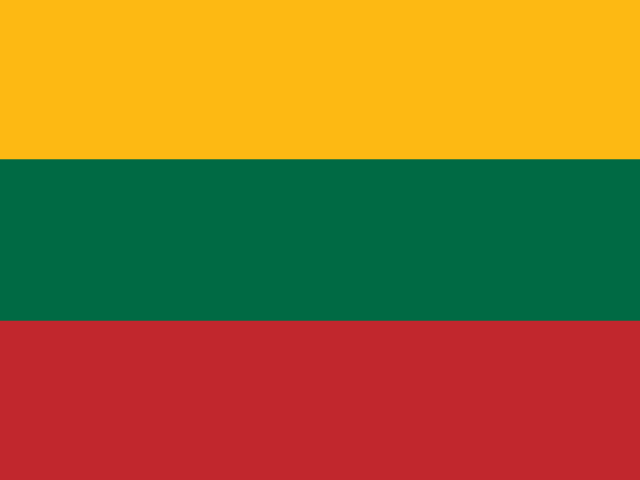 Lithuania
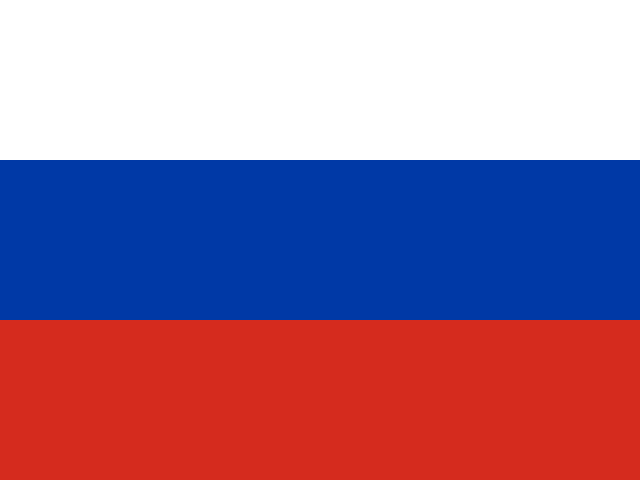 Russia
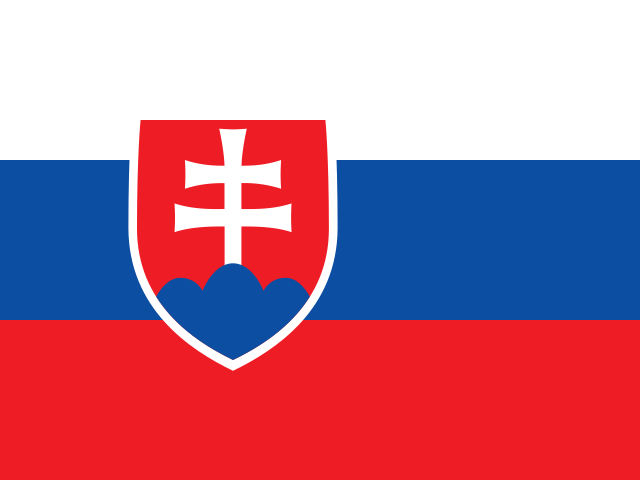 Slovakia
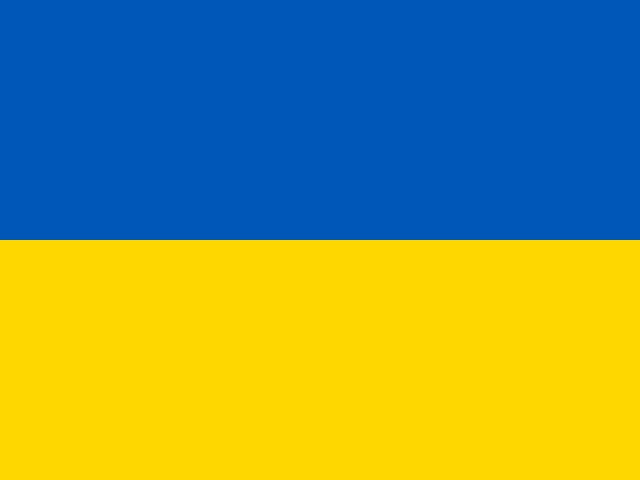 Ukraine