A free large-print PDF. Choose what goes in: facts, map, history, dishes and recipes, phrases, fun facts, a quiz with or without answers. Made for clubs, care homes, libraries and family afternoons.
Pakistan stretches from the warm coast of the Arabian Sea to some of the highest mountains on Earth. The Indus River runs through the whole country from north to south, and its plains in Punjab and Sindh are where most Pakistanis live. To the west lies the dry Balochistan Plateau, to the east the Thar Desert, and in the far north the Hindu Kush, the Karakoram and the western Himalayas. There, Pakistan administers Gilgit-Baltistan and Azad Jammu and Kashmir, parts of the wider Kashmir region, whose status is disputed.
People have lived here for thousands of years. The Indus Valley city of Mohenjo-daro was built around 2500 BC, Taxila was a great centre of Buddhist learning, and later the Mughal emperors left mosques, forts and gardens in Lahore. Modern Pakistan was created on 14 August 1947, when British India was divided, as a homeland for the Muslims of the subcontinent. Its eastern wing became the independent country of Bangladesh in 1971.
Today Pakistan is a federal parliamentary republic of four provinces, Punjab, Sindh, Khyber Pakhtunkhwa and Balochistan, plus the capital territory of Islamabad. More than 240 million people were counted at the 2023 census, and as of 2025 it has the fifth-largest population in the world. Urdu is the national language and English is also official, but at home most people speak a regional language such as Punjabi, Pashto, Sindhi, Saraiki or Balochi.
CapitalIslamabad
PopulationMore than 240 million (2023 census), the fifth largest in the world as of 2025
Official languagesUrdu, which is also the national language, and English
CurrencyPakistani rupee (Rs)
AreaAbout 882,000 km², a figure that includes the parts of Kashmir that Pakistan administers
GovernmentFederal parliamentary republic, with a president as head of state and a prime minister leading the government
Highest mountainK2, 8,611 m, the second-highest mountain on Earth, on the border with China in Gilgit-Baltistan, part of the Kashmir region that Pakistan administers. The highest peak outside Kashmir is Tirich Mir, 7,708 m
Longest riverThe Indus, about 3,180 km in total, which crosses the whole country to the Arabian Sea
NeighboursIndia, China, Afghanistan and Iran. Across the Gulf of Oman: Oman. Tajikistan lies just beyond Afghanistan's narrow Wakhan Corridor
The land of the Indus has been a crossroads for 5,000 years. Its first great cities were built in the Bronze Age, Persian, Greek, Buddhist, Arab, Turkic, Mughal, Sikh and British rulers followed, and in 1947 it became a new country.
2500 BC
Mohenjo-daro is built
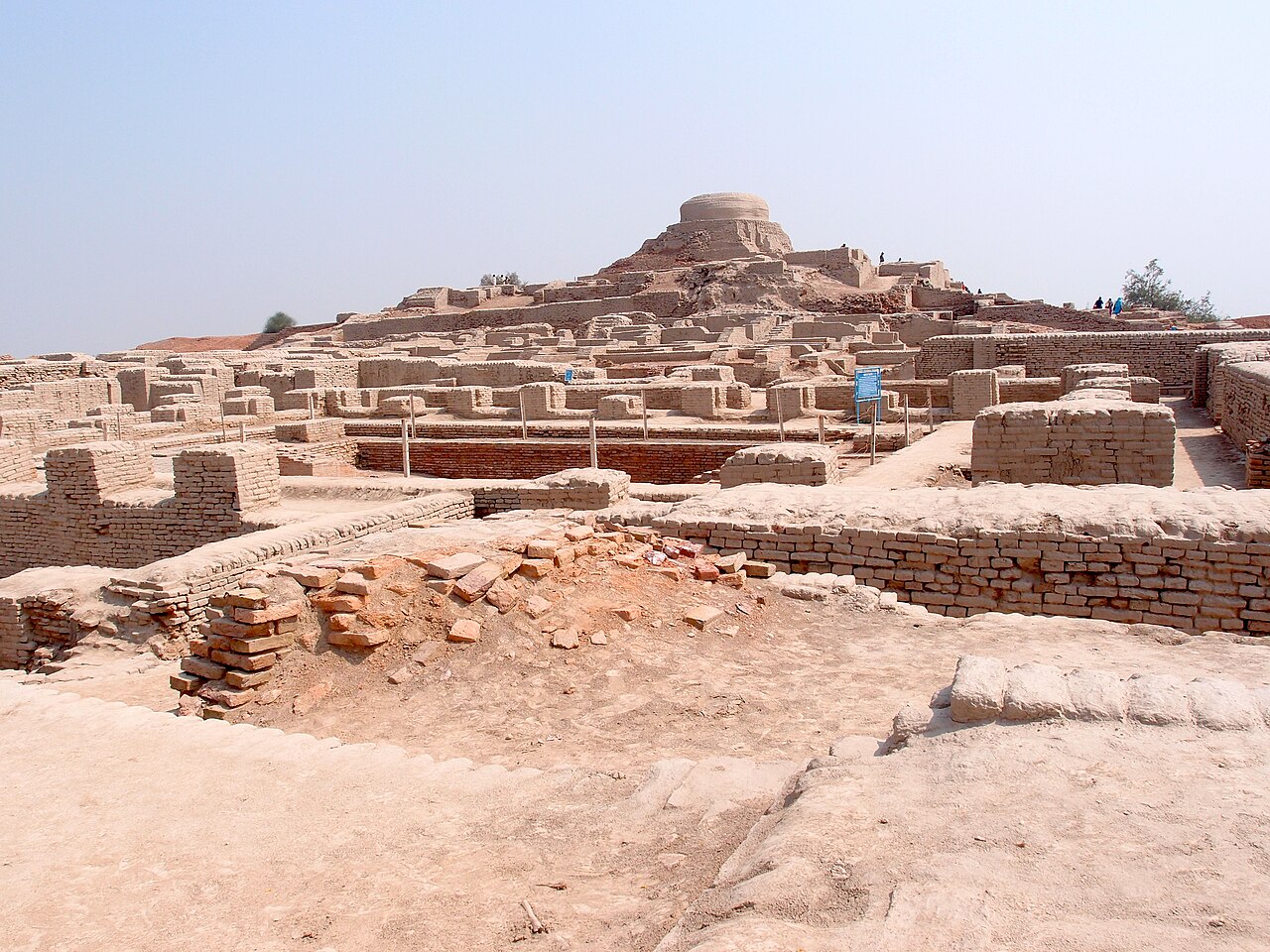
Around 2500 BC the people of the Indus Valley Civilisation built Mohenjo-daro in Sindh, one of the largest cities of its time, with brick houses, straight streets and covered drains. At least 40,000 people lived there. By about 1700 BC it had been abandoned, and it was rediscovered only in the 1920s.
326 BC
Alexander fights Porus
In 326 BC Alexander the Great crossed the Hydaspes, today's Jhelum River in Punjab, and defeated the local king Porus. Alexander let Porus keep his kingdom as a governor. Soon after, his tired army refused to march further east, and he turned back.
AD 711
The Arab conquest of Sindh
In 711 an Arab army of the Umayyad Caliphate, led by the young general Muhammad ibn al-Qasim, began the conquest of Sindh, and his forces later reached Multan. It marked the beginning of Muslim rule in South Asia, and over the following centuries Islam became the main religion of the region, spread largely by Sufi teachers.
1526
The Mughal Empire begins
In 1526 Babur, a prince from Central Asia, won the Battle of Panipat and founded the Mughal Empire. For about two centuries the Mughals ruled Lahore, Multan, Peshawar and Thatta, and Lahore was the imperial capital under Akbar. Their Persian-influenced art, gardens and cooking still shape Pakistan today.
1673
The Badshahi Mosque is completed
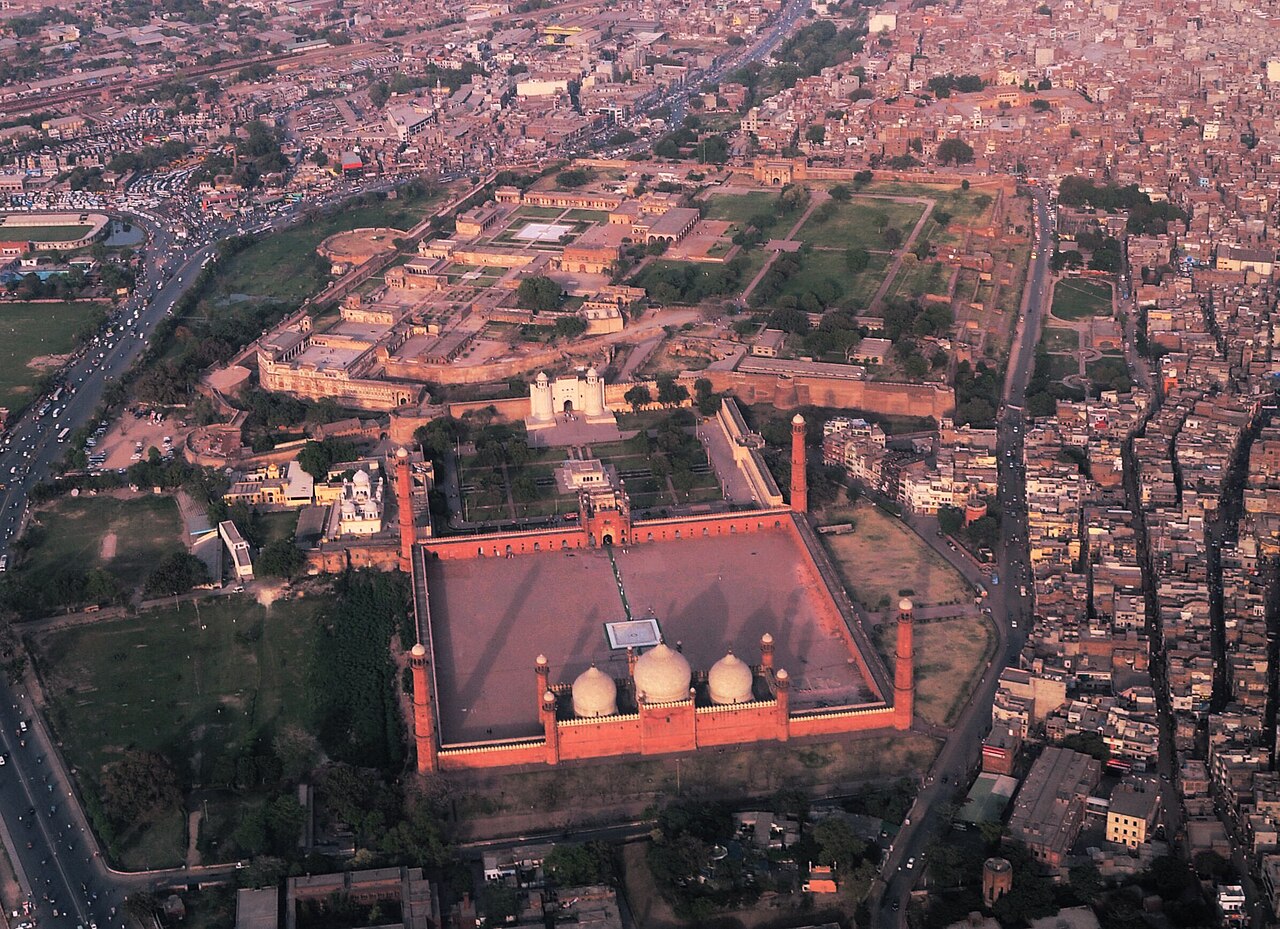
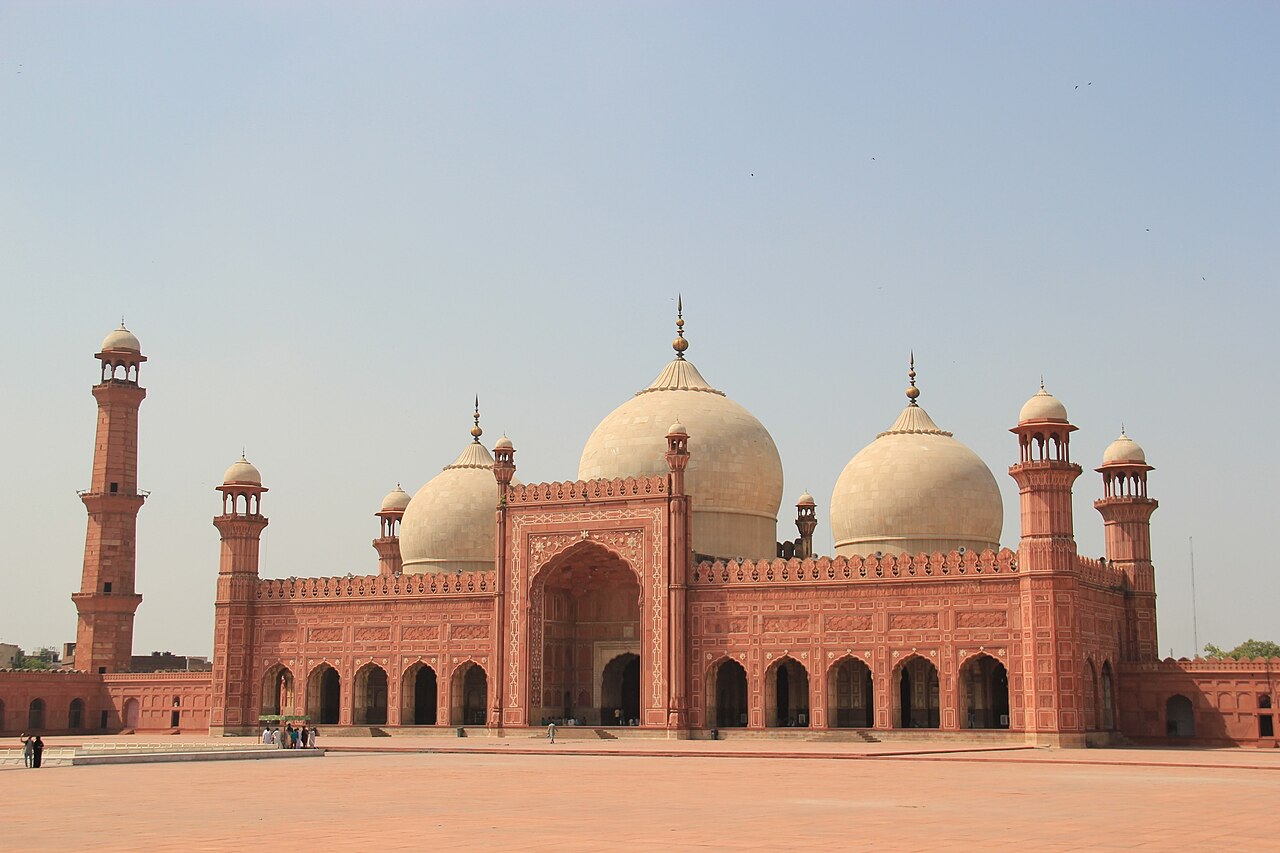
The emperor Aurangzeb built the Badshahi Mosque in Lahore between 1671 and 1673, facing the gate of the Lahore Fort. Made of red sandstone with white marble, it was the largest mosque of the Mughal era and is still one of the great symbols of the country.
1799
Ranjit Singh takes Lahore
As Mughal power faded, Ranjit Singh captured Lahore in 1799 and made it the capital of the Sikh Empire. At its height the empire stretched from the Khyber Pass to the Sutlej River, and Ranjit Singh lived in the Lahore Fort.
1849
Britain annexes Punjab
The British East India Company had taken Sindh in 1843. After two wars with the Sikhs it annexed Punjab in 1849, and from 1858 the region was ruled directly by the British Crown as part of British India.
1906
The All-India Muslim League is founded
In December 1906 the All-India Muslim League was founded in Dhaka to speak for the Muslims of British India. Under Muhammad Ali Jinnah it later led the movement for a separate Muslim homeland.
1940
The Lahore Resolution
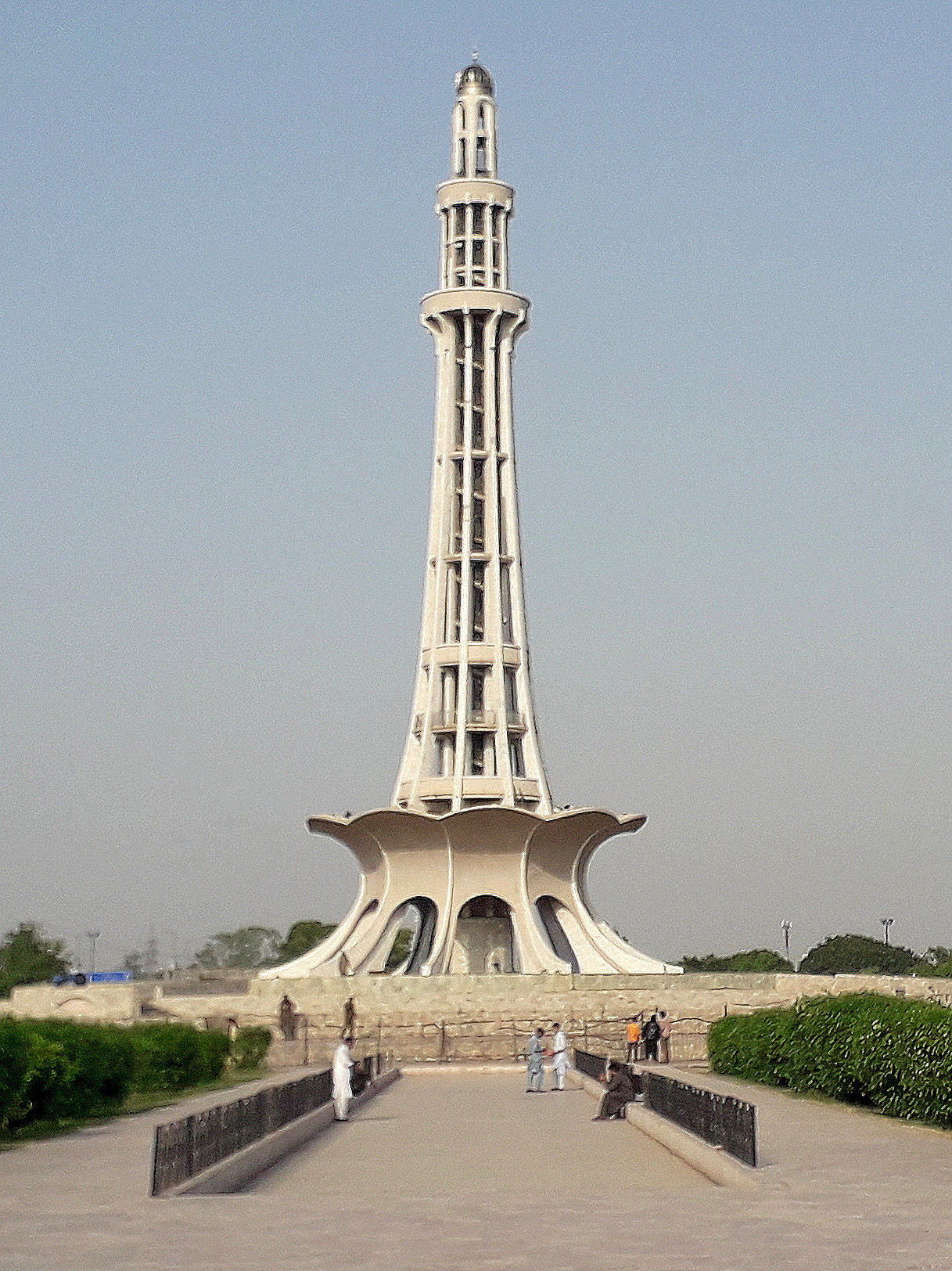
In March 1940, at a meeting in Lahore, the Muslim League called for independent states in the Muslim-majority regions of British India. The resolution, later known as the Pakistan Resolution, is remembered every year on Pakistan Day, 23 March, and the Minar-e-Pakistan tower stands on the spot.
1947
Independence and Partition
On 14 August 1947 Pakistan became independent, made up of West Pakistan and East Pakistan, separated by Indian territory. Jinnah became its first governor-general. The division of British India caused one of the largest migrations in history: millions of Muslims moved to Pakistan and millions of Hindus and Sikhs moved to India, and a great many people died in the violence, above all in Punjab.
1956
Pakistan becomes a republic
On 23 March 1956 Pakistan adopted its first constitution and became the Islamic Republic of Pakistan, no longer a dominion with the British monarch as head of state.
1971
Bangladesh becomes independent
After the 1970 election, a political crisis between the two wings turned into a nine-month war in East Pakistan in which many civilians died and millions fled to India. India entered the war in December, and in December 1971 East Pakistan became the independent country of Bangladesh.
1973
The current constitution is adopted
Parliament unanimously approved a new constitution in April 1973, and it came into force on 14 August 1973. It makes Pakistan a federal parliamentary republic and names Urdu as the national language. It is still in force today, with many amendments.
1988
Benazir Bhutto becomes prime minister
In 1988 Benazir Bhutto, daughter of the former leader Zulfikar Ali Bhutto, became prime minister at the age of 35. She was the first woman elected to head a democratic government in a Muslim-majority country. She served twice and was killed in an attack in 2007.
1992
Pakistan wins the Cricket World Cup
On 25 March 1992, in Melbourne, Pakistan beat England by 22 runs to win the Cricket World Cup for the first time. Cricket is by far the most popular sport in the country.
2014
Malala Yousafzai wins the Nobel Peace Prize
Malala Yousafzai from the Swat Valley, who was shot in 2012 for campaigning for girls' education, received the Nobel Peace Prize in 2014 at the age of 17. She is the youngest Nobel laureate in history.
Pakistani cooking grew from the royal kitchens of the Mughals and from the traditions of Central Asia, Persia and the Arab world. Food is halal, so pork is not eaten and alcohol is rare, and meat is at the heart of a festive meal: beef, lamb, goat and chicken. Almost every meal comes with bread, usually a round wheat roti or a naan from the tandoor, used to scoop up curry, lentils and vegetables, and dishes are served together and shared. Each region has its own style: rich curries and tandoor breads in Punjab, grilled meat in the Pashtun north-west, rice and fish in Sindh, slow-roasted meat in Balochistan. Sweet milky tea is drunk everywhere, all day long.
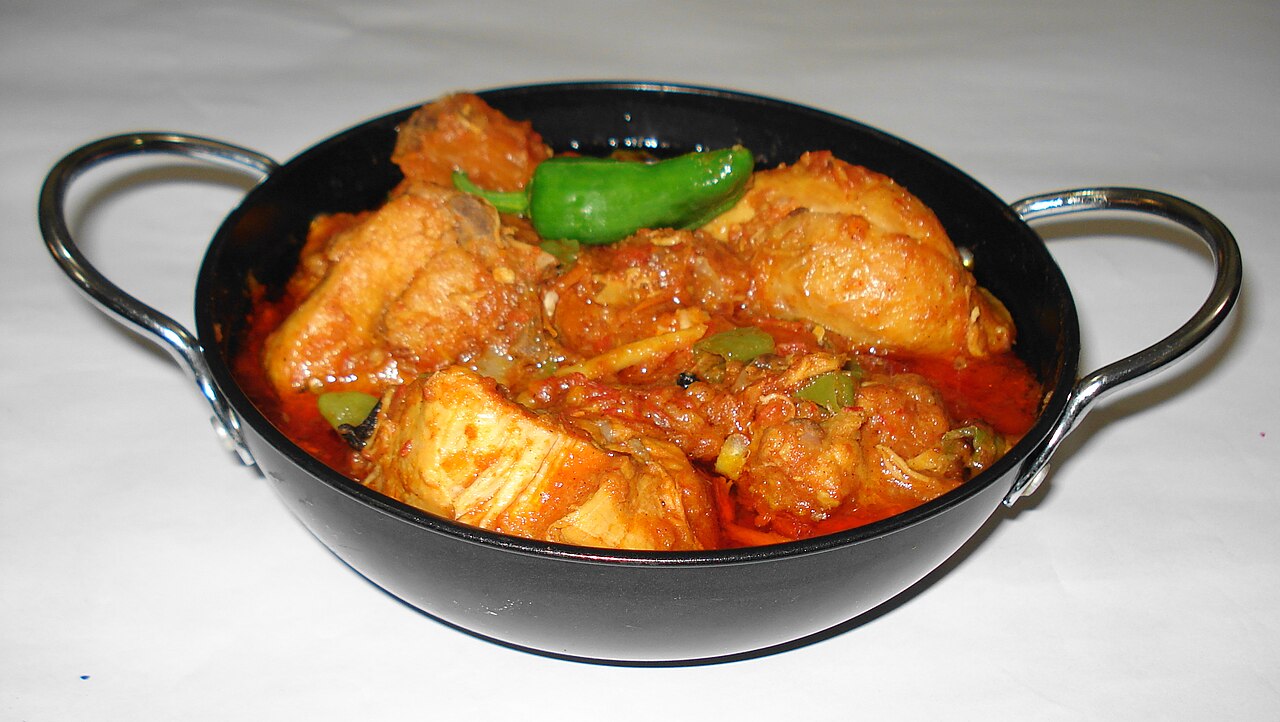
Chicken cooked quickly in a karahi, a deep round pan like a wok, with tomatoes, ginger, garlic and green chillies. Unlike most curries of the region, the traditional version has no onions. It is brought to the table in the pan and eaten with hot naan.
Made with lamb or goat instead of chicken it is called gosht karahi, a dish thought to come from the old North-West Frontier Province.
See the recipe
Serves 4
50 min
Ingredients
1 kg chicken on the bone, cut into small pieces
5 tablespoons vegetable oil or ghee
1 tablespoon grated fresh ginger and 1 tablespoon crushed garlic
6 ripe tomatoes, chopped
1 teaspoon salt
1 teaspoon crushed red chilli flakes (use less for a milder dish)
A small piece of ginger cut into thin strips, and a handful of fresh coriander, to finish
Method
Heat the oil in a karahi, wok or wide pan over a high heat. Add the chicken and fry for 5 to 6 minutes, turning, until it is lightly browned.
Add the grated ginger and garlic and stir for 1 minute, until they smell fragrant.
Add the tomatoes and salt, cover and cook for 10 minutes, until the tomatoes are soft. Remove the tomato skins that float up if you like.
Uncover, add the chilli flakes, cumin and ground coriander, and cook over a high heat for 10 to 15 minutes, stirring and pressing the tomatoes, until the sauce is thick and the oil starts to separate.
Check that the chicken is cooked through, with no pink meat near the bone. Add the green chillies and garam masala and cook for 2 more minutes.
Scatter over the ginger strips and fresh coriander and serve straight from the pan with naan or roti.
Mughal-era Delhi or Lucknow; brought to Karachi and Lahore by migrants in 1947
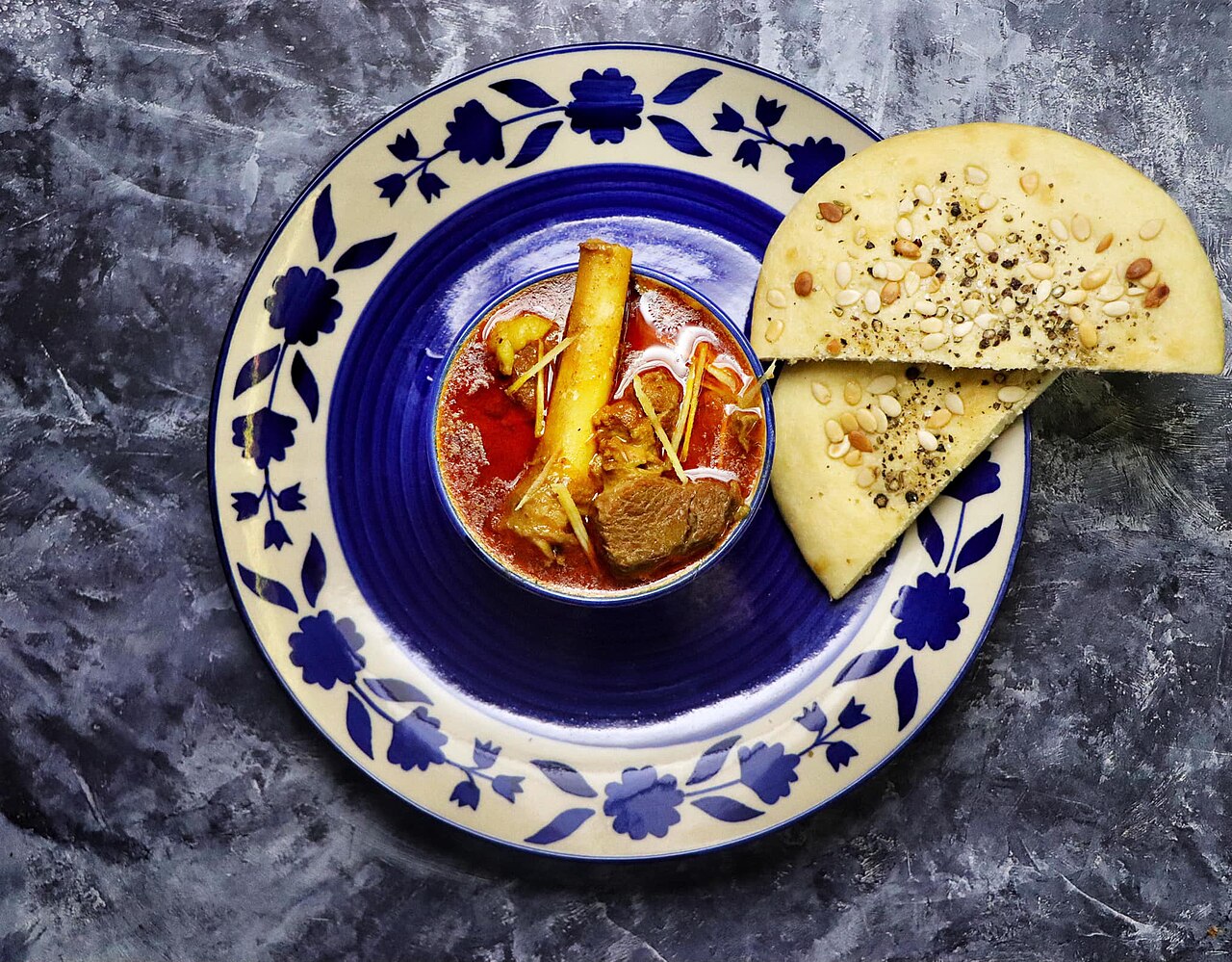
A deep, silky stew of beef or lamb shank cooked slowly for many hours, often overnight, with bone marrow and warm spices such as long pepper. It is topped with fresh ginger, green chillies, coriander and a squeeze of lemon, and eaten with naan.
The name comes from the Arabic word nahar, morning: nihari was first eaten as a breakfast after the dawn prayer.
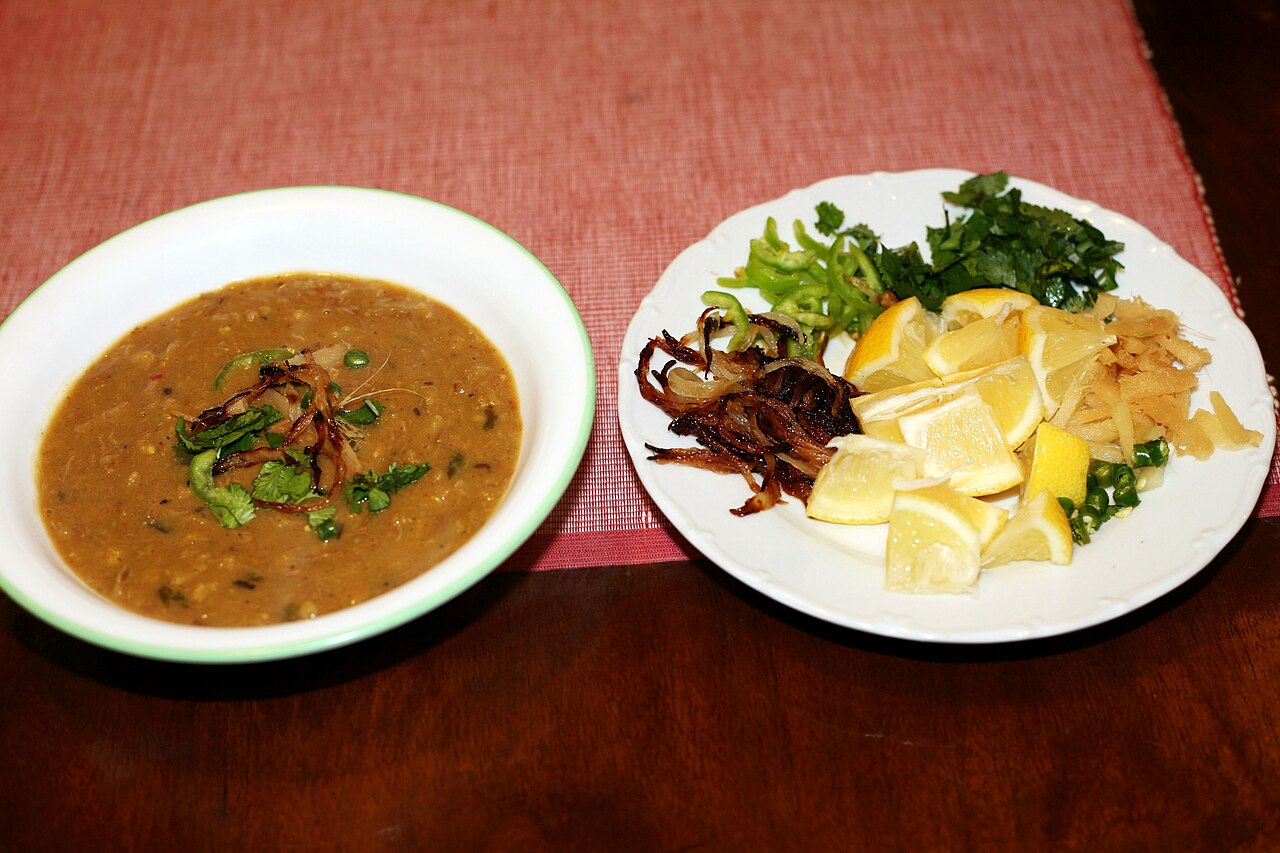
A thick, comforting stew of meat, wheat or barley and lentils, cooked slowly for seven or eight hours and then beaten until it becomes smooth. It is served with fried onions, ginger, green chillies and lemon, and is especially popular during Ramadan.
One of the earliest written recipes for its ancestor, harees, is in a 10th-century cookbook from Baghdad.
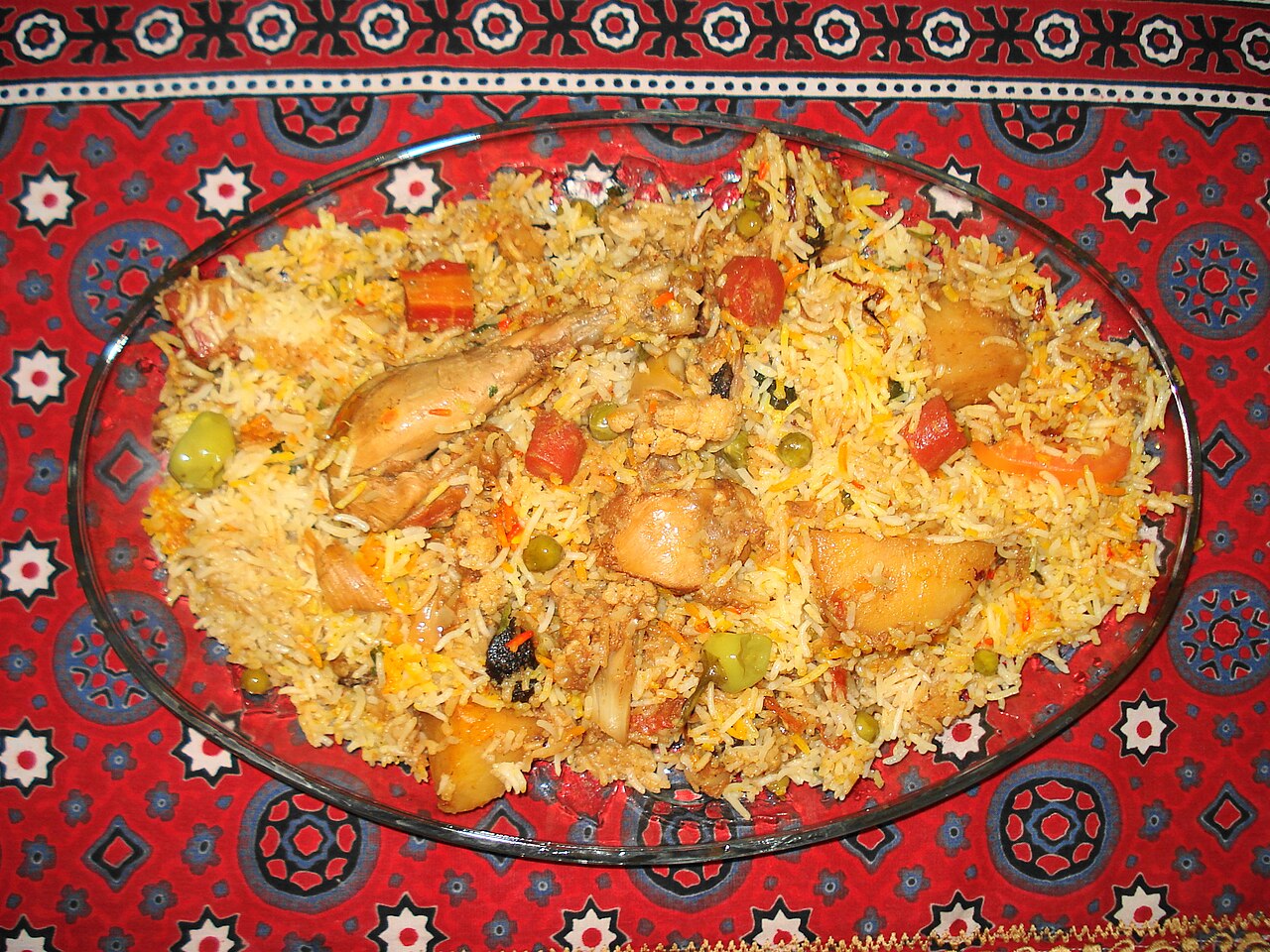
Layers of long-grain basmati rice and spicy meat, usually mutton or chicken, cooked with potatoes, tomatoes, yoghurt, fried onions and plenty of green chillies, and sometimes dried plums. It is one of the most eaten dishes in Pakistan.
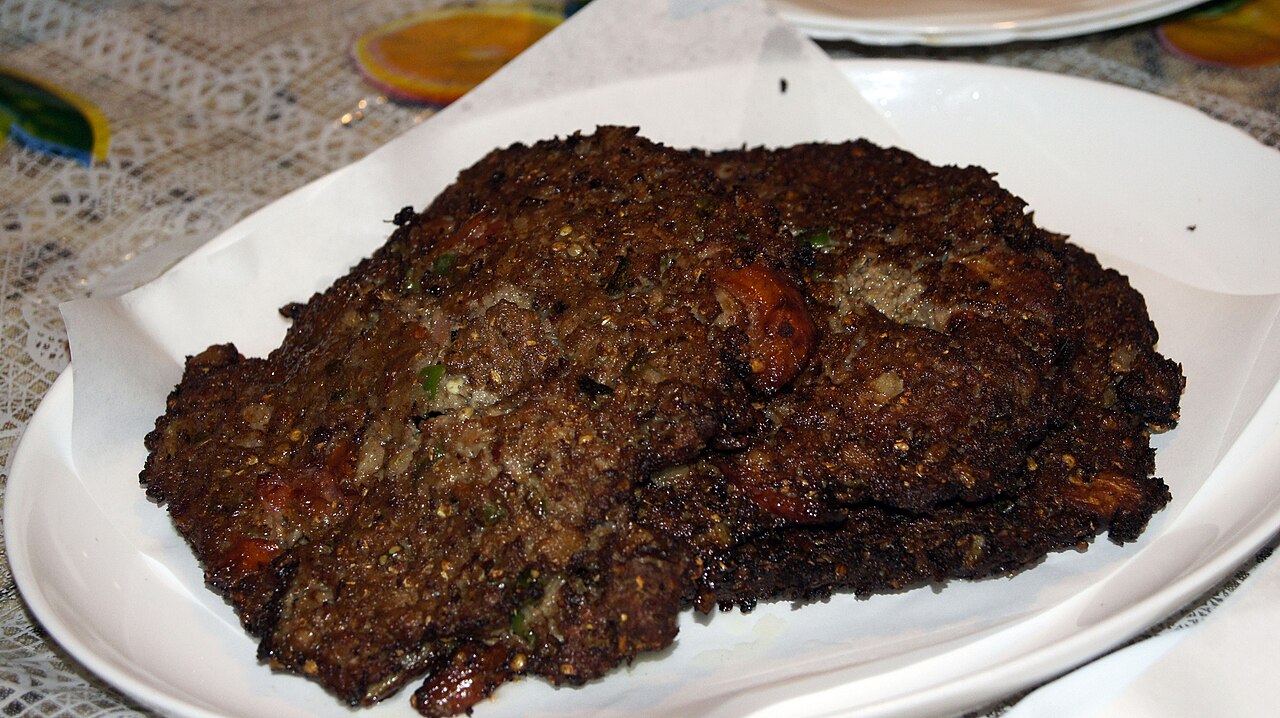
A large, flat patty of spiced minced beef or mutton with tomato, onion, green chilli, coriander and crushed coriander seeds, fried in fat until the edges are crisp. It is a favourite of Pashtun cooking and is eaten with naan and yoghurt chutney.
The name may come from the Pashto word for flat, or from chappal, the Urdu word for a sandal, which the kebab is said to resemble.
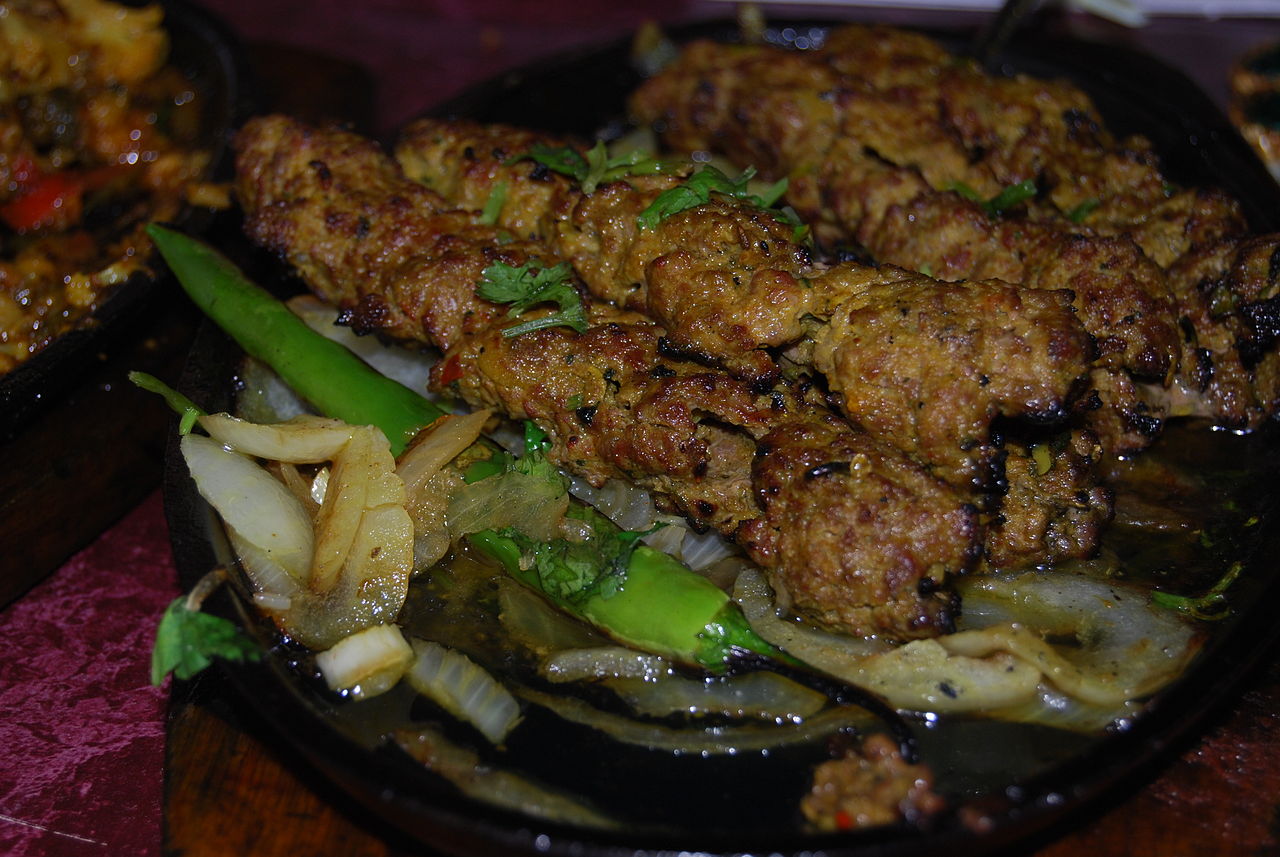
Minced beef, lamb or chicken mixed with ginger, garlic, green chilli, garam masala and fresh herbs, pressed around long metal skewers and grilled over charcoal. It is served with sliced onions, lemon, mint chutney and naan.
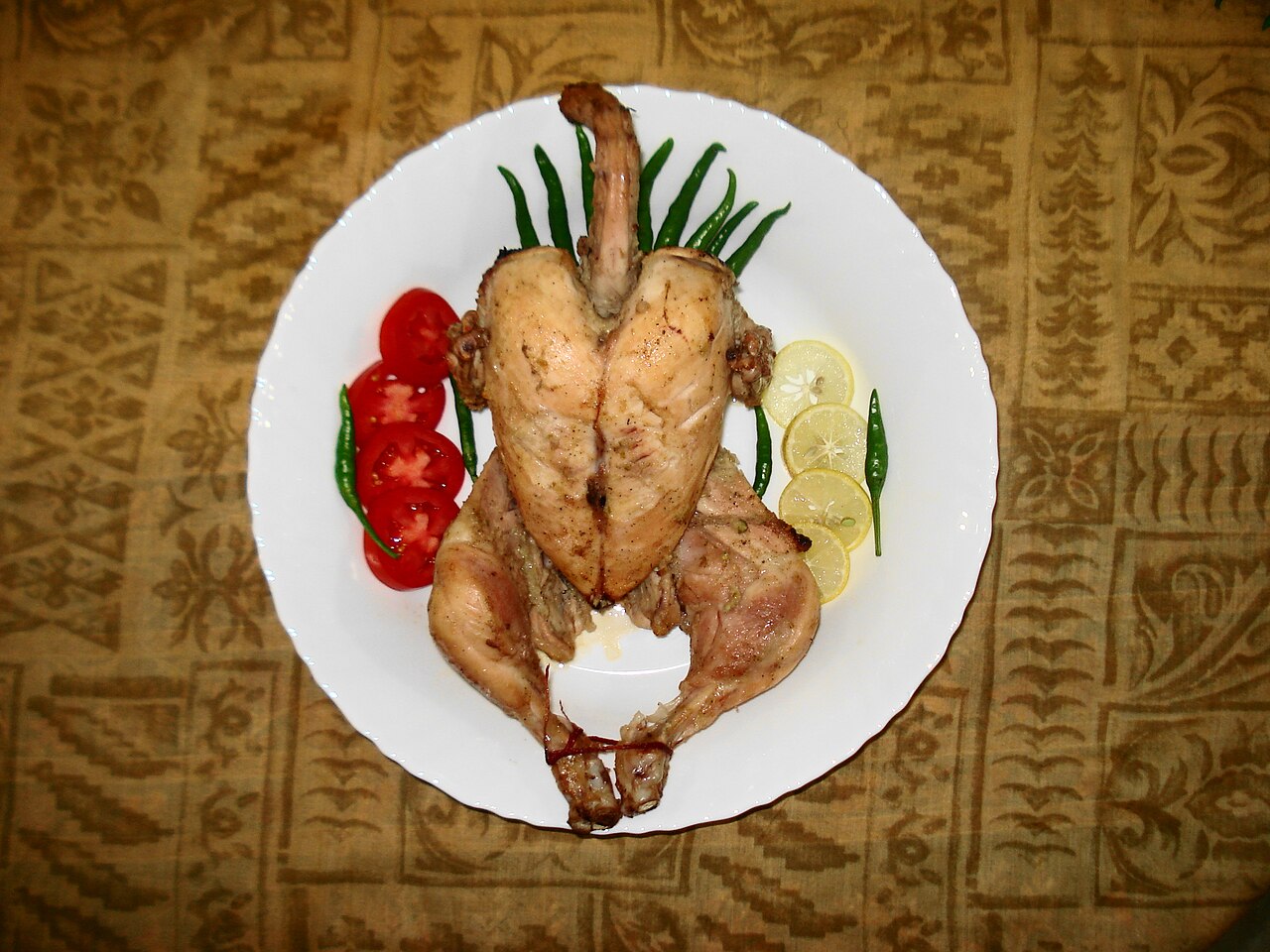
A whole leg of lamb or a whole chicken, seasoned with little more than salt, and roasted slowly on skewers until tender, often stuffed with rice. In Balochistan it is eaten with kaak, a hard bread, while in Karachi, Lahore and Islamabad it is usually chicken served with rice.
Balochi cooking is known for being aromatic but not spicy, unlike much of the food in the rest of Pakistan.
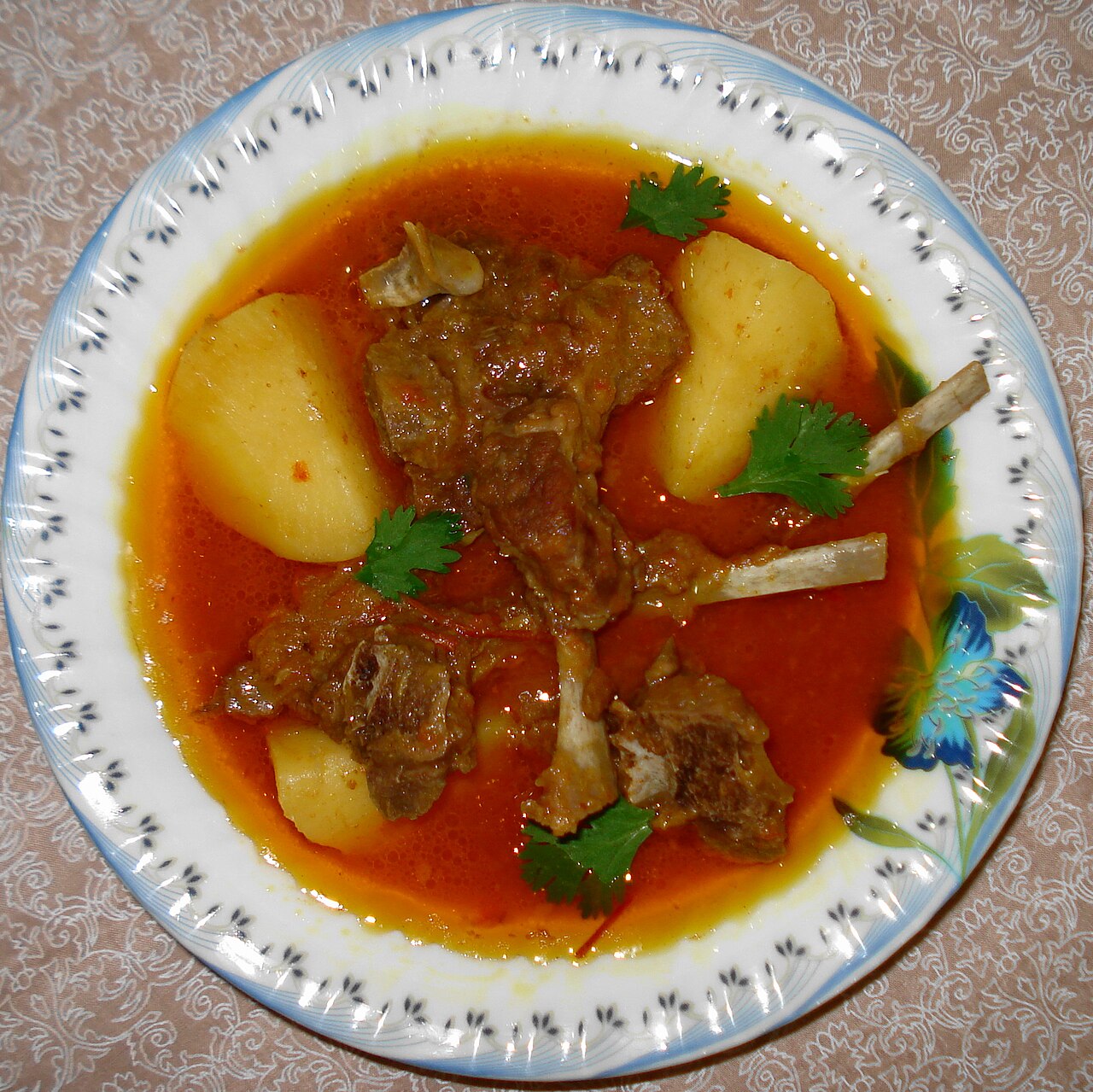
Everyday home cooking at its best: meat, usually lamb, mutton or beef, simmered with potatoes in a thin, spiced gravy until tender. It is eaten with roti or plain rice, and for many Pakistanis it tastes of home.
Aloo means potato and gosht means meat, so the name simply says what is in the pot.
See the recipe
Serves 4
2 h
Ingredients
750 g lamb or mutton on the bone, in pieces
4 medium potatoes, peeled and halved
4 tablespoons vegetable oil
2 onions, thinly sliced
1 tablespoon grated fresh ginger and 1 tablespoon crushed garlic
1 bay leaf, 1 black cardamom pod and a small stick of cinnamon
1 teaspoon garam masala and fresh coriander, to finish
Method
Heat the oil in a heavy pot and fry the onions over a medium heat for about 10 minutes, until golden brown.
Add the bay leaf, cardamom and cinnamon, then the ginger and garlic, and stir for 1 minute.
Add the meat and fry for 5 minutes, turning, until it is browned all over.
Add the tomatoes, salt, chilli, turmeric and ground coriander and cook for 5 to 8 minutes, until the tomatoes break down and the oil starts to separate.
Pour in about 1 litre of water, bring to the boil, cover and simmer gently for about 1 hour, until the meat is nearly tender.
Add the potatoes and a little more water if needed, and simmer for 20 to 25 minutes more, until the potatoes are soft. Stir in the garam masala, scatter with coriander and serve with roti or rice. Remove the whole spices before eating.
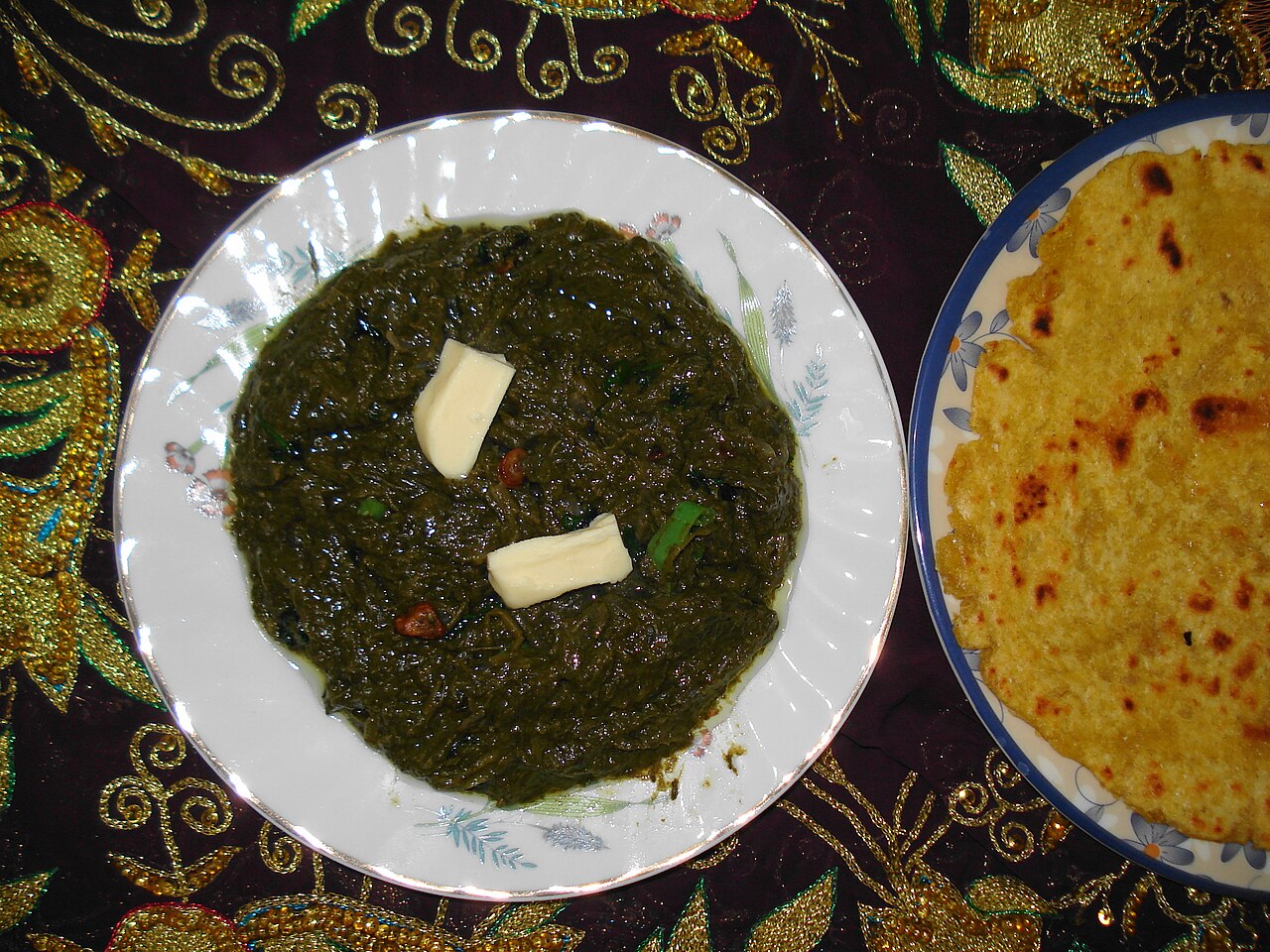
Mustard greens cooked for a long time with garlic, ginger and green chilli until soft and creamy, finished with ghee or butter. It is a warming winter dish and is traditionally eaten with makki ki roti, a yellow flatbread made from maize flour.
Mustard is harvested in winter and spring, so saag with maize bread is a classic of the Punjabi winter.
Across Pakistan, from a Persian and Central Asian pastry
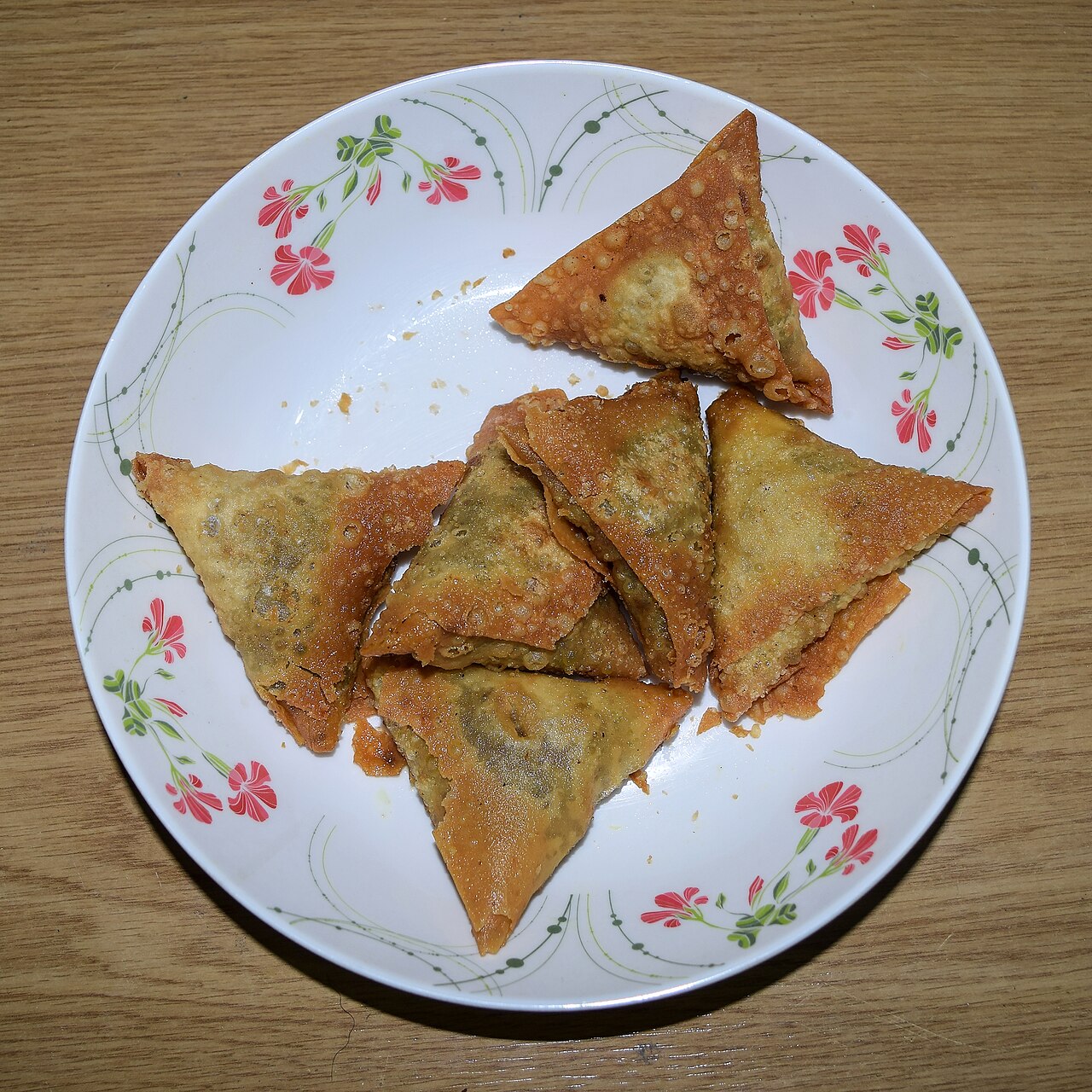
A crisp, triangular fried pastry filled with spiced potatoes and peas or with minced meat, eaten with tamarind or mint chutney. Samosas are sold at street stalls everywhere and are a favourite snack with a cup of tea.
The name goes back to the Middle Persian word sambosag, meaning triangular pastry.
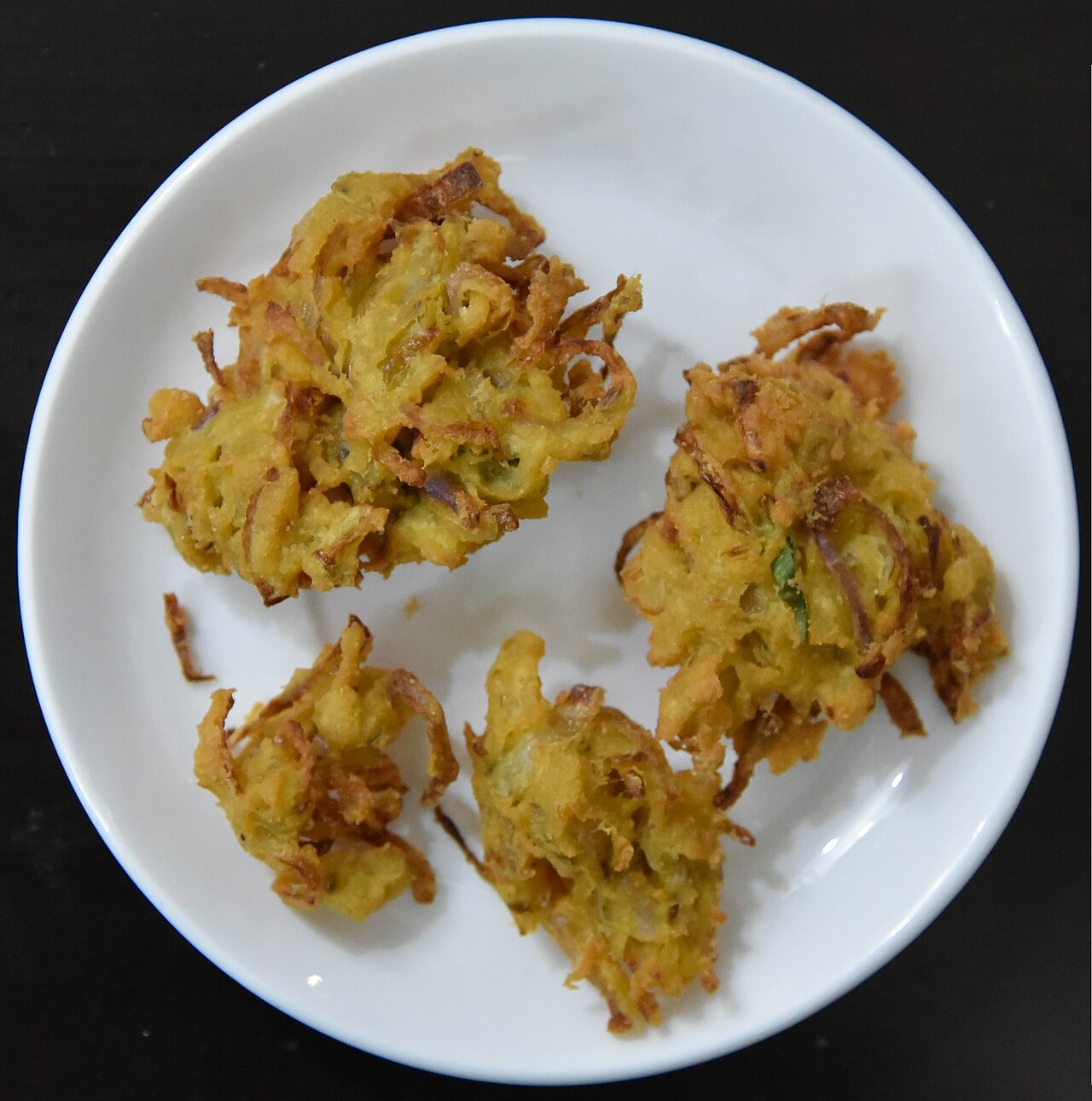
Fritters of onion, potato, spinach or chilli dipped in a spiced batter of gram flour, made from chickpeas, and deep-fried until crunchy. They are sold hot at street stalls and are a favourite treat with tea on a rainy day.
The word pakora comes from Sanskrit words meaning cooked and small lump.
See the recipe
Serves 4
30 min
Ingredients
150 g gram flour (besan, made from chickpeas)
2 onions, thinly sliced
1 medium potato, peeled and cut into very thin slices
1 green chilli, finely chopped, and a handful of fresh coriander, chopped
1 teaspoon salt, 1 teaspoon chilli powder and 1 teaspoon crushed cumin or coriander seeds
About 150 ml cold water
Vegetable oil for deep frying
Method
Put the gram flour, salt and spices in a bowl and whisk in the water a little at a time to make a thick batter that coats a spoon.
Stir in the onions, potato, green chilli and coriander so that every piece is coated.
Heat the oil in a deep pan to about 175°C, or until a drop of batter rises quickly to the surface. Never fill the pan more than a third full, and keep children away from the hot oil.
Drop small spoonfuls of the mixture into the oil, a few at a time, and fry for 4 to 5 minutes, turning, until deep golden and crisp.
Lift out with a slotted spoon, drain on kitchen paper and serve hot with ketchup, tamarind or mint chutney, and a cup of tea.
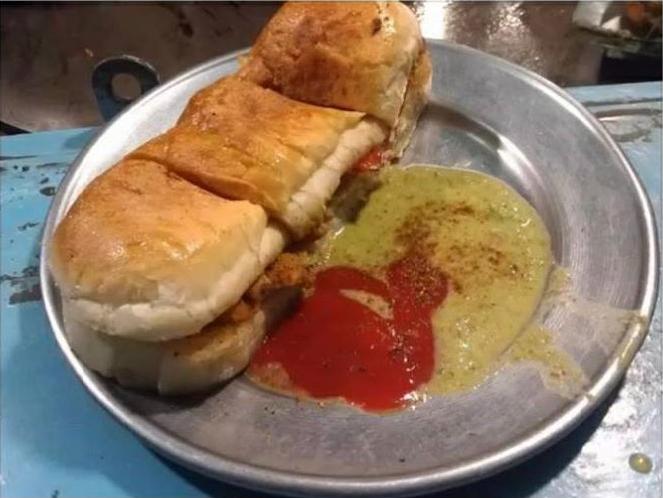
Pakistan's own burger: a soft bun with a fried patty of lentils and minced meat, often dipped in egg, topped with onions, chutney and a little salad. Street stalls in Karachi and Lahore sell it from morning until late at night.
With the egg-dipped patty it is often called an anday wala burger, egg burger. Burns Road in Karachi is especially famous for it.
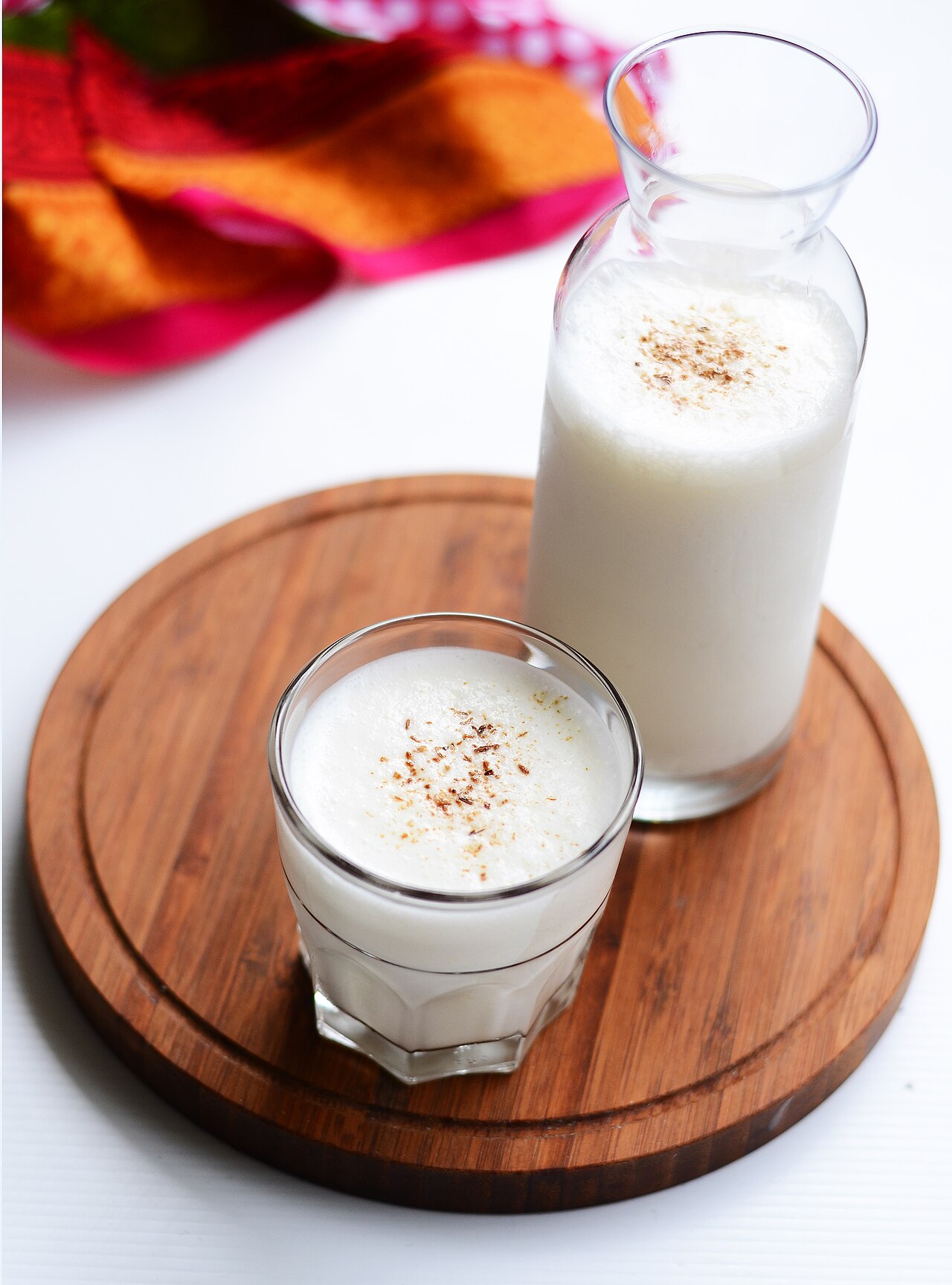
A cool drink of yoghurt blended with water, either salty with a pinch of cumin or sweet with sugar and sometimes rose water or mango. In Punjab it is traditionally made from buffalo milk yoghurt and served in a clay cup.
A tall glass of lassi is the classic way to cool down in the Punjabi summer, when temperatures can pass 40°C.
See the recipe
Serves 2
5 min
Ingredients
400 g plain yoghurt (made from pasteurised milk), well chilled
200 ml cold water or cold pasteurised milk
For sweet lassi: 2 tablespoons sugar and a few drops of rose water
For salty lassi: 1/2 teaspoon salt and 1/2 teaspoon ground roasted cumin
A few ice cubes
Method
Put the yoghurt and water or milk in a jug or blender.
Add either the sugar and rose water or the salt and cumin.
Whisk or blend for about 1 minute, until smooth and frothy.
Pour over ice into two tall glasses and drink at once.
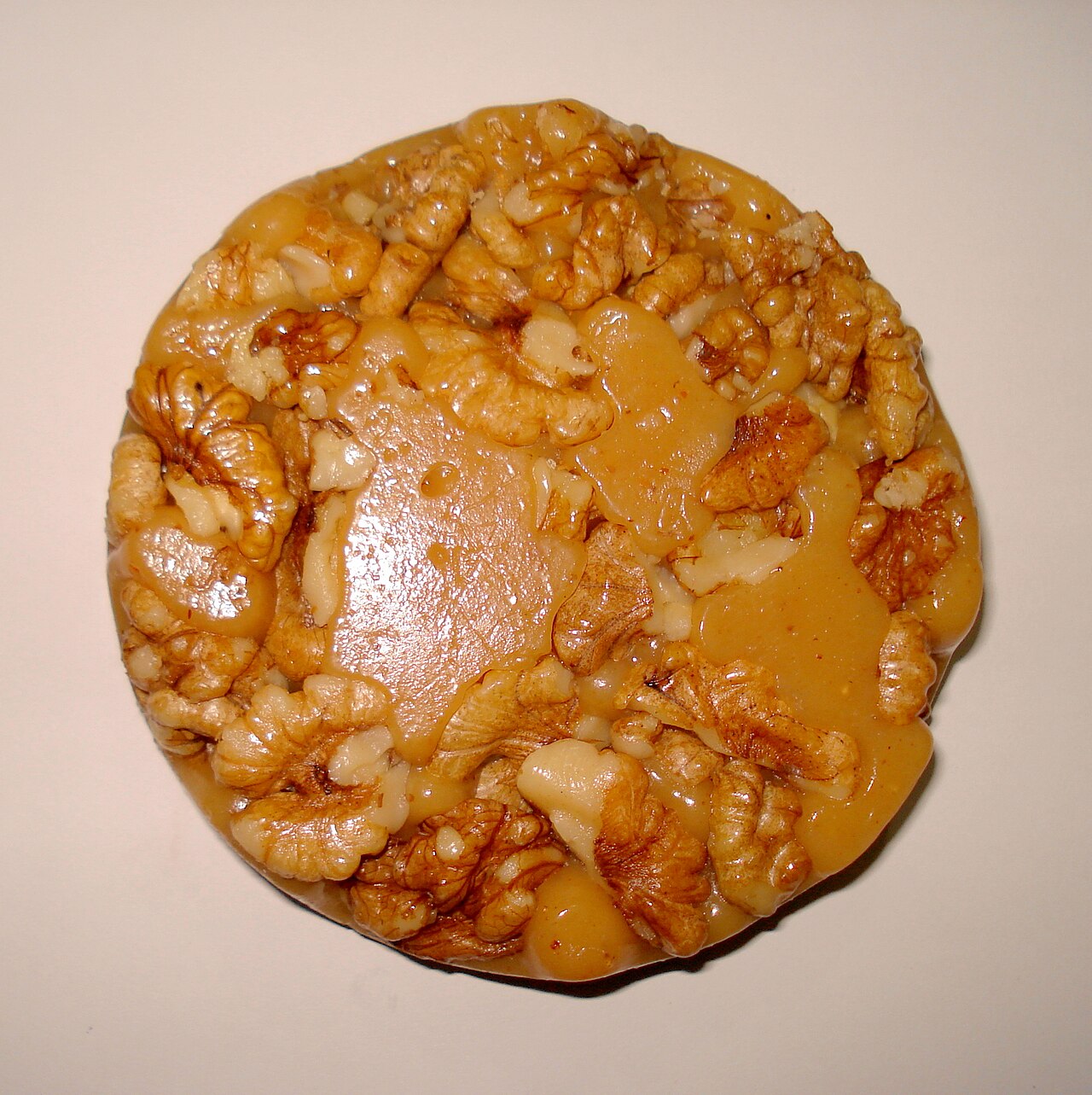
A dense, chewy sweet made by boiling milk, sugar and cornflour with plenty of ghee until it sets, flavoured with saffron and cardamom and topped with almonds and pistachios. Multan's sohan halwa is sold in round tins and taken home as a gift from the city.
Unlike most halwas, which are soft, sohan halwa is firm enough to break into pieces.
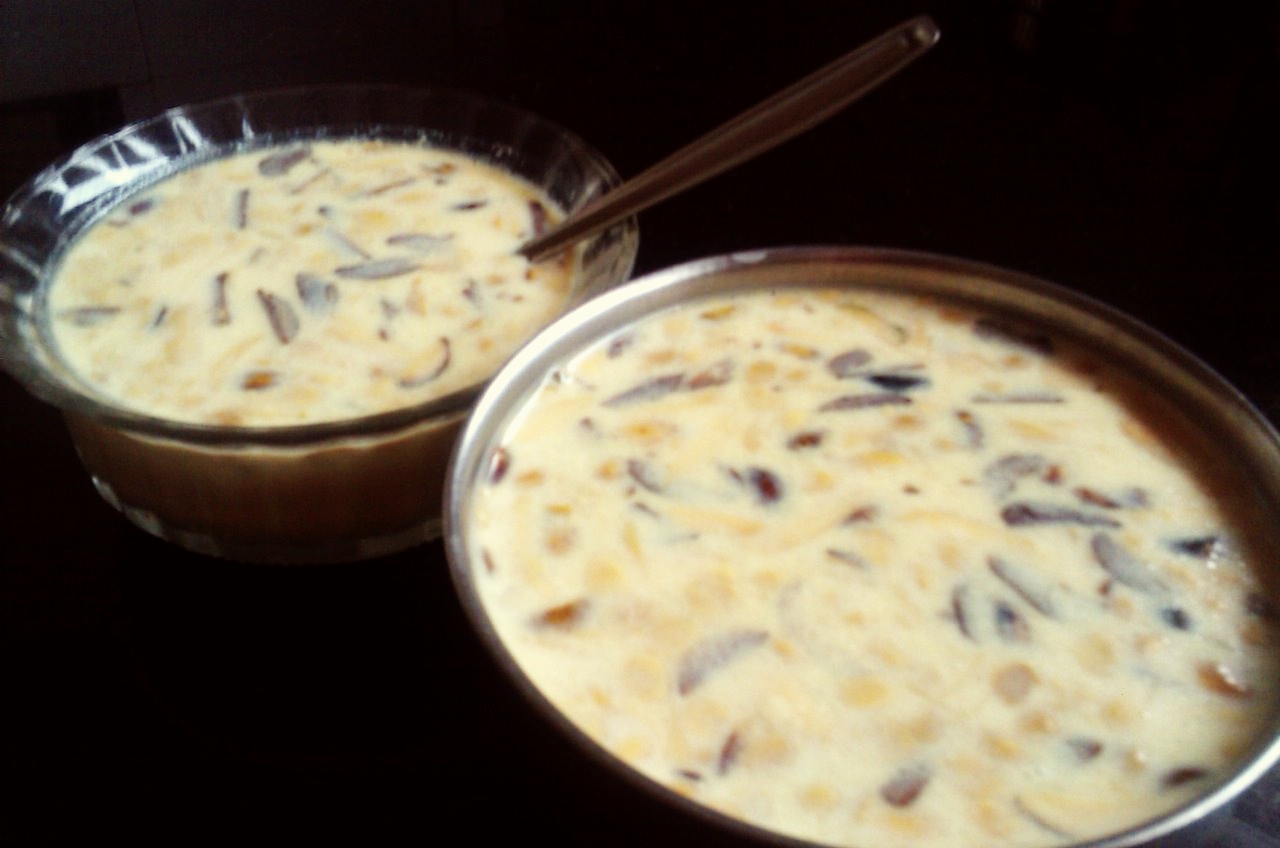
A festive pudding of thin vermicelli cooked in milk with dates, sugar, cardamom and nuts. On the morning of Eid, after the prayer, families serve it for breakfast and offer it to every guest who calls that day.
The name is Persian for milk and dates.
See the recipe
Serves 6
30 min
Ingredients
2 tablespoons ghee or butter
60 g fine vermicelli, broken into short pieces
1 litre whole milk
6 to 8 dried dates, stoned and sliced
4 tablespoons sugar, or to taste
4 green cardamom pods, lightly crushed
2 tablespoons each of sliced almonds and pistachios, and a few raisins
Method
Melt the ghee in a heavy pan over a medium heat, add the vermicelli and stir for 2 to 3 minutes, until golden. Watch it closely, as it browns quickly.
Pour in the milk, add the cardamom and dates and bring to the boil, stirring so that nothing sticks.
Lower the heat and simmer for 10 to 15 minutes, stirring often, until the vermicelli is soft and the milk has thickened a little.
Stir in the sugar, most of the nuts and the raisins, and cook for 2 more minutes.
Serve warm or chilled, scattered with the rest of the nuts. It thickens as it cools, so add a little milk if needed.
Eat and pass food with your right hand. The left hand is seen as unclean for eating, so keep it for other tasks.
Wash your hands before and after the meal. At many homes and restaurants a basin is offered, and bread is torn with the fingers of the right hand and used to scoop up curry.
Hospitality is a point of honour. Your host will offer more food again and again; leaving a little on your plate shows you have had enough.
Food is halal. Do not bring pork or alcohol as a gift, and ask before offering food to others.
During Ramadan most Muslims fast from dawn to sunset. Avoid eating, drinking or smoking in public during the day, and if you are invited to iftar, the evening meal, arrive on time: the fast is broken at the call to prayer, often with a date and water.
Tea is offered to almost every guest, in homes and even in shops. Accepting a cup is polite, and refusing everything may seem cold.
Most Pakistanis live in the Indus plains. Karachi, the huge port on the Arabian Sea, is the largest city, and Lahore, in Punjab, the cultural heart. The planned capital Islamabad and its twin Rawalpindi sit in the north, below the hills, while Peshawar and Quetta are the old gateways to Afghanistan and Central Asia.
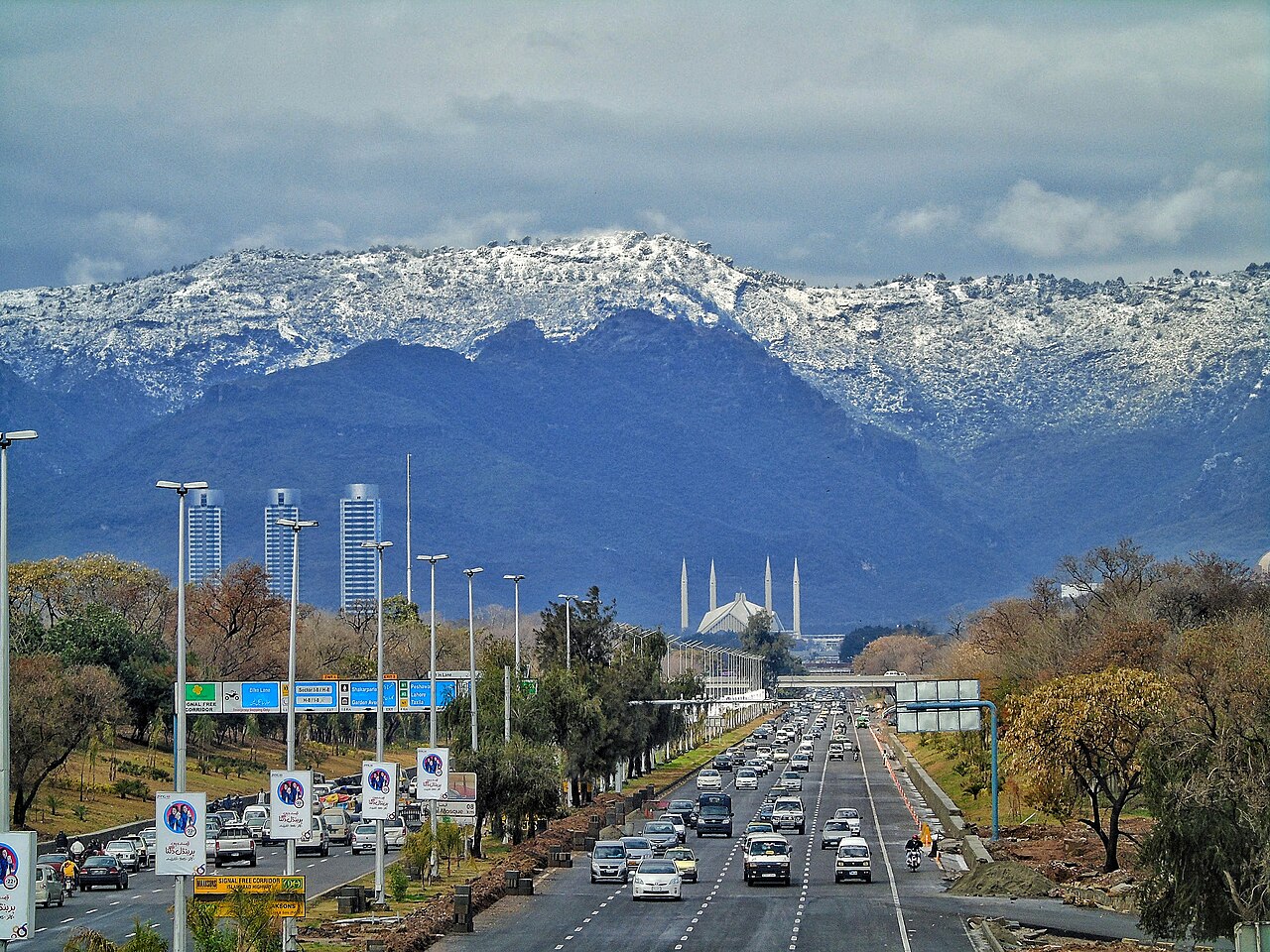
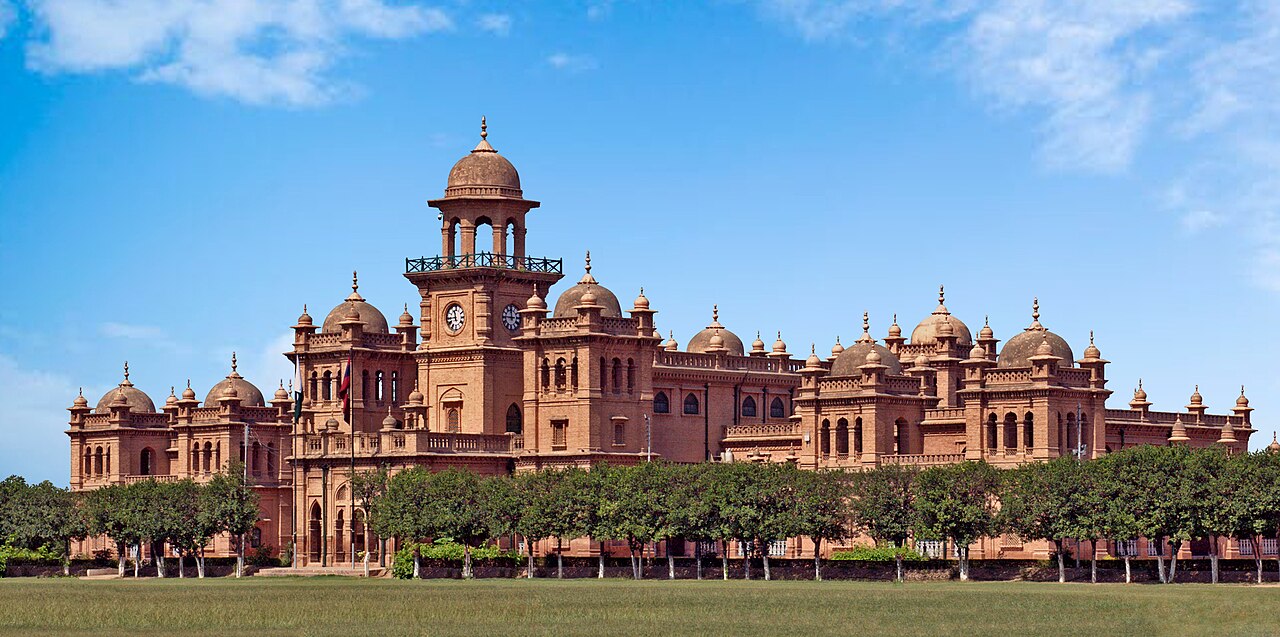
The capital, a planned city built in the 1960s at the foot of the green Margalla Hills to replace Karachi as the seat of government. The Greek architect Constantinos Doxiadis drew its master plan, with neat sectors, wide avenues and many parks. It is one of the greenest and calmest cities in the country.
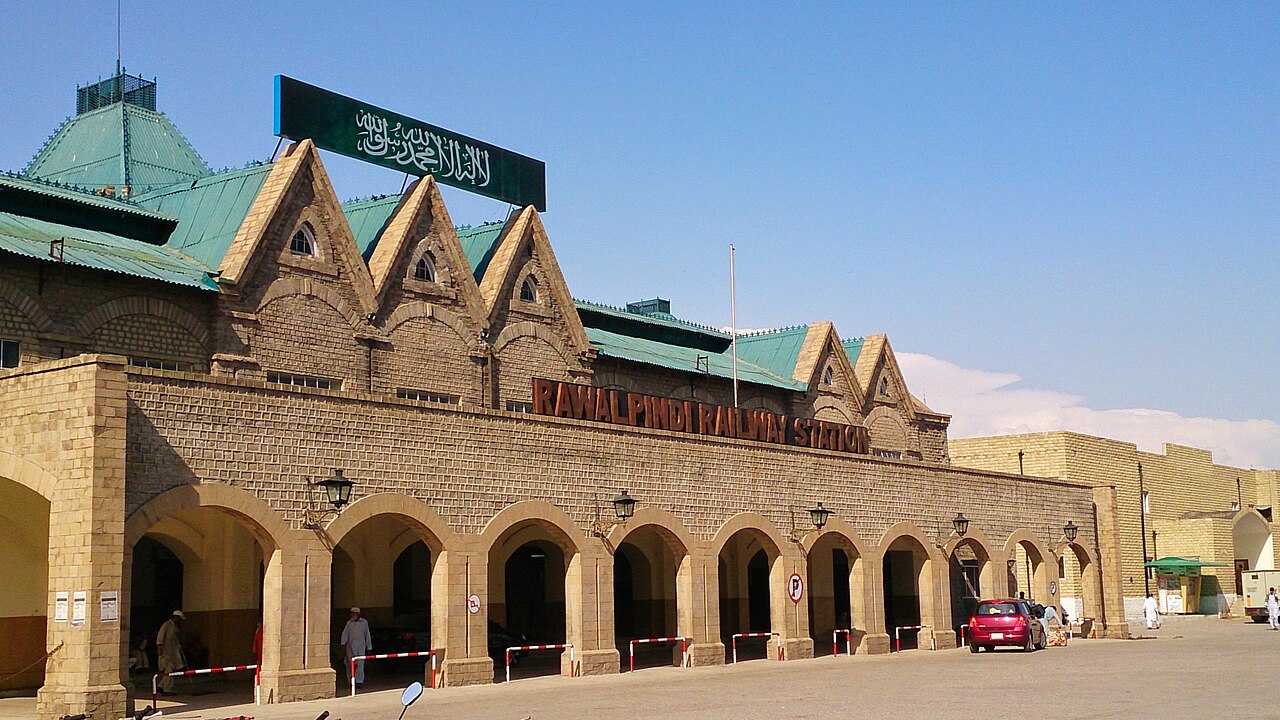
Known to everyone as Pindi, the older twin of Islamabad. It was founded in 1493 and grew into a large British garrison town after 1849; the army still has its headquarters here. It served as the interim capital while Islamabad was being built, and its crowded bazaars are a contrast to the calm capital next door.
The capital of Punjab and the second-largest city, with about 13 million people at the 2023 census. Lahore was a capital of the Mughal Empire under Akbar and later of the Sikh Empire, and it is still the cultural heart of the country, famous for its gardens, poets, universities and food streets.
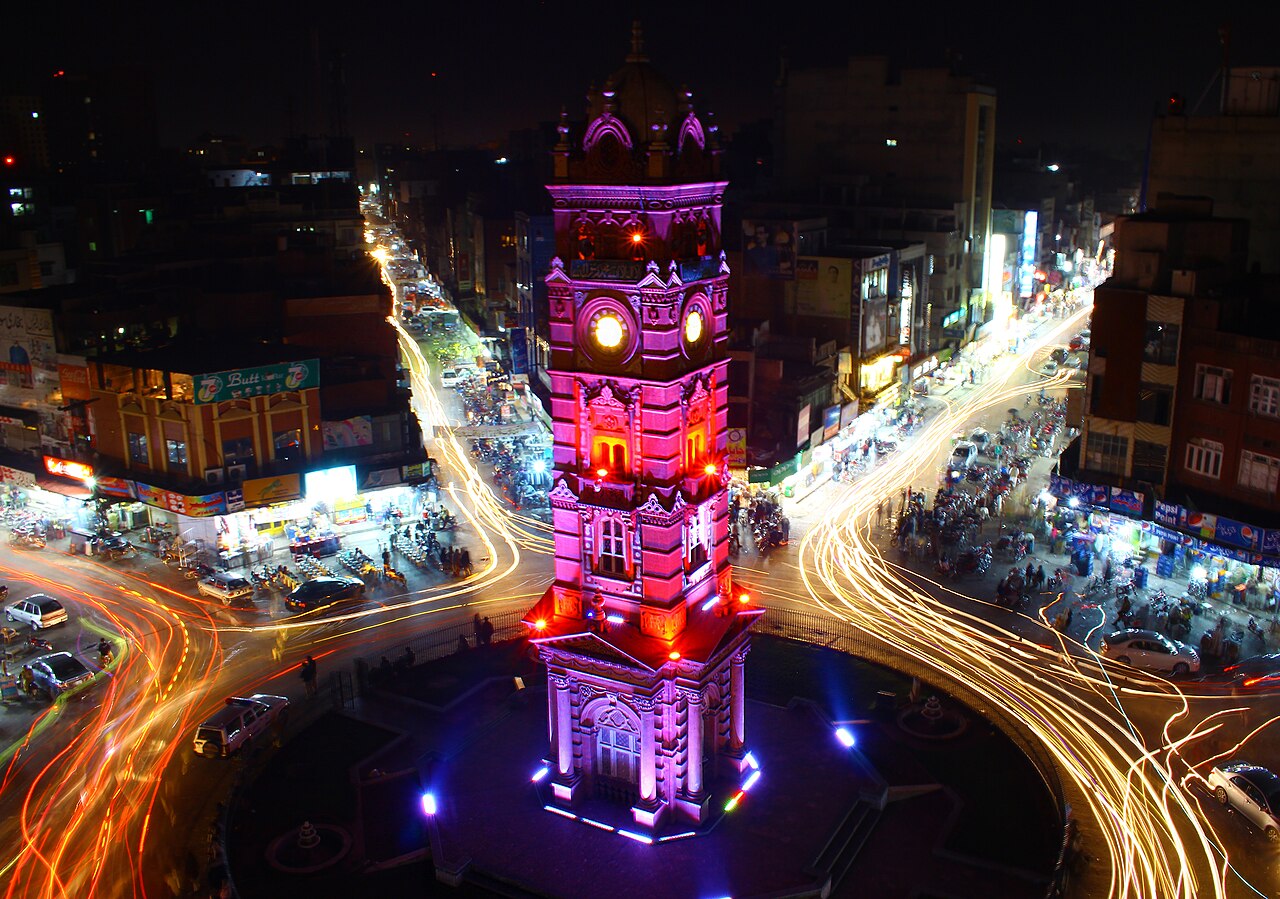
A planned city founded in the 1890s as Lyallpur, in the rich farmland of central Punjab, and renamed in 1979 after King Faisal of Saudi Arabia. It is the third-largest city in Pakistan and a centre of the textile industry, so it is often called the Manchester of Pakistan.
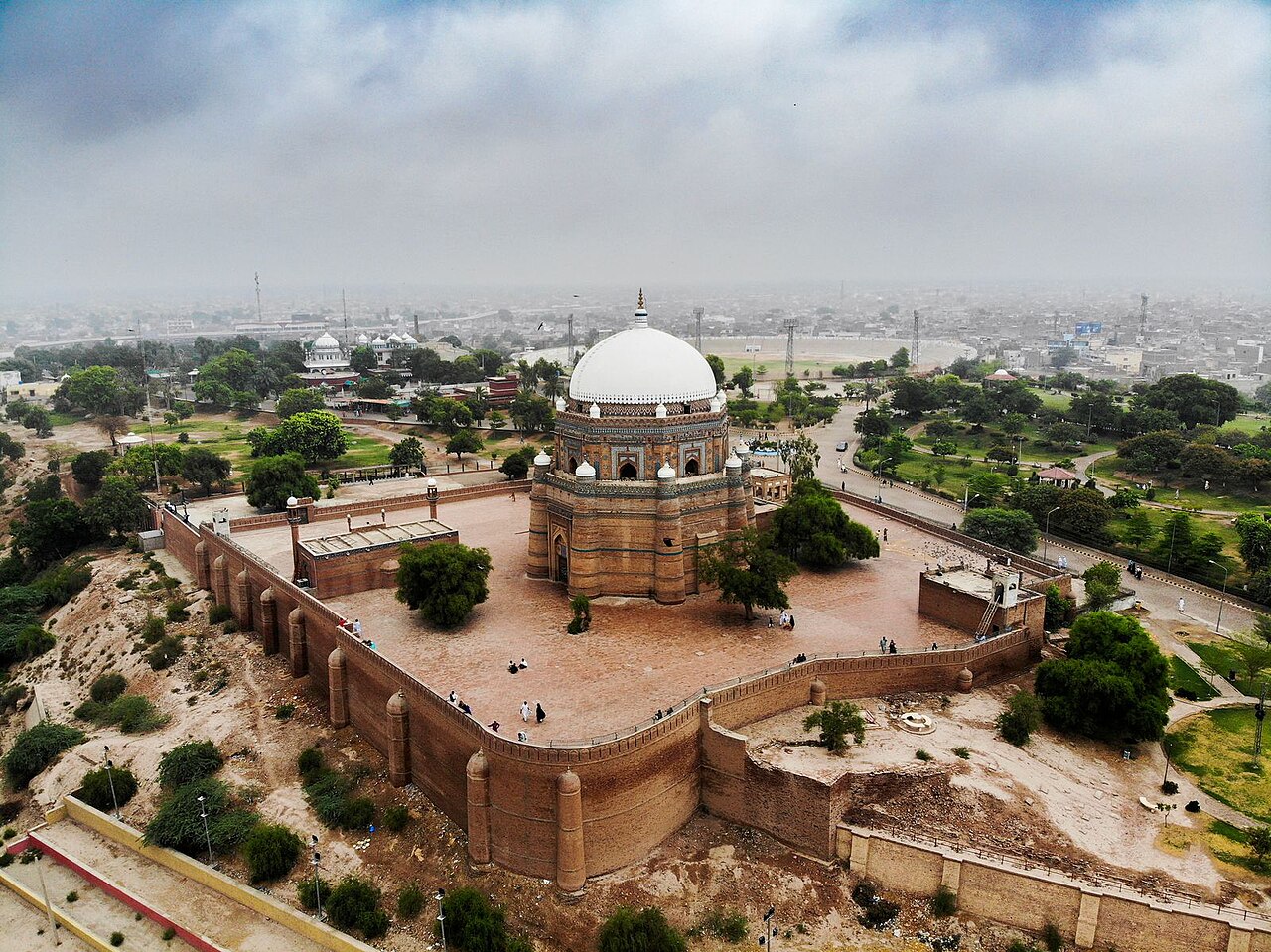
One of the oldest continuously inhabited cities in Asia, on the east bank of the Chenab River in south Punjab. It attracted many Sufi mystics in the Middle Ages and is known as the City of Saints, with great brick shrines rising above the old town.
Founded in 1748, Bahawalpur was the capital of a princely state ruled by its Nawabs until 1955. They left behind elegant palaces, and the city sits at the edge of the Cholistan Desert, near Lal Suhanra National Park.
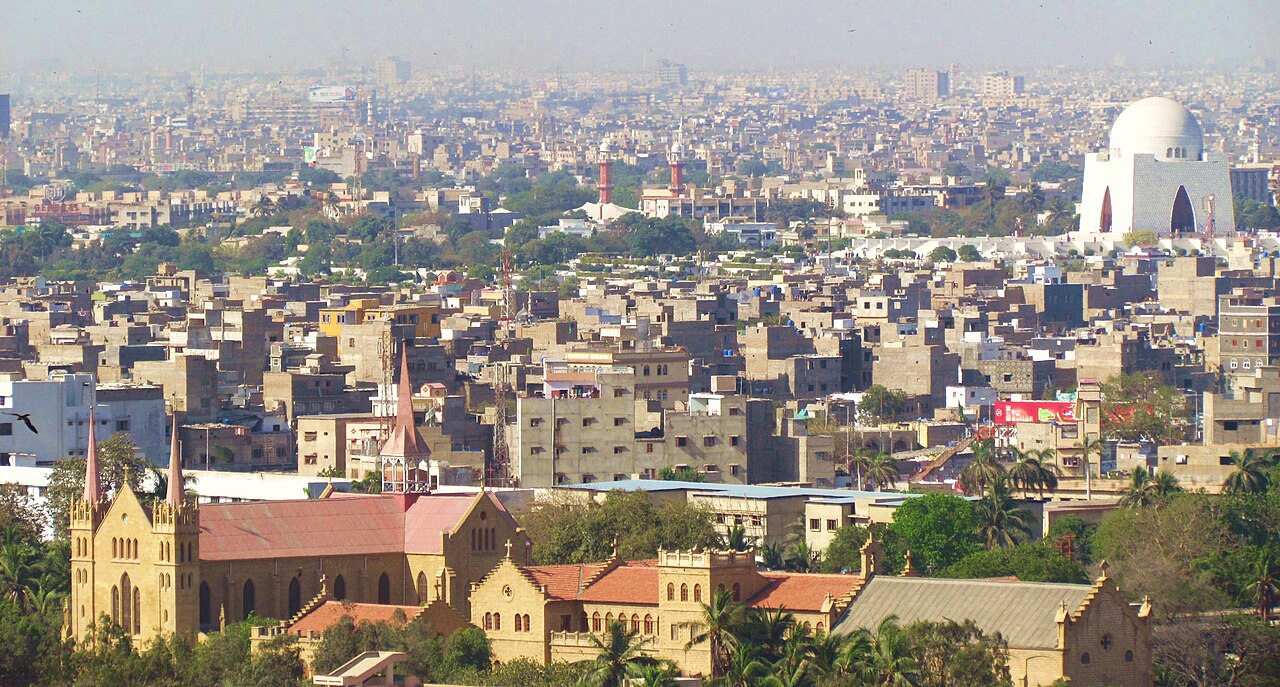
Pakistan's largest city, with more than 20 million people, and its main port and business centre, on the Arabian Sea. It was founded as the fortified village of Kolachi in 1729 and grew under the British into a great port. It was the first capital of Pakistan, from 1947 to 1959, and it is the country's most diverse city.
The second-largest city of Sindh, about 150 km inland from Karachi, near the Indus. It was founded in 1768 by Mian Ghulam Shah Kalhoro and named in honour of Ali, the fourth caliph; haydar means lion. The tombs of the Talpur rulers stand in the city.
A city in the north of Sindh, in a fertile area between the Indus and its canals. It is best known as the nearest city to Mohenjo-daro, the ruined Bronze Age city about 28 km away.
The capital of Khyber Pakhtunkhwa and one of the oldest cities in South Asia, with a recorded history going back at least to the 6th century BC. As Purushapura it was the capital of the Kushan king Kanishka, and it lies east of the Khyber Pass, on the old road to Kabul. It is the heart of Pashtun culture.
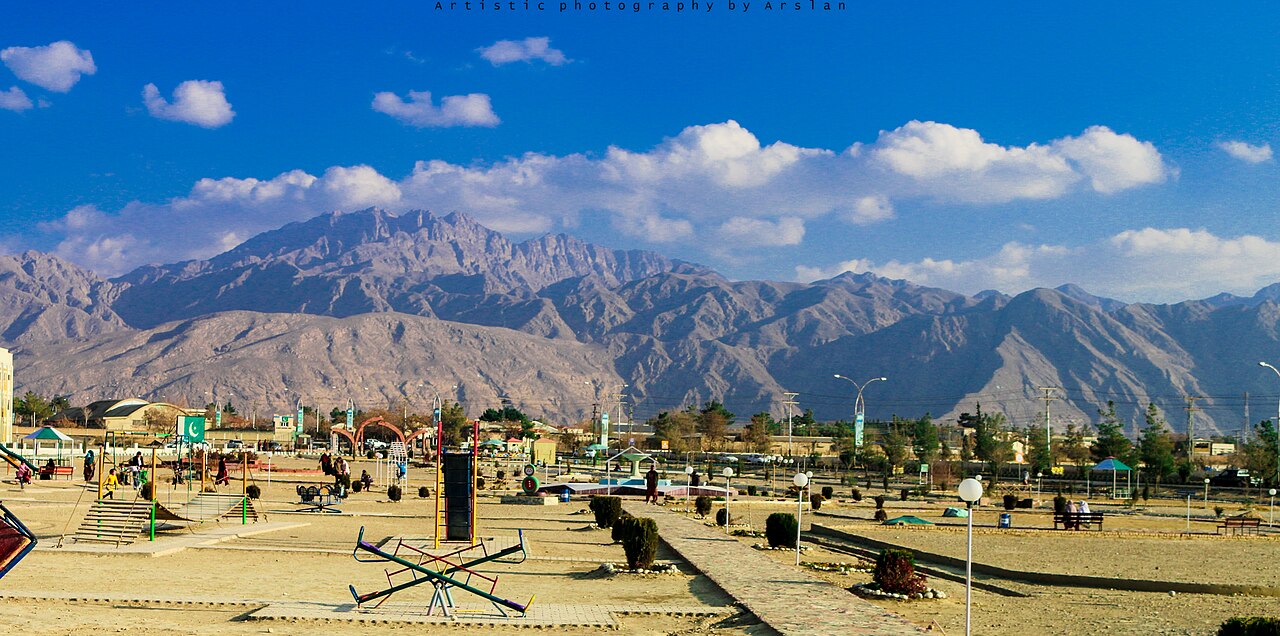
The capital of Balochistan, in a valley ringed by mountains at about 1,680 m, which makes it the highest major city in Pakistan. Its orchards give it the name Fruit Garden of Pakistan, and it lies near the Bolan Pass, an old gateway from Central Asia.
The great red sandstone mosque that the Mughal emperor Aurangzeb built in 1671 to 1673, facing the Alamgiri Gate of the Lahore Fort. It was the largest mosque built in the Mughal era, and near the entrance lies the tomb of the poet Muhammad Iqbal. As of 2026 it is on UNESCO's tentative list, not the World Heritage List.
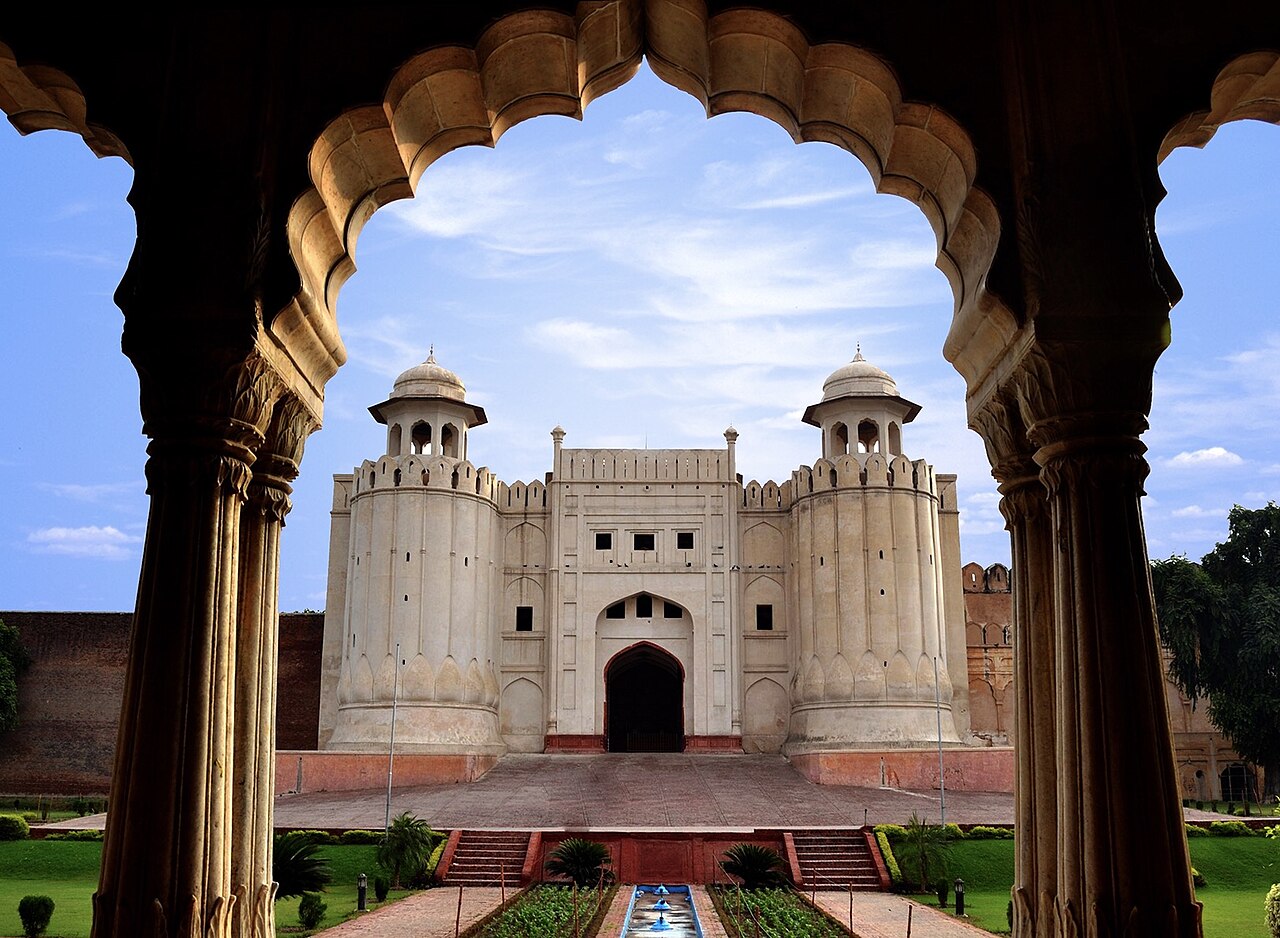
The royal citadel at the north end of the Walled City, covering more than 20 hectares. Its foundations were laid under Akbar in 1566, Shah Jahan added marble halls with inlaid flowers, and Aurangzeb built the grand Alamgiri Gate. The Sikh ruler Ranjit Singh later lived here. It is a World Heritage Site together with the Shalimar Gardens.
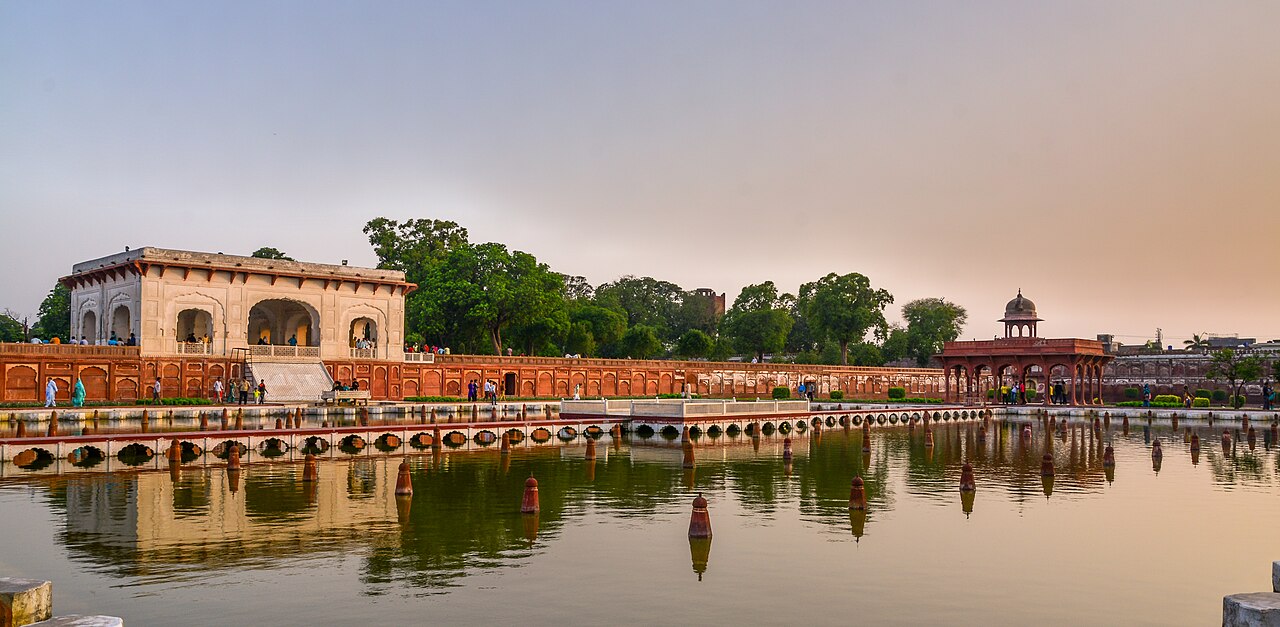
A Mughal garden laid out in 1641 and 1642 for the emperor Shah Jahan as a Persian paradise garden, with three terraces, long pools, marble pavilions and more than 400 fountains. UNESCO lists it with the Lahore Fort as Mughal garden design at its peak.
A tall white tower in Greater Iqbal Park, built between 1960 and 1968 on the spot where the Muslim League passed the Lahore Resolution in 1940. Its design blends Mughal, Islamic and modern styles, and Pakistan Day, 23 March, is closely tied to it.
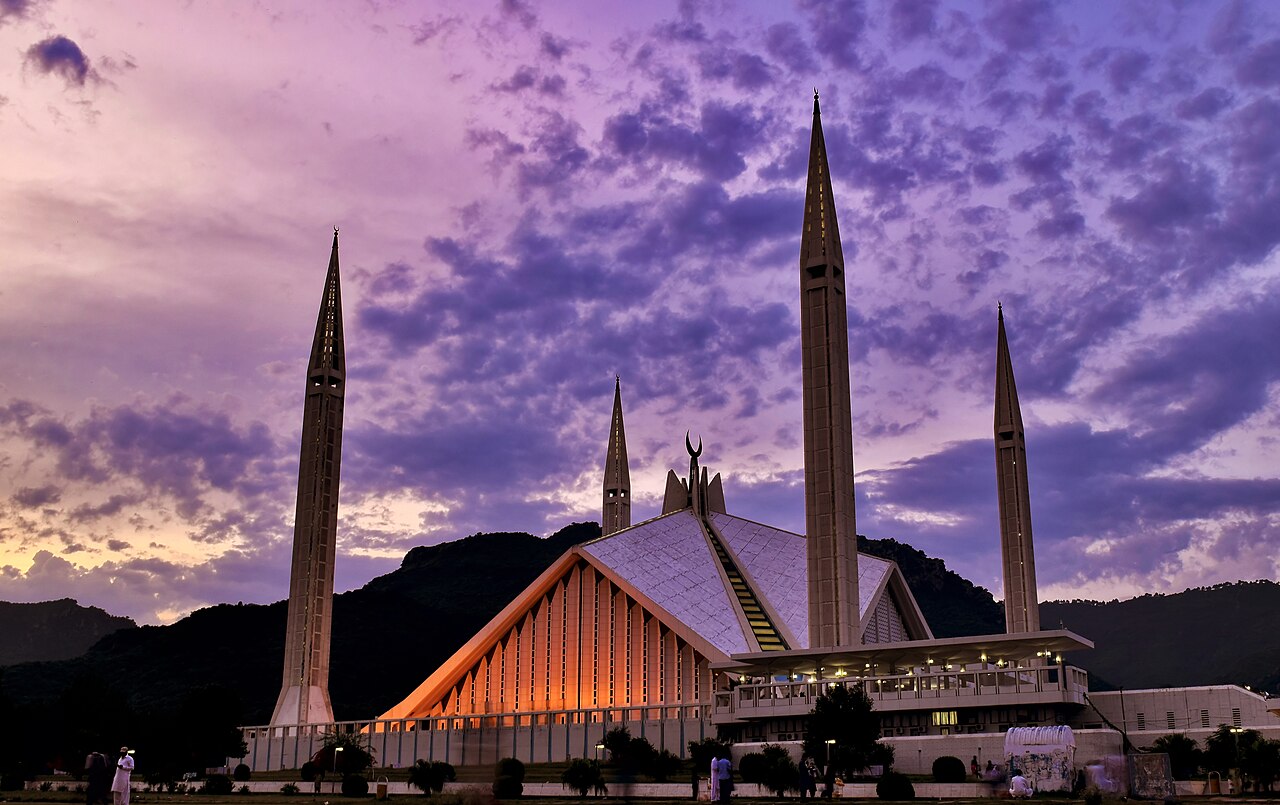
Pakistan's national mosque, at the foot of the Margalla Hills. The Turkish architect Vedat Dalokay designed it without a dome, shaped like a Bedouin tent, with four minarets about 90 m tall. Completed in 1986, it was the largest mosque in the world until 1993, and with its grounds it can hold about 300,000 worshippers.
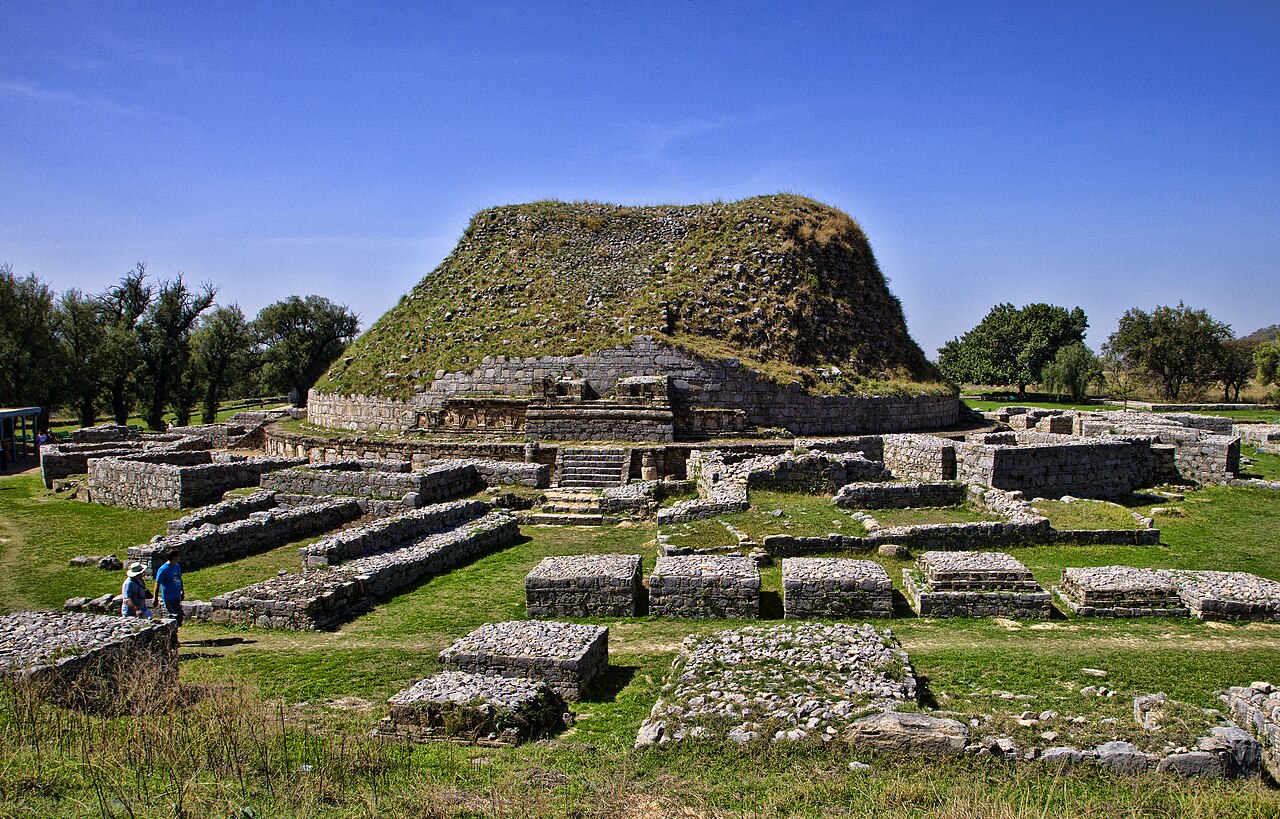
The ruins of an ancient city of Gandhara, about 25 to 30 km north-west of Rawalpindi and Islamabad. Persians, Greeks, Mauryas and Kushans ruled here, and it was a famous centre of Buddhist learning. Stupas, monasteries and a museum of Gandhara sculpture make it one of the great archaeological sites of Asia.
The ruins of one of the world's earliest major cities, built around 2500 BC by the Indus Valley Civilisation on the west bank of the Indus, about 28 km from Larkana. Its brick streets, drains and the Great Bath can still be walked today. It became a World Heritage Site in 1980.
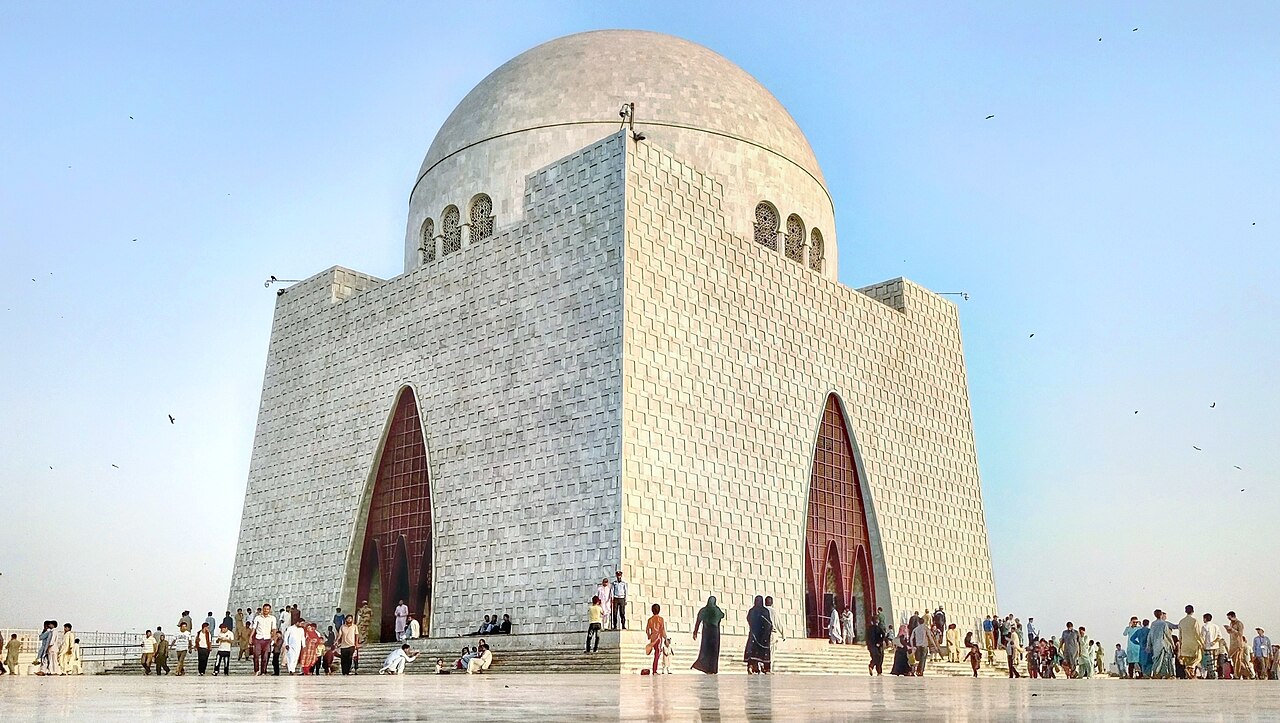
The white marble mausoleum of Muhammad Ali Jinnah, the founder of Pakistan, known as the Quaid-e-Azam, the Great Leader. Completed in 1971, it stands in a large garden in central Karachi. His sister Fatima Jinnah and Liaquat Ali Khan, the first prime minister, are also buried in the complex.
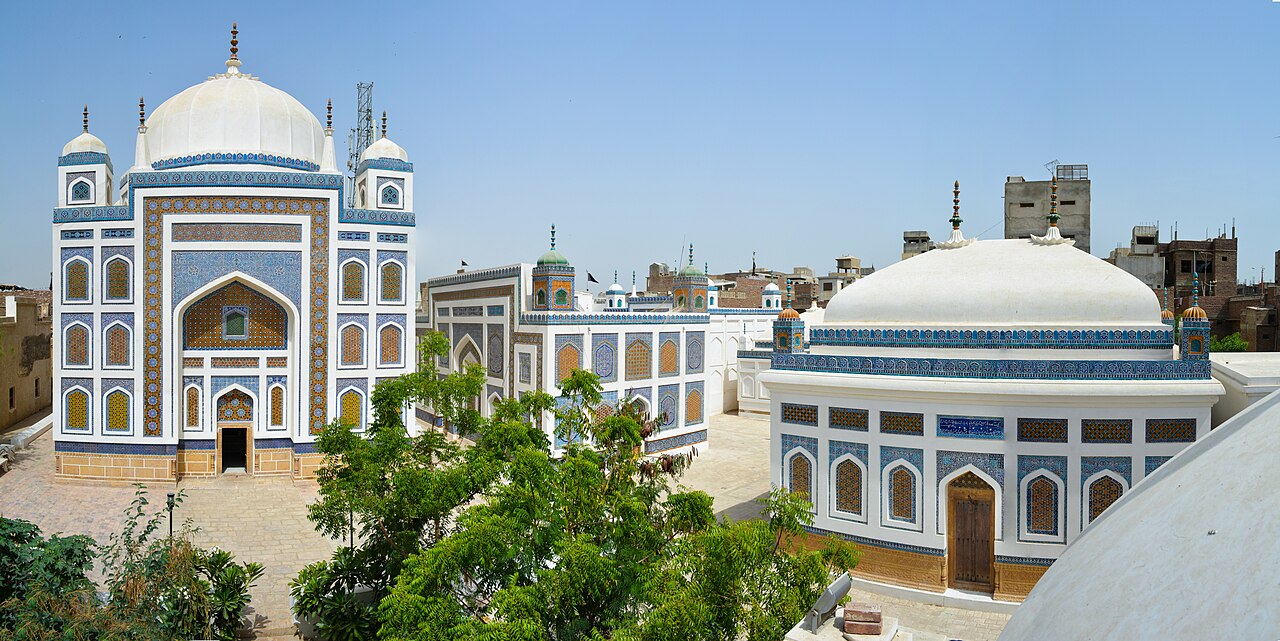
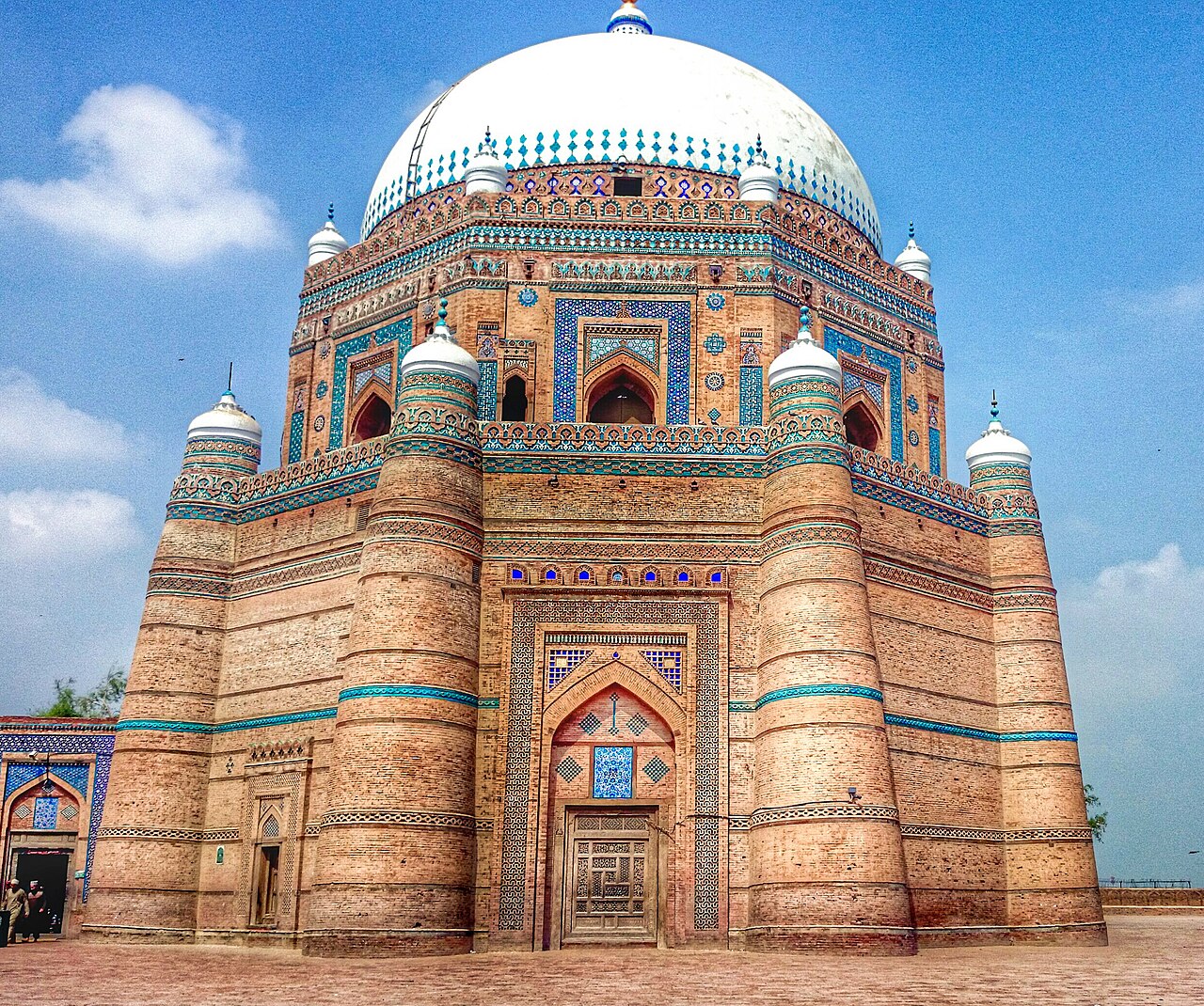
The mausoleum of a 14th-century Sufi saint, built in 1320 to 1324 on the edge of the old Multan Fort. Its huge brick octagon, decorated with blue and white glazed tiles, is topped by a great dome, and more than 100,000 pilgrims come for the saint's yearly festival.
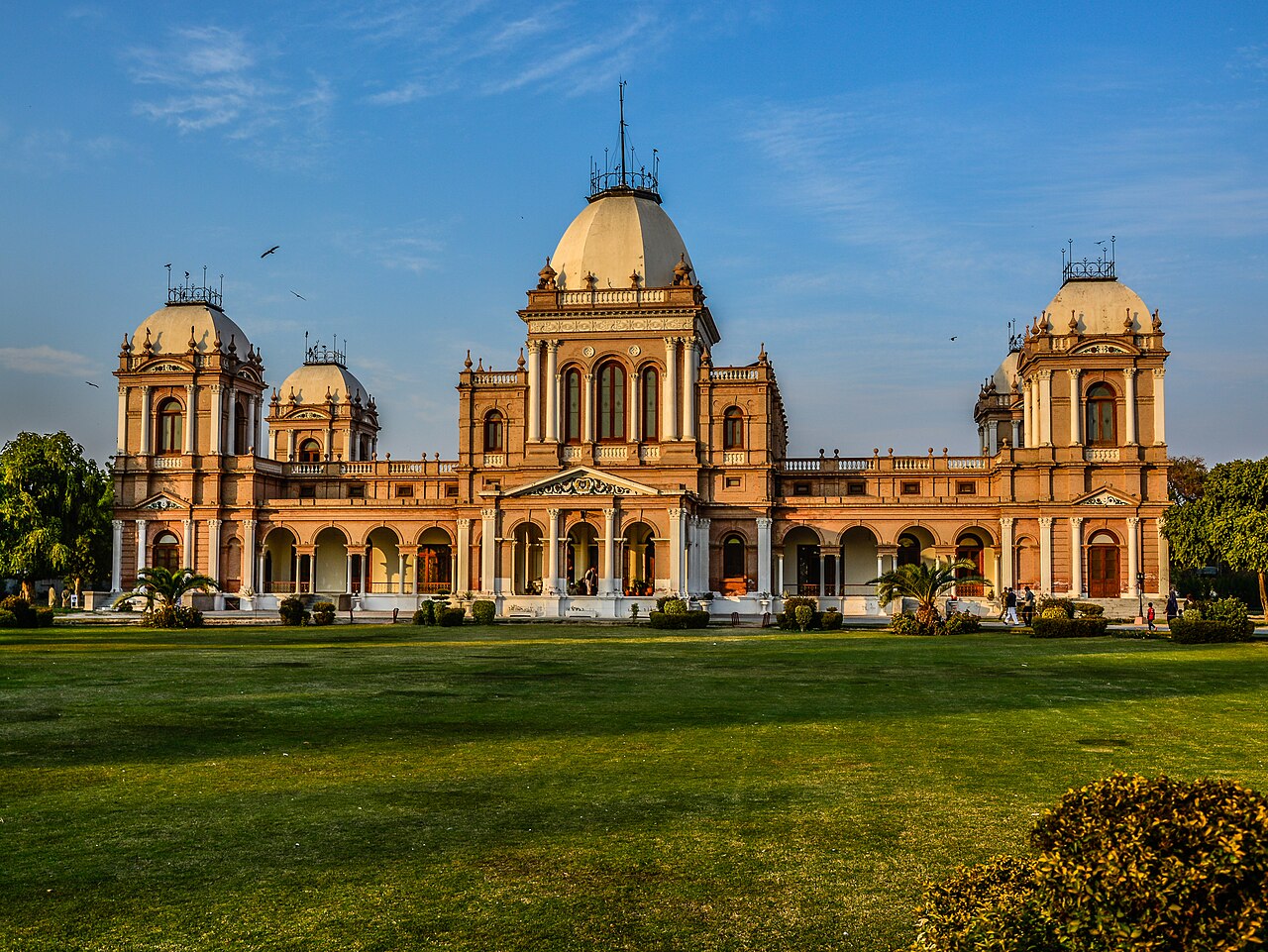
A palace built in 1872 to 1875 for the Nawab of Bahawalpur in the style of an Italian chateau, with furniture and materials brought from England and Italy. Its name means Palace of Light.
The name Pakistan was coined in 1933 by the student activist Choudhry Rahmat Ali, from the names of regions in the north-west of British India. In Urdu and Persian, pak means pure and stan means land, so it is often explained as the land of the pure.
02
K2, at 8,611 m the second-highest mountain on Earth, rises in the Karakoram on the border with China. Climbers call it the Savage Mountain, because it is much harder and more dangerous to climb than Everest.
03
The pink salt sold around the world as Himalayan salt comes from the Salt Range in Punjab, where the Khewra Salt Mine is the second-largest salt mine in the world. Up to 250,000 visitors a year tour its tunnels.
04
The squash player Jahangir Khan won 555 matches in a row between 1981 and 1986, which Guinness World Records lists as the longest winning streak by any athlete in top-level professional sport.
05
Pakistan's national animal is the markhor, a wild mountain goat with long spiralling horns. Its name is often explained as snake eater, from an old belief that it killed snakes.
06
The Indus river dolphin, Pakistan's national mammal, has no lens in its eyes and is effectively blind. It finds its way and its food in the muddy river by echolocation.
07
The Edhi Foundation, started in Karachi by Abdul Sattar Edhi in 1951, has held the Guinness World Record for the world's largest volunteer ambulance organisation since 1997.
08
As of 2026, the Tarbela Dam on the Indus is the largest earth-filled dam in the world. It was completed in 1976 and is 143 m high.
09
Pakistani lorries and buses are rolling works of art, covered in bright paintings, poetry, mirrors and jingling chains. Foreign soldiers in Afghanistan nicknamed them jingle trucks.
10
The singer Nusrat Fateh Ali Khan, from Punjab, brought qawwali, the devotional music of the Sufis, to audiences around the world and could sing at full intensity for hours.
11
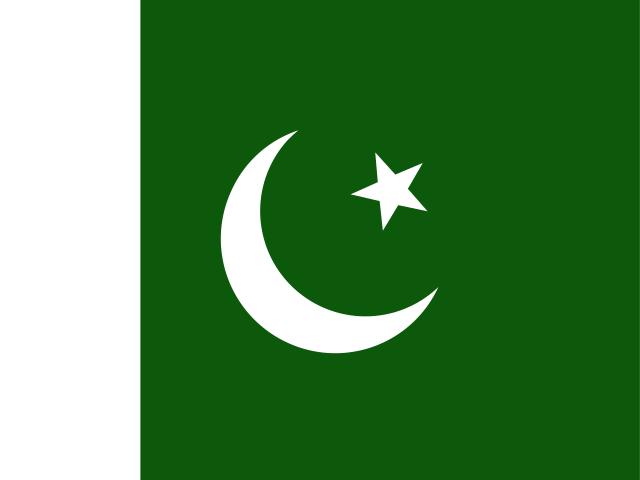
On Pakistan's flag the green stands for the Muslim majority and the white stripe for the country's religious minorities. The crescent represents progress and the star light and knowledge.
12
Sialkot, a city in Punjab, is known as a world centre for making footballs, many of them still stitched by hand. It is also the birthplace of the national poet, Muhammad Iqbal.
Security differs a great deal from region to region, and several governments advise against travel to large parts of the country, including some of the cities and sites on this page. Before planning a trip, read your own government's travel advice for Pakistan, follow it, and check it again just before you leave.
Apply for your visa on the official site
Most visitors need a visa, which is applied for online on the Government of Pakistan's Online Visa System, visa.nadra.gov.pk. Your passport should be valid for at least 6 months after you apply. Make sure your passport is stamped when you arrive.
Dress modestly
Pakistan is a conservative country. Men and women both do best in loose clothes that cover the arms and legs, and women should carry a scarf to cover their hair in mosques and shrines. Many visitors buy a shalwar kameez, the local tunic and loose trousers, which is cool and comfortable.
Mosques and shrines
Take off your shoes before you enter a mosque or a shrine and leave them at the entrance. Avoid visiting during the Friday midday prayer, and ask before you take photos of people, especially women.
Drink bottled water
Tap water is not safe to drink. Buy sealed bottled water and check the seal, avoid ice unless you know it was made with safe water, and choose hot, freshly cooked food. Air pollution in Lahore and other cities in Punjab is at its worst from about October to February.
Pick the right season
The plains of Punjab and Sindh are pleasant from about October to March and can pass 45°C in May and June. The monsoon brings heavy rain and sometimes floods from about July to September. In the mountains the season is the reverse: the high roads are usually open only in summer.
Know the emergency numbers
Dial 15 for the police and 1122 for an ambulance or the fire service; Rescue 1122 operates across most of the country. Save the number of your embassy in your phone before you travel.
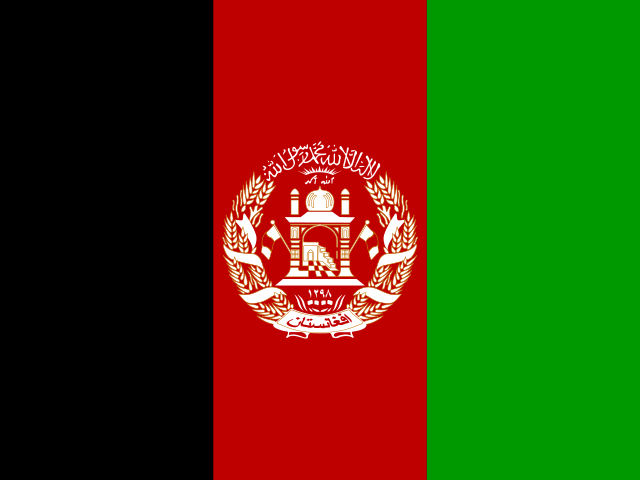 Afghanistan
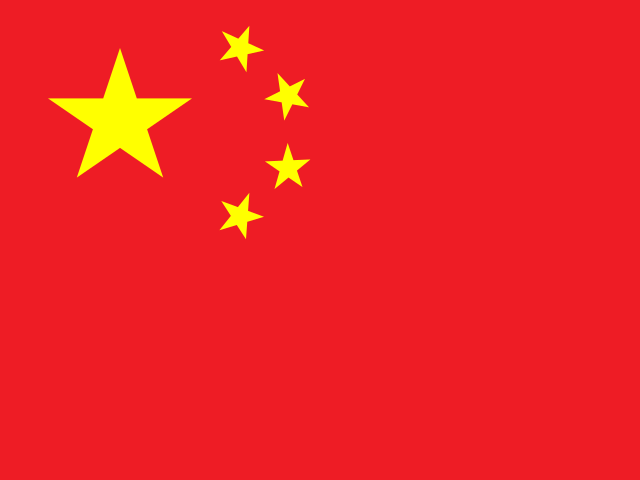 China
China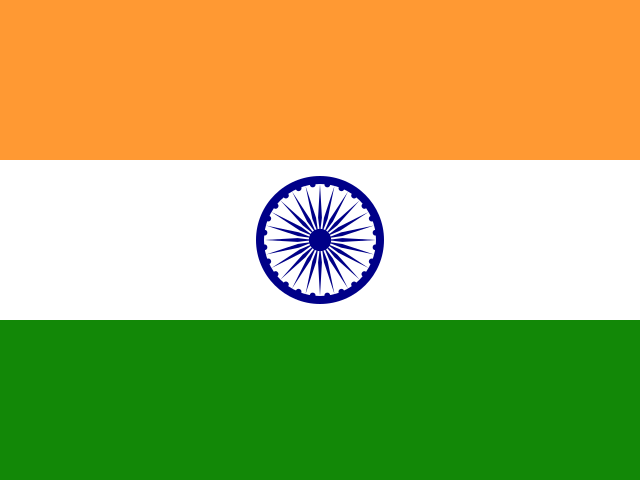 India
India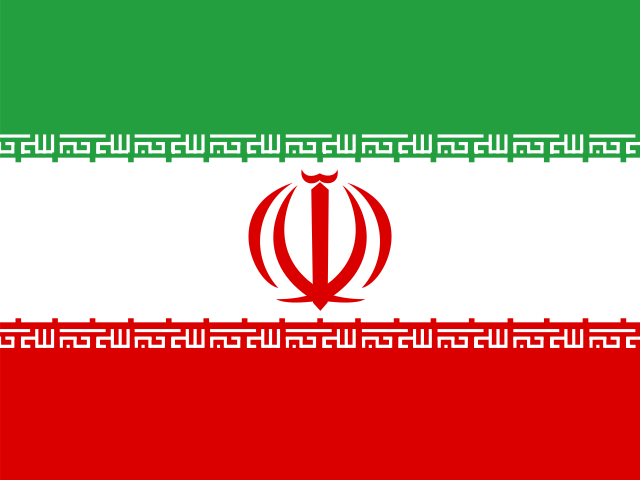 Iran
Iran