A free large-print PDF. Choose what goes in: facts, map, history, dishes and recipes, phrases, fun facts, a quiz with or without answers. Made for clubs, care homes, libraries and family afternoons.
Ireland is an island in the Atlantic Ocean, west of Great Britain. The Republic of Ireland, the country we visit here, covers about five sixths of the island. The rest, in the northeast, is Northern Ireland, which is part of the United Kingdom. Ireland is famous for its green landscape, kept green by frequent soft rain, and for its wild Atlantic coast of cliffs, bays and islands.
People have lived here for at least 10,000 years. Stone Age farmers built great tombs such as Newgrange, and Irish monks kept learning alive in the early Middle Ages. Vikings founded the first towns, the Normans arrived in 1169, and for centuries Ireland was ruled from England. The Great Famine of 1845 to 1852 killed about a million people and forced more than a million to emigrate, starting a wave of emigration that lasted for generations, which is why so many people around the world have Irish roots.
After the Easter Rising of 1916 and the War of Independence, most of the island became the self-governing Irish Free State in 1922, and a fully independent republic in 1949. Today Ireland is a parliamentary republic of about 5.5 million people and a member of the European Union since 1973. Irish (Gaeilge) is the national and first official language, and English is the second official language and the one most people speak every day.
CapitalDublin
PopulationAbout 5.5 million (CSO estimate for April 2025: 5,458,600)
Official languageIrish (Gaeilge), the national and first official language, and English, the second official language
CurrencyEuro (€), since 1999 (notes and coins since 2002); before that, the Irish pound (punt)
AreaAbout 70,300 km², about five sixths of the island of Ireland
GovernmentParliamentary republic (constitution of 1937). The President is head of state and the Taoiseach leads the government
Highest mountainCarrauntoohil, about 1,039 m, in County Kerry, also the highest peak on the whole island
Longest riverThe Shannon, about 360 km including its estuary, the longest river in Ireland and in Britain and Ireland
NeighboursThe United Kingdom, its only land neighbour, along the border with Northern Ireland. Great Britain lies across the Irish Sea, and France across the Celtic Sea
From Stone Age tomb builders and early Christian monks to Vikings, Normans, famine, rebellion and independence, Ireland's story is long and often hard, and its people carried it all over the world.
3100 BC
Newgrange is built
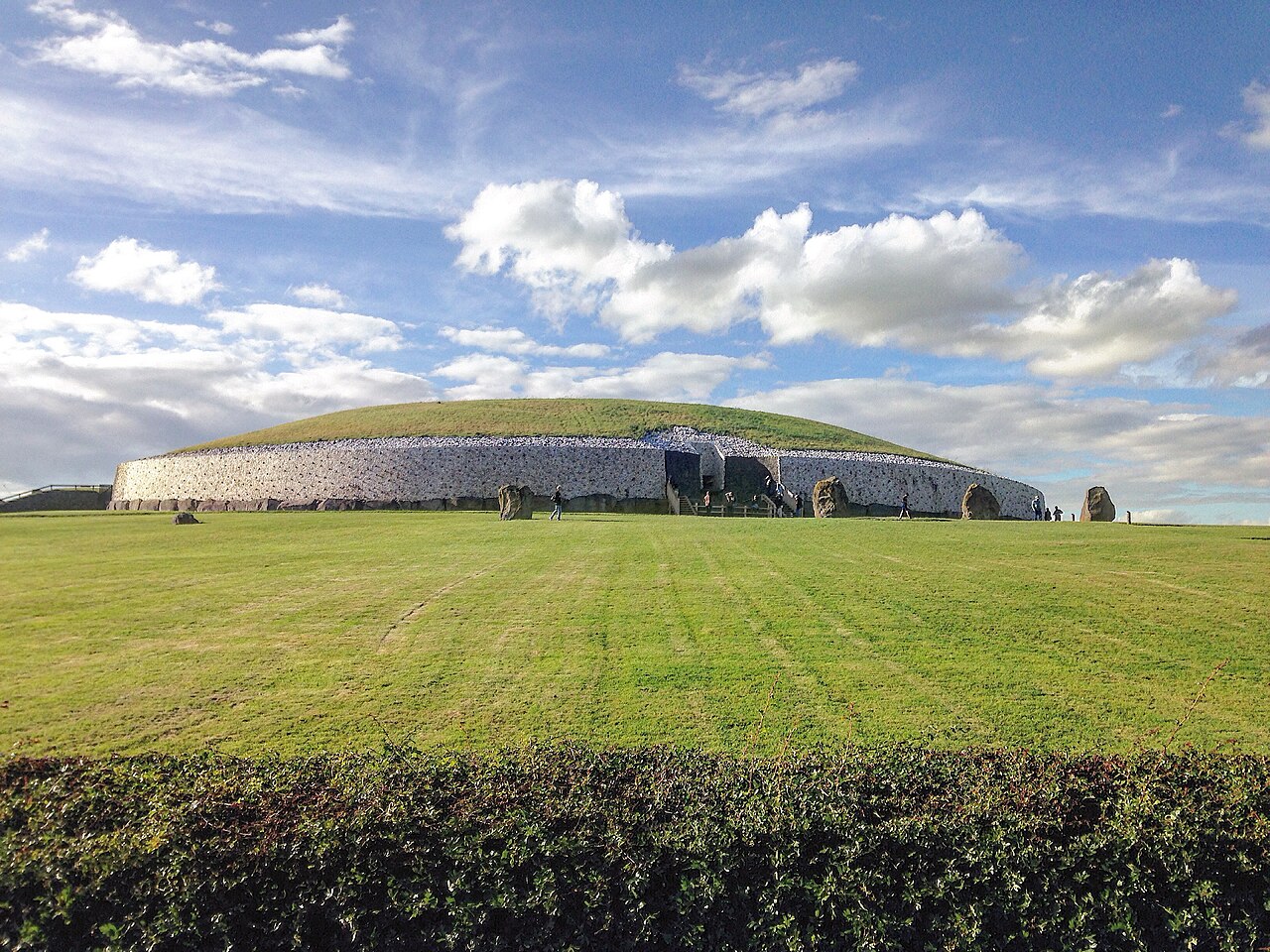
Around 3100 BC Stone Age farmers built the great passage tomb of Newgrange in the Boyne Valley. It is about 500 years older than the Great Pyramid of Giza, and on the shortest days of the year the rising sun still shines along its passage into the inner chamber.
AD 432
Saint Patrick begins his mission
Patrick was born in Britain and, at 16, was captured by Irish raiders and kept as a slave in Ireland for six years. He escaped, but later returned as a Christian missionary. Tradition dates his arrival to 432. He became Ireland's patron saint, remembered on 17 March.
AD 841
Vikings found Dublin
Viking raiders began attacking Irish monasteries in the 790s. Around 841 they built a fortified base beside a dark pool, in Irish 'Dubh Linn', where the Poddle stream met the River Liffey. It grew into a busy trading town, and later into Ireland's capital.
1014
The Battle of Clontarf
On Good Friday 1014, the army of Brian Boru, High King of Ireland, defeated an alliance that included the King of Leinster and Viking forces at Clontarf, near Dublin. Brian's side won the battle, but he was killed. He is remembered as one of Ireland's greatest kings.
1169
The Normans arrive
In 1169 Norman knights landed in County Wexford, invited by the deposed King of Leinster, Diarmait Mac Murchada. Strongbow followed in 1170, and in 1171 King Henry II of England came himself. It was the start of more than 750 years of English, and later British, rule in Ireland.
1607
The Flight of the Earls
In September 1607 the last great Gaelic lords of the north, Hugh O'Neill and Rory O'Donnell, sailed from Rathmullan in County Donegal for mainland Europe, with about 100 followers. Their lands were taken by the Crown and settled by Protestants from Britain in the Plantation of Ulster.
1690
The Battle of the Boyne
On the River Boyne near Drogheda, the Protestant King William III defeated the Catholic King James II, whom he had replaced on the English throne. The victory secured Protestant rule in Ireland, and it is still remembered, very differently, by different communities.
1801
Ireland joins the United Kingdom
On 1 January 1801 the Act of Union came into force. The Irish Parliament in Dublin was abolished, and Ireland became part of the new United Kingdom of Great Britain and Ireland, governed from London.
1845
The Great Famine begins
In 1845 a disease called potato blight destroyed the potato crop on which about a third of the people depended. During the famine, from 1845 to 1852, about one million people died and more than a million emigrated. Ireland's population fell by a fifth to a quarter and has never returned to its level of the 1840s.
1916
The Easter Rising
On Easter Monday, 24 April 1916, Irish republicans took over buildings in Dublin, and Patrick Pearse read the Proclamation of the Irish Republic outside the General Post Office. The rising was defeated in six days, but the execution of its leaders turned many people towards the cause of independence.
1919
The War of Independence begins
On 21 January 1919 Irish members elected to the British Parliament met in Dublin instead, as the first Dáil, and declared independence. On the same day the first shots of the War of Independence were fired. The fighting ended with a truce in July 1921.
1922
The Irish Free State is founded
Under the Anglo-Irish Treaty, 26 of Ireland's 32 counties became the self-governing Irish Free State on 6 December 1922, while Northern Ireland stayed in the United Kingdom. The treaty split the independence movement, and a civil war was fought over it from June 1922 to May 1923.
1937
A new constitution is adopted
Voters approved a new constitution, Bunreacht na hÉireann, on 1 July 1937, and it came into force on 29 December 1937. It gave the state the name Éire, or Ireland in English, and created the office of President. It is still in force, changed many times by referendum.
1949
Ireland becomes a republic
The Republic of Ireland Act came into force on Easter Monday, 18 April 1949. It declared the state a republic and ended its last ties to the British Crown, and Ireland left the Commonwealth.
1973
Ireland joins the EEC
On 1 January 1973 Ireland joined the European Economic Community, today's European Union, on the same day as the United Kingdom and Denmark. Membership brought new markets, new roads and, in time, great economic change.
1998
The Good Friday Agreement
The Troubles, a conflict in Northern Ireland from the late 1960s, cost about 3,500 lives. On 10 April 1998, Good Friday, the British and Irish governments and most Northern Ireland parties signed a peace agreement. Voters on both sides of the border approved it in May 1998.
Irish cooking is plain, hearty and built on excellent ingredients: grass-fed beef and lamb, rich butter and cream, fresh fish and shellfish from the Atlantic, and, above all, potatoes. A traditional day starts with a big cooked breakfast, the main meal is meat or fish with potatoes and vegetables, and there is always bread on the table and a pot of tea to finish.
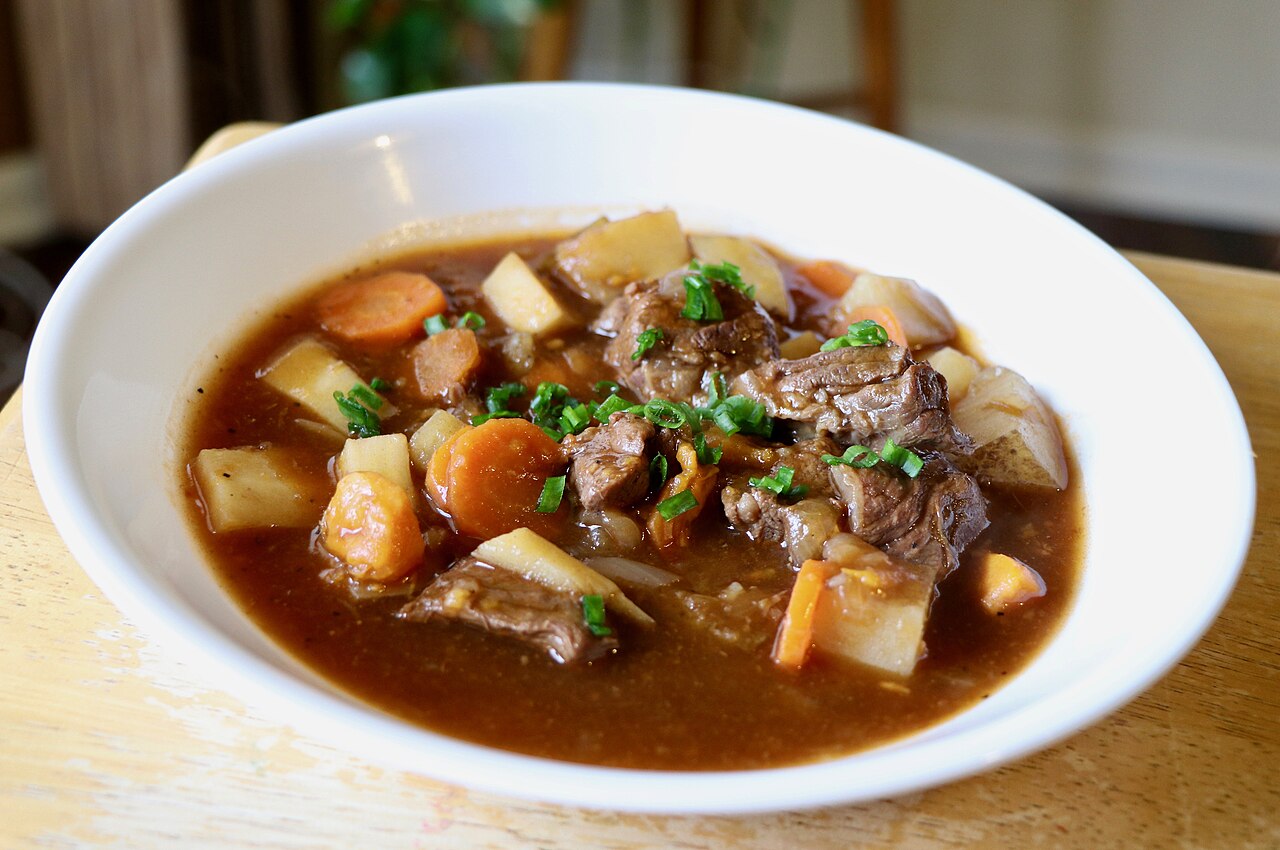
Lamb or mutton slowly simmered with potatoes, onions and parsley until the potatoes break down and thicken the broth. It is often called the national dish.
Mutton was the traditional meat, because sheep were kept for wool and milk and only eaten when old. Whether carrots belong in the pot is still a lively argument.
See the recipe
Serves 4
2 h 30 min
Ingredients
1 kg lamb neck or shoulder, cut into large chunks
1 kg floury potatoes, peeled
2 large onions, sliced
2 carrots, cut into chunks (optional)
750 ml lamb or chicken stock, or water
A few sprigs of thyme
A handful of chopped parsley
Salt and black pepper
Method
Cut half the potatoes into thin slices and the other half into large chunks.
In a heavy pot, layer the sliced potatoes, the lamb, the onions and the carrots, seasoning each layer with salt, pepper and thyme.
Pour in the stock, bring it slowly to a simmer and skim off any foam.
Cover and cook very gently for 1 hour.
Add the potato chunks on top, cover again and cook for another 45 minutes to 1 hour, until the meat is tender and the thin potatoes have thickened the broth.
Taste, season, stir in the parsley and serve in deep bowls with buttered bread.
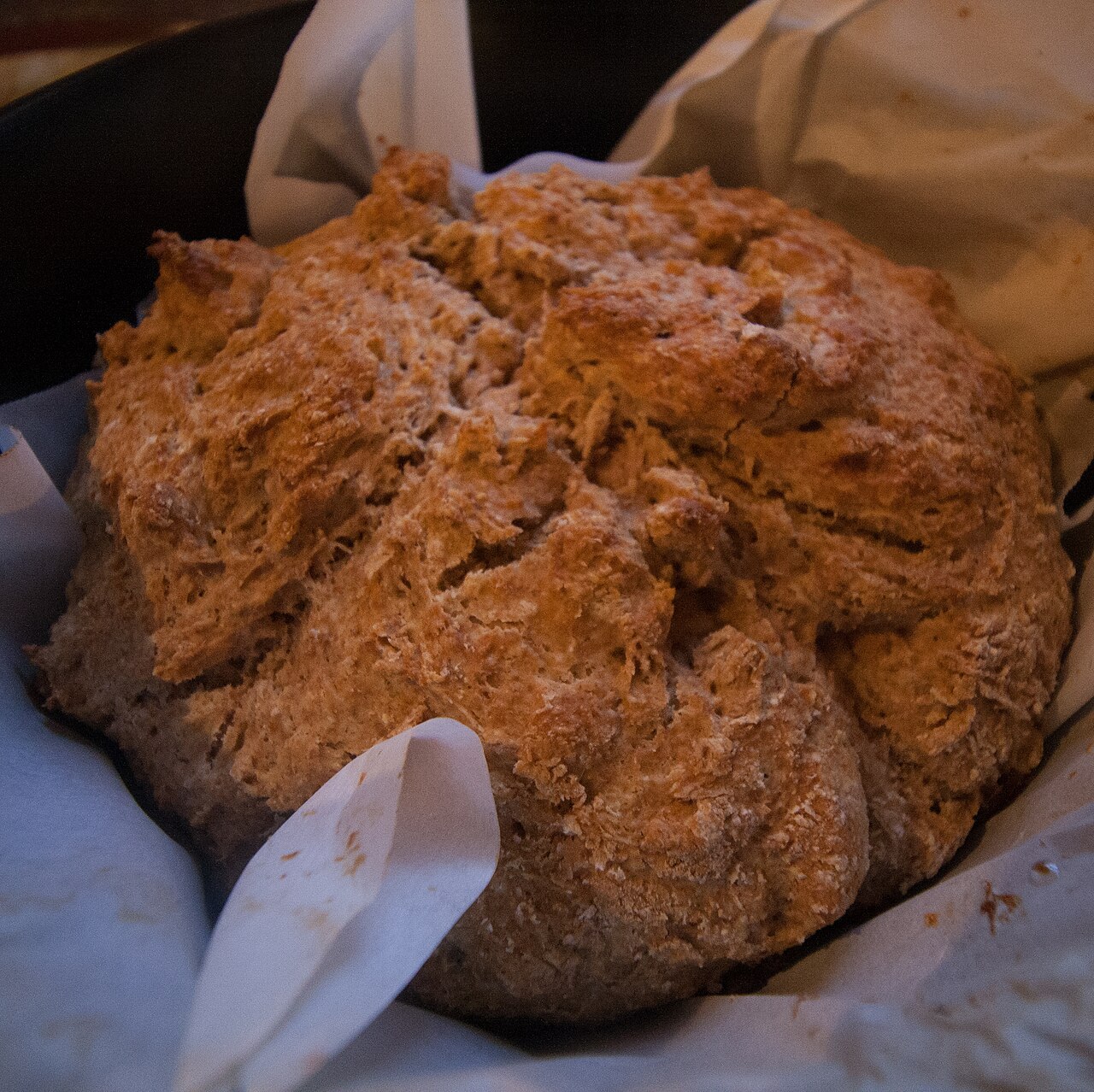
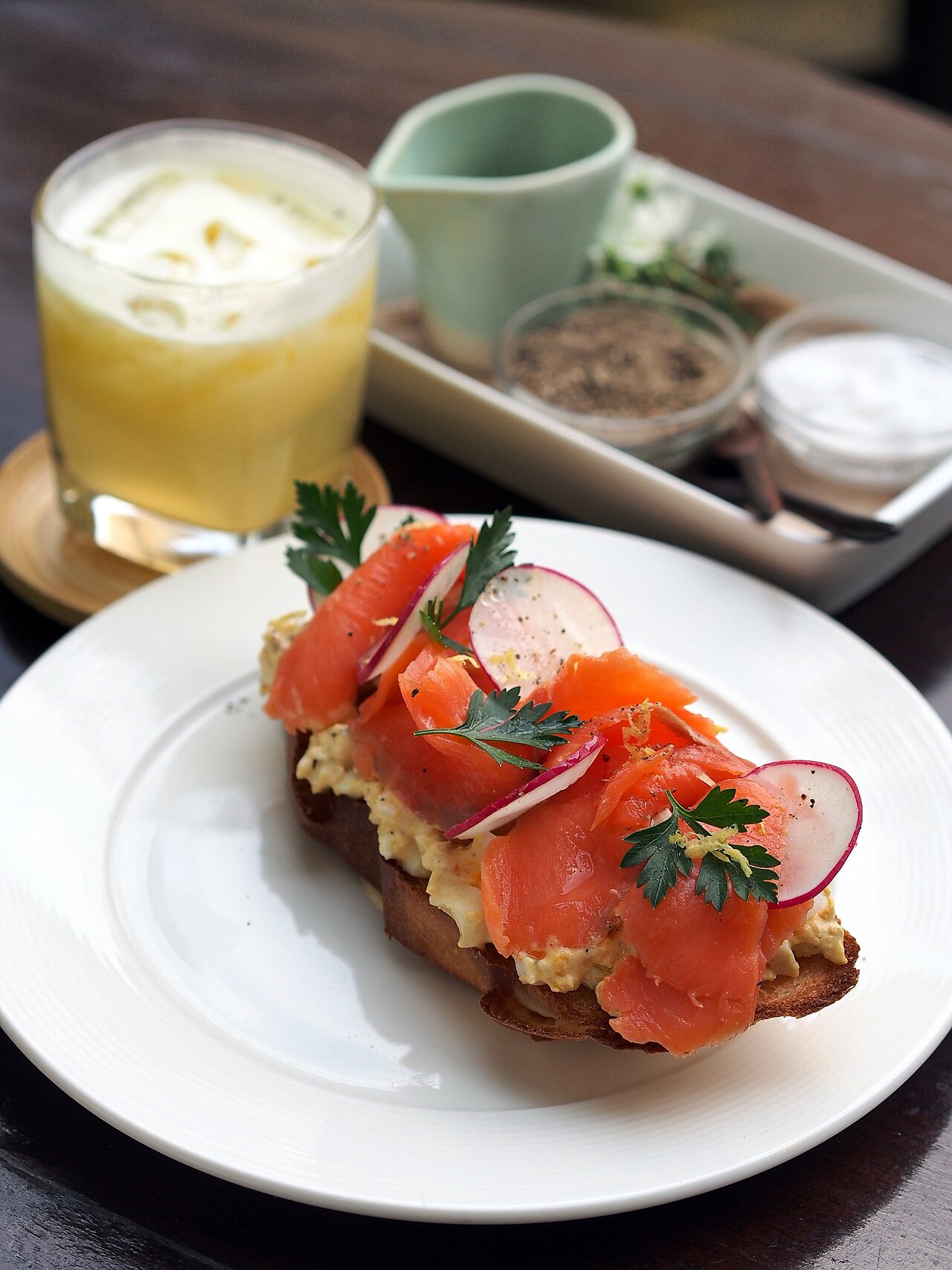
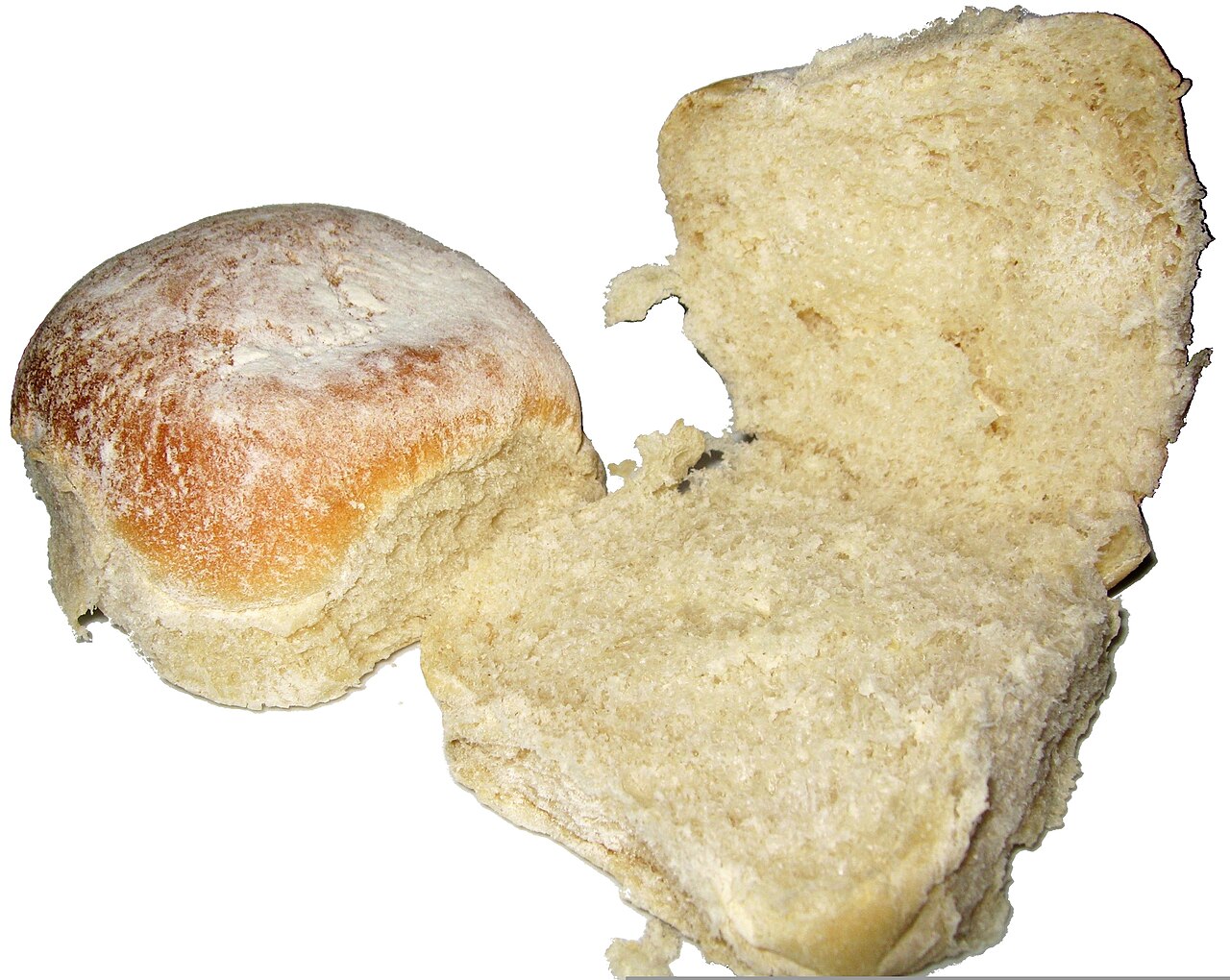
A quick bread made with flour, buttermilk, salt and bread soda (baking soda) instead of yeast. Brown soda bread, made with wholemeal flour, is served with soup, smoked salmon or simply butter.
A deep cross is cut into the top before baking. It helps the loaf rise and cook through, and folklore says it also blesses the bread or lets the fairies out.
See the recipe
Serves 8
55 min
Ingredients
250 g wholemeal flour
200 g plain white flour, plus a little for dusting
1 level teaspoon bread soda (baking soda), sieved
1 teaspoon salt
About 400 ml buttermilk
Method
Heat the oven to 220 °C and dust a baking tray with flour.
Mix the flours, bread soda and salt in a large bowl and make a well in the middle.
Pour in most of the buttermilk and mix quickly with your hand or a spoon to a soft, slightly sticky dough, adding more buttermilk if it is dry. Do not knead.
Turn it out onto a floured surface, shape it gently into a round about 4 cm high and put it on the tray.
Cut a deep cross over the top with a floured knife.
Bake for 15 minutes, then lower the oven to 200 °C and bake for about 25 minutes more. The loaf is done when it sounds hollow when tapped underneath. Cool on a rack under a clean tea towel.
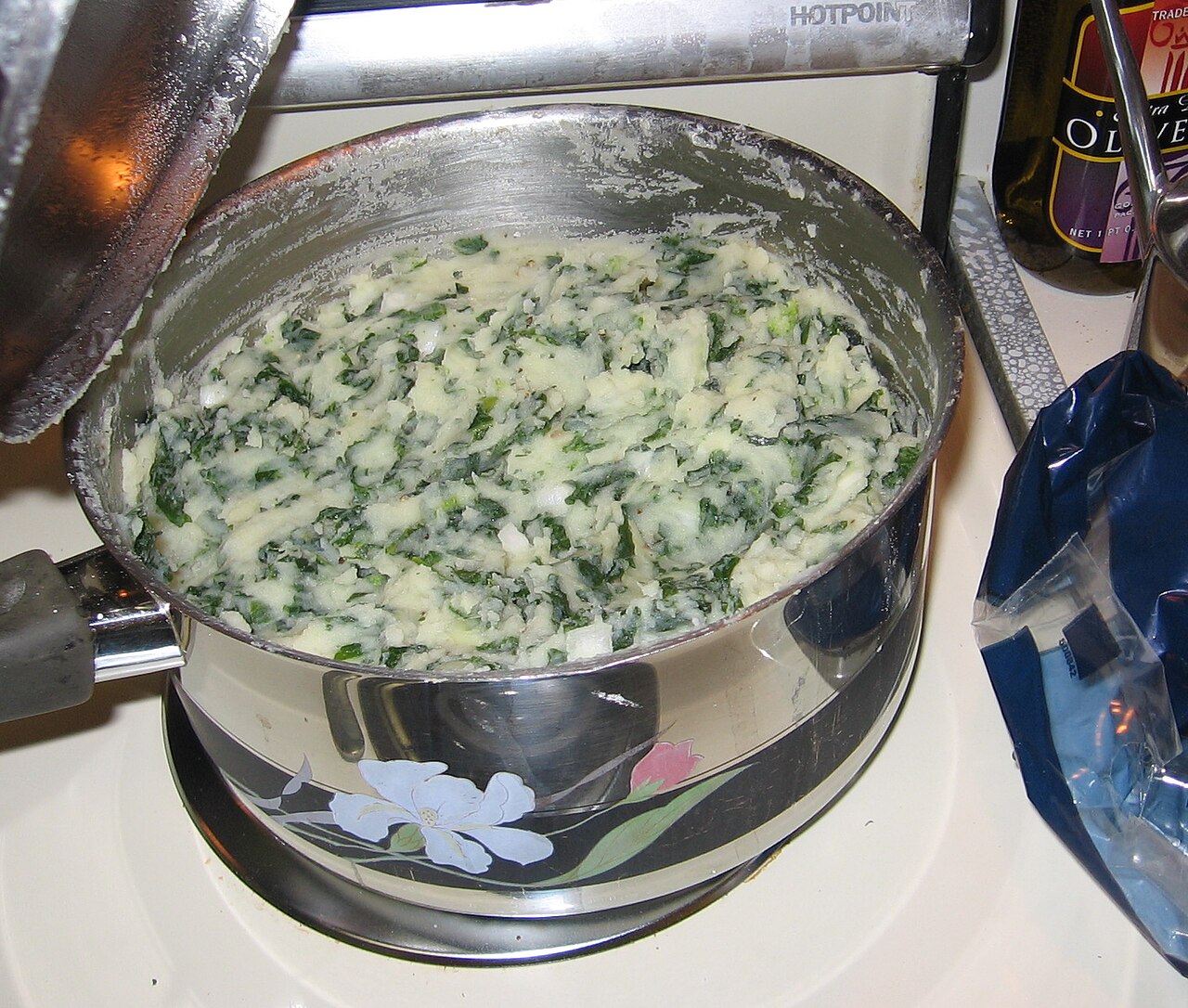
Creamy mashed potatoes mixed with buttered cabbage or kale and spring onions, served with a pool of melting butter in the middle. It goes well with ham or bacon.
At Halloween, families used to hide small charms such as a ring or a coin in the colcannon, each one telling the finder's fortune.
See the recipe
Serves 4
40 min
Ingredients
1 kg floury potatoes, peeled and cut into even pieces
300 g green cabbage or kale, finely shredded
4 spring onions, finely sliced
150 ml milk
60 g butter, plus more to serve
Salt and black pepper
Method
Boil the potatoes in salted water for about 20 minutes, until soft, then drain well.
Meanwhile, boil or steam the cabbage for 3 to 5 minutes until just tender, drain and squeeze out the water.
Warm the milk with the spring onions for 2 to 3 minutes.
Mash the potatoes with the butter, then beat in the warm milk and spring onions until smooth.
Fold in the cabbage and season with salt and pepper.
Serve hot with a knob of butter melting in a hollow on top.
The north midlands and northwest, such as Leitrim, Cavan, Sligo and Mayo
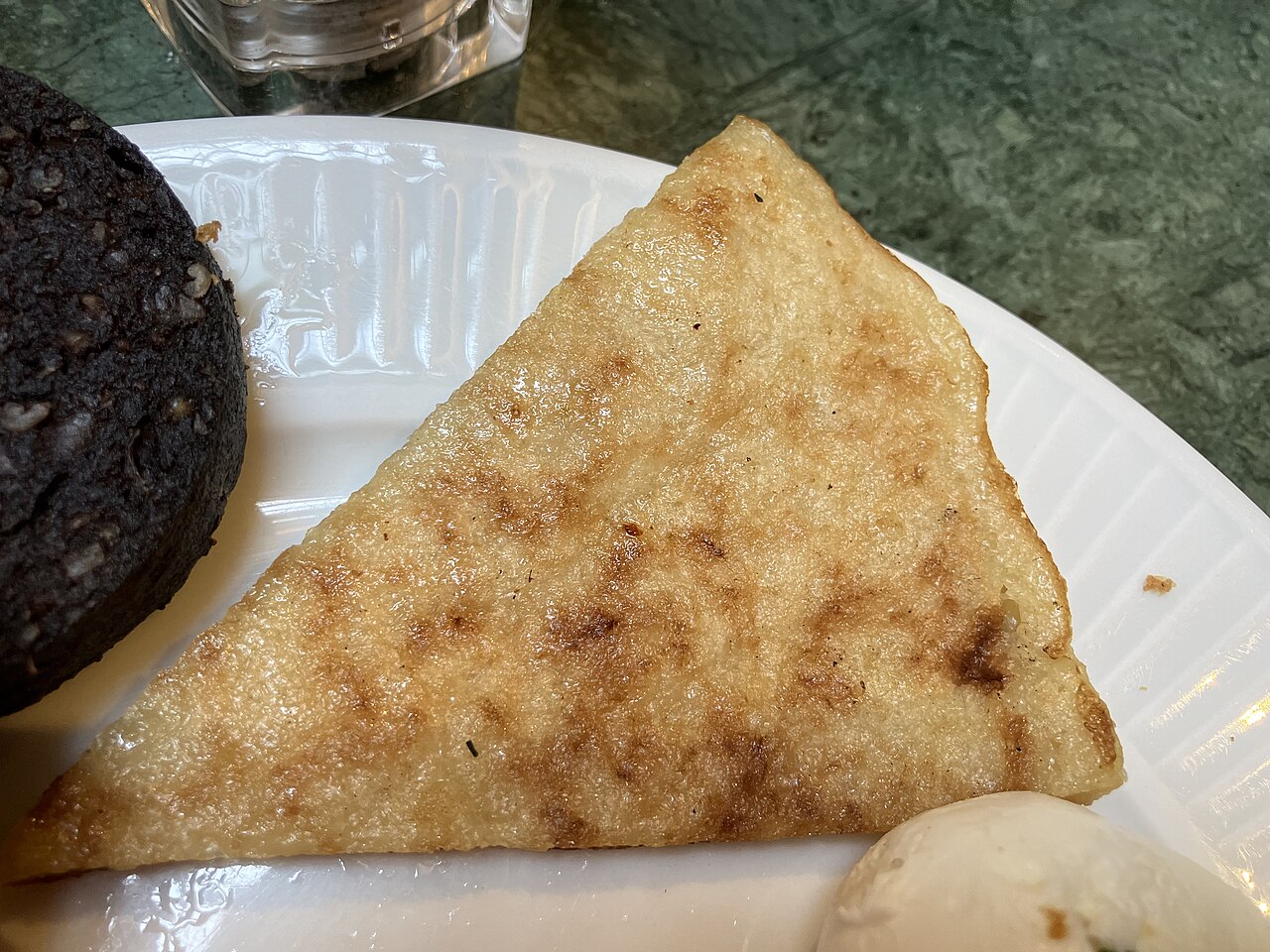
A potato pancake made from grated raw potato mixed with mashed potato, flour and buttermilk, fried on a griddle or pan until golden. It can be a side dish or a breakfast.
An old rhyme goes: 'Boxty on the griddle, boxty on the pan, if you can't make boxty, you'll never get a man.'
See the recipe
Serves 4
40 min
Ingredients
250 g raw floury potatoes, peeled
250 g cold mashed potato
150 g plain flour
1 level teaspoon baking powder
About 150 ml buttermilk
Salt and black pepper
Butter for frying
Method
Grate the raw potatoes finely, put them in a clean tea towel and squeeze out as much liquid as you can.
Mix the grated potato with the mashed potato, flour, baking powder, salt and pepper.
Stir in enough buttermilk to make a thick batter that drops from a spoon.
Melt a little butter in a heavy frying pan over medium heat and drop in tablespoons of the batter, flattening them slightly.
Fry for about 4 minutes on each side, until golden and cooked through. Keep them warm while you cook the rest.
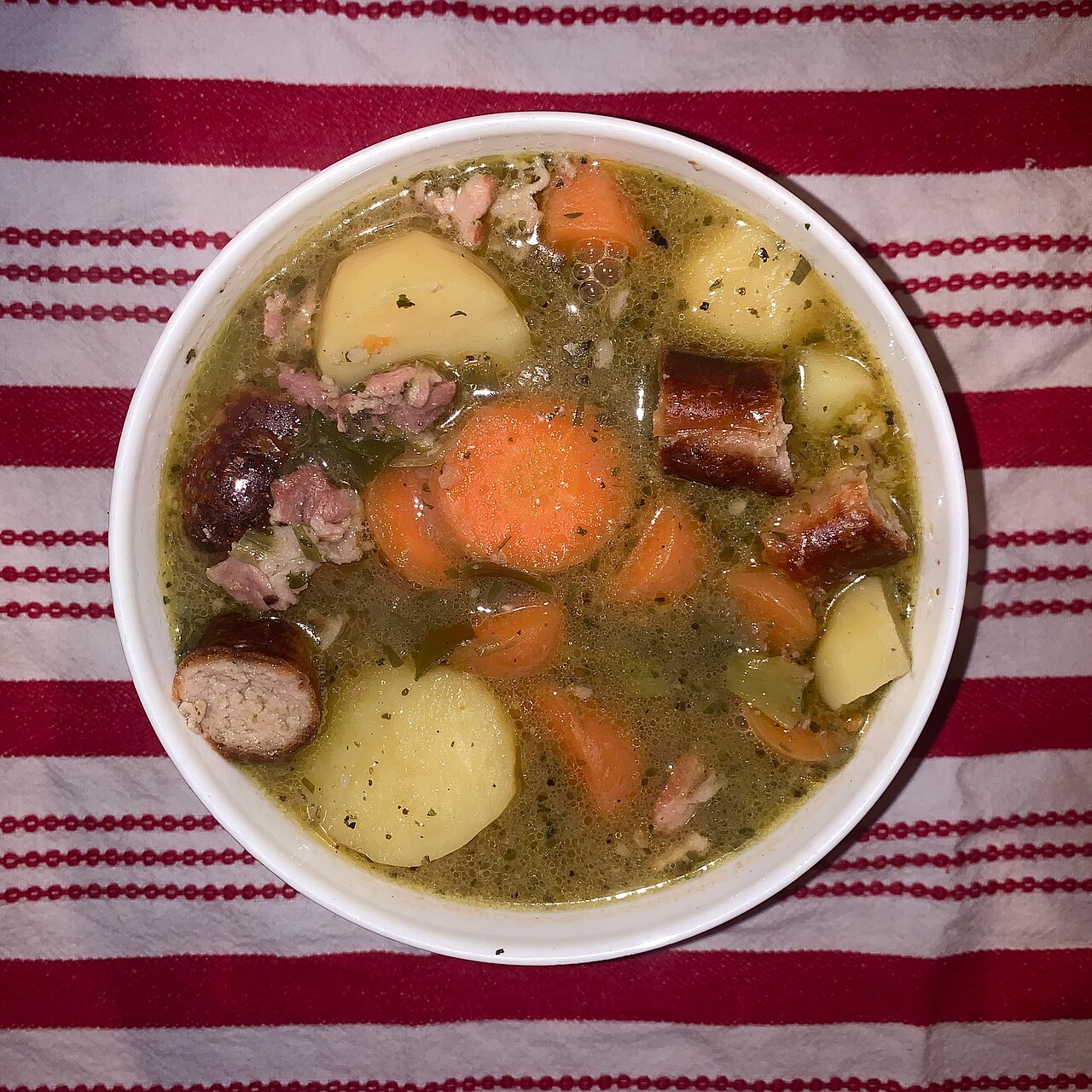
Pork sausages and rashers (thin slices of bacon) slowly cooked with potatoes, onions and herbs in a covered pot, so everything steams and simmers in its own stock. It is served with soda bread to mop up the broth.
Coddle is said to have been a favourite of the writers Jonathan Swift and Seán O'Casey, and it appears in the works of James Joyce. Dubliners happily defend it against visitors who find it pale.
See the recipe
Serves 4
1 h 30 min
Ingredients
8 good pork sausages
8 rashers of back bacon, cut into pieces
1 kg potatoes, peeled and thickly sliced
2 onions, sliced
500 ml chicken stock or water
A handful of chopped parsley
Black pepper
Method
Heat the oven to 160 °C.
Brown the sausages and bacon lightly in a frying pan. Cut the sausages in half if you like.
In a heavy ovenproof pot with a lid, layer the potatoes, onions, sausages and bacon, sprinkling parsley and plenty of pepper over each layer.
Pour in the stock, cover tightly and cook in the oven for about 1 hour, until the potatoes are soft.
Take off the lid for the last 15 minutes if you want the top to brown a little.
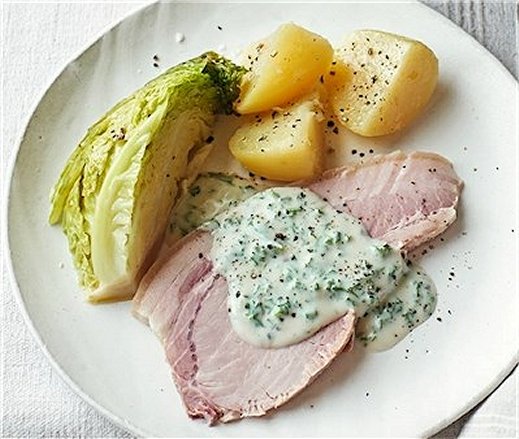
A thick piece of boiled bacon (similar to ham) served in slices with cabbage cooked in the bacon water, boiled potatoes and a white parsley sauce. It is a classic Sunday or family dinner.
Irish emigrants in America often used corned beef instead of bacon, which is why corned beef and cabbage became a St Patrick's Day meal there, although it was not traditional in Ireland.
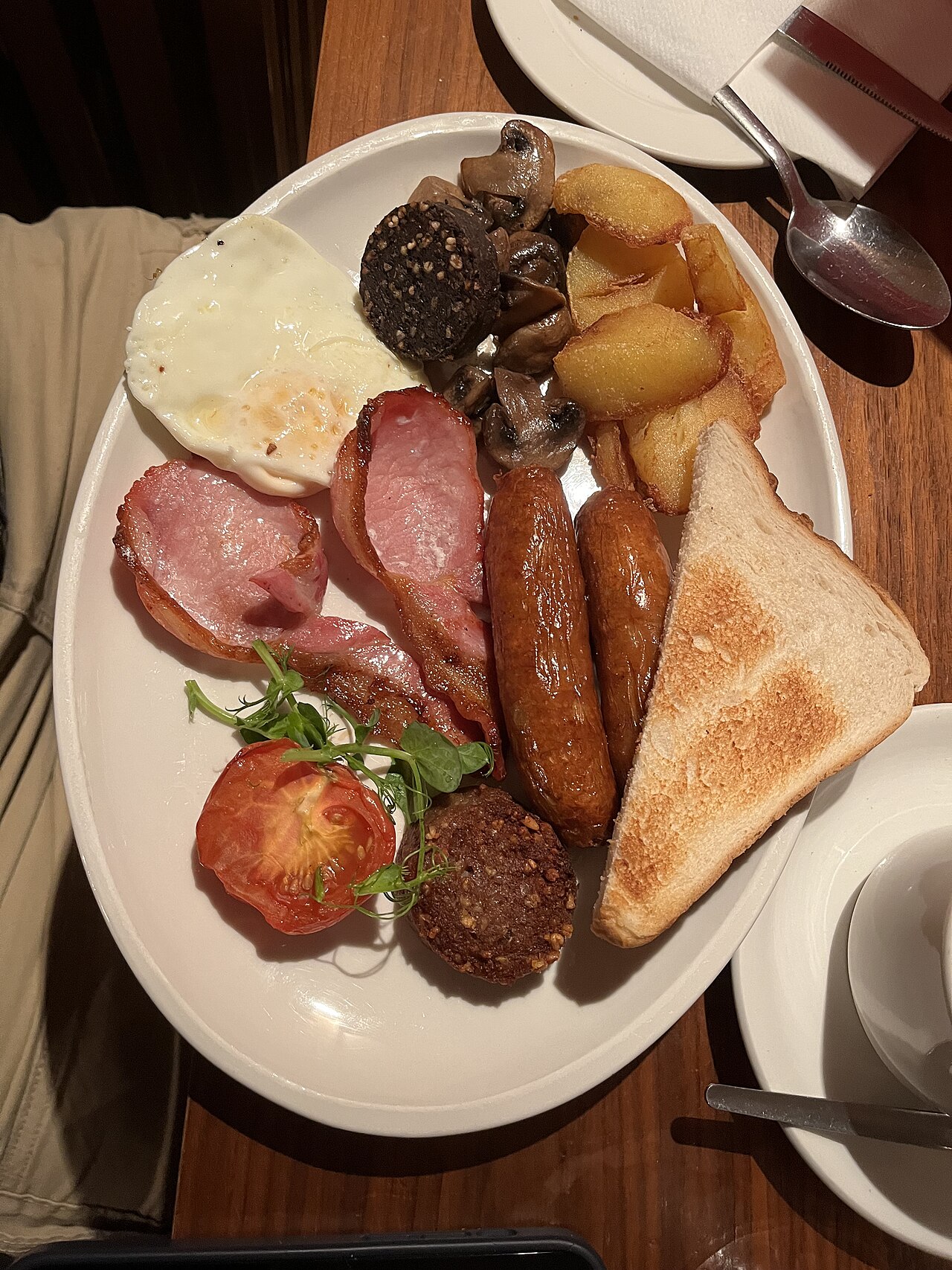
A big cooked breakfast of rashers, sausages, fried or scrambled eggs, black and white pudding, grilled tomato and mushrooms, with brown soda bread and a pot of tea.
White pudding is made like black pudding, with oatmeal and pork, but without blood.
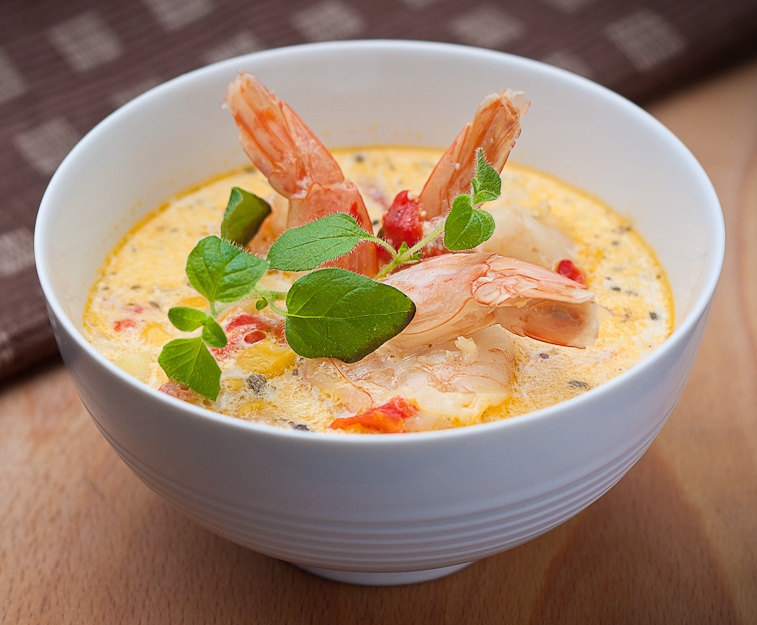
A creamy soup of fish such as salmon, cod and smoked haddock, often with mussels or prawns, potatoes and vegetables, served with brown bread. Almost every coastal pub has its own version.
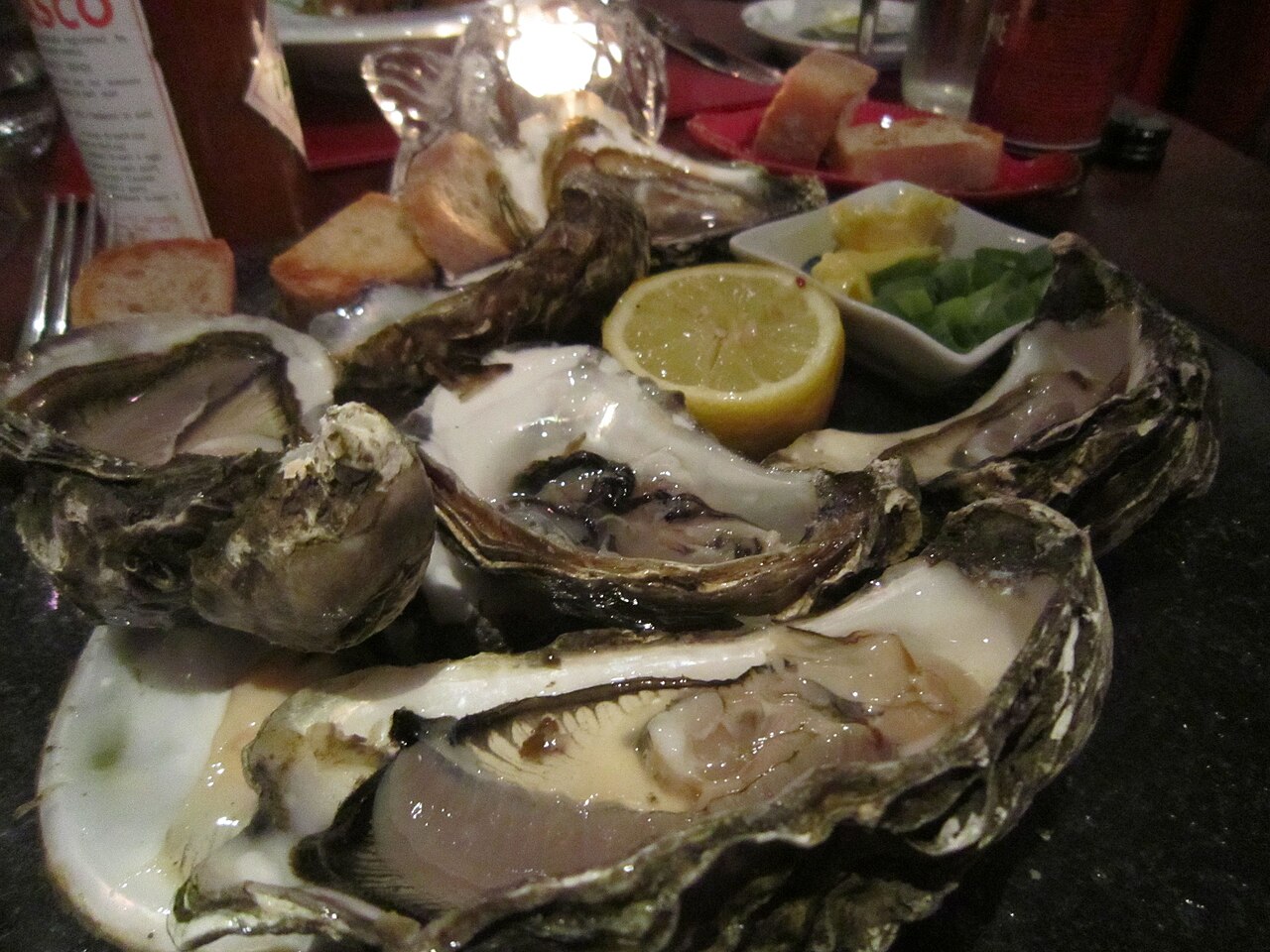
Native flat oysters from Galway Bay, eaten raw with lemon, brown bread and butter, and traditionally a pint of stout. Raw shellfish is best avoided by pregnant women, older people and anyone with a weakened immune system.
The Galway International Oyster Festival, first held in September 1954, is said to be the oldest oyster festival in the world.
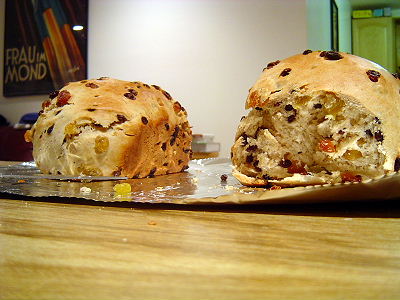
A lightly sweet bread full of raisins and sultanas, which are often soaked in cold tea before baking. It is served in slices, toasted and buttered, with a cup of tea.
The name means 'speckled loaf'. At Halloween a ring is baked inside, and whoever finds it is said to marry within the year.
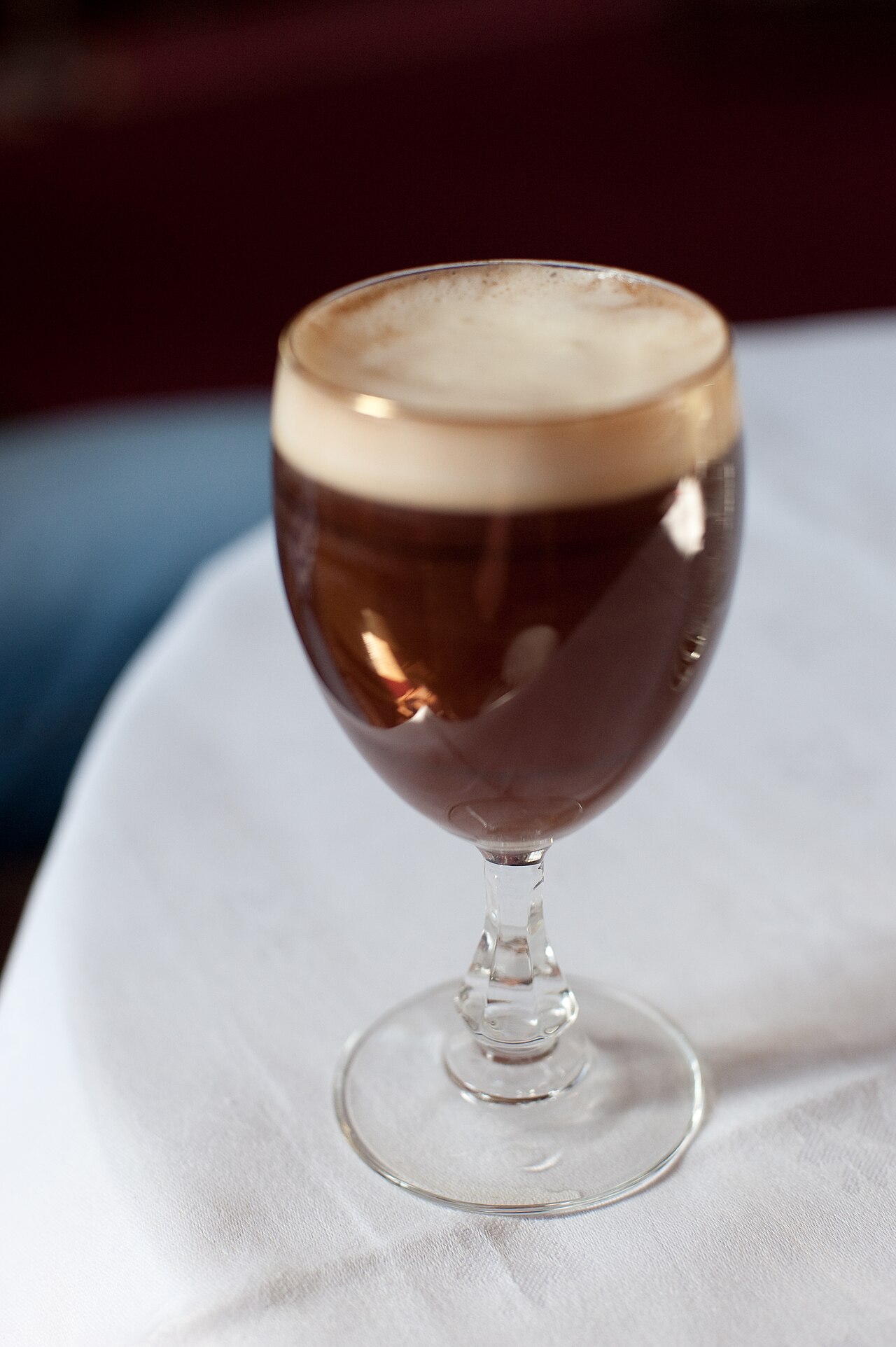
Hot coffee sweetened with brown sugar, with a measure of Irish whiskey, topped with a layer of lightly whipped cream that floats on top. You drink the coffee through the cream.
It is said to have been created in the 1940s by the chef Joe Sheridan at Foynes, a flying boat terminal on the Shannon Estuary, to warm up cold passengers from a transatlantic flight.
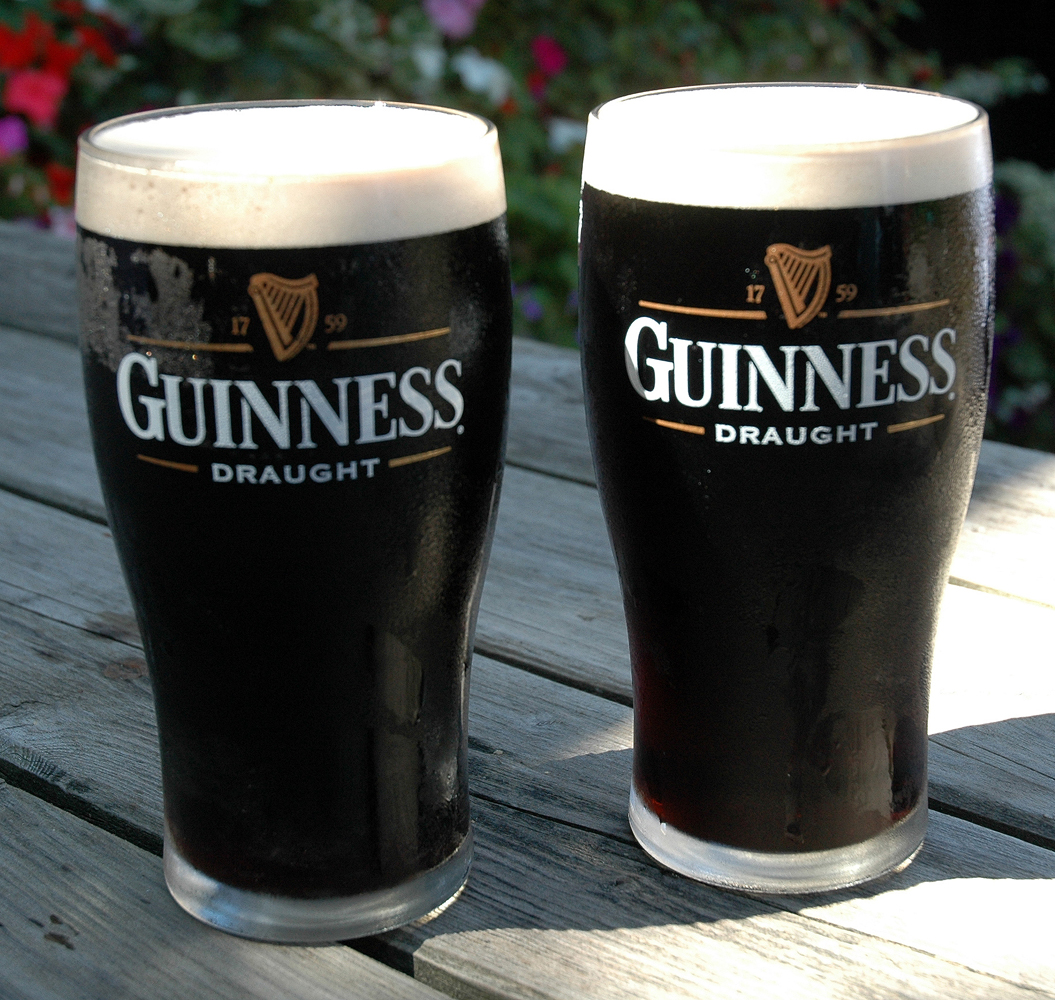
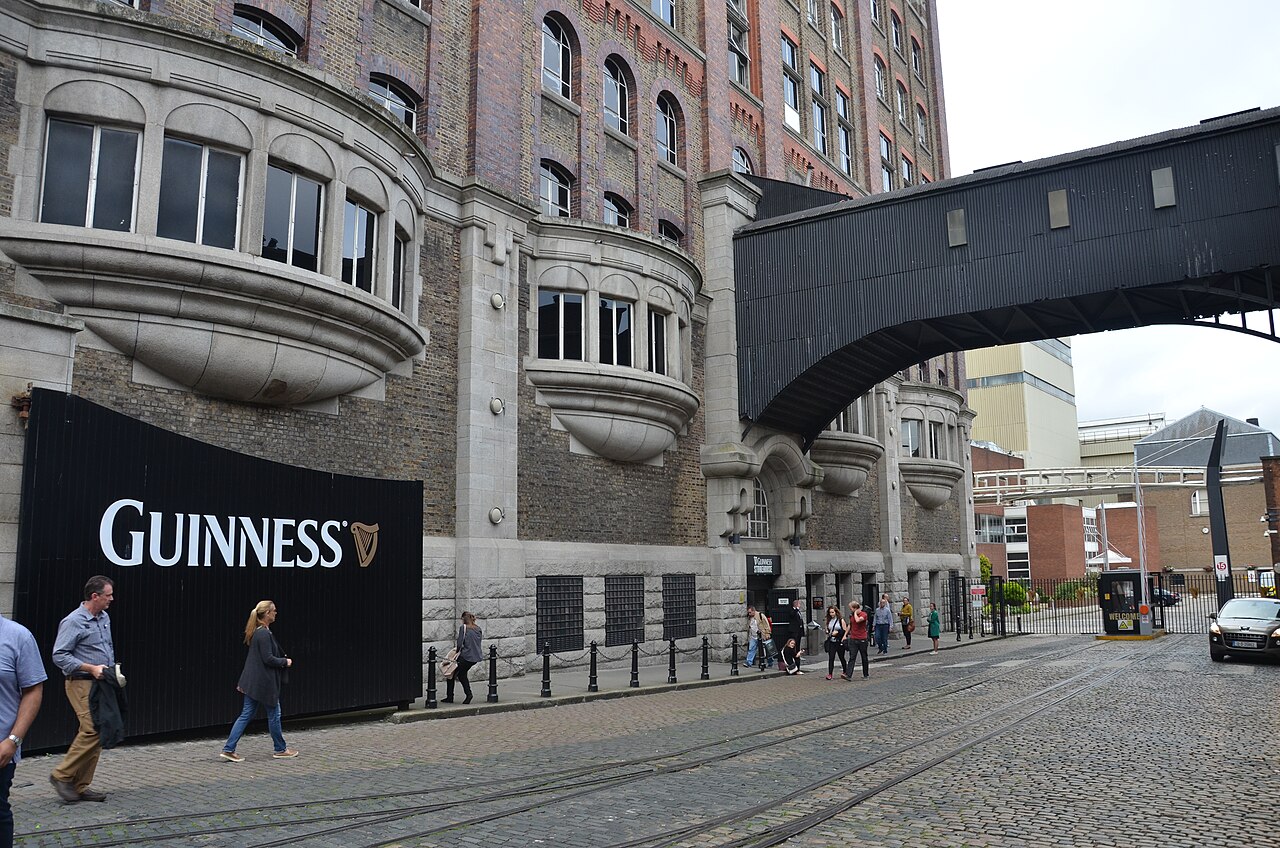
A dark, creamy stout made with roasted barley, poured slowly in two stages so that it settles with a thick white head. It is brewed in Dublin at the St James's Gate Brewery.
In 1759 Arthur Guinness signed a 9,000-year lease on the brewery at St James's Gate, for 45 pounds a year.
Table manners
Visitors to an Irish home are almost always offered a cup of tea, and it is friendly to accept.
In a pub, friends usually take turns to buy a 'round' of drinks for the whole group. If someone buys you a drink, you are expected to buy the next round.
When raising a glass, say 'Sláinte' (SLAWN-cheh), which means 'health'.
In most pubs you order and pay at the bar, and you do not tip for each drink.
In restaurants, a tip of about 10 to 15 percent is usual for good service, unless a service charge is already on the bill.
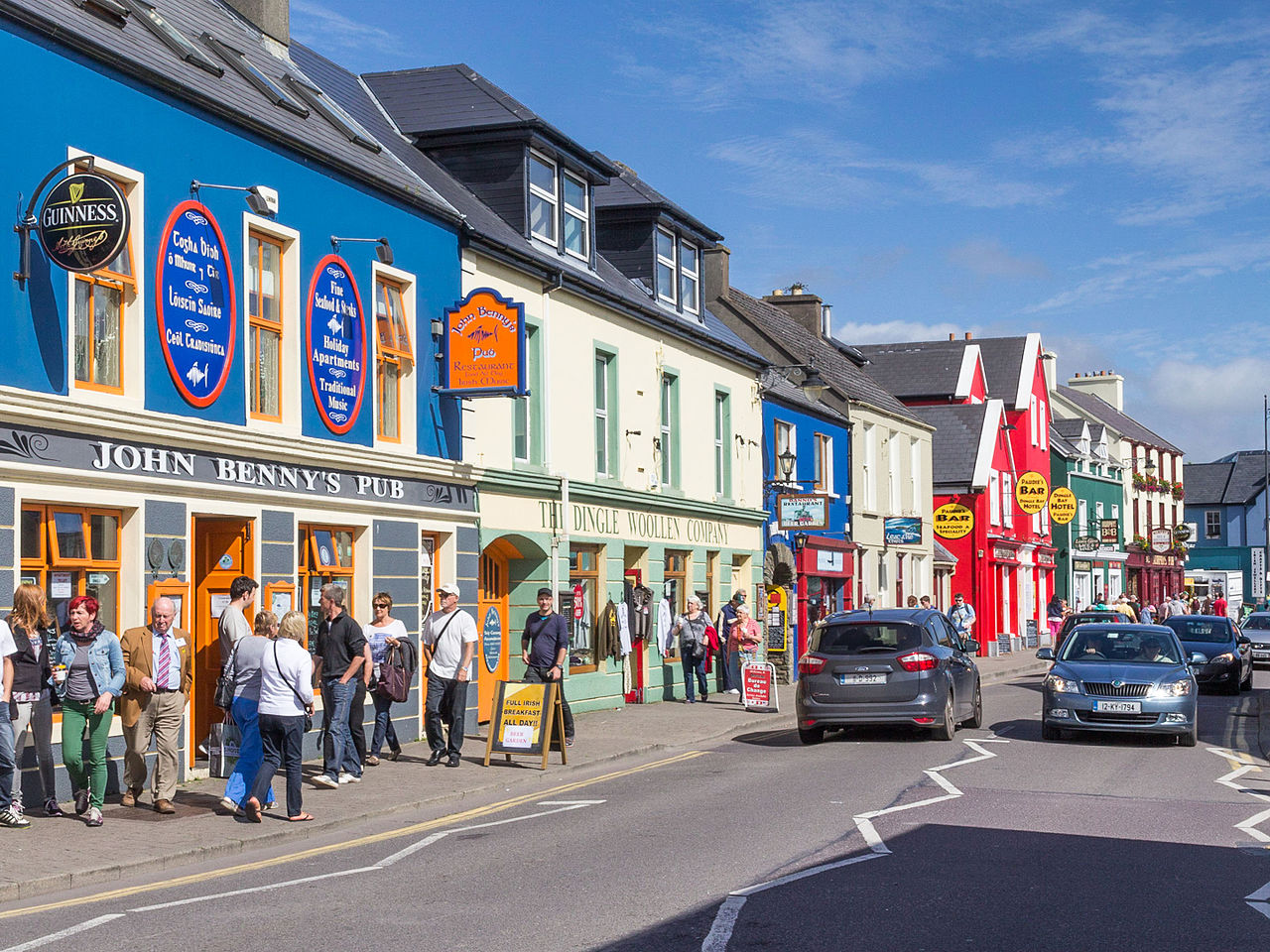
About a third of Ireland's people live in and around Dublin, on the east coast. The other cities are much smaller, and many of the best-loved places are country towns set among lakes, mountains and bays, especially along the Atlantic in the west.
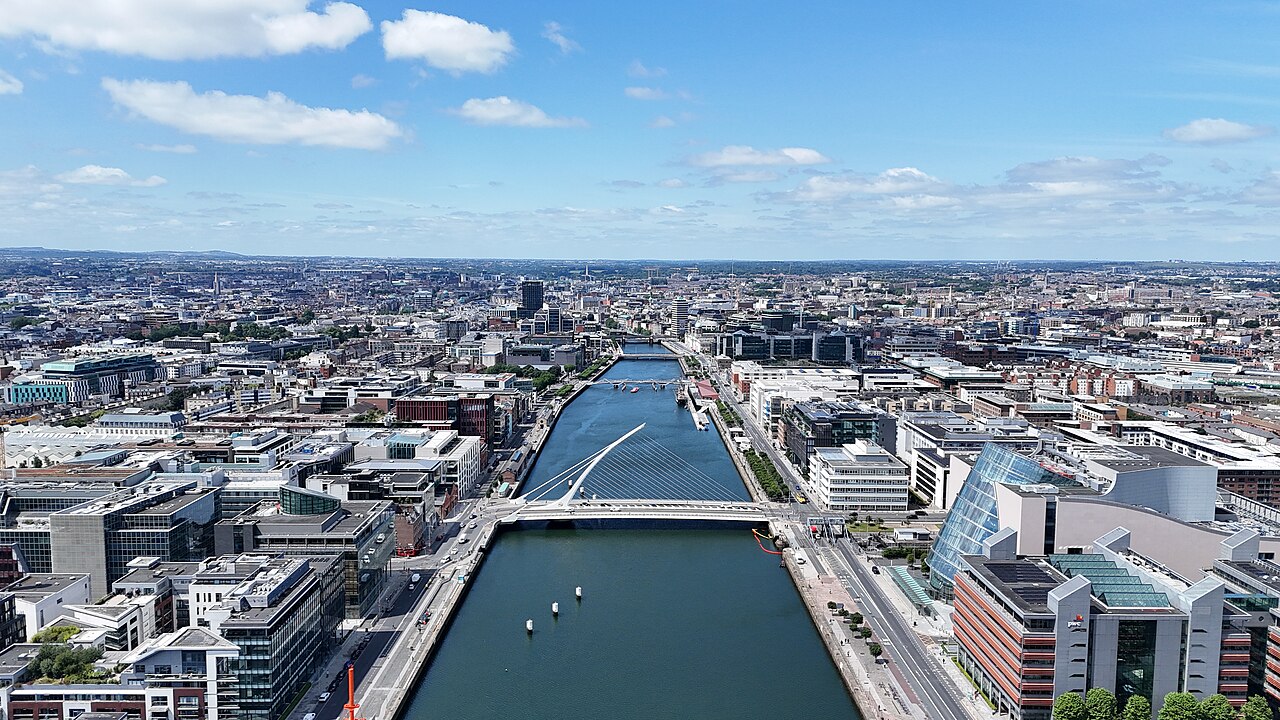
The capital and by far the largest city, on the River Liffey where it flows into Dublin Bay. Founded by Vikings, it is a lively, walkable city of Georgian squares, old pubs, theatres and writers.
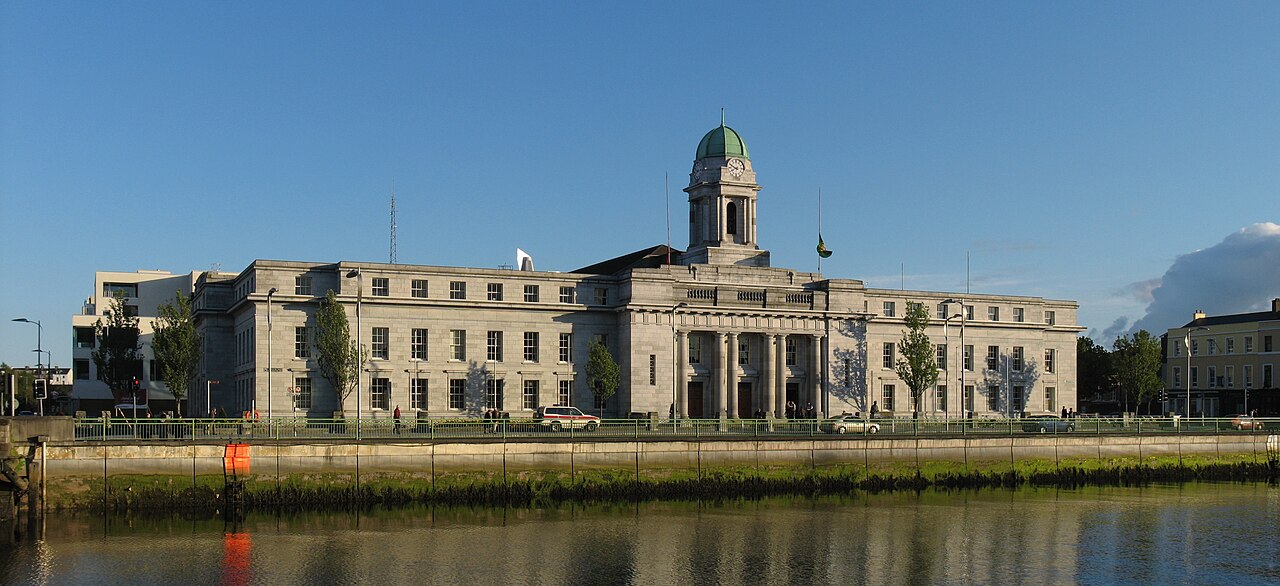
Ireland's second-largest city, built on an island between two channels of the River Lee near one of the world's largest natural harbours. Proud Corkonians sometimes call it 'the real capital'.
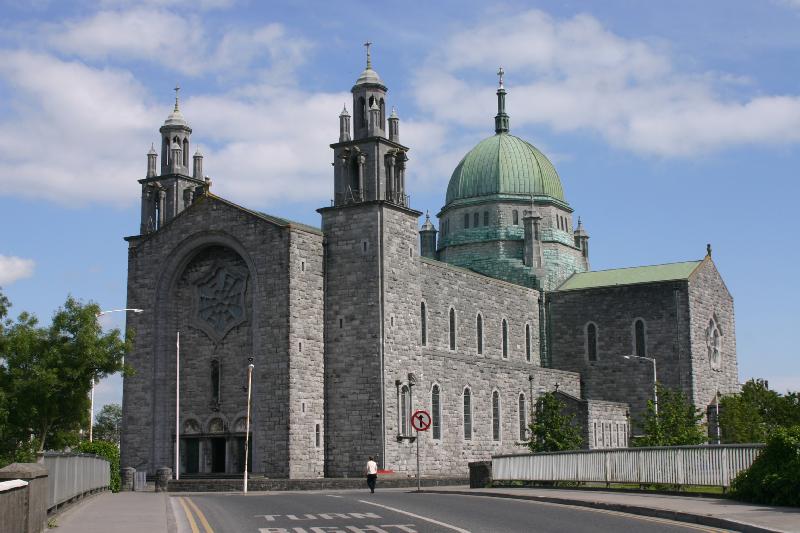
A lively, colourful city on Galway Bay in the west, long ruled by fourteen merchant families, the 'Tribes of Galway'. It is a centre of traditional music and the gateway to the Irish-speaking region of Connemara.
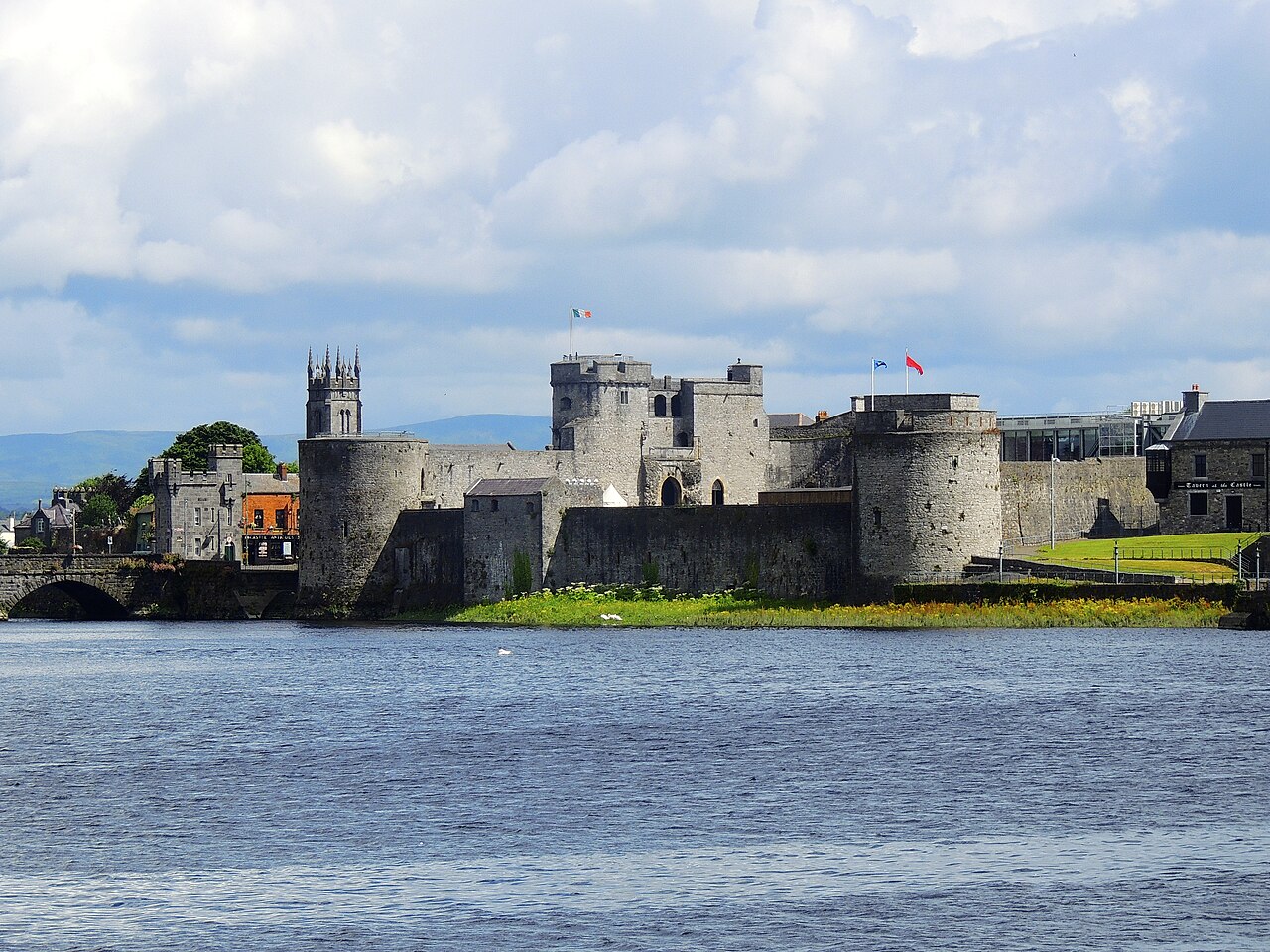
The third-largest city, on the River Shannon where it widens into its estuary. A treaty signed here in 1691 ended a war, which gave Limerick the name 'the Treaty City'.
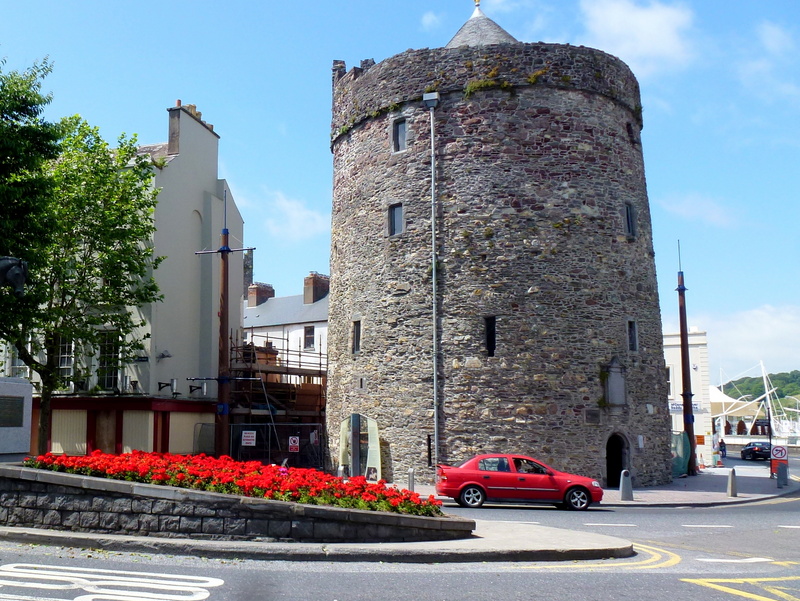
A port on the River Suir in the southeast, founded by Vikings in 914, which calls itself Ireland's oldest city. Its Viking Triangle is full of medieval streets and museums.
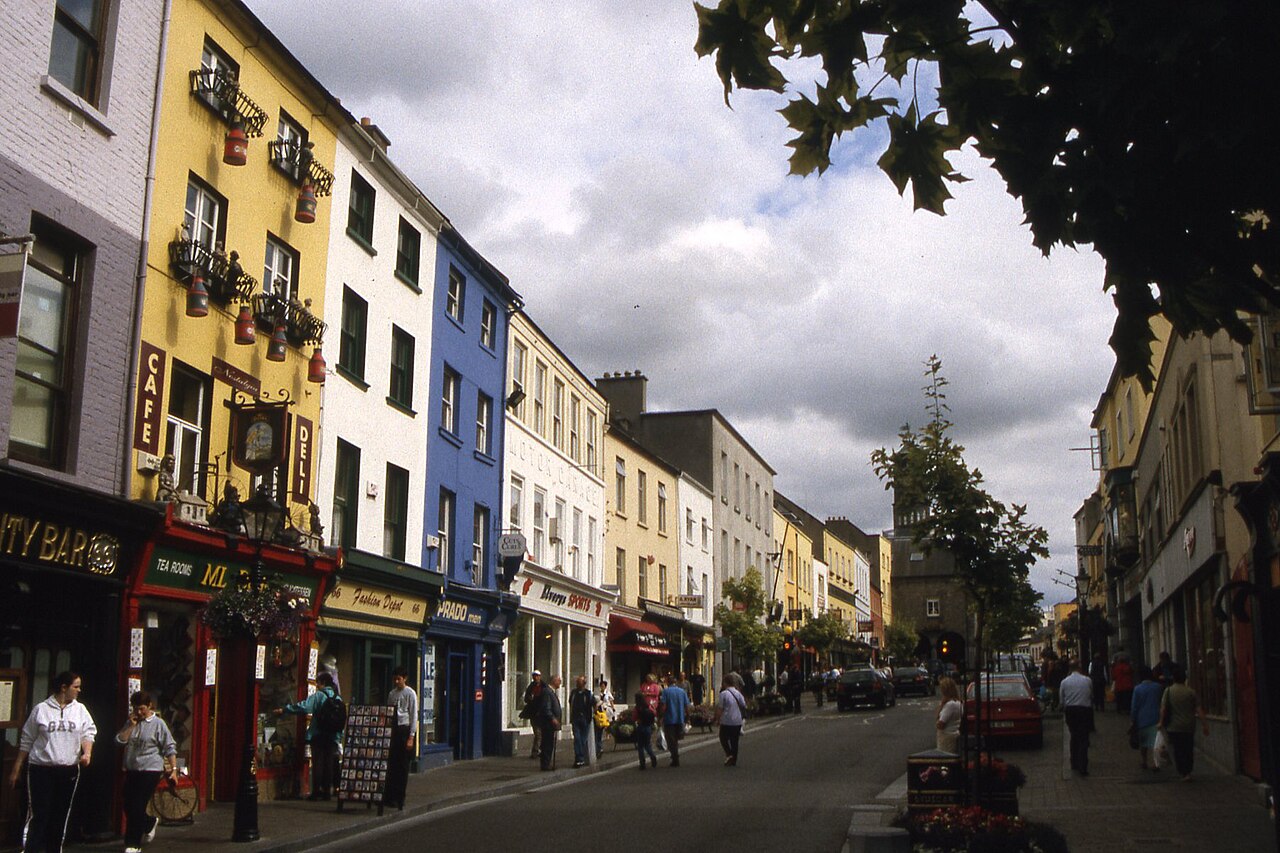
A small medieval city on the River Nore, with a great castle at one end and a cathedral at the other, linked by the narrow lanes of the 'Medieval Mile'. Its local black limestone gives it the nickname 'the Marble City'.
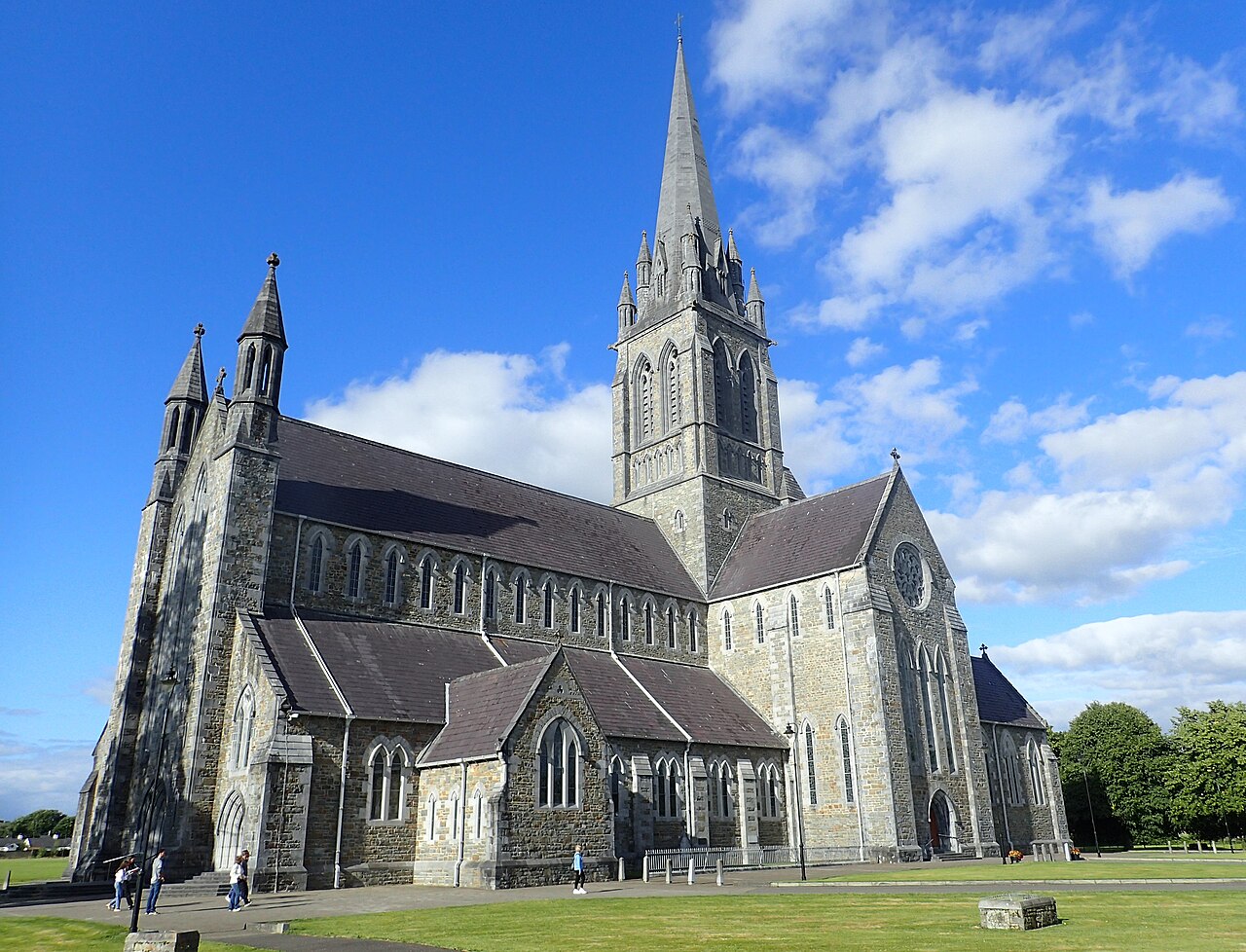
A busy tourist town in County Kerry, at the edge of Killarney National Park with its lakes, woods and mountains. It is a favourite starting point for the Ring of Kerry.
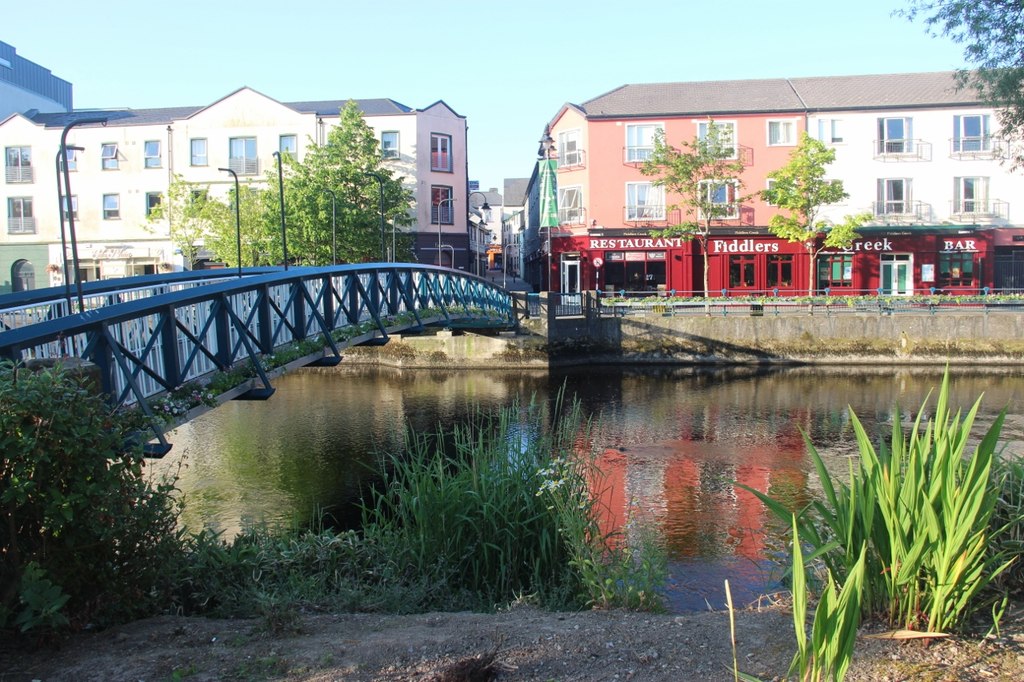
A friendly northwestern town between the sea and the flat-topped mountain of Benbulben. The poet W. B. Yeats loved the area and is buried nearby at Drumcliff.
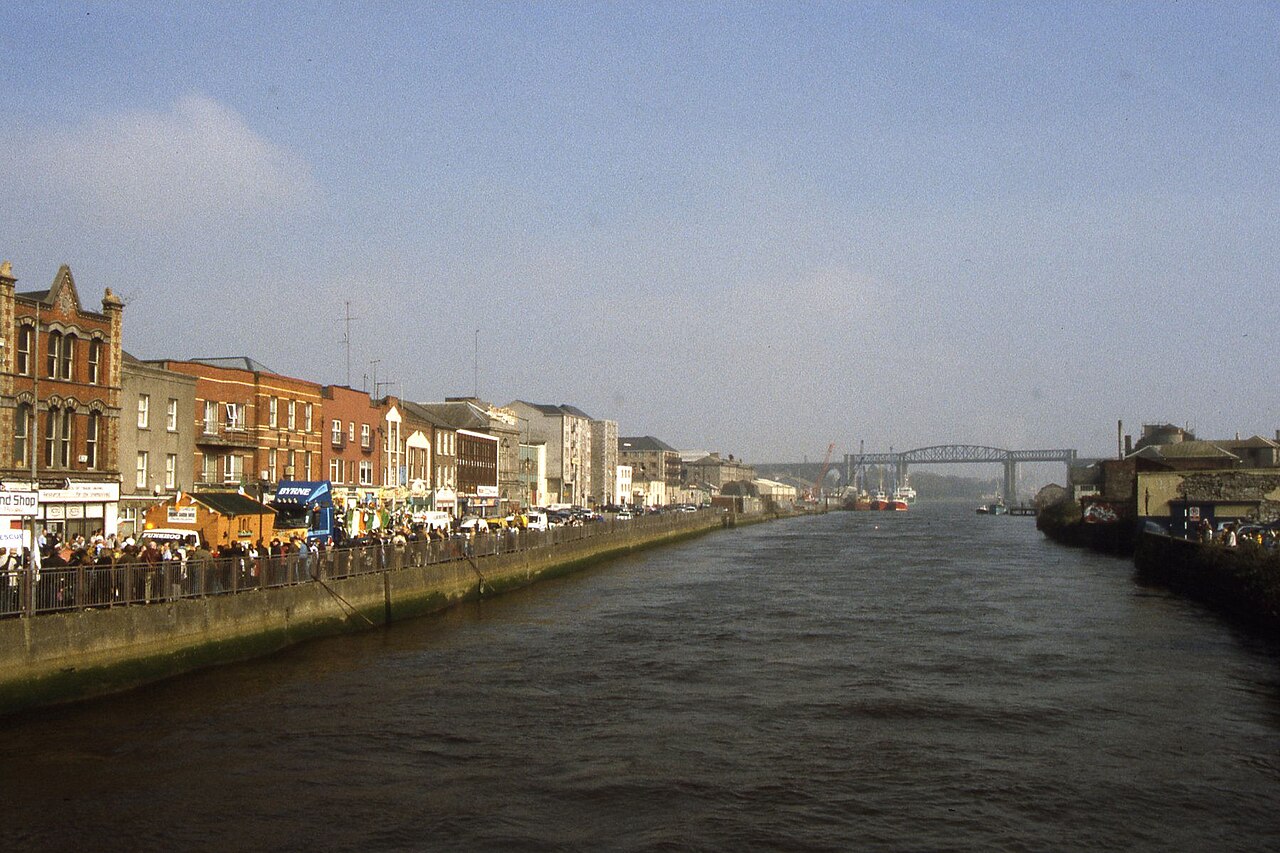
A historic town on the River Boyne north of Dublin, and the largest town in the country. Newgrange and the site of the Battle of the Boyne are just a few kilometres to the west.
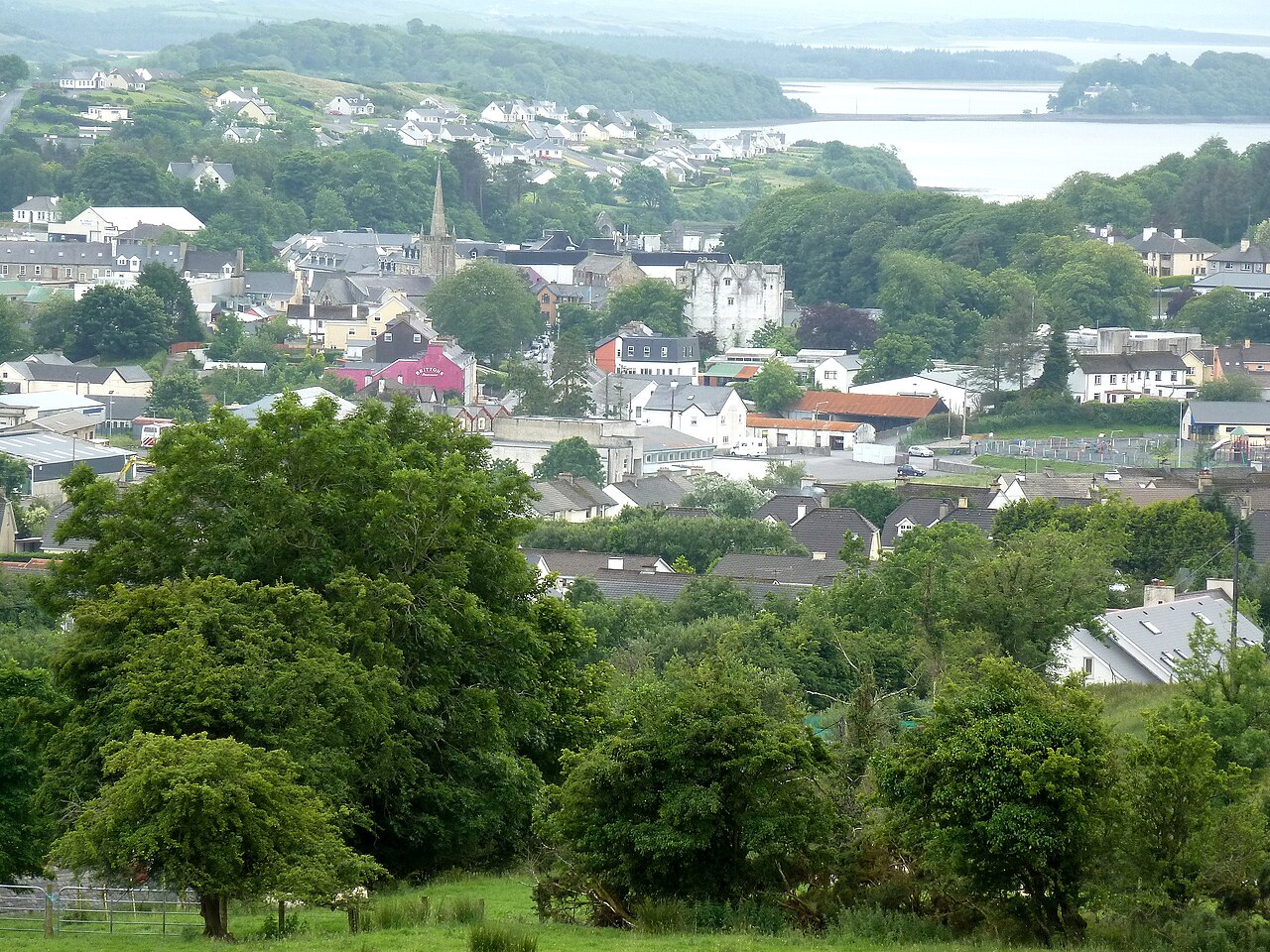
A small town at the mouth of the River Eske on Donegal Bay, once the seat of the powerful O'Donnell clan. Its Irish name, Dún na nGall, means 'fort of the foreigners'.
A great round passage tomb built around 3100 BC, about 8 km west of Drogheda. At dawn around the winter solstice, sunlight shines down its passage and lights up the inner chamber for about 17 minutes. It is part of the Brú na Bóinne World Heritage Site.
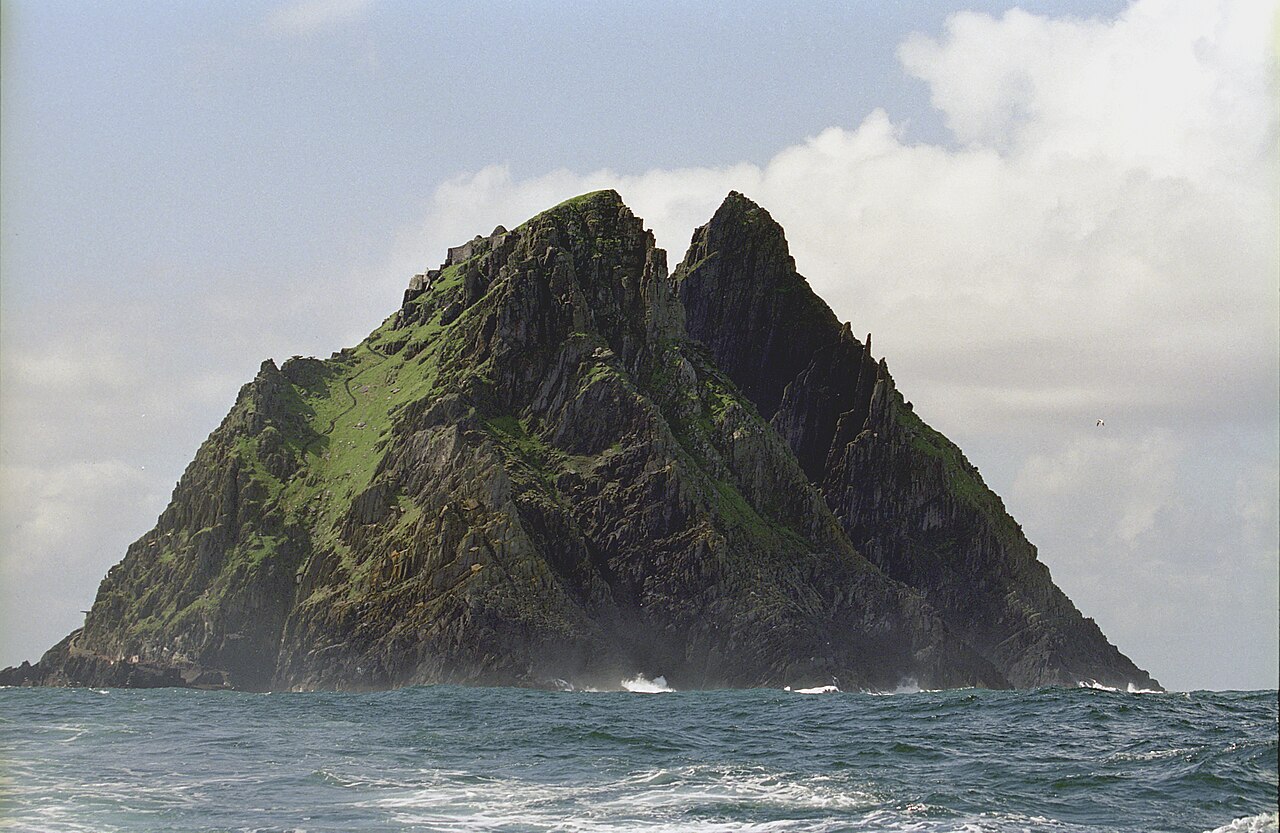
A steep rocky island about 12 km off the coast of County Kerry, where early Christian monks built stone beehive huts near the summit, reached by about 600 stone steps. Boats go out in summer from Portmagee and other harbours on the Iveragh Peninsula, and the island appeared in Star Wars films. The pin marks Portmagee, the main harbour for boat trips.
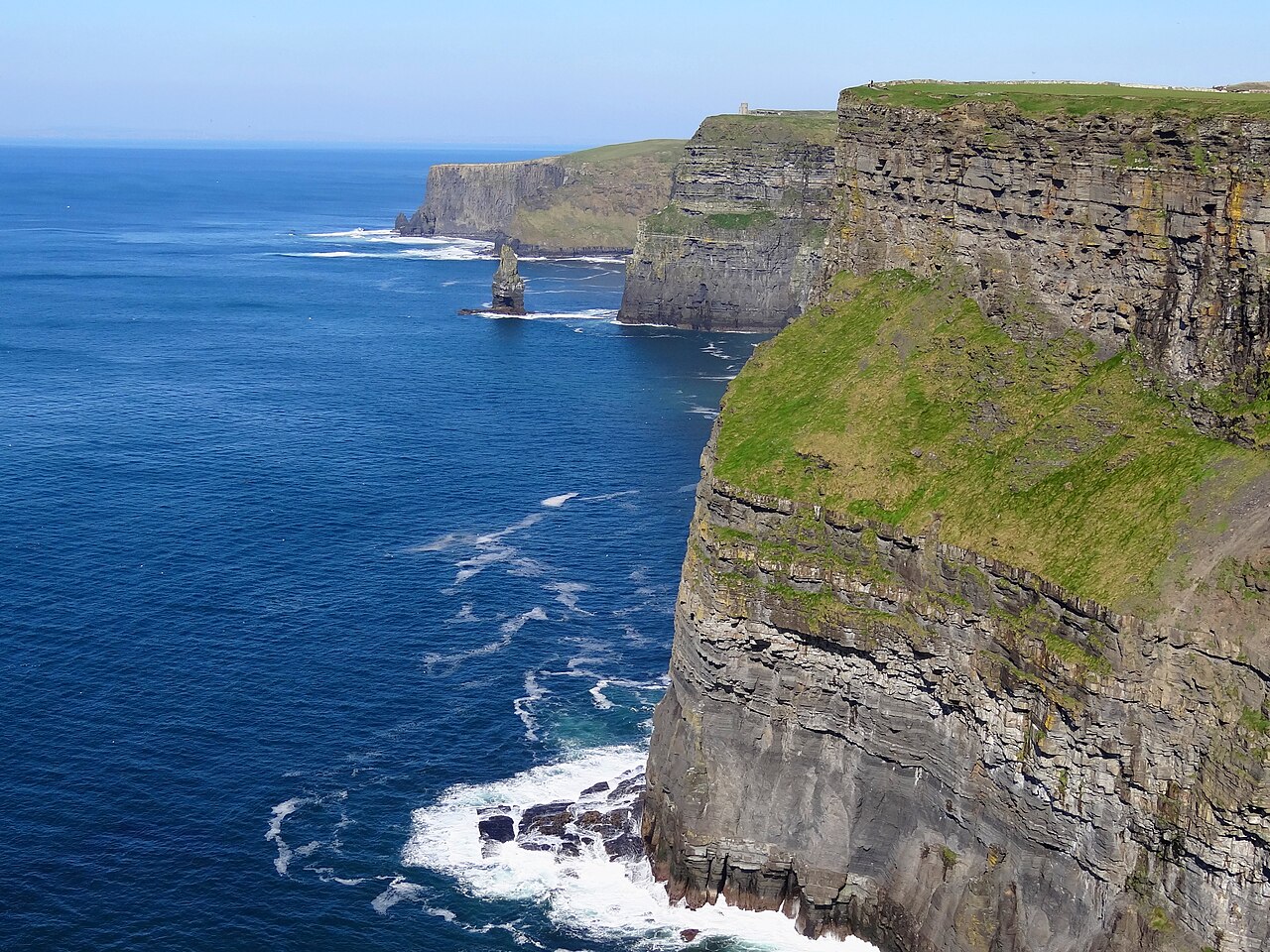
Sea cliffs in County Clare that run for about 14 km along the Atlantic and rise to 214 m. O'Brien's Tower, built in 1835, stands near the highest point. They are part of a UNESCO Global Geopark, but not a World Heritage Site.
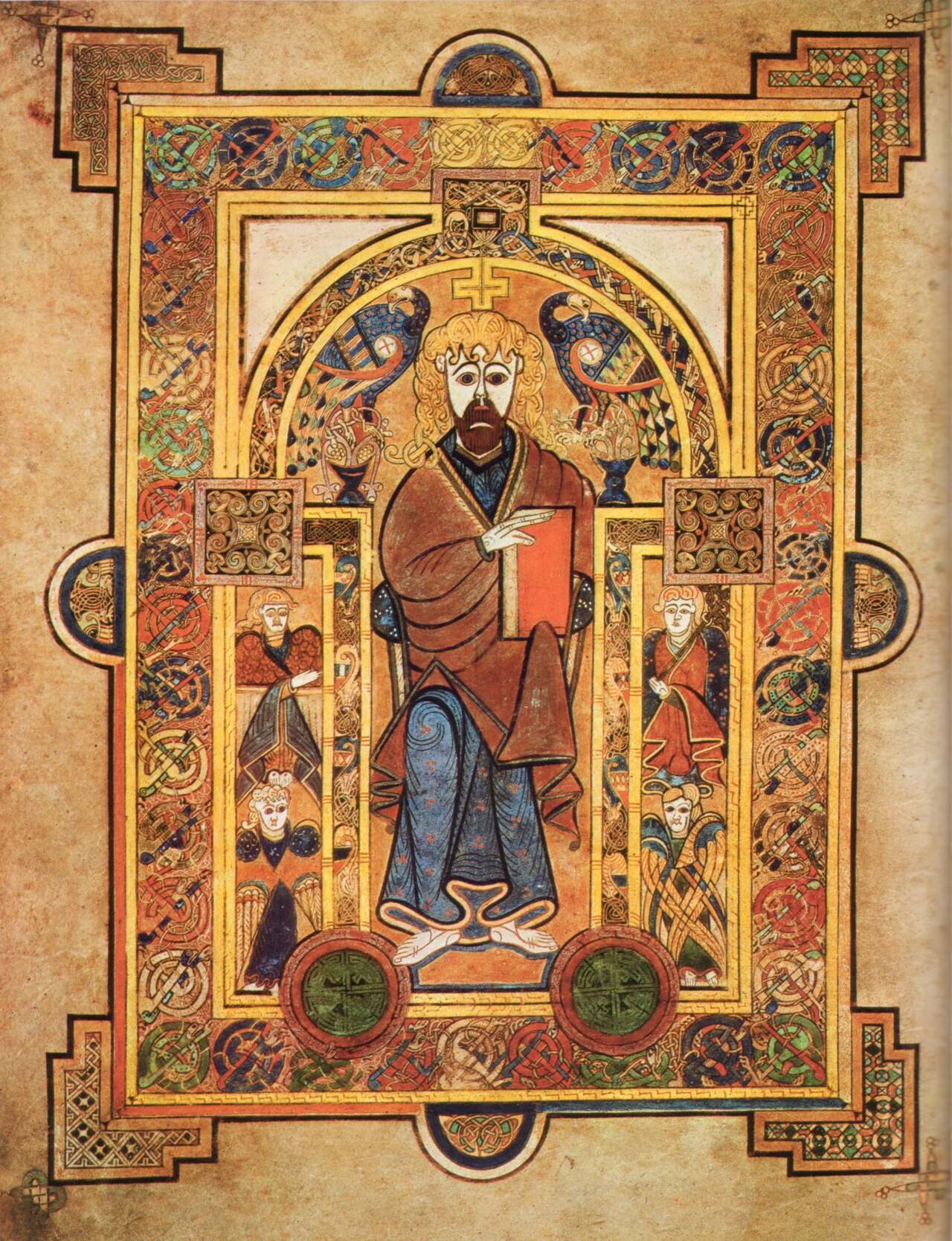
A richly decorated book of the four Gospels, made by monks around the year 800. It has been at Trinity College Dublin since 1661 and is shown in the Old Library, two pages at a time.
A visitor centre in an old fermentation building at the St James's Gate Brewery, opened in 2000 and shaped inside like a giant pint glass. The Gravity Bar at the top has views across Dublin.
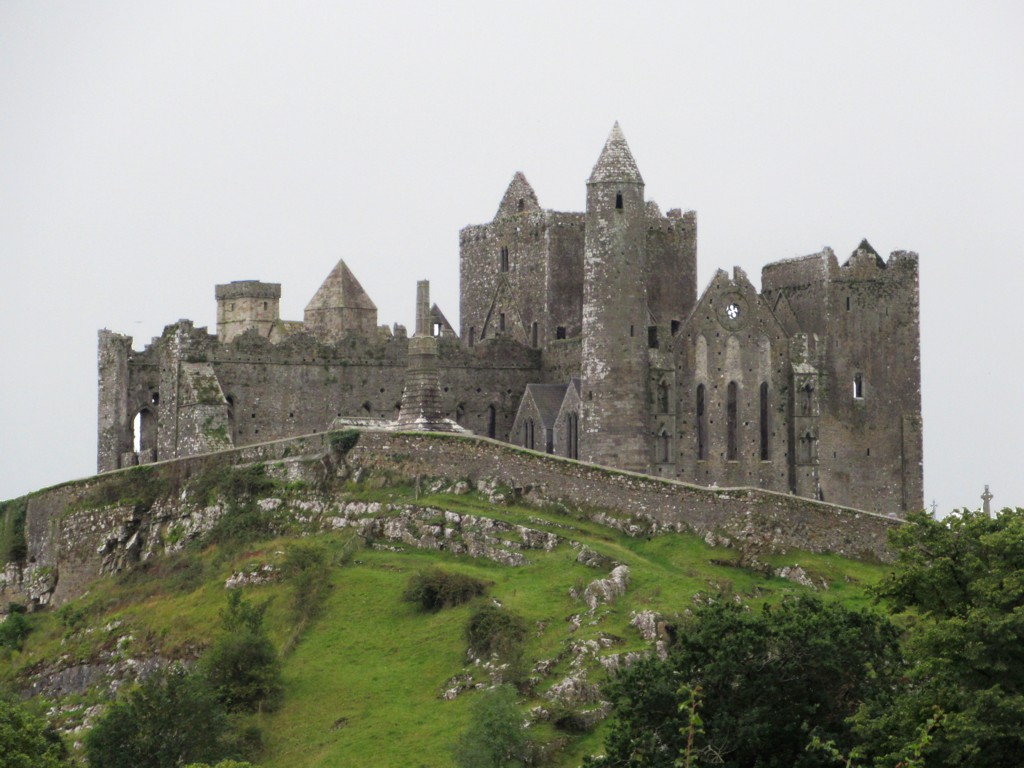
A group of medieval buildings on a limestone hill in County Tipperary, once the seat of the kings of Munster. In 1101 the king gave it to the Church. It includes a round tower and Cormac's Chapel, begun in 1127.
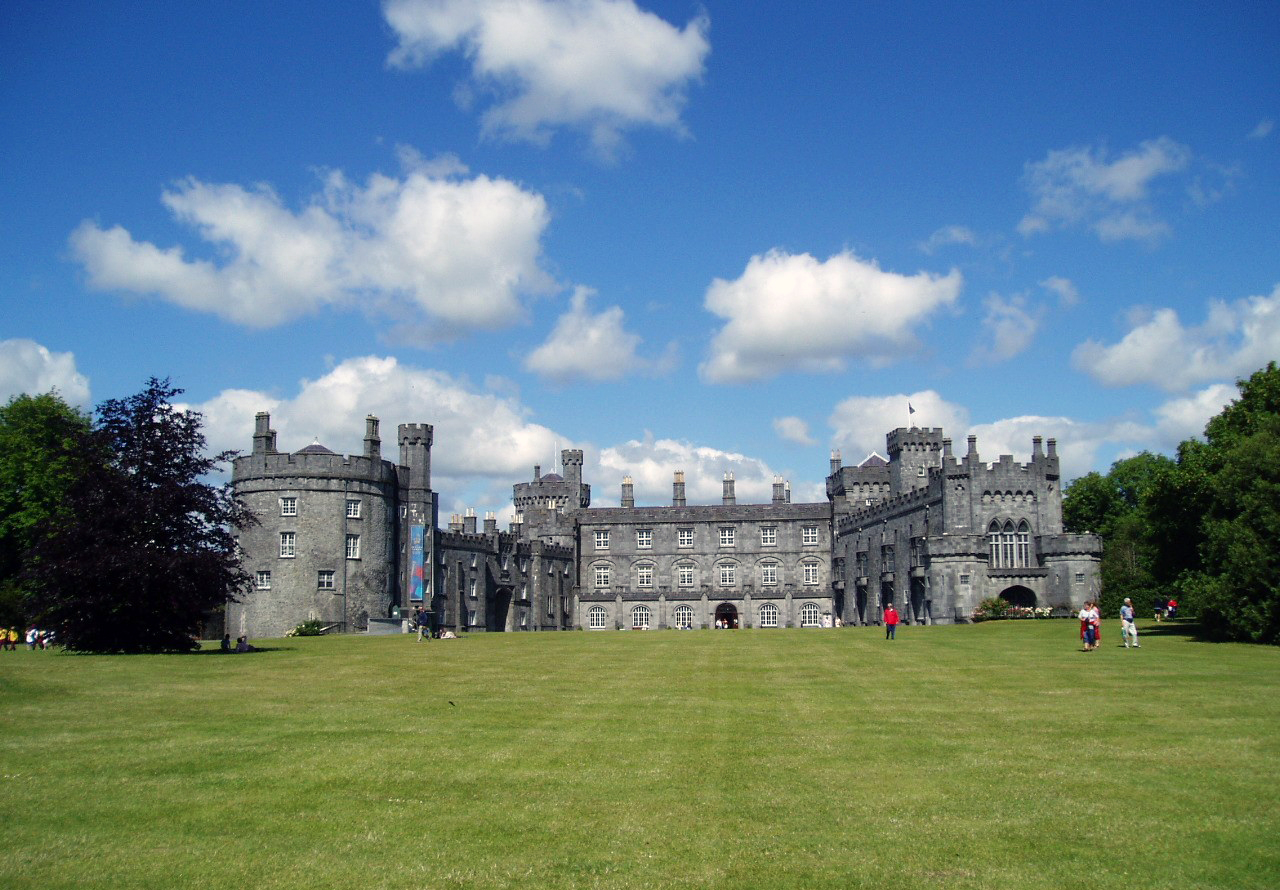
A Norman castle beside the River Nore, first built in stone by 1260 and home to the Butler family for almost 600 years. In 1967 the family sold it to the people of Kilkenny for 50 pounds.
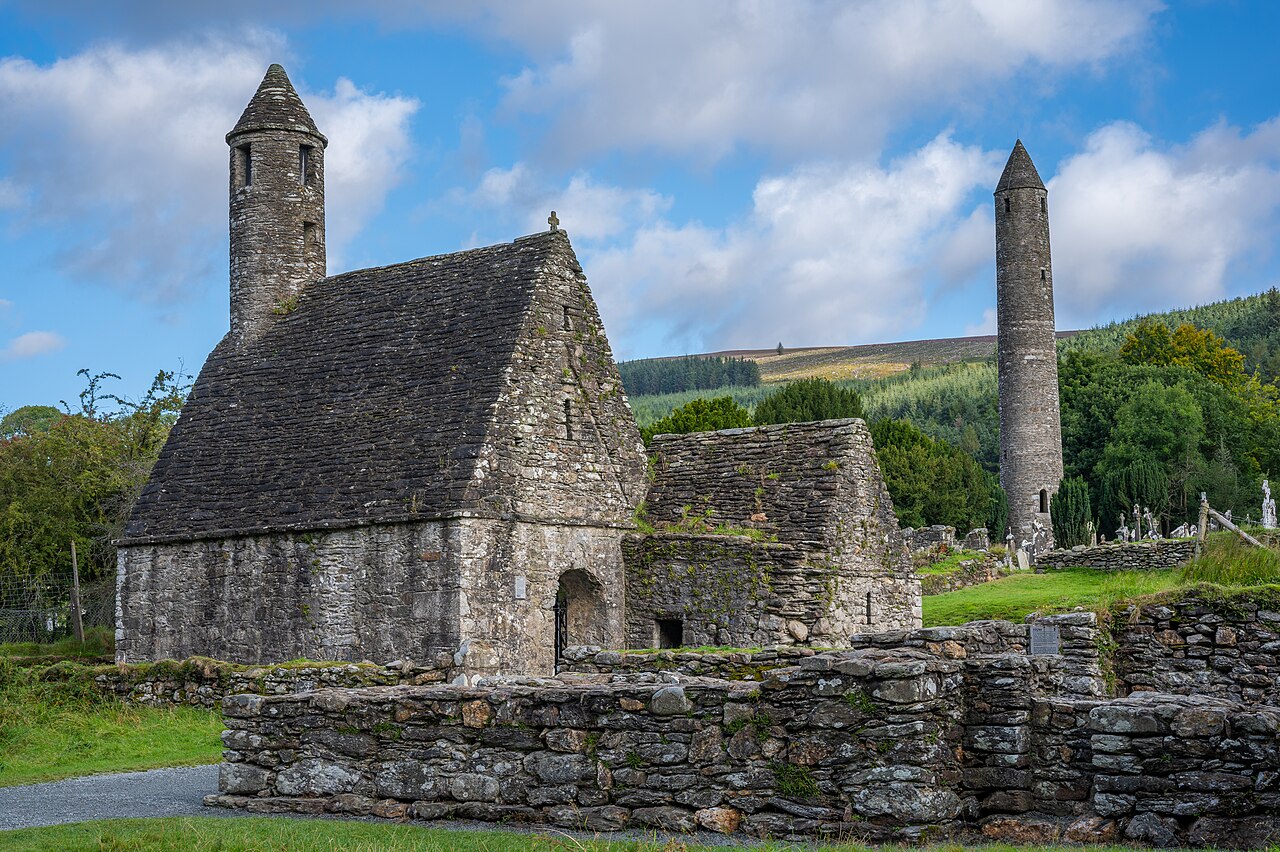
A monastic site founded by Saint Kevin in the 6th century, in a wooded valley with two lakes in the Wicklow Mountains, south of Dublin. Its round tower is about 30 m tall.
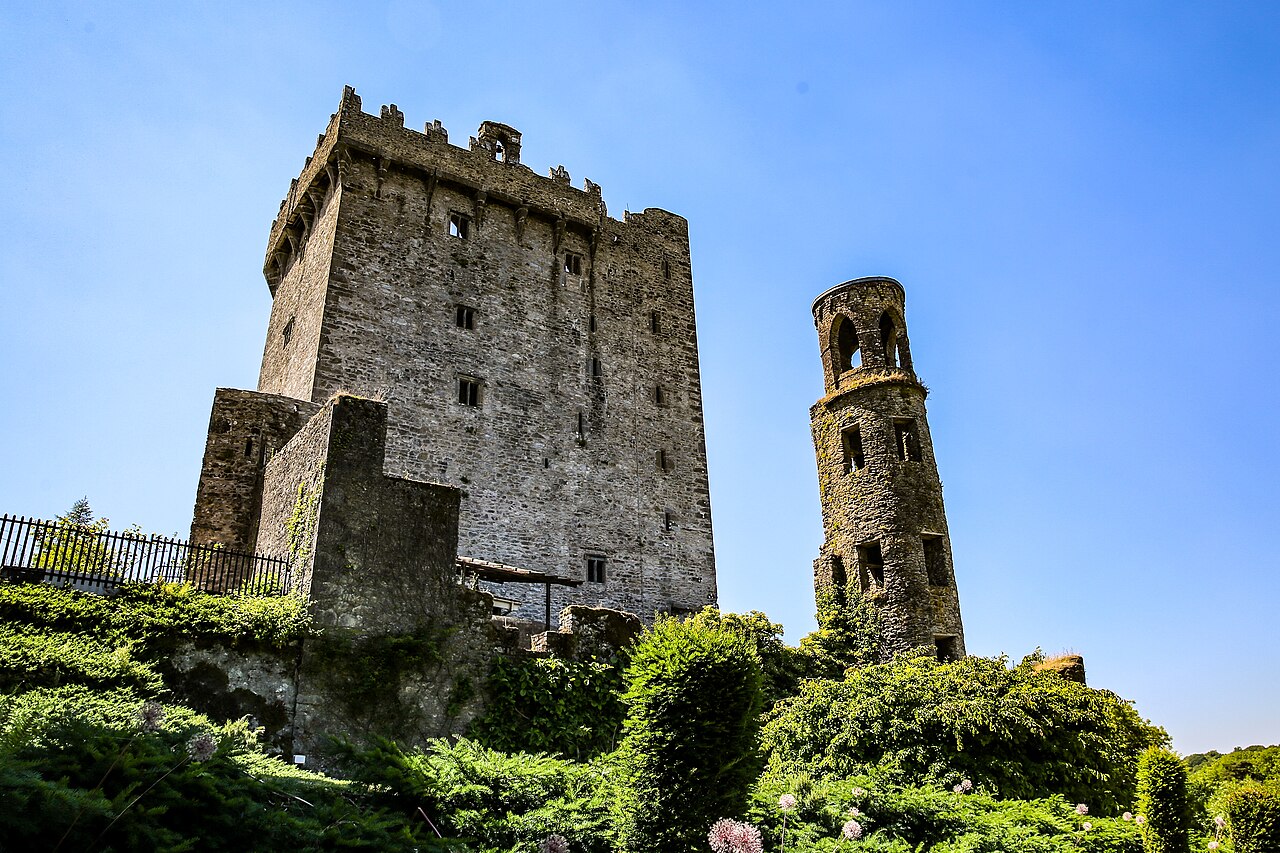
A tower house built in 1446 by the MacCarthy clan, just outside Cork. Visitors lean backwards over a drop at the top to kiss the Blarney Stone, which is said to give the 'gift of the gab', a talent for charming talk.
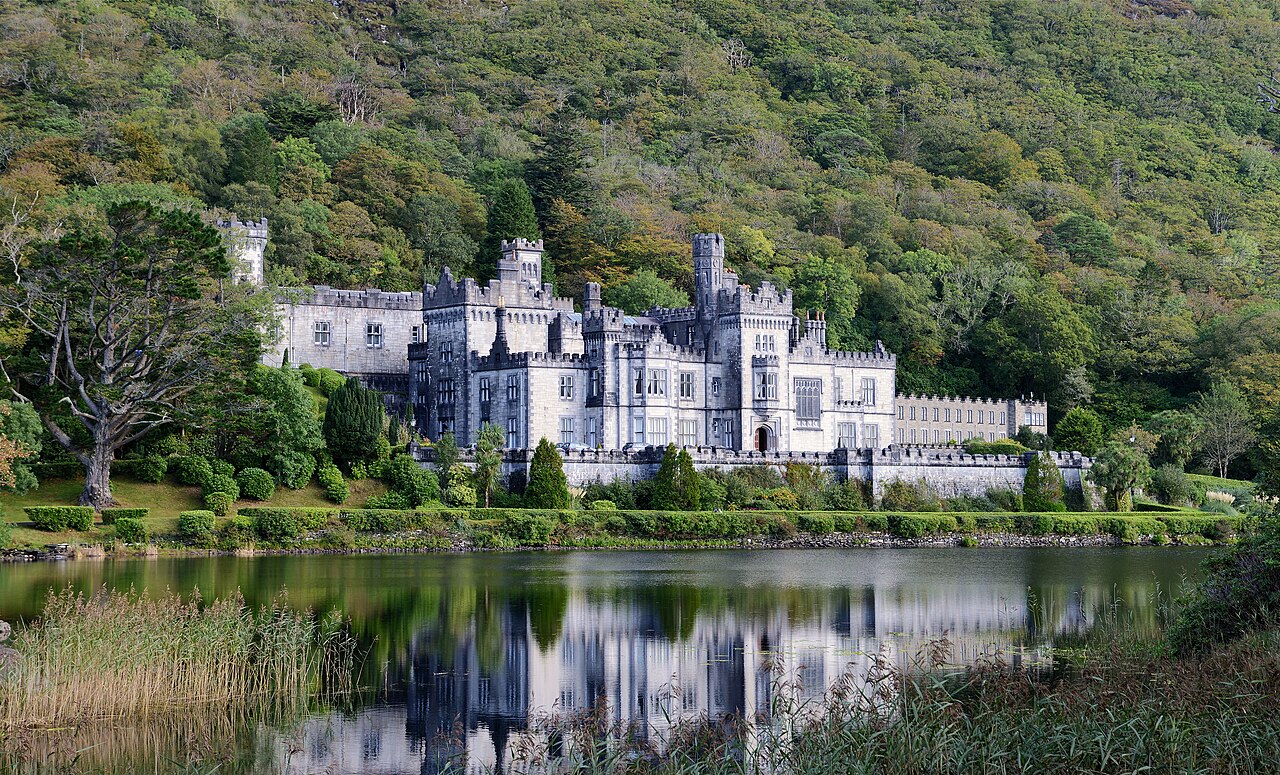
A castle beside a lake in Connemara, built from 1867 as a family home for Mitchell Henry. Since 1920 it has been the home of Benedictine nuns, who came from Ypres in Belgium during the First World War.
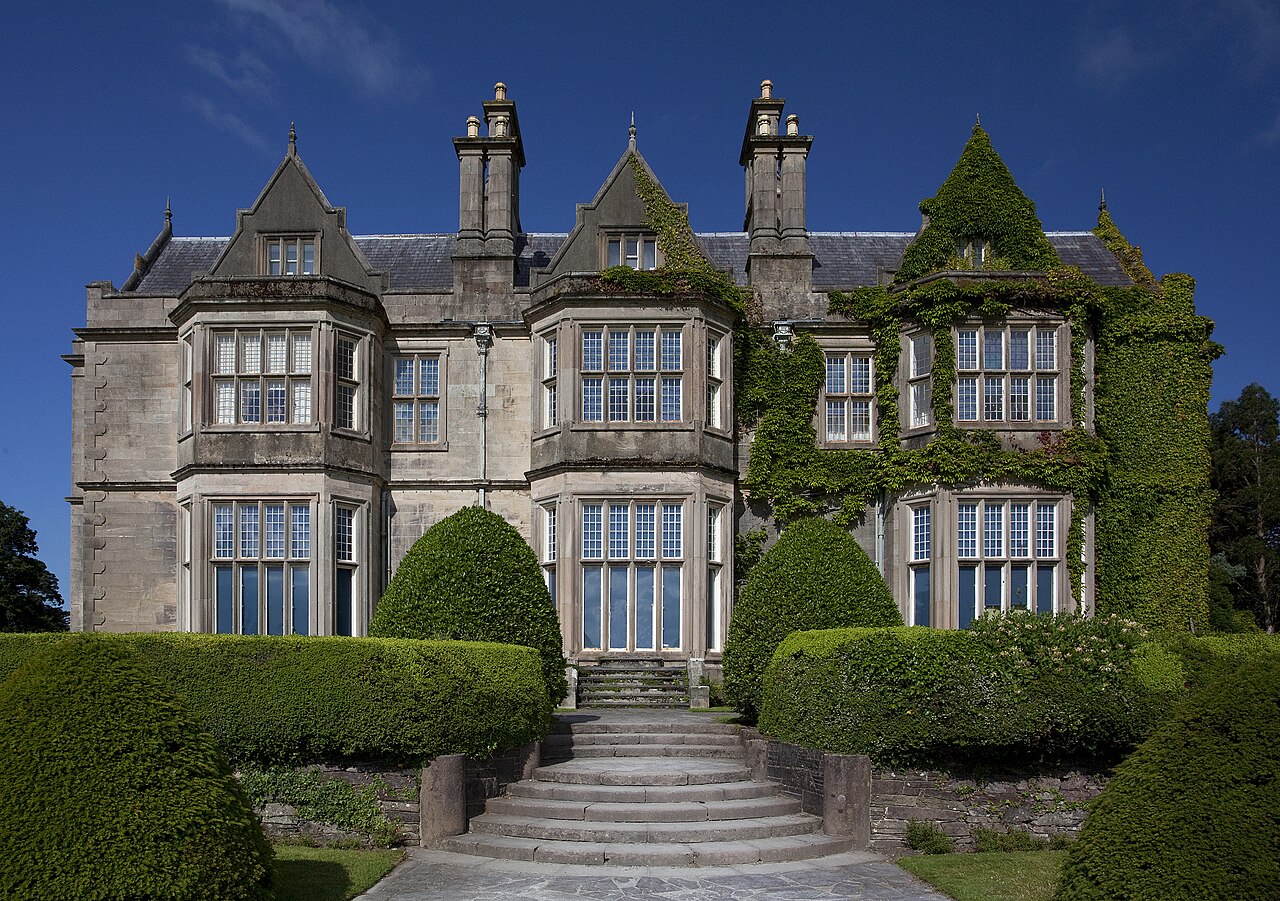
A Victorian mansion on Muckross Lake, completed in 1843, where Queen Victoria stayed in 1861. In 1932 its estate was given to the nation and became Ireland's first national park, today Killarney National Park.
Ireland has no native snakes. Legend says Saint Patrick drove them into the sea, but scientists say snakes never reached Ireland after the last Ice Age.
02
The harp is the official emblem of the Irish state. It appears on Irish euro coins, passports and state seals, and is based on a medieval harp kept at Trinity College Dublin.
03
Halloween has its roots in the old Irish festival of Samhain. In Ireland people once carved lanterns from turnips, and Irish and Scottish emigrants brought the custom to America, where pumpkins took over.
04
On 29 March 2004 Ireland became the first country in the world to ban smoking in all enclosed workplaces, including pubs and restaurants.
05
The Titanic's last port of call was Cobh, then called Queenstown, in Cork Harbour, on 11 April 1912. 123 passengers boarded there.
06
As of 2026, Ireland has won the Eurovision Song Contest seven times, and it is the only country to have won three years in a row, in 1992, 1993 and 1994.
07
The first recorded St Patrick's Day parade was held in 1601 in St. Augustine, in today's Florida. The first parade in Ireland was held in Waterford in 1903, about 300 years later.
08
Four Irish writers have won the Nobel Prize in Literature: W. B. Yeats, George Bernard Shaw, Samuel Beckett and Seamus Heaney.
09
Every 16 June, fans of James Joyce celebrate 'Bloomsday' in Dublin, the day in 1904 on which his novel 'Ulysses' takes place, often dressed in Edwardian clothes.
10
Gaelic football and hurling, run by the Gaelic Athletic Association since 1884, are the most watched sports in Ireland, yet the players are amateurs. Croke Park in Dublin holds 82,300 people.
11
If the Irish and English texts of the Constitution ever disagree, the Irish text wins.
12
Irish has no single words for 'yes' and 'no'. People answer by repeating the verb of the question, a habit that shows up in Irish English too: 'Are you coming?' 'I am.'
13
Since 1 January 2022, Irish has been a full official language of the European Union, with EU laws translated into it.
Pronunciation differs between the three main dialects; these are simple guides. Pronunciation is written the way it sounds; the capital letters show where the stress goes. Audio is coming soon.
Greetings
fáilteFAWL-chehwelcome
slánSLAWNgoodbye (literally 'safe')
sláinteSLAWN-chehhealth, and 'cheers' when raising a glass
Food and drink
uisceISH-kehwater
bainneBAN-yehmilk
aránuh-RAWNbread
taeTAYtea
prátaíPRAW-teepotatoes
People
caraKAR-uhfriend
Places
baileBAL-yehtown, home (the 'Bally' in many place names)
tráTRAWbeach
sliabhSHLEE-uvmountain (the 'Slieve' in place names)
lochLUKH (as in Scottish 'loch')lake (the 'Lough' in place names)
oileánih-LAWNisland
Everyday life
craicKRAKfun, good company, news
ceolKYOLEmusic
Around the country
GardaíGAR-deethe police (one officer is a 'Garda')
An Lárun LAWRthe city centre (seen on buses)
TaoiseachTEE-shukhthe head of government, prime minister
Cars on the whole island of Ireland drive on the left. In the Republic, speed limits and distances are in kilometres, up to 120 km/h on motorways. In Northern Ireland they are in miles per hour.
Two currencies on one island
The Republic uses the euro. Northern Ireland, part of the United Kingdom, uses the pound sterling, so bring the right money, or a card, if you cross the border. Visa and Mastercard are widely accepted, American Express less so.
Pack for all weather
The weather can change several times in one day. Dress in layers and bring a waterproof jacket and comfortable walking shoes, even in summer.
Bring a plug adapter
Ireland uses three-pin plugs, the same as in the United Kingdom, and 230 volts. Most visitors from continental Europe and America need an adapter.
Tipping
In restaurants, about 10 to 15 percent is usual for good service, but check the bill first, as a service charge is sometimes included, especially for groups. In pubs you do not tip when ordering at the bar.
Bilingual signs
Road signs in the Republic are in Irish and English. In Gaeltacht areas, where Irish is the main community language, signs may be in Irish only, so it helps to know the Irish names of the places you are going to.
Emergencies
In an emergency call 112 or 999; both numbers work throughout Ireland and are free.
 United Kingdom