A free large-print PDF. Choose what goes in: facts, map, history, dishes and recipes, phrases, fun facts, a quiz with or without answers. Made for clubs, care homes, libraries and family afternoons.
Guatemala lies in the north of Central America, with Mexico to the north and west, Belize to the northeast, and Honduras and El Salvador to the southeast. It has a long Pacific coast in the south and a short Caribbean coast on the Gulf of Honduras. Two mountain chains cross the country, so it falls into three regions: the cool volcanic highlands, the hot Pacific coastal plain, and the vast, sparsely populated lowland forests of Petén in the north. Volcán Tajumulco, at about 4,200 m, is the highest peak in all of Central America.
This was a heartland of the Maya civilisation. Great cities such as El Mirador, Tikal and Quiriguá rose in the forests, and highland kingdoms of the K'iche', Kaqchikel and other peoples were still strong when the Spanish arrived in 1524. For almost three centuries Guatemala was the centre of Spanish rule in Central America, above all from Antigua and later from Guatemala City. It became independent in 1821 and a separate republic in 1847. The 20th century brought dictatorships, a decade of reform, a coup in 1954 and a civil war that lasted until the peace accords of 1996.
Today Guatemala is the most populous country in Central America, with about 18 million people. More than four in ten Guatemalans are Indigenous, most of them Maya, and more than twenty Maya languages are spoken alongside Spanish. Visitors come for the ruins of Tikal, the baroque streets of Antigua, the markets of Chichicastenango, Lake Atitlán and its volcanoes, and the turquoise pools of Semuc Champey.
CapitalGuatemala City
PopulationAbout 18 million (2025 official projection), the largest in Central America
Official languageSpanish. A 2003 law also recognises 21 Maya languages, Xinca and Garifuna as national languages
CurrencyGuatemalan quetzal (GTQ), named after the national bird
AreaAbout 108,900 km²
GovernmentPresidential republic divided into 22 departments. The president is head of state and of government and is elected for a single four-year term
Highest mountainVolcán Tajumulco, about 4,200 m, the highest point in Central America
Longest riverThe Motagua, about 486 km, runs east to the Gulf of Honduras. The longer Usumacinta forms part of the border with Mexico
NeighboursMexico to the north and west, Belize to the northeast, Honduras to the east and El Salvador to the southeast
Maya cities flourished in Guatemala for well over a thousand years before the Spanish arrived. Spanish rule lasted almost three centuries and left behind Antigua and a deep Catholic tradition. Since independence in 1821 the country has lived through dictators, reforms, a coup, a long civil war and, since 1996, peace and elected governments.
AD 378
Siyaj K'ak' arrives at Tikal
Carved monuments record that on 14 January 378 the king of Tikal died and, on the same day, a lord called Siyaj K'ak' (Fire Is Born) arrived from the west. He was probably a general linked to the great Mexican city of Teotihuacan, and a new dynasty soon ruled Tikal, which went on to become one of the most powerful Maya kingdoms.
AD 738
Quiriguá defeats Copán
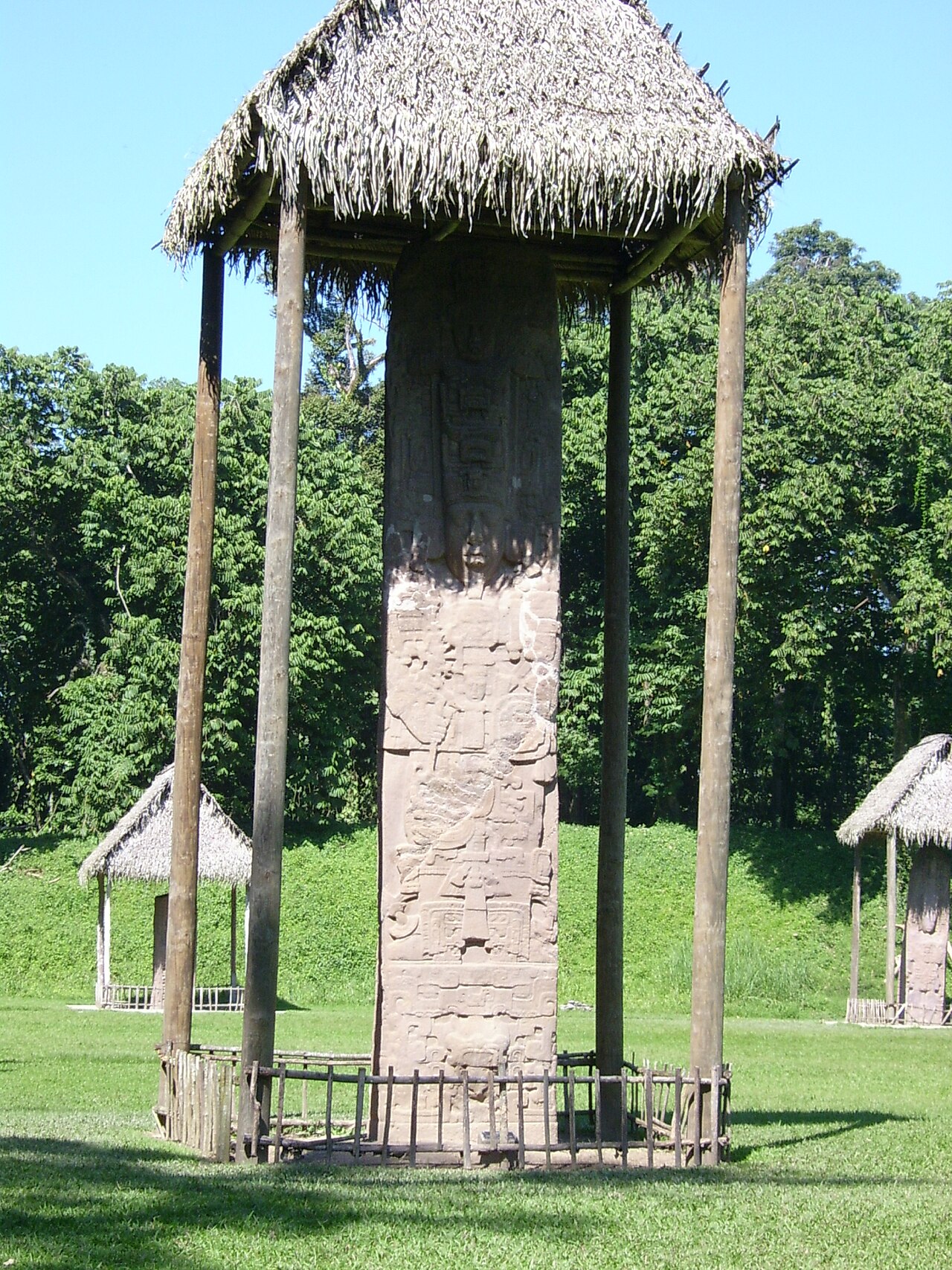
Quiriguá, a small city on the Motagua River, had long been a vassal of Copán, just across today's border in Honduras. In 738 its king K'ak' Tiliw Chan Yopaat captured Copán's famous ruler, known as 18-Rabbit, and Quiriguá became independent. It celebrated with the tallest stone monuments the Maya ever raised.
1524
Alvarado founds the first Spanish capital
The conquistador Pedro de Alvarado, sent from Mexico by Hernán Cortés, led a campaign into the highlands in 1524. At first allied with the Kaqchikel Maya, he defeated their rivals the K'iche' and founded the first Spanish capital near the Kaqchikel city of Iximche. The alliance soon broke down, and resistance went on for years.
1541
A mudflow destroys Ciudad Vieja
The capital had been moved in 1527 to the Almolonga Valley, at today's Ciudad Vieja. On 11 September 1541 a torrent of mud and rock from the Volcán de Agua destroyed it. The capital was rebuilt nearby as Santiago de los Caballeros de Guatemala, the city now called Antigua.
1697
The Spanish take Nojpetén
Nojpetén, the island capital of the Itza Maya on Lake Petén Itzá, was the last independent Maya kingdom. Spanish forces took it by boat in 1697 and destroyed its temples. The town of Flores later grew up on the same island.
1773
Earthquakes ruin Antigua
The Santa Marta earthquakes of 1773 badly damaged Antigua, capital of the Kingdom of Guatemala since the 1540s. The Spanish moved the capital to the Valley of the Hermitage, where the new city of Nueva Guatemala de la Asunción, today's Guatemala City, was founded in 1776.
1821
Independence from Spain
On 15 September 1821 leaders in Guatemala City signed the Act of Independence of Central America, ending Spanish rule. The region briefly joined the Mexican Empire and then formed the Federal Republic of Central America. 15 September is still Guatemala's Independence Day.
1847
Guatemala declares itself a republic
After the Central American federation broke apart, Guatemala declared itself an independent republic on 21 March 1847. The conservative leader Rafael Carrera, who had risen to power at the head of a peasant army, became its first president.
1871
The Liberal Revolution
In 1871 liberals led by Miguel García Granados and Justo Rufino Barrios took power. They modernised the state, reduced the power of the Church and turned coffee into the country's great export. The blue and white flag with its coat of arms, showing the quetzal bird, dates from the same year.
1944
The October Revolution
Protests and a general strike forced the dictator Jorge Ubico to resign in July 1944, and on 20 October a revolt by young officers and students overthrew his successor. The free elections that followed began ten years of reforms, later called the Ten Years of Spring, including a labour code and, in 1952, a land reform.
1954
A US-backed coup ends the revolution
The land reform angered large landowners and the powerful United Fruit Company. In June 1954 a small force trained and armed by the CIA invaded from Honduras, and President Jacobo Árbenz resigned. The reforms were reversed and a series of military-led governments followed.
1960
An officers' revolt starts the civil war
On 13 November 1960 a group of junior officers rebelled and failed. The survivors formed a guerrilla movement, and this is usually taken as the start of a civil war between the state and left-wing rebel groups that lasted 36 years.
1976
The great earthquake
At 3 in the morning on 4 February 1976 a magnitude 7.5 earthquake struck along the Motagua Fault. About 23,000 people died, most of them asleep in adobe houses, and many thousands were left homeless.
1992
Rigoberta Menchú wins the Nobel Peace Prize
Rigoberta Menchú, a K'iche' Maya woman whose family suffered during the civil war, received the Nobel Peace Prize in 1992 for her work for the rights of Indigenous peoples. She was 33 years old.
1996
The peace accords are signed
After talks mediated by the United Nations, the government and the rebel alliance URNG signed the Agreement on a Firm and Lasting Peace in Guatemala City on 29 December 1996. The date appears on the one-quetzal coin, next to a dove and the word Paz, peace.
1999
The truth commission reports
In February 1999 the UN-backed Commission for Historical Clarification presented its report, Memory of Silence. It estimated that more than 200,000 people were killed or disappeared during the war, found that 83 percent of the fully identified victims were Maya, and attributed 93 percent of the violations it documented to state forces and related paramilitary groups. It concluded that agents of the state had committed acts of genocide against groups of Maya people in the four regions it studied, between 1981 and 1983.
Guatemalan cooking grows from Maya roots: maize, beans, chillies, tomatoes, squash and cacao, joined by Spanish meat, rice, spices and sugar. Every meal comes with warm corn tortillas, and a typical breakfast is black beans, eggs, fried plantains, fresh cheese and cream. Lunch, the main meal, is often a caldo (soup) or a recado, a thick sauce of toasted seeds, chillies and tomatoes simmered with meat and served with rice and small plain tamales. Tamales wrapped in leaves are made in hundreds of ways, and certain dishes belong to certain days: paches on Thursdays, fiambre on All Saints' Day, tamales and hot fruit punch at Christmas.
The whole country, especially Antigua and the central highlands
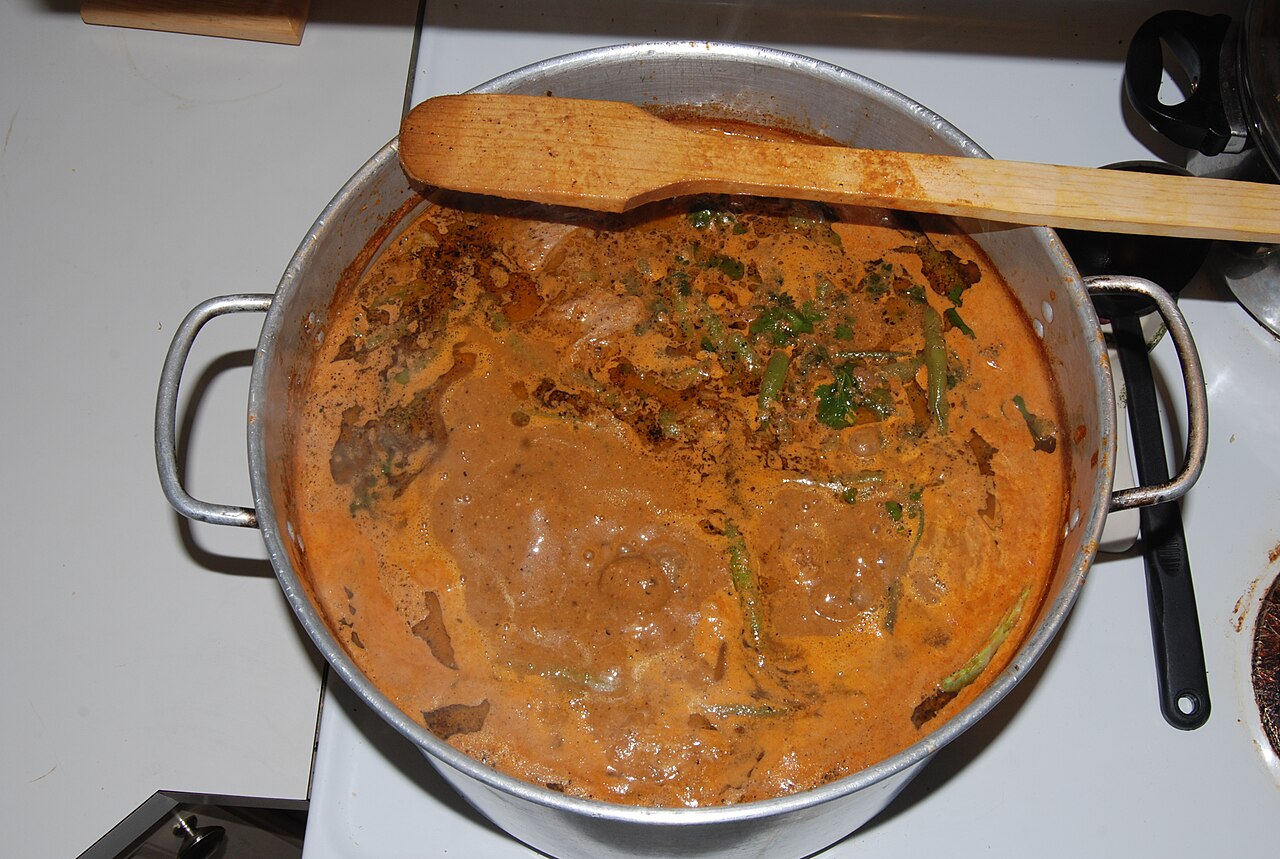
Often called the national dish: a thick, rust-coloured stew of chicken or beef with potatoes, chayote and green beans. The sauce is made from pumpkin and sesame seeds, dried chillies, tomatoes and tomatillos, all toasted until dark and fragrant before being ground. It is served with rice and tortillas or small tamales.
In 2007 Guatemala's Ministry of Culture declared pepián, jocón, kak'ik and plantains in mole to be Intangible Cultural Heritage of the Nation.
See the recipe
Serves 4
1 h 30 min
Ingredients
1 chicken, about 1.5 kg, cut into pieces
3 potatoes and 1 chayote (or courgette), peeled and cut into chunks
A handful of green beans
50 g hulled pumpkin seeds and 2 tablespoons sesame seeds
4 tomatoes, 4 tomatillos, 1 onion and 2 garlic cloves
1 small cinnamon stick and 1 corn tortilla or slice of bread
Salt, and fresh coriander to serve
Method
Put the chicken in a large pot with water to cover and a little salt, bring to the boil and simmer for 30 minutes. Keep the broth.
In a dry frying pan, toast the pumpkin seeds, sesame seeds, chillies and cinnamon for a few minutes until fragrant, stirring so they do not burn.
Char the tomatoes, tomatillos, onion and garlic in the same pan until blackened in spots, then toast the tortilla until crisp.
Blend everything with about 500 ml of the chicken broth until smooth, and pour the sauce into the pot with the chicken.
Add the potatoes, chayote and green beans and simmer for 25 to 30 minutes, until the vegetables are soft and the sauce is thick. Season with salt and serve with rice, tortillas and coriander.
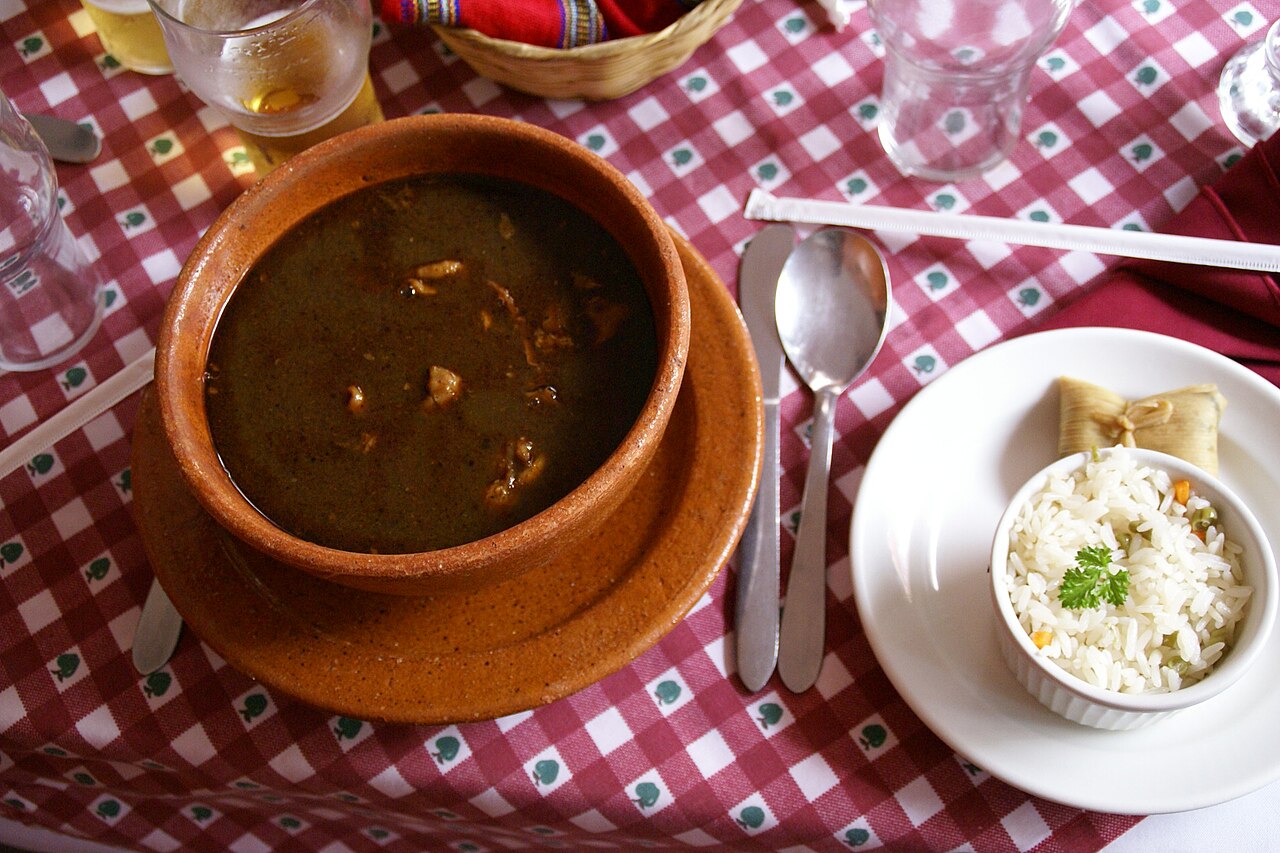
A red, spicy turkey soup of pre-Hispanic origin. Turkey pieces are cooked in a broth coloured with annatto and flavoured with tomatoes, dried chillies, garlic, coriander, mint and a herb called culantro. It is served with rice and white tamales wrapped in leaves.
The name comes from Q'eqchi' words meaning red and hot or spicy.
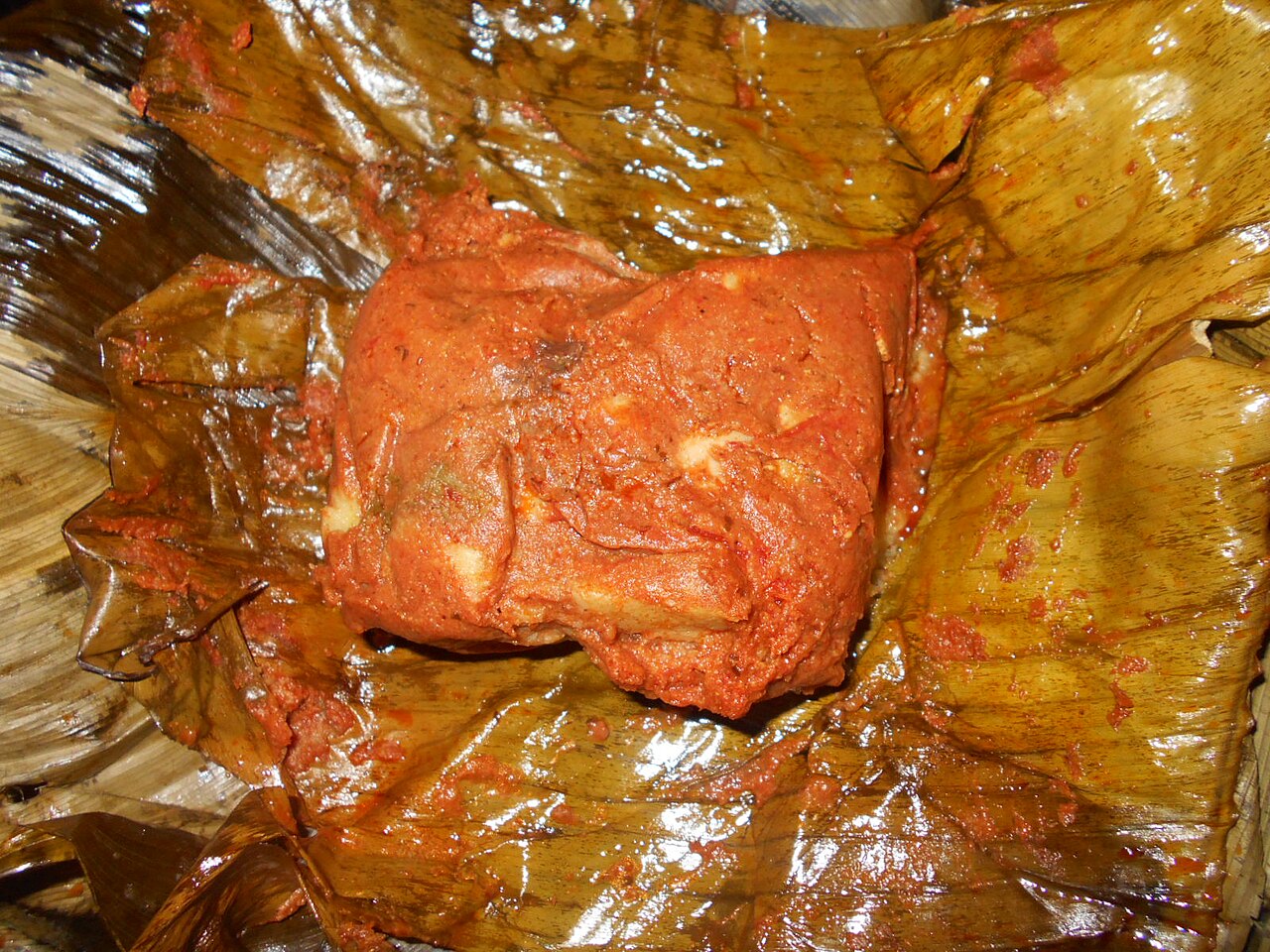
Large red tamales of soft cooked corn dough topped with a tomato and annatto sauce, a piece of chicken or pork, a strip of red pepper, an olive and sometimes a caper, then wrapped in leaves and steamed. Many families eat them on Saturday nights and above all on Christmas Eve.
They are wrapped in the broad green leaves of a plant called maxán or in banana leaves, not in corn husks like chuchitos.
Small, firm tamales of corn dough with a little meat and tomato sauce inside, wrapped in dried corn husks. They are served with a simple tomato salsa and a sprinkling of hard, salty white cheese.
In Guatemala a chucho is a dog, and chuchito is often explained as 'little dog', although the origin of the name is not certain.
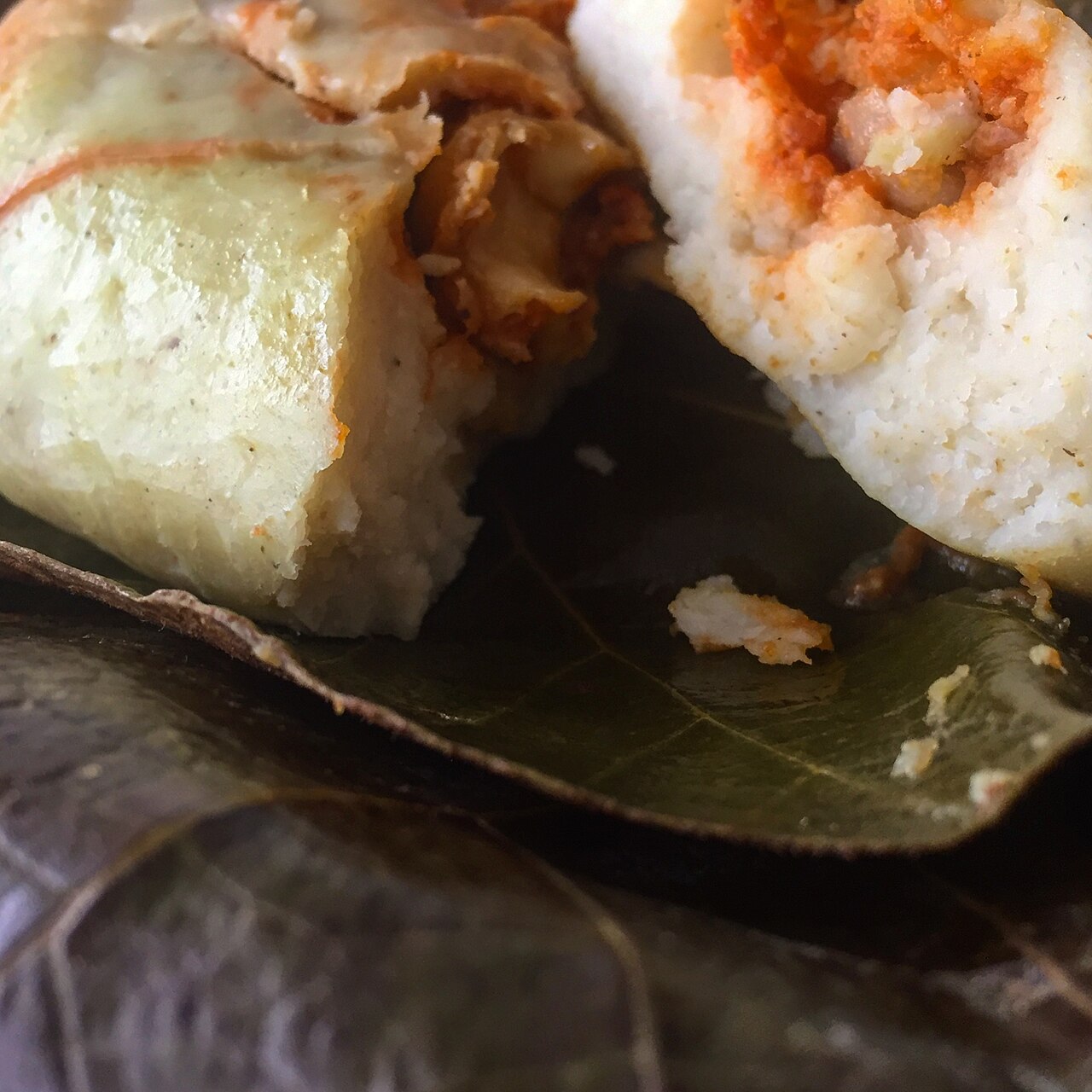
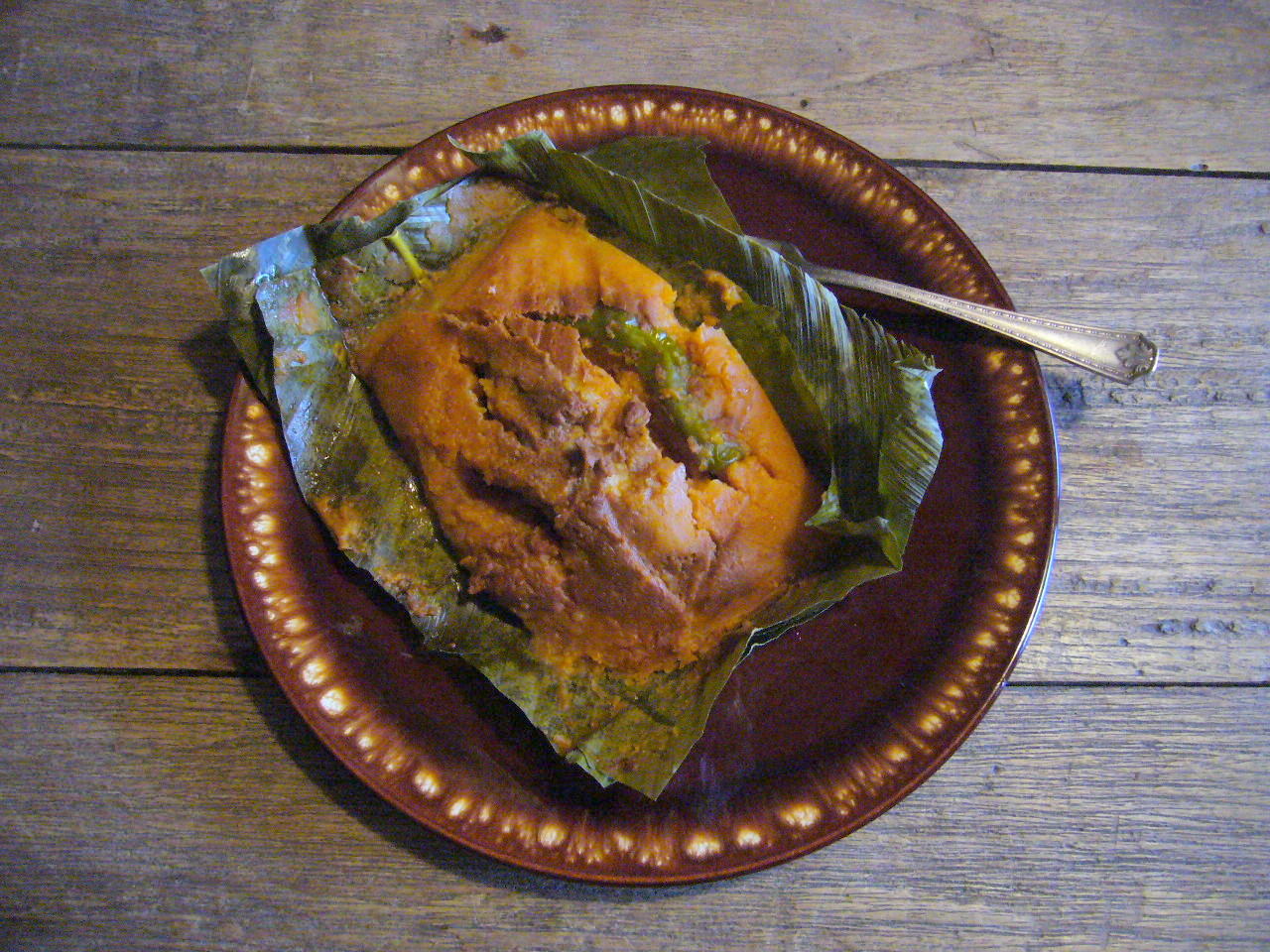
Tamales made from mashed potato instead of corn, mixed with a tomato sauce and a piece of chicken or pork and a hot green chilli, then wrapped in leaves and steamed.
Eating paches on Thursday is a popular custom all over Guatemala.
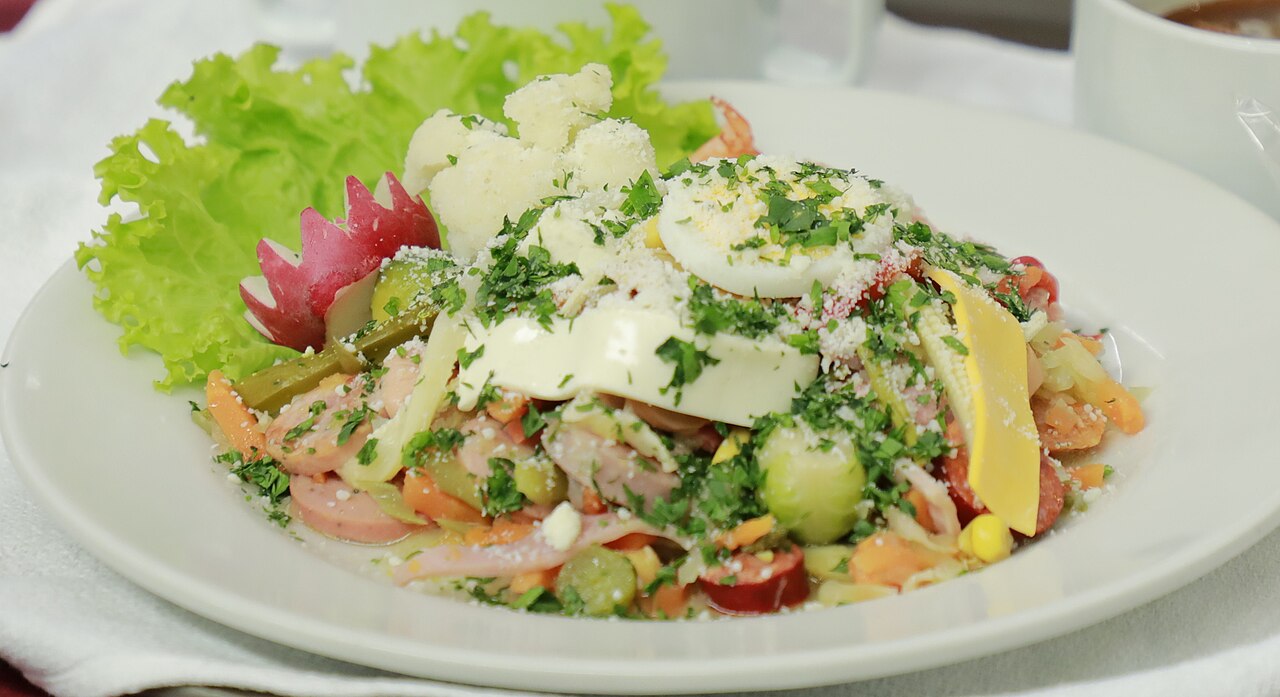
A huge cold salad made only once a year for All Saints' Day on 1 November. It can contain dozens of ingredients: sausages and cold meats, chicken, pickled vegetables, baby corn, beetroot, olives, cheeses and the edible flower of the pacaya palm. It is fiambre rojo with beetroot and fiambre blanco without.
It is said to come from the custom of bringing the favourite dishes of the dead to the cemetery: as families shared their dishes, they were mixed into one.
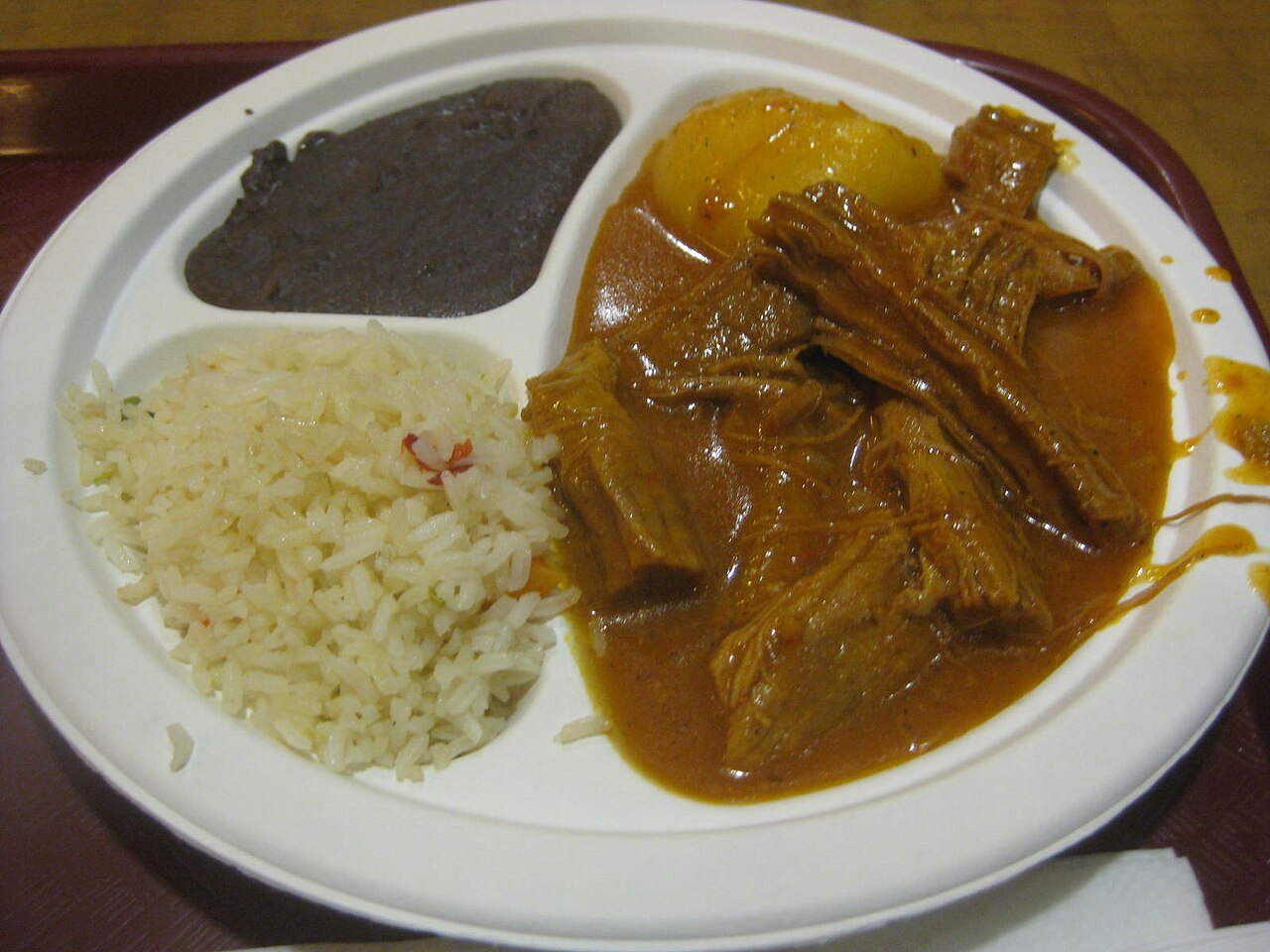
Boiled beef pulled into shreds and simmered in a sauce of tomatoes, tomatillos and mild dried chillies, with potatoes and carrots. It is eaten with rice, black beans and tortillas.
Hilachas means 'rags' or 'threads', after the shredded meat.
See the recipe
Serves 4
2 h 30 min
Ingredients
800 g beef flank or skirt steak
1 onion and 3 garlic cloves
4 tomatoes and 3 tomatillos
2 dried guajillo chillies, seeds removed
1 corn tortilla, torn into pieces
2 potatoes and 2 carrots, peeled and cut into chunks
Salt, pepper and 1 tablespoon oil
Method
Simmer the beef with half the onion, one garlic clove and some salt in water to cover for about 1 hour 30 minutes, until very tender. Keep the broth.
Lift out the meat, let it cool a little and pull it into thin shreds with two forks.
Boil the tomatoes, tomatillos and chillies for 10 minutes, then blend them with the rest of the onion and garlic, the tortilla and 250 ml of broth until smooth.
Heat the oil in a wide pan, pour in the sauce and cook for 5 minutes. Add the potatoes and carrots and a little more broth, and simmer for 15 minutes.
Stir in the shredded beef, season with salt and pepper, and simmer for 10 more minutes until the sauce is thick. Serve with rice and tortillas.
Livingston and Puerto Barrios, on the Caribbean coast
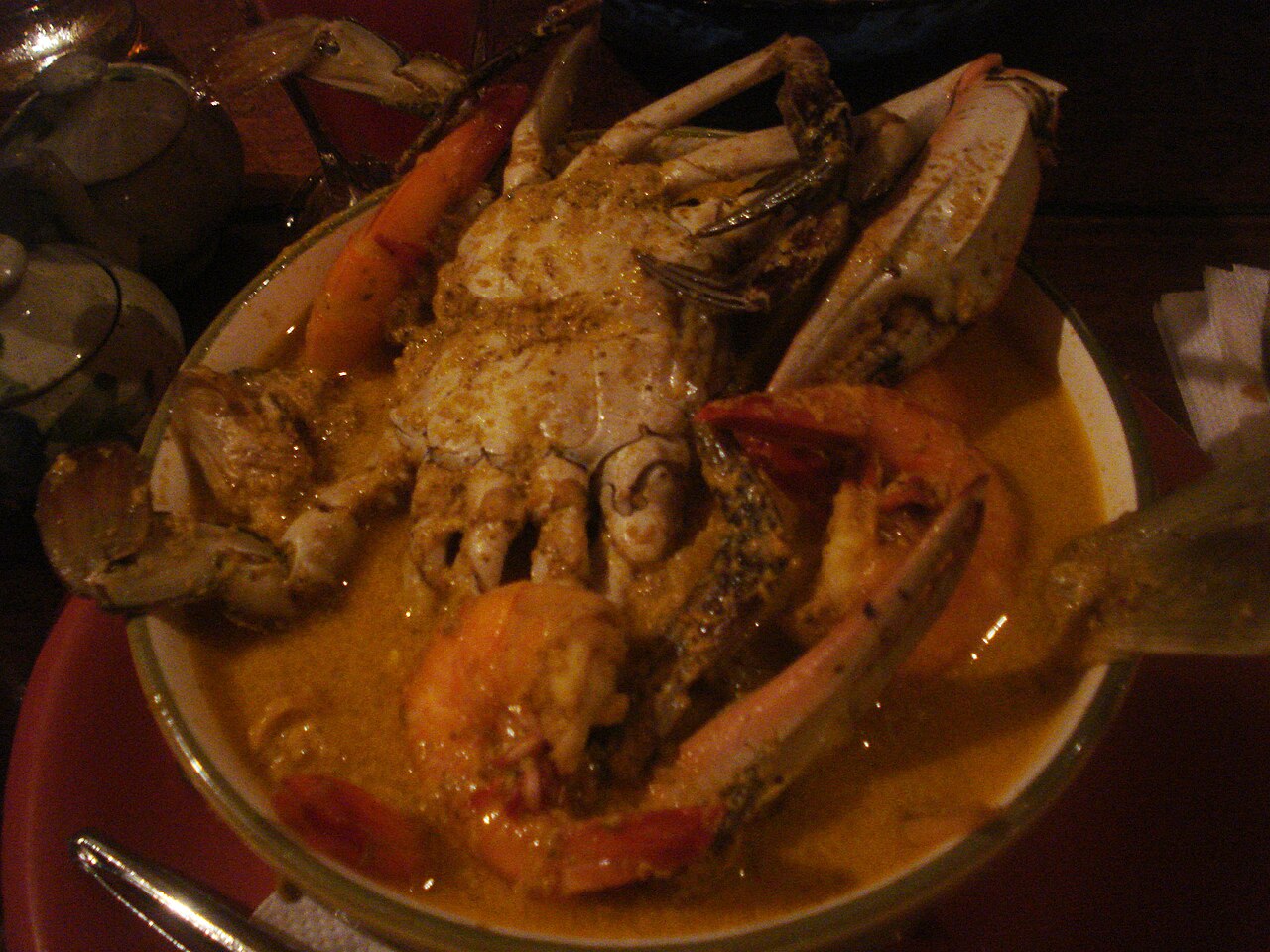
A rich seafood soup of the Garifuna people. Whole fish, crab, prawns and other shellfish are cooked in coconut milk with green plantain, tomato, onion and coriander.
The Garifuna are descended from Africans and Indigenous Caribbean people of the island of St Vincent. In Guatemala they live mainly in Livingston and Puerto Barrios.
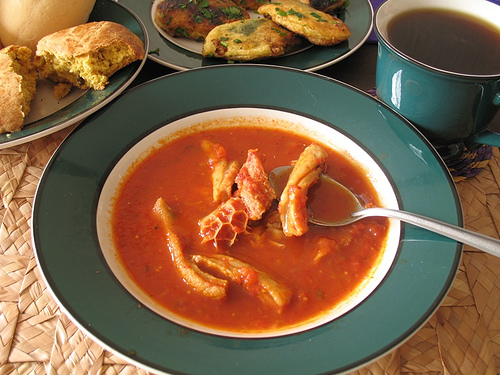
A thick, deep red stew of pork head and offal in a sauce of tomatoes and mild dried chillies. It is a hearty dish, often eaten with white rice and tortillas.
It is a fusion of Maya and mestizo cooking that makes use of every part of the pig.
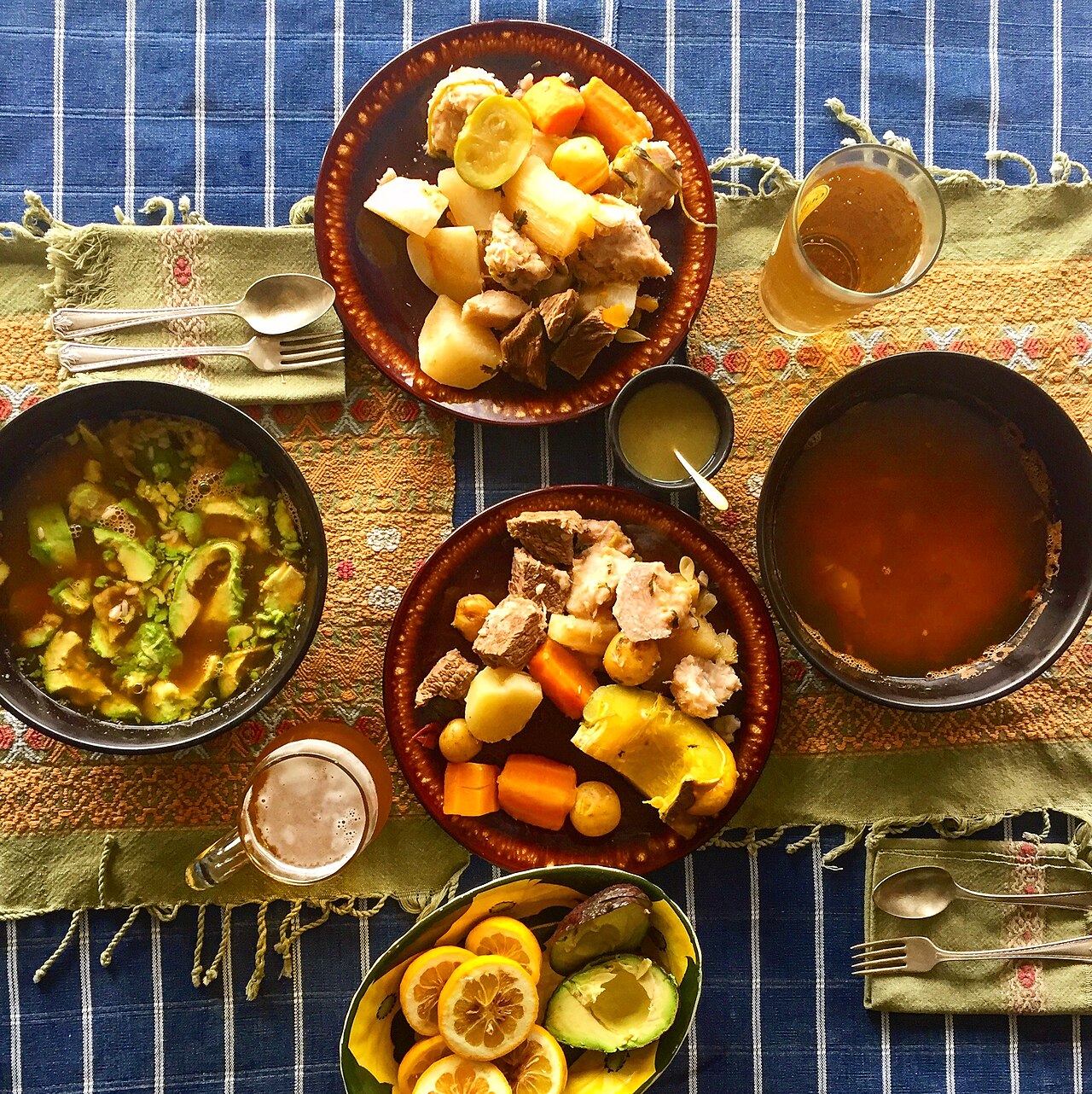
A big beef soup of colonial origin, made with beef bones and meat and plenty of vegetables: corn on the cob, cabbage, carrots, potatoes, cassava, chayote, squash and plantain. A squeeze of lime or bitter orange is added at the table, and it comes with rice, avocado and hot tortillas.
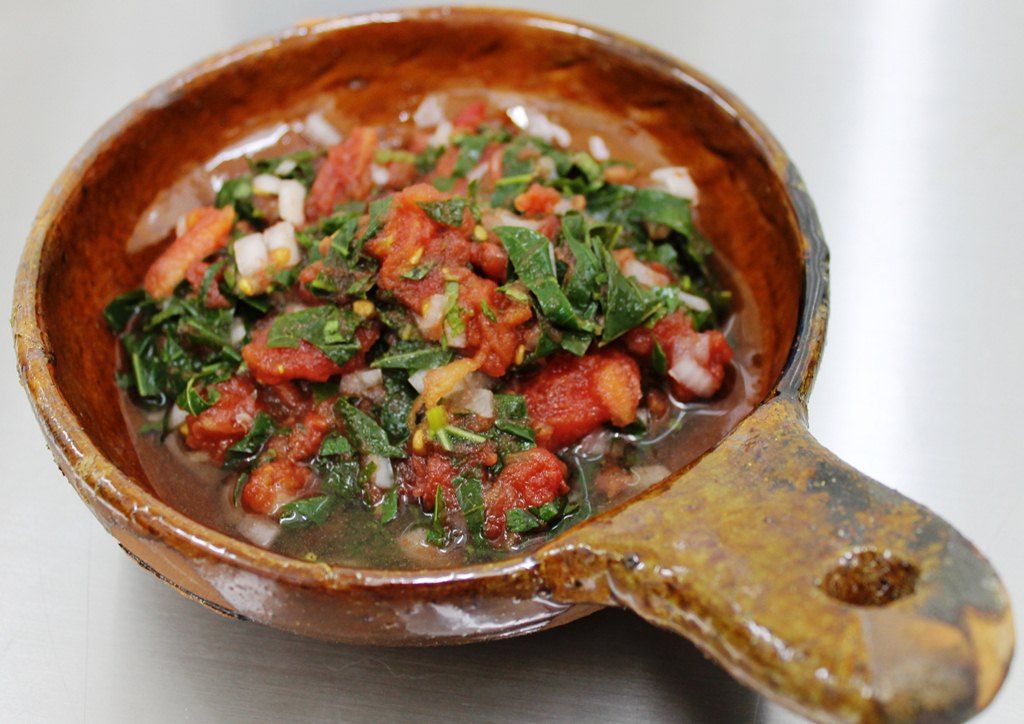
The everyday Guatemalan salsa: tomatoes roasted until charred, mashed with onion, coriander, lime juice and salt, sometimes with a little chilli. It goes with grilled meat, eggs, beans and almost everything else.
See the recipe
Serves 4
20 min
Ingredients
4 ripe tomatoes
1 small onion, finely chopped
A small bunch of fresh coriander, chopped
Juice of 1 lime
Salt, and a little fresh green chilli if you like
Method
Roast the whole tomatoes in a dry frying pan or under a hot grill for about 10 minutes, turning them, until the skins are blackened in spots.
Let them cool a little, peel off the loose skin if you wish, and crush them in a bowl with a fork or a pestle.
Stir in the onion, coriander, lime juice and salt, and the chilli if using. Taste, add more salt or lime, and serve warm or at room temperature.
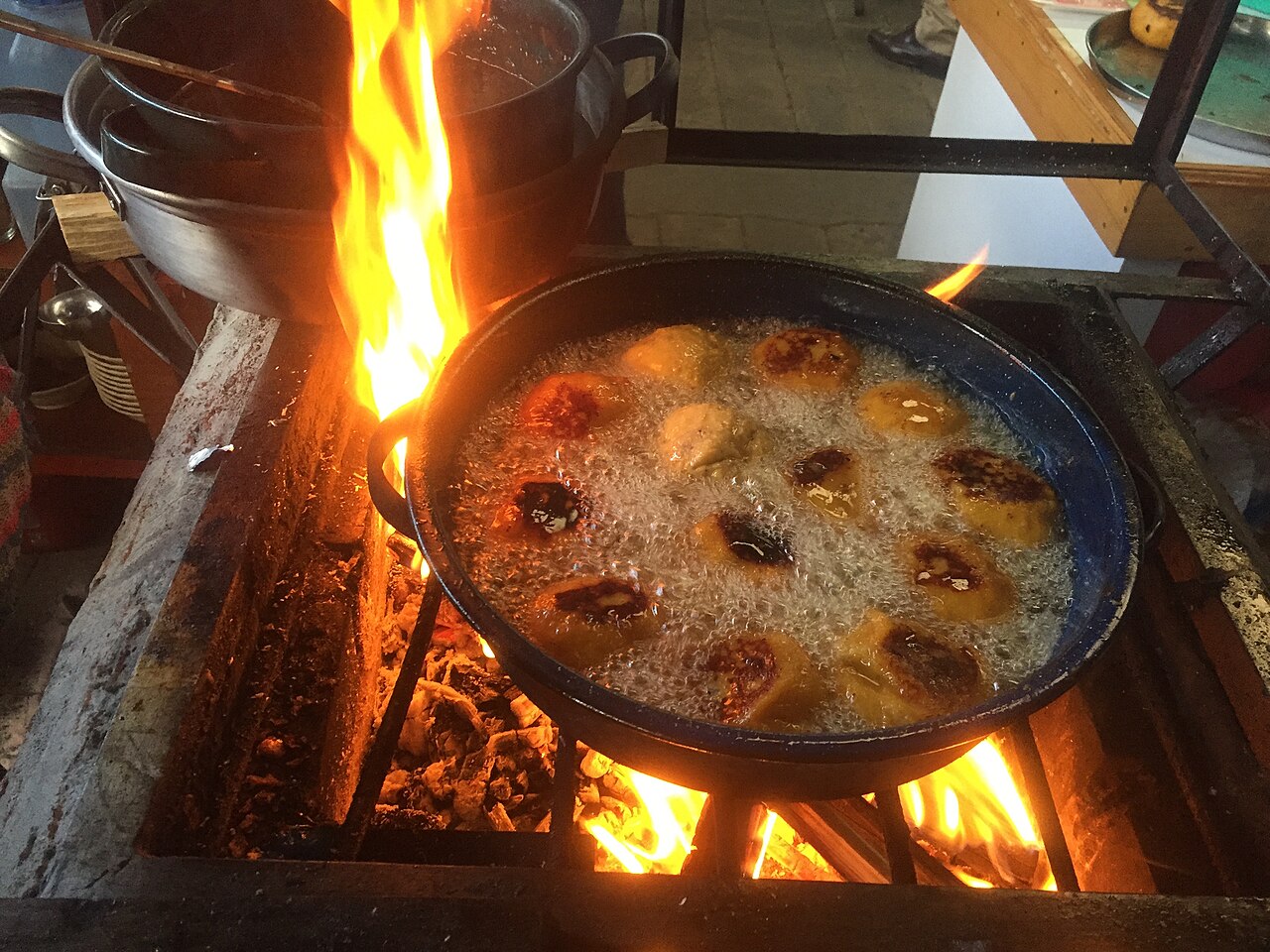
Little egg-shaped balls of sweet mashed plantain filled with a mixture of black beans, chocolate and cinnamon, fried until golden and dusted with sugar. The bean filling surprises many visitors, but it tastes like a chocolate pudding.
Rellenito comes from rellenar, to stuff, so the name means 'little stuffed plantain things'.
See the recipe
Serves 4
1 h
Ingredients
3 very ripe plantains, with black skins
1 cinnamon stick and 1 teaspoon ground cinnamon
200 g smooth refried black beans
40 g dark chocolate, chopped
2 tablespoons sugar, plus sugar or honey to serve
Oil for frying
Method
Cut the plantains into pieces with the skin on and boil them with the cinnamon stick for about 10 minutes, until soft. Peel and mash them into a smooth paste, then let it cool.
Warm the beans with the chocolate, ground cinnamon and sugar, stirring until the chocolate melts and the filling is thick. Let it cool.
With wet hands, flatten a small ball of plantain paste into a cup shape, add a teaspoon of filling and close the paste around it to make an egg shape.
Fry the rellenitos in hot oil, a few at a time, for 2 to 3 minutes, turning them until golden on all sides. Drain on paper.
Serve warm, dusted with sugar or drizzled with honey.
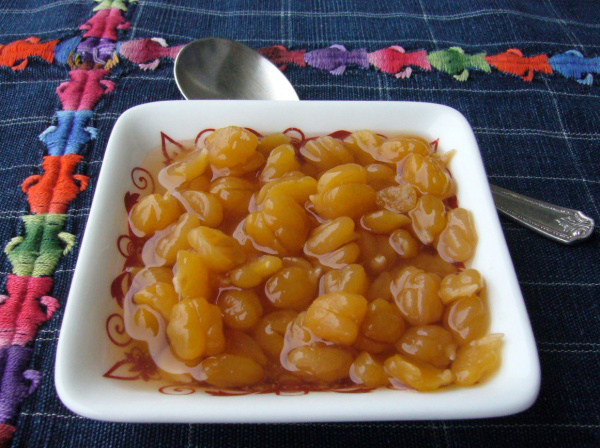
Chickpeas cooked slowly in a thick syrup of dark cane sugar and cinnamon until they turn golden and glossy. It is one of the classic Guatemalan sweets in syrup, along with mangoes and squash cooked the same way.
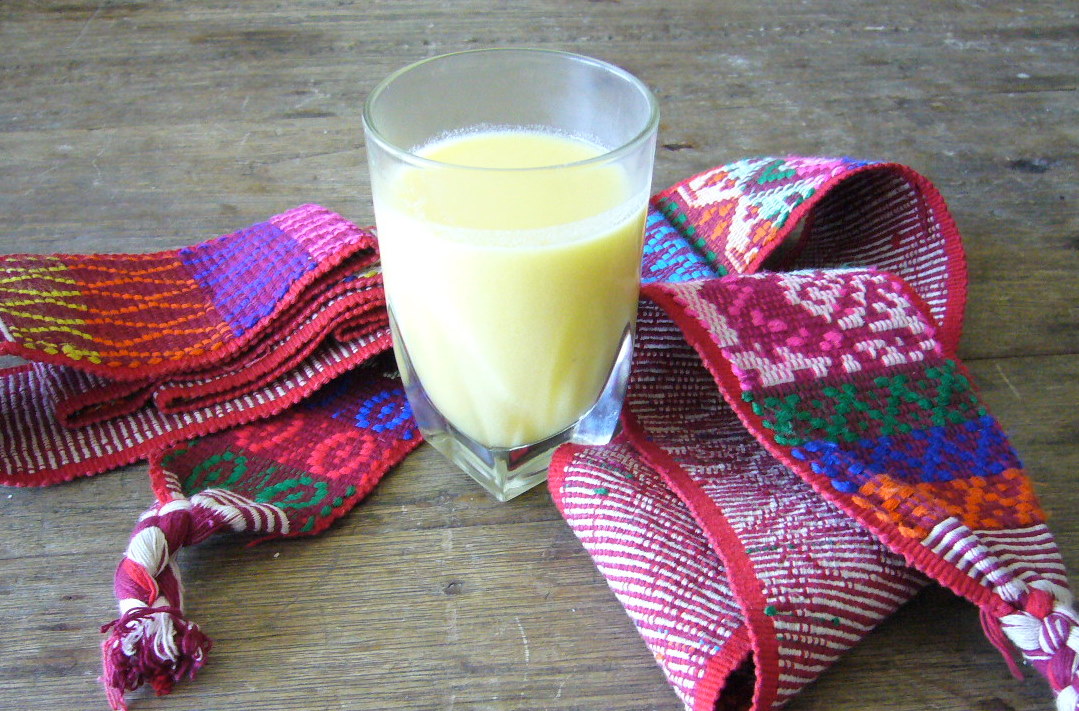
A warm, thick and sweet drink of fresh young corn blended with water or milk, strained and cooked with sugar and cinnamon. It is sold from big pots in markets and at street corners, especially on cool highland evenings.
Atol is a Maya drink: cacao and atol are the two main contents named on many painted Classic Maya drinking vessels.
See the recipe
Serves 4
30 min
Ingredients
4 ears of fresh sweetcorn, or 500 g frozen sweetcorn
750 ml milk or water, or half and half
3 to 4 tablespoons sugar
1 cinnamon stick
A pinch of salt
Method
Cut the kernels from the corn cobs with a sharp knife.
Blend the kernels with the milk or water until very smooth, then pour through a sieve into a saucepan, pressing to get out all the liquid.
Add the sugar, cinnamon and salt and heat gently, stirring all the time, as it burns easily.
Cook for 10 to 15 minutes, still stirring, until it thickens like a thin custard. Remove the cinnamon and serve hot in cups.
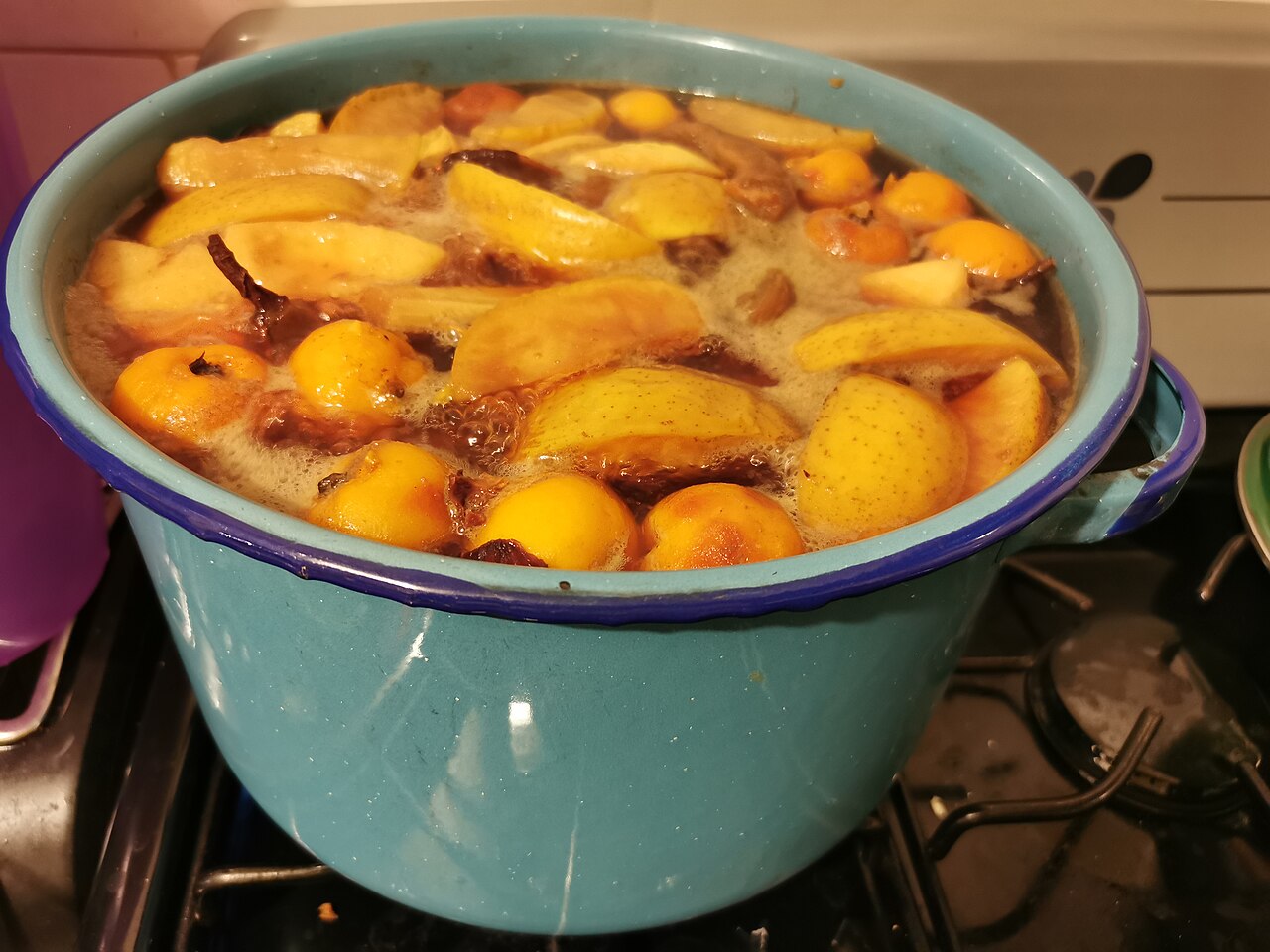
A hot Christmas punch of chopped fruit such as pineapple, apple, papaya, prunes and raisins, simmered with cinnamon and sugar. It is drunk in December, above all with tamales on Christmas Eve.
Table manners
Greet everyone when you arrive, with 'buenos días' or 'buenas tardes'. In small towns people also greet strangers politely in the street, and it is good to answer.
Tortillas are eaten at every meal and are often served in a covered basket or cloth to keep them warm. Close the cloth again after you take one.
Say '¡Buen provecho!' (enjoy your meal) to people who are eating when you come into or leave a room, even in a restaurant.
It is polite to wait until everyone is served before you start eating, and to thank the cook at the end.
In many restaurants a suggested tip (propina) of about 10 percent is already on the bill. Check before you add a tip of your own.
Drink only bottled or purified water (agua pura), and ask for drinks without ice if you are not sure where the ice came from.
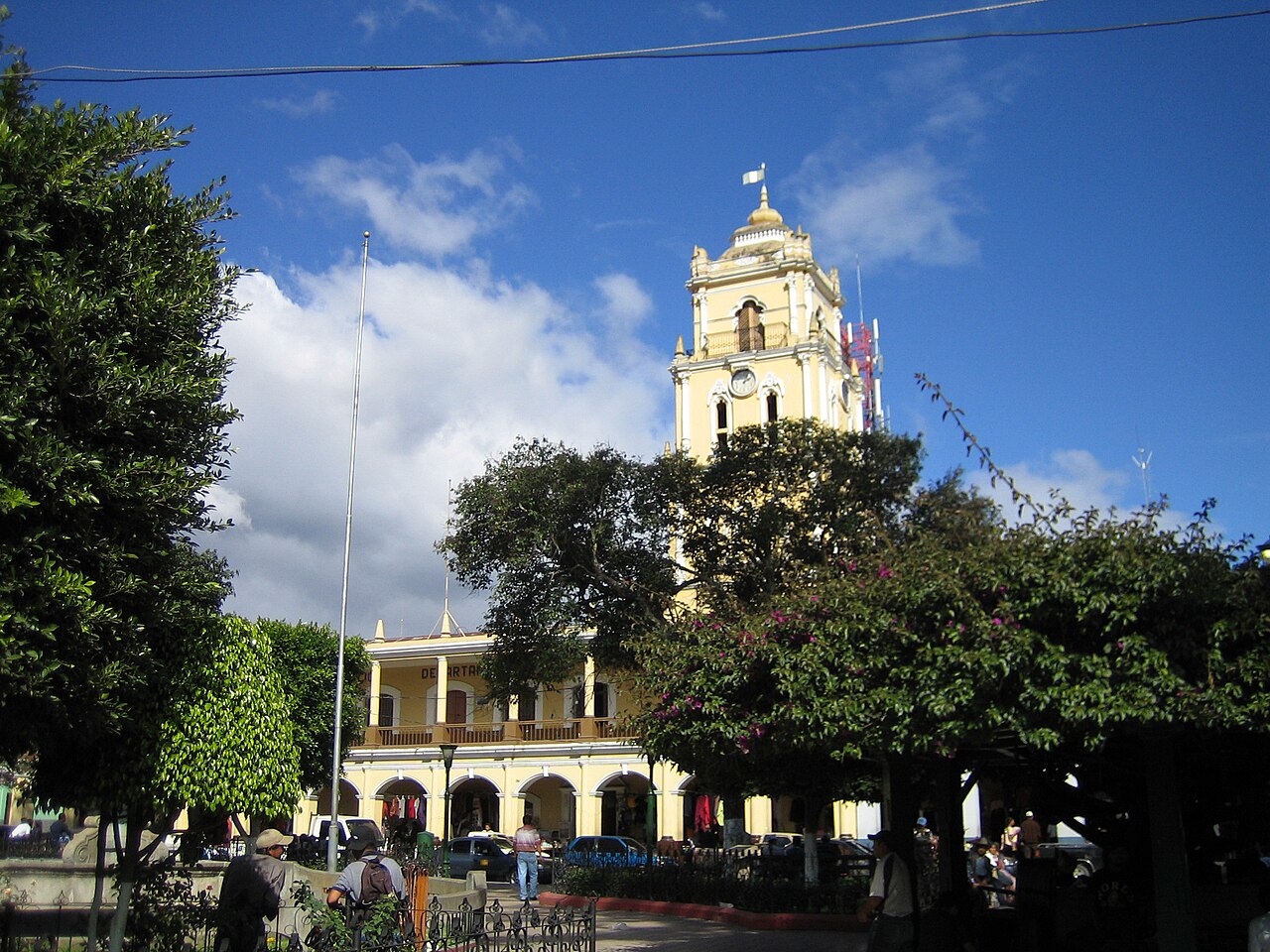
Most Guatemalans live in the cool highlands, where Guatemala City, Antigua, Quetzaltenango and the market towns of the Maya are. To the north, Flores sits on its island in the Petén forest, the gateway to Tikal. On the Caribbean coast are the port of Puerto Barrios and the Garifuna town of Livingston, and in the east is the pilgrimage town of Esquipulas.
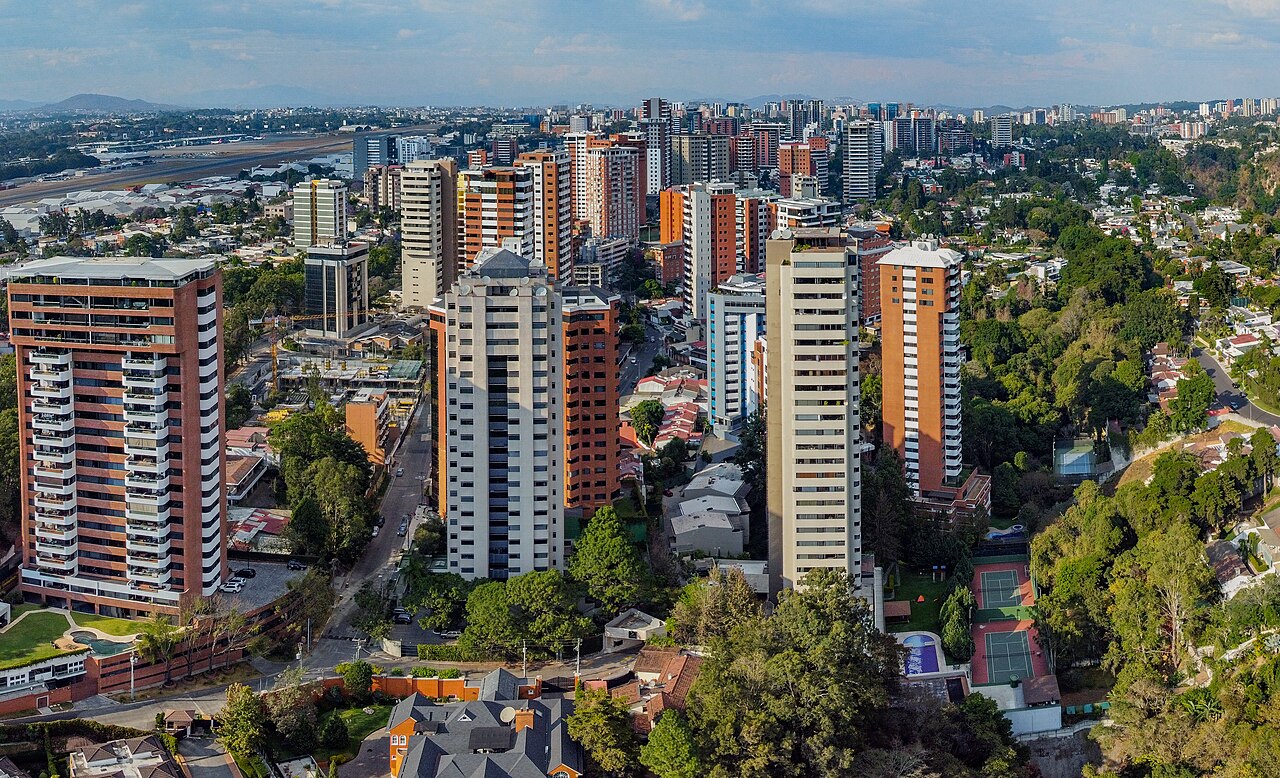
The capital and largest city, in a highland valley at about 1,500 m. Its metropolitan area is the largest in Central America. It was founded in 1776 after earthquakes ruined Antigua, and it grew over the site of the ancient Maya city of Kaminaljuyu. Locals often call it simply Guate.
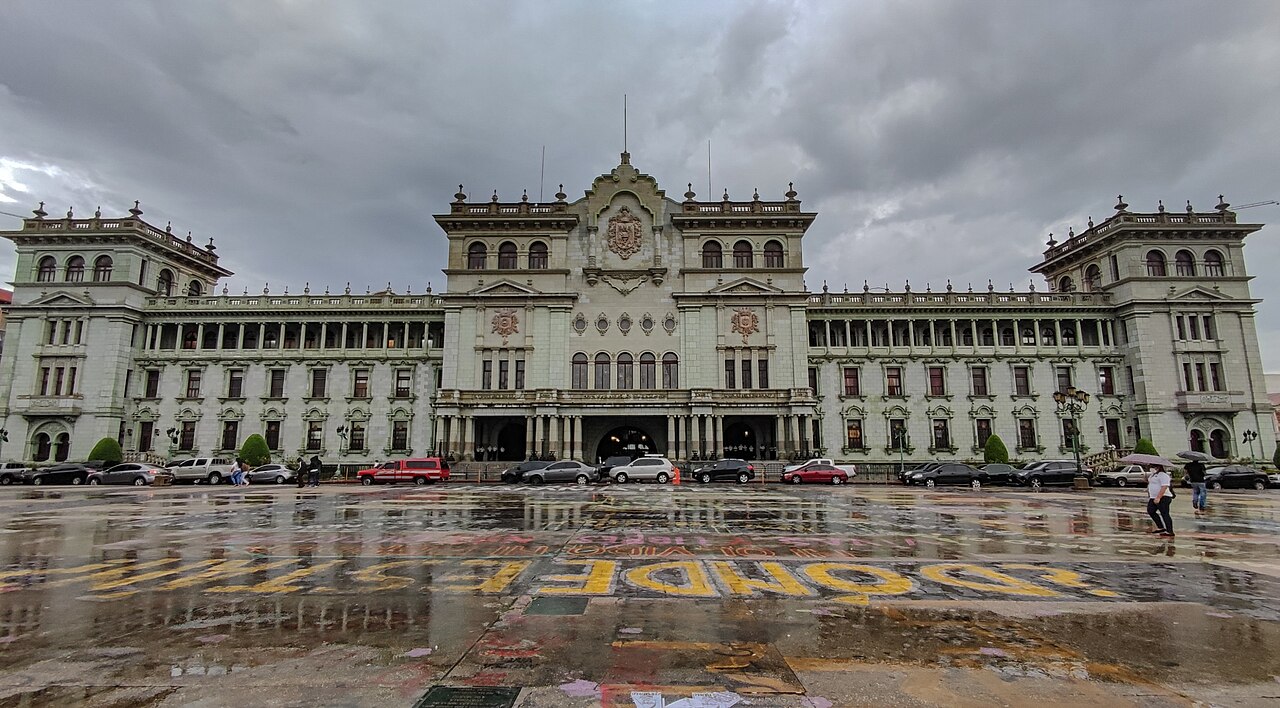
The National Palace of Culture and the cathedral on the central square
Zones (zonas): addresses such as '7a Avenida 1-17, Zona 4'
Museums of Maya archaeology and Indigenous textiles
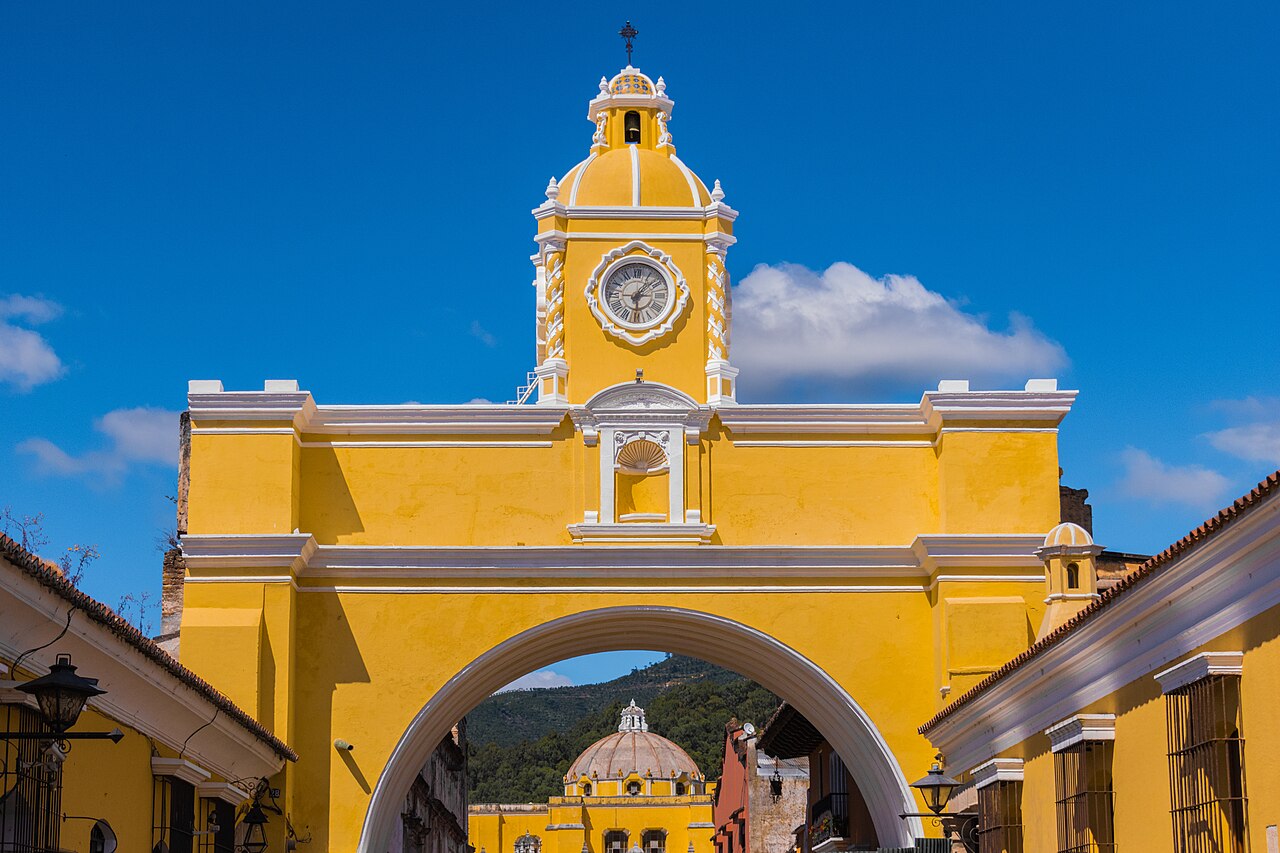
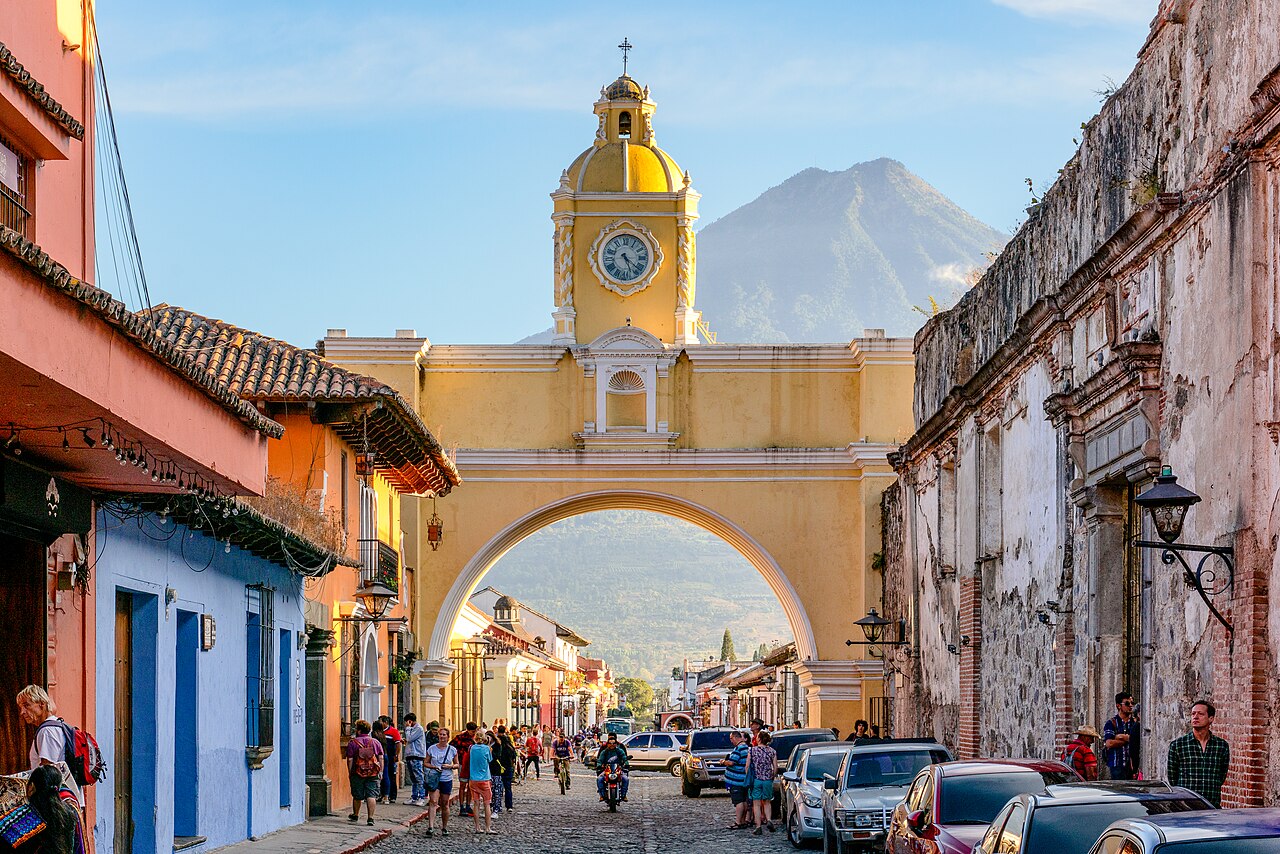
The Spanish capital of Central America from the 1540s until the earthquakes of 1773. Its grid of cobbled streets, colourful houses, baroque churches and ruined convents lies between three volcanoes: Agua, Fuego and Acatenango. It has been a UNESCO World Heritage Site since 1979.
The yellow Santa Catalina Arch
Holy Week processions over carpets of coloured sawdust and flowers
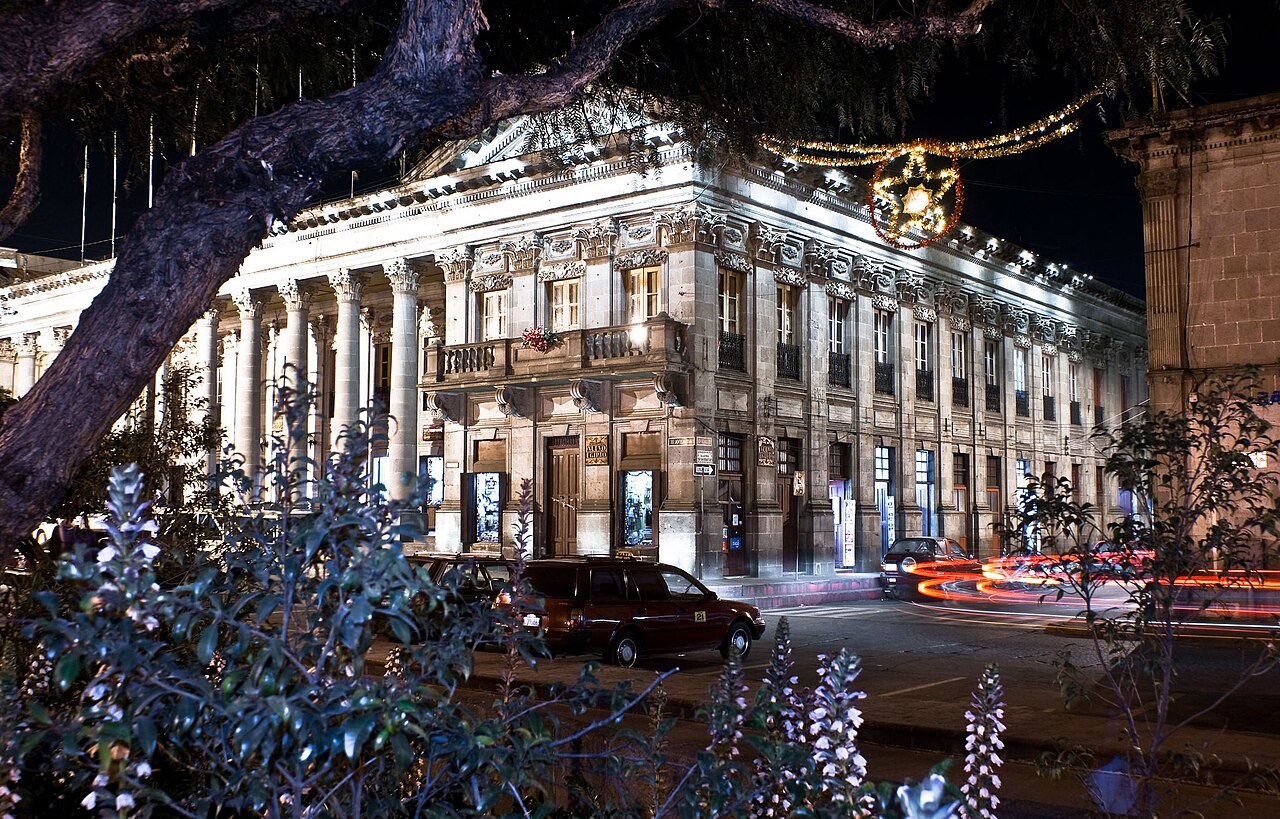
The main city of the western highlands, high up at about 2,330 m and ringed by volcanoes. Most people call it Xela, from its K'iche' name Xelajú, meaning 'under ten mountains'. Coffee wealth in the 1800s left it with fine stone buildings, and today it is a centre of trade, universities and culture.
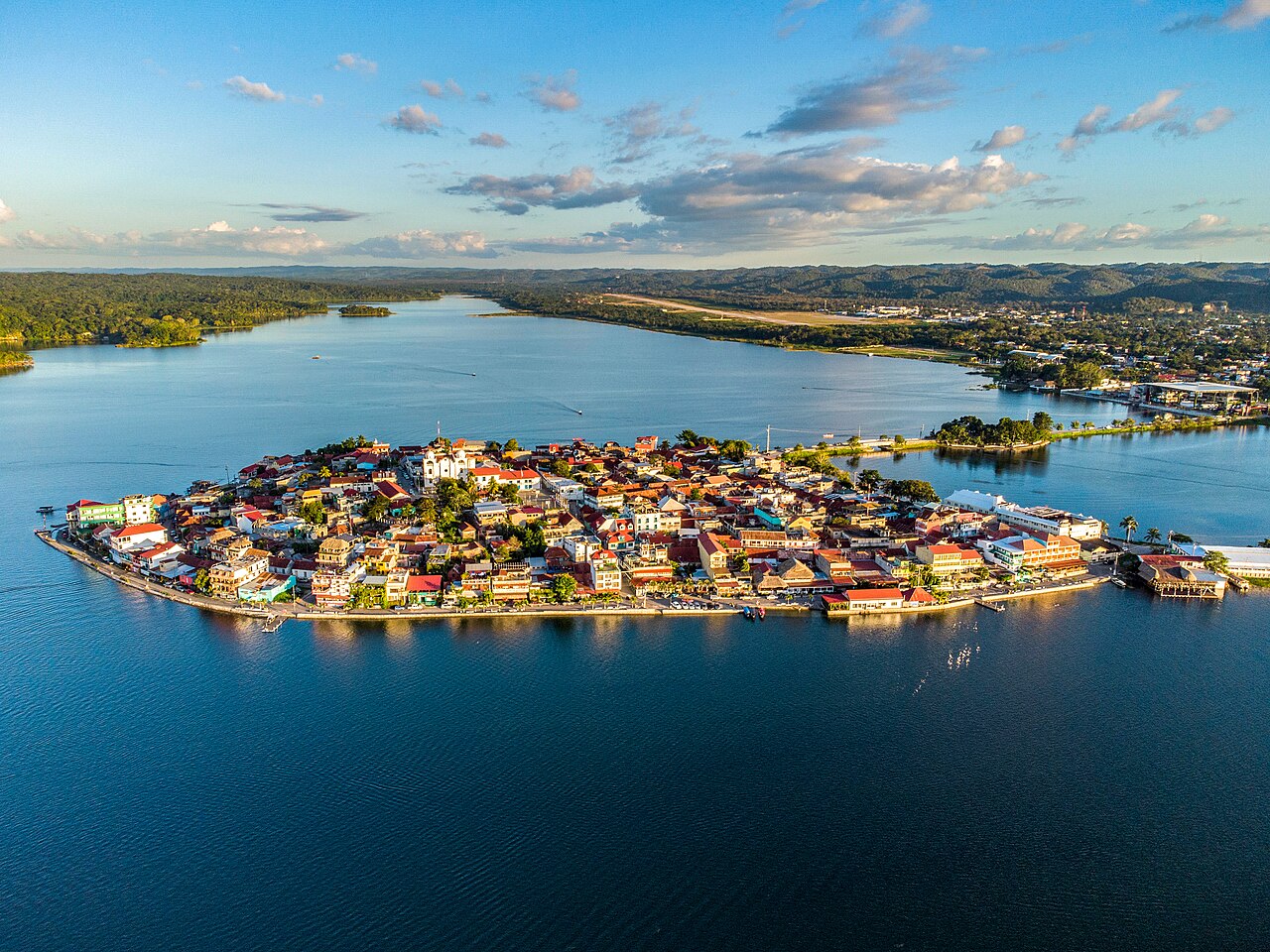
A small town of red roofs and pastel houses on an island in Lake Petén Itzá, joined to the mainland by a short causeway. It stands where Nojpetén, the last independent Maya capital, stood until 1697. It is the main base for visiting Tikal.
Its island setting on Lake Petén Itzá
Trips to Tikal and other Maya sites
The Mundo Maya airport, with flights from Guatemala City
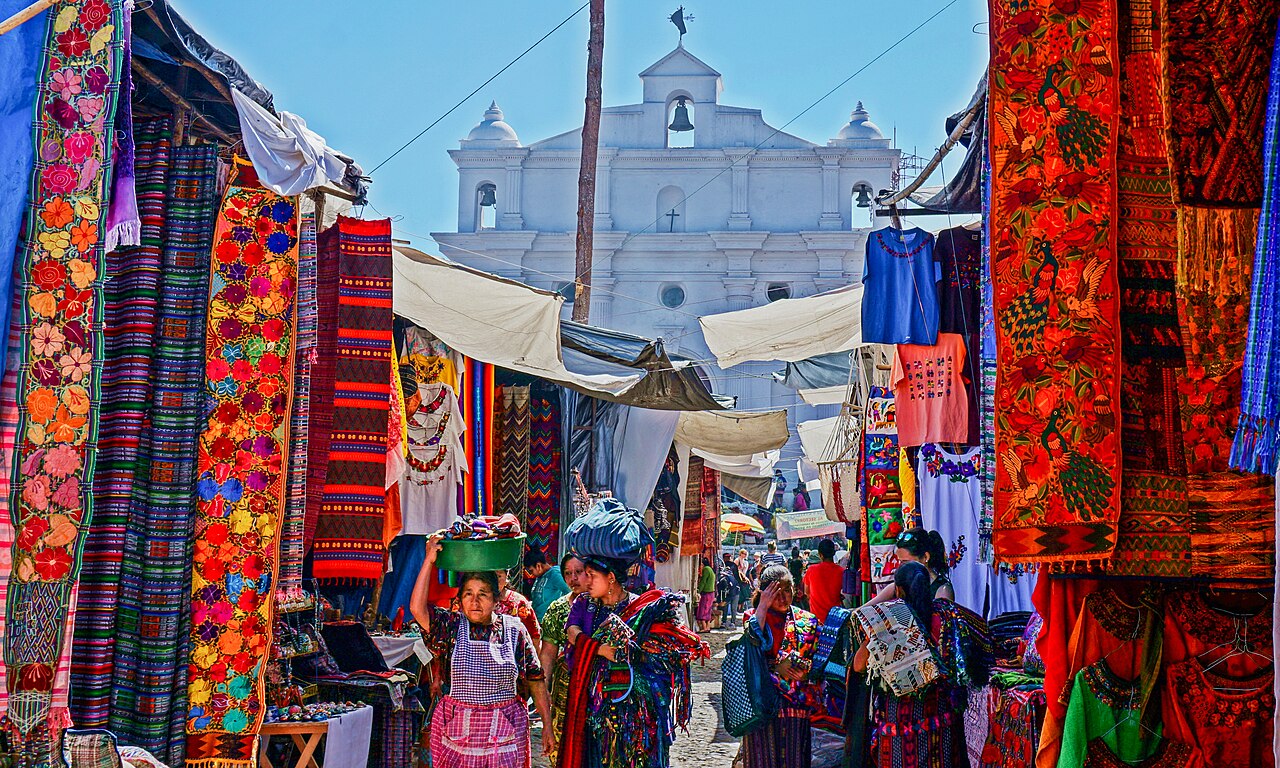
A K'iche' Maya town in the highlands at almost 2,000 m, famous for its huge twice-weekly market. It is also where the Popol Vuh, the sacred book of the K'iche', was kept, and where the Spanish friar Francisco Ximénez copied it and translated it into Spanish in the early 1700s.
The market on Thursdays and Sundays
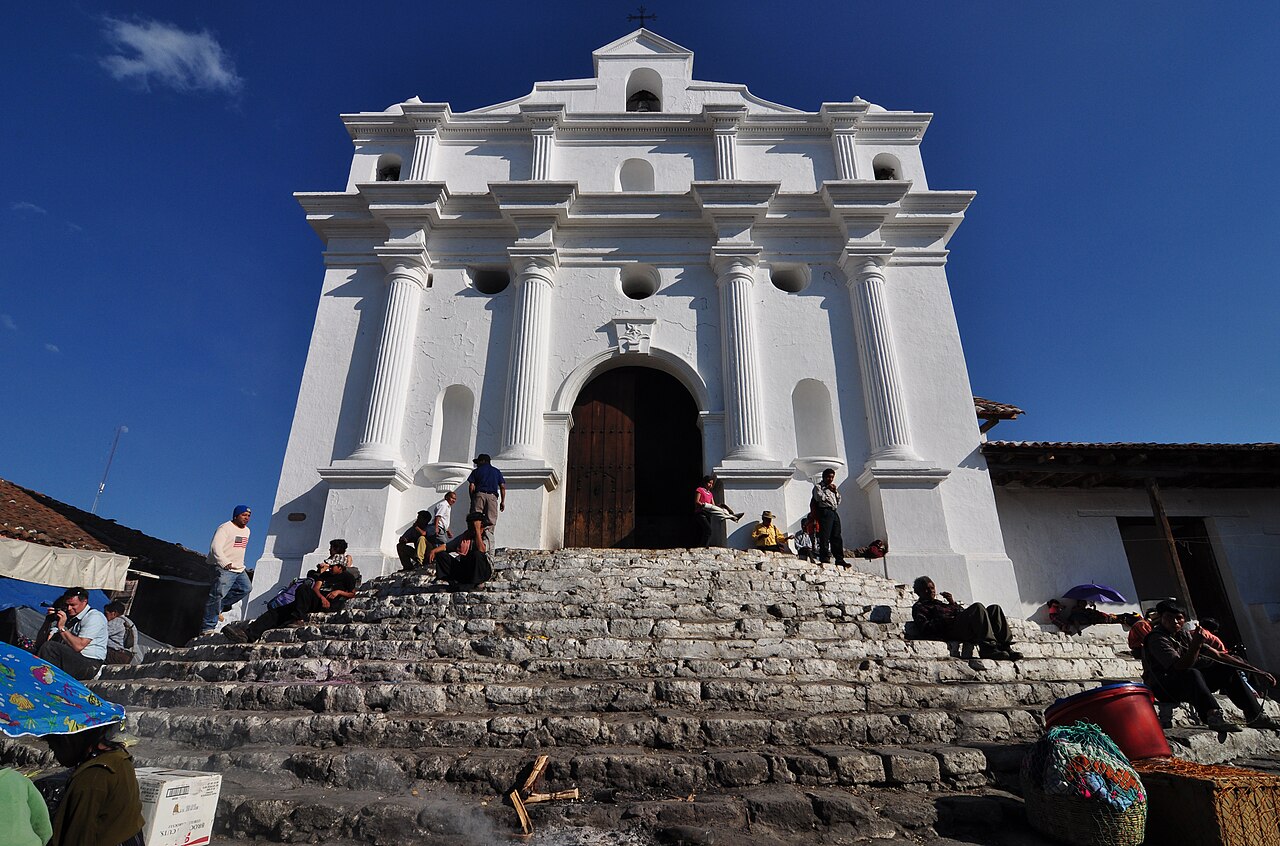
The church of Santo Tomás, where Maya prayers and incense fill the steps
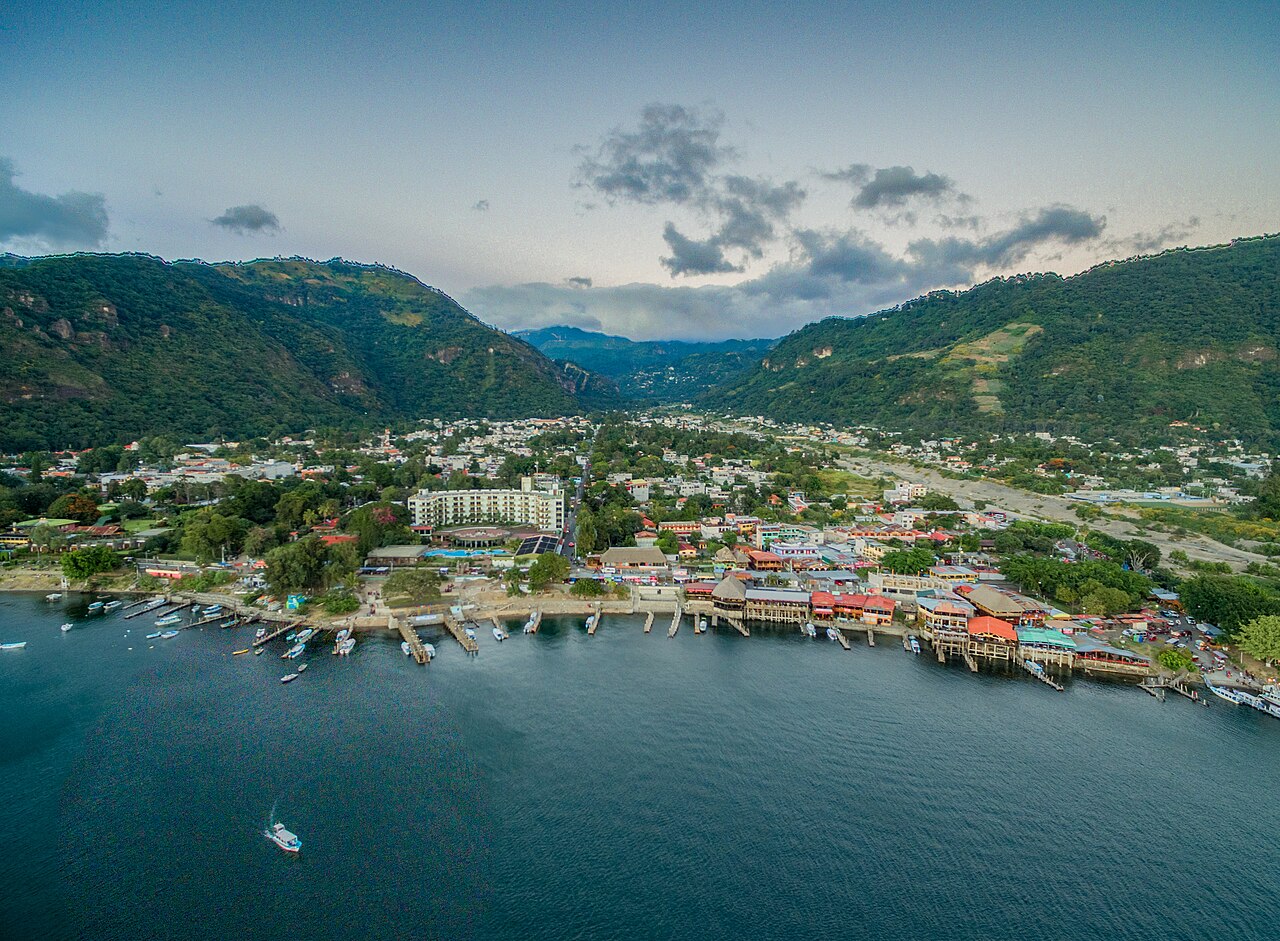
A lakeside town on the northern shore of Lake Atitlán, facing the volcanoes San Pedro, Tolimán and Atitlán. Boats leave from its docks for the Maya villages around the lake, such as Santiago Atitlán, San Pedro and San Juan La Laguna.
The misty capital of Alta Verapaz, at about 1,300 m, in the heart of Q'eqchi' Maya country. German settlers built coffee and cardamom farms here in the late 1800s, and the region still grows most of Guatemala's cardamom.
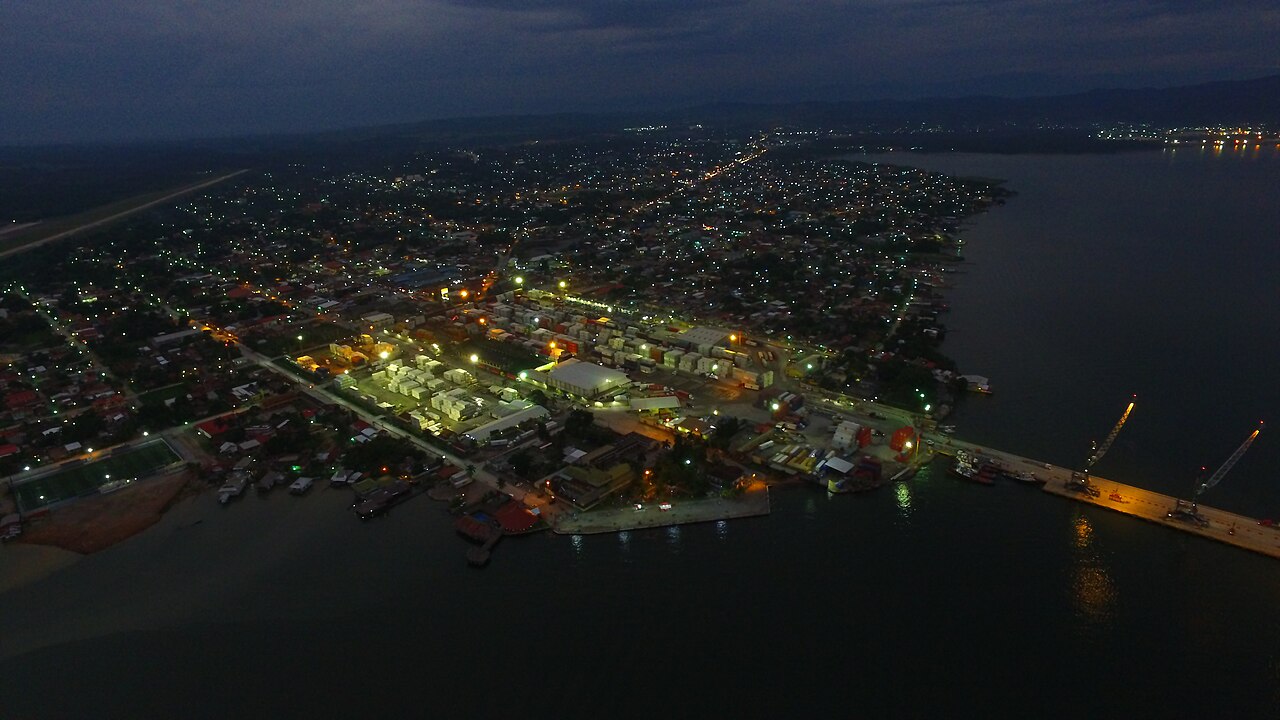
Guatemala's main Caribbean port, on the Bay of Amatique, together with the modern port of Santo Tomás de Castilla next door. It grew in the late 1800s and early 1900s as the end of the railway that carried bananas and coffee to the ships of the United Fruit Company.
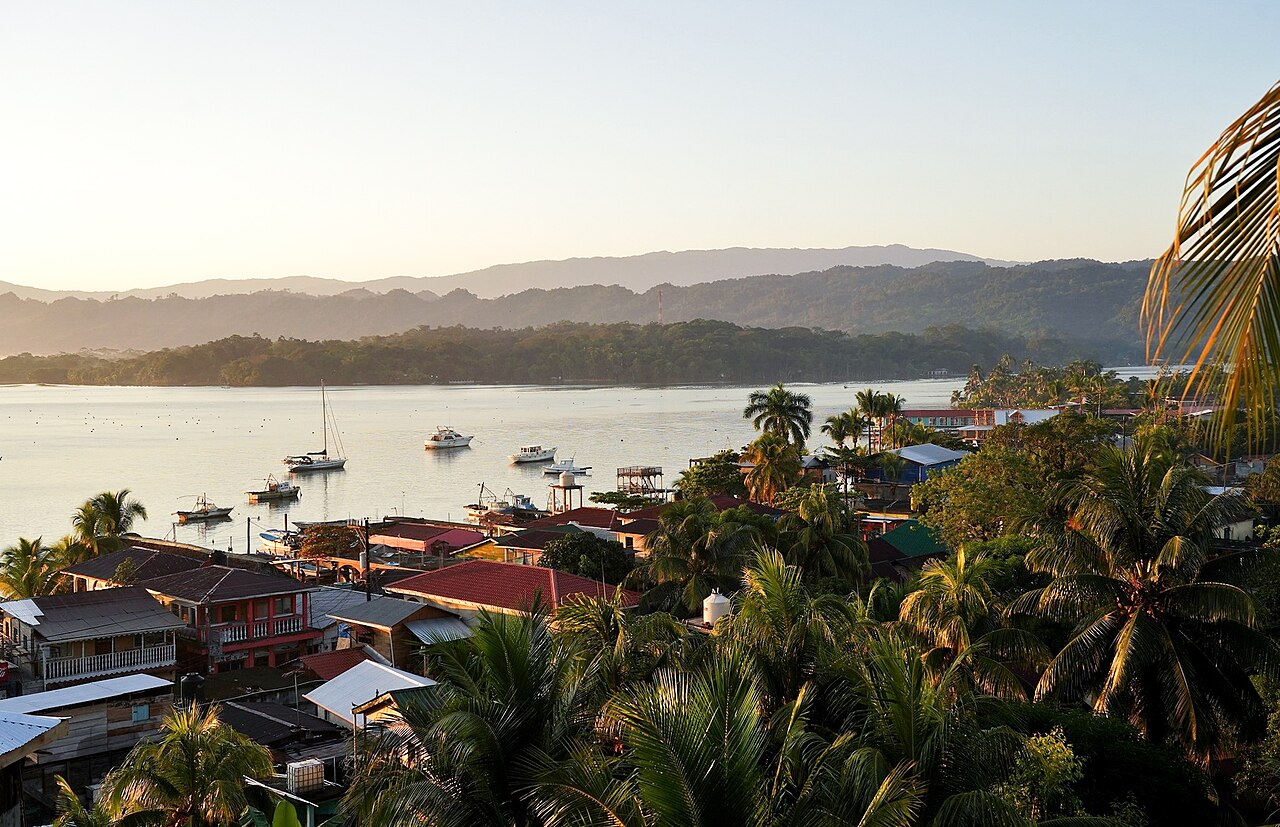
A laid-back town at the mouth of the Río Dulce on the Caribbean, known for its mix of Garifuna, Maya and Ladino people. There is no road to Livingston: everyone arrives by boat, from Puerto Barrios or up the river from the town of Río Dulce.
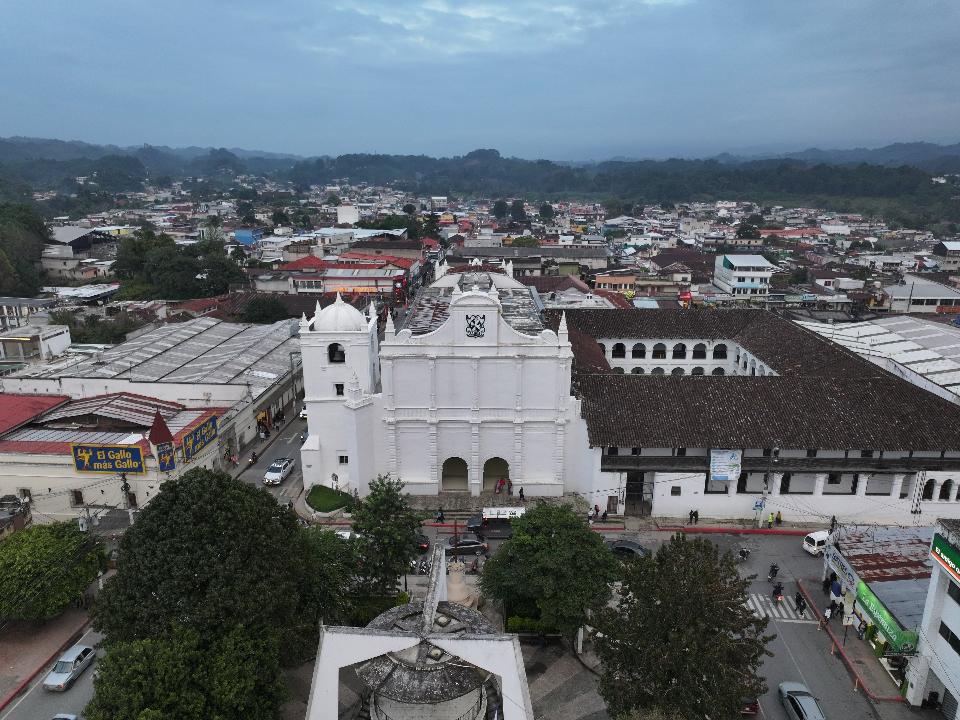
A highland city in the west, the last departmental capital on the Pan-American Highway before the Mexican border. Many Mam Maya live in the area, and just outside the city are the ruins of Zaculeu, the old Mam capital.
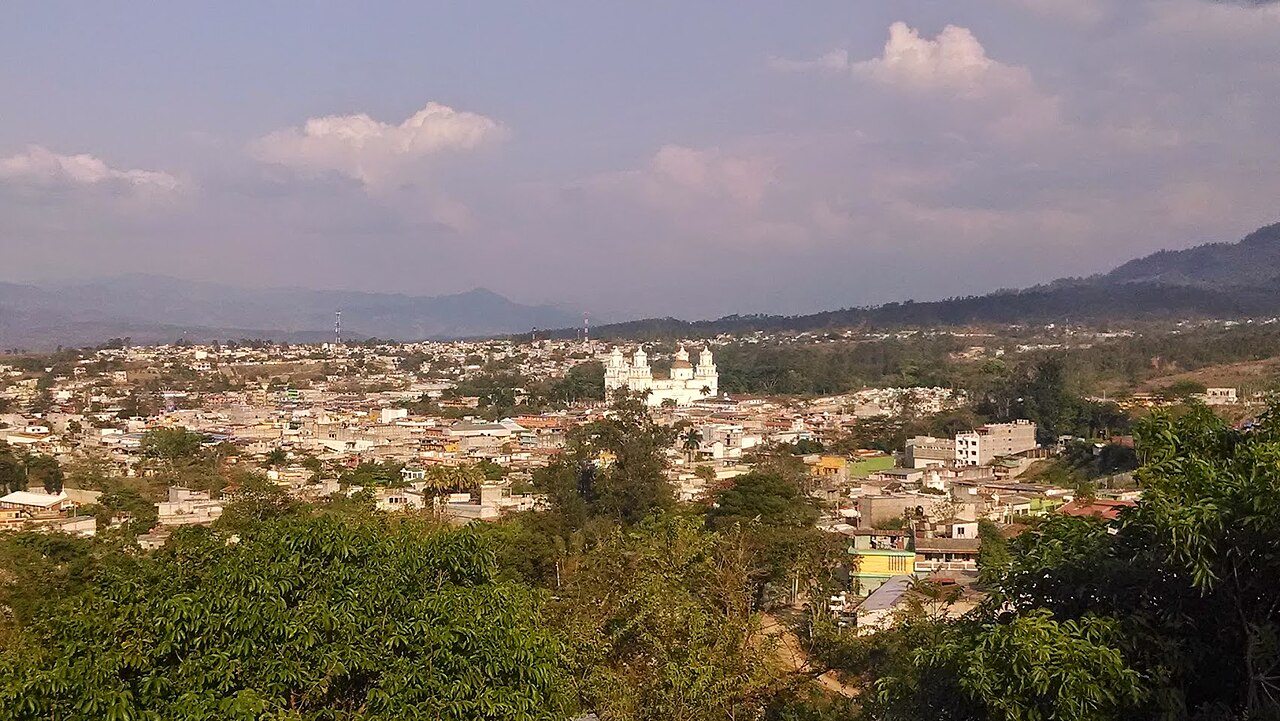
A town in the east near the borders with Honduras and El Salvador, and the greatest Catholic pilgrimage site in Central America. Pilgrims come from across the region to pray before the Black Christ, a dark wooden crucifix carved in 1594.
A hot lowland city near the Pacific coast, about 55 km by road southwest of Quetzaltenango. Locals call it Reu. It is the capital of the department where the ancient site of Tak'alik Ab'aj lies.
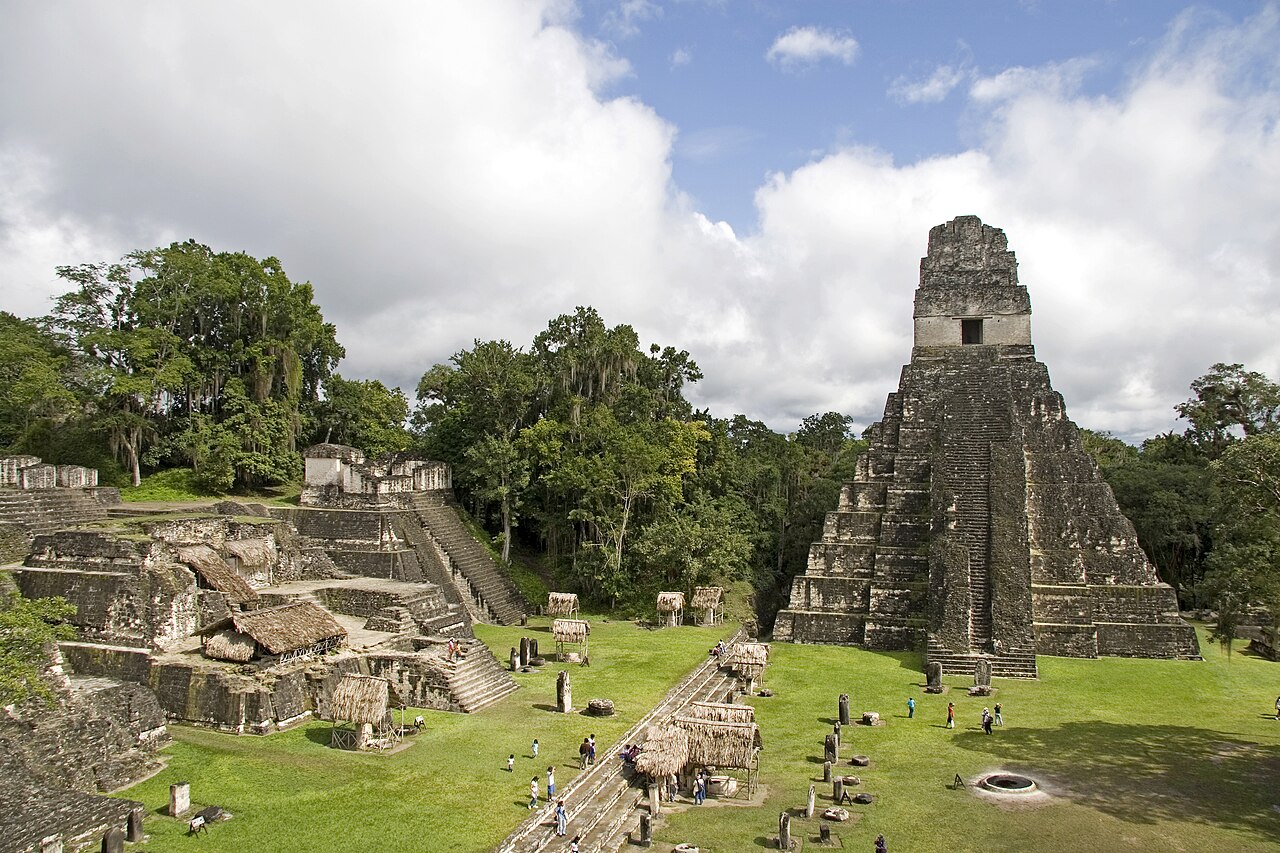
The ruins of one of the greatest Maya cities, rising above the rainforest northeast of Flores. Temple I, the Temple of the Great Jaguar, is 47 m tall, and Temple IV reaches about 70 m, among the tallest Maya pyramids ever built. Howler monkeys, toucans and coatis live among the ruins. It became a UNESCO World Heritage Site in 1979, for both its culture and its nature.
The whole colonial city is a UNESCO World Heritage Site (1979). Its symbol is the yellow Santa Catalina Arch, built in the 17th century so that cloistered nuns could cross the street from their convent without being seen; the clock on top was added in the 1830s. Around it are the Central Park, the cathedral and the ruins of churches thrown down by earthquakes.
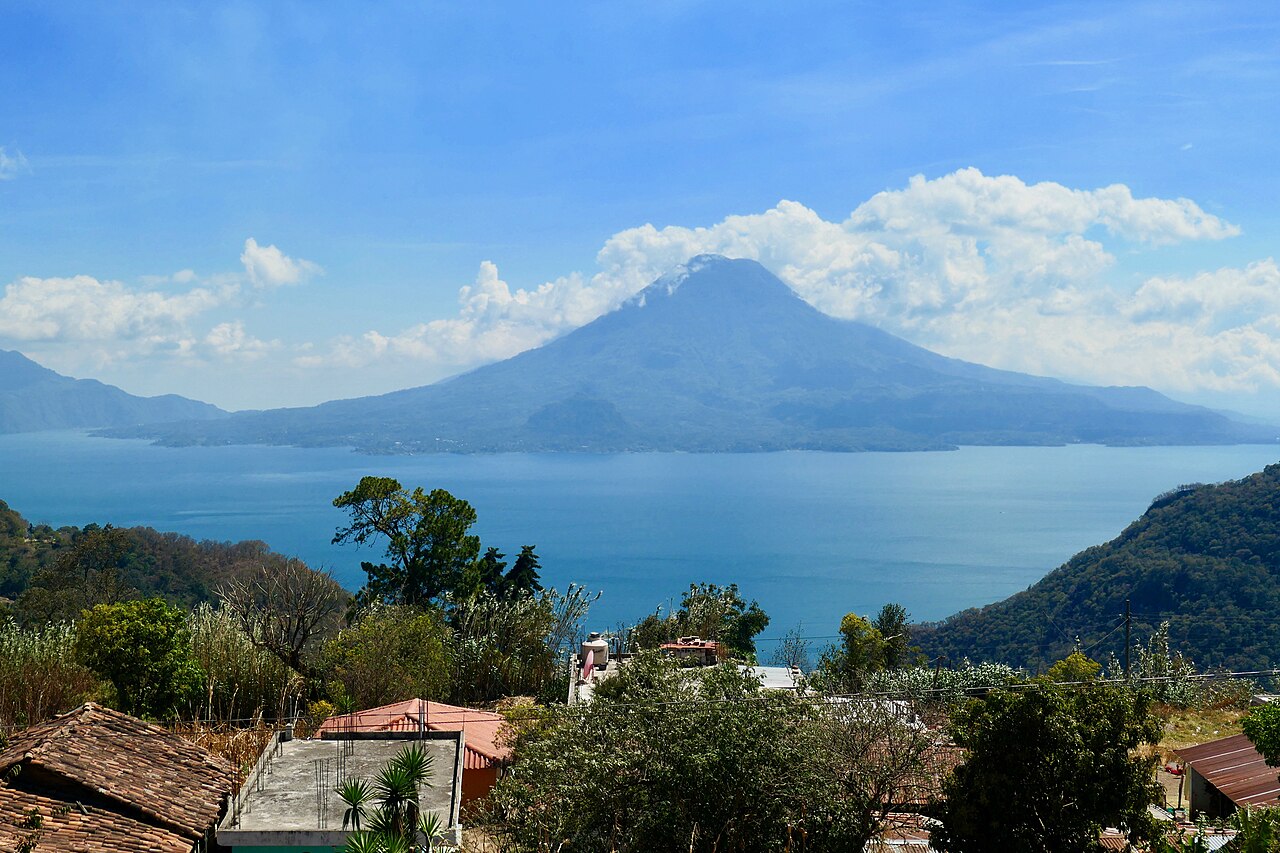
A huge volcanic crater lake about 18 km long, up to 340 m deep and the deepest lake in Central America. Three volcanoes rise from its southern shore, and Tz'utujil and Kaqchikel Maya villages line its banks. In 1934 the writer Aldous Huxley called it Lake Como with 'several immense volcanoes' added.
A 400-year-old white church built on the platform of a pre-Hispanic temple, next to the market. K'iche' Maya prayer leaders burn incense and candles on its steps, which are said to stand for the months of the Maya calendar.
A Maya site in the banana country of the lower Motagua valley, known for its giant carved sandstone stelae. Stela E, raised in 771, is about 10.6 m long including the part buried in the ground and weighs around 65 tonnes, the largest stone the Maya ever quarried. It became a UNESCO World Heritage Site in 1981.
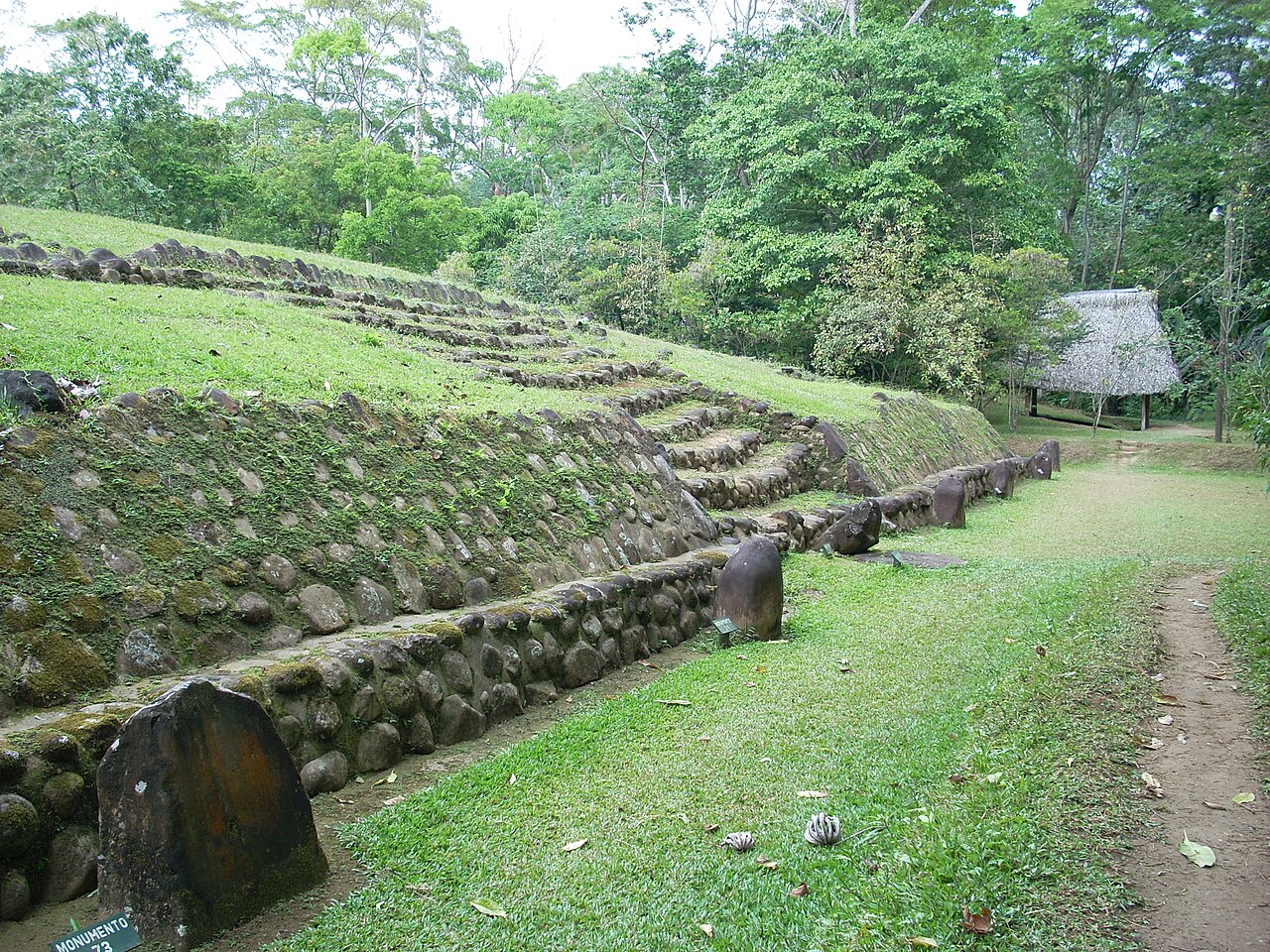
An ancient city on the Pacific slope with both Olmec-style and early Maya sculpture, including a Maya royal tomb and some of the earliest Maya writing. It was lived in from about the 9th century BC to at least the 10th century AD, and it became a UNESCO World Heritage Site in 2023, the most recent of Guatemala's four as of 2026.
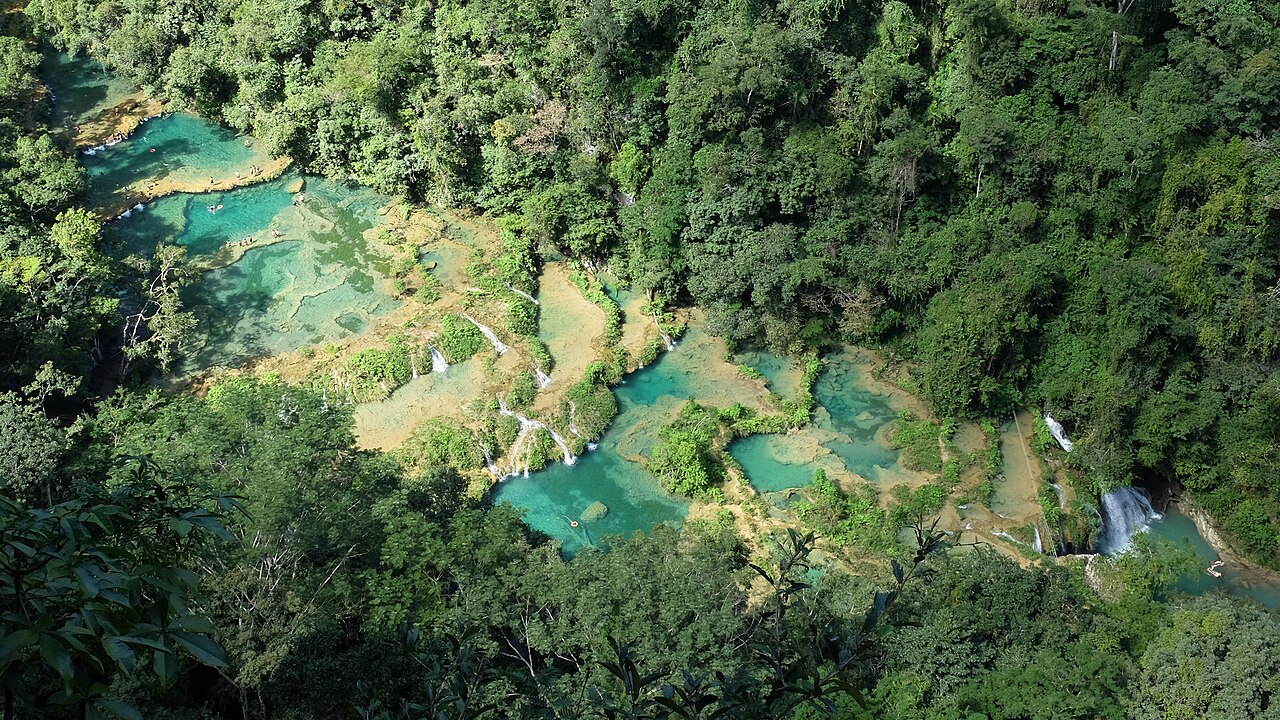
A 300 m natural limestone bridge in the forest near Lanquín, under which the Cahabón River disappears into a cave. On top lie terraces of turquoise pools for swimming. The name is Q'eqchi' for 'where the river hides under the earth'. The best view is from a lookout about 45 minutes' steep walk above.
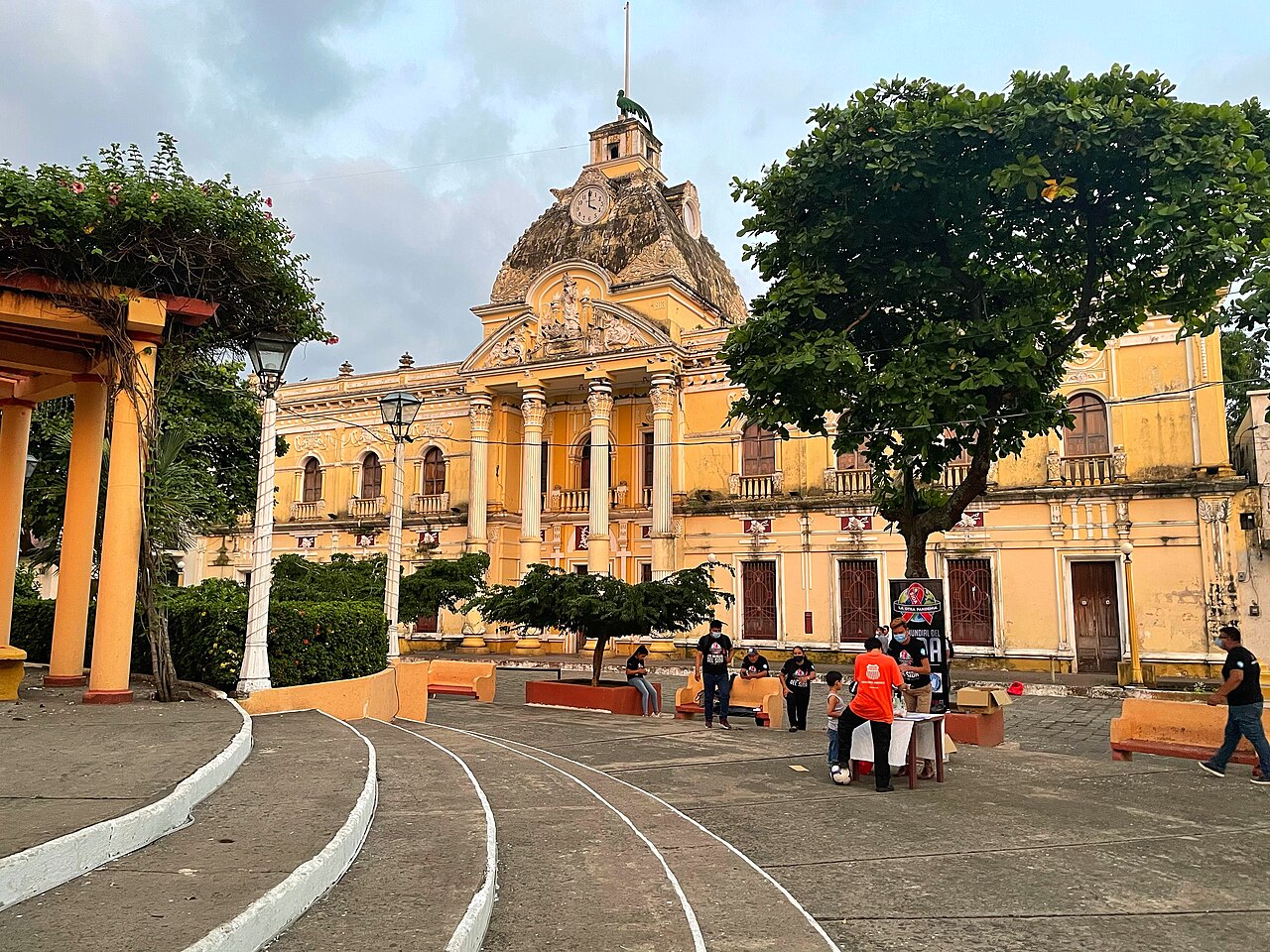
A grand green-stone palace on the central square of Guatemala City, built from 1939 to 1943. Once the seat of the president, it is now a museum used for state ceremonies. Inside is Kilometre Zero, the point from which all road distances in the country are measured.
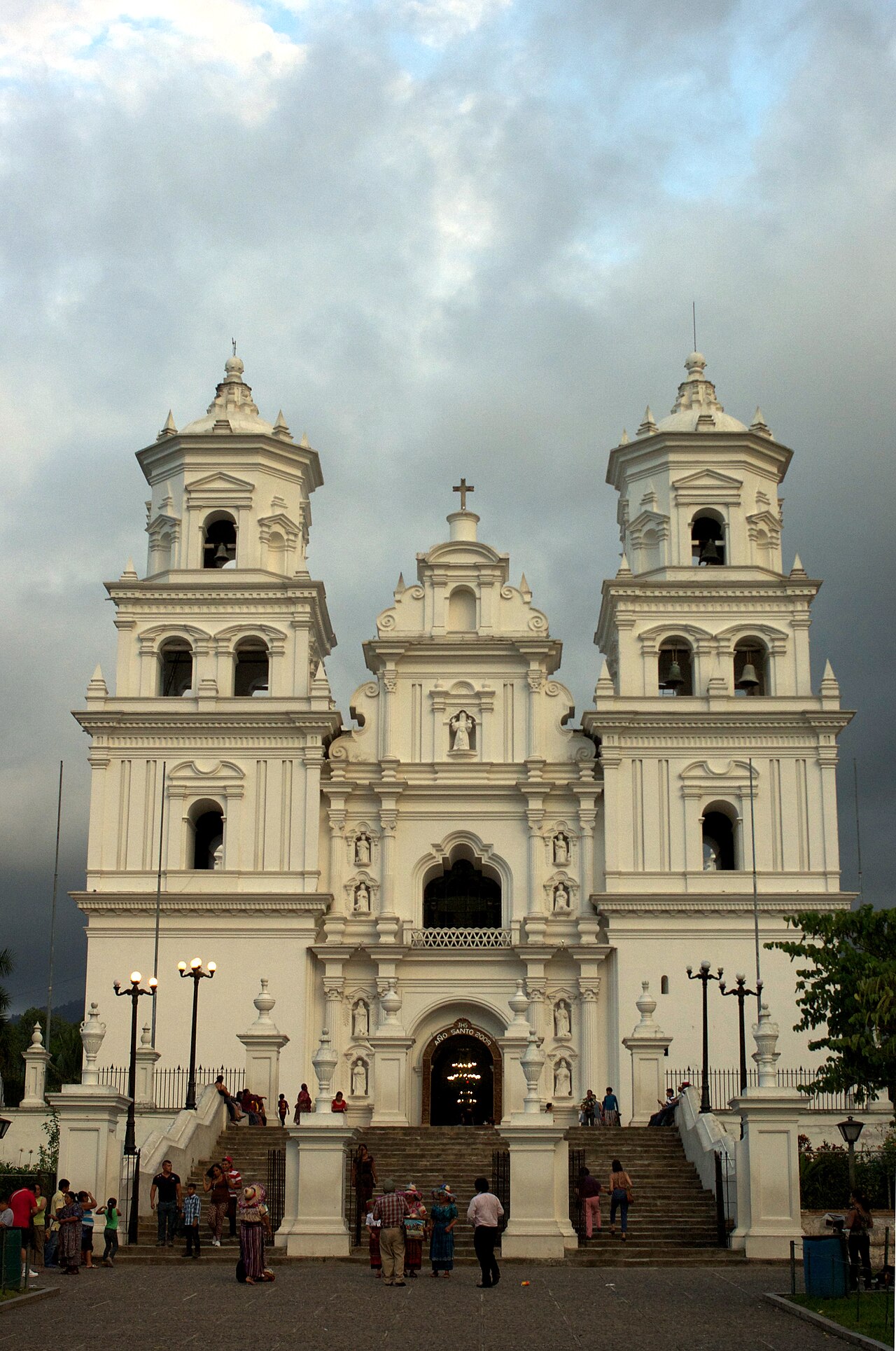
A large white baroque church, inaugurated in 1759, built to house the Black Christ of Esquipulas, a crucifix carved from dark wood by the Portuguese sculptor Quirio Cataño in 1594. Millions of pilgrims and visitors from all over Central America come to it every year.
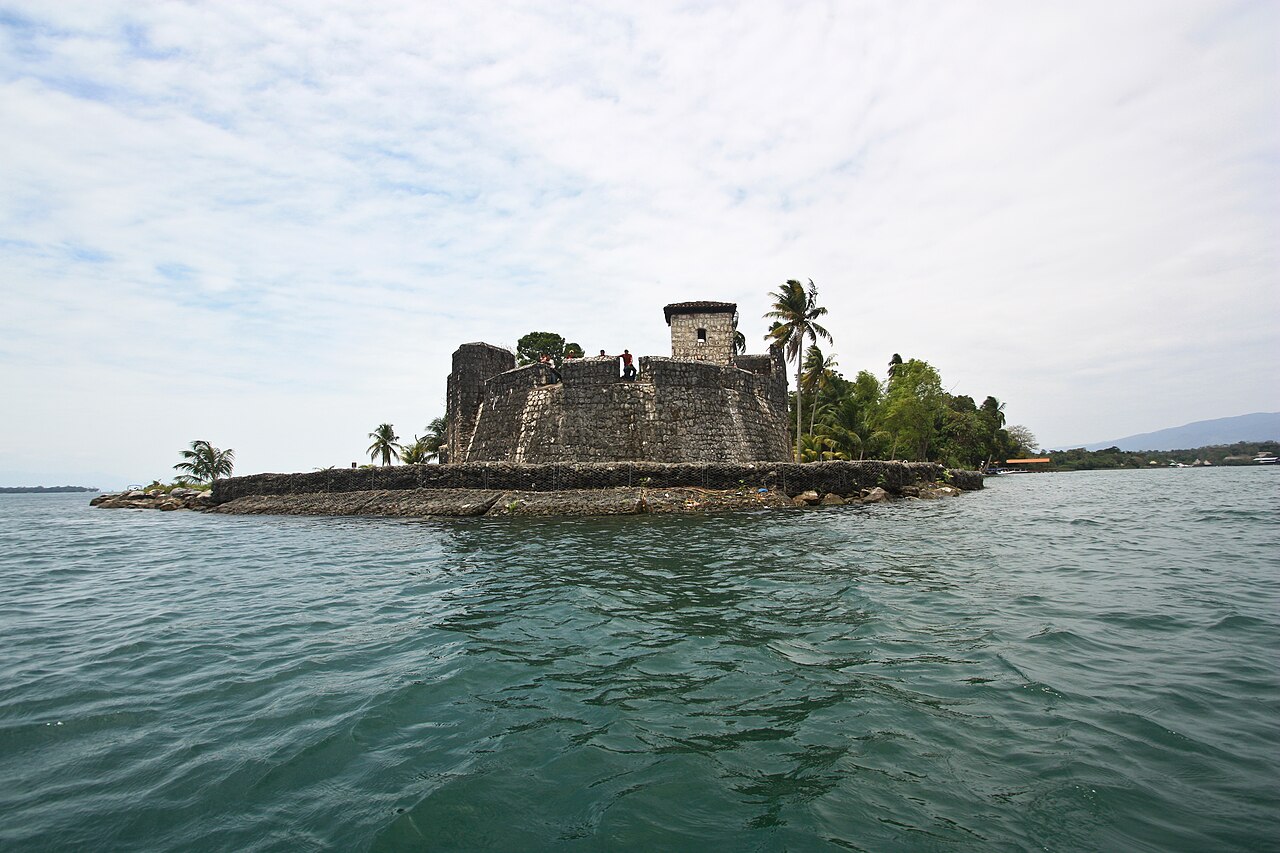
A small Spanish stone fort at the narrowest point of the Río Dulce, where the river leaves Lake Izabal. It was built to stop pirates from sailing up to the lake, and it was attacked and burned by them several times. Boats from Livingston pass it on the way up the river.
Volcán Tajumulco, at about 4,200 m, is the highest point in Central America. Guatemala has 37 volcanoes, and Fuego, Pacaya and Santiaguito erupt often.
02
The resplendent quetzal, a bird with long shimmering green tail feathers, is the national bird. It appears on the flag and coat of arms, and it gives its name to the currency, the quetzal.
03
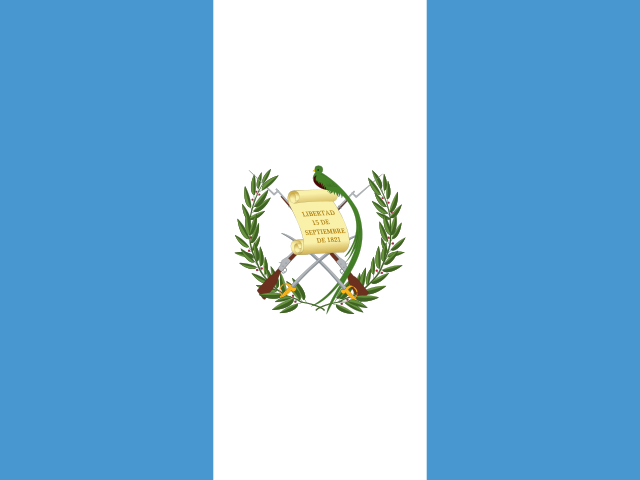
The coat of arms in the middle of the flag shows a quetzal, two crossed rifles, two crossed swords, a laurel wreath and a scroll with the date of independence, 15 September 1821.
04
The national flower is the monja blanca, or white nun, a rare white orchid. It has been protected by government decree since 1946 and appears on the 50-centavo coin.
05
Tikal appears in the first Star Wars film (1977) as the rebel base on the moon Yavin 4.
06
Guatemala has two Nobel Prize winners: the writer Miguel Ángel Asturias won the Nobel Prize in Literature in 1967, and Rigoberta Menchú won the Nobel Peace Prize in 1992.
07
Guatemala's first Olympic medal was a silver won by the race walker Erick Barrondo in London in 2012. Its first Olympic gold came in Paris in 2024, when Adriana Ruano won the women's trap shooting.
08
On 1 November, in Sumpango and Santiago Sacatepéquez, people fly and display giant round kites of tissue paper and bamboo, some many metres across, near the cemeteries. UNESCO added the craft of making these kites to its intangible heritage list in 2024.
09
During Lent and Holy Week, people in Antigua and other towns make carpets of dyed sawdust, flowers and pine needles on the streets, only for the processions to walk over them. Holy Week in Guatemala has been on UNESCO's intangible heritage list since 2022.
10
Guatemala is one of the world's biggest growers of cardamom, the spice brought by German coffee planters before the First World War. About 70 percent of it grows in Alta Verapaz.
11
Addresses in Guatemala City are made of avenue, street and zone: '7a Avenida 1-17, Zona 4' means a building on 7th Avenue, 17 m from the corner of 1st Street, in Zone 4.
12
At the 2018 census about 44 percent of Guatemalans identified as Indigenous, most of them Maya, one of the highest shares in the Americas. The largest Maya peoples are the K'iche', Q'eqchi', Kaqchikel and Mam.
13
The Maya Biosphere Reserve in Petén covers about 21,600 km², about one fifth of the whole country, and protects forests, lakes and hundreds of ancient sites.
Spanish (Guatemalan), with one word of K'iche' Maya Pronunciation is written the way it sounds; the capital letters show where the stress goes. Audio is coming soon.
Greetings
holaOH-lah (the h is silent)hello
adiósah-DYOHSgoodbye
graciasGRAH-syahsthank you
por favorpor fah-VORplease
maltioxmahl-tee-OHSHthank you (in K'iche' Maya)
Guatemalan Spanish
chapínchah-PEENa Guatemalan (informal)
patojopah-TOH-hohkid, youngster
chilerochee-LEH-rohcool, great
pistoPEES-tohmoney (slang)
chuchoCHOO-chohdog
Getting around
camionetakah-myoh-NEH-tahbus, especially a colourful 'chicken bus'
lanchaLAHN-chahsmall motor boat, such as the boats on Lake Atitlán
mercadomehr-KAH-dohmarket
Nature
volcánvohl-KAHNvolcano
lagoLAH-gohlake
Food
tortillator-TEE-yahflat corn bread
frijolesfree-HOH-lehsbeans (usually black beans)
eloteeh-LOH-tehfresh corn on the cob
aguacateah-gwah-KAH-tehavocado
shucoSHOO-koha Guatemalan hot dog (literally 'dirty')
Guatemala has a dry season from about November to April and a rainy season from about May to October, when afternoon downpours are common and roads can suffer landslides. The highlands are spring-like by day but cold at night, especially in Quetzaltenango, while Petén and the coasts are hot and humid all year.
Check the rules before you travel
As of September 2026, British visitors can stay up to 90 days without a visa, and the passport must be valid for at least 6 months after arrival. Under the CA-4 agreement those 90 days also cover El Salvador and Nicaragua, and they do not restart when you cross between them. Always check the latest rules before you go.
Take shuttles rather than chicken buses
The colourful camionetas, old American school buses, are cheap and fun to look at but crowded, and robberies happen. For longer trips most visitors use tourist shuttles or first-class buses, and in cities they take radio taxis or ride-hailing apps rather than taxis hailed in the street. Avoid driving at night.
Climb volcanoes with a guide
Hikes up Pacaya, Acatenango or Tajumulco are highlights, but go with a licensed local guide, bring warm clothes for the summit, and check the official volcano and disaster agencies (INSIVUMEH and CONRED) first. For Tajumulco, where GOV.UK warns of violent crime in the area, ask PROATUR (1500) first whether it is safe to climb. There is no mountain rescue service, and some routes have had robberies.
Ask before taking photos
Many Maya people, especially women and children, do not want to be photographed by strangers. Always ask first, and accept a no with a smile. In markets and churches such as Santo Tomás in Chichicastenango, respect the prayers and ceremonies going on around you.
Carry quetzales and drink safe water
Cards work in cities and hotels, but markets, small shops, boats and village restaurants want cash in quetzales. Drink only bottled or purified water, and take care with raw salads and ice in simple places.
Save the emergency numbers
As of September 2026, the police can be called on 110, and the fire brigade and ambulance on 122 or 123. PROATUR, the tourist assistance service of INGUAT, answers 24 hours a day in English and Spanish on 1500.
 Belize
 El Salvador
 Honduras
 Mexico