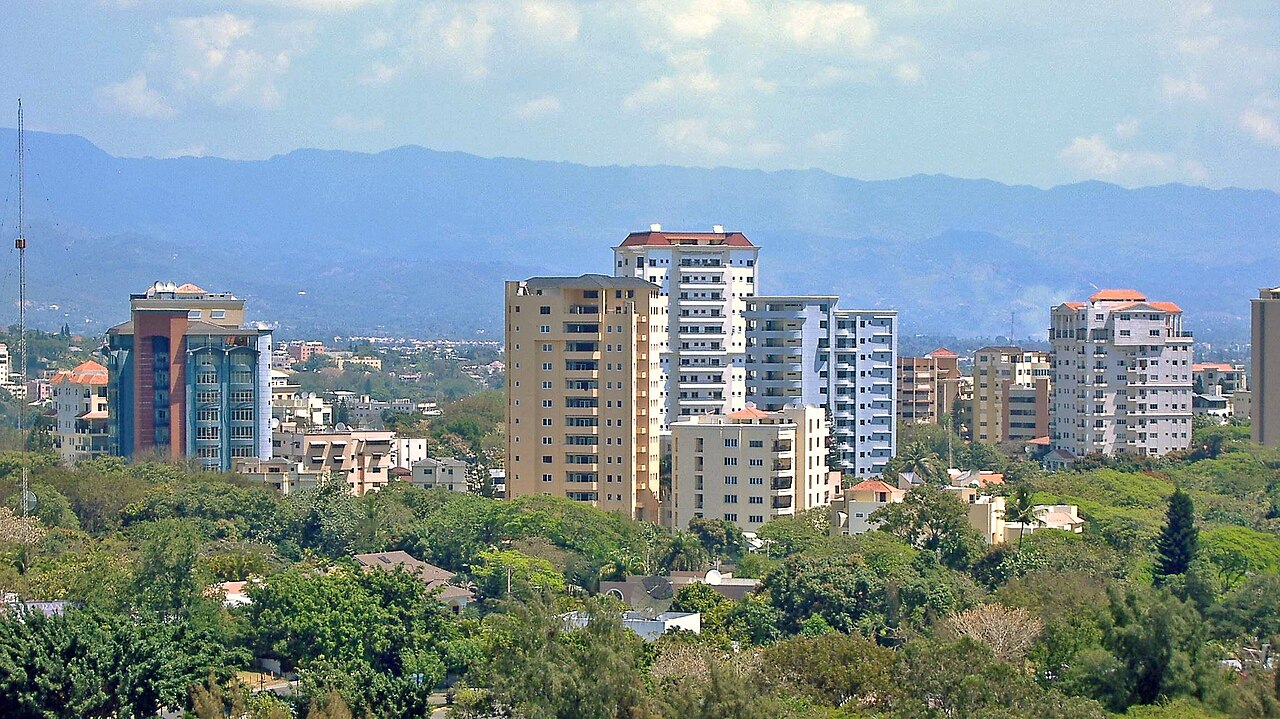
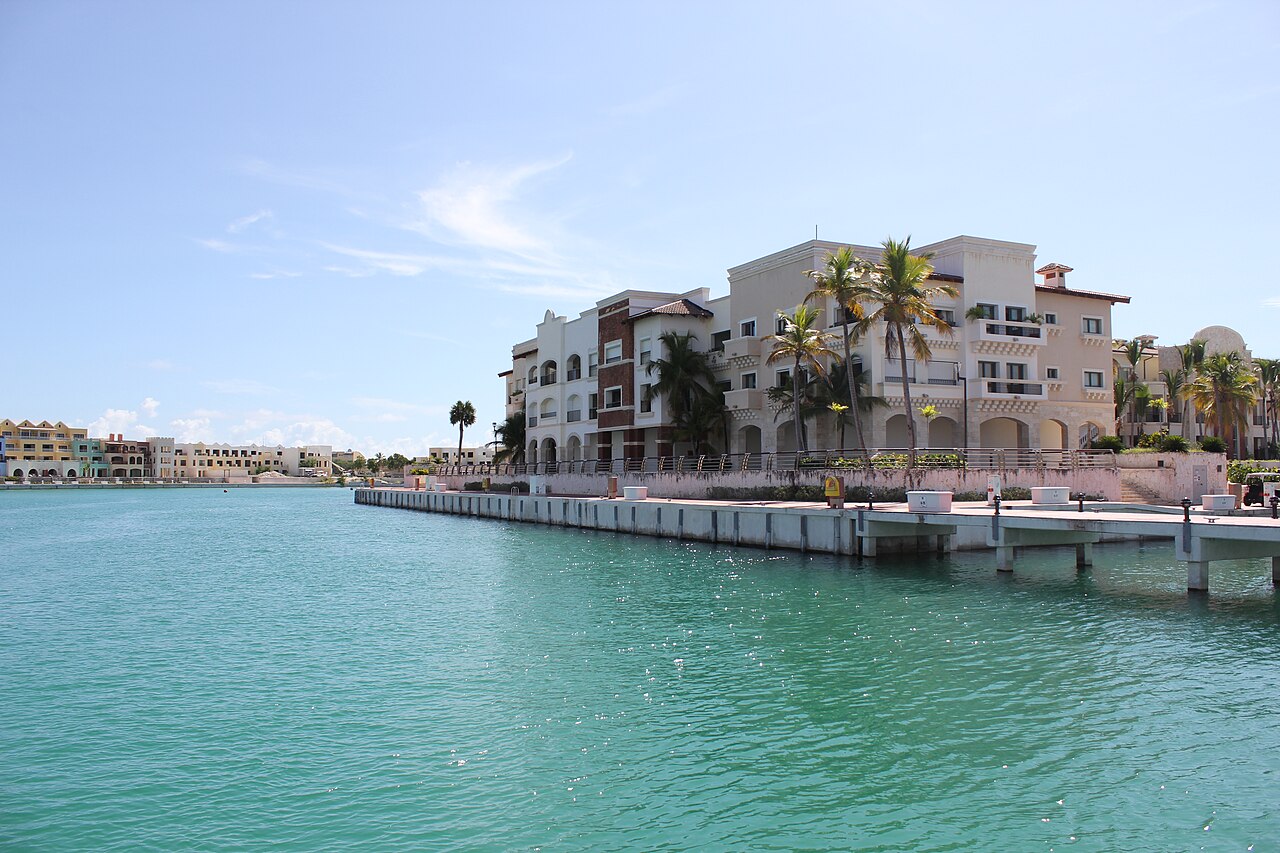
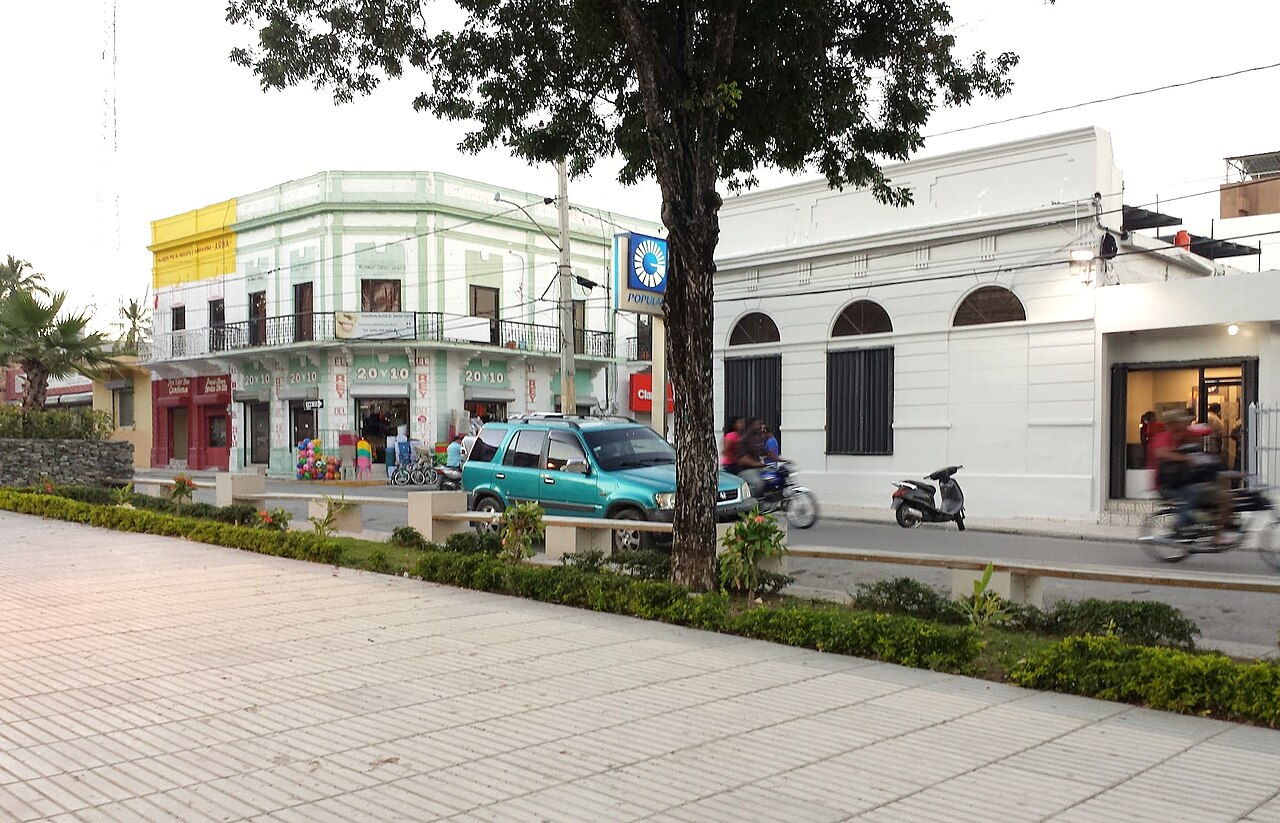
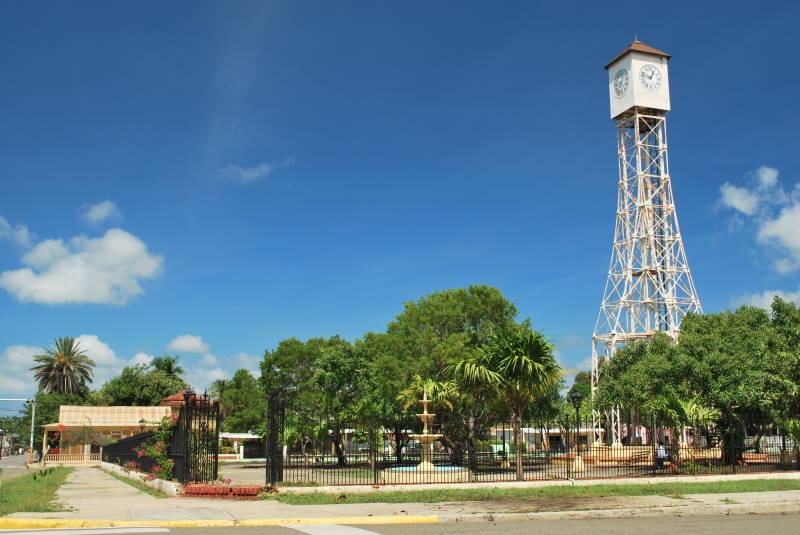
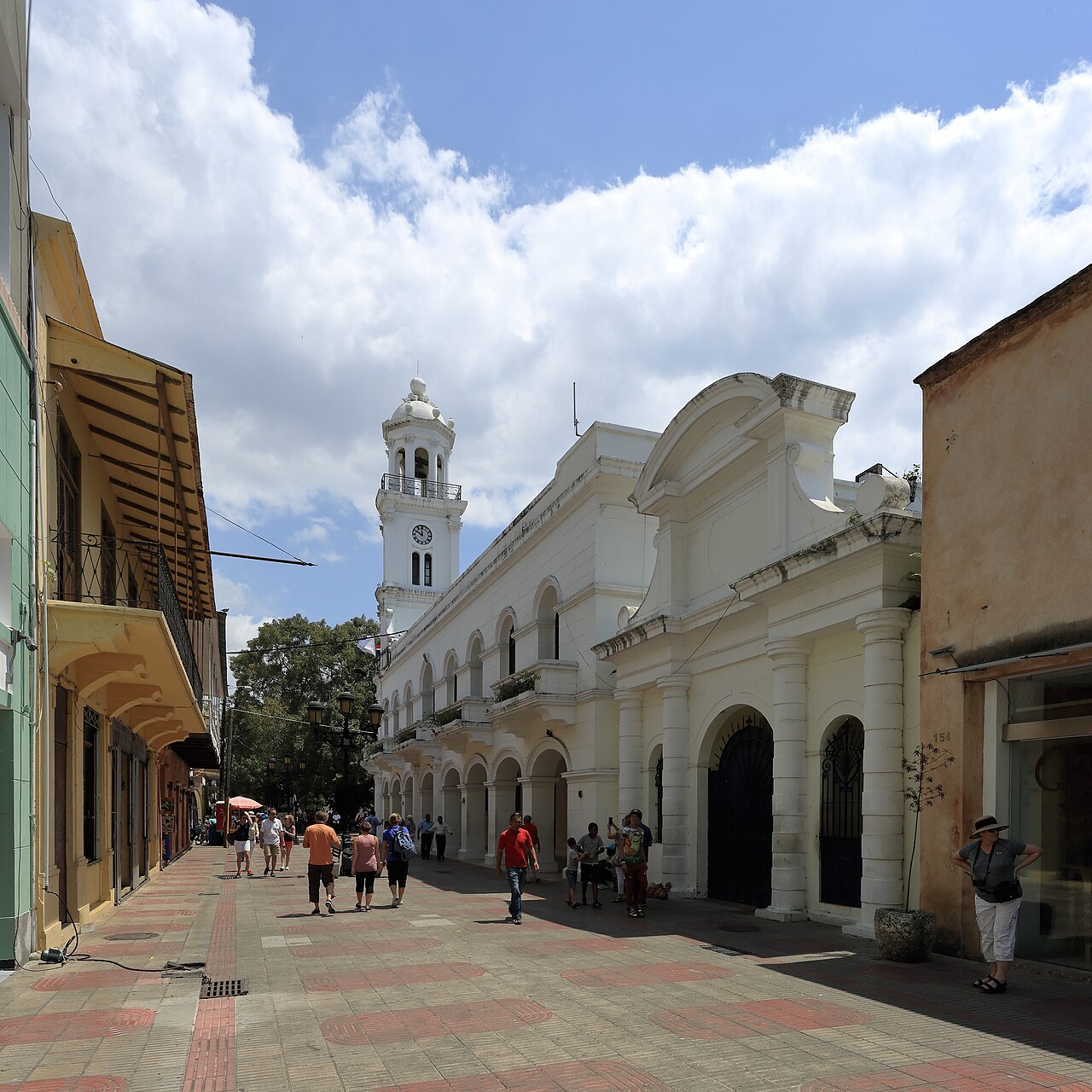
The eastern part of Hispaniola: the oldest continuously inhabited European city in the Americas, the highest mountain in the Caribbean, merengue and bachata, and a plate of rice and beans called the flag.
Your trip to Dominican Republic
Ready for the trip?
10 questionsAbout 3 minutesNo timer
Explore Dominican Republic
You have explored 0 of 9 parts. Scroll on to discover the rest.
A free large-print PDF. Choose what goes in: facts, map, history, dishes and recipes, phrases, fun facts, a quiz with or without answers. Made for clubs, care homes, libraries and family afternoons.
The Dominican Republic covers the eastern five-eighths of Hispaniola, an island in the Greater Antilles that it shares with Haiti. The Atlantic Ocean lies to the north and the Caribbean Sea to the south, and Puerto Rico is across the Mona Passage to the east. It is the second largest country in the Caribbean after Cuba, and its landscape changes fast: pine-covered mountains in the centre, the fertile Cibao valley in the north, dry cactus country in the southwest, and long white beaches in the east.
The Taíno lived on the island, which they called Ayiti or Quisqueya, when Christopher Columbus arrived in December 1492. Santo Domingo, founded in the 1490s, became the first seat of Spanish rule in the Americas and is the oldest continuously inhabited European settlement there. After Spanish rule, a short-lived independence and 22 years of Haitian rule, the Dominican Republic declared independence on 27 February 1844. Its later history includes a return to Spanish rule, a war to restore independence, an American occupation and the long dictatorship of Rafael Trujillo, which ended in 1961.
Today about 10.8 million people live here, according to the 2022 census, and more than a third of them live in and around Santo Domingo. The culture mixes Spanish, African and Taíno roots. It is the home of merengue and bachata, and baseball is by far the favourite sport. Visitors come for the beaches of Punta Cana and Samaná, the old Colonial City of Santo Domingo, the mountains around Jarabacoa, and the humpback whales that arrive every winter.
CapitalSanto Domingo
PopulationAbout 10.8 million (2022 national census)
Official languageSpanish. Haitian Creole is widely spoken by Haitian immigrants and their descendants, and on the Samaná peninsula some descendants of 19th-century African American settlers still speak Samaná English
CurrencyDominican peso (DOP)
AreaAbout 48,700 km², the eastern five-eighths of the island of Hispaniola
GovernmentPresidential republic with 31 provinces and the National District of Santo Domingo. The president is elected for four years
Highest mountainPico Duarte, about 3,100 m, the highest peak in the whole Caribbean
Longest riverThe Yaque del Norte, about 296 km, which flows from the Cordillera Central to the Atlantic near Monte Cristi
NeighboursHaiti to the west, on the same island. Across the sea: Puerto Rico to the east, and the Turks and Caicos Islands and the Bahamas to the north
Drives on theRight
Calling code+1, the same as the United States and Canada, with the area codes 809, 829 and 849
The island was home to the Taíno when Columbus arrived in 1492, and Santo Domingo soon became the first capital of Spain's empire in the Americas. Over the next centuries the eastern part of Hispaniola passed between Spain, France and Haiti before declaring independence in 1844. The young country was annexed by Spain again, fought a war to restore its independence, was occupied by the United States from 1916 to 1924, and lived through the dictatorship of Rafael Trujillo from 1930 to 1961. After a civil war in 1965, elections gradually became freer, and international observers have judged the elections held since 1996 to be generally free and fair.
1492
Columbus reaches Hispaniola
On 5 December 1492, on his first voyage, Christopher Columbus reached the island the Taíno called Ayiti or Quisqueya, landing first on its northwestern coast in what is now Haiti. He claimed it for the Crown of Castile and named it La Española. At the time the island was divided into five Taíno chiefdoms. Within a few decades most of the Taíno had died from war, forced labour and diseases brought from Europe.
1496
Santo Domingo is founded
Bartholomew Columbus, Christopher's brother, founded a settlement at the mouth of the Ozama River, usually dated to 1496, although some sources give 1498. After a hurricane in 1502, Governor Nicolás de Ovando rebuilt the town on the west bank of the river, where the Colonial City stands today. It became the first seat of Spanish rule in the Americas, expeditions to Puerto Rico and Cuba set out from here, and many conquerors, including Hernán Cortés, lived here first.
1586
Francis Drake captures Santo Domingo
The English privateer Sir Francis Drake captured Santo Domingo in 1586 and held it for ransom. His raid marked the start of a long decline in Spanish power on the island. In the early 1600s Spain emptied much of the north and west of the island to stop smuggling, and French settlers moved into the west.
1697
Spain recognises French rule in the west
By the Treaty of Ryswick in 1697, Spain accepted that the western third of Hispaniola belonged to France. The French colony of Saint-Domingue became the richest colony in the Caribbean, worked by hundreds of thousands of enslaved Africans, and in 1804 it became the independent country of Haiti. The Spanish east, called Santo Domingo, was much poorer and less populated.
1821
The Ephemeral Independence
On 30 November 1821 José Núñez de Cáceres, a former top official of the colony, declared Santo Domingo independent from Spain as Spanish Haiti. The new state lasted only about two months. It is remembered as the Ephemeral Independence.
1822
Haiti takes control of the whole island
In February 1822 Haitian troops under President Jean-Pierre Boyer entered Santo Domingo, and the whole island came under one government in Port-au-Prince. Boyer abolished slavery in the east. Haitian rule lasted 22 years, and Dominicans remember it as an occupation.
1838
Duarte founds La Trinitaria
In 1838 Juan Pablo Duarte founded La Trinitaria, a secret society that worked for complete independence. Duarte, Francisco del Rosario Sánchez and Matías Ramón Mella are honoured as the three Founding Fathers, and Duarte as the Father of the Nation. His birthday, 26 January, is a public holiday.
1844
Independence is declared
On the night of 27 February 1844 members of La Trinitaria rose up in Santo Domingo and declared independence from Haiti. The first constitution followed on 6 November 1844. For decades afterwards the country was ruled mostly by rival strongmen, above all Pedro Santana and Buenaventura Báez.
1861
Spain annexes the country again
Facing money troubles and fearing another attack from Haiti, President Pedro Santana asked Spain to take the country back. On 18 March 1861 the annexation was announced, and the Dominican Republic became a Spanish province again, 17 years after independence.
1863
The Restoration War begins
On 16 August 1863 Dominican rebels began the War of Restoration against Spanish rule. After nearly two years of guerrilla fighting, Spain withdrew its troops in July 1865 and independence was restored. 16 August is now celebrated as Restoration Day.
1916
The United States occupies the country
After years of civil wars and unpaid foreign debts, US Marines landed in May 1916 and a US military government ran the country until 1924. The occupation was widely resented, but it also built roads linking the regions and hundreds of schools, and it created a new National Guard.
1930
Trujillo seizes power
In 1930 Rafael Trujillo, head of the army trained during the occupation, took power. He ruled as a dictator for 31 years, renamed the capital Ciudad Trujillo in 1936 and crushed all opposition with prison, torture and murder. In October 1937 his troops killed thousands of Haitians and Dominicans of Haitian descent living in the border region, in what is known as the Parsley massacre; estimates of the dead range from about 14,000 to 40,000.
1960
The Mirabal sisters are murdered
On 25 November 1960 three sisters, Patria, Minerva and María Teresa Mirabal, who worked against the dictatorship, were murdered by Trujillo's agents on a mountain road near Puerto Plata. Their deaths shocked the country. Since 1999 the United Nations has marked 25 November as the International Day for the Elimination of Violence against Women.
1961
Trujillo is assassinated
On 30 May 1961 Trujillo was shot dead by Dominican opponents in a car ambush near the capital. His family left the country later that year, and Santo Domingo got its old name back.
1965
Civil war and a second US intervention
In 1963 the elected president, the writer Juan Bosch, was removed by a military coup after seven months in office. In April 1965 his supporters rose up in Santo Domingo, starting a short civil war, and the United States sent in thousands of troops, later joined by an inter-American force. Elections were held in 1966 and the foreign troops left that year.
2016
Merengue joins UNESCO's heritage list
On 30 November 2016 UNESCO added the music and dance of Dominican merengue to its list of the Intangible Cultural Heritage of Humanity. Bachata, the guitar music born in the countryside and poor city neighbourhoods, followed in December 2019.
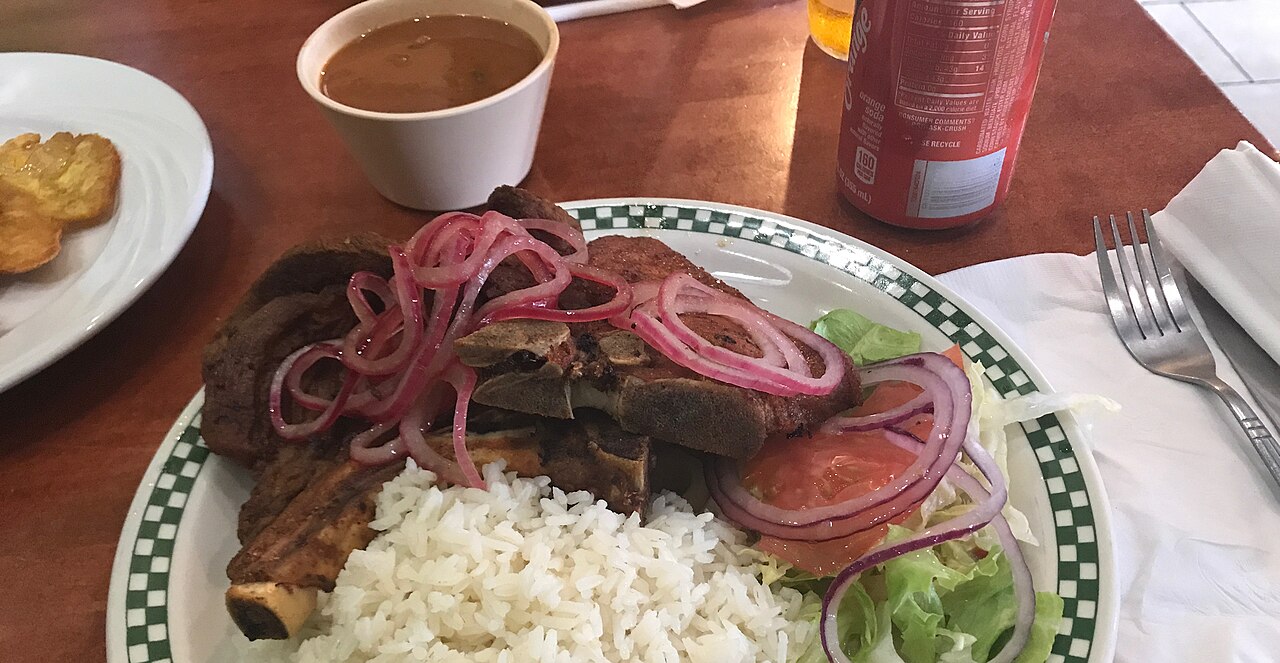
Dominican food mixes Spanish, Taíno and African cooking, with later touches from Lebanese and Syrian immigrants and from workers who came from the English-speaking Caribbean islands. The day often starts with mangú, mashed green plantains, perhaps with fried cheese, salami and eggs. Lunch is the biggest meal of the day, and the classic plate is la bandera, 'the flag': white rice, red beans and stewed meat, usually with salad or fried plantains. Many dishes start with sofrito, a mix of onion, peppers, garlic and herbs, and the favourite herb is Dominican oregano. Rice, plantains, cassava (yuca) and pork are everywhere, the spicing is mild, and desserts are sweet and often made with coconut.
The everyday Dominican lunch, and the most popular dish in the country. It is a plate of fluffy white rice with red beans stewed in a sauce, and meat stewed in a tomato sauce, usually chicken, beef or pork. Salad, fried plantains or avocado often come on the side.
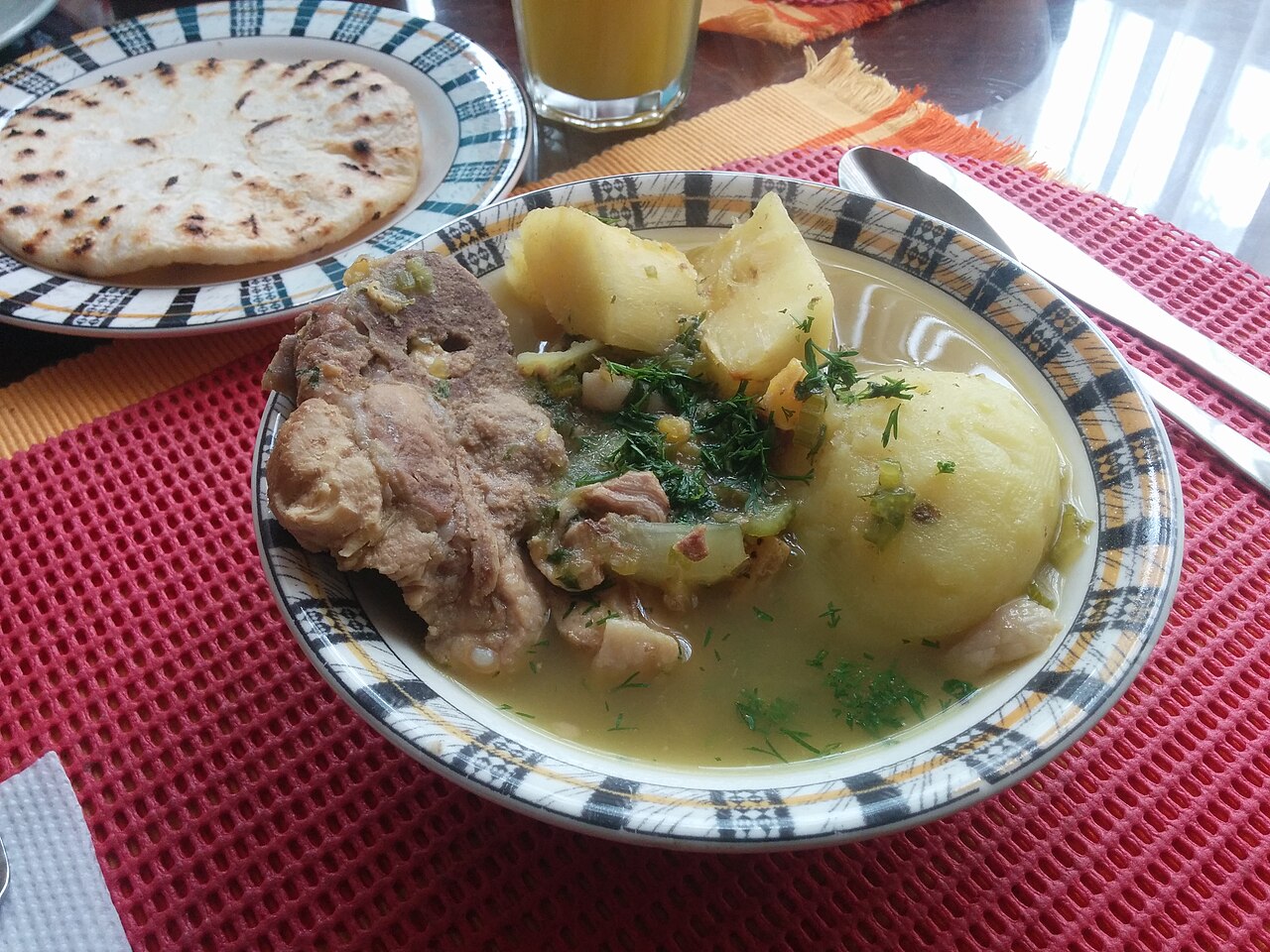
A thick, hearty stew of meat, root vegetables such as cassava, yautía and potato, green plantain, corn and pumpkin, simmered until the broth becomes rich and creamy. It is served with white rice and slices of avocado, and it is a favourite dish for family gatherings and celebrations.
The grandest version, sancocho de siete carnes, is made with seven kinds of meat, such as chicken, beef, pork, goat and sausage.
See the recipe
Serves 6
2 h
Ingredients
1 kg chicken pieces, or a mix of chicken, beef and pork cut into chunks
Juice of 1 lime, 2 garlic cloves, crushed, 1 teaspoon dried oregano and salt
2 tablespoons oil
1 onion and 1 green pepper, chopped, and a handful of chopped coriander
2 green plantains, peeled and cut into chunks
500 g cassava (yuca), peeled and cut into chunks
300 g yautía or potato, and 300 g pumpkin, cut into chunks
2 corn cobs, cut into rounds
About 3 litres of water
To serve: white rice, avocado and hot sauce
Method
Rub the meat with the lime juice, garlic, oregano and salt and leave it for 30 minutes.
Heat the oil in a large pot and brown the meat with the onion and pepper for about 10 minutes, stirring.
Add the water and the corn, bring to the boil and simmer for 30 minutes.
Add the cassava, yautía or potato, plantain and pumpkin. Simmer for another 40 to 50 minutes, stirring now and then, until everything is soft and some of the pumpkin and cassava has melted into the broth to thicken it.
Add the coriander, check the salt and serve hot with white rice, avocado and hot sauce on the side.
The whole country, with roots in West African fufu
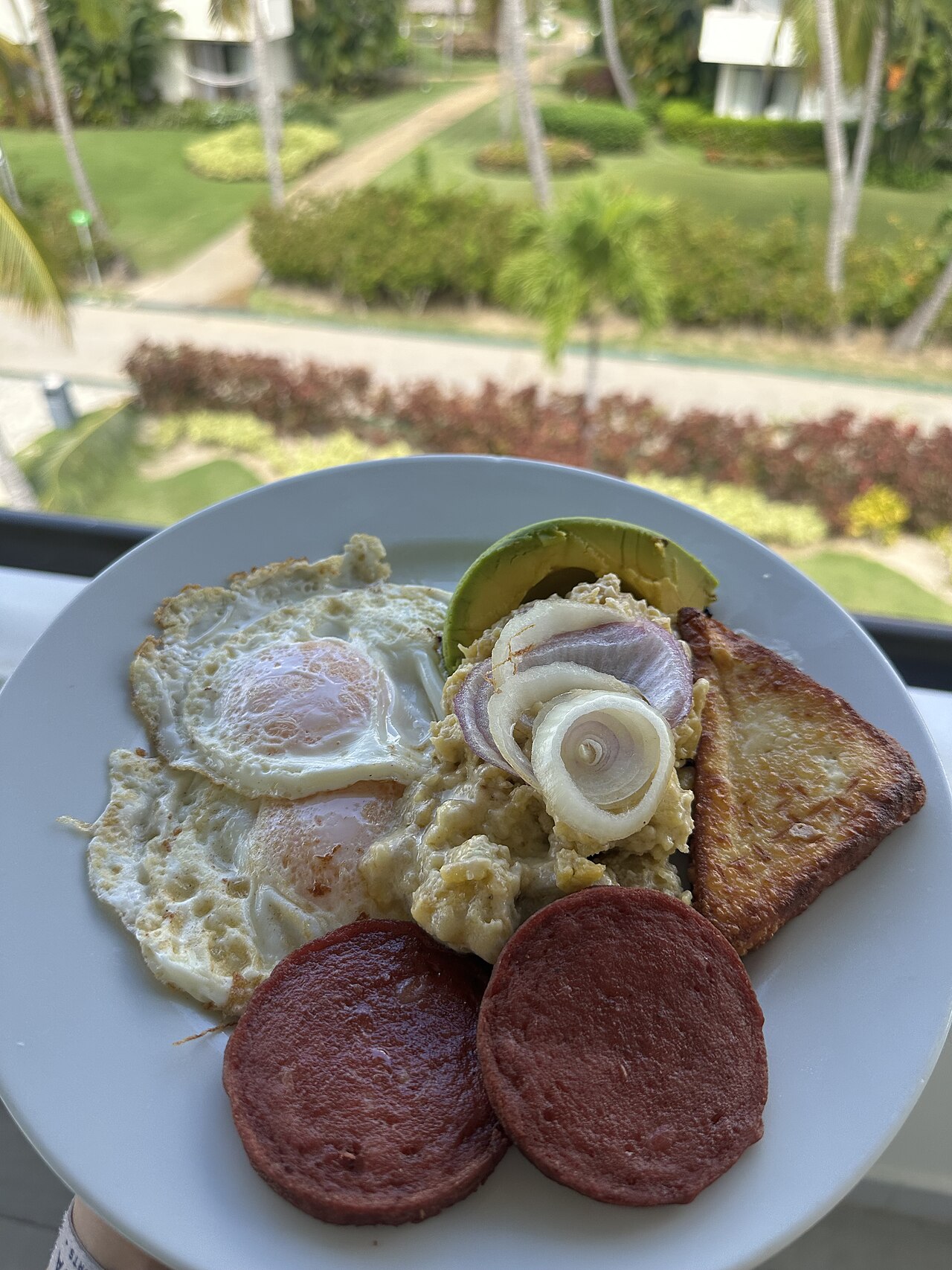
The national breakfast dish: boiled green plantains mashed until smooth with a little of the cooking water, often with butter, and topped with red onions softened in vinegar and oil. Served with fried cheese, fried Dominican salami and fried eggs, it is called 'los tres golpes', 'the three hits'. It is also eaten at lunch and dinner.
Mashed plantains came to the Caribbean with enslaved Africans; mangú is a relative of West African fufu.
See the recipe
Serves 4
30 min
Ingredients
4 green (unripe) plantains
2 tablespoons butter
2 red onions, sliced into rings
3 tablespoons white vinegar and 2 tablespoons oil
Salt
To serve (optional): slices of fried cheese, fried salami and fried eggs
Method
Peel the plantains, cut them into chunks and boil them in salted water for about 20 minutes, until very soft.
Meanwhile, warm the oil in a pan, add the onion rings and cook gently for a few minutes, then add the vinegar and a pinch of salt and cook for 2 more minutes.
Drain the plantains, keeping a cup of the cooking water. Mash them with the butter and a little of the water until smooth, with no lumps.
Spoon the mangú onto plates and top with the onions.
Serve with fried cheese, salami and eggs if you like. Older people, pregnant women and young children should have their eggs cooked until the yolk is firm.
The whole country, and across the Caribbean and Latin America
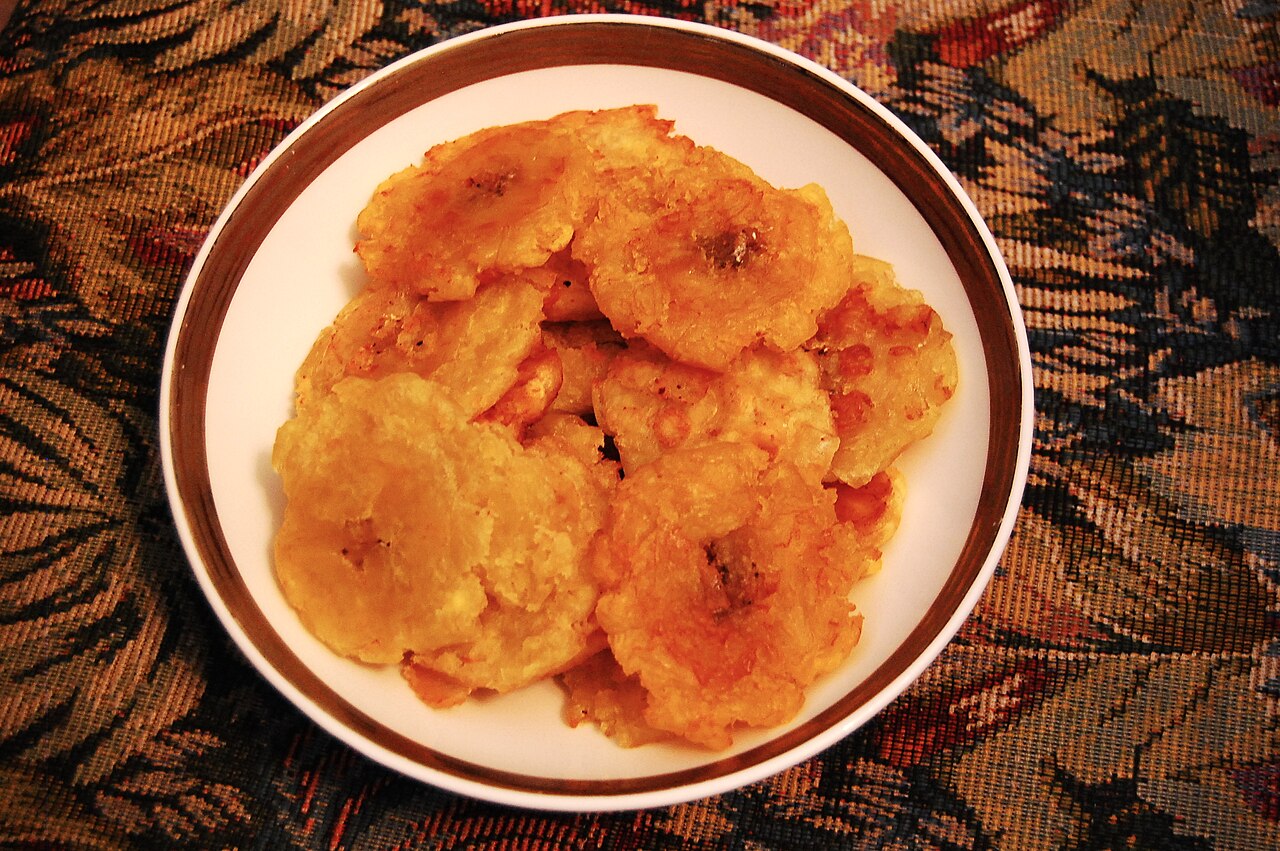
Slices of green plantain fried once, flattened, then fried again until crisp and golden. They come with almost everything, from fried fish at the beach to pork and chicken, and in the Dominican Republic they are usually served with lime wedges and salt.
The name comes from the Spanish verb 'tostar', to toast.
See the recipe
Serves 4
25 min
Ingredients
2 green (unripe) plantains
Oil for frying, about 2 cm deep in a pan
Salt
Lime wedges to serve
Method
Peel the plantains and cut them into slices about 2 to 3 cm thick.
Heat the oil and fry the slices for 3 to 4 minutes, turning once, until pale gold. Lift them out onto kitchen paper.
Flatten each slice between two plates, or with the bottom of a glass, to about 1 cm thick.
Fry them again for 2 to 3 minutes until crisp and golden.
Drain, sprinkle with salt and serve hot with lime wedges.
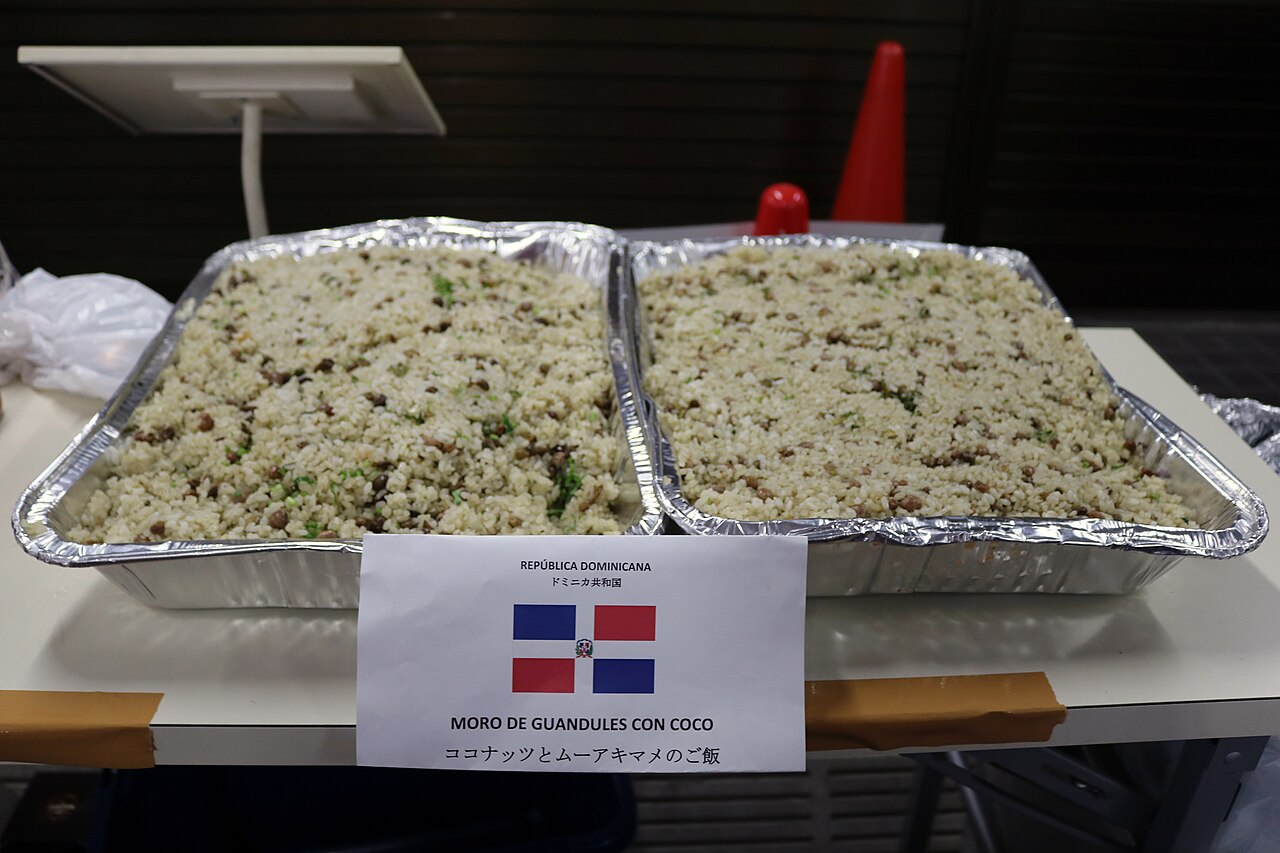
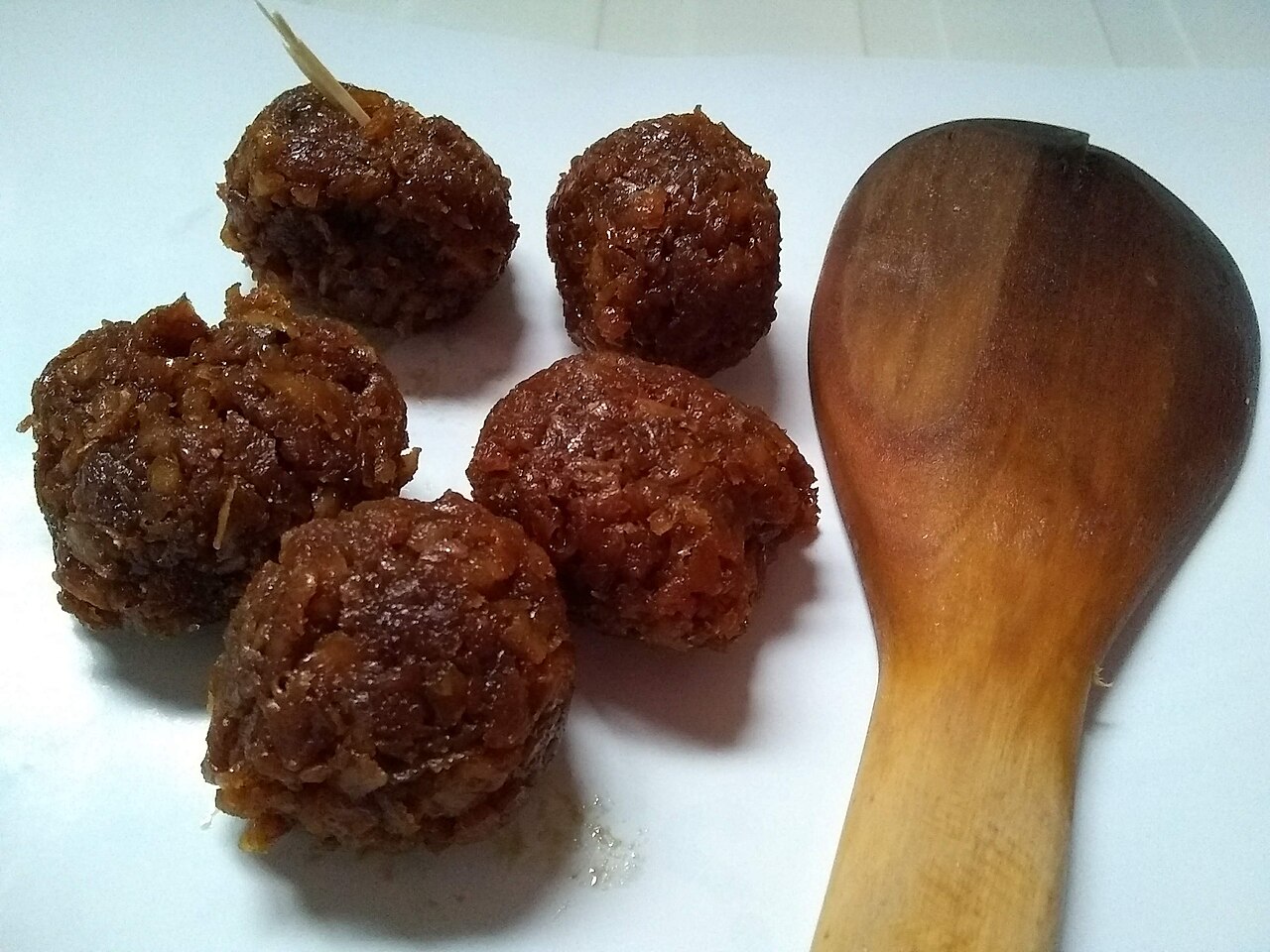
A one-pot dish of rice cooked with pigeon peas (guandules), celery, peppers, onion, garlic, herbs and a little tomato paste. Cooked with coconut milk it becomes moro de guandules con coco, a favourite at Christmas and on the coconut-growing northeast coast.
See the recipe
Serves 6
50 min
Ingredients
400 g long-grain rice, rinsed
1 can (about 400 g) pigeon peas, drained
1 can (400 ml) coconut milk (optional)
2 tablespoons oil
1 onion, 1 green pepper and 1 celery stick, finely chopped
2 garlic cloves, crushed, and a handful of chopped coriander
1 tablespoon tomato paste and 1 teaspoon dried oregano
About 600 ml water or stock (use 250 ml less if you add coconut milk)
Salt
Method
Heat the oil in a heavy pot and cook the onion, pepper, celery and garlic for 5 minutes.
Stir in the tomato paste, oregano, coriander and pigeon peas and cook for 2 minutes.
Add the water or stock, and the coconut milk if you are using it, season with salt and bring to the boil.
Stir in the rice and cook uncovered until most of the liquid has been absorbed.
Turn the heat very low, stir once, cover tightly and cook for 20 minutes until the rice is tender.
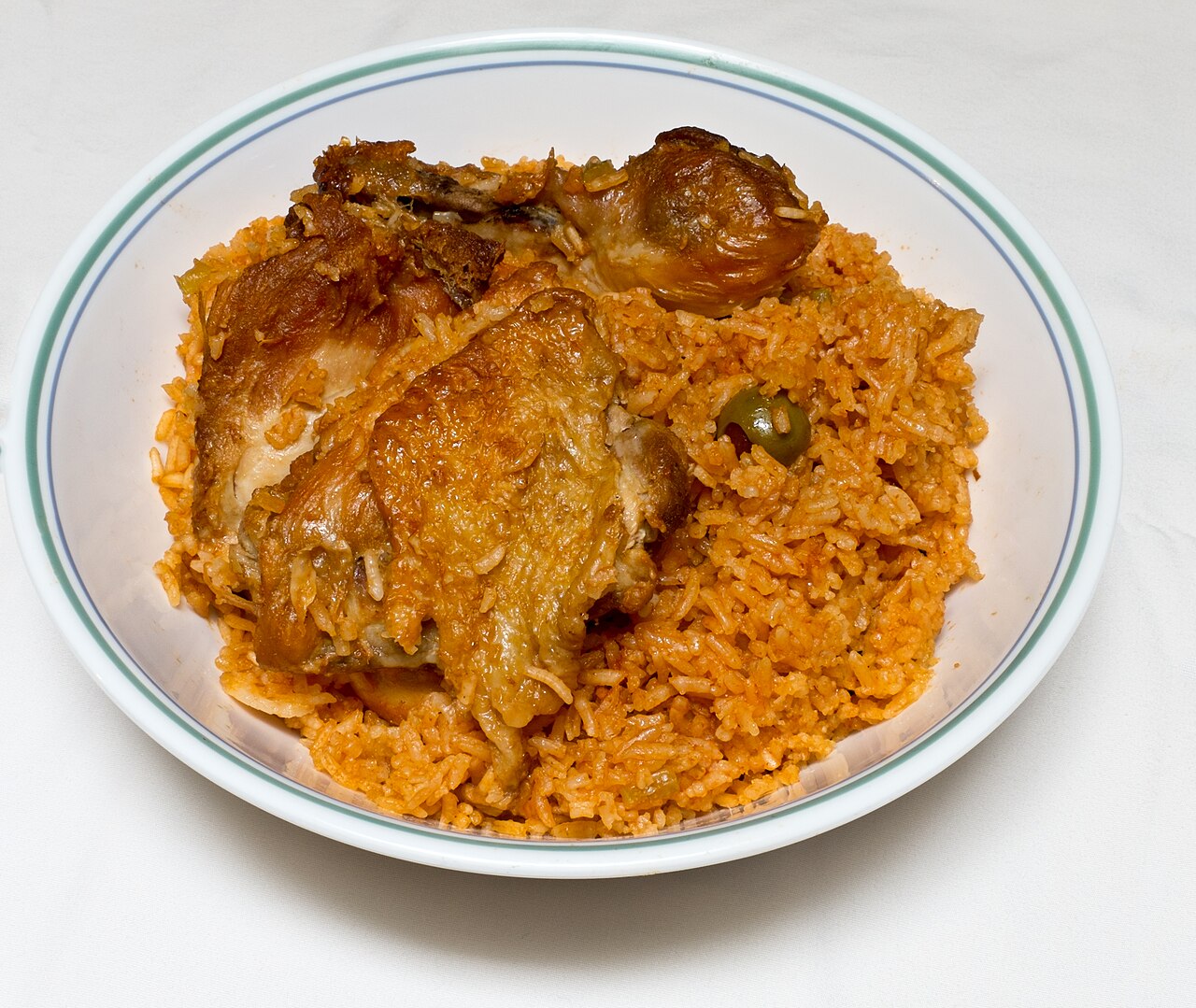
Seasoned rice cooked in one pot with chicken, and a close cousin of Spanish paella. Locrio can also be made with Dominican salami, pork, herring, sardines or seafood.
The crisp layer of rice left at the bottom of the pot is called concón, and many Dominicans think it is the best part.
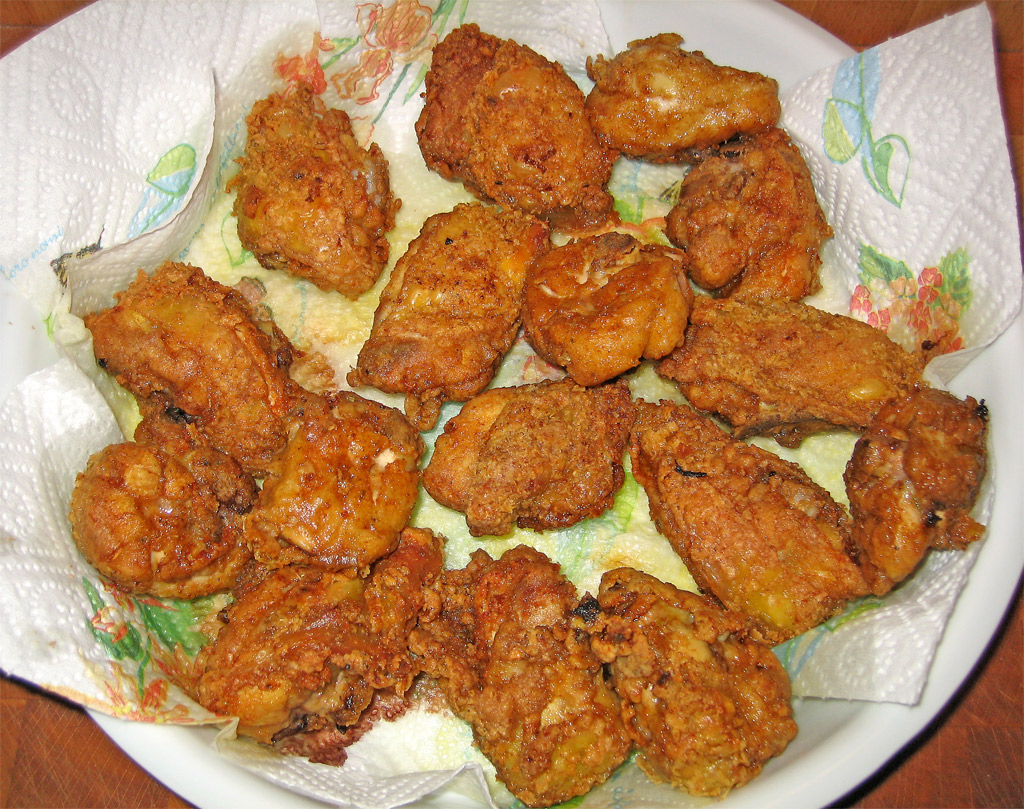
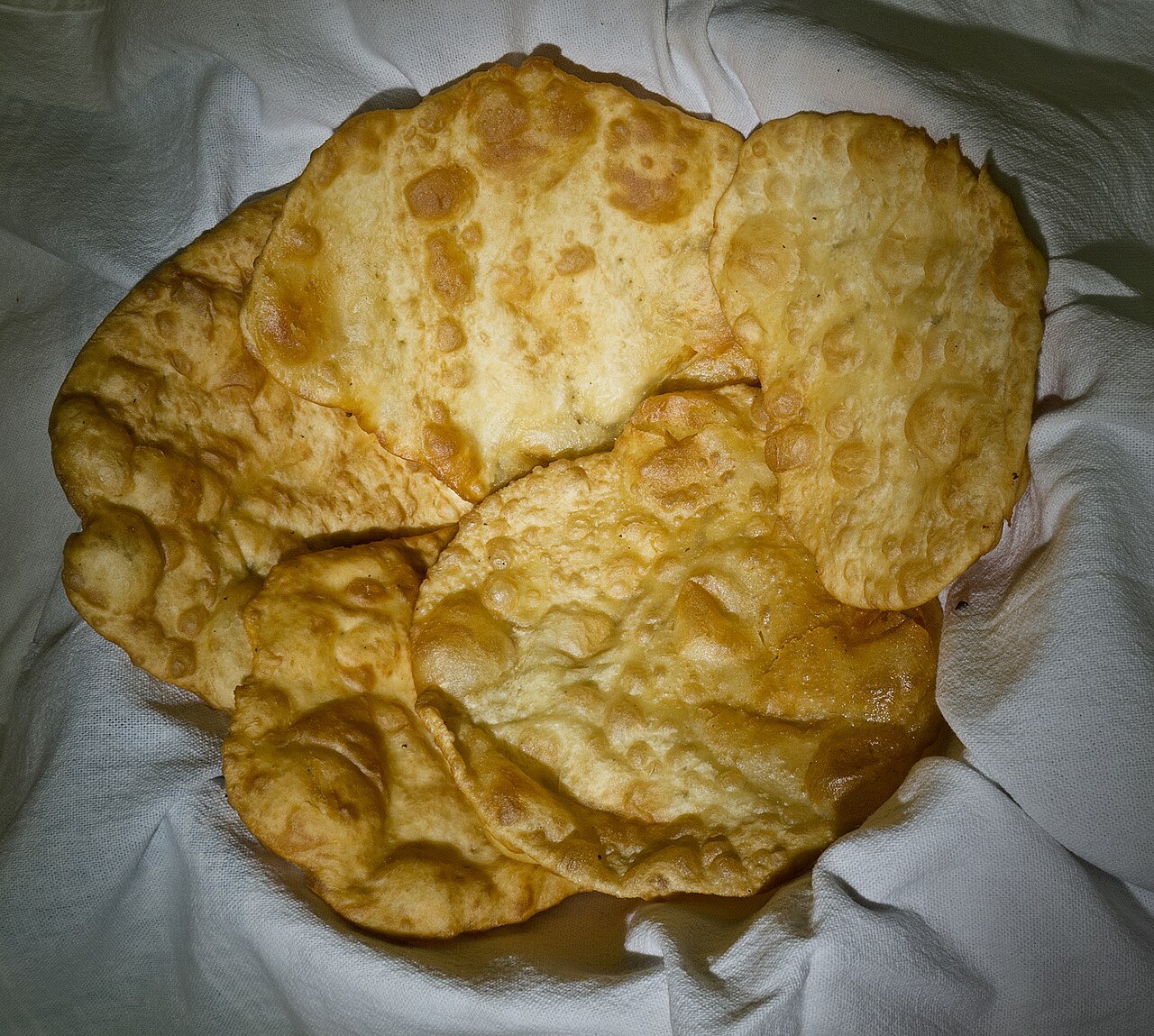
Dominican fried chicken: small pieces of chicken marinated in lime juice, garlic and oregano, coated in seasoned flour and fried until very crisp. It is sold in small fast-food shops all over the country and is served with tostones and lime.
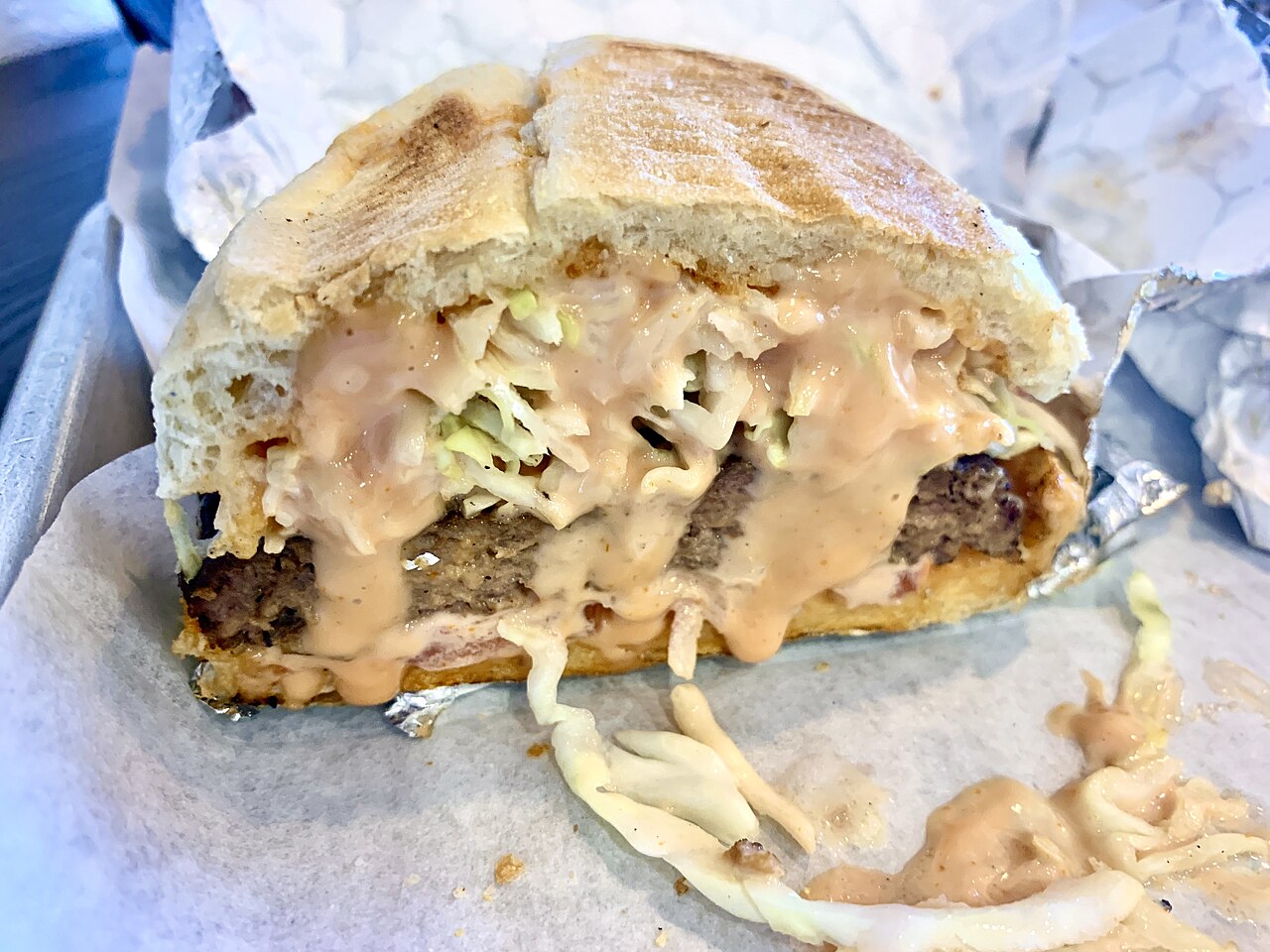
The Dominican street burger: a seasoned patty of ground pork or beef, grilled and served in a soft bread roll with shredded cabbage, onion, tomato and a pink sauce of ketchup and mayonnaise. It is sold from street carts and food trucks.
Many Dominicans credit an Argentine cook who moved to the country in the 1970s, and the name recalls Argentina's chimichurri sauce.
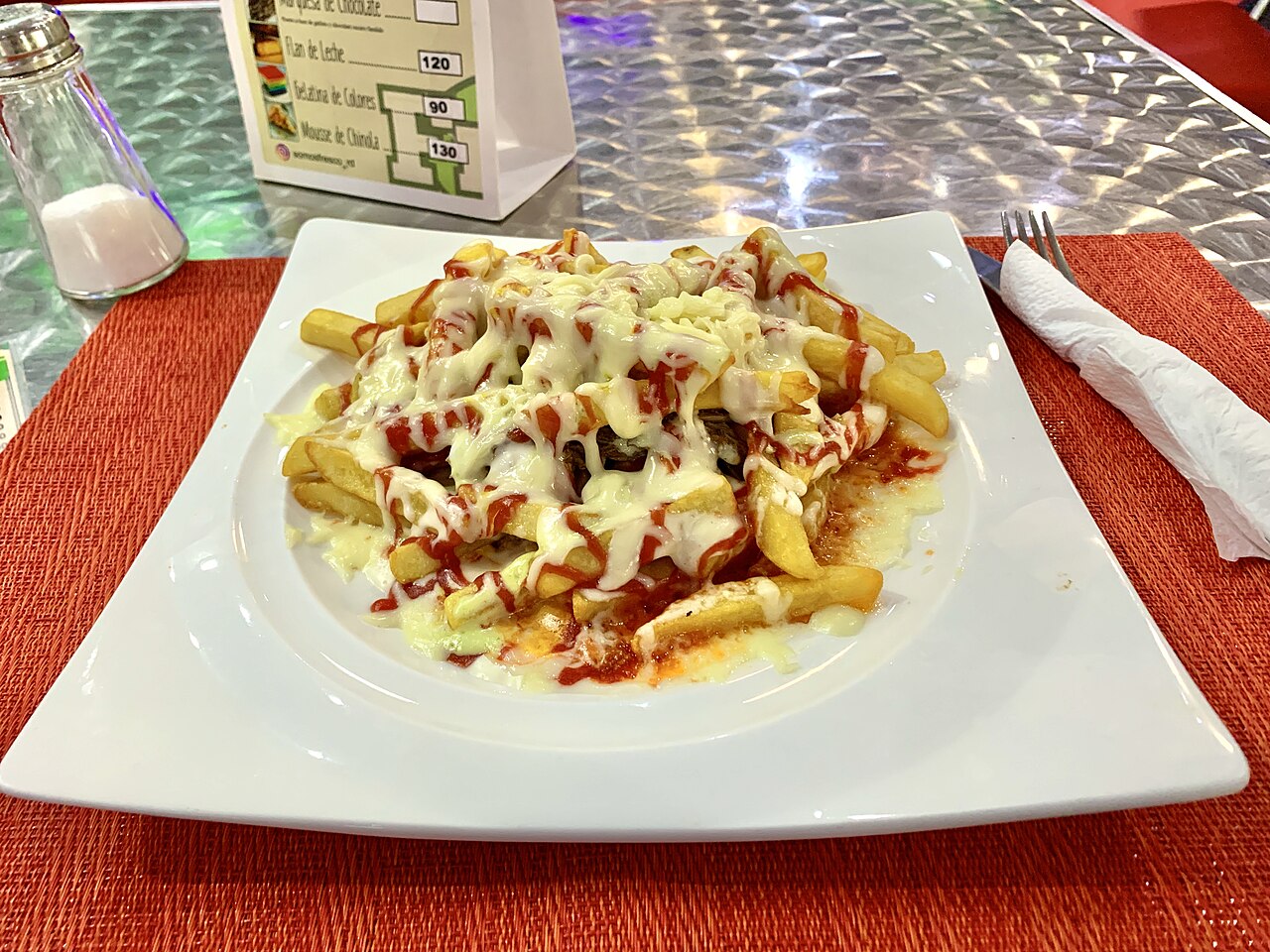
A generous street dish sold from food trucks: a layer of mashed plantain, cassava or chips, topped with seasoned minced beef or chicken, melted cheese, and ketchup and mayonnaise.
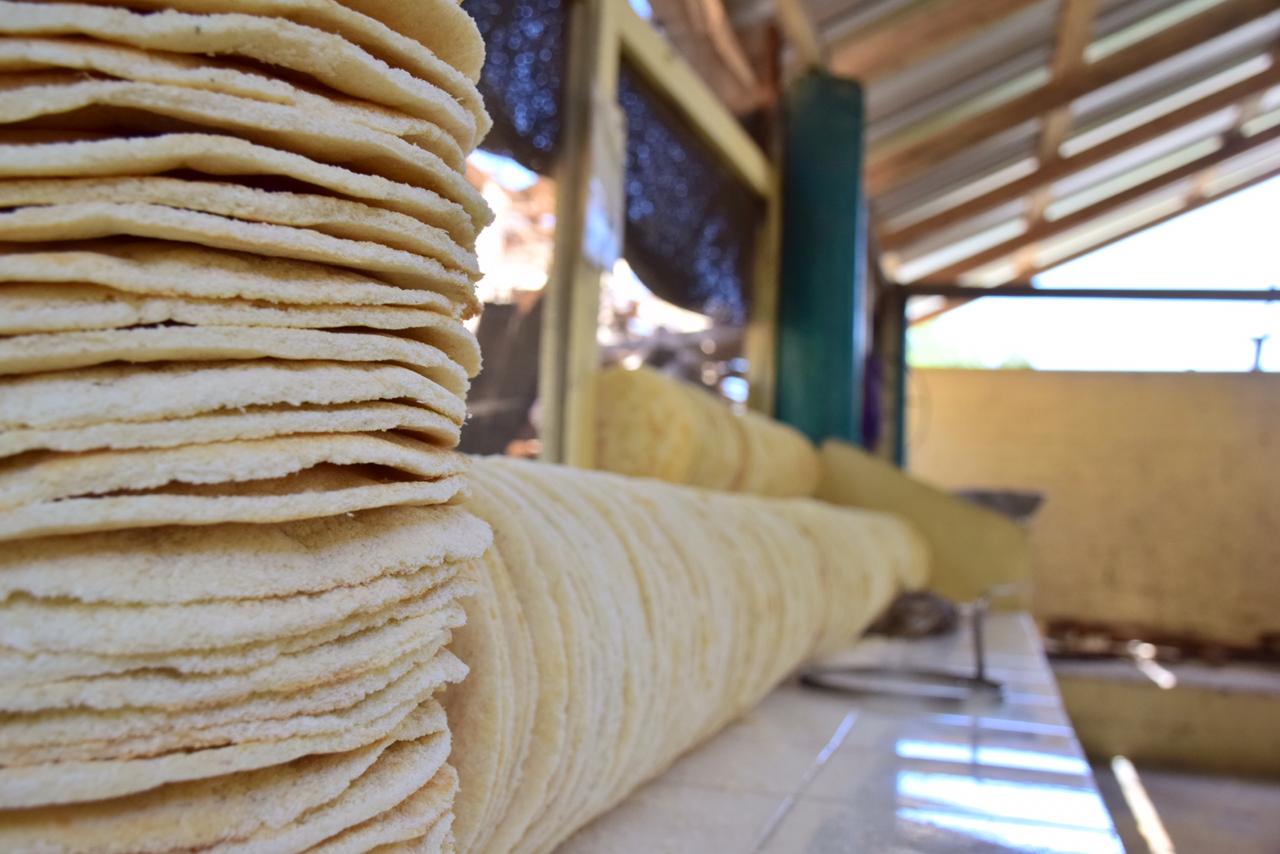
A thin, crisp round flatbread made from grated cassava, pressed to remove the juice and baked on a hot griddle. It keeps for months, and it is eaten with soups and stews, with avocado, or broken over sweet bean dessert.
In December 2024 UNESCO listed the knowledge and practices of making cassava bread as Intangible Cultural Heritage, in a joint listing for Cuba, the Dominican Republic, Haiti, Honduras and Venezuela.
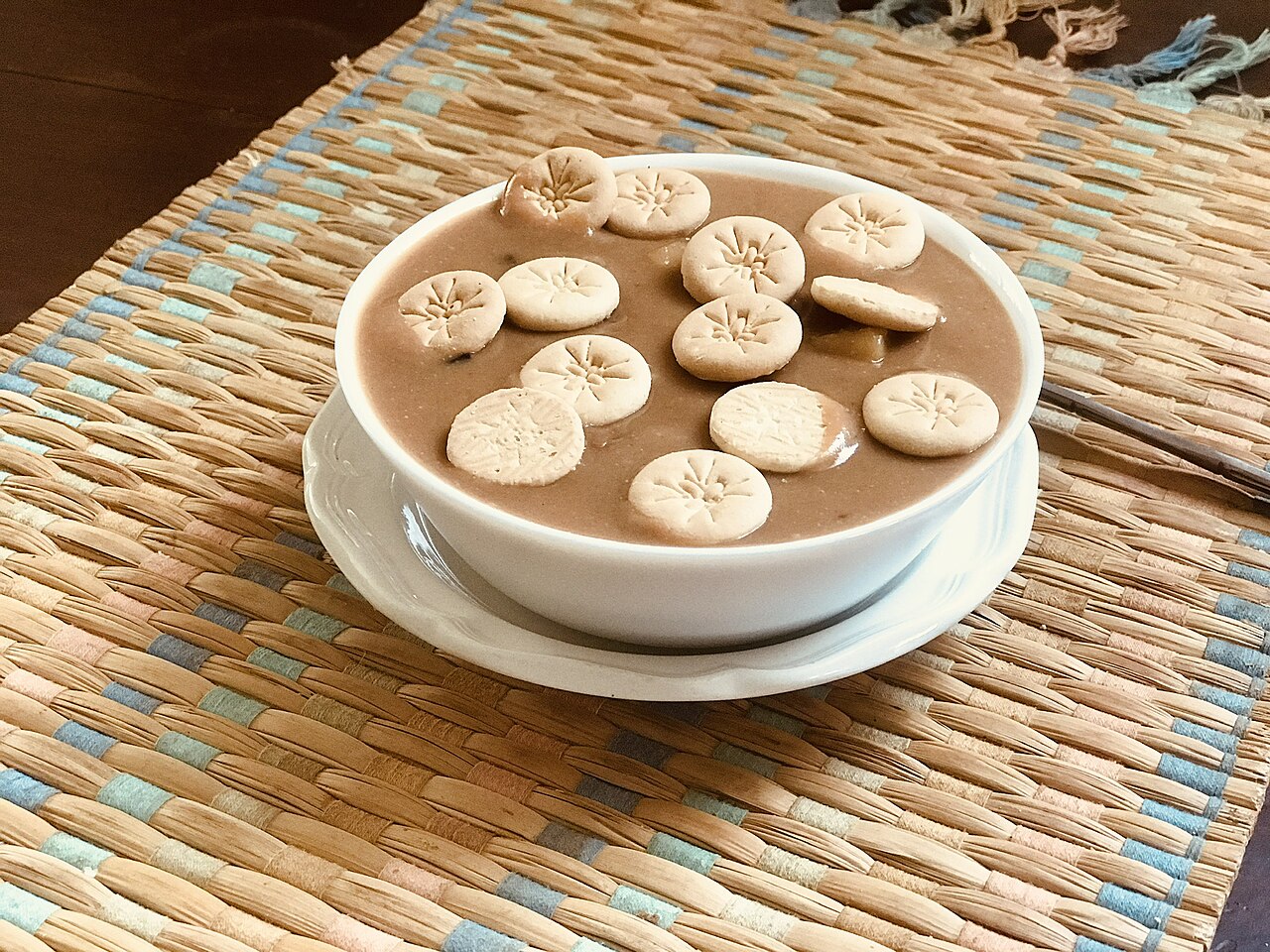
A sweet, creamy dessert made from red beans cooked with coconut milk, evaporated milk, sugar, cinnamon, cloves, raisins and small pieces of sweet potato. It is served warm or cold, topped with little milk biscuits or pieces of casabe.
It is especially popular in Lent and at Easter, when many families make a big pot.
See the recipe
Serves 6
1 h
Ingredients
2 cans (about 400 g each) red kidney beans, drained and rinsed
1 litre water
1 can (400 ml) coconut milk
1 can (about 400 ml) evaporated milk
200 g sugar
1 sweet potato (about 250 g), peeled and cut into small cubes
2 cinnamon sticks, 4 cloves and a pinch of nutmeg
50 g raisins and a pinch of salt
To serve: small milk biscuits or casabe
Method
Blend the beans with half the water until very smooth, then pass them through a sieve into a large pot.
Add the rest of the water, the coconut milk, cinnamon sticks, cloves and salt, and bring slowly to the boil, stirring often so it does not stick.
Add the sweet potato and simmer for 15 minutes until it is soft.
Stir in the evaporated milk, sugar, raisins and nutmeg and simmer for another 10 minutes, stirring, until it is as thick as a creamy soup.
Remove the cinnamon sticks and cloves. Serve warm or chilled, with milk biscuits or pieces of casabe on top.
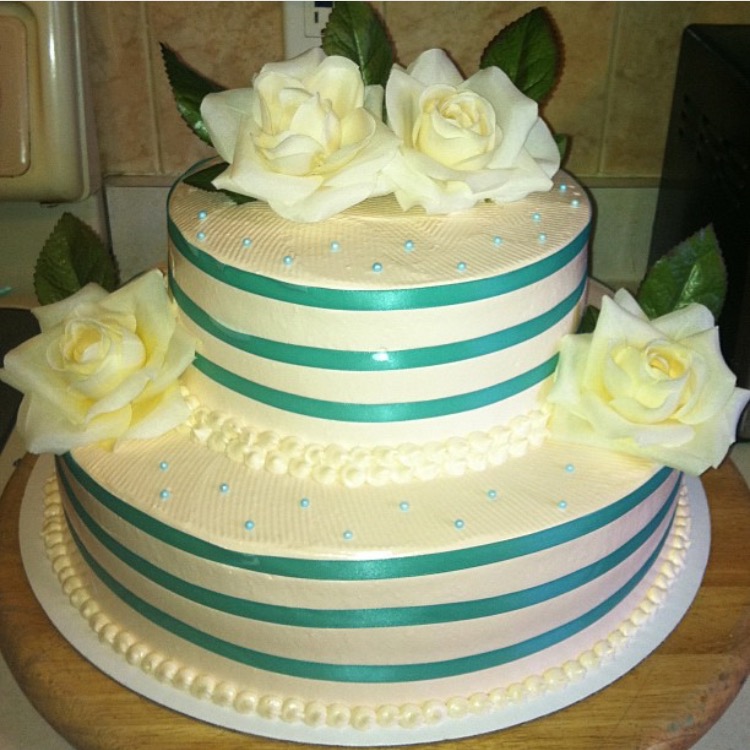
The Dominican celebration cake: moist, light layers of butter cake flavoured with vanilla and orange, filled with pineapple jam and covered in a thick, glossy meringue frosting called suspiro. It appears at most family celebrations, from birthdays to first communions.
Dominican bakers like to use a clear vanilla flavouring rather than dark vanilla, so the cake stays pale and tastes very sweet.
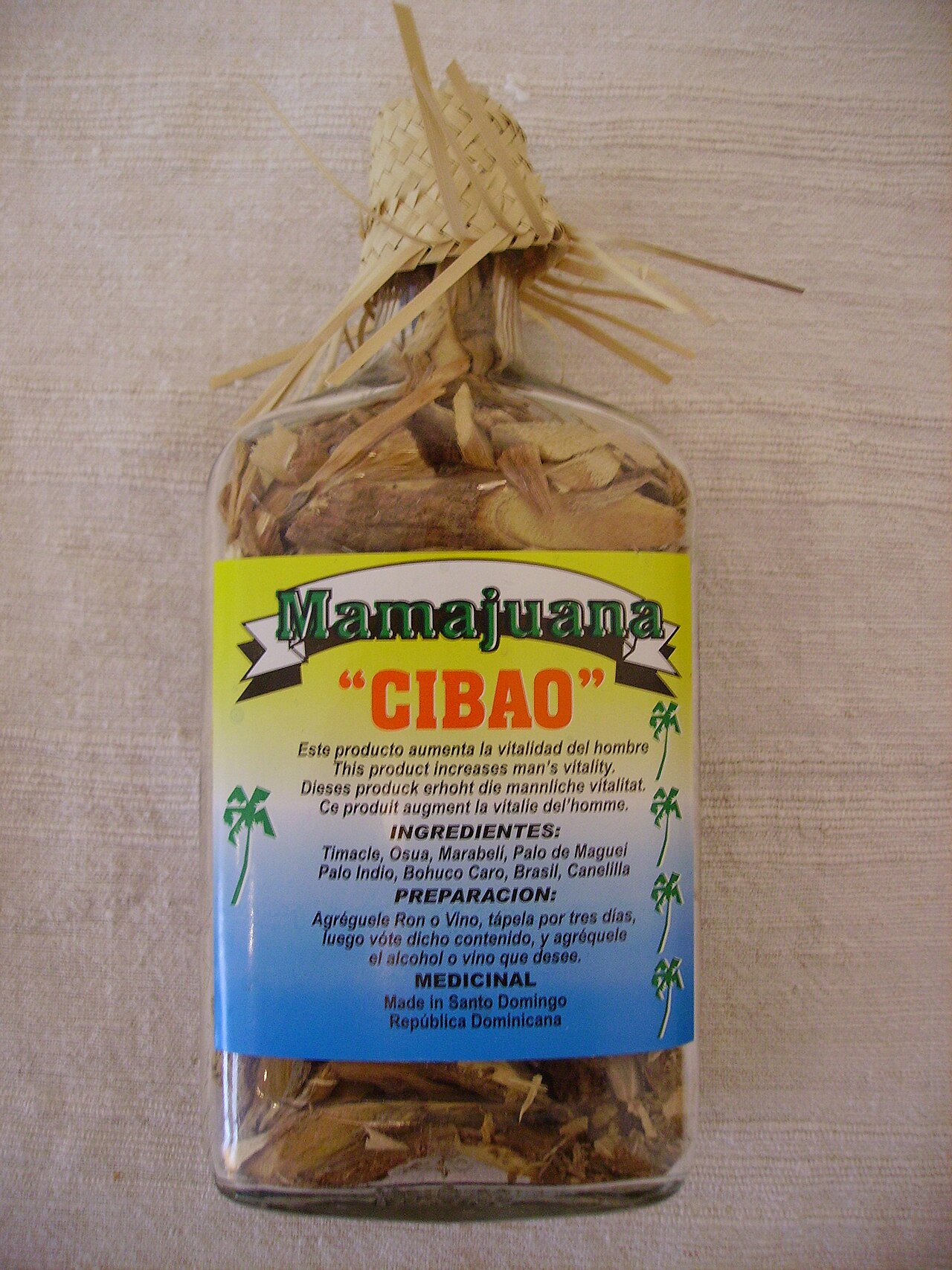
A strong drink made by soaking a mix of tree bark, roots and herbs in rum, red wine and honey for weeks. It is deep red, tastes a little like port, and is sold in bottles packed with sticks.
The name comes from the Spanish 'damajuana', a big wicker-covered bottle, the same word as the English 'demijohn'.
Table manners
Lunch, served around midday, is the main meal of the day. Breakfast and dinner are usually lighter.
When you pass people who are eating, or sit down near them, it is polite to say '¡Buen provecho!', enjoy your meal.
Most restaurant bills add 18 percent tax and a 10 percent service charge. For very good service, many people leave about 10 percent more in cash.
Many families prize the concón, the crisp rice from the bottom of the pot, and share it out at the table.
Drink bottled water, and avoid ice and washed salads outside good hotels and restaurants.
Santo Domingo, on the Caribbean coast, is by far the largest city. North of the mountains lies the fertile Cibao valley with Santiago and La Vega, and high in the Cordillera Central is the cool mountain town of Jarabacoa. The Atlantic coast has Puerto Plata and, far to the east, the whale-watching town of Samaná. The east is sugar and beach country, with San Pedro de Macorís, La Romana, Higüey and the resorts of Punta Cana, while Barahona and Monte Cristi lie in the drier southwest and northwest, near Haiti.
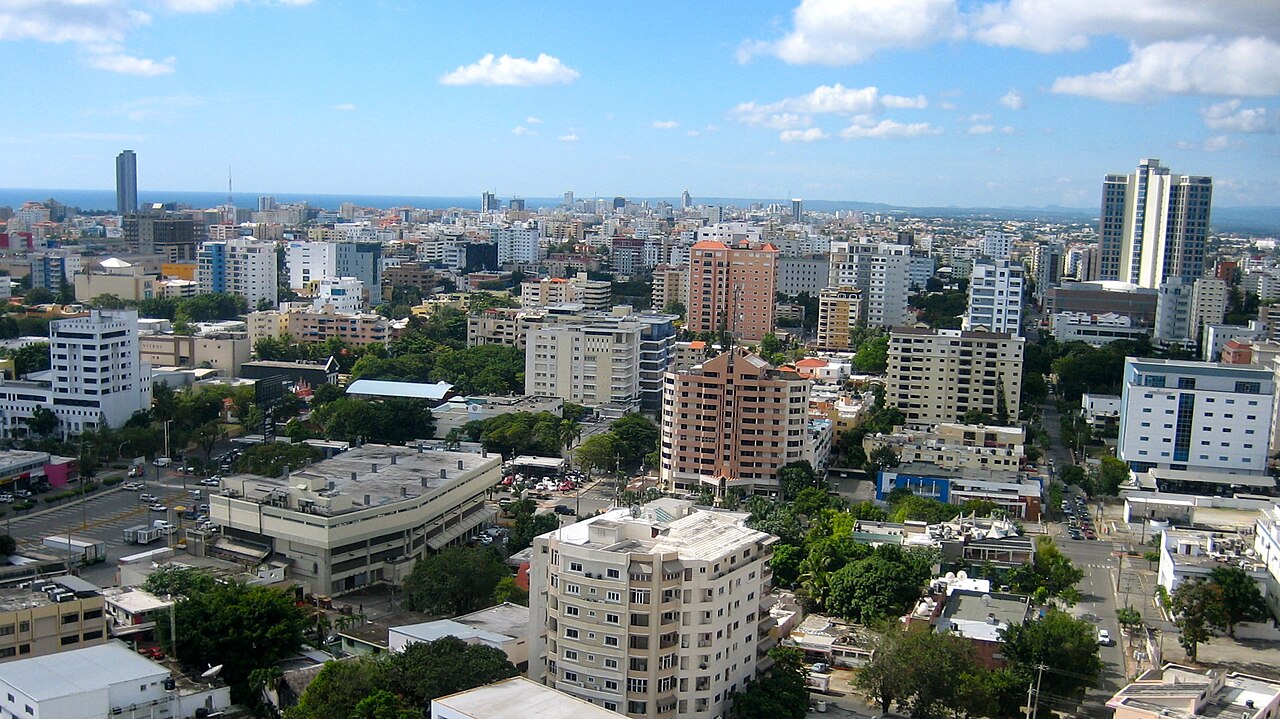
The capital, largest city and main port, at the mouth of the Ozama River on the Caribbean coast. About 1 million people live in the city itself and more than 4 million in Greater Santo Domingo (2022). Founded in the 1490s, it is the oldest continuously inhabited European settlement in the Americas, and its Colonial City is a UNESCO World Heritage Site. From 1936 to 1961 it was called Ciudad Trujillo.
The Colonial City, with the cathedral and the Alcázar de Colón
The Malecón, the seafront avenue along the Caribbean
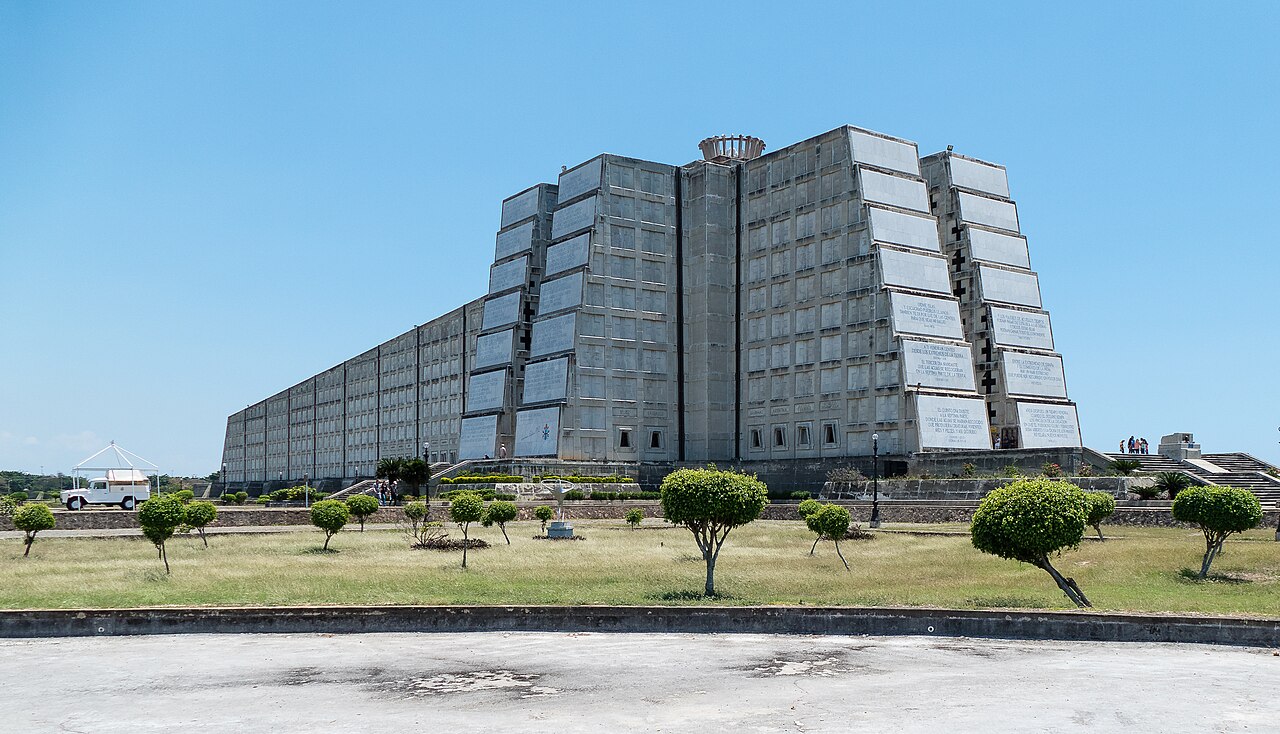
The Faro a Colón, the Columbus Lighthouse, on the east bank
The second largest city, with about 770,000 people (2022 census), in the heart of the fertile Cibao valley. Founded in 1495, it calls itself the first Santiago of the Americas. It is a centre of tobacco, cigar-making and rum, and the largest Caribbean city that is not a capital.
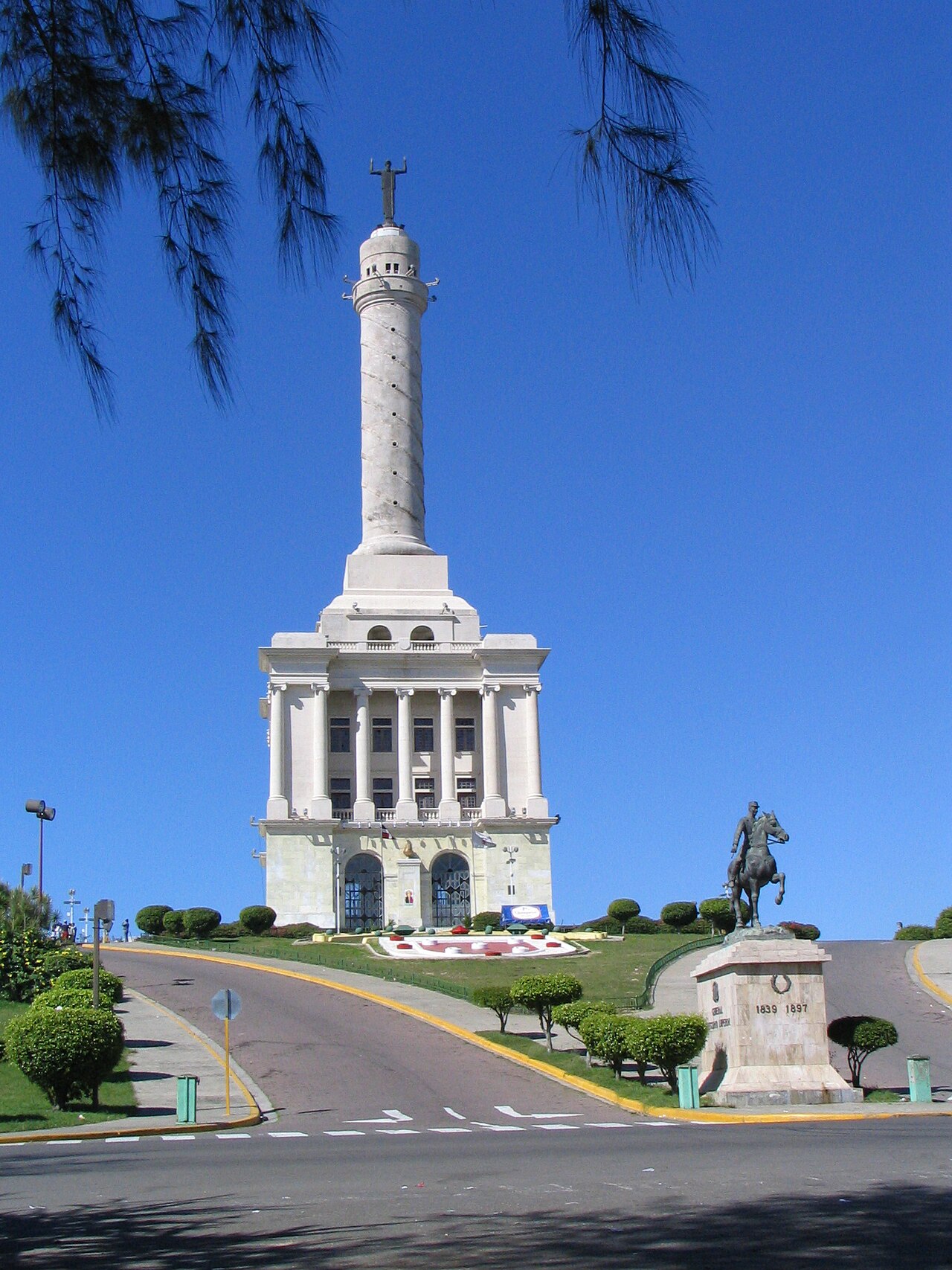
The Monument to the Heroes of the Restoration on its hill
Cigars and tobacco from the Cibao valley
The Centro León museum of Dominican art and culture
A city in the Cibao valley. The first town, founded in 1495 near a fort built by Columbus, grew rich on gold and was destroyed by an earthquake in 1562; the survivors moved to the present site. Today La Vega is famous for its carnival, one of the biggest in the country.
Carnival in February, with the masked diablos cojuelos
A mountain town in a green valley of the Cordillera Central, with pine forests, rivers and waterfalls. Thanks to its height it has warm days and cool nights, which make it a favourite escape from the heat, and it is a base for trips into the mountains.
A port and resort city on the Atlantic coast. Much of its old centre was built after 1865, and a cable car climbs Pico Isabel de Torres, a 793 m mountain right behind the town. Beach resorts such as Playa Dorada lie just east of the city.
The cable car up Pico Isabel de Torres
The Fortaleza San Felipe, a Spanish fort by the sea
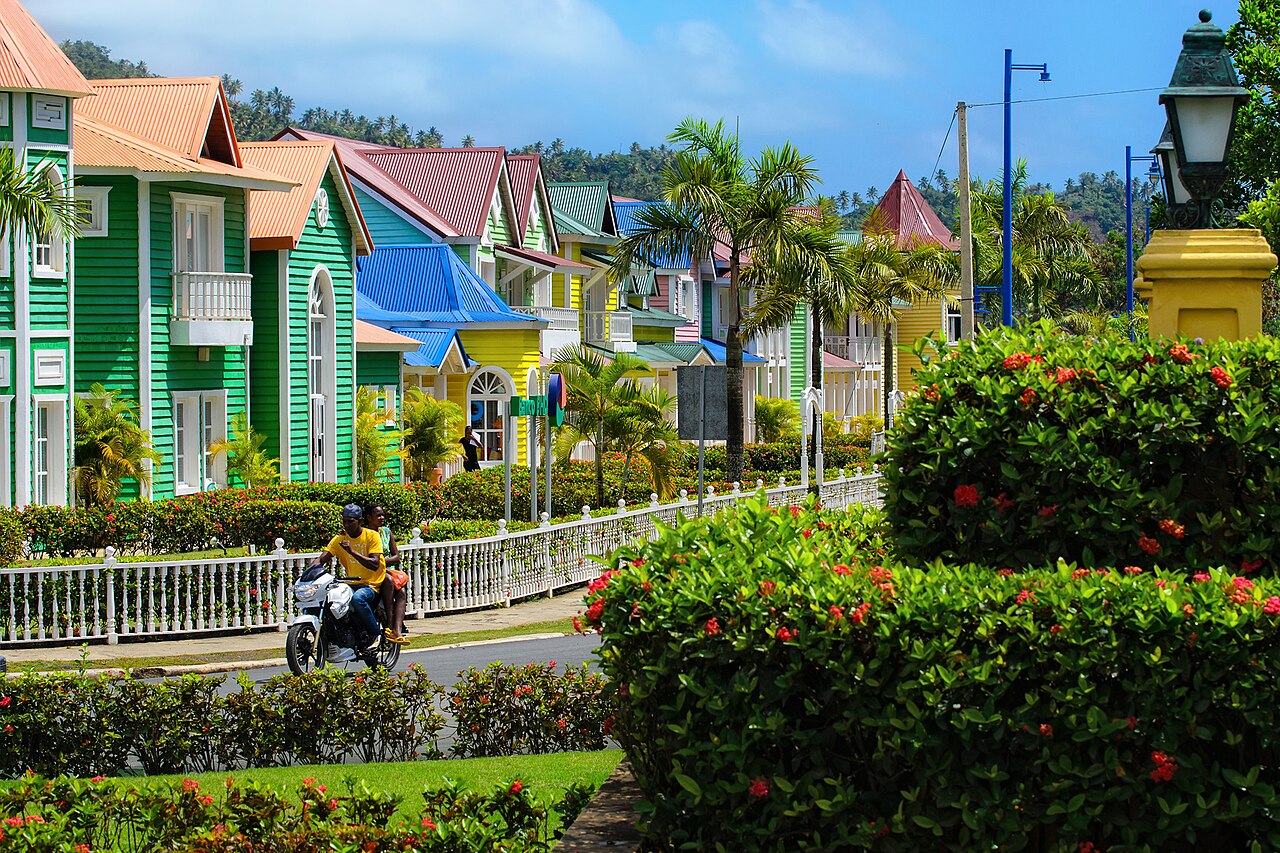
The town of Santa Bárbara de Samaná, on the northern shore of Samaná Bay. Columbus made the last stop of his first voyage on this peninsula in January 1493. From January to March thousands of humpback whales come to the bay to give birth, and Samaná becomes the country's whale-watching centre.
Whale watching from January to March
Cayo Levantado, a small island in the bay
Boat trips across the bay to Los Haitises National Park
A sugar port on the Caribbean coast east of the capital. Cuban immigrants brought baseball here in the late 1800s, and the city has produced an unusually large number of professional baseball players. Many people descend from workers who came from the English-speaking Caribbean islands, locally called cocolos.
A city on the southeast coast that grew around a large sugar mill built after 1917. Today it is also a holiday area, with the Casa de Campo resort, Altos de Chavón and the beaches of Bayahibe nearby, where boats leave for Saona and Catalina islands.
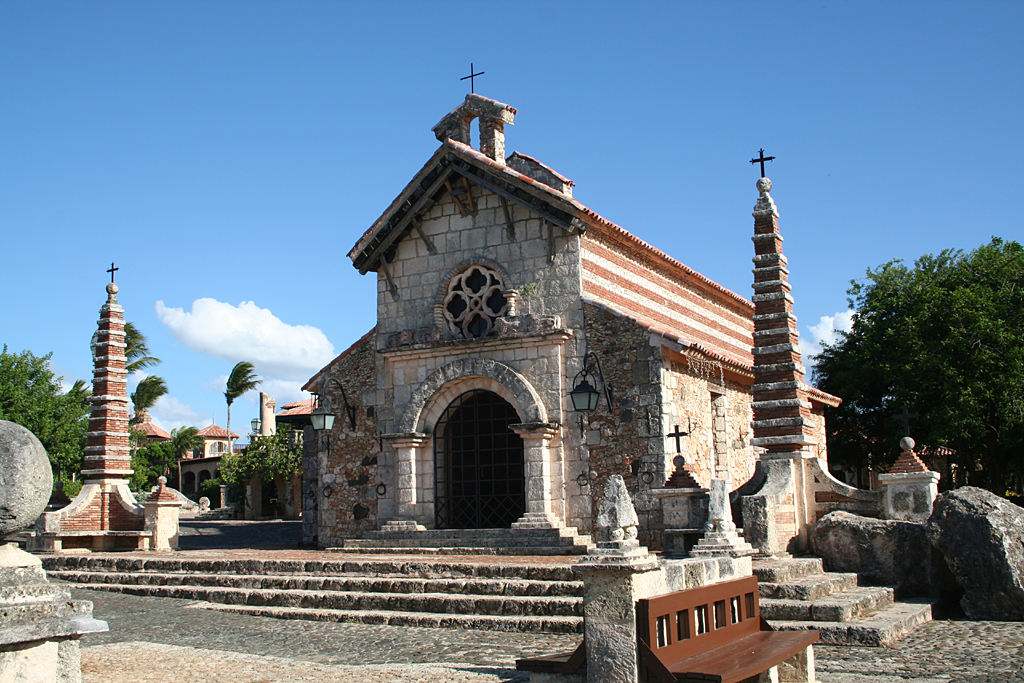
Altos de Chavón, a recreated Mediterranean village
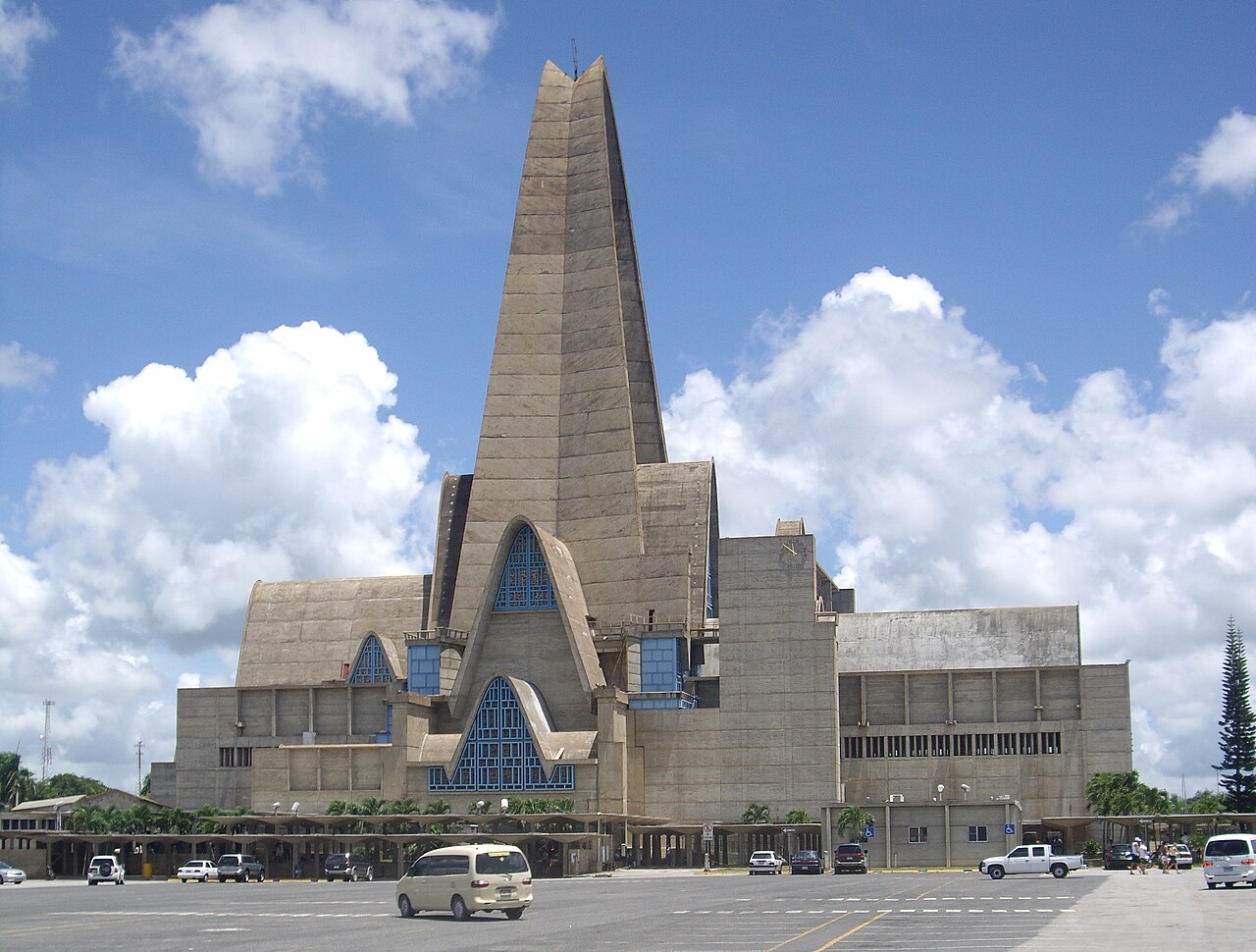
The capital of La Altagracia province in the far east. It is the country's most important place of pilgrimage: the Basilica of Our Lady of Altagracia, patroness of the nation, draws large crowds, especially on 21 January. Many people work in the resorts of Punta Cana nearby.
The Basilica of Our Lady of Altagracia
The pilgrimage on 21 January
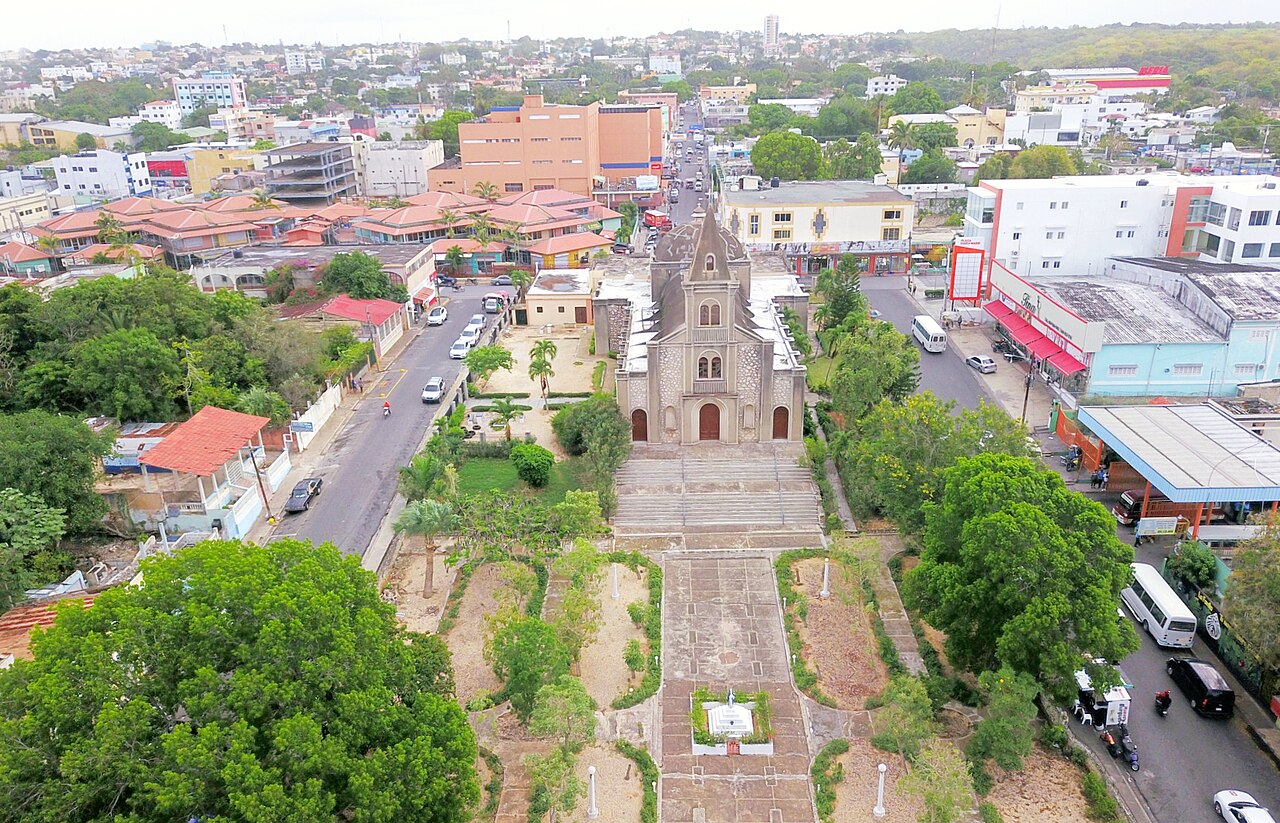
Cattle farming and the 16th-century church of San Dionisio
The resort area at the eastern tip of the country, part of the municipality of Higüey. Long white beaches lined with coconut palms and big all-inclusive hotels face the Atlantic and the Caribbean, and its international airport is the main arrival point for beach holidays.
The main city of the southwest, a port on the Caribbean where the mountains of the Sierra de Bahoruco drop to the sea. The area grows sugar and plantains and is the only place in the world where the blue stone larimar is found. It is a base for trips to Lake Enriquillo and the wild southwest coast.
A small, dry coastal town in the far northwest, near the mouth of the Yaque del Norte and the border with Haiti. In 1895 the Cuban patriots José Martí and Máximo Gómez signed the Manifesto of Montecristi here before sailing to fight for Cuba's independence.
The old walled city on the west bank of the Ozama River, laid out in a grid from 1502. Among its stone streets are the Alcázar de Colón, the palace of Columbus's son Diego, the Fortaleza Ozama, the cathedral and the Calle de las Damas. It has been a UNESCO World Heritage Site since 1990 and, as of 2026, it is the country's only one.
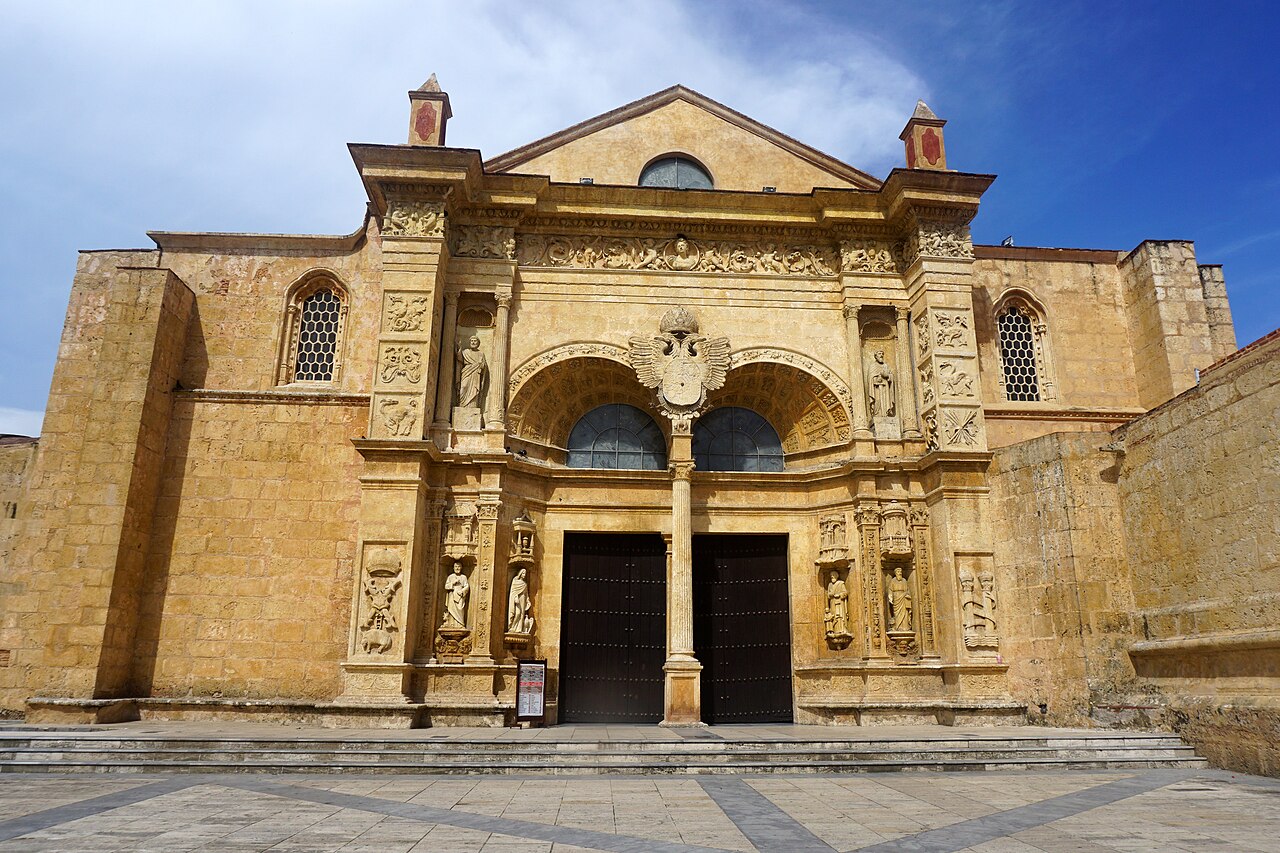
The Cathedral of Santa María la Menor, called the Catedral Primada de América, stands on Parque Colón in the Colonial City. It was begun in the early 1500s and finished around the middle of the century, with a golden coral-stone front, and it is the oldest cathedral still standing in the Americas. It is part of the UNESCO-listed Colonial City.
A huge cross-shaped concrete monument to Christopher Columbus, about 210 m long, on the east bank of the Ozama. It opened in 1992 for the 500th anniversary of his first voyage. At night 157 beams of light shine into the sky in the shape of a cross. Inside is a museum and a tomb that, according to Dominican authorities, holds remains of Columbus; Seville Cathedral in Spain also holds remains that DNA tests have linked to him.
A tall white tower on a hill in the middle of Santiago, with a park and wide views of the city and the mountains. It was built between 1944 and 1953 by Trujillo as a monument to himself. After his death it was renamed and dedicated to the heroes of the War of Restoration of 1863 to 1865.
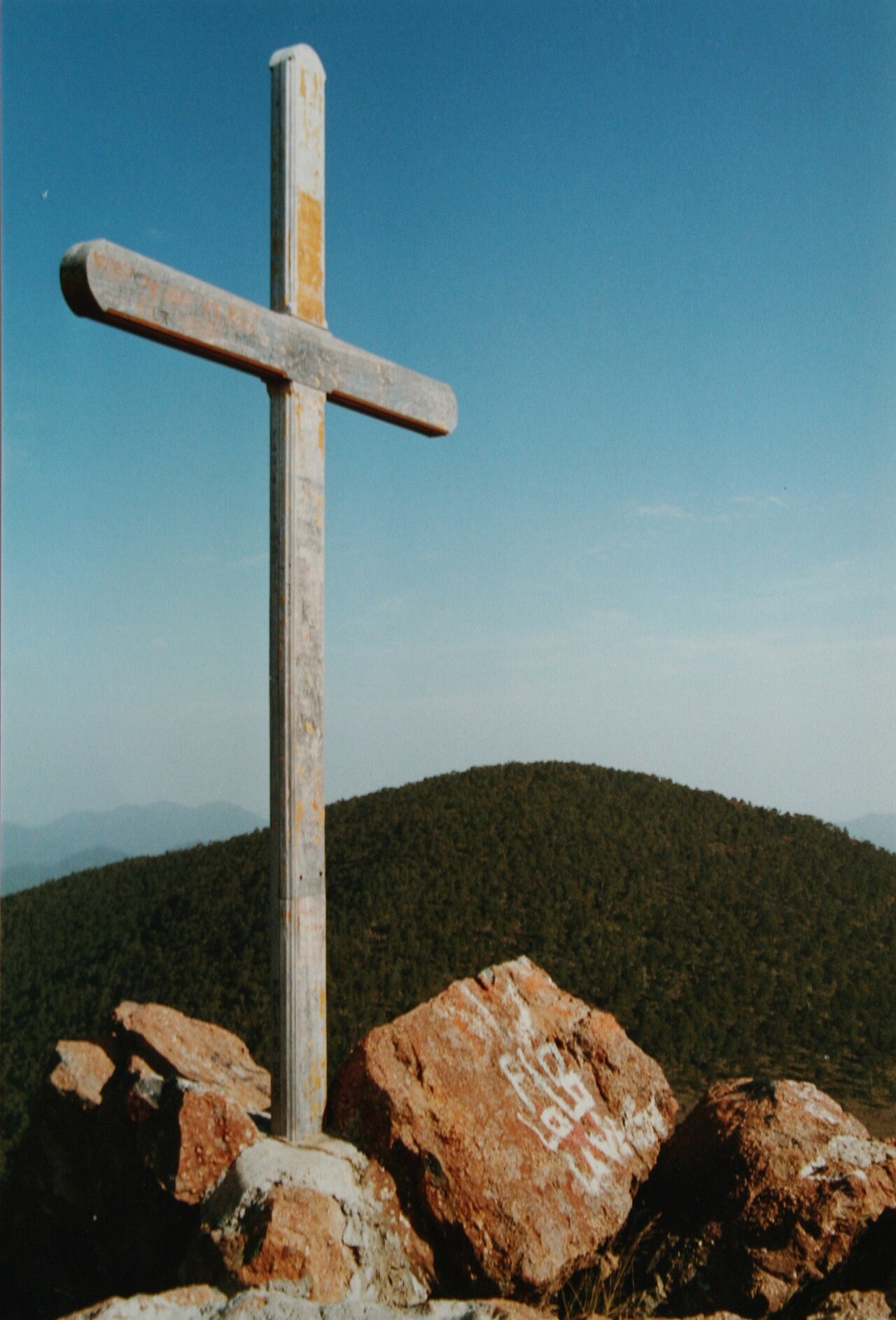
The highest mountain in the Caribbean, about 3,100 m high, in the Cordillera Central. Its exact height was debated for decades, and measurements range from about 3,087 to 3,101 m. A bust of Juan Pablo Duarte stands at the summit, and under Trujillo the peak was called Pico Trujillo. The pin marks the peak; the mountain town of Jarabacoa is a common base for trips into the range.
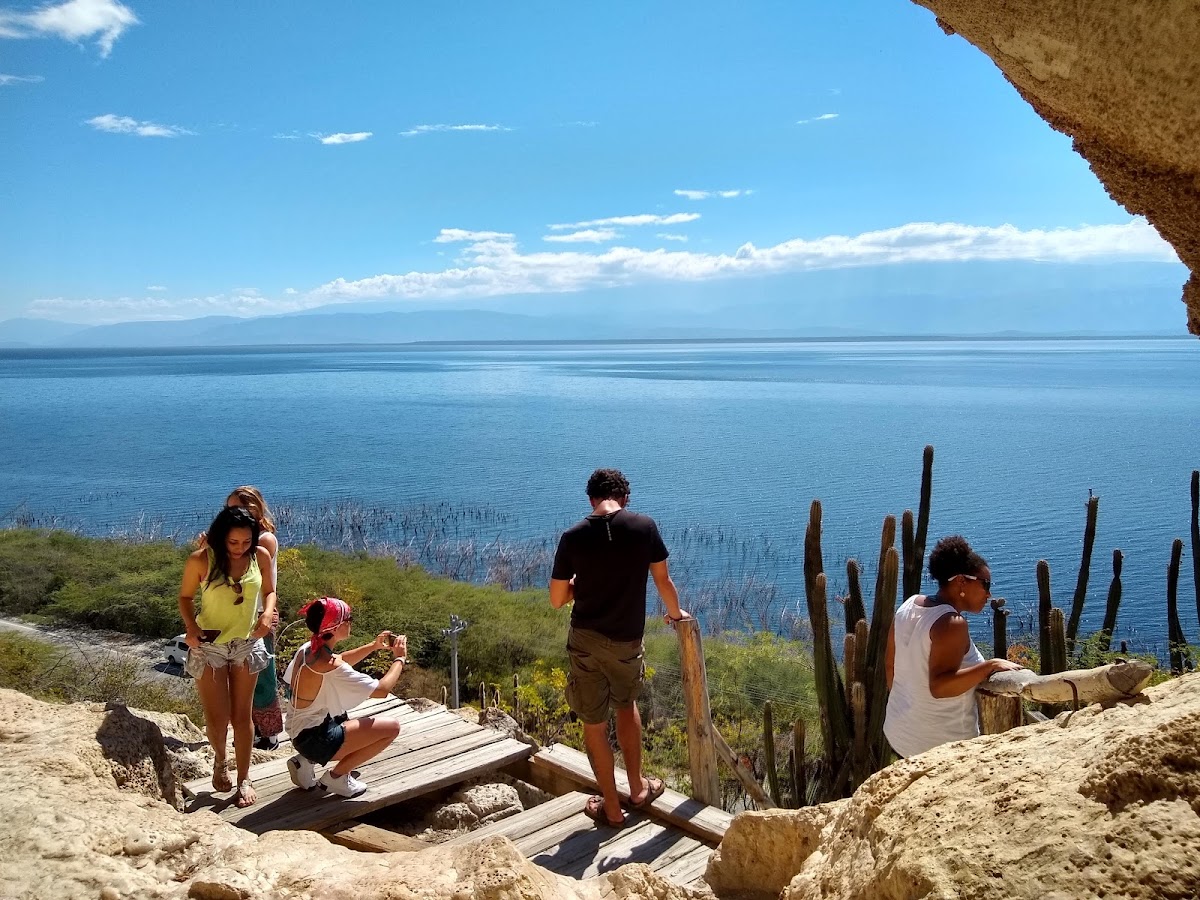
A salt lake in a hot, dry valley in the southwest, the largest lake in the Caribbean. Its surface lies about 45 m below sea level, the lowest point in the Caribbean. It has a large population of American crocodiles, and an island, Isla Cabritos, lies in the lake. The pin shows the lake itself; Barahona is the nearest large town.
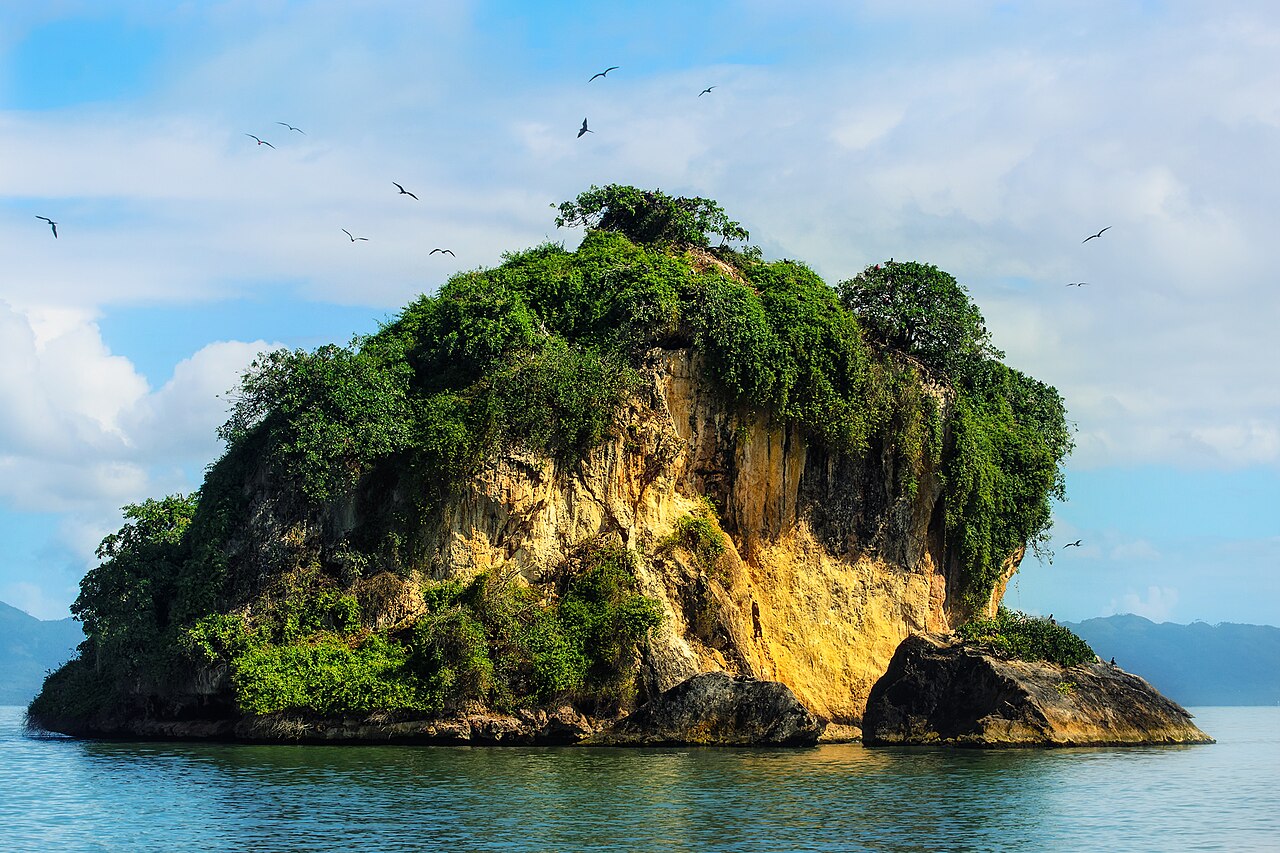
A national park created in 1976 on the southern shore of Samaná Bay: a maze of rounded limestone hills covered in forest, mangrove channels, rocky islets full of pelicans and frigatebirds, and caves with Taíno drawings and carvings. Most visitors arrive by boat from Samaná or Sabana de la Mar.
A recreation of a 16th-century Mediterranean village on a cliff above the Chavón River, just east of La Romana. It was built from 1976 with stone blasted for a nearby road, and it has cobbled lanes, a church, craft shops, an archaeology museum, a design school and an open-air amphitheatre.
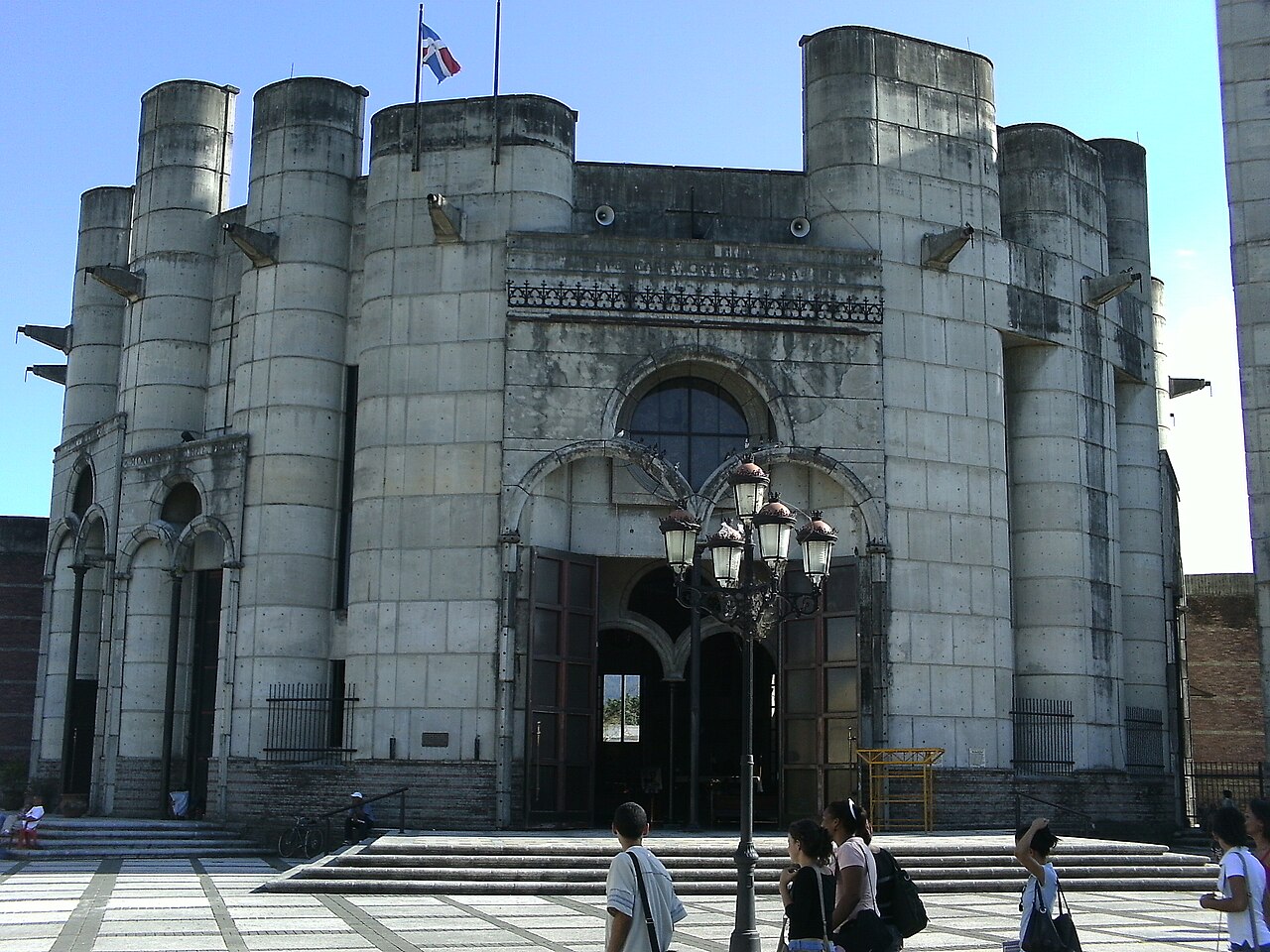
A modern concrete basilica with a tall pointed arch, completed around 1971, that houses a small old painting of the Virgin of Altagracia, patroness of the Dominican Republic. Hundreds of thousands of pilgrims visit every year, above all on her feast day, 21 January. The basilica appears on the 50-peso banknote.
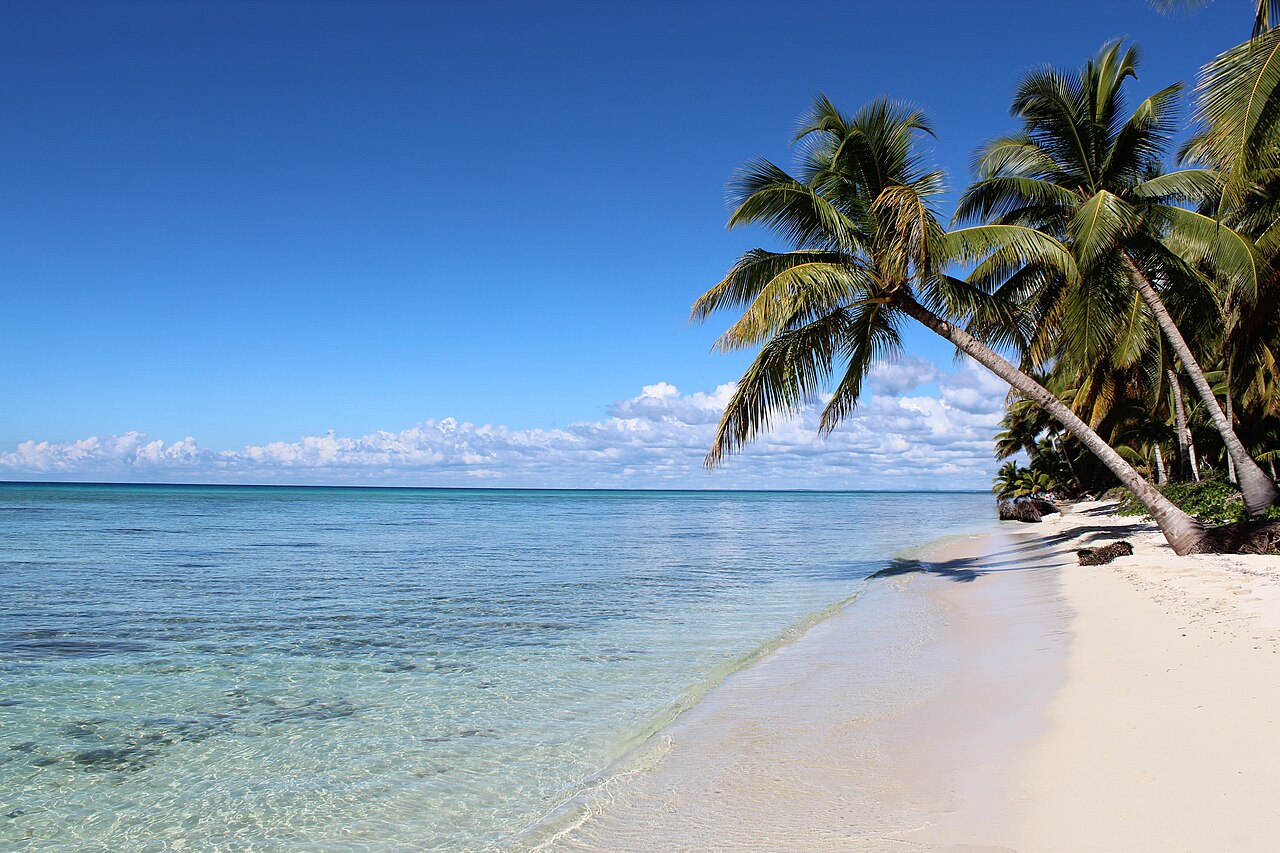
A flat island of about 110 km² off the southeast coast, part of Cotubanamá National Park, with palm-lined beaches, shallow natural pools and mangroves. Columbus landed here in 1494 and named it after the Italian city of Savona. Boats leave from Bayahibe, near La Romana, and the pin marks the island.
Hispaniola is one of only two islands in the Caribbean shared by two countries. The other is Saint Martin, divided between France and the Netherlands.
02
The highest point in the Caribbean, Pico Duarte (about 3,100 m), and the lowest, Lake Enriquillo (about 45 m below sea level), are only about 85 km apart.
03
Larimar, a sky-blue stone, is found only in the Dominican Republic, in the mountains near Barahona. Its name was made in 1974 from 'Larissa', the finder's daughter, and 'mar', the Spanish word for sea.
04
Dominican amber, fossil resin from an extinct tree, is almost always transparent and often holds tiny insects, plants and other creatures trapped millions of years ago.
05
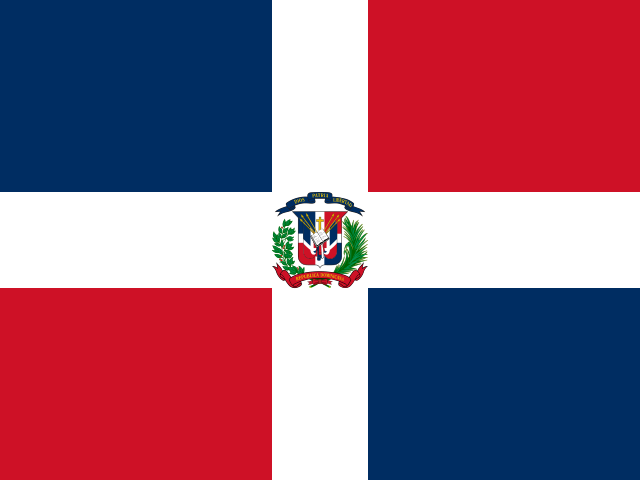
As of 2026, the Dominican flag is the only national flag in the world that shows a Bible. It sits open in the coat of arms at the centre of the white cross.
06
A traditional merengue band has three instruments said to stand for the country's three roots: the European accordion, the African tambora drum and the güira, a metal scraper linked to the Taíno. UNESCO listed merengue as Intangible Cultural Heritage in 2016.
07
Bachata was once looked down on as music of the poor, and its old name was 'amargue', bitterness, because so many songs are about heartbreak. UNESCO listed it as Intangible Cultural Heritage in 2019.
08
Baseball is by far the favourite sport. As of 2026, only the United States has more players in Major League Baseball, and in 2013 the Dominican team won the World Baseball Classic without losing a game.
09
The United Nations International Day for the Elimination of Violence against Women, 25 November, marks the date in 1960 when the three Mirabal sisters were murdered by the Trujillo dictatorship.
10
Every year from January to March, thousands of North Atlantic humpback whales come to Samaná Bay to give birth and raise their calves.
11
On the Samaná peninsula live descendants of free African Americans who arrived in 1824 and 1825, when Haiti ruled the island. Some of their descendants, mostly older people, still speak their own old form of English, Samaná English, which is now endangered.
12
The beach town of Sosúa was settled by about 800 Jewish refugees from Germany and Austria who received Dominican visas between 1940 and 1945. The town still has a synagogue and a Jewish museum.
13
The country uses the North American telephone system, with the calling code +1 and the area codes 809, 829 and 849. Area code 809 once covered much of the Caribbean.
14
The national bird, the palmchat or cigua palmera, lives only on Hispaniola, and the national flower, the Bayahibe rose, grows wild only in the Dominican Republic. The national tree is the West Indian mahogany.
It is warm all year, about 28 °C on the coast and cooler in the mountains, where nights can be chilly. January and February are the coolest months and August the hottest. The hurricane season runs from June to November, and the sea can be rough then; follow local warnings and check the forecast before you travel.
Fill in the entry and exit form before you fly
Every traveller must fill in an online entry and exit form, often called the e-Ticket, up to 7 days before arrival and again before departure. It gives you a QR code that your airline may ask to see. As of September 2026, British visitors can stay up to 30 days for tourism without a visa; check the latest rules for your nationality before you go.
Drink bottled water
Tap water is not safe to drink. Use bottled water for drinking and brushing your teeth, and be careful with ice and washed salads outside good hotels and restaurants.
Check the currency and the bill
The Dominican peso and the US dollar both use the dollar sign, so prices in pesos are often written RD with the sign. Dollars are accepted at many tourist places, but pesos are better value elsewhere. Restaurant bills usually add 18 percent tax and a 10 percent service charge, and many people leave about 10 percent more for very good service.
Travel between cities by coach
Private coach companies such as Caribe Tours run comfortable, air-conditioned buses between the main cities; bring a jumper, as the air conditioning can be cold. Local minibuses called guaguas and shared cars are cheap but often crowded and poorly maintained. Motorbike taxis, motoconchos, are common but risky and often have no helmet for the passenger.
Take care on the roads
The country has a high rate of road accidents, especially around Christmas and Easter. If you drive, avoid driving at night outside the cities, when poor lighting, animals, pedestrians and cars without headlights make roads dangerous.
Keep your bag on the side away from the road
Bag-snatching from motorbikes happens in the cities. Carry bags away from the traffic, keep phones and jewellery out of sight, keep car windows shut, and use cash machines inside banks or shopping centres.
Know who to call
The national emergency number is 911, but it does not yet cover the whole country. Outside Santo Domingo you can also call the tourist police, Politur. Bring enough of your regular medicines and good travel insurance, because private hospitals are good but expensive.
Protect yourself from sun and mosquitoes
The tropical sun is strong, so wear a hat and sunscreen. Mosquitoes spread dengue fever and, in some areas, malaria and Oropouche virus, so use insect repellent and check the latest health advice before you travel.
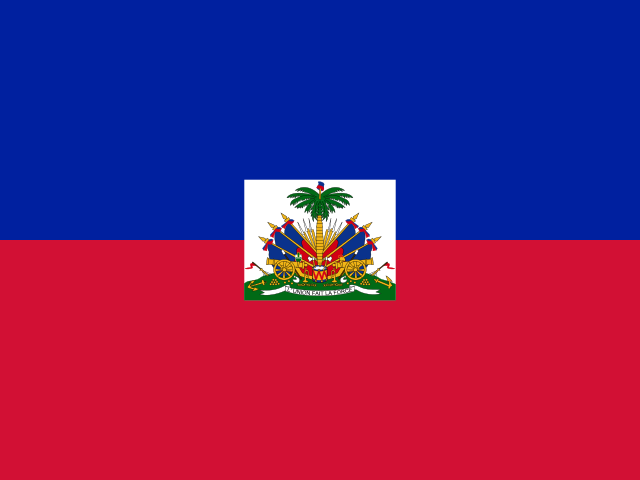 Haiti
Haiti