A free large-print PDF. Choose what goes in: facts, map, history, dishes and recipes, phrases, fun facts, a quiz with or without answers. Made for clubs, care homes, libraries and family afternoons.
Denmark is the smallest and southernmost of the Scandinavian countries. It is made up of the Jutland peninsula, which joins it to Germany, and 406 islands, of which Zealand, Funen and Bornholm are among the best known. The land is low and gently rolling, and the sea is never far away: no place in Denmark is more than 52 km from the coast. Great bridges now link the main islands with each other and with Sweden.
The Danes were among the Vikings who sailed across northern Europe, and King Cnut ruled England, Denmark and Norway in the 11th century. The Danish kingdom is one of the oldest in Europe, and its line of kings goes back to Gorm the Old in the 10th century. For centuries Denmark was a great power in the north, ruling Norway until 1814, before it lost land in a series of wars and became the small country it is today.
Today Denmark is a constitutional monarchy with a parliament, the Folketing, and about 6 million people. The Kingdom of Denmark also includes Greenland and the Faroe Islands, far away in the North Atlantic, which govern most of their own affairs. On our map we visit Denmark proper. It is known for its welfare state, its love of design and cycling, and for 'hygge', the Danish art of cosy, contented togetherness.
CapitalCopenhagen
PopulationAbout 6 million (Statistics Denmark, August 2026: 6,032,304)
Official languageDanish, the national language. No language law or constitution names an official language. German is a recognised minority language in Southern Jutland
CurrencyDanish krone (DKK), since 1875. Denmark is in the EU but voted in 2000 to keep the krone instead of the euro
AreaAbout 43,000 km² for Denmark proper, without Greenland and the Faroe Islands
GovernmentConstitutional monarchy with a parliamentary democracy. As of 2026 the head of state is King Frederik X, on the throne since 2024
Highest mountainThere are no mountains. The highest natural point of Denmark proper is the hill of Møllehøj, 170.86 m, in eastern Jutland
Longest riverThe Gudenå, about 149 km, flowing north through Jutland to Randers Fjord
NeighboursGermany, its only land neighbour, on the Jutland peninsula. Sweden lies across the Øresund, linked by a bridge and tunnel, and Norway across the Skagerrak. Through Greenland, the Kingdom also shares a short land border with Canada on Hans Island, agreed in 2022
From Bronze Age burials and Viking kings to a North Sea empire, a union of three kingdoms, lost wars, wartime courage and a modern welfare state, Denmark's long story is told by one of the oldest monarchies in the world.
1370 BC
The Egtved Girl is buried
Around 1370 BC a young woman of 16 to 18 was buried in an oak coffin under a mound near Egtved in Jutland. Found in 1921, her clothes, hair and nails were so well preserved that she gives us a rare picture of life in the Nordic Bronze Age. The date comes from the tree rings of the coffin.
AD 965
Harald Bluetooth raises the Jelling stone
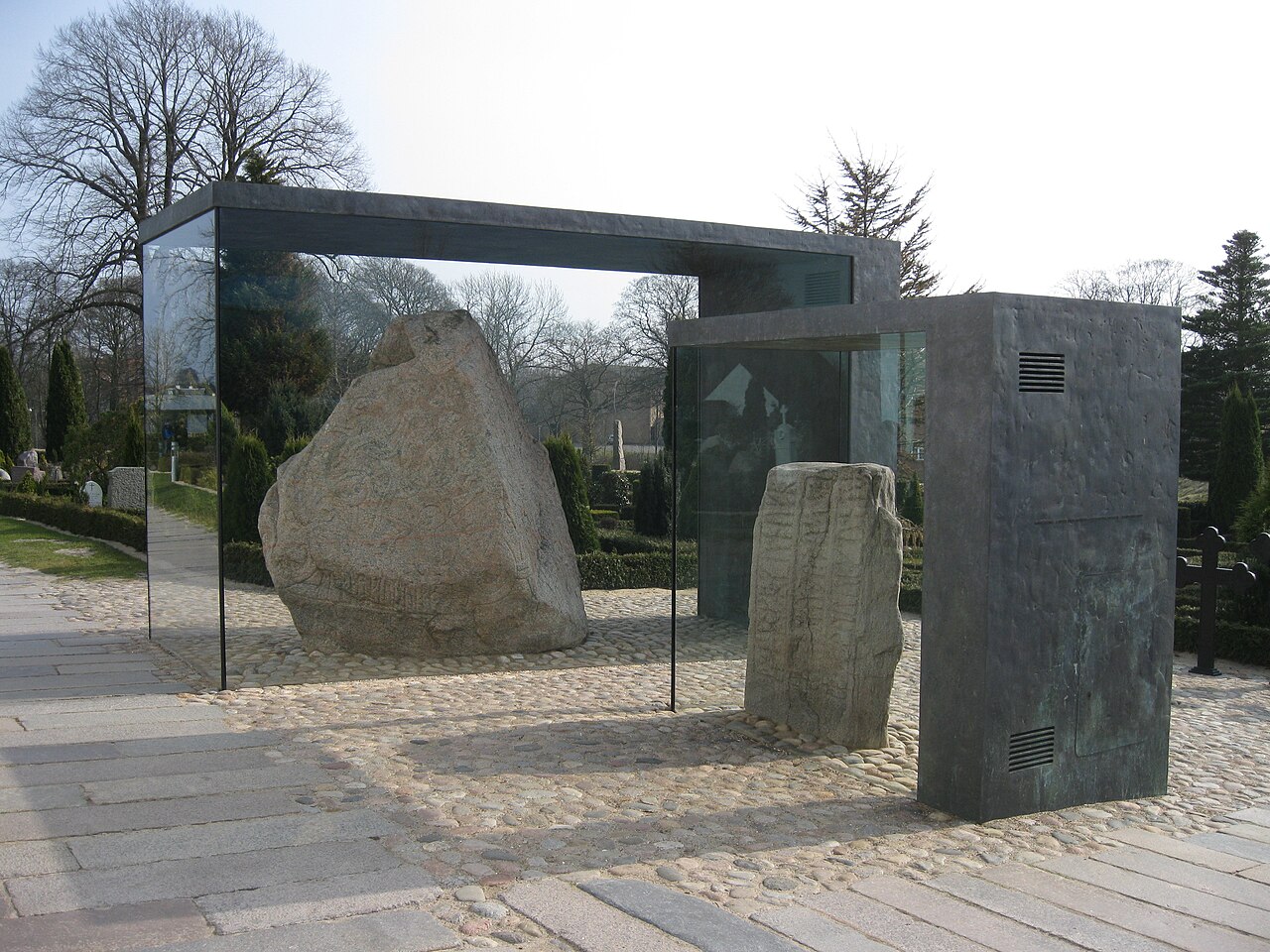
Around 965 King Harald Bluetooth raised a great runestone at Jelling in memory of his parents, Gorm the Old and Thyra. It says that Harald won all of Denmark and Norway and made the Danes Christian, and it is often called Denmark's 'baptismal certificate'.
1016
Cnut becomes King of England
In 1016 the Danish prince Cnut, later called Cnut the Great, won the throne of England. He became King of Denmark in 1018 and claimed Norway in 1028, ruling a 'North Sea Empire' until his death in 1035.
1219
The legend of the Dannebrog
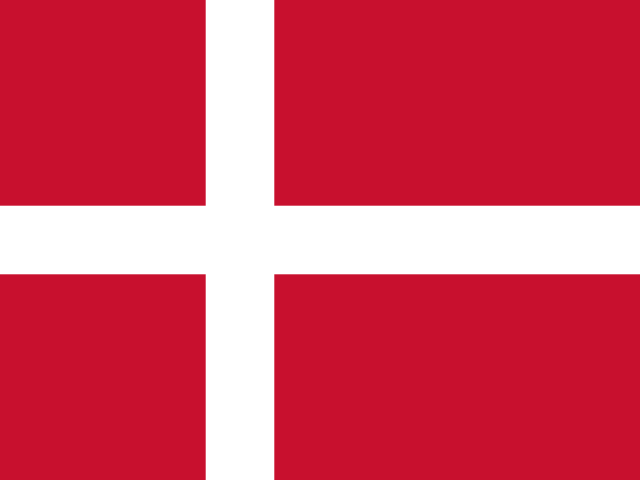
According to a tradition first written down in the 16th century, during a battle at Lyndanisse in Estonia on 15 June 1219, when the Danes were about to lose, a red banner with a white cross fell from the sky and led them to victory. Historians see this as a legend, but the red and white flag, the Dannebrog, has been used by Danish kings since at least the 14th century.
1397
The Kalmar Union
In 1397, led by Queen Margaret I of Denmark, the kingdoms of Denmark, Norway and Sweden were joined under one monarch in the Kalmar Union. Sweden finally broke away in 1523, but Denmark and Norway stayed together for almost three more centuries.
1536
The Lutheran Reformation
After a civil war known as the Count's Feud, King Christian III entered Copenhagen in 1536, arrested the Catholic bishops and made the Lutheran church the official church of Denmark-Norway. The Church of Denmark is still Lutheran today.
1658
The Treaty of Roskilde
After a crushing defeat by Sweden, whose army crossed the frozen straits to the Danish islands, Denmark-Norway signed the Treaty of Roskilde in 1658 and gave up about a third of its land, including Scania in today's southern Sweden. Bornholm was returned to Denmark in 1660.
1814
The Treaty of Kiel
Denmark had sided with Napoleon, and in the Treaty of Kiel of 14 January 1814 it had to give Norway to the King of Sweden. Greenland, Iceland and the Faroe Islands stayed with Denmark.
1849
The first constitution
On 5 June 1849 King Frederick VII signed Denmark's first democratic constitution, ending almost two centuries of absolute monarchy. 5 June is still celebrated every year as Constitution Day (Grundlovsdag).
1864
The Second Schleswig War
In 1864 Prussia and Austria defeated Denmark and took the duchies of Schleswig, Holstein and Lauenburg. The Danish monarchy lost about 40 percent of its land. The loss shaped modern Denmark, and after a vote, North Schleswig returned to Denmark in 1920.
1915
Women win the vote
A new constitution signed on 5 June 1915 gave Danish women the right to vote and to stand in national elections. It was won after decades of work by women's organisations such as the Danish Women's Society.
1940
The German occupation begins
Early on the morning of 9 April 1940 German troops crossed the border into neutral Denmark, and the country was occupied within hours. The occupation lasted for five years, until 5 May 1945, which Danes still remember as Liberation Day.
1943
The rescue of the Danish Jews
In October 1943, warned that the Germans were about to arrest them, Danes helped about 7,500 of the country's roughly 8,000 Jews to escape by boat across the Øresund to neutral Sweden. In the end, about 99 percent of Denmark's Jews survived the Holocaust.
1973
Denmark joins the EEC
After a referendum in October 1972, Denmark joined the European Economic Community, today's European Union, on 1 January 1973, on the same day as Ireland and the United Kingdom. Greenland later left after its own vote, and the Faroe Islands never joined.
2000
The Øresund Bridge opens
On 1 July 2000 Queen Margrethe II and King Carl XVI Gustaf of Sweden opened the Øresund link between Copenhagen and Malmö. It is a bridge of nearly 8 km, an artificial island and a 4 km tunnel, carrying both cars and trains.
2024
Frederik X becomes king
Queen Margrethe II, who had reigned since 1972, announced in her New Year's Eve speech that she would step down. On 14 January 2024, exactly 52 years after she came to the throne, she abdicated and her son became King Frederik X.
Danish food is hearty, homely and built on rye bread, pork, dairy and fish from the surrounding seas. Most Danes eat a cold breakfast, a cold lunch of open sandwiches on dark rye bread, and a hot dinner at home with the family. At festive lunches the order is fish first, often pickled herring, then meat and warm dishes, and cheese to finish, with a small glass of ice-cold akvavit for those who like it. Christmas means roast pork, rice pudding and cosy afternoons of little round pancakes.
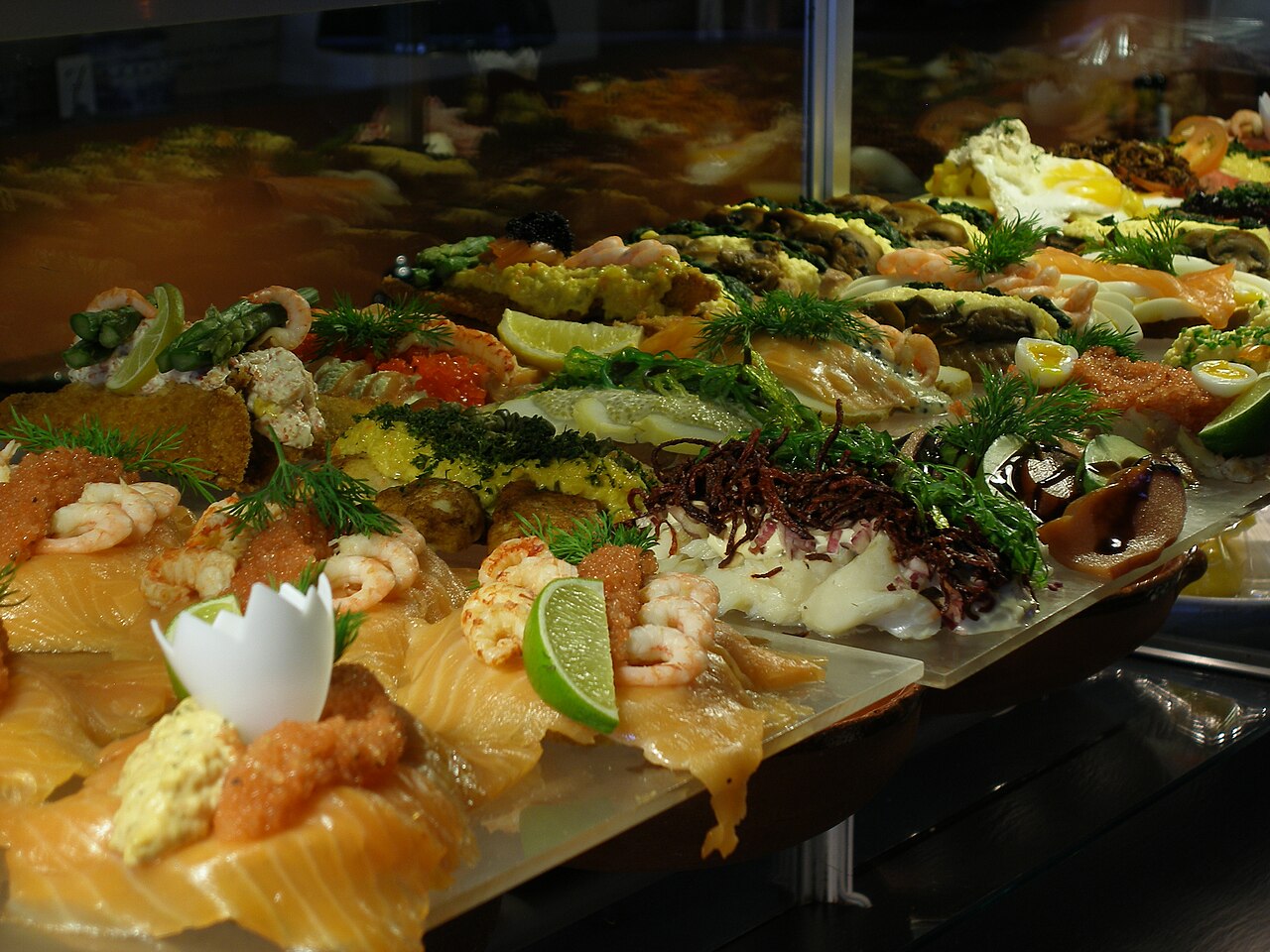
A slice of buttered rye bread topped with pickled herring, liver pâté, roast beef, shrimp, egg, cheese or smoked fish, and carefully garnished. It is the classic Danish lunch and is usually eaten with a knife and fork.
The name comes from 'smør og brød', butter and bread. In 1888 Oskar Davidsen opened a wine bar in Copenhagen that became famous for its very long list of open sandwiches.
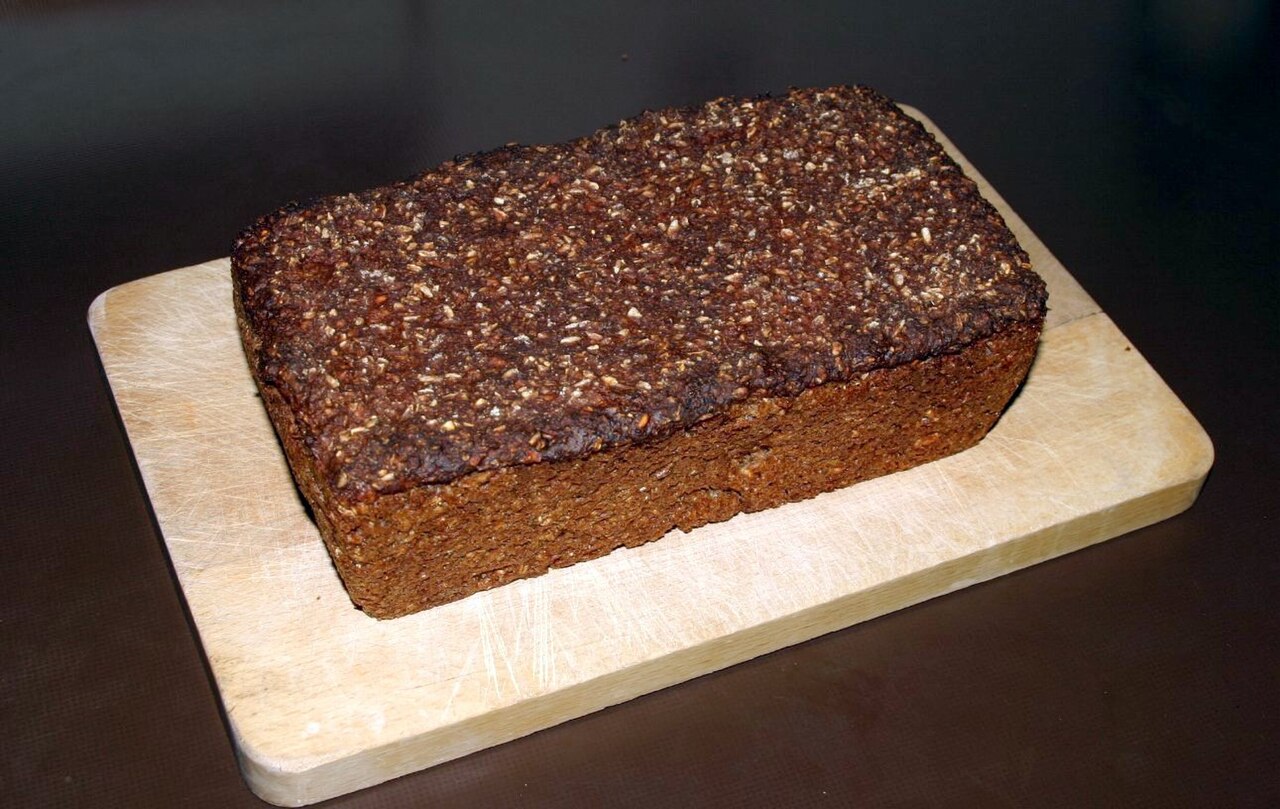
A dark, dense sourdough bread made from rye flour, often with whole rye grains and seeds, baked in a long rectangular tin. Most Danes eat it every day, as the base for open sandwiches.
Until 1933, some Danish prisoners could be punished with a diet of only water and rye bread, which is why 'on water and bread' still means serving time.
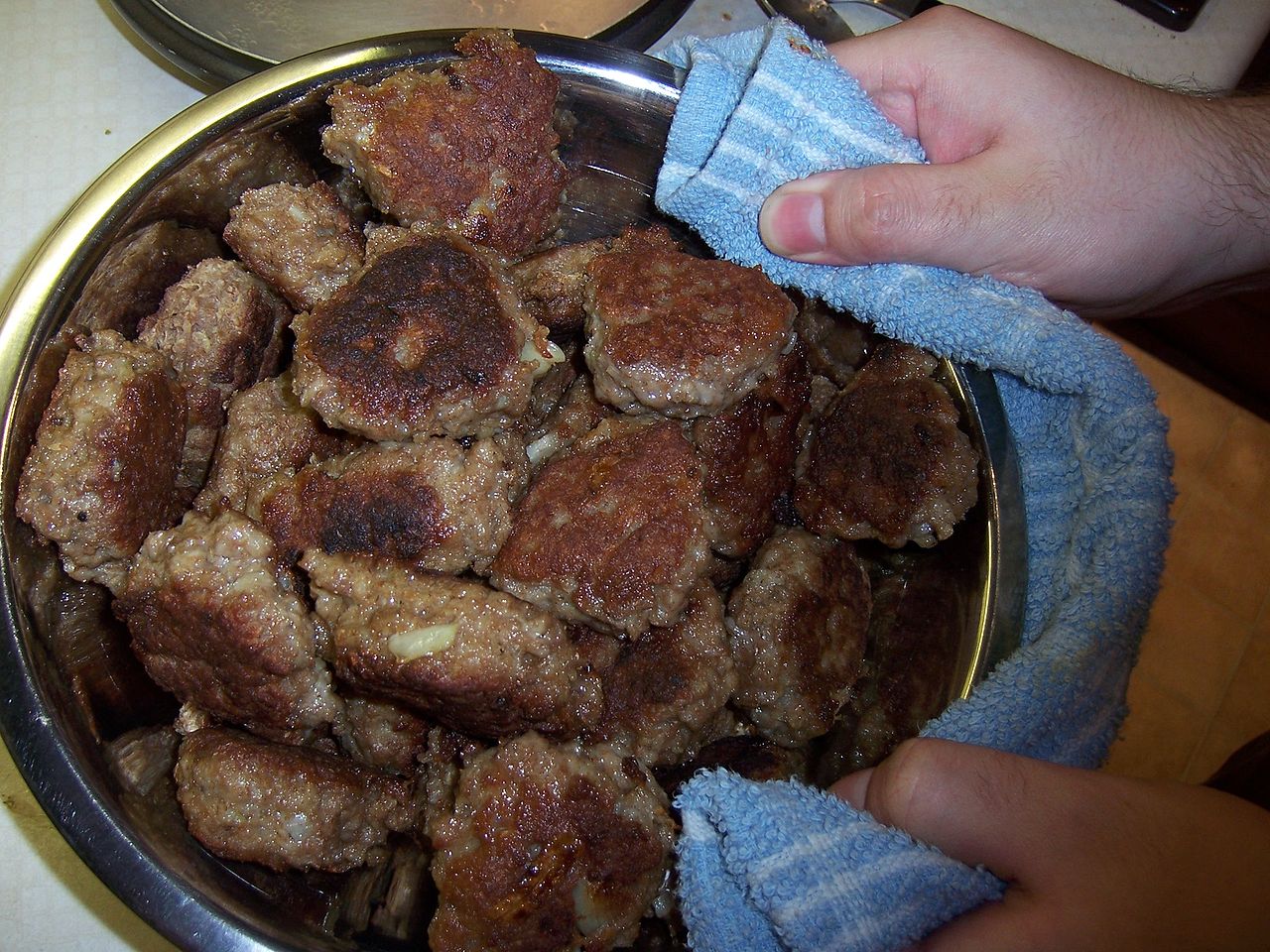
Flattened, pan-fried meatballs of minced pork, or pork and veal, with onion, egg and a little flour or breadcrumbs. They are served warm with potatoes, brown sauce and pickled red cabbage, or cold on rye bread.
See the recipe
Serves 4
45 min
Ingredients
500 g minced pork (or half pork, half veal)
1 onion, grated very finely
1 egg
3 tablespoons plain flour or dried breadcrumbs
150 ml milk
1 teaspoon salt and some black pepper
40 g butter for frying
Method
Put the meat, onion, salt and pepper in a bowl and mix well.
Beat in the egg and flour, then stir in the milk a little at a time until the mixture is soft but still holds its shape. Rest it in the fridge for 15 minutes.
Melt the butter in a frying pan over medium heat.
Shape the mixture with a wet tablespoon into oval balls, and flatten them slightly in the pan.
Fry for about 5 to 6 minutes on each side, until golden brown and cooked right through with no pink in the middle.
Serve hot with boiled potatoes, gravy and pickled red cabbage, or cold on rye bread the next day.
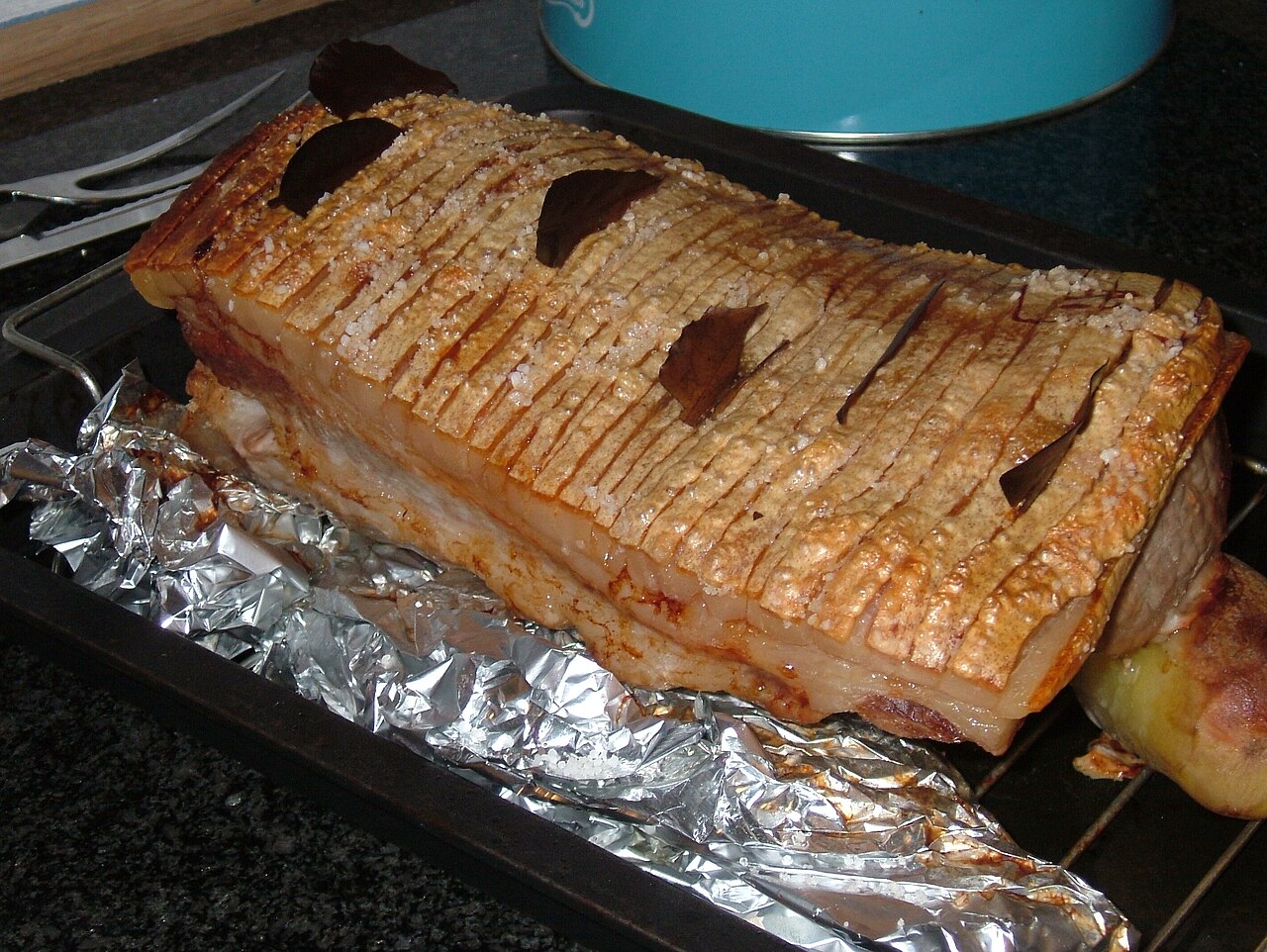
A joint of pork roasted with its rind scored into narrow strips, so it turns into crisp crackling. It is served with boiled and caramelised potatoes, red cabbage and gravy, and, often with roast duck, it is the classic dinner on Christmas Eve.
Roast pork became an everyday dish in Denmark only after the 1860s, when homes got ovens heated by wood-burning stoves.
See the recipe
Serves 6
2 h 30 min
Ingredients
1.5 kg boneless pork loin or belly with the rind on
Coarse salt
Black pepper
6 bay leaves
4 to 6 whole cloves (optional)
500 ml water
Method
Heat the oven to 200 °C. With a very sharp knife, score the rind in narrow strips about 1 cm apart, cutting through the rind but not into the meat. Or ask the butcher to do this.
Rub plenty of salt and some pepper into the cuts. Push the bay leaves, and the cloves if using, into some of the cuts.
Put the pork on a rack in a roasting tin, rind side up, and pour the water into the tin.
Roast for about 1 hour 30 minutes, adding a little more water if the tin dries out, until the meat is cooked through (at least 70 °C in the middle).
If the crackling is not yet crisp, turn the oven up to 240 °C or use the grill for the last 10 to 15 minutes, watching closely.
Rest the meat for 15 minutes, then slice it between the strips of crackling. Use the juices in the tin to make gravy.
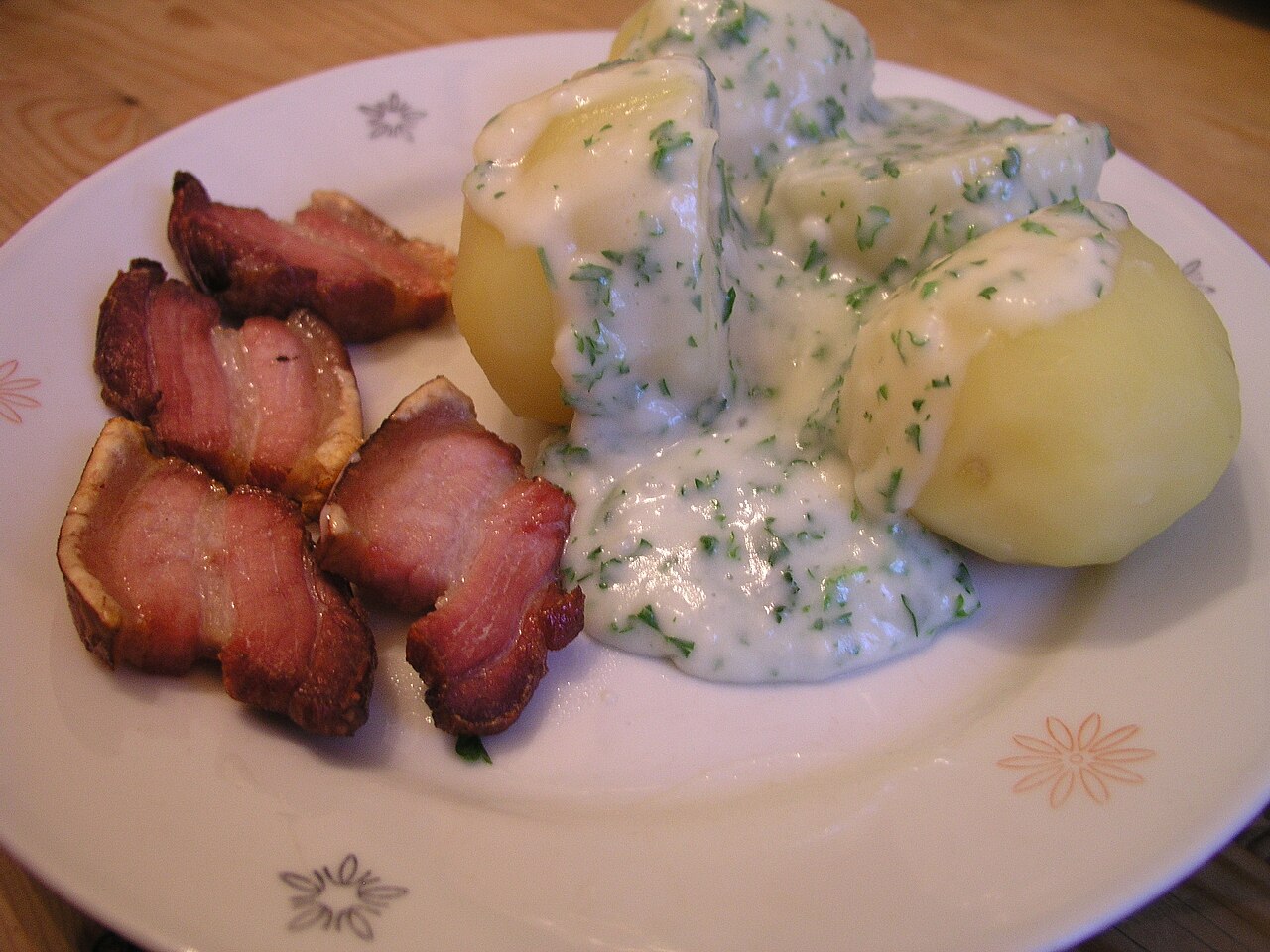
Thick slices of pork belly fried until crisp, served with boiled potatoes and a creamy white parsley sauce. It is simple, filling and very much loved.
In 2014 it was voted Denmark's national dish in a public vote organised by the Danish food ministry. Some Danes also eat it on election nights, as a joke on 'valgflæsk', 'election pork', meaning empty promises.
See the recipe
Serves 4
45 min
Ingredients
800 g fresh pork belly, cut into slices about 1 cm thick
1 kg small potatoes
Salt and pepper
For the sauce: 30 g butter, 3 tablespoons plain flour, 500 ml milk, a large bunch of parsley, finely chopped
Method
Boil the potatoes in salted water for about 20 minutes, until tender.
Meanwhile, sprinkle the pork slices with salt and pepper and fry them in a dry, hot frying pan, in batches, for about 5 to 7 minutes on each side until crisp and golden. Keep them warm in a low oven.
For the sauce, melt the butter in a pan, stir in the flour and cook for 1 minute.
Whisk in the milk a little at a time and let the sauce simmer gently for 5 minutes, stirring, until thick and smooth.
Stir in the parsley and season with salt and pepper.
Serve the crisp pork with the potatoes and plenty of parsley sauce.
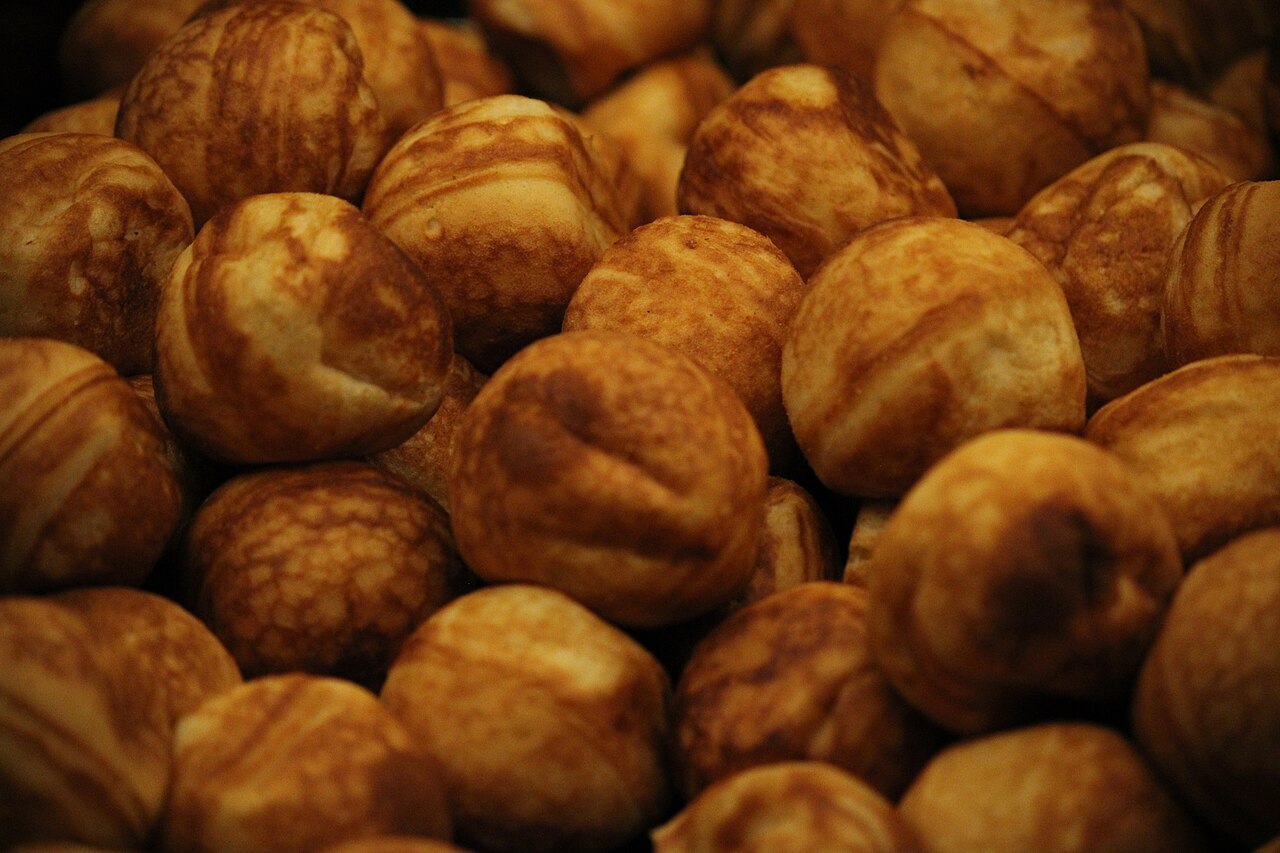
Light, fluffy balls of batter cooked in a special pan with round hollows and turned with a knitting needle or skewer. They are dipped in jam and dusted with icing sugar, especially in December with a cup of mulled wine (gløgg).
The name means 'apple slices'. They used to have bits of apple inside, but today they almost never do.
See the recipe
Serves 4
45 min
Ingredients
250 g plain flour
1 teaspoon baking powder
1 tablespoon sugar
1/2 teaspoon ground cardamom
A pinch of salt
3 eggs, separated
400 ml buttermilk
50 g butter, melted, plus more for the pan
Raspberry jam and icing sugar to serve
Method
Mix the flour, baking powder, sugar, cardamom and salt in a bowl.
Whisk in the egg yolks, buttermilk and melted butter to make a smooth batter.
Whisk the egg whites until stiff and fold them gently into the batter.
Heat an æbleskive pan over medium heat and put a little butter in each hollow.
Fill each hollow almost to the top. After about 1 minute, when the bottom has set, turn each ball a quarter turn with a skewer or knitting needle so the raw batter runs out and forms the other half.
Keep turning until the balls are golden all over and cooked through, about 4 to 5 minutes in all. Serve warm with jam and icing sugar.
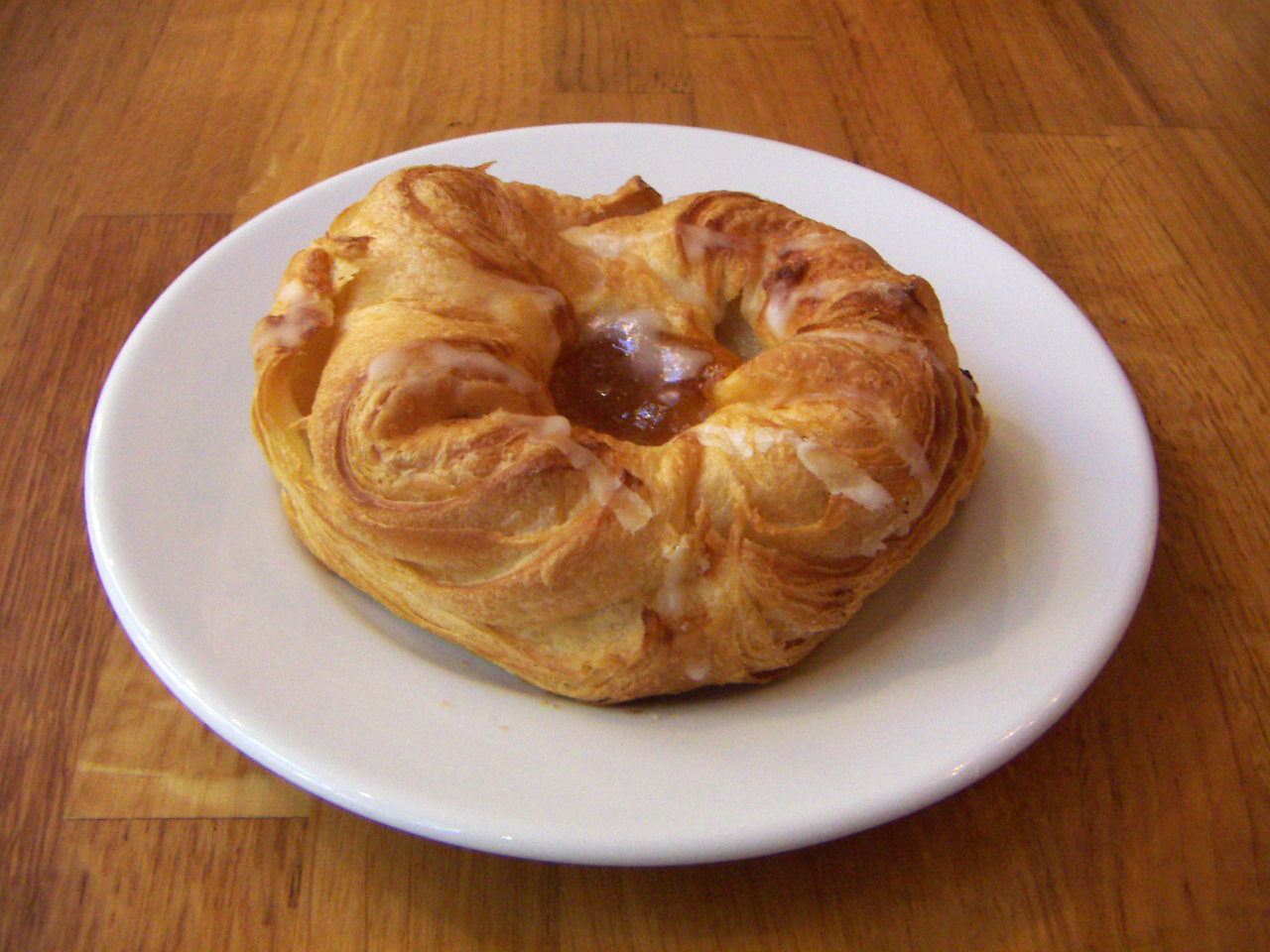
A flaky pastry made from a yeast dough folded again and again with thin layers of butter, filled with custard, marzipan, jam or cinnamon, and often topped with icing or nuts.
In Denmark it is called 'wienerbrød', Viennese bread, because Austrian bakers are thought to have brought the technique. In Vienna, meanwhile, it is called a 'Kopenhagener'.
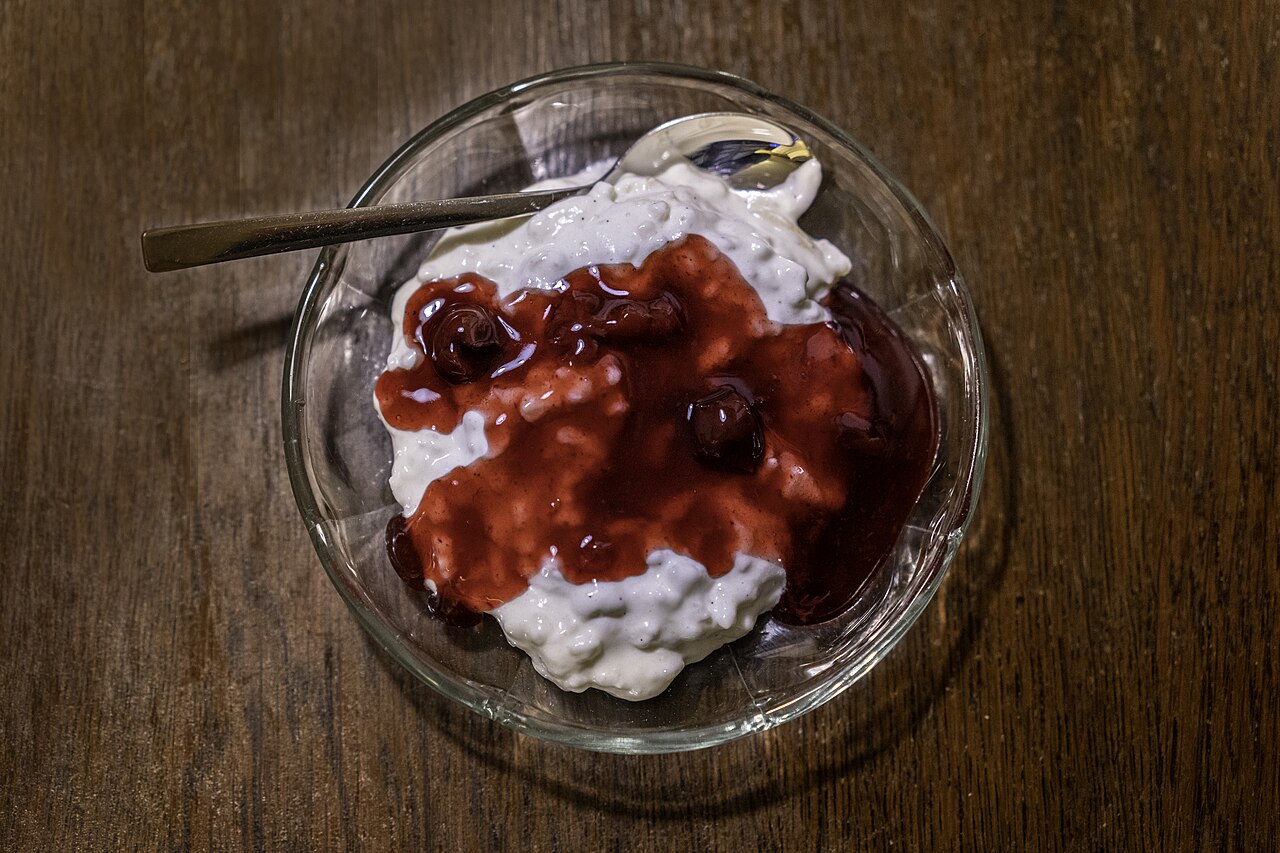
Cold rice pudding mixed with whipped cream, vanilla and chopped almonds, served with warm cherry sauce. It is the traditional dessert on Christmas Eve.
One whole almond is hidden in the bowl. Whoever finds it wins a prize, the 'almond present'.
See the recipe
Serves 6
1 h
Ingredients
150 g pudding rice (short-grain rice)
100 ml water
750 ml whole milk
1 vanilla pod, split, or 1 teaspoon vanilla extract
2 tablespoons sugar
75 g blanched almonds, chopped, plus 1 whole almond
300 ml whipping cream
Cherry sauce, warmed, to serve
Method
Bring the rice and water to the boil in a heavy pan and cook for 2 minutes.
Add the milk and the vanilla, bring to the boil, then turn the heat very low. Cover and simmer for about 35 to 40 minutes, stirring often so it does not stick, until thick and creamy.
Stir in the sugar, remove the vanilla pod and let the pudding cool completely, preferably overnight in the fridge.
Whip the cream until soft peaks form.
Stir the chopped almonds into the cold rice, then fold in the whipped cream. Hide the whole almond in the bowl.
Serve cold with warm cherry sauce. Warn guests about the hidden whole almond, which is a choking risk for small children, and about nuts if anyone has an allergy.
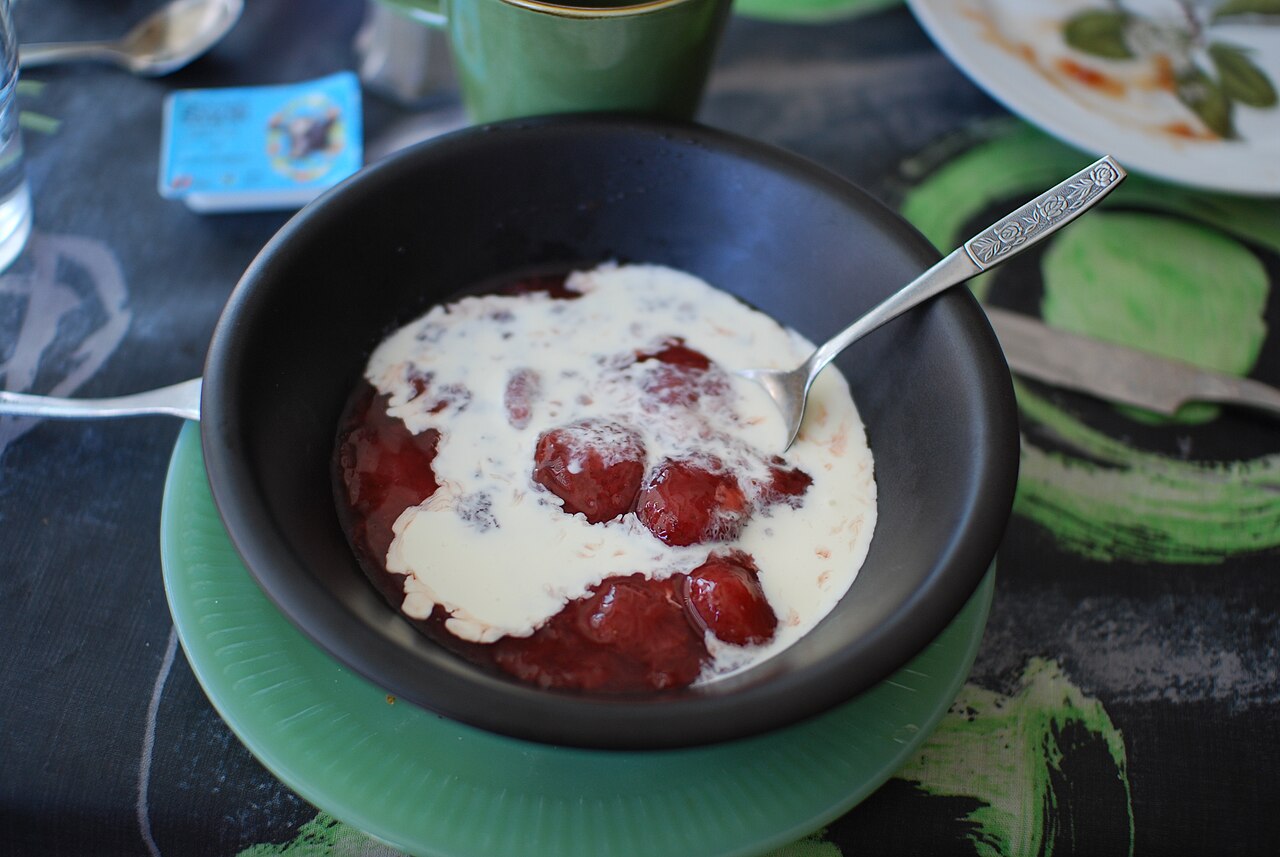
Summer berries such as redcurrants, raspberries and strawberries, cooked with sugar and thickened with potato starch, served cold with cream poured over.
'Rødgrød med fløde' is famously hard for foreigners to say, and Danes have used it as a fun pronunciation test since the early 1900s.
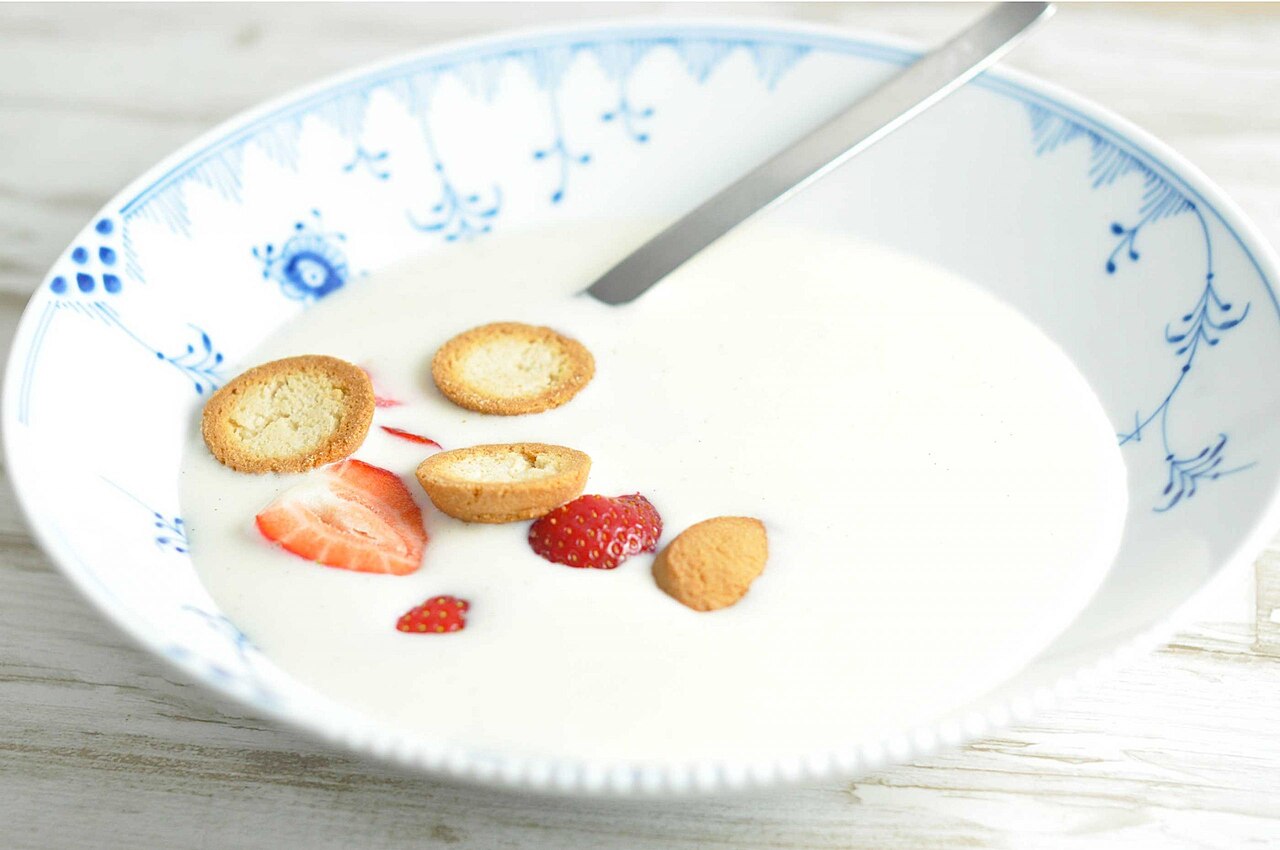
A sweet, cold mixture of buttermilk, sugar, vanilla and lemon, eaten on warm summer days with small crisp biscuits called kammerjunkere. Homemade versions often include raw egg yolks, so use pasteurised eggs if serving pregnant women, older people, young children or anyone with a weak immune system.
Demand depends on the weather. In July 2013 one dairy alone sold 3.8 million litres of ready-made koldskål.
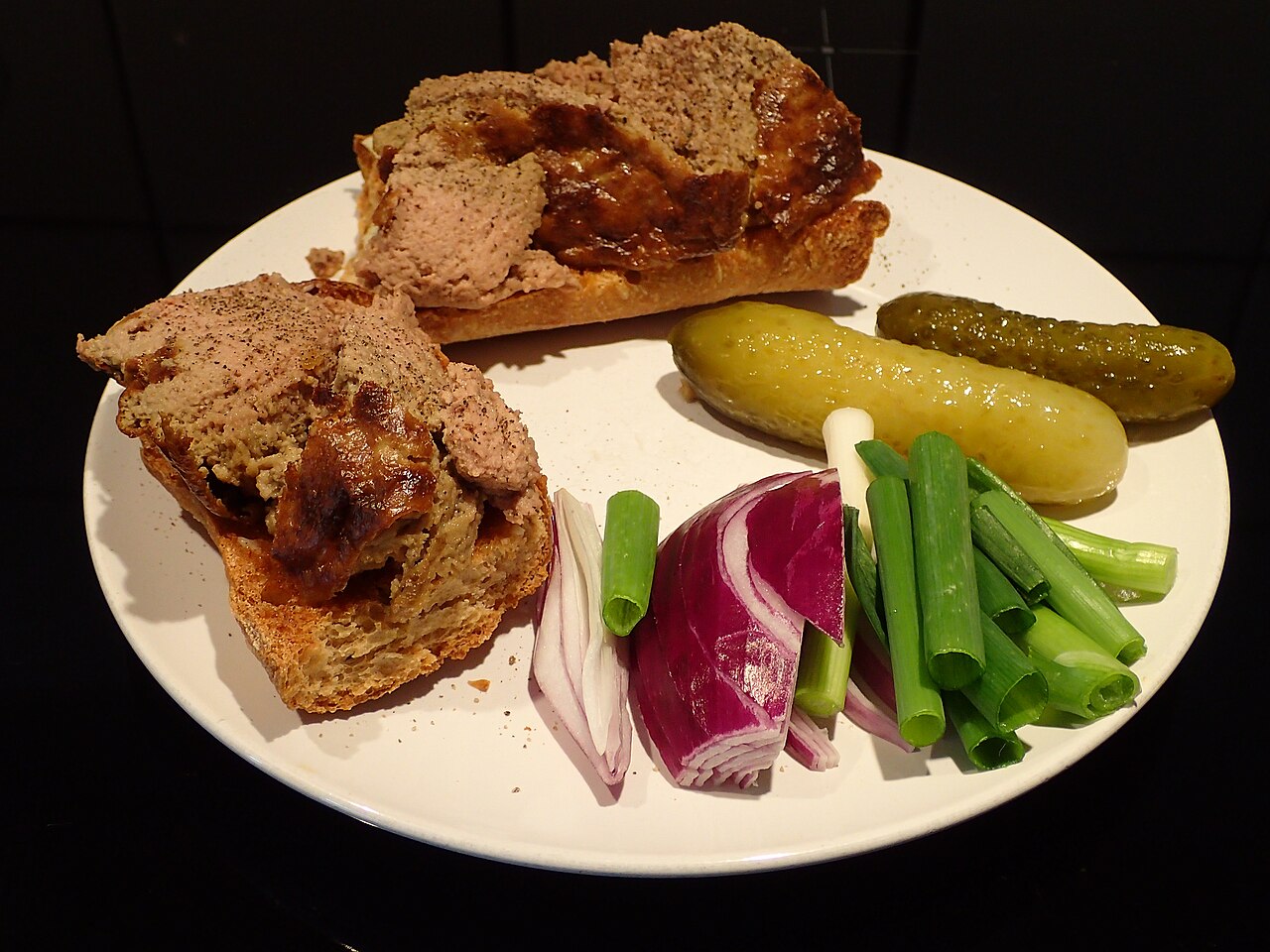
A baked pâté of pork liver and lard with onion and spices. It is spread on rye bread, cold with pickled cucumber or warm with crisp bacon and mushrooms.
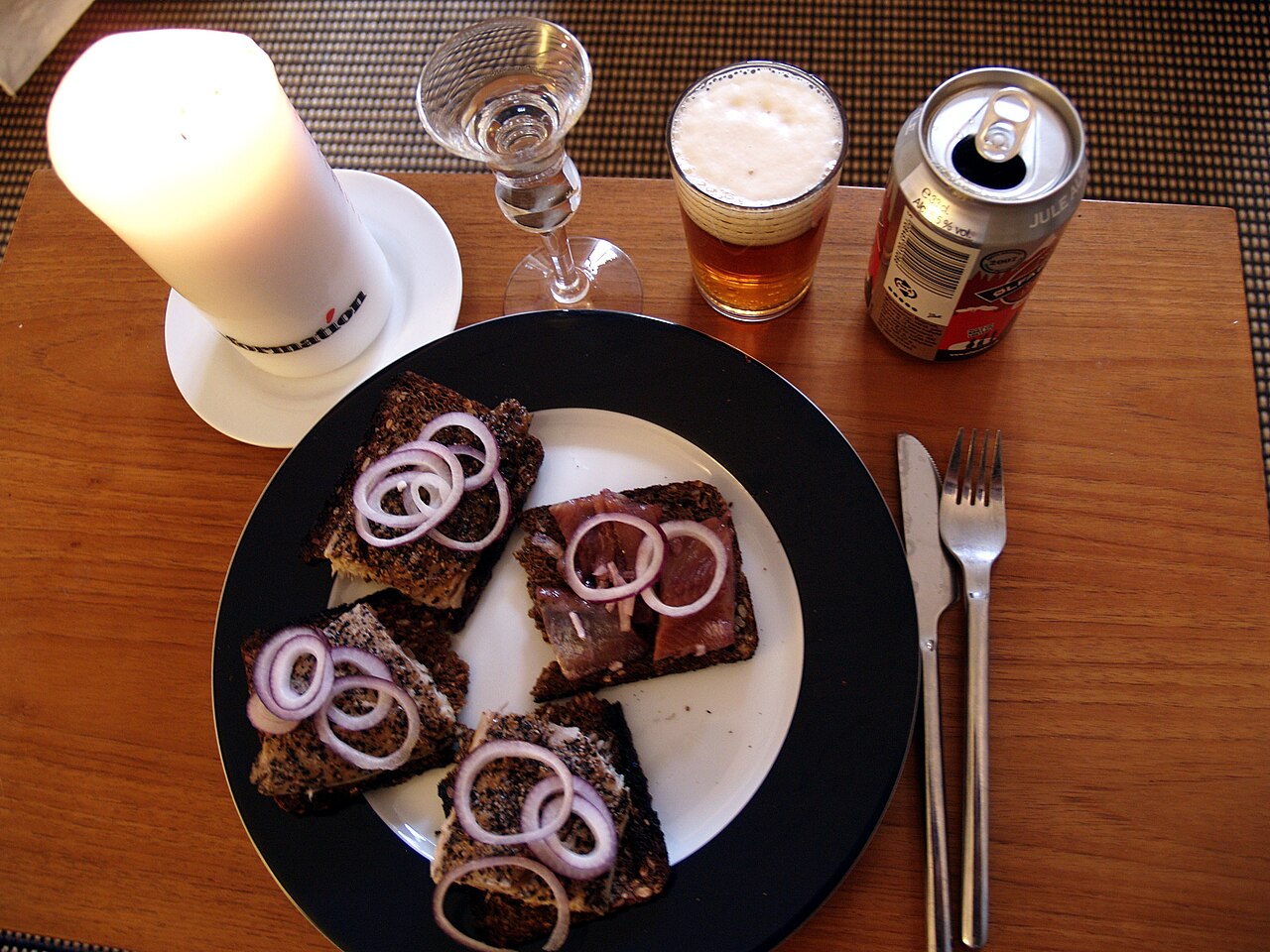
Herring fillets marinated in sweet, spiced vinegar, often in a white and a red version, or in curry sauce. Served on rye bread with onion rings, it is the traditional first course at a festive Danish lunch.
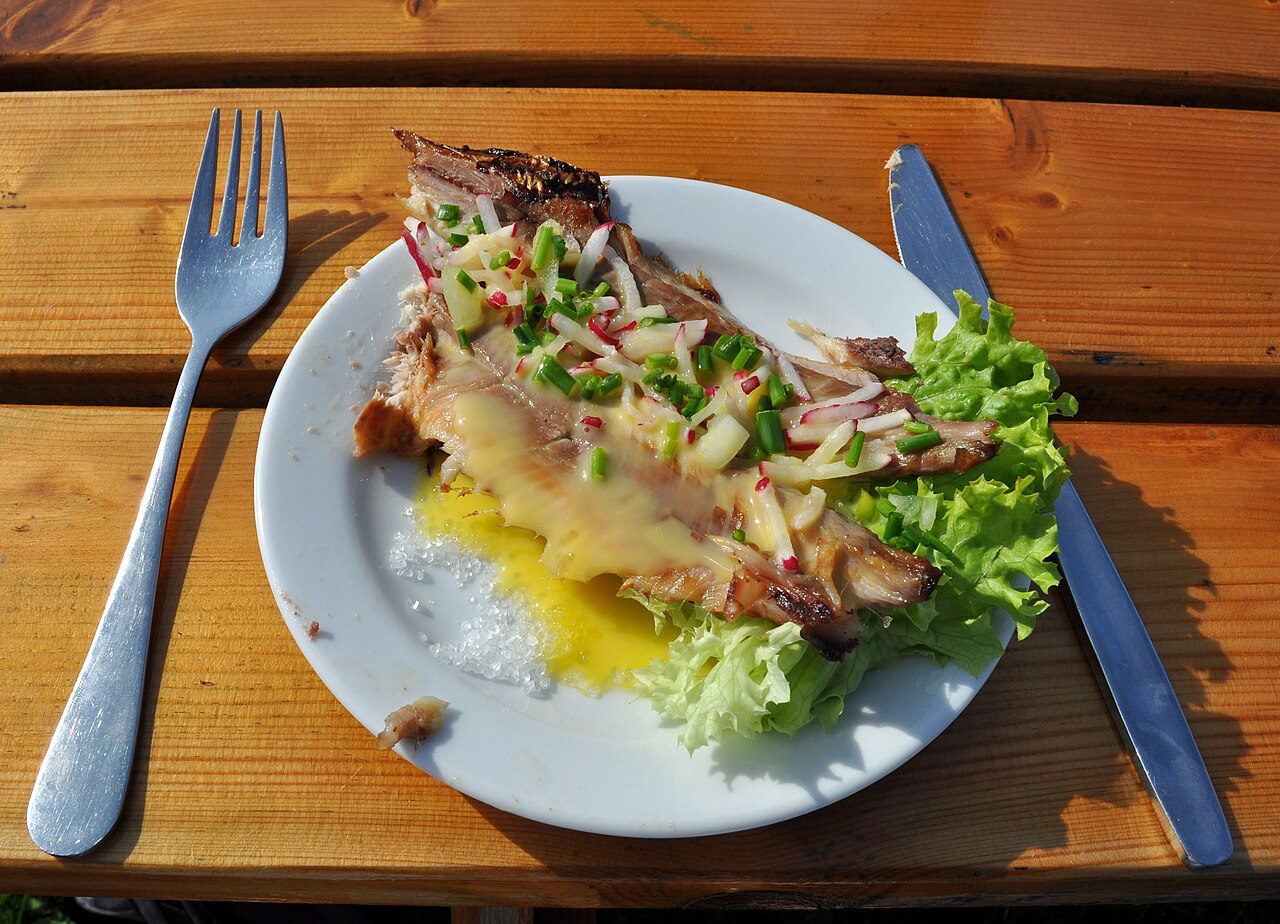
An open sandwich of rye bread with smoked herring, chives and a raw egg yolk on top, the 'sun'. The island of Bornholm is famous for its herring smokehouses. Use a pasteurised egg if serving pregnant women, older people, young children or anyone with a weak immune system.
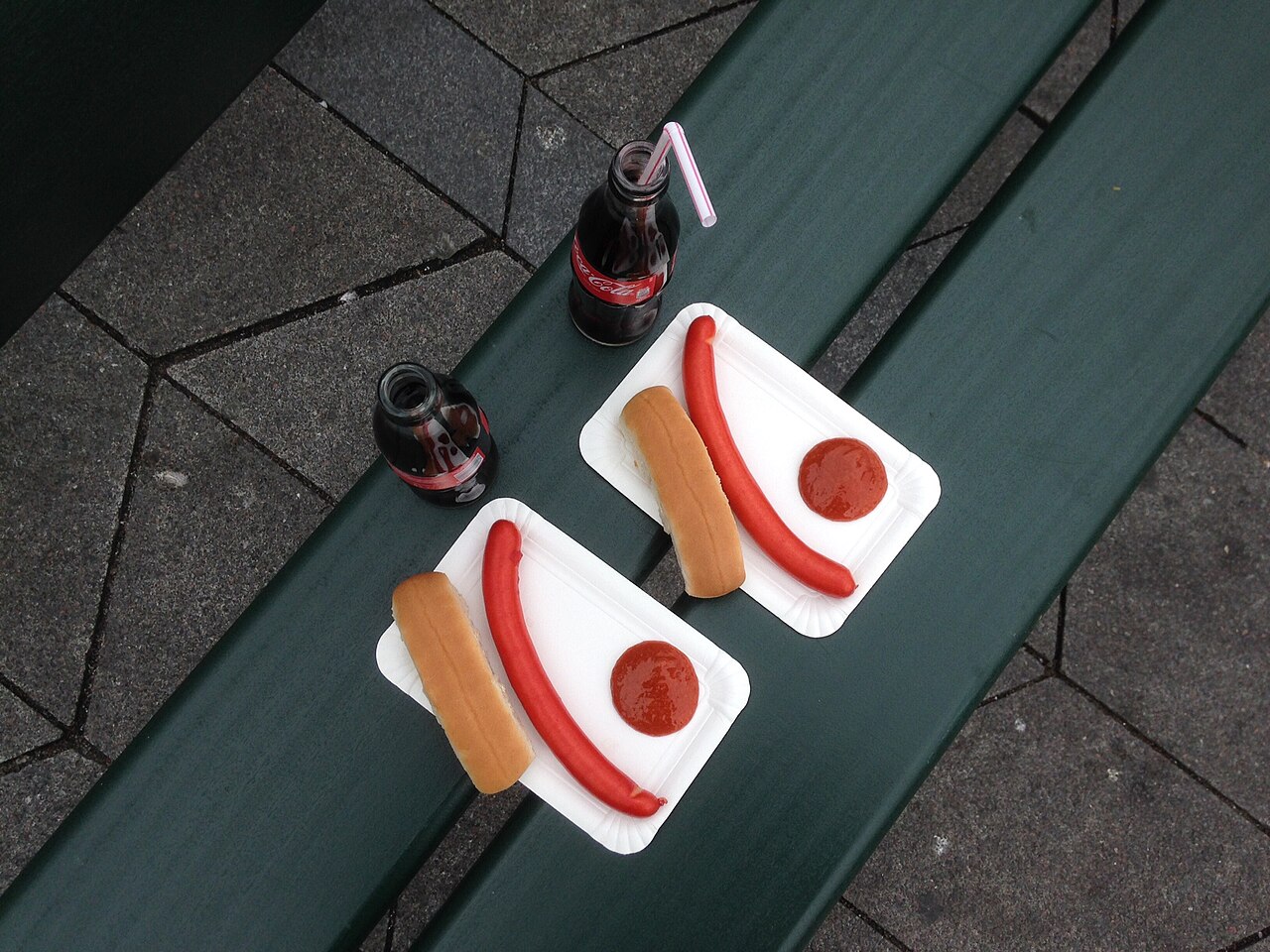
A bright red boiled pork sausage sold from hot dog stands (pølsevogne) all over Denmark, served in a bun with remoulade, mustard, ketchup, crisp fried onions, raw onions and pickled cucumber.
Nobody is quite sure why the skin is red. One story says old sausages were dyed as a warning to customers.
Scandinavia; the Aalborg brand was first made in Aalborg
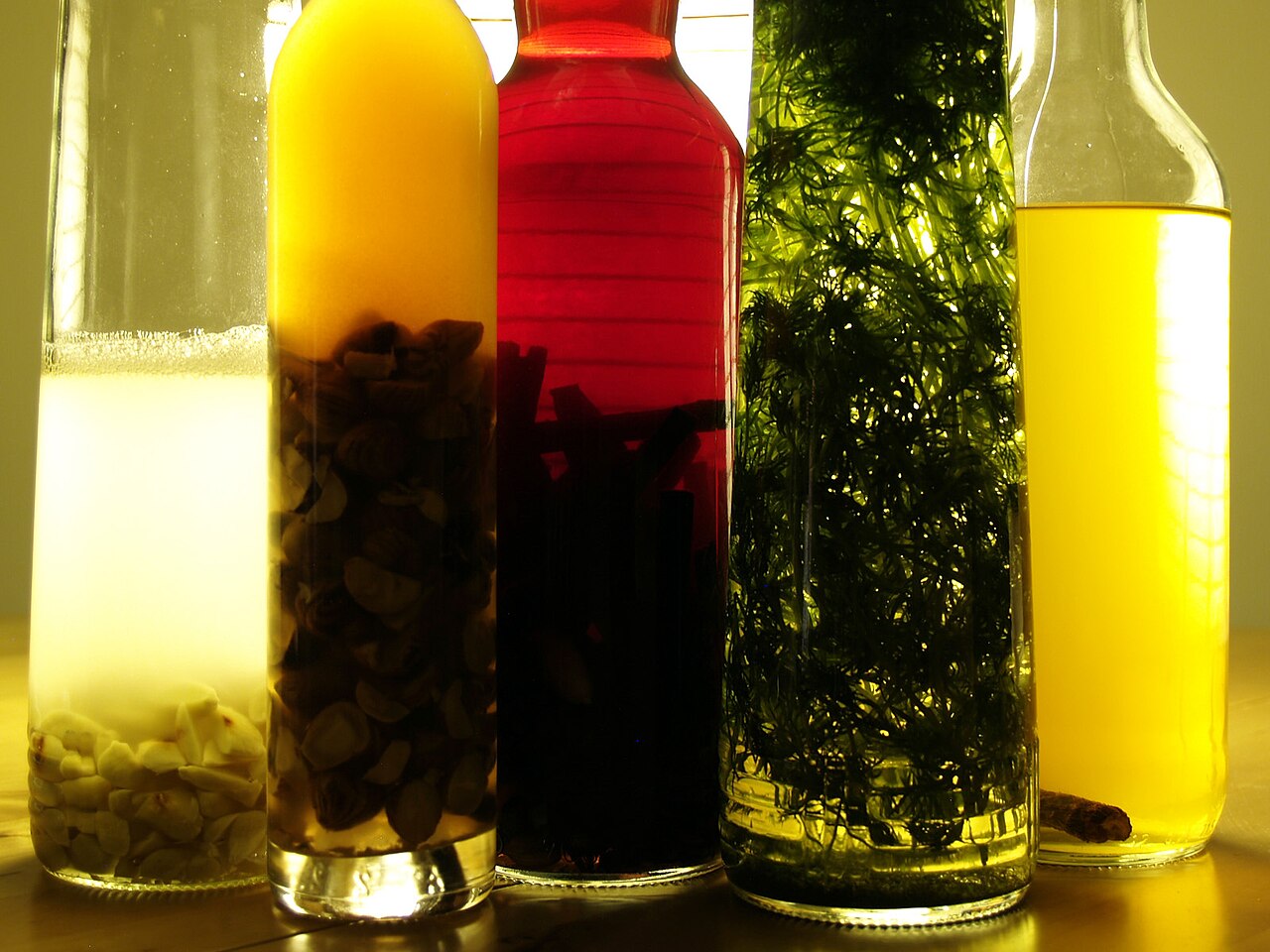
A strong spirit, usually around 40 percent alcohol, flavoured with caraway or dill. In Denmark it is served ice cold in small glasses, mostly at Christmas and Easter lunches, often with herring.
The name comes from the Latin 'aqua vitae', water of life, just like whisky comes from the Gaelic for the same words.
Table manners
Open sandwiches are usually eaten with a knife and fork, not with your hands.
At a festive lunch, eat the fish first, then the meat and warm dishes, and finish with cheese.
After a meal in someone's home, thank the host with 'Tak for mad' (TAHK for MATH), 'thanks for the food'.
When raising a glass, say 'Skål' (SKOHL), meaning 'cheers'.
Service is included in restaurant, hotel and taxi bills, so tipping is not expected, although you may leave a little extra for great service.
Most Danes live in towns and cities, and about 40 percent live on the island of Zealand, where Copenhagen stands. The other cities are much smaller and easy to explore on foot or by bicycle, from Viking towns in the west to the sandy northern tip of Jutland and the rocky island of Bornholm far out in the Baltic Sea.
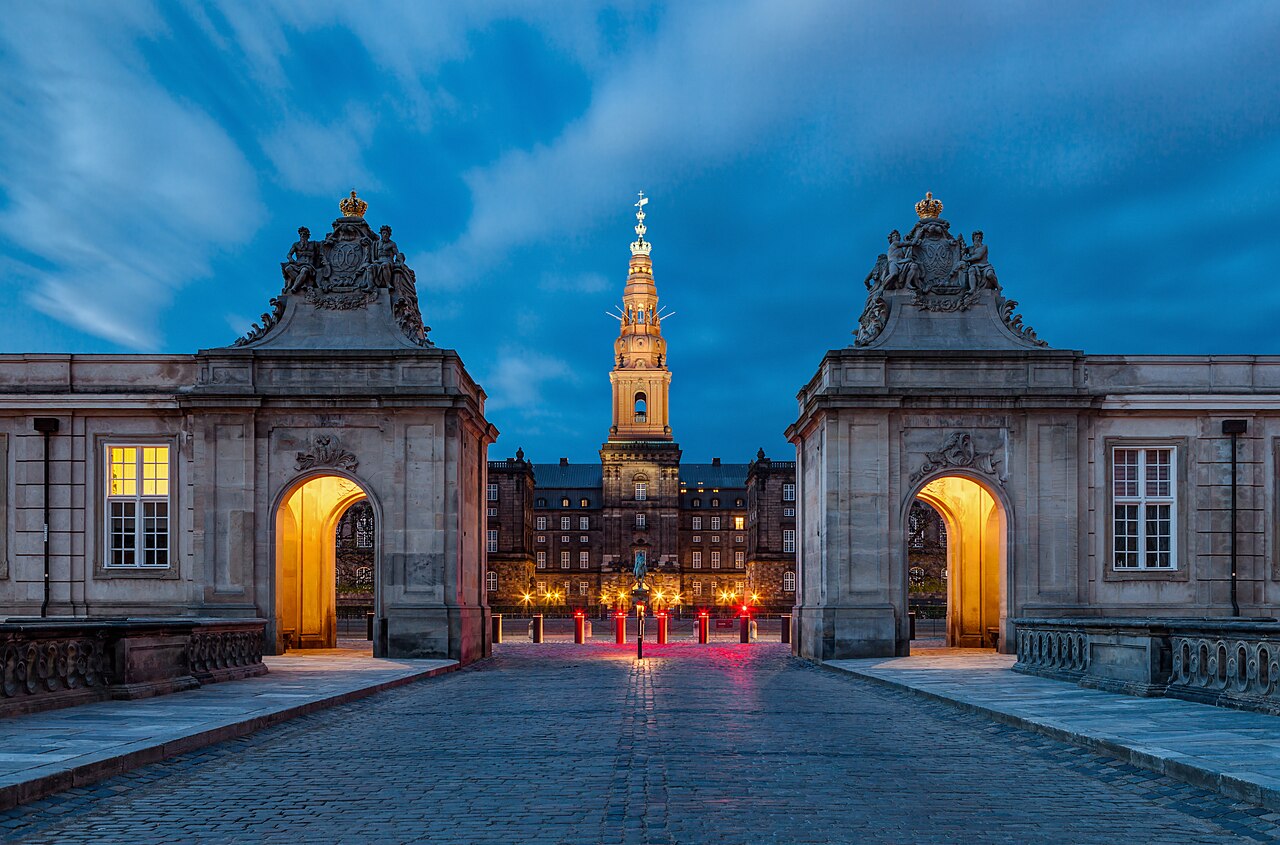
The capital and largest city, on the islands of Zealand and Amager, facing Sweden across the Øresund. Traditionally dated to a fortress built in 1167, it became the capital in the 15th century and is known for its canals, palaces and bicycles.
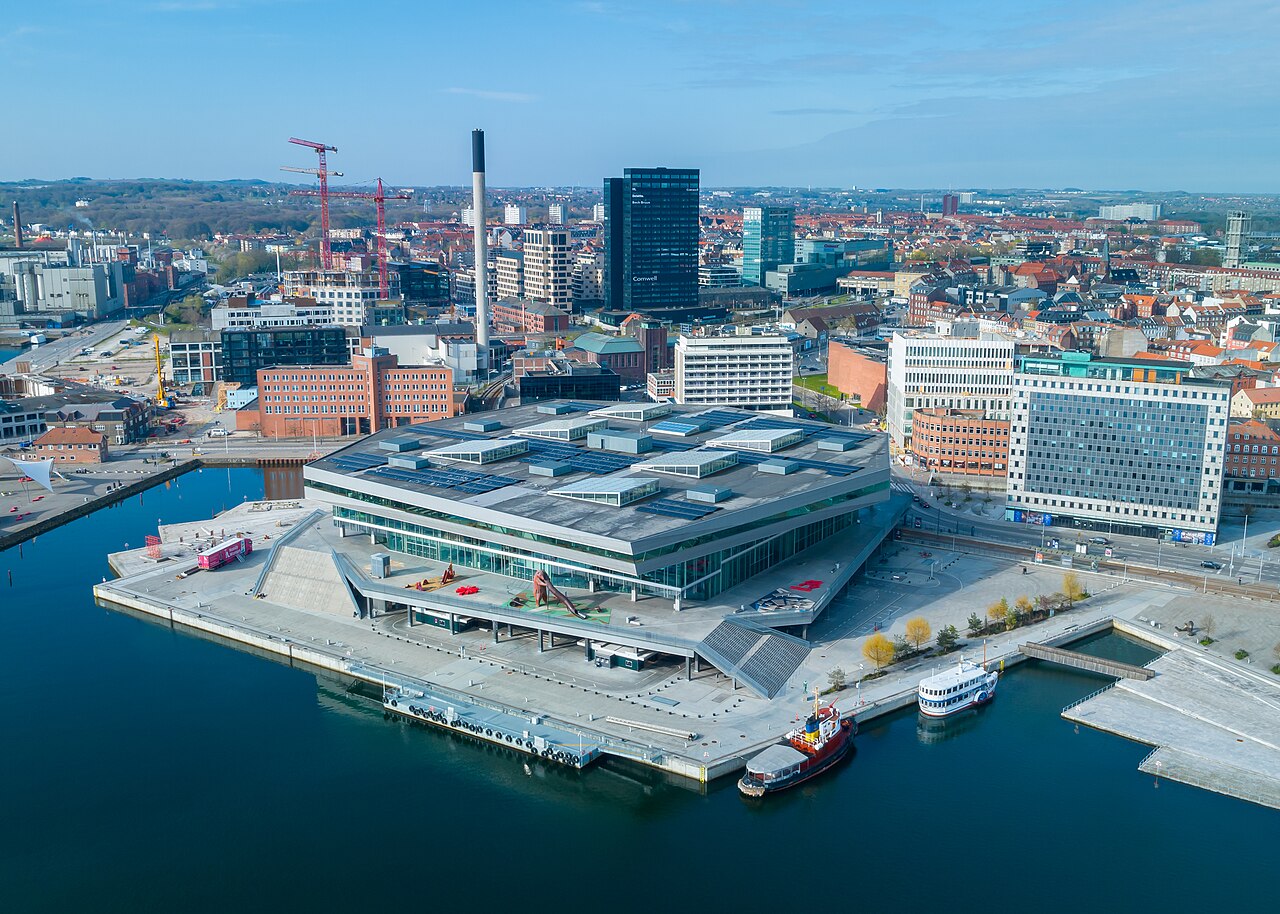
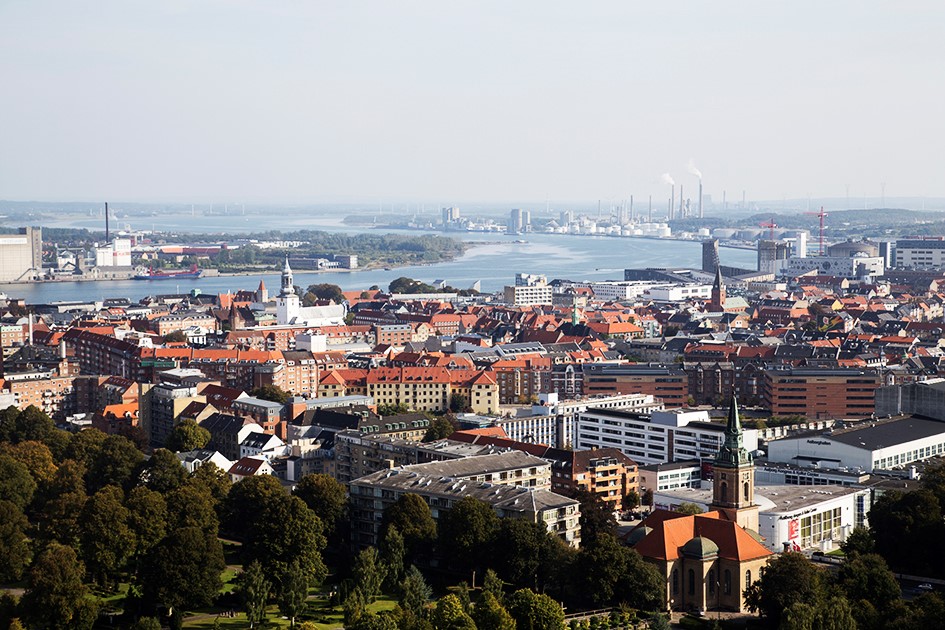
Denmark's second-largest city, on the east coast of Jutland. Founded as a Viking harbour town at the mouth of the Aarhus River, it is now a lively university city.
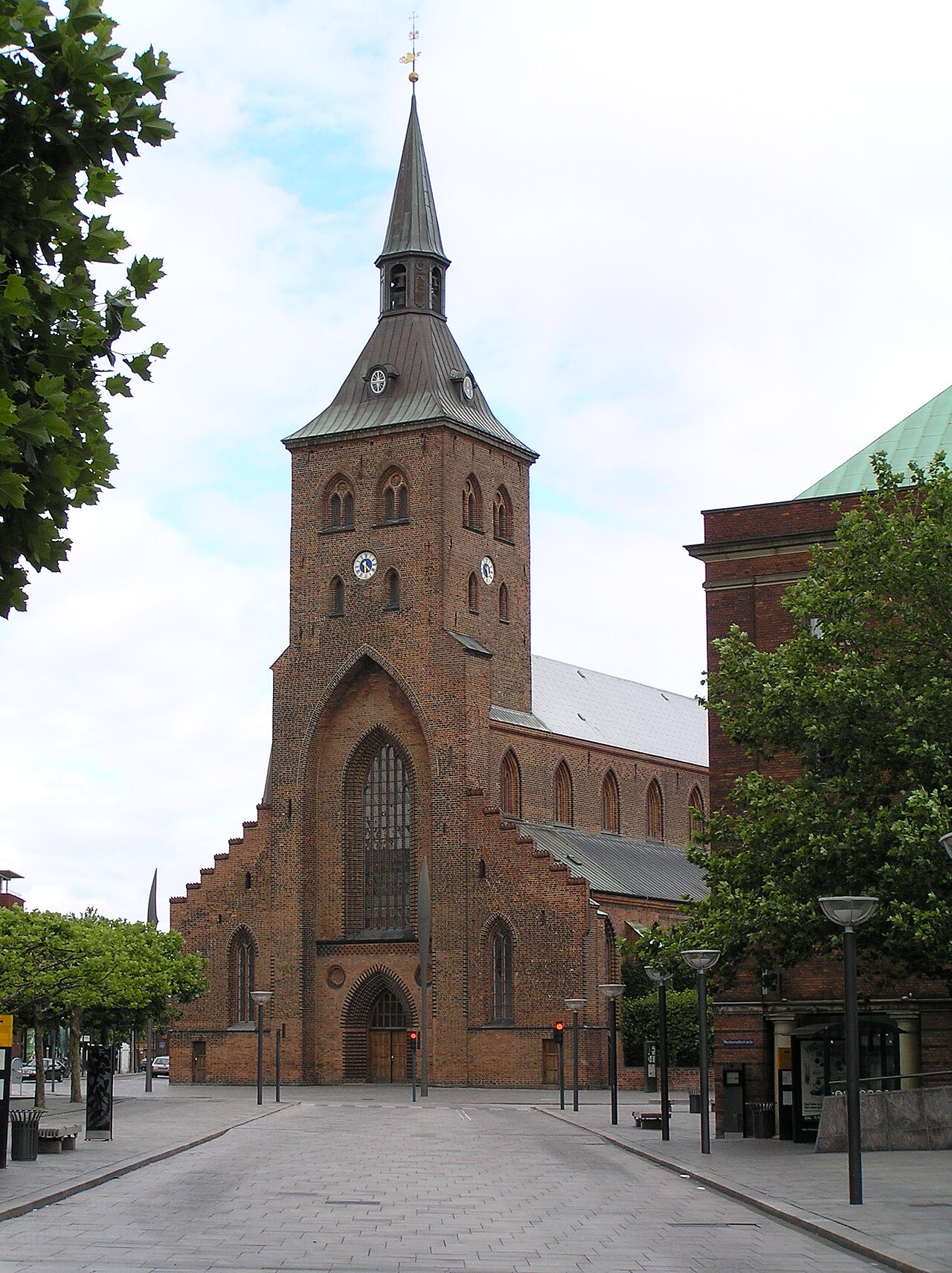
The third-largest city and the largest on the island of Funen, one of the oldest cities in Denmark. Hans Christian Andersen was born here in 1805 and spent his childhood here.
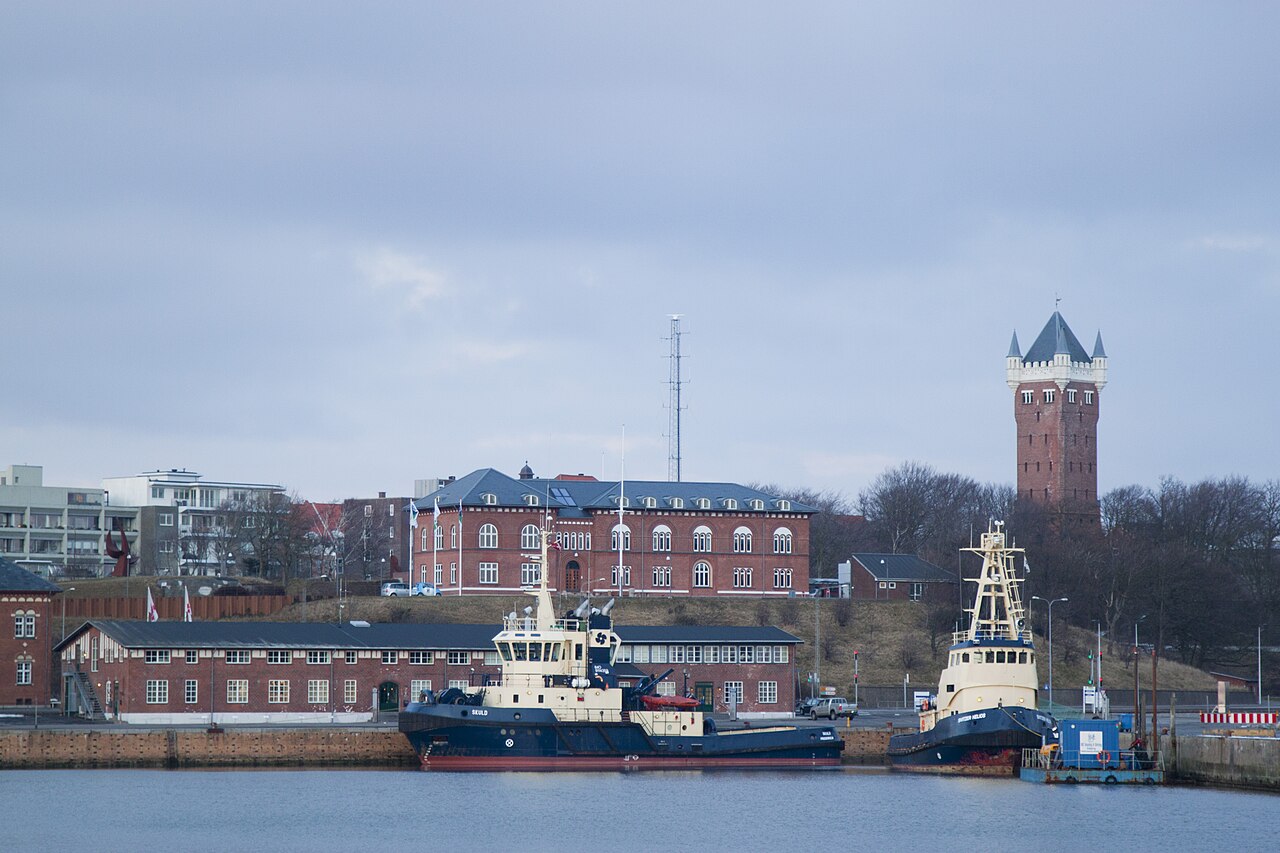
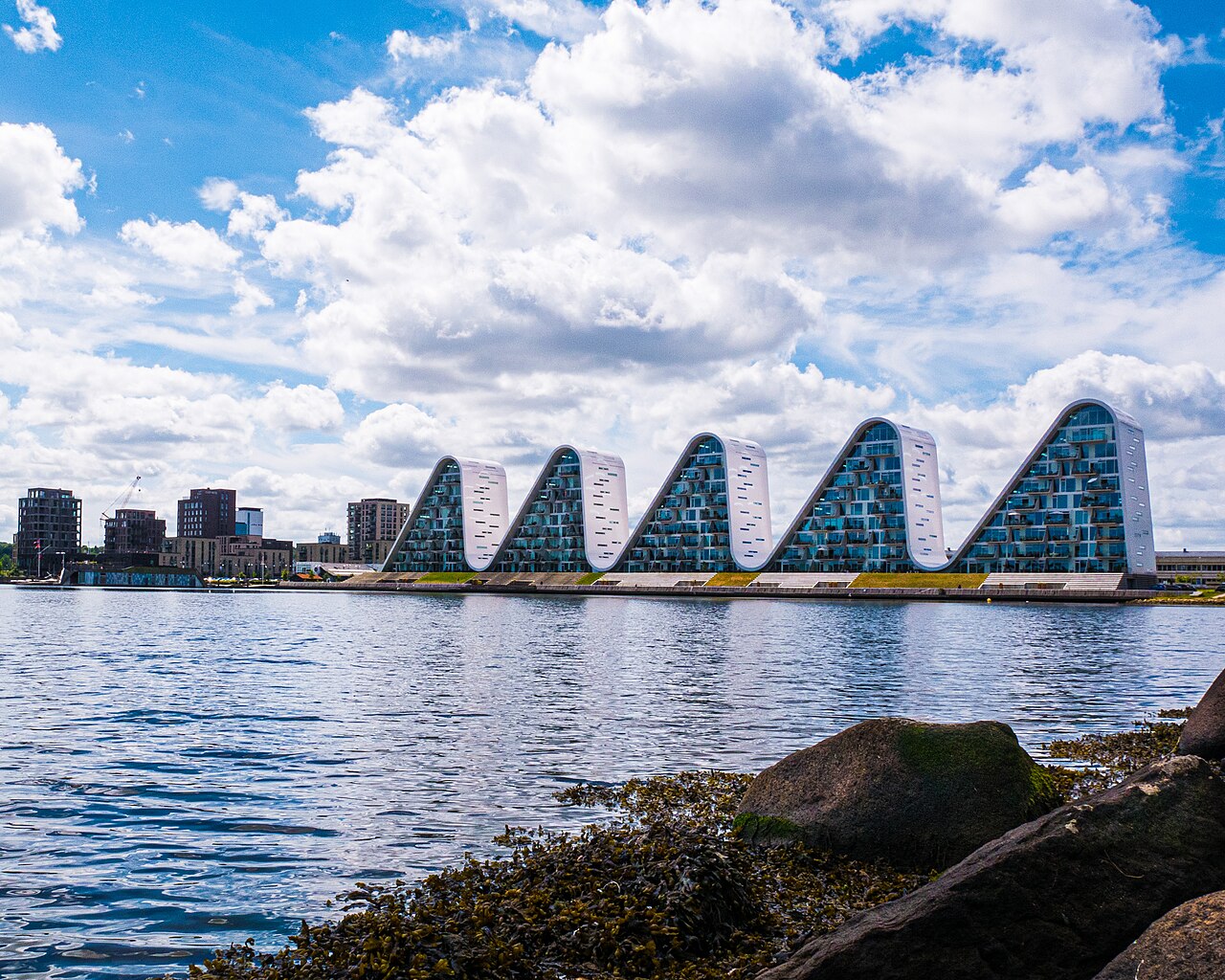
A young port city on the North Sea coast, founded when a harbour was built here in 1868. Once Denmark's main fishing port, it is now a centre for offshore wind energy.
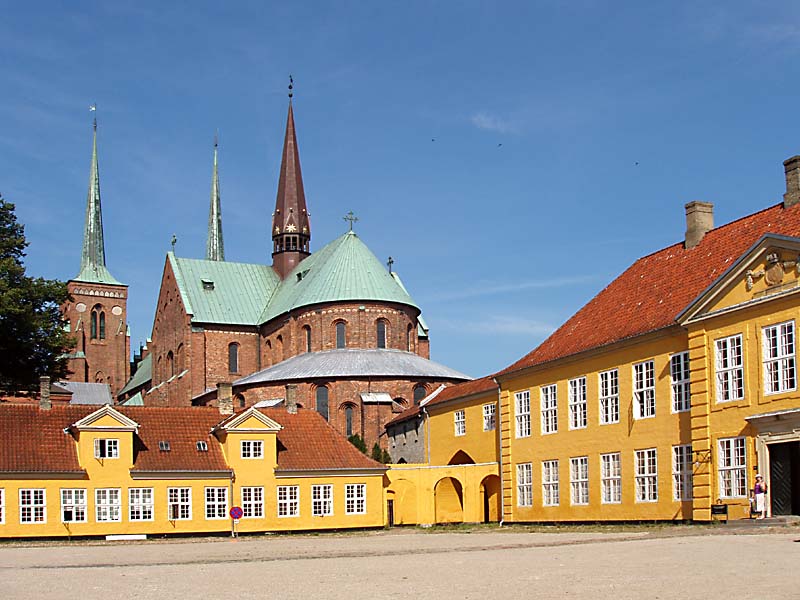
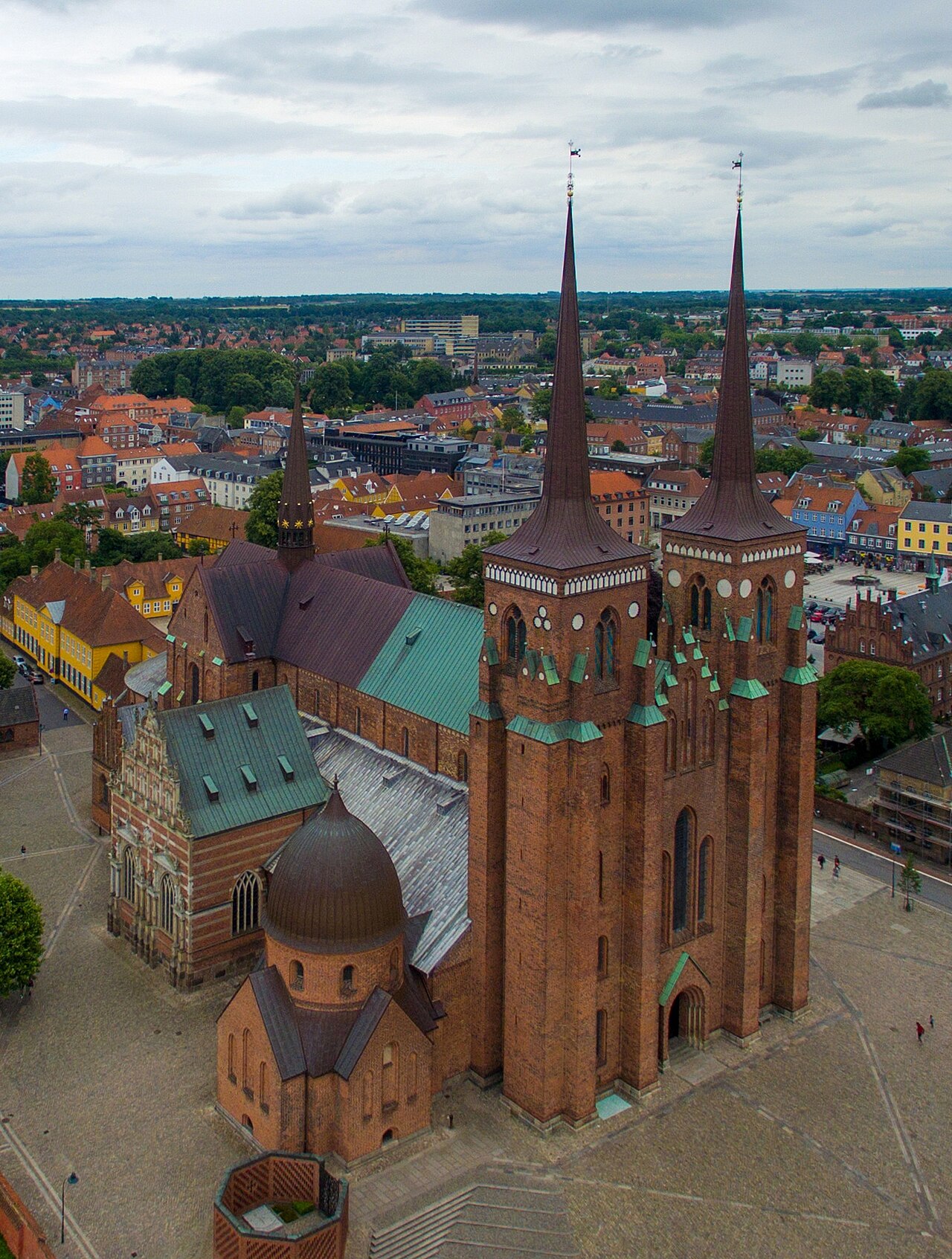
A historic city about 30 km west of Copenhagen, at the head of Roskilde Fjord. It was the capital of Denmark from the 11th century until 1443, and Danish kings and queens are still buried in its cathedral.
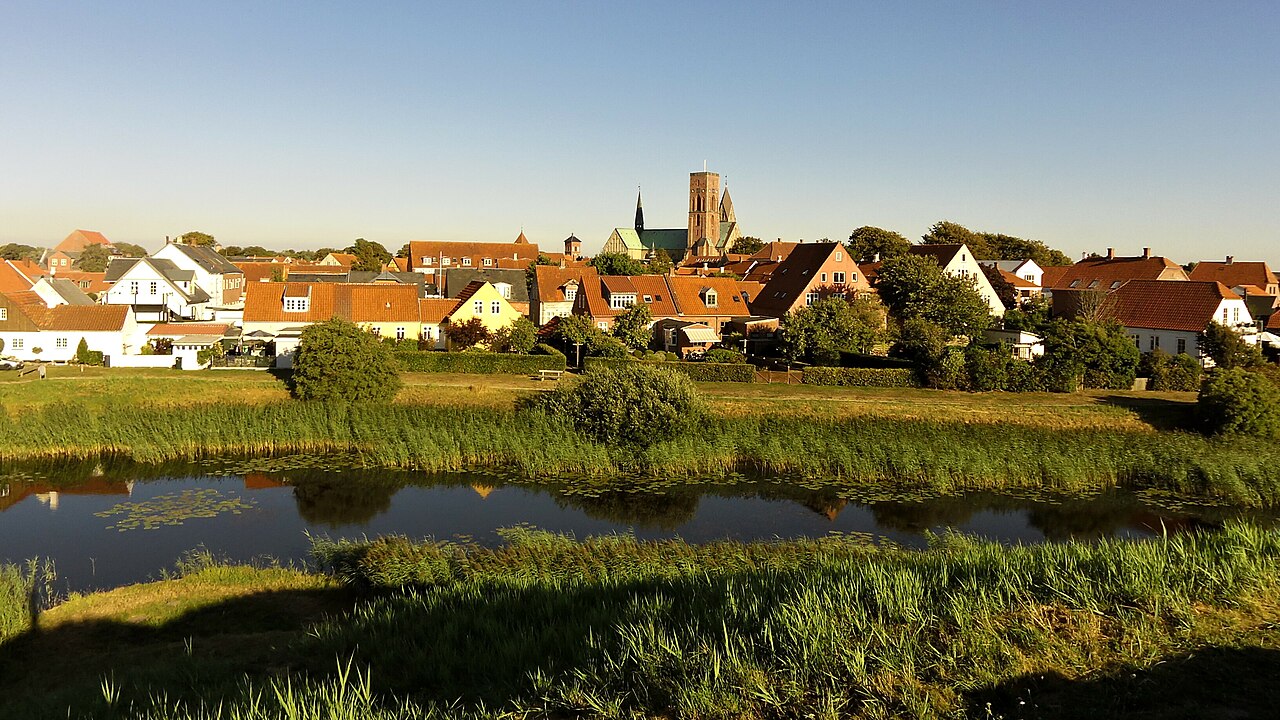
Denmark's oldest town, founded about the year 700 as a Viking trading place. Its cobbled lanes, crooked half-timbered houses and cathedral, begun in 1150, sit close to the Wadden Sea.
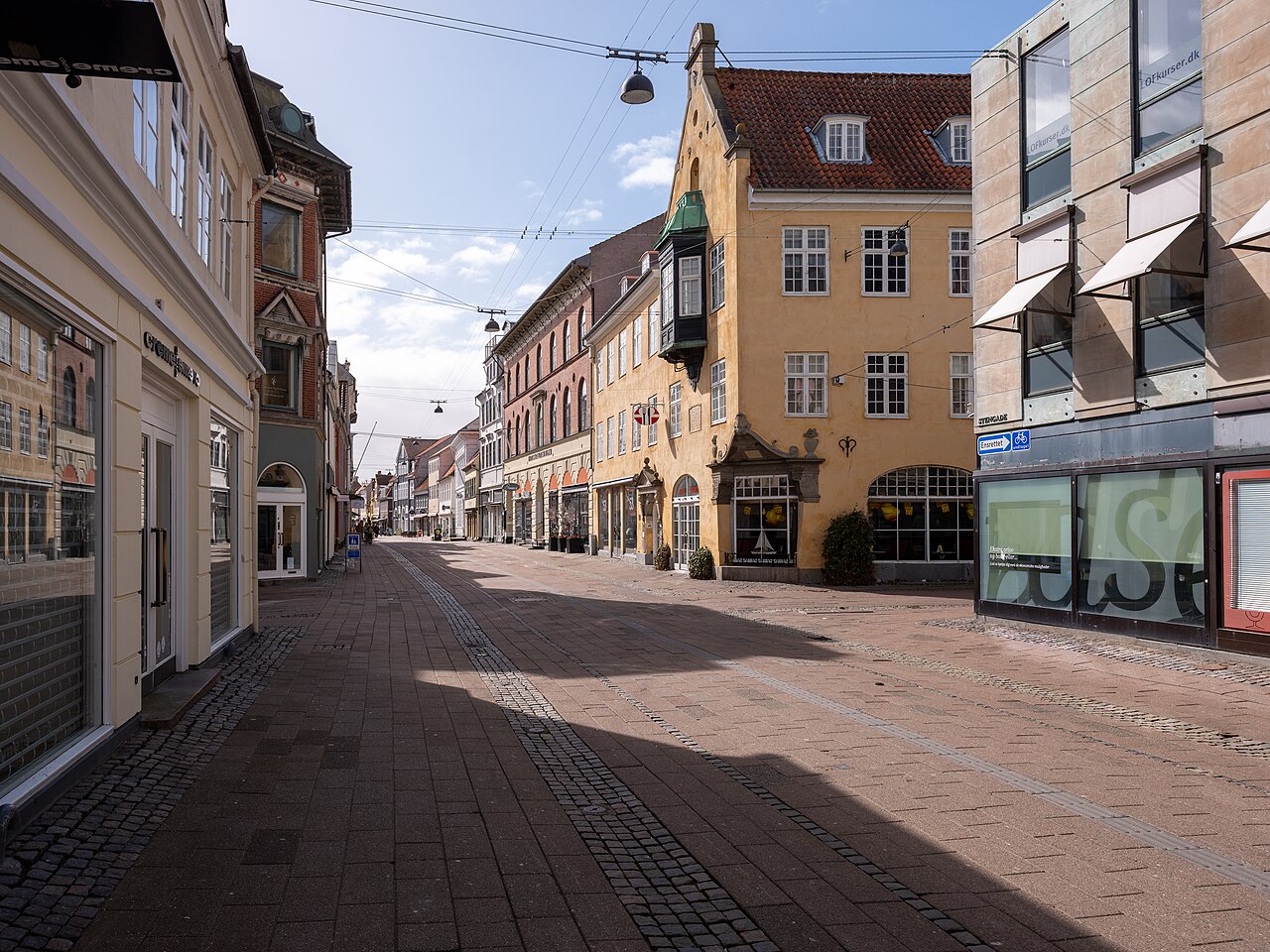
A harbour town, known in English as Elsinore, at the narrowest point of the Øresund, only 4 km from Helsingborg in Sweden. For centuries ships paid a toll here, the Sound Dues, which made the town rich.
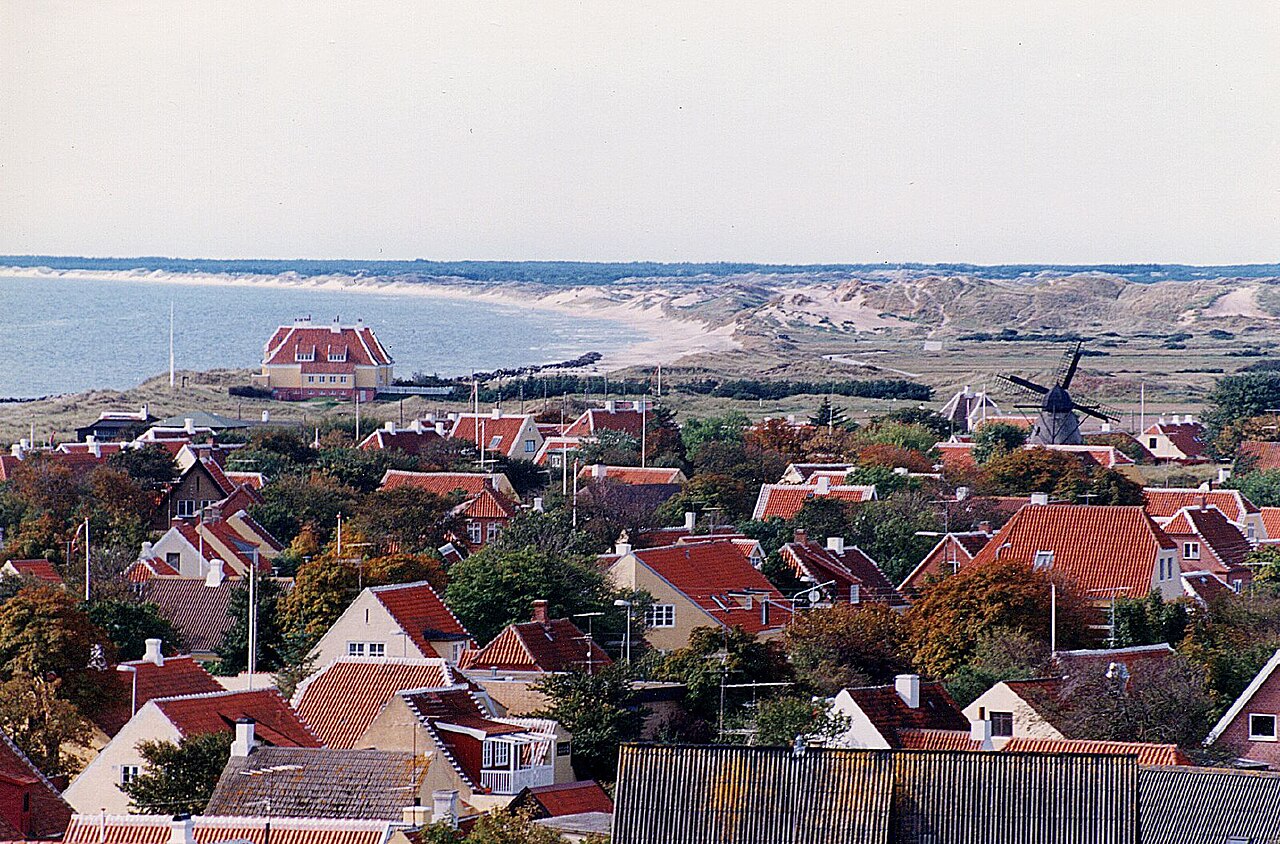
The northernmost town in Denmark, at the tip of Jutland, with yellow houses, a busy fishing port and a famous clear light. In the late 19th century it drew a group of painters known as the Skagen Painters.
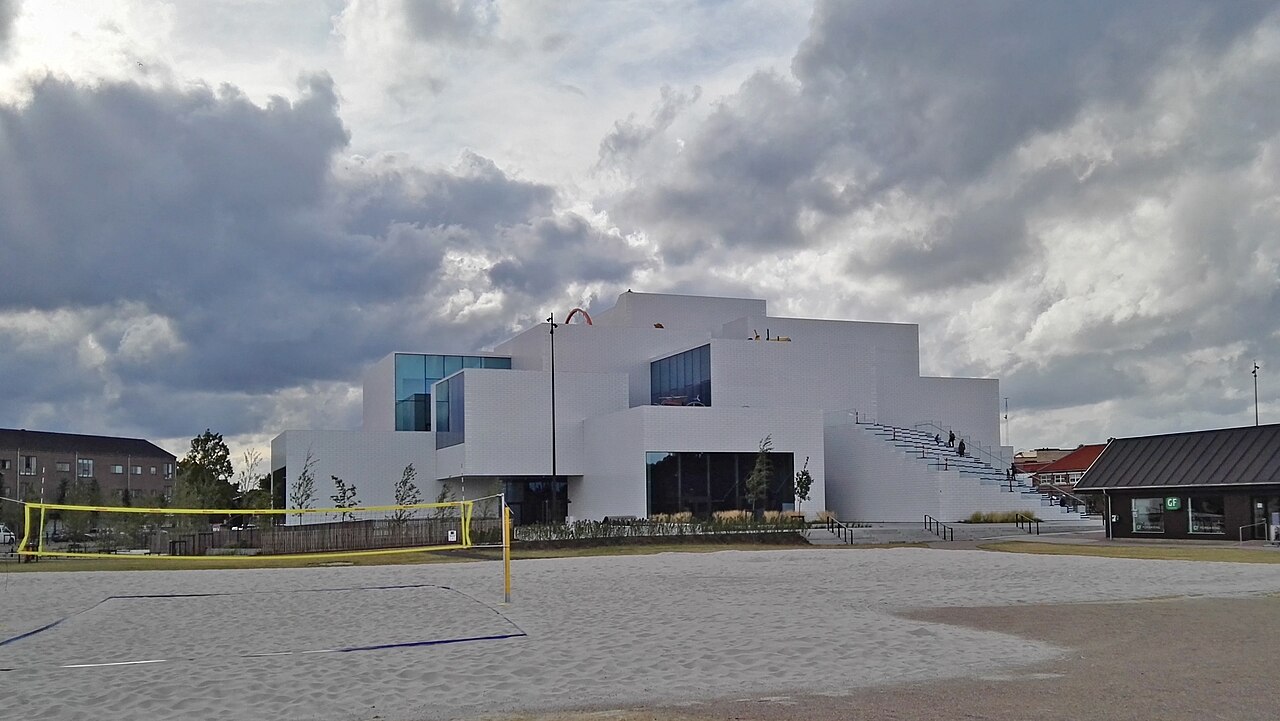
A small town in the middle of Jutland that grew with the LEGO company, which started here in 1932. It is home to the first Legoland park and the country's second-largest airport.
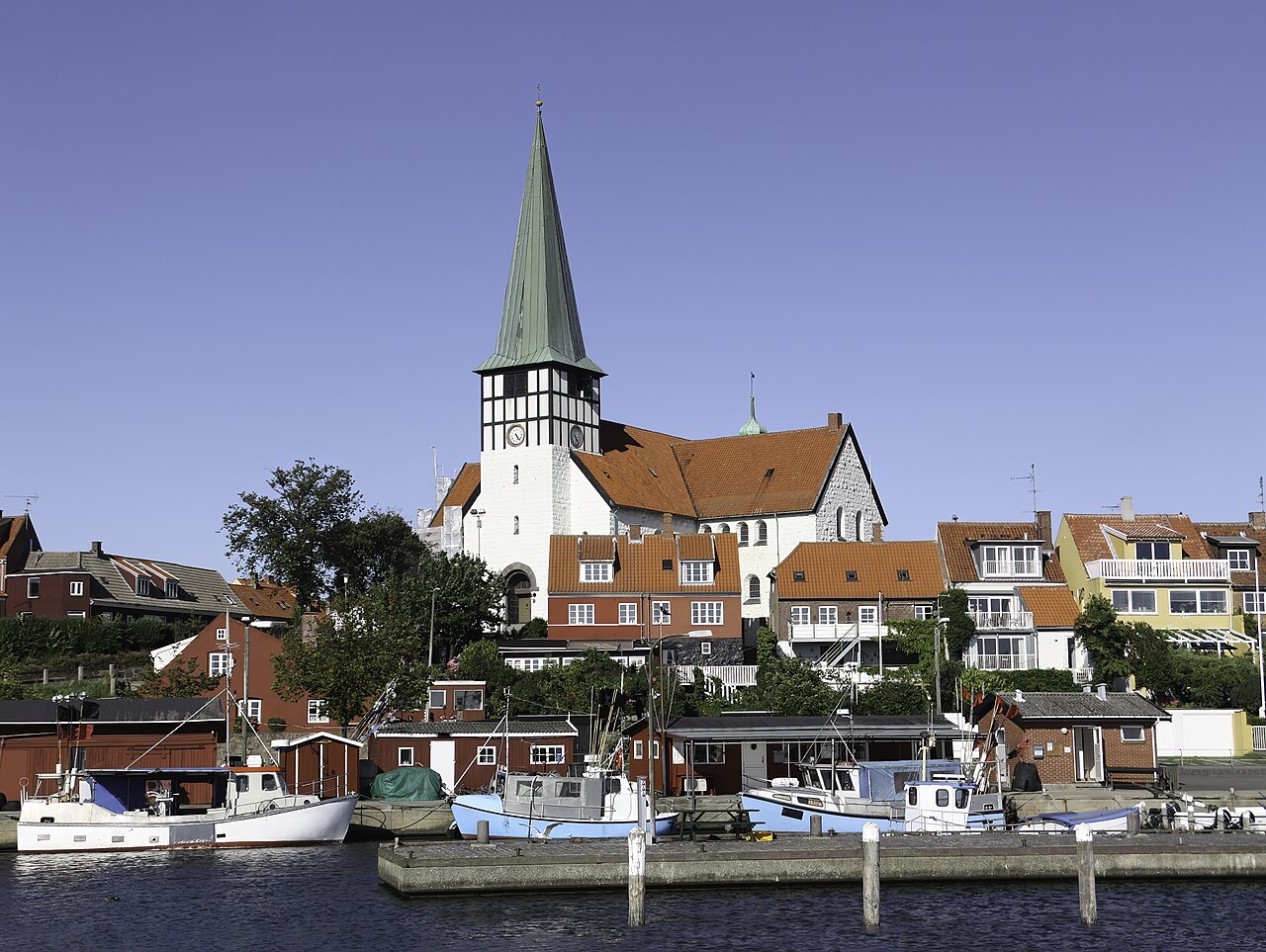
The largest town on Bornholm, an island in the Baltic Sea about 150 km east of Copenhagen. It has cobbled streets and colourful half-timbered houses, and it is the island's main ferry port.
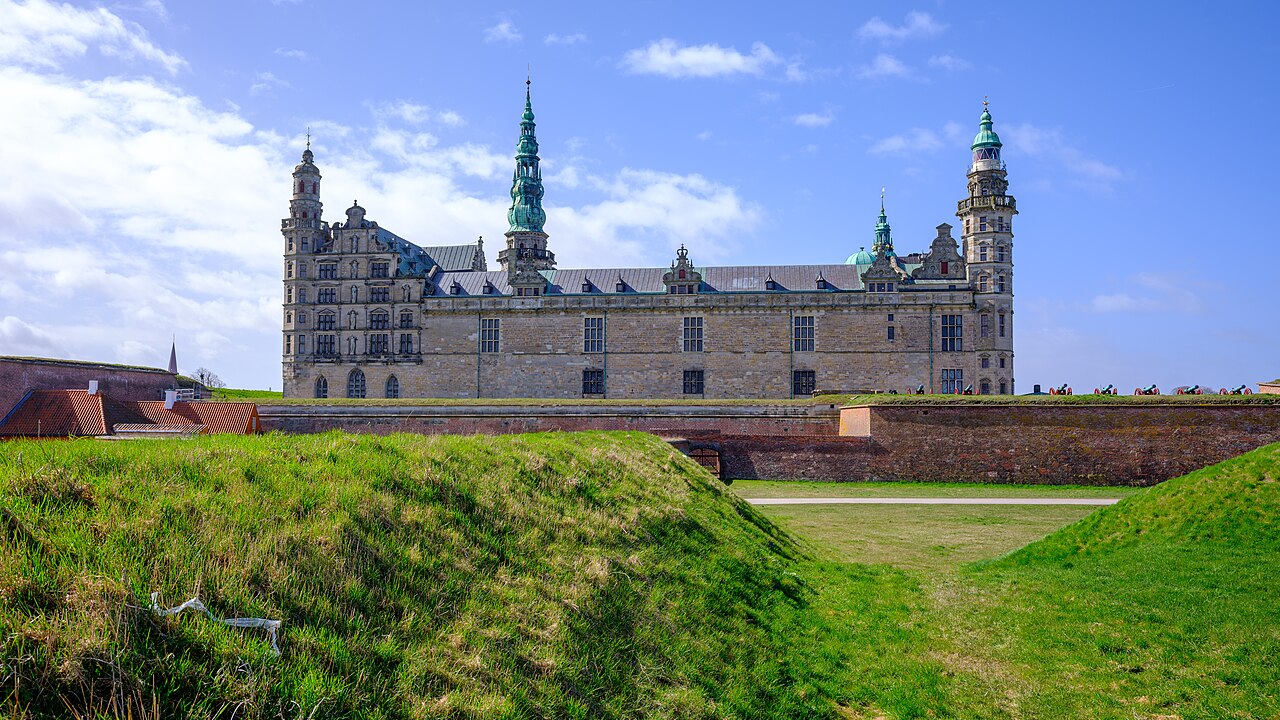
One of the most important Renaissance castles in Northern Europe, rebuilt by King Frederick II from 1574 to 1585 to guard the narrow Øresund. Shakespeare made it world famous as Elsinore in 'Hamlet', and plays are still performed here. It became a UNESCO World Heritage Site in 2000.
A great red-brick church built in the 12th and 13th centuries, one of the earliest Gothic cathedrals in Scandinavia built of brick. It has been the main burial church of Danish monarchs since the 15th century and has been a World Heritage Site since 1995.
In the small town of Jelling, about 10 km northwest of Vejle, stand two huge burial mounds, a white church and two 10th-century runestones raised by King Gorm the Old and his son Harald Bluetooth. The site became a UNESCO World Heritage Site in 1994.
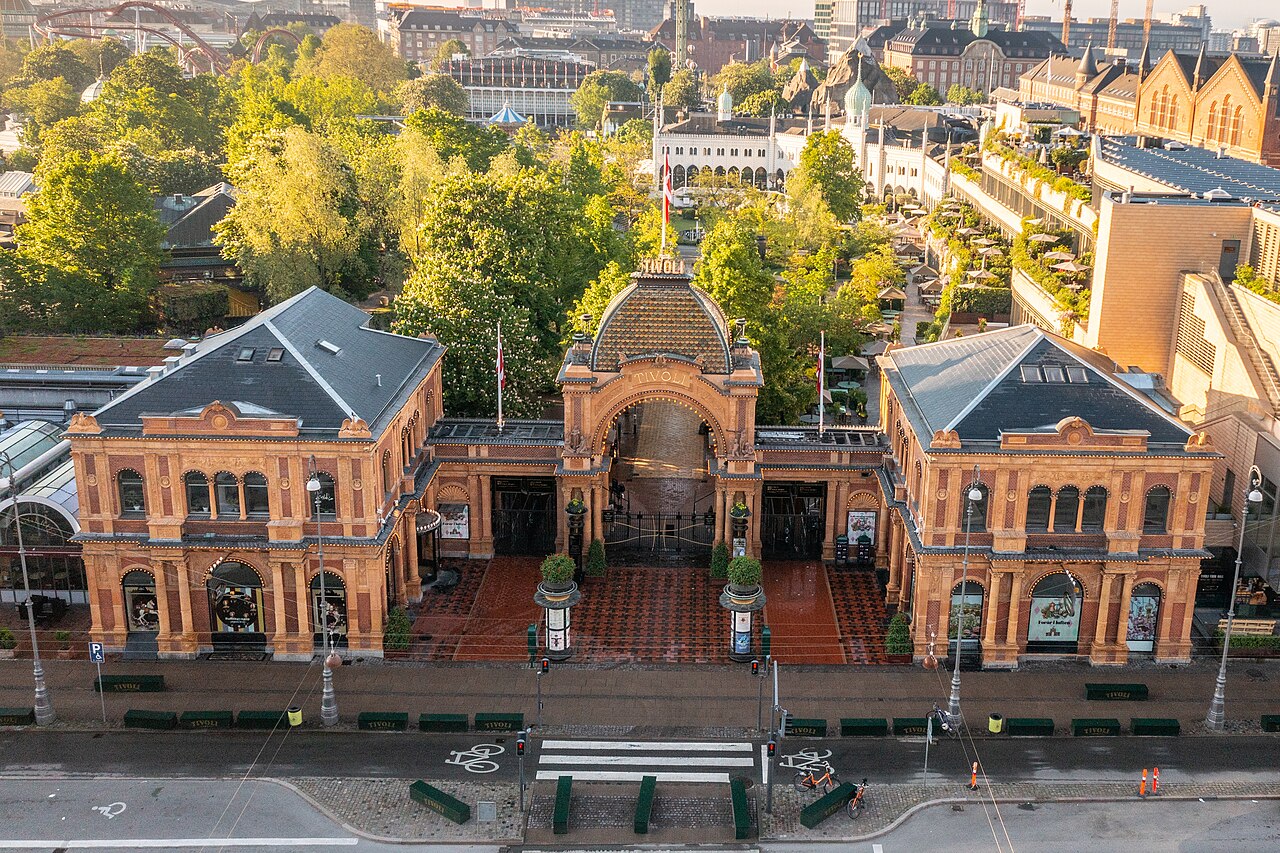
An amusement park and pleasure garden in the heart of Copenhagen, next to the Central Station, opened on 15 August 1843. With its gardens, rides, concerts and thousands of lights, it is often called the second-oldest amusement park still operating, and Walt Disney was among its admirers.
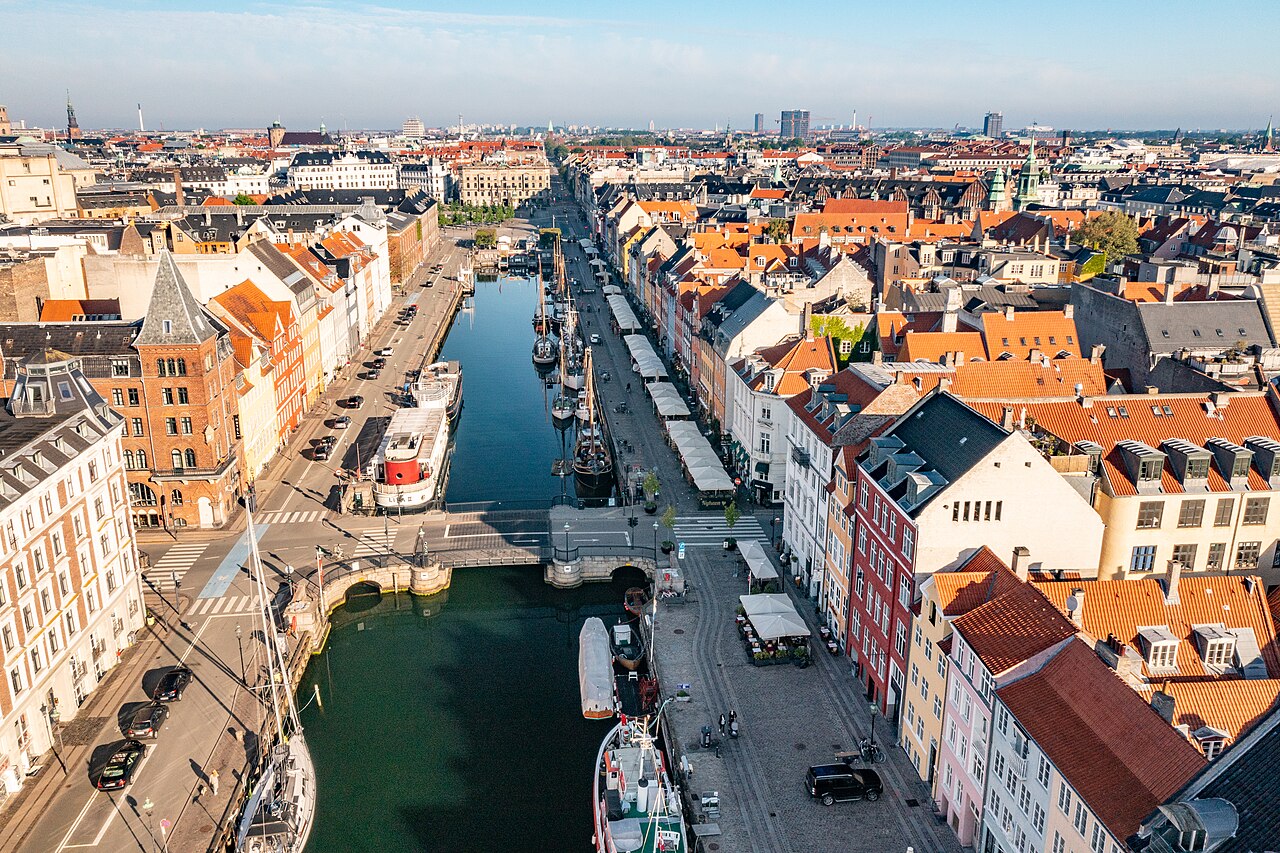
A 17th-century canal lined with brightly painted townhouses, cafés and old wooden ships. Hans Christian Andersen lived here in three different houses, for 18 years in all.
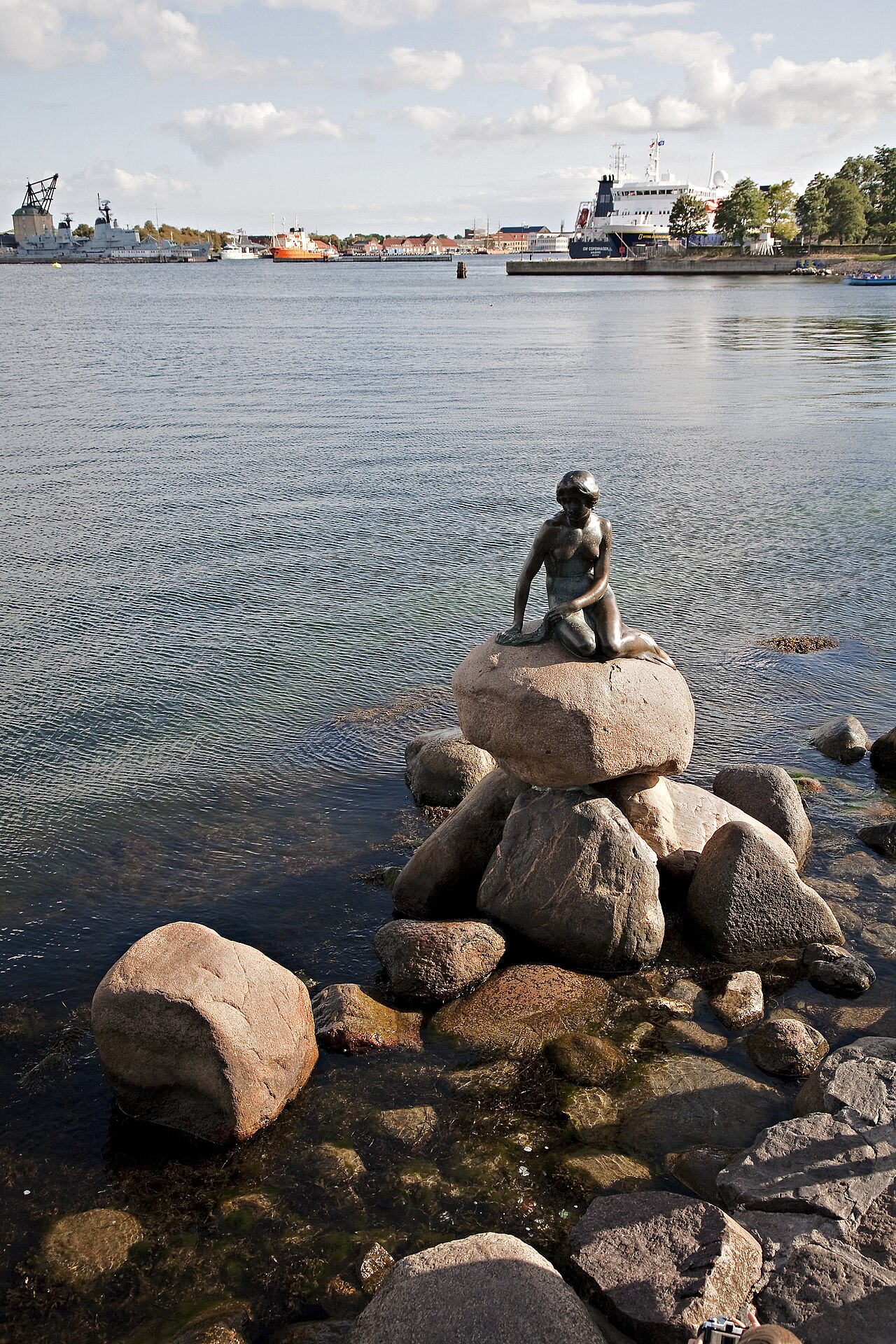
A small bronze statue, only 1.25 m tall, sitting on a rock by the Langelinie promenade. Made by Edvard Eriksen and unveiled in 1913, it is based on Hans Christian Andersen's fairy tale of 1837.
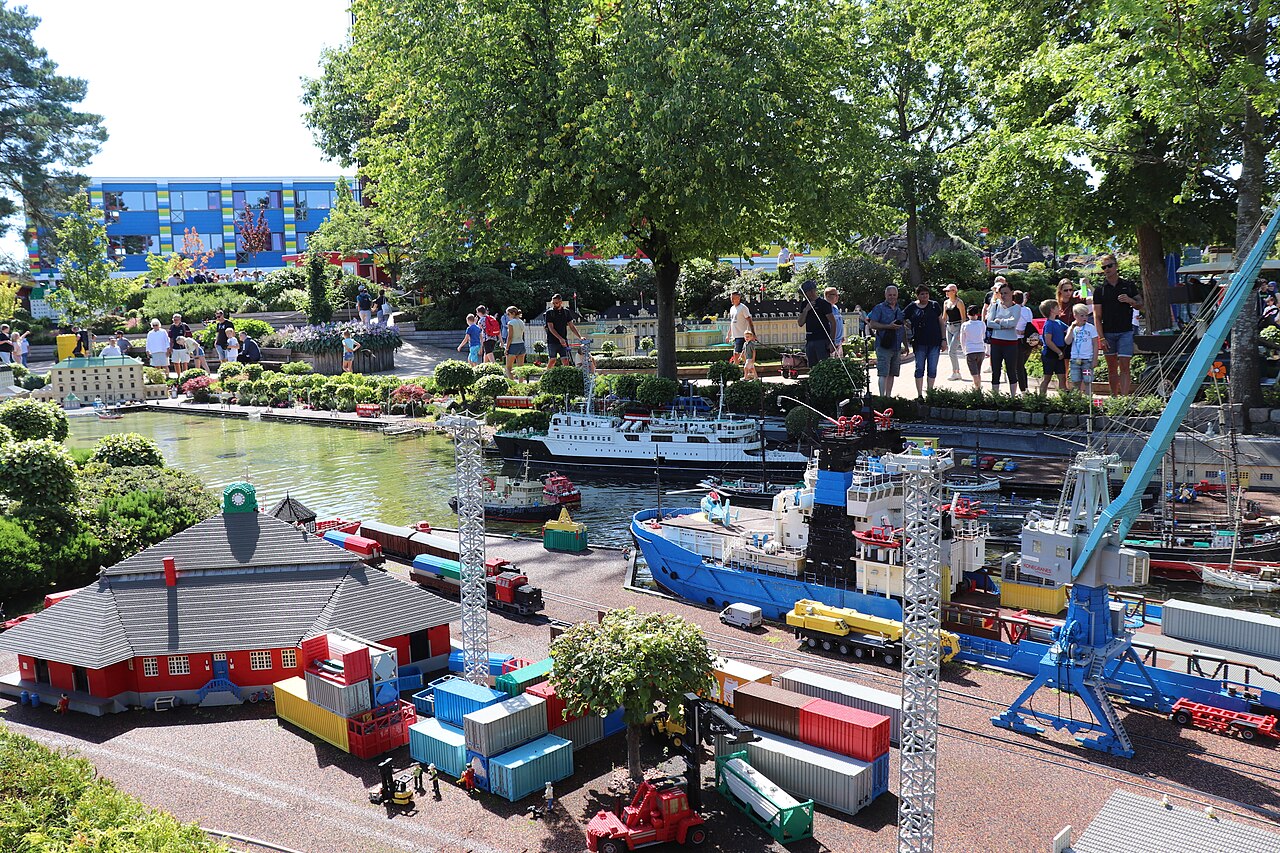
The original Legoland, opened on 7 June 1968 next to the first LEGO factory. Its Miniland shows famous places built from more than 20 million LEGO bricks, and it is one of the most visited attractions in Denmark outside Copenhagen.
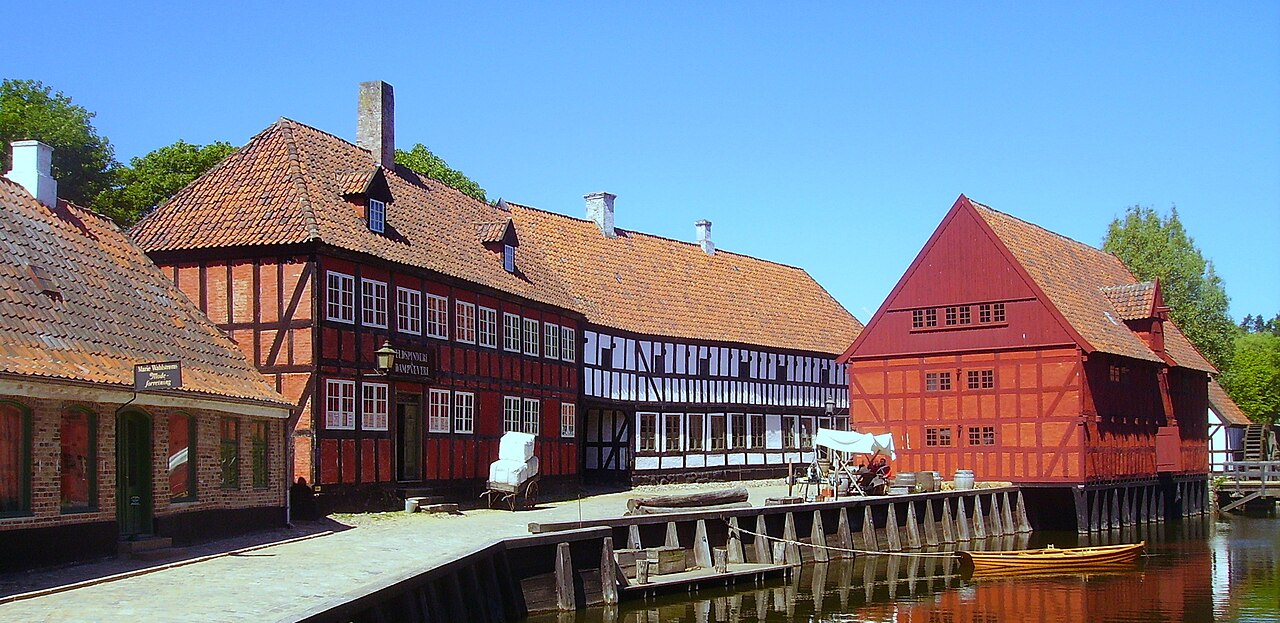
An open-air museum opened in 1914, made of about 75 old houses brought from towns all over Denmark. Staff dressed as merchants and craftsmen make the streets feel like a living town of the past.
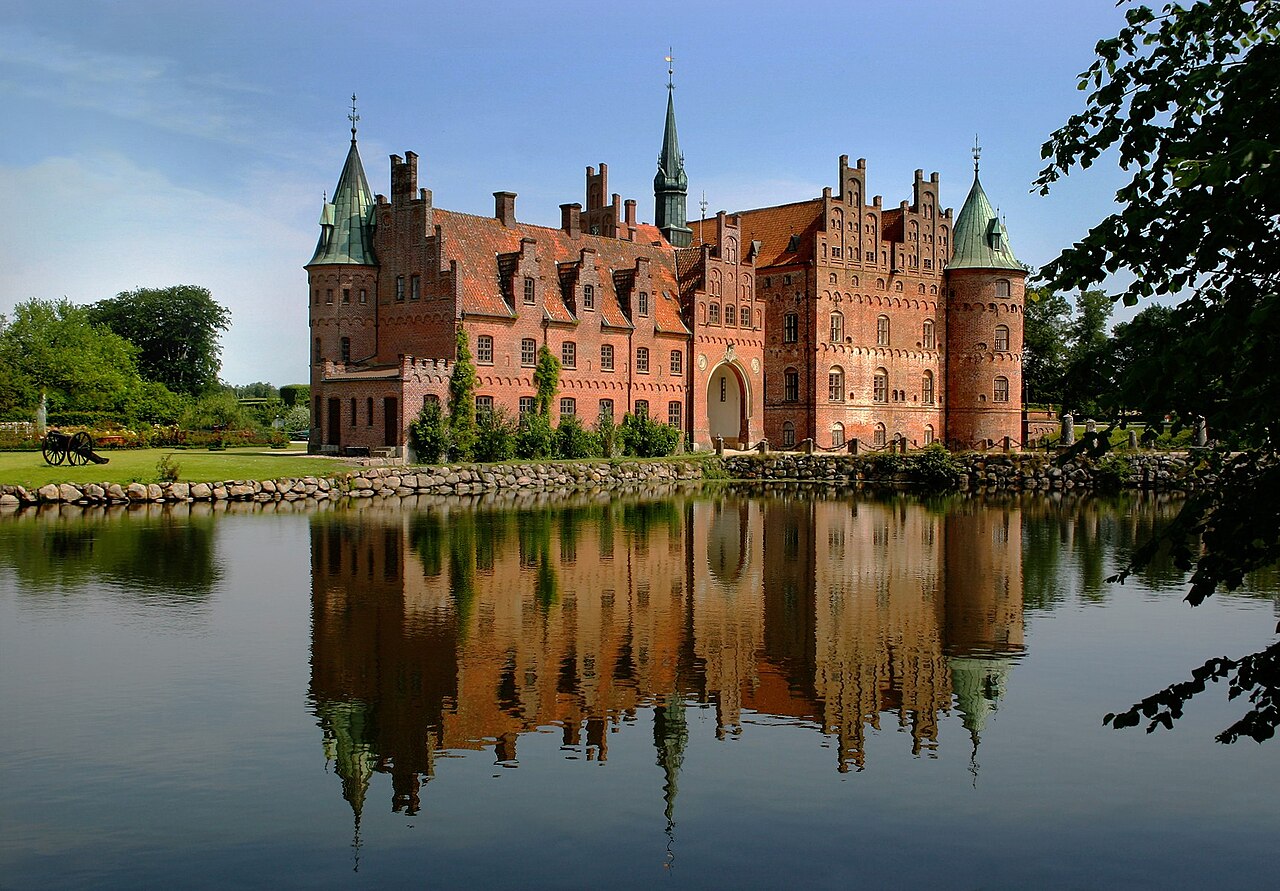
A fairy-tale Renaissance castle from 1554 that stands in a small lake in the south of Funen, about 30 km south of Odense. It is Denmark's best preserved Renaissance water castle, and legend says a whole oak forest was used for its foundations.
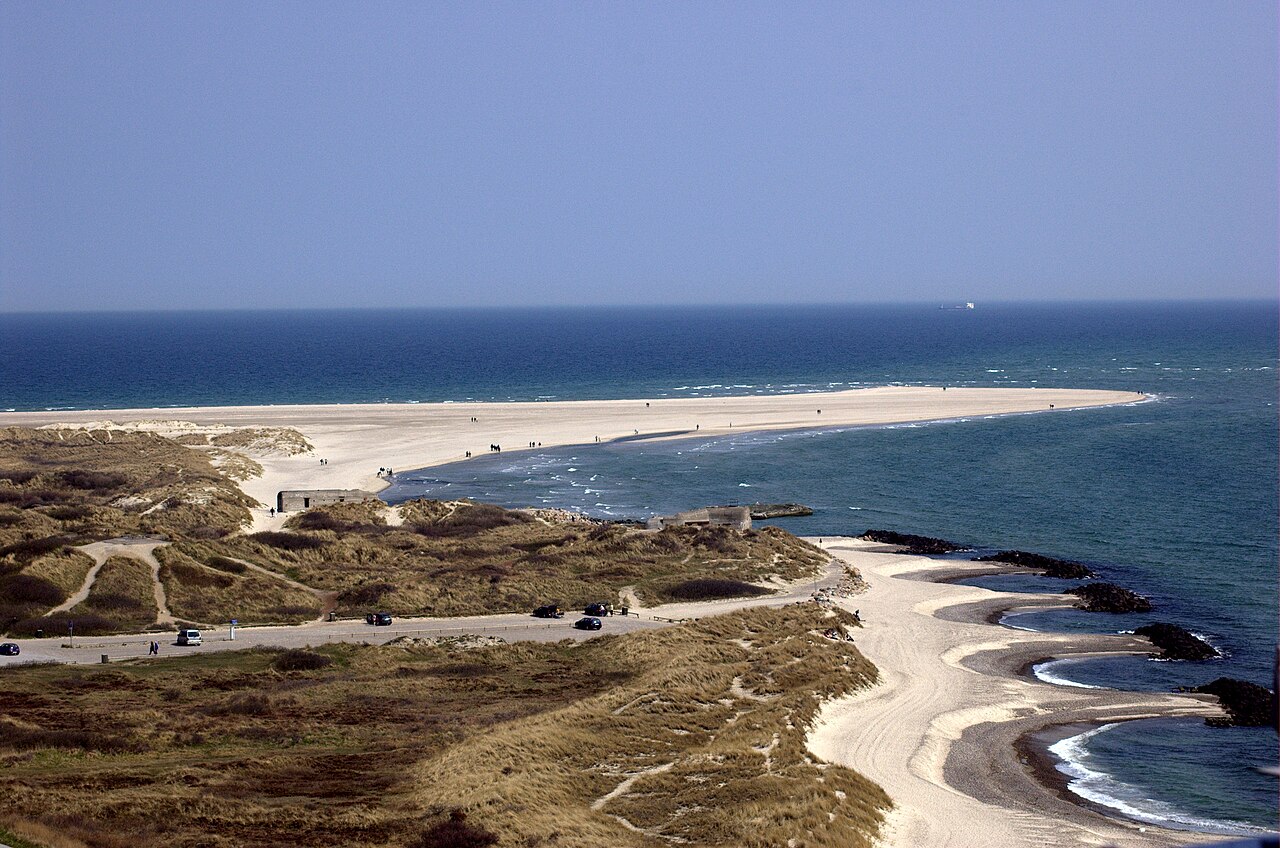
A long sandy spit at the very northern tip of Denmark, just northeast of Skagen, where the Skagerrak and the Kattegat meet. You can stand with one foot in each sea and watch the waves meet.
The Danish flag, the Dannebrog, holds the Guinness world record as the oldest continuously used national flag. Legend says it fell from the sky during a battle in 1219.
02
LEGO was founded in 1932 in Billund by the carpenter Ole Kirk Christiansen, who first made wooden toys. The name comes from the Danish 'leg godt', 'play well', and the modern LEGO brick was patented in 1958.
03
Hans Christian Andersen, born in Odense in 1805, wrote 156 fairy tales, including 'The Little Mermaid', 'The Ugly Duckling' and 'The Emperor's New Clothes'. They have been translated into more than 125 languages.
04
Bakken, in the woods north of Copenhagen, opened in 1583 and is considered the world's oldest amusement park still operating. Tivoli in central Copenhagen, from 1843, is often called the second oldest.
05
No place in Denmark is more than 52 km from the coast.
06
Greenland, the world's largest island, is part of the Kingdom of Denmark. It got home rule in 1979 and wider self-government in 2009, and the Faroe Islands have had home rule since 1948.
07
For decades Denmark and Canada both claimed tiny Hans Island, between Greenland and Canada, in a friendly quarrel called the 'Whisky War'. On 14 June 2022 they agreed to split it roughly in half, giving the Kingdom of Denmark a land border with Canada.
08
'Hygge' is a Danish word for a cosy, contented mood, often with candles, warm drinks and good company. In the 21st century it became popular around the world.
09
The Danish alphabet has 29 letters, ending with æ, ø and å. The letter å only replaced the old spelling 'aa' in 1948, which is why some towns, such as Aalborg and Aarhus, still use 'Aa'.
10
The physicist Niels Bohr, born in Copenhagen, won the Nobel Prize in Physics in 1922 for his work on the structure of the atom.
11
Copenhagen is known as one of the most bicycle-friendly cities in the world, with a large network of cycle tracks, and cycling is the way many people get to work and school.
12
When the Great Belt Bridge between Zealand and Funen opened to cars in 1998, its suspension span was the second longest in the world.
13
Queen Margrethe II became heir to the throne in 1953, after a change to the law allowed a woman to inherit the Danish crown. She reigned for 52 years, from 1972 to 2024.
Danish spelling and pronunciation are far apart, and many letters are softened or swallowed; these are simple guides for English speakers. Pronunciation is written the way it sounds; the capital letters show where the stress goes. Audio is coming soon.
Basics
jaYAHyes
nejNIGHno
velkommenvel-KOM-enwelcome
hyggeHOO-guhcosiness, a warm and contented feeling of togetherness
Danish cities have separate cycle tracks between the pavement and the road, and they are busy. Look both ways before you step onto one, and never stand or walk in it. If you rent a bike, keep to the right and signal with your hand before you turn or stop.
Cards everywhere
Denmark uses the Danish krone (kr), not the euro. Cards and mobile payments work almost everywhere, and many shops and cafés no longer take cash at all, so bring a card. Some small shops and supermarkets do not accept international credit cards.
No need to tip
Service is already included in restaurant, hotel and taxi bills. You may leave a little extra for great service, but it is up to you, and there are no fixed rules.
Two toll bridges
Roads in Denmark are free to drive, with two exceptions: the Great Belt Bridge between Zealand and Funen and the Øresund Bridge to Sweden. You can pay at the toll booths by card or cash. Cars drive on the right.
Plugs and power
Denmark uses the round two-pin continental European plugs and about 230 volts, like most of Europe. Visitors from the United Kingdom and Ireland need an adaptor, and those from North America need an adaptor and a converter for 110 volt appliances.
Long summer days
The best time to visit is June to August, when temperatures reach about 22 °C and the sun is up for 17 to 18 hours a day. The weather changes quickly, so bring a light rain jacket and warm layers, even in summer.
Emergencies
In an emergency, call 112 for police, ambulance or fire; the call is free. For the police when it is not an emergency, call 114. In the Capital Region, which includes Copenhagen, call 1813 for urgent medical advice before going to a hospital emergency department.
 Germany