Two oceans, the Big Five, Table Mountain and a nation that ended apartheid at the ballot box, all at the southern tip of Africa.
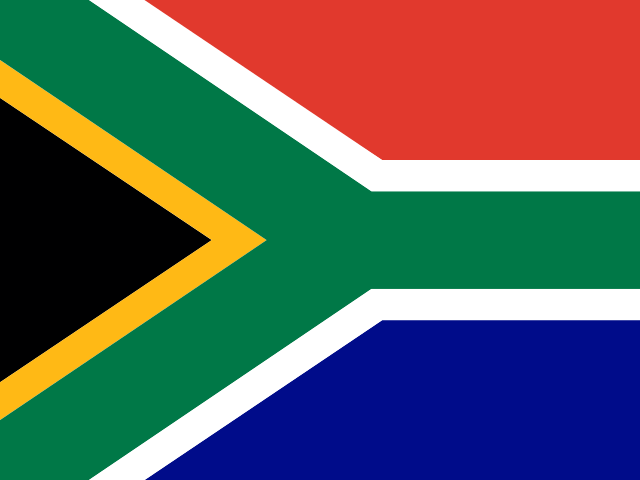
South Africa sits at the southern tip of the African continent, with the Atlantic Ocean on its west coast and the Indian Ocean on its east. Its landscapes range from the green hills of KwaZulu-Natal and the high peaks of the Drakensberg to the dry Karoo and the Kalahari, the wine valleys near Cape Town and the game reserves of the northeast, where lions, elephants and rhinos roam. The small mountain kingdom of Lesotho lies entirely inside South Africa.
People have lived here for a very long time: some of the world's most important fossils of early human ancestors were found in caves near Johannesburg. Around 1220 to 1300 the Kingdom of Mapungubwe in the Limpopo valley traded gold and ivory across the Indian Ocean. From 1652 Dutch and then British settlers took more and more land, and in the 20th century the country was ruled under apartheid, a system of racial segregation, until the first democratic election in 1994 brought Nelson Mandela to power.
Questions to ask the older generation
Memories fade faster than photos. Ask these over a meal or a phone call, and write the answers down.
Which town or region of South Africa did our family come from? Was it near Johannesburg, Cape Town, Durban?
Who was the first in the family to leave South Africa, when, and why?
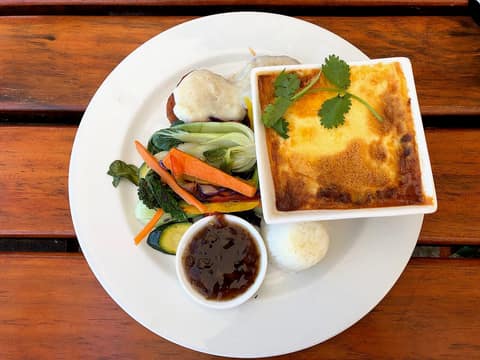
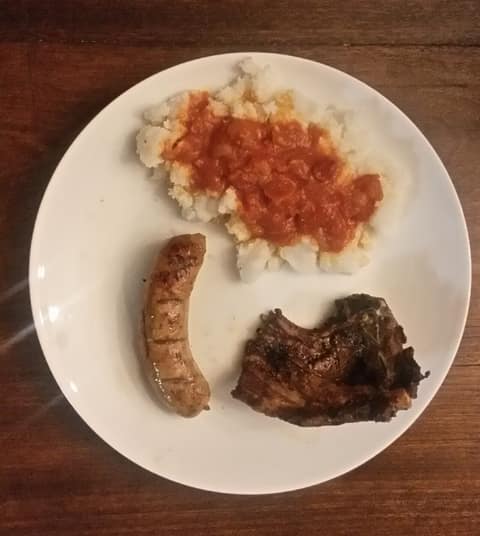
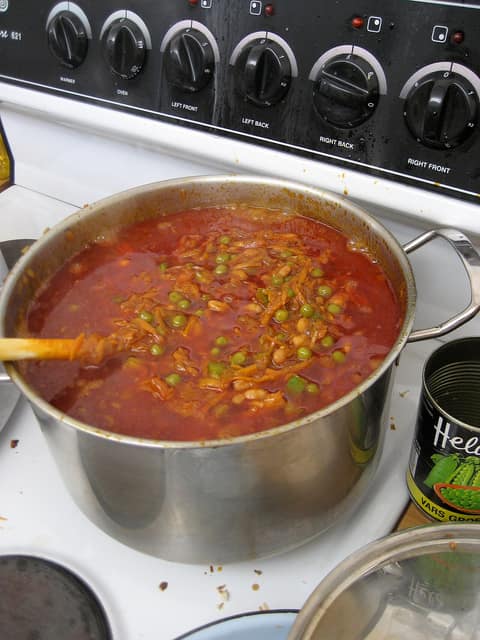
Which dishes from South Africa were cooked at home? Did anyone make Braai or Boerewors?
Does anyone in the family still use a few words from the old country?
Were there songs, prayers, games or holidays from South Africa that the family kept?
Are there old photos, letters or documents from South Africa? Who has them?
If you could visit South Africa together, where would you go first?
A short history of South Africa
Long before Europeans arrived, San hunter-gatherers, Khoikhoi herders and Bantu-speaking farming peoples lived across southern Africa, and the Kingdom of Mapungubwe flourished in the Limpopo valley in the 1200s. Portuguese sailors rounded the Cape in 1488, and the Dutch founded Cape Town in 1652. Diamonds and gold turned the country upside down in the late 1800s, wars followed, and in 1910 the Union of South Africa was formed. From 1948 the government imposed apartheid, a harsh system of racial segregation, until negotiations and the first democratic election in 1994 opened a new chapter.
1488
Dias sails round the Cape
The Portuguese navigator Bartolomeu Dias became the first European known to sail round the southern tip of Africa, landing at Mossel Bay in February 1488. The rocky cape he passed on the way back later became known as the Cape of Good Hope.
1816
Shaka becomes king of the Zulu
Shaka became king of the Zulu in 1816 and, with new fighting methods, built a powerful kingdom in what is now KwaZulu-Natal. He reigned until 1828, when he was killed by two of his half-brothers.
1879
The Battle of Isandlwana
On 22 January 1879, during the Anglo-Zulu War, a Zulu army of King Cetshwayo defeated a large British force at Isandlwana, a heavy defeat that shocked Britain. Britain sent reinforcements and conquered the Zulu kingdom later that year.
1899
The South African War begins
In October 1899 war broke out between Britain and the two Boer republics, the Transvaal and the Orange Free State. It lasted until May 1902. Tens of thousands of Boer and Black African civilians died in British camps, and the republics became British colonies.
1948
Apartheid begins
The National Party won the 1948 election and began apartheid, meaning 'separateness' in Afrikaans. Laws classified every person by race, decided where people could live, work, study and even marry, and forced millions of people from their homes. Apartheid lasted until 1994.
1976
The Soweto uprising
On 16 June 1976 thousands of school students in Soweto marched against being forced to learn in Afrikaans. Police fired on them, and the photograph of the dying 12-year-old Hector Pieterson went round the world. 16 June is now Youth Day.
1994
The first democratic election
From 26 to 29 April 1994 South Africans of all races voted together for the first time, many waiting for hours in long queues. Nelson Mandela was sworn in as president on 10 May 1994 and served until 1999. 27 April is now Freedom Day.
2010
Africa's first World Cup
From 11 June to 11 July 2010 South Africa hosted the FIFA World Cup, the first held in Africa, and the sound of the vuvuzela horn filled the stadiums. Spain won the final in Johannesburg.