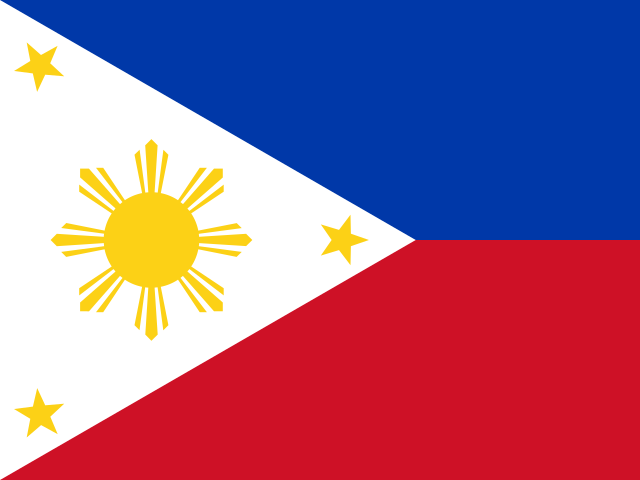
More than seven thousand tropical islands, rice terraces carved into mountains, Spanish-era churches, warm hospitality and a respectful 'po' at the end of every polite sentence.
The Philippines is an island country in Southeast Asia, in the western Pacific Ocean. It is made up of about 7,641 islands, grouped into three main parts: Luzon in the north, the Visayas in the middle and Mindanao in the south. The South China Sea lies to the west, the Philippine Sea to the east and the Celebes Sea to the south. The country sits on the Pacific Ring of Fire, so it has many volcanoes and earthquakes, and typhoons cross it every year.
Austronesian seafarers settled the islands thousands of years ago, and trading towns grew up along the coasts, dealing with China, Borneo and the rest of Southeast Asia. Islam reached the southern islands in the 1300s and 1400s. Spain ruled most of the islands from 1565 until 1898 and named them after King Philip II; that is why most Filipinos are Catholic and why so many words, names and dishes sound Spanish. The United States governed the country from 1898, and the Philippines became fully independent on 4 July 1946.
Questions to ask the older generation
Memories fade faster than photos. Ask these over a meal or a phone call, and write the answers down.
Which town or region of the Philippines did our family come from? Was it near Vigan, Banaue, Baguio?
Who was the first in the family to leave the Philippines, when, and why?
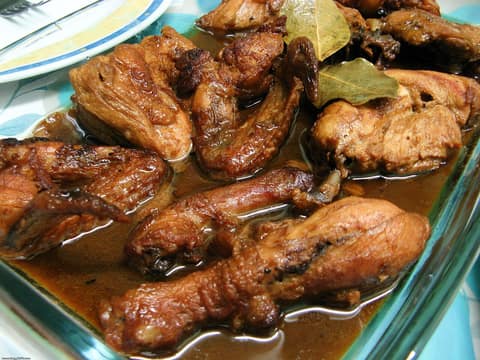
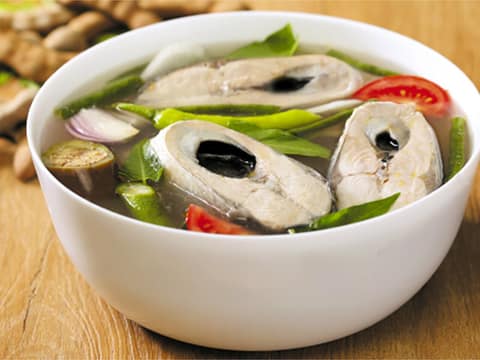
Which dishes from the Philippines were cooked at home? Did anyone make Chicken or pork adobo or Sinigang?
Does anyone in the family still speak Filipino, or use a few words of it?
Were there songs, prayers, games or holidays from the Philippines that the family kept?
Are there old photos, letters or documents from the Philippines? Who has them?
If you could visit the Philippines together, where would you go first?
A short history of the Philippines
People have lived on these islands for tens of thousands of years; the oldest modern human remains were found in the Tabon Caves on Palawan. Austronesian settlers arrived from the north by about 2200 BC, and coastal chiefdoms traded with China and the kingdoms of Southeast Asia. Spain arrived in the 1500s and stayed more than three centuries, the United States followed, and the 20th century brought war, independence, dictatorship and a peaceful revolution that the world watched on television.
AD 900
The Laguna Copperplate is inscribed
A thin copper plate dated to the year 900 records that a man's debt was forgiven. Written in Old Malay in the Kawi script, it is the oldest known dated document found in the Philippines. It was discovered by a labourer near a river in Laguna province in 1987.
1565
Legazpi lands in Cebu
The Spanish commander Miguel López de Legazpi crossed the Pacific from Mexico and founded the first Spanish settlement in the islands, in Cebu. The same year a ship found the way back across the Pacific, opening the Manila galleon route to Acapulco that ran until 1815.
1872
Three priests are executed
The Filipino priests Mariano Gómez, José Burgos and Jacinto Zamora, remembered together as Gomburza, were executed by the Spanish authorities after a mutiny at Cavite. They had campaigned for equal rights for Filipino priests, and their deaths stirred a new national feeling.
1896
José Rizal is executed
José Rizal, an eye doctor and writer whose novels Noli Me Tángere and El Filibusterismo exposed the abuses of colonial rule, was shot by a Spanish firing squad in Manila on 30 December 1896. He is honoured as the national hero, and 30 December is Rizal Day.
1935
The Commonwealth is established
The Commonwealth of the Philippines was set up as a self-governing stage on the way to full independence, with its own president and constitution. In 1937 its government chose Tagalog as the basis of a national language.
1946
Full independence from the United States
On 4 July 1946 the United States recognised the independence of the Republic of the Philippines in the Treaty of Manila. Since 1962 the country has celebrated Independence Day on 12 June instead, the date of the 1898 declaration, and a law of 1964 made the change official.
1986
The People Power Revolution
After the murder of opposition senator Benigno Aquino Jr. in 1983 and a disputed election, huge crowds gathered peacefully on EDSA, a main avenue in Metro Manila, from 22 to 25 February 1986. Marcos left the country, and Corazon Aquino became president. A new constitution followed in 1987.
2013
Typhoon Haiyan strikes
In November 2013 Typhoon Haiyan, called Yolanda in the Philippines, one of the most powerful storms ever recorded, hit the Visayas. At least 6,300 people died in the Philippines, most of them in Eastern Visayas, the city of Tacloban on Leyte was among the worst hit, and help came from around the world.