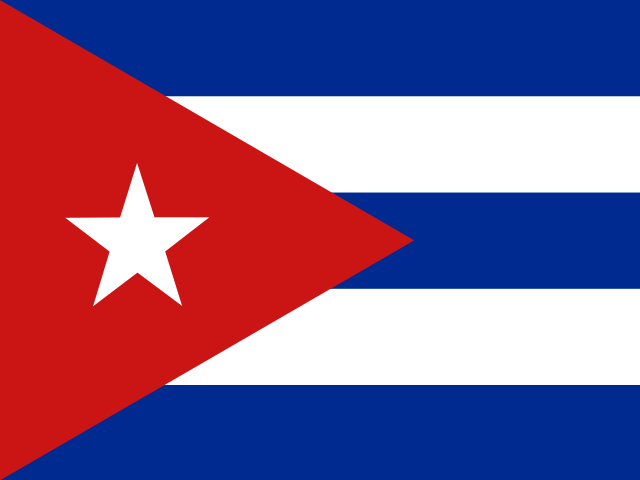
Colonial squares, old sea forts, tobacco valleys, rumba and son, and the largest island in the Caribbean.
Cuba lies where the Caribbean Sea, the Gulf of Mexico and the Atlantic Ocean meet, about 150 km south of Key West in Florida. The country is made up of the long main island, about 1,250 km from end to end and the largest island in the Caribbean, plus more than 4,000 smaller islands and cays. Most of the land is flat or gently rolling, with the Sierra Maestra mountains rising in the southeast.
The Taíno and earlier peoples lived here long before Christopher Columbus arrived in 1492. Spain ruled Cuba for about four centuries, and in the 1800s sugar plantations worked by enslaved Africans made the island the world's leading sugar producer. After long wars of independence and the Spanish–American War of 1898, Cuba became an independent republic in 1902. In 1959 a revolution led by Fidel Castro overthrew the government of Fulgencio Batista.
Questions to ask the older generation
Memories fade faster than photos. Ask these over a meal or a phone call, and write the answers down.
Which town or region of Cuba did our family come from? Was it near Santiago de Cuba, Camagüey, Santa Clara?
Who was the first in the family to leave Cuba, when, and why?
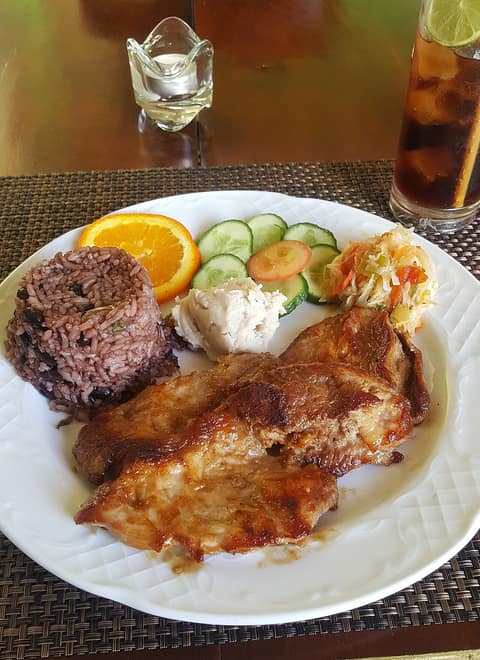
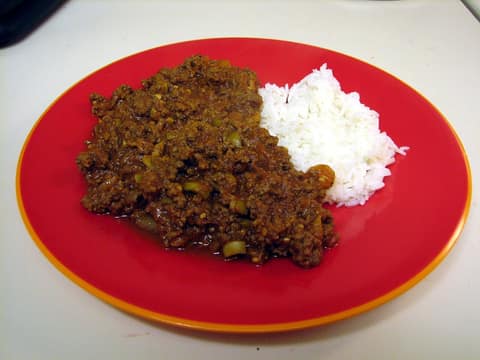
Which dishes from Cuba were cooked at home? Did anyone make Ropa vieja or Moros y cristianos?
Does anyone in the family still speak Spanish, or use a few words of it?
Were there songs, prayers, games or holidays from Cuba that the family kept?
Are there old photos, letters or documents from Cuba? Who has them?
If you could visit Cuba together, where would you go first?
A short history of Cuba
Cuba's story runs from ancient island peoples and the Taíno, through four centuries of Spanish rule built on sugar and slavery, to long wars of independence, a republic shaped by its powerful northern neighbour, and the revolution of 1959 that put the island at the centre of the Cold War.
4000 BC
First people settle Cuba
People first settled Cuba around 6,000 years ago, arriving from South or Central America. Much later, around 1,700 years ago, the ancestors of the Taíno arrived from South America. The Taíno grew crops, made pottery and smoked tobacco, a habit the Spanish later carried to Europe.
1511
The Spanish found Baracoa
Diego Velázquez de Cuéllar founded Baracoa, near the eastern tip of the island, in 1511. It was the first Spanish settlement in Cuba and its first capital. The Taíno were forced to work for the settlers, and within a century most had died from disease and harsh treatment.
1762
The British capture Havana
During the Seven Years' War, a British force besieged and captured Havana in 1762. Britain handed the city back to Spain in 1763 under the Treaty of Paris.
1886
Slavery is abolished
Hundreds of thousands of enslaved Africans had been brought to Cuba to work on sugar plantations. Slavery was finally abolished by Spanish royal decree on 7 October 1886, making Cuba one of the last places in the Americas to end it.
1902
Cuba becomes an independent republic
After a period of US military rule, Cuba became the independent Republic of Cuba on 20 May 1902. Under the Platt Amendment the United States kept the right to intervene in Cuban affairs, and in 1903 it leased Guantánamo Bay as a naval base.
1959
The revolutionaries take power
After rebel columns captured Santa Clara at the end of 1958, President Fulgencio Batista fled the country on 1 January 1959. Rebel columns reached Havana within days, and Fidel Castro arrived there on 8 January. The new government nationalised land and businesses and moved closer to the Soviet Union.
1962
The Cuban Missile Crisis
In October 1962 the United States discovered Soviet nuclear missiles in Cuba. For 13 days the world stood close to nuclear war, until the Soviet Union agreed to remove the missiles in exchange for a US promise not to invade Cuba.
2015
Cuba and the United States restore relations
In July 2015 Cuba and the United States reopened embassies in each other's capitals after more than 50 years, and in 2016 Barack Obama visited Havana. From 2017 the United States reversed much of this opening, and the US trade embargo, in place since the early 1960s, remains.