A free large-print PDF. Choose what goes in: facts, map, history, dishes and recipes, phrases, fun facts, a quiz with or without answers. Made for clubs, care homes, libraries and family afternoons.
Costa Rica is a small country in Central America, between Nicaragua to the north and Panama to the southeast. It has the Caribbean Sea on one side and the Pacific Ocean on the other. A chain of volcanic mountains runs down the middle, and most people live in the cool Central Valley, where the capital, San José, stands.
The name means 'rich coast' in Spanish. Christopher Columbus sailed along its Caribbean shore in 1502, and Spain ruled it for about two and a half centuries as a poor and faraway province. It became independent with the rest of Central America in 1821. Coffee made it prosperous in the 1800s, and bananas followed.
After a short civil war in 1948, Costa Rica abolished its army and put the money into schools and health care. Today it is a stable democracy of about five million people, famous for its national parks, its wildlife and a relaxed, friendly way of life summed up in two words: 'pura vida'.
CapitalSan José
PopulationAbout 5 million (the 2022 census counted 5,044,197 people)
Official languageSpanish, set in the constitution by an amendment of 1975. Several Indigenous languages, such as Bribri and Cabécar, are also spoken
CurrencyCosta Rican colón (CRC), named after Christopher Columbus
AreaAbout 51,180 km², a little smaller than Bosnia and Herzegovina
GovernmentPresidential republic of seven provinces (constitution of 1949), with no army
Highest mountainCerro Chirripó, about 3,820 m, in the Cordillera de Talamanca
Largest riverThe Río Grande de Térraba, about 160 km long, in the south; its basin covers a tenth of the country
NeighboursNicaragua and Panama by land. At sea it also borders Colombia and Ecuador, far out in the Pacific around Cocos Island
Costa Rica was home to many Indigenous peoples long before the Spanish came. It spent about two and a half quiet centuries as a poor corner of the Spanish Empire, became independent in 1821, grew rich on coffee, fought off an American adventurer in 1856 and, after a short civil war in 1948, became the peaceful democracy without an army that it is today.
1000 BC
People settle at Guayabo
From about 1000 BC, people lived at Guayabo, on the slopes of the Turrialba Volcano. At its height it may have had about 10,000 residents, with stone roads, mounds and aqueducts. It was abandoned around AD 1400, a century before the Spanish arrived, and nobody knows why.
1502
Columbus reaches the Caribbean coast
In September 1502, on his fourth and last voyage, Christopher Columbus anchored off the Caribbean coast near today's Limón. By some accounts the name 'la costa rica', the rich coast, comes from the gold jewellery the local people wore.
1563
Juan Vázquez de Coronado founds Cartago
The Spanish conquistador Juan Vázquez de Coronado founded Cartago, the first lasting Spanish town in Costa Rica. It served as the colonial capital for more than two and a half centuries.
1719
A governor calls it the poorest colony
Far from Guatemala and without gold or silver, Costa Rica stayed small and poor. In 1719 a Spanish governor described it as 'the poorest and most miserable Spanish colony in all America'. Most settlers had to farm their own land.
1821
Central America declares independence
On 15 September 1821, the authorities in Guatemala declared the independence of all of Central America from Spain. Costa Rica never had to fight for it, and 15 September is still its Independence Day.
1823
The capital moves to San José
Costa Ricans could not agree whether to join the Mexican Empire. At the Battle of Ochomogo in April 1823, the republicans of San José and Alajuela beat the imperialists of Cartago, and the capital moved from Cartago to San José.
1856
Juan Santamaría dies at Rivas
In 1856 the American adventurer William Walker, who had seized power in Nicaragua, threatened Costa Rica. Costa Rican troops beat his men at Santa Rosa and then at Rivas, in Nicaragua, where the young drummer Juan Santamaría died setting fire to the enemy's stronghold on 11 April. He is the national hero, and the main airport bears his name.
1890
The railway to Limón is completed
To get coffee to Europe more easily, the government hired the American businessman Minor C. Keith to build a railway from San José to the Caribbean port of Limón. Many workers came from Jamaica, and after years of hardship and disease the line was finished in 1890. Bananas grown along it soon rivalled coffee.
1897
The National Theatre opens
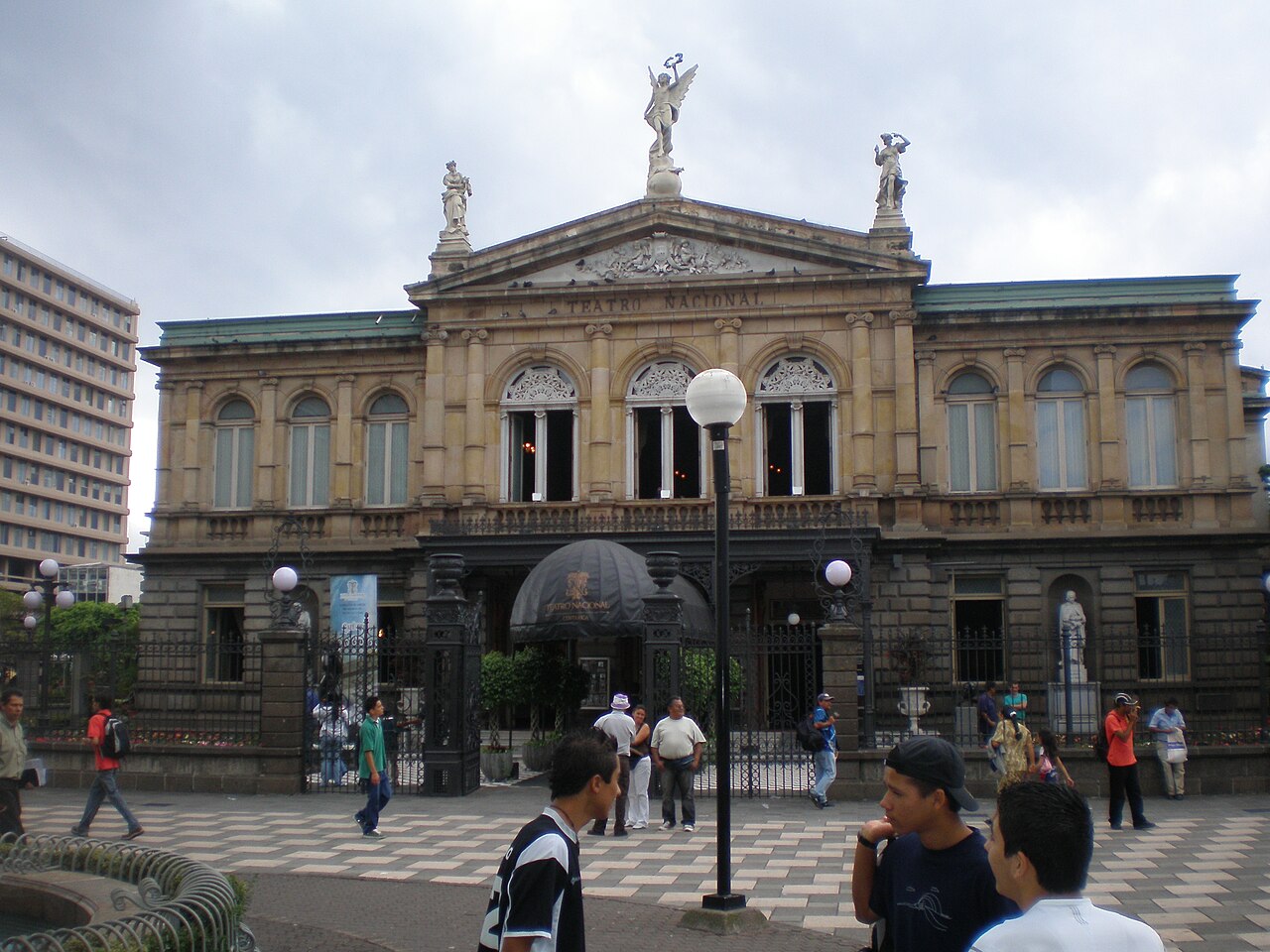
Paid for with a tax on coffee, the grand National Theatre in San José opened on 21 October 1897 with a performance of Faust. It is still the finest historic building in the capital.
1948
Costa Rica abolishes its army
After a disputed election, José Figueres led an uprising that became a 44-day civil war, with more than 2,000 dead. On 1 December 1948 he abolished the army, symbolically breaking a wall of the old barracks with a mallet.
1949
The present constitution is approved
On 7 November 1949, an elected assembly approved the constitution that is still in force. It gave the vote to all adults, guaranteed free schooling and social rights, and its Article 12 abolished the army as a permanent institution.
1968
Arenal Volcano erupts
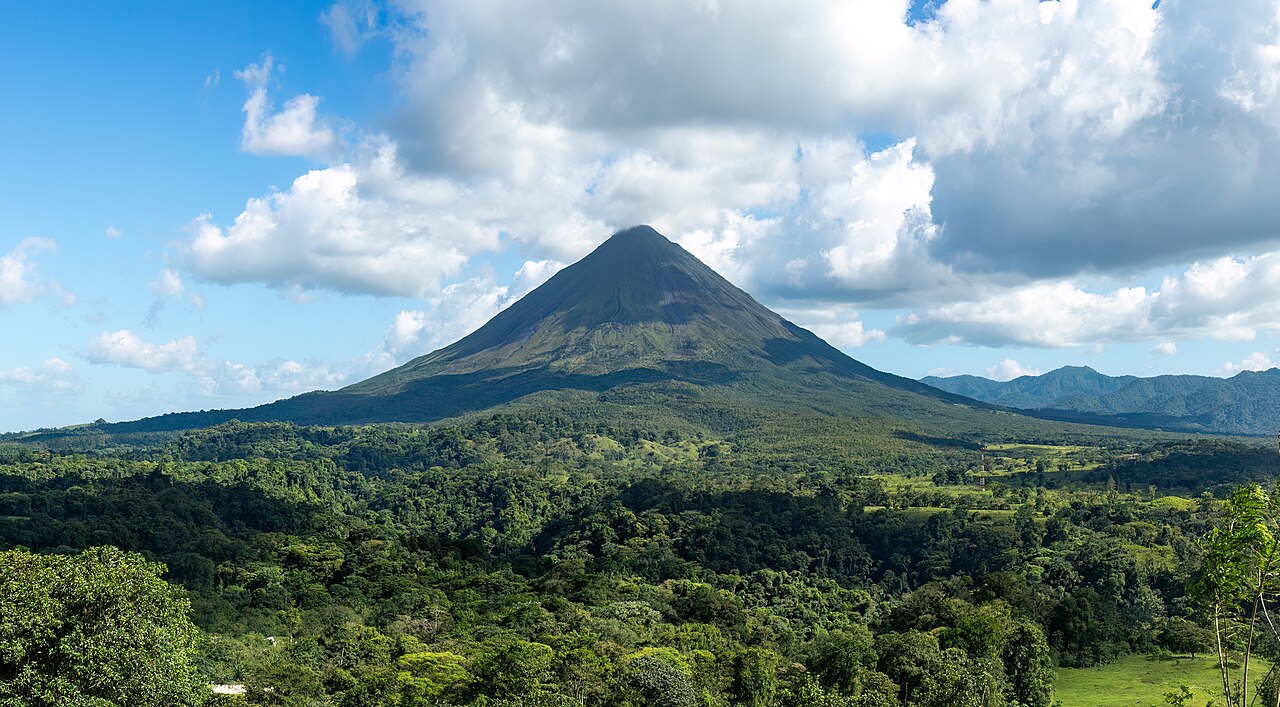
Arenal, long thought to be asleep, erupted without warning on 29 July 1968. It buried the small villages of Tabacón, Pueblo Nuevo and San Luís and killed more than 80 people. It then stayed active until 2010, one of the longest eruptions on Earth since 1750.
1987
Óscar Arias wins the Nobel Peace Prize
President Óscar Arias received the Nobel Peace Prize in 1987 for his plan to end the wars in Central America through negotiation. He served as president twice, from 1986 to 1990 and from 2006 to 2010.
2010
Laura Chinchilla becomes the first woman president
In February 2010, Laura Chinchilla won the presidential election with almost 47 percent of the vote. She served from 2010 to 2014 as the first woman president of Costa Rica.
2026
A second woman is elected president
In the election of 1 February 2026, Costa Ricans chose a woman as president for the second time, sixteen years after Laura Chinchilla. As of September 2026 she is in office; she was sworn in on 8 May 2026.
Costa Rican food is mild, fresh and filling, and it rests on rice and beans, which can appear at breakfast, lunch and dinner. The day starts with gallo pinto, eggs and strong coffee. Lunch, the main meal for many, is often a casado: rice, beans, meat or fish, salad and fried plantain on one plate. People eat simply at small family restaurants called sodas, snack on 'bocas' with a beer in the evening, and keep a bottle of the tangy brown Salsa Lizano on the table. On the Caribbean coast, Afro-Caribbean cooking adds coconut milk, hot peppers and slow stews.
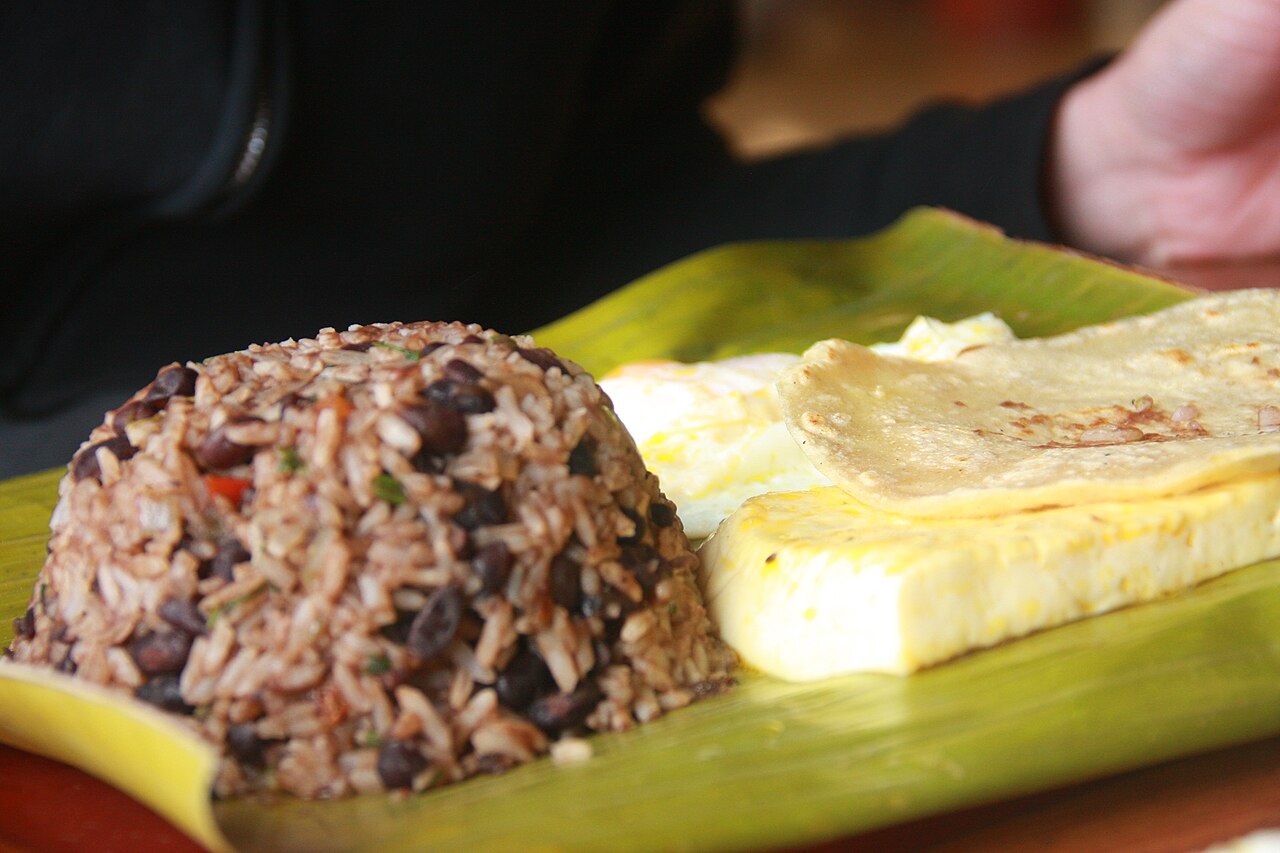
Rice and black beans fried together with onion, sweet pepper and coriander (cilantro), often seasoned with Salsa Lizano. It is served at breakfast with eggs, fried plantain, tortillas, cheese or sour cream. At home it is usually made with the rice and beans left over from the day before.
The name means 'spotted rooster', from the speckled look of the rice and beans. Costa Rica and Nicaragua both claim the dish, and in 2003 they began to compete over who could cook the biggest pot of it.
See the recipe
Serves 4
25 min
Ingredients
500 g cooked white rice, cold, ideally cooked the day before
400 g cooked black beans (1 tin), drained, with 4 tablespoons of their liquid kept
A small handful of fresh coriander (cilantro), chopped
Salt to taste
Method
Heat the oil in a large frying pan over a medium heat. Fry the onion, sweet pepper and garlic for about 5 minutes, until soft.
Add the beans and their liquid and cook for 3 to 4 minutes, until the liquid has mostly gone and the beans are glossy.
Add the cold rice and gently fold it into the beans until it turns evenly speckled, about 5 minutes. Do not mash it.
Stir in the Salsa Lizano and coriander, taste and add salt if needed.
Serve hot with fried or scrambled eggs, fried plantain and a spoonful of sour cream. If you keep cooked rice for the next day, cool it quickly and store it in the fridge.
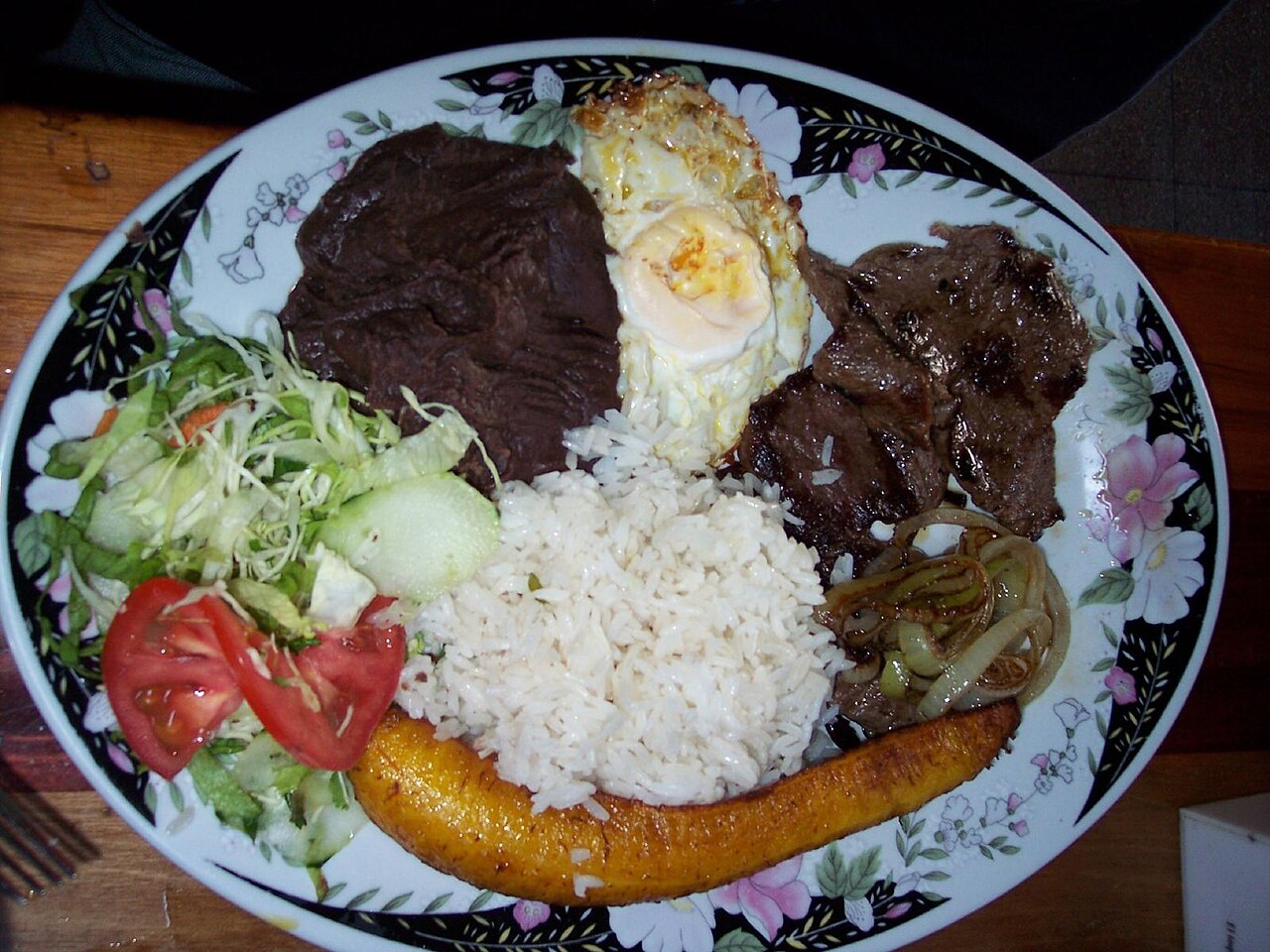
A full lunch on one plate: white rice and beans served side by side, not mixed, with meat, chicken or fish, a small salad, and often fried plantain, a slice of white cheese or a corn tortilla. Almost every soda has one on the menu.
Casado means 'married man'. The name is said to come from the lunches wives once packed in a banana leaf for their husbands to take to work in the fields.
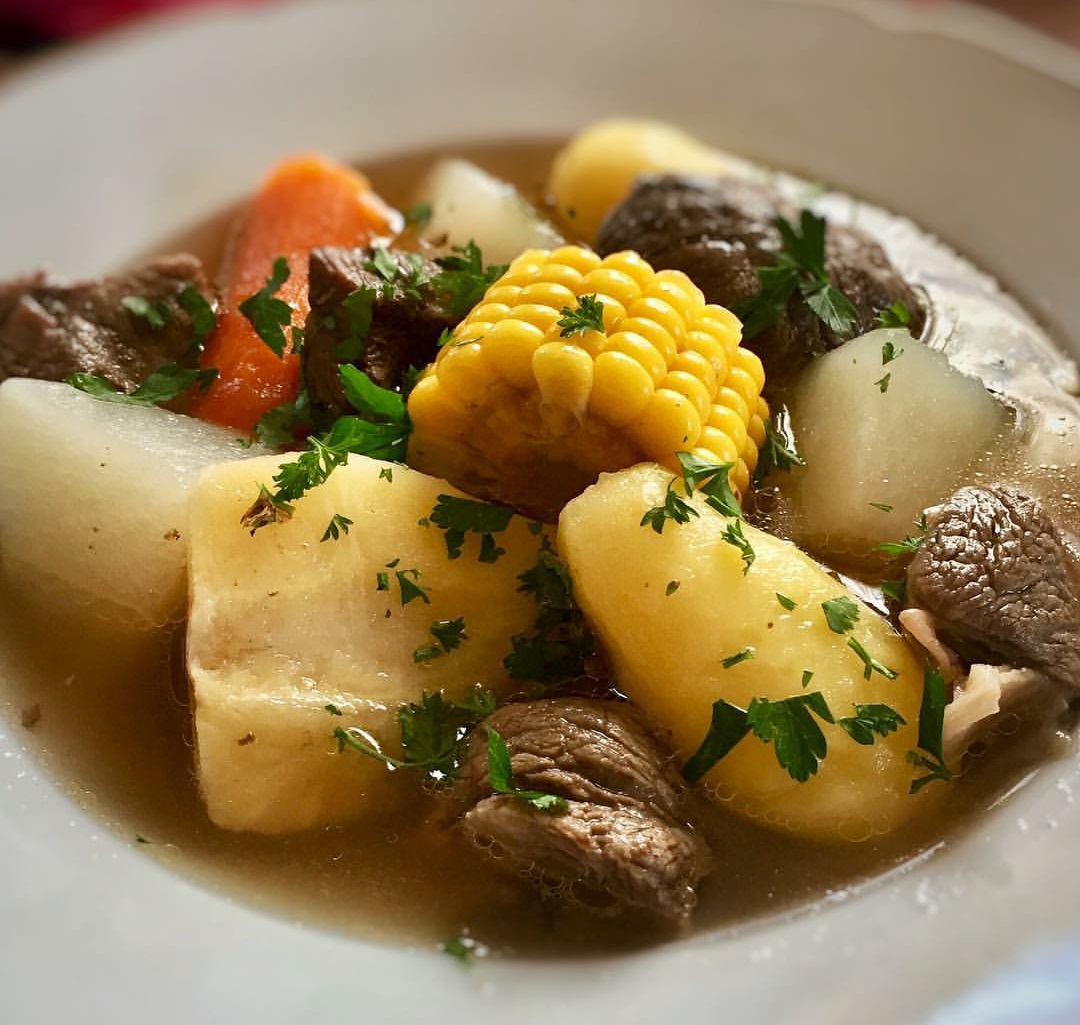
A big pot of beef soup full of vegetables: cassava (yuca), potato, chayote, corn on the cob, green plantain, squash, carrot and other roots. It is a complete midday meal, often eaten with white rice and tortillas.
It grew out of Spanish stews such as the 'olla podrida' mentioned in Don Quixote, with local roots and vegetables added. In the central markets of San José, Heredia and Alajuela it often comes with the vegetables, the broth and the meat on separate plates.
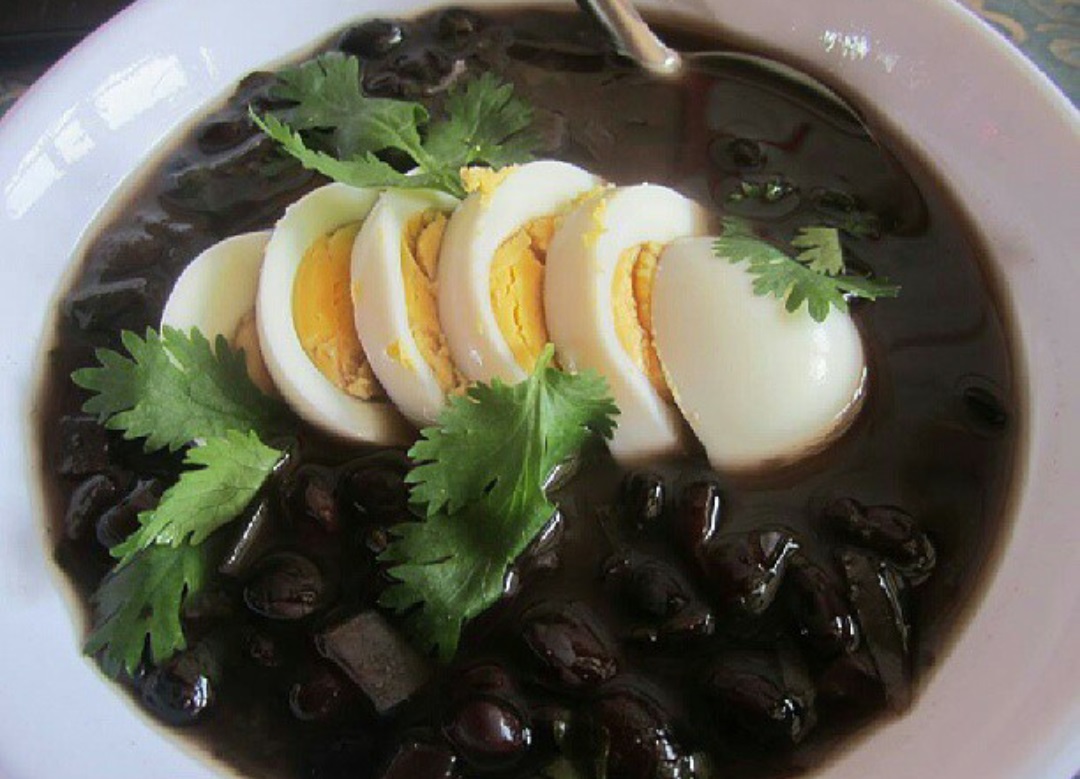
A dark black bean soup flavoured with onion, garlic, sweet pepper and coriander, served with a hard-boiled egg in the bowl. It is a warming, cheap and very Costa Rican way to use beans.
See the recipe
Serves 4
40 min
Ingredients
2 tins black beans (400 g each), with their liquid
1 litre vegetable or chicken stock
1 tablespoon vegetable oil
1 onion, chopped
2 garlic cloves, chopped
Half a red sweet pepper, chopped
1 celery stick, chopped
A small handful of fresh coriander (cilantro)
4 eggs
Salt and pepper
Method
Put the eggs in a pan of cold water, bring to the boil and simmer for 10 minutes. Cool them in cold water, peel and set aside.
Heat the oil in a large pan and fry the onion, garlic, sweet pepper and celery for about 5 minutes, until soft.
Add the beans with their liquid and the stock. Simmer for 15 minutes.
Blend about half of the soup until smooth and stir it back in, so the soup is thick but still has whole beans. Season with salt, pepper and chopped coriander.
Ladle into bowls and add a halved hard-boiled egg to each one.
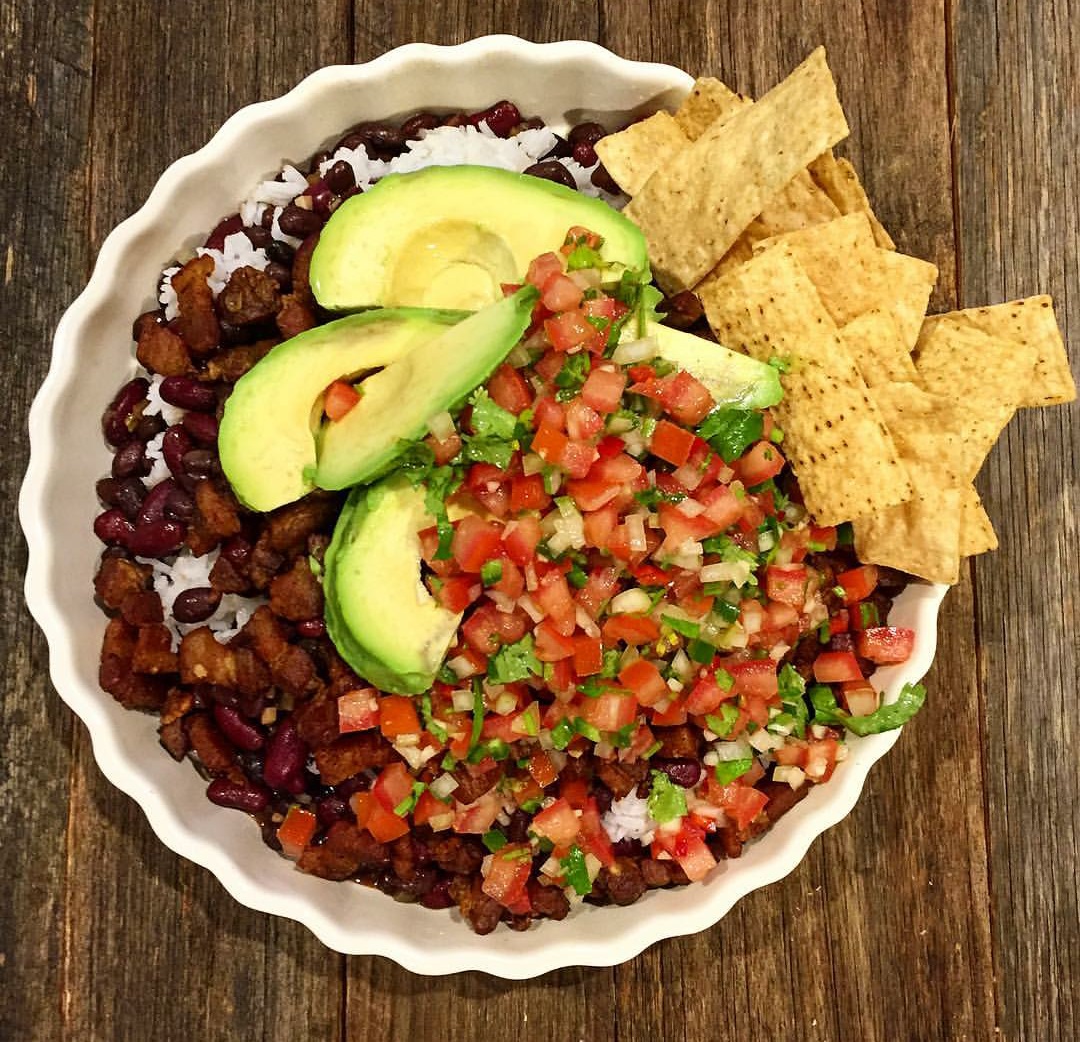
A bowl of beans with a little broth, rice, crispy fried pork (chicharrón) and a fresh tomato and onion salsa, served with fried corn tortilla chips. It is a favourite bar snack with a cold beer.
The name joins the first letters of its two main ingredients: CHIcharrón and FRIJOles (beans). In 2014 a family tried to stop other restaurants using the word, but a judge ruled against them.
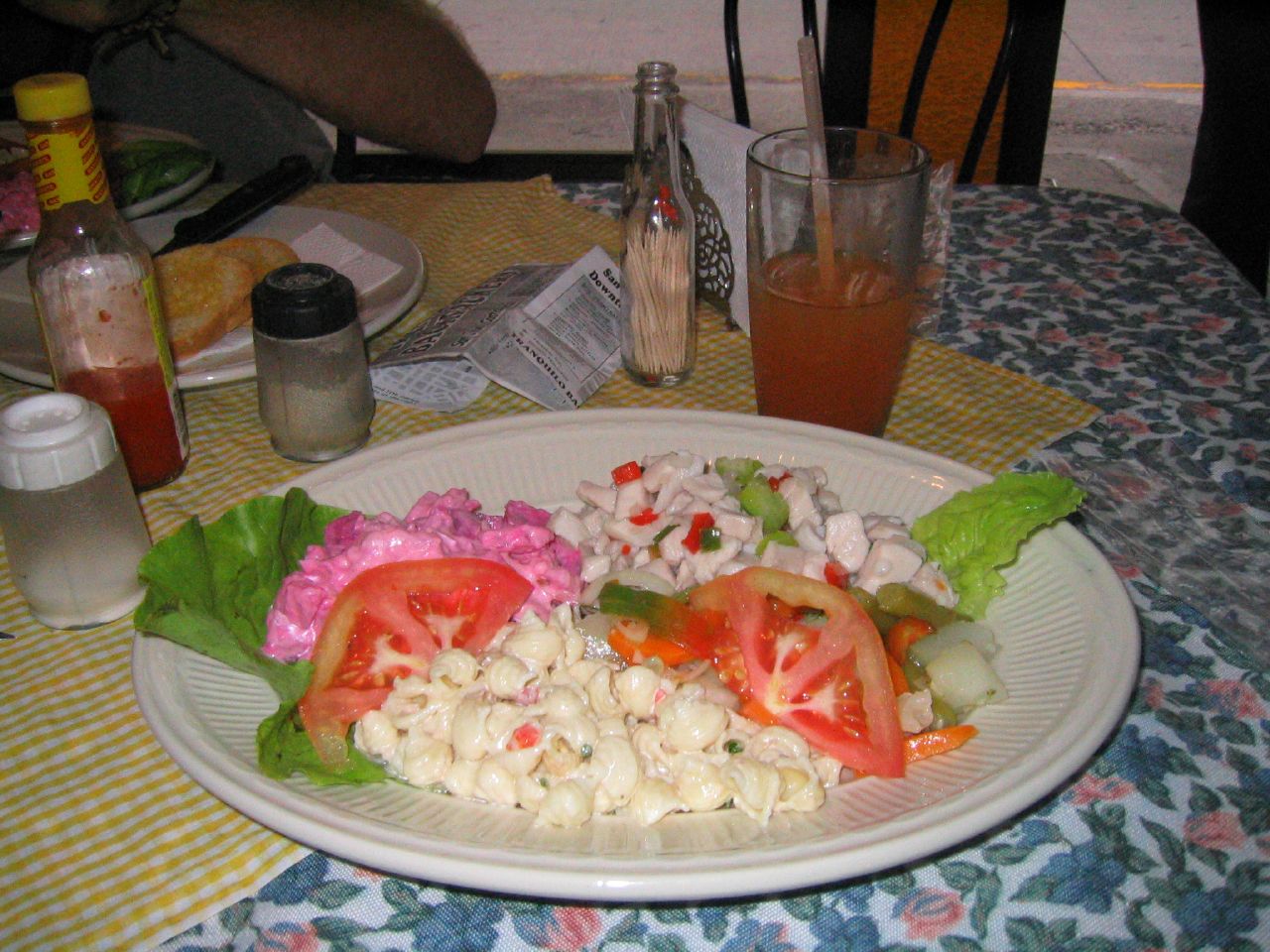
Raw white fish, such as sea bass (corvina), tilapia or mahi-mahi, cut small and marinated in lime juice with onion, coriander and finely chopped sweet pepper. It is often served in a glass with soda crackers on the side. Lime 'cooks' the fish in taste and texture, but the fish is still raw, so pregnant women, older people and anyone with a weak immune system should choose a cooked dish instead.
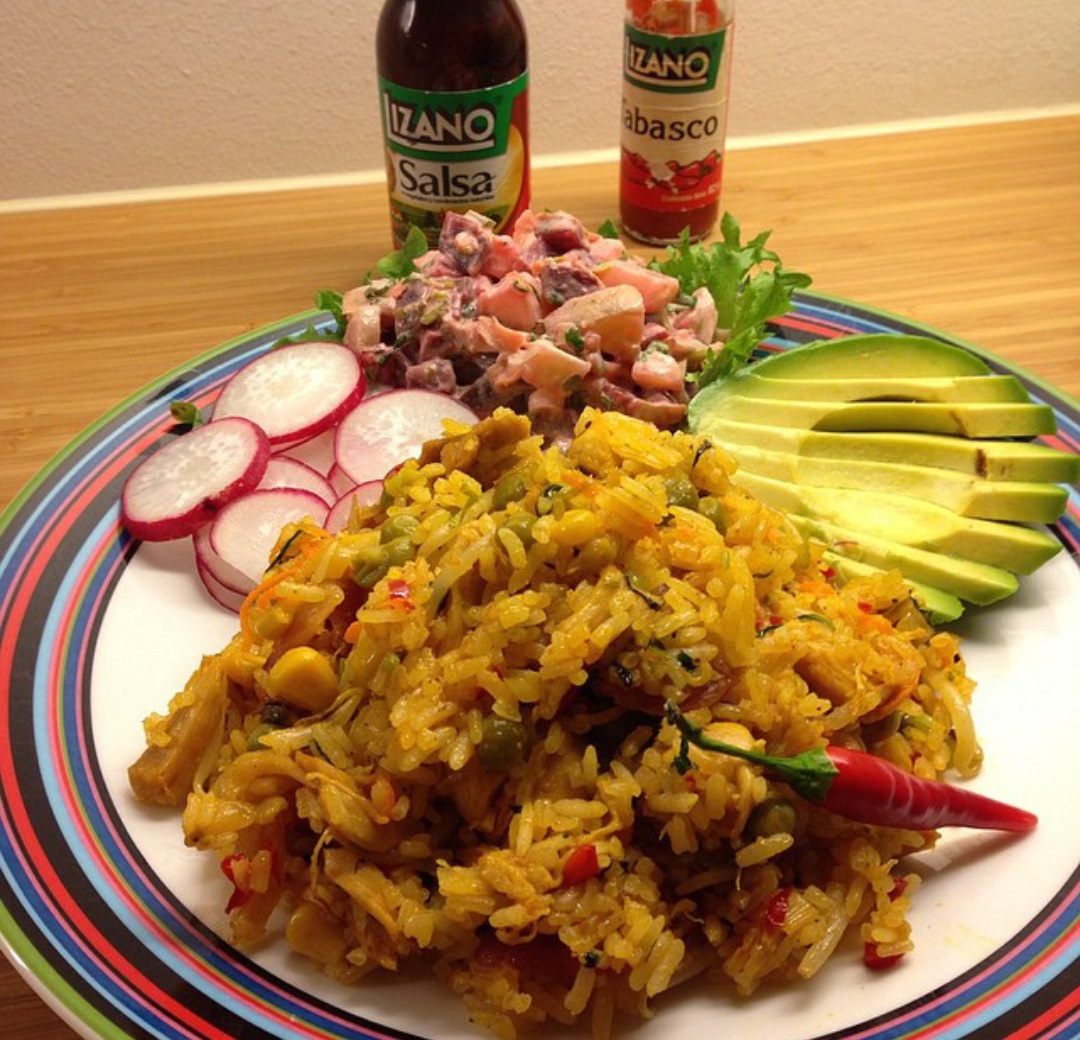
Rice cooked with chicken, vegetables such as carrots, peas and sweet pepper, mild spices and a splash of Salsa Lizano. It is the dish families make for birthdays, parties and big get-togethers.
See the recipe
Serves 4
1 h
Ingredients
500 g boneless chicken thighs
300 g long-grain white rice
750 ml chicken stock
2 tablespoons vegetable oil
1 onion, chopped
2 garlic cloves, chopped
1 red sweet pepper, diced
1 carrot, diced
100 g frozen peas
1 teaspoon achiote (annatto) paste or sweet paprika, for colour
Simmer the chicken in the stock for about 20 minutes, until cooked through with no pink inside. Lift it out, shred it with two forks and keep the stock.
Heat the oil in a wide pan and fry the onion, garlic, sweet pepper and carrot for 5 minutes. Stir in the achiote or paprika and the rice and fry for 2 minutes.
Pour in 600 ml of the hot stock, add a pinch of salt, bring to the boil, then cover and cook on a very low heat for 18 minutes.
Stir in the shredded chicken, peas and Salsa Lizano, cover again and leave for 5 minutes, until the peas are hot. Add a little more stock if the rice looks dry.
Fork through the coriander and serve with salad or potato chips, as many Costa Rican families do.
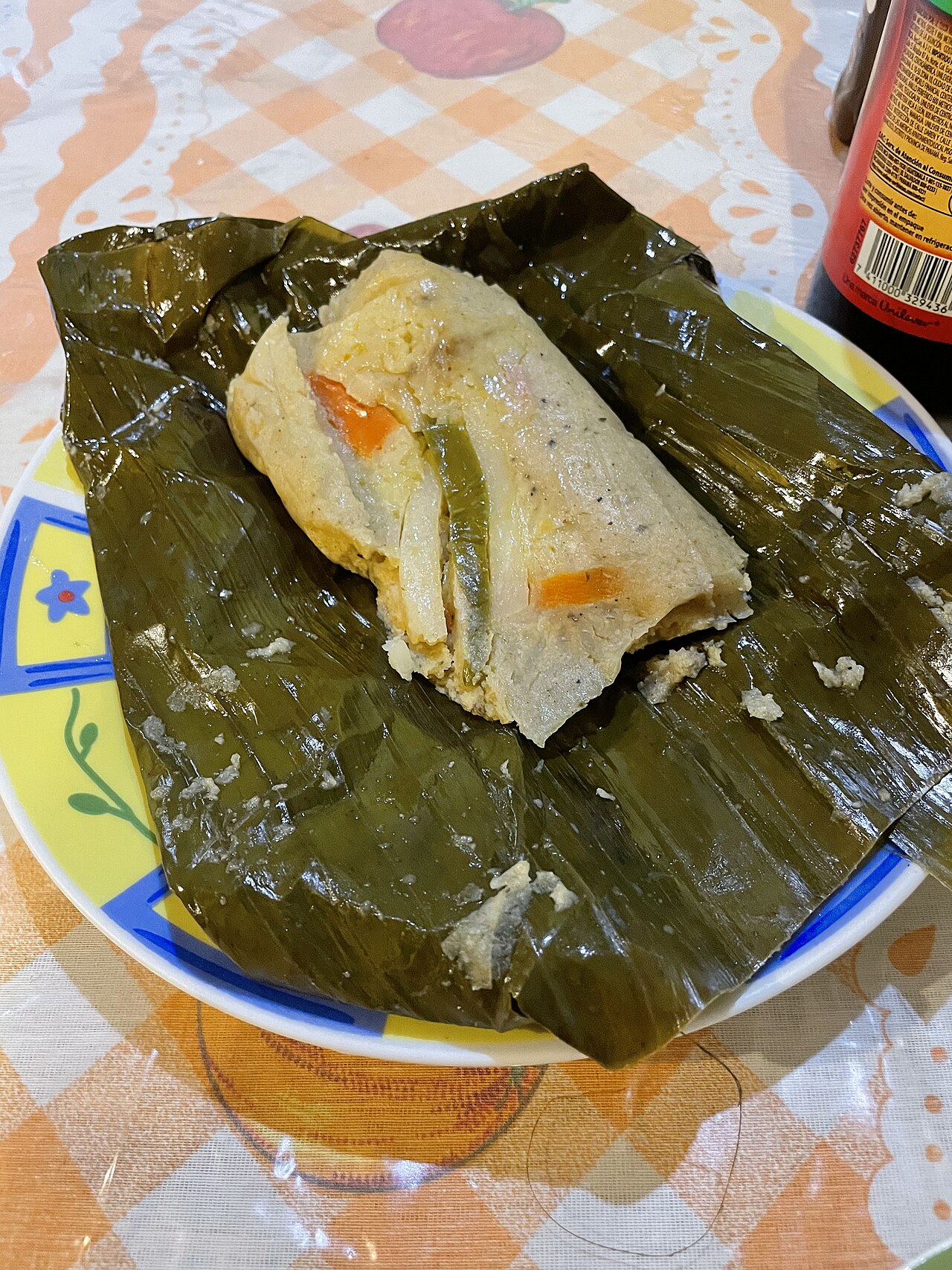
A soft corn dough made with lard and spices, filled with meat, rice and vegetables, wrapped in banana or plantain leaves and steamed. Tamales are made above all for Christmas, when families gather to make them together, and also for Holy Week.
Not all tamales use corn. Some are made from green plantain, rice or cassava dough, and in Guanacaste and Puntarenas people make 'tamales yol' from fresh young corn wrapped in its own husks.
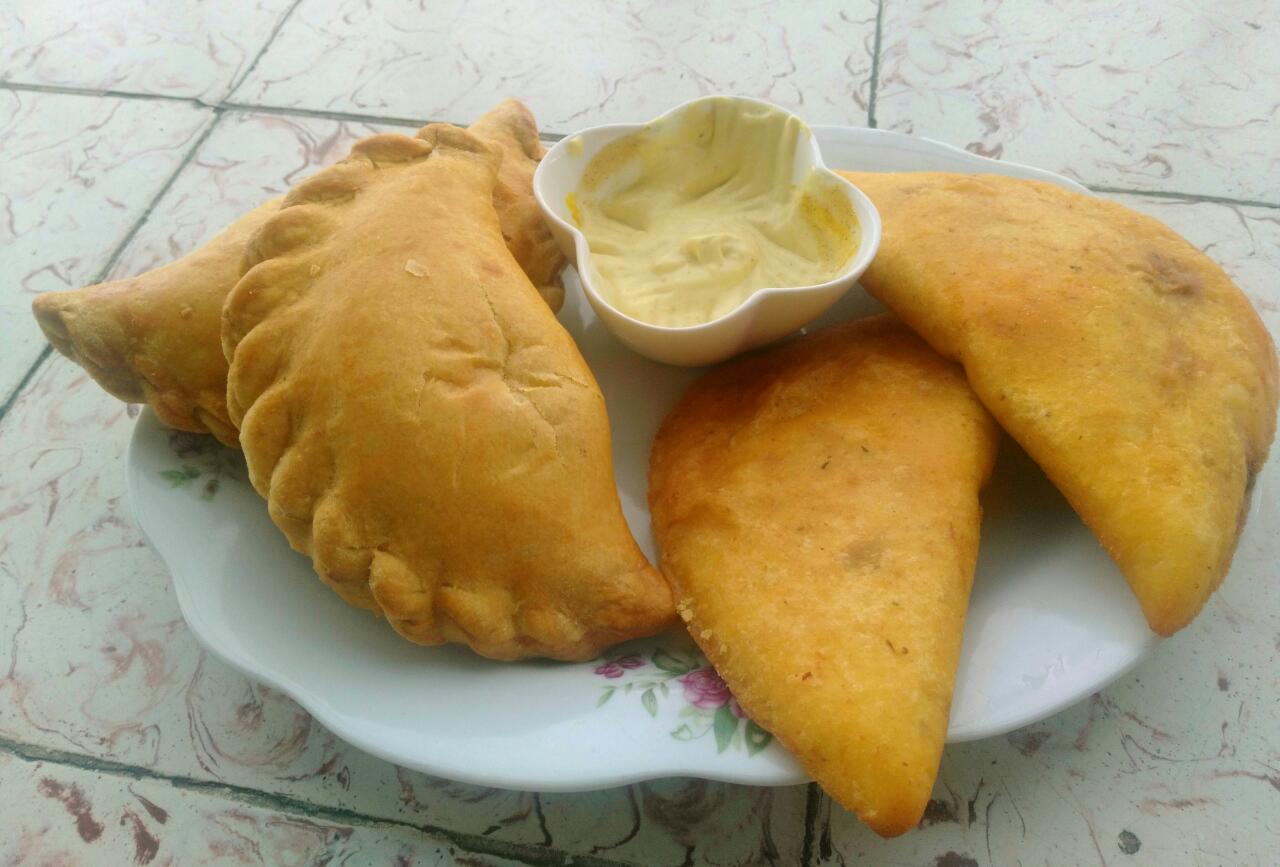
Half-moon corn turnovers filled with minced beef, chicken, cheese or a sweet fruit filling. Small snack stands and shops called sodas sell them through the day.
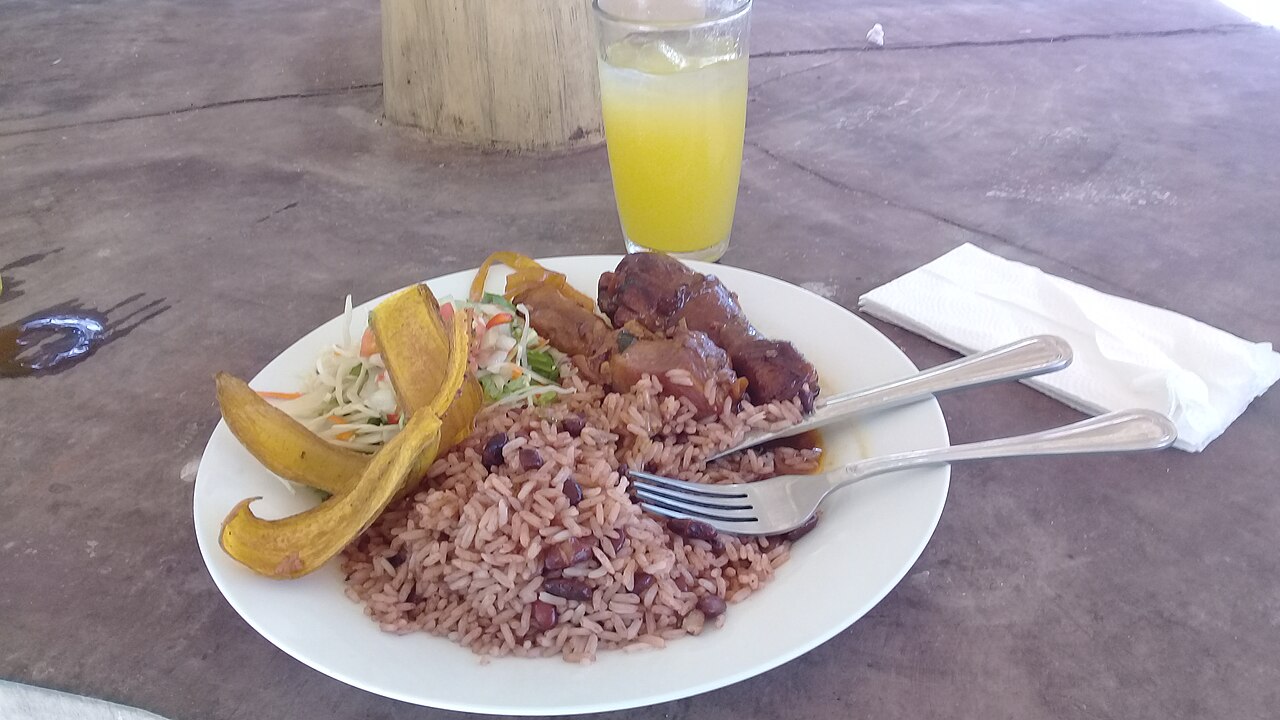
Rice and red beans cooked together in coconut milk, with a hot pepper for aroma. It is usually served with fish and fried plantain. It keeps its English name on the Caribbean coast, home of the Afro-Costa Rican community, most of whose families came from Jamaica.
It is not the same as gallo pinto. Gallo pinto mixes already cooked rice and beans in a pan, while rice and beans cooks the rice with the beans in coconut milk.
See the recipe
Serves 4
40 min
Ingredients
300 g long-grain white rice, rinsed
400 g tin red kidney beans, drained
400 ml tin coconut milk
250 ml water
1 small onion, finely chopped
2 garlic cloves, crushed
2 sprigs fresh thyme
1 whole Scotch bonnet or other hot pepper (optional, left whole)
1 teaspoon salt
Method
Put the coconut milk, water, onion, garlic, thyme and salt in a heavy pan and bring to a simmer.
Add the beans and the rice and stir once. Lay the whole hot pepper on top, if using. Do not cut it, or the rice will be very hot.
Bring back to the boil, then cover tightly and cook on the lowest heat for about 20 minutes, until the liquid is absorbed and the rice is tender.
Turn off the heat and leave covered for 5 minutes. Carefully lift out the pepper and the thyme stalks.
Fluff the rice with a fork and serve with fried fish or chicken and fried ripe plantain.
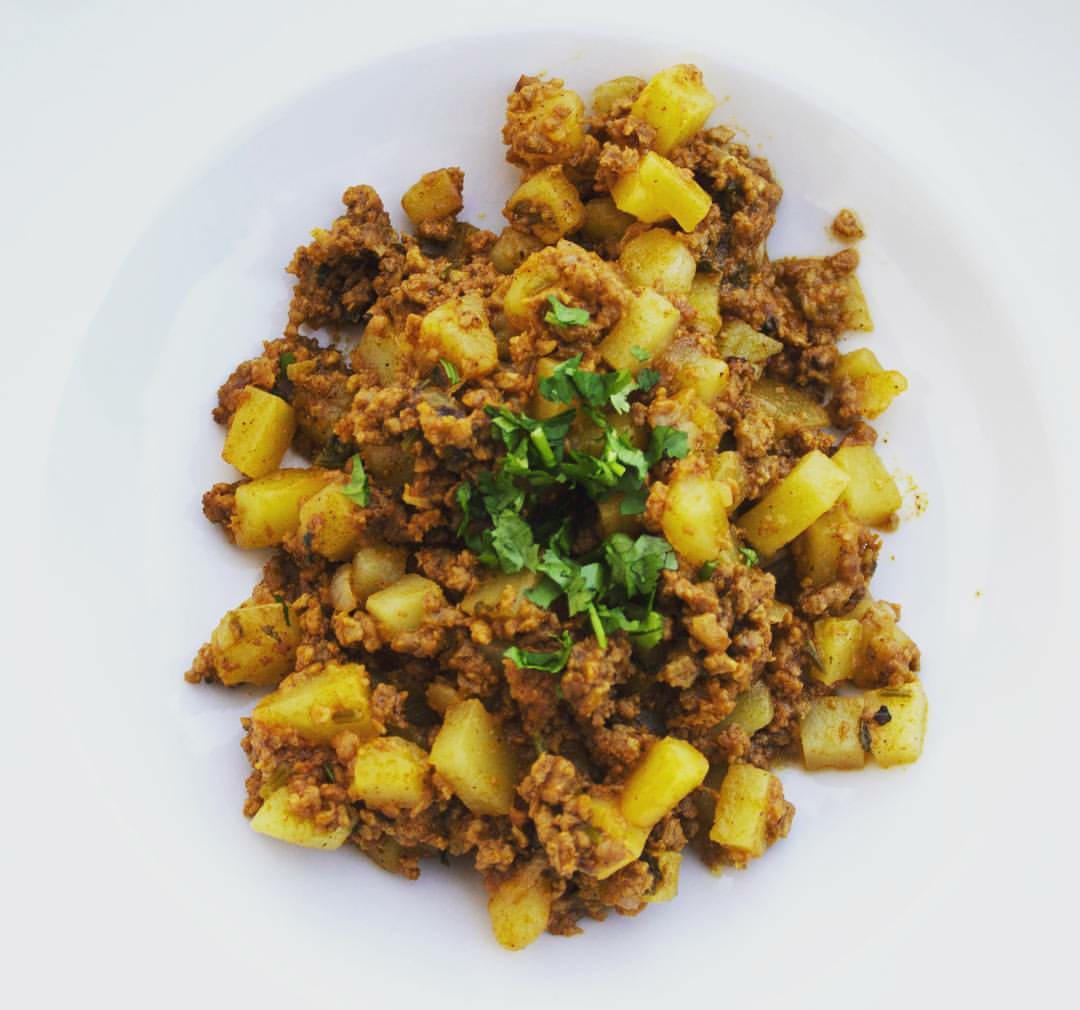
Finely chopped vegetables, such as potato, chayote or green beans, cooked with spices and achiote, often with a little minced beef. It is eaten as a side dish with a casado, or spooned onto a warm corn tortilla to make a 'gallito'.
See the recipe
Serves 4
35 min
Ingredients
500 g potatoes, peeled and cut into small cubes
200 g minced beef (optional)
1 tablespoon vegetable oil
1 onion, finely chopped
Half a red sweet pepper, finely chopped
1 garlic clove, finely chopped
Half a teaspoon achiote (annatto) paste or sweet paprika
A handful of fresh coriander (cilantro), chopped
Salt and pepper
Warm corn tortillas, to serve
Method
Boil the potato cubes in salted water for about 6 minutes, until just tender. Drain.
Heat the oil in a frying pan and fry the onion, sweet pepper and garlic for 5 minutes.
If using beef, add it and cook, breaking it up, until browned all through, about 8 minutes. Stir in the achiote or paprika.
Add the potatoes and a splash of water and cook gently for 5 minutes, stirring now and then, until everything is soft. Season with salt, pepper and coriander.
Serve as a side dish, or spoon onto warm tortillas and fold them to make gallitos.
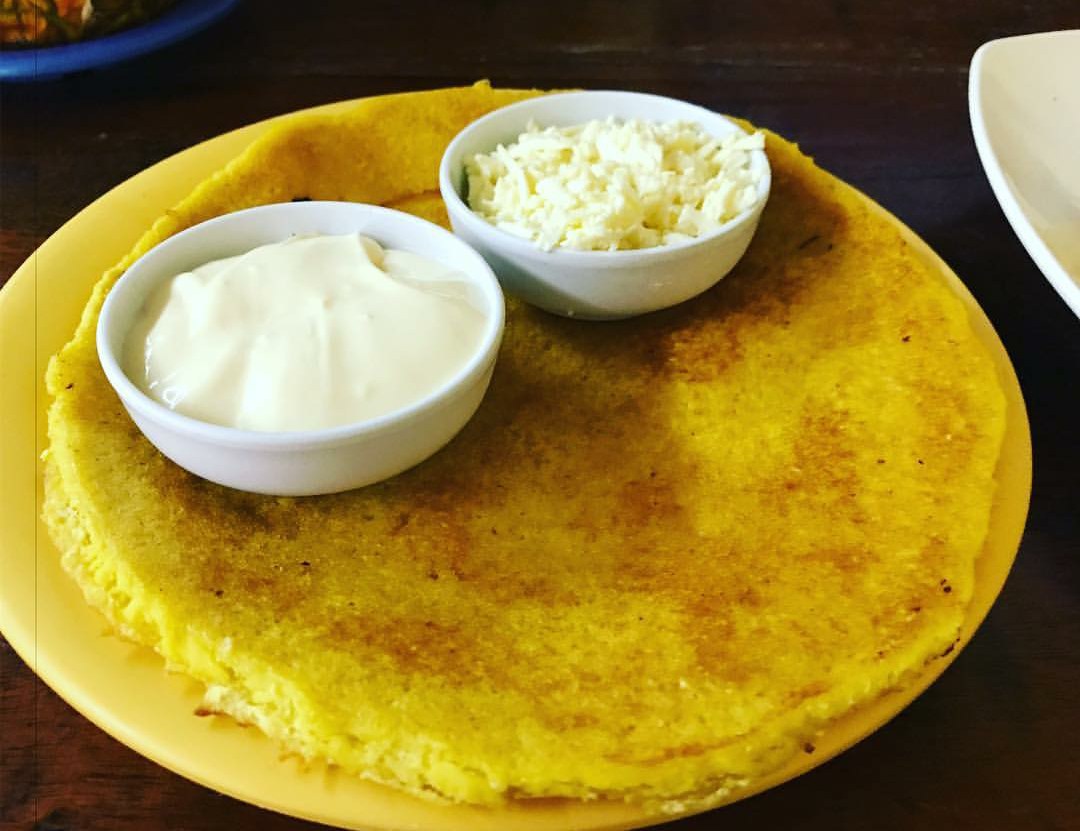
Sweet pancakes made from fresh corn, cooked on a griddle and eaten for breakfast with a spoonful of sour cream. They are not as common as they once were, which makes them a treat.
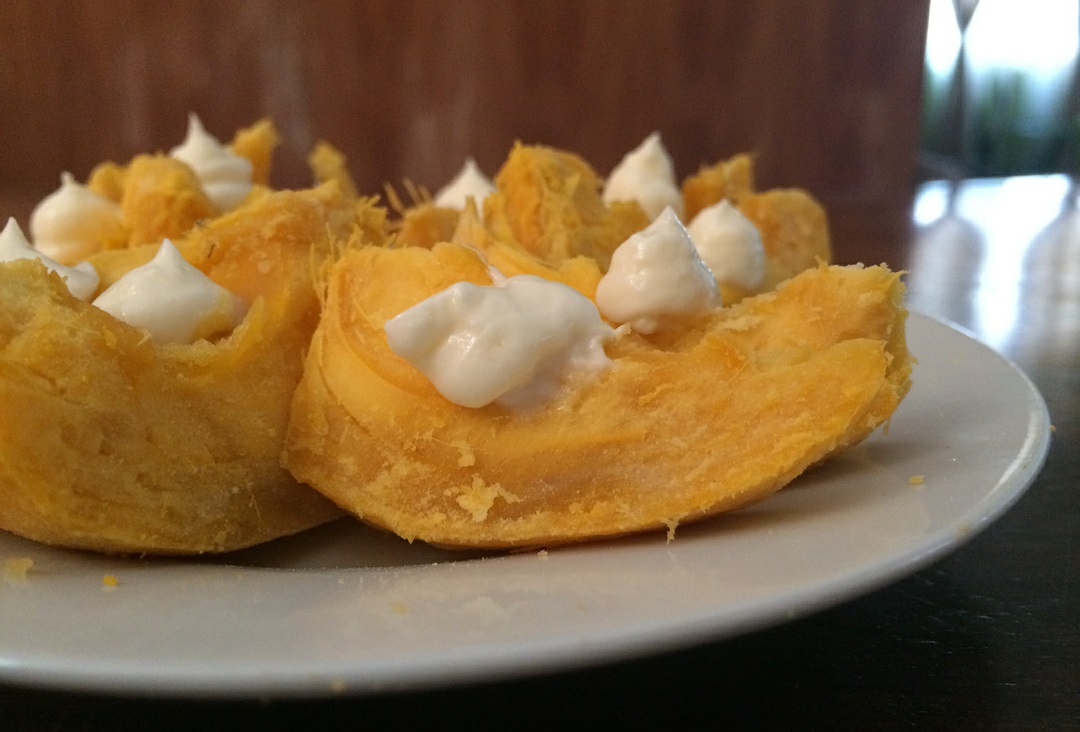
The orange fruit of the peach palm, boiled in salted water, peeled and eaten warm with a little mayonnaise. The texture is like a firm sweet potato and the taste has been compared to roasted chestnut. It must be cooked, because the raw fruit contains irritating crystals.
The palm was a staple food of Indigenous peoples long before the Spanish arrived. Spanish explorers reported a plantation of 30,000 of these palms on the Caribbean coast.
Popular across Latin America and all of Costa Rica
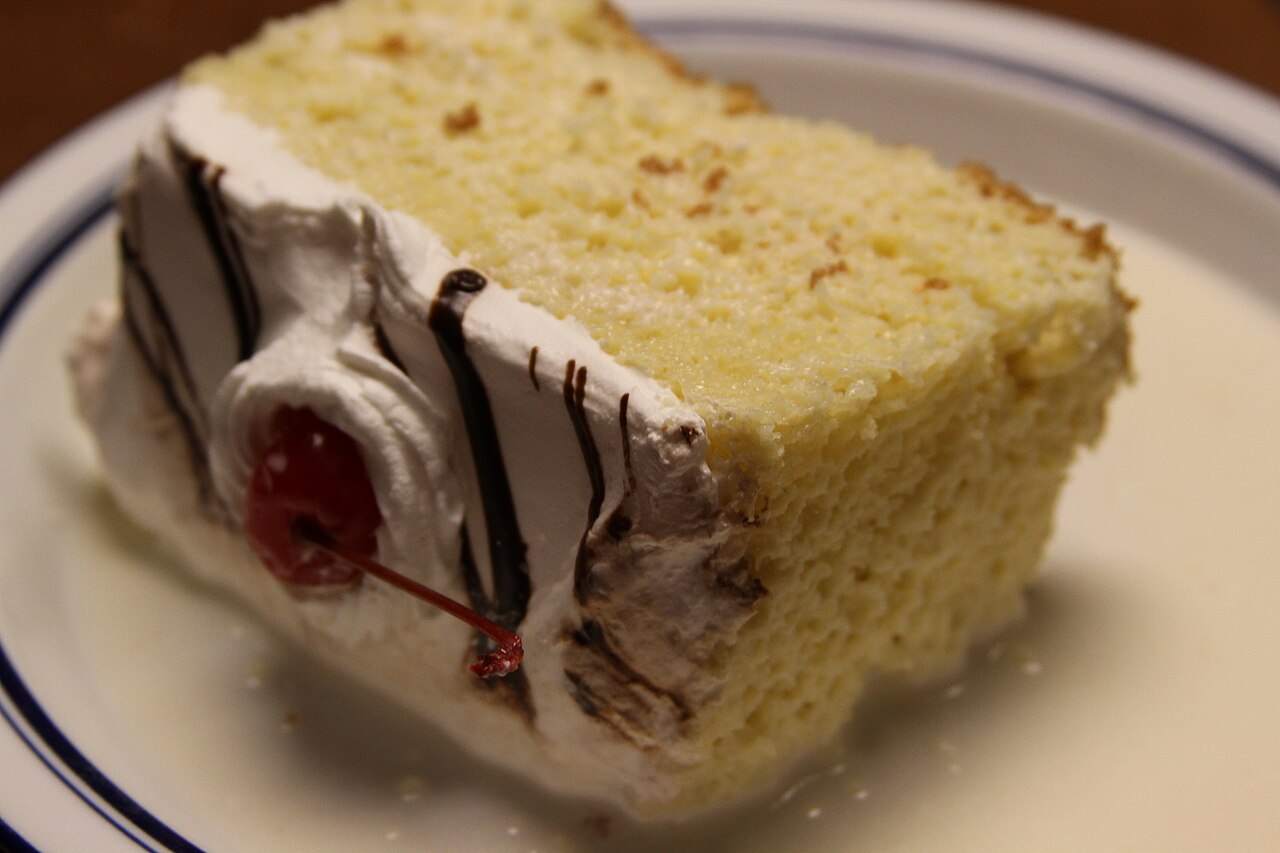
A light sponge cake soaked in three kinds of milk: evaporated milk, sweetened condensed milk and whole milk or cream, often topped with whipped cream and cinnamon. It stays airy, not soggy, and is a favourite after lunch or dinner.
Where the cake was invented is still debated. Many countries in Latin America claim it.
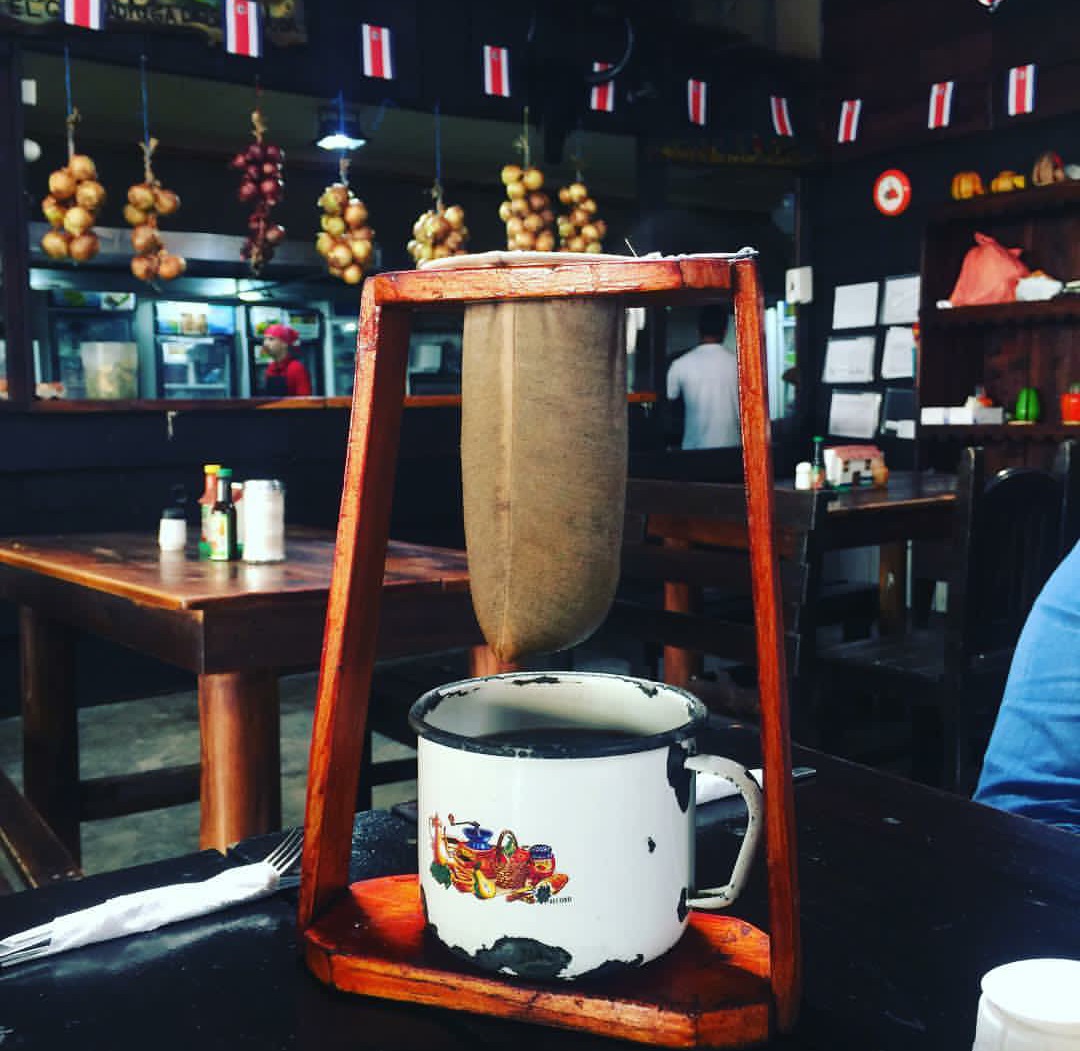
Coffee made the traditional way in a chorreador: a wooden stand holding a small cloth bag. Ground coffee goes in the bag, hot water is poured slowly over it, and the coffee drips into the cup or pot below. Costa Ricans drink coffee at breakfast and again in the afternoon.
The cloth bag is never washed with soap, which would spoil the taste. It is rinsed with water after each use and scrubbed with salt now and then.
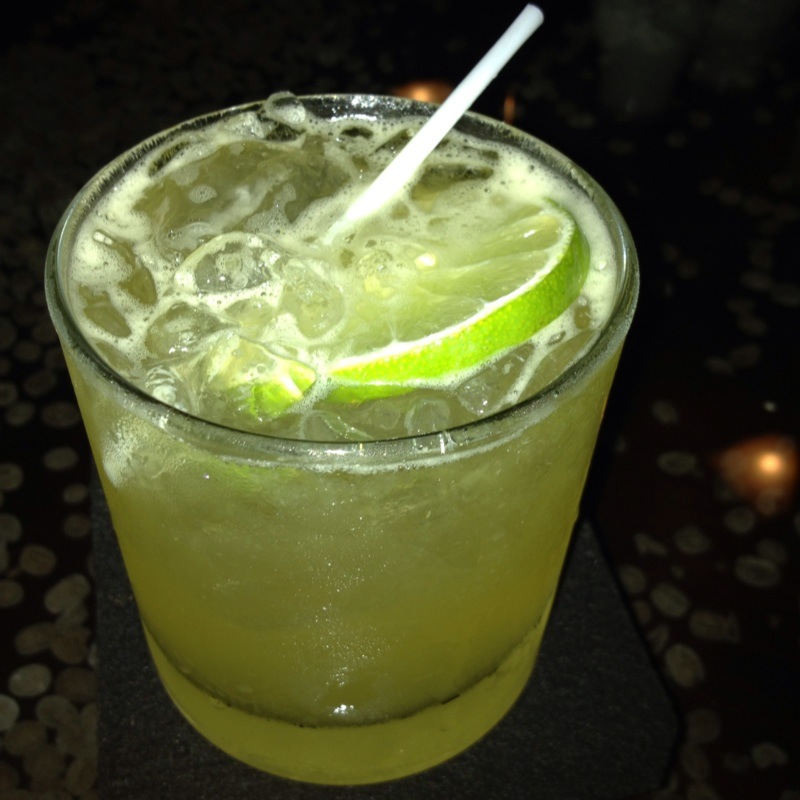
Guaro is a clear spirit distilled from sugar cane, a little sweeter than vodka and not as strong. Costa Ricans usually drink it in a cocktail called a guaro sour, or as a quick shot. Buy it only in shops, bars and restaurants, because counterfeit guaro has caused methanol poisoning.
The state's National Liquor Factory makes Cacique, the only legal brand of guaro. The government took over making it in 1851 to stop illegal home distilling.
Table manners
Rice and beans come with almost every meal. At breakfast they are fried together as gallo pinto; at lunch they sit side by side on your plate as part of a casado.
Lunch is a proper meal for many Costa Ricans, and a casado at a small local soda is a filling meal at a fair price.
Salsa Lizano, a tangy brown sauce, stands on many tables. Try a little on your gallo pinto or eggs.
In the evening, bars serve 'bocas', small plates such as chifrijo or fried plantain, to go with a drink.
Menu prices in restaurants usually already include 13 percent sales tax and a 10 percent service charge, so there is no need to add a big tip. A little extra for very good service is always welcome.
Coffee comes with breakfast, again in the afternoon and sometimes after dinner. It is usually strong, served black or with milk (café con leche).
Most Costa Ricans live in the Central Valley, where San José, Alajuela, Heredia and Cartago almost run into each other. Beyond the valley, towns are smaller and closer to nature: beach and fishing towns on the Pacific, Afro-Caribbean towns on the Caribbean, cattle country in Guanacaste, and mountain villages near volcanoes and cloud forests.
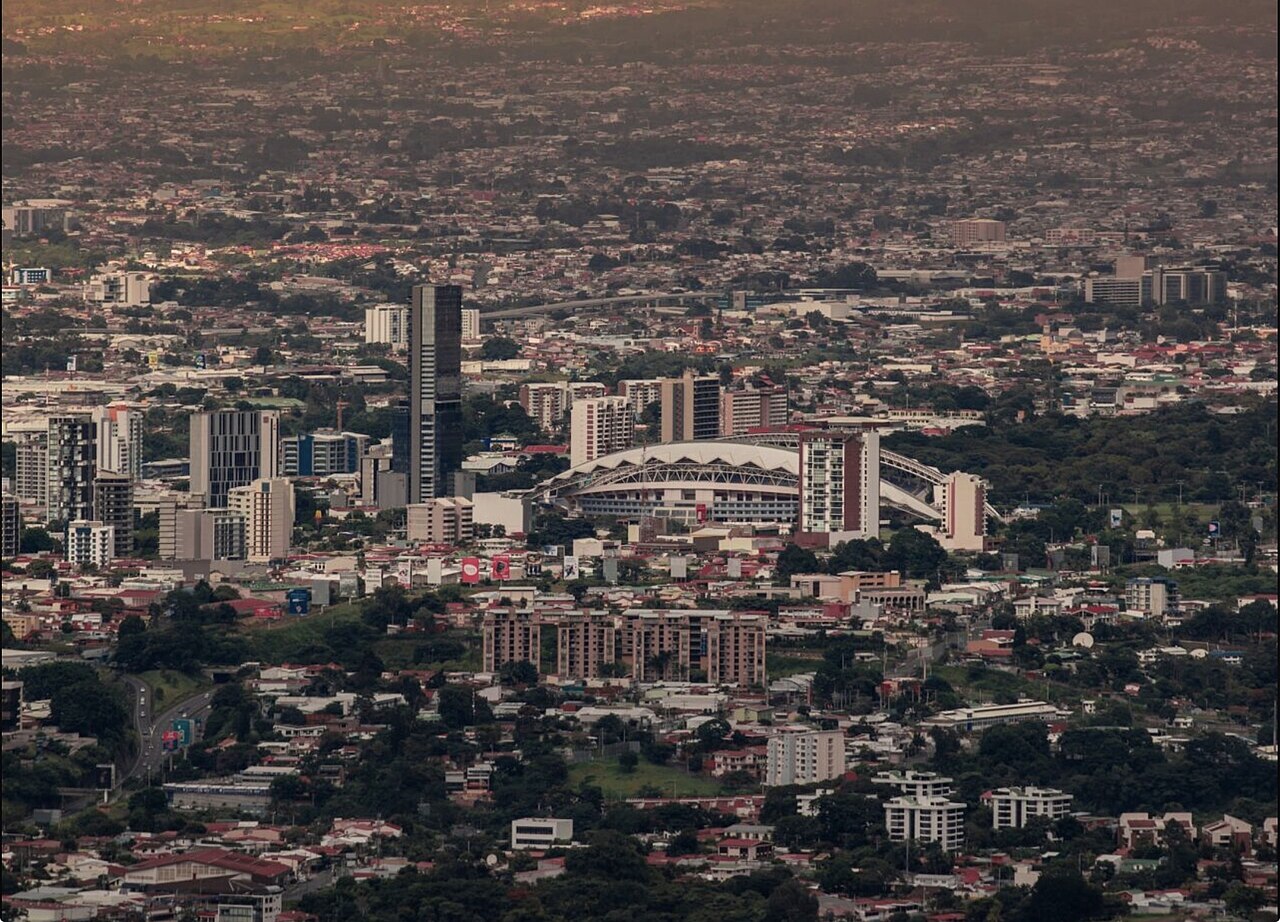
The capital and largest city, in the Central Valley at the heart of the country. The city itself has about 350,000 people and the wider metropolitan area more than two million. It was founded in 1736 and named after Saint Joseph.
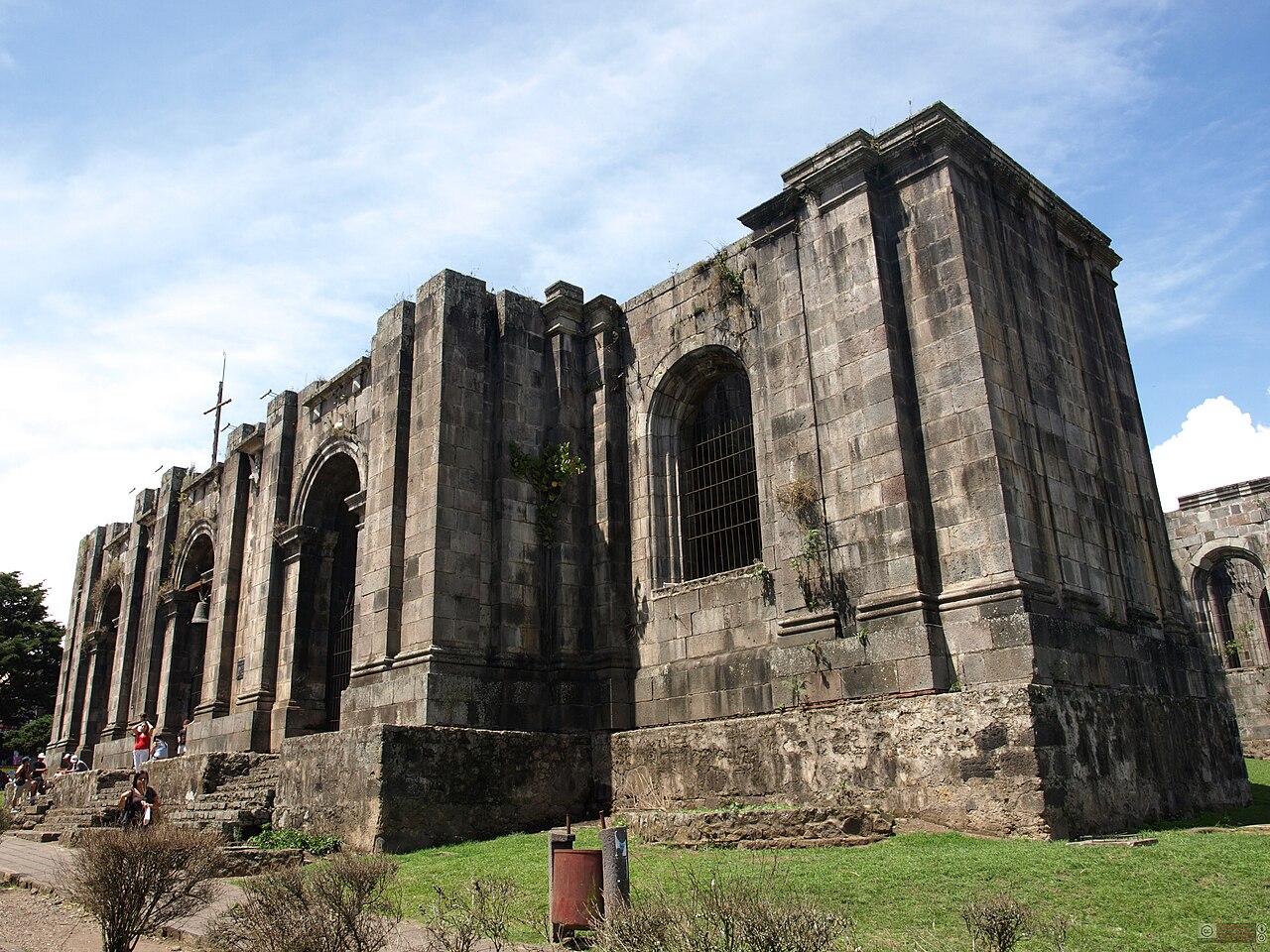
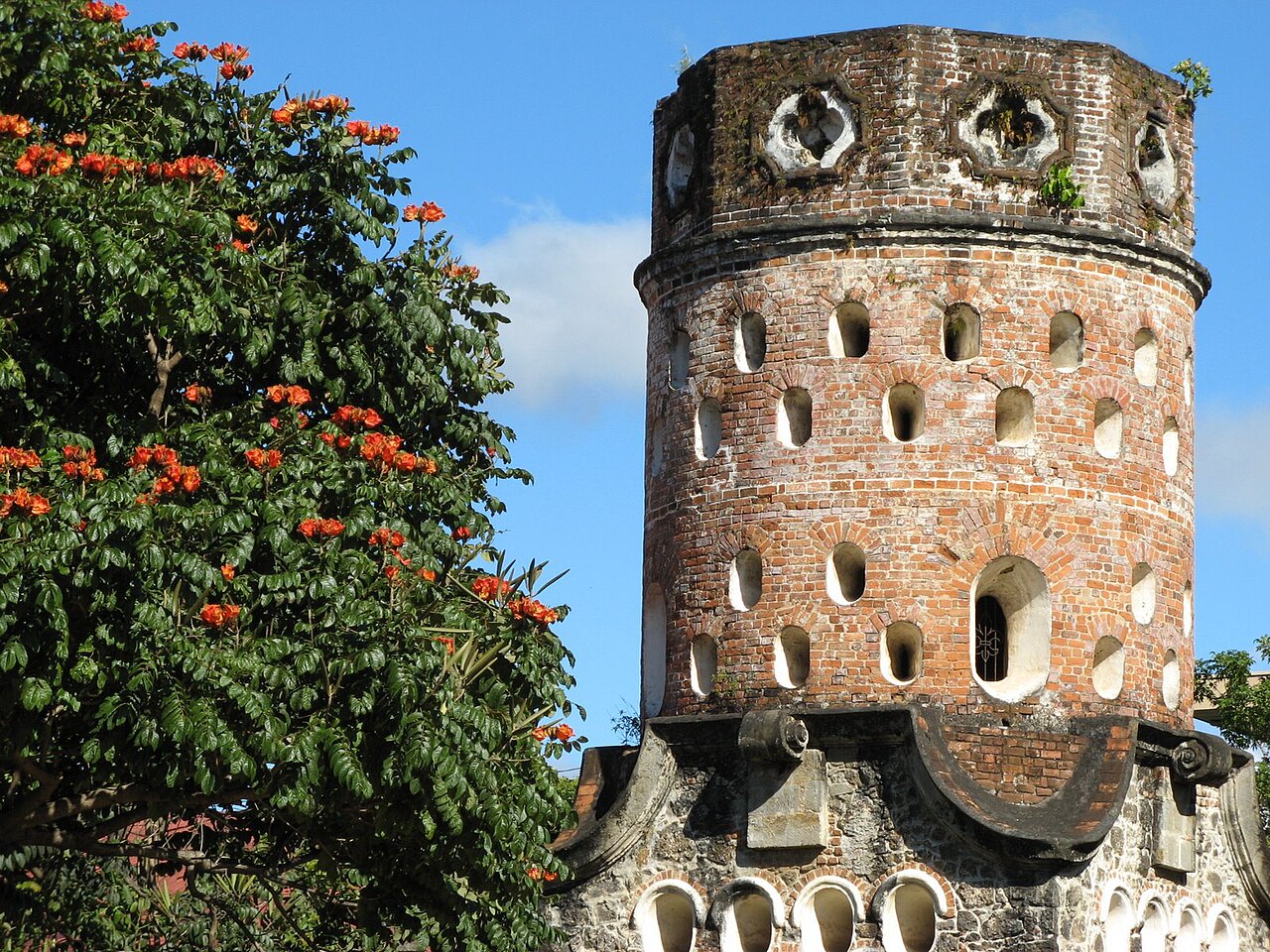
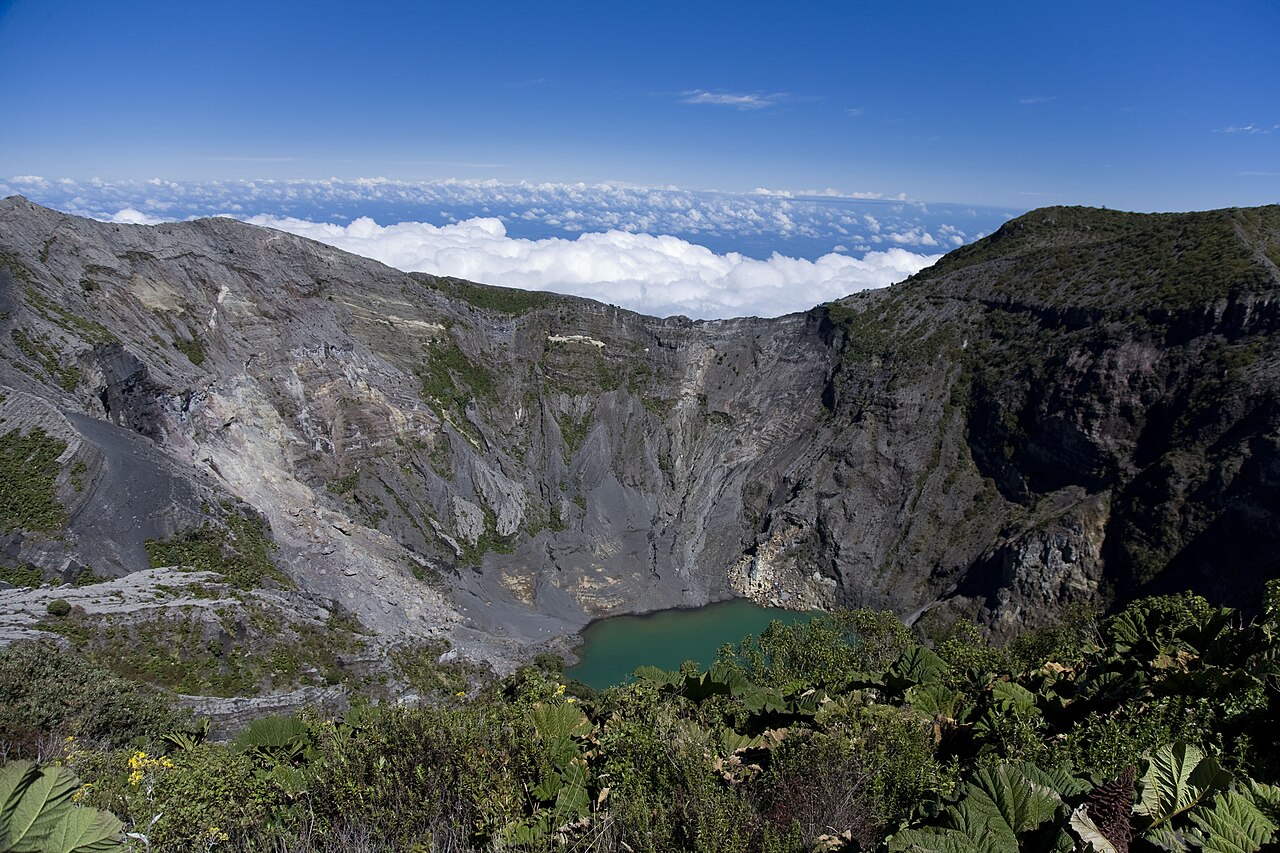
The old colonial capital, founded in 1563 and capital until the 1820s. Earthquakes have damaged it many times. It is the country's great pilgrimage city, at the foot of the Irazú Volcano.
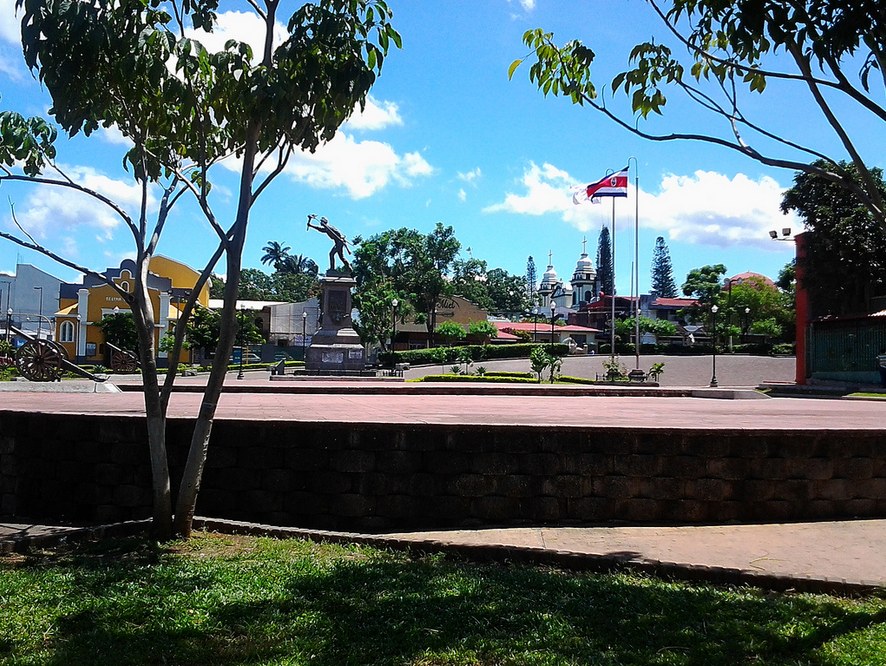
A busy provincial capital about 19 km northwest of San José, slightly warmer than the capital. It is the birthplace of the national hero Juan Santamaría, whose name the country's main airport carries.
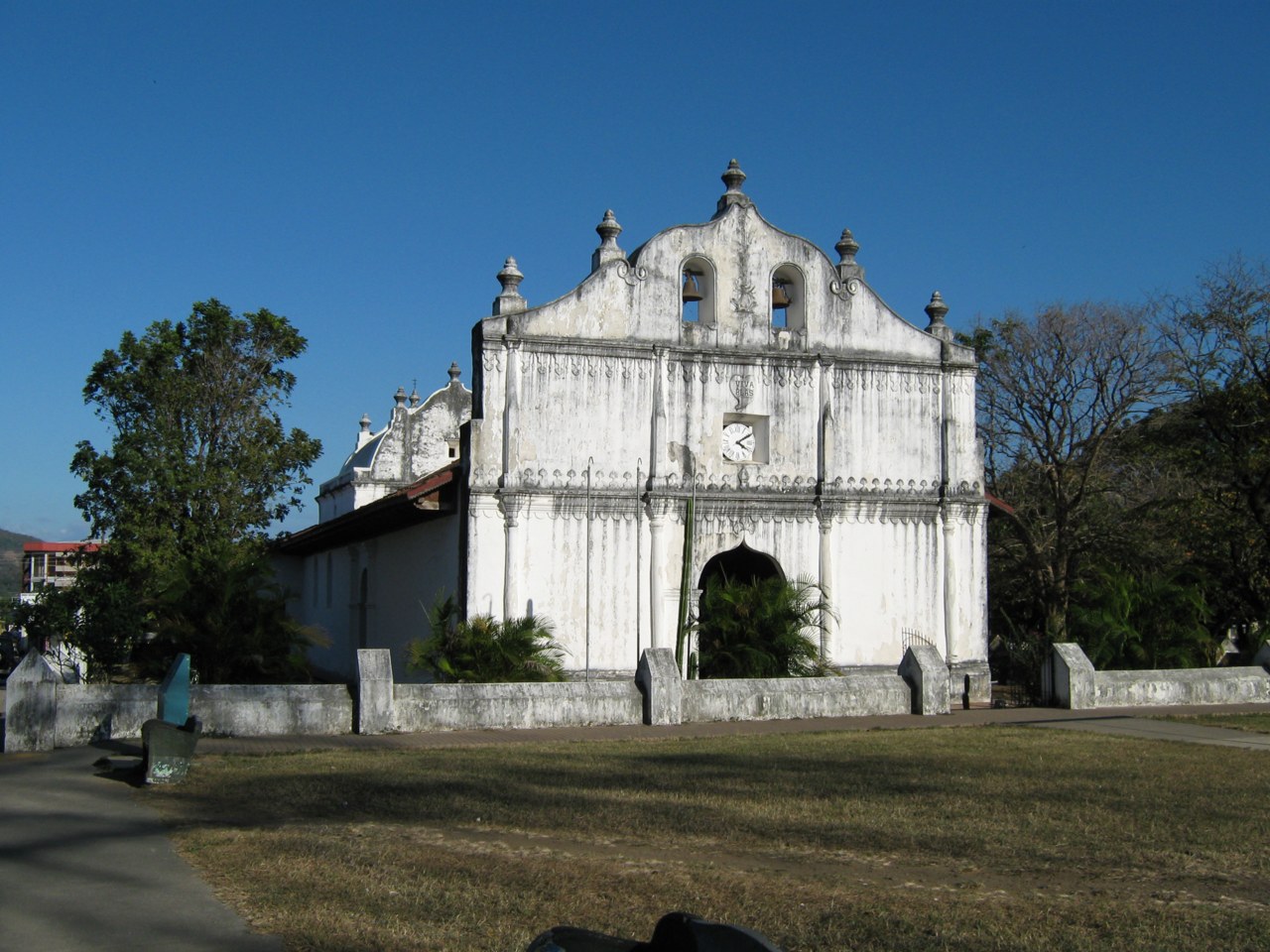
The largest city of Guanacaste, in the dry northwest, about 215 km from San José. Its nickname, 'the white city', comes from its old white gravel streets and whitewashed houses. Its international airport is the gateway to the Pacific beaches.
The nickname 'the white city'
Giant guanacaste trees, which gave the province its name
A port town on a long, narrow sand spit in the Gulf of Nicoya. Its name means 'sandy point'. It grew in the 1840s as the port for coffee exports, and ferries leave from here for the Nicoya Peninsula.
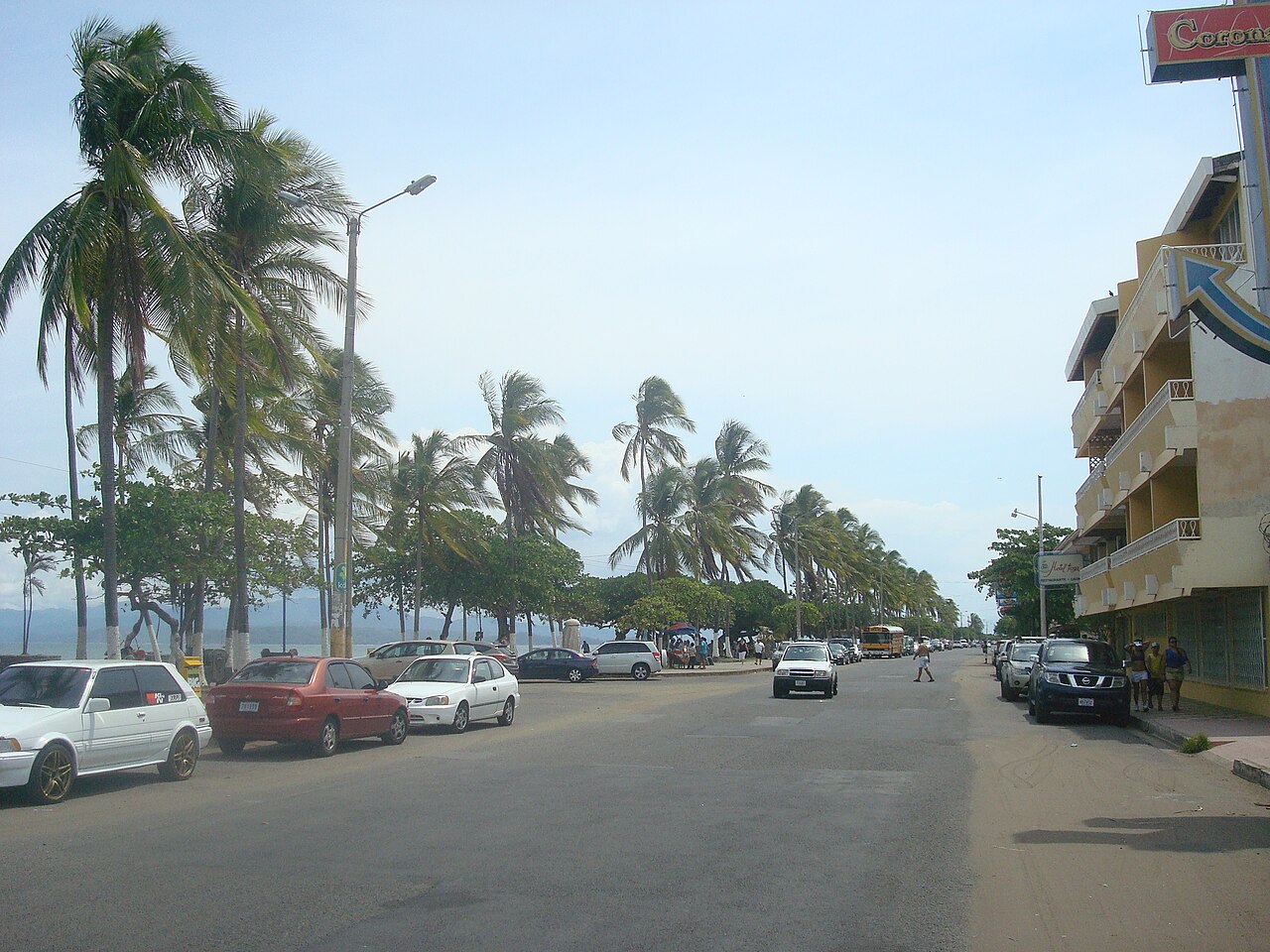
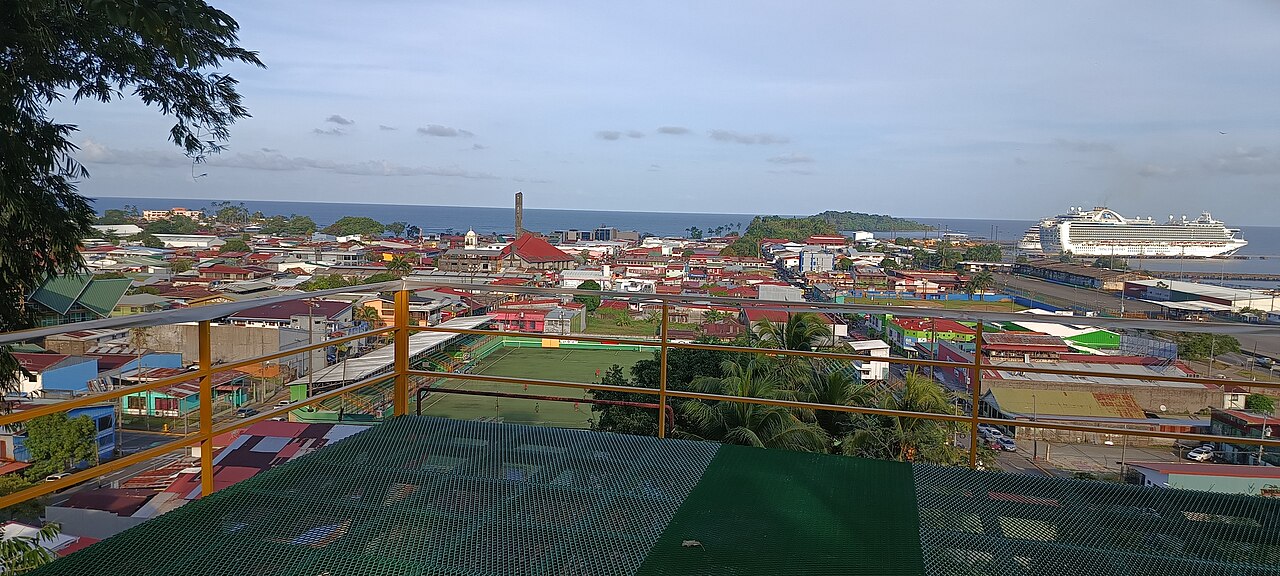
The main port on the Caribbean coast, where Columbus anchored in 1502. It is the heart of Costa Rica's Afro-Caribbean community, many of whose families came from Jamaica to build the railway in the 1800s.
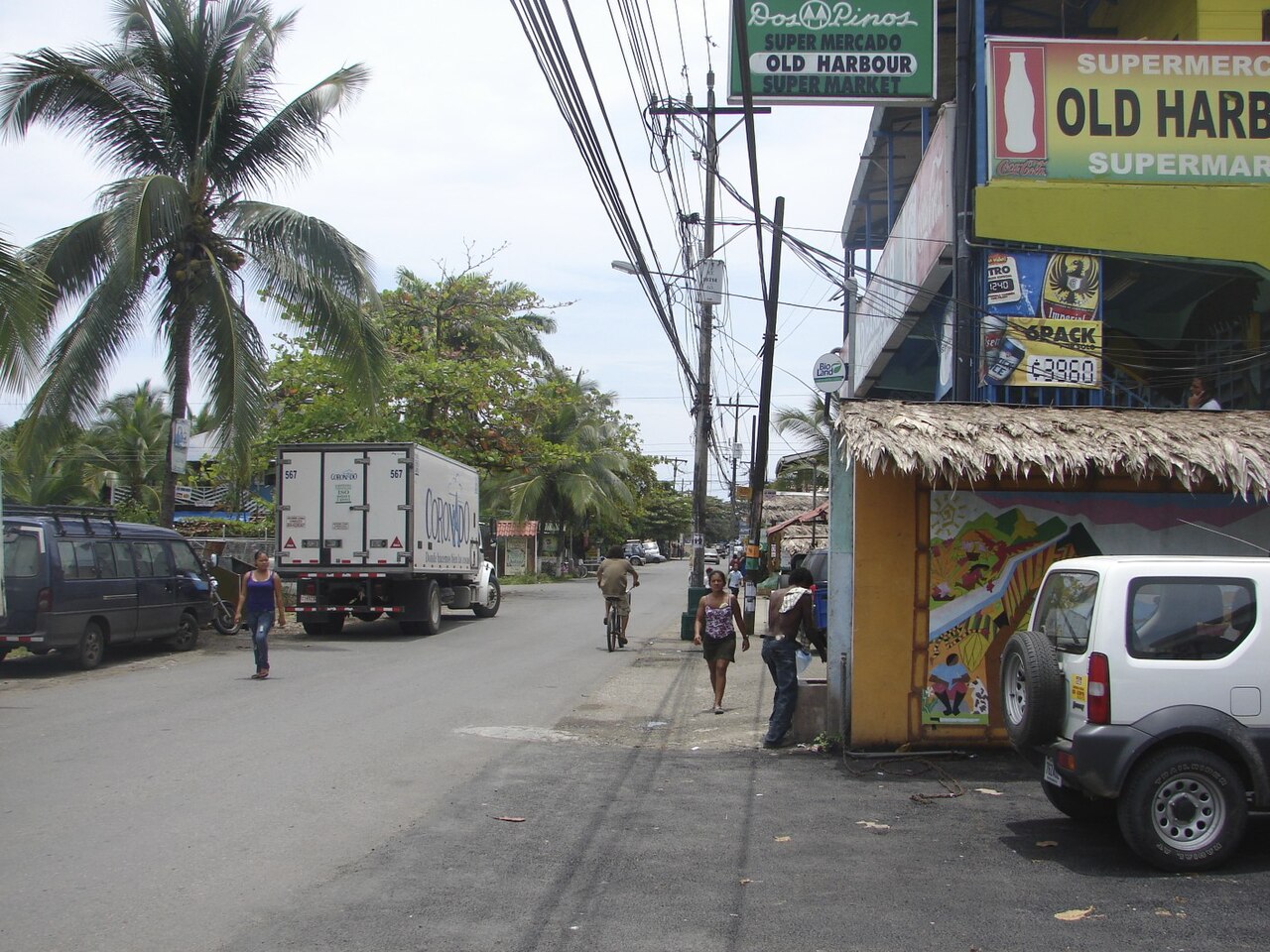
A relaxed Caribbean beach town in the far southeast, once called Old Harbour. It is loved for its beaches and a famous surfing wave called Salsa Brava, and many of its people are of Jamaican descent.
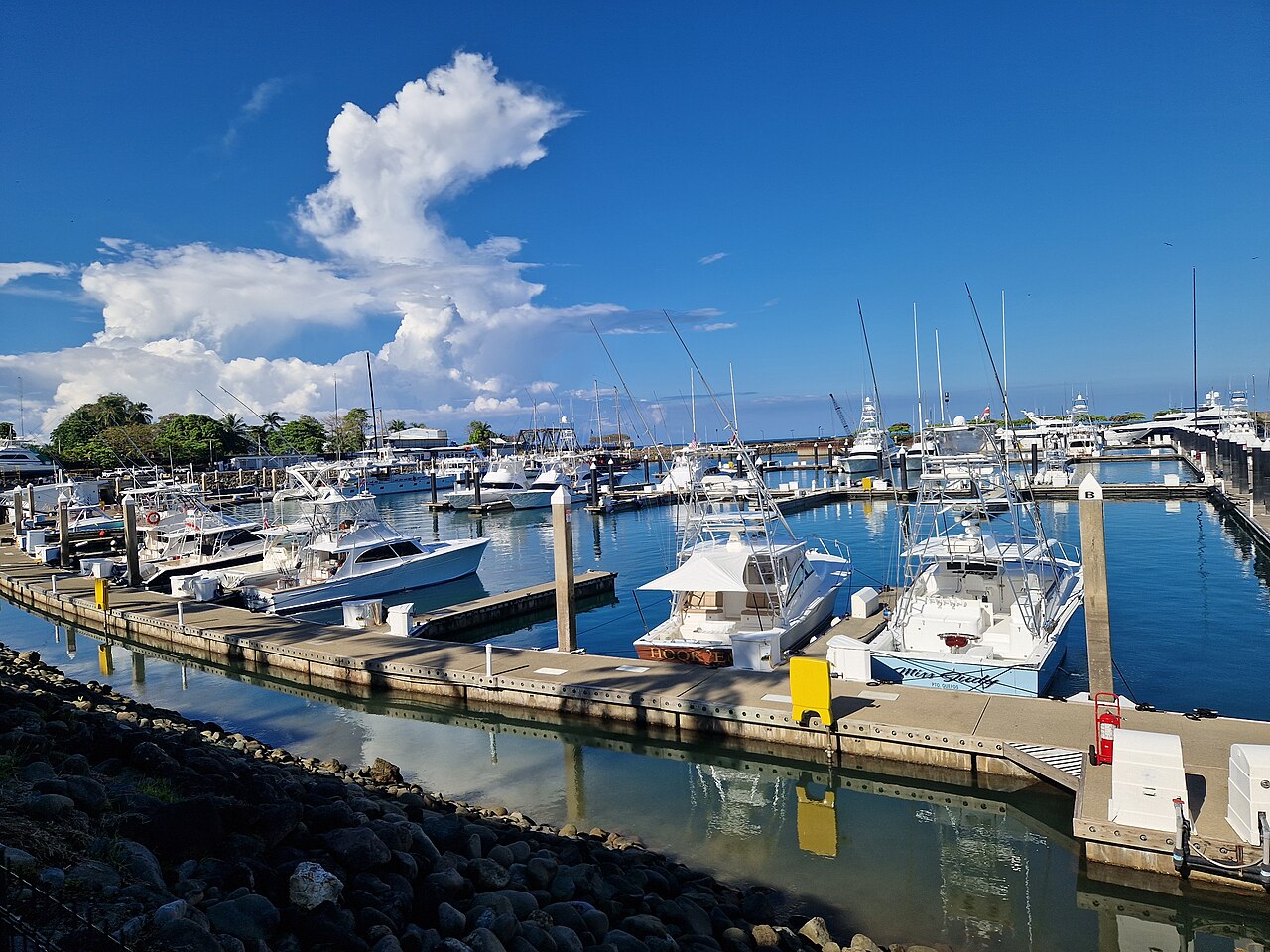
A small Pacific town named after the Quepo people who once lived here. Just to the south lies Manuel Antonio National Park, and the town is also known for sport fishing.
A town on the Nicoya Peninsula and a hub for the beaches and parks of Guanacaste. In 2006 researchers named the Nicoya area a 'Blue Zone', a place where people often live very long lives.
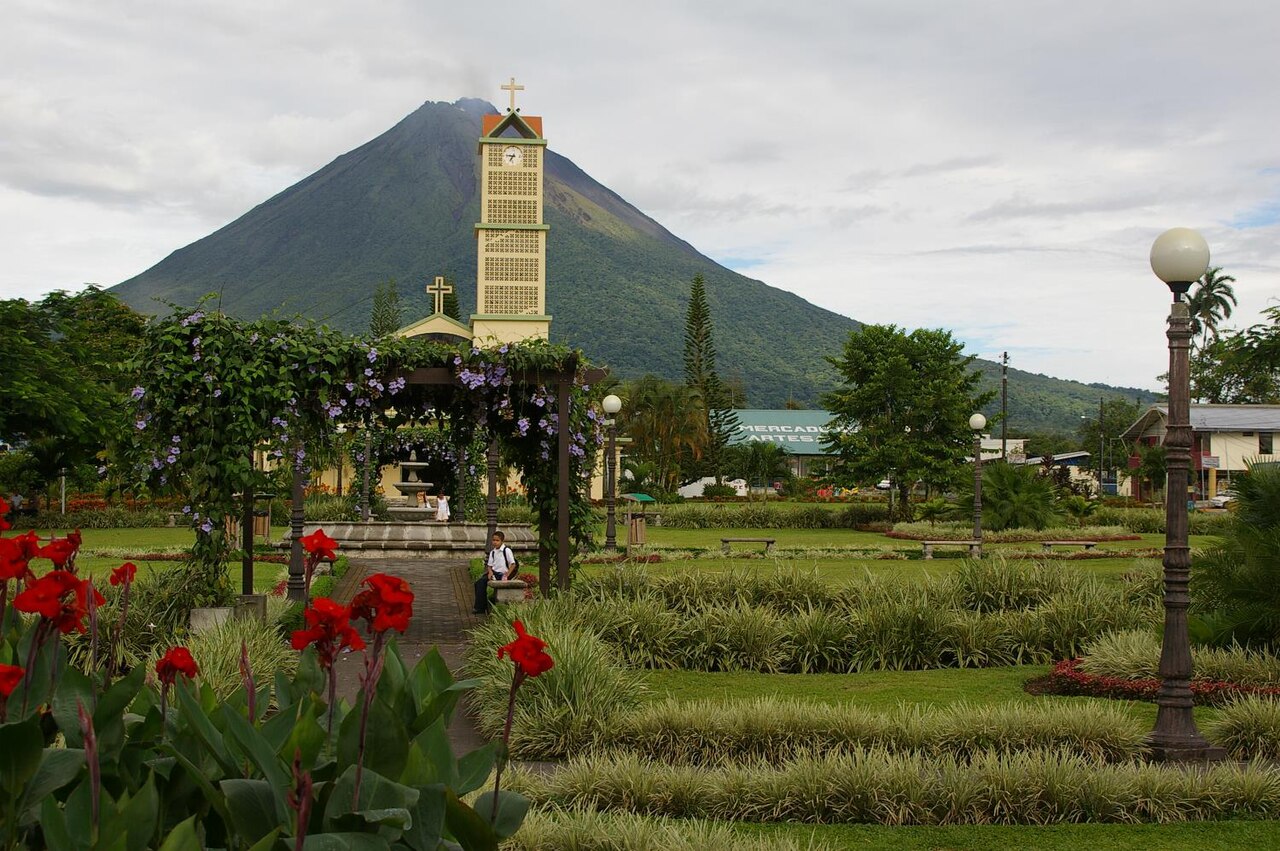
A small town in fertile farmland, less than 10 km from the cone of the Arenal Volcano. Since the eruption of 1968 it has become one of the most visited places in the country.
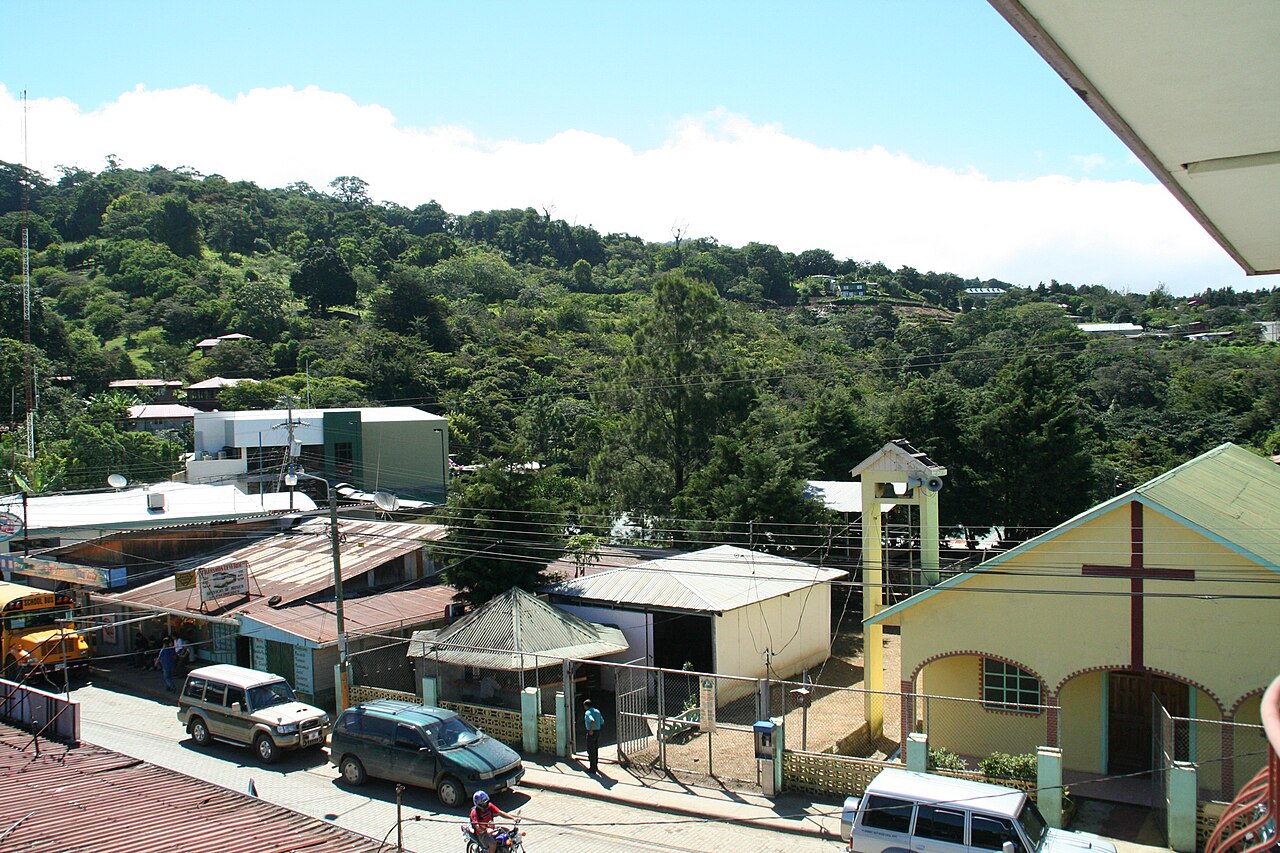
A mountain area at about 1,400 m in the Tilarán range, whose main town is Santa Elena. The name means 'green mountain'. It was settled in 1951 by Quaker families from Alabama and is now one of the country's great nature destinations.
A grand theatre in the centre of San José, paid for with a tax on coffee and opened on 21 October 1897 with a performance of Faust. Inside, the painting Allegory of Coffee and Bananas by the Milanese artist Aleardo Villa shows the crops that made the country rich. It seats about 1,140 people.
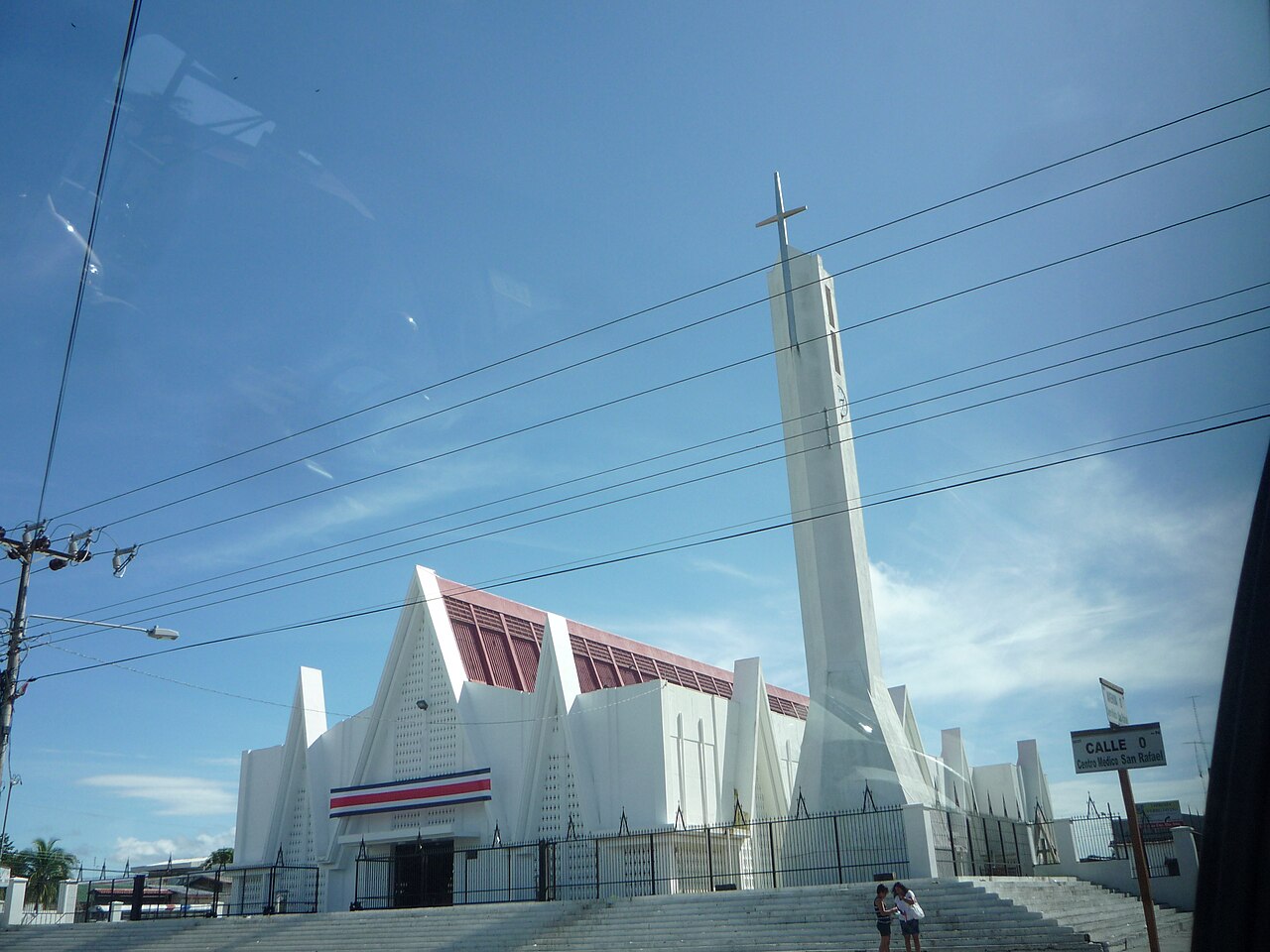
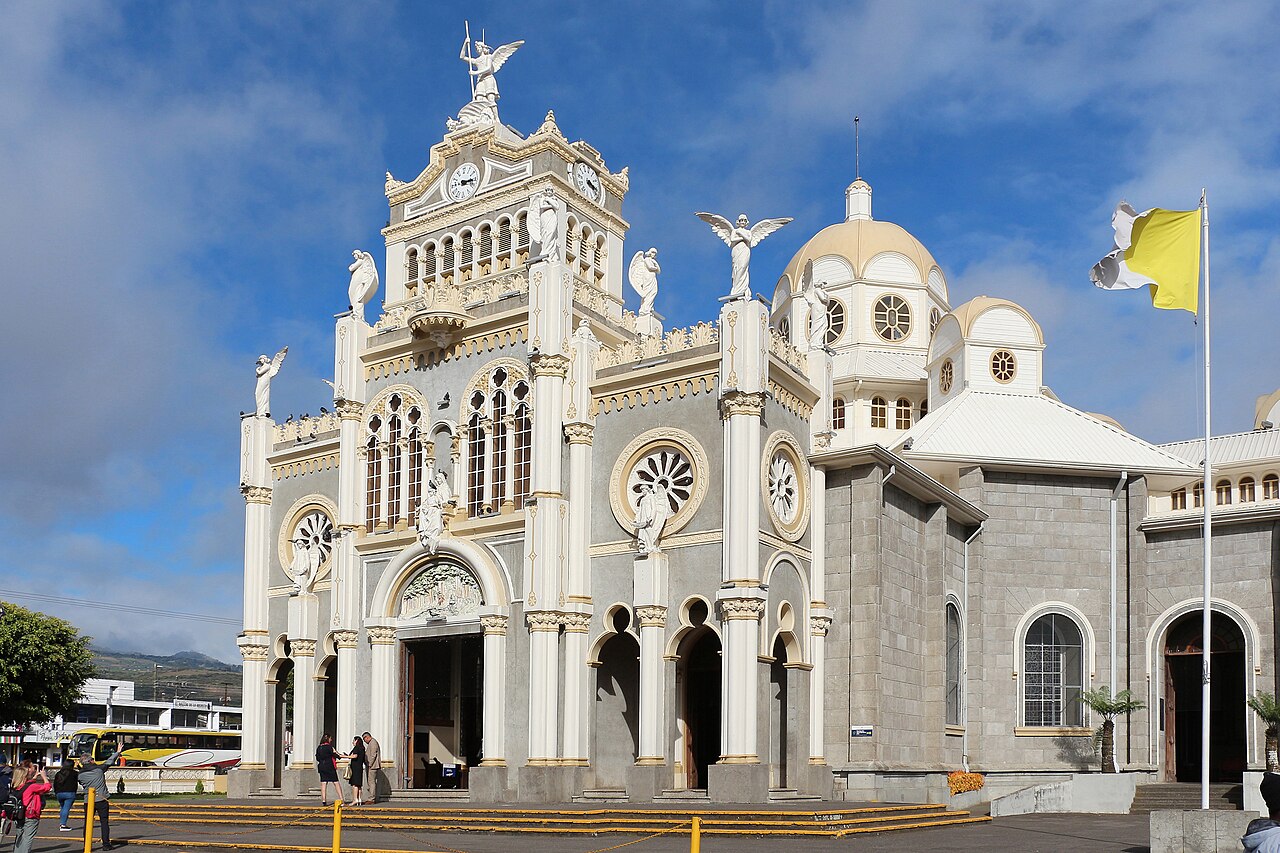
The country's most important church, in Cartago, dedicated to Our Lady of the Angels. It holds a small statue of the Virgin Mary carrying the infant Jesus, said to have been found by a peasant girl. The first church here dates from 1639; after earthquakes, the present building, in a mix of colonial and Byzantine styles, dates from 1939.
At about 3,432 m, the highest active volcano in Costa Rica, reached by a road right up to its summit craters. One crater sometimes holds a green lake. On a rare clear day you can see both the Pacific and the Caribbean. Its eruption of 1963 to 1965 showered San José with ash again and again for two years.
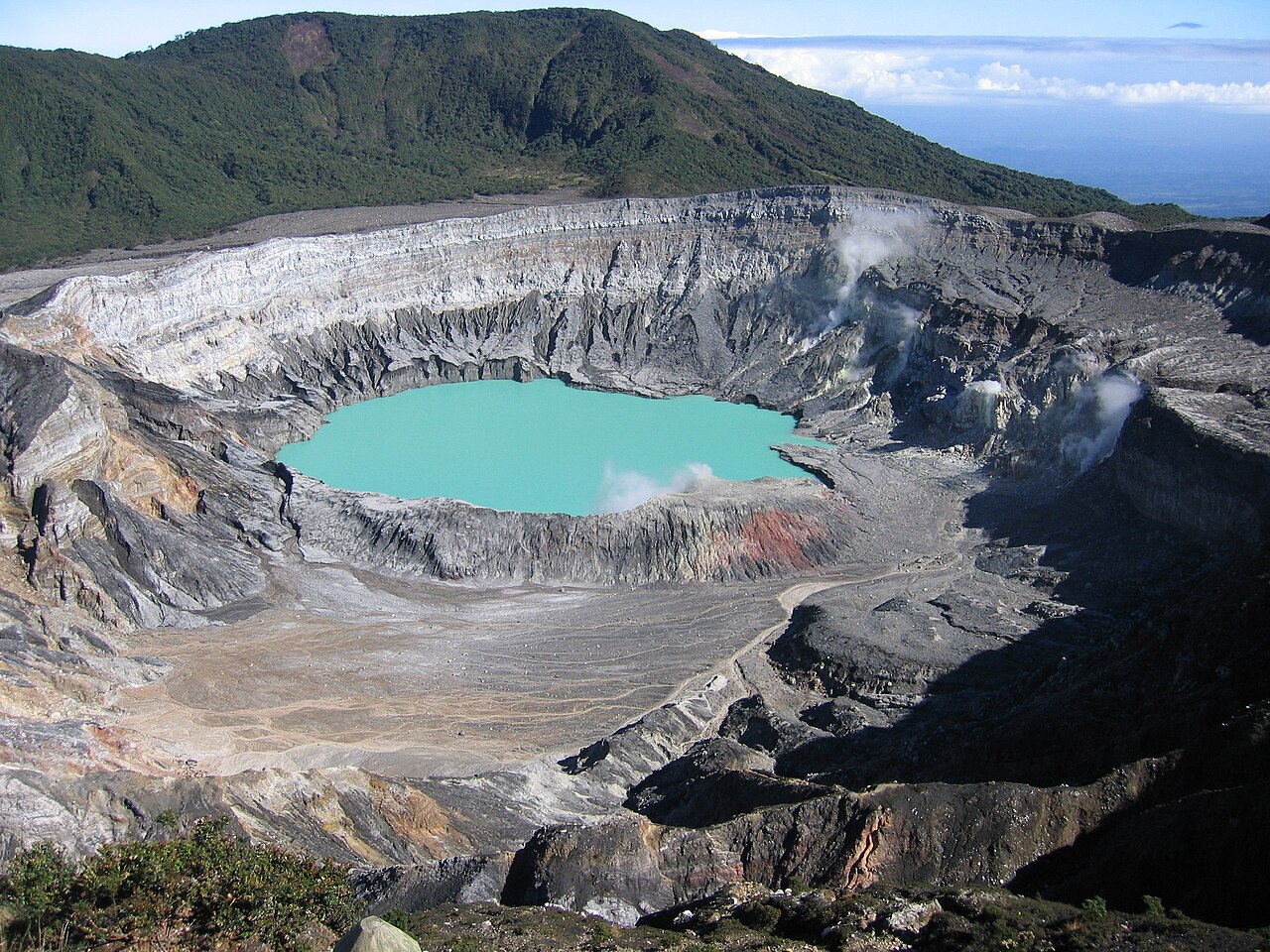
An active volcano of 2,697 m in its own national park, north of Alajuela. Its crater holds Laguna Caliente, one of the most acidic lakes in the world, with a pH that can fall almost to zero. After a strong eruption in 2017 the park closed for many months, and visits must now be booked online in advance.
A near-perfect cone above La Fortuna and Lake Arenal, the largest lake in Costa Rica. It erupted suddenly in 1968 and stayed active until 2010, when it fell quiet. Visitors come for the views, the rainforest trails and the hot springs around its base.
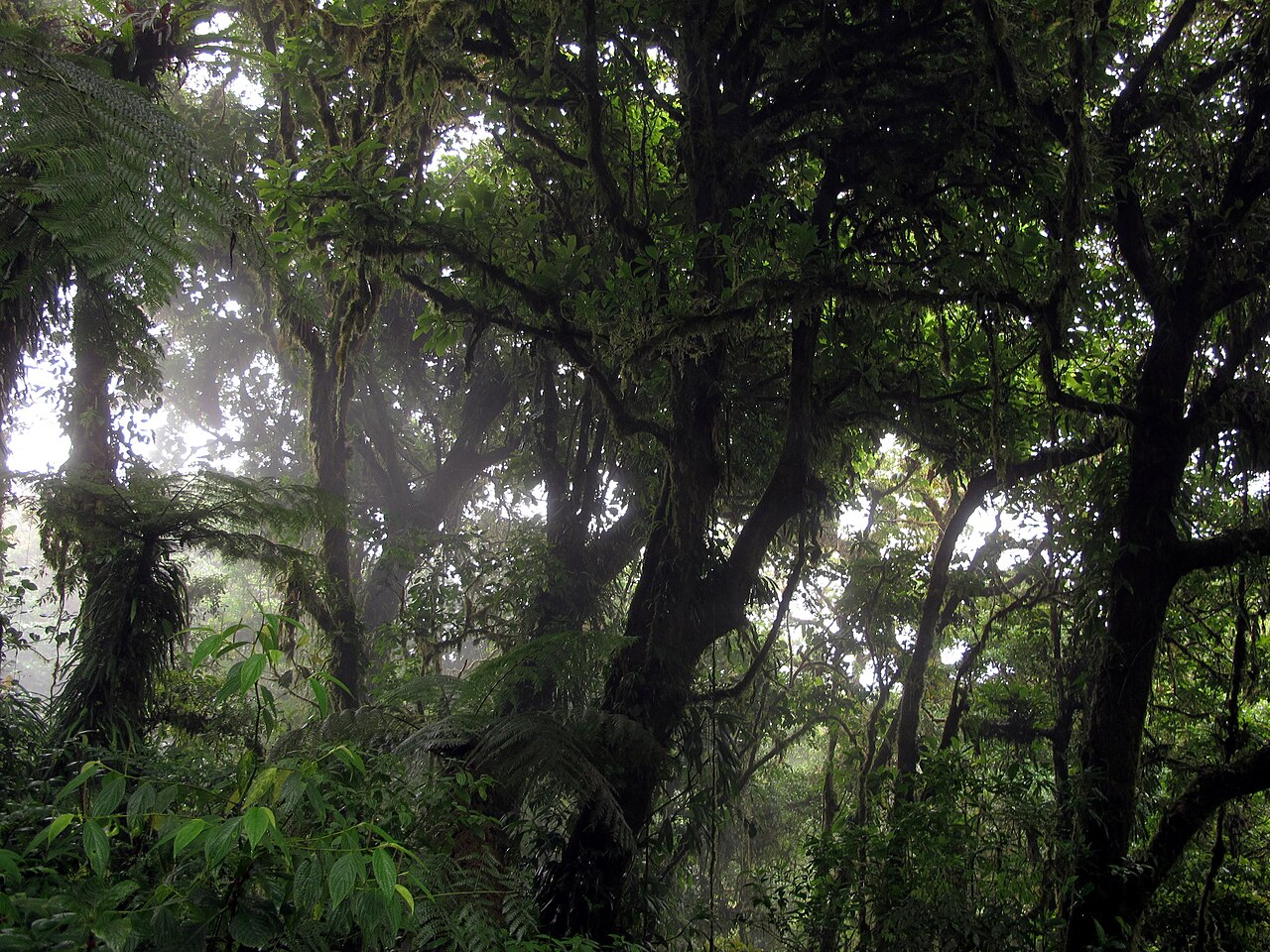
A misty mountain forest of more than 10,500 hectares, founded in 1972. It is home to over 2,500 kinds of plants, including an enormous number of orchids, and about 400 kinds of birds, among them the shimmering resplendent quetzal. About 70,000 people visit each year.
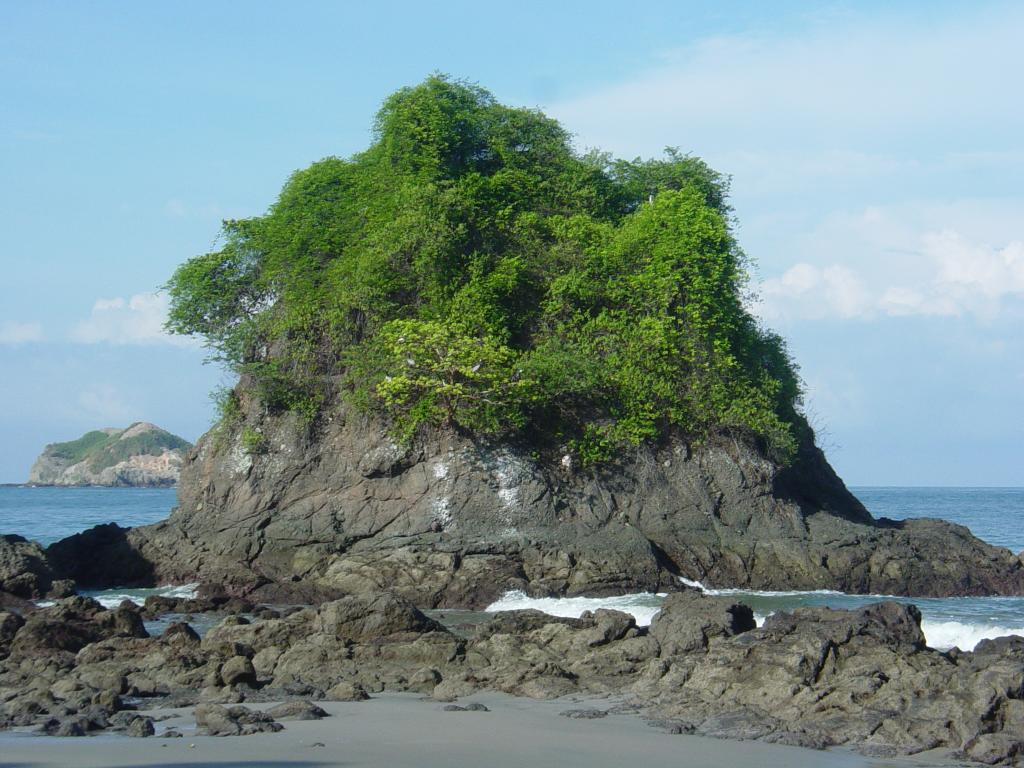
A small park just south of Quepos, founded in 1972, where rainforest runs down to white beaches. Sloths and three kinds of monkeys are often seen from the trails, some of which are adapted for wheelchairs. It is one of the most visited national parks in Costa Rica.
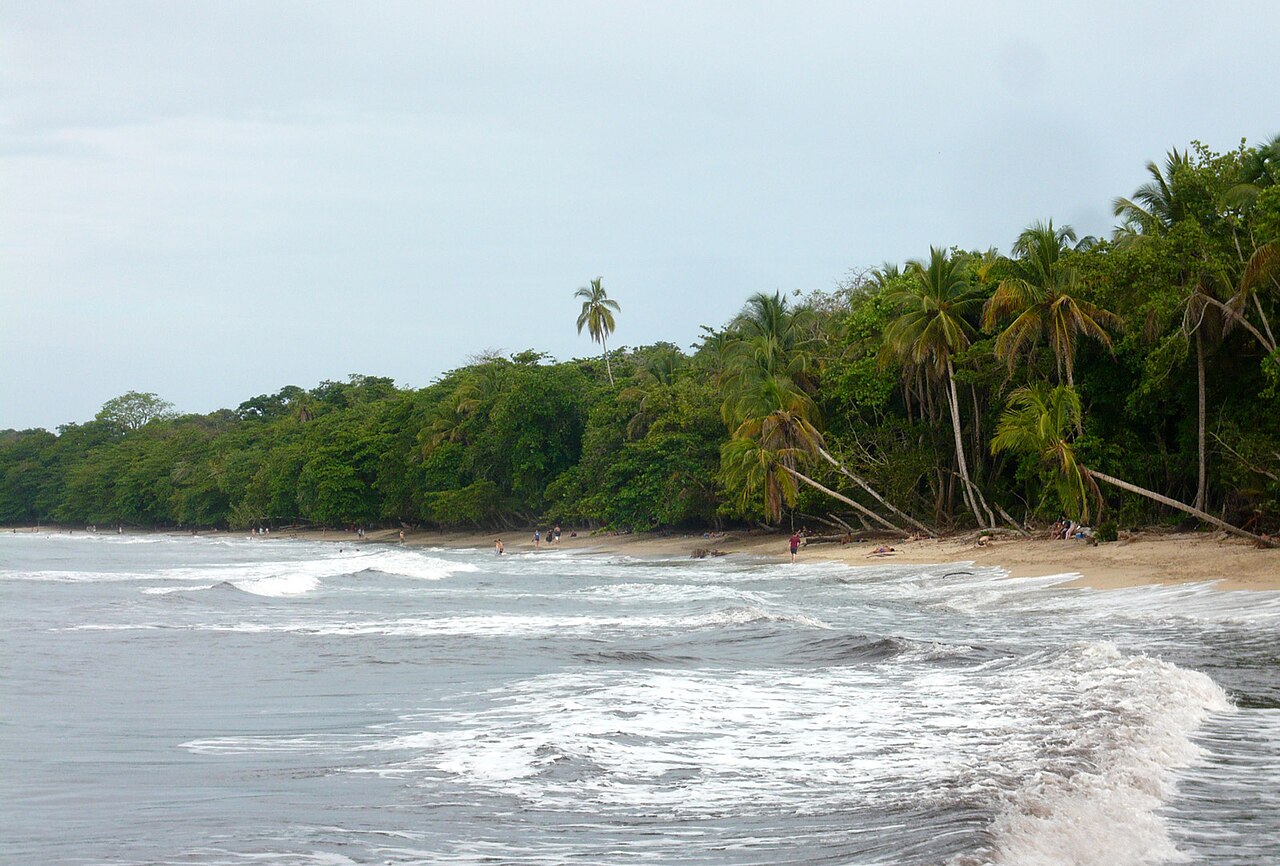
A Caribbean park of beaches, coastal forest and a coral reef, next to the village of Cahuita, north of Puerto Viejo. Visitors walk the beach trail looking for sloths, howler monkeys and raccoons, and snorkel over the reef. At the Cahuita entrance you pay by donation instead of a fixed fee.
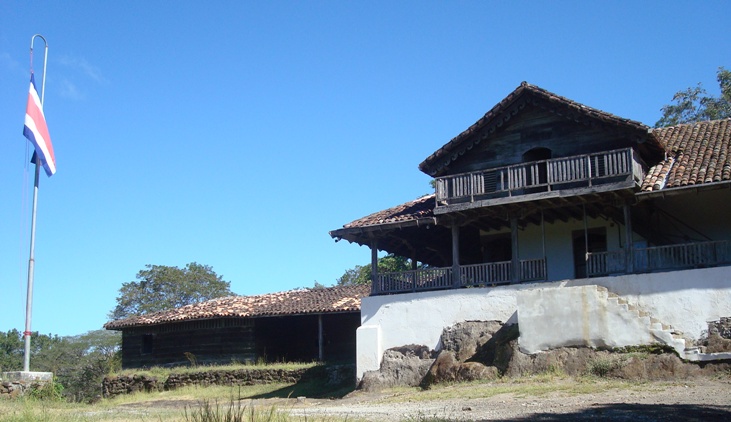
A park of dry tropical forest and savanna whose entrance is 36 km north of Liberia. It is part of the Area de Conservación Guanacaste, a UNESCO World Heritage Site since 1999. The old farmhouse La Casona recalls the battle of 20 March 1856, when Costa Rican troops drove out William Walker's men in just 14 minutes.
Costa Rica has had no army since 1 December 1948. To mark the moment, José Figueres broke a wall of the old barracks with a mallet, and the building now houses the National Museum.
02
Costa Rica covers only about 0.03 percent of the world's land, yet it holds about 5 percent of the world's plant and animal species.
03
As of 2026, about a quarter of Costa Rica's land is protected in national parks and other protected areas.
04
In 2019, Costa Rica made 99.62 percent of its electricity from renewable sources, mostly water power, and ran only on renewable electricity for 300 days in a row.
05
The colón, Costa Rica's money, is named after Christopher Columbus, who is called Cristóbal Colón in Spanish. It replaced the peso in 1896.
06
Brightly painted wooden oxcarts once carried coffee from the highlands to the Pacific port. In 2005 UNESCO recognised Costa Rica's oxherding and oxcart traditions as part of the intangible cultural heritage of humanity, and the town of Sarchí still makes them.
07
The national bird is not a colourful parrot or toucan but the plain brown clay-colored thrush, called the yigüirro. Its song is said to announce the start of the rainy season.
08
More than 300 ancient stone spheres have been found in the south of the country, some over 2 m across and weighing up to 15 tonnes. Nobody knows for certain what they meant. Their settlements became a UNESCO World Heritage Site in 2014.
09
Cocos Island, about 550 km out in the Pacific, belongs to Costa Rica. It takes 36 to 48 hours to reach by boat, it has no permanent residents, and legends of buried pirate treasure have drawn hunters there for centuries.
10
In 1951, Quaker families from Alabama moved to the mountains of Costa Rica partly because it had abolished its army. They named their settlement Monteverde, 'green mountain', and helped protect the cloud forest around it.
11
In 2006, researchers named the Nicoya area one of the world's 'Blue Zones', where many people live to a great age. Later studies have questioned how special Nicoya really is.
12
From the summit of Cerro Chirripó, the highest peak, you can see both the Pacific Ocean and the Caribbean Sea on a clear day. The coldest temperature ever recorded in Costa Rica, minus 9 °C, was measured there.
13
As of 2026, Costa Rica is the only country in the Americas where Catholicism is the official state religion, set in the constitution of 1949, which also guarantees freedom of religion.
Rip currents are very common on Costa Rica's beaches, and many have no lifeguards. Every year dozens of people drown, and a third of them are tourists. Ask locals or surfers about conditions and swim only where it is known to be safe.
Pack for rain
The dry season, which Costa Ricans call 'summer', runs from about December to April. The rainy 'winter' runs from May to November. The Caribbean side has no real dry season, and rain falls there in every month.
Take official taxis
Use official taxis: red ones in town and orange ones at the airport, with a triangular sticker and a plastic box on the roof. Check that the driver's ID is shown and the meter is running.
Tax and service are already in the bill
In restaurants and hotels, the price usually includes 13 percent tax and a 10 percent service charge. You do not need to add a large tip on top.
Colones and dollars
The currency is the colón, but US dollars and major credit cards are widely accepted. Carry some colones for buses, markets and small sodas.
Protect yourself from mosquitoes and sun
Dengue and other illnesses carried by mosquitoes are a risk in Costa Rica. Use an insect repellent, for example one with 20 percent or more DEET, and wear sunscreen of at least SPF 15, even when it is cloudy.
Book volcano visits ahead
Some popular parks, such as Poás Volcano, limit visitor numbers and must be booked online in advance. Volcanic activity can close them at short notice, so check before you set off.
Emergency number
The emergency number for ambulance, fire and police in Costa Rica is 911.
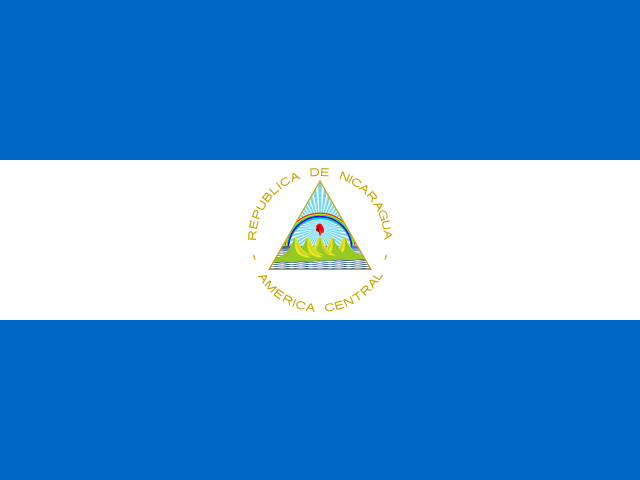 Nicaragua
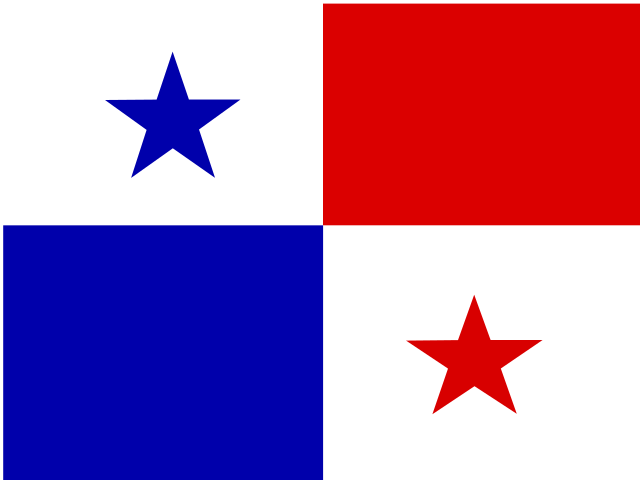 Panama