 Croatia
 Montenegro
 Serbia
Rome conquers the Illyrians
Local Illyrian tribes rose up against Rome in AD 6. After four years of hard fighting, one of Rome's most difficult wars, the revolt was put down in AD 9 and the land became part of the Roman Empire.
A free large-print PDF. Choose what goes in: facts, map, history, dishes and recipes, phrases, fun facts, a quiz with or without answers. Made for clubs, care homes, libraries and family afternoons.
Bosnia and Herzegovina lies in the western Balkans. It is mostly mountains and forest, crossed by the Dinaric Alps and by rivers such as the Sava, Drina, Bosna, Vrbas, Una and Neretva. Bosnia is the larger, northern part of the country, with cold, snowy winters; Herzegovina in the south is drier, with a Mediterranean climate and a single short stretch of coast around the town of Neum.
Its history is layered. A medieval Bosnian kingdom was followed by about four centuries of Ottoman rule, which brought Islam, bazaars, mosques and graceful stone bridges. Austria-Hungary took over in 1878, and in the 20th century the country was part of Yugoslavia. It declared independence in 1992, and the war that followed lasted until the end of 1995.
Today about 3.4 million people live here. Roughly half are Bosniaks, most of them Muslim, about a third are Serbs, most of them Orthodox Christian, and about one in six are Croats, most of them Catholic. Under the 1995 Dayton peace agreement the country has two largely self-governing entities, the Federation of Bosnia and Herzegovina and Republika Srpska. Since 2000 there is also the self-governing Brčko District, which formally belongs to both. A three-member presidency, one Bosniak, one Croat and one Serb, heads the state. As of September 2026, Bosnia and Herzegovina is a candidate to join the European Union.
Bosnia and Herzegovina's story runs from Illyrian tribes and Roman soldiers, through a medieval kingdom and four centuries of Ottoman rule, to Austria-Hungary, Yugoslavia, a painful war in the 1990s and a peace that still shapes the country today.
Local Illyrian tribes rose up against Rome in AD 6. After four years of hard fighting, one of Rome's most difficult wars, the revolt was put down in AD 9 and the land became part of the Roman Empire.
Ban Kulin, ruler of the Banate of Bosnia, promised the merchants of Dubrovnik free movement and trade across his land. Written on 29 August 1189 in Latin and in an early Slavic language, the charter is one of the oldest state documents of the region.
Ban Tvrtko Kotromanić had himself crowned king, and Bosnia became a kingdom. By the 14th century it was the most powerful state in the western Balkans.
The nobleman Stjepan Vukčić Kosača took the title 'Herceg', from the German word Herzog, meaning duke. His lands in the south became known as Herzegovina, the duke's land.
The Ottoman Empire conquered the Kingdom of Bosnia. Over the next four centuries Islam spread, and towns such as Sarajevo and Mostar grew into centres of trade with mosques, markets and bridges.
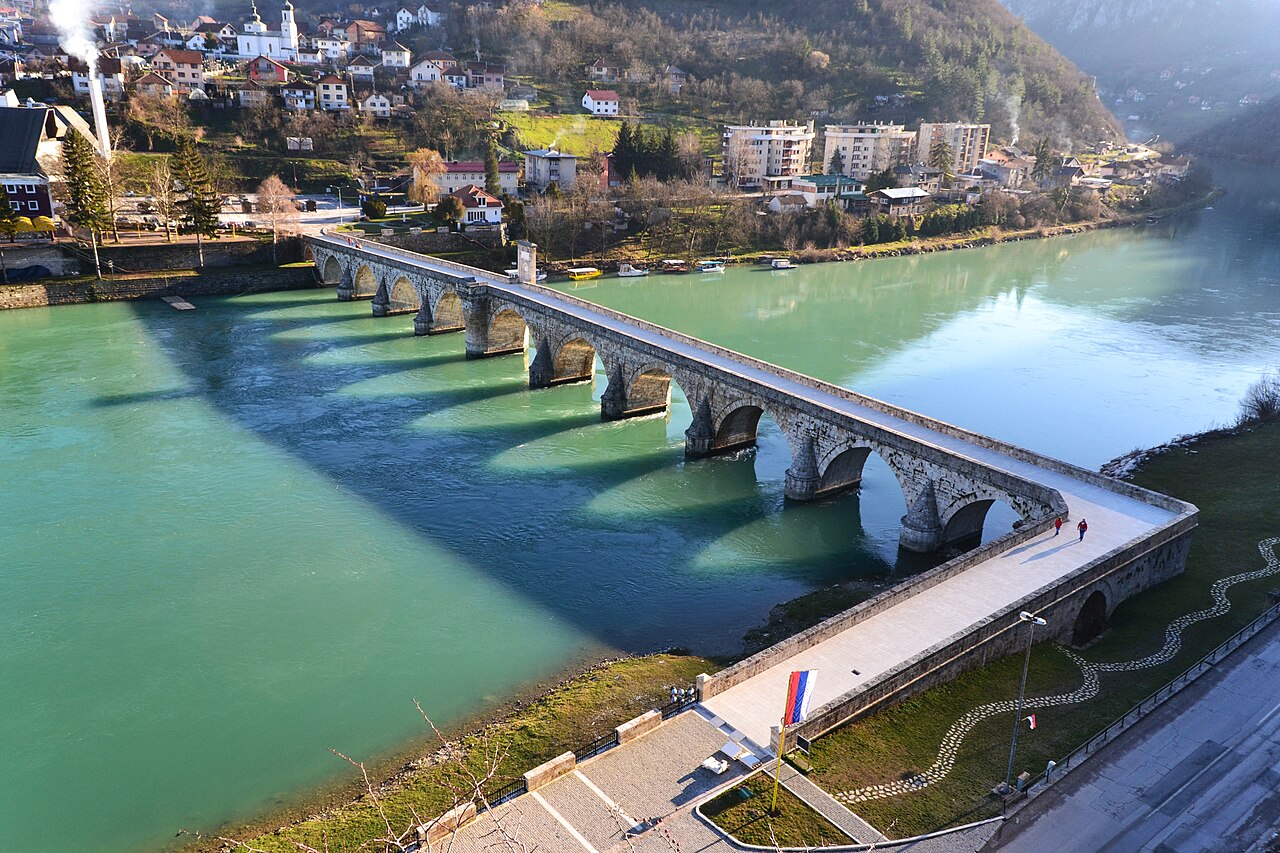
The great Ottoman architect Mimar Sinan completed an 11-arched stone bridge over the Drina at Višegrad, ordered by the Grand Vizier Mehmed Paša Sokolović. It later inspired the novel The Bridge on the Drina.
At the Congress of Berlin, Austria-Hungary won the right to occupy and run Bosnia and Herzegovina, which stayed formally Ottoman. It annexed the country outright in 1908, and brought new laws, institutions and industries.
On 28 June 1914, Gavrilo Princip, a member of the Young Bosnia movement, shot dead Archduke Franz Ferdinand, heir to the Austro-Hungarian throne, near the Latin Bridge in Sarajevo. The killing set off the chain of events that led to the First World War.
After the First World War, Bosnia and Herzegovina became part of the new Kingdom of Serbs, Croats and Slovenes, which was renamed Yugoslavia in 1929.
During the Second World War, in which more than 300,000 people from Bosnia and Herzegovina died, Tito's Partisan movement held councils in Mrkonjić Grad and Jajce in November 1943. They restored Bosnia and Herzegovina as a republic within a future Yugoslav federation, which it became after the war.
In February 1984 Sarajevo hosted the XIV Winter Olympic Games, with more than 1,200 athletes from 49 countries. The Games were seen as a great success.
After a referendum that most Bosnian Serbs boycotted, Bosnia and Herzegovina declared independence on 3 March 1992 and was recognised internationally on 6 April. War followed. Bosnian Serb forces, supported by Serbia, took control of much of the country, and from late 1992 to early 1994 Bosnian Croat and government forces also fought each other. Sarajevo was besieged for almost four years. More than 100,000 people were killed and over 2 million had to leave their homes.
In July 1995 Bosnian Serb forces took Srebrenica, which the United Nations had declared a safe area, and killed more than 8,000 Bosniak men and boys. The UN tribunal for the former Yugoslavia (in 2001, confirmed on appeal in 2004) and the International Court of Justice (in 2007) ruled that this was genocide. It is remembered every year on 11 July.
Peace talks at an air force base near Dayton, Ohio, ended the war in November 1995, and the agreement was formally signed in Paris on 14 December. It kept one state made up of two entities, the Federation of Bosnia and Herzegovina and Republika Srpska, with an international High Representative overseeing the peace.
Mostar's 16th-century Old Bridge, destroyed by shelling in November 1993, reopened on 23 July 2004 after being rebuilt with Ottoman building methods. A year later UNESCO added the Old Bridge area to the World Heritage List.
On 15 December 2022 the European Union made Bosnia and Herzegovina an official candidate for membership. In March 2024 EU leaders agreed in principle to open membership talks once further conditions are met.
Bosnian food brings together the Ottoman kitchen, Central Europe and the Mediterranean. Dishes are often slow-cooked in plenty of water, with vegetables, beef and lamb, and spices used lightly. Many Bosniaks, being Muslim, do not eat pork, while Serbs and Croats may. A meal may start with a warm soup such as begova čorba, go on to a stew, stuffed vegetables or grilled meat with fresh bread, and end with a syrupy sweet and a small cup of strong coffee.
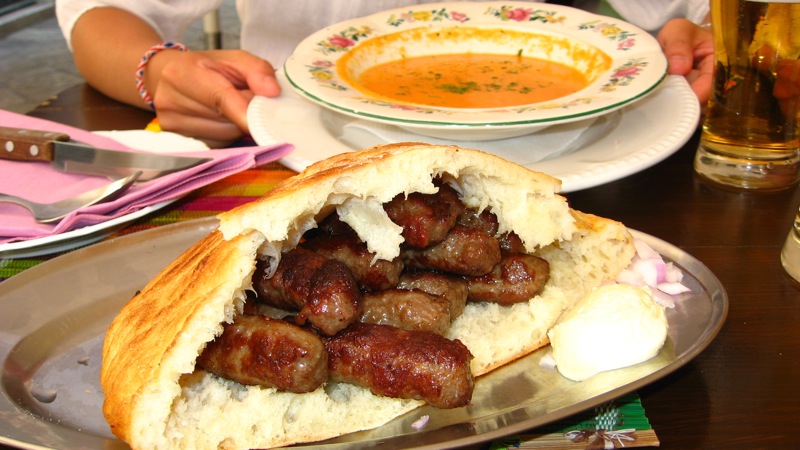
Small fingers of grilled minced beef, served five or ten at a time in a warm, soft flatbread called somun, with chopped raw onion and often kajmak, a rich clotted cream.
Sarajevo ćevapi are finger-shaped and served in dry somun, while in Banja Luka four rolls are joined into a flat square and the bread is dipped in meat juices. In 2024 'Sarajevski ćevapi' received a protected geographical indication in Bosnia and Herzegovina.
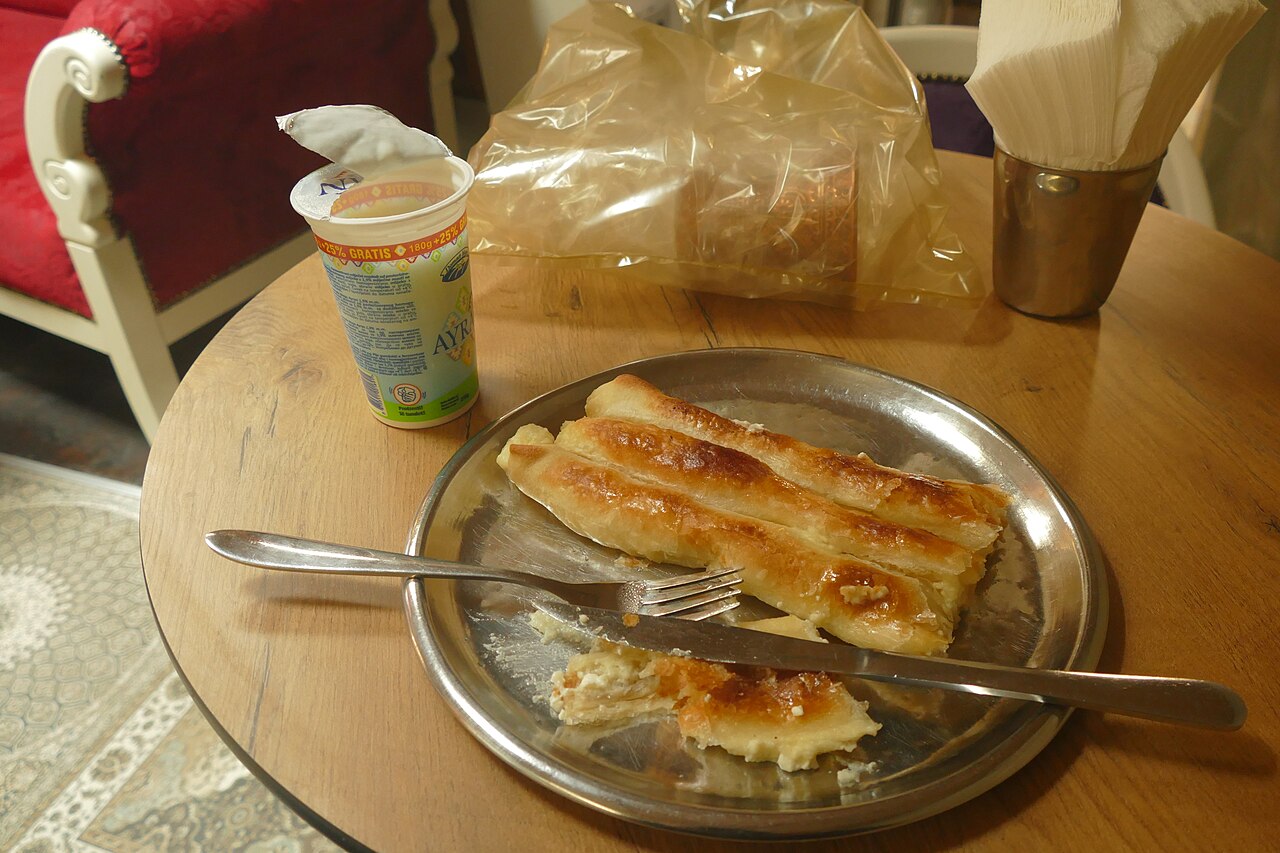
Paper-thin pastry rolled around a filling of minced meat, coiled into a big spiral and baked. In Bosnia only the meat version is called burek; with cheese it is sirnica, with potatoes krompiruša, and all of them together are called pita.
In 2012 Lonely Planet included the Bosnian burek in its book 'The World's Best Street Food'.
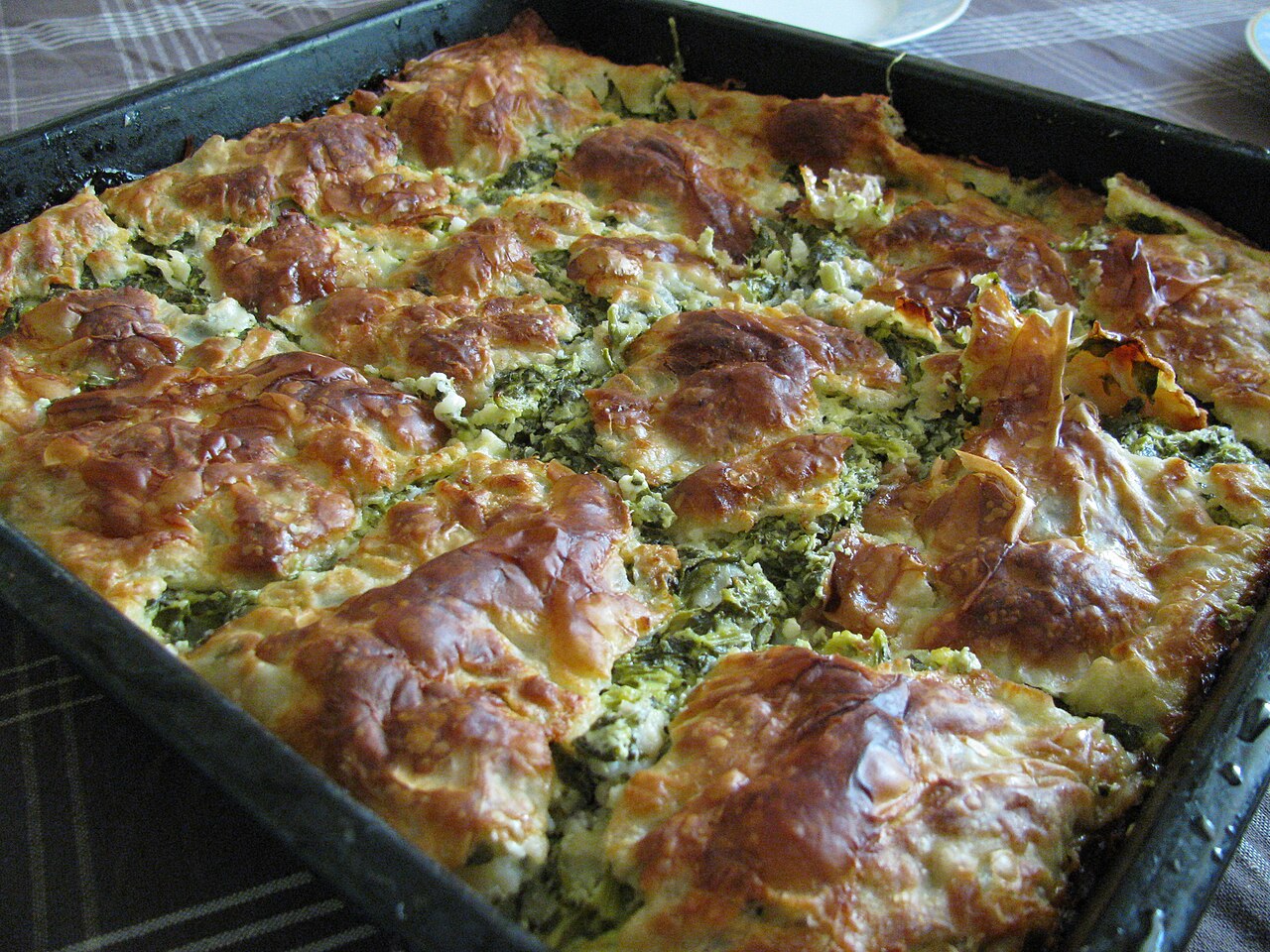
A savoury pie of thin pastry filled with spinach, or sometimes chard, and fresh white cheese bound with egg. It is eaten warm or cold, for breakfast, lunch or supper.
In a 2023 ranking of the world's best pastries, the food guide TasteAtlas placed zeljanica above burek, sirnica and krompiruša.
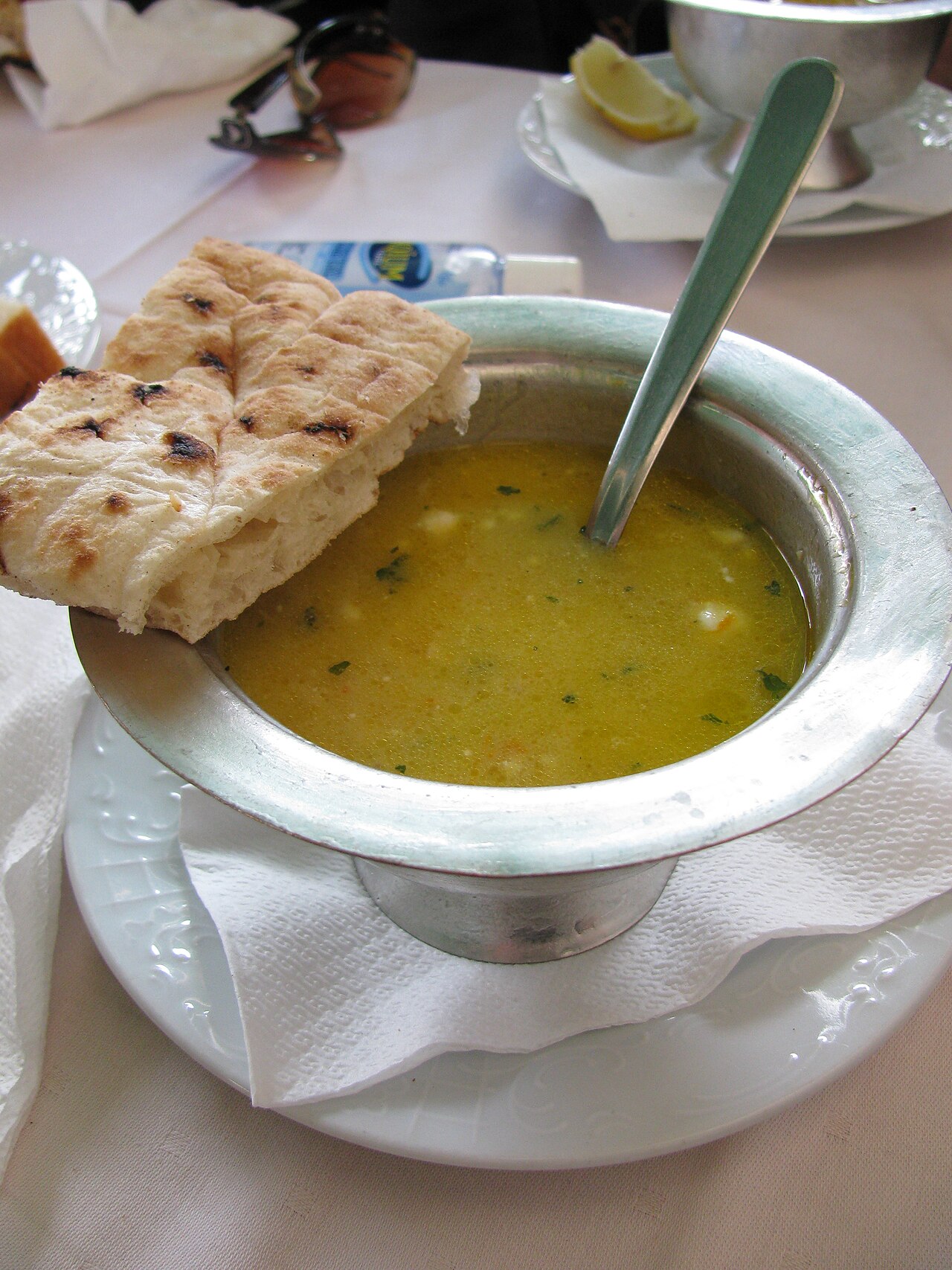
A creamy chicken and vegetable soup with rice and dried okra, finished off the heat with soured cream, egg yolks and a squeeze of lemon. It is a festive dish offered to guests at weddings and religious holidays.
The name means 'the bey's soup'. A bey was a gentleman of high rank in the Ottoman Empire, so it is sometimes called 'gentlemen's soup'.
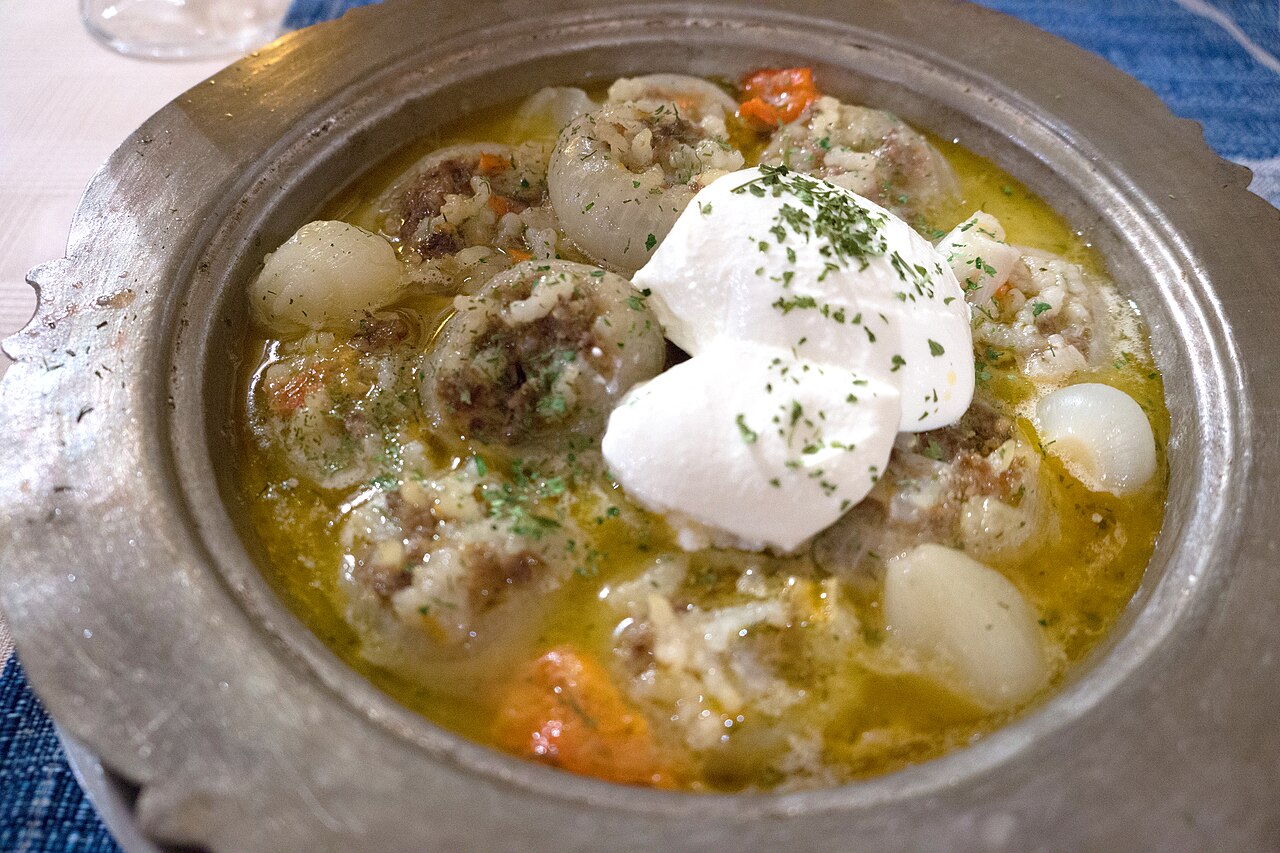
Whole onion layers filled with minced beef, rice and spices, gently cooked in a light tomato sauce and served with soured cream or yogurt.
Soğan is the Turkish word for onion. The same dish is cooked in Turkey and Armenia.
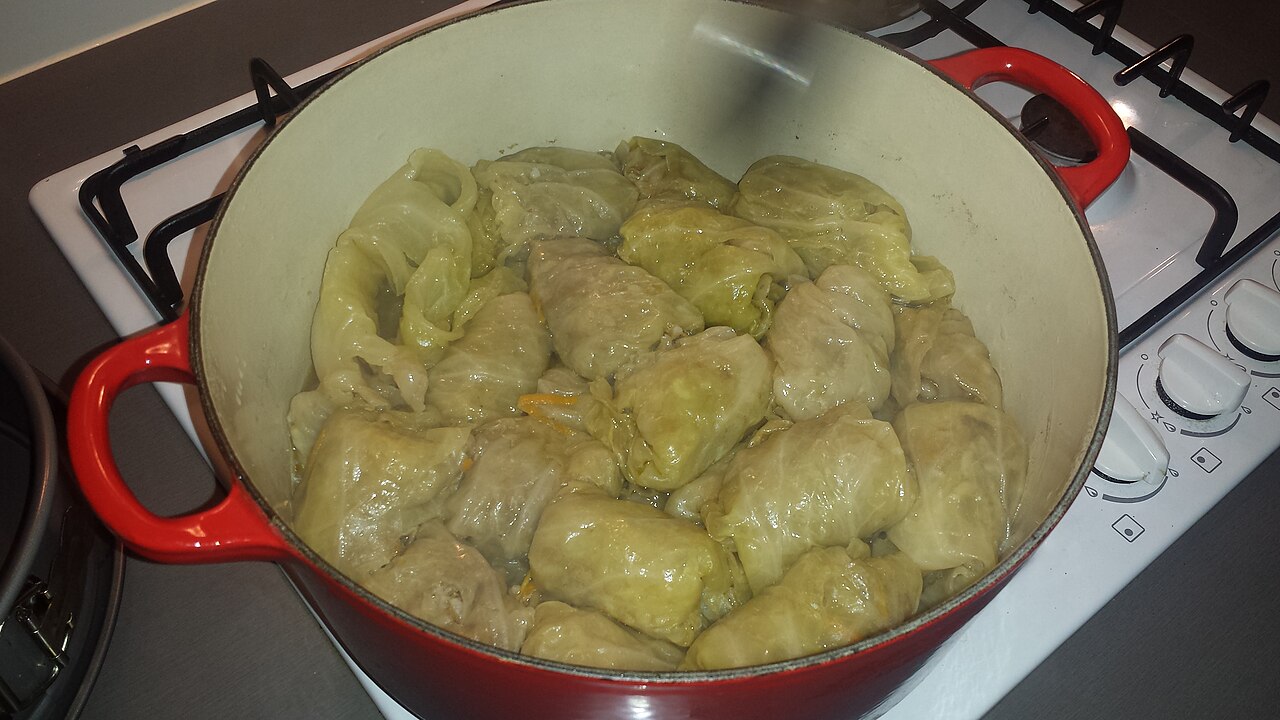
Minced meat and rice rolled in pickled cabbage leaves, or in vine leaves, then slowly simmered in a pot.
Sarma is a Turkish word meaning 'wrapped thing', and the dish came to the Balkans with Ottoman cooking.
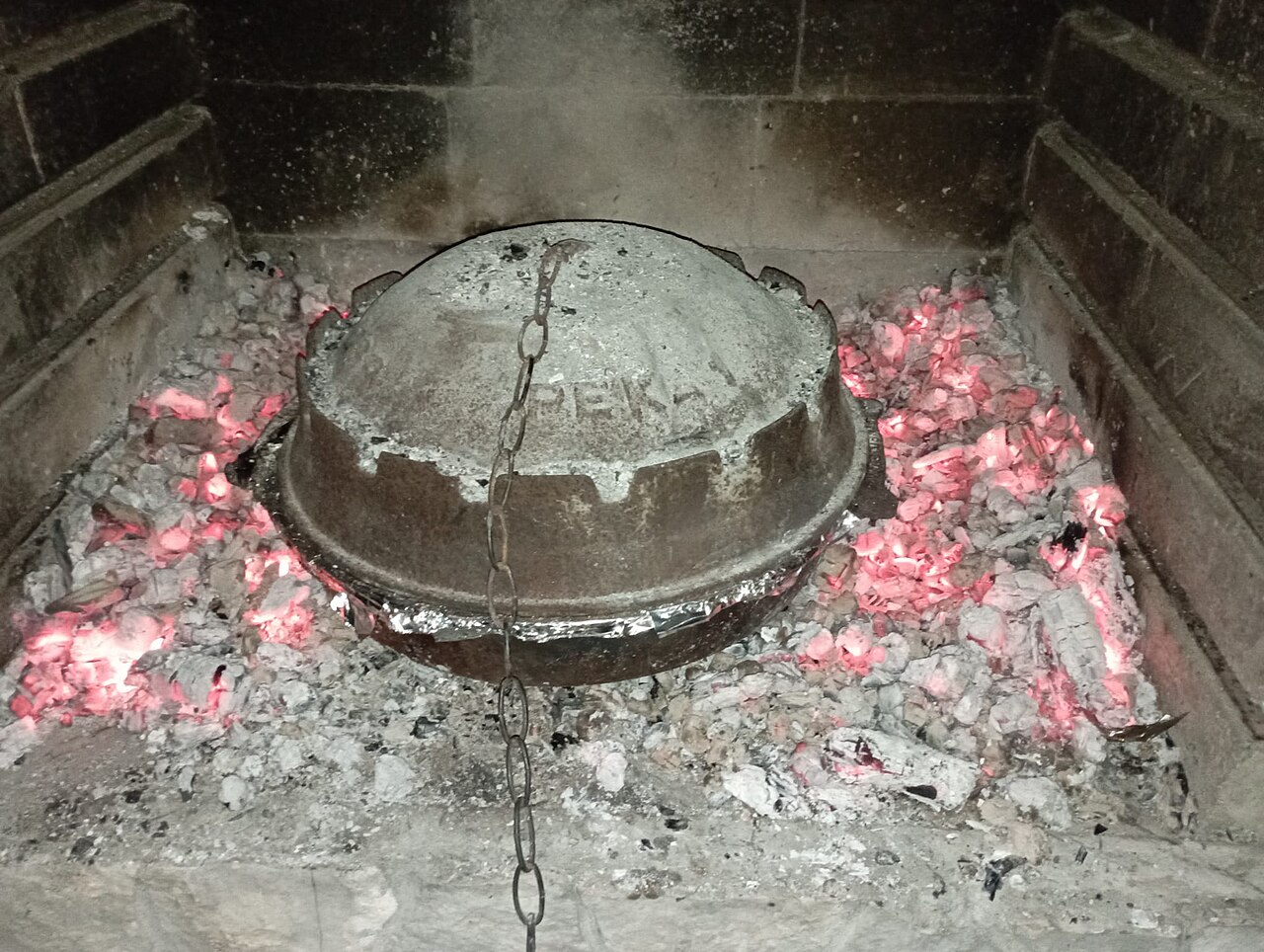
Lamb, veal or goat with potatoes, slowly roasted under a metal or clay lid called a sač, which is covered with hot coals and ashes.
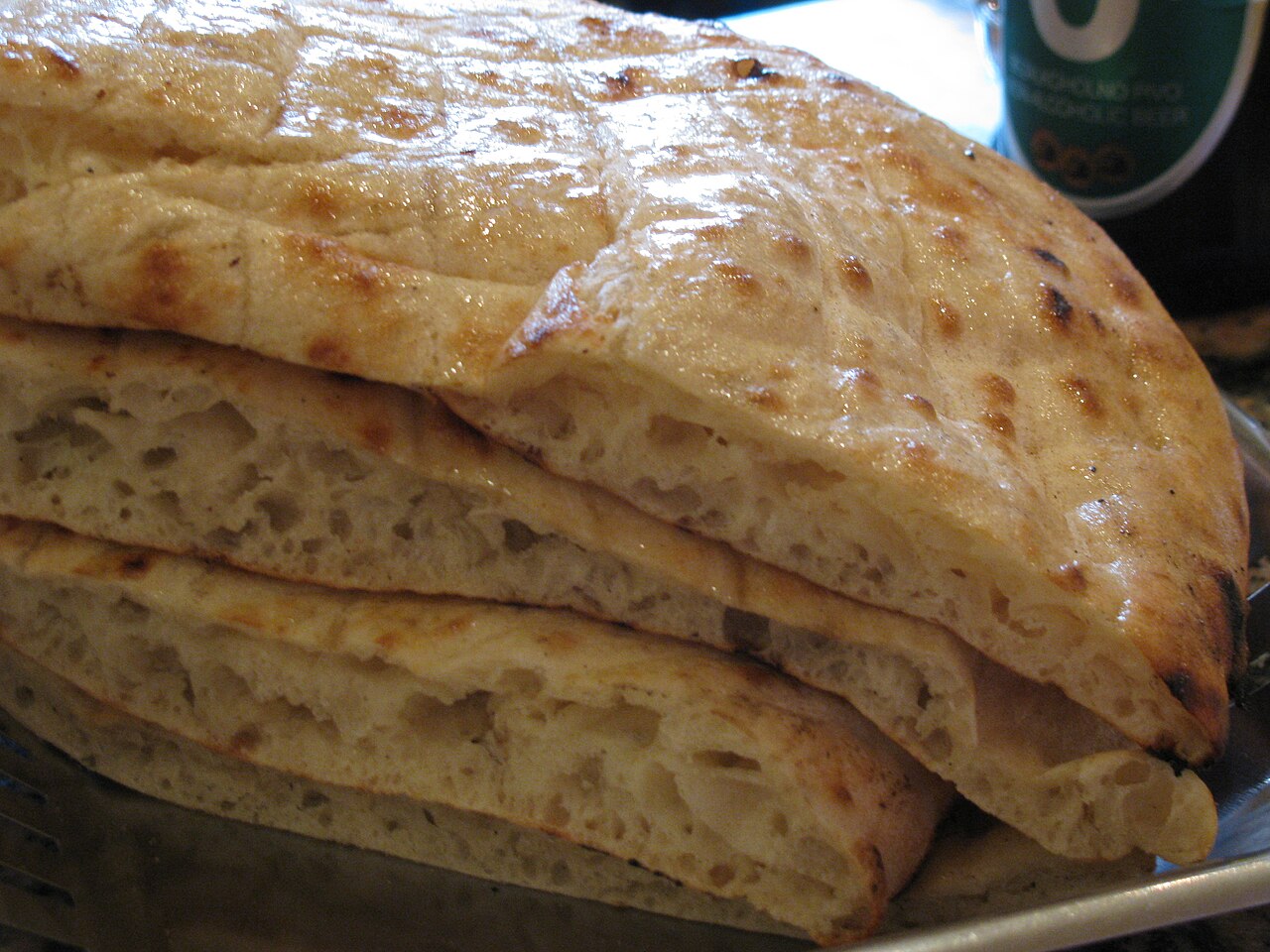
A round, soft, flat bread with a golden crust, the classic bread for ćevapi. During Ramadan, a special Ramadan somun sprinkled with nigella seeds is baked.
In the local languages the word 'pita' means pie, so the bread you might call pitta at home is called somun or lepinja here.
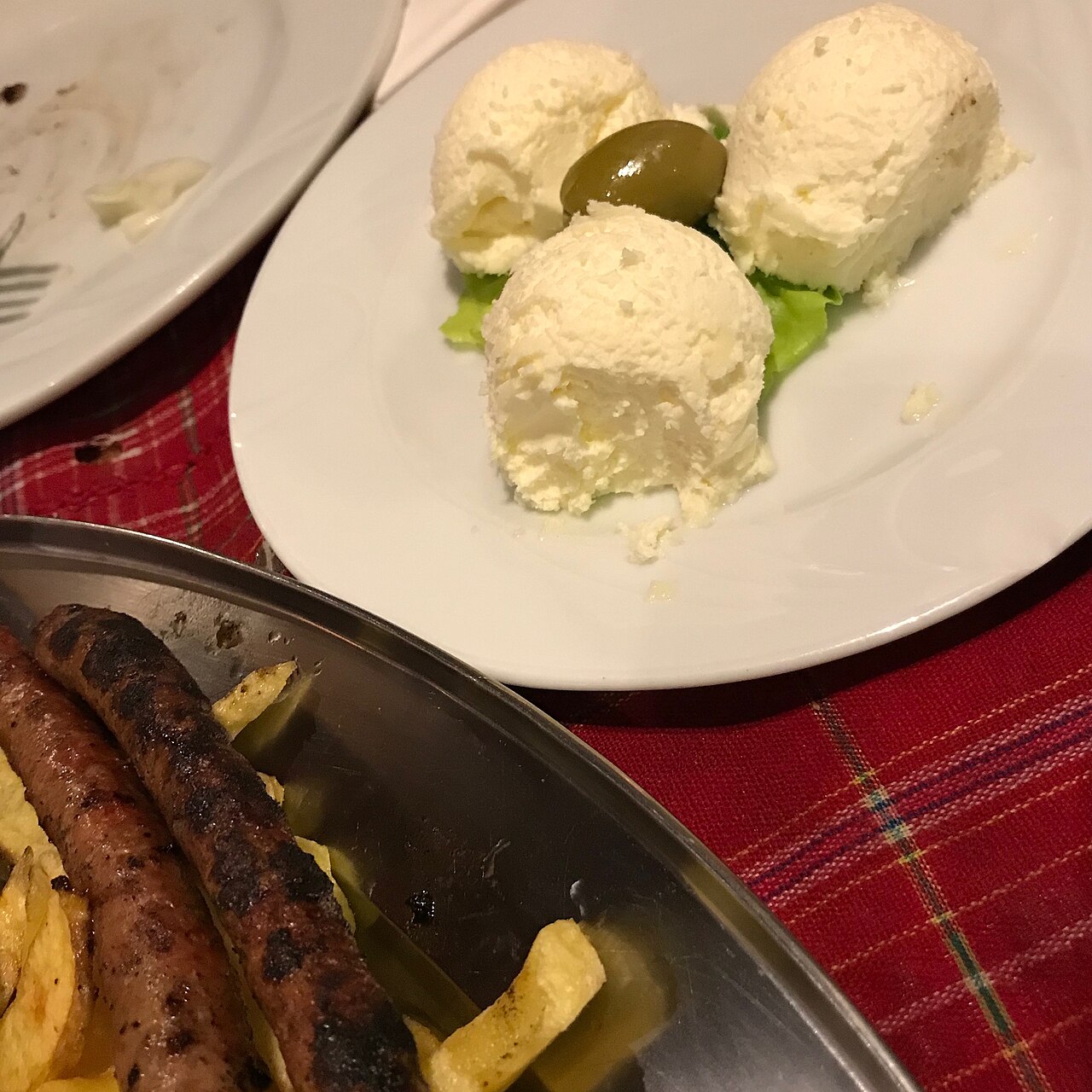
A thick, salty dairy spread made from milk fat, a little like clotted cream or a drier cream cheese. It is spread on bread and served with ćevapi.
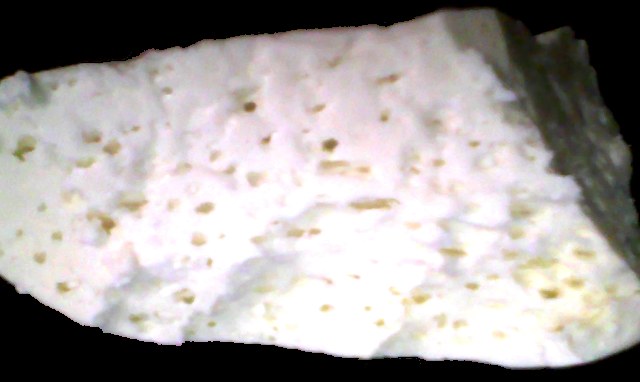
A white, salty sheep's milk cheese ripened in brine for two to three months. It is served with bread, tomatoes and cured meats on a meze platter.
The herbs the sheep eat on the Vlašić mountain pastures are said to give the milk its special flavour.
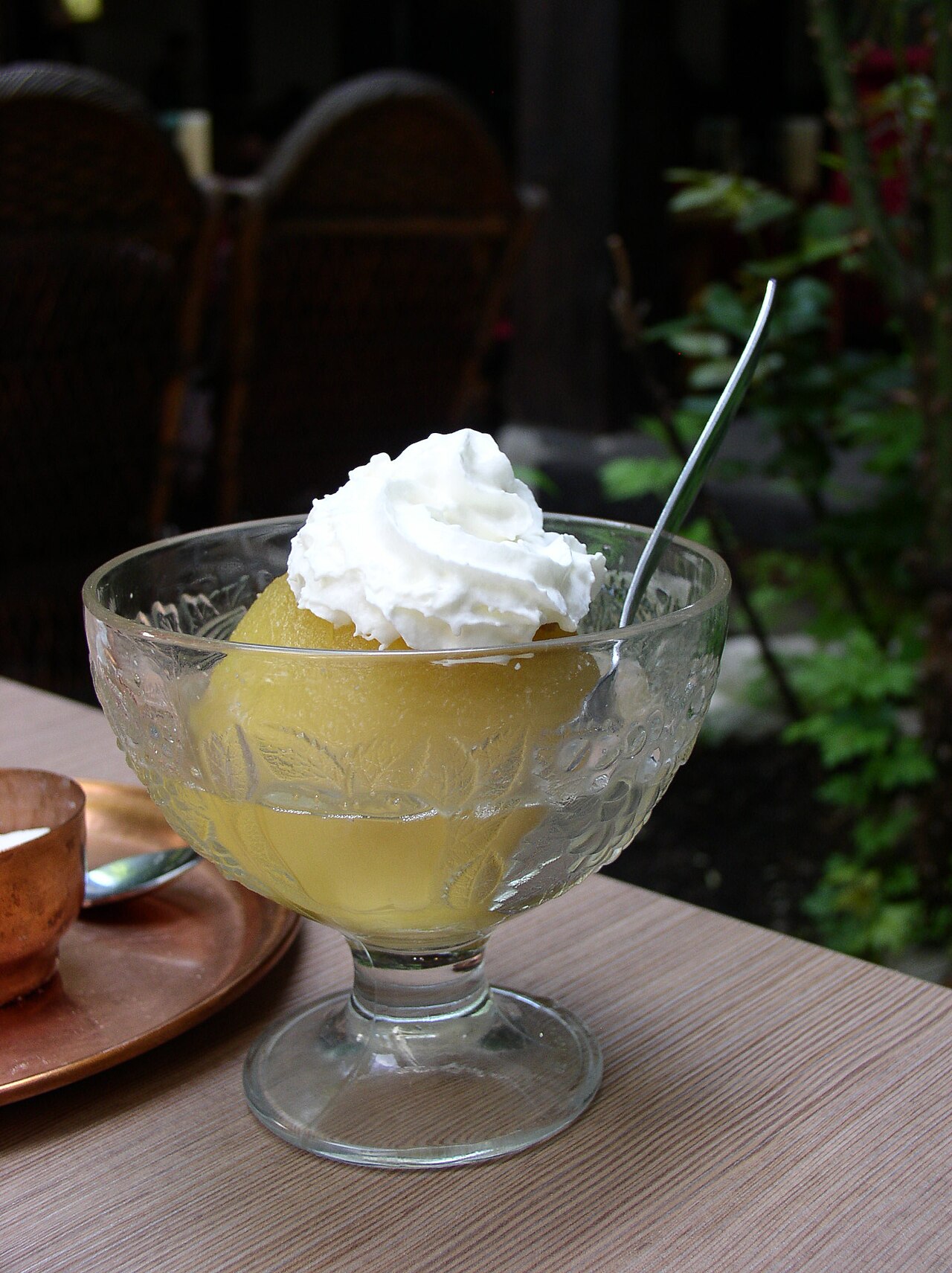
Whole apples poached in sugar syrup and filled with chopped walnuts, served in a glass with their own syrup and a crown of whipped cream.
Tufahija is usually served with a cup of coffee.
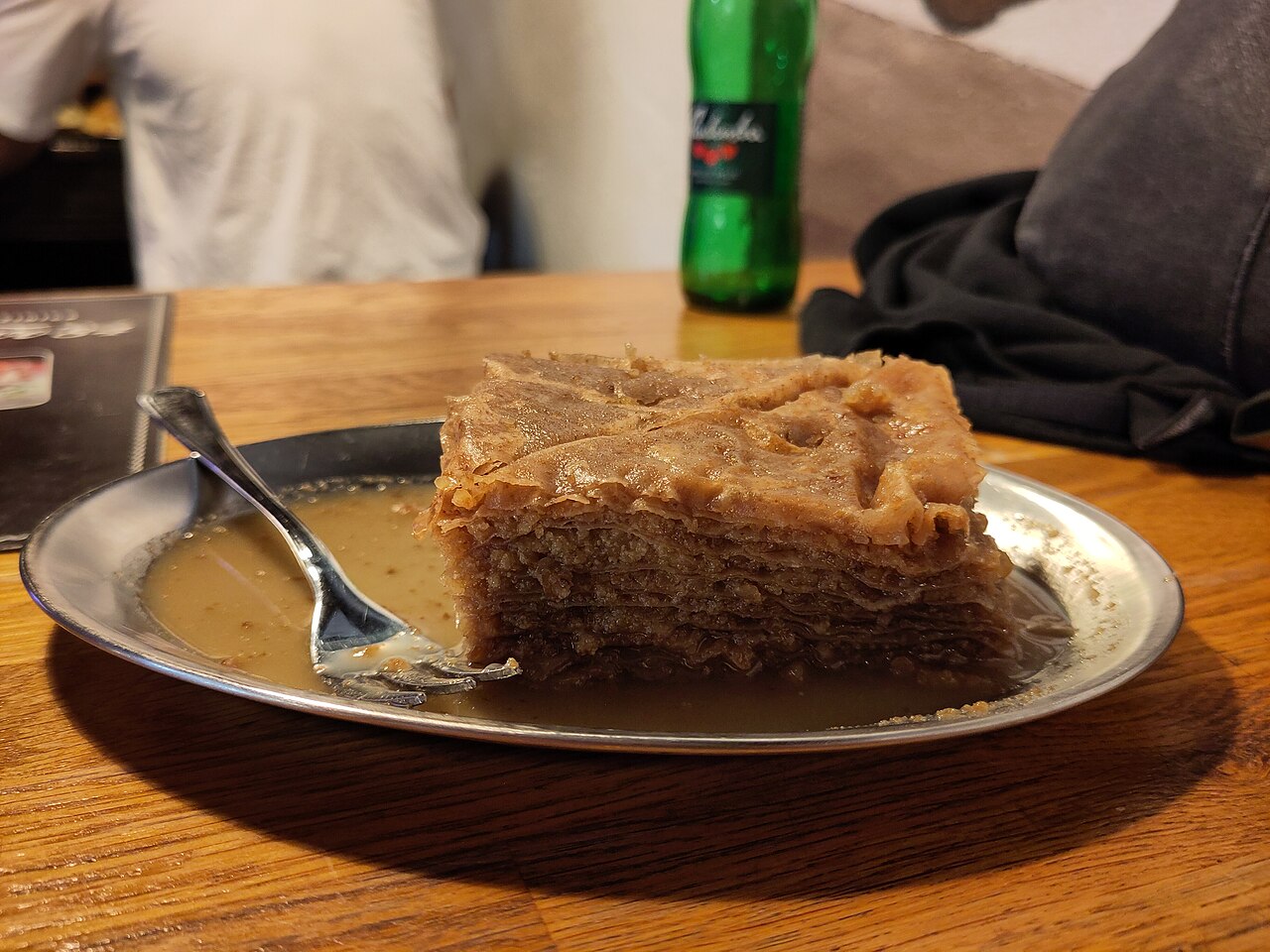
Many layers of thin pastry and chopped walnuts, baked until crisp and soaked in sweet syrup, in the Middle Eastern style that shaped many Bosnian sweets.
Ružice, meaning 'little roses', are a Bosnian variety of baklava baked in small rolls.
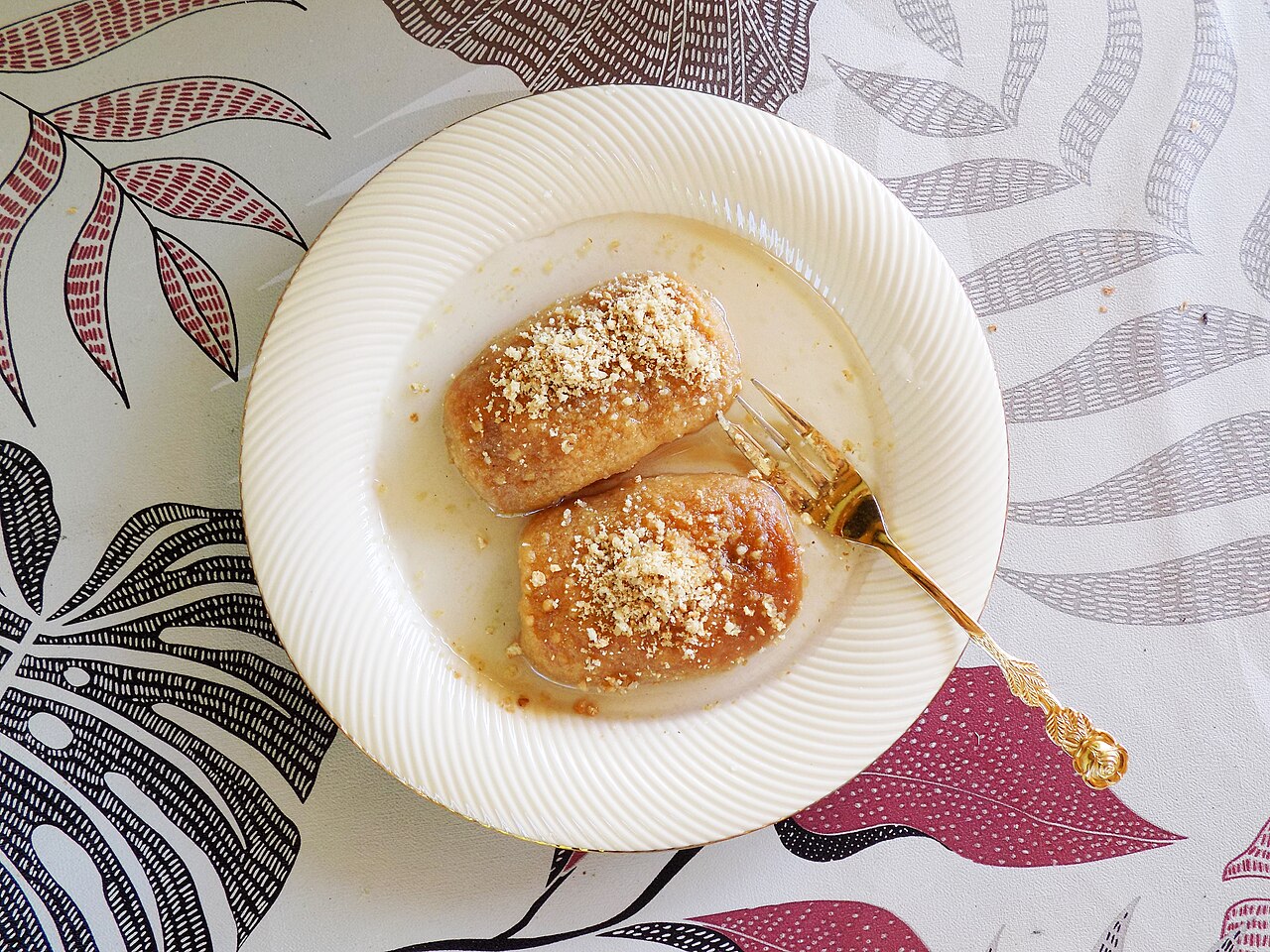
Small cakes shaped like dates, with a ridged top, baked and then drenched in sweet syrup.
Hurmašice are among the favourite sweets made for the Islamic holidays of Eid al-Fitr and Eid al-Adha.
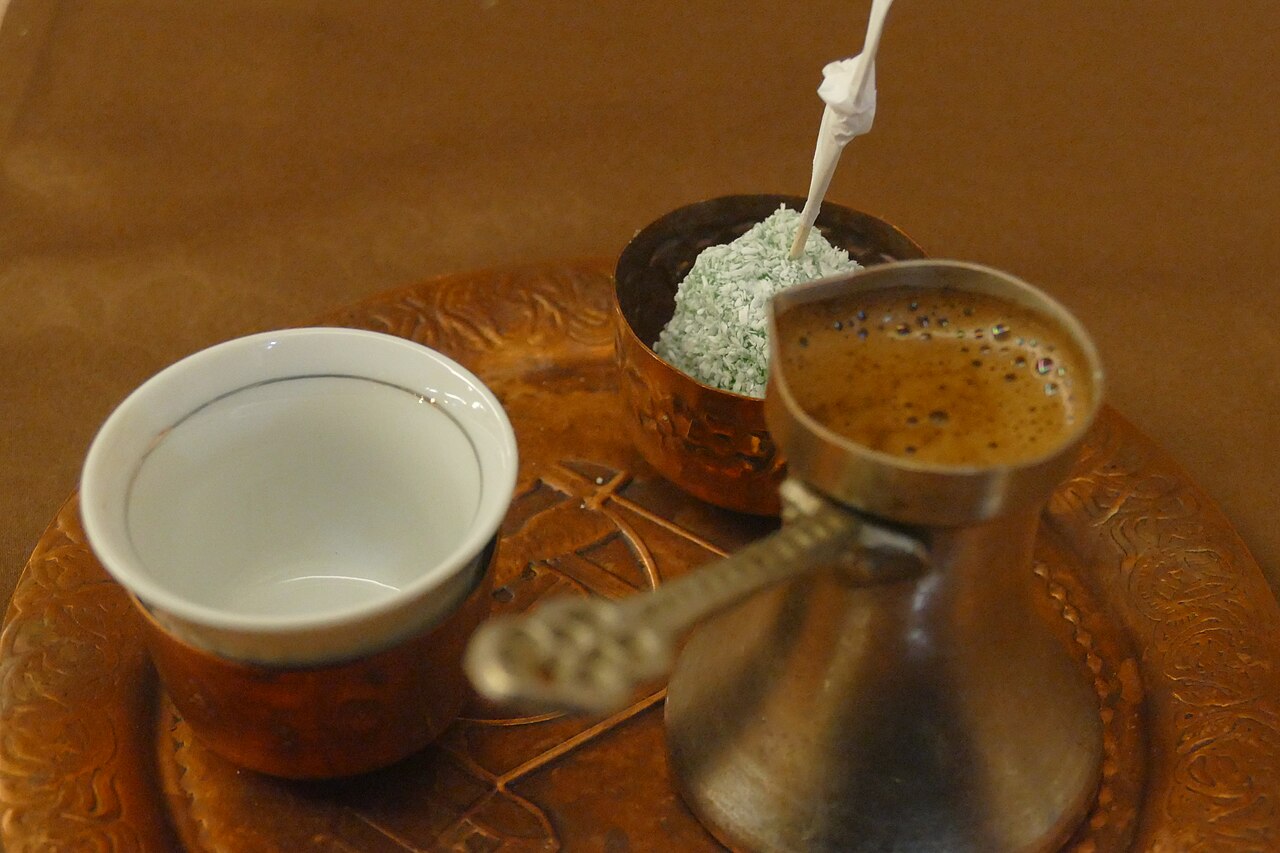
Strong, finely ground coffee boiled with water in a small pot and poured, grounds and all, into small cups. It is drunk slowly, and in cafés and homes all over the country.
Bosnian coffee is made a little differently from Turkish coffee: some of the boiling water is set aside, then added back with the coffee and brought to the boil again.
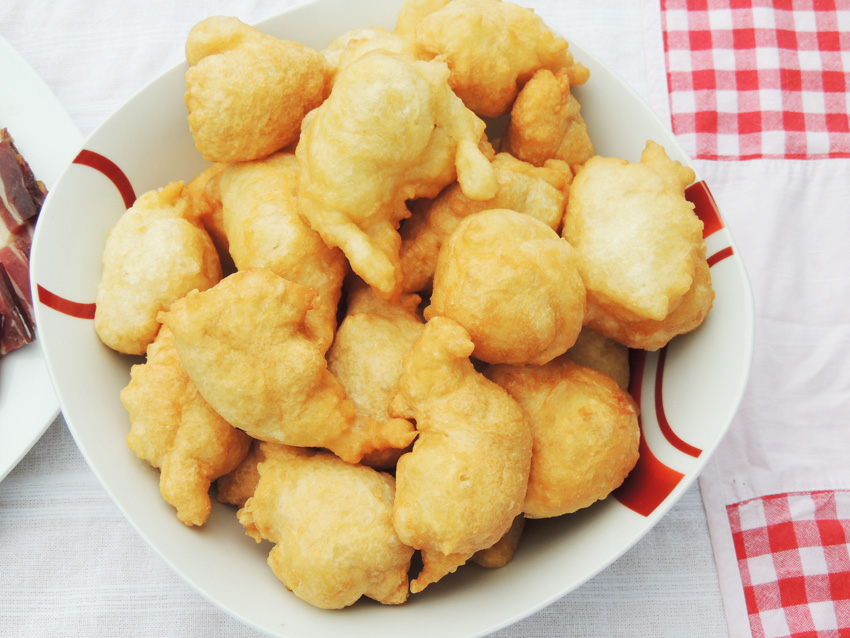
Soft, bread-like balls of fried dough, served savoury with kajmak or cheese for breakfast, or sweet with jam or icing sugar.
The name comes from the verb 'uštinuti', meaning 'to nip' or 'to pinch'.
Bosnia and Herzegovina's towns grew up along its rivers: Sarajevo on the Miljacka, Banja Luka on the Vrbas, Mostar on the Neretva and Višegrad on the Drina. Many have an old Ottoman bazaar at their heart, Austro-Hungarian buildings around it and mountains all around.
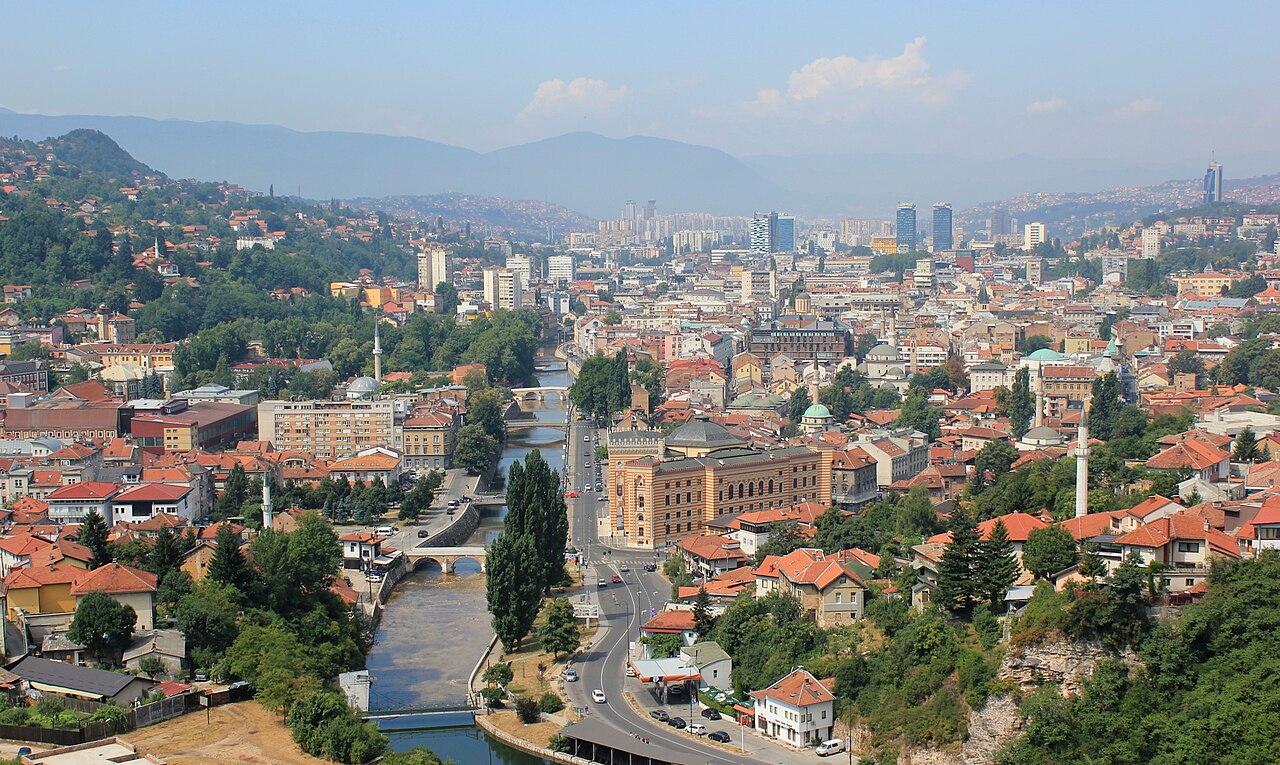
The capital and largest city, with about 275,000 people within its city limits, in a valley ringed by mountains along the Miljacka river. It grew as an Ottoman town in the 15th century. A mosque, a Catholic church, an Orthodox church and a synagogue stand within the same neighbourhood, which is why it is sometimes called the 'Jerusalem of Europe'.
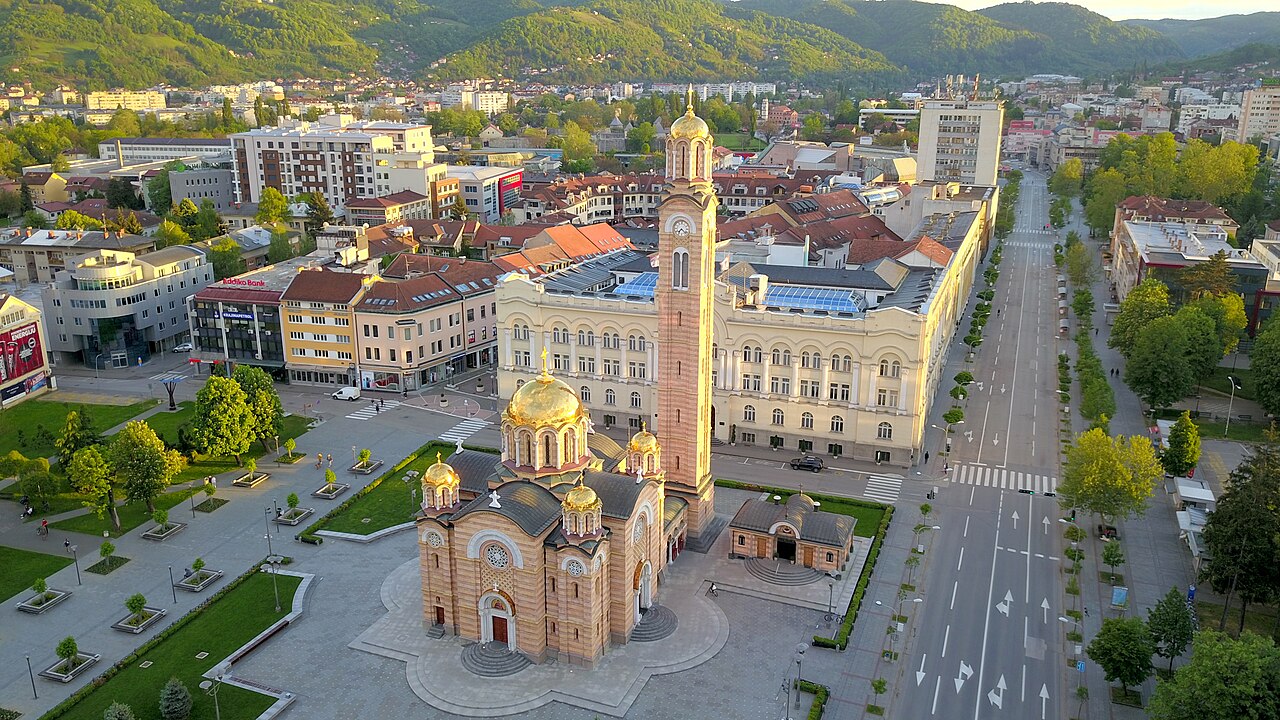
The second-largest city in the country and the largest in Republika Srpska, of which it is the main political and administrative centre. It lies on the Vrbas river in the green, forested region of Bosanska Krajina in the north-west.
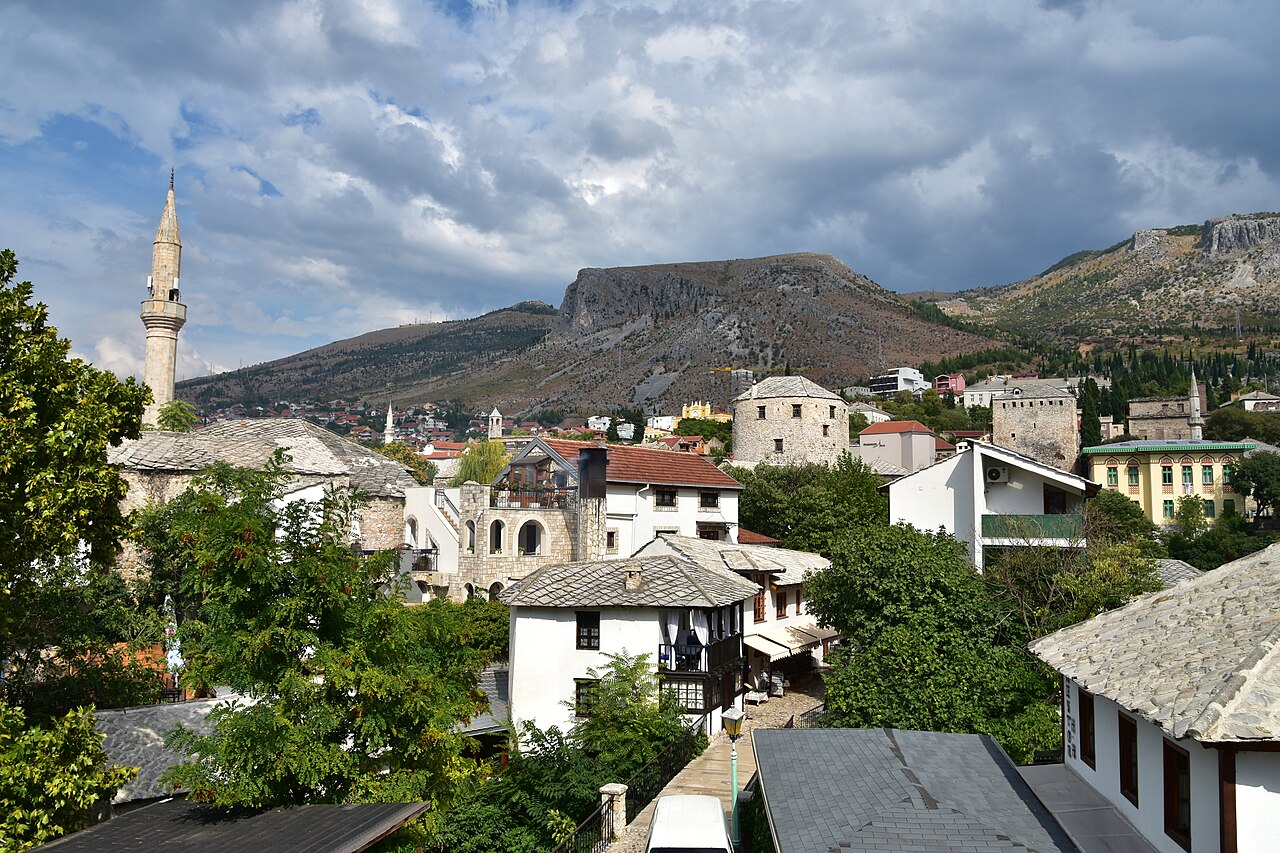
The historical capital of Herzegovina, on the green Neretva river. It is named after the mostari, the bridge keepers who guarded its famous Old Bridge in Ottoman times.
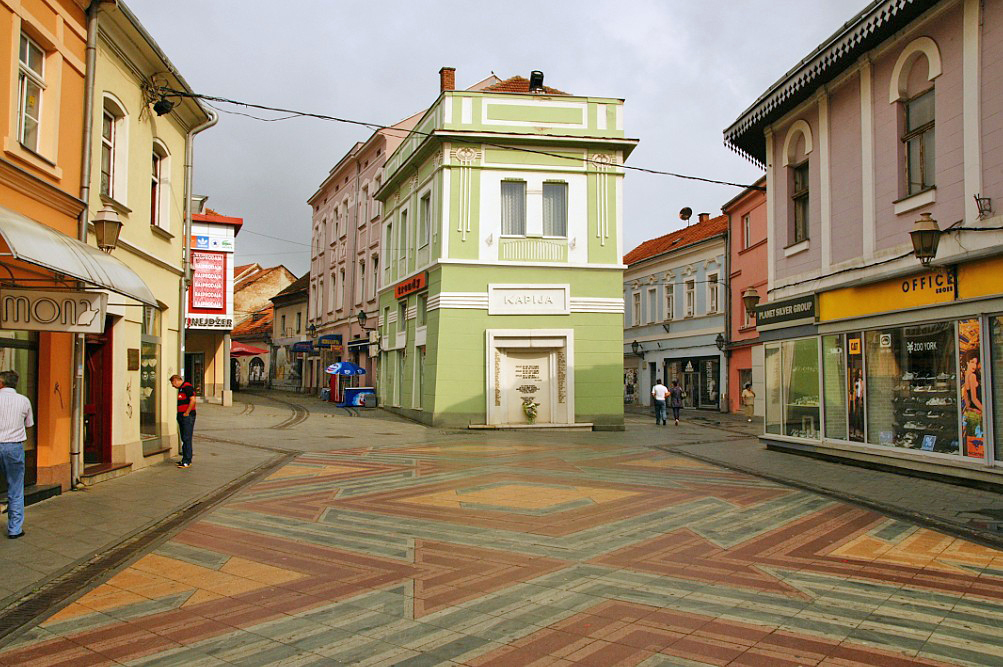
The third-largest city and the centre of north-east Bosnia, built over salt deposits left by an ancient sea. It is known for keeping its mixed population of Bosniaks, Serbs, Croats and others.
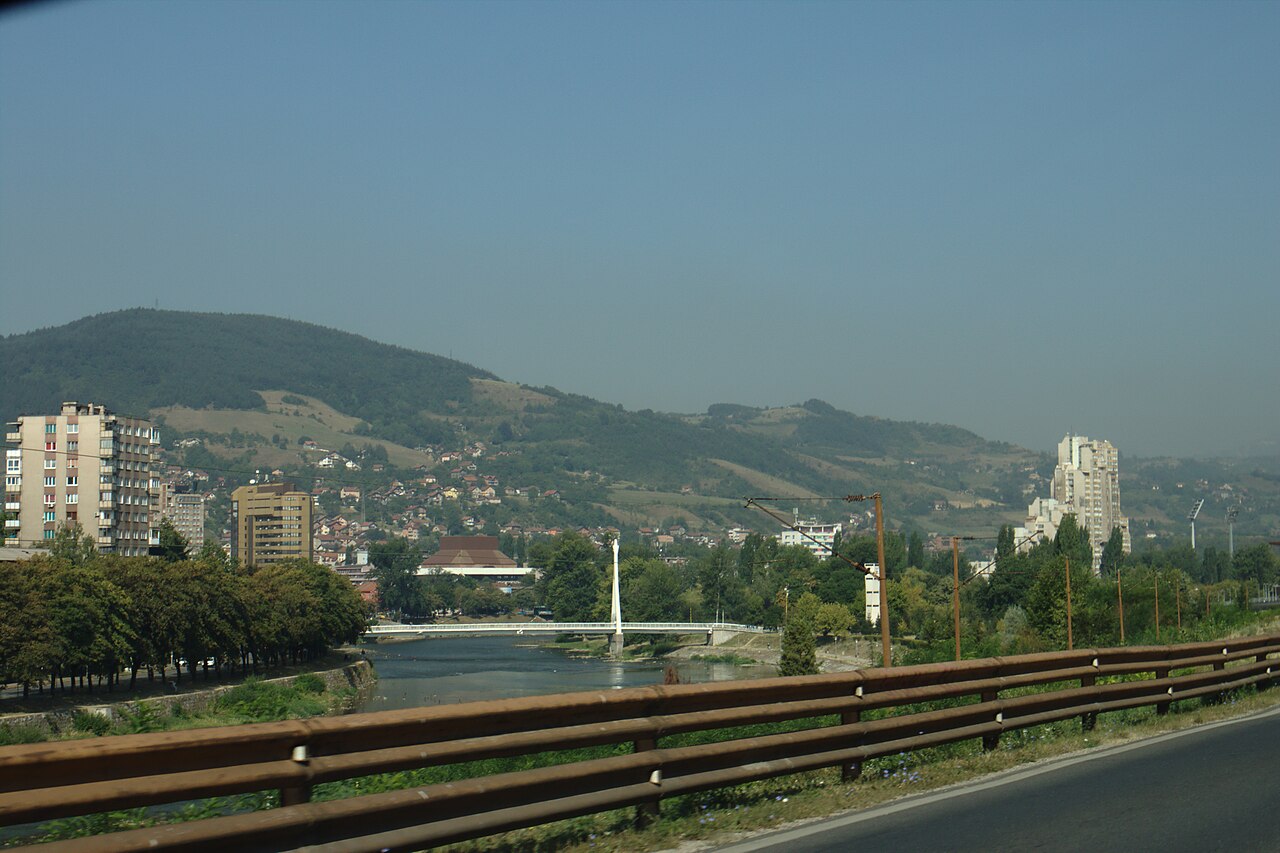
An industrial city in the valley of the Bosna river, about 70 km north of Sarajevo. Its name was first mentioned in the early 15th century, and it grew fast in the 20th century around its ironworks.
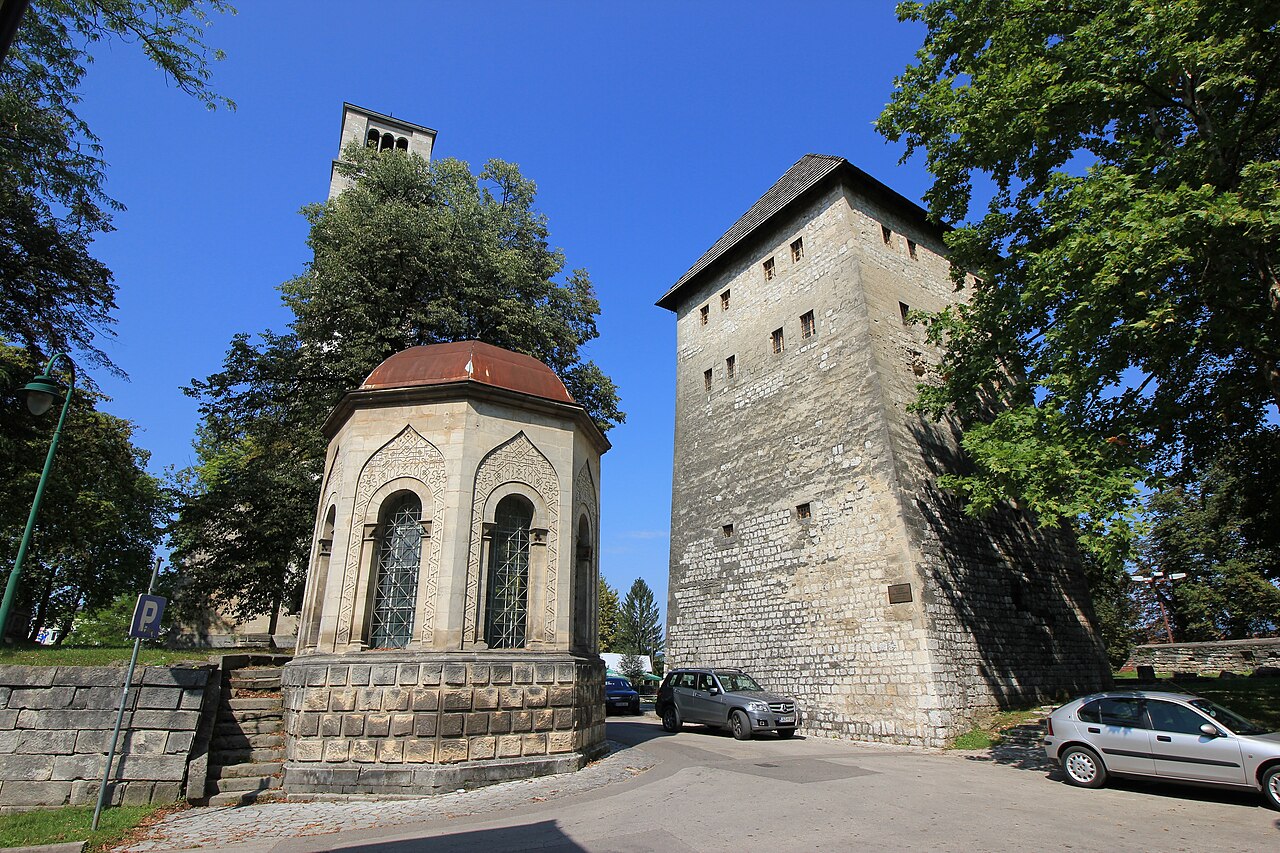
A town on the banks of the Una river in the far north-west, close to the border with Croatia. It was first mentioned in 1260 in a charter of the Hungarian king Béla IV.
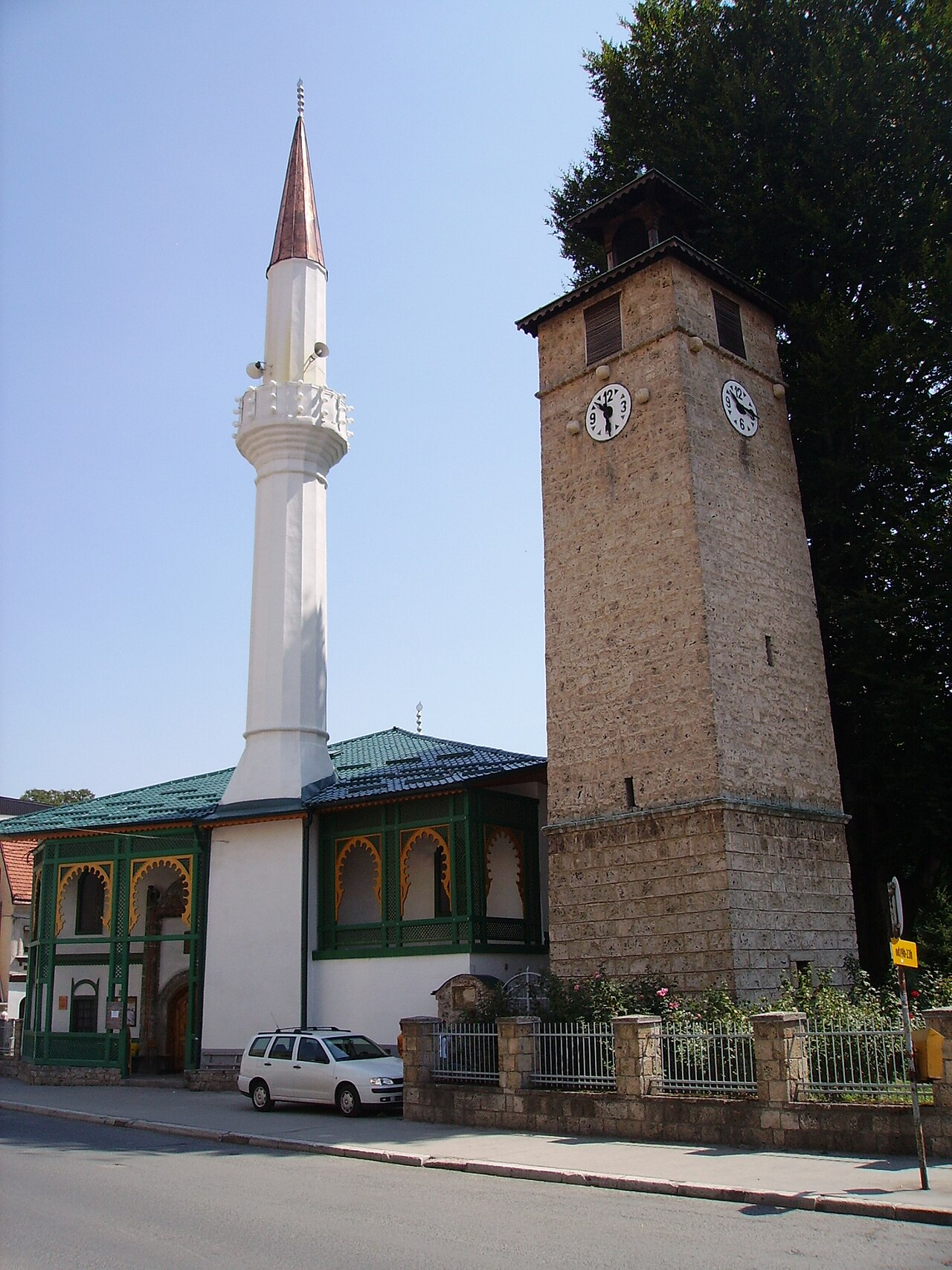
A town about 90 km west of Sarajevo that was the seat of the Ottoman governors, the viziers, of Bosnia from 1699 to 1850. The Nobel Prize-winning writer Ivo Andrić was born here.
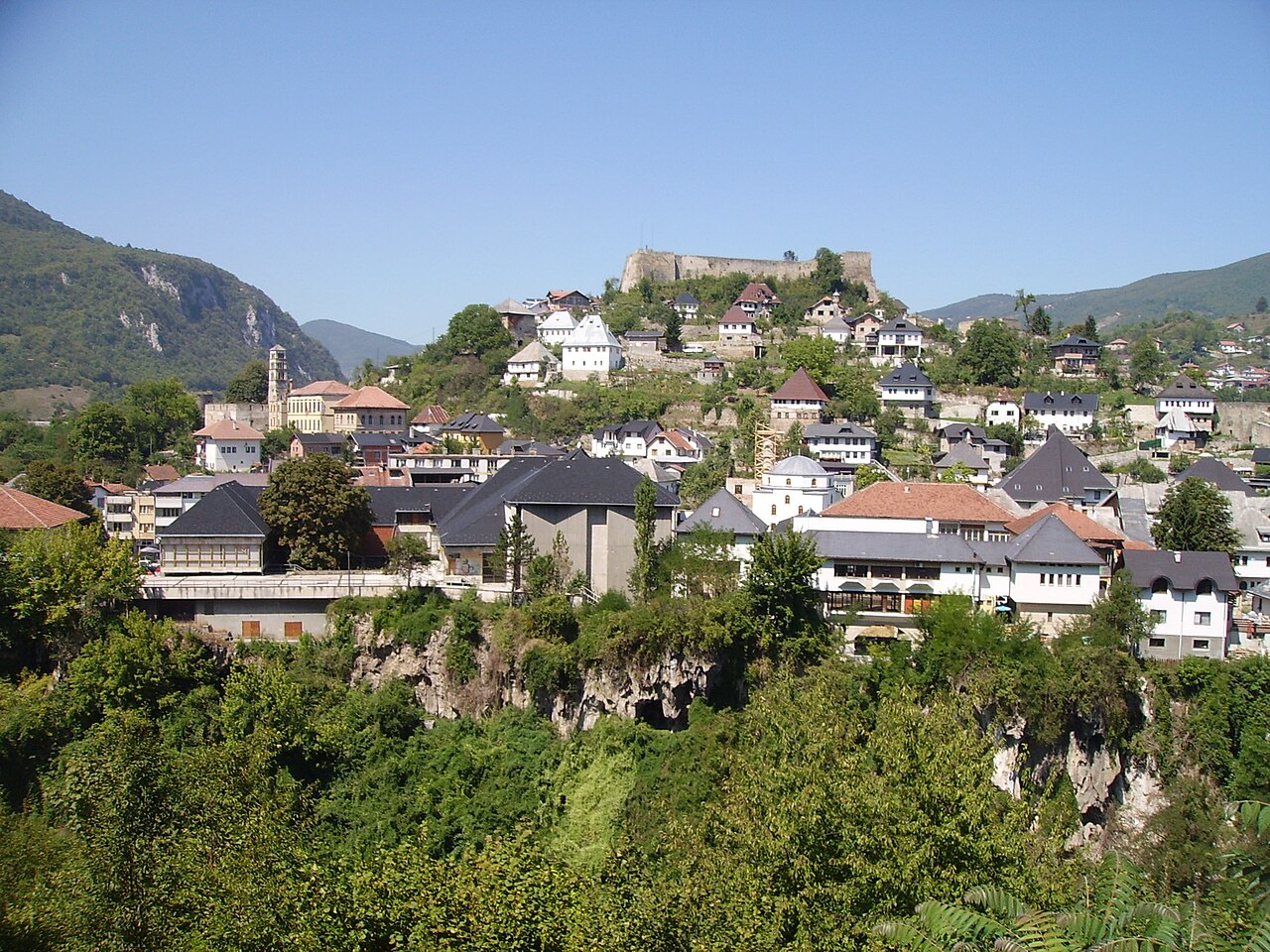
A small walled town where the Pliva river tumbles into the Vrbas. It was the last residence of Stjepan Tomašević, the last king of Bosnia, and in November 1943 it hosted the wartime council that planned a federal Yugoslavia.
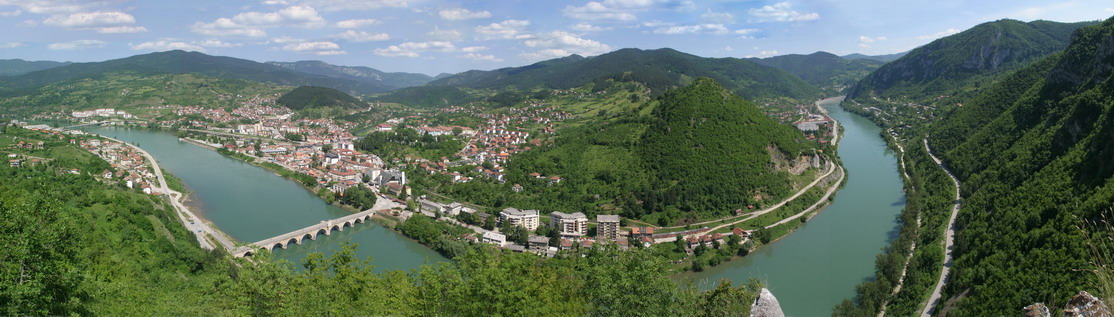
A small town in the east, where the Rzav river joins the Drina. Its Ottoman bridge became world famous through Ivo Andrić's novel The Bridge on the Drina.
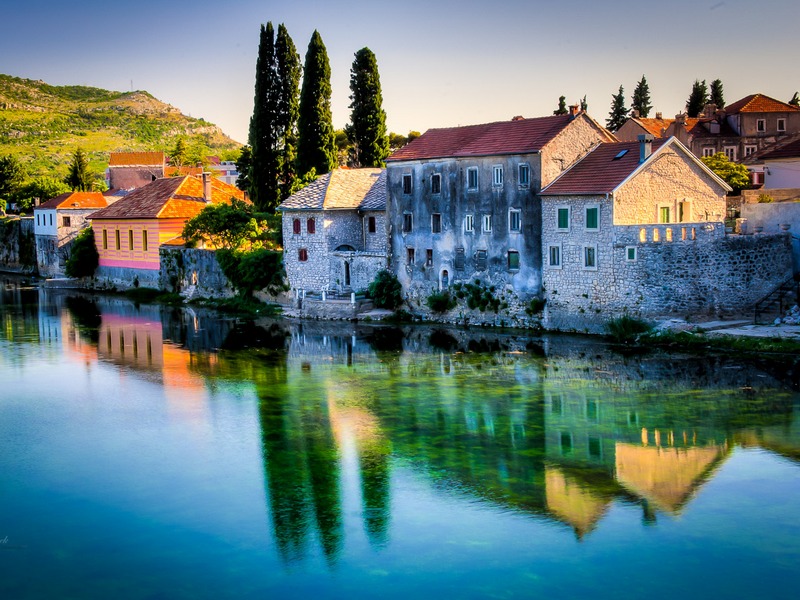
The southernmost city in the country, on the Trebišnjica river in East Herzegovina. Its small walled old town dates from the 18th-century Ottoman period.
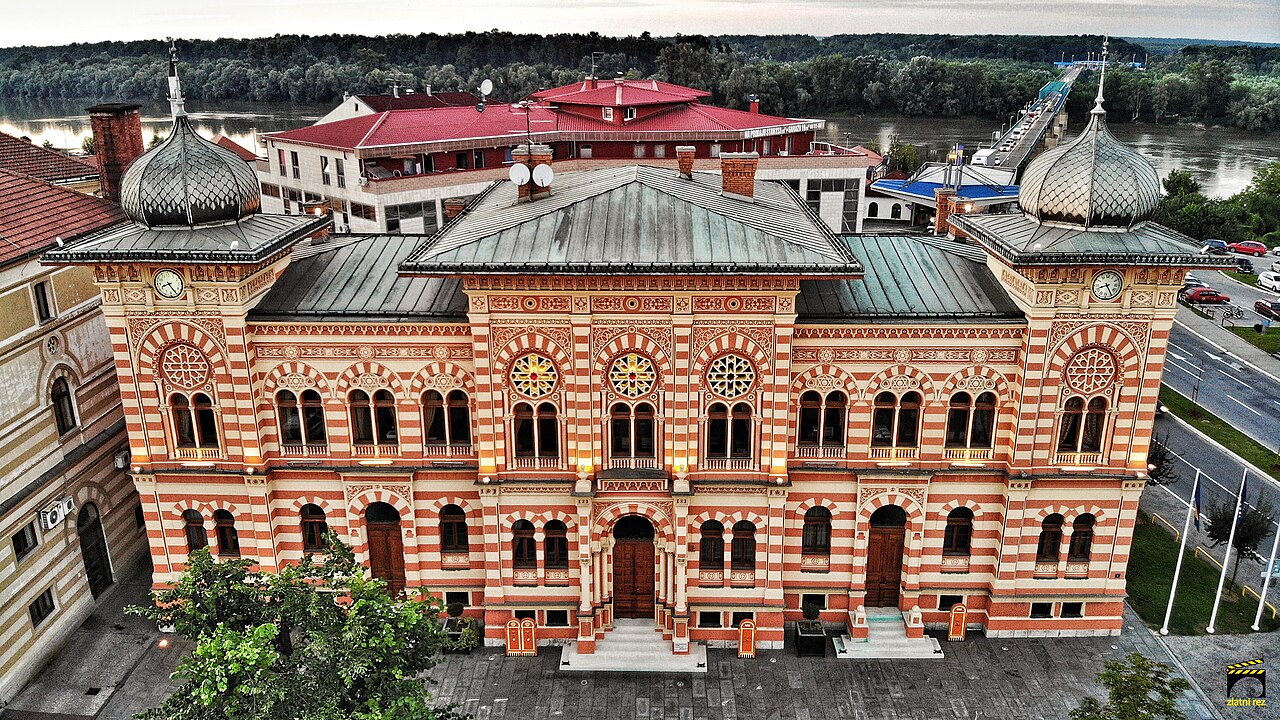
A town on the Sava river, facing Croatia across the water. It is the seat of the Brčko District, which formally belongs to both entities but governs itself.
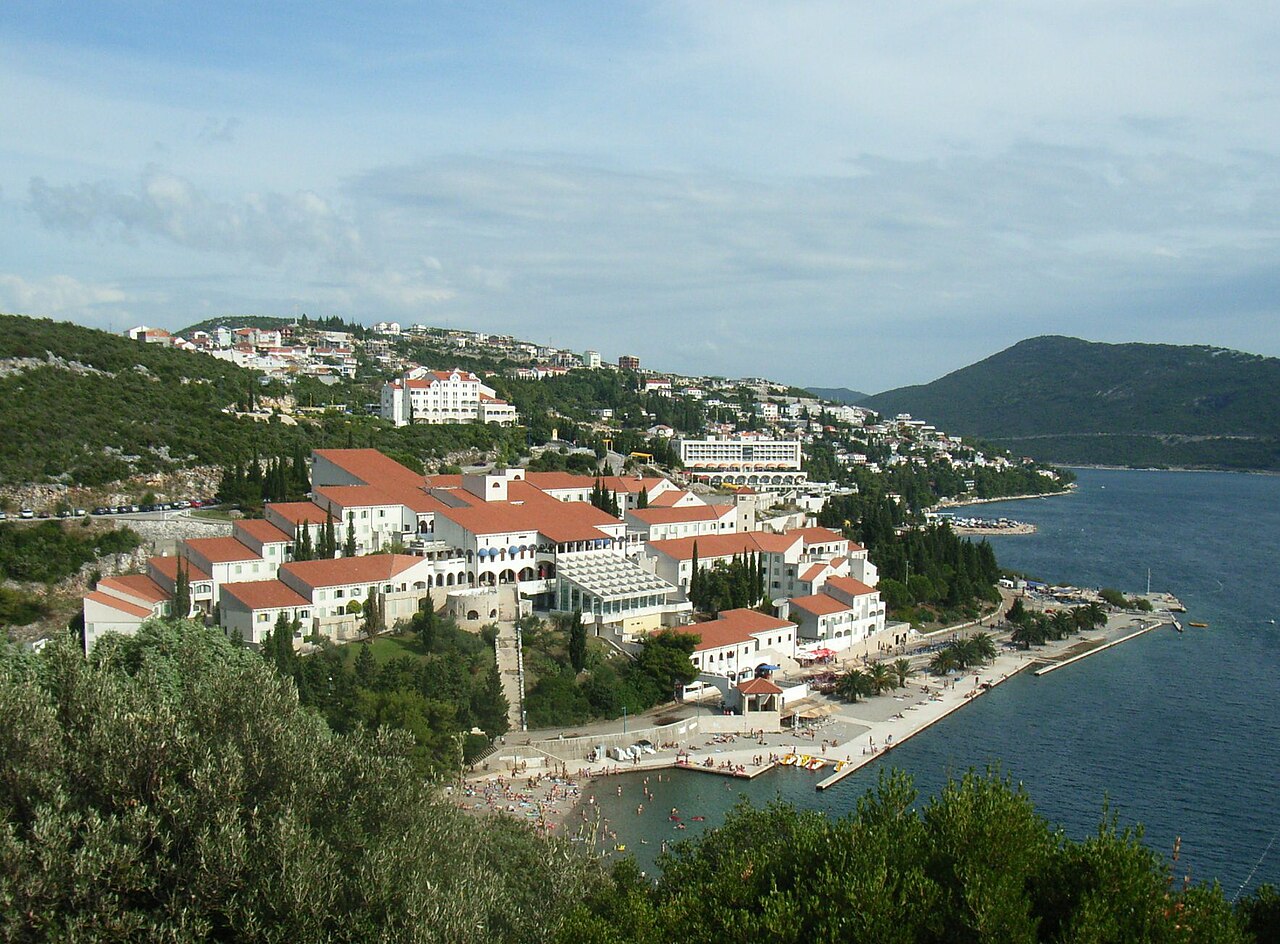
The only town on Bosnia and Herzegovina's 20 km of Adriatic coast, and the country's only access to the sea. It looks out over the Klek and Pelješac peninsulas, which belong to Croatia.
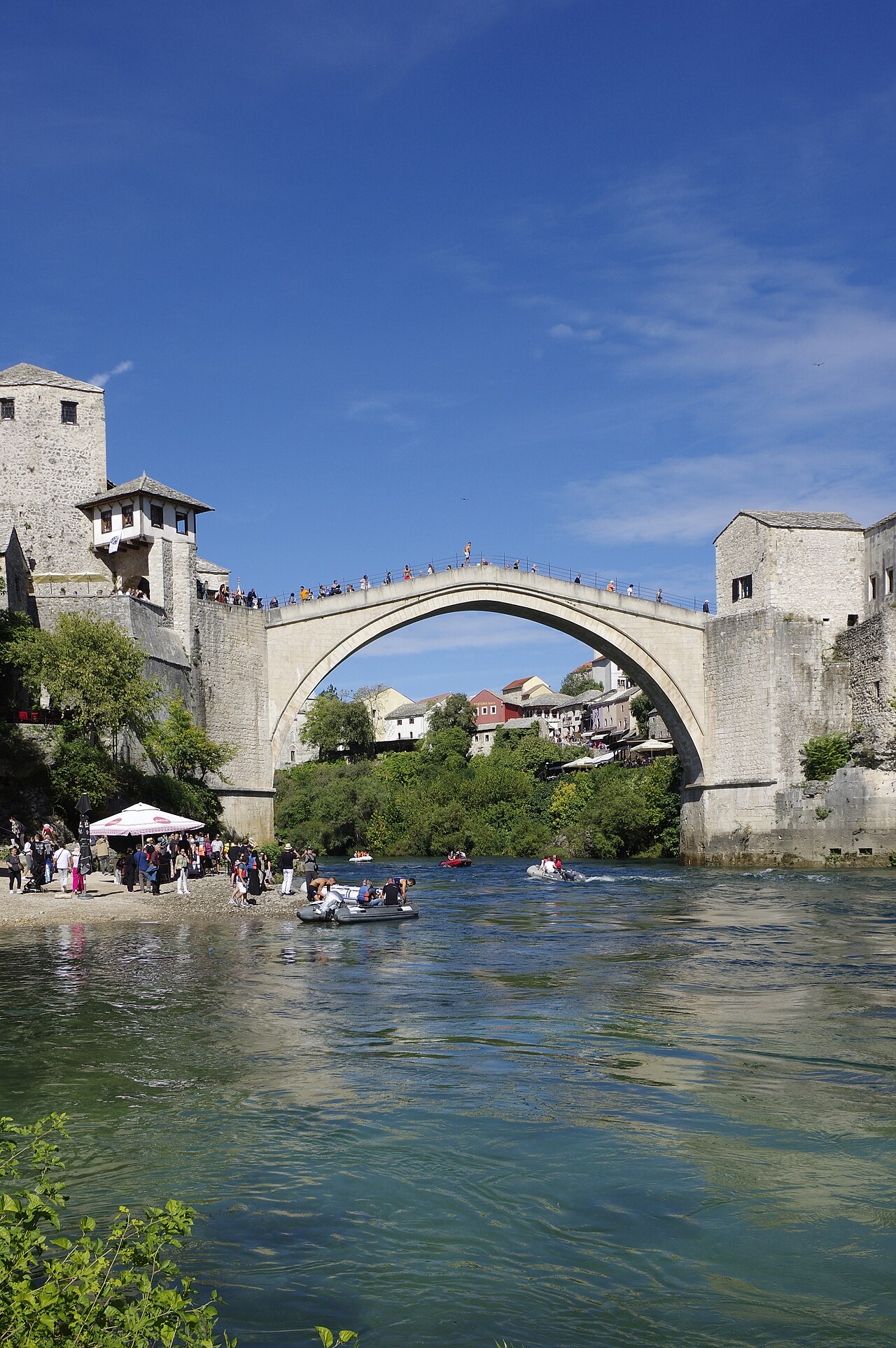
A single, hump-backed stone arch 30 metres long, rising 24 metres above the Neretva. It was built by the Ottomans and finished in the 1560s, destroyed in 1993 during the war, and carefully rebuilt using stones from local quarries. It reopened in 2004, and the Old Bridge area was listed by UNESCO in 2005.
UNESCO World HeritageAn elegant bridge of 11 stone arches, about 180 metres long, over the Drina at Višegrad. It was completed in 1577 by Mimar Sinan, the greatest Ottoman architect, and was listed by UNESCO in 2007.
UNESCO World Heritage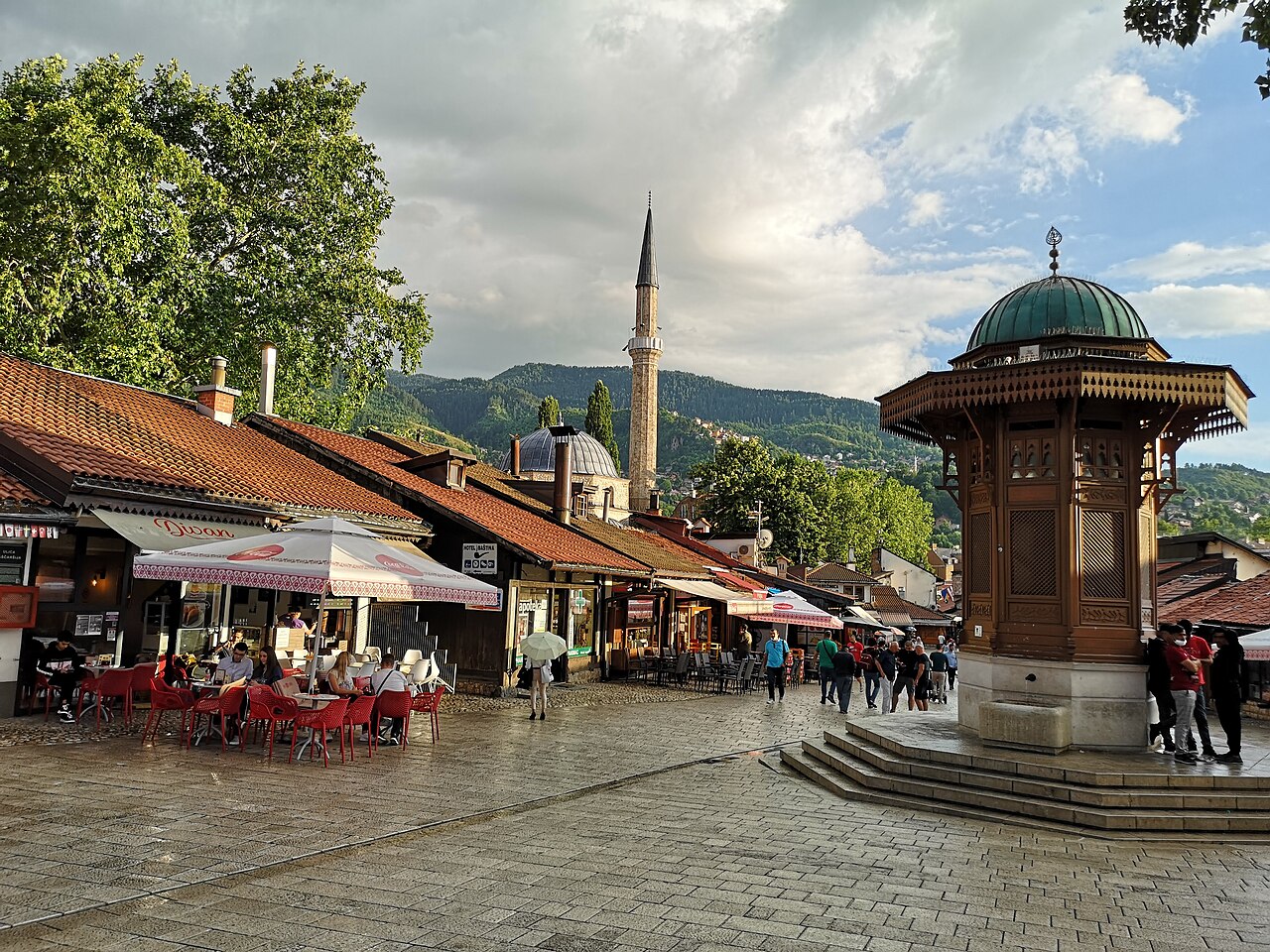
Sarajevo's old bazaar, founded in the 15th century, a maze of small shops, cafés and old Ottoman buildings, and today the city's main visitor attraction. At its heart stands the Sebilj, a wooden fountain; local legend says that whoever drinks from it will one day return to Sarajevo. Nearby is the 16th-century Gazi Husrev-beg Mosque.
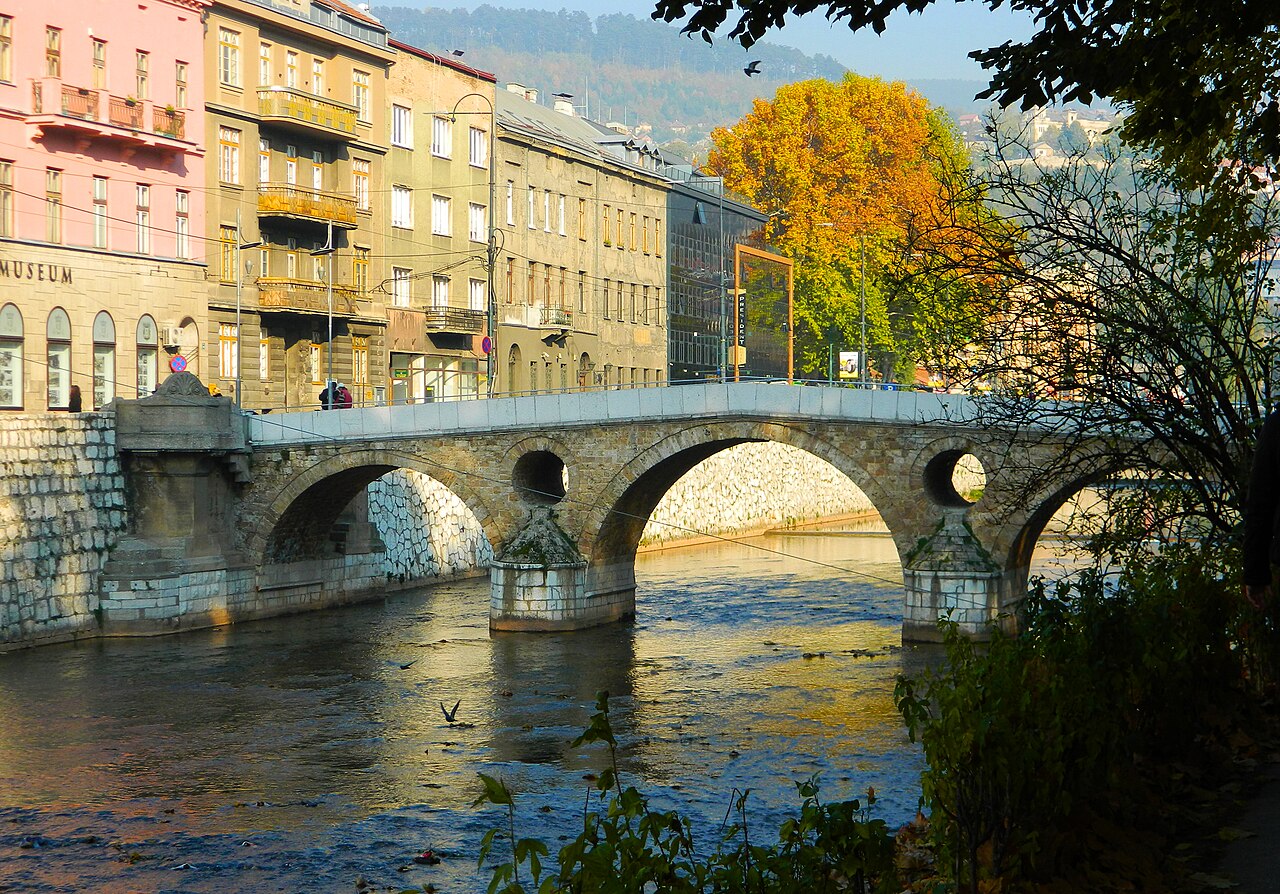
A small Ottoman stone bridge over the Miljacka river. At its northern end, on 28 June 1914, Archduke Franz Ferdinand was assassinated, the event that led to the First World War.
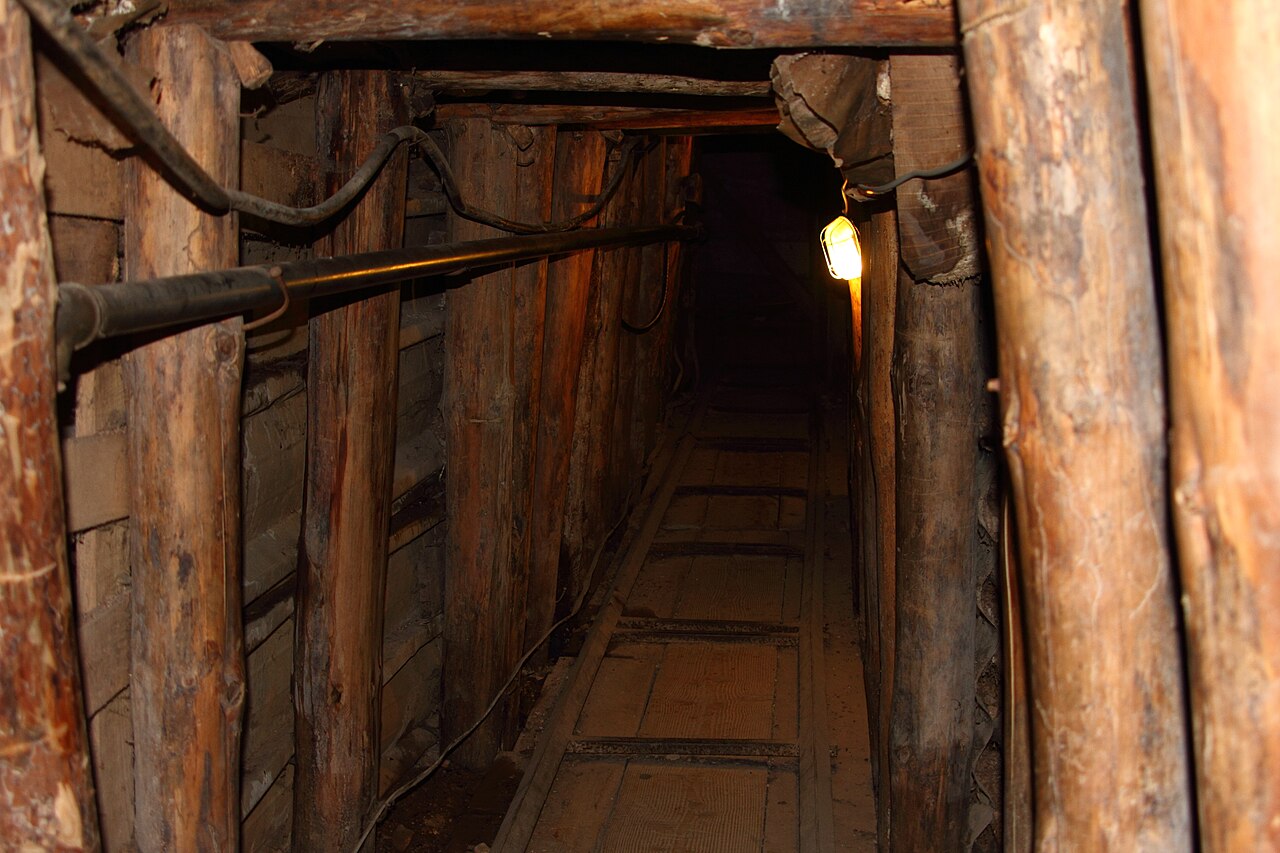
During the siege of Sarajevo, a tunnel was dug by hand under the airport runway in 1993 to link the city with the outside world. Food, aid and people passed through it. Today a family house at one end is a museum, and visitors can walk a short stretch of about 20 metres.
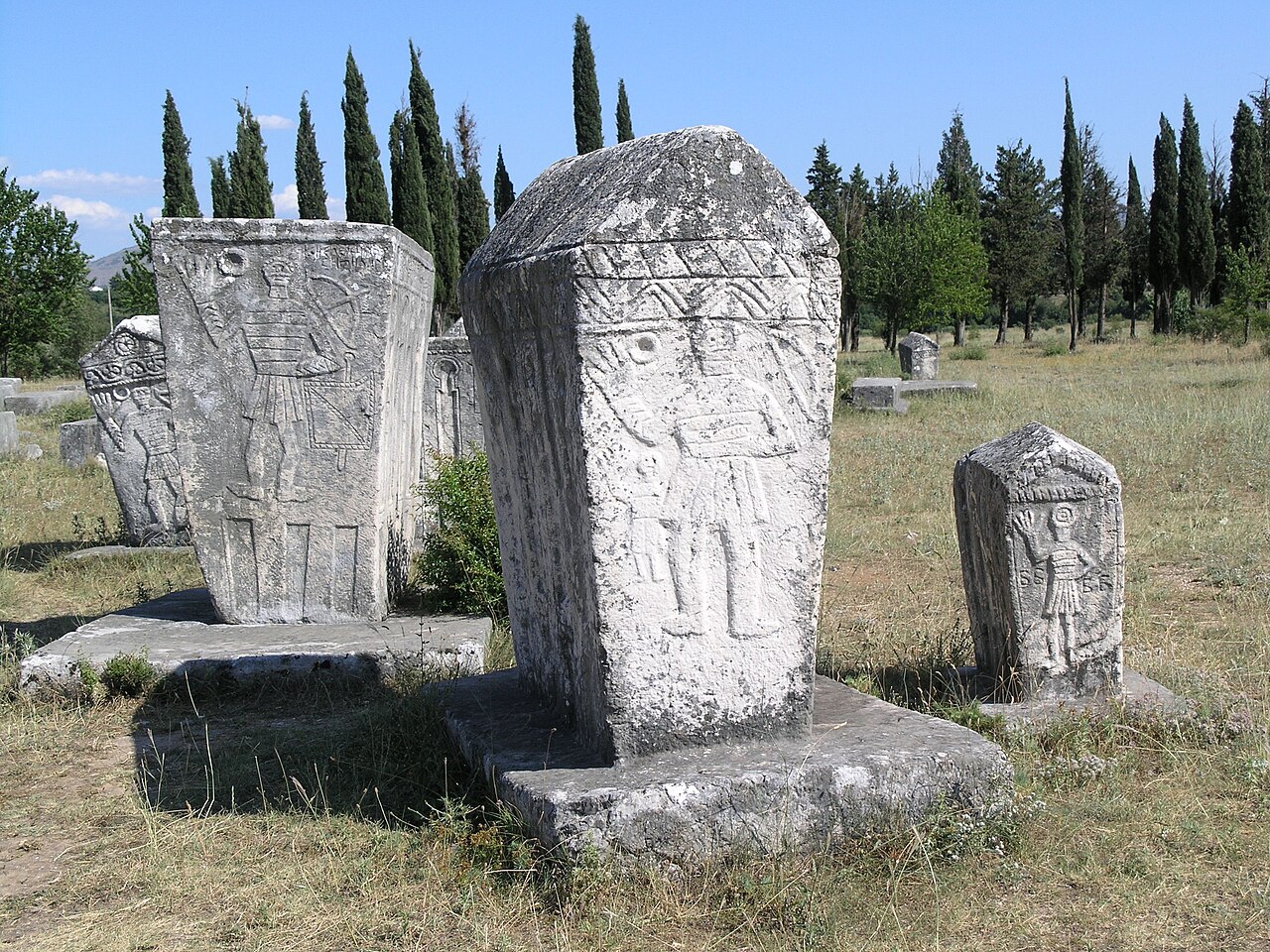
A field of 133 carved medieval tombstones, called stećci, 3 km west of the town of Stolac. Many are decorated with carvings. It is part of the Stećci Medieval Tombstone Graveyards, listed by UNESCO in 2016 together with sites in Croatia, Montenegro and Serbia.
UNESCO World Heritage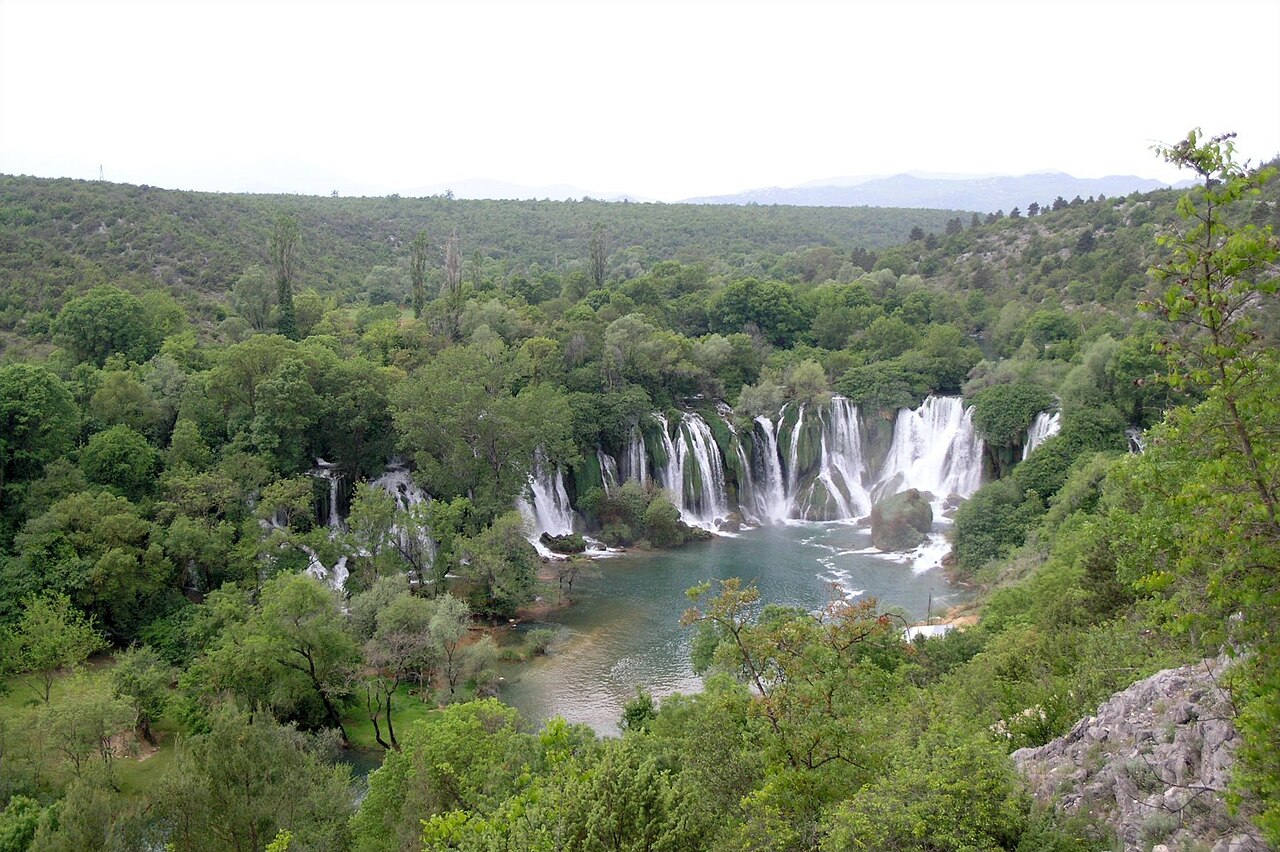
A wide curtain of cascades, about 25 metres high, on the Trebižat river, some 40 km south of Mostar. In summer people swim and picnic in the green lake below the falls.
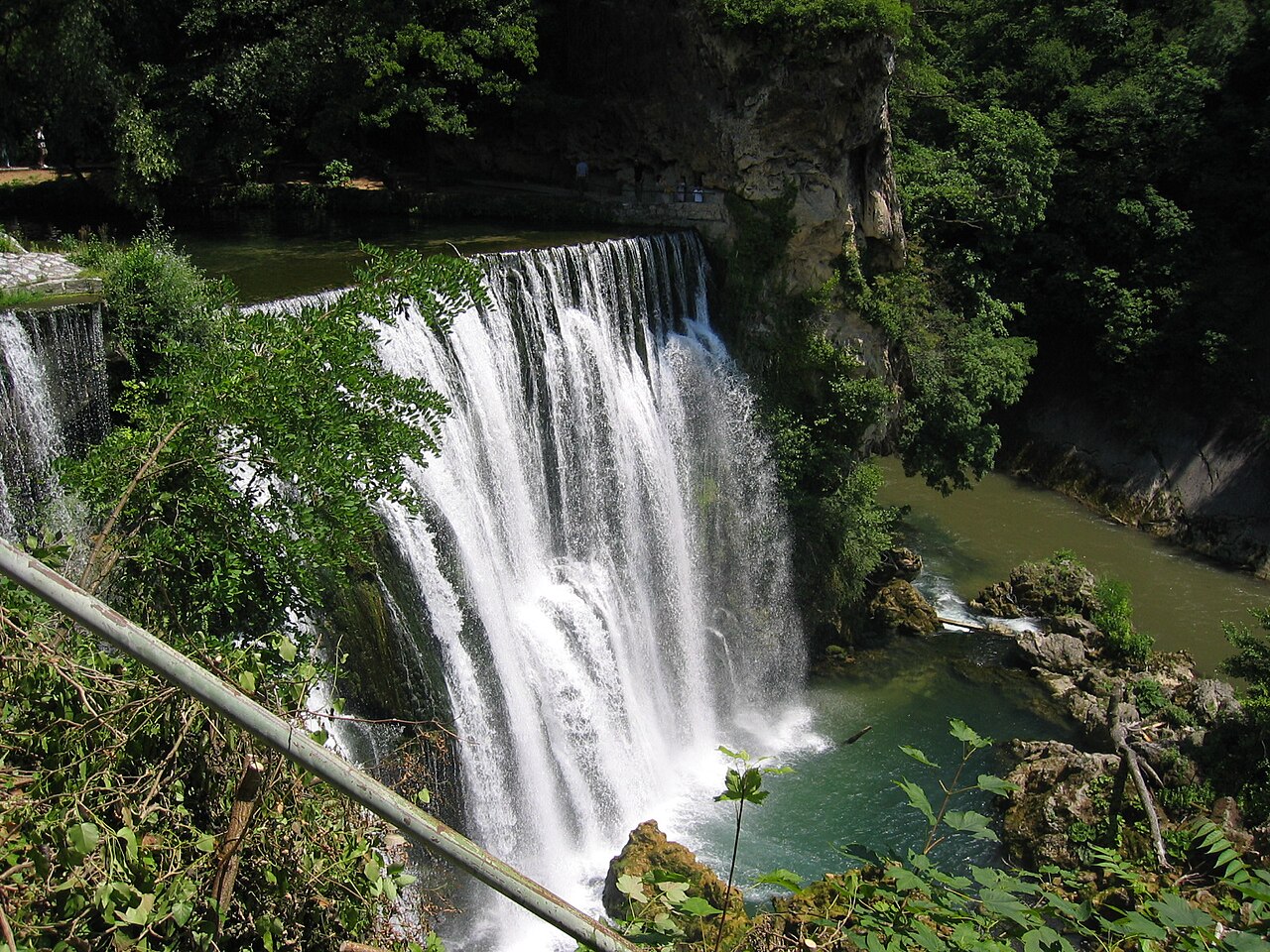
Right in the town of Jajce, the Pliva river drops about 22 metres into the Vrbas, below the walls of the old royal town. Jajce and its waterfall are on UNESCO's tentative list, a step before possible World Heritage status.
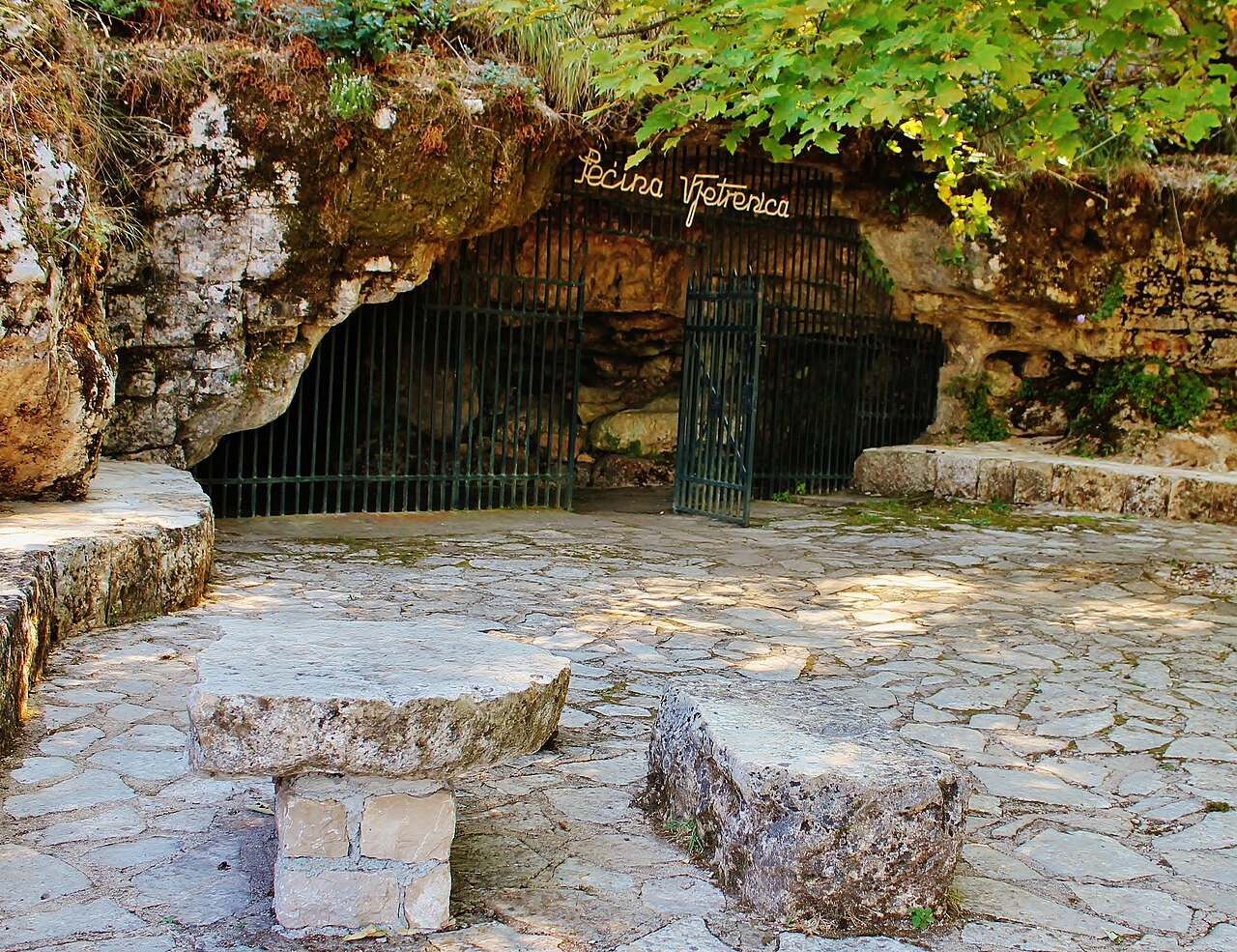
The largest cave in Bosnia and Herzegovina, in the Popovo Polje karst plain of East Herzegovina. More than 7 km of passages have been explored, and it is home to an extraordinary number of underground animals, many found nowhere else. It was added to the UNESCO World Heritage List in 2024.
UNESCO World Heritage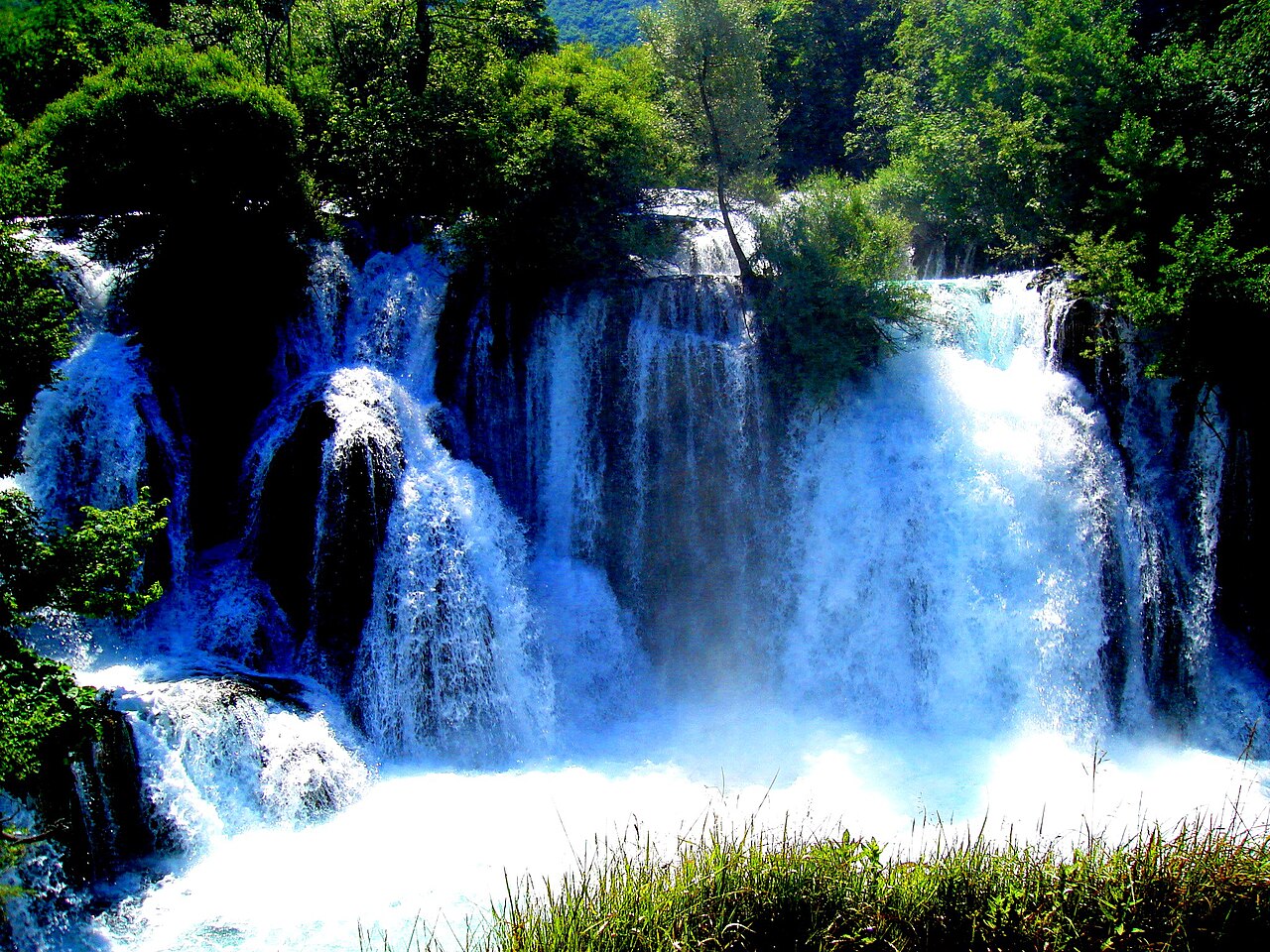
The country's largest national park, founded in 2008 to protect the clear Una river and its tributaries, the Krka and the Unac. Its most famous sight is Štrbački buk, the largest waterfall on the Una.
Bosnia and Herzegovina has only about 20 km of coastline, all of it around the town of Neum. The strip of land dates back to the Treaty of Karlowitz in 1699, when the Republic of Dubrovnik gave it to the Ottomans as a buffer against Venice.
Sarajevo hosted the 1984 Winter Olympics, the first Winter Games held in a Slavic-speaking country. The host nation, Yugoslavia, won its first ever Winter Olympic medal there, a silver in the giant slalom.
The name Herzegovina comes from 'herceg', a local form of the German word Herzog, meaning duke. It was the title taken in 1448 by the nobleman Stjepan Vukčić Kosača.
The country's currency, the convertible mark, was named after the old German Deutsche Mark, to which it was tied one to one. The 10, 20, 50 and 100 KM notes come in two designs, one for each entity, and both are valid everywhere.
The Sarajevo Haggadah, a beautifully illustrated Jewish book for the Passover meal, was made in northern Spain around 1350. It is kept in the National Museum in Sarajevo and was added to UNESCO's Memory of the World register in 2017.
The writer Ivo Andrić, born in Travnik in 1892, won the Nobel Prize in Literature in 1961. He grew up in Višegrad, and his best-known novel, The Bridge on the Drina, is named after the town's Ottoman bridge.
Young men of Mostar have long leapt from the Old Bridge into the cold Neretva, 24 metres below. A formal diving competition has been held every summer since 1968, and since 2015 the bridge has been a stop on the Red Bull Cliff Diving World Series.
As of 2026, Vjetrenica Cave in Herzegovina is considered the richest cave in the world for underground wildlife. More than 200 species have been recorded in it, and about 37 were described for the first time there.
Tuzla has salt lakes in the middle of the city. The first, the Pannonian Lake, opened in 2003 and is filled with salt water from deep underground, a trace of an ancient sea that dried up millions of years ago.
Sarajevo's trams began on New Year's Day in 1885, pulled by horses. The line was a testing ground for trams in Vienna and the rest of Austria-Hungary, and electric trams followed in 1895.
About 60,000 medieval carved tombstones called stećci are found in Bosnia and Herzegovina. They were used by Catholic, Orthodox and Bosnian Church believers alike, from the 12th to the early 16th century.
The Sarajevo Film Festival was first held in the autumn of 1995, while the city was still under siege. About 15,000 people came to see 37 films. As of 2026, it is the best-known film festival in South-East Europe, with more than 100,000 visitors a year.
The Charter of Ban Kulin, written in 1189, is known as the oldest work written in the old Bosnian Cyrillic script, called bosančica.
Pronunciation is written the way it sounds; the capital letters show where the stress goes. Audio is coming soon.
Prices are in convertible marks (KM), fixed at 1.95583 marks to the euro. Cards are not accepted everywhere, so carry cash, and avoid paying small shops with 100 or 200 KM notes. Euro cash in small notes is often accepted. Change leftover marks before you leave, as they are hard to exchange abroad.
Landmines and unexploded weapons from the 1992 to 1995 war remain in some rural areas. Towns and main roads are largely clear, but do not step off roads, paved areas and marked paths without an experienced guide, keep away from abandoned buildings, and never touch an unknown object.
All foreign visitors must be registered with the police within 72 hours of arrival. Hotels usually do this for you; if you stay privately, check that your host has arranged it.
The emergency numbers are 122 for police, 123 for fire and 124 for an ambulance. The European number 112 also works.
Bosnian, Croatian and Serbian are easy for each other's speakers to understand. Serbian is written in both Cyrillic and Latin letters, so in Republika Srpska many signs are in Cyrillic, while Latin letters are more common in the Federation.
From November to April, cars must have winter tyres and carry snow chains, to be used when signs say so. Roads through the mountains are slow and winding, so allow plenty of time.
The war of the 1990s still touches many families. Listen if people want to talk about it, but avoid debating it or other political questions, and show respect for all three communities and their places of worship.
Smoking is common in Bosnia and Herzegovina. The rules on smoking indoors differ between the entities and are not always followed, so some cafés and bars can be smoky. If smoke bothers you, sit outside or ask for a non-smoking area.