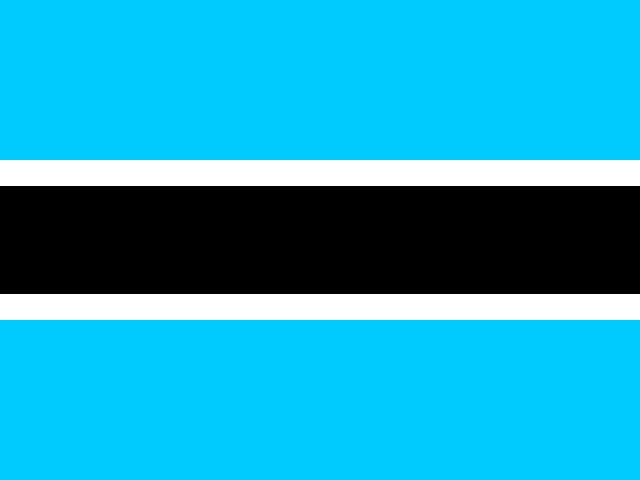
The Okavango Delta, the Kalahari, more elephants than any other country and a peaceful democracy built on diamonds, all in the heart of southern Africa.
Botswana is a landlocked country in the middle of southern Africa, bordered by South Africa, Namibia, Zambia and Zimbabwe. It is mostly flat and dry: about 70 percent of the land is part of the Kalahari, a sandy savanna of grass, thorn trees and salt pans. In the north-west the Okavango River does something rare. Instead of reaching the sea, it spreads out into the Okavango Delta, a huge green maze of channels, lagoons and islands that fills with water in the dry winter months and draws enormous herds of animals.
People have lived here for a very long time. The San, the first hunter-gatherers of the Kalahari, left thousands of rock paintings at the Tsodilo Hills, and Tswana and Kalanga farmers and cattle herders settled the land long before Europeans arrived. In 1885 Britain declared the Bechuanaland Protectorate, and on 30 September 1966 the country became independent as the Republic of Botswana, then one of the poorest nations in the world.
Questions to ask the older generation
Memories fade faster than photos. Ask these over a meal or a phone call, and write the answers down.
Which town or region of Botswana did our family come from? Was it near Francistown, Molepolole, Maun?
Who was the first in the family to leave Botswana, when, and why?
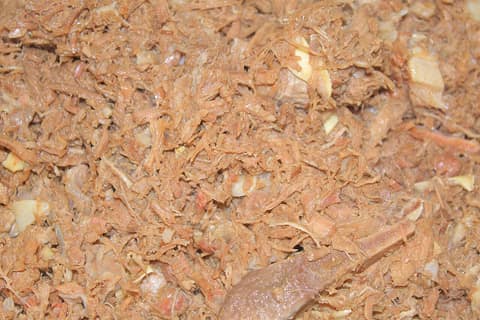
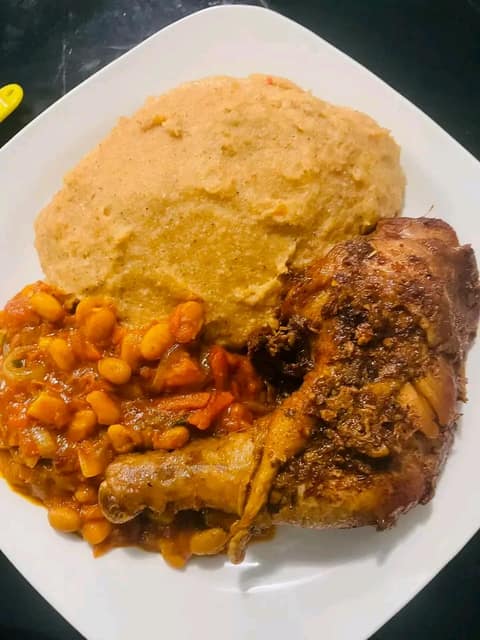
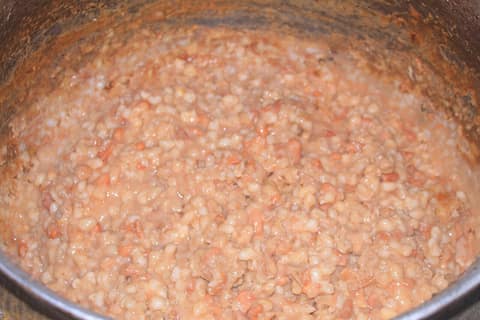
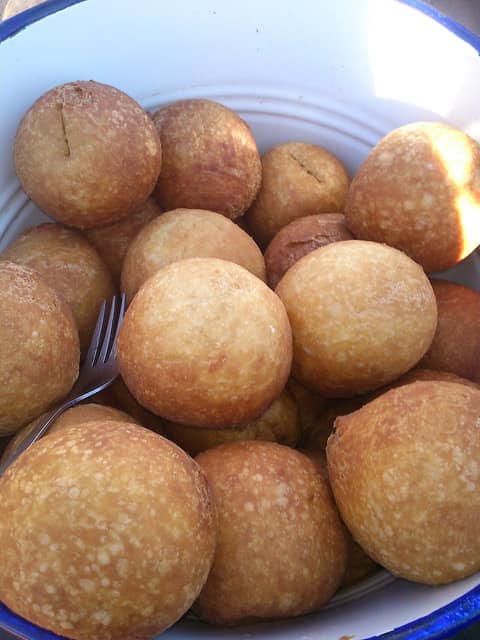
Which dishes from Botswana were cooked at home? Did anyone make Seswaa or Phaletshe?
Does anyone in the family still speak Setswana, or use a few words of it?
Were there songs, prayers, games or holidays from Botswana that the family kept?
Are there old photos, letters or documents from Botswana? Who has them?
If you could visit Botswana together, where would you go first?
A short history of Botswana
Botswana's story runs from the rock painters of Tsodilo to the Tswana chiefdoms, whose leaders met their people in the kgotla, an open-air village assembly, then through eighty years as a British protectorate to independence in 1966. Since then the country has held regular multiparty elections, and in 2024 power passed peacefully to the opposition for the first time.
1847
Livingstone's mission at Kolobeng
The Scottish missionary David Livingstone built his third and last mission at Kolobeng, west of today's Gaborone, among the Bakwena of Kgosi (chief) Sechele I. It had a church and a school, and its ruins are now a national monument.
1885
The Bechuanaland Protectorate
Britain declared a protectorate over the land of the Tswana, partly to block German and Boer expansion. The chiefs kept much of their authority, and the territory was governed from Mafeking, a town outside its own borders in today's South Africa.
1897
Francistown is founded
A settlement grew near the Monarch gold mine in the north-east, in the area of the Tati goldfields, and was named after the English prospector Daniel Francis. It is now Botswana's second city.
1948
Seretse Khama marries Ruth Williams
The heir to the Bamangwato chieftainship married an English office clerk in London. Under pressure from apartheid South Africa, Britain banished the couple in 1950, and they were allowed home only in 1956. The dispute helped push the country towards elected government.
1966
Independence
On 30 September 1966 the Bechuanaland Protectorate became the independent Republic of Botswana, with Seretse Khama as its first president. 30 September, Botswana Day, is still the national holiday.
1976
The pula is introduced
On 23 August 1976 Botswana's own currency, the pula, replaced the South African rand. Pula means 'rain' in Setswana, a precious thing in a dry land, and the day is still remembered as Pula Day.
2001
Tsodilo becomes World Heritage
UNESCO added the Tsodilo Hills, with their thousands of rock paintings, to the World Heritage List. It was Botswana's first World Heritage Site.
2024
Olympic gold in Paris
The sprinter Letsile Tebogo won the 200 metres at the Paris Olympics, Botswana's first Olympic gold medal. He was 21 years old.