Masinissa unites Numidia
Around 202 BC the Amazigh king Masinissa, an ally of Rome against Carthage, united the Numidian kingdoms into one state, with its capital at Cirta, today's Constantine.
Algeria lies in North Africa, between Morocco and Tunisia, with a long Mediterranean coast in the north. As of 2026 it is the largest country in Africa by area, and the Sahara covers most of it. About nine in ten Algerians live in the green, hilly north, where the Tell Atlas mountains rise behind the coast, while the far south holds the volcanic peaks of the Hoggar and the rock art plateau of Tassili n'Ajjer.
The land was home to the Amazigh (Berber) kingdoms of Numidia, then became part of the Roman world, and from the 7th century was shaped by Islam and the Arabic language. Local dynasties ruled from cities such as Tahert, Béjaïa and Tlemcen, and from 1516 Algiers was the capital of a largely self-governing Ottoman regency. France invaded in 1830, and Algeria won its independence in 1962 after a long war.
Memories fade faster than photos. Ask these over a meal or a phone call, and write the answers down.
Algeria's history runs from Amazigh kingdoms and Roman towns through Islamic dynasties and an Ottoman regency to 132 years of French rule and a hard-won independence in 1962. The events below follow that long story, with approximate dates for the early centuries.
Around 202 BC the Amazigh king Masinissa, an ally of Rome against Carthage, united the Numidian kingdoms into one state, with its capital at Cirta, today's Constantine.
Augustine was born in Thagaste, today's Souk Ahras. He became bishop of Hippo Regius, near modern Annaba, and one of the most influential Christian thinkers.
After the arrival of Islam, an independent Ibadi state, the Rustamid imamate, was founded around 777 with its capital at Tahert, near modern Tiaret. It grew rich on trade across the Sahara.
Yaghmurasen ibn Zayyan founded the Zayyanid kingdom in 1236 with Tlemcen as its capital. The city became a centre of learning and trade for three centuries.
A French army landed in 1830 and captured Algiers, ending the Regency. The conquest of the rest of the country took decades, and many European settlers followed.
On 1 November 1954 the National Liberation Front (FLN) launched coordinated attacks across the country, the start of a war that lasted more than seven years.
In January 1992 the authorities cancelled the second round of the first multi-party parliamentary elections. A long armed conflict followed between the state and armed Islamist groups, often called the Black Decade.
Tamazight, the Amazigh (Berber) language, was recognised as a national language in 2002 and became an official language alongside Arabic in the 2016 constitution.
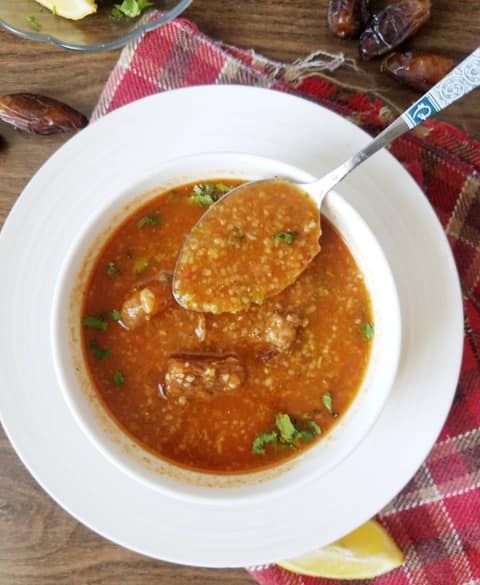
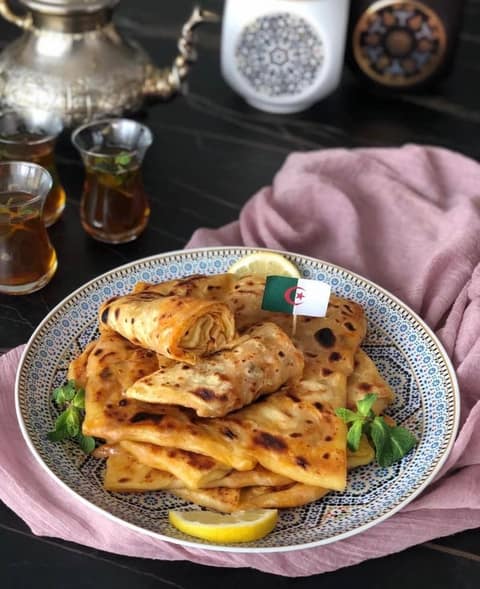
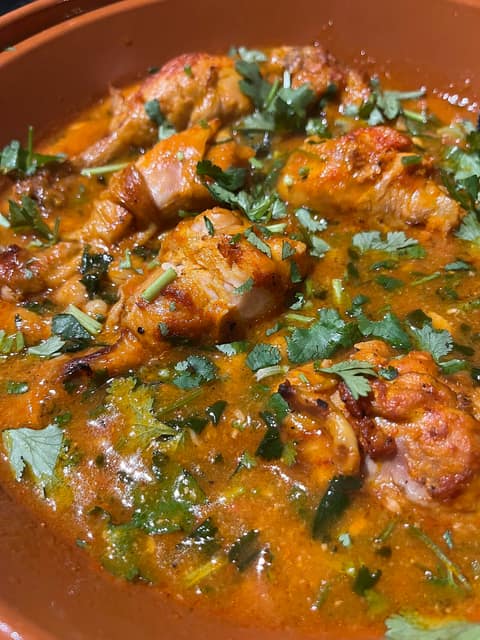
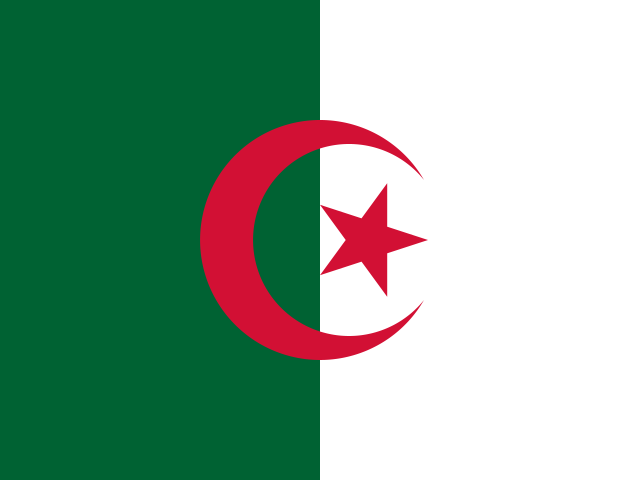
Cook one of the recipes, print the large-print pack about Algeria, and finish with the big-screen quiz or the words crossword. Grandchildren can colour the flag.