A free large-print PDF. Choose what goes in: facts, map, history, dishes and recipes, phrases, fun facts, a quiz with or without answers. Made for clubs, care homes, libraries and family afternoons.
Hungary lies in the middle of the Carpathian Basin in Central Europe and has no coast. Much of the country is flat lowland, above all the Great Hungarian Plain in the east. Two great rivers cross it from north to south: the Danube, which runs through Budapest, and the Tisza. In the west lies Lake Balaton, the largest lake in Central Europe.
The Hungarians, or Magyars, arrived in the Carpathian Basin as a union of seven tribes at the end of the 9th century. Stephen I became the first king around the year 1000. After a crushing defeat by the Ottomans at Mohács in 1526 the kingdom was split in three for about 150 years, and later it became half of Austria-Hungary. After the First World War the Treaty of Trianon left Hungary with less than a third of its old territory.
After four decades of communist rule, including the revolution of 1956, Hungary changed peacefully to a democratic parliamentary republic in 1989 and 1990. Today about 9.5 million people live there. It joined NATO in 1999, the European Union in 2004 and the Schengen area in 2007, but it still uses its own currency, the forint.
CapitalBudapest
PopulationAbout 9.5 million
Official languageHungarian
CurrencyHungarian forint (Ft, HUF)
AreaAbout 93,000 km²
GovernmentParliamentary republic
Highest mountainKékes, 1,014 m, in the Mátra mountains
Longest river in HungaryThe Tisza, about 596 km within Hungary. The Danube runs about 417 km through the country
NeighboursAustria, Slovakia, Ukraine, Romania, Serbia, Croatia and Slovenia. Hungary is landlocked
Hungary's story runs from horse-riding tribes who settled the Carpathian Basin, through a medieval Christian kingdom, Ottoman wars and the Habsburg empire, to the revolutions of 1848 and 1956 and a peaceful return to democracy in 1989.
AD 895
The Magyars settle the Carpathian Basin
A union of seven Hungarian tribes, led by Grand Prince Álmos and his son Árpád, moved from the steppes north of the Black Sea into the Carpathian Basin, completing the move around 895. Árpád's family ruled Hungary for the next 400 years.
1000
Stephen, the first king
Stephen, son of Grand Prince Géza, was crowned on Christmas Day 1000 or New Year's Day 1001 with a crown sent by Pope Sylvester II. He turned Hungary into a Christian kingdom and is honoured today as Saint Stephen.
1222
The Golden Bull
King Andrew II was forced by his nobles to issue the Golden Bull, one of the first documents in Europe to place limits on a king's power. It even gave nobles the right to resist a king who broke the law.
1241
The Mongol invasion
Mongol armies crushed the Hungarian army at the Battle of Mohi in April 1241 and ravaged the country. Up to half of the population may have died. Afterwards King Béla IV encouraged the building of stone castles, and nearly 100 new ones went up during his reign.
1458
Matthias Corvinus becomes king
Matthias, son of the general John Hunyadi, was elected king. A Renaissance ruler and patron of learning, he built up a great library, the Bibliotheca Corviniana, and a powerful standing army that even took Vienna.
1526
The Battle of Mohács
On 29 August 1526 the Ottoman army of Suleiman the Magnificent destroyed the Hungarian army near Mohács. King Louis II died while fleeing, and the kingdom fell into chaos.
1541
The Ottomans take Buda
The Ottomans captured Buda, and Hungary was split into three parts: a Habsburg-ruled strip in the north and west, a Hungarian-ruled east that became the Principality of Transylvania, and an Ottoman province in the centre.
1552
The siege of Eger
About 2,100 defenders led by István Dobó held the castle of Eger against a much larger Ottoman army. The siege became Hungary's great symbol of courage and patriotism.
1686
Buda is recaptured
After a siege from June to September 1686, an army of the Holy League led by the Habsburgs retook Buda, ending nearly 150 years of Ottoman rule over the old capital.
1848
The revolution of 1848
On 15 March 1848 crowds in Pest pushed through a list of twelve demands for reform. A war of independence against the Habsburgs followed, led by Lajos Kossuth, and was defeated in August 1849 with the help of Russian armies.
1867
The Compromise with Austria
The Austro-Hungarian Compromise created the dual monarchy of Austria-Hungary: two states with their own parliaments and capitals, sharing one monarch, Franz Joseph, and a common army and foreign policy.
1873
Budapest is born
The separate towns of Buda, Óbuda and Pest were officially united into one city with the new name Budapest. It grew quickly into one of the great cities of Europe.
1920
The Treaty of Trianon
On 4 June 1920, after the First World War, the Treaty of Trianon set Hungary's new borders. The country lost 71% of its territory and about two thirds of its population, and millions of Hungarians found themselves in neighbouring states.
1956
The 1956 Revolution
On 23 October 1956 protests in Budapest grew into an uprising against the communist government and Soviet control. Soviet tanks crushed it in November. Thousands were killed and about a quarter of a million people fled the country.
1989
The Pan-European Picnic
On 19 August 1989 a border gate between Hungary and Austria near Sopron was opened during a peace picnic, and hundreds of East Germans crossed to the West. Hungary moved peacefully to democracy, with free elections in 1990.
2004
Hungary joins the EU
On 1 May 2004 Hungary became a member of the European Union, five years after joining NATO. It joined the Schengen area in 2007.
Hungarian food is hearty and warming, built on meat, onions, sour cream and above all paprika, the ground red pepper that gives many dishes their colour. Lunch is traditionally the main meal of the day: it starts with a soup, followed by a main dish with a salad or pickles, and often ends with something sweet. Hungarians also love cakes and pastries, served in the cake shops called cukrászda.
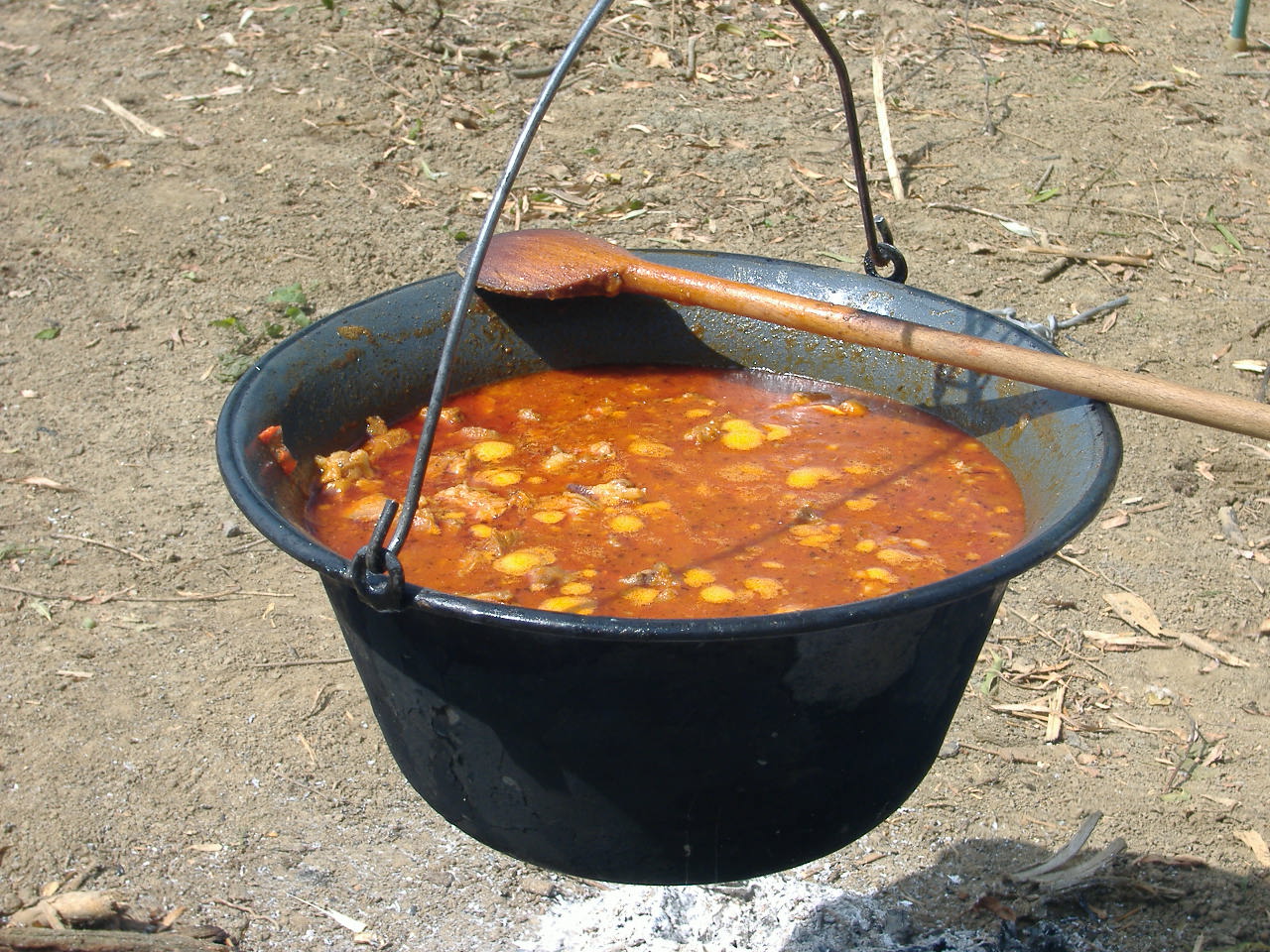
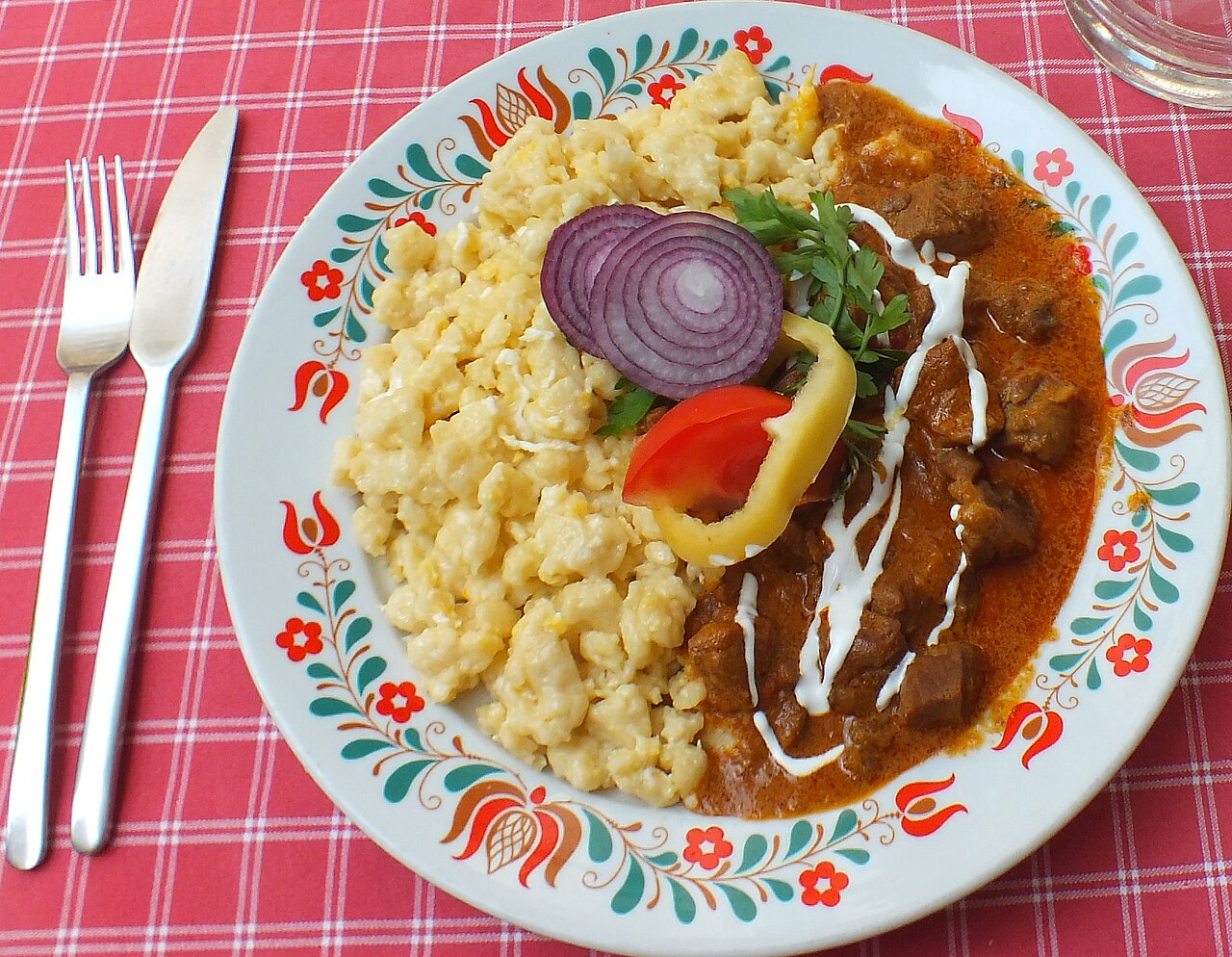
A rich, red soup of beef, onions, potatoes and vegetables, seasoned with plenty of paprika and caraway. In Hungary gulyás is usually a soup, while a thicker meat stew is called pörkölt.
The word gulya means a herd of cattle, and gulyás means a cattle herder. The dish began as the meal of herdsmen on the great plains.
See the recipe
Serves 6
2 h 30 min
Ingredients
800 g beef shin or chuck, cut in 2 cm cubes
2 large onions, finely chopped
2 tablespoons lard or sunflower oil
2 tablespoons sweet Hungarian paprika
1 teaspoon caraway seeds and 2 garlic cloves, crushed
2 carrots and 1 parsnip, cut in chunks
1 green pepper and 1 tomato, chopped
500 g potatoes, cut in cubes
About 2 litres water or beef stock, salt and pepper
Method
Melt the lard in a large heavy pot and cook the onions gently for 10 minutes until soft and golden.
Take the pot off the heat and stir in the paprika, so that it does not burn and turn bitter.
Add the beef, caraway and garlic, return to the heat and stir for a few minutes until the meat is coated and lightly browned.
Pour in a little water, cover and simmer gently for about 1 hour, adding a splash of water now and then.
Add the carrots, parsnip, pepper, tomato and the rest of the water or stock. Simmer for 30 minutes.
Add the potatoes and cook for another 20 to 25 minutes, until soft. Season with salt and pepper and serve hot with fresh bread.
The banks of the Danube and the Tisza, especially Szeged and Baja
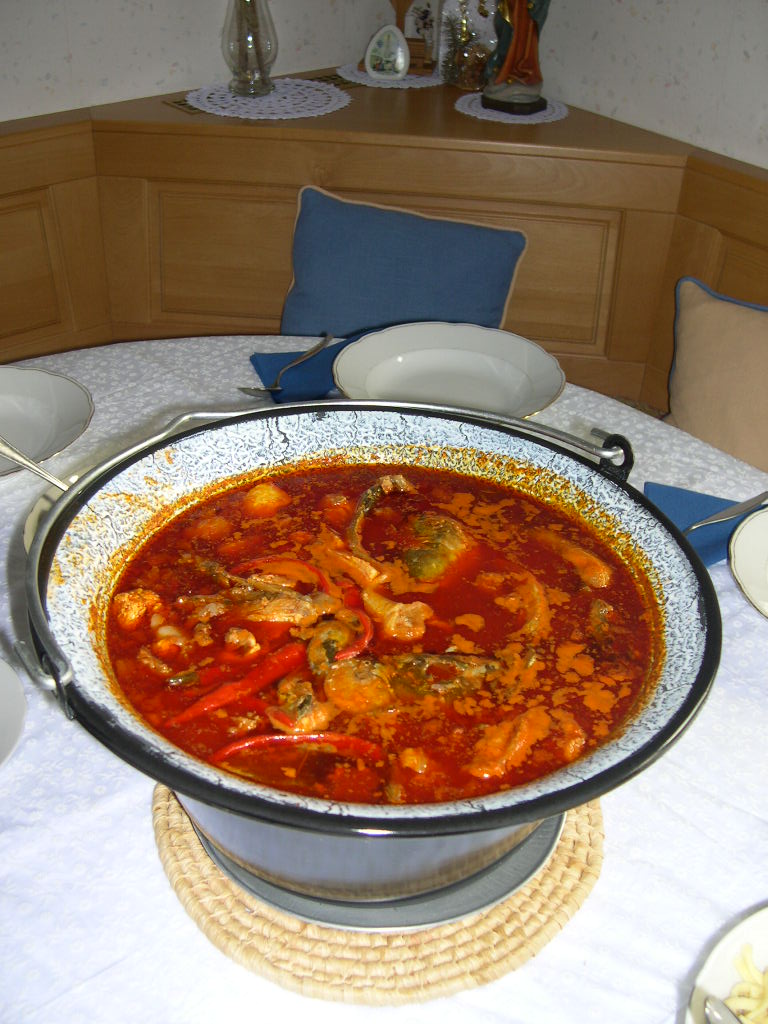
A bright red, hot and spicy soup of carp or mixed river fish, made with a strong fish broth and generous amounts of hot paprika.
Towns along the two big rivers have fierce rivalries over the right way to make it: the Paks version adds thin homemade pasta, while the Szeged version uses several kinds of fish.
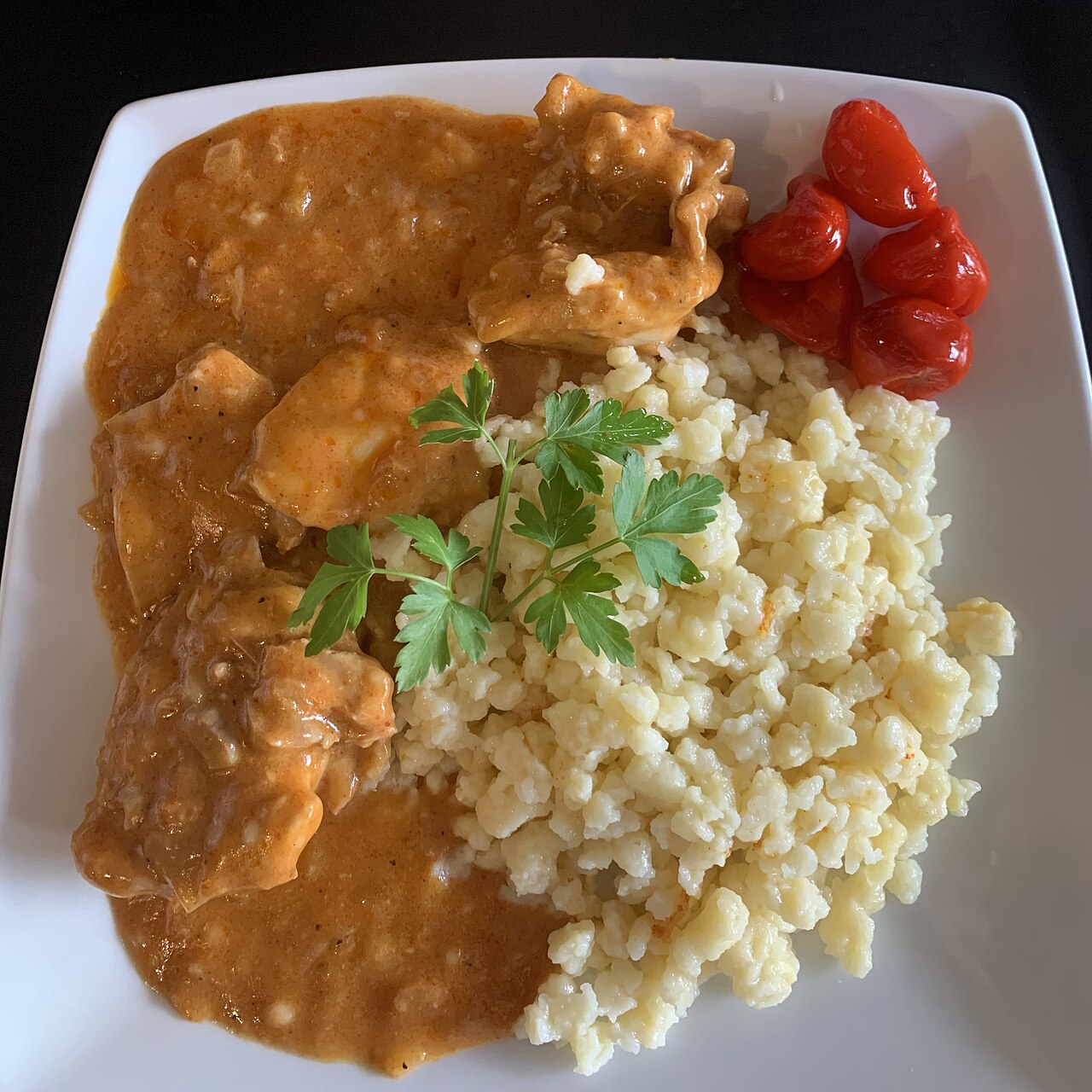
Chicken slowly simmered in a creamy paprika sauce finished with sour cream, traditionally served with nokedli, small soft egg dumplings.
Paprikás dishes use meat, paprika and thick sour cream, while pörkölt has no cream and gulyás is much more liquid.
See the recipe
Serves 4
1 h 15 min
Ingredients
1 kg chicken thighs and drumsticks, skin removed if you like
2 onions, finely chopped
2 tablespoons sunflower oil or lard
2 tablespoons sweet Hungarian paprika
1 green pepper and 1 tomato, chopped
250 ml water or chicken stock
200 ml sour cream mixed with 1 tablespoon flour
For the nokedli: 300 g plain flour, 2 eggs, about 150 ml water and a pinch of salt
Method
Cook the onions gently in the oil for 10 minutes until soft. Take the pan off the heat and stir in the paprika.
Add the chicken, pepper, tomato, salt and water. Cover and simmer for about 40 minutes, until the chicken is cooked through.
Meanwhile, mix the flour, eggs, water and salt into a soft, sticky dough. Press it in small pieces into a pan of boiling salted water, using a spätzle maker or a spoon. When the dumplings float, cook for 2 more minutes, then drain.
Stir a spoonful of the hot sauce into the sour cream mixture, then stir it all into the pan. Simmer gently for 5 minutes, without boiling hard, until the sauce thickens.
Serve the chicken and sauce with the nokedli and a cucumber salad.
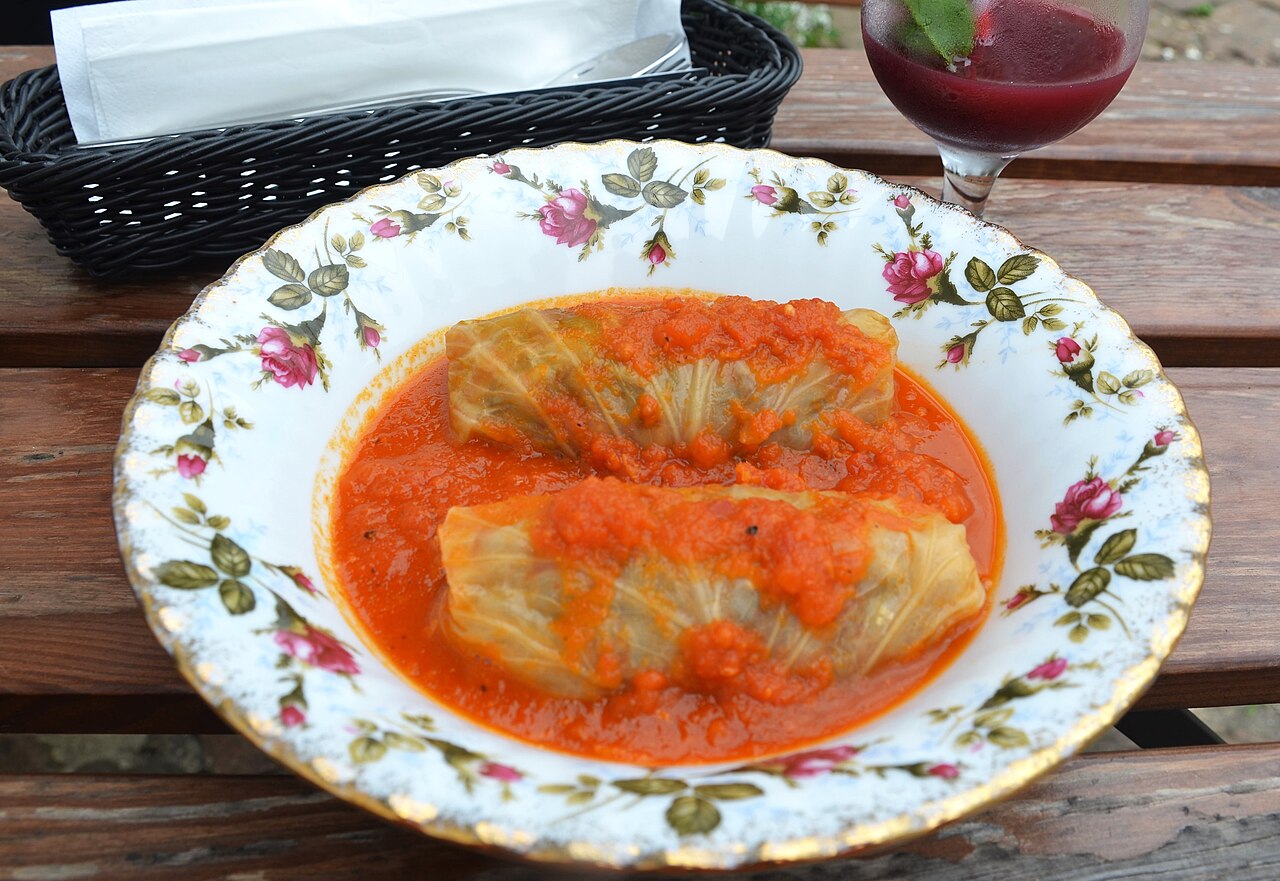
Cabbage or sauerkraut leaves rolled around minced pork, rice, onion and spices, slowly cooked in a pot with more sauerkraut and paprika, and served with sour cream on top.
Cabbage rolls are loved across Central and Eastern Europe, but the Hungarian version is known for its paprika and sour cream.
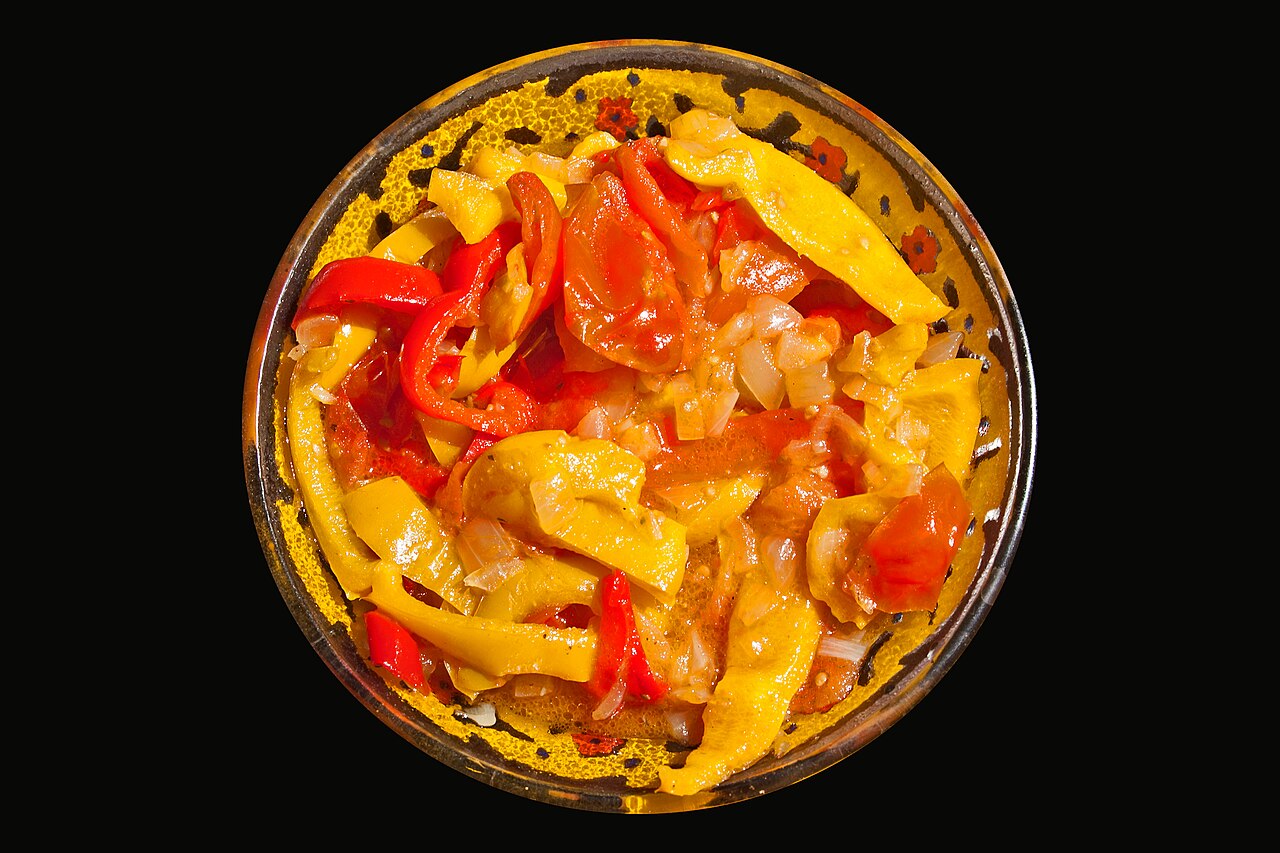
A thick stew of yellow peppers, tomatoes and onions cooked in lard or oil with paprika. It is eaten on its own with bread, with sausage, or as a side dish.
Lecsó is believed to have appeared in Hungary in the 19th century, and neighbours from Slovakia to Poland now make their own versions.
See the recipe
Serves 4
40 min
Ingredients
6 pale yellow peppers (Hungarian wax peppers or sweet pointed peppers), cut in strips
4 ripe tomatoes, chopped
2 onions, sliced
2 tablespoons lard or sunflower oil
1 teaspoon sweet Hungarian paprika
Salt and a pinch of sugar
Optional: 1 smoked sausage, sliced
Method
Warm the lard or oil in a wide pan and cook the onions for about 5 minutes, until soft.
If you use sausage, add it now and fry for 2 minutes.
Add the pepper strips and cook for about 10 minutes, stirring now and then, until they start to soften.
Take the pan off the heat, stir in the paprika, then add the tomatoes, salt and a pinch of sugar.
Simmer for 10 to 15 minutes until thick and soft. Serve hot with fresh white bread.
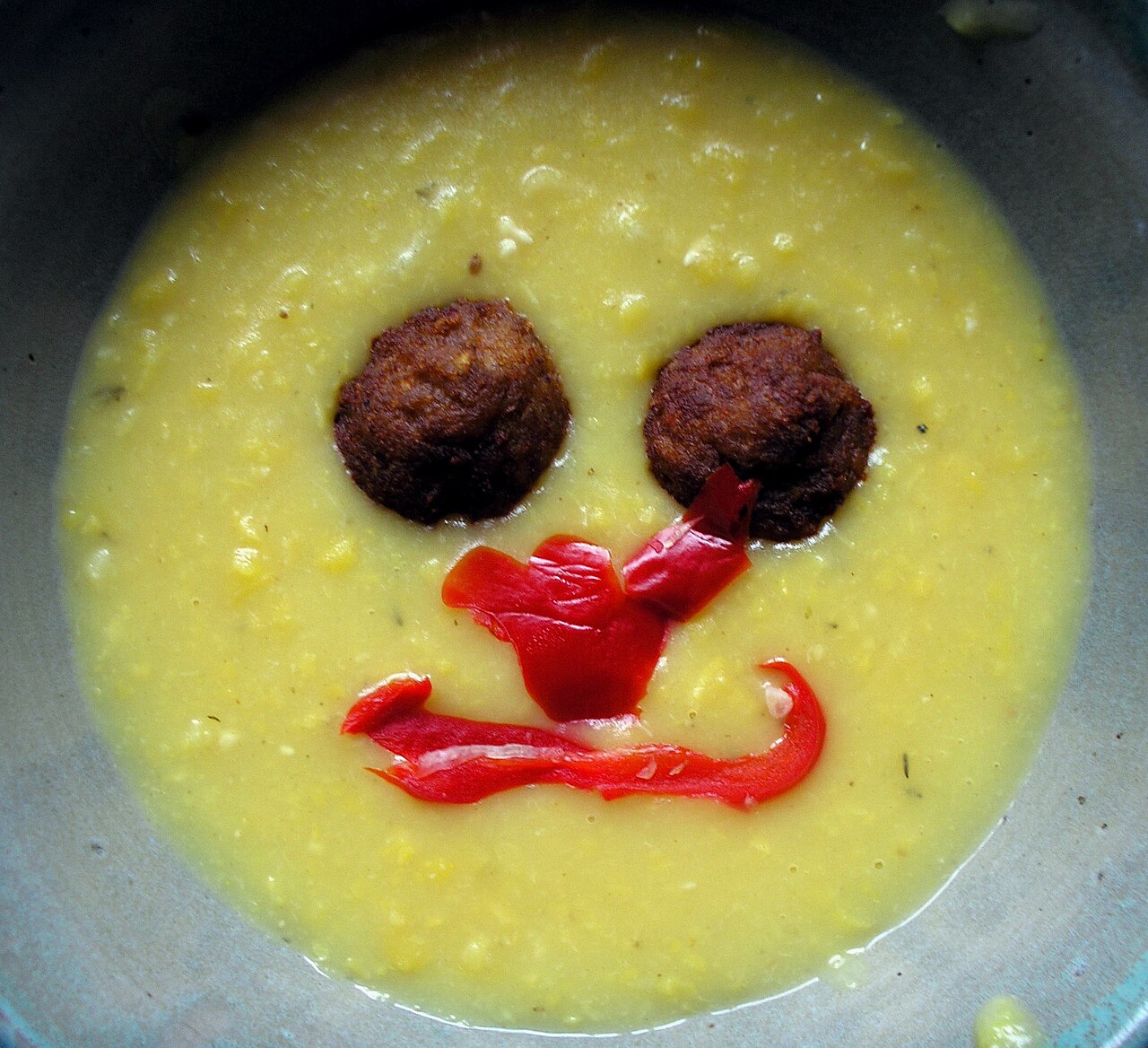
A thick vegetable dish, somewhere between a soup and a stew, made with peas, beans, lentils, potatoes, squash or cabbage and thickened with a roux or sour cream. It is often eaten as the main course at lunch or as a side dish with meat.
Főzelék was long thought of as simple home cooking that seldom appeared on menus, but today there are even places that serve only főzelék.
All of Hungary, a favourite at markets and beaches
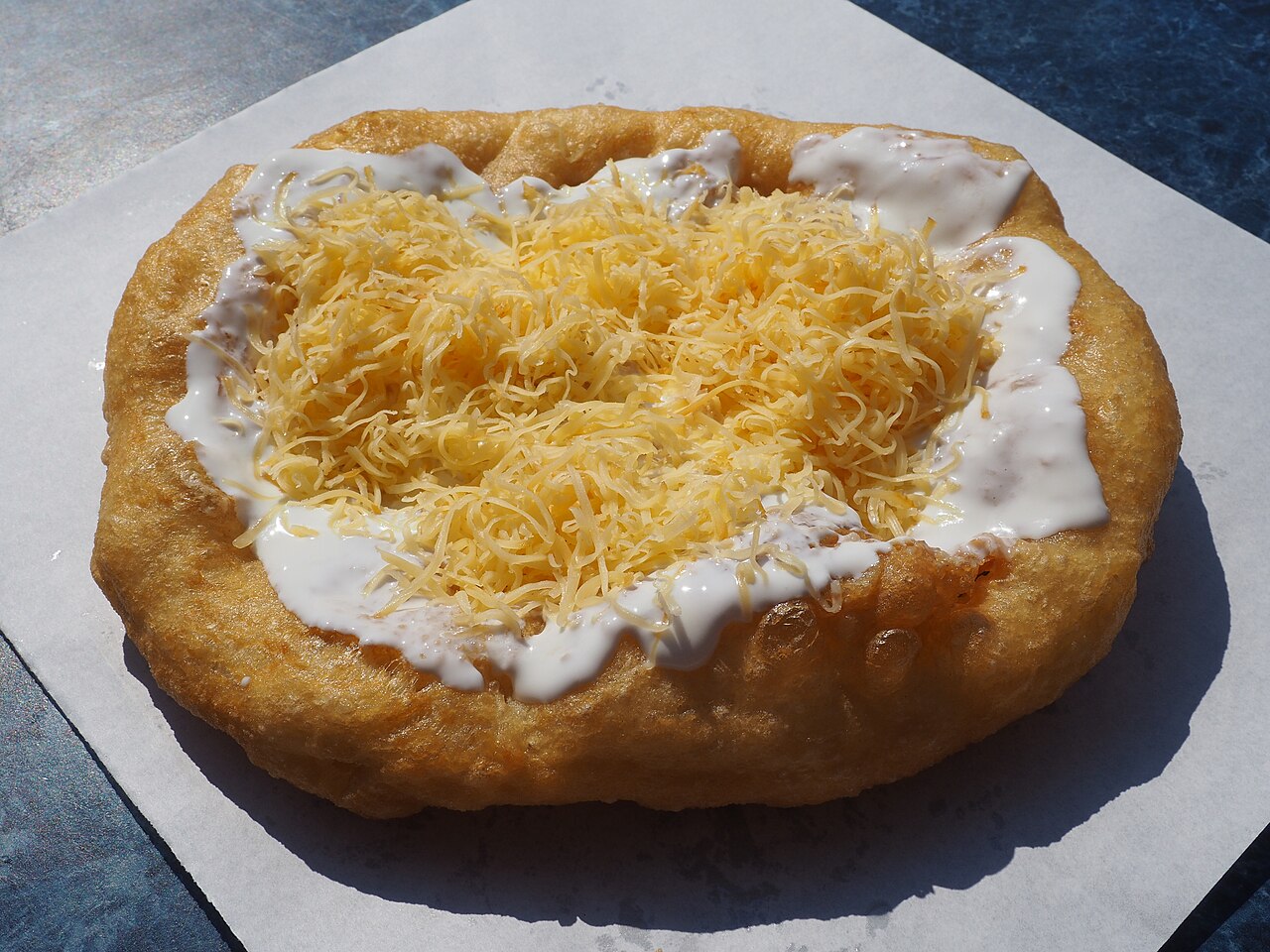
A deep-fried flatbread, crisp outside and soft inside, rubbed with garlic and usually topped with sour cream and grated cheese.
The name comes from láng, the Hungarian word for flame. Lángos was once baked at the front of the bread oven while it heated up.
See the recipe
Serves 4
1 h 30 min
Ingredients
400 g plain flour
7 g dried yeast and 1 teaspoon sugar
About 250 ml lukewarm milk or water
1 teaspoon salt
Sunflower oil for frying
To serve: 2 garlic cloves crushed in a little water, 200 ml sour cream and 100 g grated cheese
Method
Mix the flour, yeast, sugar and salt, then add the milk and knead for about 5 minutes into a soft, smooth dough.
Cover and leave in a warm place for about 1 hour, until doubled in size.
Divide the dough into 4 pieces. With oiled hands, stretch each one into a round about 1 cm thick.
Heat about 3 cm of oil in a deep pan to about 175°C. Never leave hot oil alone, and keep children away from the pan. Fry the lángos one at a time for 2 to 3 minutes on each side, until golden.
Drain on kitchen paper, brush with garlic water, spread with sour cream and sprinkle with cheese. Eat warm.
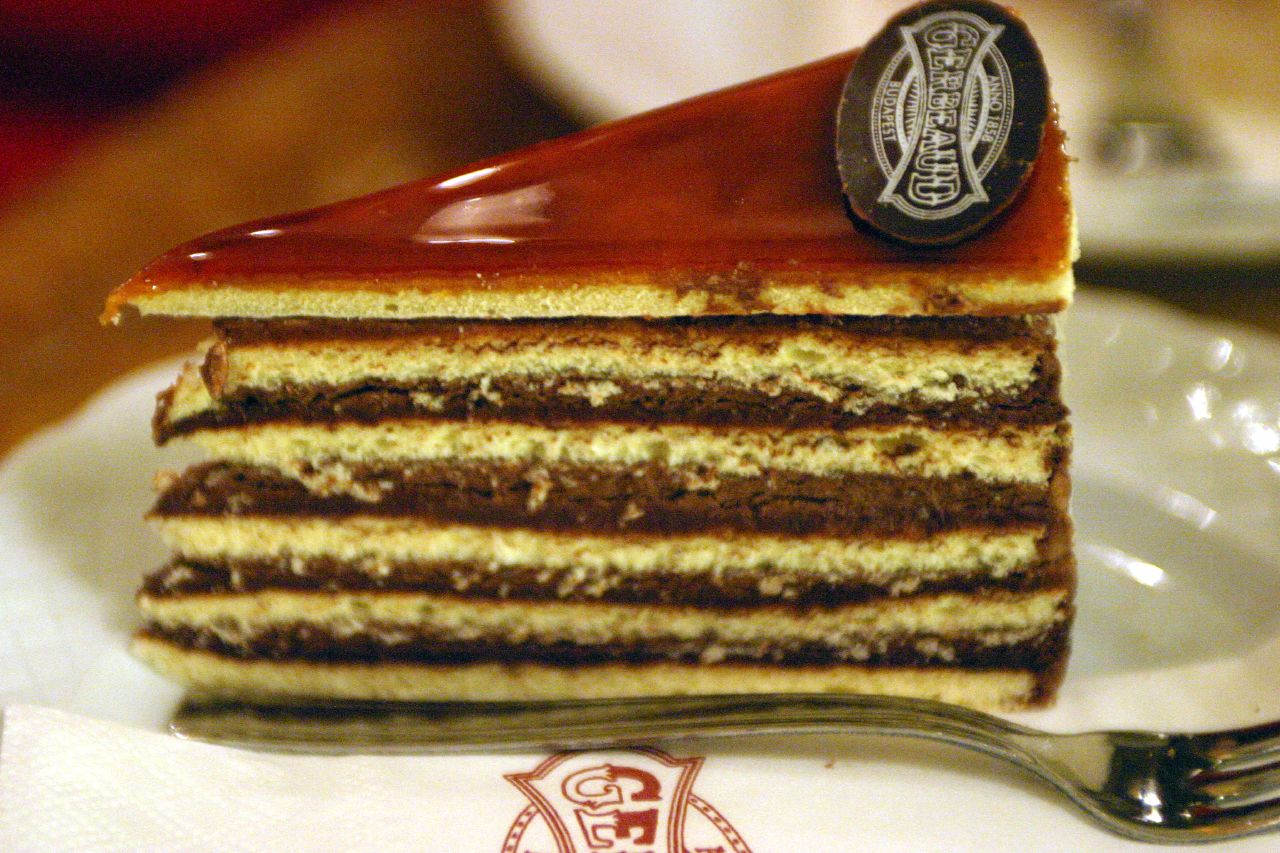
Thin layers of sponge cake filled with chocolate buttercream and crowned with a hard, shiny layer of caramel.
The confectioner József C. Dobos introduced the cake at the 1885 National Exhibition in Budapest. The caramel top kept it fresh for longer, so it could travel well.
The Székely Land in Transylvania, now loved all over Hungary
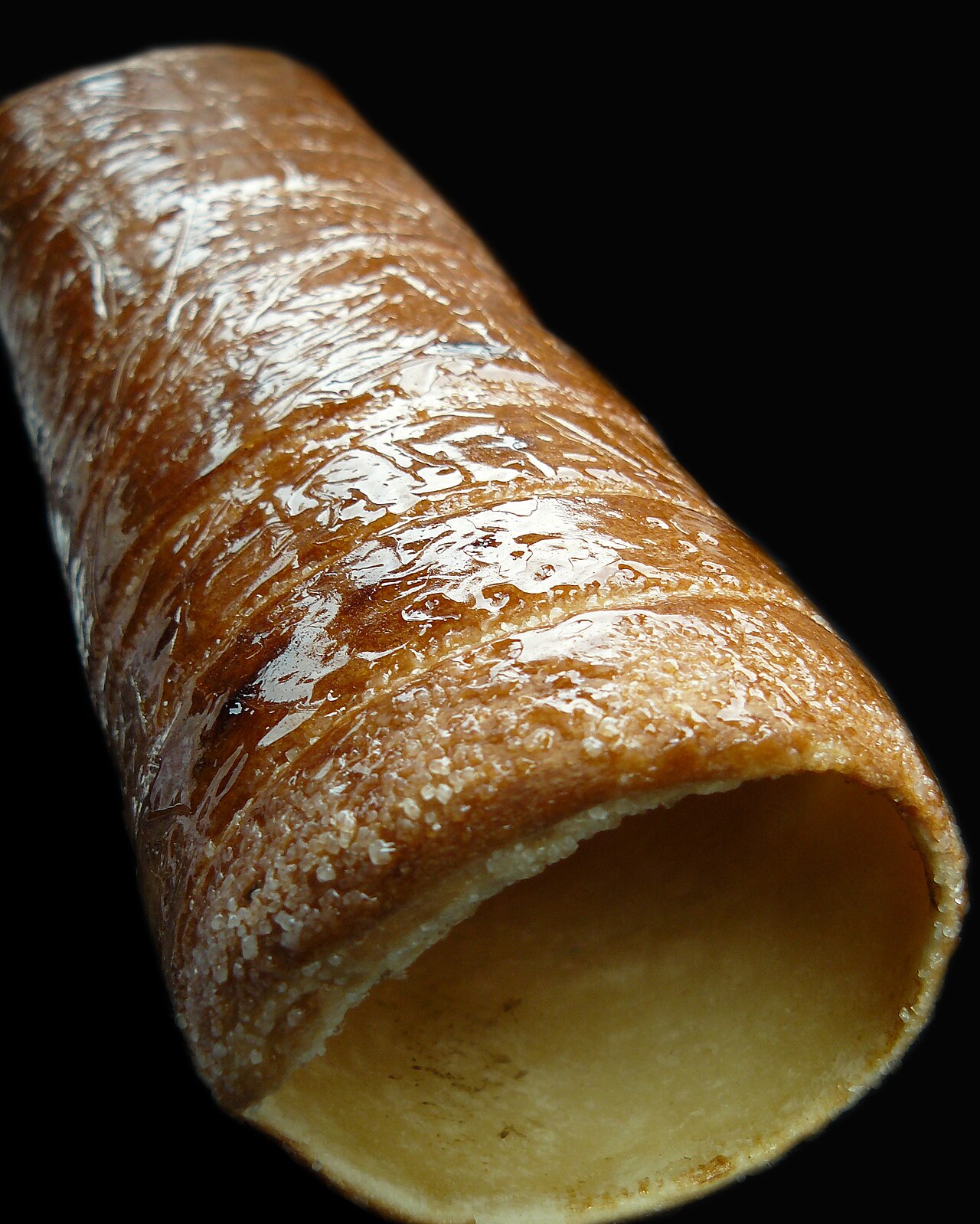
A strip of sweet yeast dough wound around a wooden cone, rolled in sugar and roasted over charcoal until the sugar turns to a crisp caramel crust. It is often dusted with cinnamon or ground walnuts.
Its name comes from kürtő, meaning stovepipe: the hollow, steaming cake looks like a little chimney.
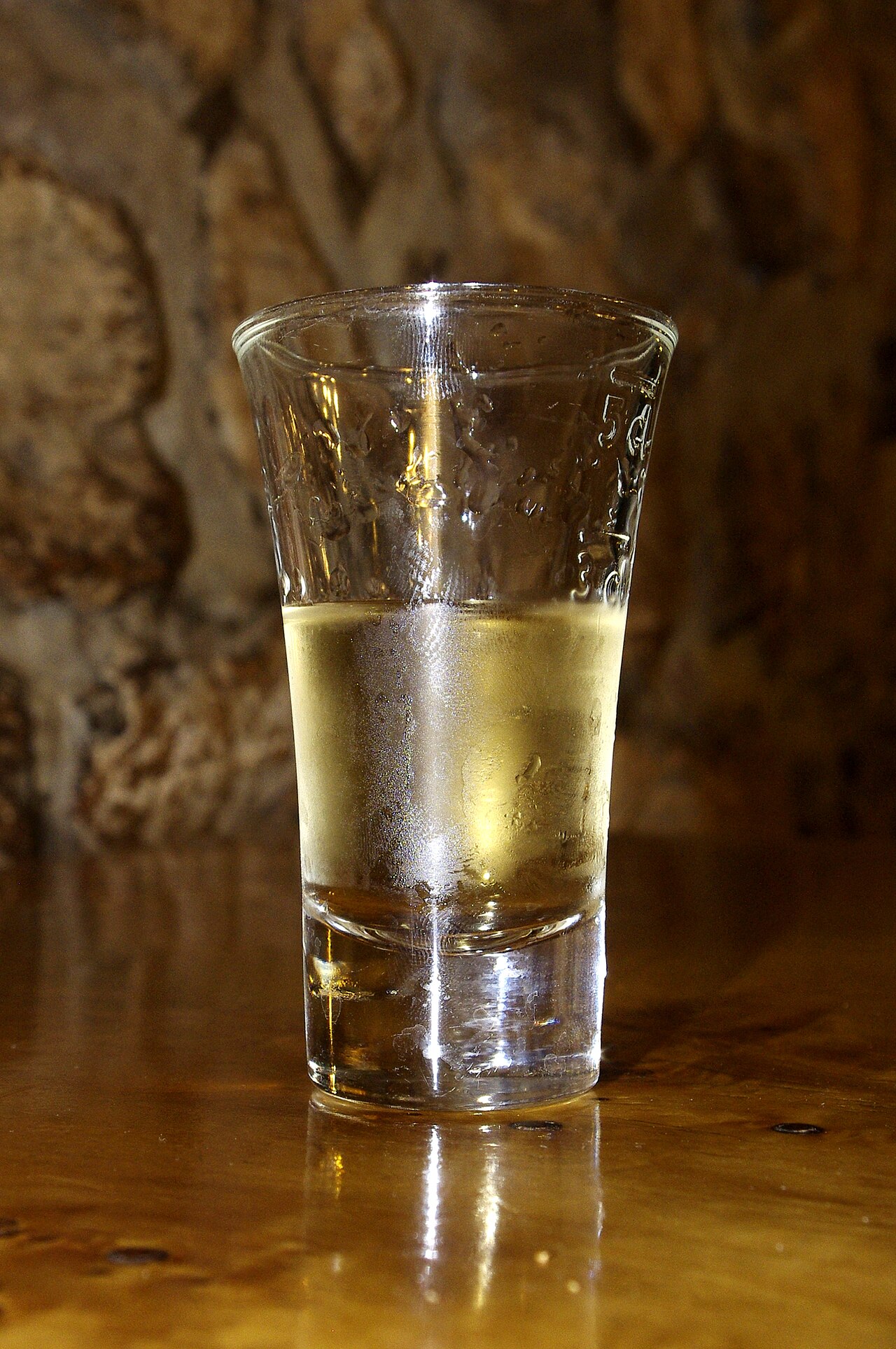
A strong fruit brandy, most often made from plums, apricots, pears, apples or cherries, and often offered to guests when they arrive.
By law only fruit spirits made from fruit grown, distilled and bottled in Hungary (plus some Austrian apricot spirits) may be called pálinka. It is at least 37.5% alcohol, so anyone who does not drink can politely say no.
Table manners
Before eating, people wish each other 'Jó étvágyat' (enjoy your meal).
When glasses are raised, people say 'Egészségedre' (to your health).
Many Hungarians still do not clink beer glasses. The story says Austrian officers clinked beer to celebrate the execution of 13 Hungarian generals in 1849.
Lunch is the main meal of the day and usually begins with soup.
Bread is served with almost every meal.
In the countryside a glass of pálinka is often offered to guests on arrival.
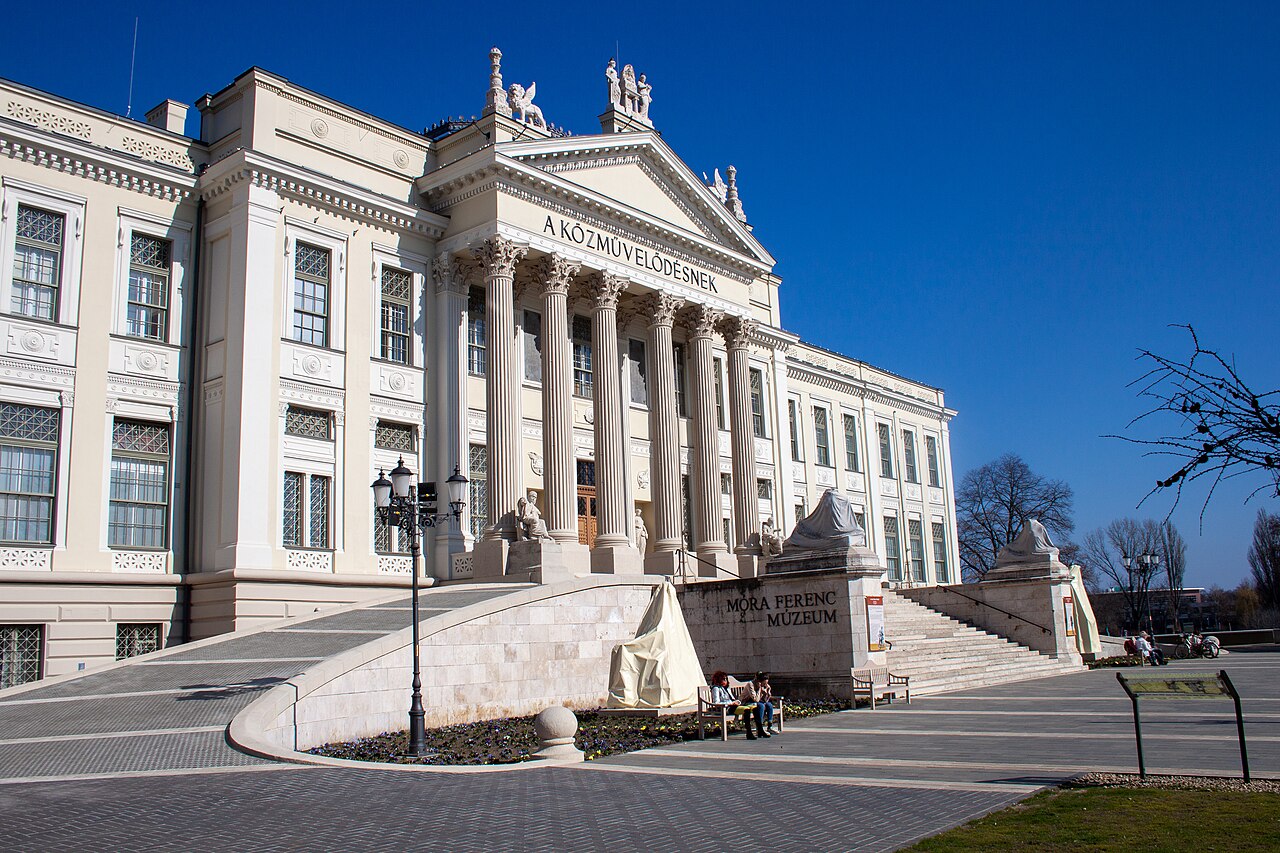
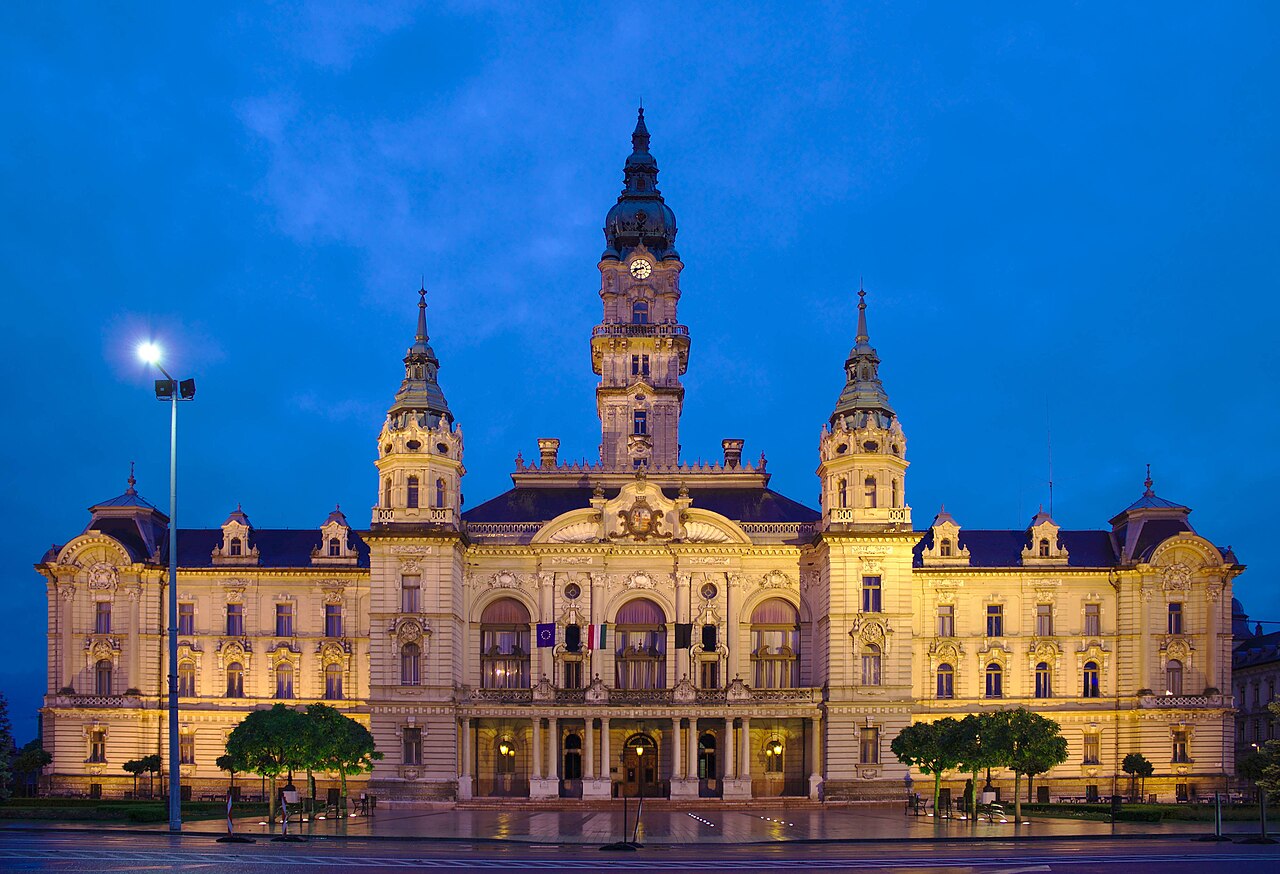
Budapest is by far the largest city, home to about one in six Hungarians. Beyond it lie proud regional centres: Calvinist Debrecen and sunny Szeged on the plain, Turkish-flavoured Pécs in the south, baroque Győr and Sopron in the west, and the wine towns of Eger and Tokaj in the north.
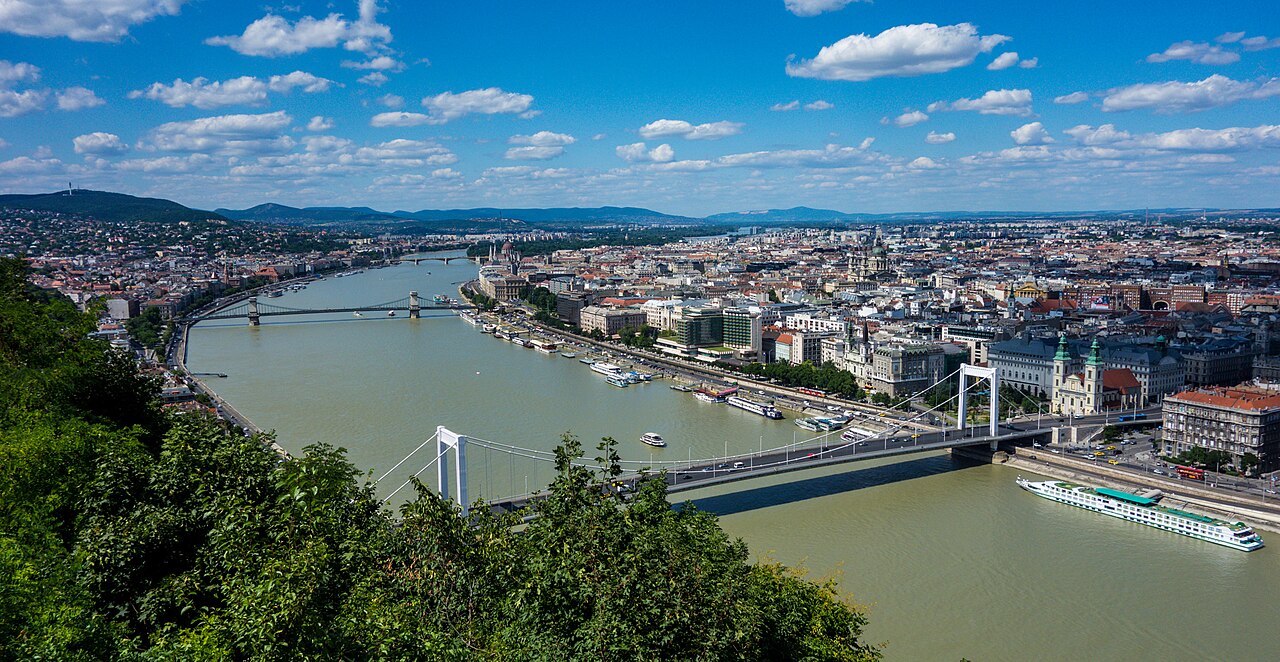
The capital, with about 1.7 million people, on both banks of the Danube. Hilly Buda with its castle lies on the west bank and flat, busy Pest on the east. The two towns and Óbuda were united in 1873.
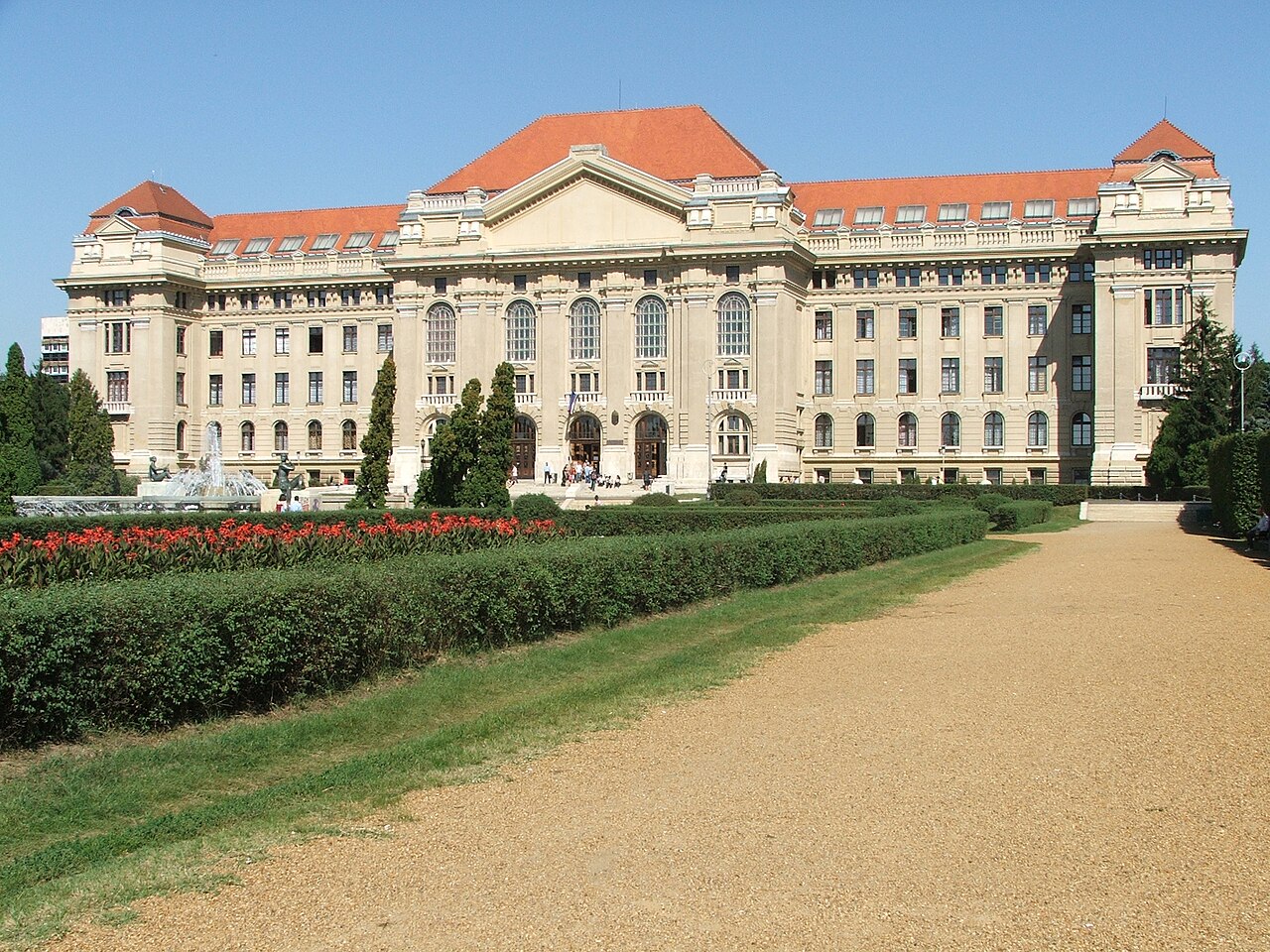
Hungary's second-largest city, on the Great Plain in the east. It is the heart of Hungarian Calvinism, and during the revolution of 1848 to 1849 the end of Habsburg rule was declared in its Reformed Great Church.
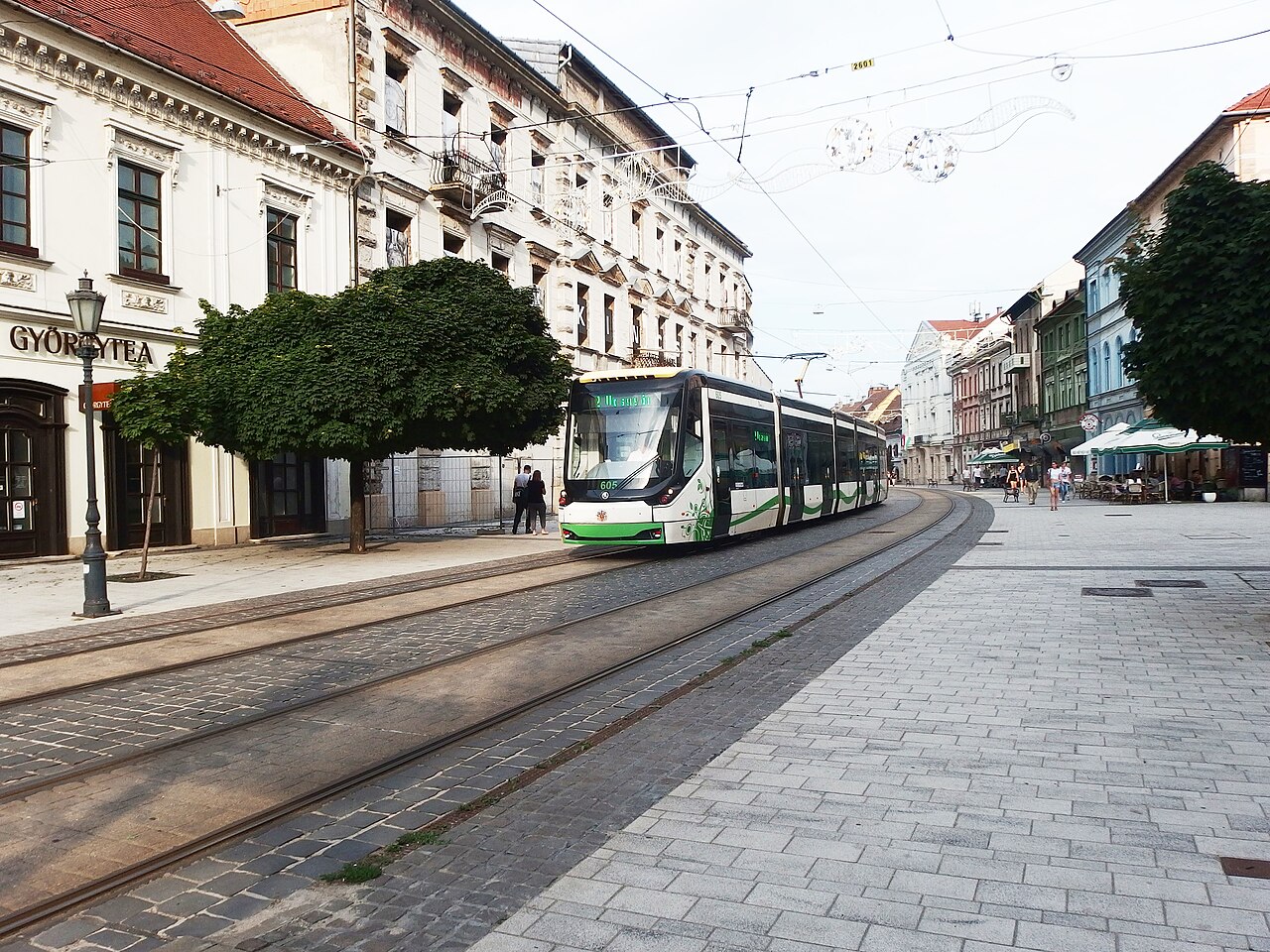
The fourth-largest city, in the north-east at the edge of the Bükk hills. It grew as a centre of heavy industry and includes the old town of Diósgyőr with its medieval castle.
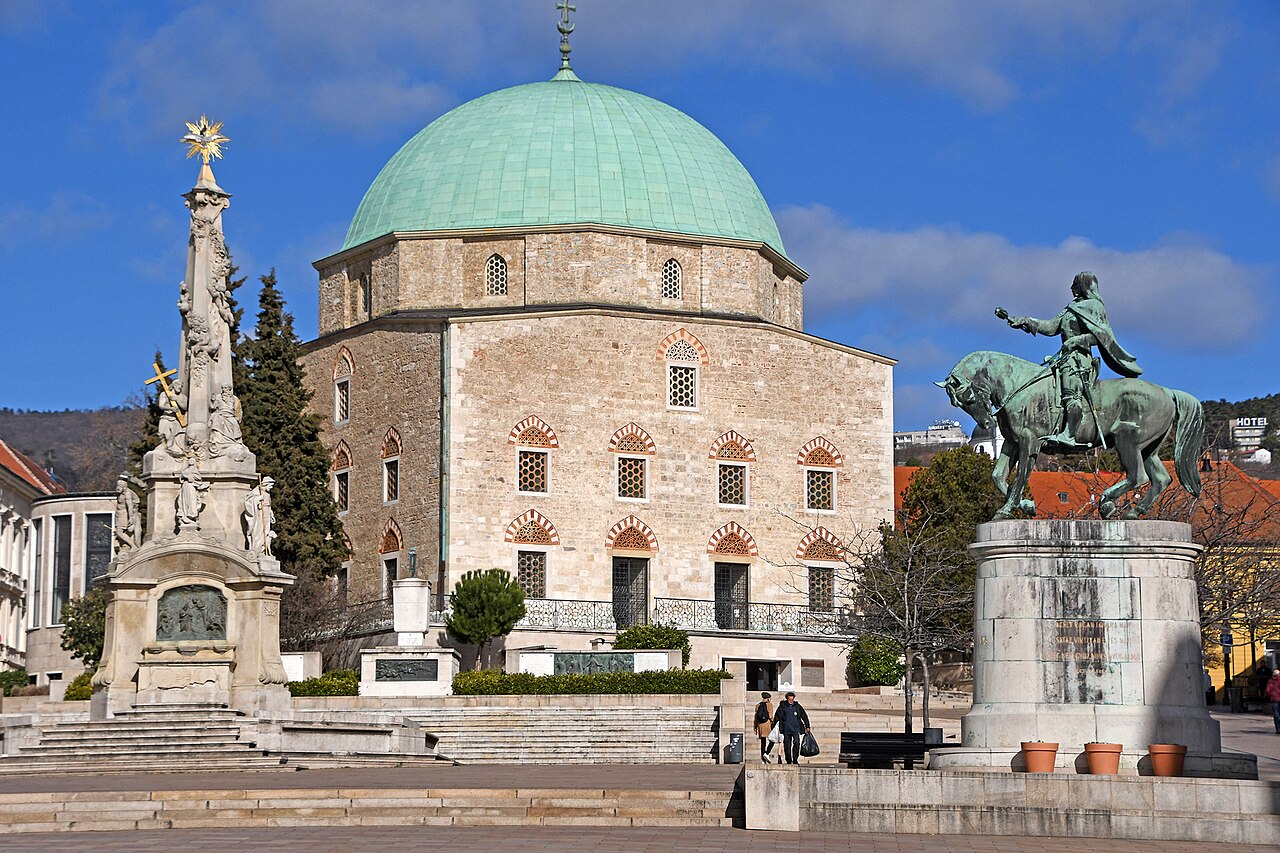
A southern city on the slopes of the Mecsek hills, founded by the Romans as Sopianae. It has more Ottoman buildings than any other city in Central Europe, and a mosque on its main square that is now a church.
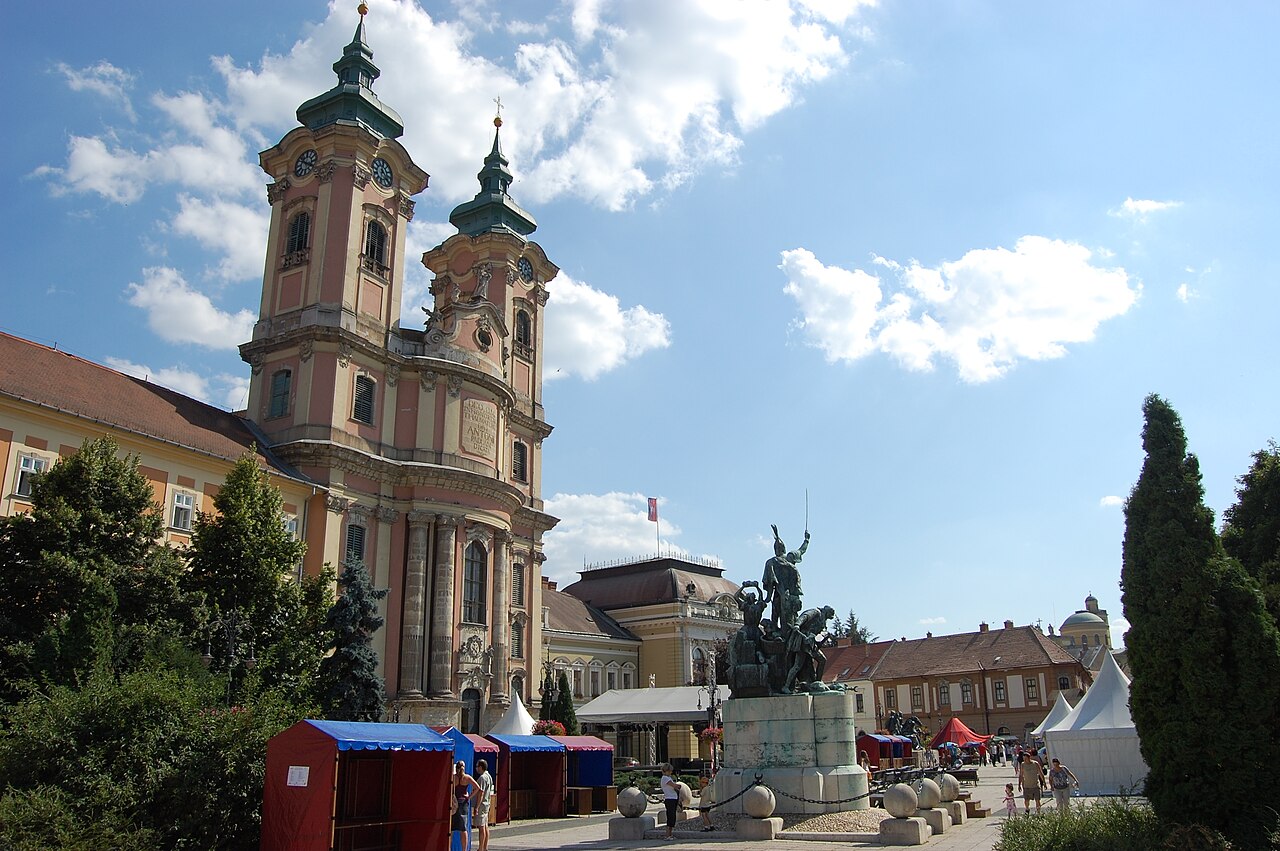
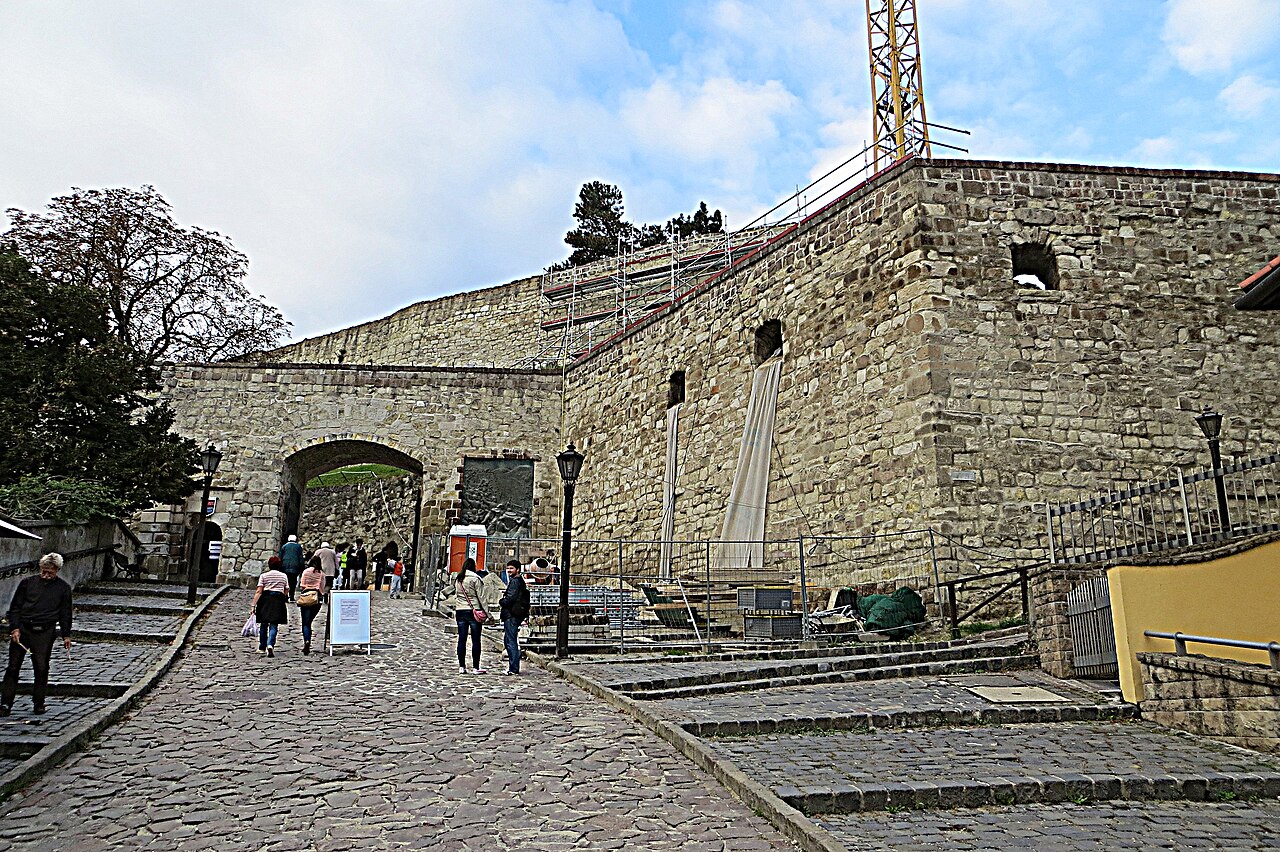
A baroque town between the Mátra and Bükk hills, famous for the castle whose defenders held off the Ottomans in 1552. It also has the northernmost Ottoman minaret.
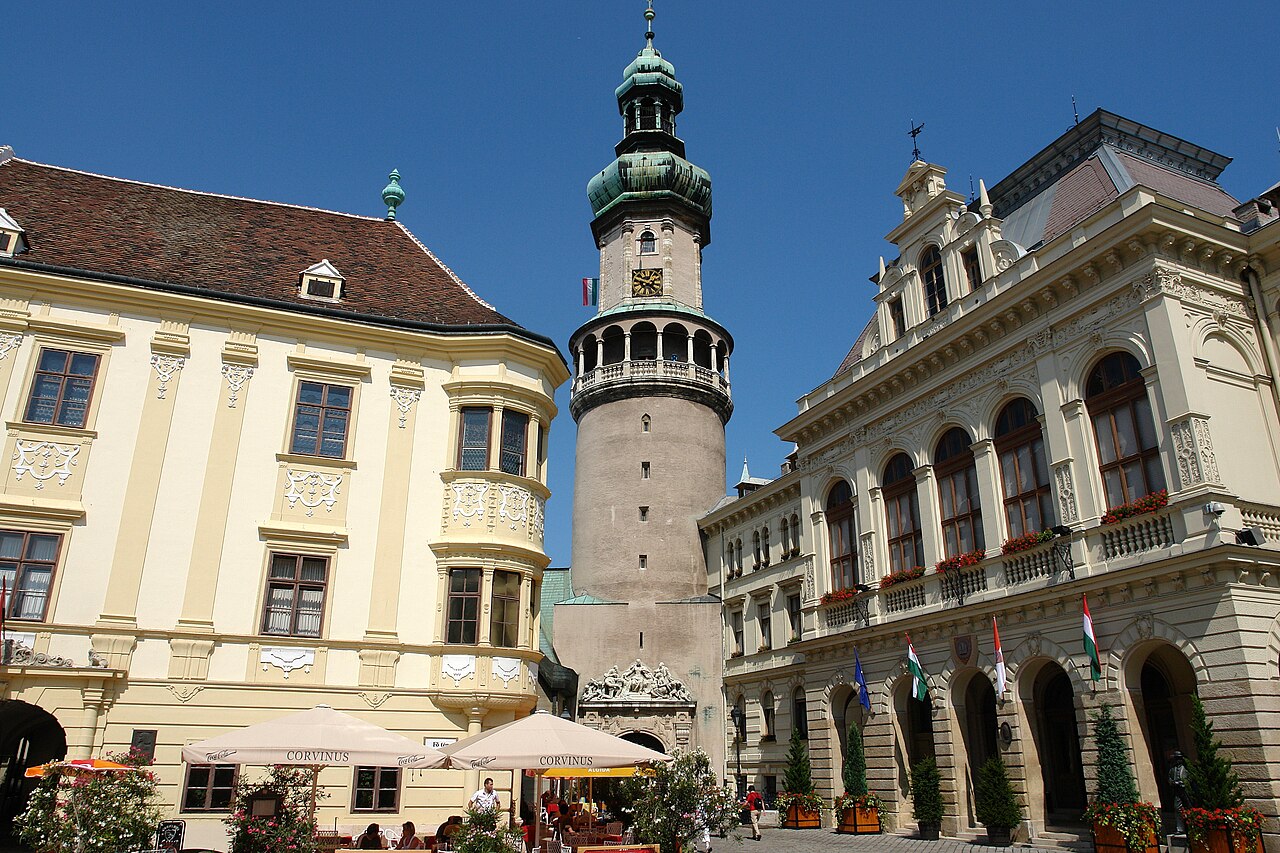
A historic town right on the Austrian border, built on the Roman town of Scarbantia. In a 1921 vote the town chose to stay in Hungary, and it has been called 'the most loyal city' ever since.
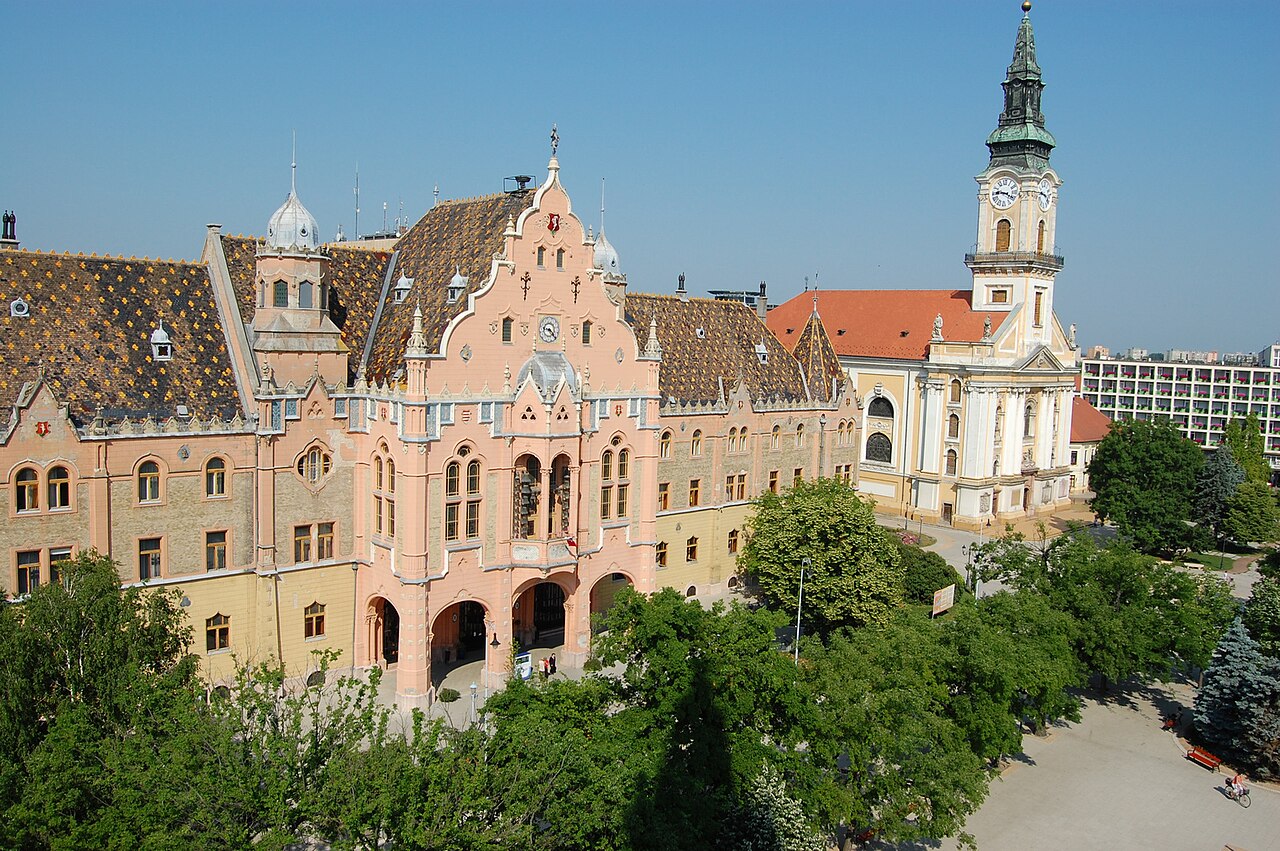
A city on the Great Plain halfway between Budapest and Szeged. Its name comes from kecske, the Hungarian word for goat, and its centre has a fine group of Art Nouveau buildings.
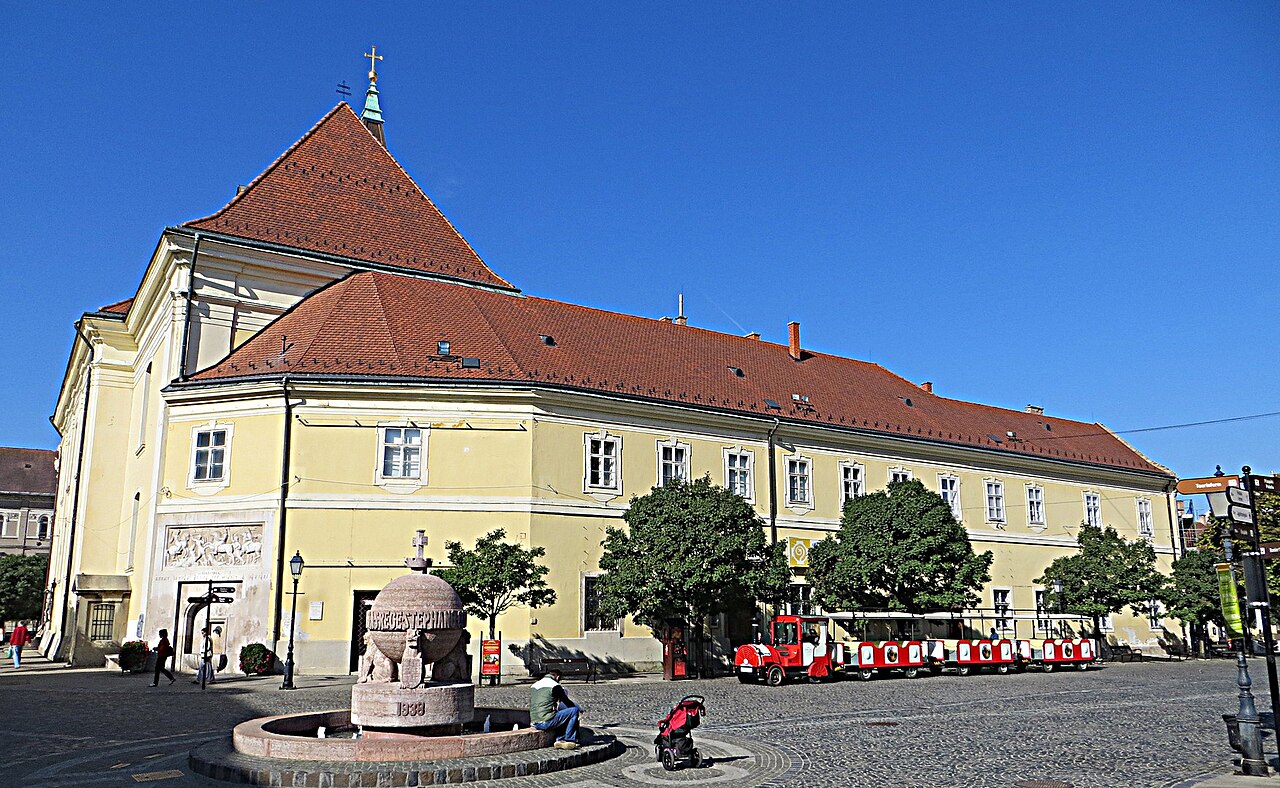
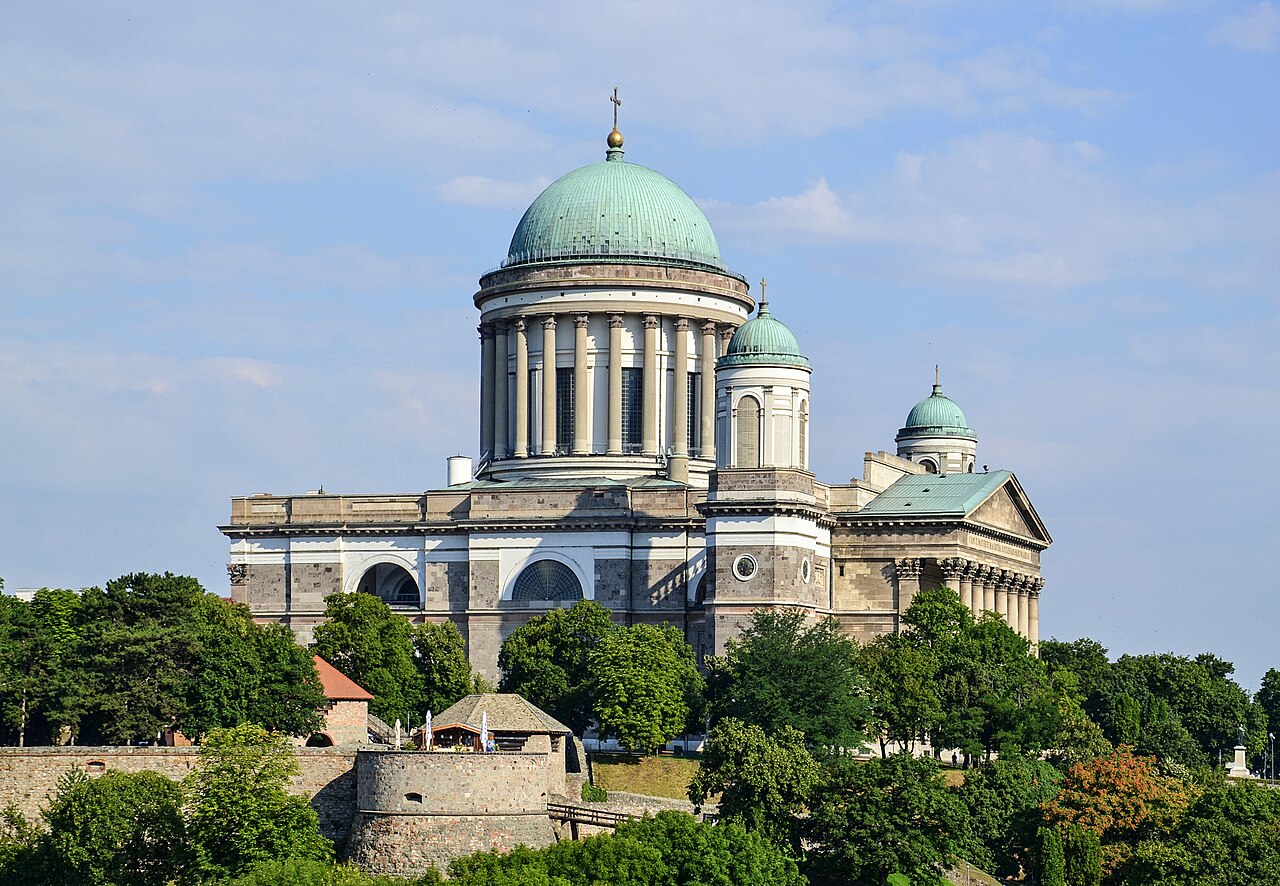
A small city on the Danube facing Slovakia, 46 km north-west of Budapest. It was Hungary's capital from the 10th to the 13th century, and Saint Stephen is thought to have been born here.
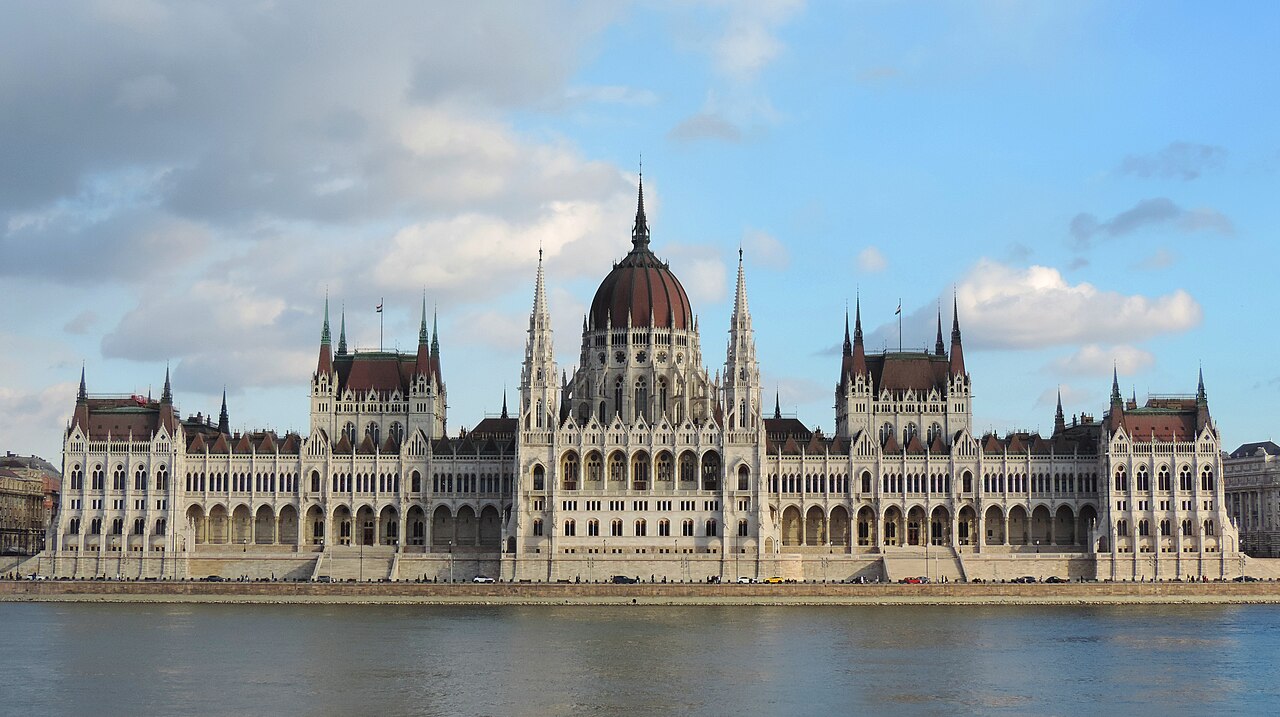
A huge neo-Gothic building on the Pest bank of the Danube, designed by Imre Steindl and opened in 1902. It is the largest building in Hungary and part of the UNESCO World Heritage site of Budapest's Danube banks.
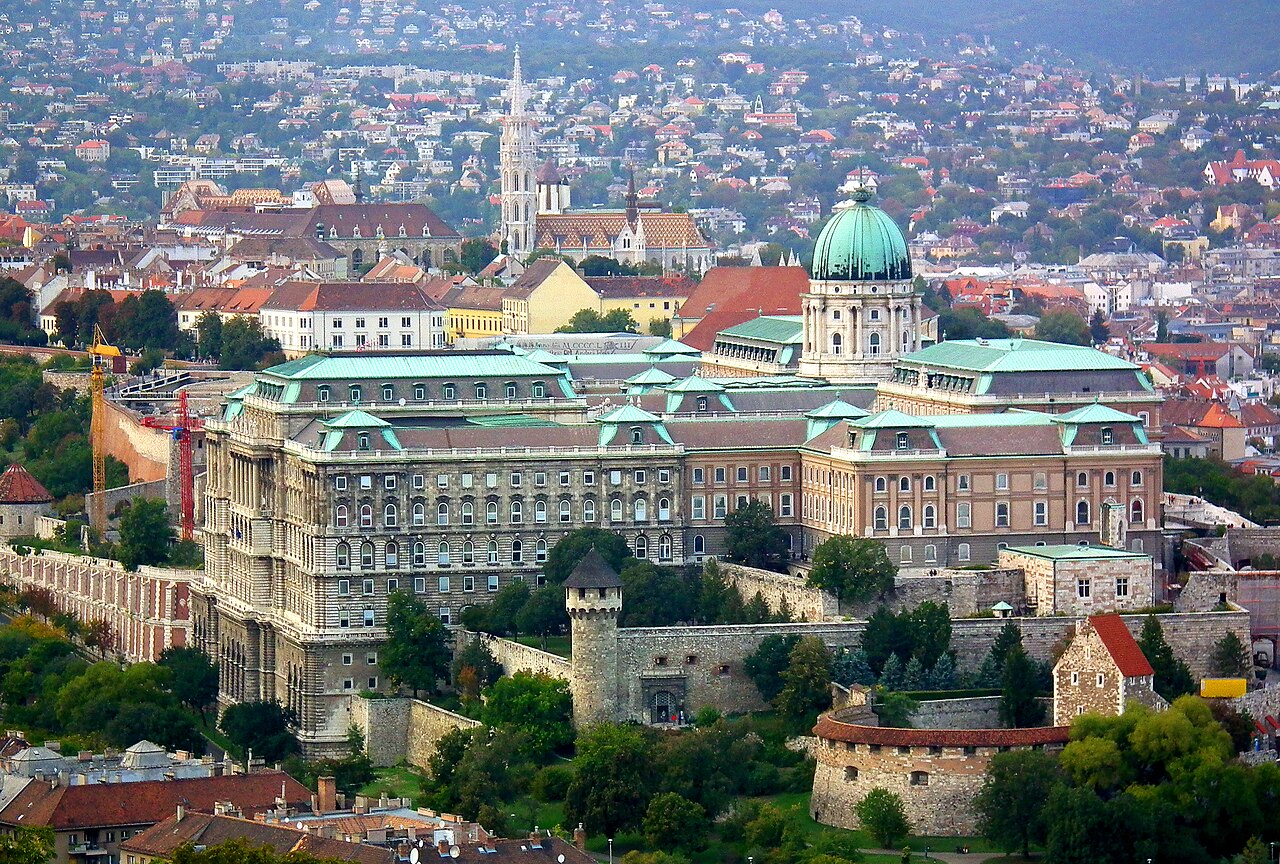
The palace of the Hungarian kings on Castle Hill, first completed in 1265 and rebuilt many times. It was badly damaged in the Second World War and now holds the Hungarian National Gallery, the Budapest History Museum and the national library. The Castle Quarter is on the UNESCO list.
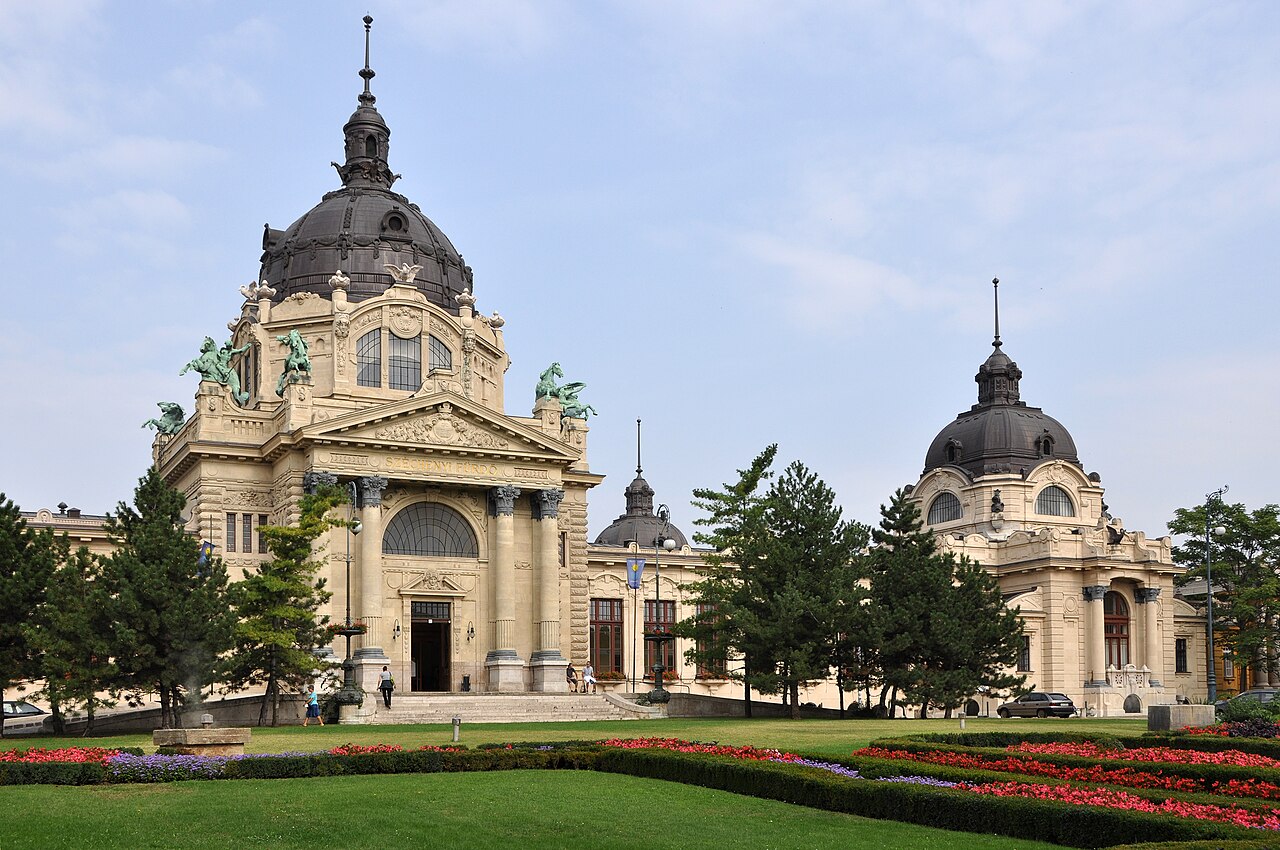
A grand Neo-Baroque spa in Budapest's City Park, opened in 1913. It is one of the largest spa complexes in Europe, fed by two hot springs of about 74°C and 77°C.
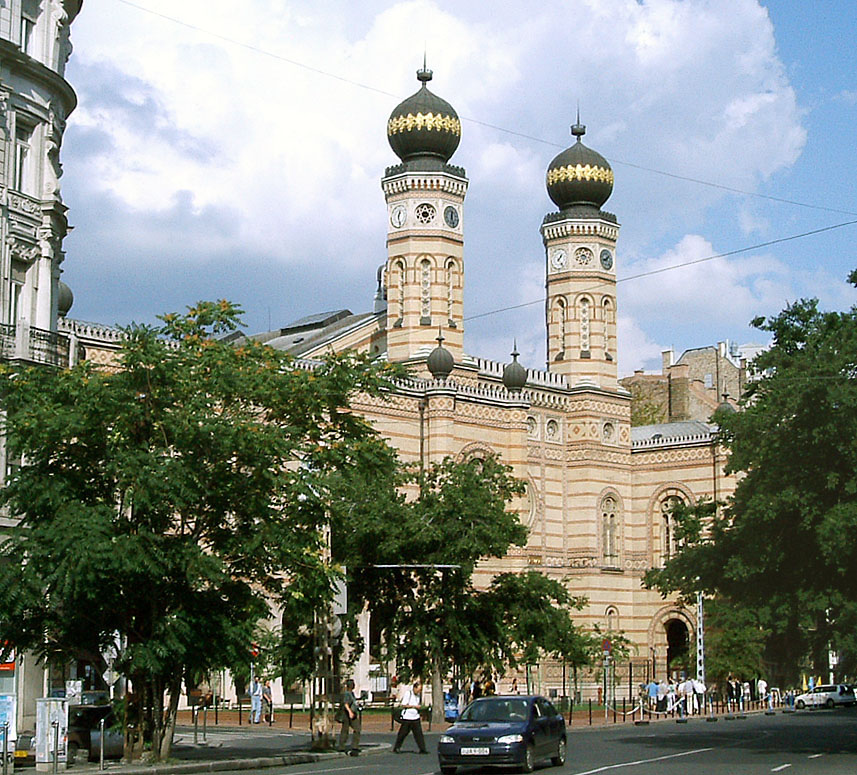
Also called the Great Synagogue, it was built between 1854 and 1859 in a Moorish style inspired by the Alhambra. With 3,000 seats it is the largest synagogue in Europe, and the complex includes the Hungarian Jewish Museum and a memorial.
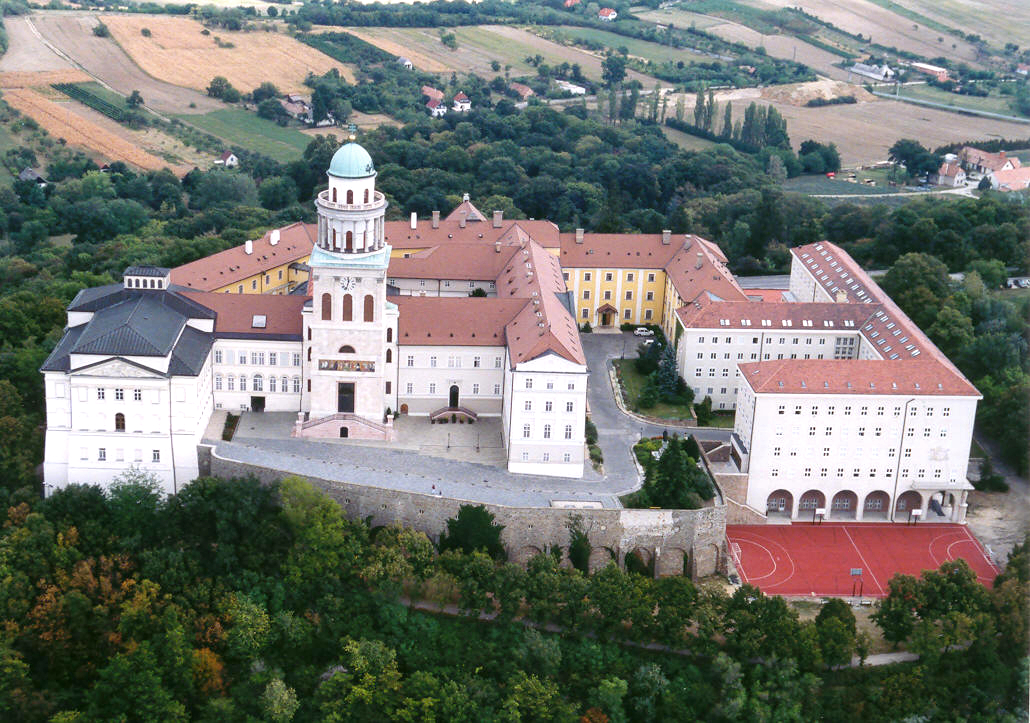
A Benedictine monastery on a hilltop south-east of Győr, founded in 996. Its library holds about 400,000 books, and it is the second-largest territorial abbey in the world after Monte Cassino.
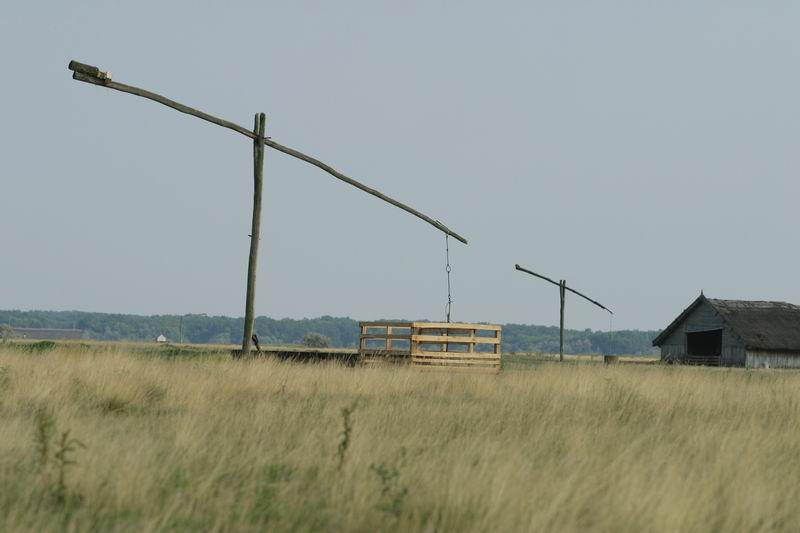
The puszta, a vast grassy plain west of Debrecen and Hungary's first national park, founded in 1973. It is the largest semi-natural grassland in Europe, grazed by grey long-horned cattle and horses watched by traditional herdsmen.
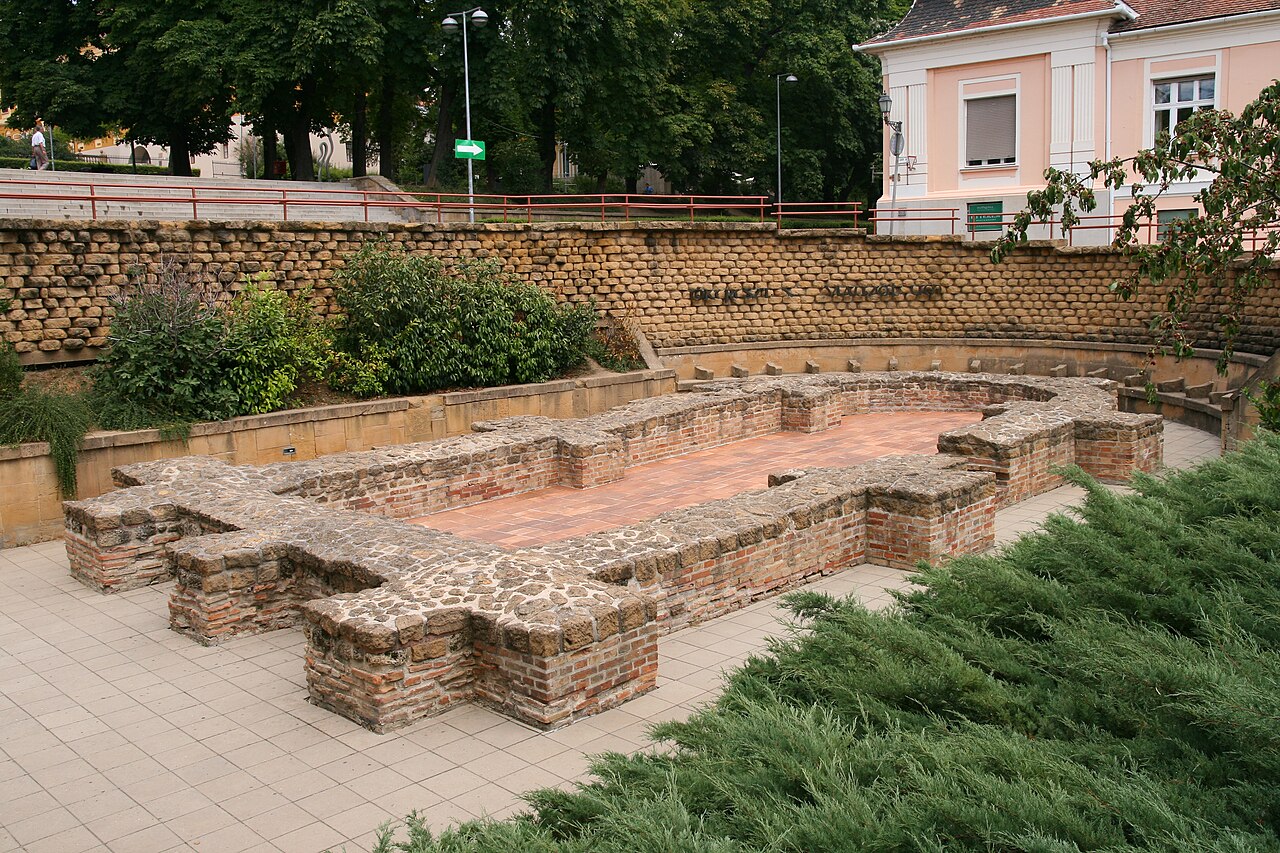
Painted underground tombs and burial chapels from the 4th century, when Pécs was the Roman town of Sopianae. It is one of the most important Roman cemeteries outside Italy.
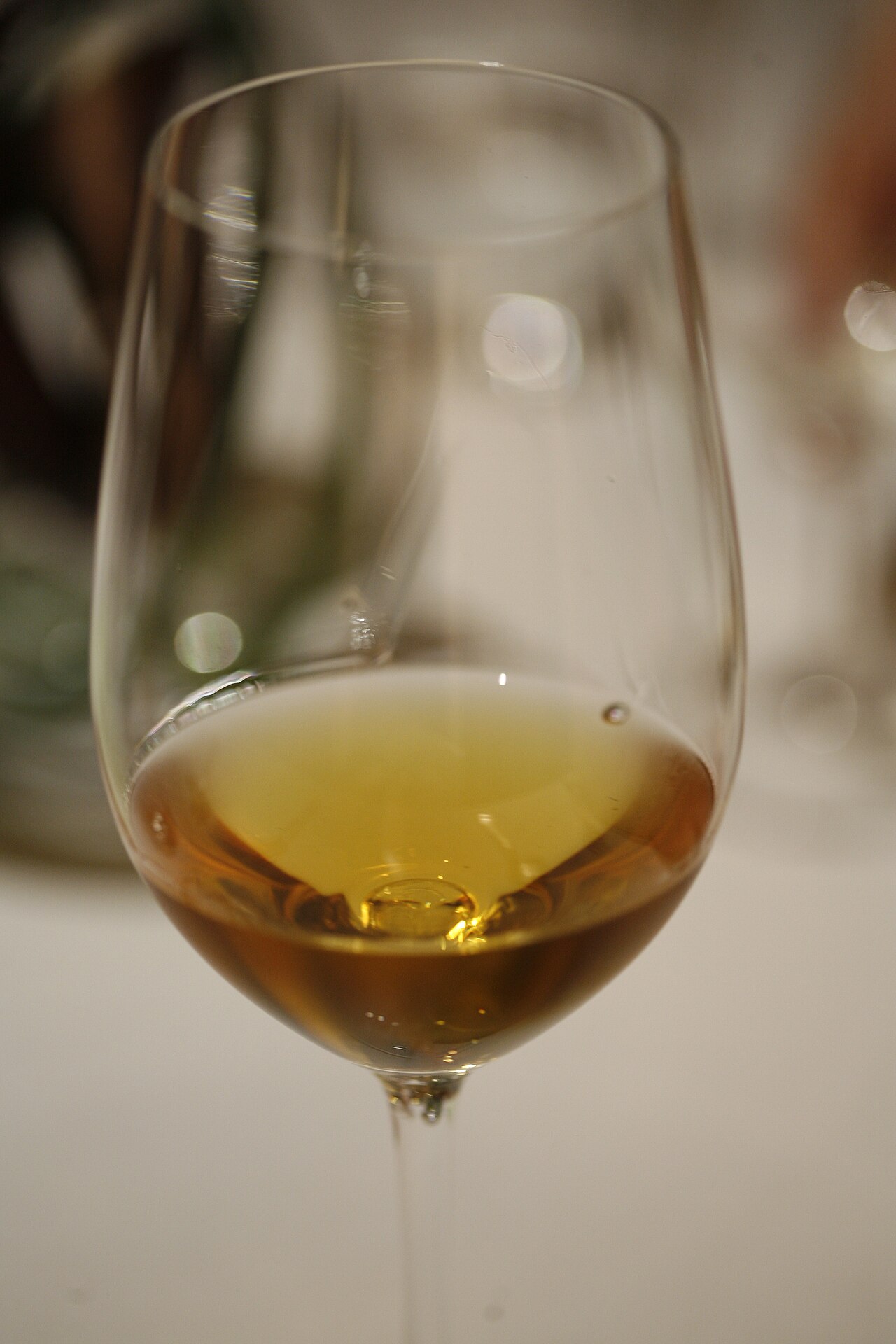
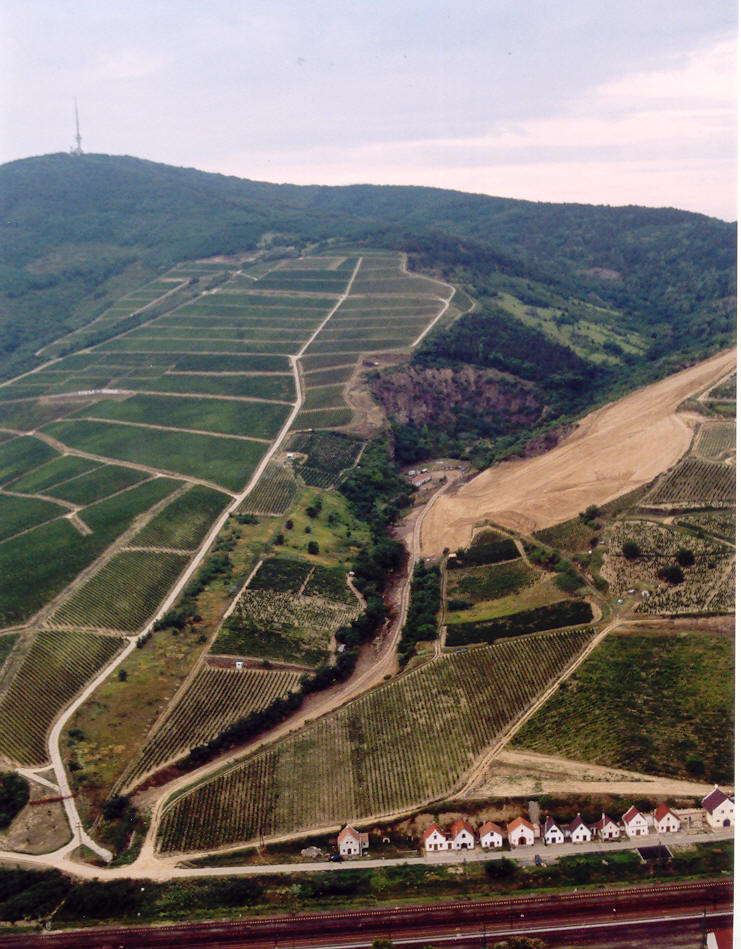
Volcanic hills and old wine cellars around the town of Tokaj, about 54 km east of Miskolc, where the Tisza and Bodrog rivers meet. It is the home of Tokaji aszú, the world's oldest wine made from grapes with noble rot. The pin marks the town of Tokaj.
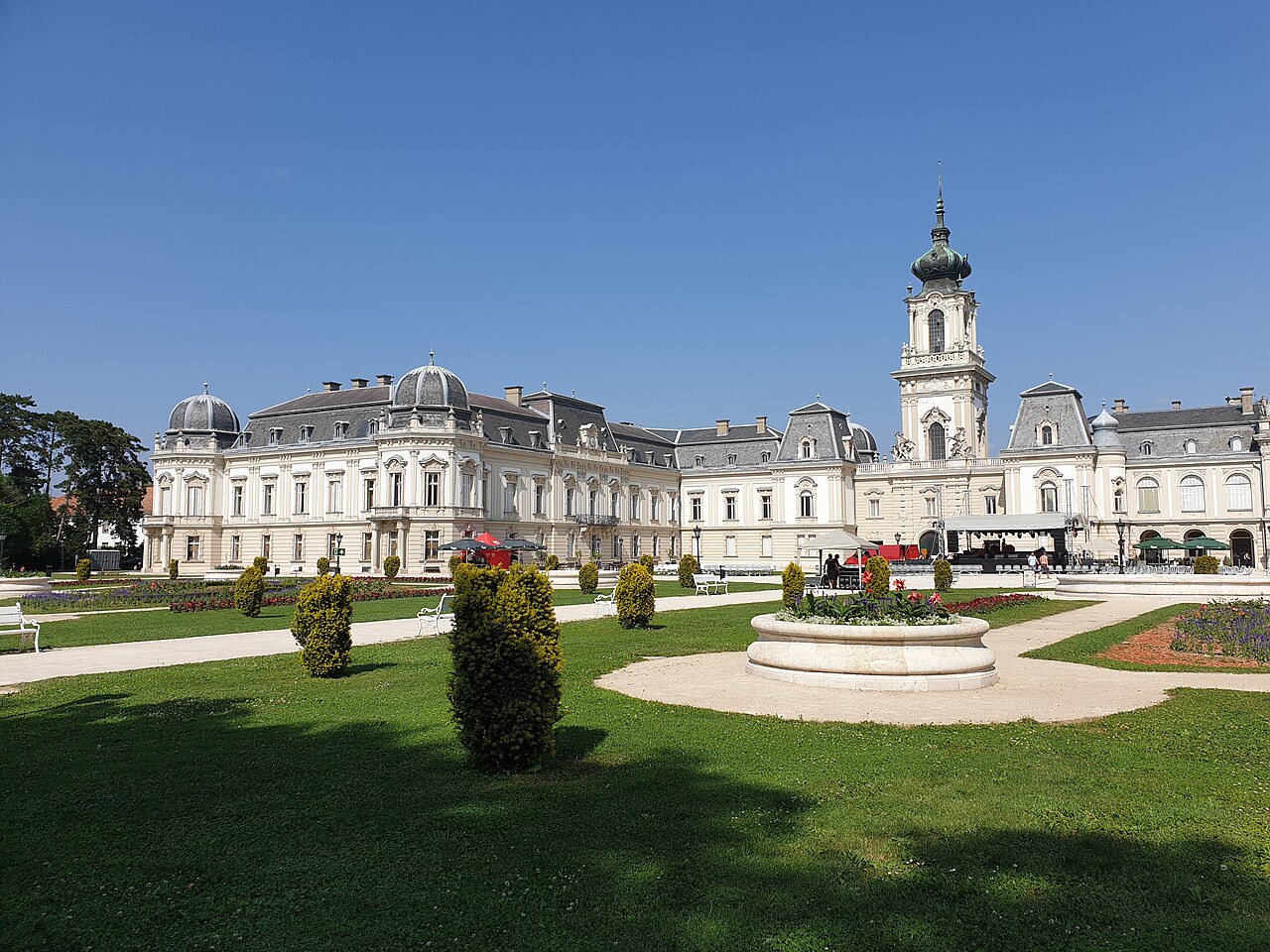
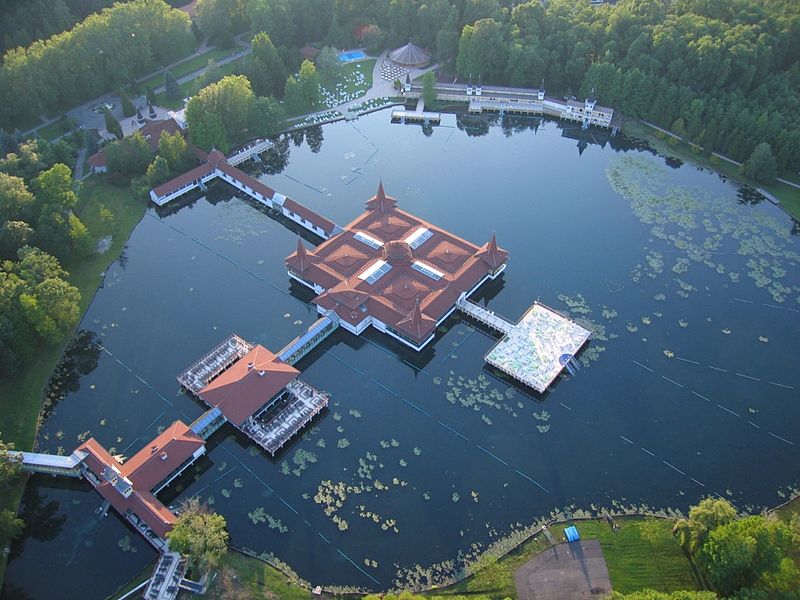
A warm, spring-fed lake 8 km from Keszthely, and the largest thermal lake in Europe where you can swim. The water is about 33 to 35°C in summer and about 22°C in winter, and water lilies float on its surface.
The Rubik's Cube was invented in 1974 by Ernő Rubik, a Hungarian sculptor and professor of architecture. It was first called the Magic Cube, and as of January 2024 around 500 million had been sold worldwide.
02
Budapest's Metro Line 1, opened in 1896 for the thousandth anniversary of the Hungarian conquest, was the first electrified underground railway on the European mainland. It still runs under Andrássy Avenue today.
03
Hungarians put the family name first. A man called Kovács István has the family name Kovács (Smith) and the given name István (Stephen), though most switch the order when speaking a foreign language.
04
Hungarian is not related to the languages of its neighbours. It belongs to the Uralic family and is distantly related to Finnish and Estonian.
05
Lake Balaton, the largest lake in Central Europe, is 78 km long and covers about 600 km², but it is very shallow: on average only about 3.3 metres deep.
06
The biochemist Albert Szent-Györgyi, born in Budapest, won the Nobel Prize in Physiology or Medicine in 1937. He is credited with first isolating vitamin C.
07
László Bíró, a journalist born in Budapest, patented the first commercially successful modern ballpoint pen. In Britain and several other countries a ballpoint is still called a 'biro'.
08
The great escape artist Harry Houdini was born Erik Weisz in Budapest in 1874, before his family emigrated to the United States.
09
Hungary's men's water polo team is considered the greatest power in the history of the sport. As of 2026 it had won 16 Olympic medals.
10
The first Hungarian Grand Prix in 1986 was the first Formula One race held behind the Iron Curtain. It has been part of the championship every year since.
11
The Széchenyi Chain Bridge, opened in 1849, was the first permanent bridge across the Danube in Hungary. It was designed by the English engineer William Tierney Clark and built by the Scot Adam Clark.
12
Hungary's highest mountain, Kékes, is only 1,014 metres high. Before 1920 the highest peak of the Kingdom of Hungary was Gerlachovský štít, which is now in Slovakia.
13
When the forint replaced the pengő on 1 August 1946, it removed 29 zeros. The pengő had suffered the worst hyperinflation ever recorded.
As of September 2026 Hungary uses the forint, not the euro. Where euros are accepted, change usually comes back in forints. Cards work in larger shops and restaurants, but small places may take cash only, so carry some forints. Cash machines are easy to find.
Tip about 10%, but check the bill
Some restaurants add a service charge (szervizdíj) of 10 to 12%, which must be shown on the menu, and then no tip is expected. Otherwise about 10% is usual. Hungarians tell the waiter the total they want to pay rather than leaving money on the table.
Free transport from 65
As of 2026, people aged 65 and over travel free on Budapest's public transport; a passport or ID card proves your age. Since March 2024 people aged 65 and older generally travel free on Hungary's trains and long-distance buses too. InterCity trains may need a paid seat ticket.
Validate every ticket
In Budapest, stamp a paper ticket at the entrance to the metro, or straight after boarding a bus, tram or trolleybus. One ticket covers changes between metro lines, but you need a new ticket when you change to another vehicle, such as from the metro to a tram. Inspectors give fines.
Look at prices before you order
Some bars and restaurants that tourists are led to charge very high prices. Always ask to see the menu with prices, check the bill before you pay, and be careful if a taxi driver or a stranger recommends a bar.
Carry your passport
Visitors must show ID if the police ask, and a photocopy is not accepted, so keep your passport with you.
Emergency number: 112
Call 112 for police, ambulance or fire in Hungary.
Driving rules
Drive on the right. Hungary has zero tolerance for alcohol: you may not drink any alcohol at all before driving. Dipped headlights must be on outside towns even in daytime, and motorways need an e-vignette bought in advance.
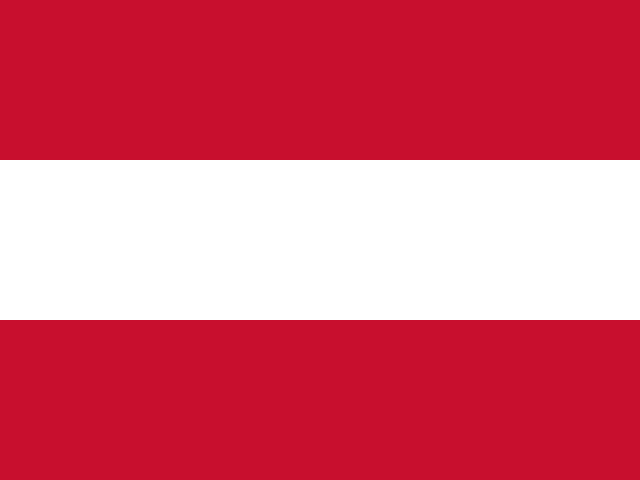 Austria
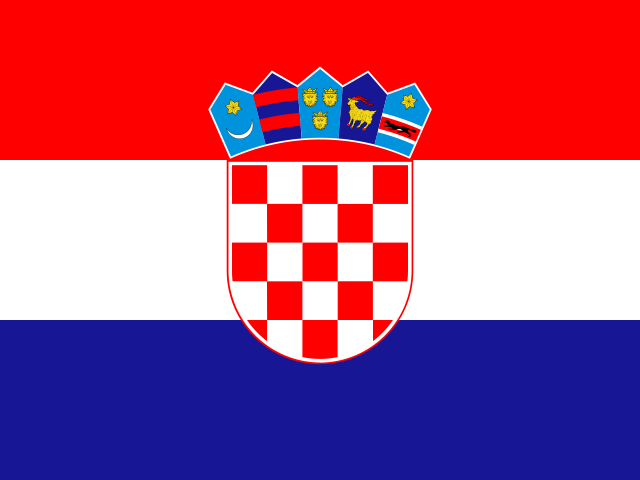 Croatia
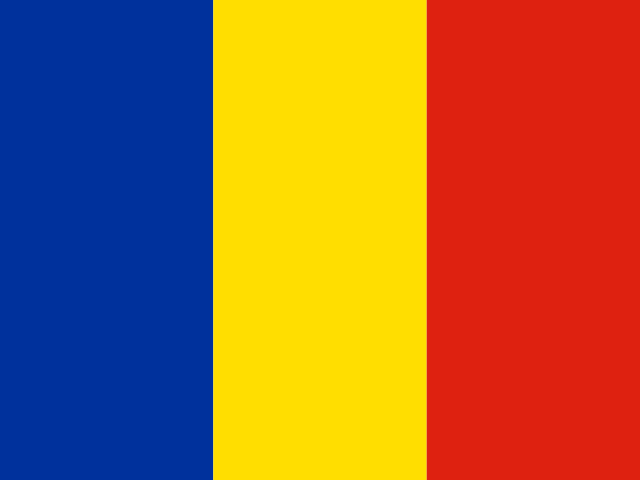 Romania
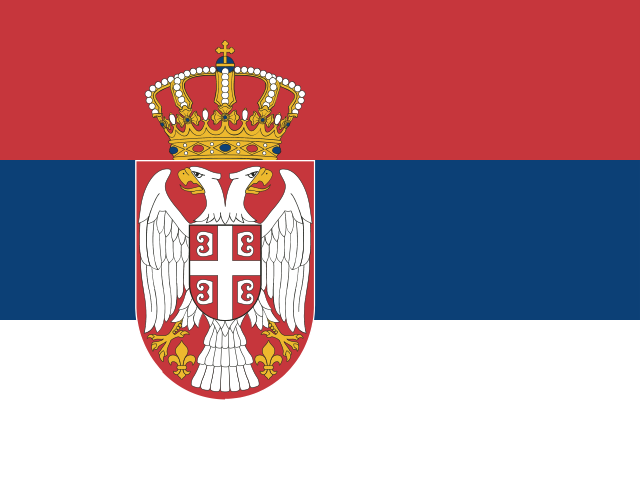 Serbia
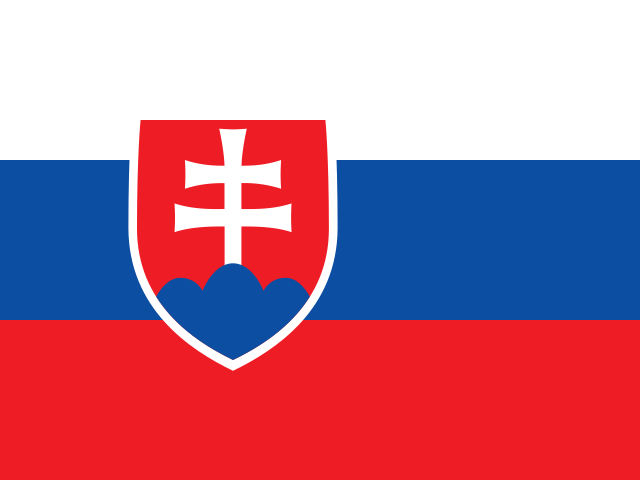 Slovakia
 Slovenia
 Ukraine