World Stroll
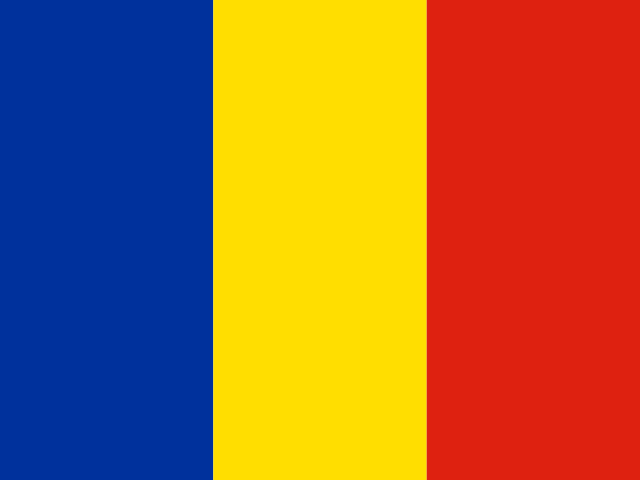
Flag of Romania
Family roots

Discover your Romanian roots

Carpathian mountains and painted monasteries, Saxon towns and castles, the wild Danube Delta and a language that grew out of Latin.

Romania is the largest country in south-eastern Europe. The arc of the Carpathian Mountains runs through its centre, wrapping around the high plateau of Transylvania. Outside the arc lie the plains of Wallachia in the south, the hills of Moldavia in the east and the Banat and Crișana lowlands in the west. The Danube forms much of the southern border and ends in a vast delta on the Black Sea coast.

In Roman times the land was the province of Dacia, and Romanian is still a Romance language, a cousin of Italian, French and Spanish. In the Middle Ages the principalities of Wallachia and Moldavia fought to stay independent of the Ottomans, while Transylvania belonged to Hungary and later the Habsburgs. Wallachia and Moldavia united in 1859, and in 1918 Transylvania, Bessarabia and Bukovina joined them in what Romanians call the Great Union.

Questions to ask the older generation

Memories fade faster than photos. Ask these over a meal or a phone call, and write the answers down.

  1. Which town or region of Romania did our family come from? Was it near Cluj-Napoca, Timișoara, Iași?
  2. Who was the first in the family to leave Romania, when, and why?
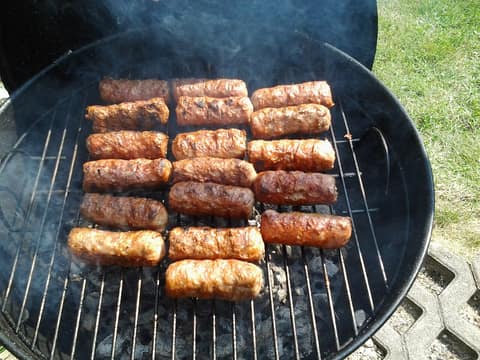
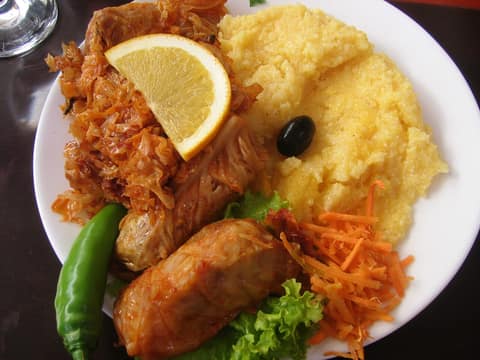
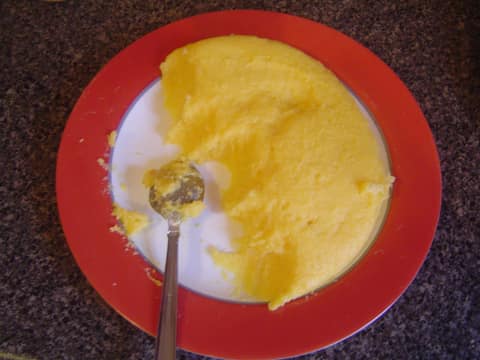
  3. Which dishes from Romania were cooked at home? Did anyone make Sarmale (stuffed cabbage rolls) or Mămăligă (maize porridge)?
  4. Does anyone in the family still speak Romanian, or use a few words of it?
  5. Were there songs, prayers, games or holidays from Romania that the family kept?
  6. Are there old photos, letters or documents from Romania? Who has them?
  7. If you could visit Romania together, where would you go first?

A short history of Romania

Romania's story runs from Greek ports on the Black Sea and the Roman province of Dacia, through the medieval princes who held off the Ottomans, to the union of the Romanian lands, a monarchy, communism and a return to democracy in 1989.

  1. AD 8

    Ovid exiled to Tomis

    The Roman emperor Augustus banished the poet Ovid to Tomis, a Greek colony on the Black Sea founded in the 6th century BC. Ovid spent the rest of his life there. Tomis is today's Constanța.
  2. 1330

    Battle of Posada

    Basarab I of Wallachia ambushed and defeated the army of King Charles I of Hungary in a mountain pass. The victory secured the independence of Wallachia.

  3. 1600

    Michael the Brave unites three lands

    Michael the Brave, prince of Wallachia, briefly ruled Wallachia, Transylvania and Moldavia together. It lasted only months, but it was the first time all three were under one ruler.

  4. 1866

    Carol I becomes prince

    After Cuza was forced to step down, the German prince Karl of Hohenzollern-Sigmaringen was invited to rule as Carol I. A new constitution gave the country the name Romania.

  5. 1881

    Carol I crowned king

    Romania became a kingdom, and Carol I was crowned its first king. The monarchy lasted until 1947.

  6. 1947

    Monarchy abolished

    King Michael I was forced to abdicate on 30 December 1947, and a communist People's Republic was proclaimed.

  7. 2004

    Romania joins NATO

    Romania became a member of the NATO alliance on 29 March 2004.

  8. 2025

    Full Schengen membership

    Romania became a full member of the Schengen area on 1 January 2025, together with Bulgaria. Flights and sea crossings to other Schengen countries no longer have routine passport checks.

Family recipes to cook together

Romanian words to teach the grandchildren

Basics

  • daDAHyes
  • nuNOOno
  • mulțumescmool-tsoo-MESKthank you

Food and drink

  • pâinePUHY-nehbread
  • apăAH-puhwater
  • vinVEENwine
  • bereBEH-rehbeer
  • cafeakah-FYAHcoffee
  • brânzăBRUHN-zuhcheese
  • peștePESH-tehfish
  • puiPOOYchicken
  • ouăOH-wuheggs

Towns and regions

  • Bucharest, Wallachia (Muntenia): The huge Palace of the Parliament, The Romanian Athenaeum concert hall.
  • Cluj-Napoca, Transylvania: Babeș-Bolyai University, the largest in the country, Being named a UNESCO City of Film in 2021.
  • Timișoara, Banat: Starting the revolution of December 1989, Electric street lamps as early as 1884.
  • Iași, Moldavia: The Palace of Culture, The linden tree of the poet Mihai Eminescu.
  • Constanța, Dobruja: The Casino on the seafront, The statue of the Roman poet Ovid, who died in exile here.
  • Brașov, Transylvania: The Gothic Black Church, Council Square in the old town.
  • Sibiu, Transylvania: The Bridge of Lies, The Brukenthal National Museum.
  • Sighișoara, Transylvania: The 64-metre Clock Tower, The house where Vlad the Impaler is said to have been born.
  • Oradea, Crișana: Oradea Fortress, first built in the 11th century, The Crișul Repede river flowing through the centre.
  • Suceava, Bukovina (Moldavia): The restored Seat Fortress of Moldavia's princes, Saint John the New Monastery, part of a UNESCO site.
  • Craiova, Oltenia: Nicolae Romanescu Park with its suspension bridge, The Craiova Art Museum and its early Brâncuși sculptures.
  • Tulcea, Dobruja: Its river port on the Danube, Boat trips into the Danube Delta.

A heritage evening with the family

Cook one of the recipes, print the large-print pack about Romania, and finish with the big-screen quiz or the words crossword. Grandchildren can colour the flag.
More about Romania